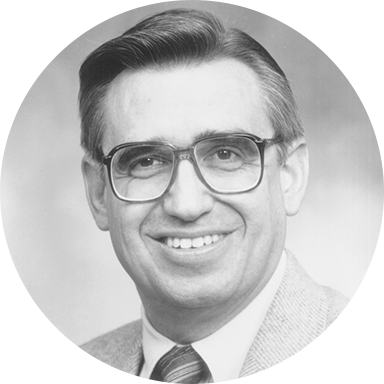
Don Besig spent 31 years directing music in western New York schools, building award-winning concert choirs and show choirs that regularly performed at regional clinics, competitions, and community venues. His work across all grade levels and ability ranges shaped his deep understanding of what singers actually need from the music they perform. Currently serving as director of music at Perinton Presbyterian Church in Fairport, New York, he has maintained his commitment to both educational and volunteer ensembles throughout his career.
Besig began composing specifically to address a gap he recognized in the repertoire: choral music genuinely written for student singers and volunteer church choirs rather than adapted from other sources. His output has grown to over 350 original compositions and arrangements published by major school and church music houses, with sales exceeding 15 million copies. He holds degrees from Ithaca College, maintains memberships in ACDA, MENC, and ASCAP, and has served as guest conductor and clinician in 40 states and Canada. His work has earned multiple ASCAP Special Awards for standard music.
Why we love this
Besig knows exactly what singers can accomplish at different stages of development, and this piece reflects that clarity of purpose. The sacred context paired with celebration gives you emotional authenticity without overselling the moment, making it accessible for choirs building their sacred repertoire without extensive performance experience.
What to expect
Warm and grounded, with the directness of genuine devotion rather than theatrical presentation. The writing honors the text's meaning while remaining singable across a range of vocal abilities and experience levels.
Who it's for
Sacred choirs seeking quality octavo literature that acknowledges service as a spiritual theme without requiring advanced technical skill. High school choirs, church volunteer ensembles, and community groups will find this sits comfortably within their current capabilities.
How to get the most out of it
Balance the inner voices carefully in the homophonic sections so the harmonic movement remains audible; many SATB arrangements live or die by the alto and tenor blend.
Establish the text as the primary expression vehicle; Besig's settings prioritize word clarity and emotional directness, so articulation choices should serve meaning rather than create surface shine.
Lock sustained notes across the choir before adding the moving lines; this prevents the foundation from wavering when some singers carry the melody.
How to use it
Consider placing this on a concert exploring faith and community service, where it can anchor a thematic arc alongside other works about gratitude and collective purpose. It also works effectively as a congregational bridge piece in church services during stewardship season.
Skills your students will build
Balancing SATB voice parts in sustained harmonic textures
Connecting text expression to choral articulation and phrasing
Singing four-part harmony across different vowel sounds and consonant placements
Maintaining vocal line integrity when other parts contain rhythmic movement
You May Also Like
Scan to Complete Your Purchase
Use your phone's camera to scan the code below
You'll log in on your phone and the order will be added to your account