Celebrate Him (Medley) Sheet Music Preview

Celebrate Him (Medley): SATB Choral Octavo

Arranged by Tom Fettke

Item: 35-DS00262816

Digital Download
$2.99
Description

Celebrate Him (Medley): SATB Choral Octavo isn't in MakeMusic Cloud just yet...but it could be. Let us know you'd like to see it, and you'll help shape what comes next. In the meantime, start a free trial and dive into thousands of interactive titles your students can play along with today.

Sample Audio
No sample audio found.
Sample Video
Additional Details
Publisher: Hal Leonard
Page Count: 13
SKU: 35-DS00262816

More about this title

About the Arranger: Tom Fettke

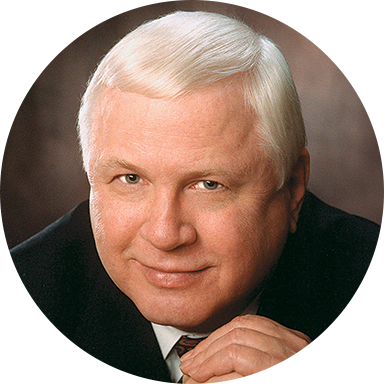
Tom Fettke

Tom Fettke has spent five decades composing and arranging choral music rooted in practical classroom and church experience. His catalog encompasses hundreds of published works, and his arrangement of The Majesty and Glory of Your Name remains a cornerstone repertoire sung by thousands of choirs worldwide. He holds degrees from Oakland City College and California State University at Hayward, along with a California Lifetime Music Credential in Secondary Music.

Fettke's career spans public school vocal instruction, three decades leading church choirs of varying sizes, and administrative roles including Director of Choral Activities for the Redwood Christian School System. He served as creator and Senior Editor of The Hymnal for Worship and Celebration, which has distributed over three million copies since 1986, and as Senior Editor of The Celebration Hymnal. He now resides in Nashville with his wife Jan.

Why we love this

Fettke's medley format gives you a complete musical statement within 13 pages, eliminating the logistics of programming multiple shorter pieces while maintaining cohesion through his skilled arrangements. The SATB voicing sits comfortably across mixed ensembles of varying ability levels, and his decades of church and school experience shine through in writing that feels both singable and musically substantive. This is the kind of work that rewards both developing singers and audiences with its accessibility and musical integrity.

What to expect

The medley unfolds with warmth and sincerity, each section building on the last with the kind of natural momentum that suggests years of understanding how singers and audiences connect. The writing invites full-bodied singing without excessive technical demands, creating space for genuine musical expression and ensemble unity.

Who it's for

Mixed choirs in schools, churches, and community settings will find this medley both musically rewarding and accessible within rehearsal time constraints. Directors seeking material that connects spiritual or celebratory themes without requiring soloists or instrumental forces will appreciate Fettke's straightforward approach to arranging for SATB voices.

How to get the most out of it

  • Balance the soprano and alto lines carefully during the harmonic transitions between sections; Fettke layers his textures thickly, and clarity depends on voices understanding their relative importance moment by moment.
  • Establish a steady tempo before moving between sections of the medley, as the shifting character requires precise ensemble cohesion to avoid the feeling of choppy transitions.
  • Listen for moments where the bass line carries melodic weight alongside the sopranos; Fettke's arrangements often distribute the story across the full range, not just the top line.
  • Shape phrases with attention to text painting, since the spiritual and inspirational nature of the content rewards subtle dynamic shaping and breath placement that serves the meaning.

How to use it

Place this in spring or holiday concerts where celebratory or inspirational programming reaches its peak, allowing it to anchor a set of contrasting shorter works or to stand alone as a featured choral moment. It also works well as a consistent repertoire piece for church choir services, offering substance while remaining returnable to the music year after year.

Skills your students will build

  • SATB part independence through multi-section medley form
  • Shaping phrase arcs across key and tempo changes
  • Balancing harmonic complexity with diction clarity
  • Sectional awareness and ensemble transition timing

You May Also Like