
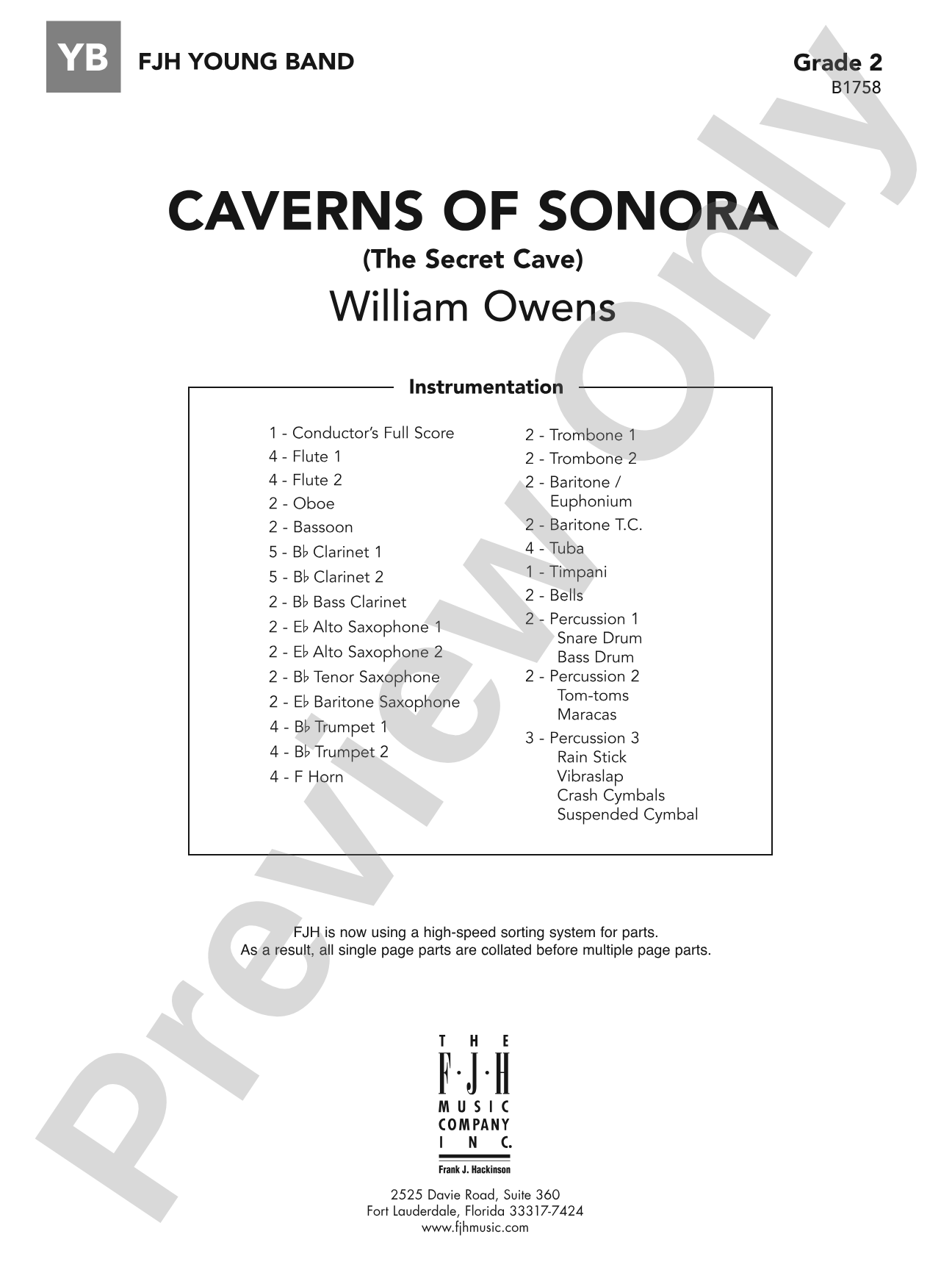
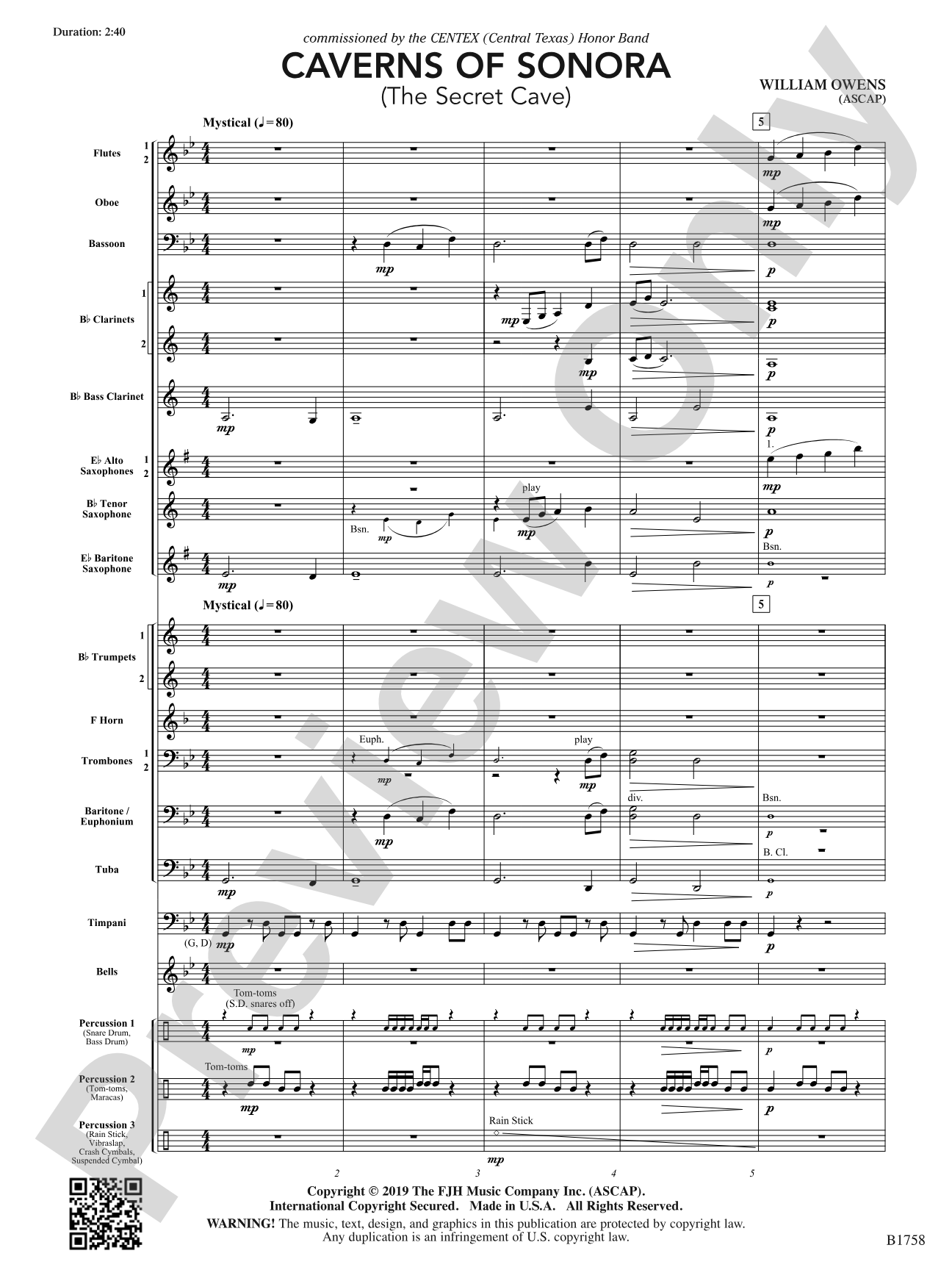
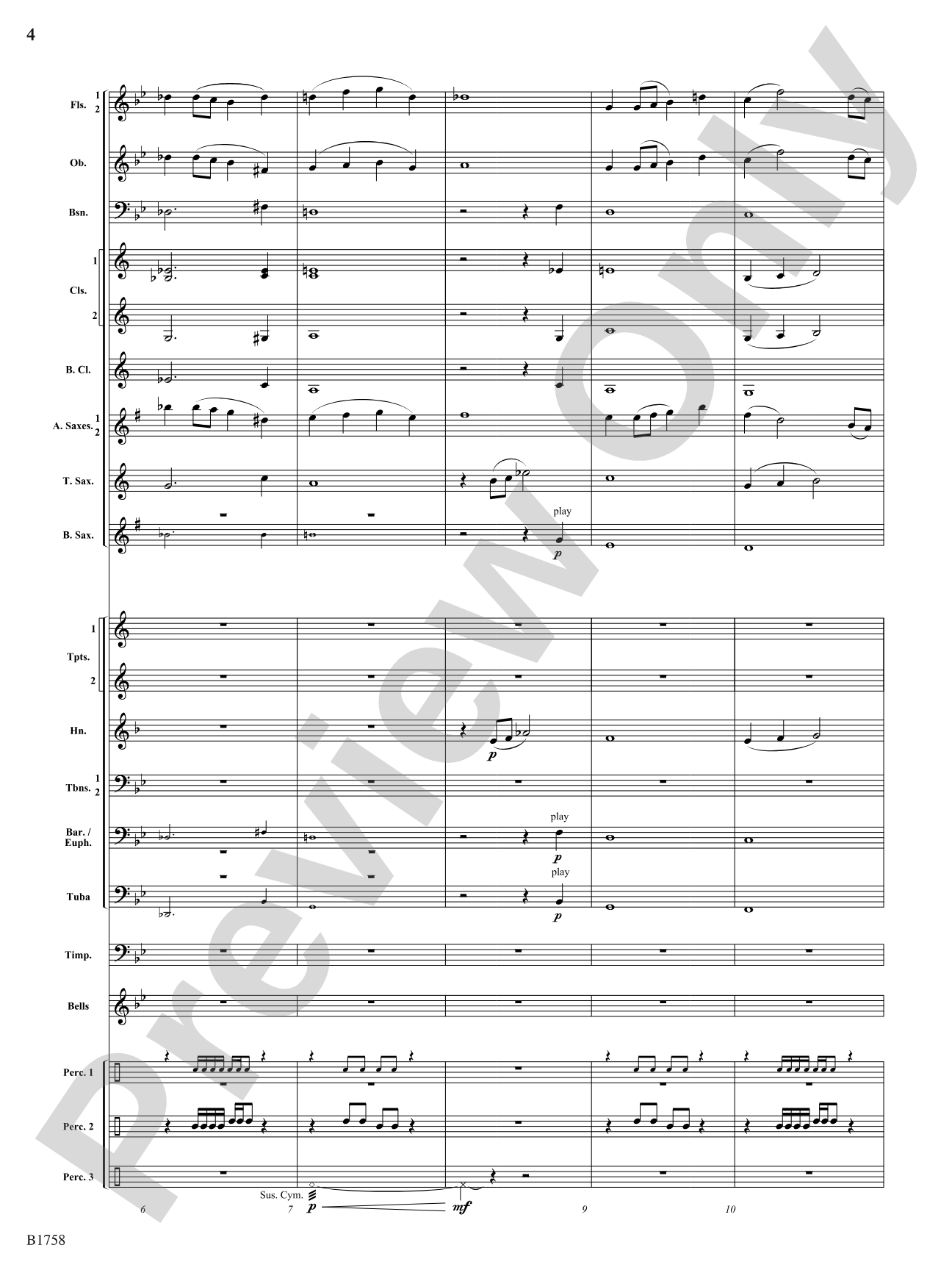
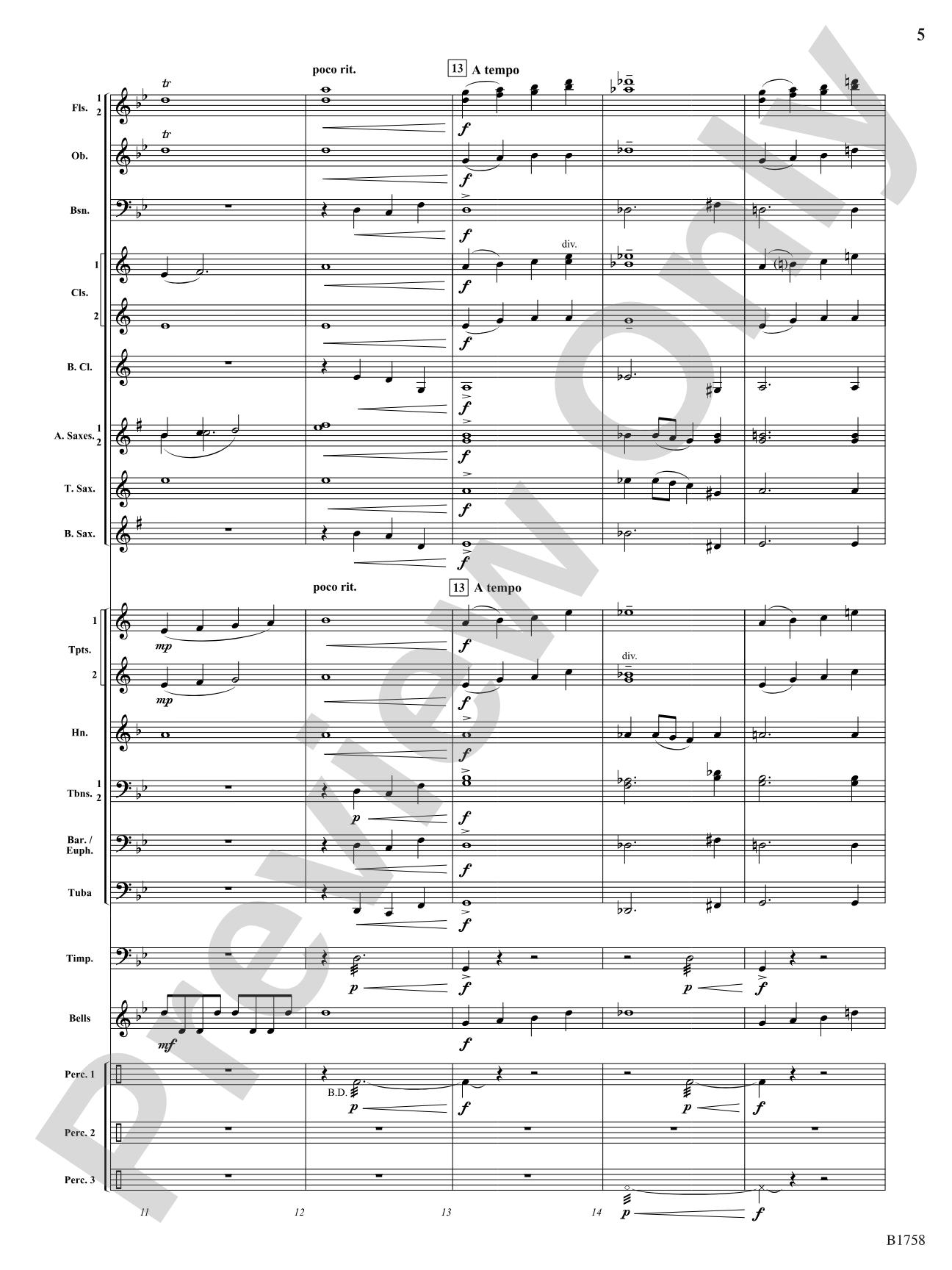
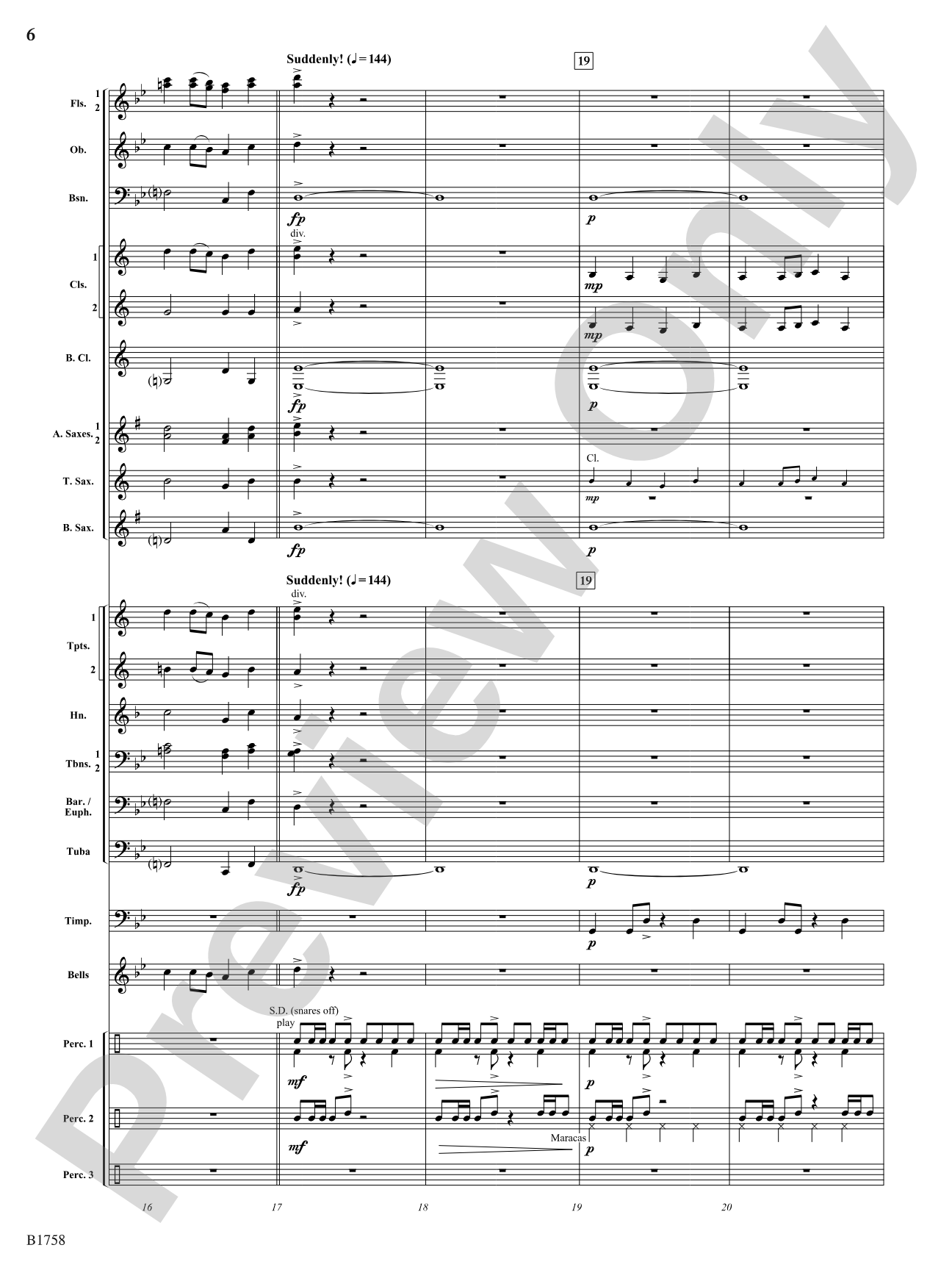
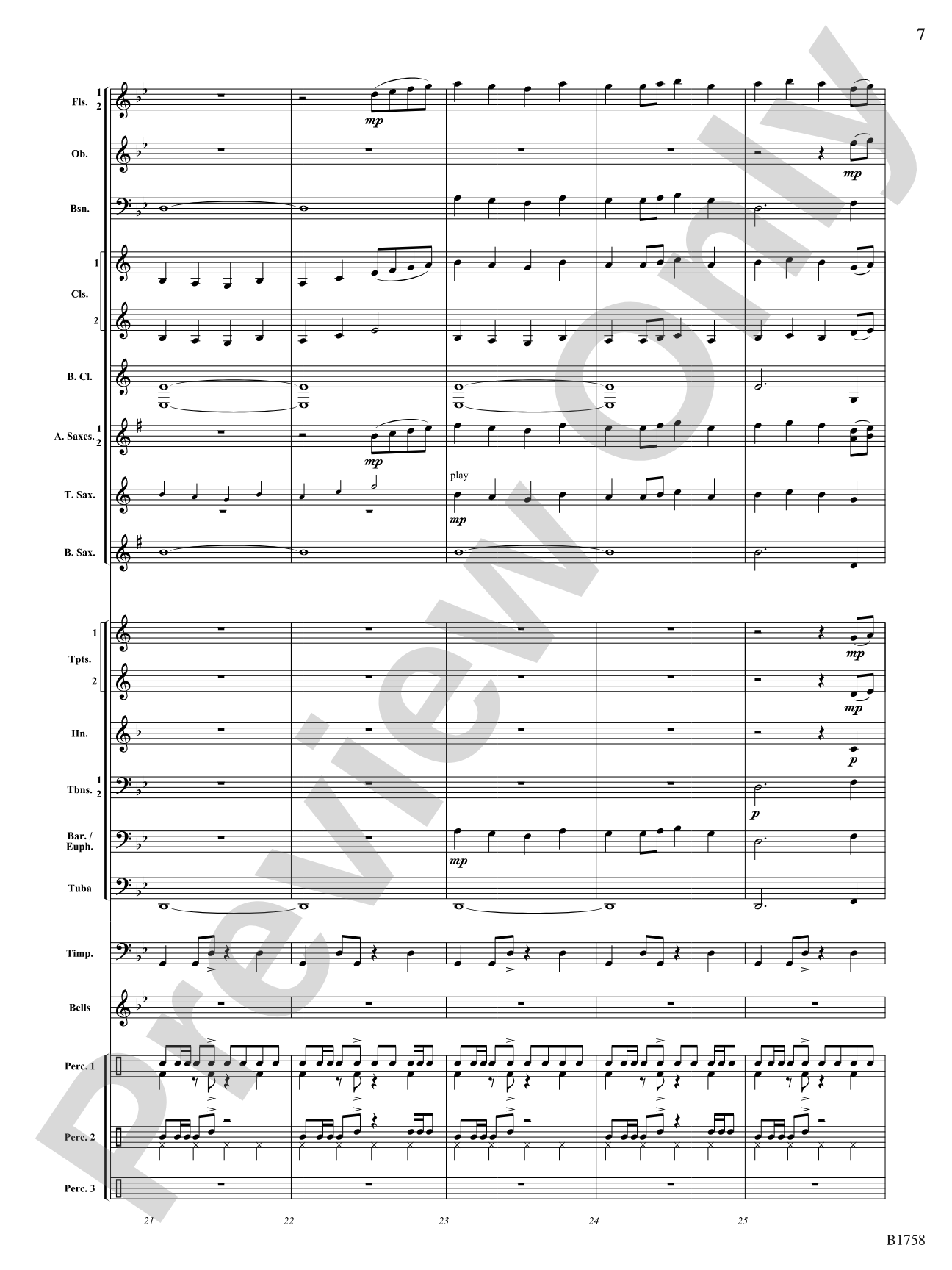
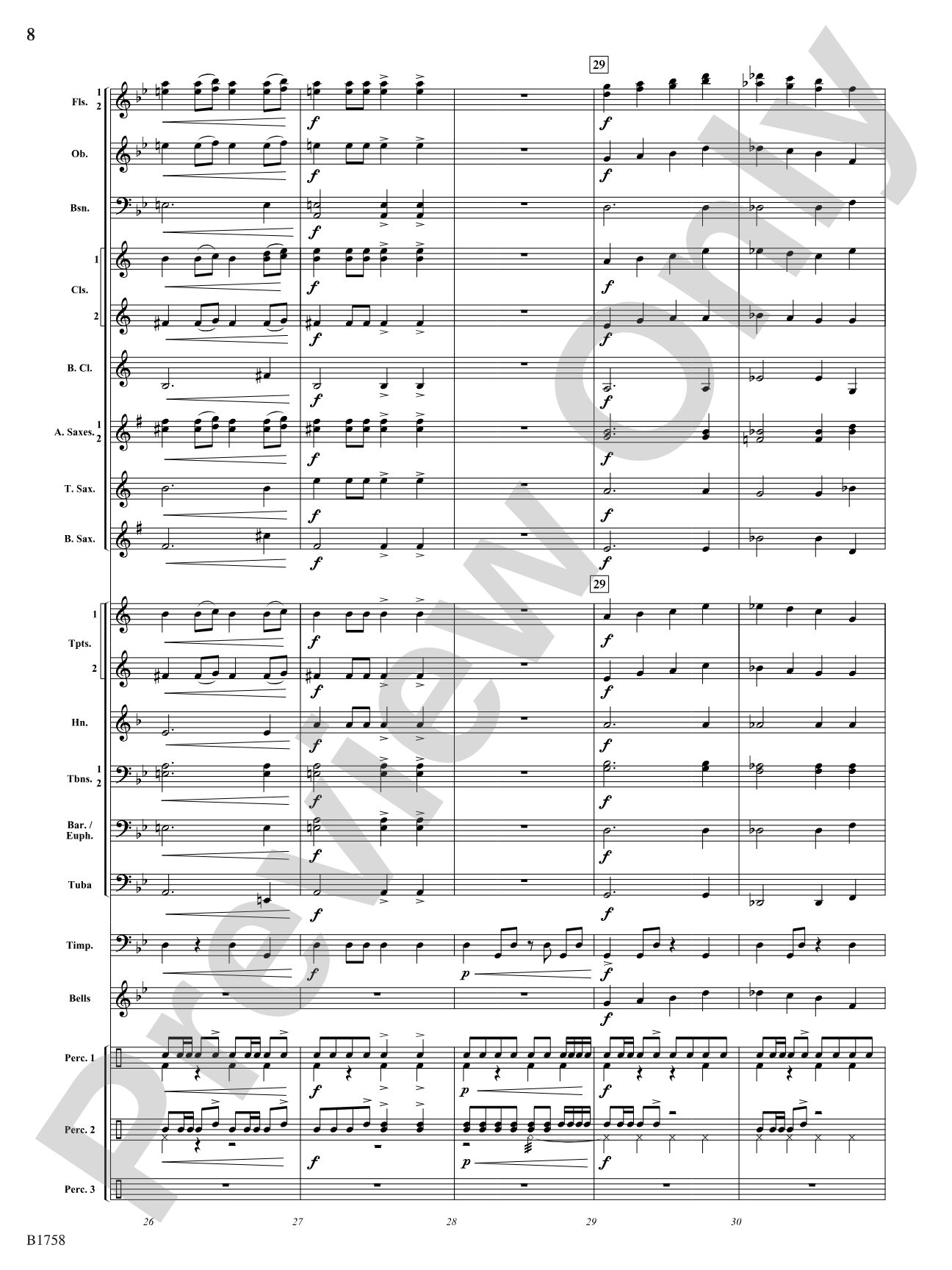
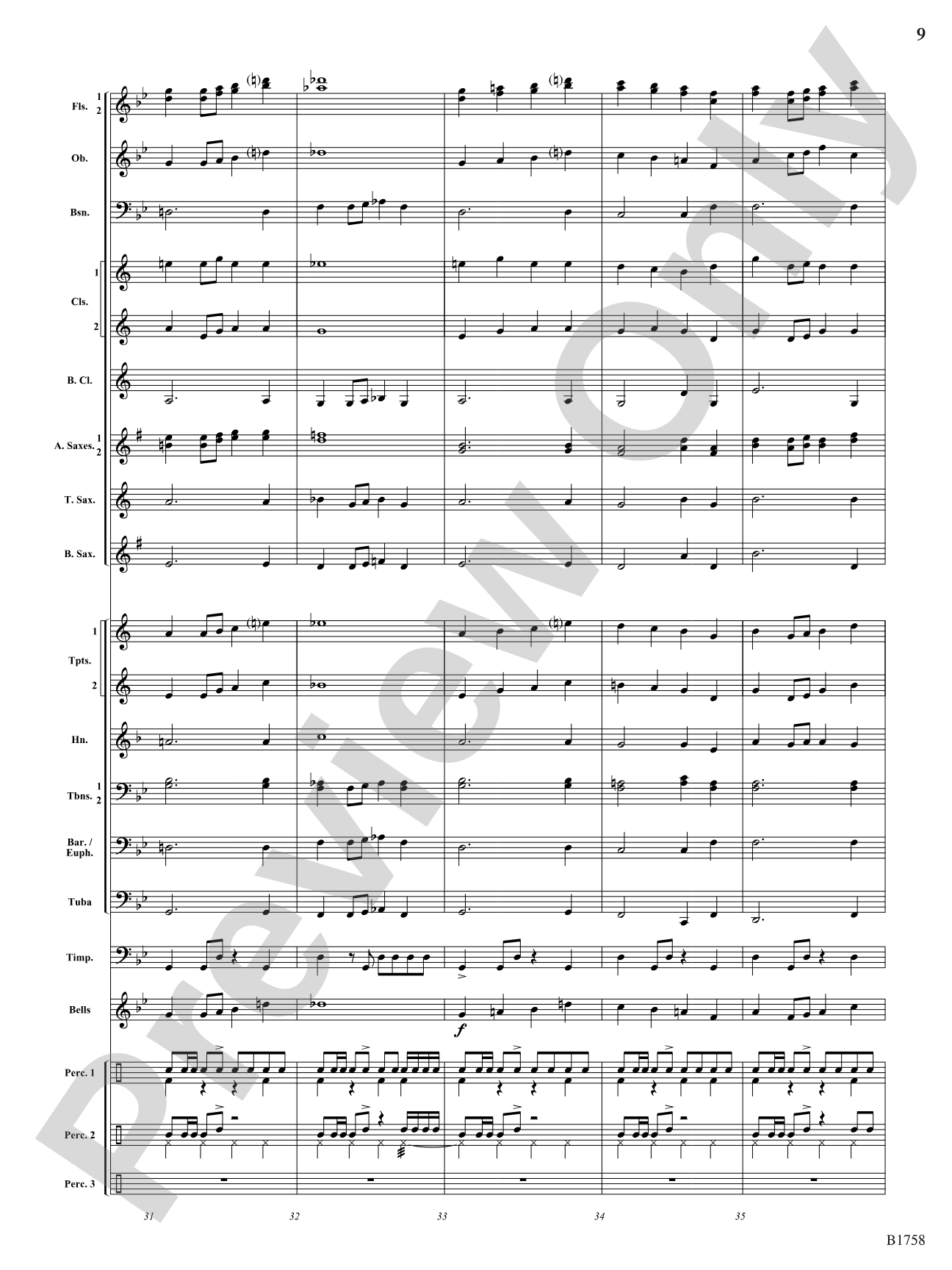
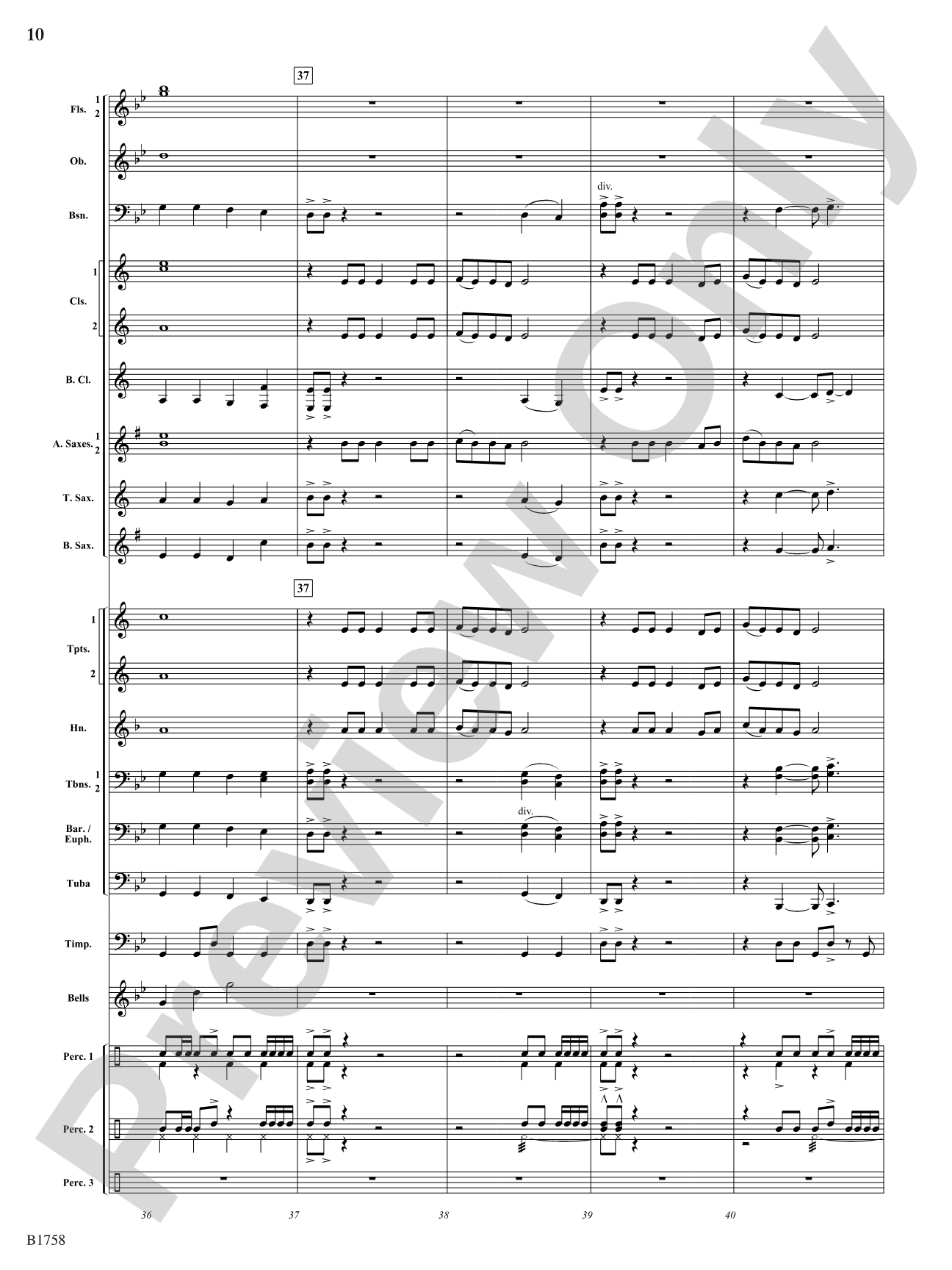
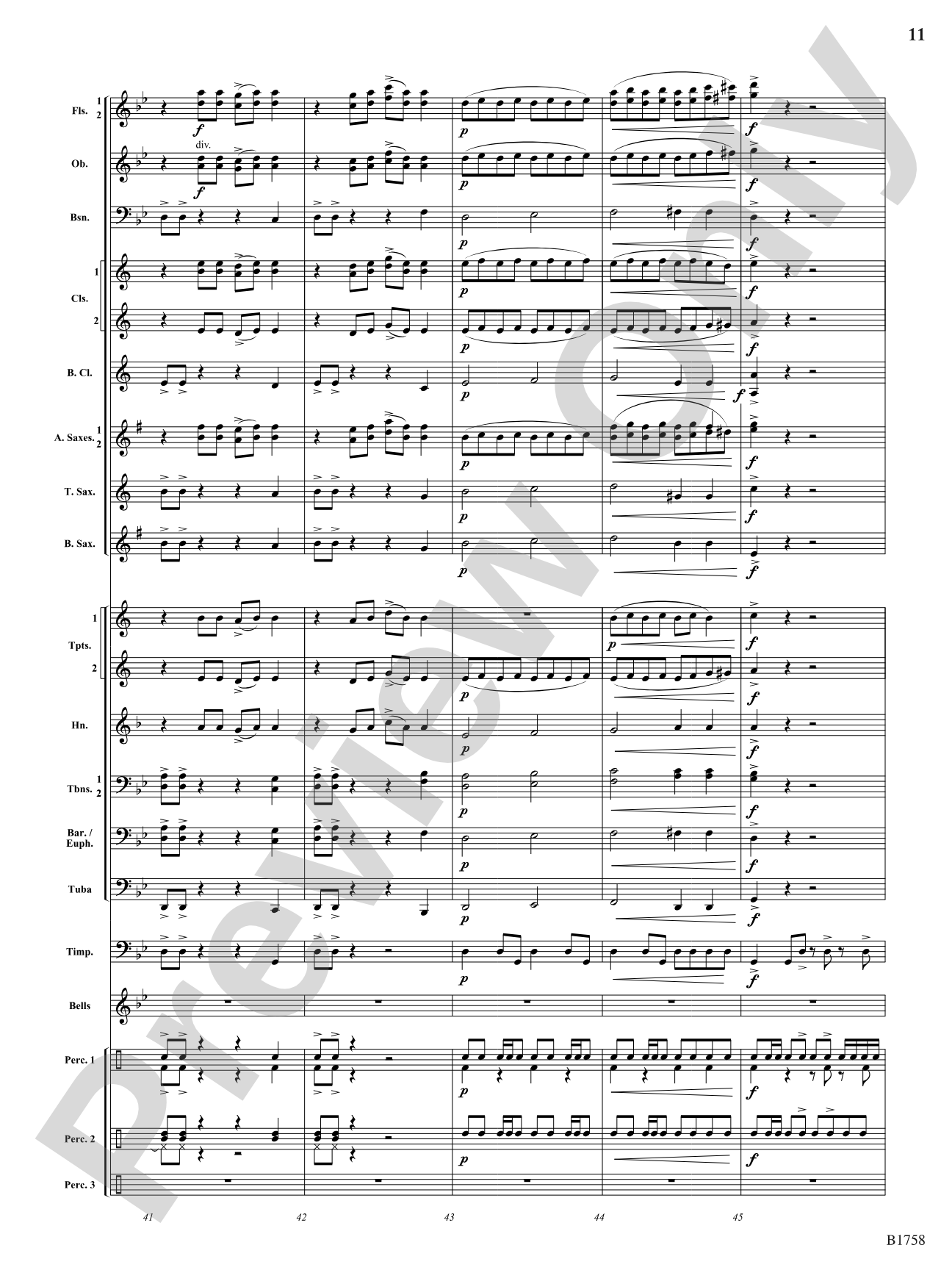
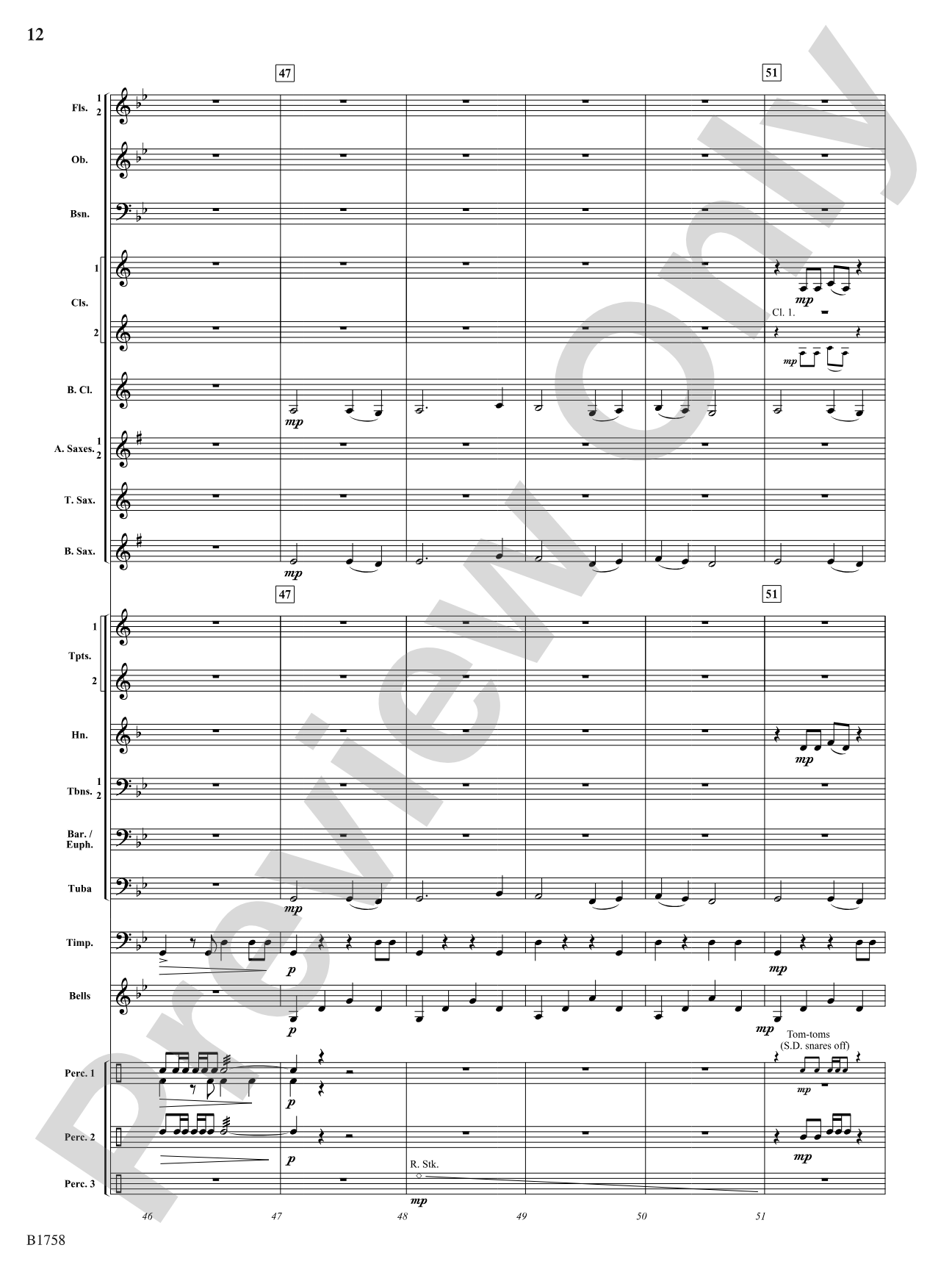
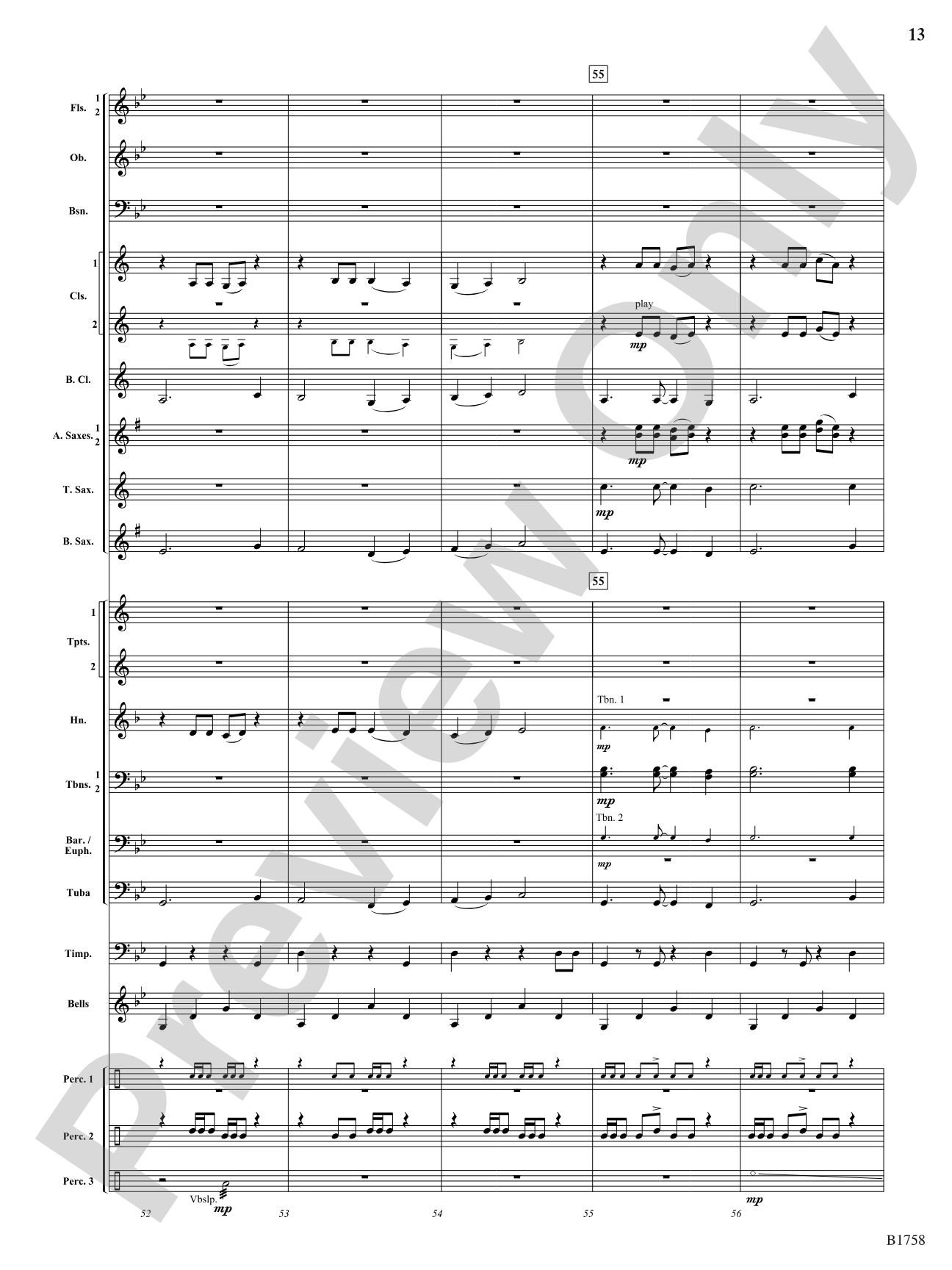
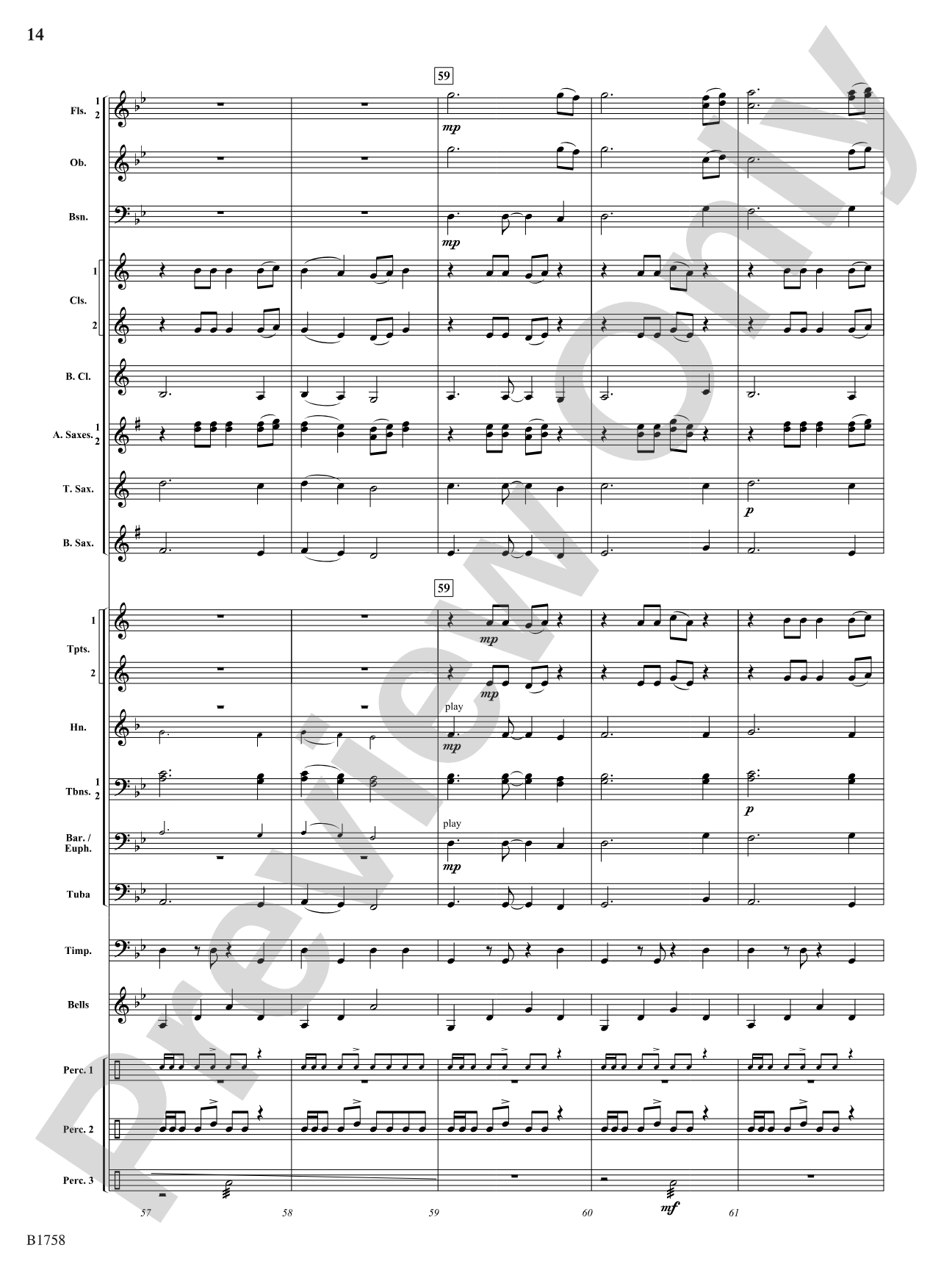
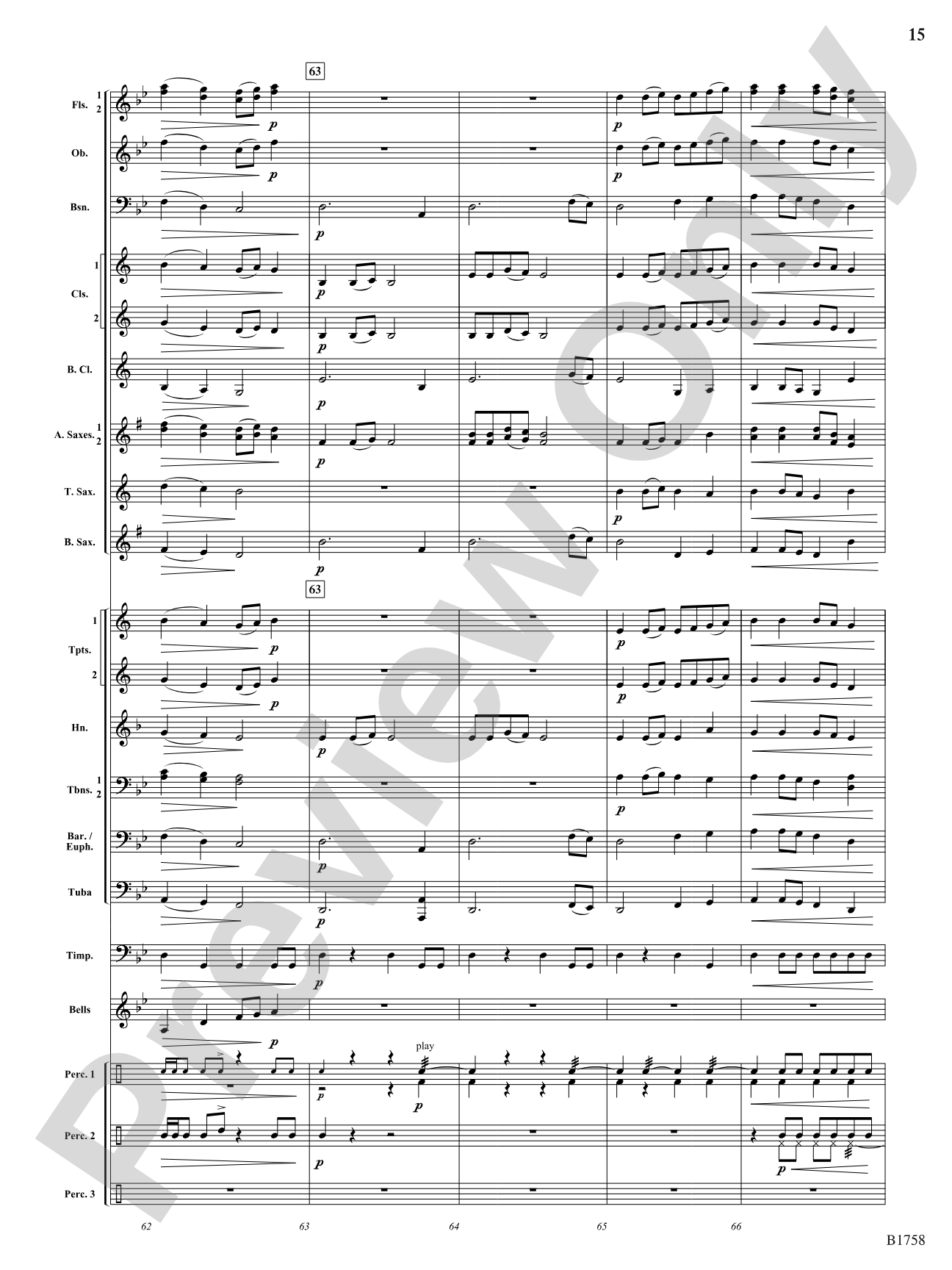
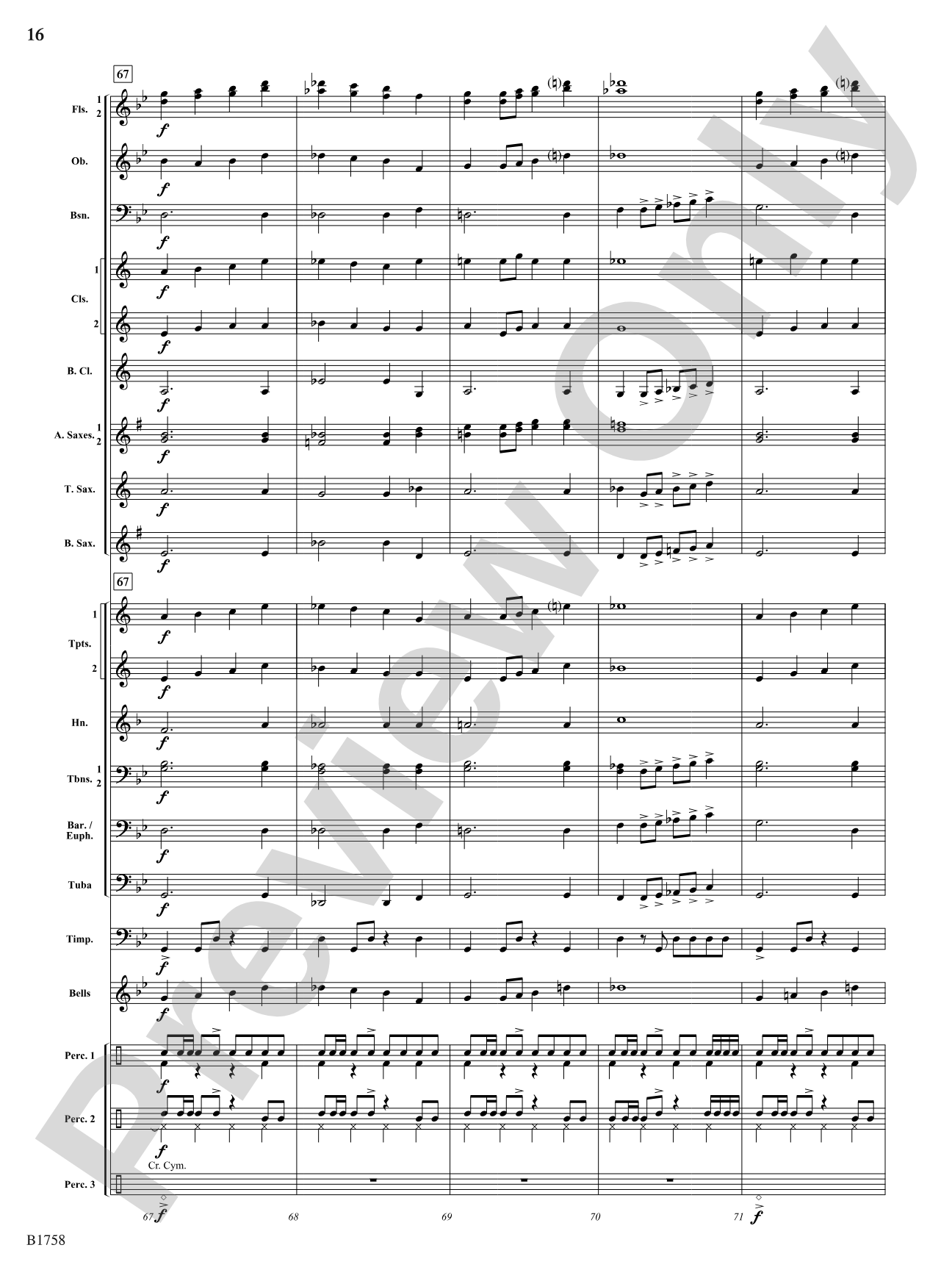
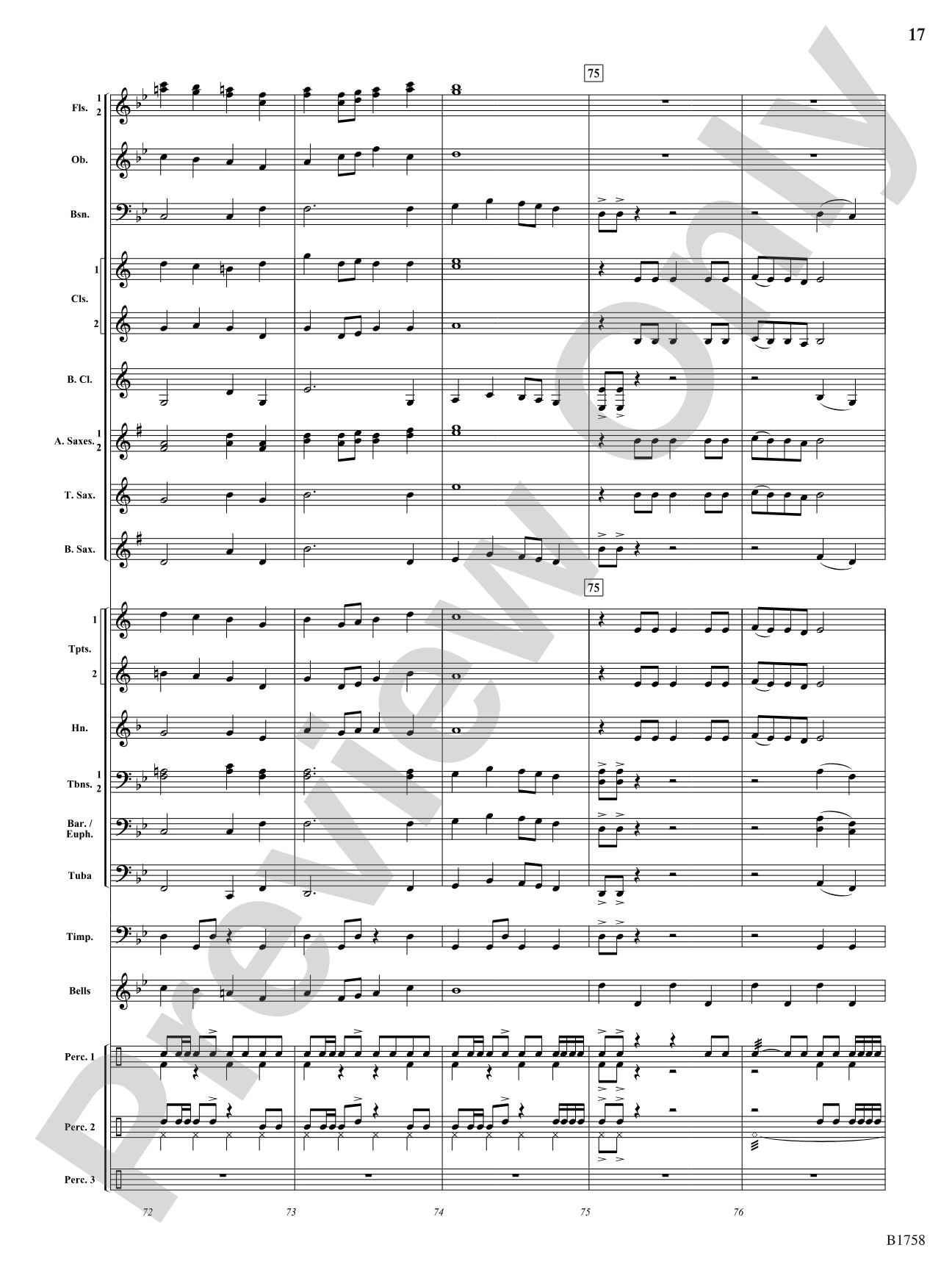
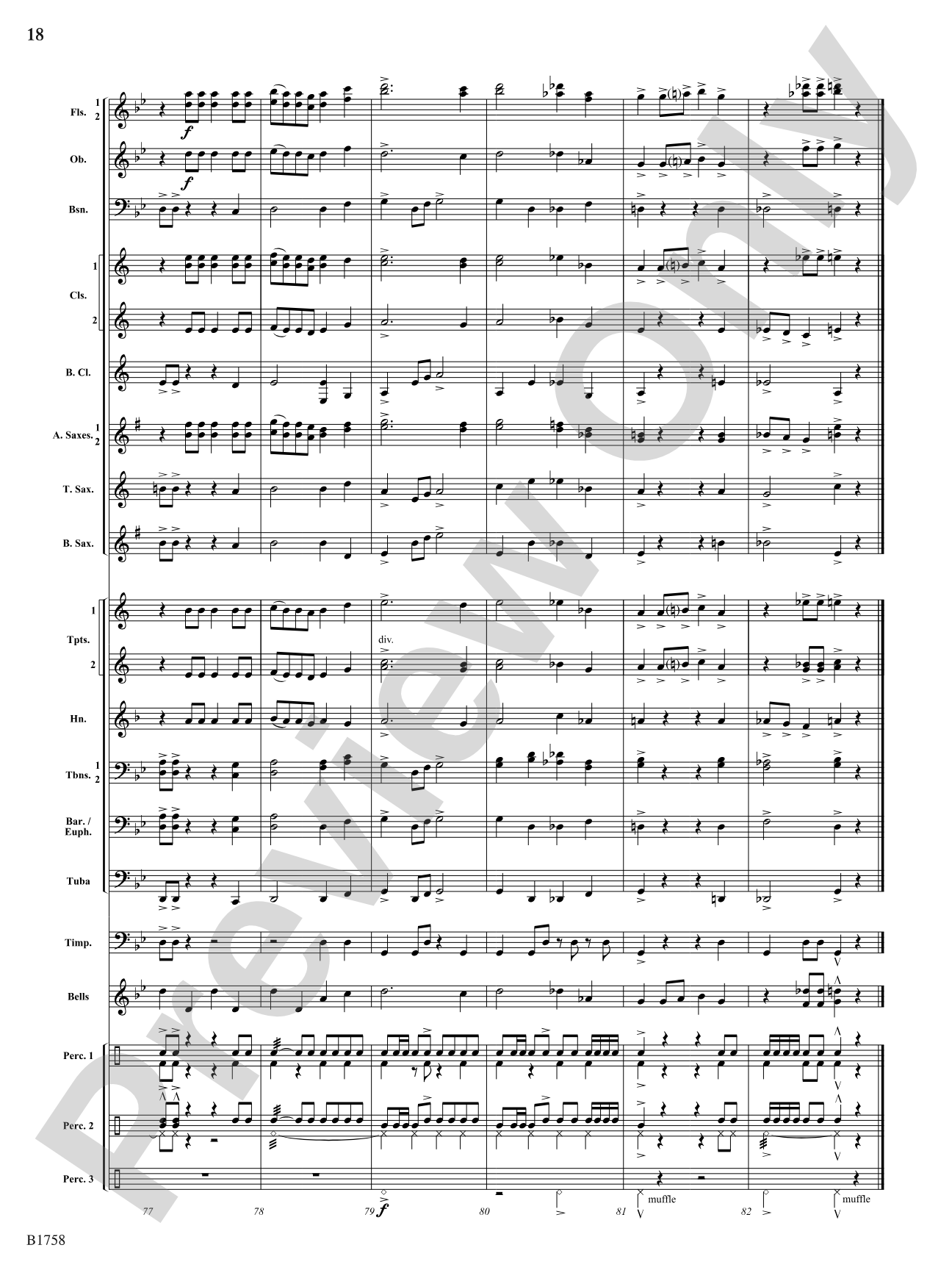

Caverns of Sonora: Score
By William Owens
Grade: 2
Item: 98-DB1758S
$13.00
Pickup currently not available
Description
Evoking feelings of intrigue and majesty, this captivating work pays homage to one of the most spectacular cave systems in the world. The somber, haunting introduction quickly becomes a collage of dark harmonies and driving rhythms. Colorful and engaging, this is sure to become a student favorite.


Caverns of Sonora: Score isn't in MakeMusic Cloud just yet...but it could be. Let us know you'd like to see it, and you'll help shape what comes next. In the meantime, start a free trial and dive into thousands of interactive titles your students can play along with today.
Request This Title
Tell us you want it.
Start Your Free Trial
Explore everything that's ready to play right now.
Sample Audio
1
Audio File
--:--
0:00
0:00
Sample Video
Additional Details
Series:
FJH Young Band
Publisher:
The FJH Music Company, Inc.
SKU:
98-DB1758S
More about this title
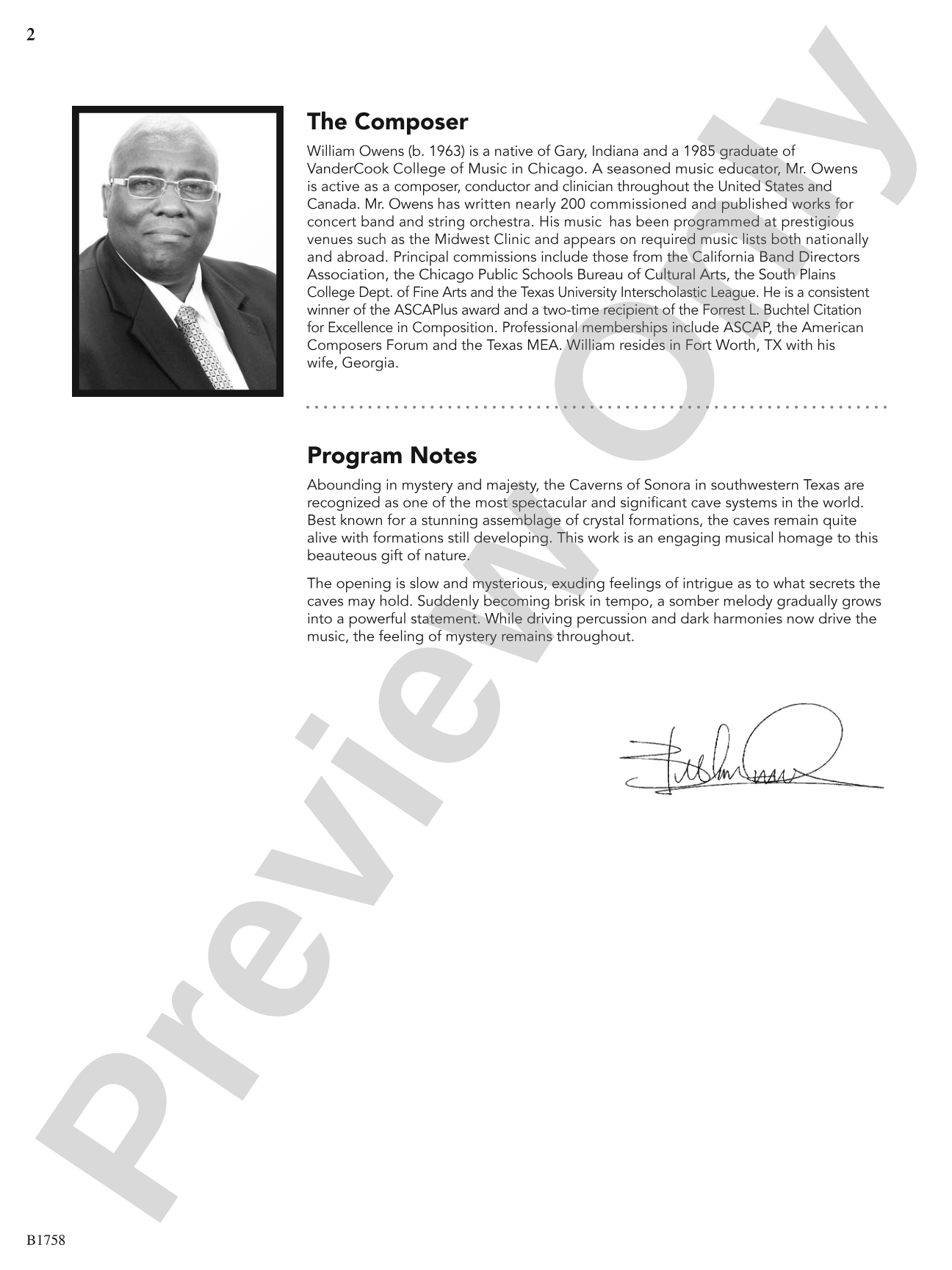
About the Composer: William Owens
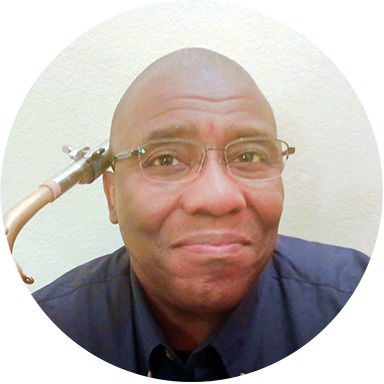
William Owens brings three decades of band direction experience to his compositional work, having retired in 2014 after leading programs in Texas. A 1985 graduate of VanderCook College of Music, he has established himself as a prolific voice in young band literature, with more than 300 published works across concert band, string orchestra, and chamber settings. His music regularly appears on state contest lists and in educational curricula across North America.
Owens's approach to composition prioritizes clarity and engagement without sacrificing musical substance. Recognized by ASCAP, the Texas Bandmasters Association, and his alma mater, he has received commissions from the American Bandmasters Association, Phi Beta Mu International, and college programs. His work reflects both a deep understanding of what student musicians can achieve and what audiences find compelling.
Why we love this
Owens crafts an introduction that genuinely unsettles listeners before building into something that energizes the ensemble without overwhelming Grade 2 players. The harmonic language feels more sophisticated than the grade level might suggest, giving your band real musical substance to sink their teeth into while the driving rhythms keep the momentum engaging throughout. It's the kind of piece that makes students proud of what they're capable of performing.
What to expect
The piece opens with a sense of mystery and shadow, as though descending into something vast and unknown. From that haunting, introspective foundation, the work builds into something more visceral and propulsive, layering rich harmonies under insistent rhythmic movement. The overall effect is one of discovery: the listener moves from darkness into something both darker and more alive.
Who it's for
This work suits Grade 2 bands preparing for contest or festival performance, as well as concert programs where you want to program something with real musical character. It appeals to ensembles comfortable with harmonic color and driving rhythms but not yet ready for the technical demands of higher grades. Students enjoy the dramatic arc and the chance to create genuine atmosphere.
How to get the most out of it
- Balance the haunting opening material by letting the lower voices establish the foundation clearly; the intrigue depends on that harmonic stability underneath.
- Articulation defines the transition from the somber introduction to the driving section; lock in as a section on the rhythmic pulse shifts to avoid muddying the timbral contrast.
- Shape the darker harmonic passages with slight dynamic shape rather than flat presentation; students will respond musically when they understand these colors shift intentionally.
- Allow the percussion parts their rhythmic personality without letting them overshadow the band's melodic line; these elements should propel rather than dominate.
How to use it
Program this as an opener or centerpiece on a concert where you want to establish atmosphere and set a more sophisticated tone for the audience. It pairs well with lighter or more lyrical pieces elsewhere on the program, giving the concert dynamic shape. The contest and festival designation makes it ideal for your adjudicated performance calendar, and the Grade 2 accessibility means you can field a strong ensemble without burning through advanced players.
Skills your students will build
- Balancing harmonic color within a full ensemble texture
- Maintaining rhythmic precision through meter and syncopation changes
- Creating dynamic contrast and musical shape across longer phrases
- Responding to subtle tempo and articulation shifts that define musical character
- Blending darker harmonic sonorities without losing clarity of individual voices