




Castle Lore: String Orchestra Conductor Score & Parts
Traditional / arr. Robert W. Smith
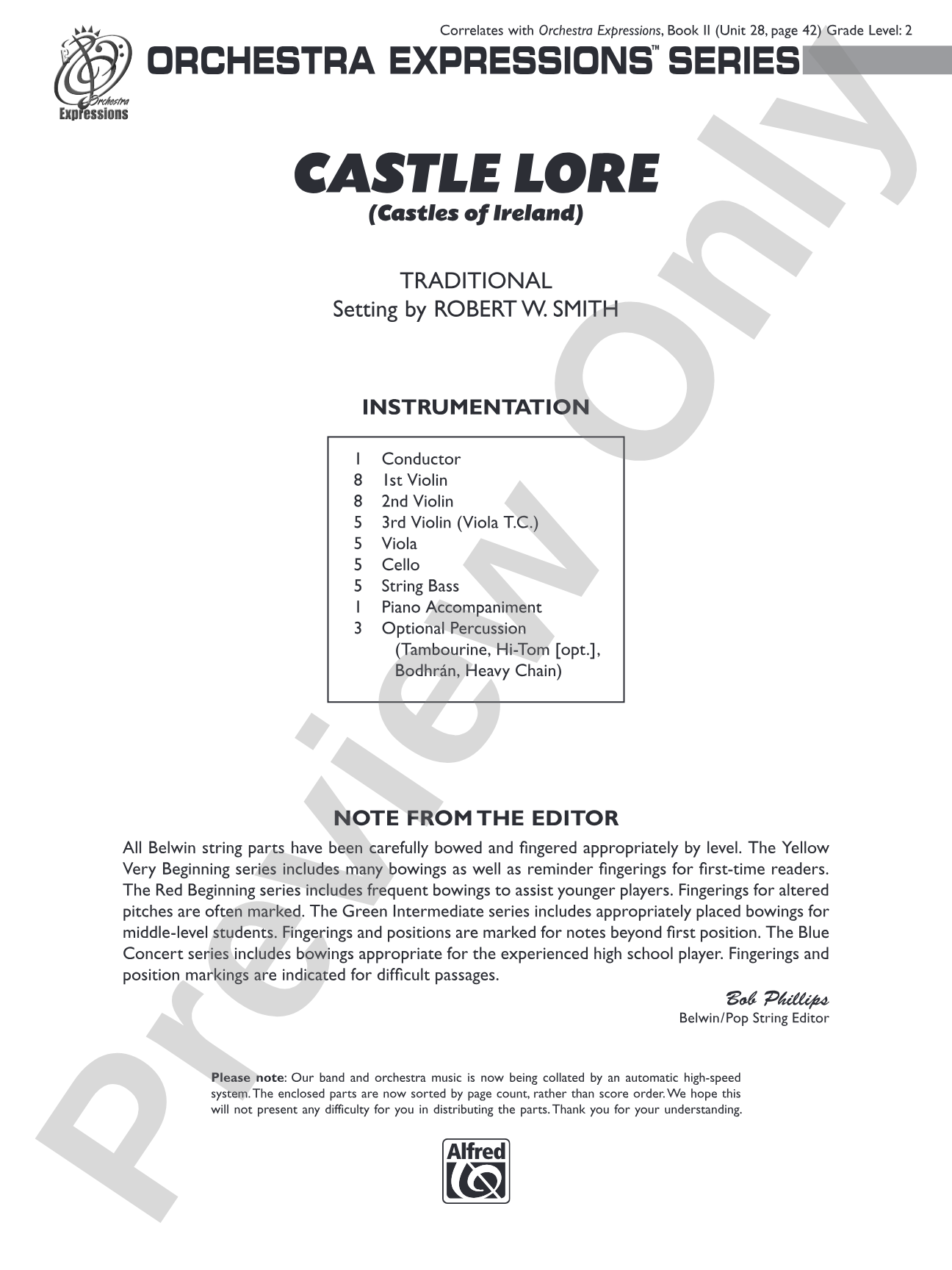
Grade: 2
Item: 00-PK-0000993

$40.00
Pickup currently not available
Buy Extra Parts (Digital PDF Download)
| Product | Price | Quantity |
|---|---|---|
| Castle Lore: Score | $8.00 | |
| Castle Lore: 1st Violin | $5.99 | |
| Castle Lore: 2nd Violin | $5.99 | |
| Castle Lore: 3rd Violin (Viola [TC]) | $5.99 | |
| Castle Lore: Viola | $5.99 | |
| Castle Lore: Cello | $5.99 | |
| Castle Lore: String Bass | $5.99 | |
| Castle Lore: Piano Accompaniment | $5.99 | |
| Castle Lore: 1st Percussion | $5.99 |
Parts Added to Cart!
Description
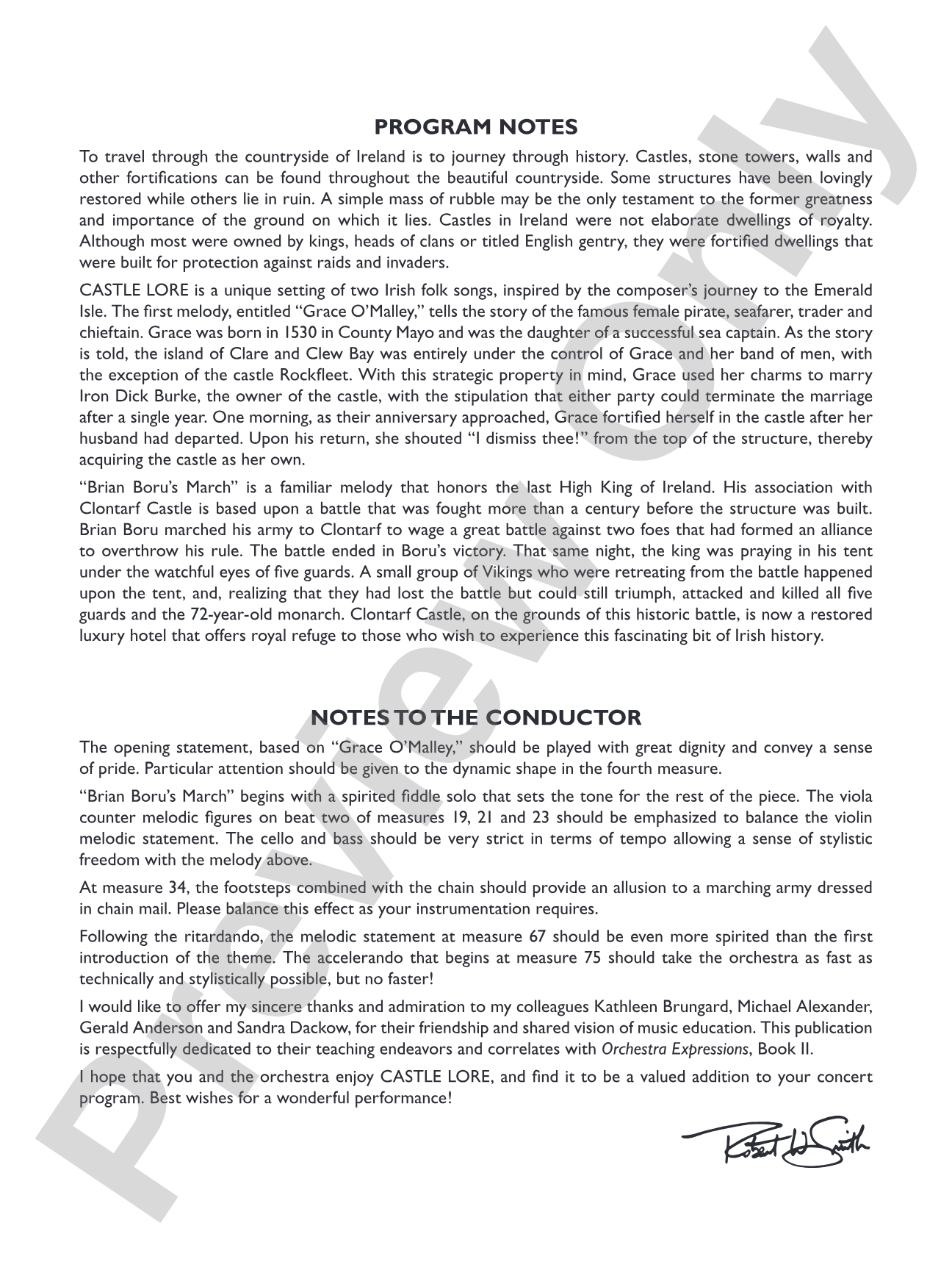
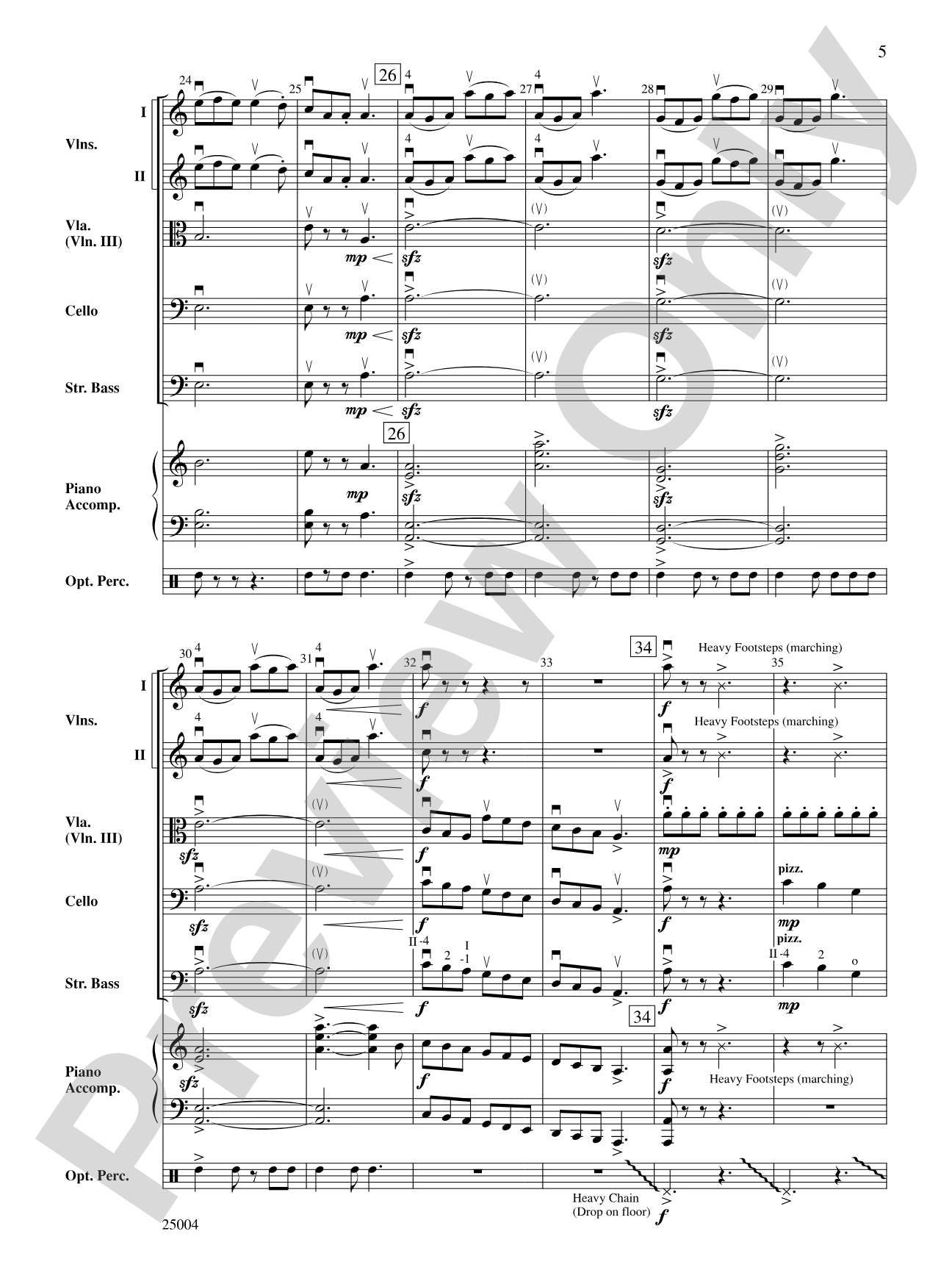
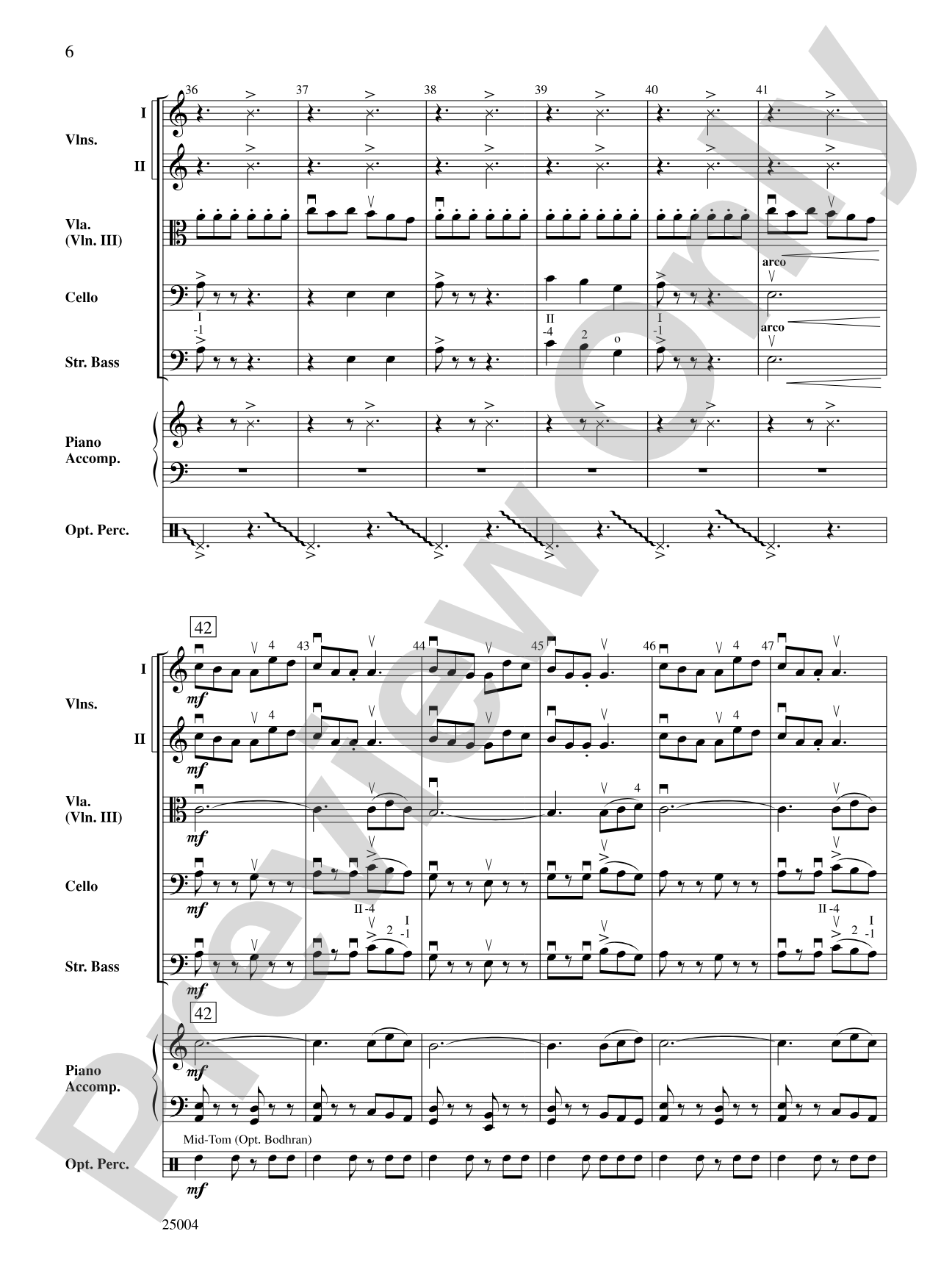
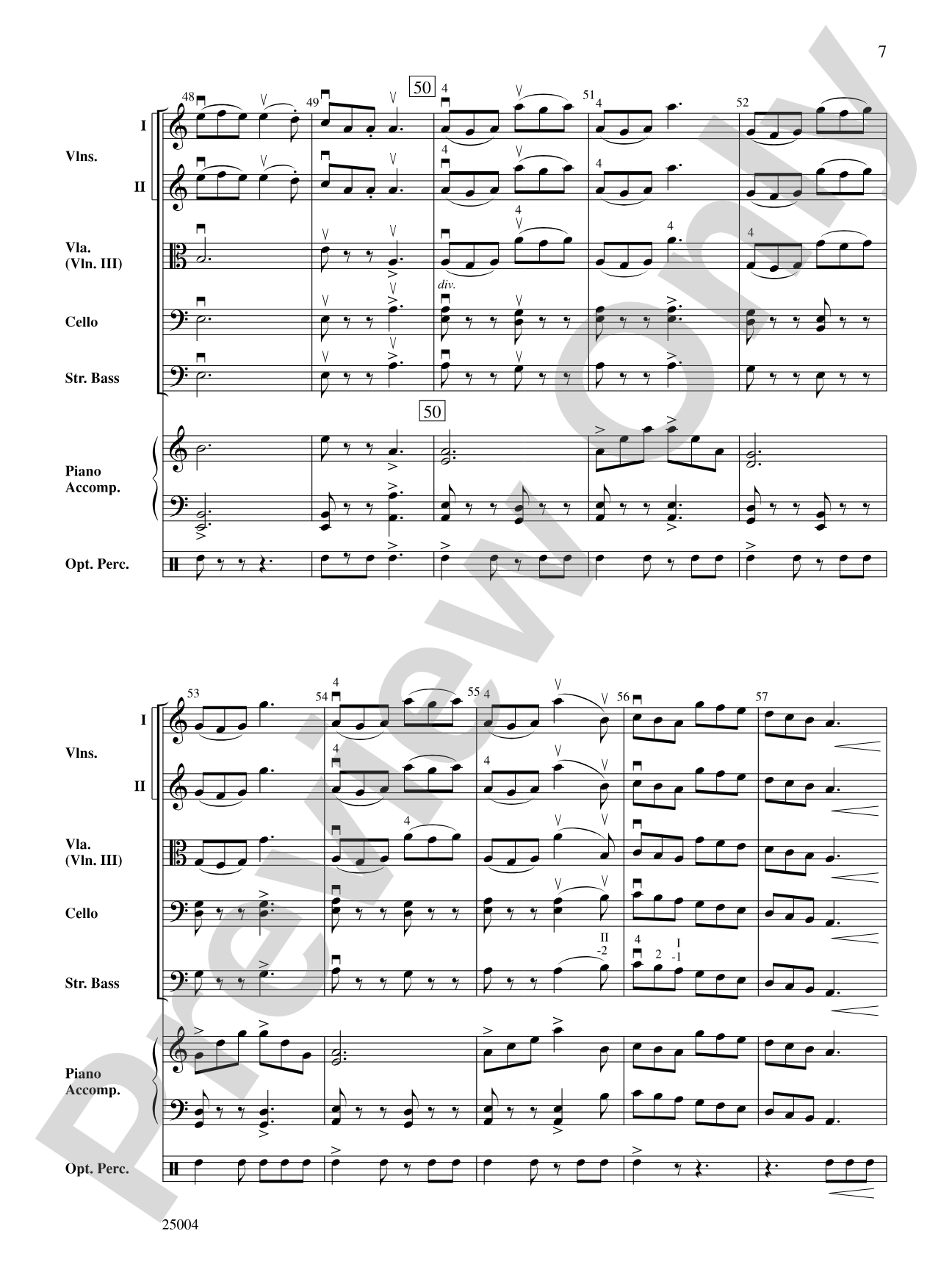
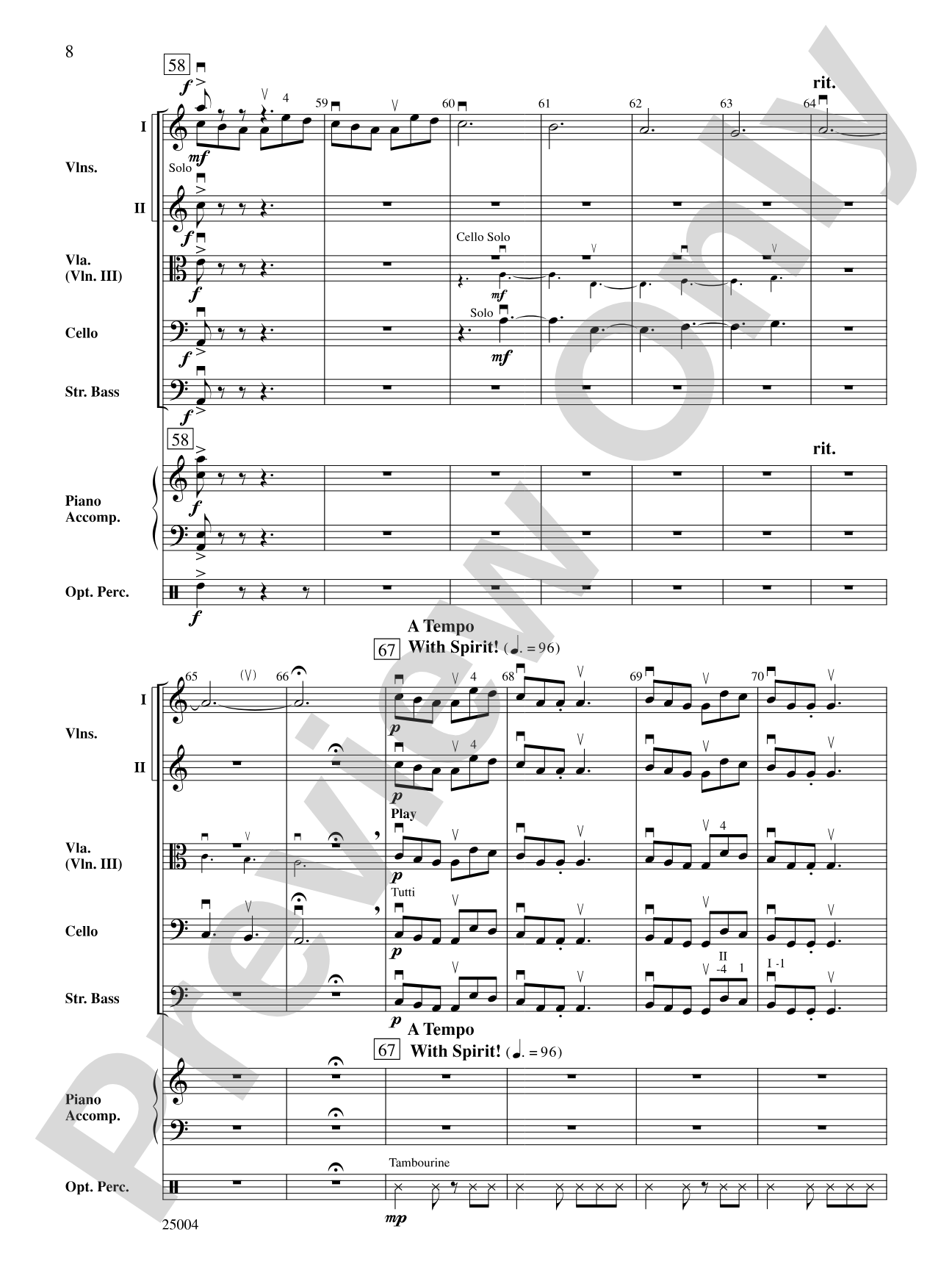
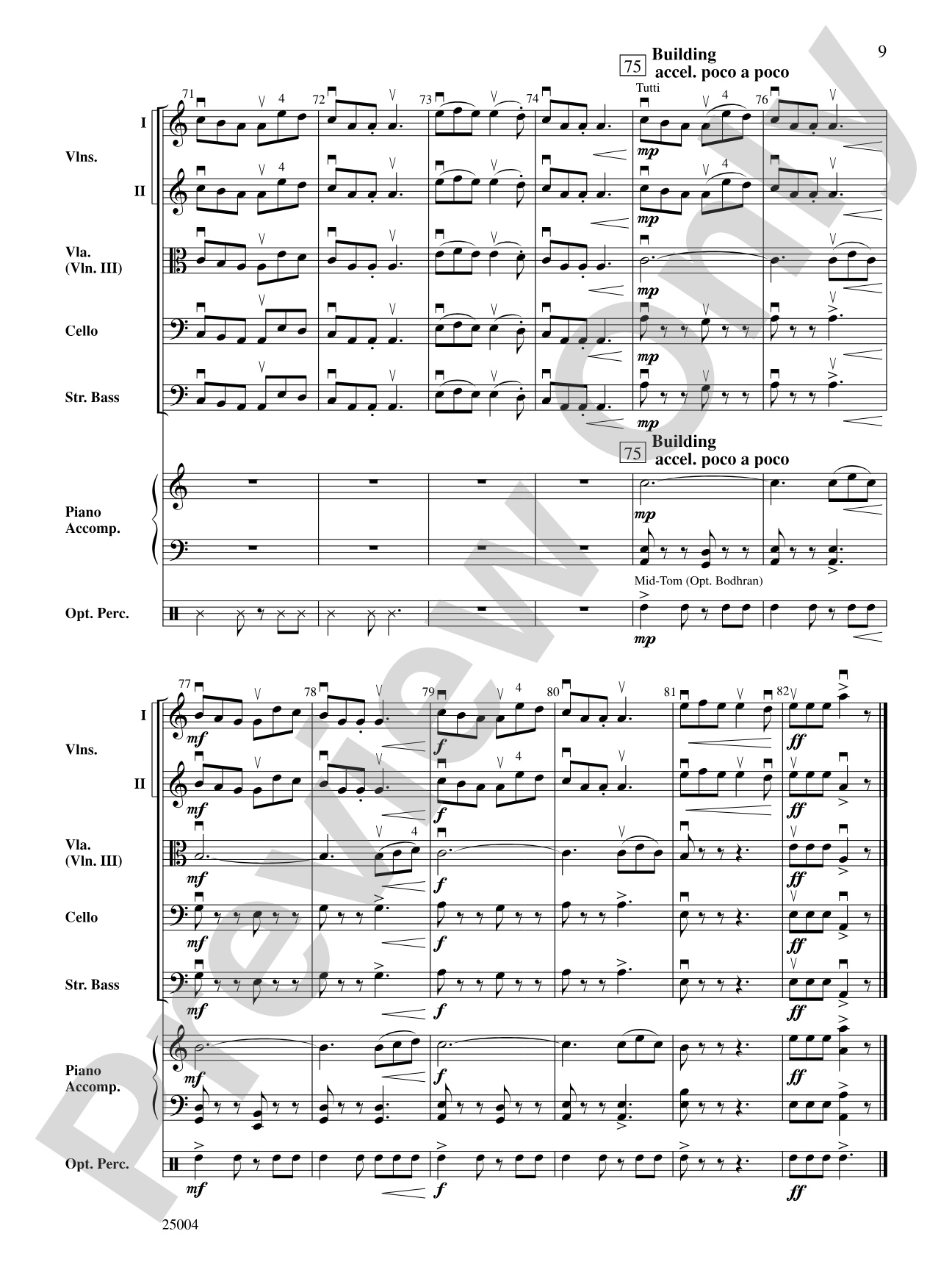
Go back in time to days of old with gallant knights and lovely ladies! "Castle Lore" is a unique setting of two Irish folksongs, the stately "Grace O'Malley" and the sprightly "Brian Boru's March." Correlates with Orchestra Expressions™ Book Two


Don't just read it, hear it, play along with it, and watch your students grow with it. In MakeMusic Cloud, Castle Lore: String Orchestra Conductor Score & Parts comes alive with professional accompaniment, adjustable tempo, and built-in practice tools that turn solo practice into real progress.
Open in the Player
Jump straight in and assign it today.
Start Your Free Trial
Open this title and explore the full library in minutes.
Sample Audio
1
Audio File
--:--
0:00
0:00
Sample Video
No sample videos found.
Additional Details
Series:
Orchestra Expressions
Publisher:
Alfred Music
Page Count:
49
SKU:
00-PK-0000993
More about this title
About the Arranger: Robert W. Smith

Robert W. Smith has established himself as a commanding voice in orchestral and band composition, with more than 400 published works performed by ensembles worldwide. His training at Troy State University and the University of Miami shaped a compositional approach that balances accessibility with musical substance, making his arrangements and original works staples in developing orchestras and bands across North America, Europe, Australia, and Asia.
Beyond the concert hall, Smith's music has reached audiences through Olympic broadcasts, national television productions, and landmark civic events. His gifts for orchestration and his understanding of what developing musicians can achieve have made his arrangements invaluable resources for music educators seeking repertoire that engages students without overwhelming them.
Why we love this
Smith's handling of these two Irish folksongs captures their distinct characters without demanding technical wizardry from your string players. The contrast between the dignified 'Grace O'Malley' and the rhythmic energy of 'Brian Boru's March' gives you natural programming momentum, and the Grade 2 scoring means your section leaders can carry the melodic weight while younger players build ensemble skills.
What to expect
A journey into medieval Ireland rendered through shimmering string textures and lilting melodic lines. Grace O'Malley carries the weight of history with lyrical restraint, while Brian Boru's March awakens the room with forward energy and dance-like rhythms that students instinctively want to drive.
Who it's for
Conductors of developing string orchestras who need Grade 2 repertoire with genuine character and thematic contrast. This arrangement works equally well for groups at mid-year (when ensemble fundamentals are in place) or early in the season if your program emphasizes folk melody and rhythmic clarity.
How to get the most out of it
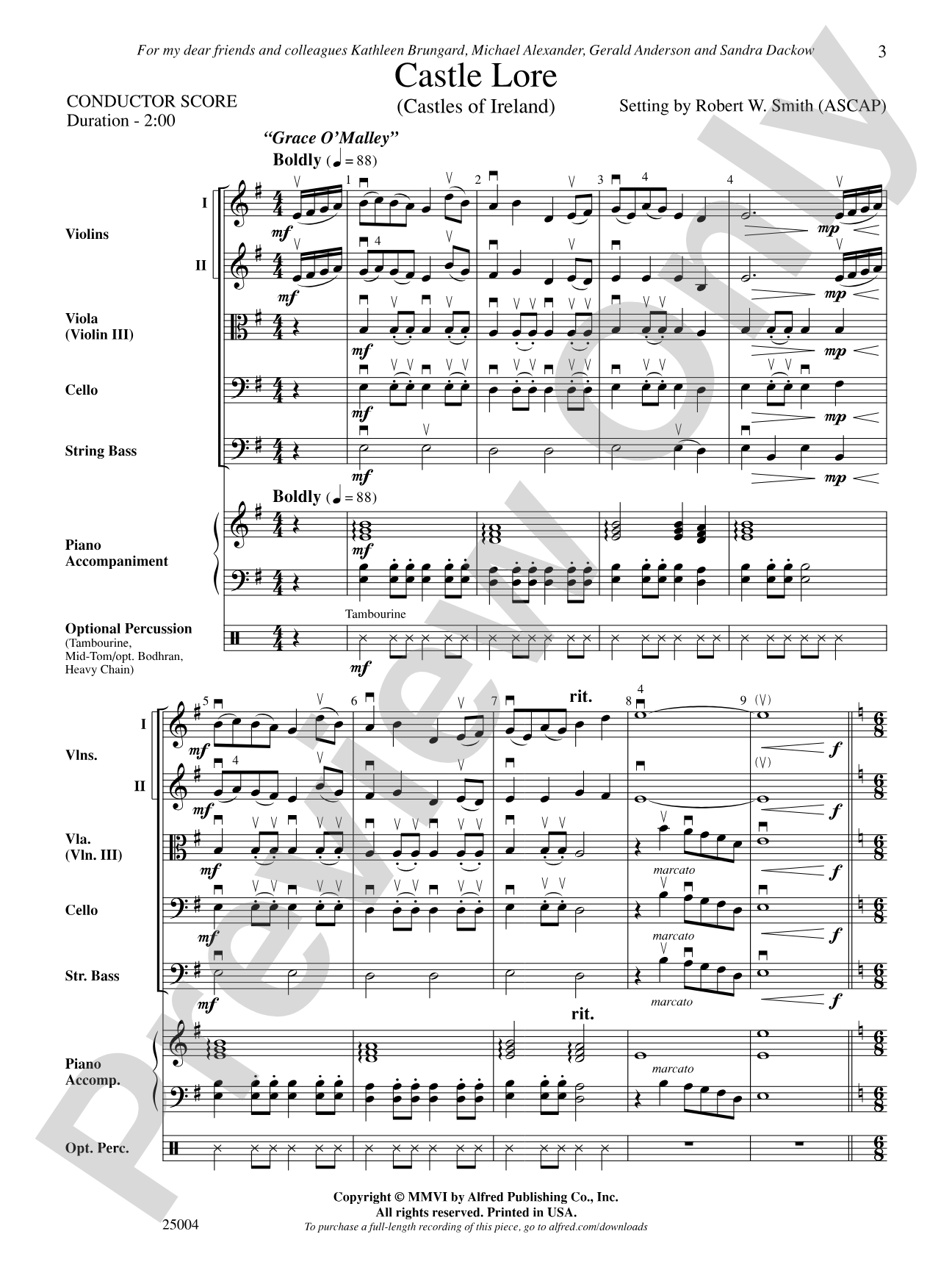
- Shape the opening of 'Grace O'Malley' with subtle dynamic swell rather than sudden accent; let the stately character emerge from phrase length and bow control.
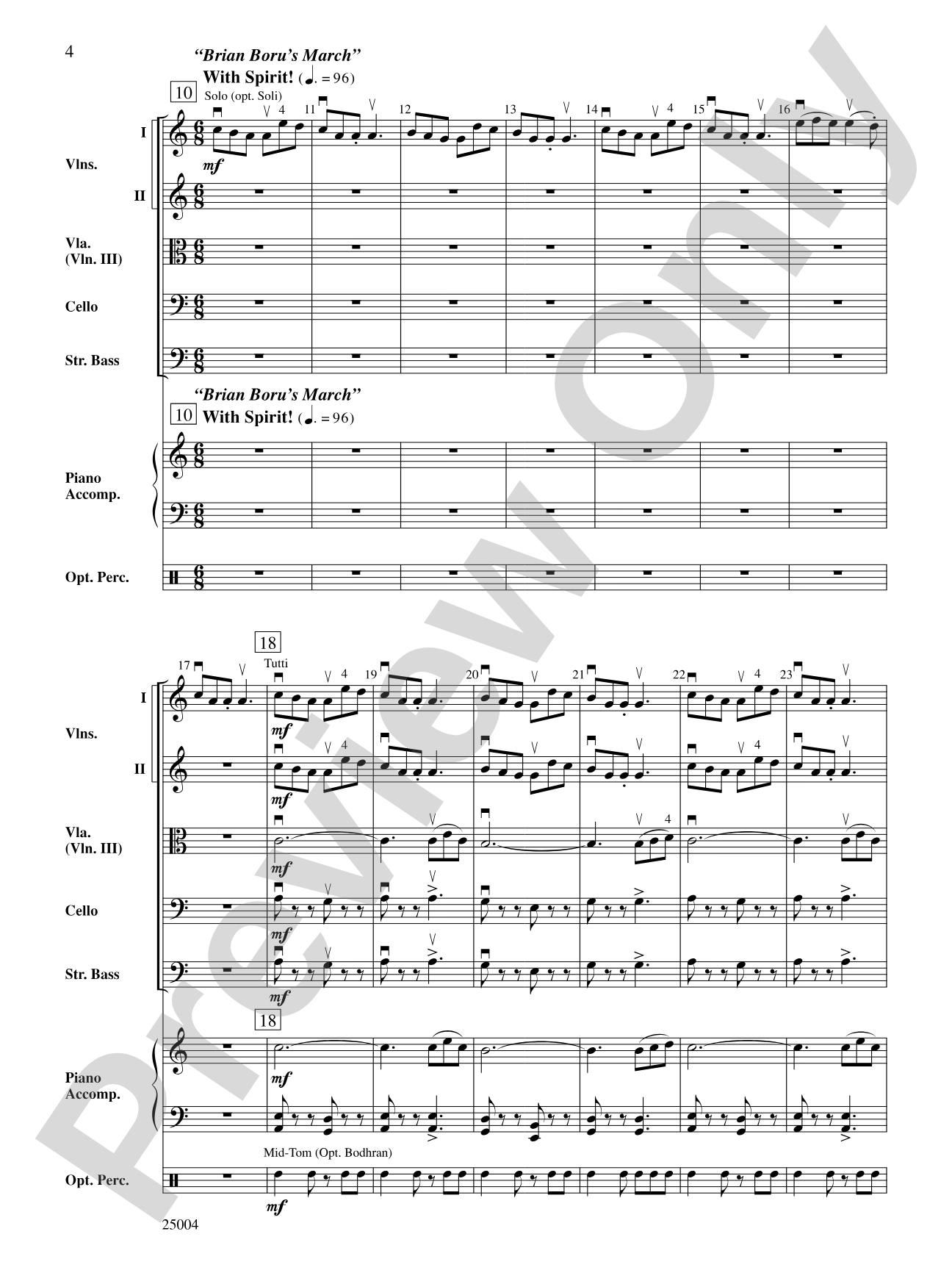
- In 'Brian Boru's March,' lock the rhythmic precision of violas and cellos first, then layer the upper strings for clarity without forcing tempo.
- Balance the melody between first and second violins during transitions; mark parts ahead of time so both sections understand where the line lives.
How to use it
Pair this as a centerpiece for a concert exploring folk traditions across cultures, or use it as your opener to establish ensemble tone and musicianship before moving into heavier repertoire. The thematic variety also makes it useful for pops concerts or family-friendly programming where accessibility matters.
Skills your students will build
- Sustaining lyrical melodic lines through phrase arcs
- Rhythmic precision in syncopated accompaniment figures
- String section balance when melody passes between upper and lower voices
- Stylistic awareness of traditional folk idiom and articulation
- Ensemble cohesion across contrasting musical moods