

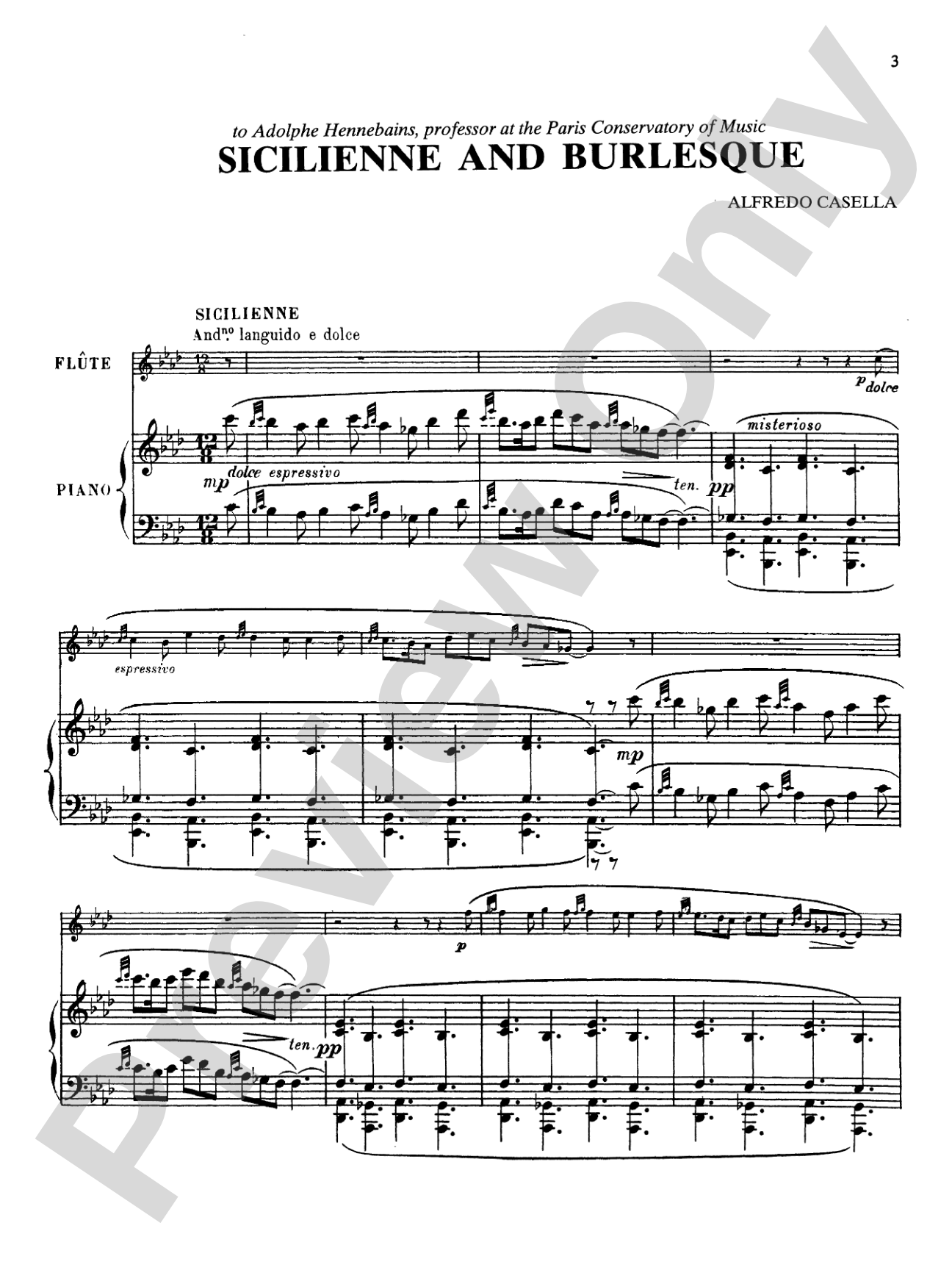
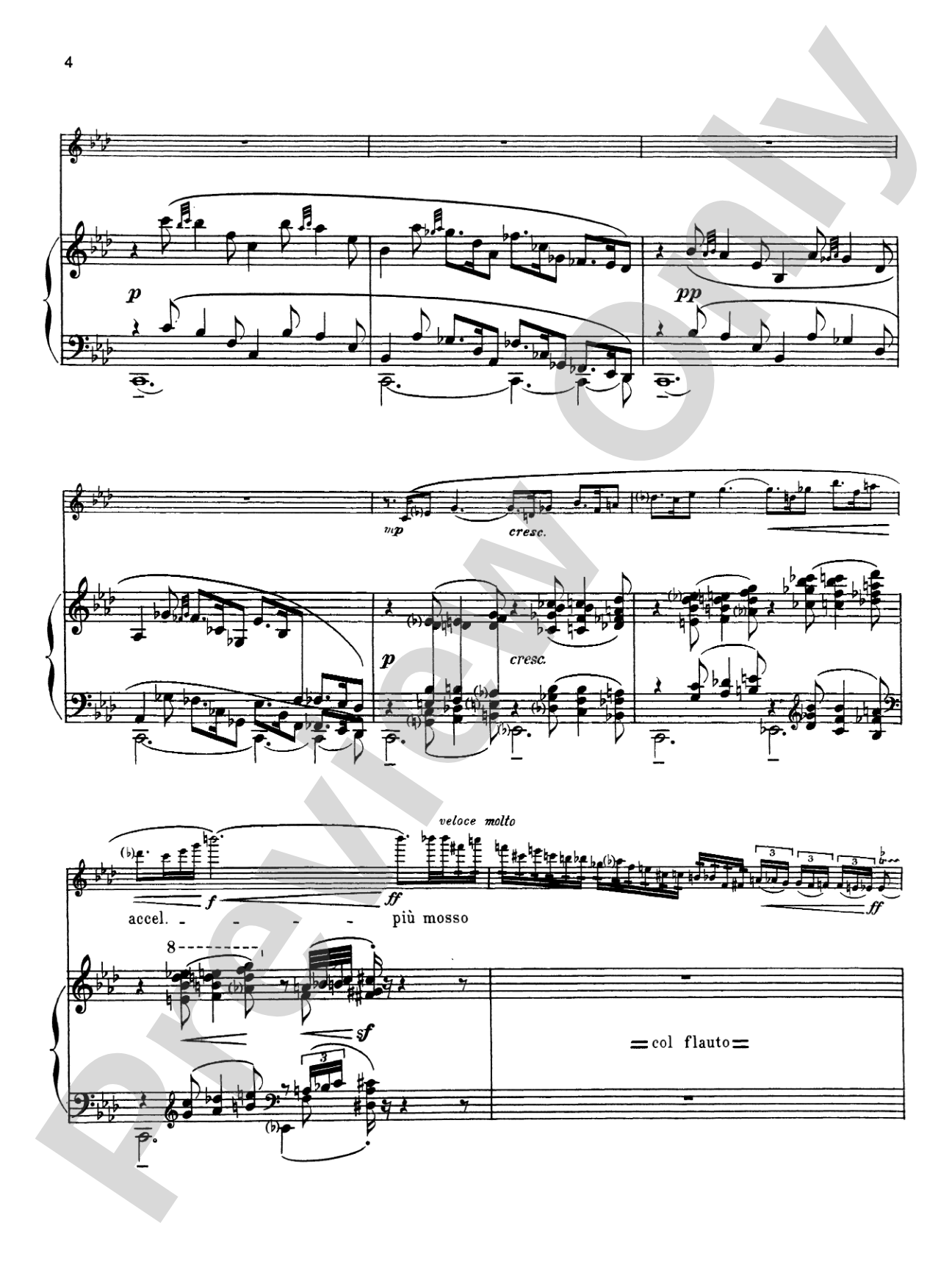
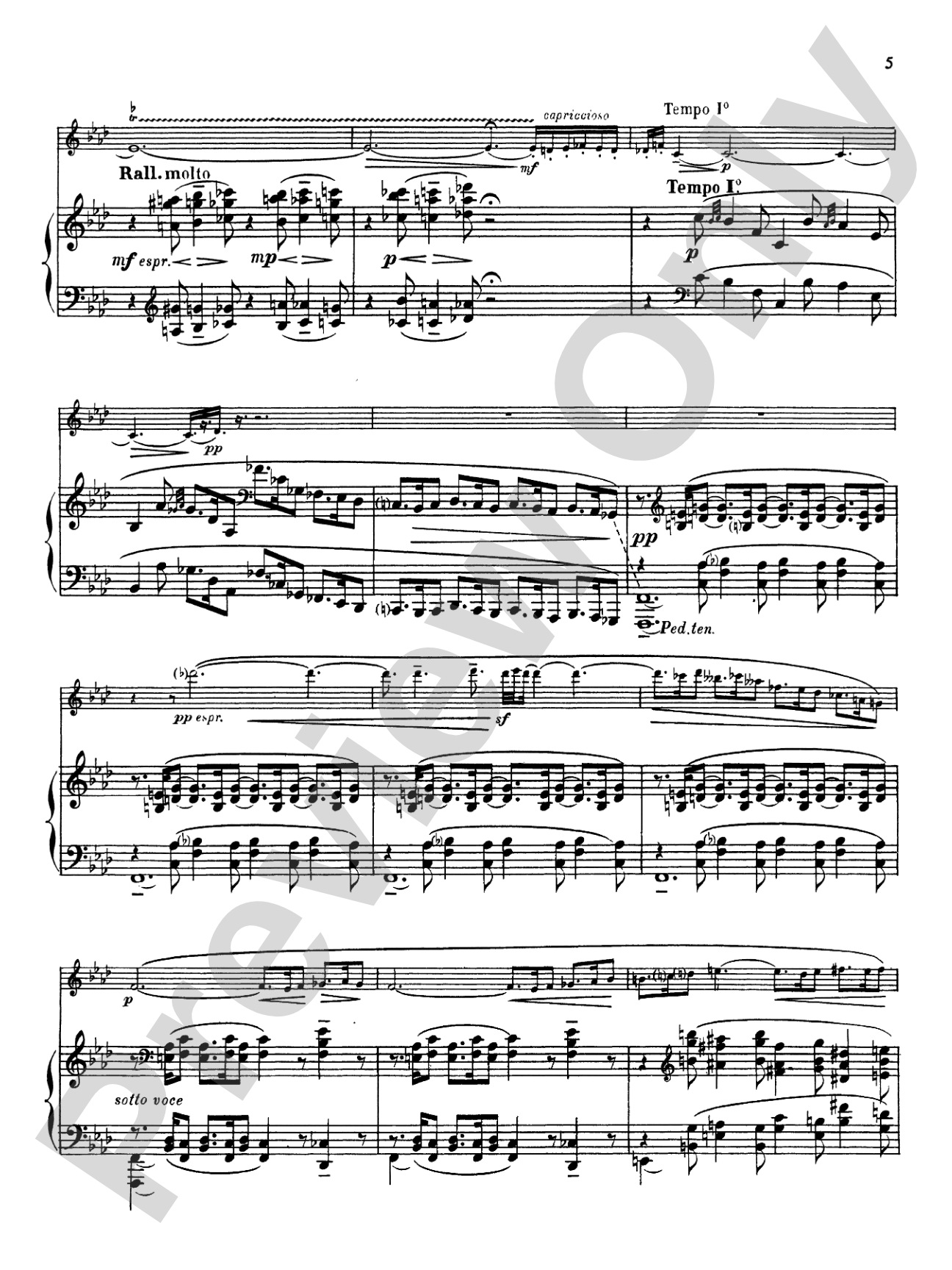
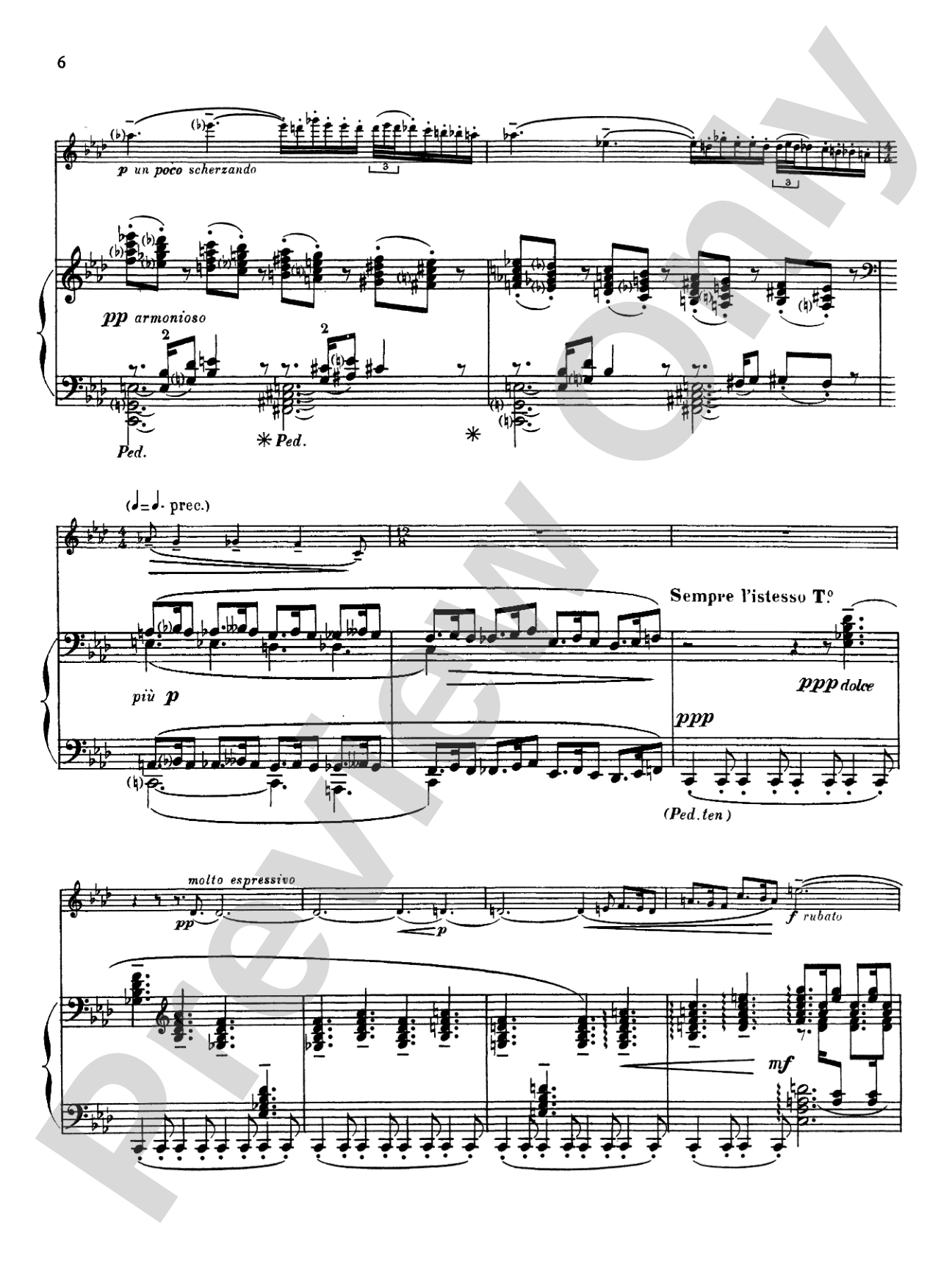
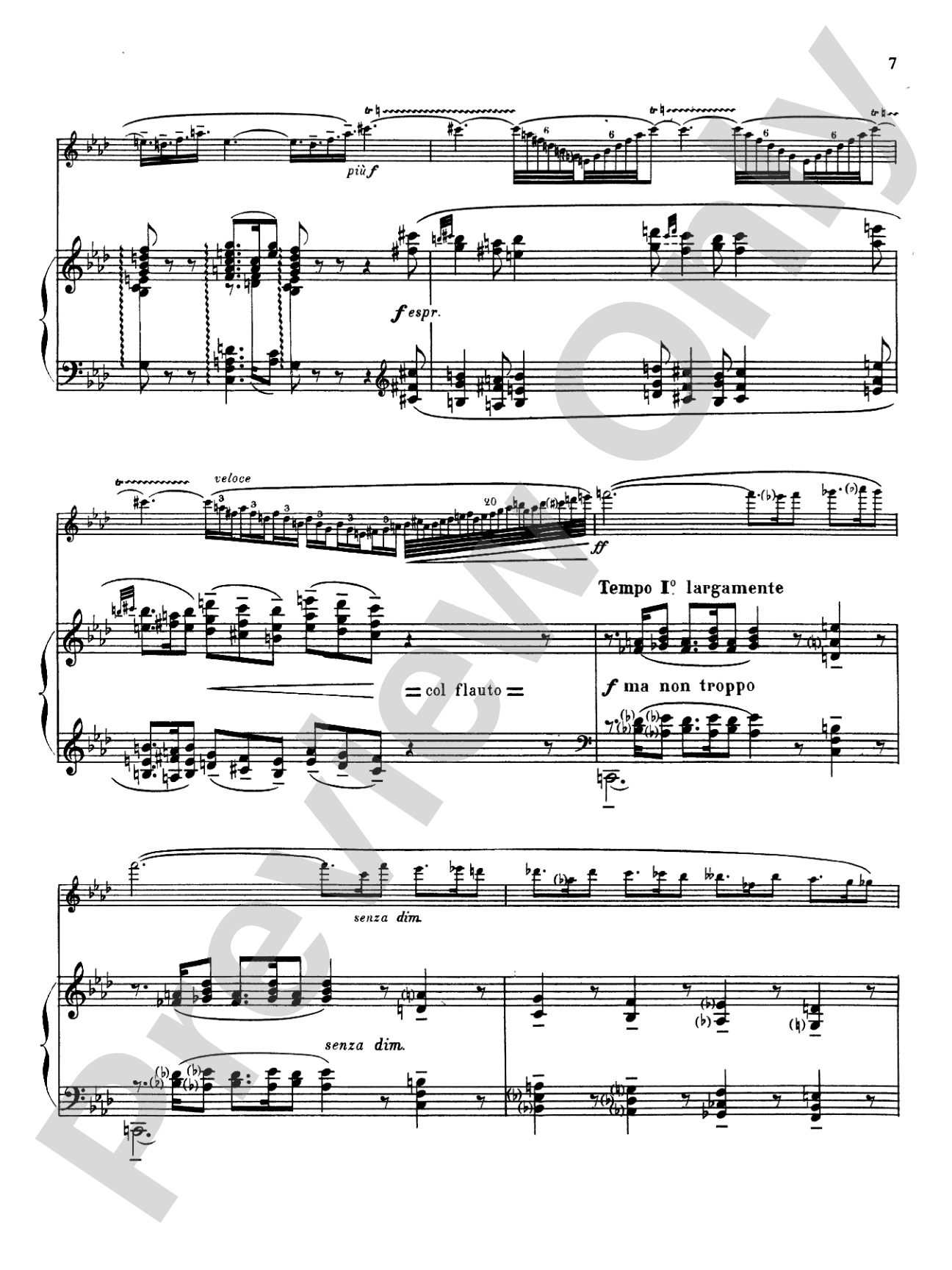
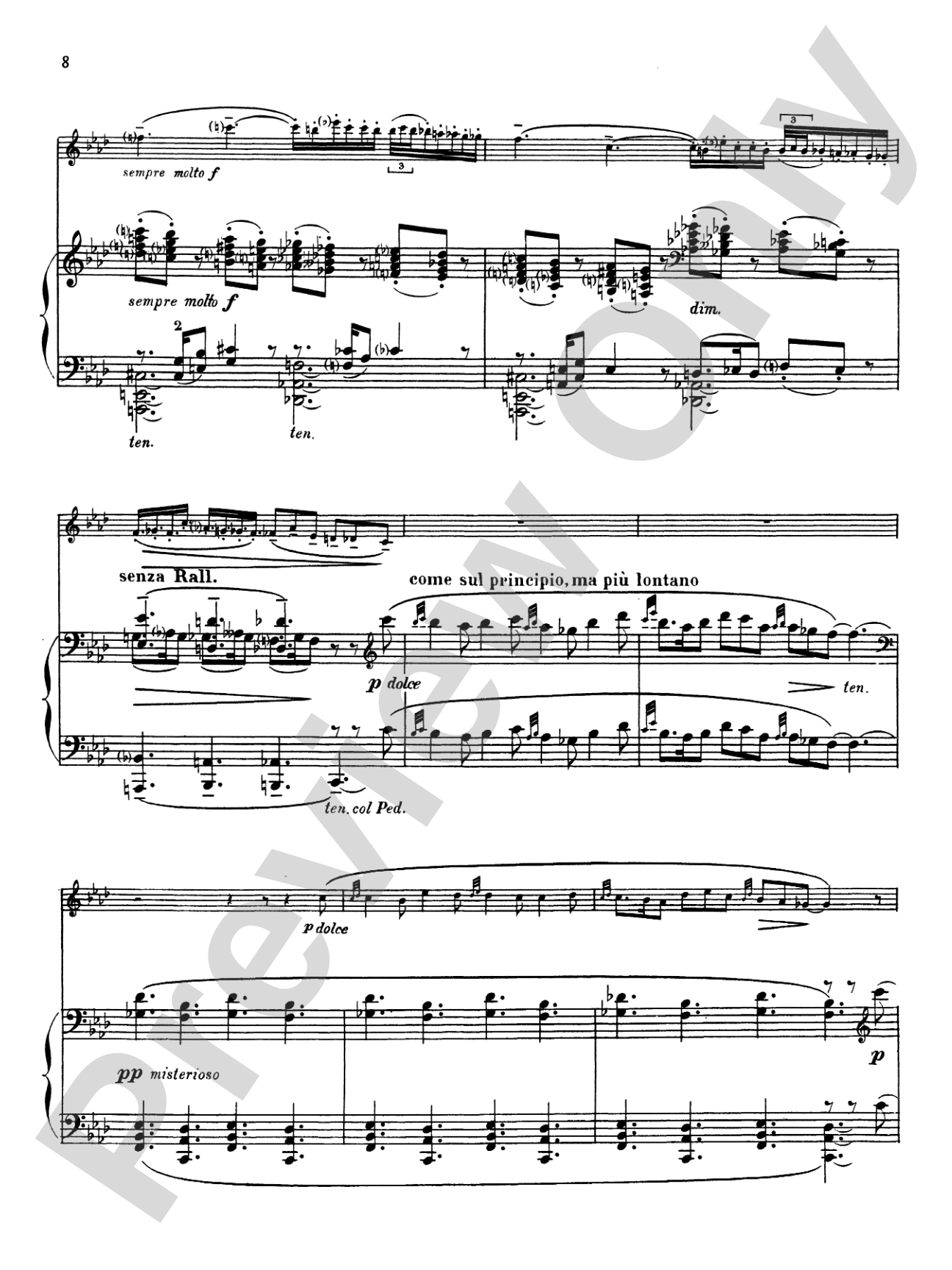
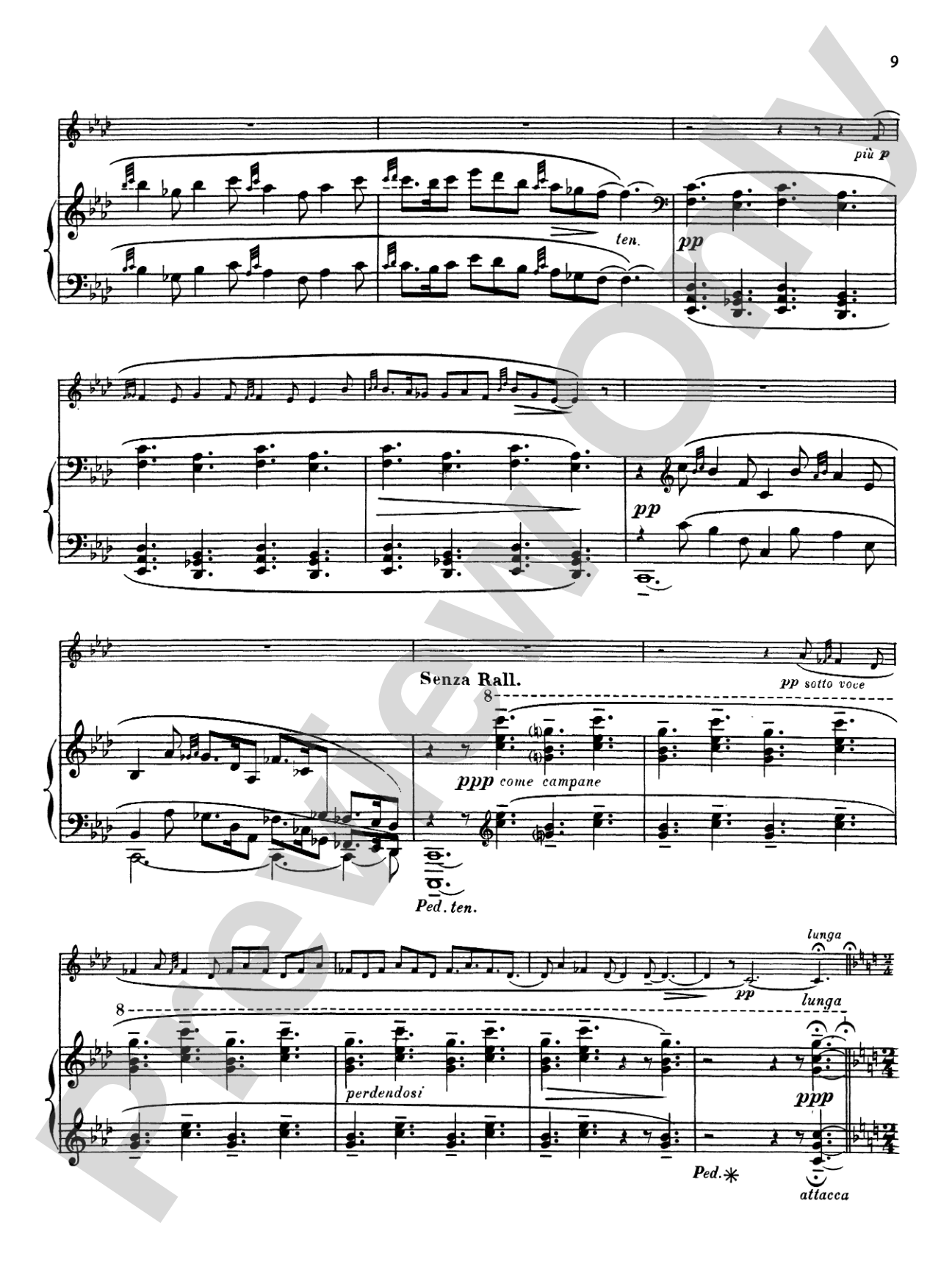
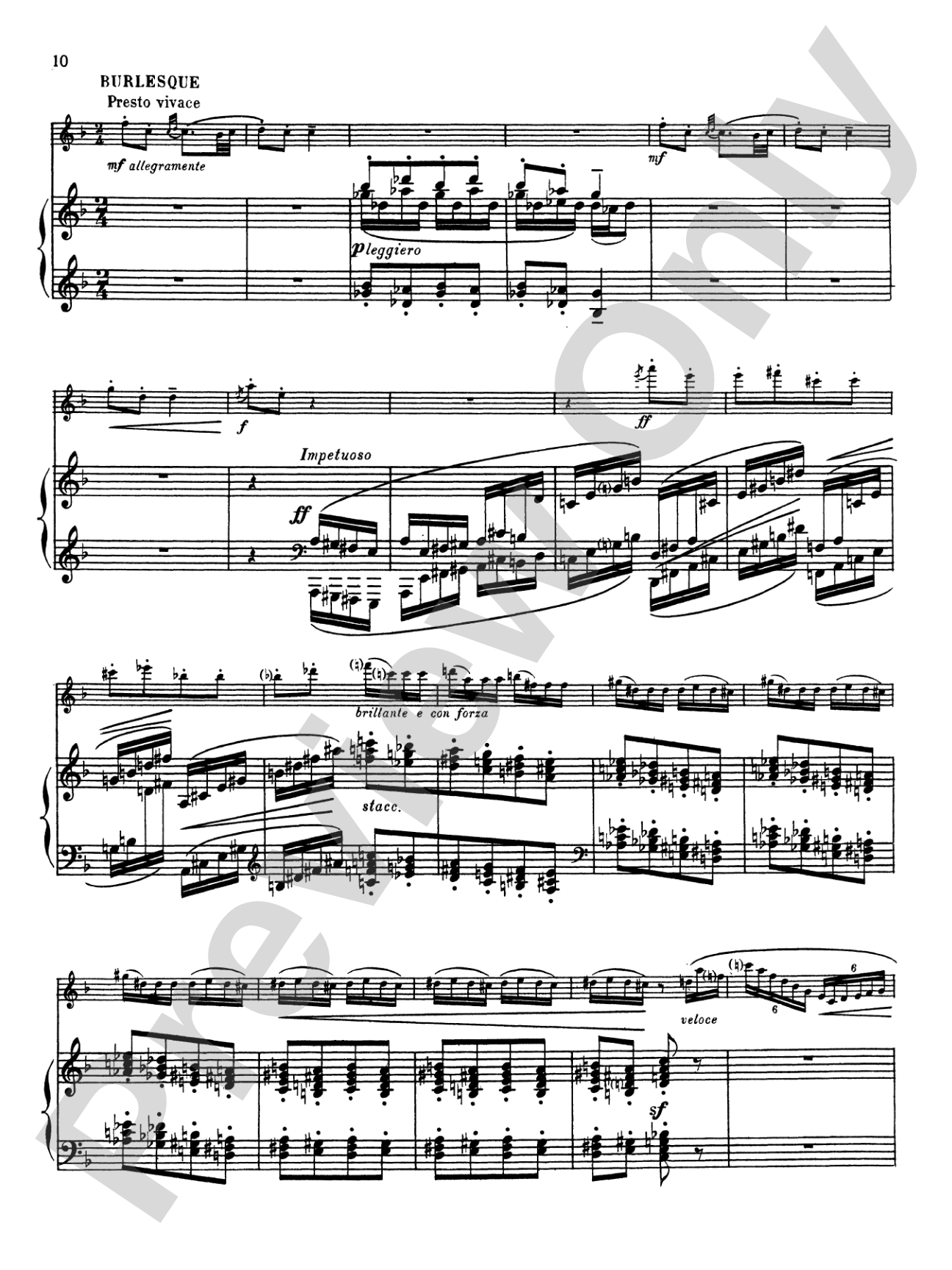
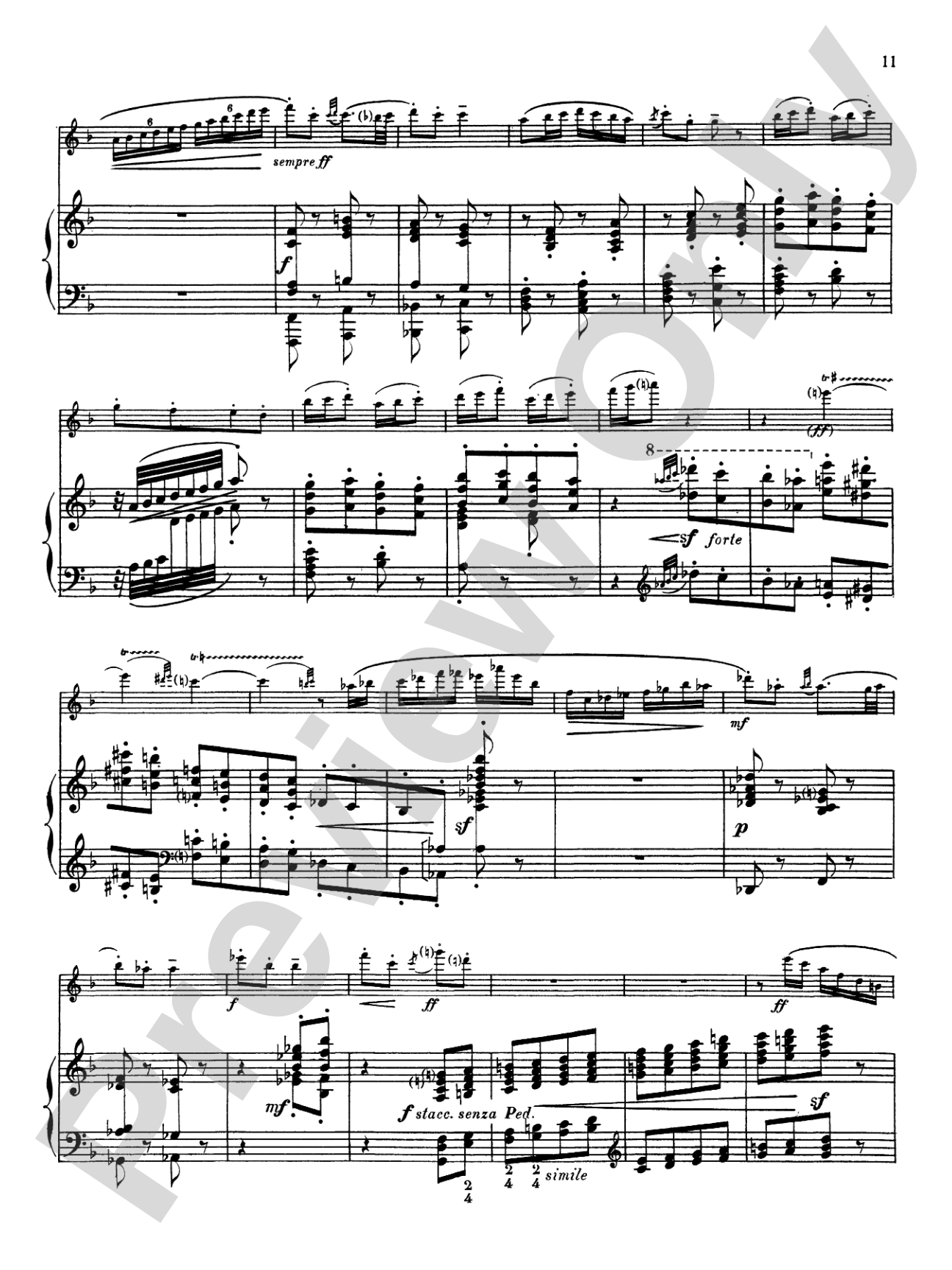
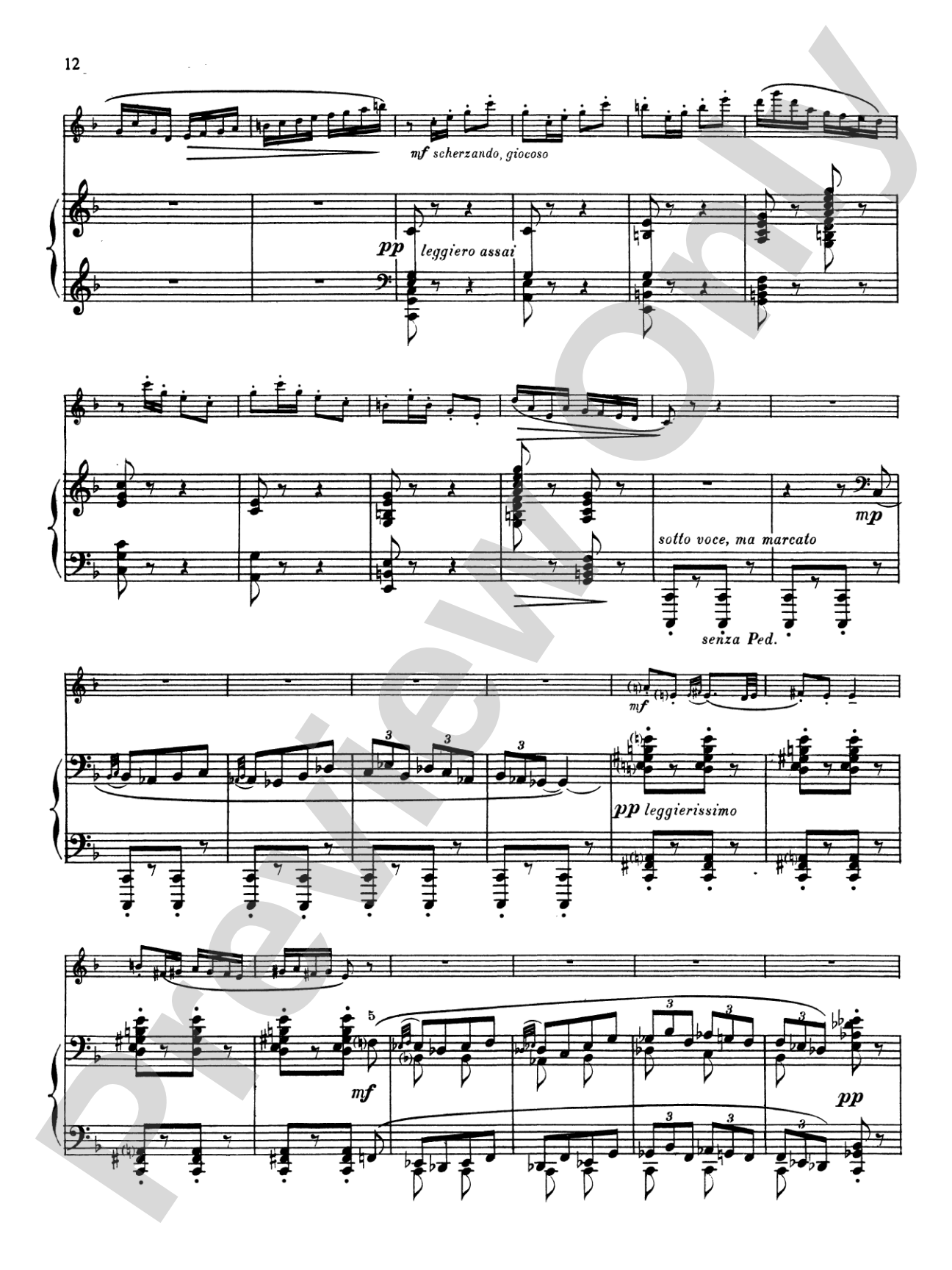
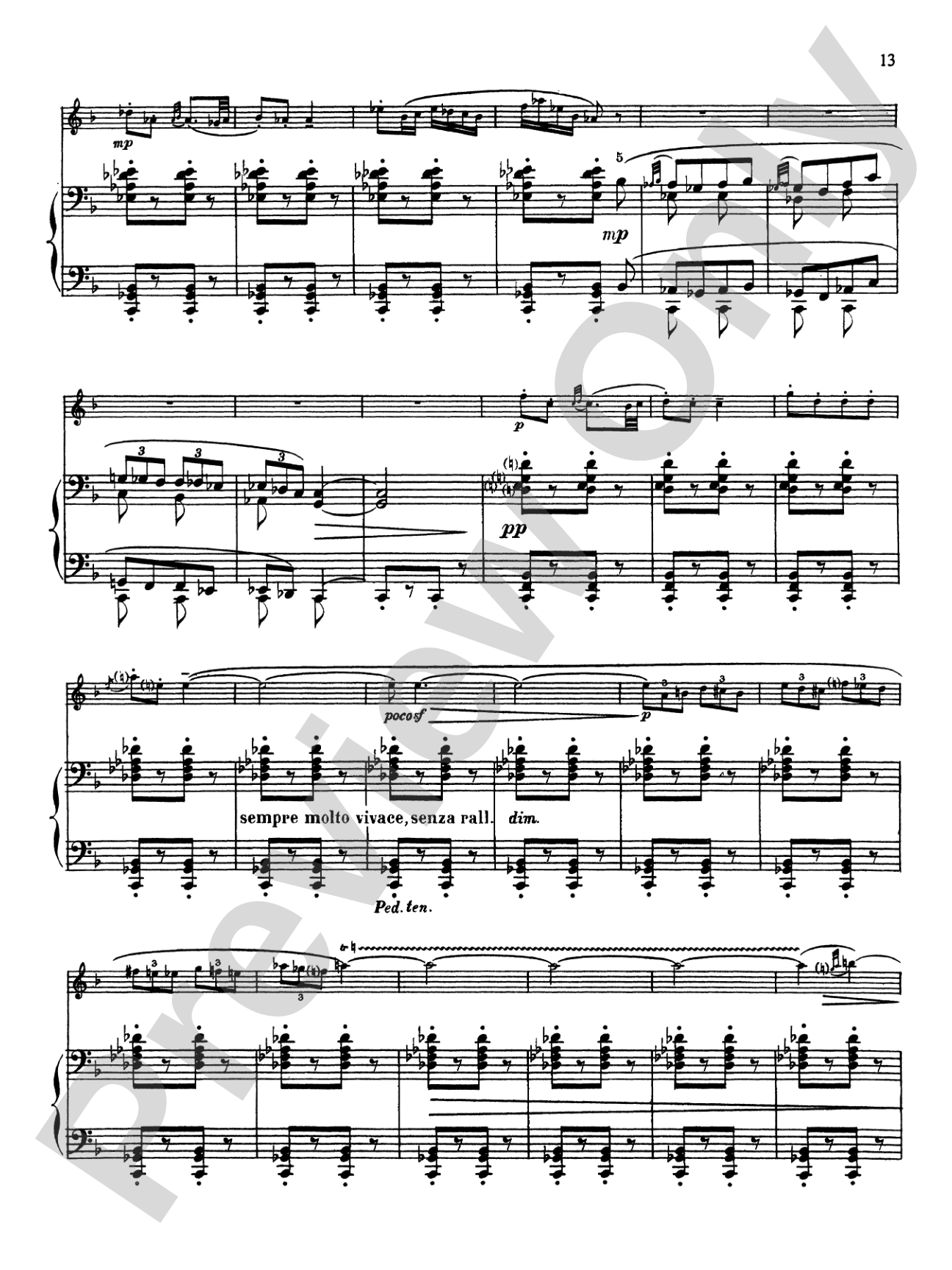
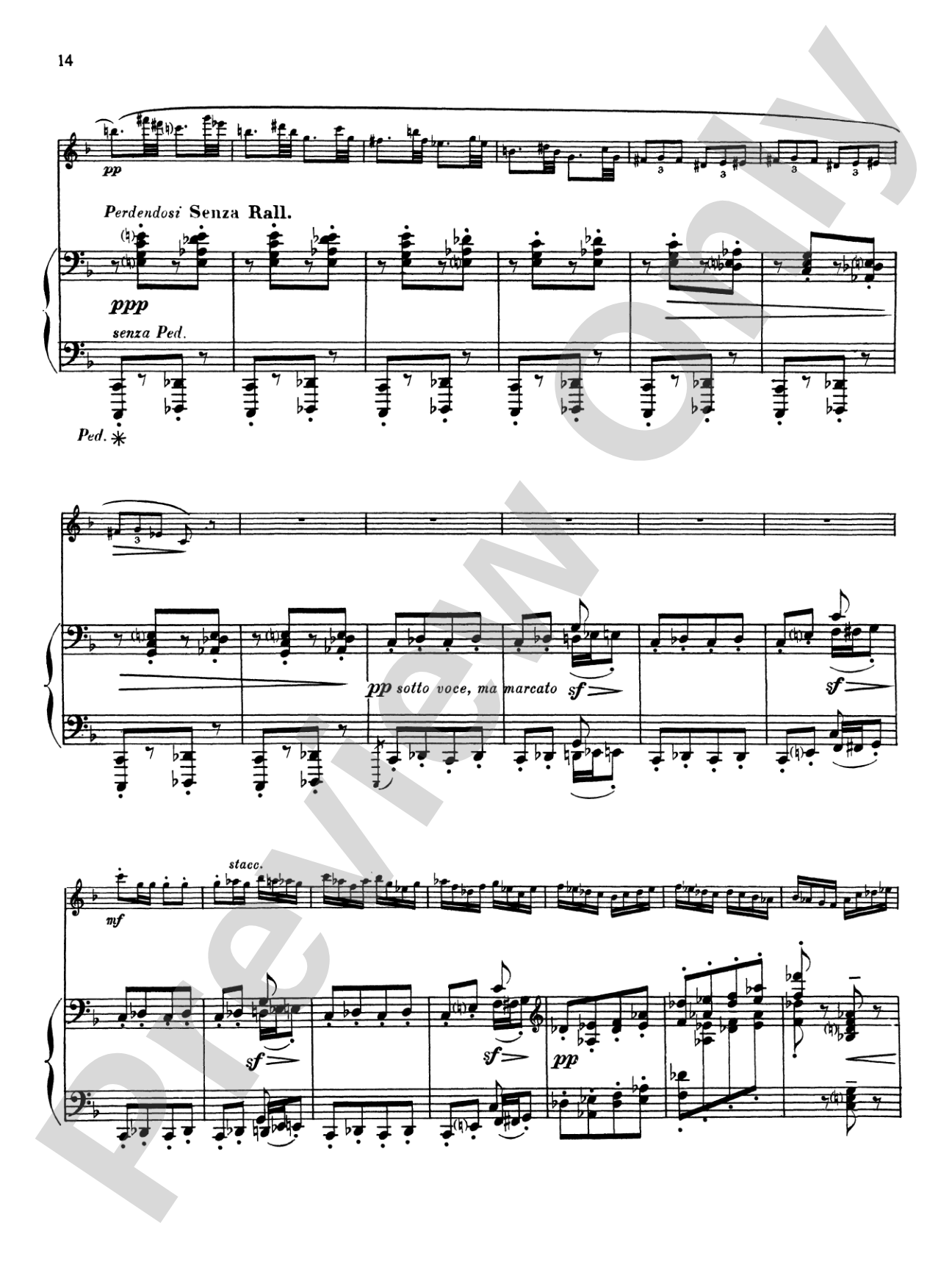
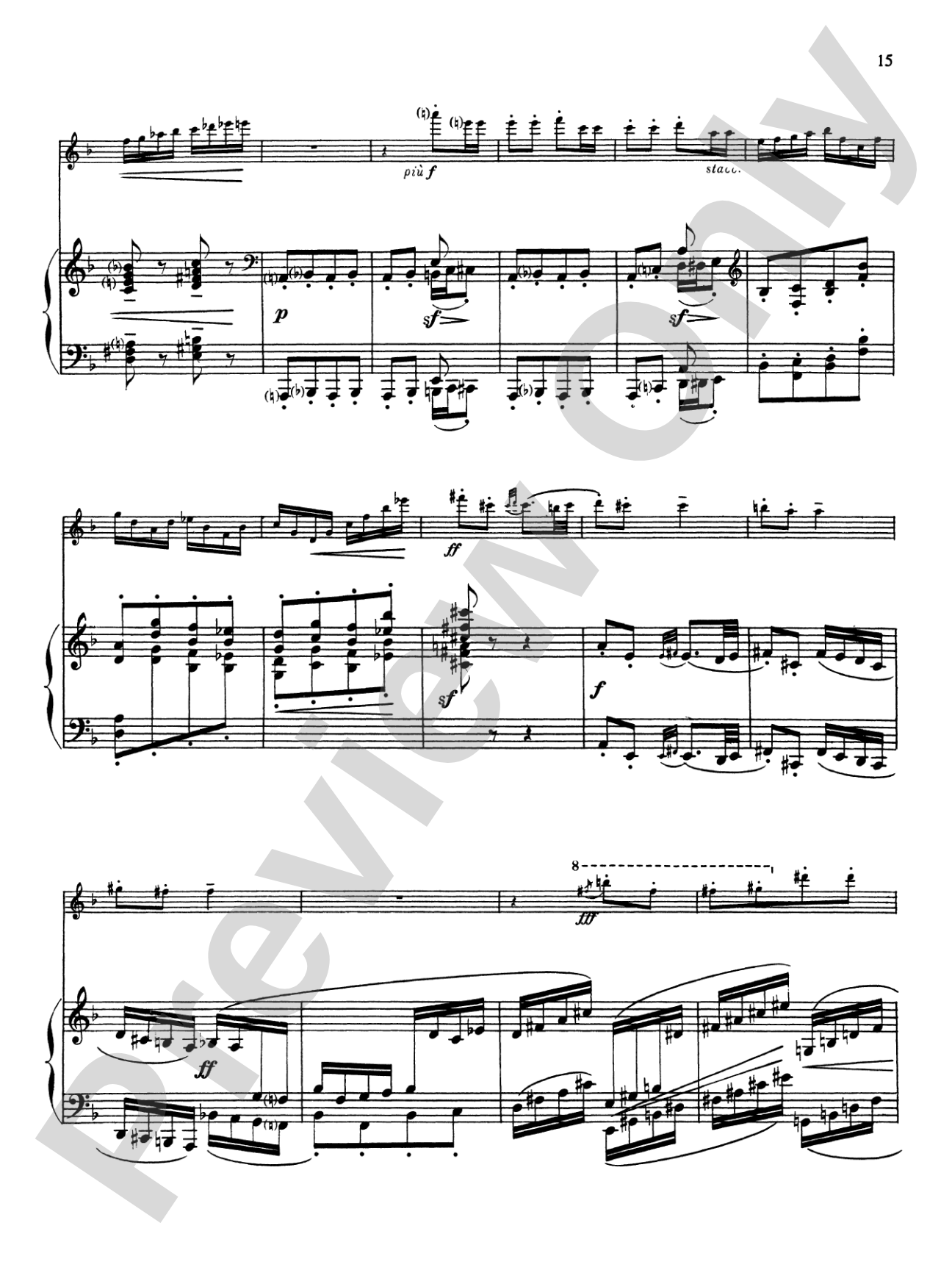
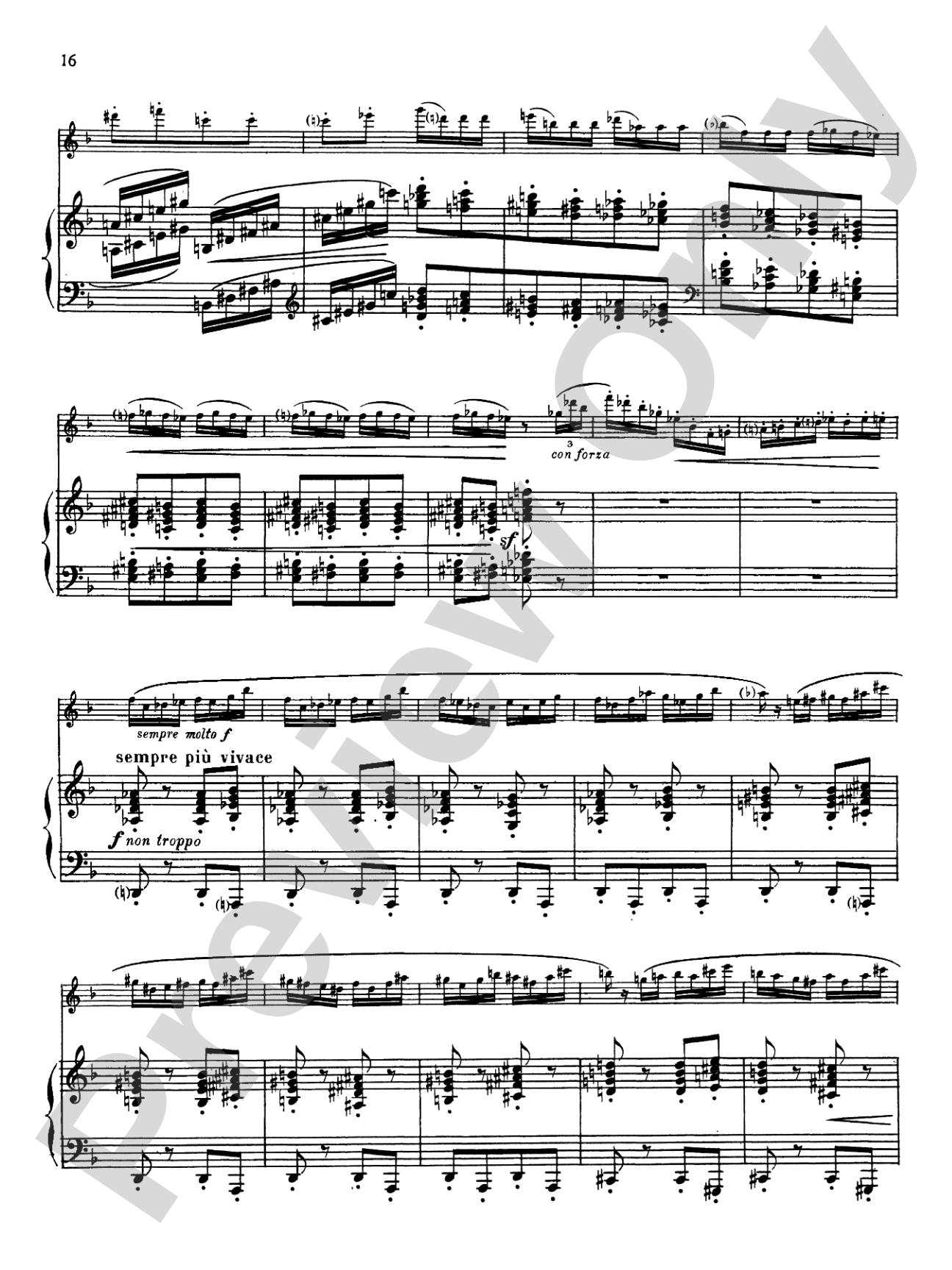
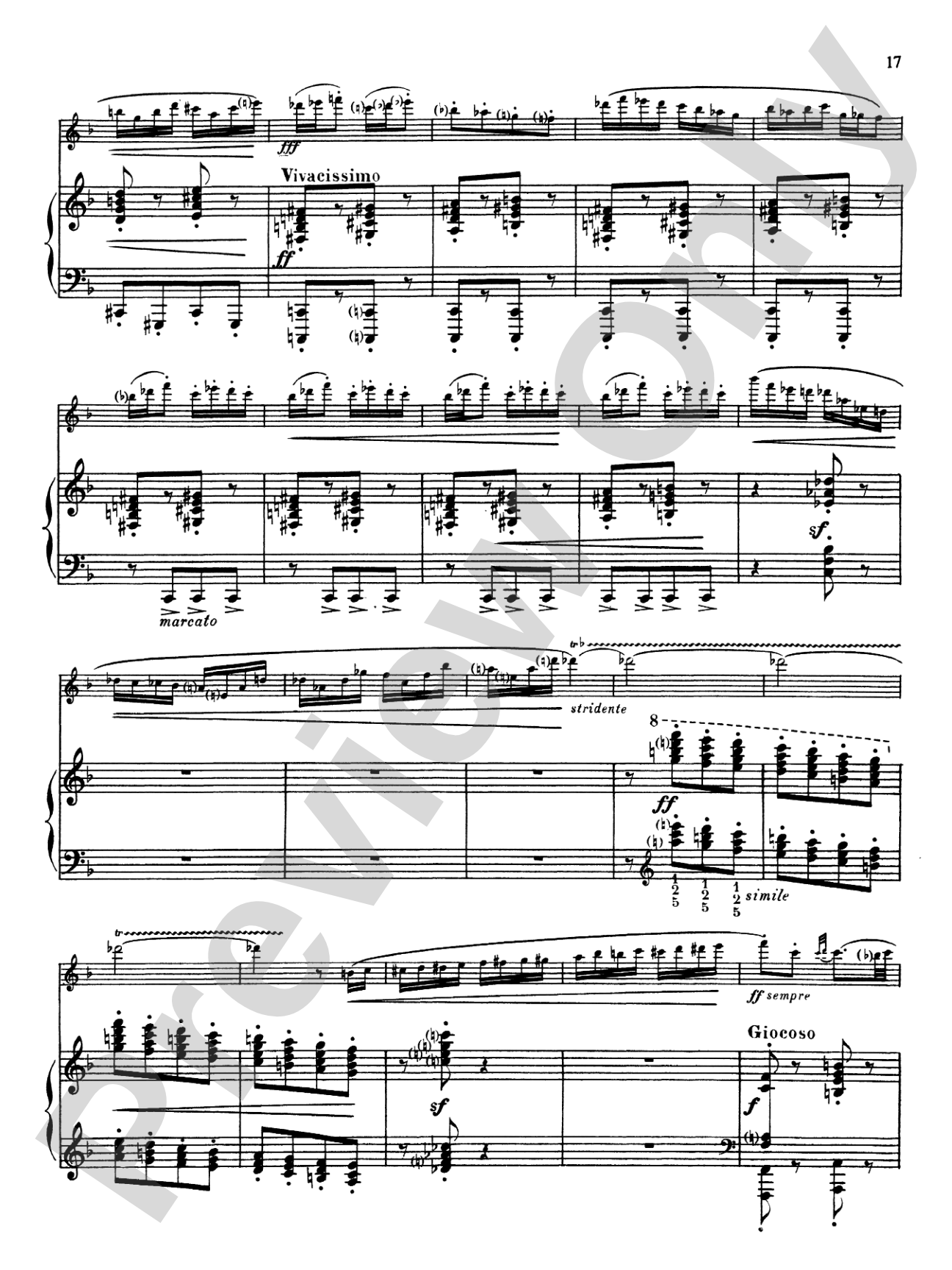
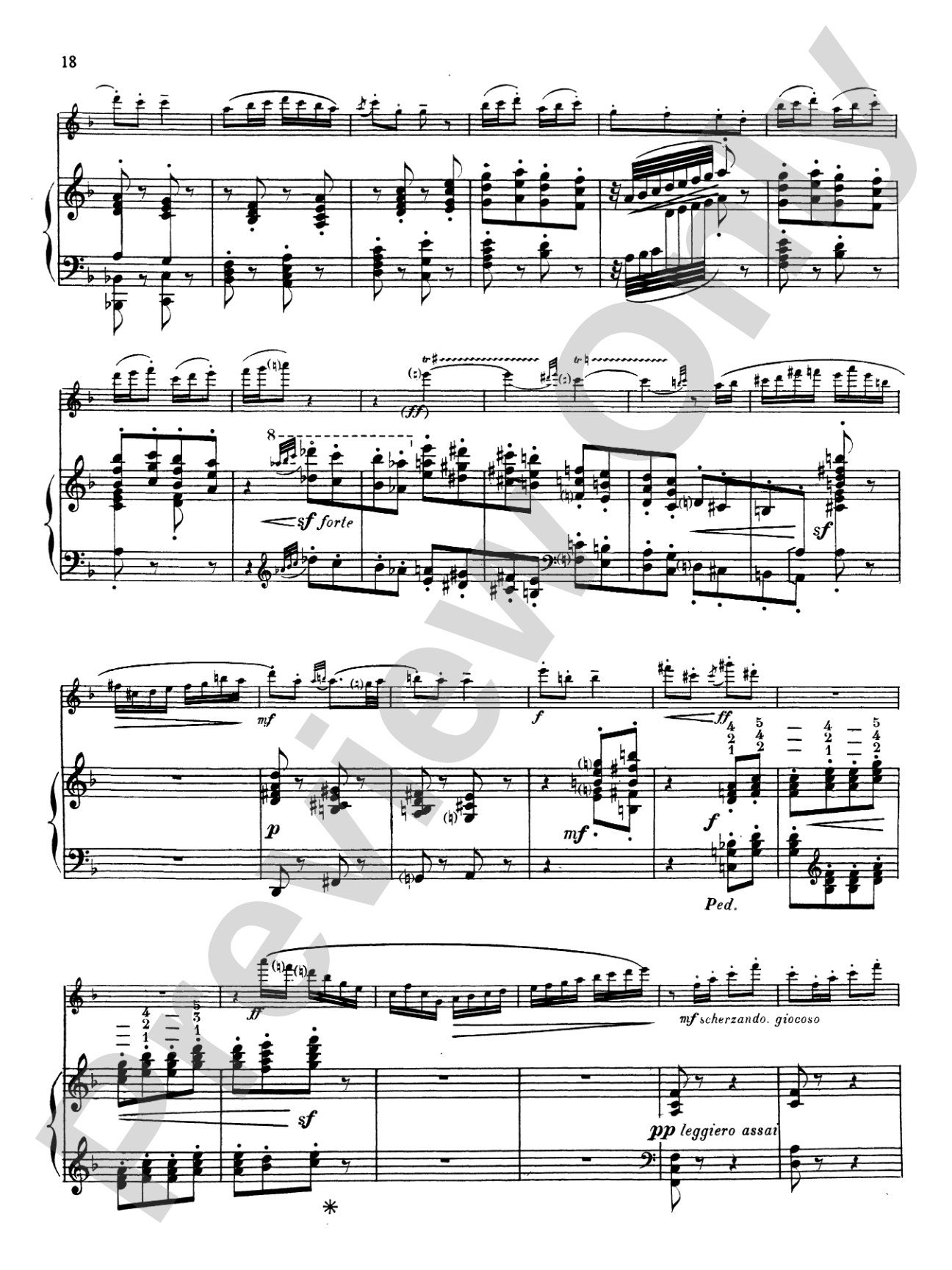
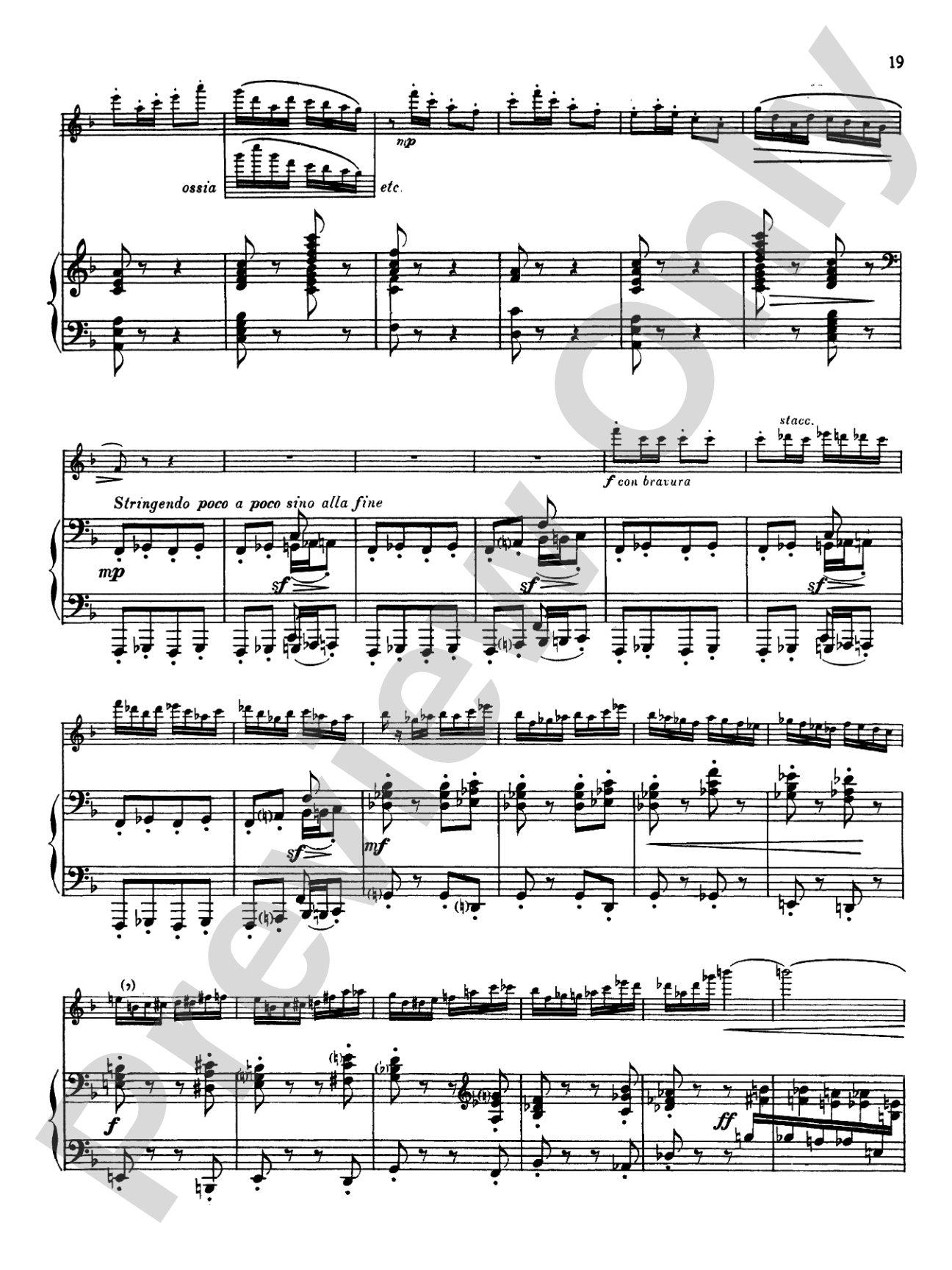
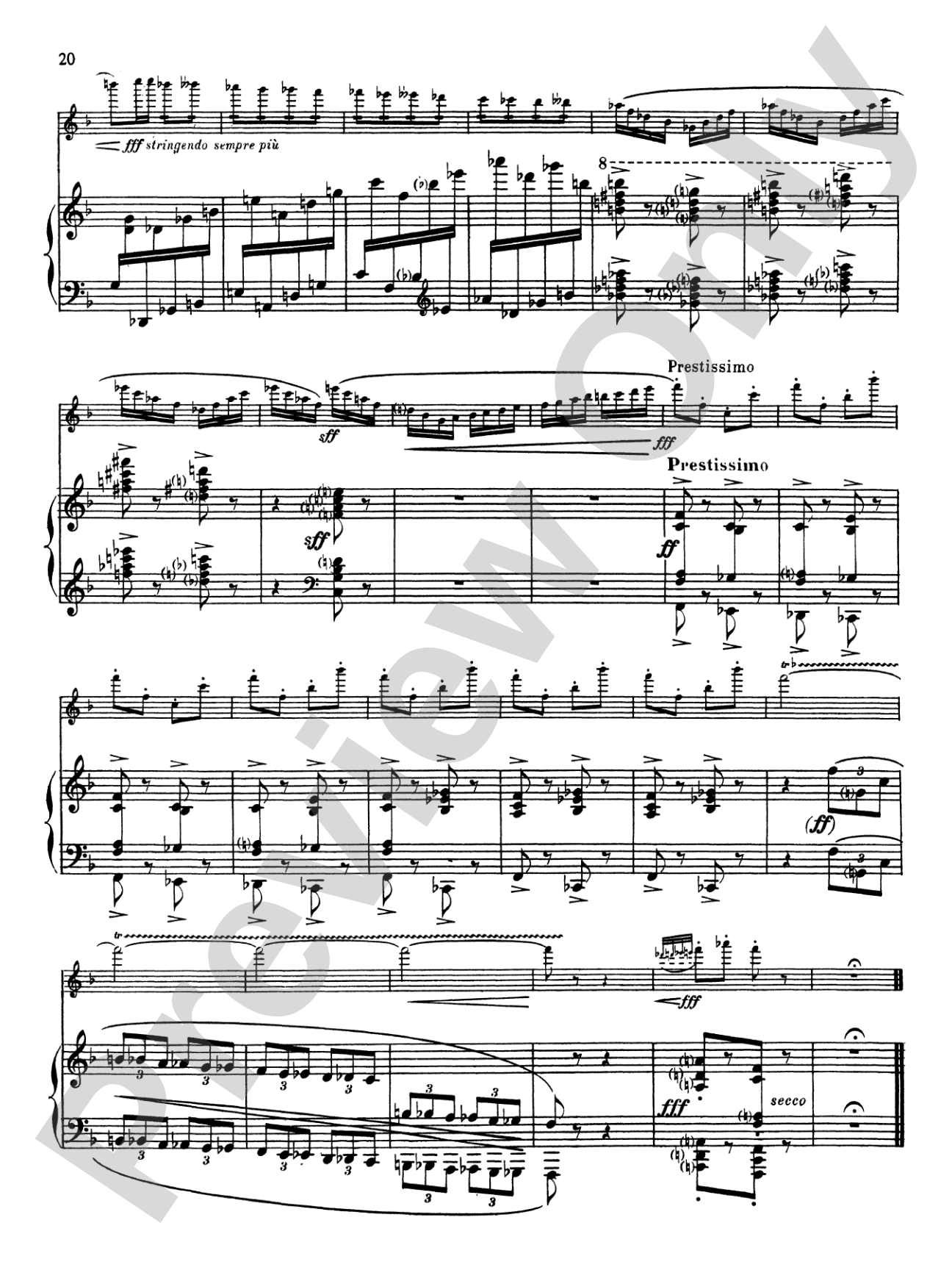

Casella: Sicilienne and Burlesque: Flute Part(s)
By Alfredo Casella
Item: 00-PK-0002787

$8.99
Pickup currently not available
Buy Extra Parts (Digital PDF Download)
| Product | Price | Quantity |
|---|---|---|
| Casella: Sicilienne and Burlesque | $7.99 |
Parts Added to Cart!
Description
A Flute Solo, composed by Alfredo Casella.


Don't just read it, hear it, play along with it, and watch your students grow with it. In MakeMusic Cloud, Casella: Sicilienne and Burlesque: Flute Part(s) comes alive with professional accompaniment, adjustable tempo, and built-in practice tools that turn solo practice into real progress.
Open in the Player
Jump straight in and assign it today.
Start Your Free Trial
Open this title and explore the full library in minutes.
Sample Audio
No sample audio found.
Sample Video
No sample videos found.
Additional Details
Series:
Kalmus Edition
Publisher:
Alfred Music
Page Count:
28
SKU:
00-PK-0002787
More about this title
About the Composer: Alfredo Casella
Alfredo Casella (1883, 1947) was an Italian composer, pianist, and conductor whose career spanned the transition from late Romanticism into modernism. A student of Fauré in Paris, he absorbed French clarity and elegance while developing a distinctly Italian voice rooted in both classical forms and contemporary harmonic language. His chamber and solo works remain essential repertoire for musicians seeking 20th-century pieces that balance technical sophistication with musical directness.
Casella's contributions to flute literature are particularly significant. His understanding of the instrument's lyrical capabilities and technical range made him a natural voice for writing solos that challenge and reward players equally. Works like Sicilienne and Burlesque showcase his gift for structural clarity and expressive variety, qualities that have kept his music alive in competitions and recital halls for nearly a century.
Why we love this
This pairing of contrasting characters gives flutists a complete recital work that demands both interpretive maturity and technical control. The Sicilienne's lyrical elegance and the Burlesque's rhythmic vigor create natural dramatic arc, making it ideal for festival competitions where judges value range and musicality. Casella's orchestration of musical ideas feels effortless, never overwrought, a quality that comes through even in the solo part and keeps the focus where it belongs: on the flutist's voice.
What to expect
The Sicilienne floats with Mediterranean warmth, its gentle rocking rhythm and ornamental flourishes evoking a lyrical storyteller. The Burlesque arrives like a sudden shift in light, sharp, witty, rhythmically precise, full of character changes that keep both player and listener engaged. Together they trace an arc from repose to animated energy, leaving a sense of completeness despite their brevity.
Who it's for
Advanced high school flutists and undergraduate flute majors preparing for college auditions or solo recitals will find this piece both musically substantial and technically accessible. It suits festival and competition contexts where a 20th-century work by a major European composer adds repertoire depth.
How to get the most out of it
- Shape the Sicilienne with long, connected phrases; Casella's Italian sensibility favors singing lines over mechanical articulation, so commit to sustained breath support and avoid fragmenting the melody.
- Approach the Burlesque's rhythmic figures with rhythmic precision and character; the humor and energy depend on clean attacks and maintained pulse, not rushing.
- Balance dynamic contrast carefully in both movements; Casella writes detailed dynamics that clarify the harmonic progression and emotional arc, so honor the score's markings as structural signposts.
- Consider the piano accompaniment (or recorded accompaniment if performing with one) as an equal partner; the harmonic language requires careful listening to intonation and phrasing relative to the accompaniment's sonorities.
How to use it
Program this work on a solo recital or competition as a 20th-century contrasting piece following a Baroque or Classical flute sonata. Its moderate length and lyrical opening make it an elegant opening or closing piece when paired with character dances or shorter contemporary works.
Skills your students will build
- Managing sustained lyrical lines with consistent tone and support across extended passages
- Articulation control, shifting cleanly between legato phrasing and detached rhythmic passage work
- Interpretation of early 20th-century harmonic language and formal structure
- Technical facility in both high and low registers with emphasis on even scale passage work
- Structural awareness through contrasting movement types within a single work