
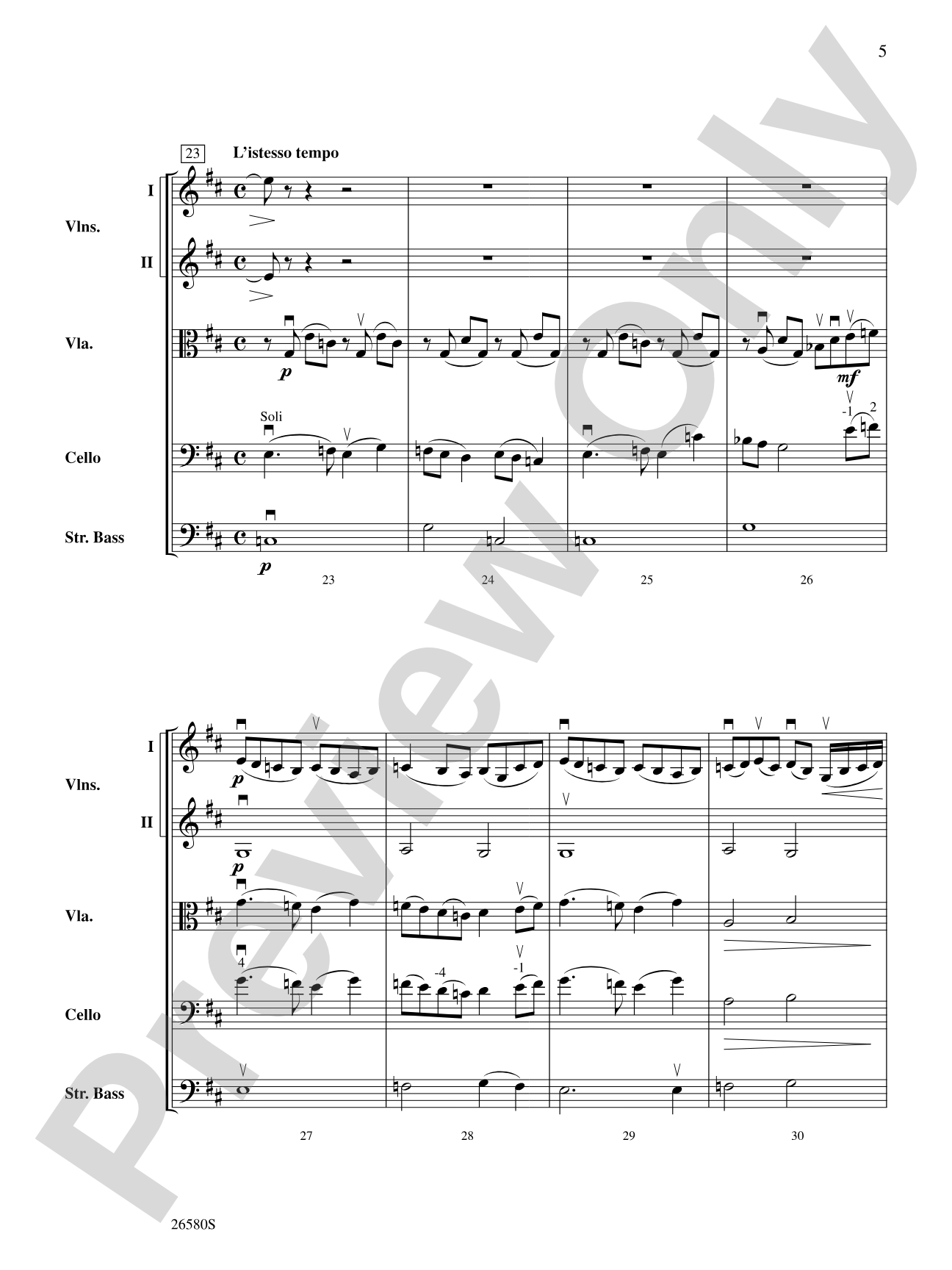
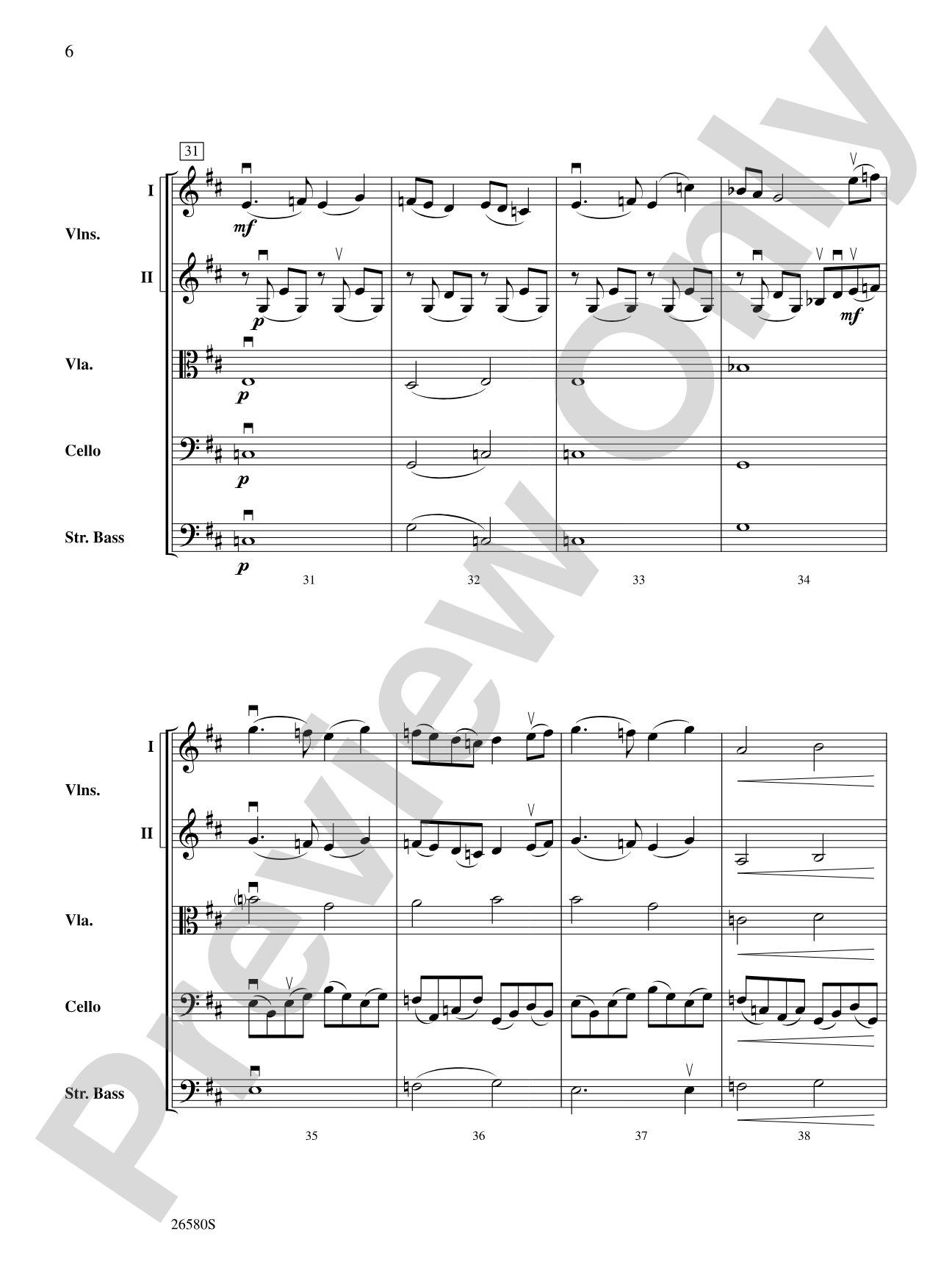
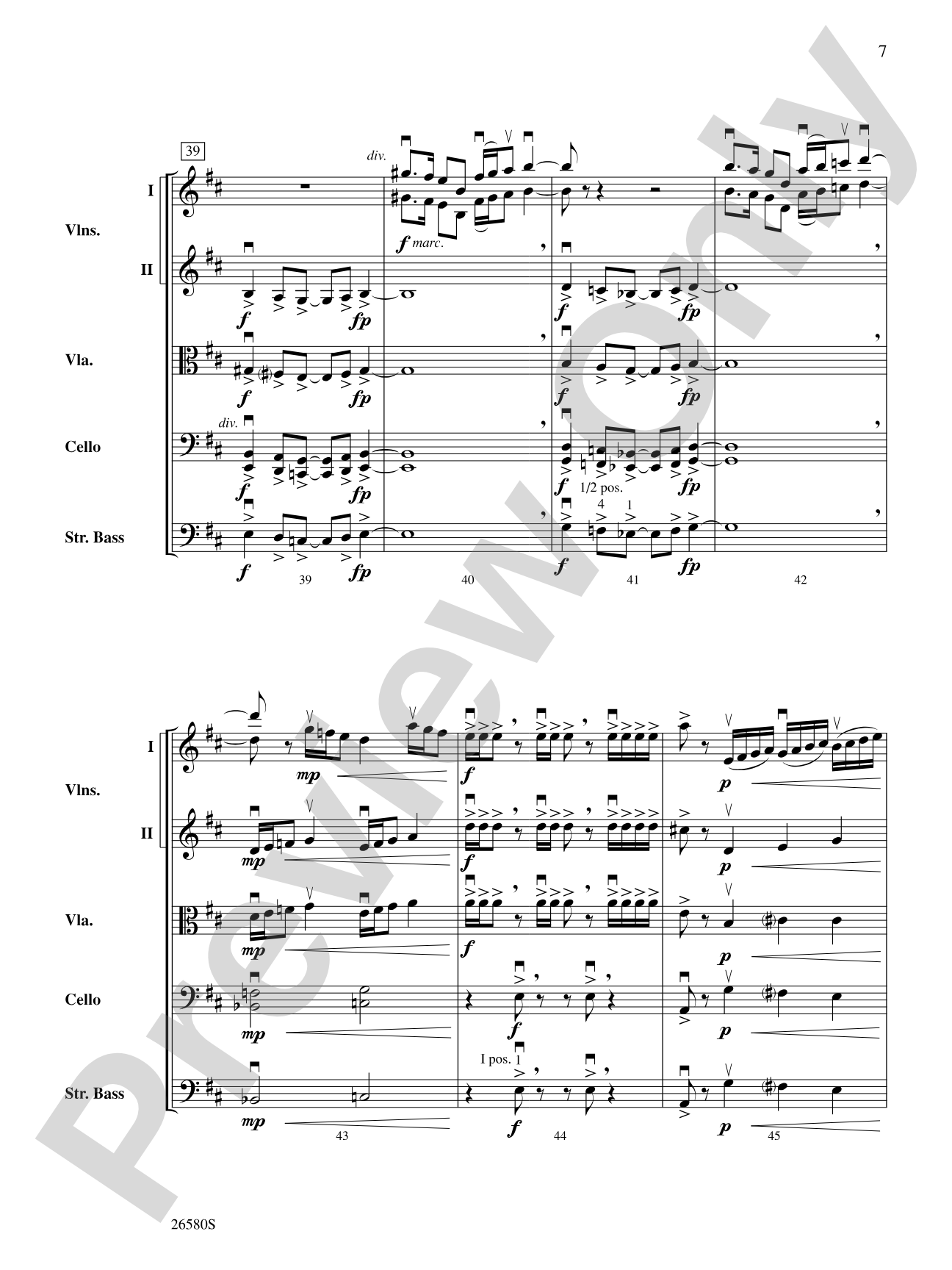
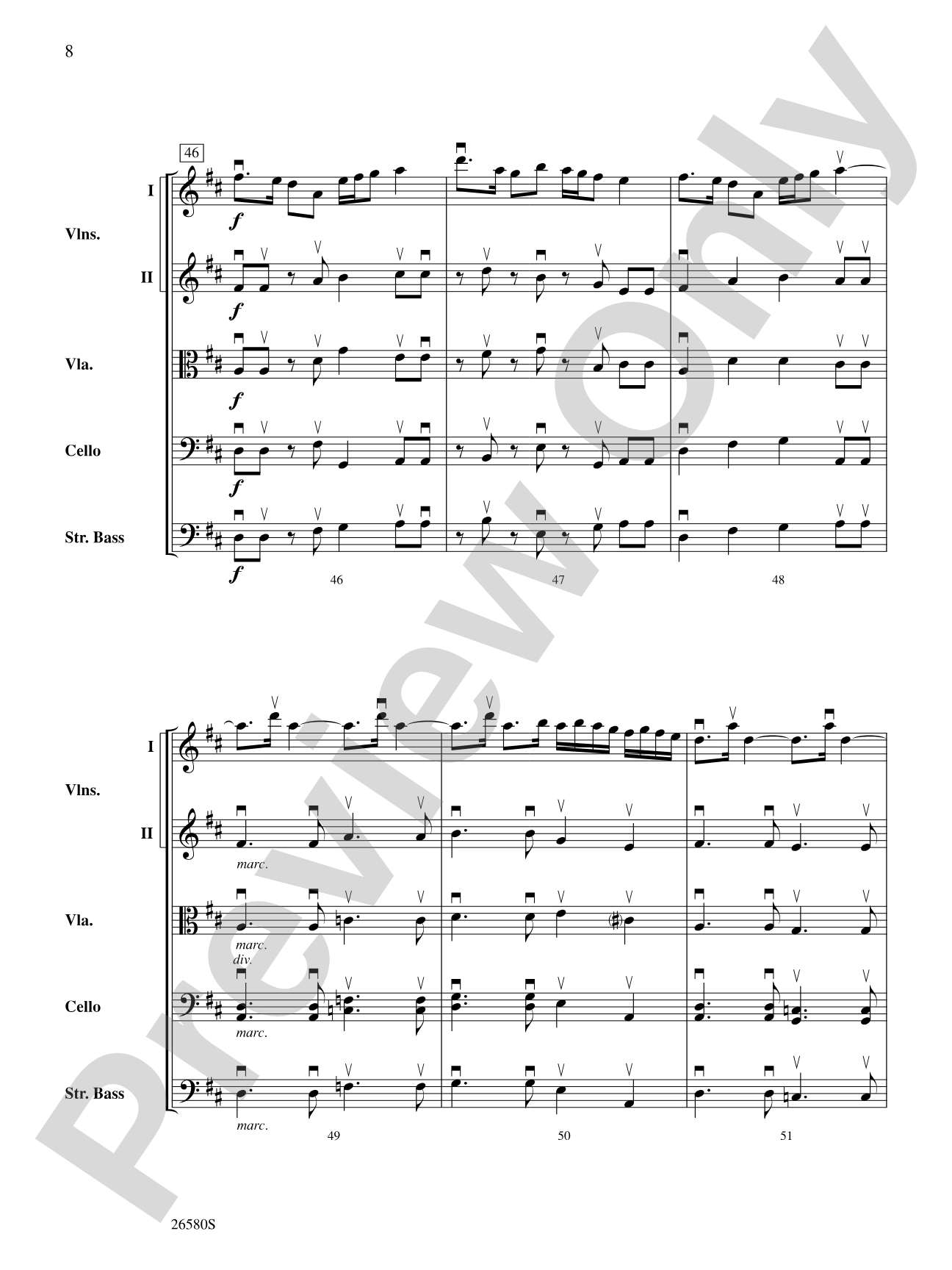
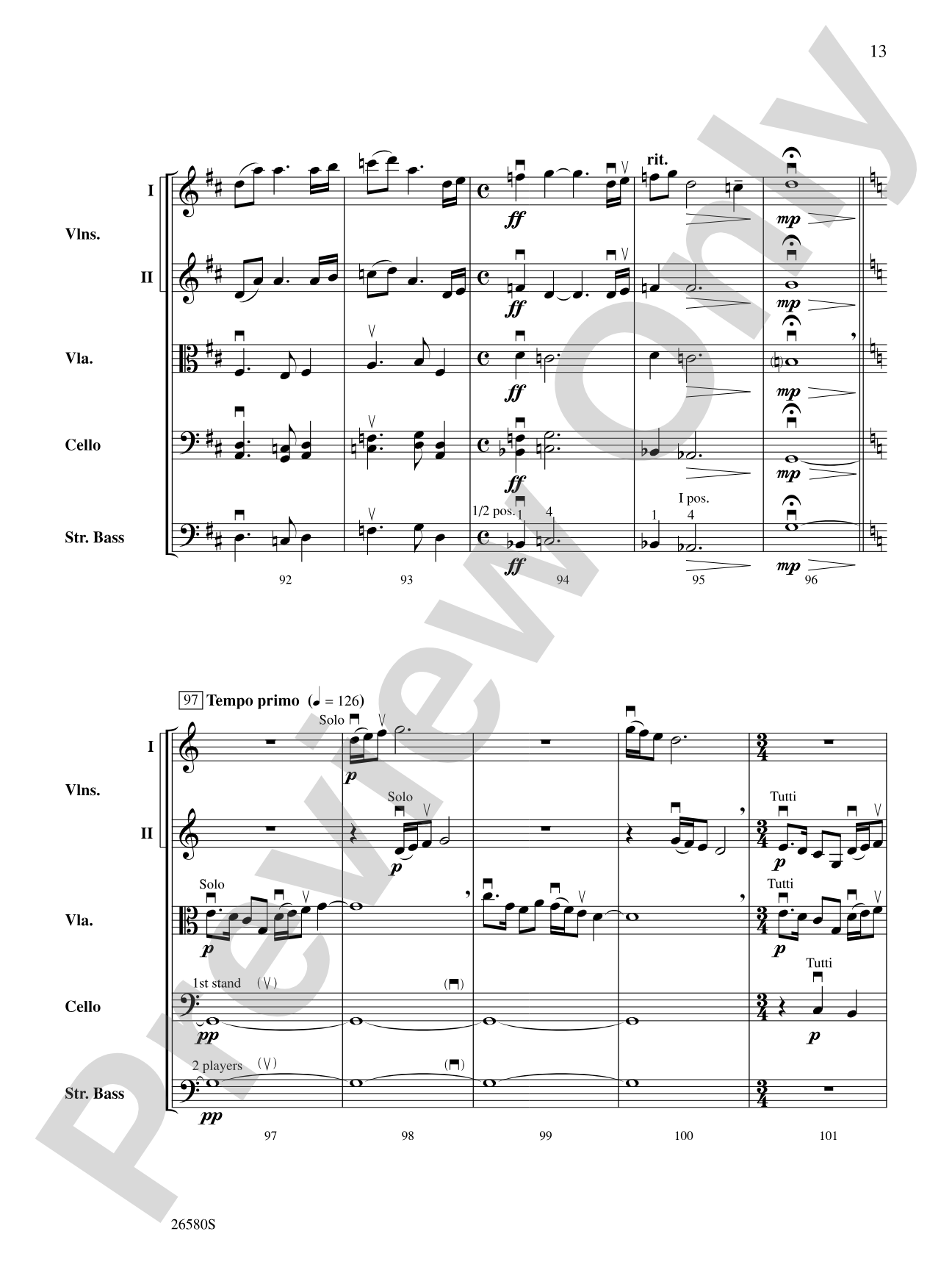
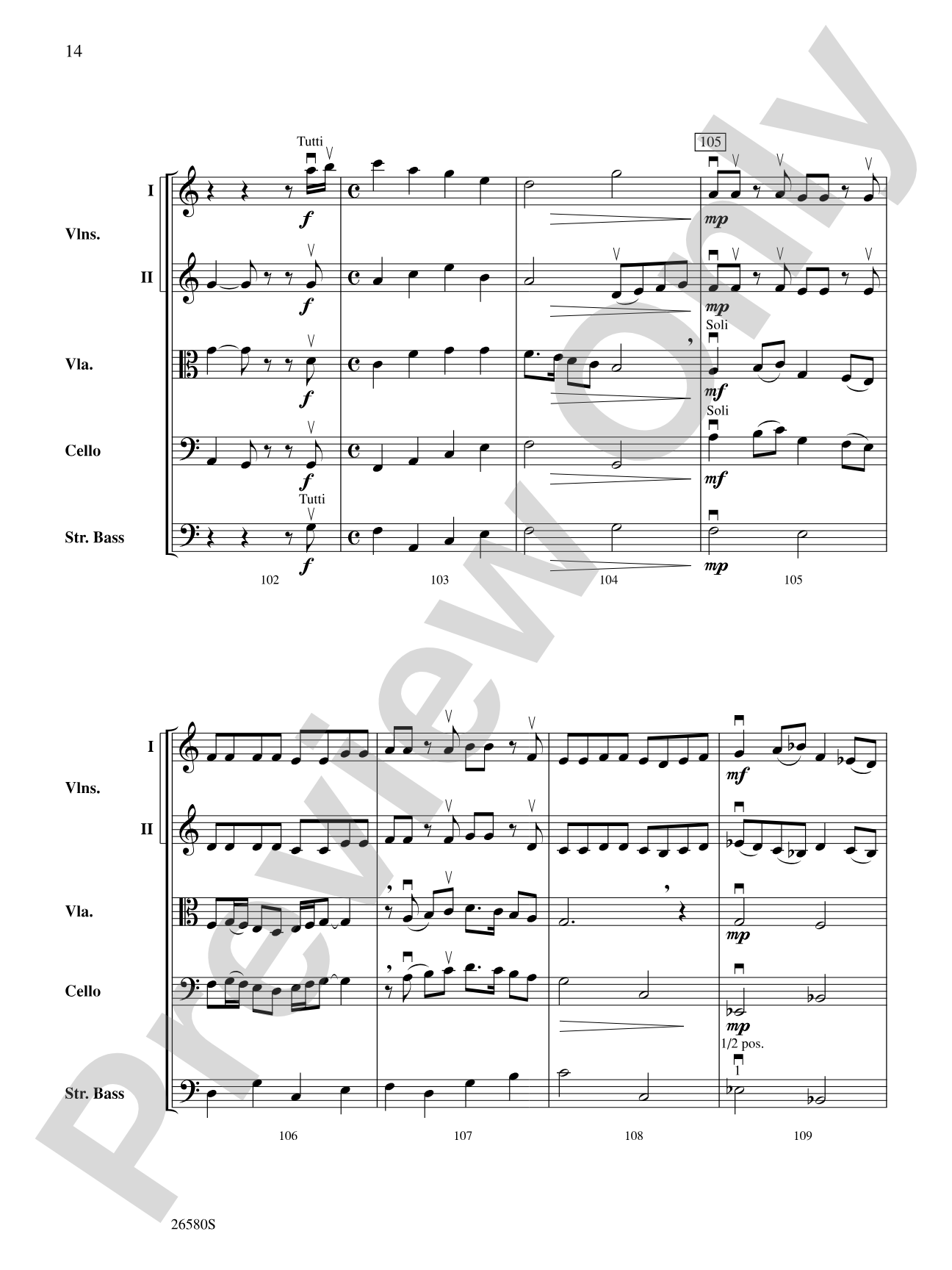
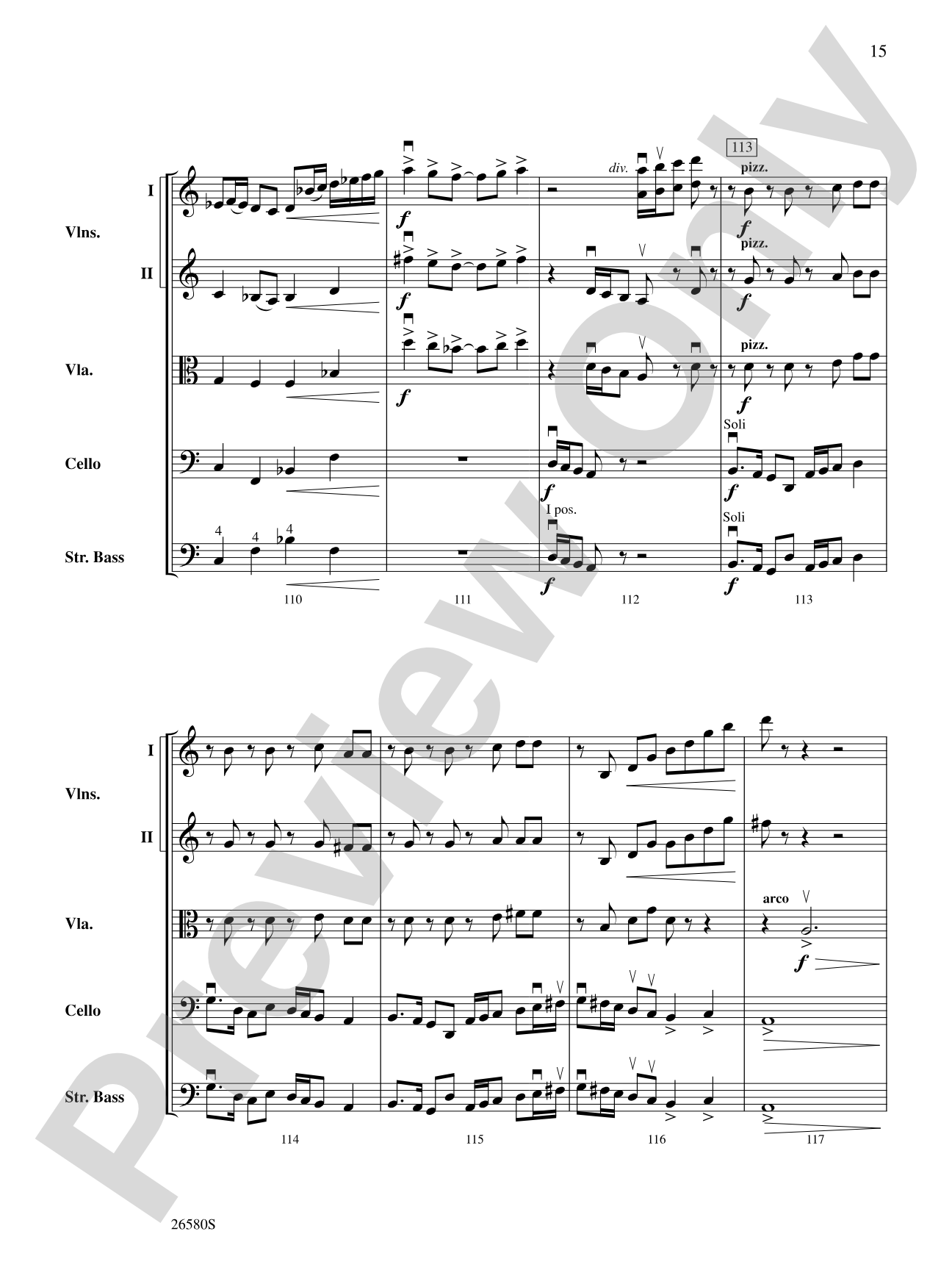
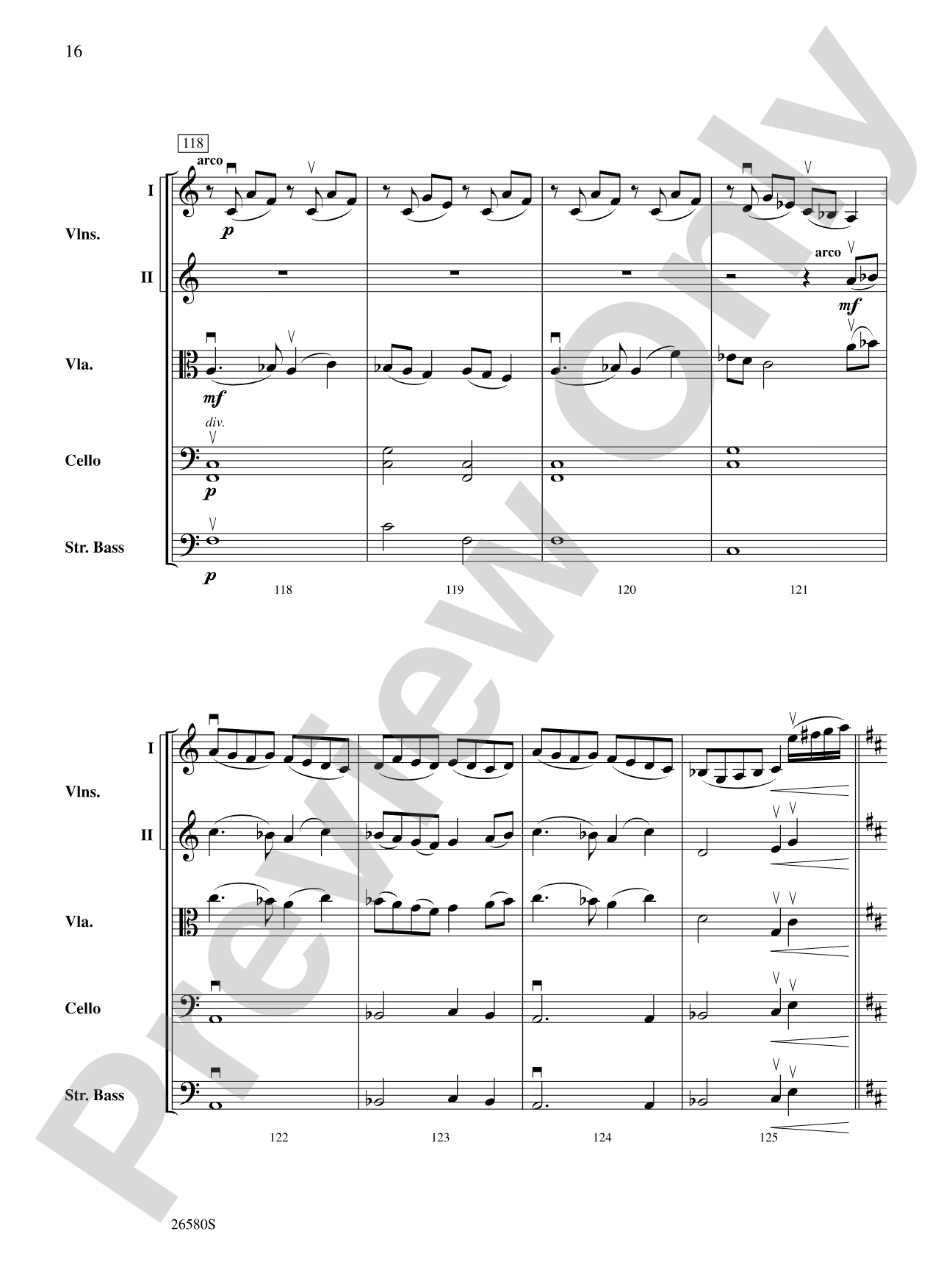
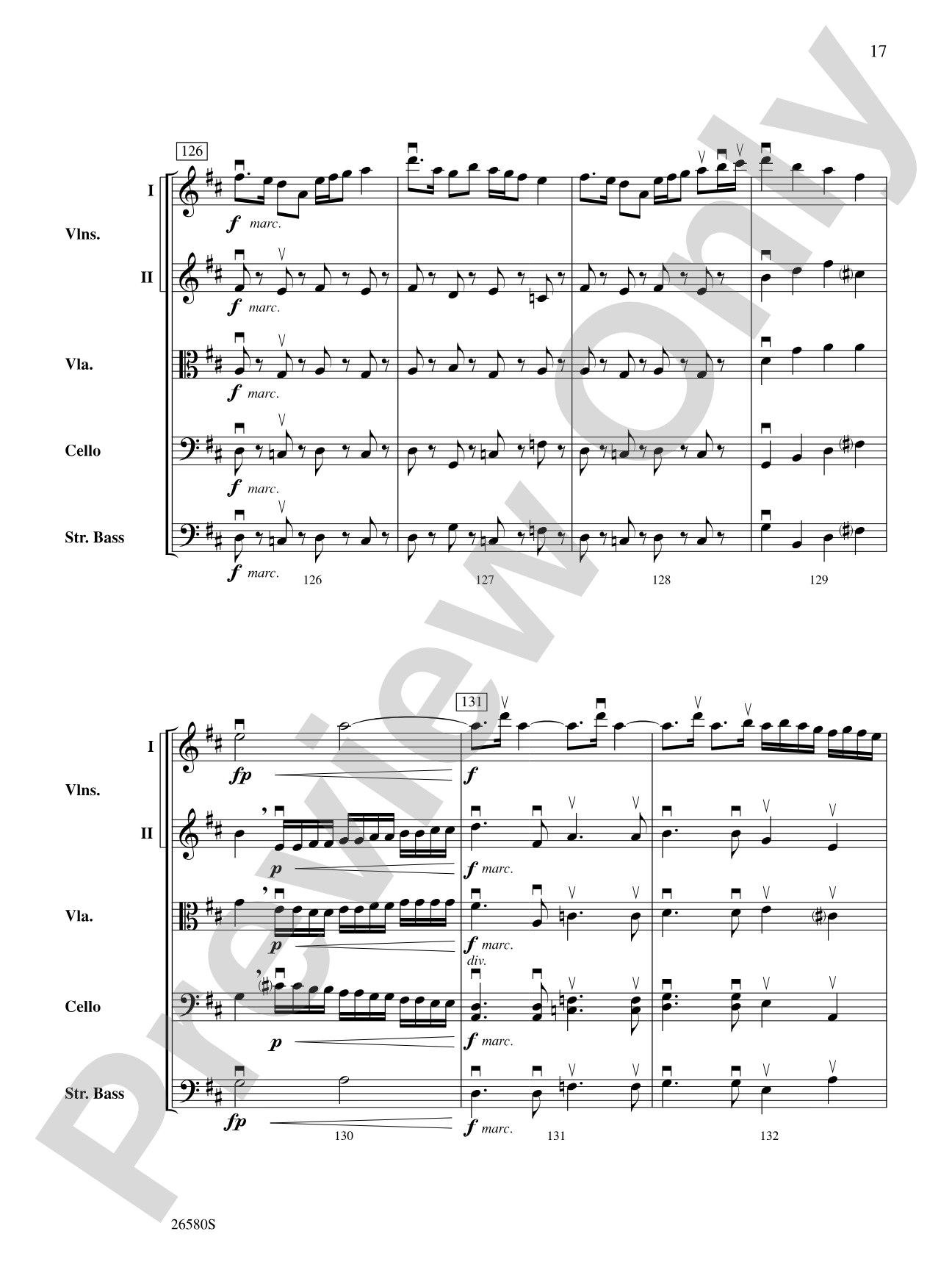
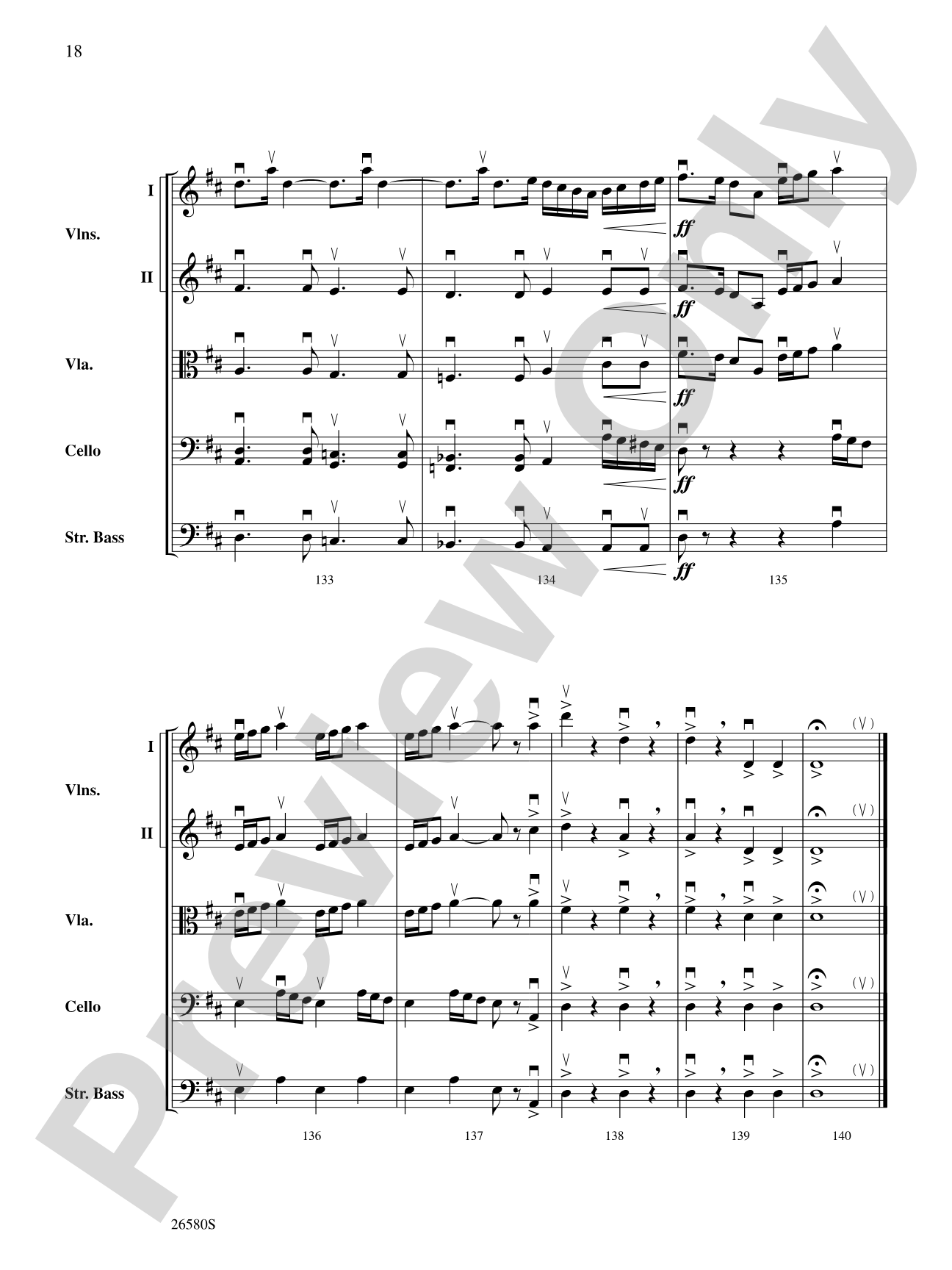



Carpe Diem!: Score
By Richard Meyer
Grade: 3
Item: 00-PR-0001081
$10.00
Pickup currently not available
Description
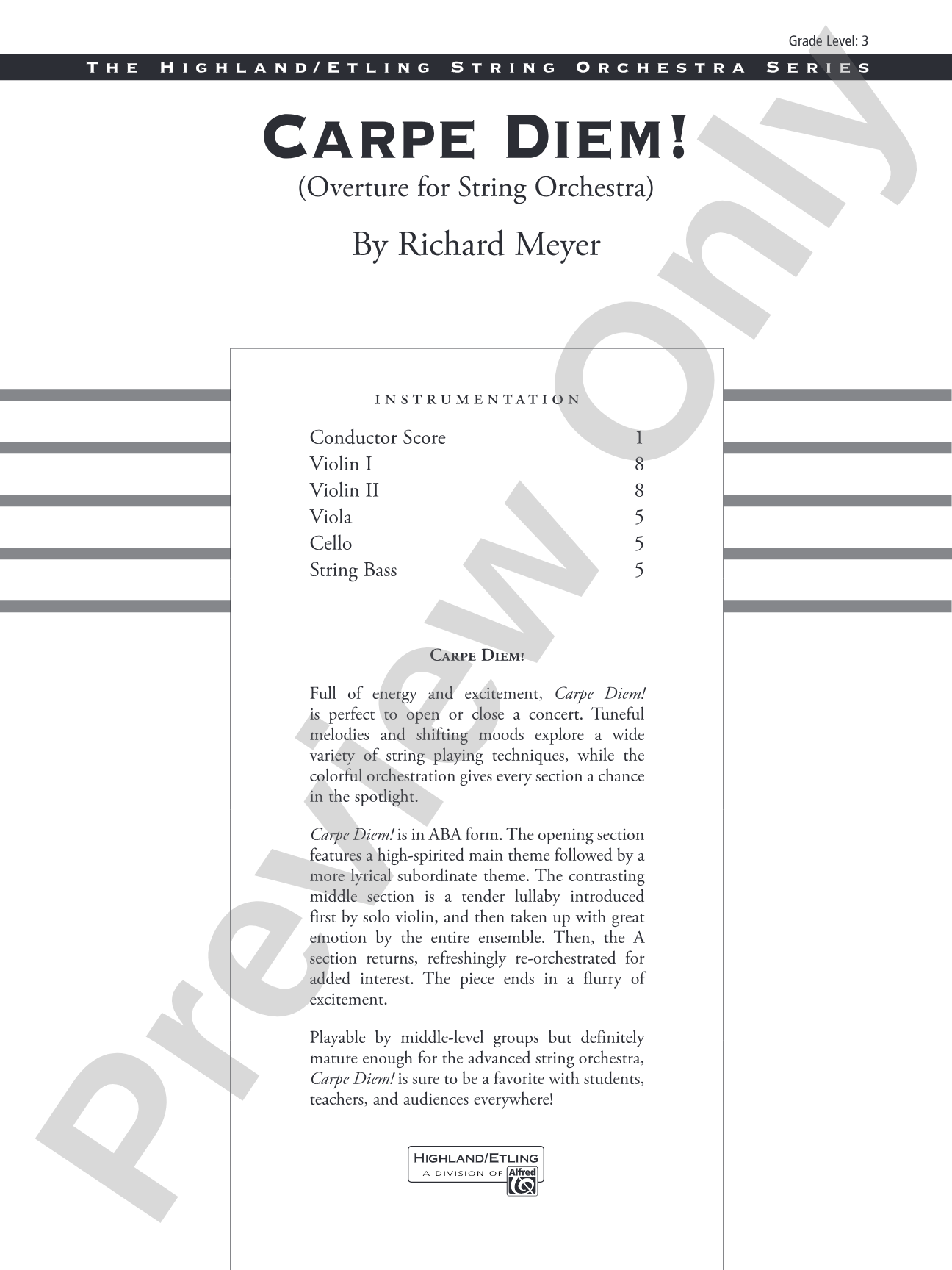
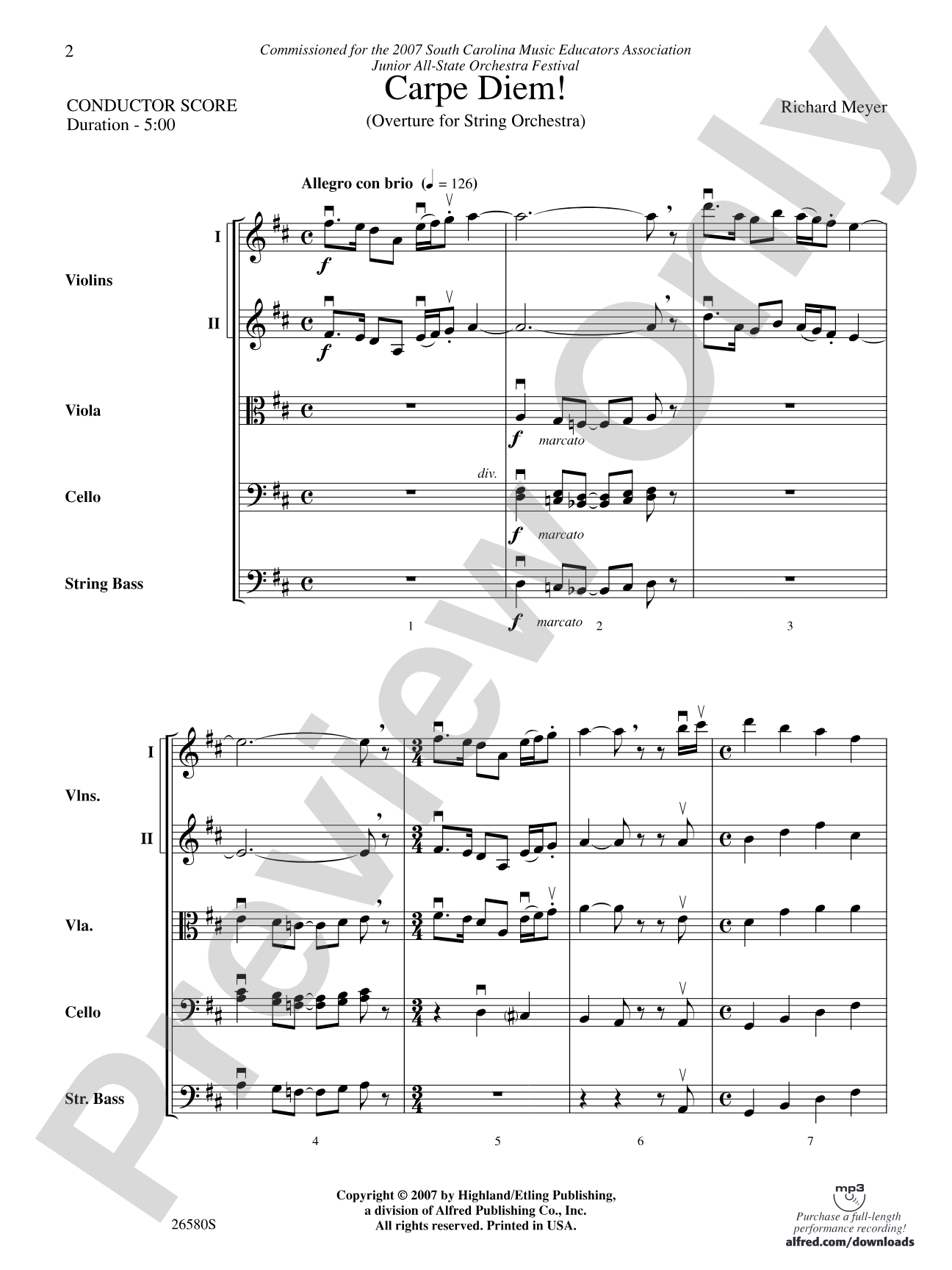
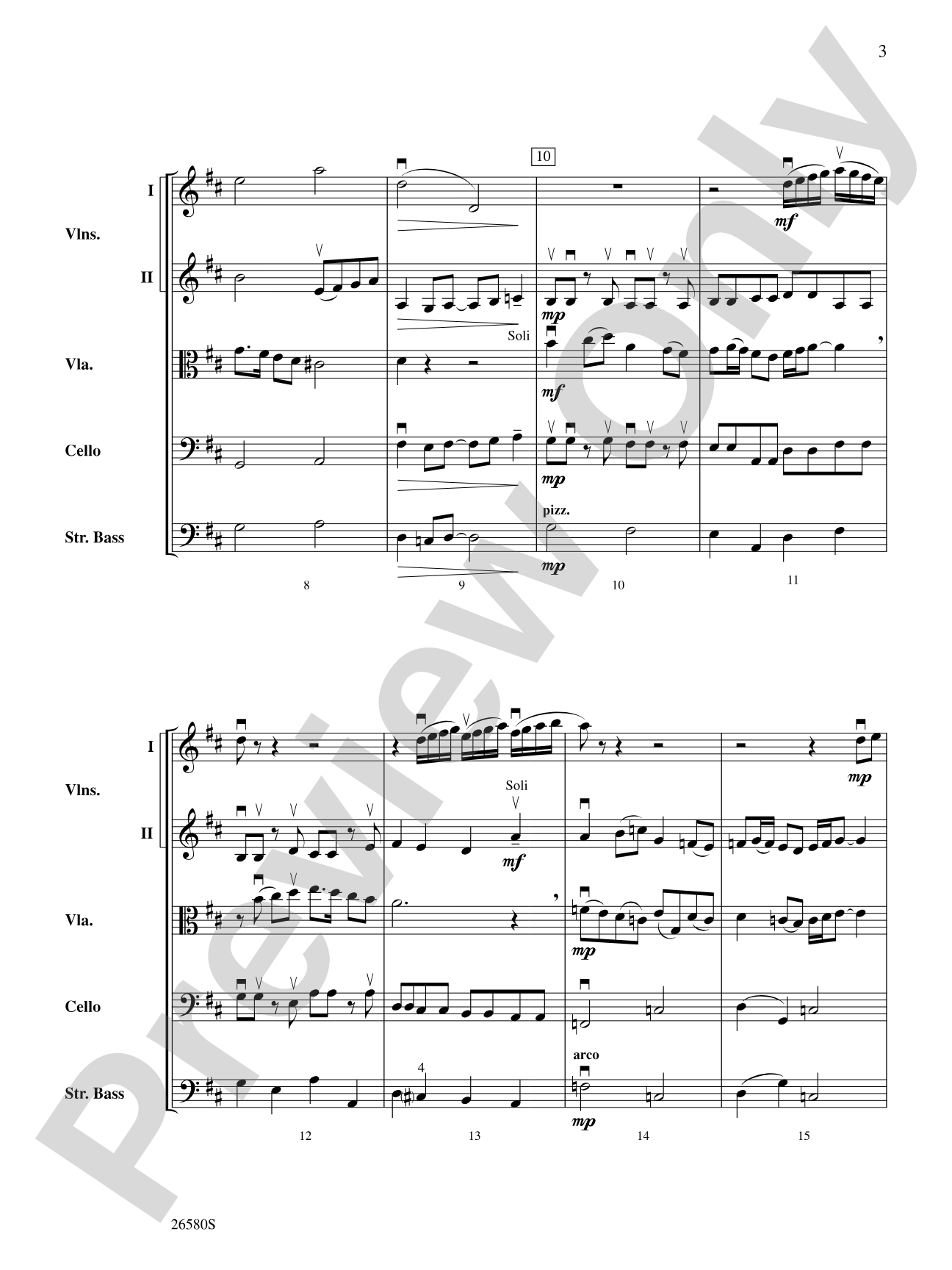
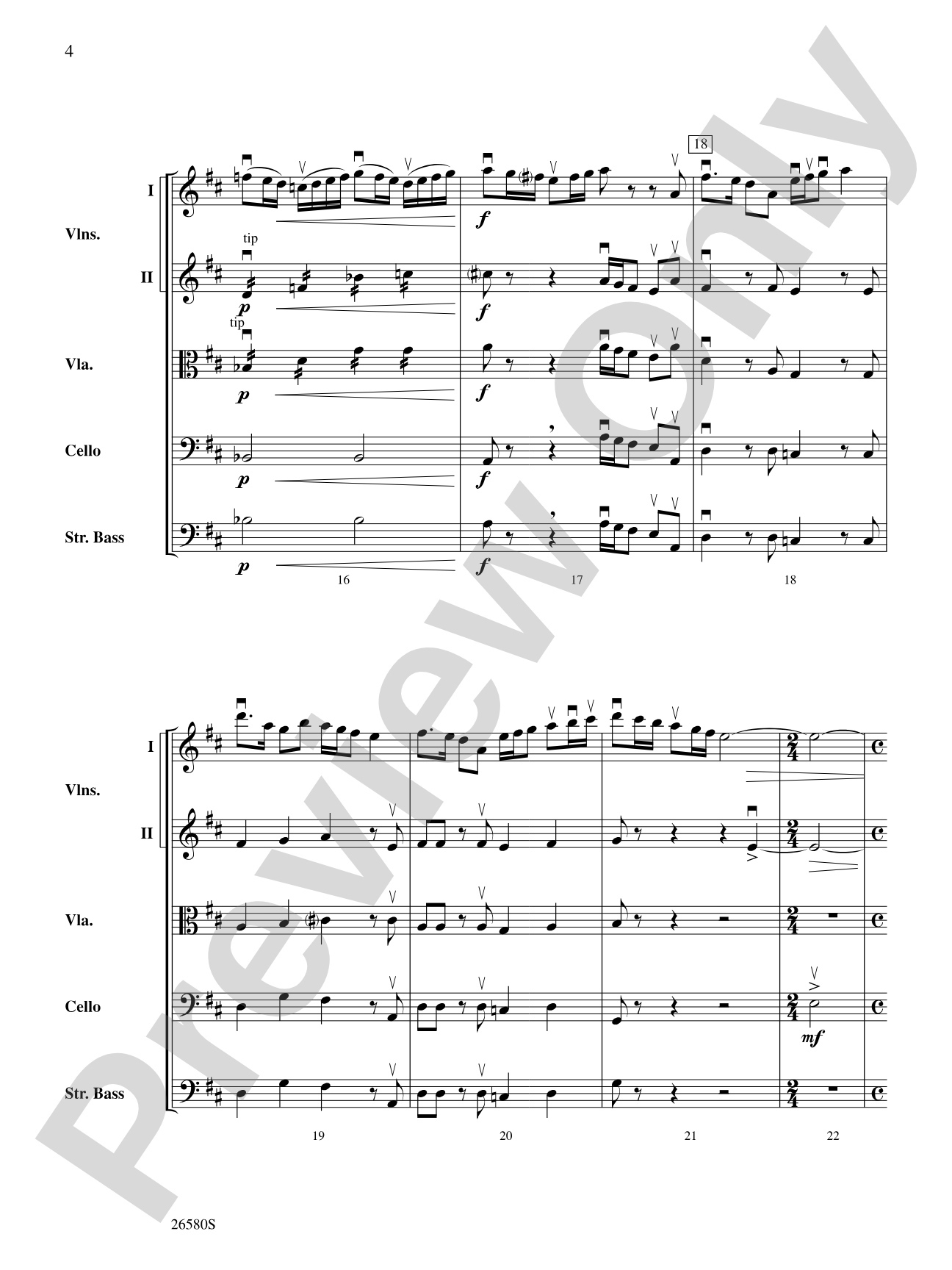
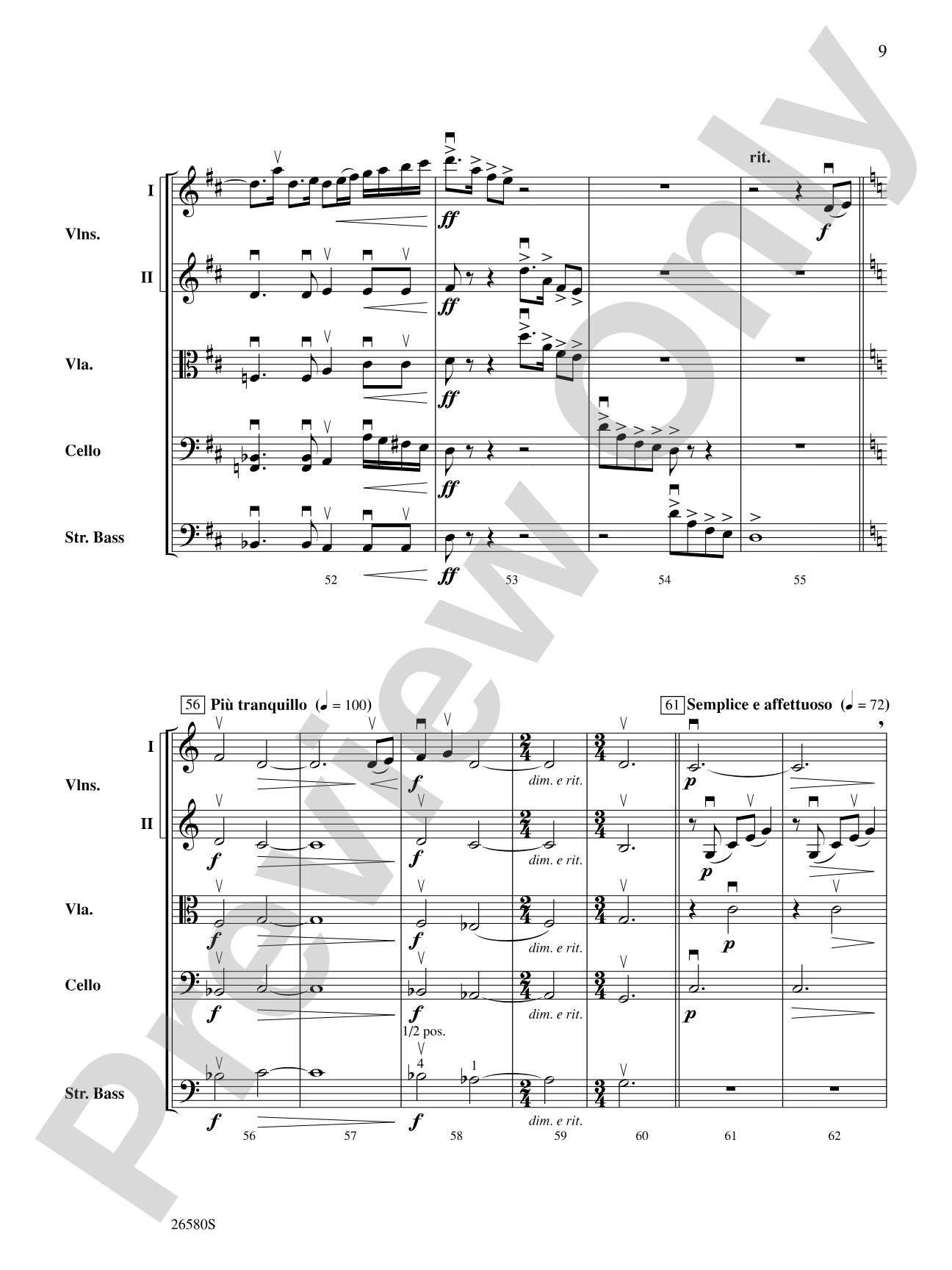
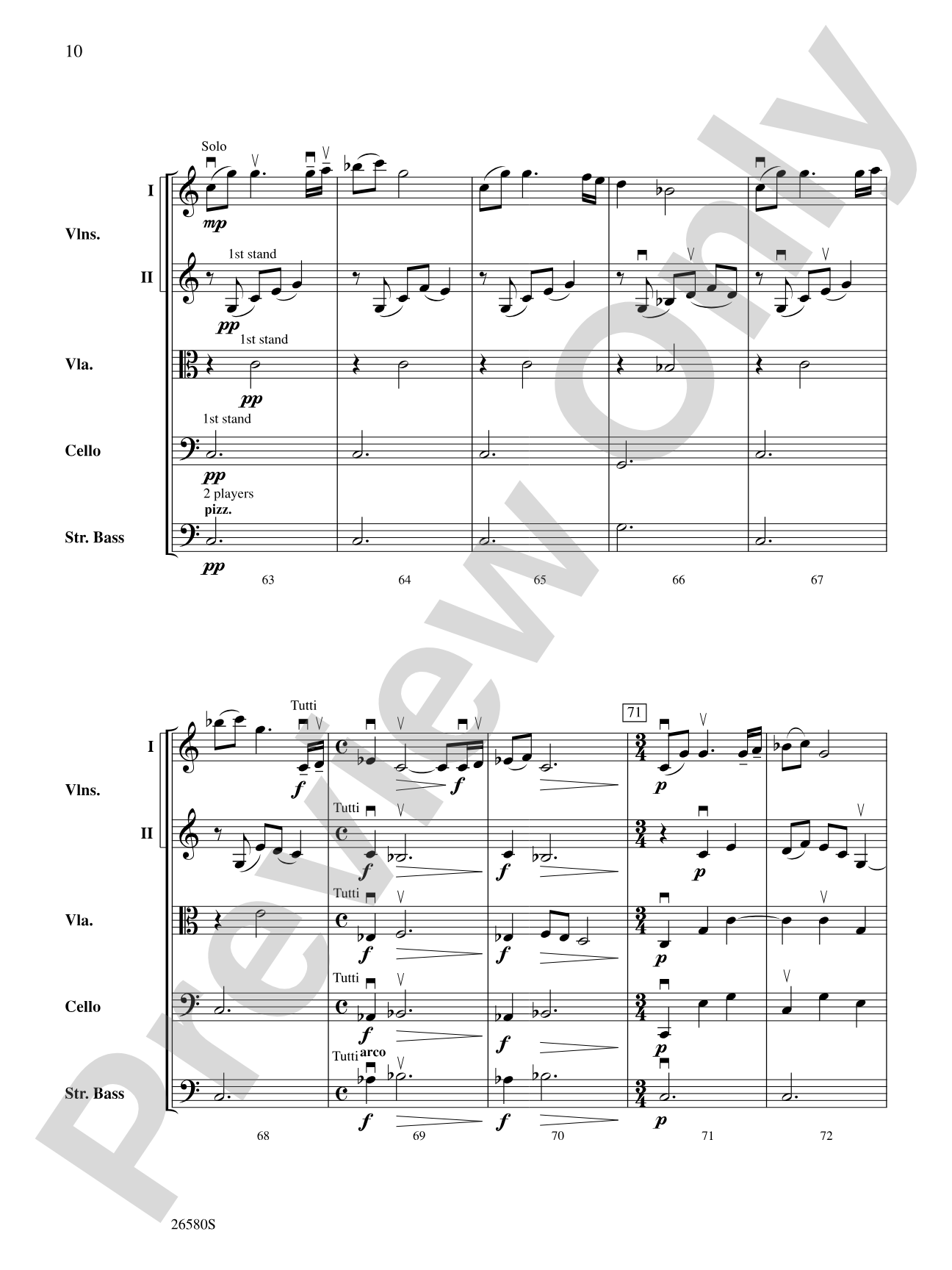
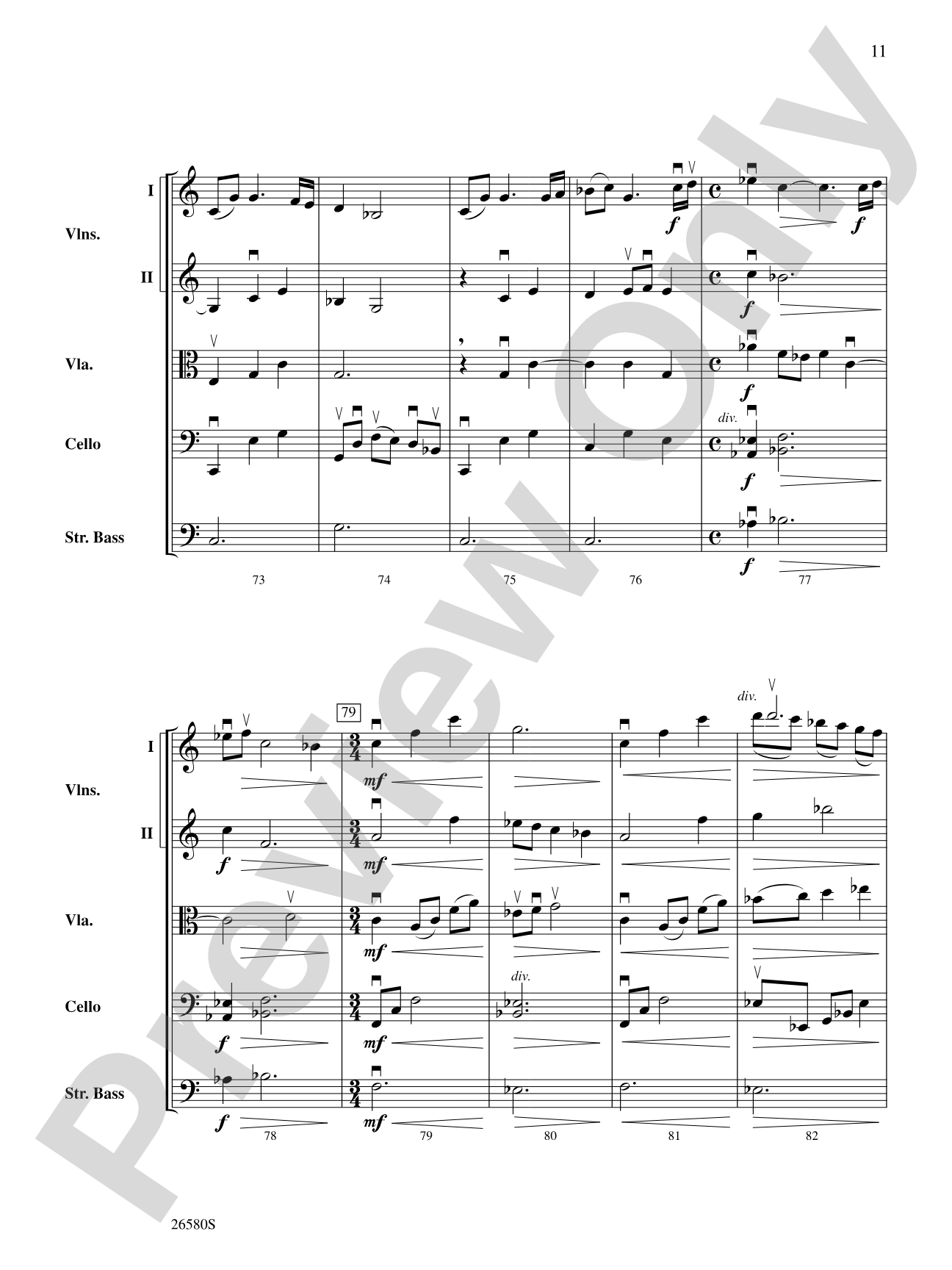
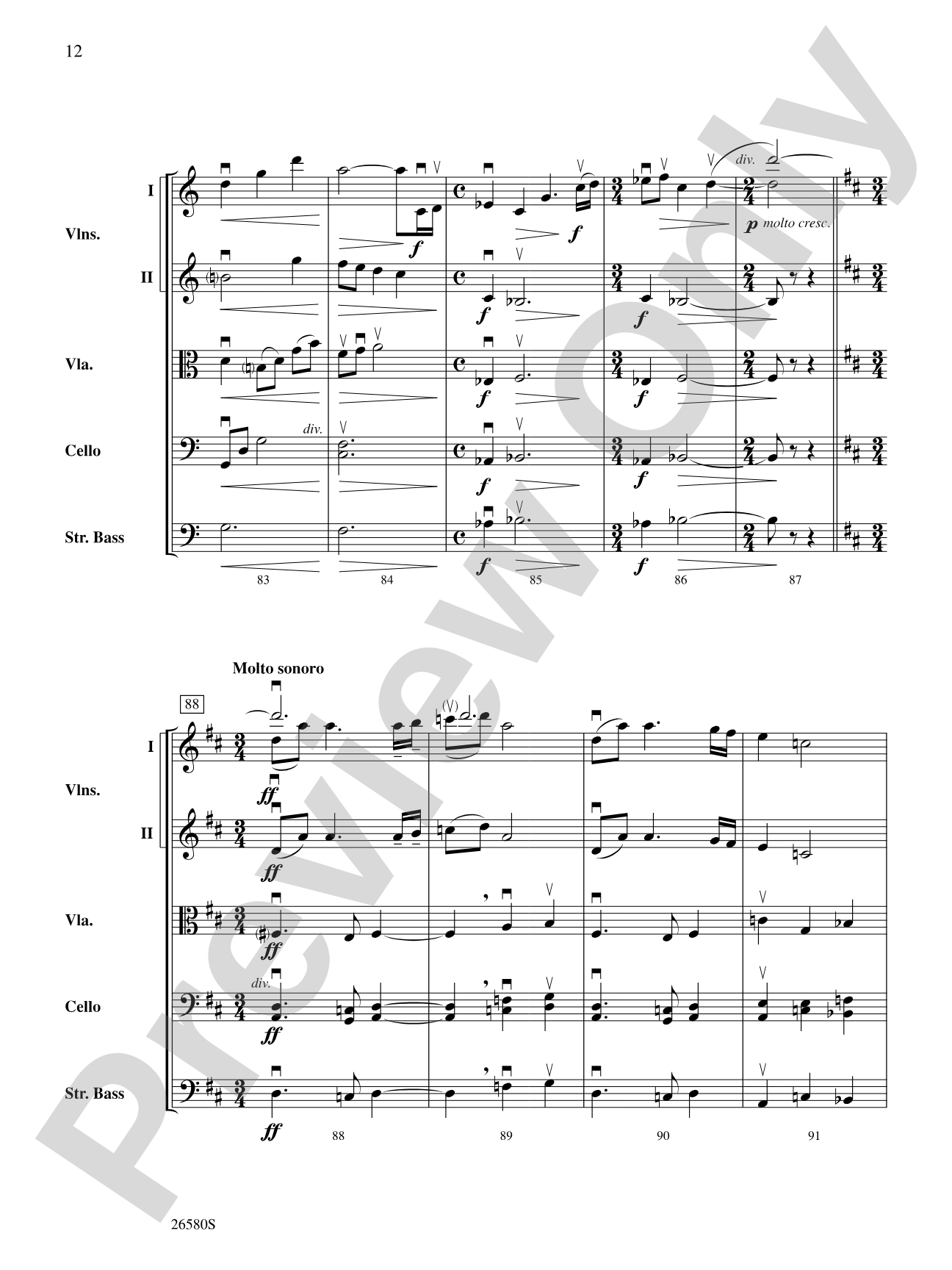
Full of energy and excitement, this overture makes for a perfect concert opener or closer. Tuneful melodies and shifting moods explore a wide variety of string playing techniques while the colorful orchestration gives every section a chance in the spotlight. Playable by middle-level groups but definitely mature enough for the advanced string orchestra, Carpe Diem! is sure to be a favorite with students, teachers, and audiences everywhere! This title is available in MakeMusic Cloud.


Don't just read it, hear it, play along with it, and watch your students grow with it. In MakeMusic Cloud, Carpe Diem!: Score comes alive with professional accompaniment, adjustable tempo, and built-in practice tools that turn solo practice into real progress.
Open in the Player
Jump straight in and assign it today.
Start Your Free Trial
Open this title and explore the full library in minutes.
Sample Audio
1
Audio File
--:--
0:00
0:00
Sample Video
No sample videos found.
Additional Details
Series:
Highland/Etling String Orchestra
Publisher:
Alfred Music
Page Count:
124
SKU:
00-PR-0001081
More about this title
About the Composer: Richard Meyer
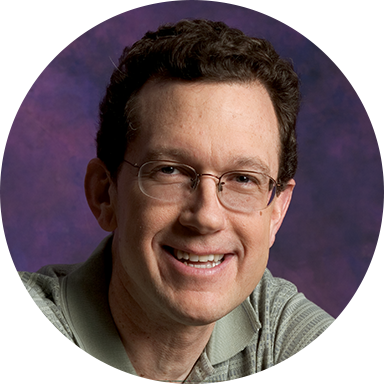
Richard Meyer brings four decades of string education experience to his compositions, having shaped orchestral programs from elementary through high school levels across Southern California. His tenure directing orchestras at Oak Avenue Intermediate School in Temple City transformed a program of 29 students into a thriving ensemble of 200, while his work with the Pasadena Youth Symphony Orchestra for 16 years established him as a conductor of regional and international standing. Meyer's "Giving Bach" initiative, launched in 2009, pioneered innovative approaches to reaching special needs and underserved student populations through interactive concert experiences.
As a composer and arranger, Meyer has placed over 190 works in print and served as string editor for Alfred Publishing Company. His pedagogical contributions extend through co-authored method books and clinician appearances at major conferences including the A.S.T.A. National Conference and All-State honor orchestras across multiple states. His work consistently reflects a deep understanding of what student musicians need to grow as players and musicians.
Why we love this
Meyer writes for what actually happens in string orchestras rather than what he wishes would happen. The piece balances the technical exploration that keeps students engaged with melodies strong enough that audiences connect immediately, and the orchestration genuinely distributes the musical weight so every section experiences moments of prominence. It reads as a concert centerpiece rather than a filler piece.
What to expect
Energy propels the piece forward from the first measure, with tuneful lines that stick in students' ears long after rehearsal ends. The orchestration shifts between sections with enough color and variety that listening feels like watching light refract through different surfaces, never static, always moving.
Who it's for
Middle-level string orchestras benefit from the accessible technical demands and immediate appeal, while advanced groups will find maturity in the harmonic language and structural sophistication. Conductors seeking a piece that works equally well as a season opener or finale have a reliable tool here.
How to get the most out of it
- Attend to the dynamic shifts as mood changes; they're the architecture of the piece, not just surface coloration. Let each section's transition breathe naturally rather than rushing between moods.
- Isolate the rhythmic figures that recur across sections during sectionals. Students retain ensemble cohesion faster when they recognize thematic material returning in new contexts.
- Map out which techniques appear where (double stops, pizzicato passages, vibrato demands) and cluster rehearsal time accordingly rather than patching technique problems measure by measure.
- Conduct this with clarity in your upper body and specificity in your preparatory gestures. The energy comes from rhythmic precision and clear visual communication, not from asking for volume alone.
How to use it
Open a concert with this and you've set an immediate tone of engagement and momentum. Place it as a finale and you'll send audiences out energized. The 124 pages of score and parts mean it's substantial enough to anchor a program while remaining efficient to rehearse during a typical concert preparation timeline.
Skills your students will build
- Executing diverse string techniques (arco, pizzicato, double stops) in quick succession
- Responding to frequent dynamic and mood changes within a unified ensemble sound
- Reading and executing shifting orchestral textures where individual sections trade primary lines
- Maintaining rhythmic precision through energetic tempos and varied meters
- Balancing tuning across wide registral ranges when the full section takes the melodic foreground