
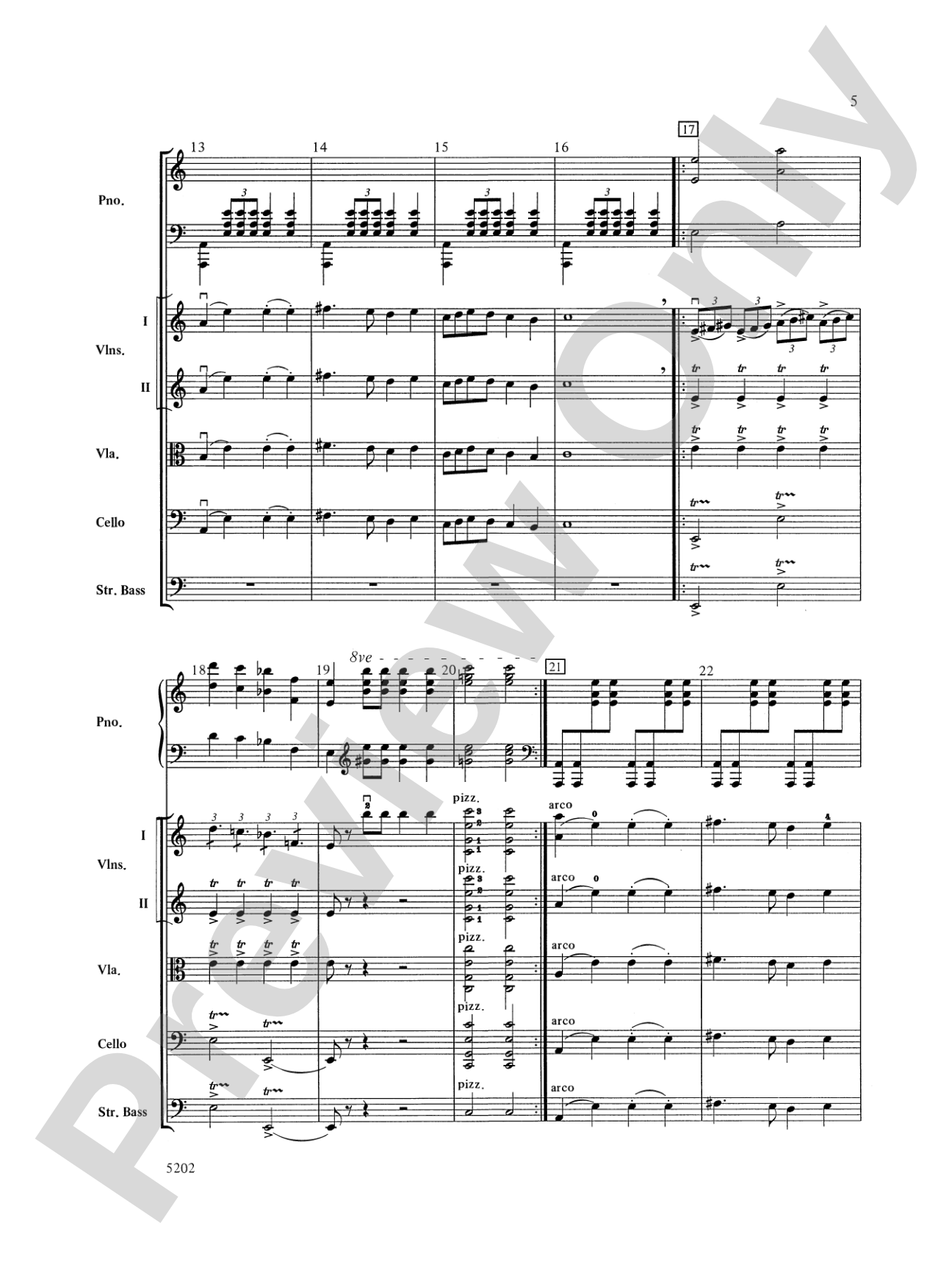
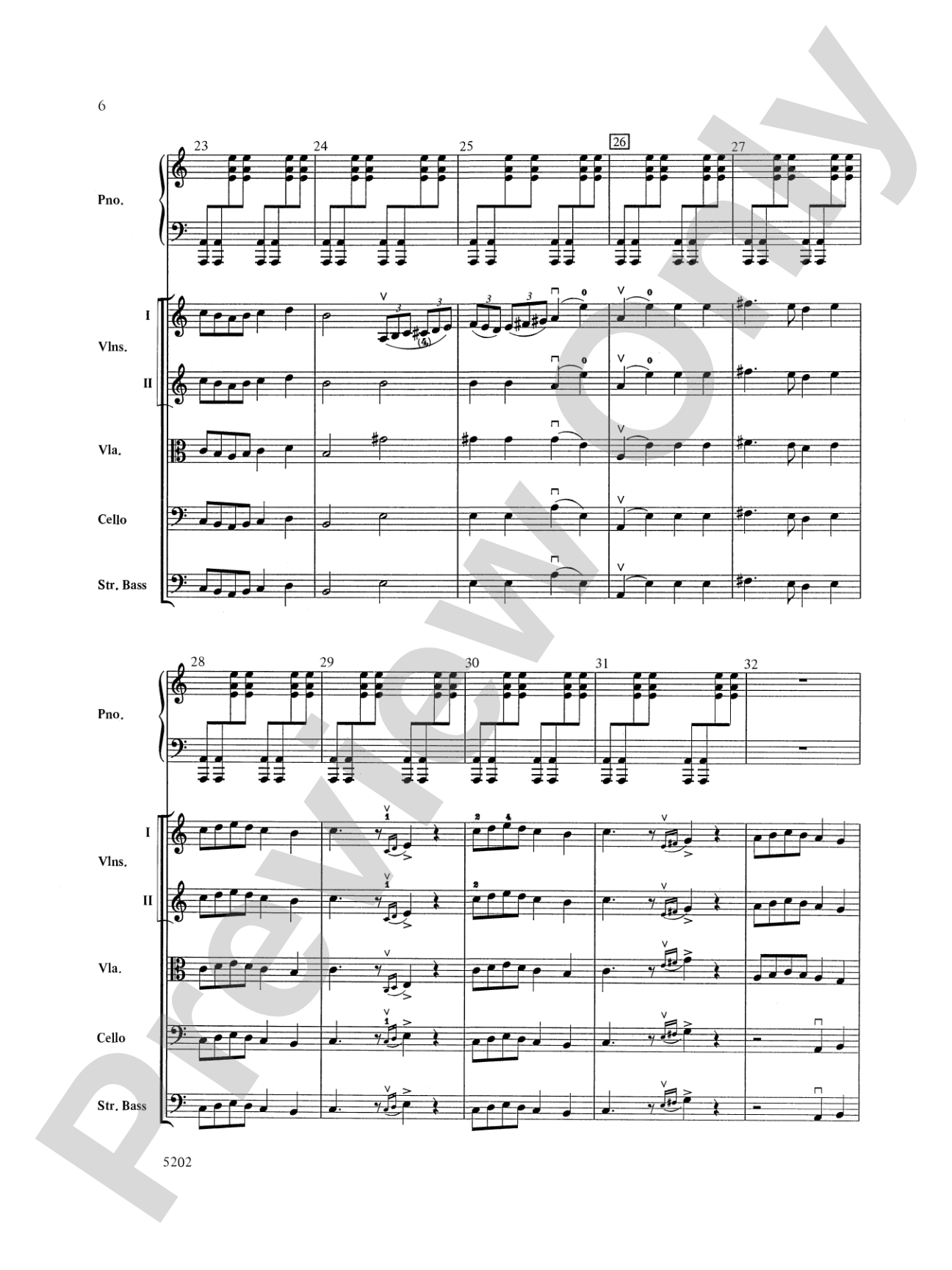
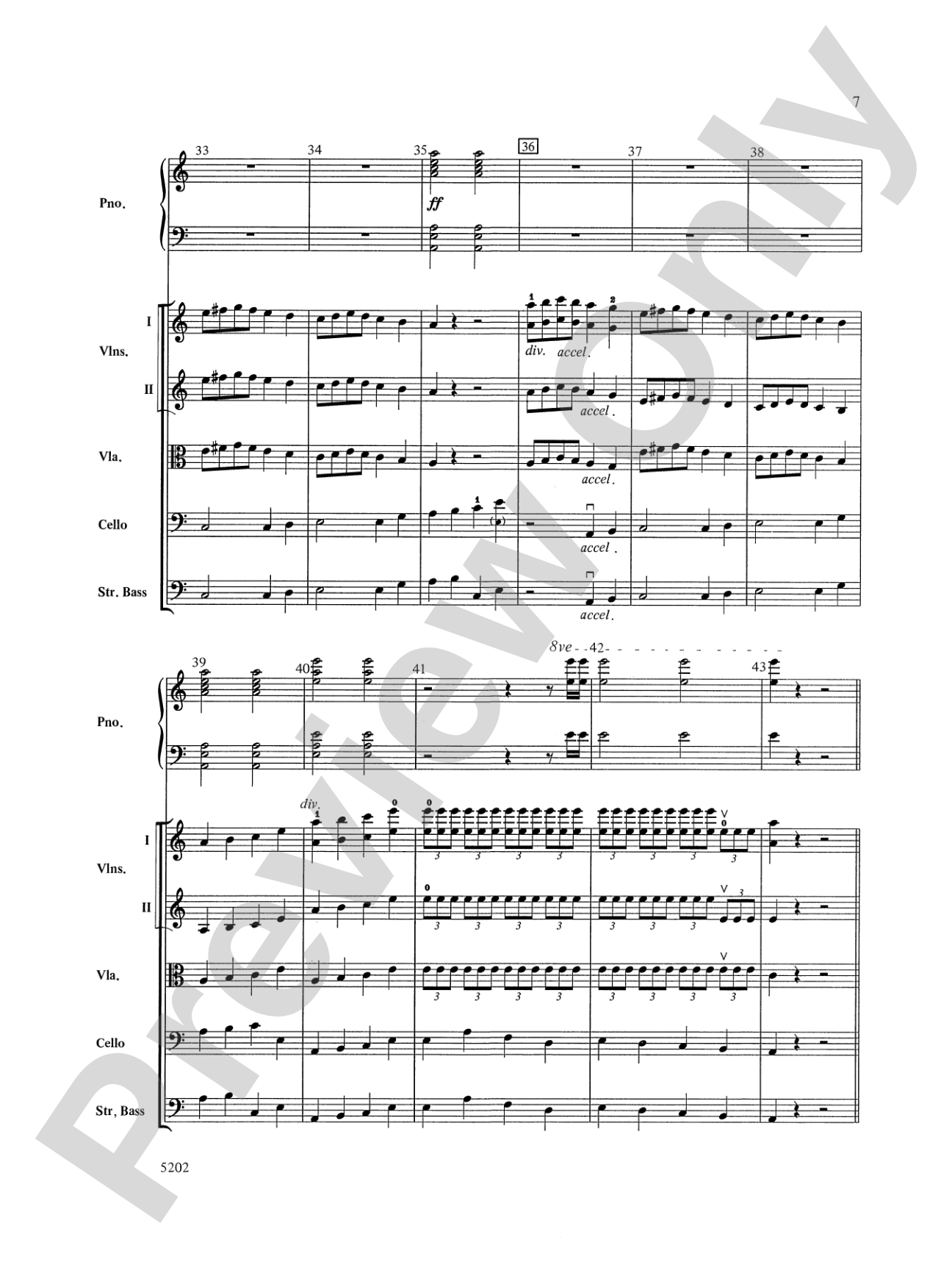
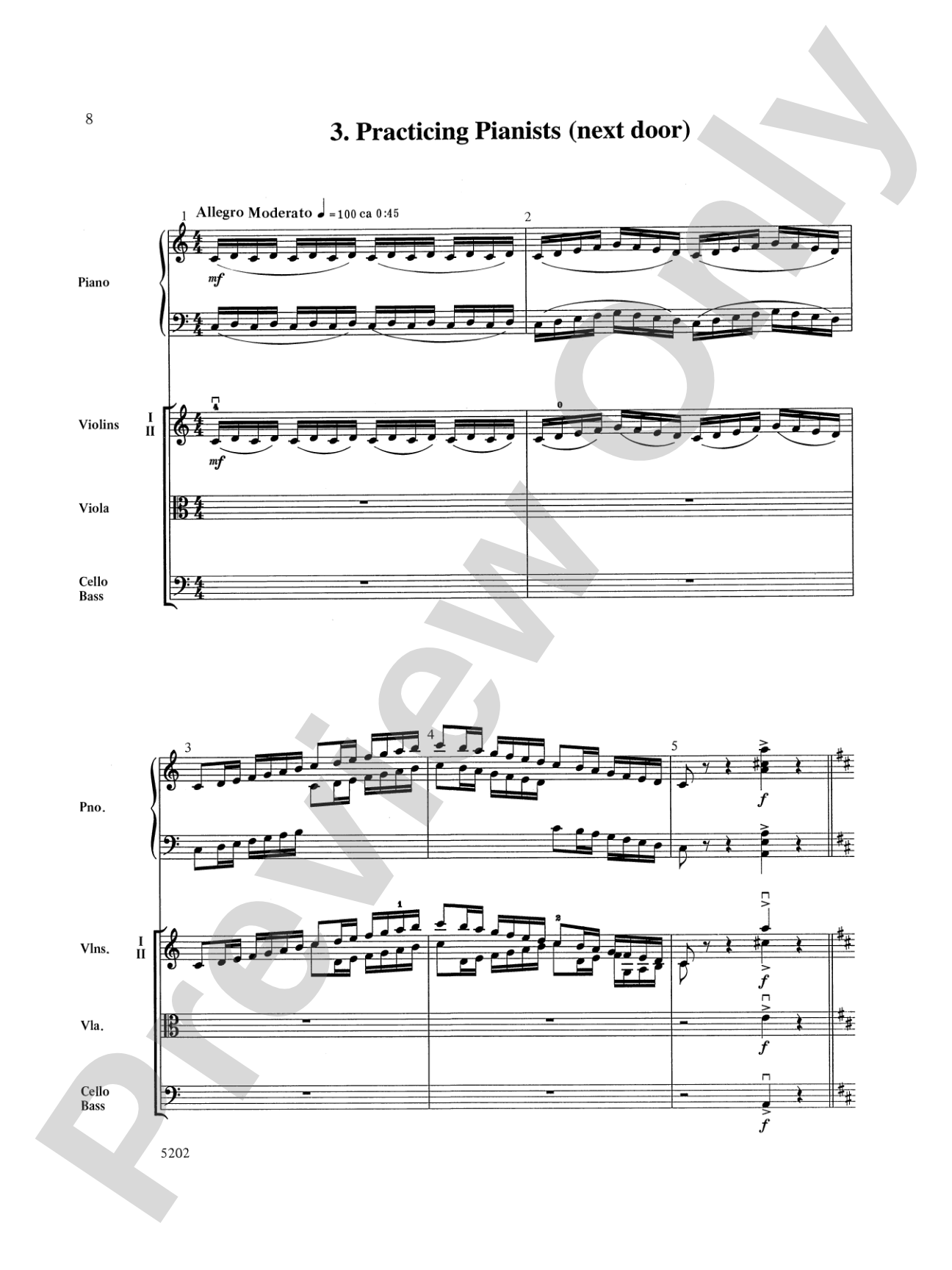
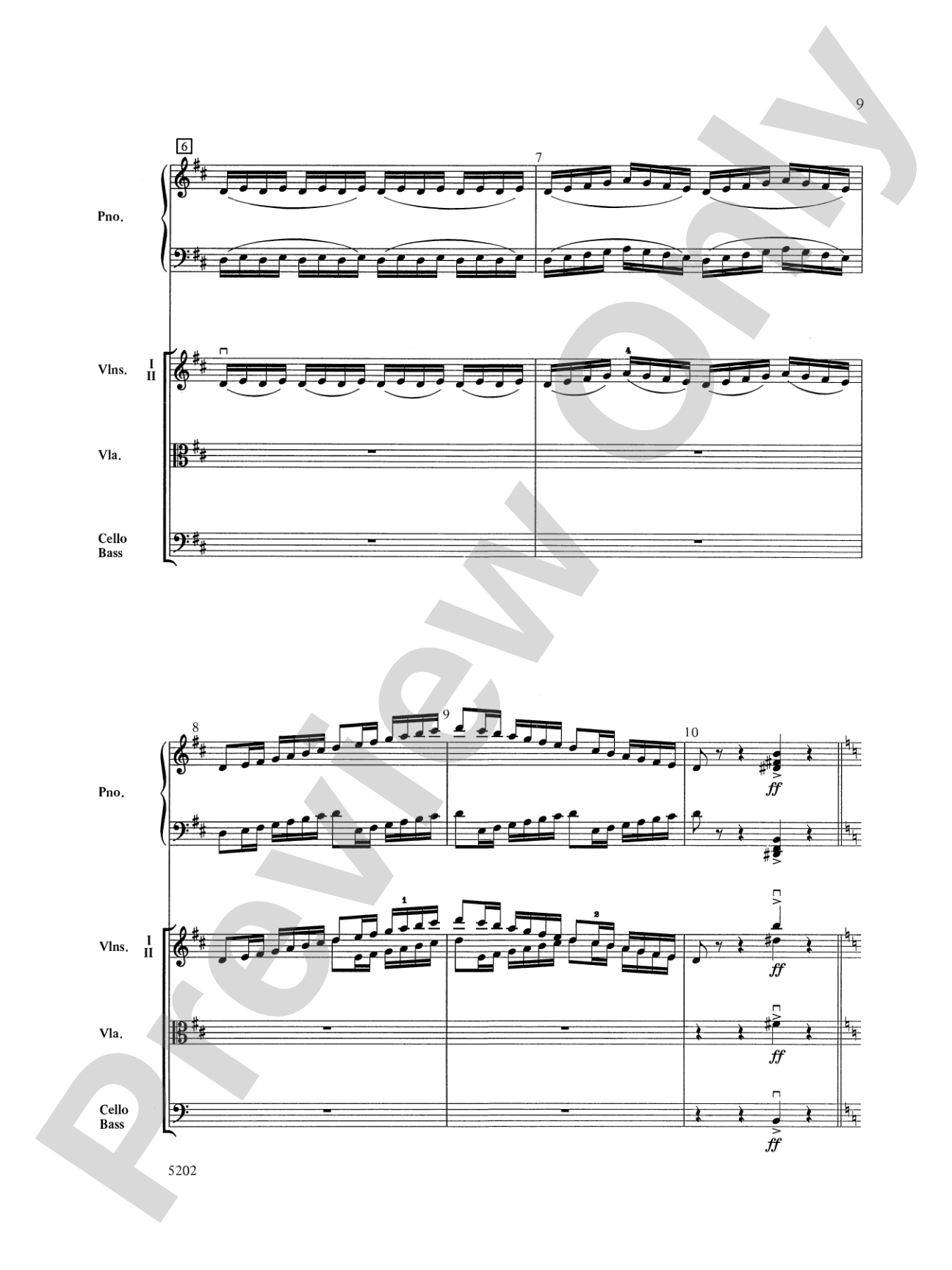
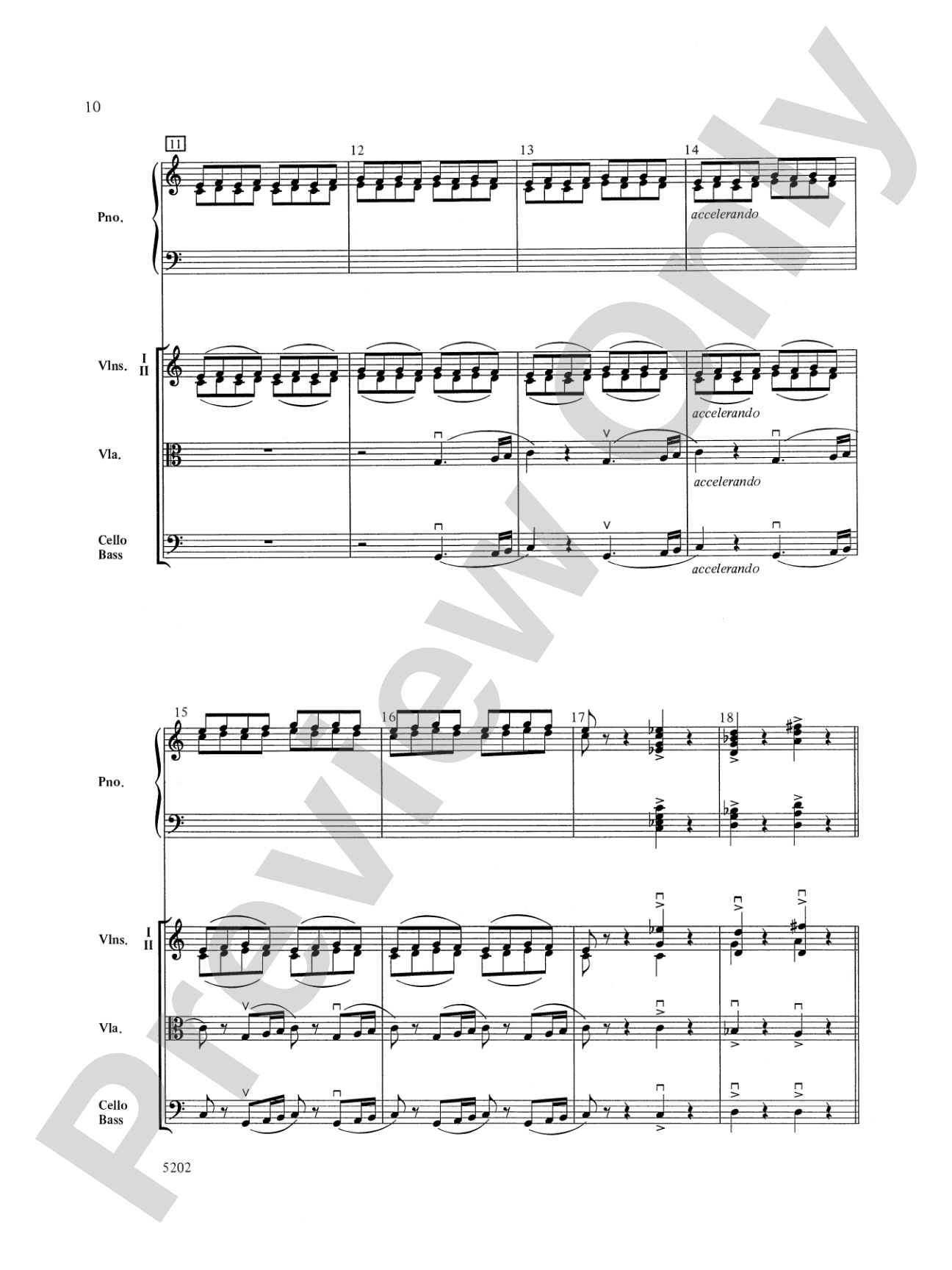
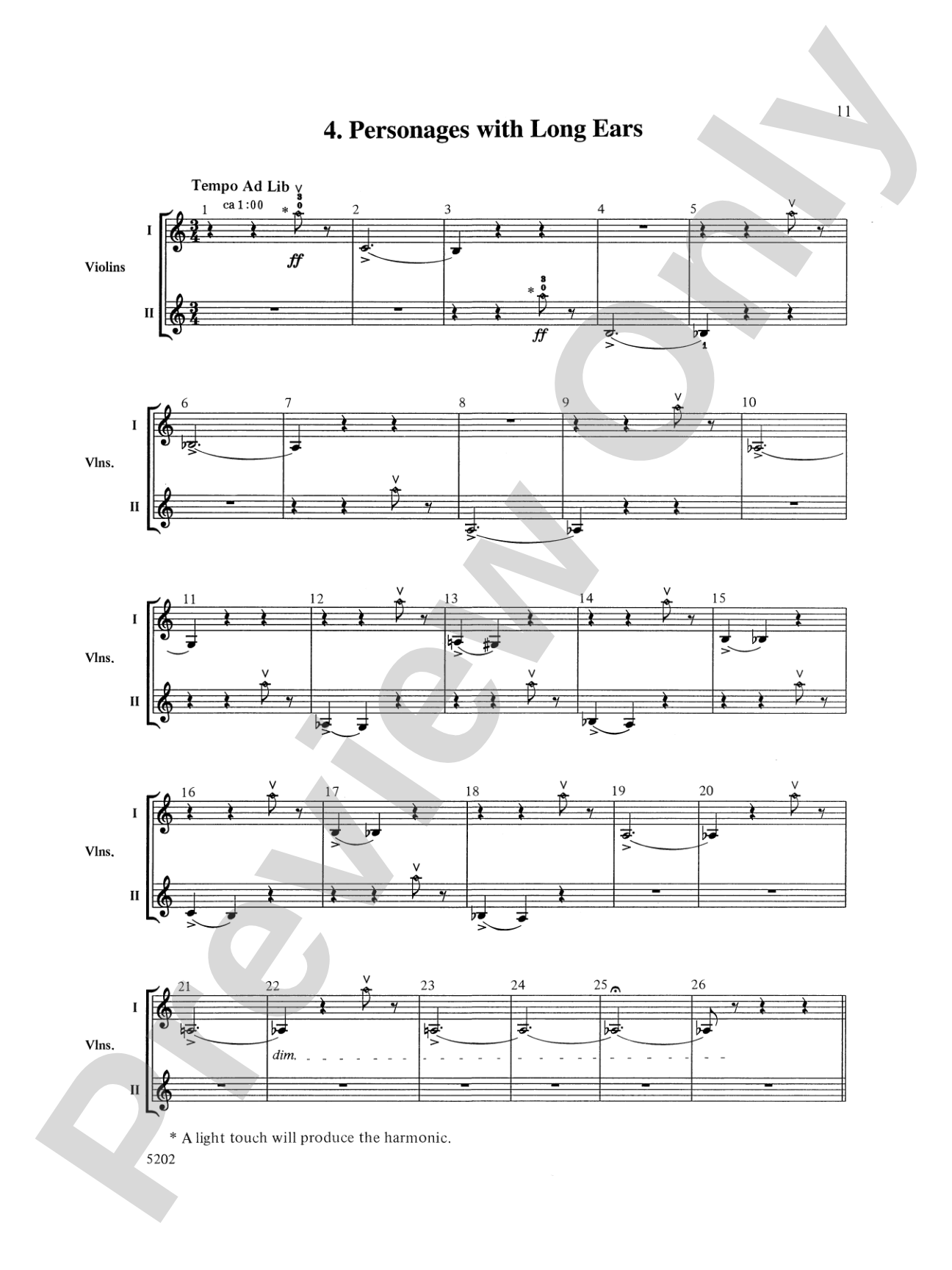
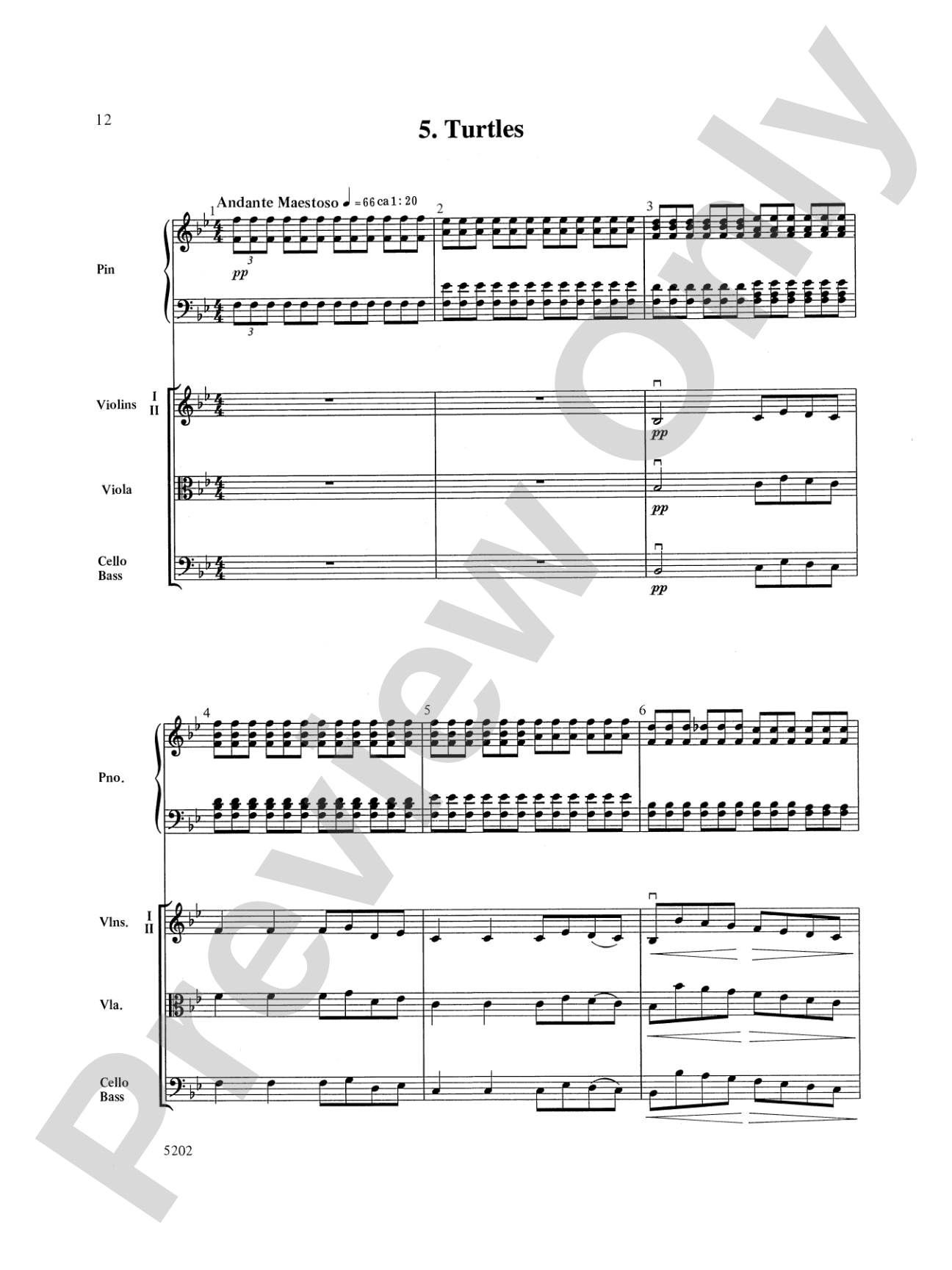
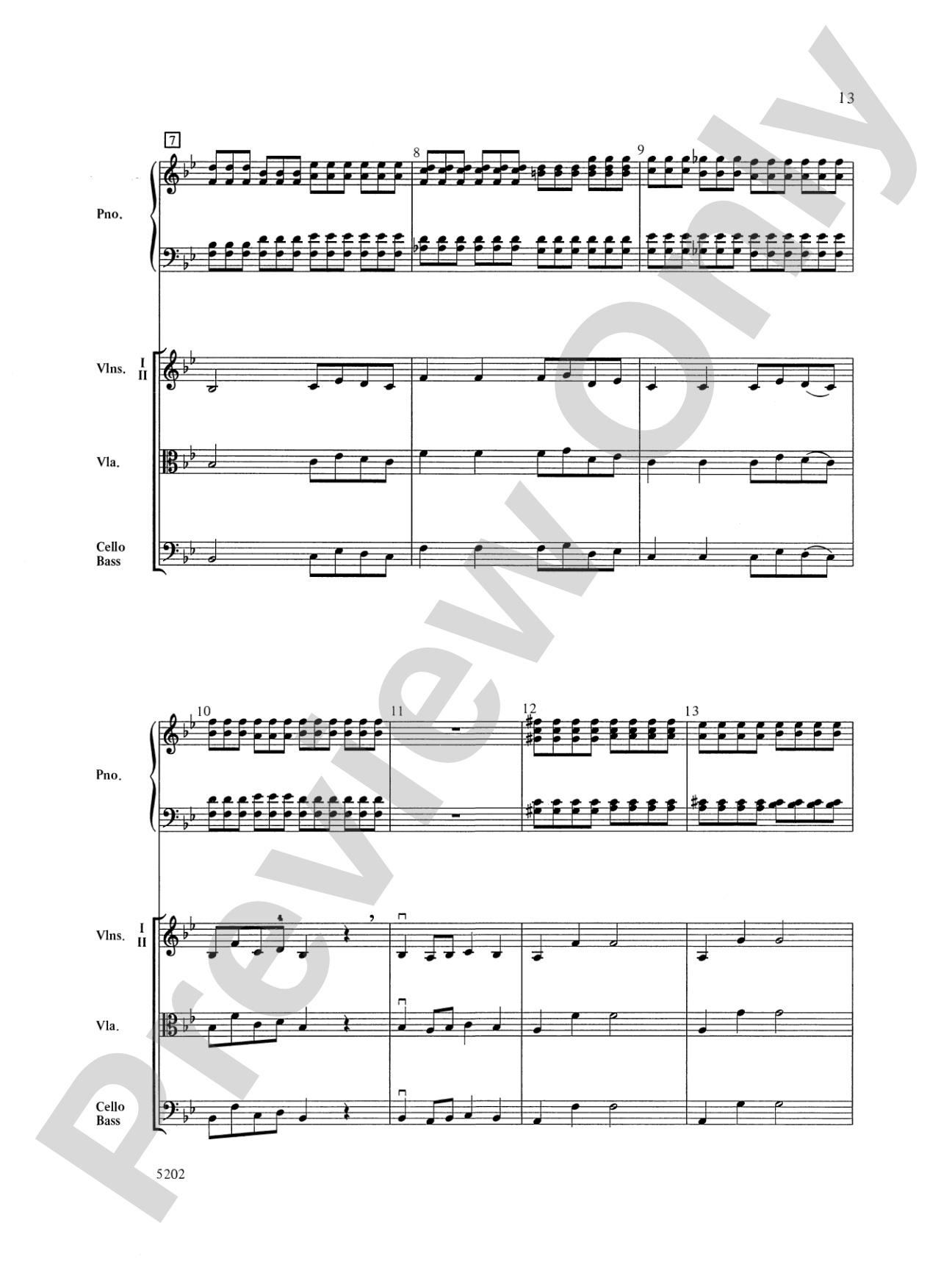
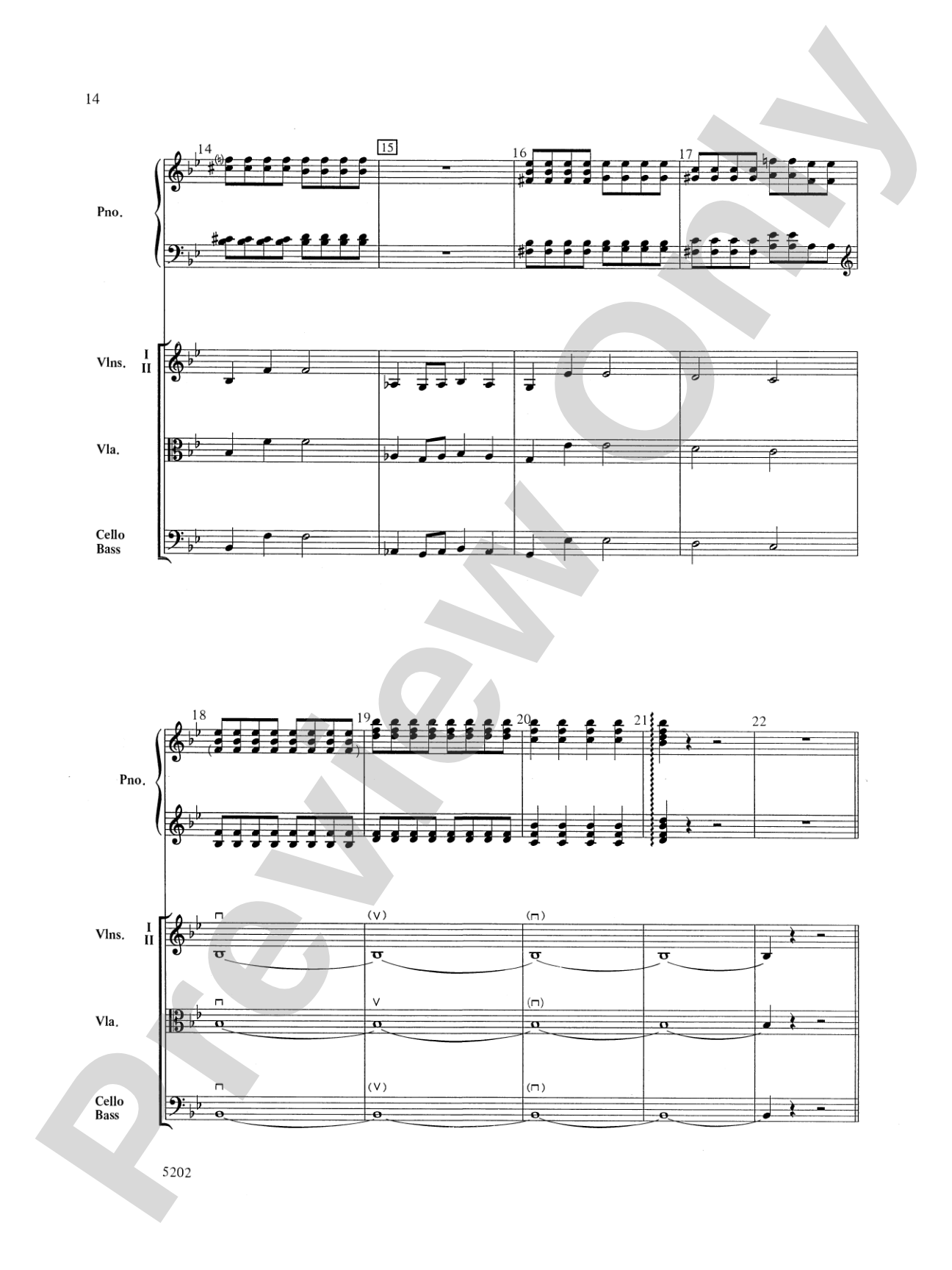
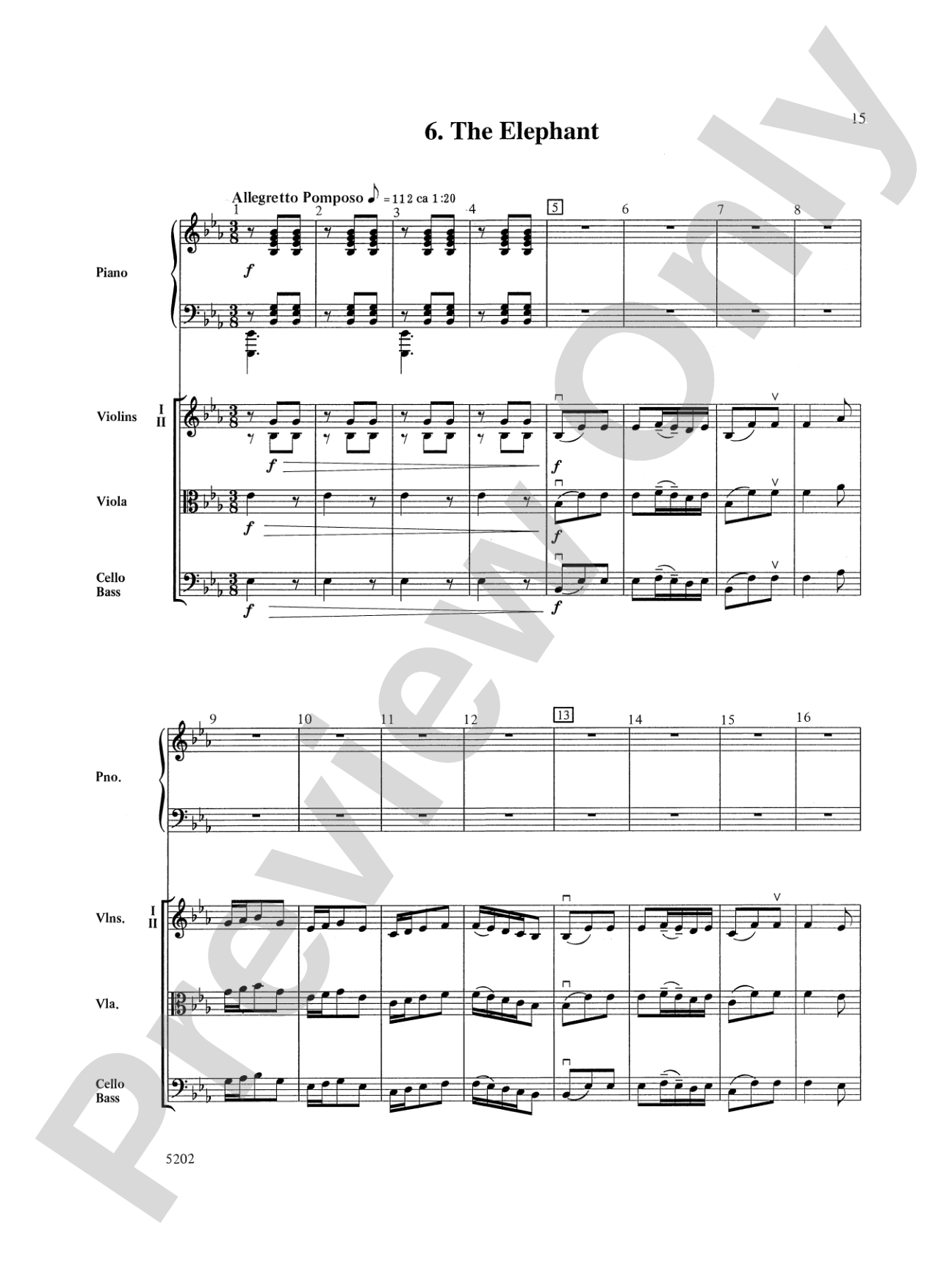
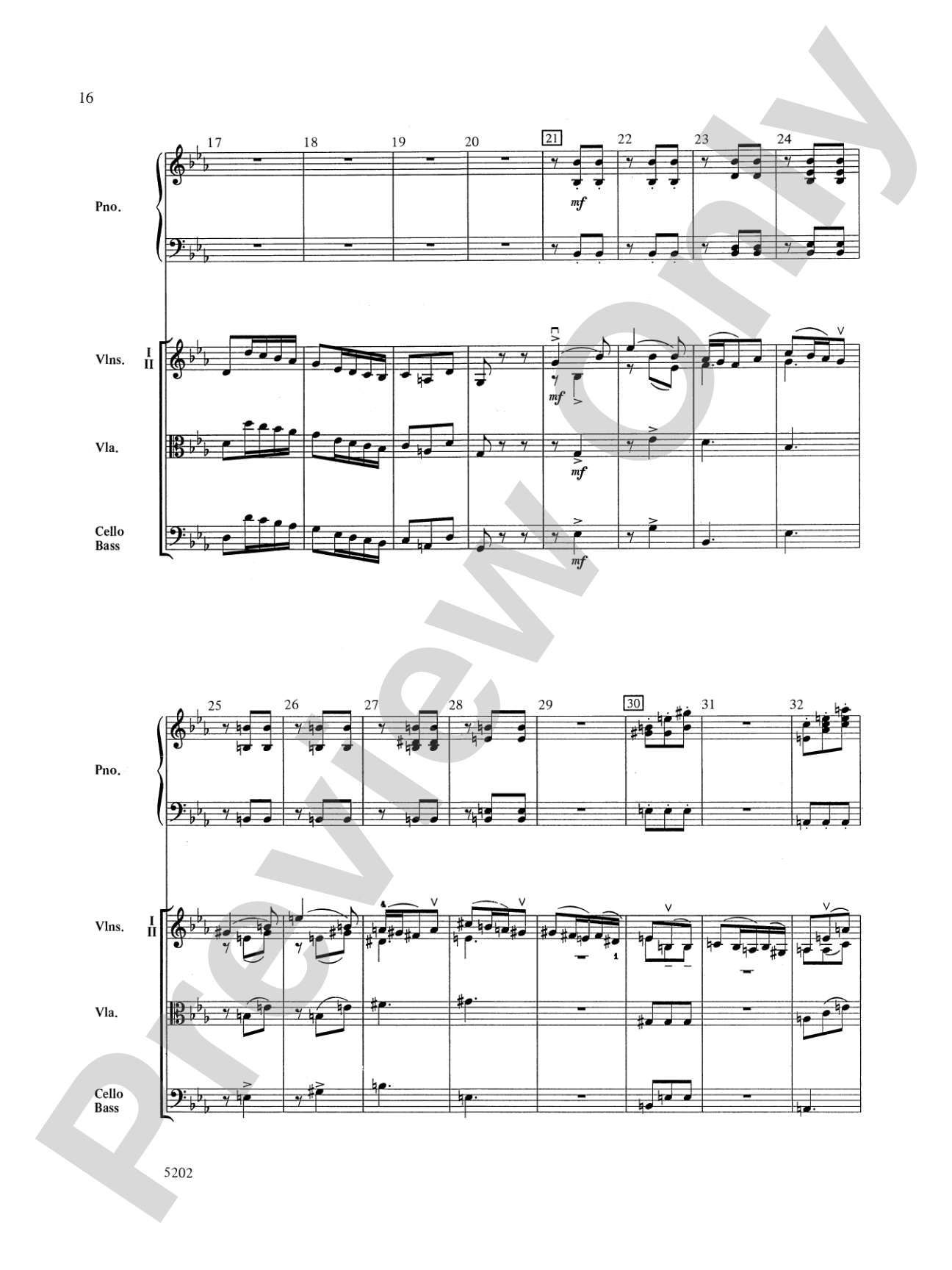
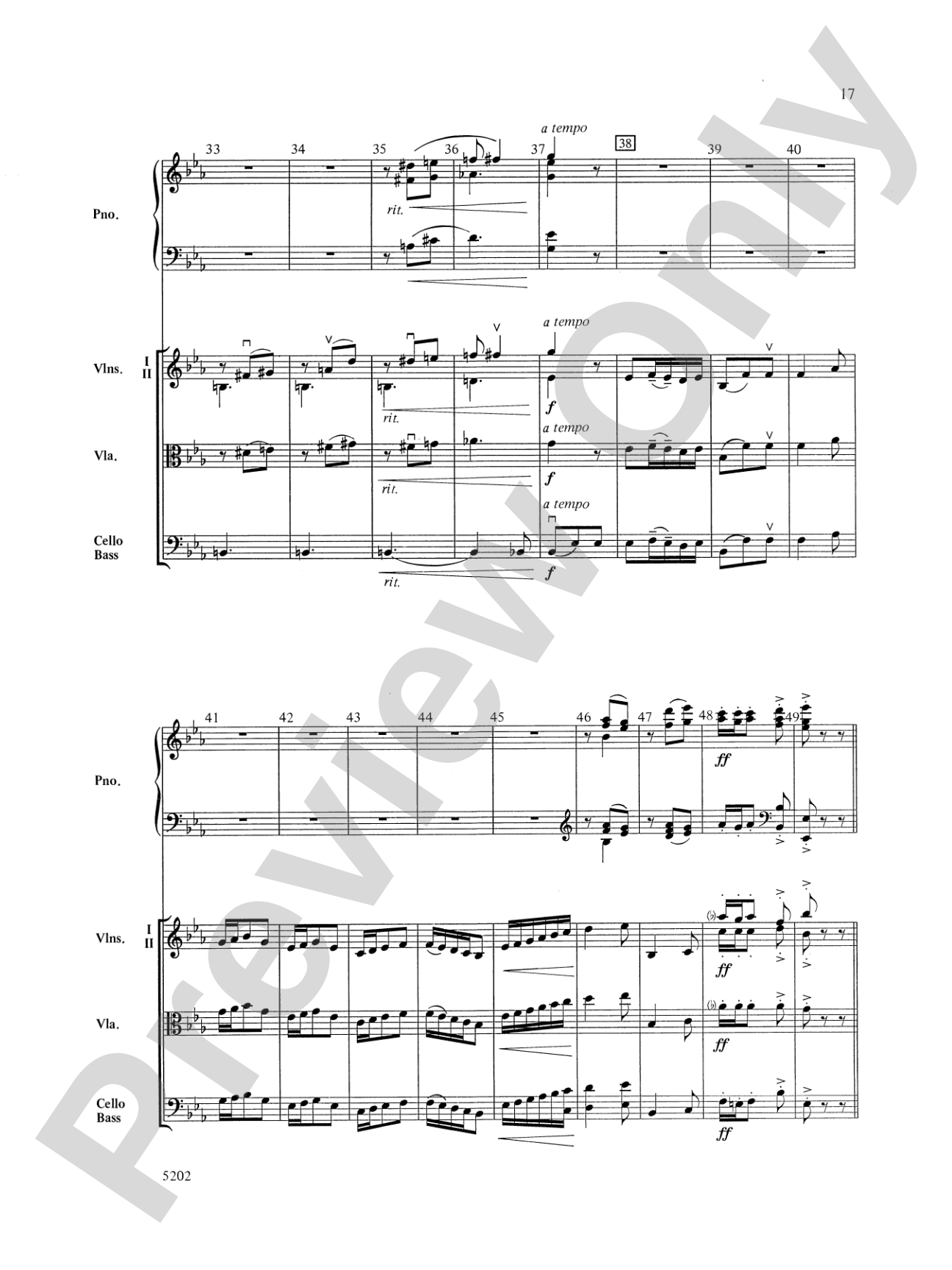
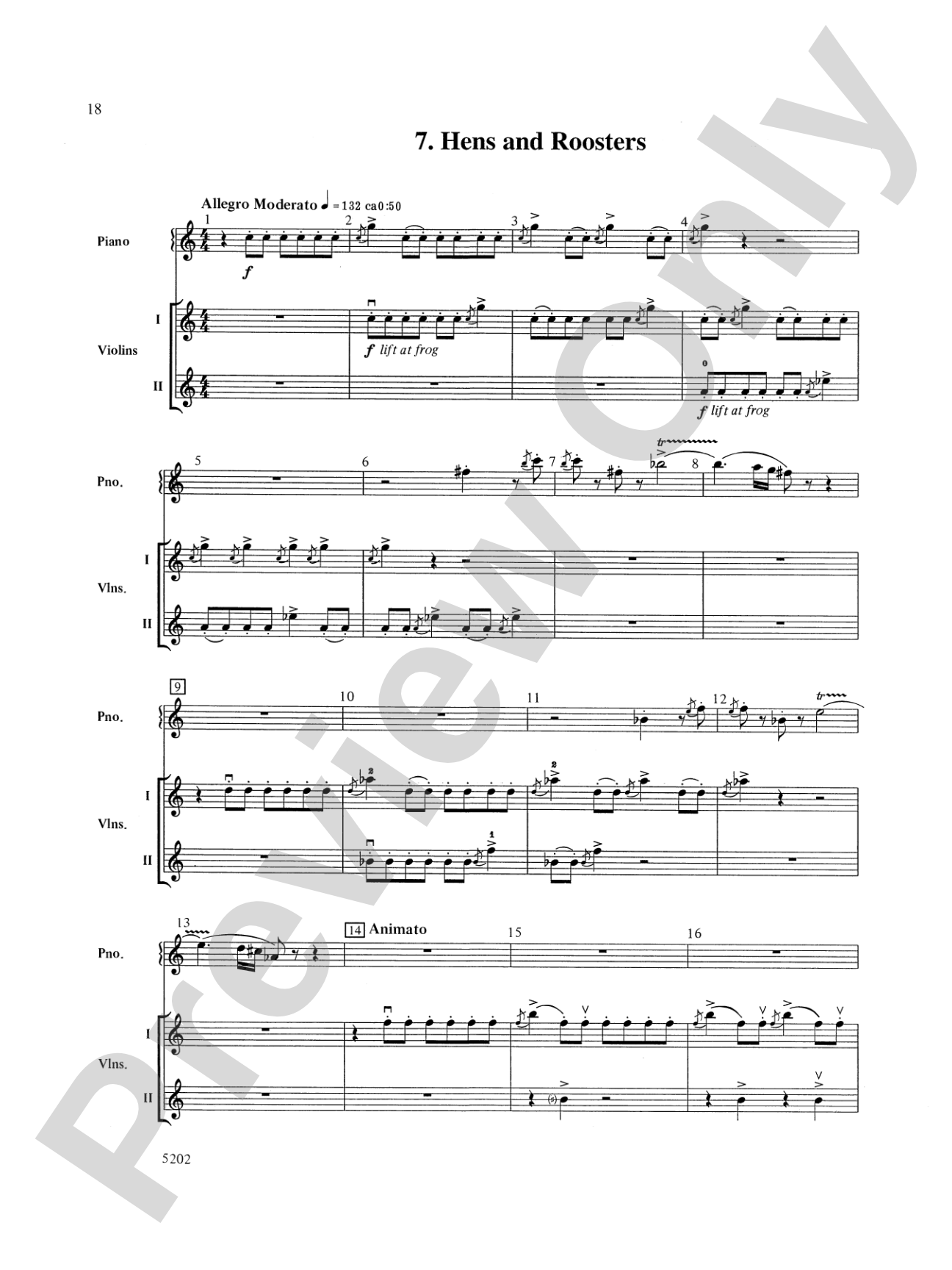
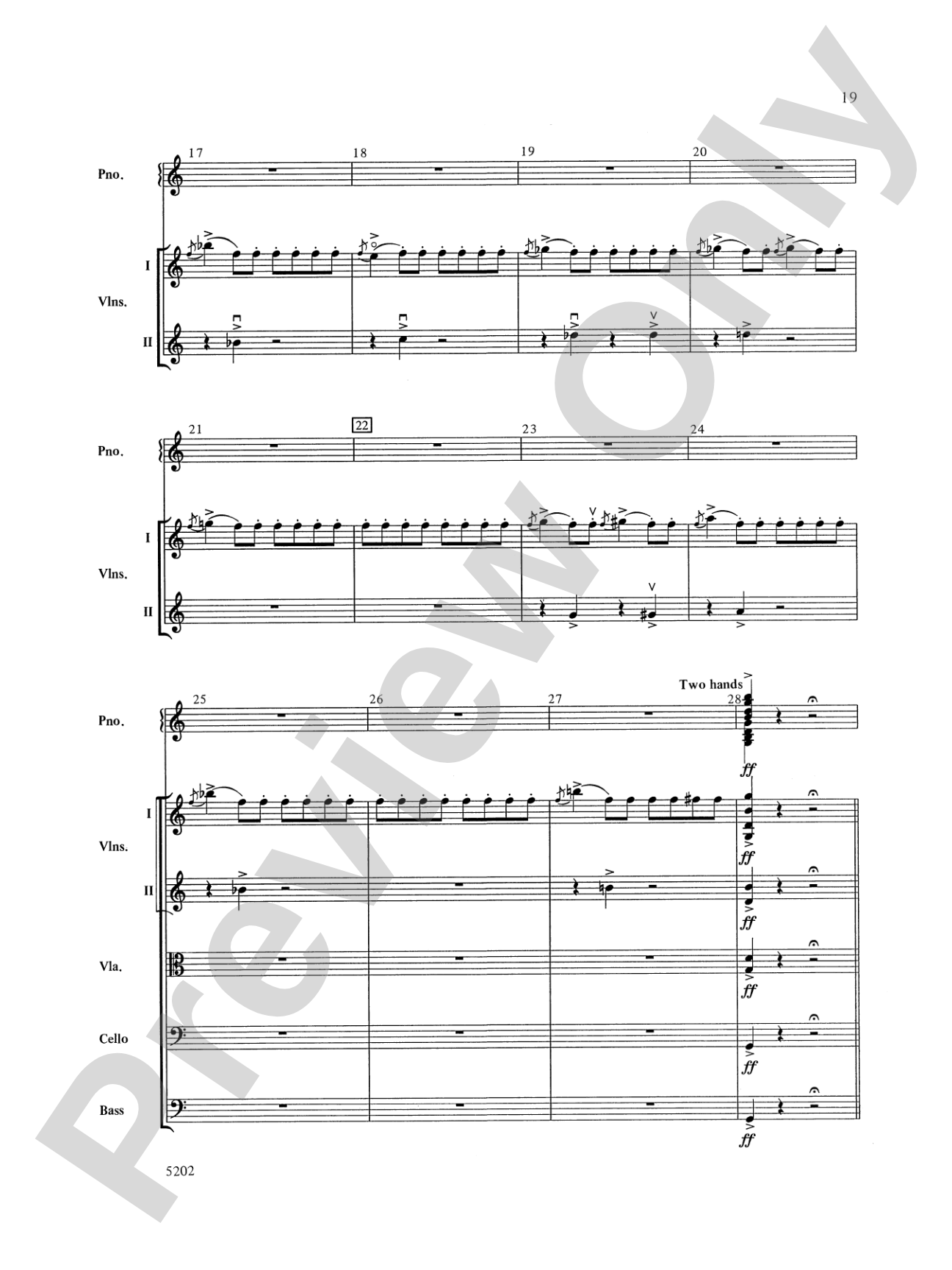
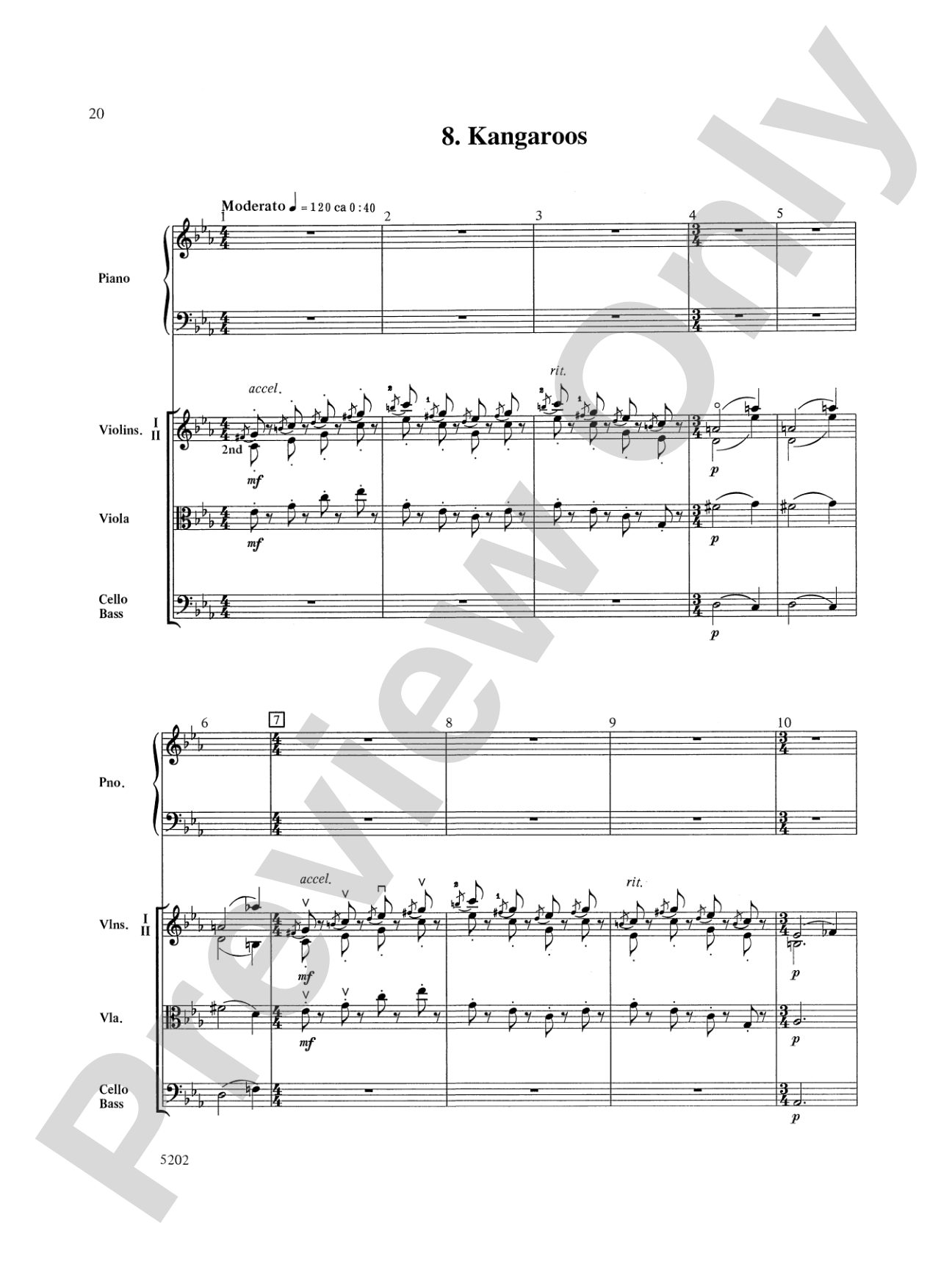
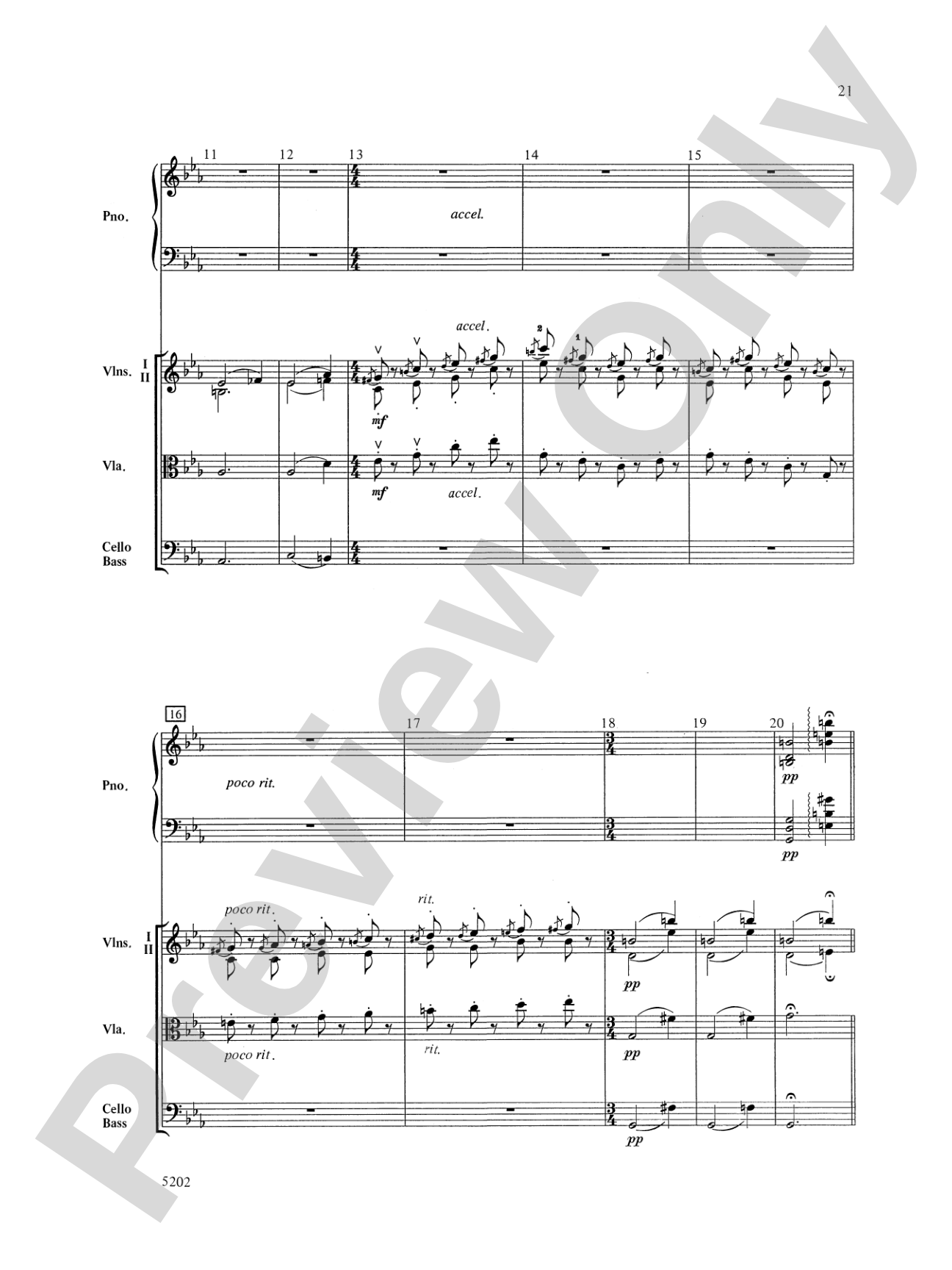
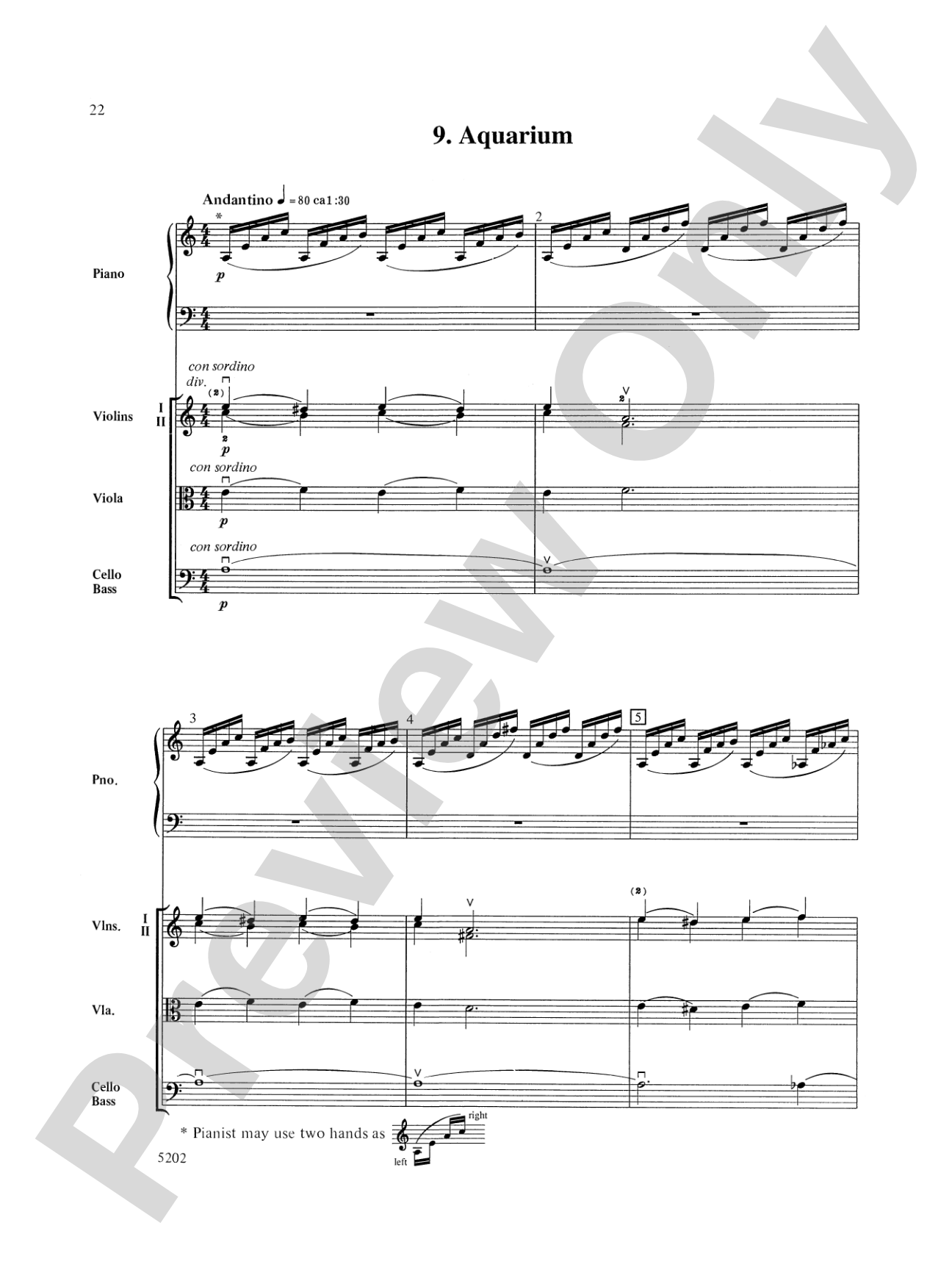
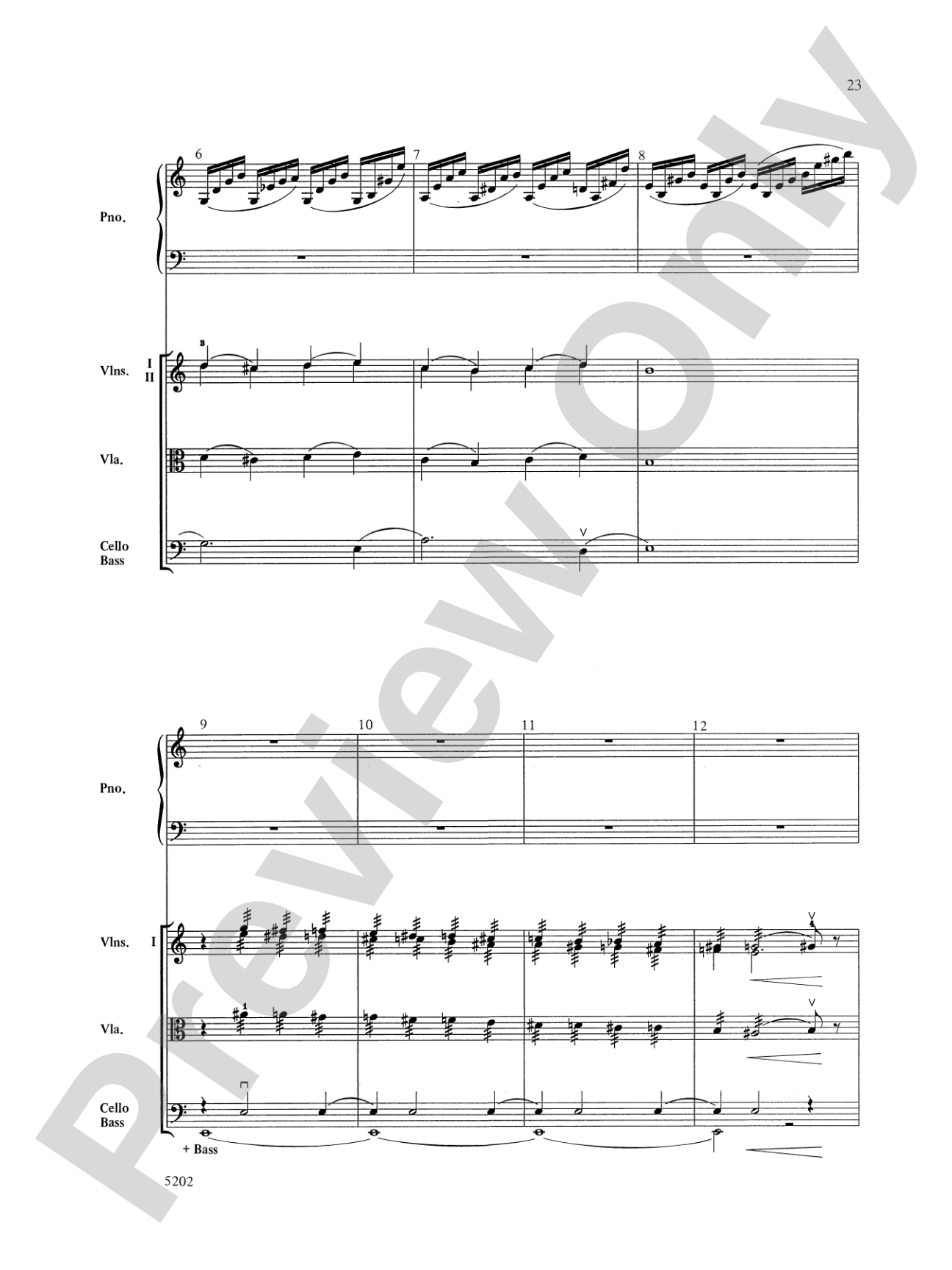
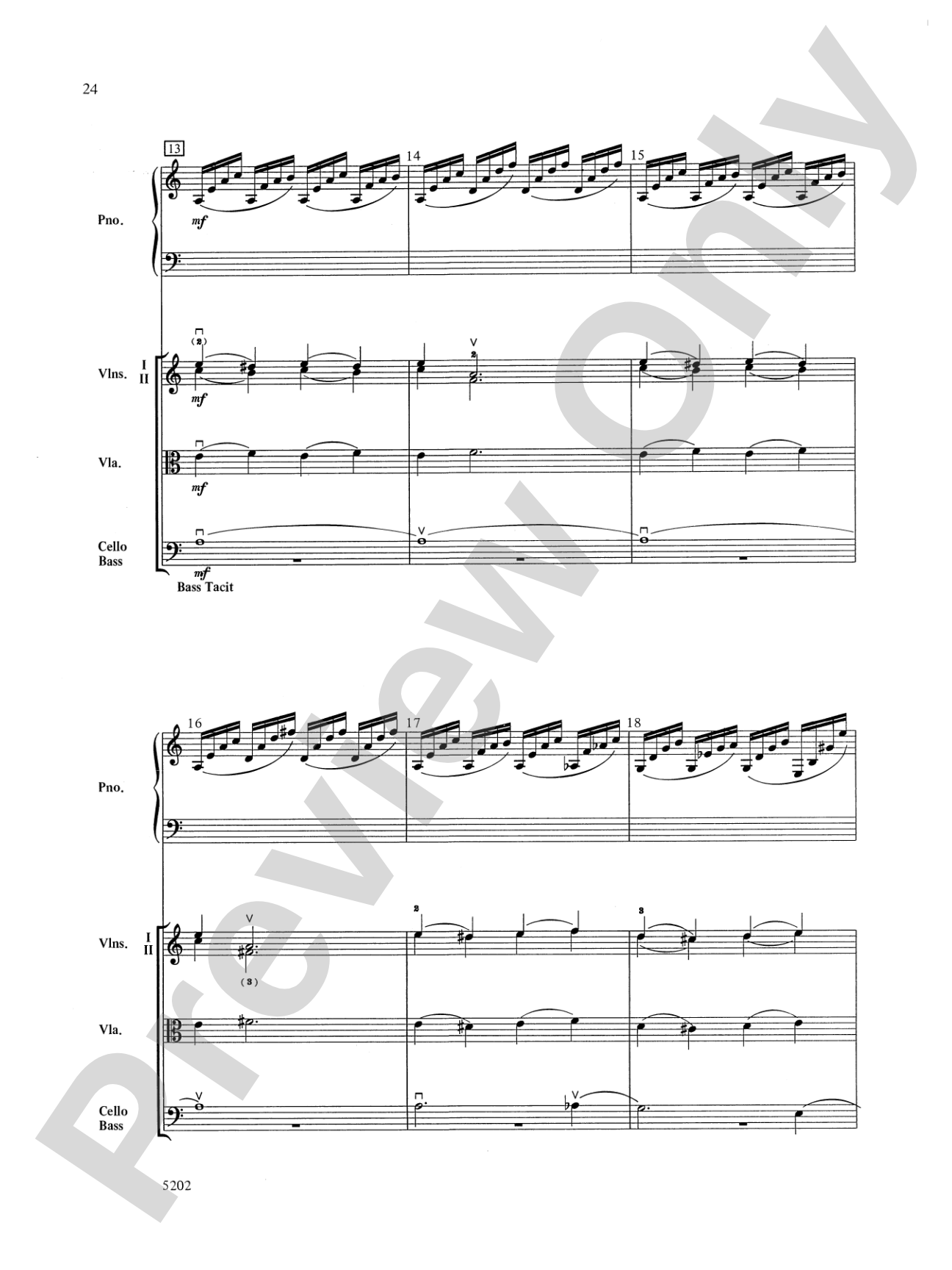
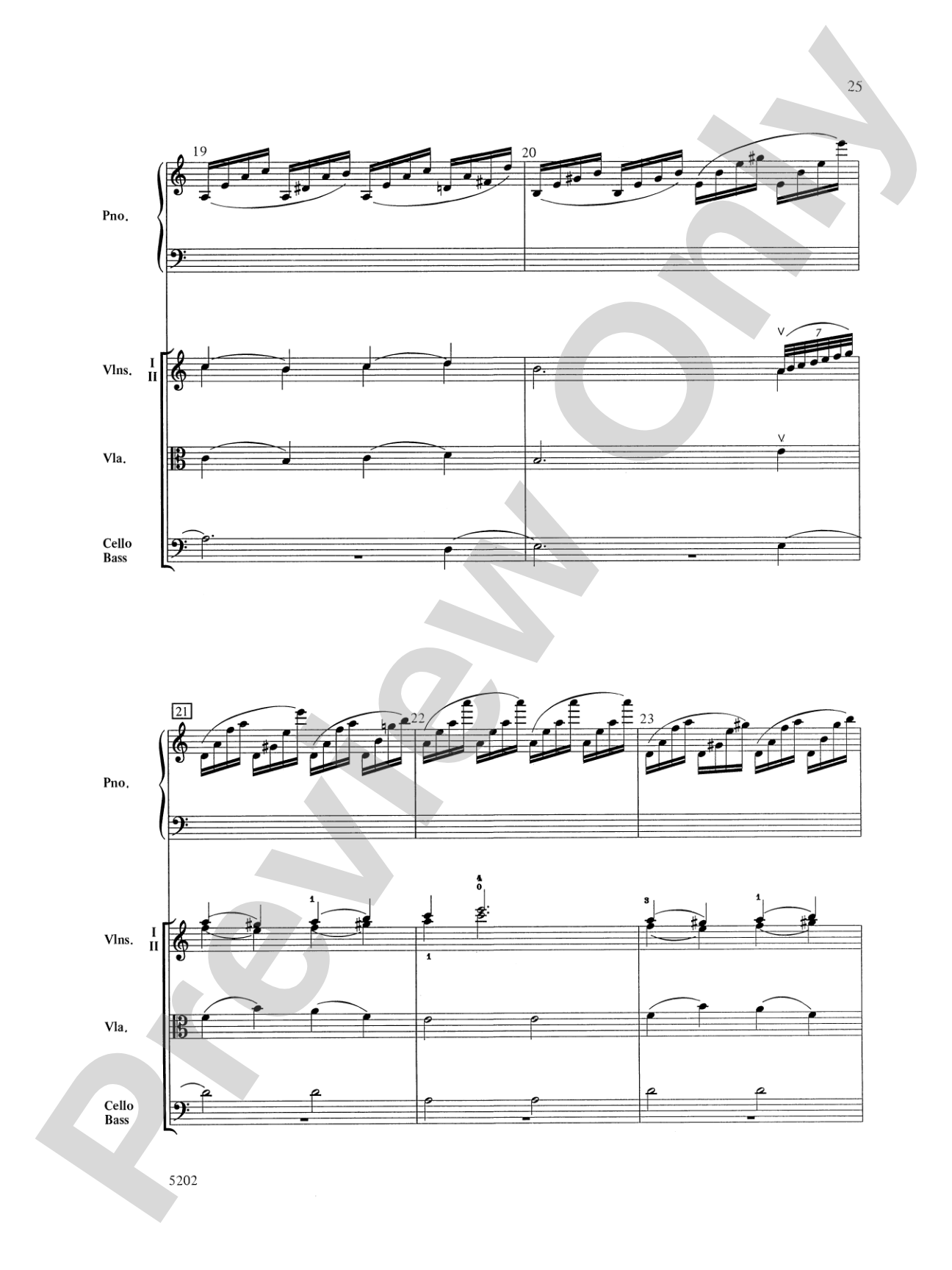
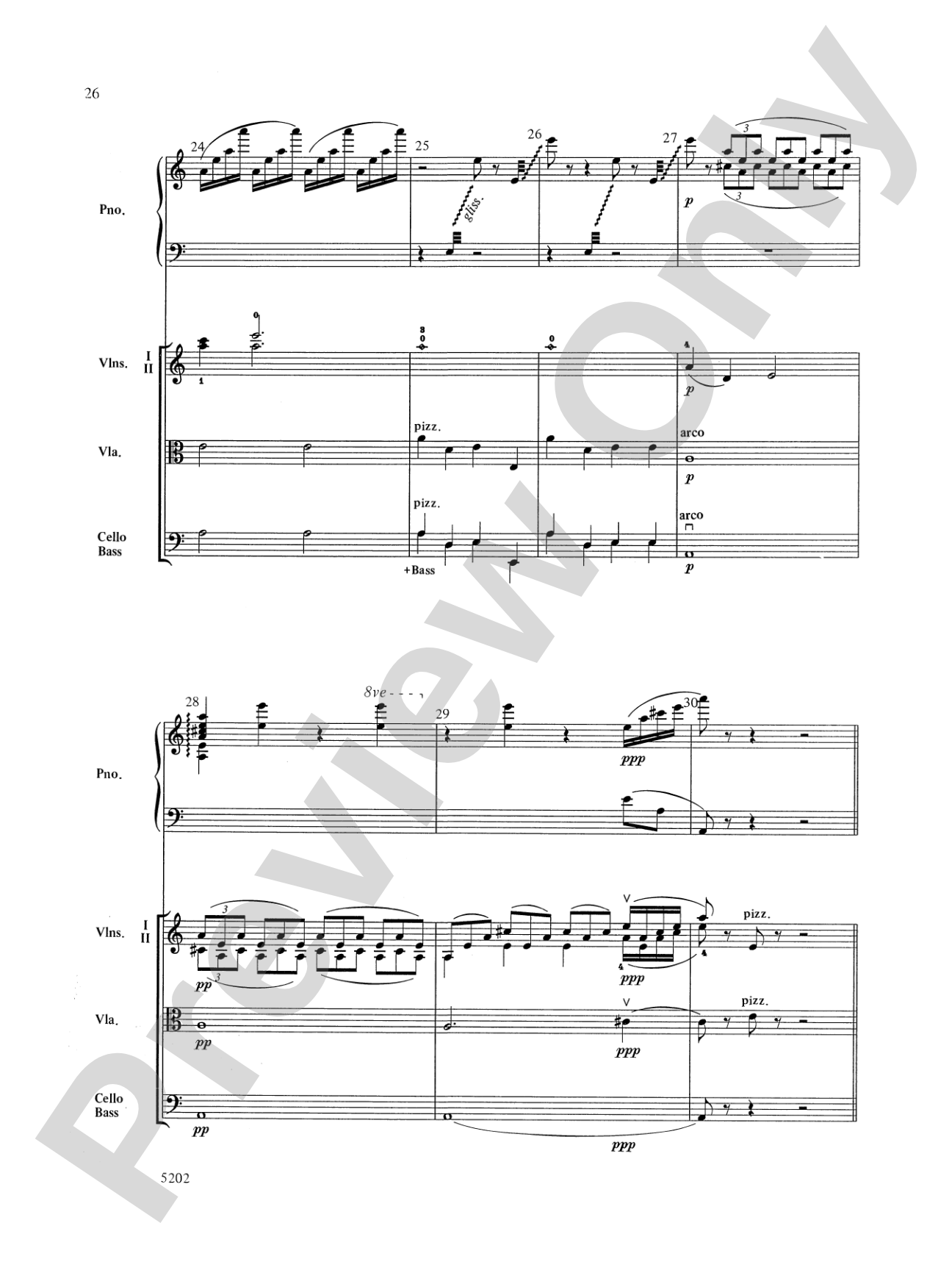
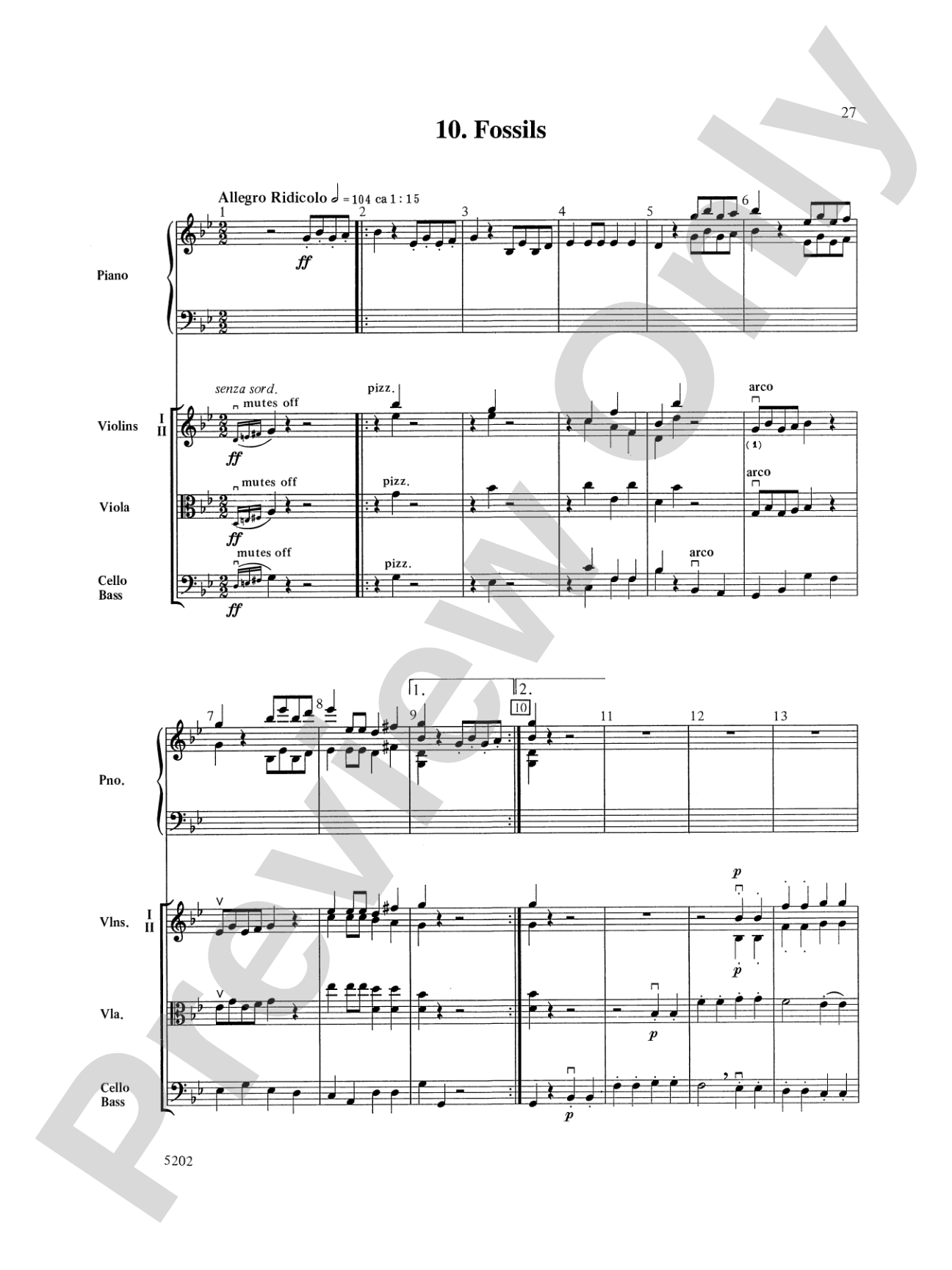
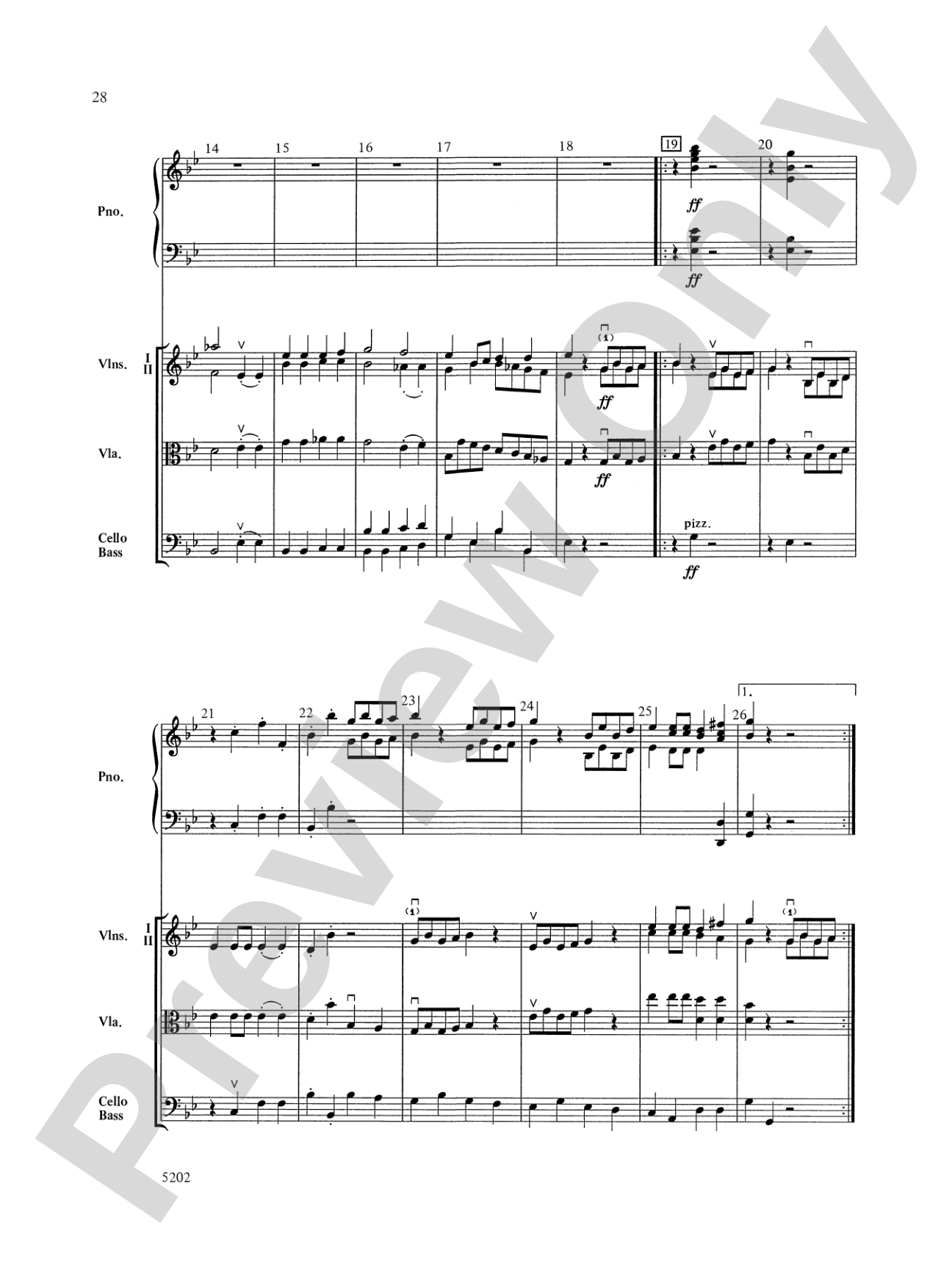
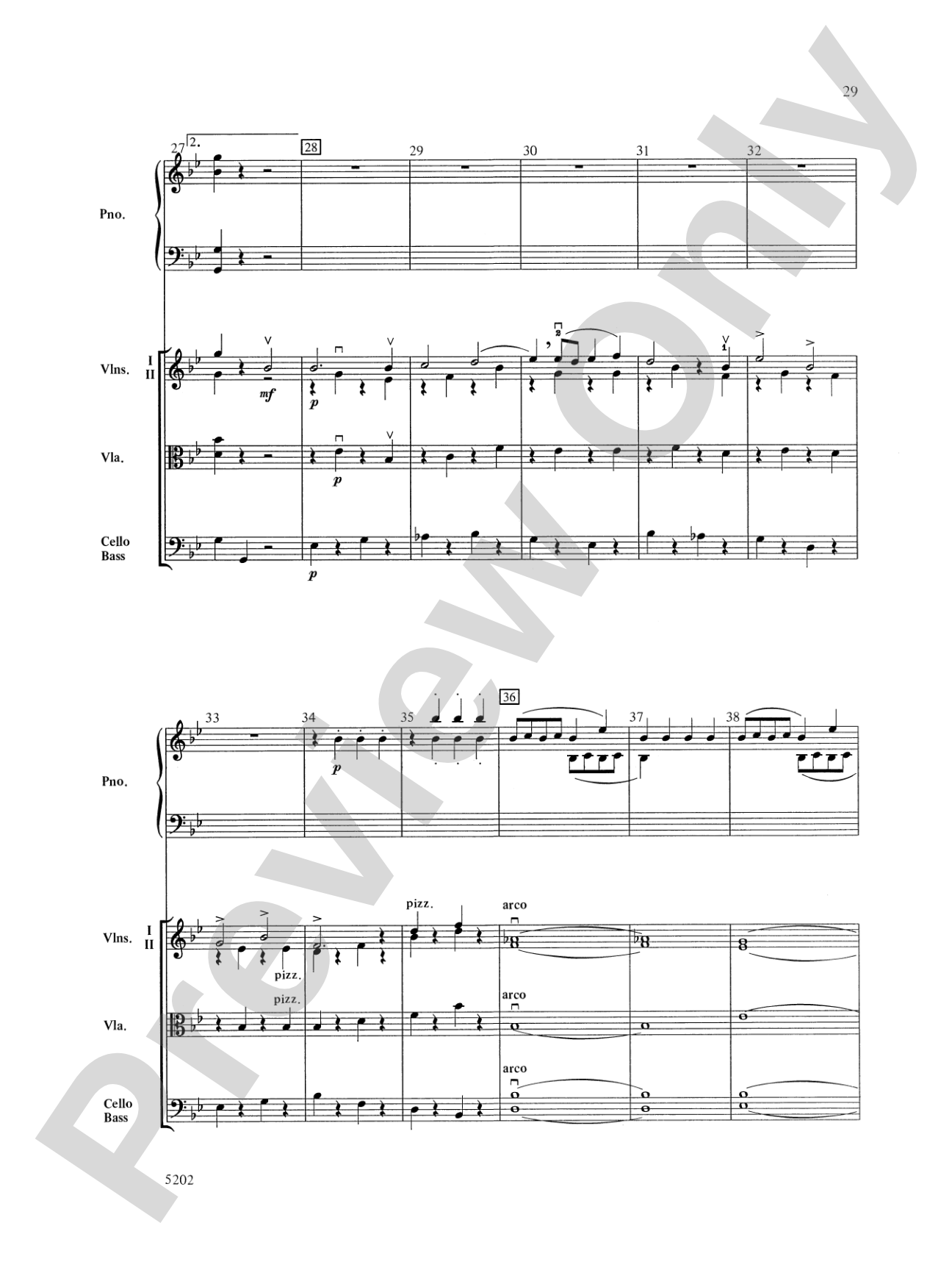
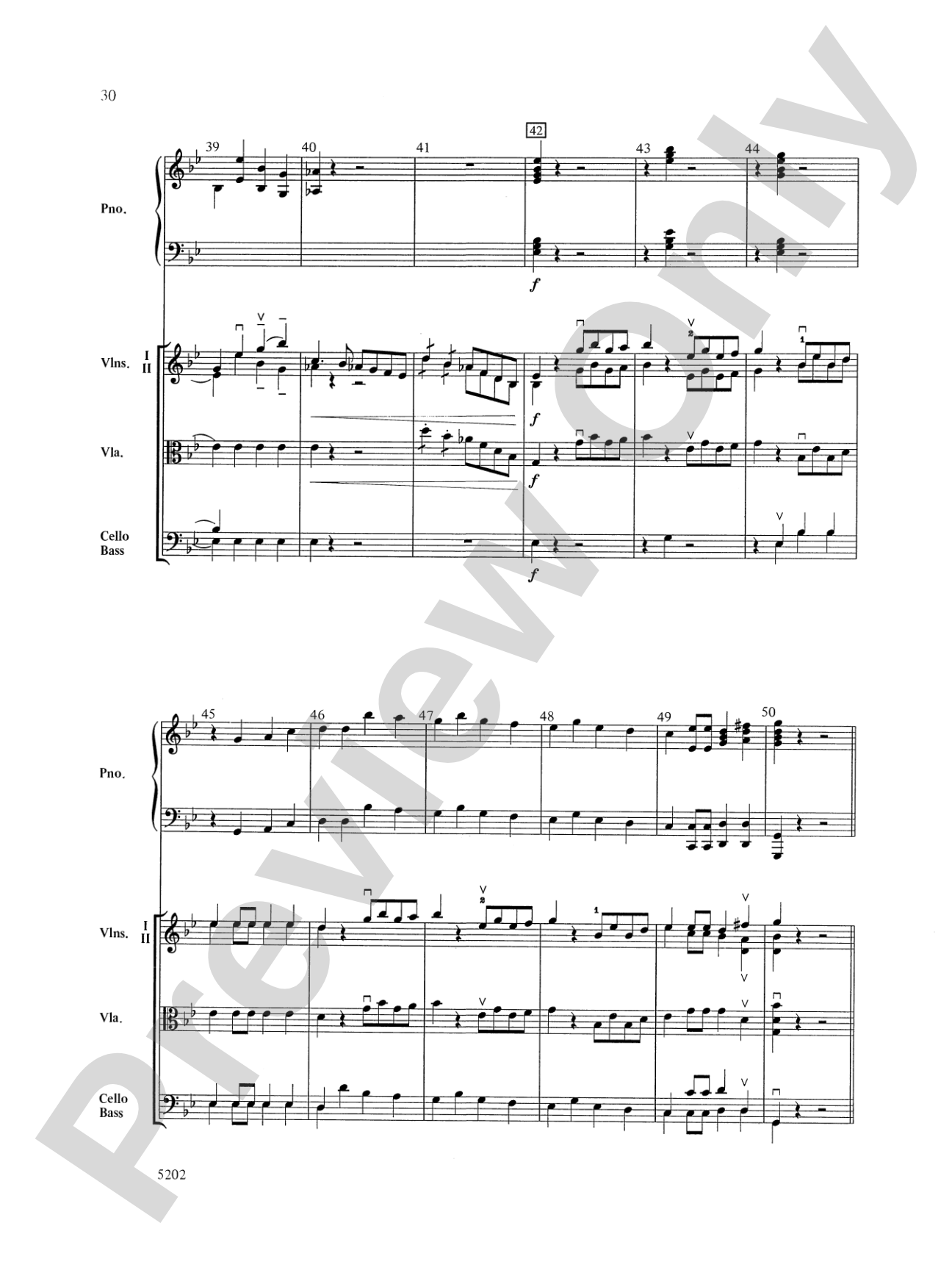
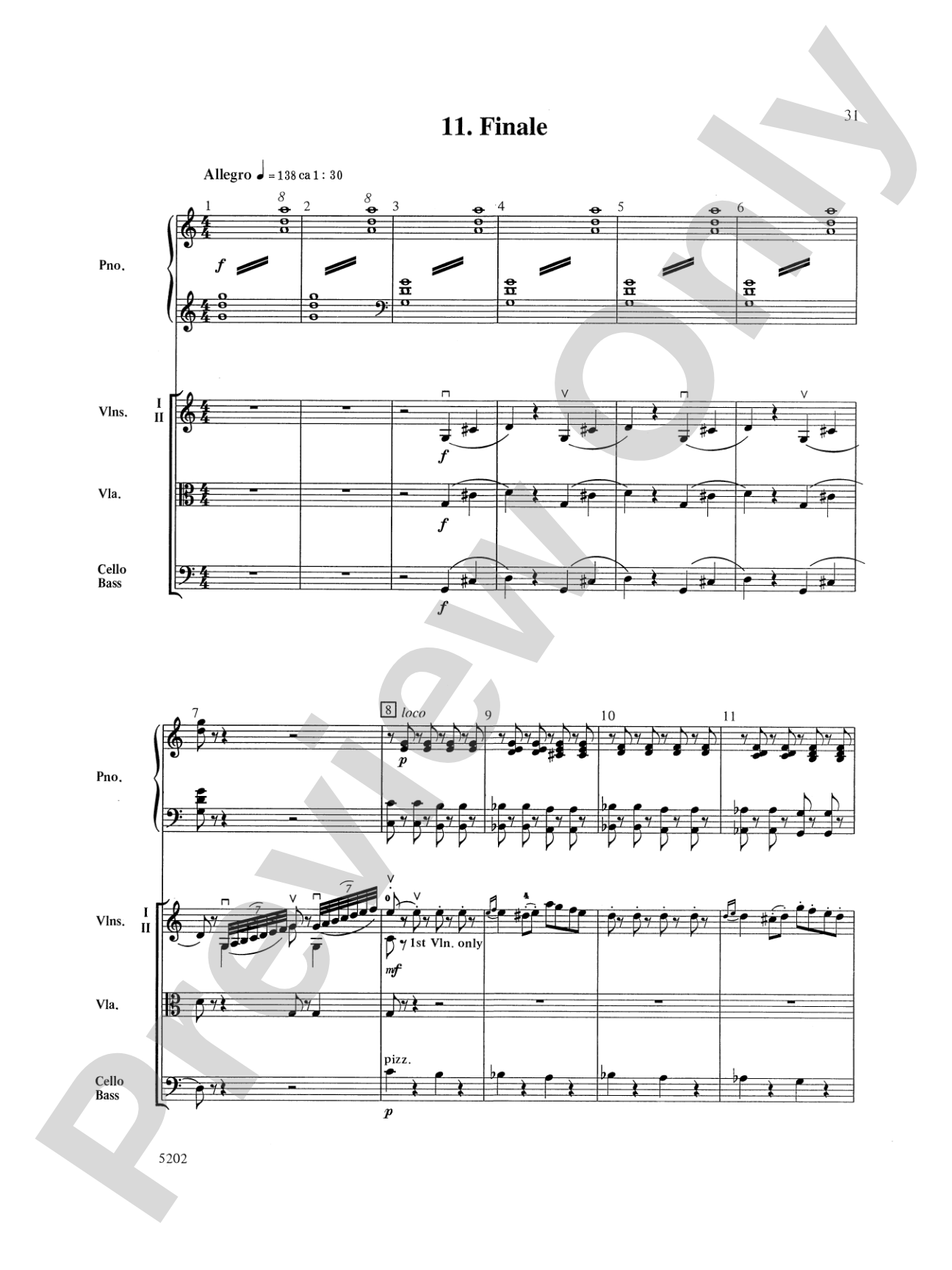
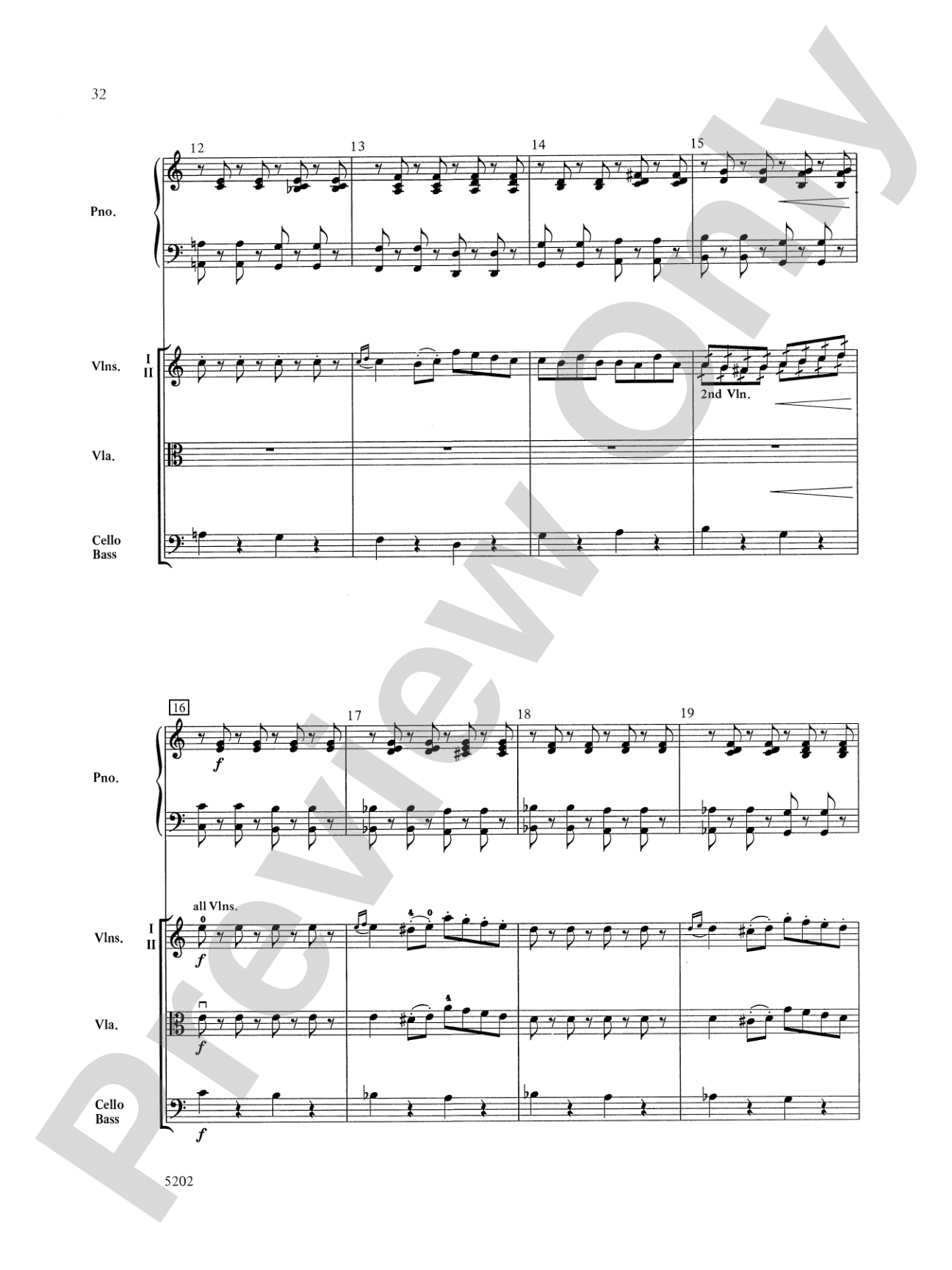
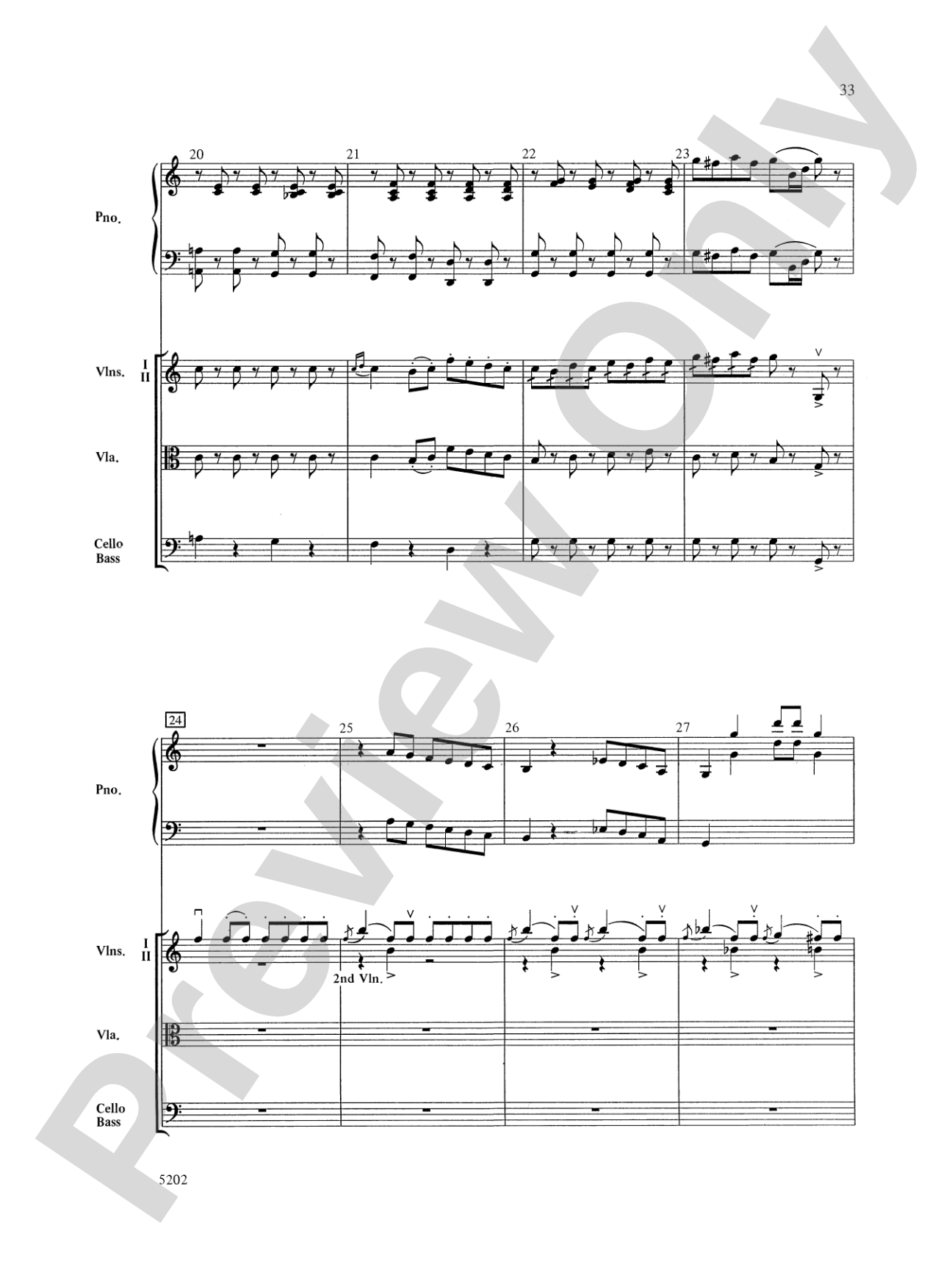
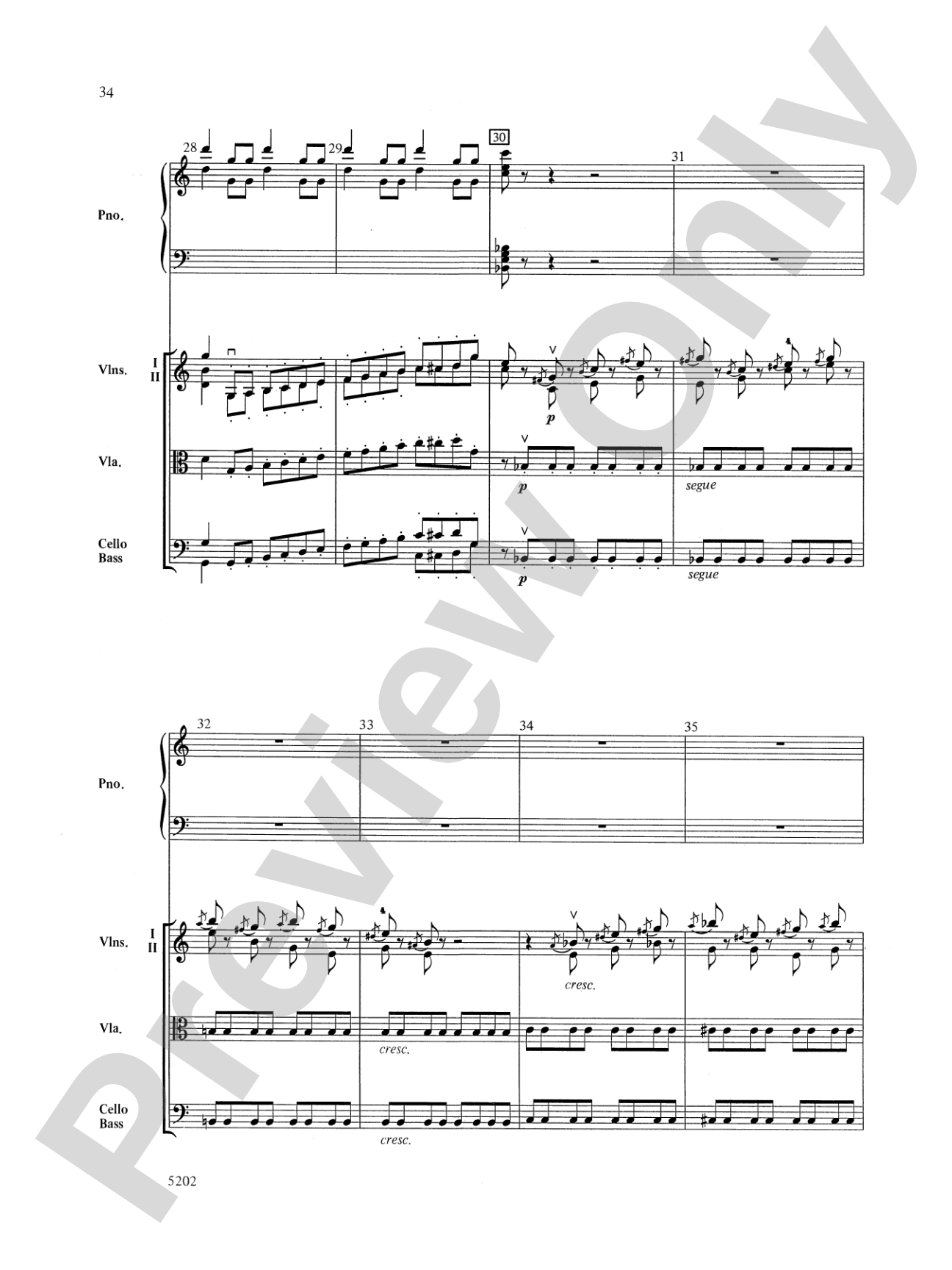
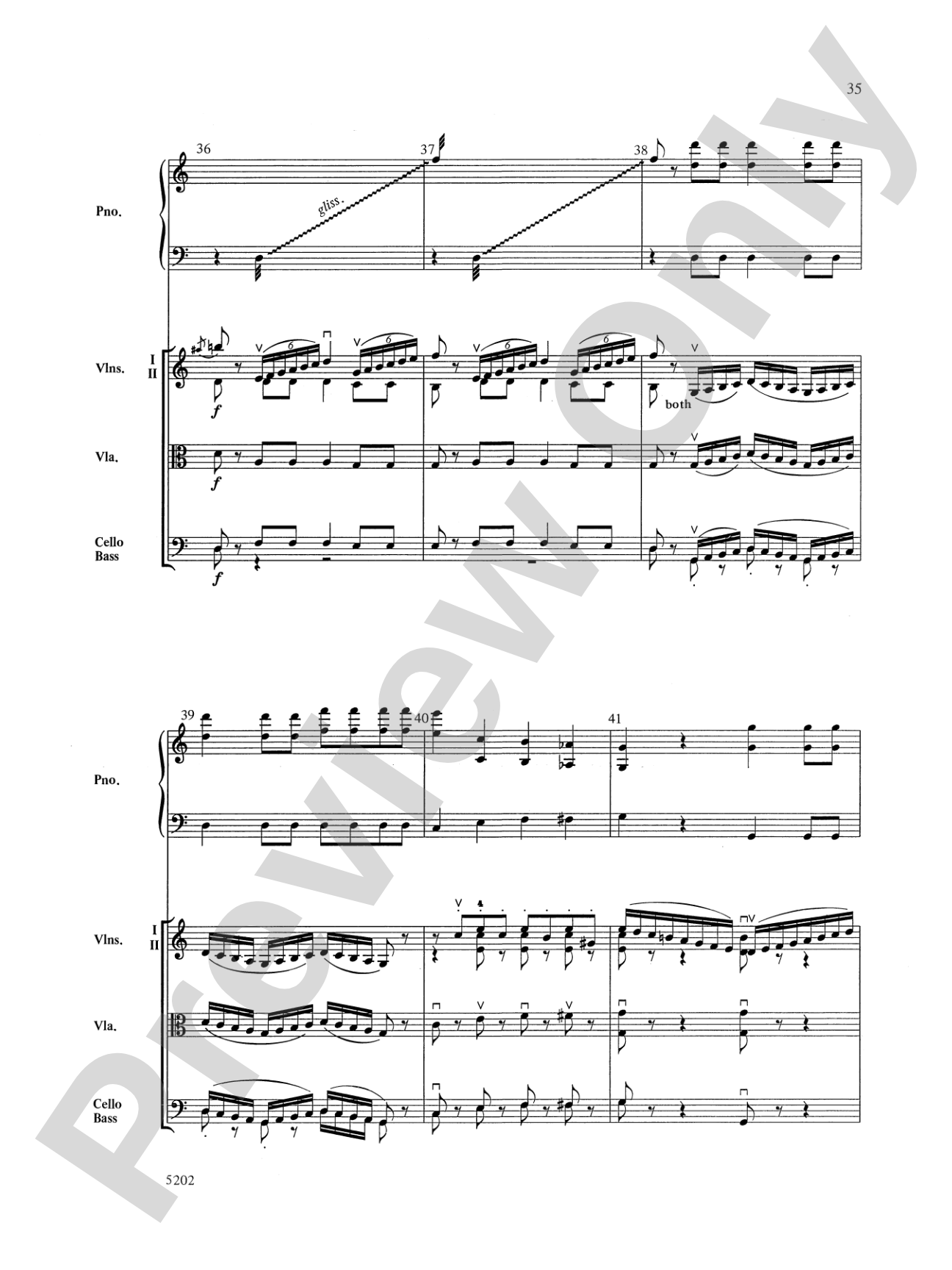
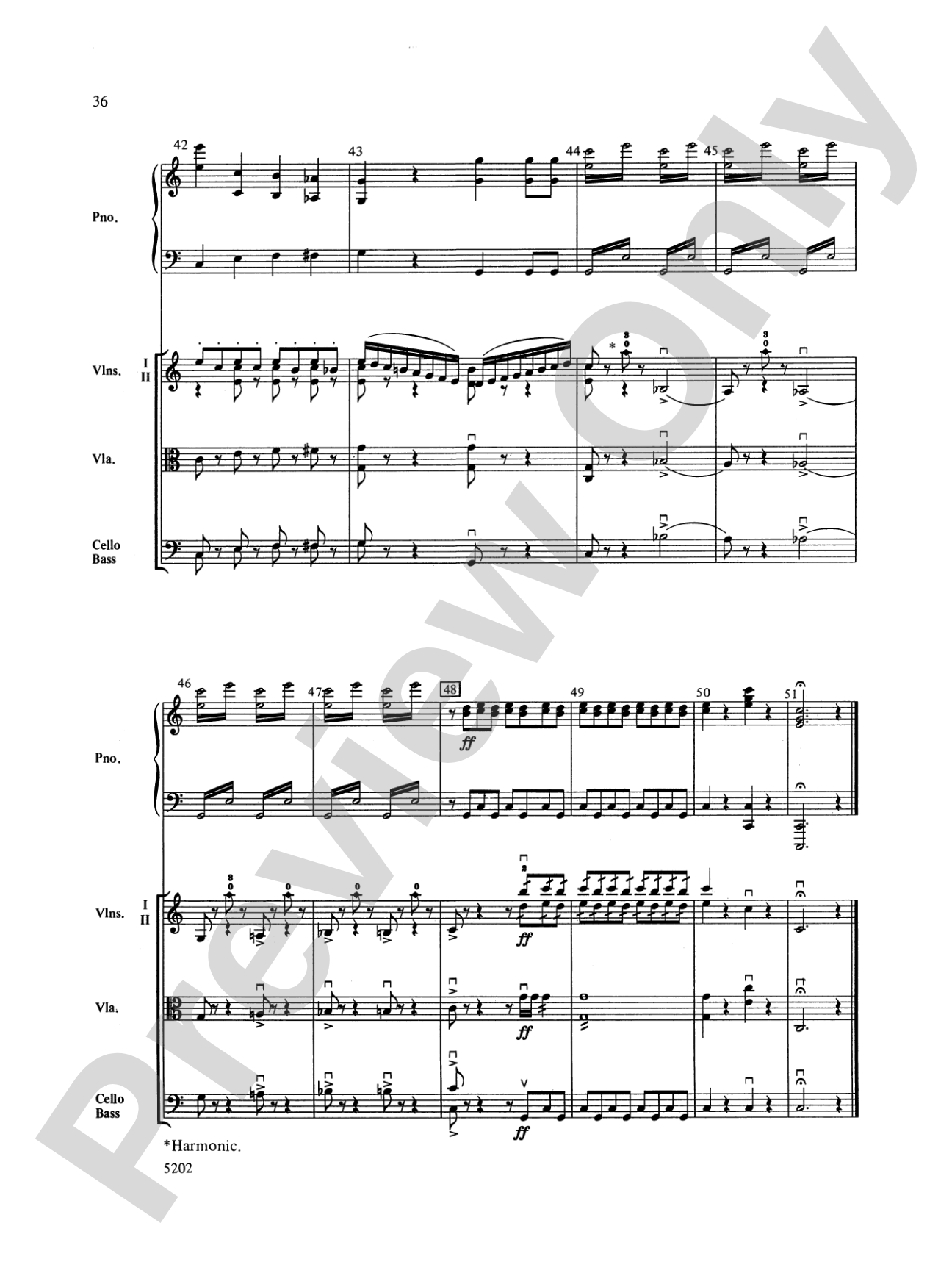

Carnival of the Animals: String Orchestra Conductor Score & Parts
By Camille Saint-Saëns / arr. Harry Alshin
Grade: 3
Item: 00-PK-0001902

$85.00
Pickup currently not available
Buy Extra Parts (Digital PDF Download)
Parts Added to Cart!
Description
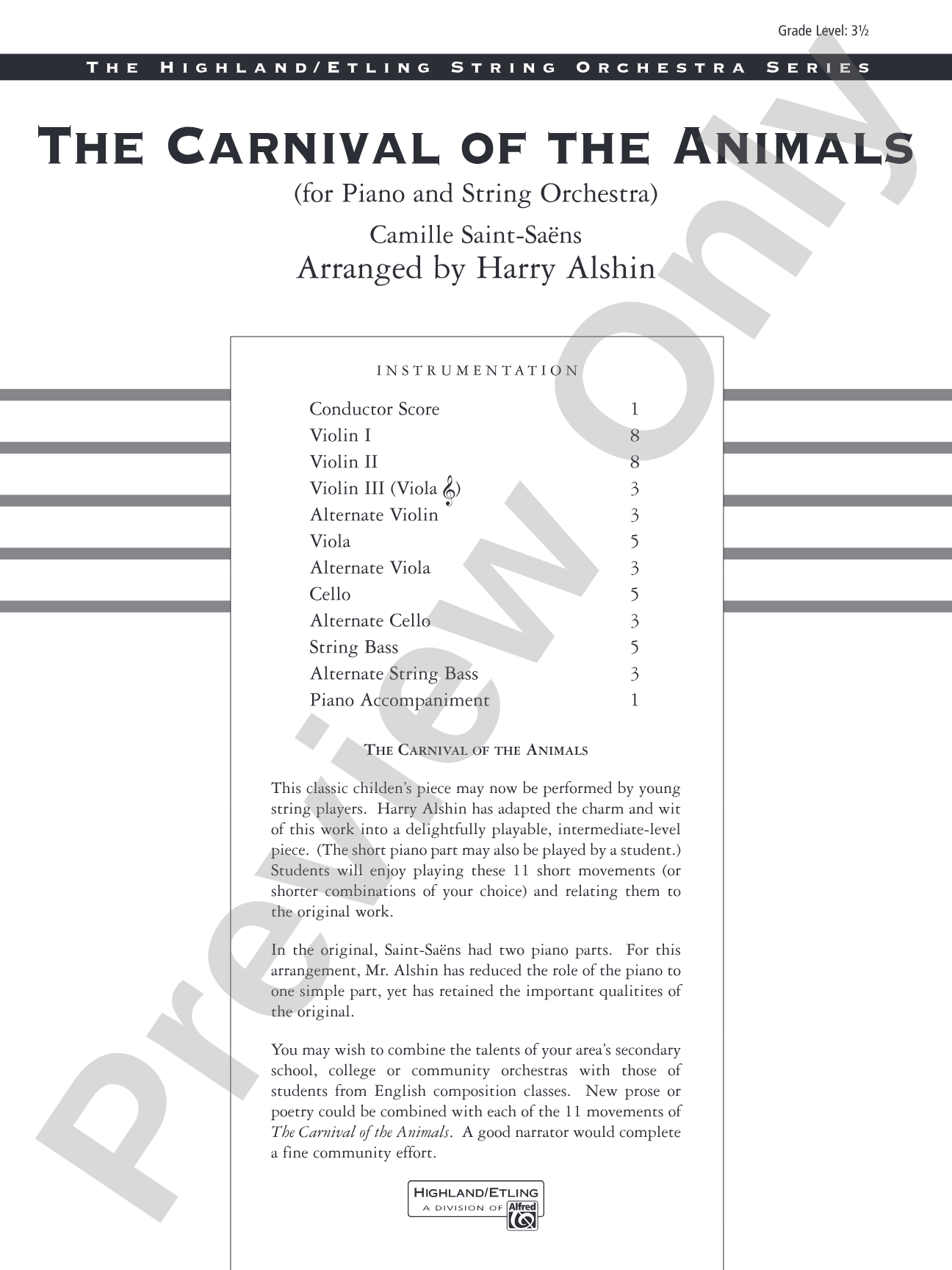
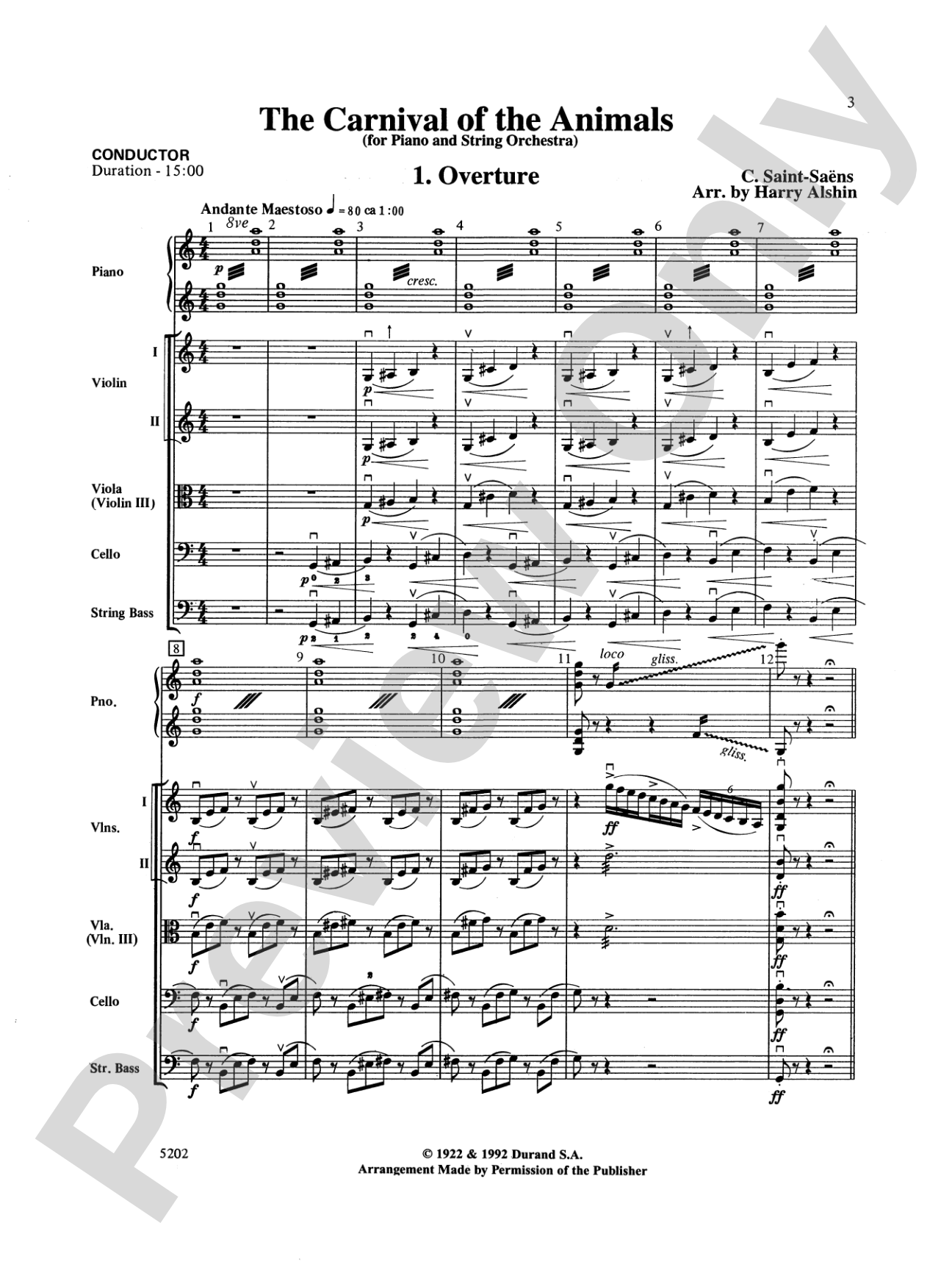
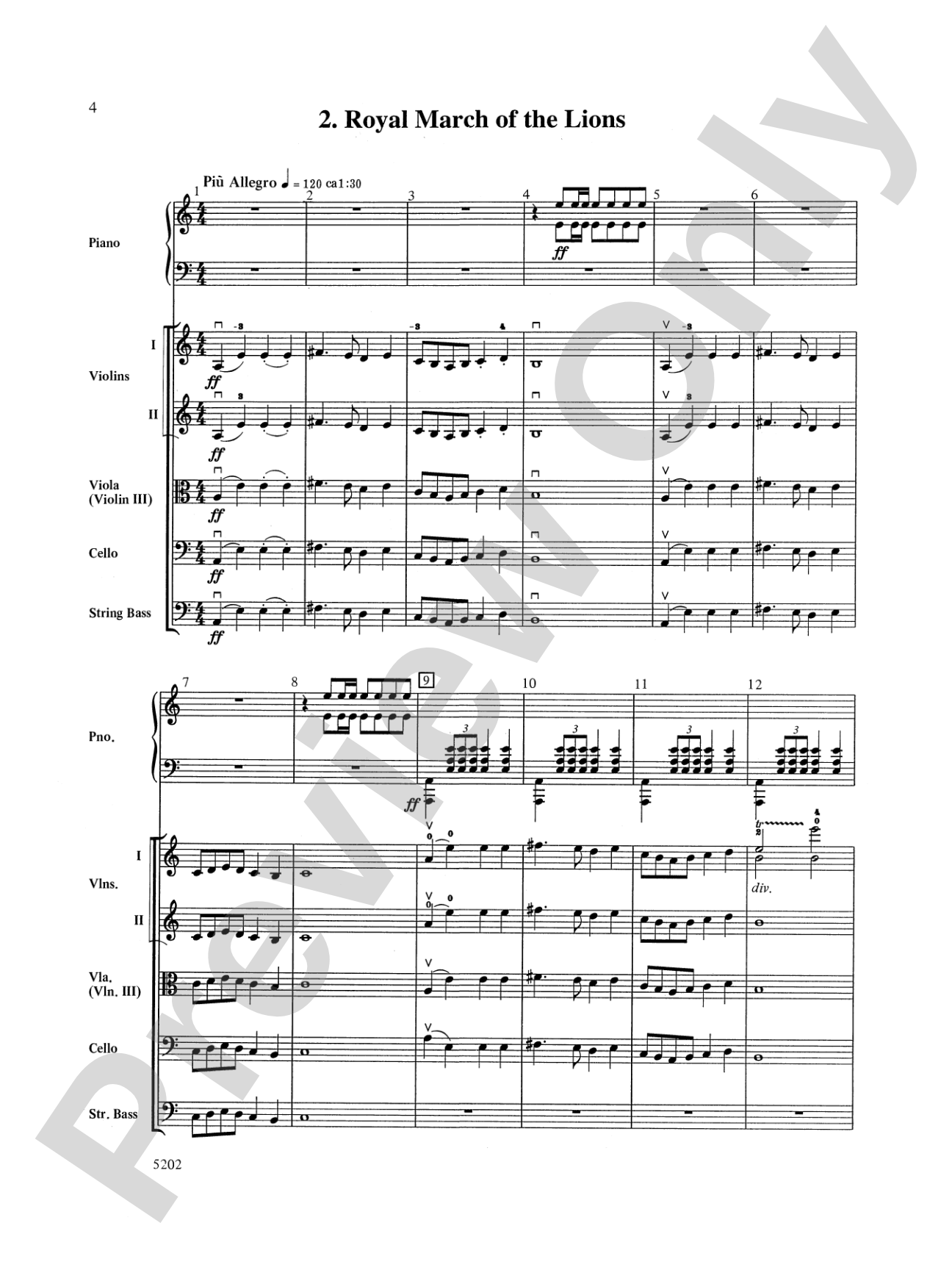
This classic children's piece is now within reach of young string players. Harry Alshin has adapted the charm and wit of this work into a delightfully playable intermediate level piece. Even the piano part is student friendly. Students will enjoy playing these eleven movements (or shorter combination of your choice) and relating them to the original work and narration. Mr. Alshin's contemporary rendition of the narration offers a programmatic accent that will be a sure-winner concert selection.


Don't just read it, hear it, play along with it, and watch your students grow with it. In MakeMusic Cloud, Carnival of the Animals: String Orchestra Conductor Score & Parts comes alive with professional accompaniment, adjustable tempo, and built-in practice tools that turn solo practice into real progress.
Open in the Player
Jump straight in and assign it today.
Start Your Free Trial
Open this title and explore the full library in minutes.
Sample Audio
No sample audio found.
Sample Video
No sample videos found.
Additional Details
Series:
Highland/Etling String Orchestra
Publisher:
Alfred Music
Page Count:
374
SKU:
00-PK-0001902
More about this title
About the Composer: Camille Saint-Saëns
Camille Saint-Saëns (1835-1921) was a French composer, organist, and pianist whose prolific output spanned nearly seven decades. He mastered every major musical form of his era, from symphonies and concertos to operas and chamber works, earning recognition as one of the most technically accomplished composers of the Romantic period. His facility with melody and orchestration made him a natural voice for programmatic music that appeals across age groups and skill levels.
Saint-Saëns composed Carnival of the Animals in 1886 as a zoological fantasy, a witty musical menagerie that paired orchestral movements with animal characters. Though initially published anonymously and performed rarely during his lifetime, it became one of his most beloved and frequently performed works. The piece's combination of humor, recognizable melodies, and vivid musical imagery has made it a staple of music education for more than a century.
Why we love this
Alshin's adaptation captures the essence and personality of Saint-Saëns's original while genuinely respecting the technical limitations of intermediate-level orchestras. Rather than simply reducing notation, he preserves the distinctive character of each movement—the lion's majesty, the hens' frantic pecking, the swan's grace—through careful part writing. The student-friendly piano part means you won't need an advanced accompanist, and the programmatic structure lets students connect their playing to something visual and entertaining.
What to expect
Playful without being silly, charming without being trivial. The music sparkles with personality—each animal has a distinct musical voice that students recognize immediately. There's room for expression and color in movements like the Swan, while others demand rhythmic precision and ensemble awareness. Overall, the piece feels like storytelling through sound, where young musicians become narrators of a musical adventure.
Who it's for
Intermediate string orchestras (Grade 3) looking for a substantial solo concert piece that combines musical substance with genuine engagement. Student pianists benefit from an approachable accompaniment part that doesn't require advanced training. This works equally well for directors seeking a festival or contest selection that audiences enjoy and orchestras find rewarding to perform.
How to get the most out of it
- Establish clear character voices for each animal movement before diving into technical details. A rehearsal that starts with brief discussion of how each creature moves and sounds helps young players own their parts beyond the page.
- Use the contemporary narration as a flexible tool: perform it with all eleven movements for a full concert, or select shorter combinations to fit your program length without losing coherence.
- Balance ensemble sound across string parts so no single line dominates during the more delicate movements (Swan, Tortoise). Middle and lower voices often need encouragement in intermediate groups.
- Lock the piano and strings together early and frequently. Even though the part is student-friendly, rhythmic clarity between keyboard and bowed strings determines whether the wit of each movement lands.
How to use it
Program this as a centerpiece for a family concert or young audience performance where the narration engages listeners alongside the orchestral playing. The eleven-movement structure also lets you select a curated subset to fit a concert theme or time slot. String festivals and contests value this work because it demonstrates both technical control and musical maturity without overwhelming young players.
Skills your students will build
- Sustaining tone quality across dynamic contrasts and varied character demands
- Rhythmic precision in ensemble context, especially coordinating with keyboard accompaniment
- Interpreting programmatic intent through articulation, bow control, and phrasing
- Balancing individual part independence with overall orchestral blend
- Responding to conductor cues that clarify narrative and musical transitions between movements