
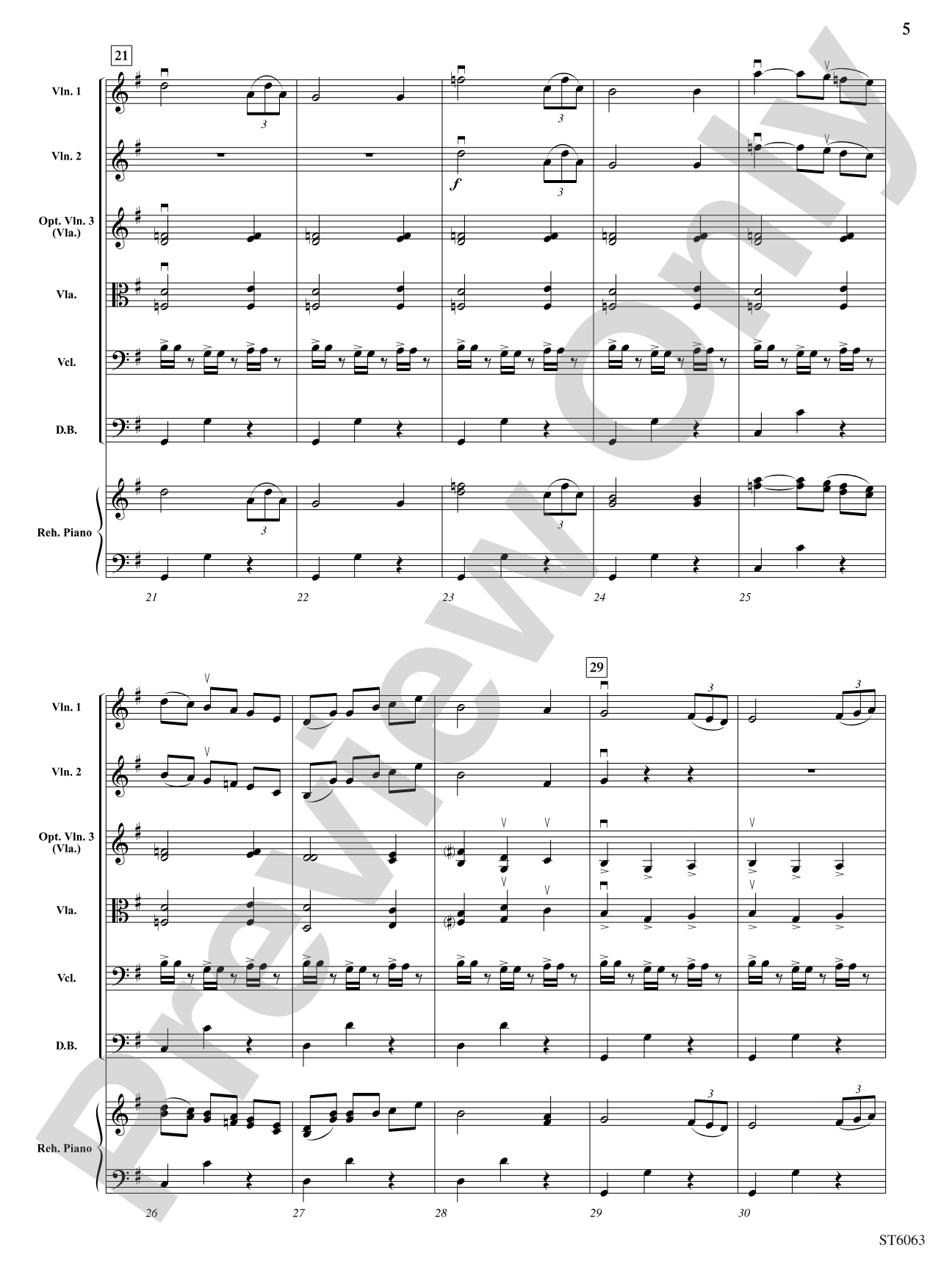
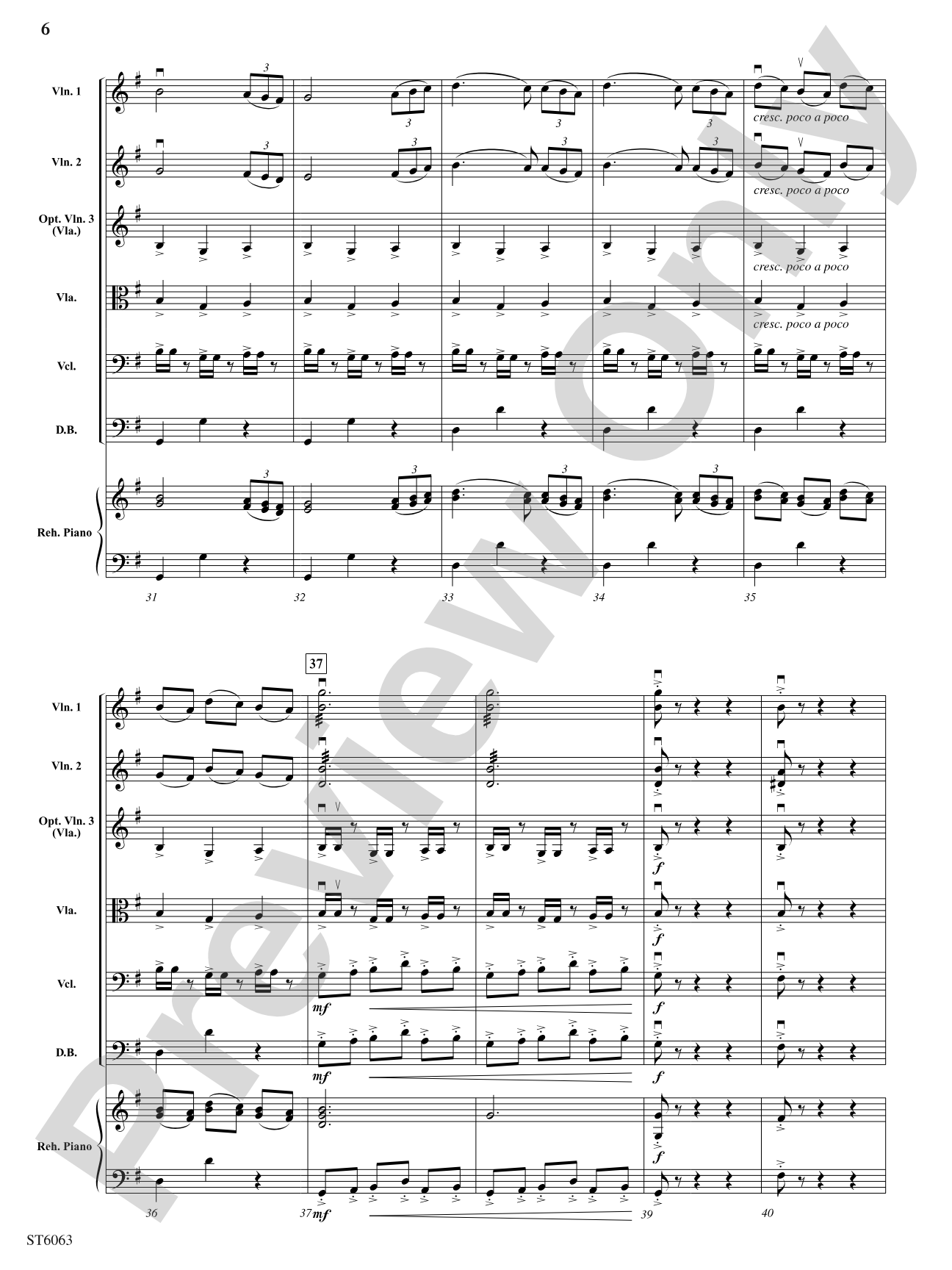
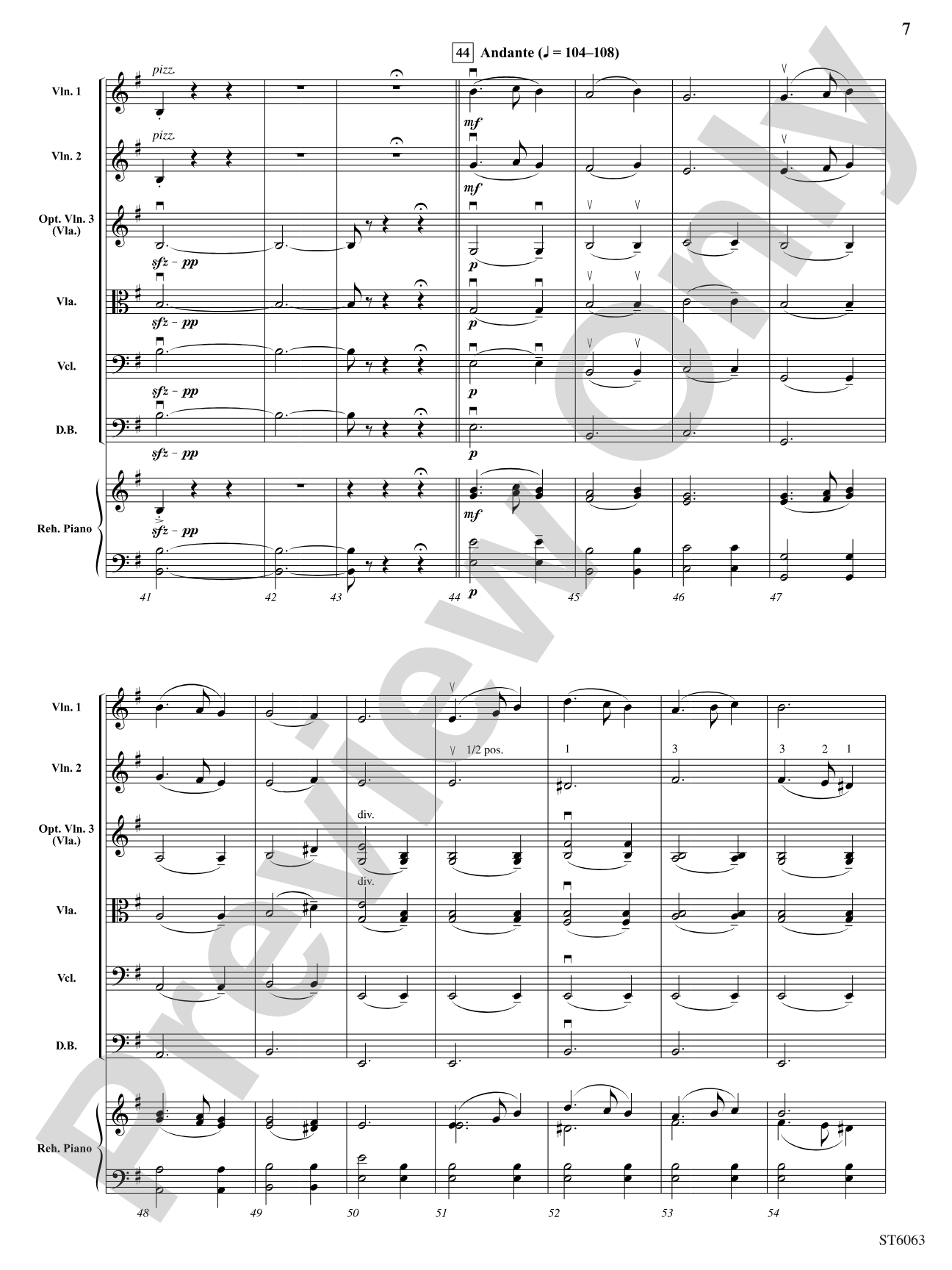
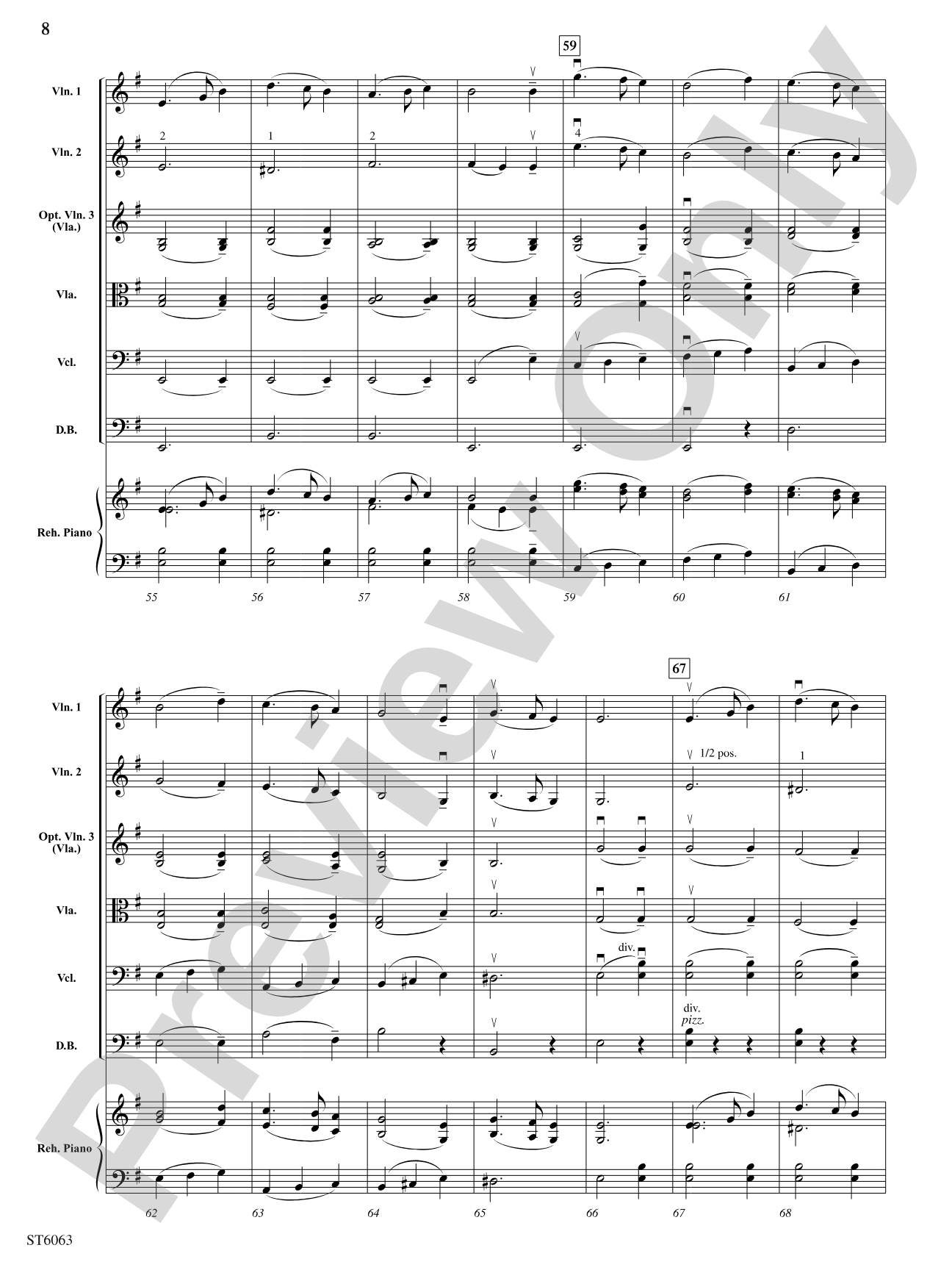
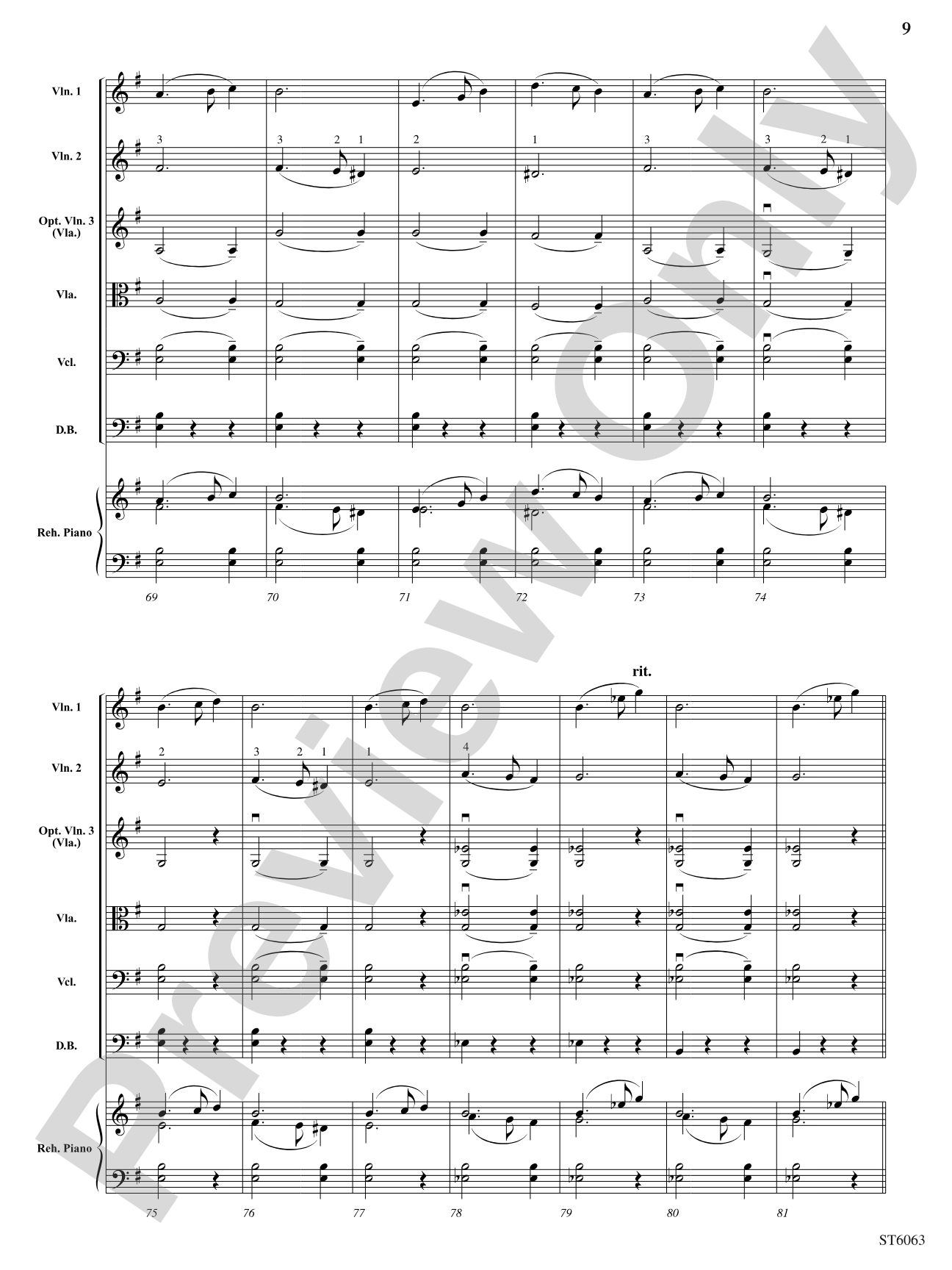
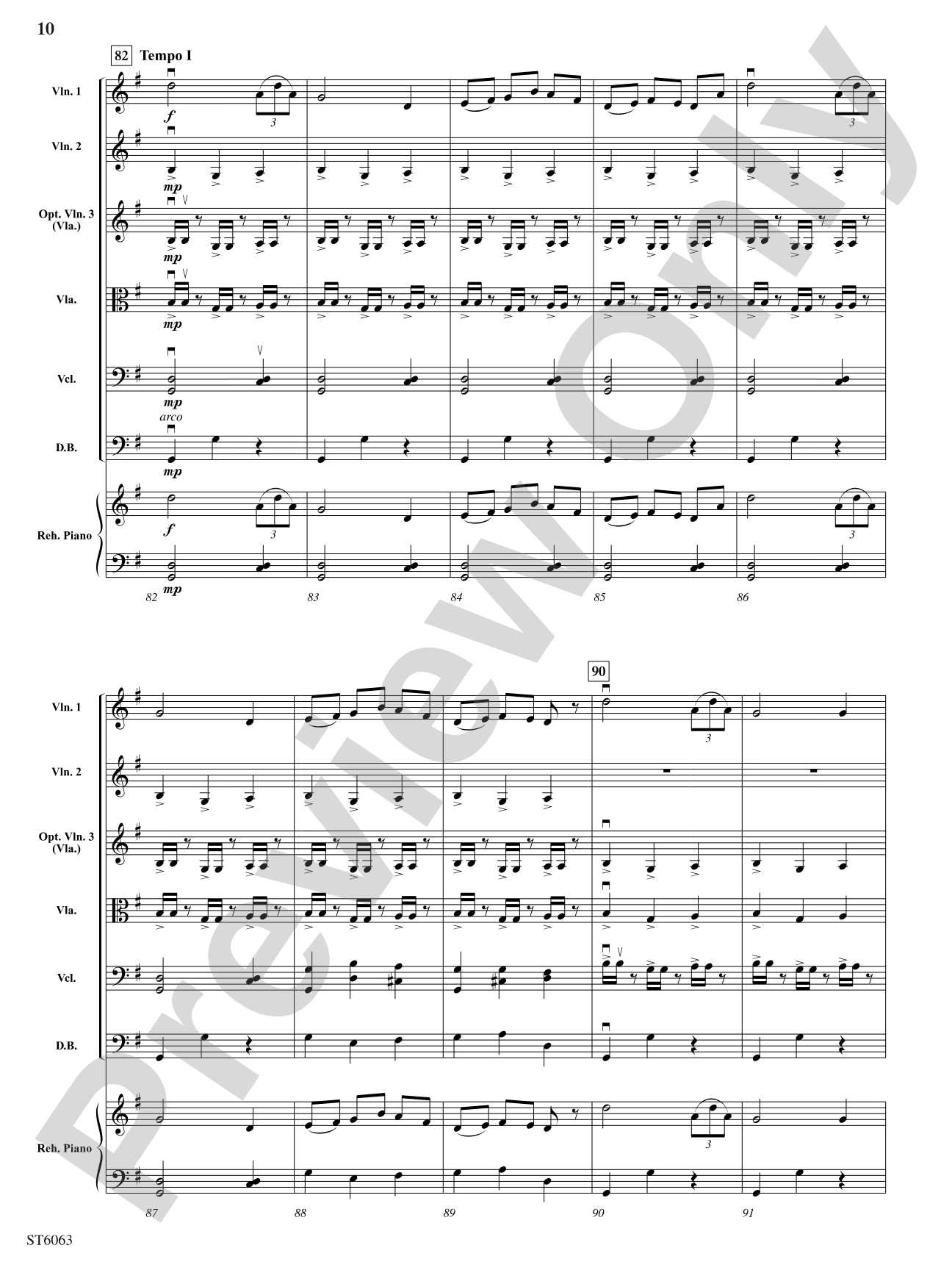
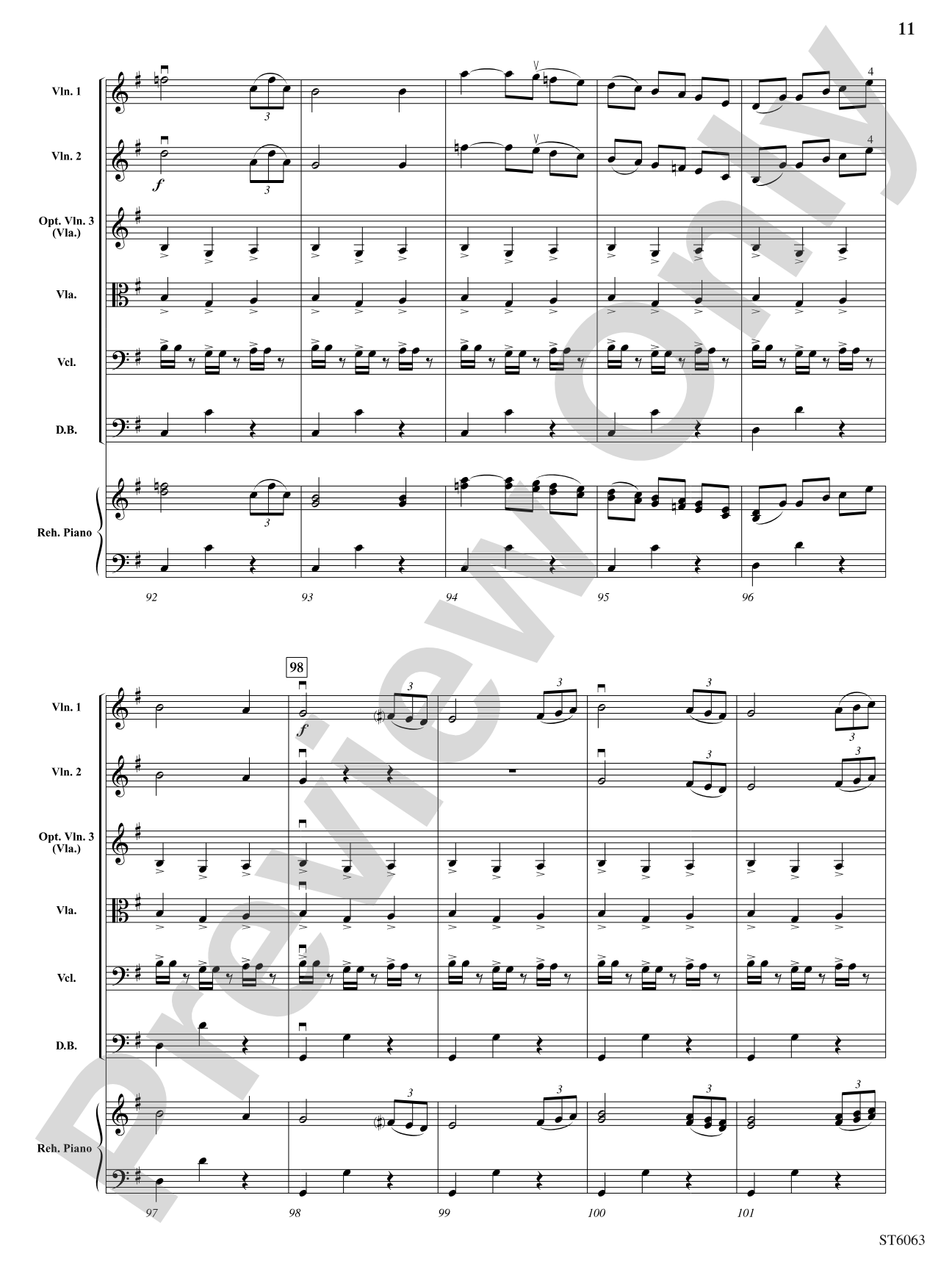
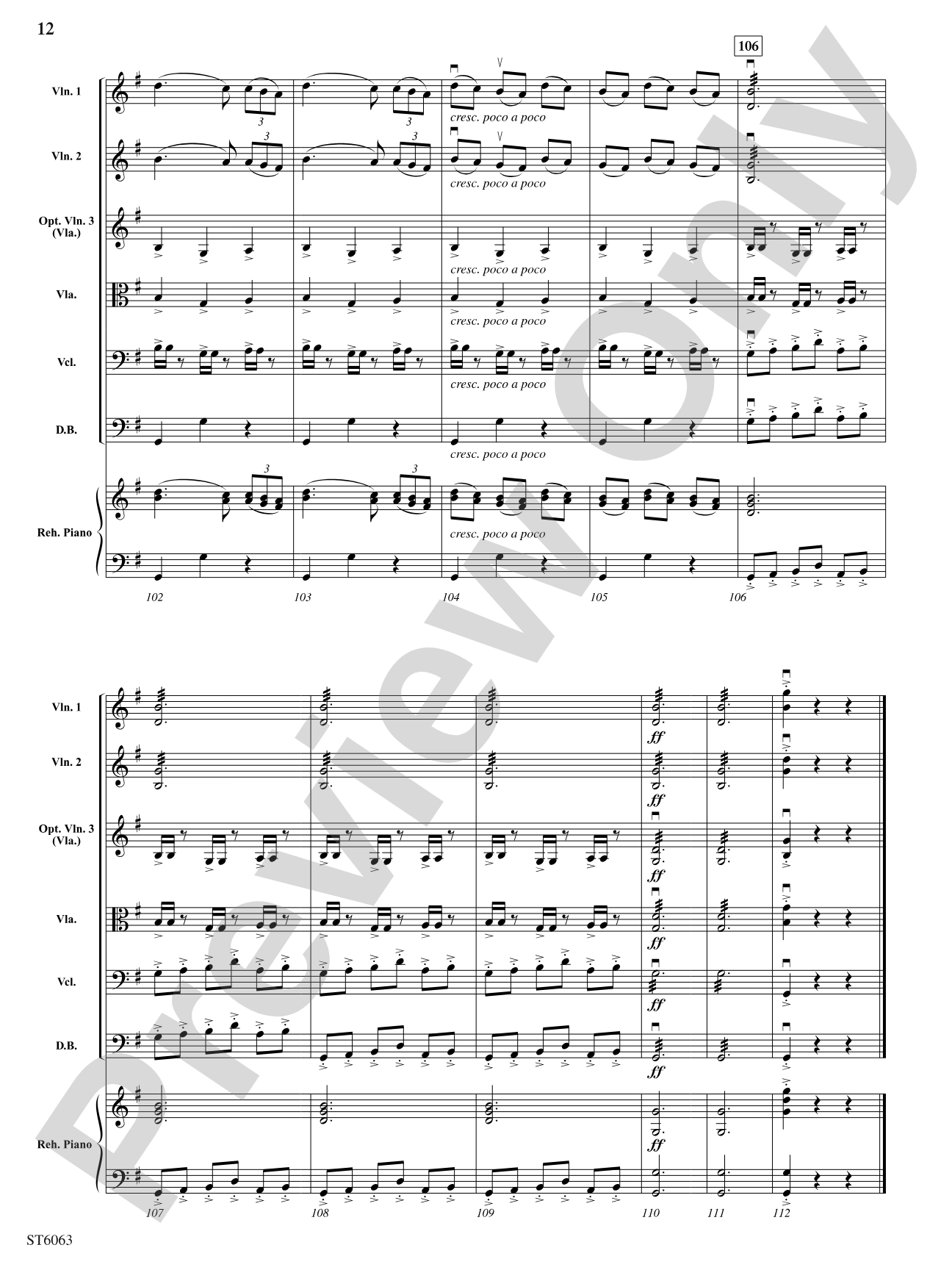

Carillon from L'arlesienne Suite No. 1: String Orchestra Conductor Score & Parts
By Georges Bizet / arr. Robert D. McCashin
Grade: 2.5
Item: 98-DST6063

$45.00
Pickup currently not available
Buy Extra Parts (Digital PDF Download)
Parts Added to Cart!
Description
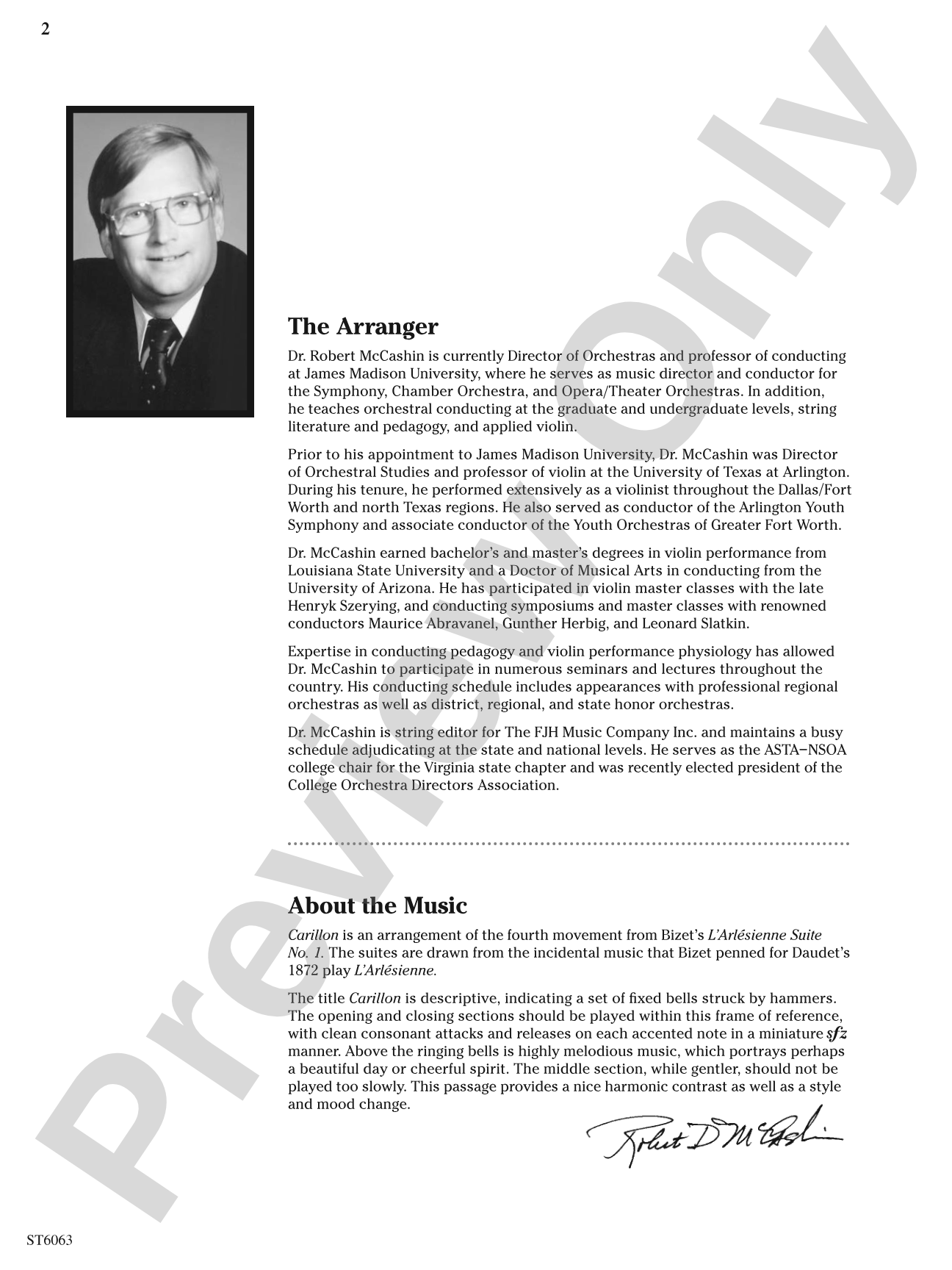
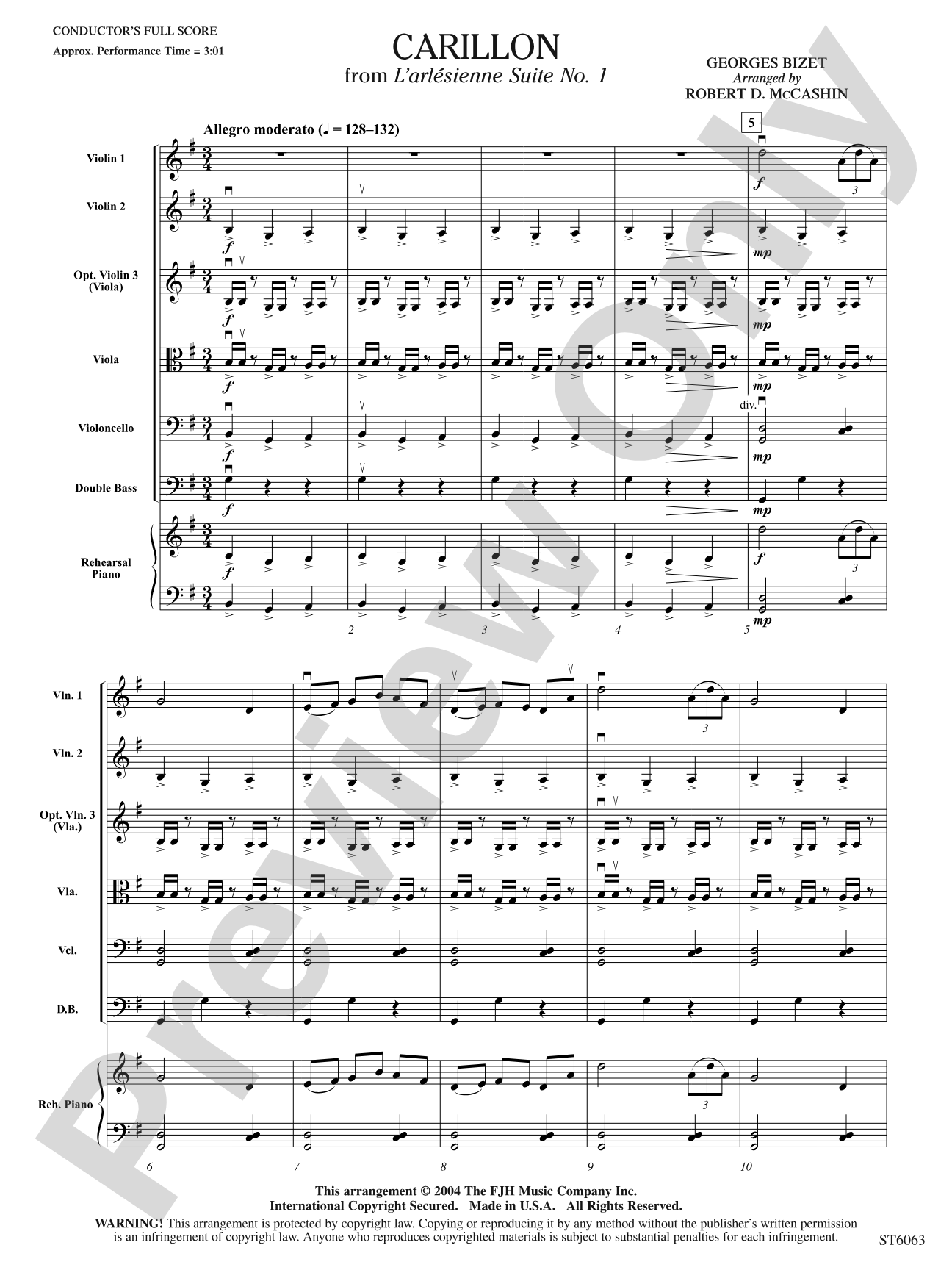
Originally written by Georges Bizet as incidental music for Daudet's 1872 play L'arlèsienne, Carillon, as the descriptive title indicates, calls for a set of fixed bells struck by hammers.


Don't just read it, hear it, play along with it, and watch your students grow with it. In MakeMusic Cloud, Carillon from L'arlesienne Suite No. 1: String Orchestra Conductor Score & Parts comes alive with professional accompaniment, adjustable tempo, and built-in practice tools that turn solo practice into real progress.
Open in the Player
Jump straight in and assign it today.
Start Your Free Trial
Open this title and explore the full library in minutes.
Sample Audio
1
Audio File
--:--
0:00
0:00
Sample Video
No sample videos found.
Additional Details
Series:
FJH Developing Strings
Publisher:
The FJH Music Company, Inc.
SKU:
98-DST6063
More about this title
About the Composer: Georges Bizet
Georges Bizet (1838-1875) was a French composer whose gift for melody and orchestral color secured his place among the great dramatists of the operatic stage. His most celebrated work, Carmen, revolutionized French opera through its raw emotional directness and vivid musical characterization. Beyond his operas, Bizet composed incidental music for theater, ballets, and orchestral works that showcase the same gift for memorable themes and brilliant instrumentation that defined his operatic genius.
Why we love this
McCashin's arrangement captures the essential character of Bizet's original orchestration while making it fully accessible to developing string orchestras. The piece balances musical integrity with genuine playability at the Grade 2.5 level, allowing young musicians to experience a masterwork without simplified arrangements that strip away the work's distinctive voice. It's an excellent choice for ensembles looking to program something substantial and recognizable without overreaching technically.
What to expect
The piece opens with the shimmer and resonance of bells in motion, creating an atmospheric foundation that gradually becomes more animated and lyrical. There's a timeless, almost liturgical quality to the melodic lines, evoking the bells of a French church tower as they mark the passage of time in a small Provençal town.
Who it's for
String orchestras at the intermediate level looking for literature that combines accessibility with artistic substance. This arrangement serves ensembles preparing for festival or contest performance, as well as directors seeking repertoire that will engage students in both the challenge and the reward of playing a recognizable classical masterwork.
How to get the most out of it
- Establish the bell-like character from the opening by having the entire ensemble shape each phrase with gentle attacks and natural decays; think of the strings imitating the resonance of struck bells rather than sustaining notes.
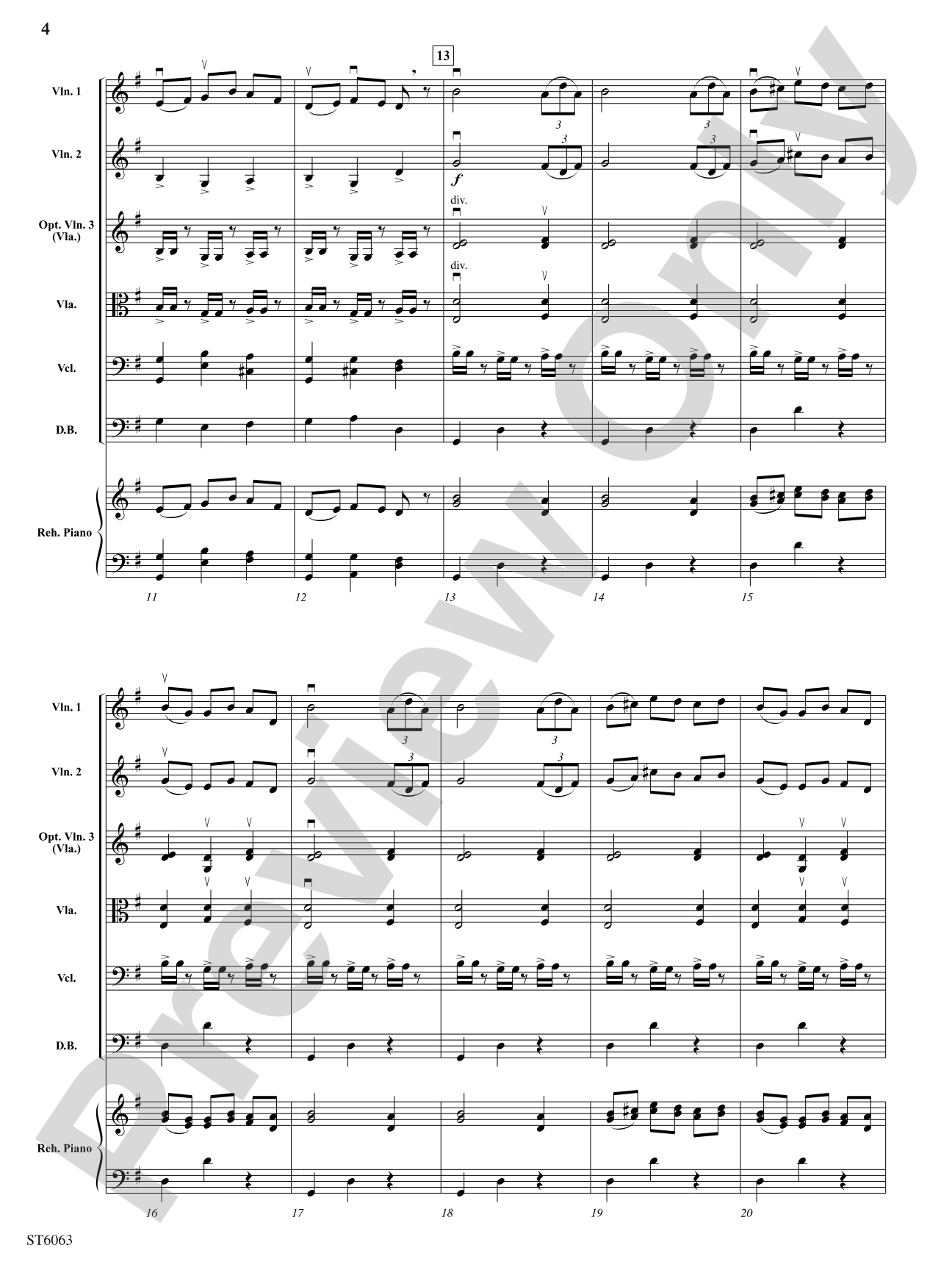
- Balance the first violin melody against the harmonic foundation in the lower voices so the main theme sings without drowning out the supporting parts.
- Keep the tempo steady and unhurried; this piece benefits from a conductor who can maintain rhythmic clarity while allowing the music to breathe naturally.
- Pay attention to articulation markings that distinguish between the carillon bell sound and more lyrical passages; these contrasts give the arrangement depth and prevent it from feeling static.
How to use it
This arrangement fits naturally into classical or masterworks themed concerts and pairs well with other 19th-century orchestral literature. Its moderate difficulty and familiar musical heritage make it an excellent vehicle for demonstrating ensemble musicianship at the intermediate level to family and community audiences.
Skills your students will build
- Sustaining tone quality across entire phrases
- Balancing ensemble parts in homophonic textures
- Responding to conductor gesture with unified articulation
- Maintaining rhythmic stability in moderate tempos
- Executing multiple dynamic levels with control