Cargo Sheet Music Preview

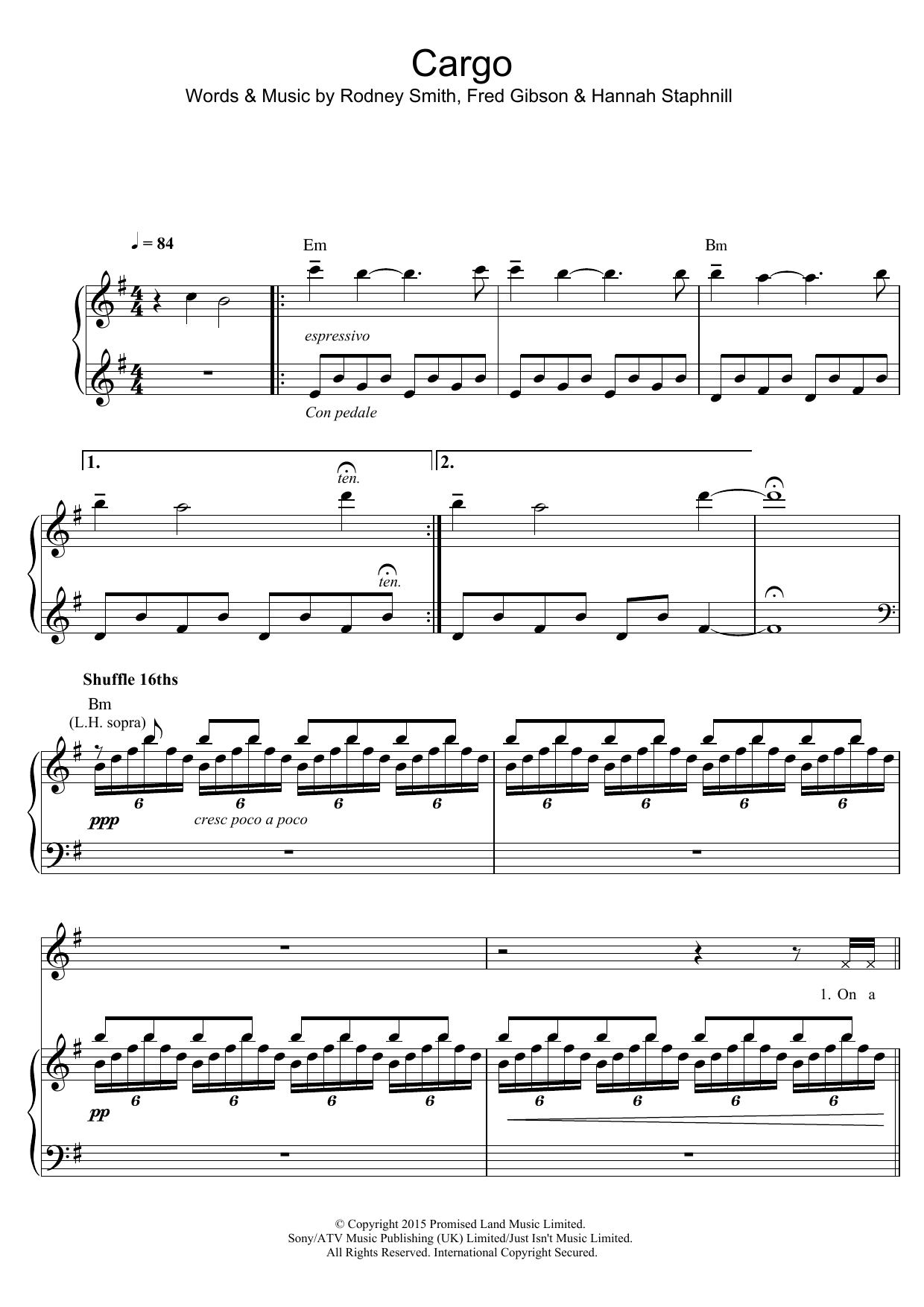
Cargo: Piano Vocal

As performed by Roots Manuva

Item: 35-DS00333635

Digital Download
$5.99
Description

Cargo: Piano Vocal isn't in MakeMusic Cloud just yet...but it could be. Let us know you'd like to see it, and you'll help shape what comes next. In the meantime, start a free trial and dive into thousands of interactive titles your students can play along with today.

Sample Audio
No sample audio found.
Sample Video
Additional Details
Publisher: Hal Leonard
Page Count: 10
SKU: 35-DS00333635

More about this title

About the Artist: Roots Manuva

Roots Manuva (Rodney P. Smith) is a British hip-hop artist and producer from South London whose work bridges underground rap sensibilities with pop accessibility. His production style draws heavily from funk, soul, and reggae influences, creating a distinctive sound that has made him a significant figure in UK hip-hop since the late 1990s.

Why we love this

Roots Manuva's production vocabulary offers piano and vocal students a chance to engage with contemporary hip-hop aesthetics in a way that feels compositionally sophisticated rather than formulaic. The track balances rhythmic complexity with melodic clarity, making it genuinely rewarding to arrange and perform for musicians accustomed to classical or jazz frameworks.

What to expect

Spacious and conversational, with a laid-back sophistication that never rushes. The arrangement creates room for the voice to breathe while the piano maintains a steady, funky foundation that feels both minimal and complete.

Who it's for

Vocalists and pianists who want to explore contemporary urban music through the lens of notation, and educators looking to incorporate UK hip-hop into their curriculum without sacrificing musical substance. This works equally well for singers developing stylistic range and for classically trained pianists discovering how groove and syncopation function outside traditional frameworks.

How to get the most out of it

  • Anchor the groove to the beat rather than playing metronomically; hip-hop piano thrives on pocket playing where you sit slightly behind or ahead of the downbeat depending on the phrase.
  • Treat the vocal line with rhythmic flexibility. The lyrics should feel conversational and natural, which often means bending the written rhythms to match speech patterns.
  • Layer the piano part gradually if you're performing solo. Start sparse in early sections and add harmonic density as the song builds, mirroring how production typically evolves in hip-hop tracks.
  • Balance the low end of the piano with the vocal presence; this arrangement sits in a range where both can compete, so careful dynamic control prevents muddiness.

How to use it

Pair this with soul or funk standards to show how contemporary hip-hop producers inherit and reshape those traditions. It also serves as an accessible entry point for students intimidated by classical repertoire, proving that notation captures modern music convincingly.

Skills your students will build

  • Syncopated rhythm reading and performance in hip-hop contexts
  • Vocal styling and phrasing flexibility within written notation
  • Groove-based piano accompaniment and pocket playing
  • Harmonic thinking across funk and soul chord progressions
  • Understanding how beat and melody interact in contemporary song structure

You May Also Like