

Carcassi & Sor: Easy Classic Guitar Solos: Guitar Book
Studies and Caprices
By Matteo Carcassi and Fernando Sor
Item: 00-PK-0003625

$9.99
Pickup currently not available
Buy Extra Parts (Digital PDF Download)
| Product | Price | Quantity |
|---|---|---|
| Carcassi & Sor: Easy Classic Guitar Solos | $3.99 | |
| Carcassi & Sor: Easy Classic Guitar Solos | $3.95 |
Parts Added to Cart!
Related Items
Easy Classic Guitar Solos: Guitar Book |
$9.95
|
View |
Description
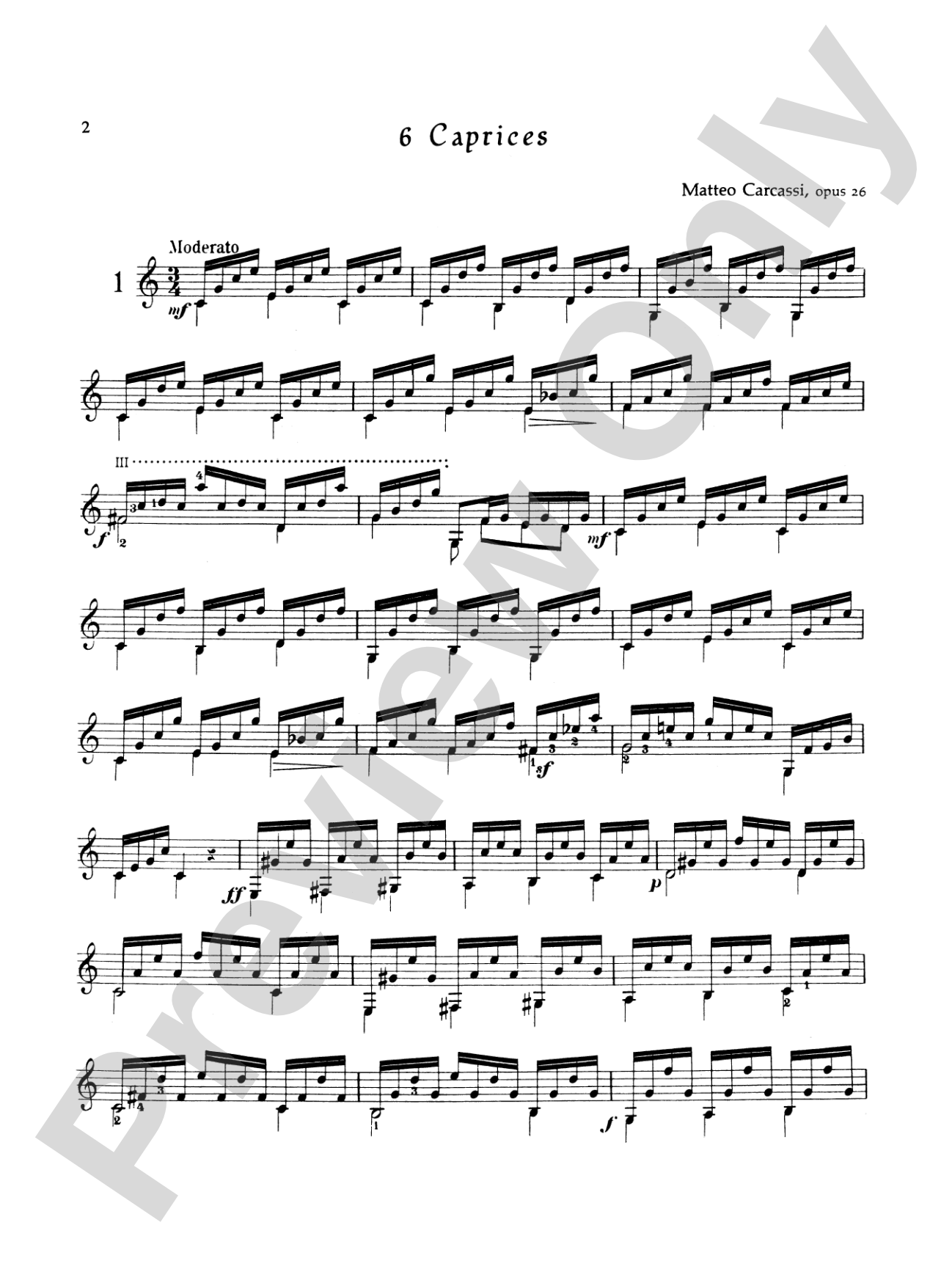
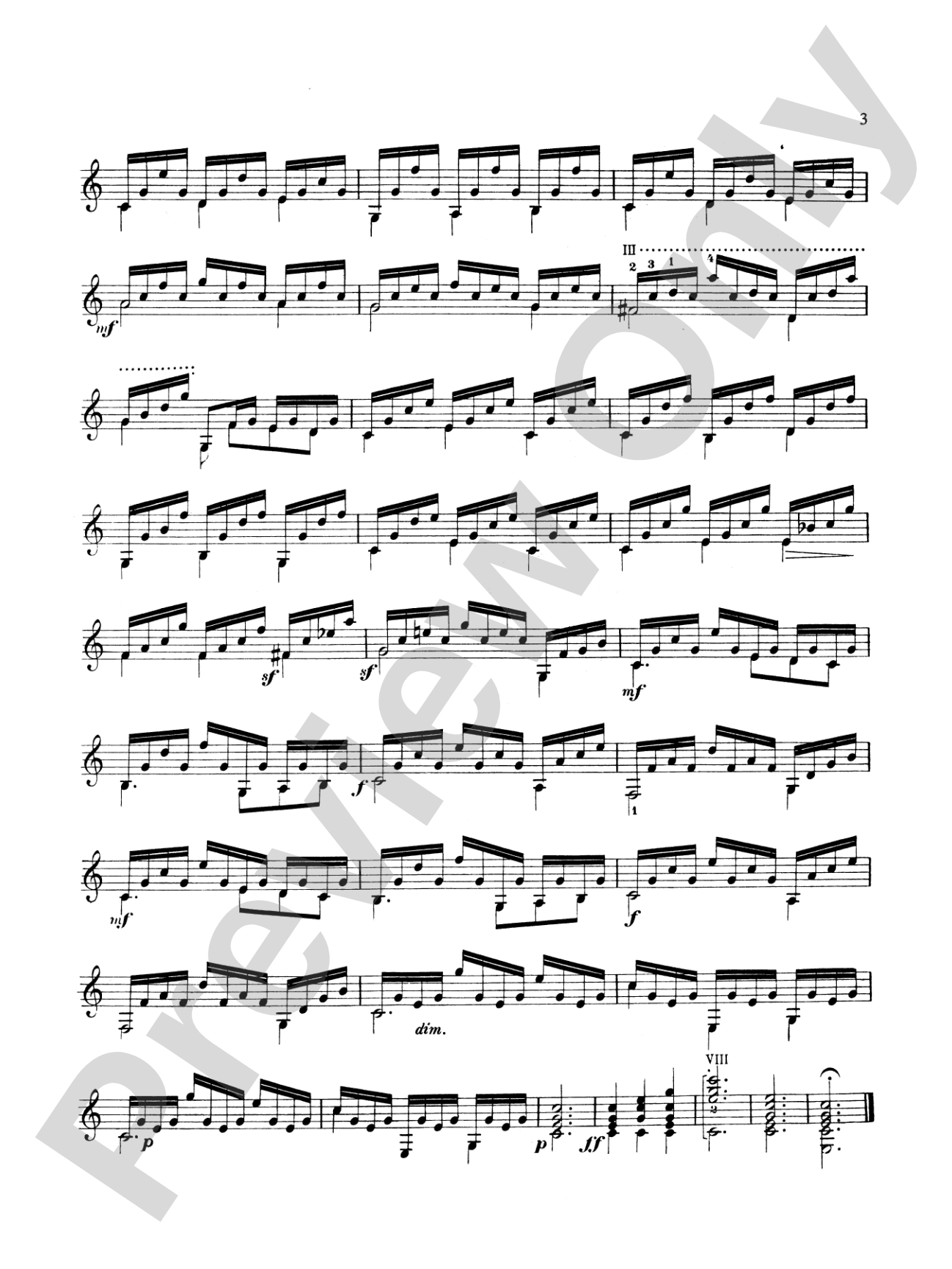
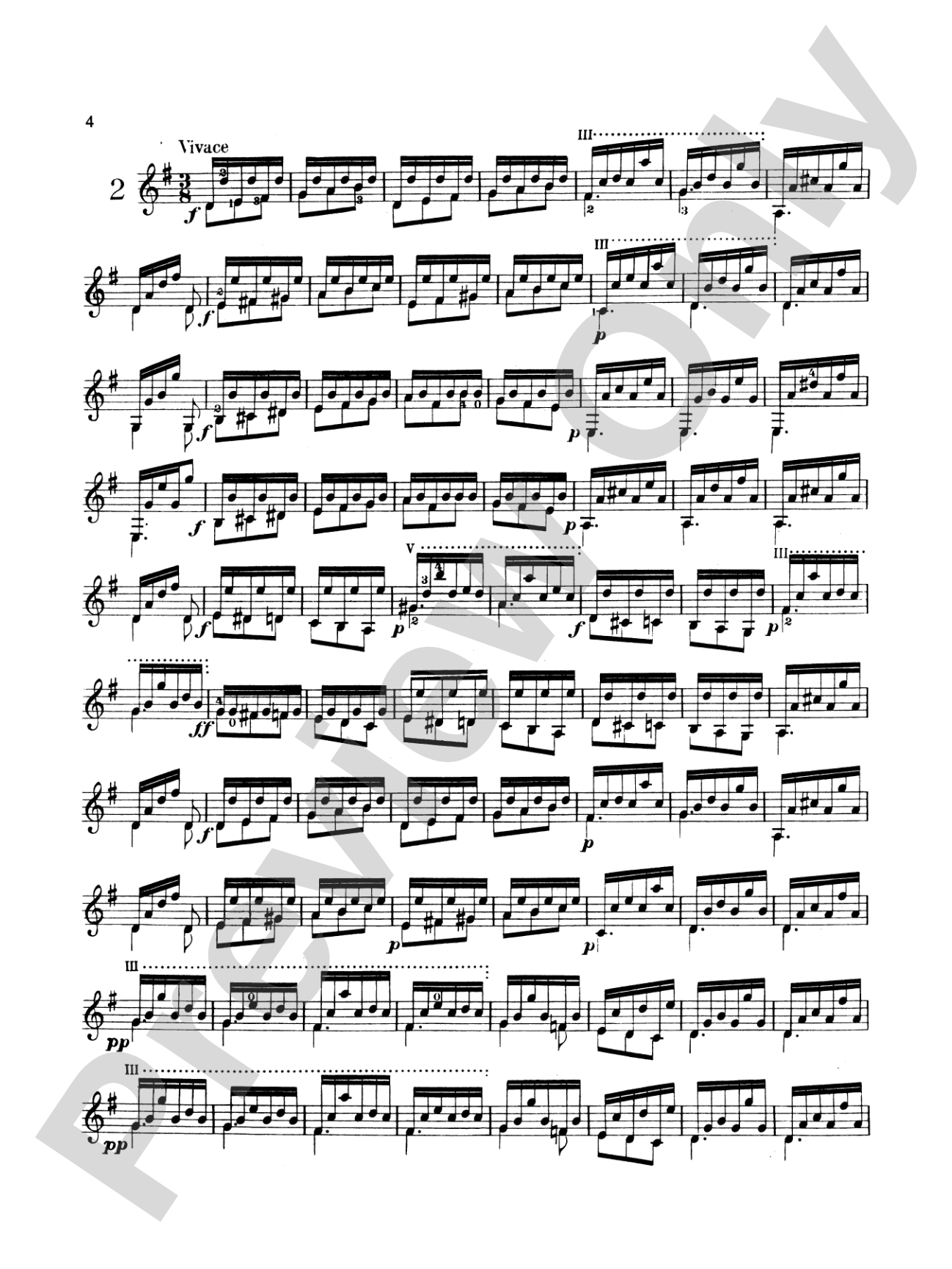
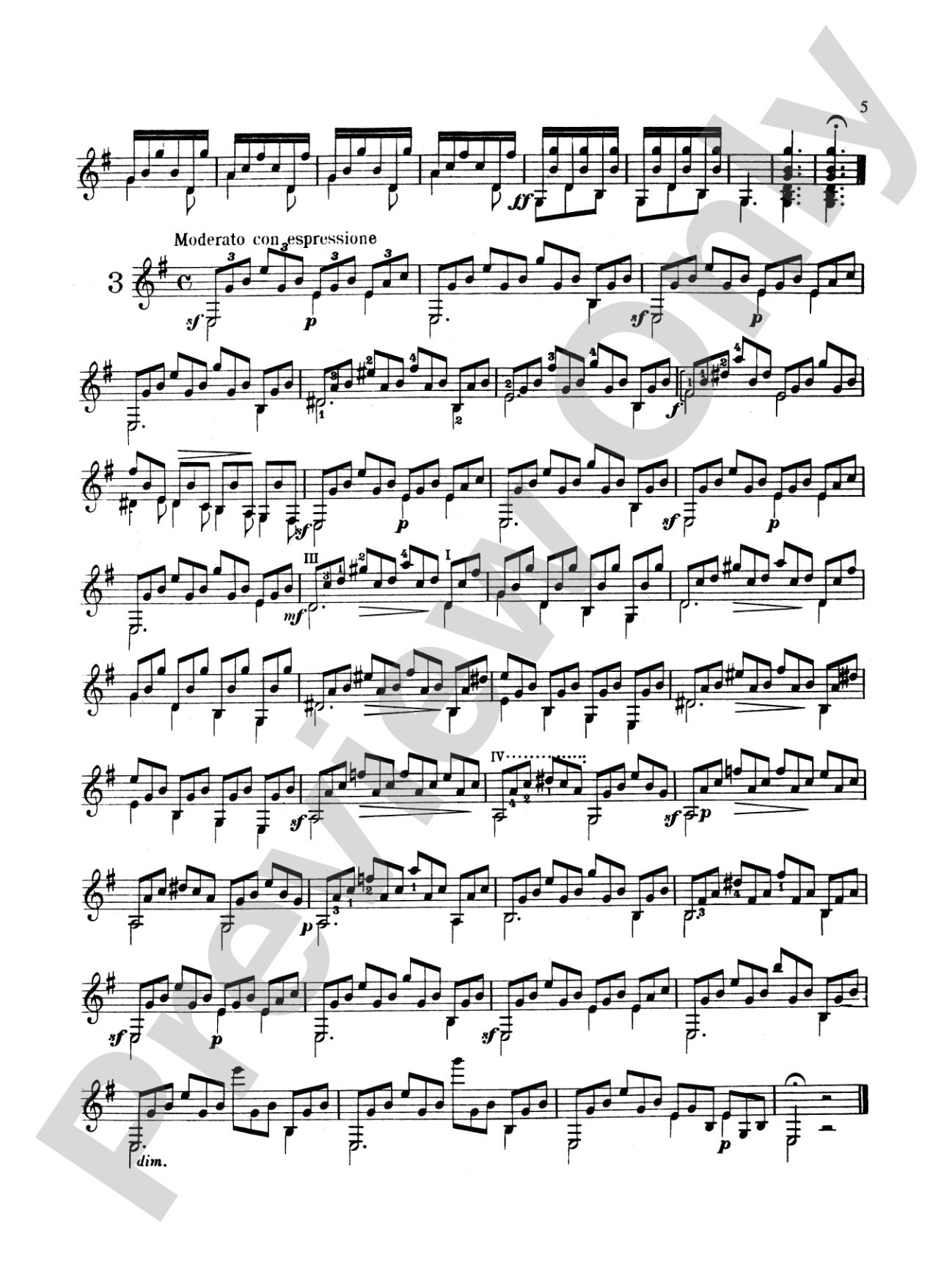
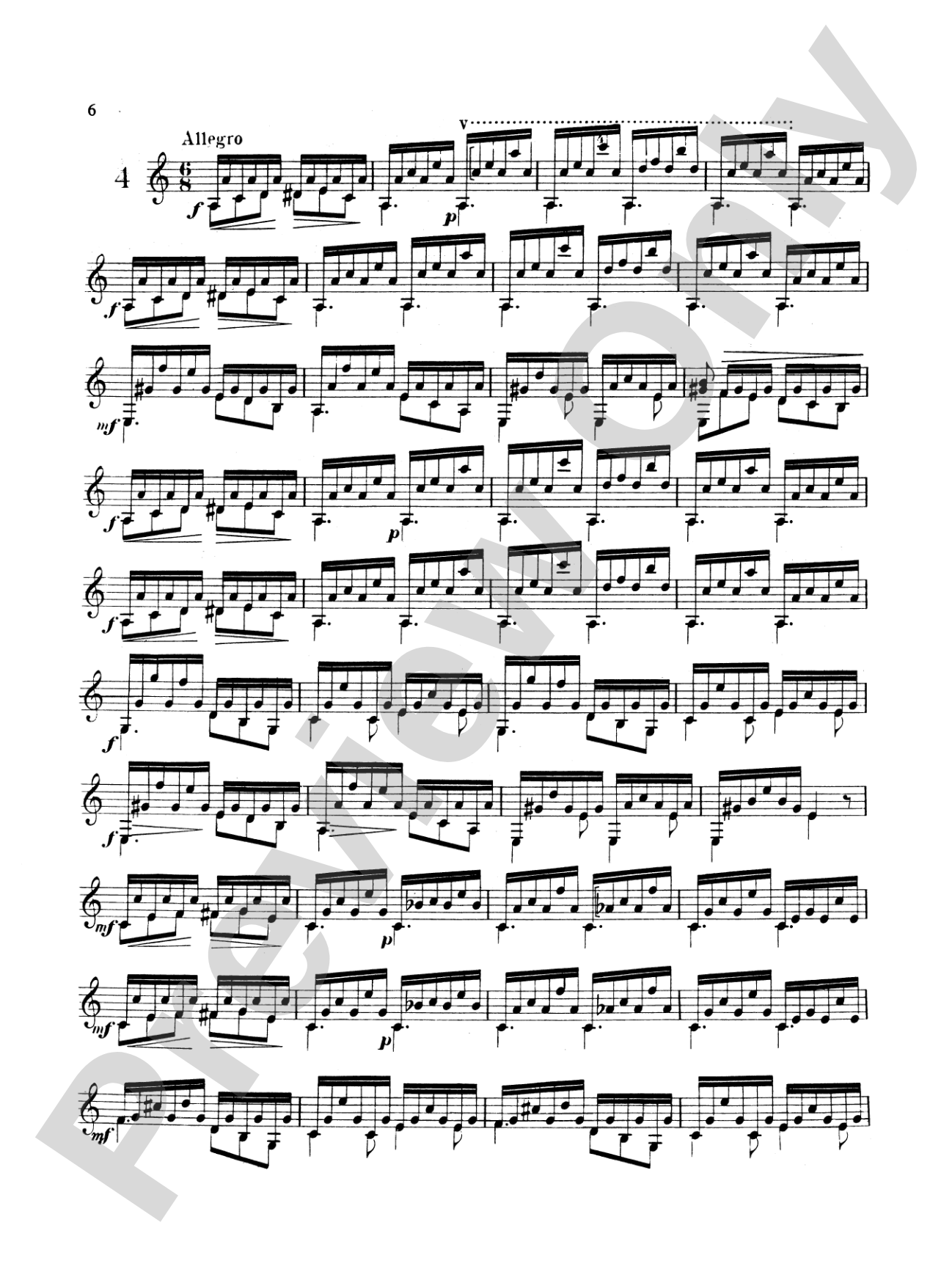
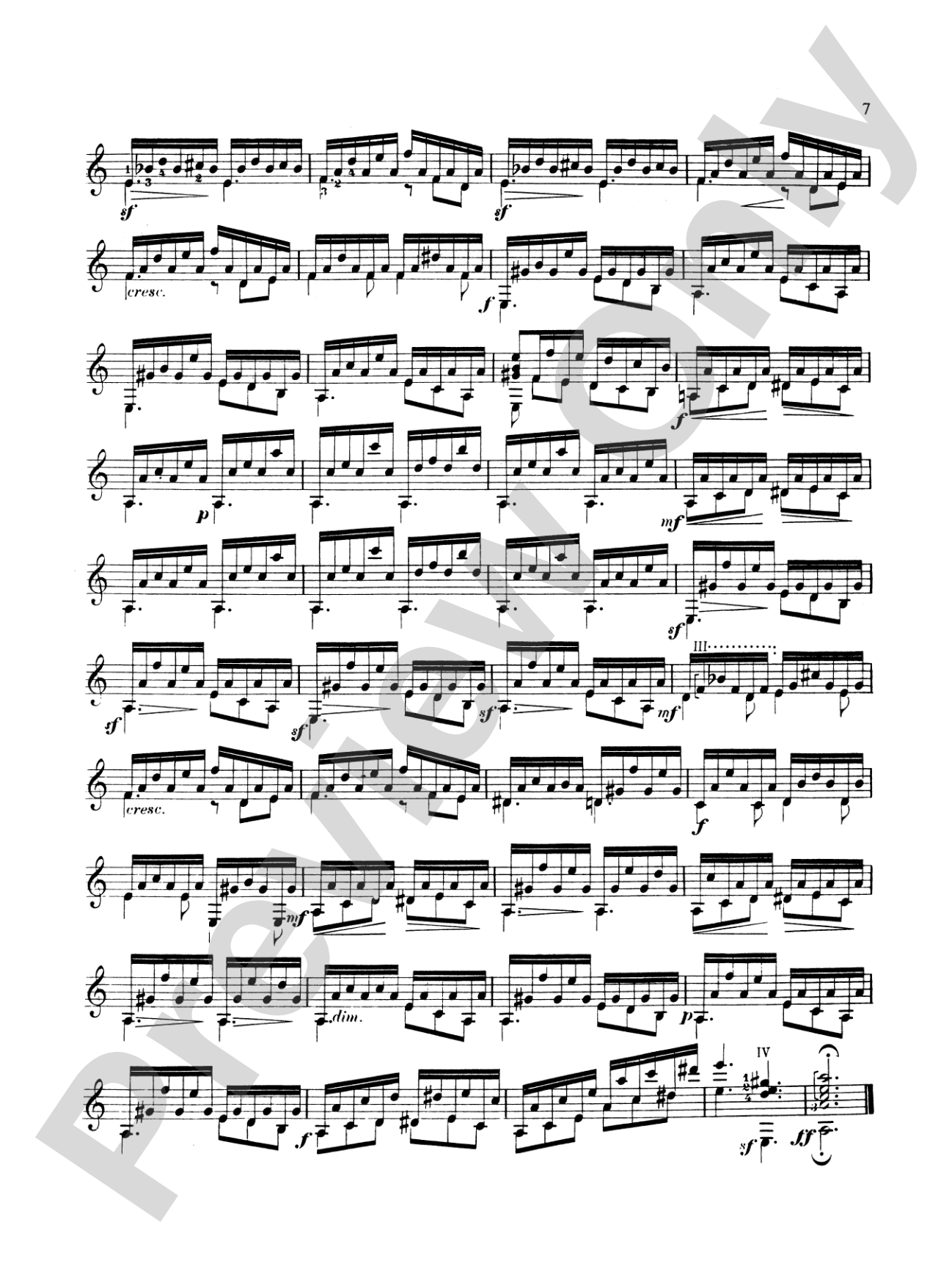
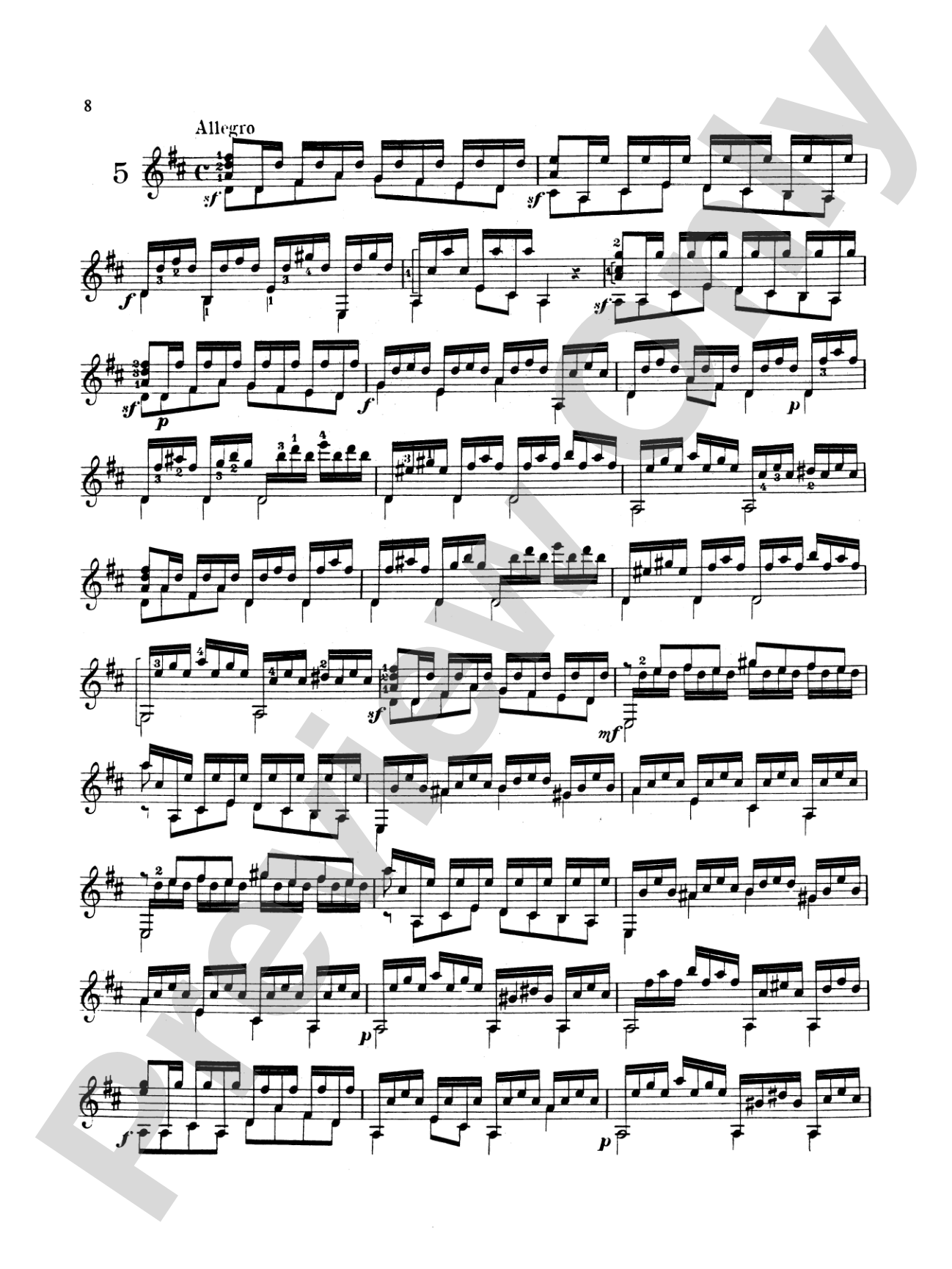
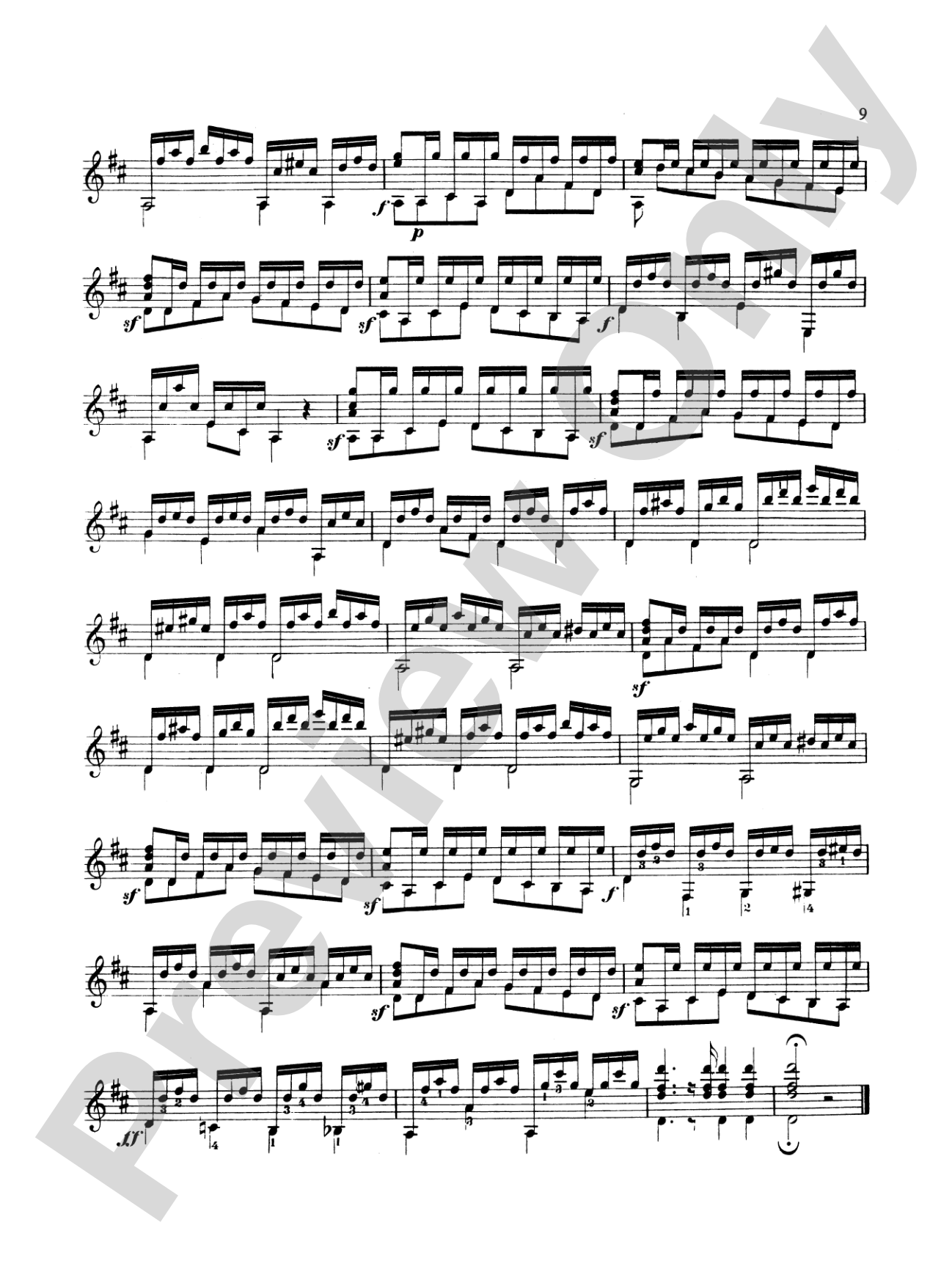
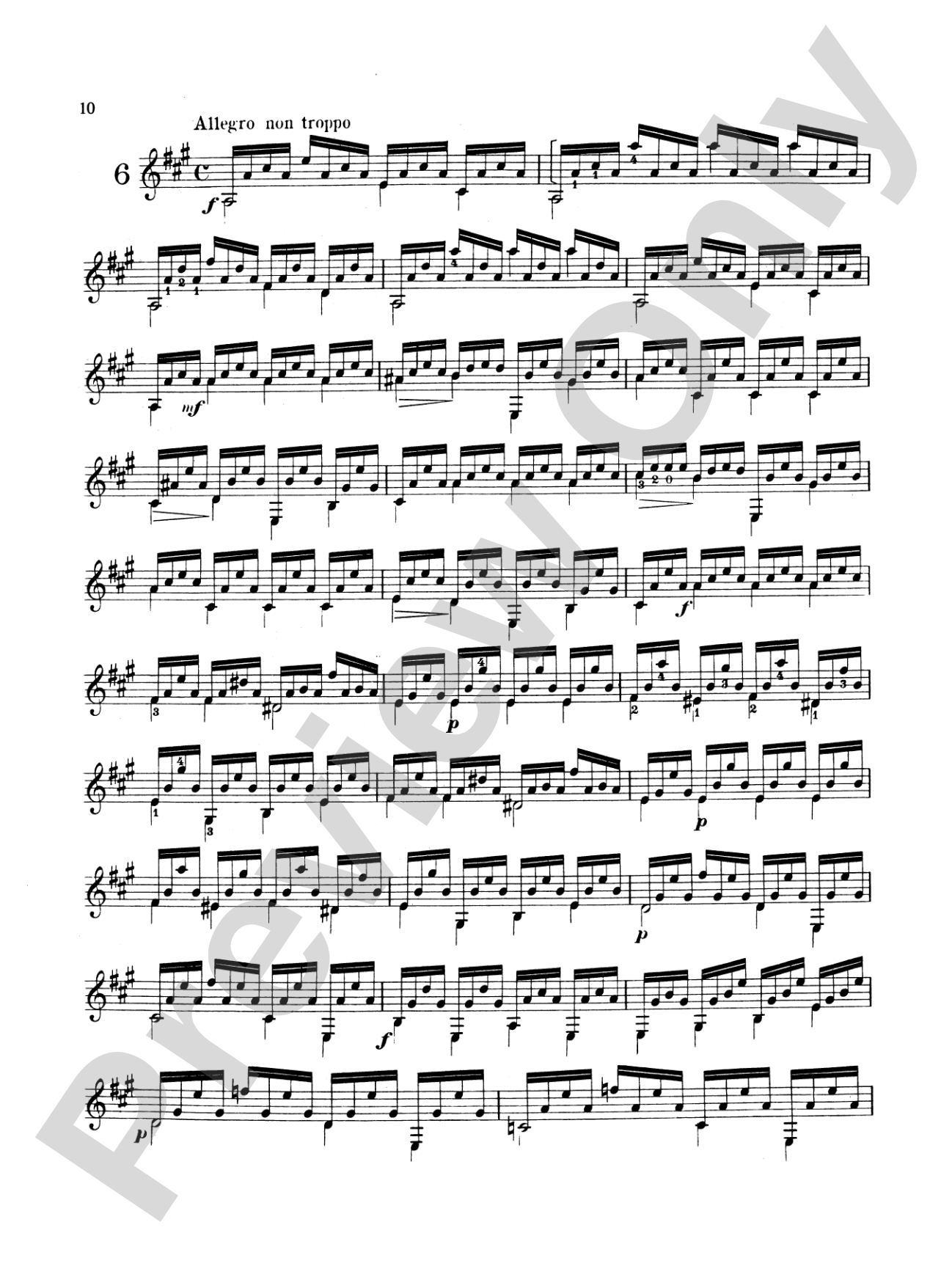
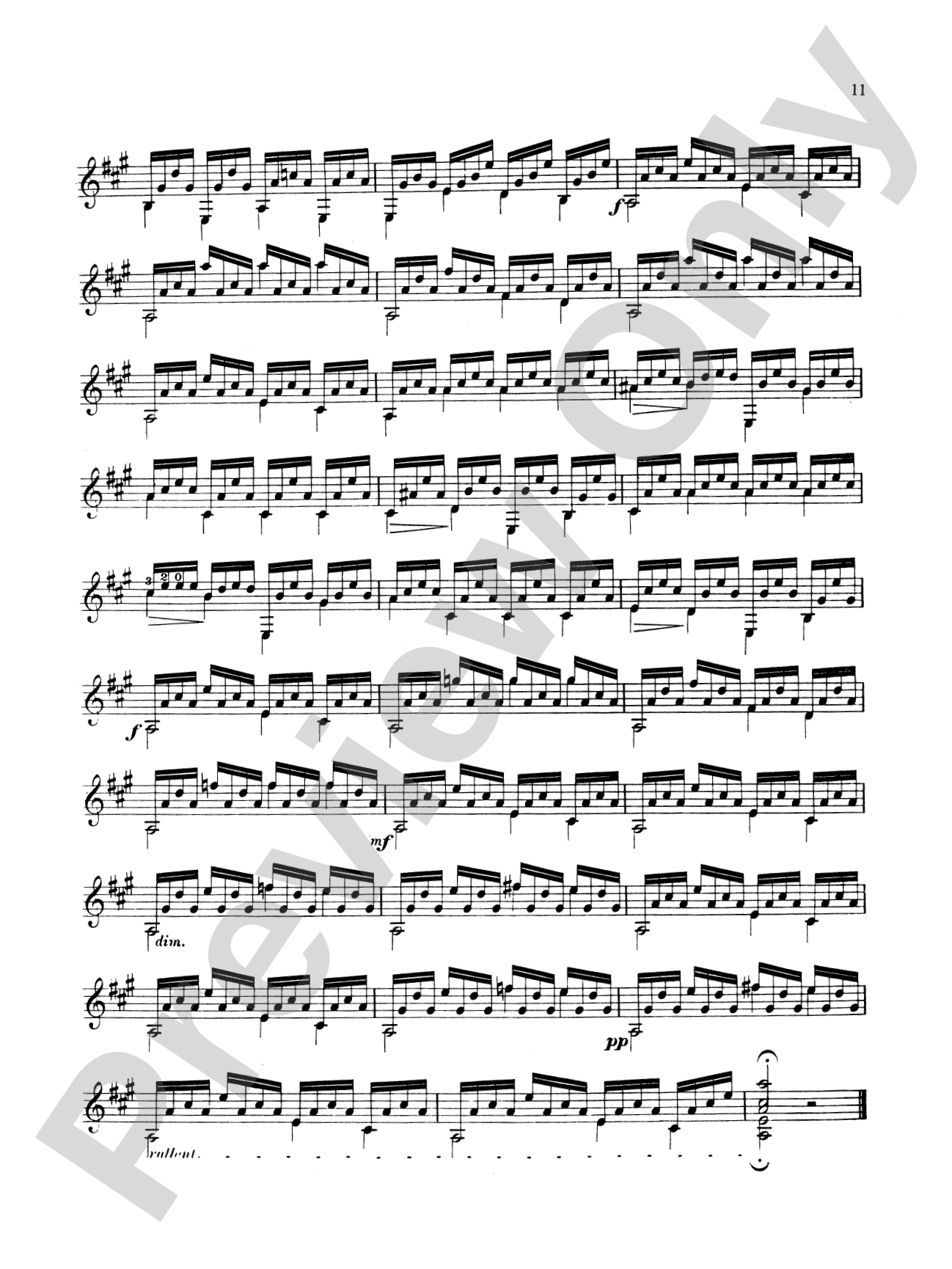
Perfect beginning repertoire for the student of classical guitar. These immensely popular pieces have provided a foundation for generations of guitarists. The pieces are short, melodic, easy to learn, and are played entirely in the 1st position. An excellent supplement to any classical guitar method!


Don't just read it, hear it, play along with it, and watch your students grow with it. In MakeMusic Cloud, Carcassi & Sor: Easy Classic Guitar Solos: Guitar Book comes alive with professional accompaniment, adjustable tempo, and built-in practice tools that turn solo practice into real progress.
Open in the Player
Jump straight in and assign it today.
Start Your Free Trial
Open this title and explore the full library in minutes.
Sample Audio
No sample audio found.
Sample Video
No sample videos found.
Additional Details
Series:
Kalmus Edition
Publisher:
Alfred Music
Page Count:
32
SKU:
00-PK-0003625
More about this title
About the Composer: Matteo Carcassi
Matteo Carcassi (1792-1853) was an Italian guitarist and composer whose pedagogical works shaped classical guitar instruction throughout the 19th century and beyond. His studies and easy pieces remain cornerstones of guitar curricula because they balance musical substance with technical accessibility, treating the instrument as a legitimate vehicle for artistic expression rather than mere technical exercise.
Carcassi's approach to composition emphasized clarity and melodic beauty. His pieces for beginning students demonstrate that even within strict technical limitations, a guitarist can discover genuine musicality and develop refined interpretive instincts. Teachers return to Carcassi's writing again and again because the music rewards careful listening and honest performance.
Why we love this
These pieces strike the rare balance of being genuinely musical and genuinely playable for a beginner. Rather than recycling empty technical exercises, Carcassi and Sor offer real compositions with melodic substance and character. Your students will feel like they're playing actual repertoire from day one, not placeholder material.
What to expect
These pieces sing with Romantic-era grace and simplicity. Despite their technical ease, they carry genuine melodic charm and offer students the pleasure of playing music that sounds both complete and expressive. There's an understated elegance in their brevity and directness.
Who it's for
Beginning classical guitarists who have mastered basic note-reading and open-position chords and are ready for their first real pieces. This collection is ideal for students in their first year of study who need short, attainable repertoire that still demands musicality and careful technique.
How to get the most out of it
- Commit to consistent tempo from the first phrase rather than falling into the habit of speeding through easy passages. Even simple melodies benefit from steady pulse and intentional phrasing.
- Shape each phrase with subtle dynamic shaping and rubato. First-position melodies can feel static without thoughtful attention to breathing and expression.
- Let the silence between phrases breathe. Classical guitar repertoire thrives on clear articulation and space, not continuous strumming or rushing to the next note.
- Work for clarity in your right-hand tone production. These pieces are short enough that every note quality matters; sloppy technique becomes obvious instantly.
How to use it
Use these pieces as recital staples for beginning guitar students, either individually or in small groups. They work beautifully on a student showcase or early-year performance where young guitarists need pieces that build confidence without overwhelming technical demand. Carcassi and Sor also pair naturally with pedagogical guitar concerts that celebrate foundational repertoire.
Skills your students will build
- Reading single-line melody in first position
- Sustaining consistent tempo without rhythmic acceleration
- Right-hand tone control and articulation
- Phrasing and dynamic shaping within simple structures
- Sight-reading confidence in Romantic-era guitar idiom