
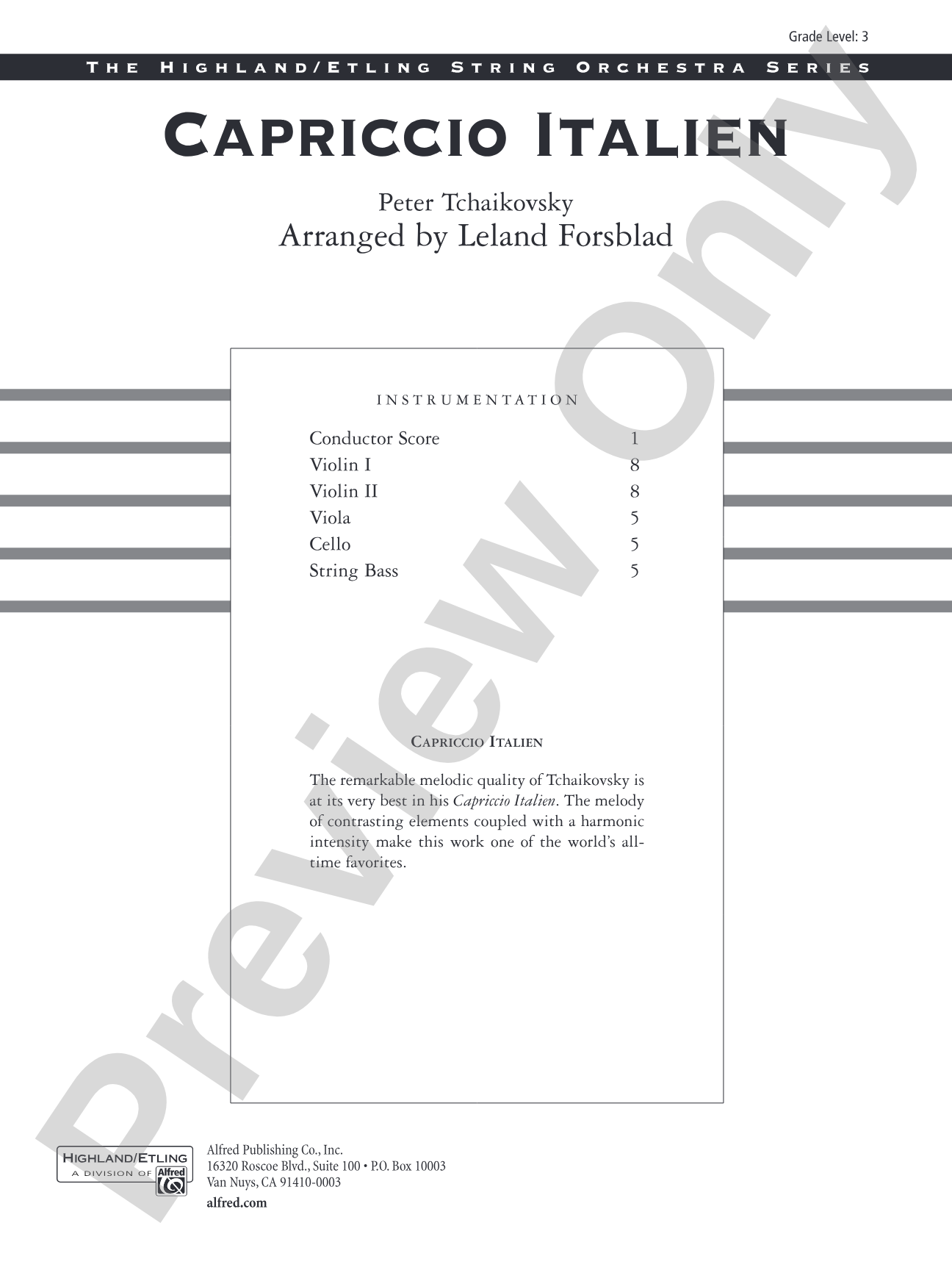
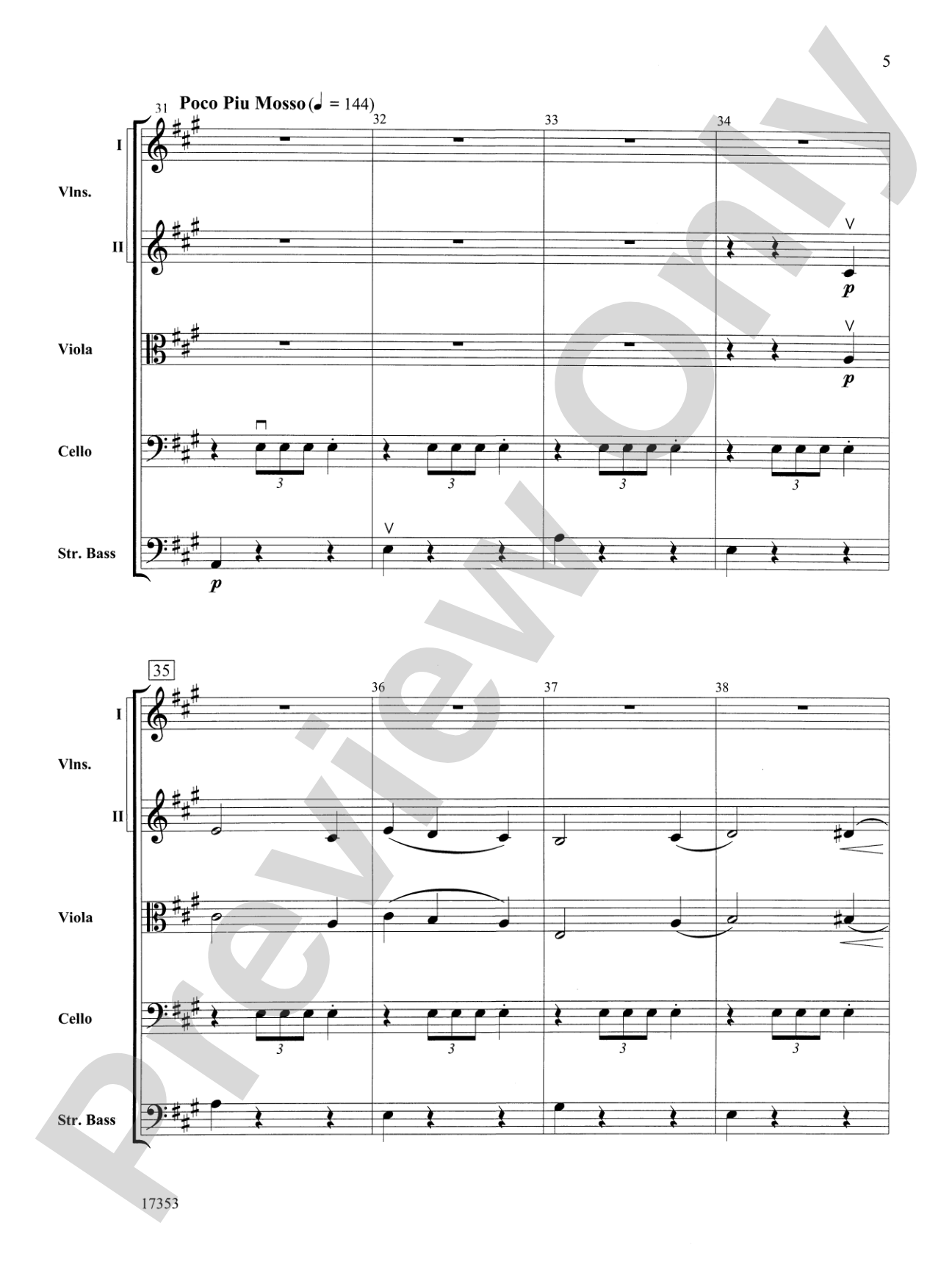
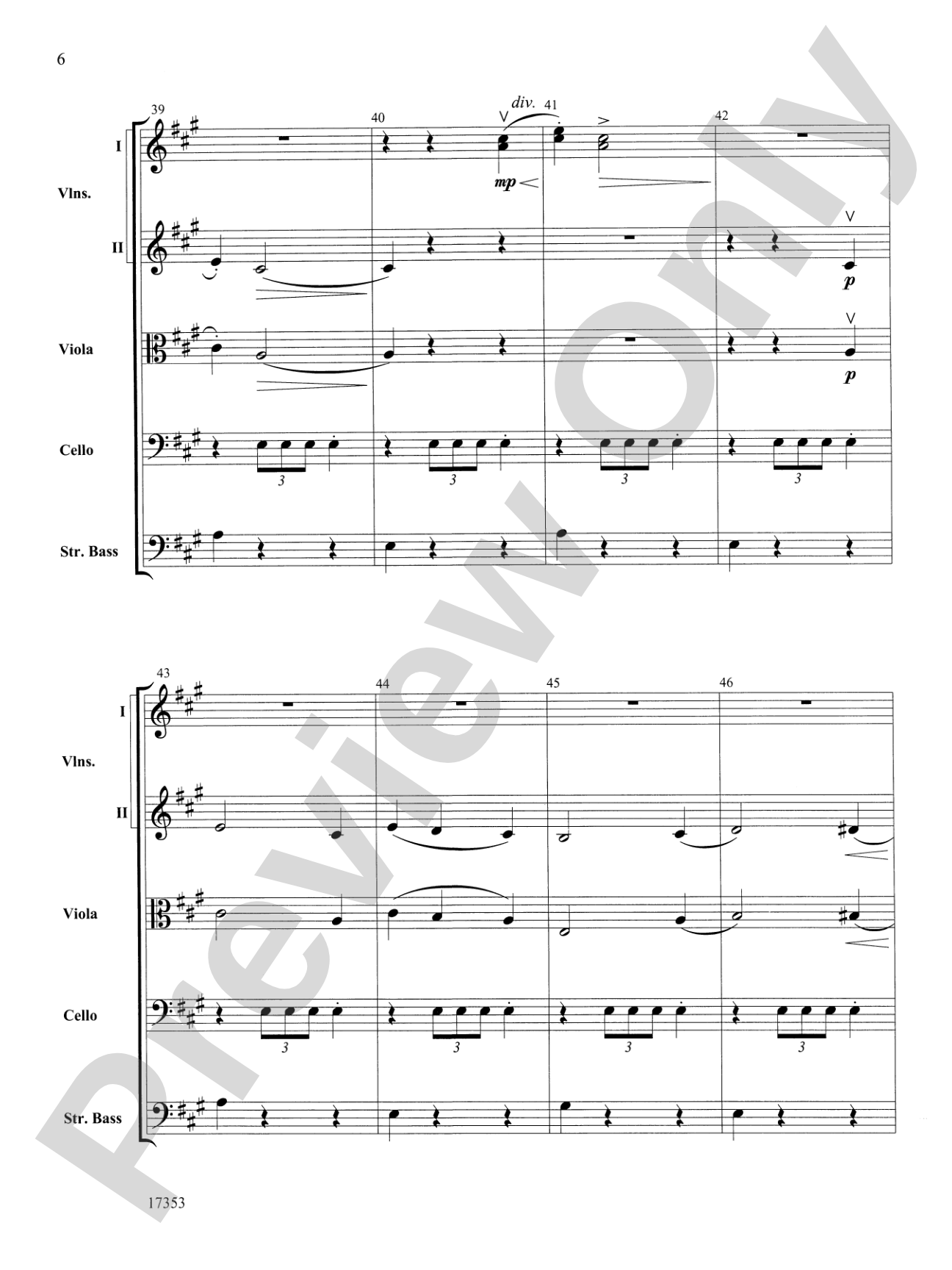
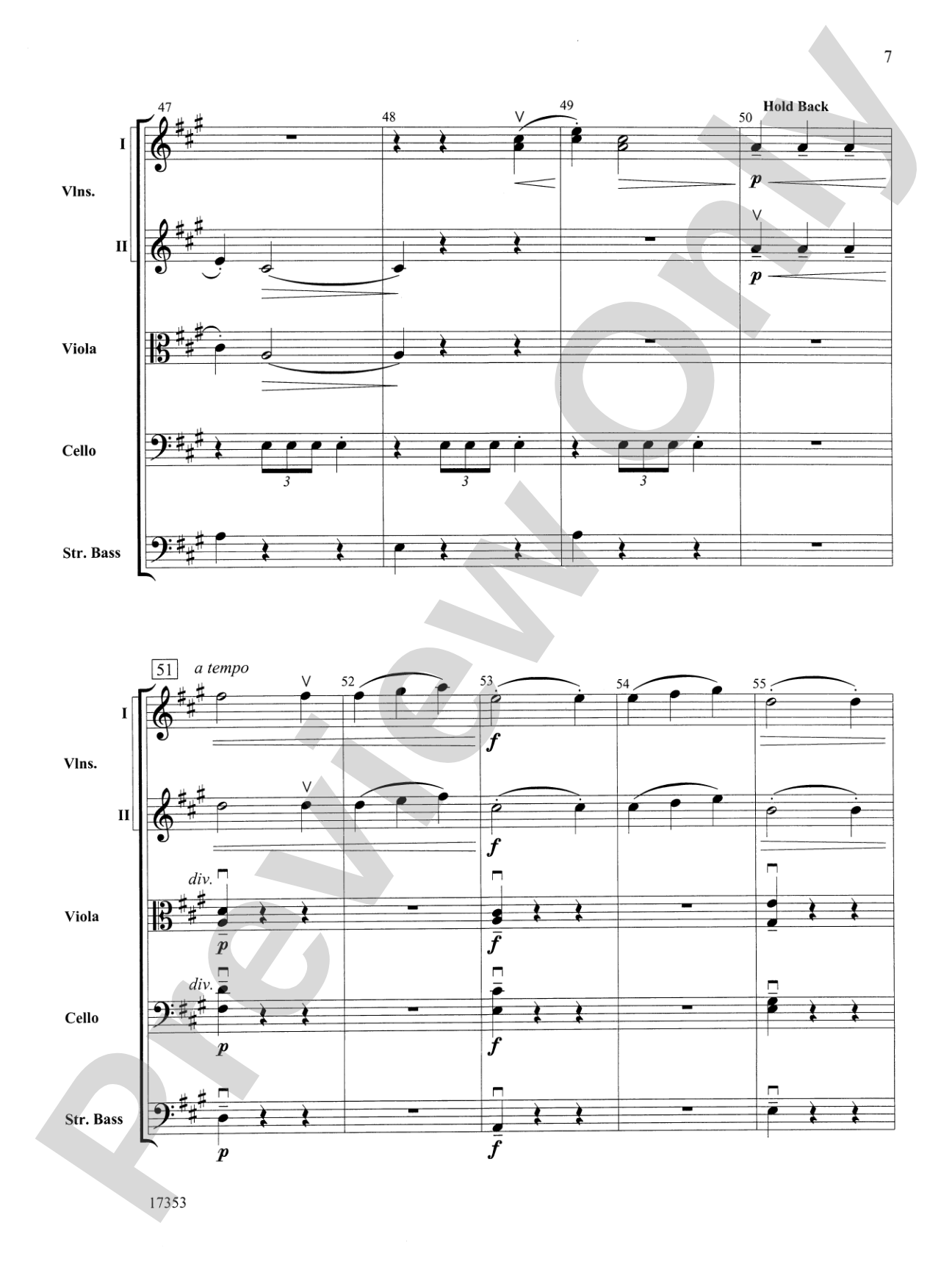
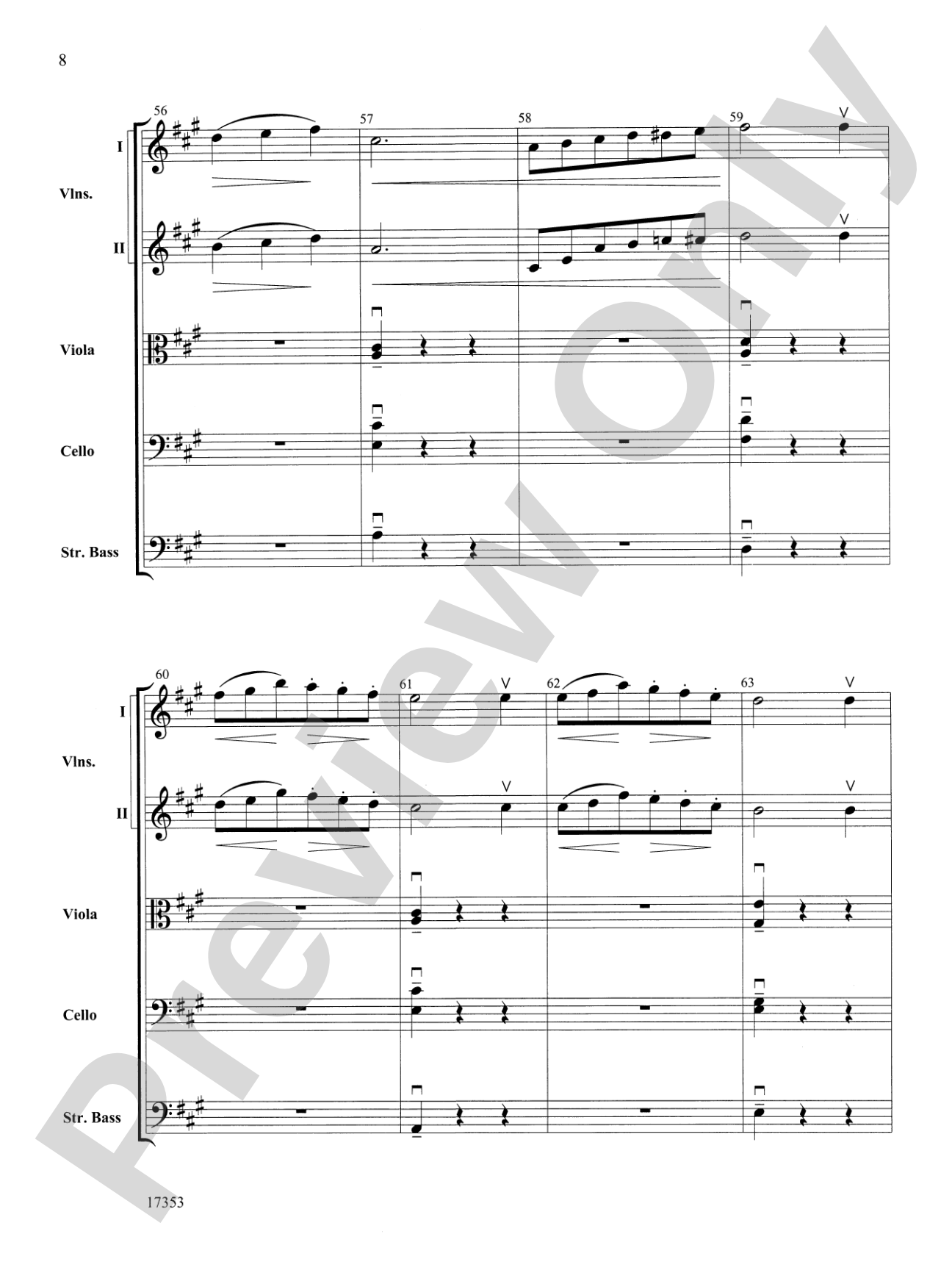
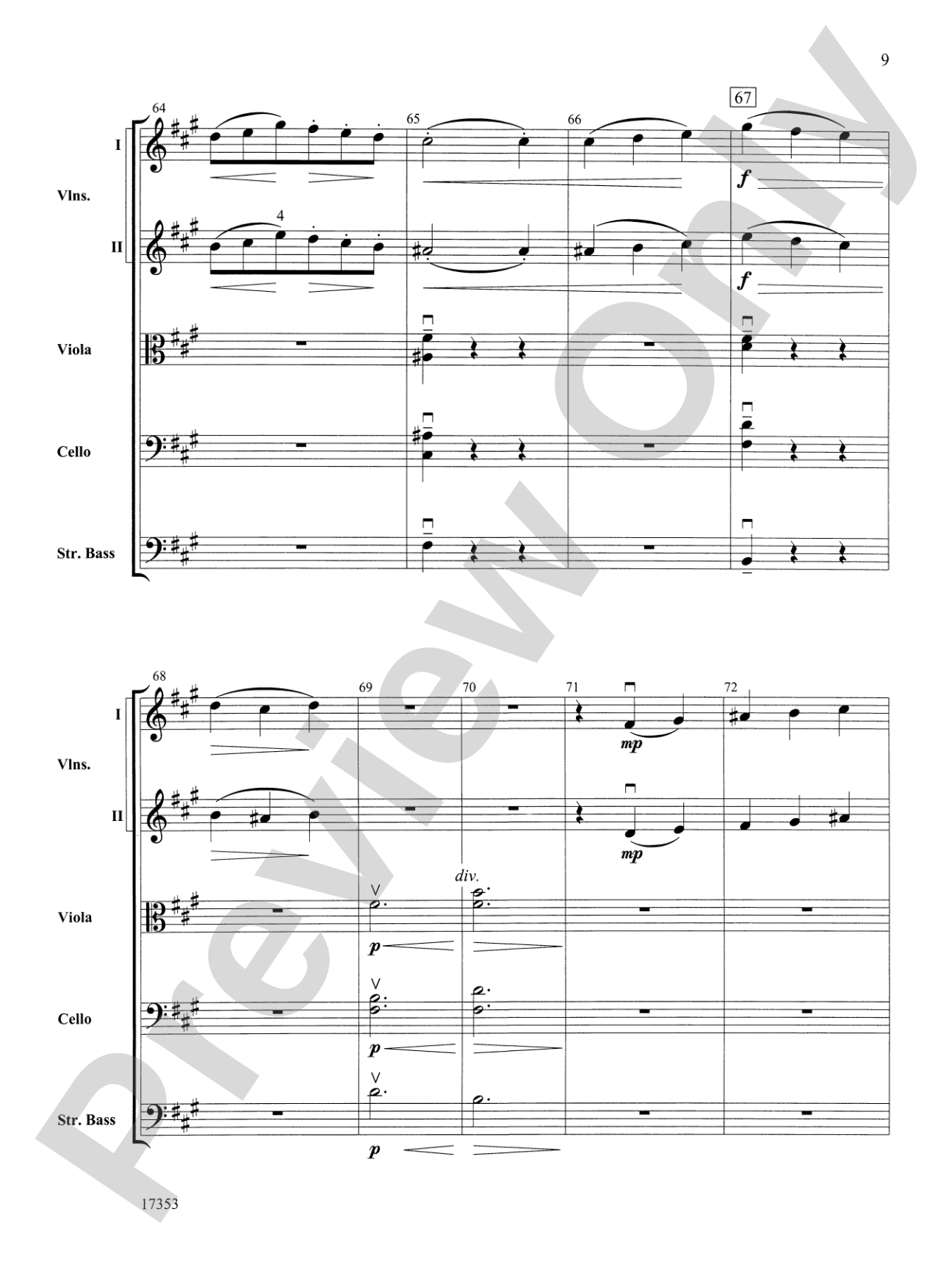
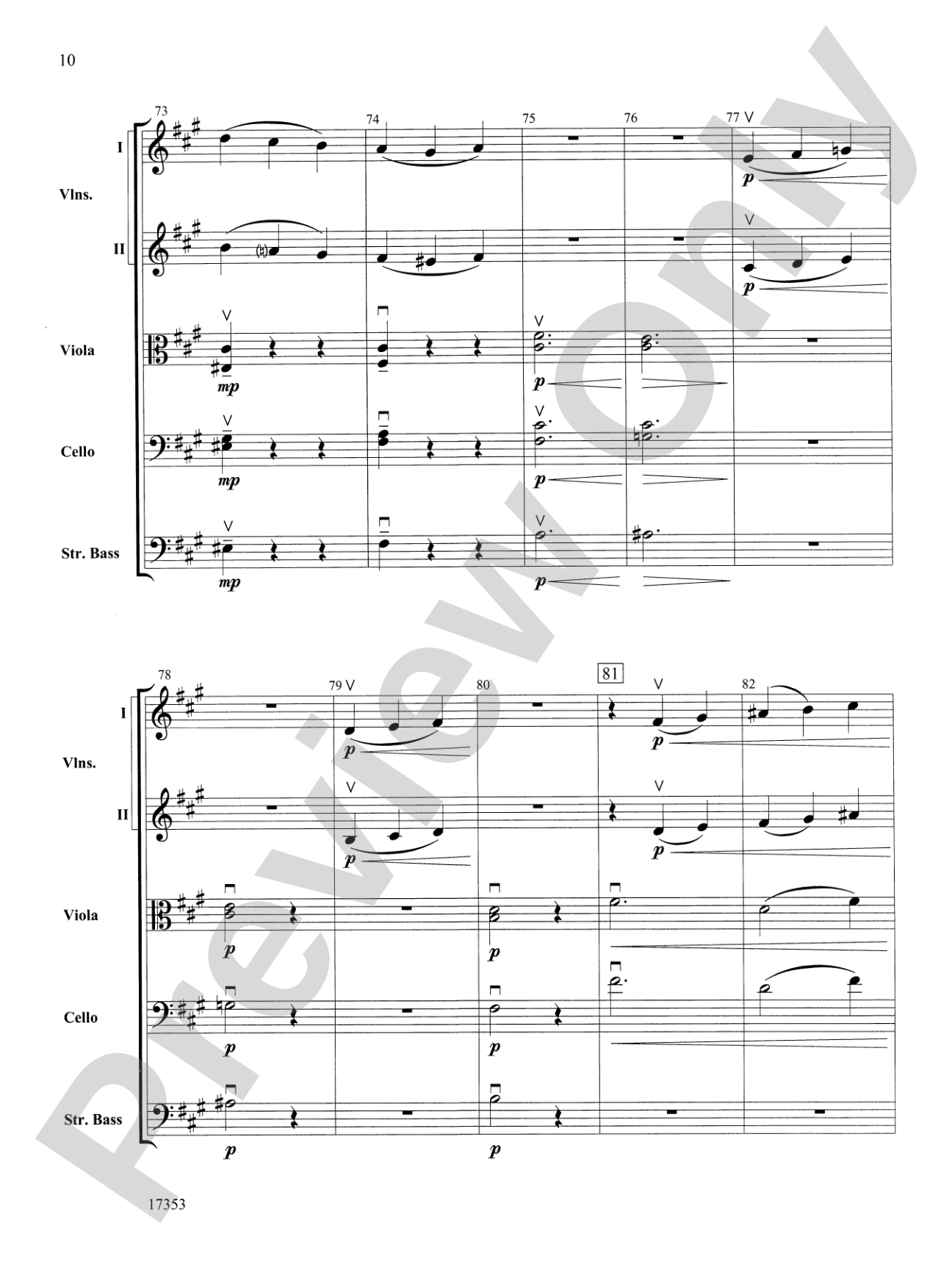
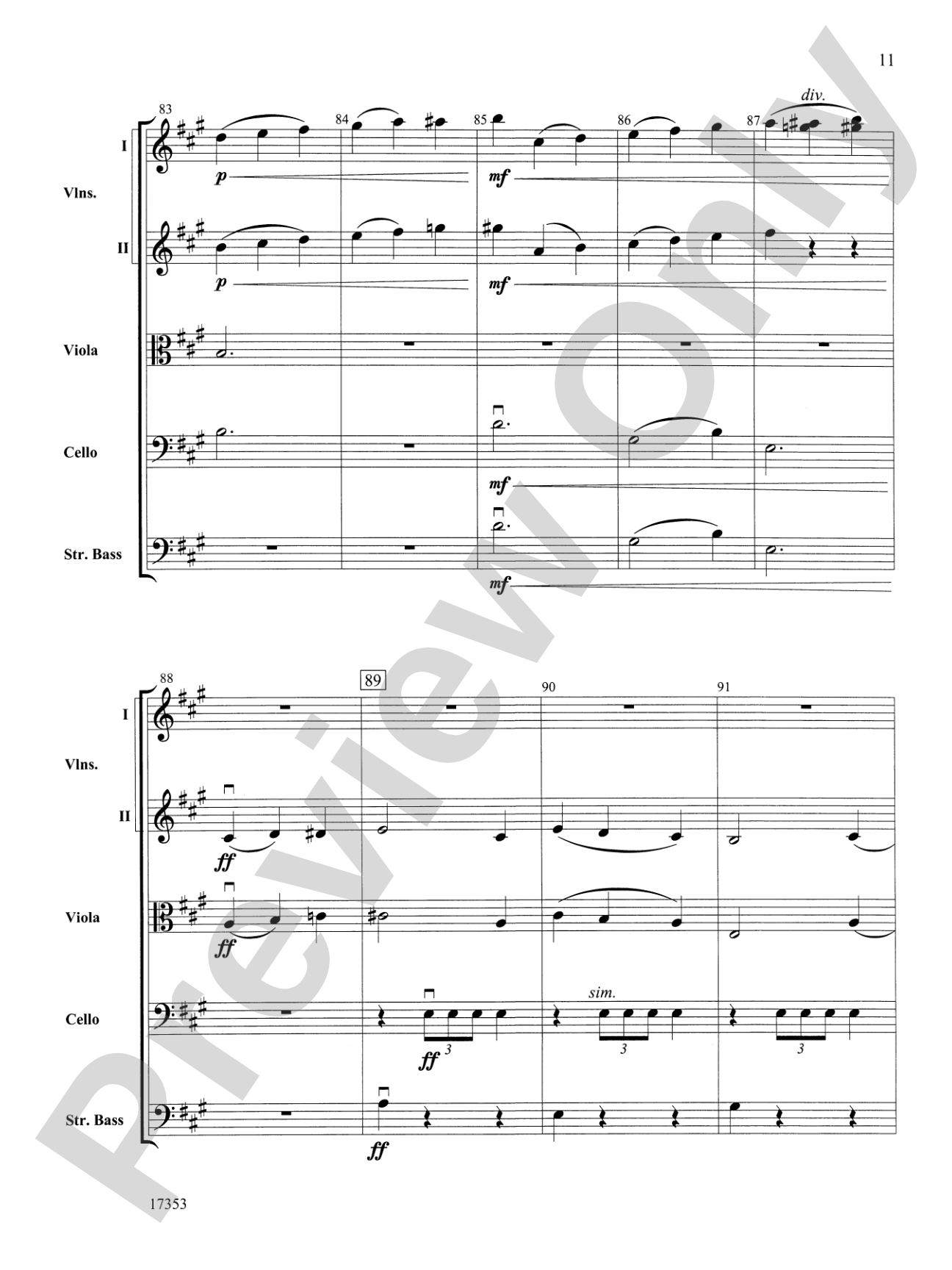
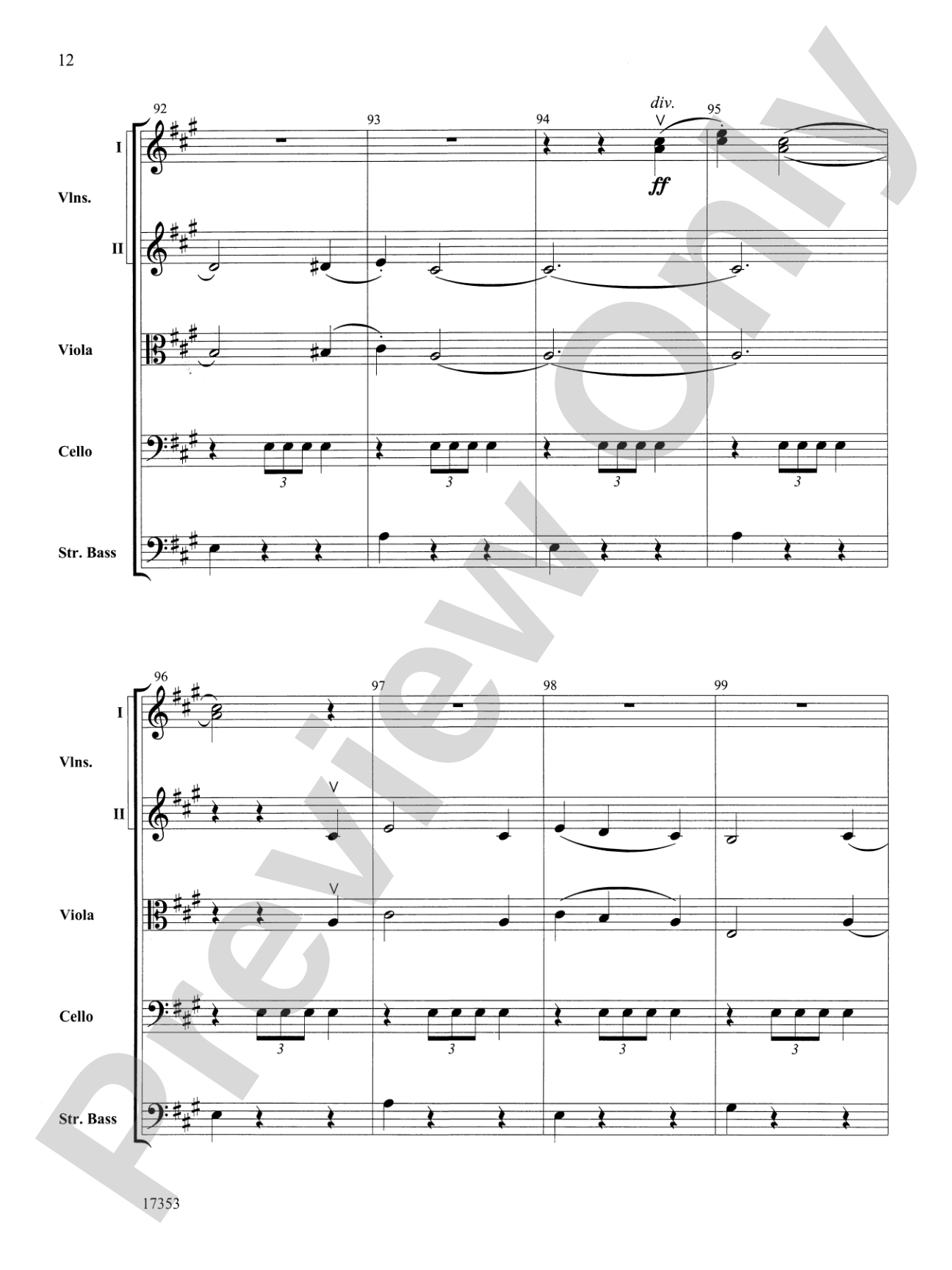
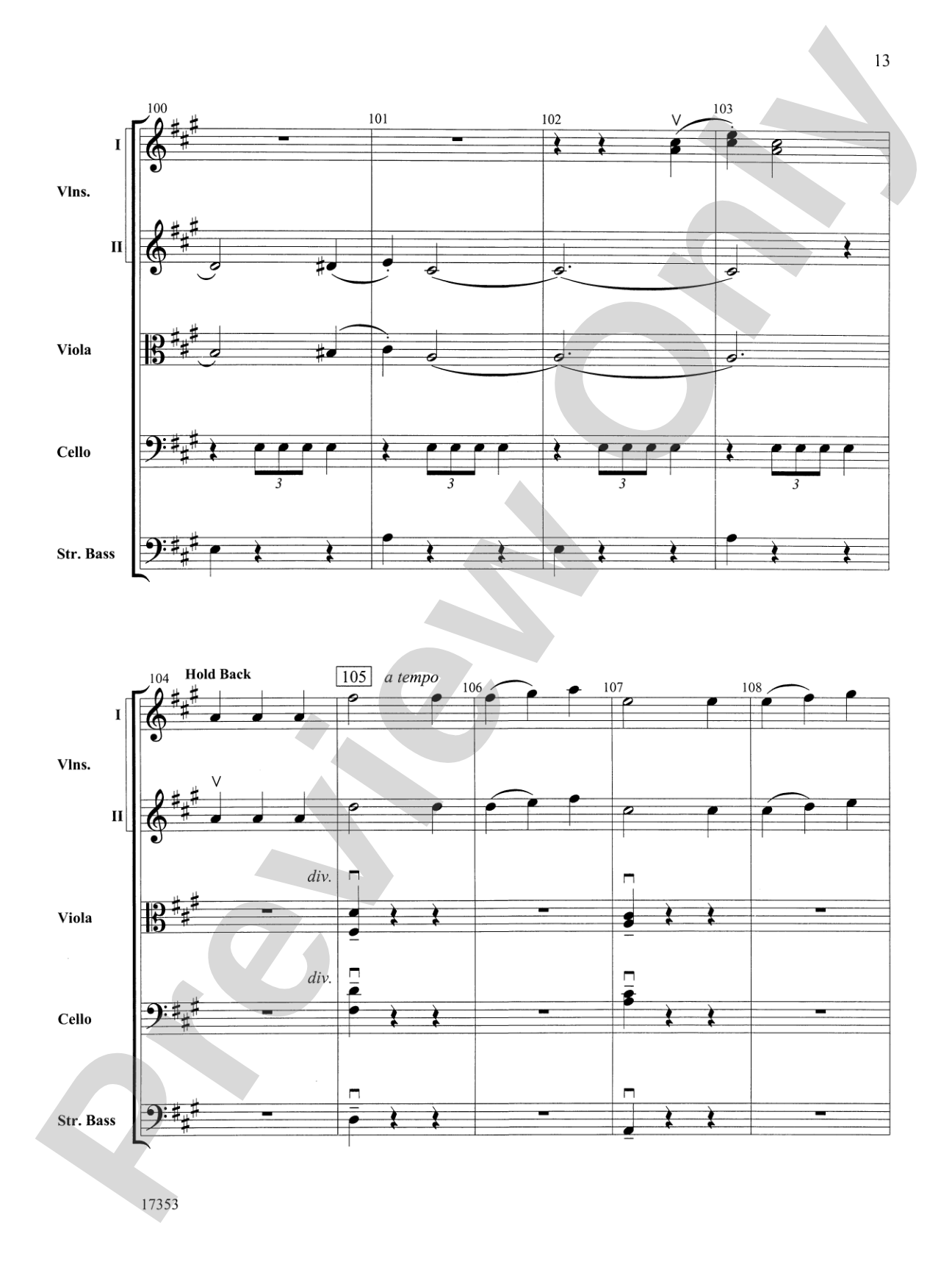
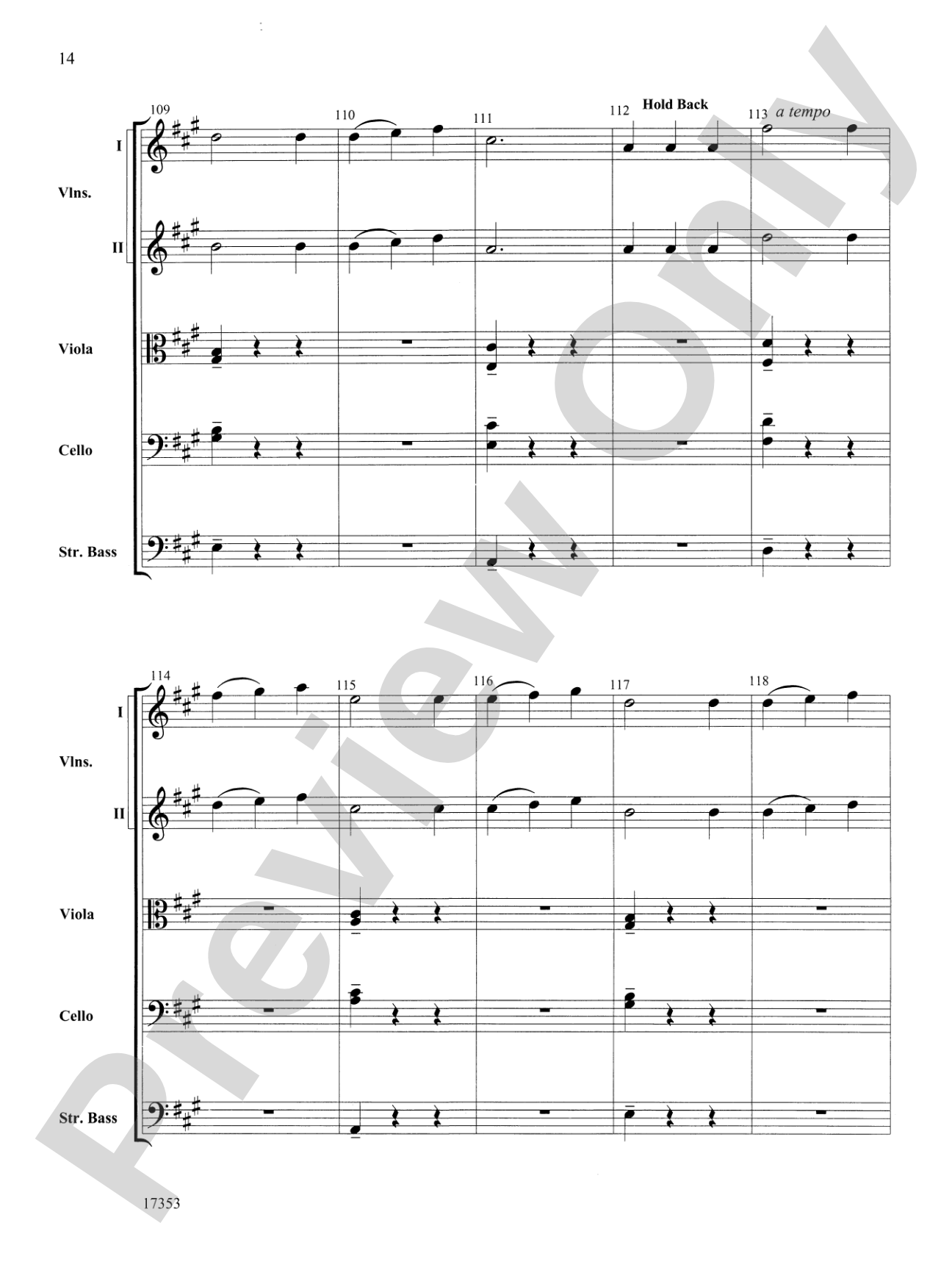
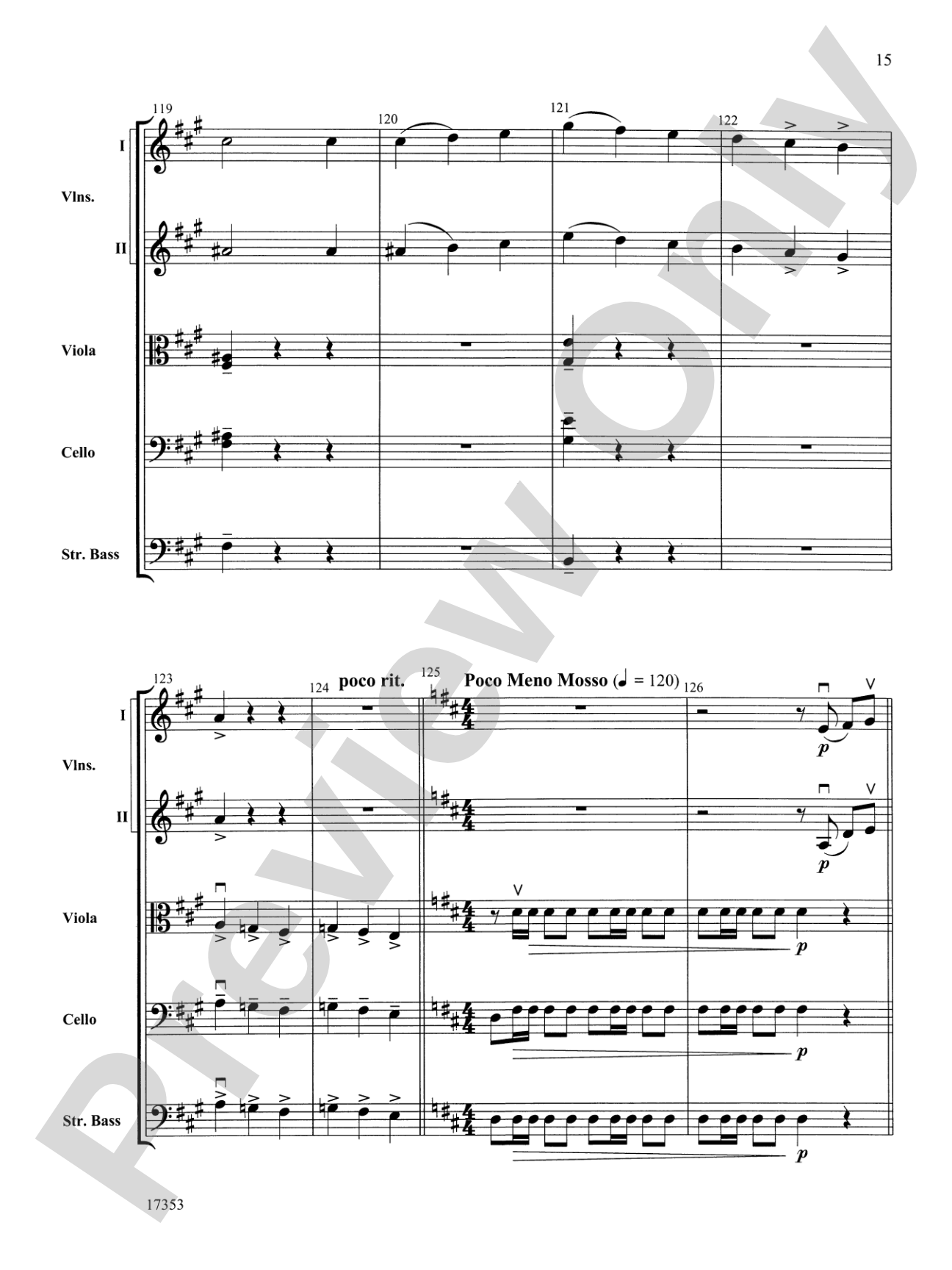
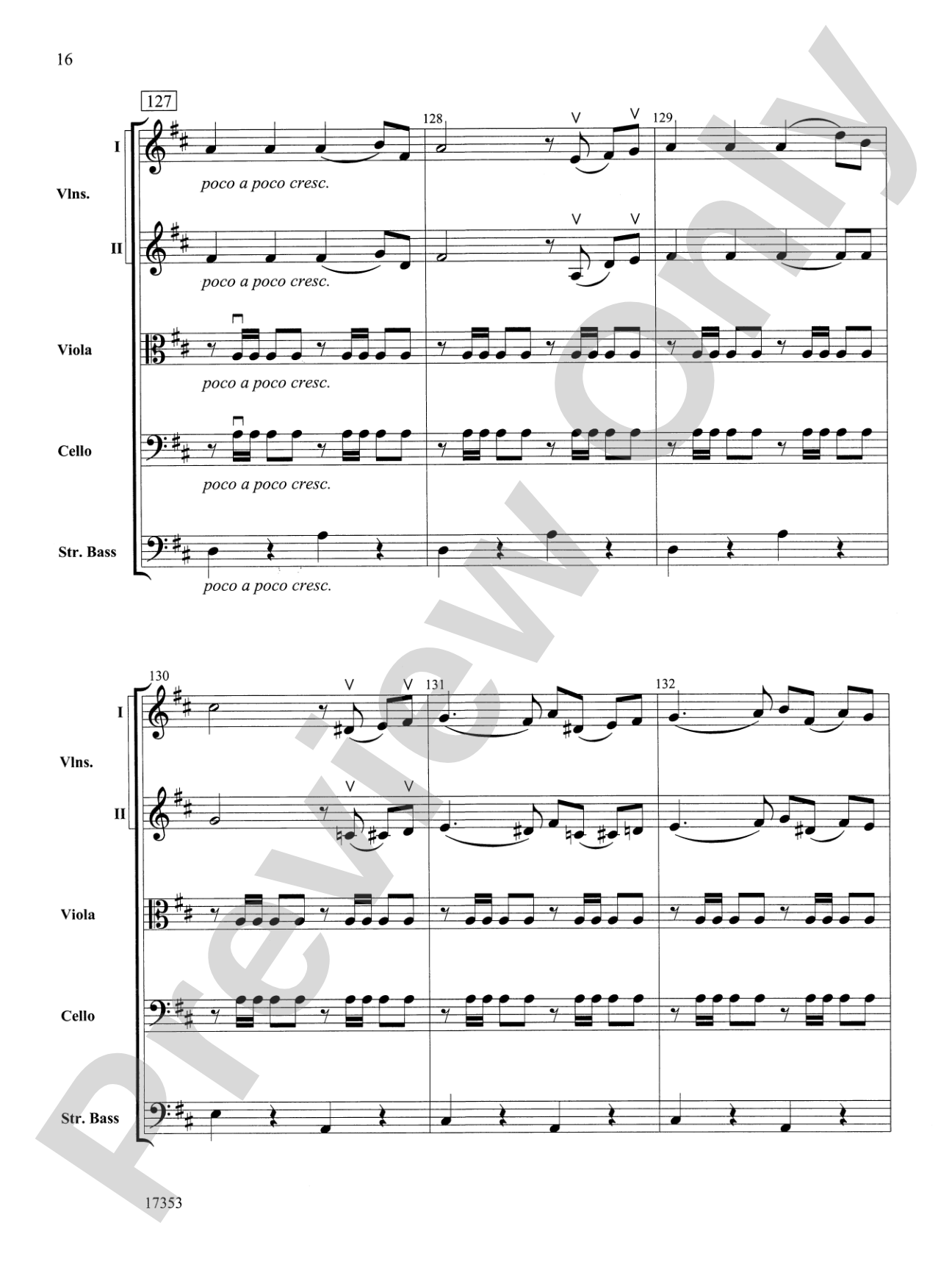
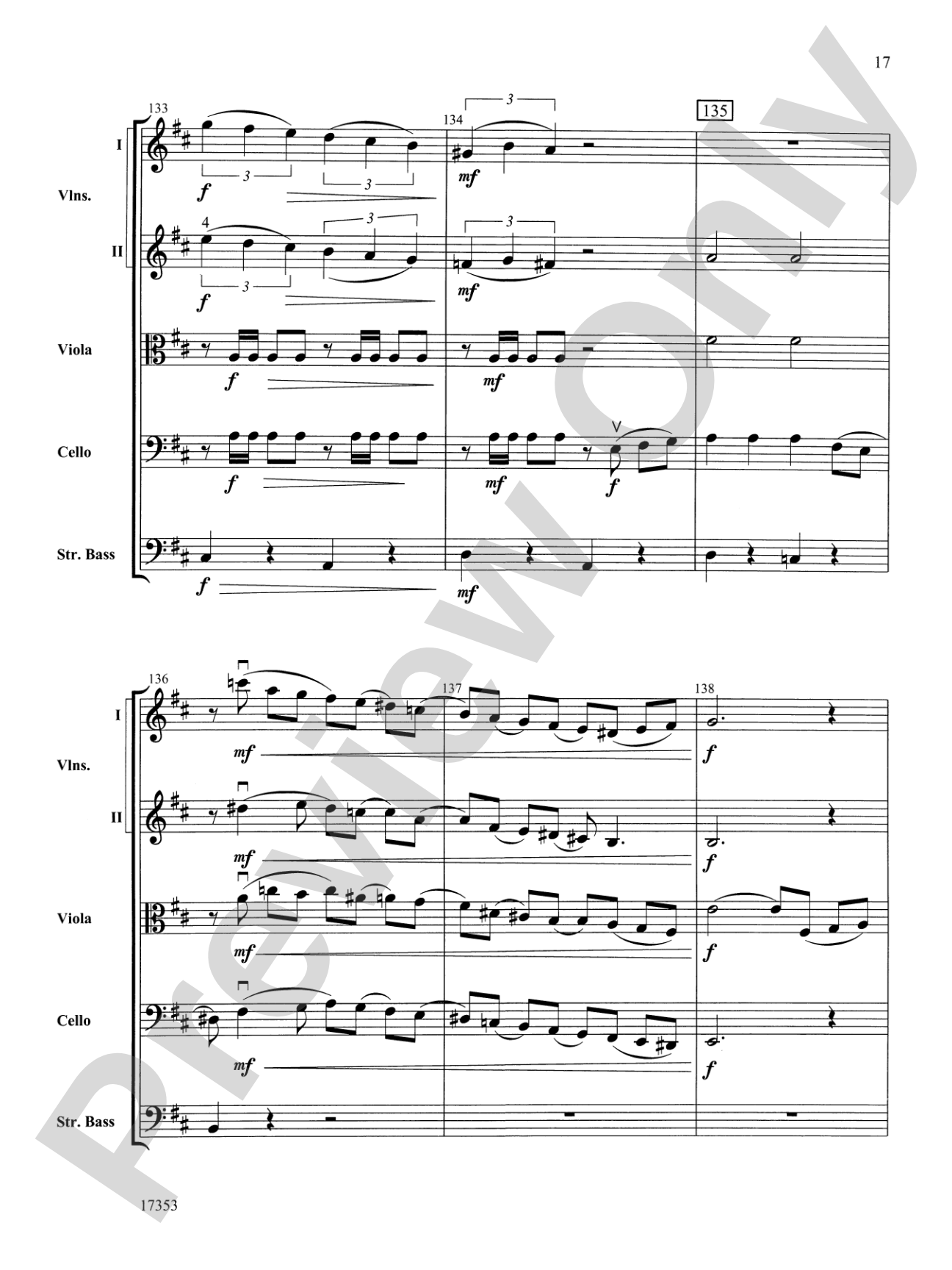
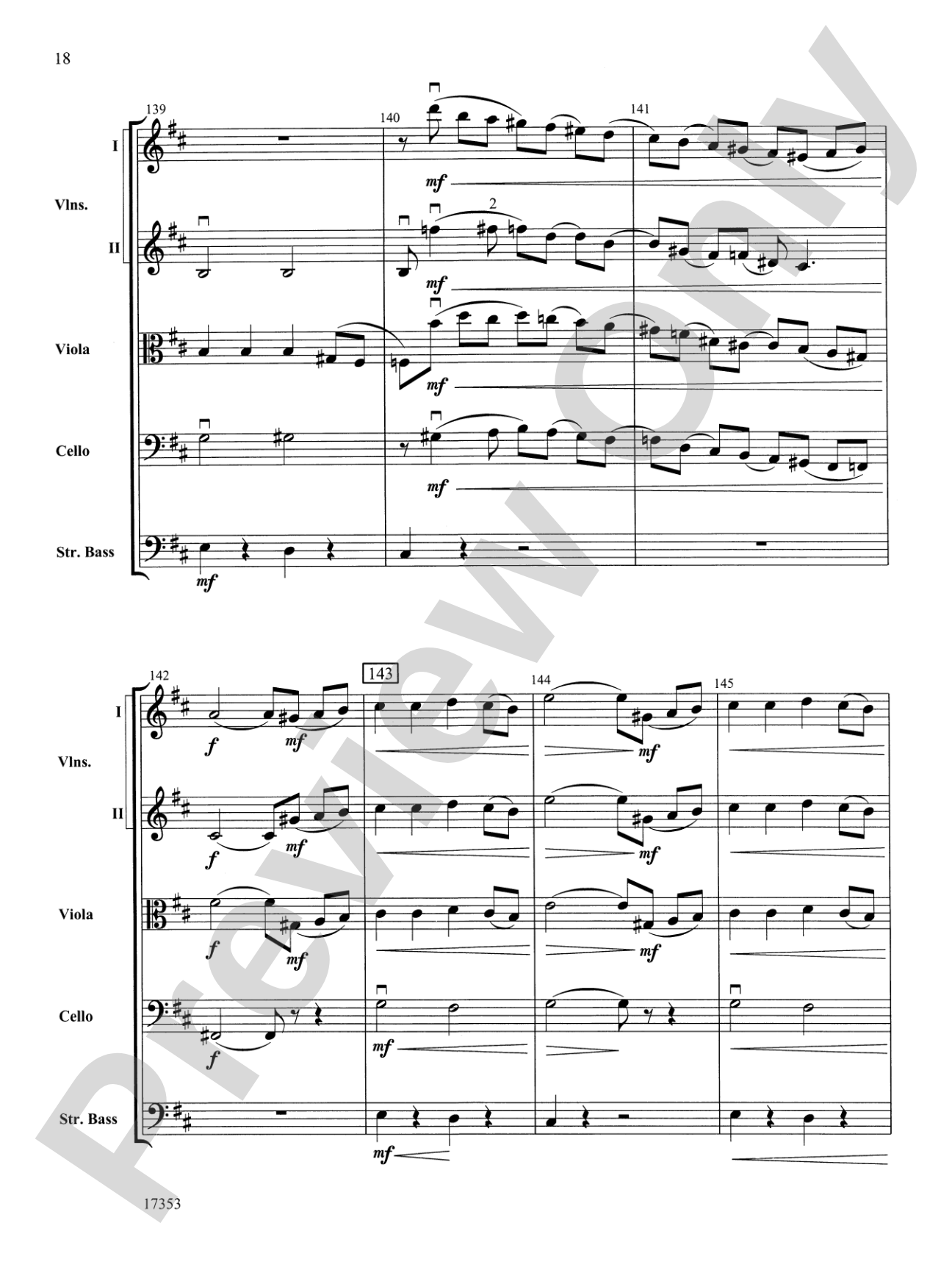
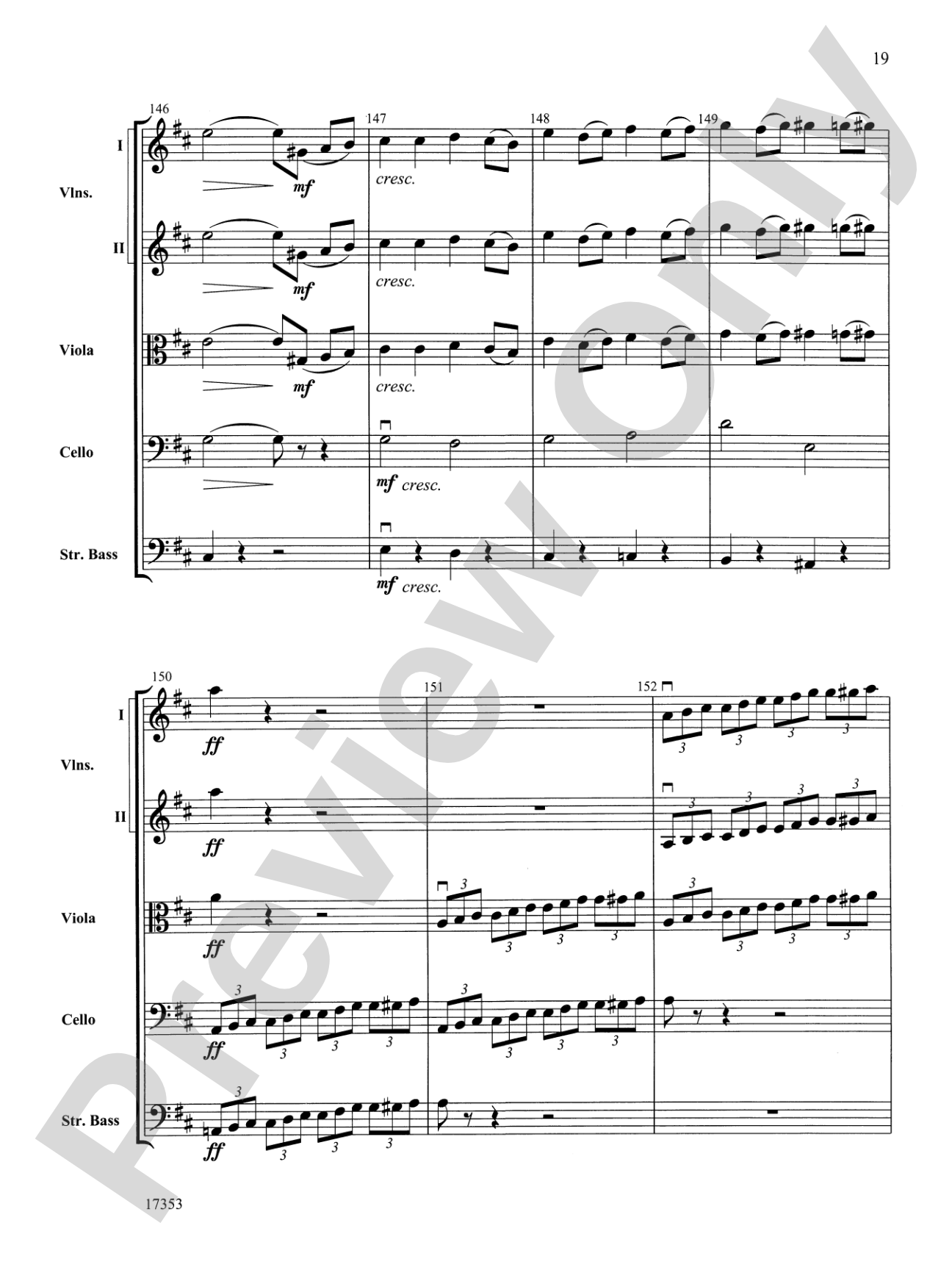
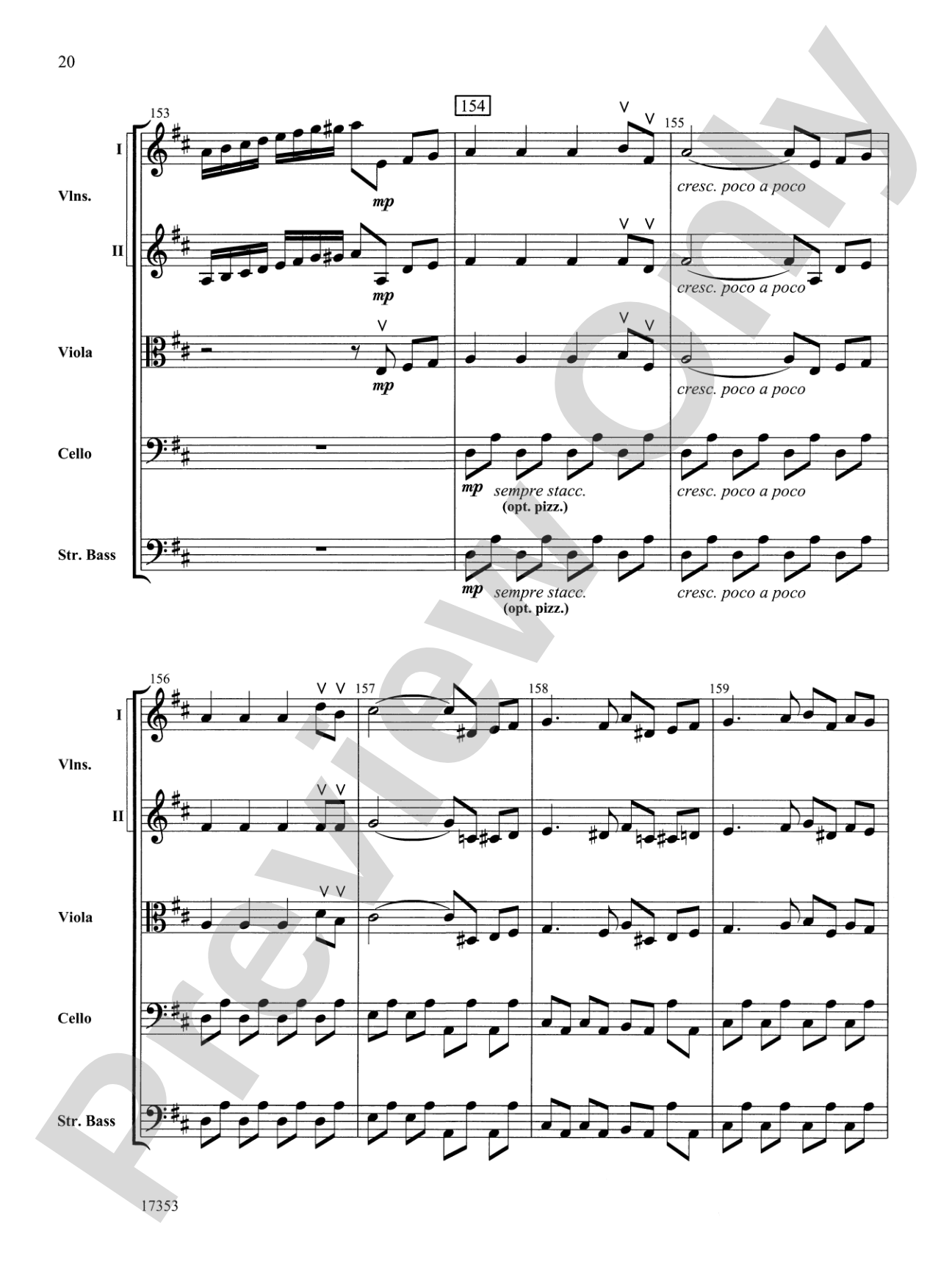
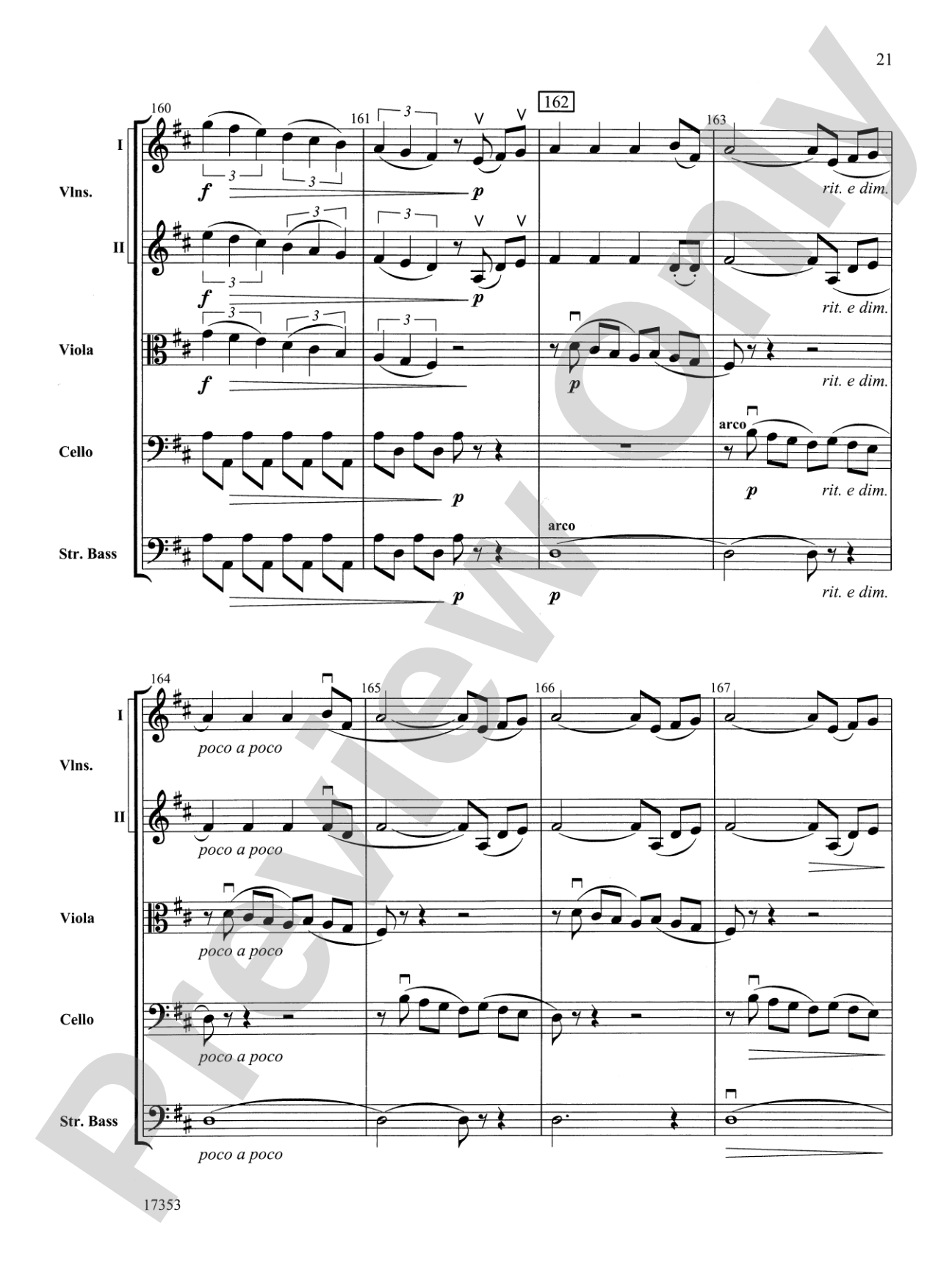
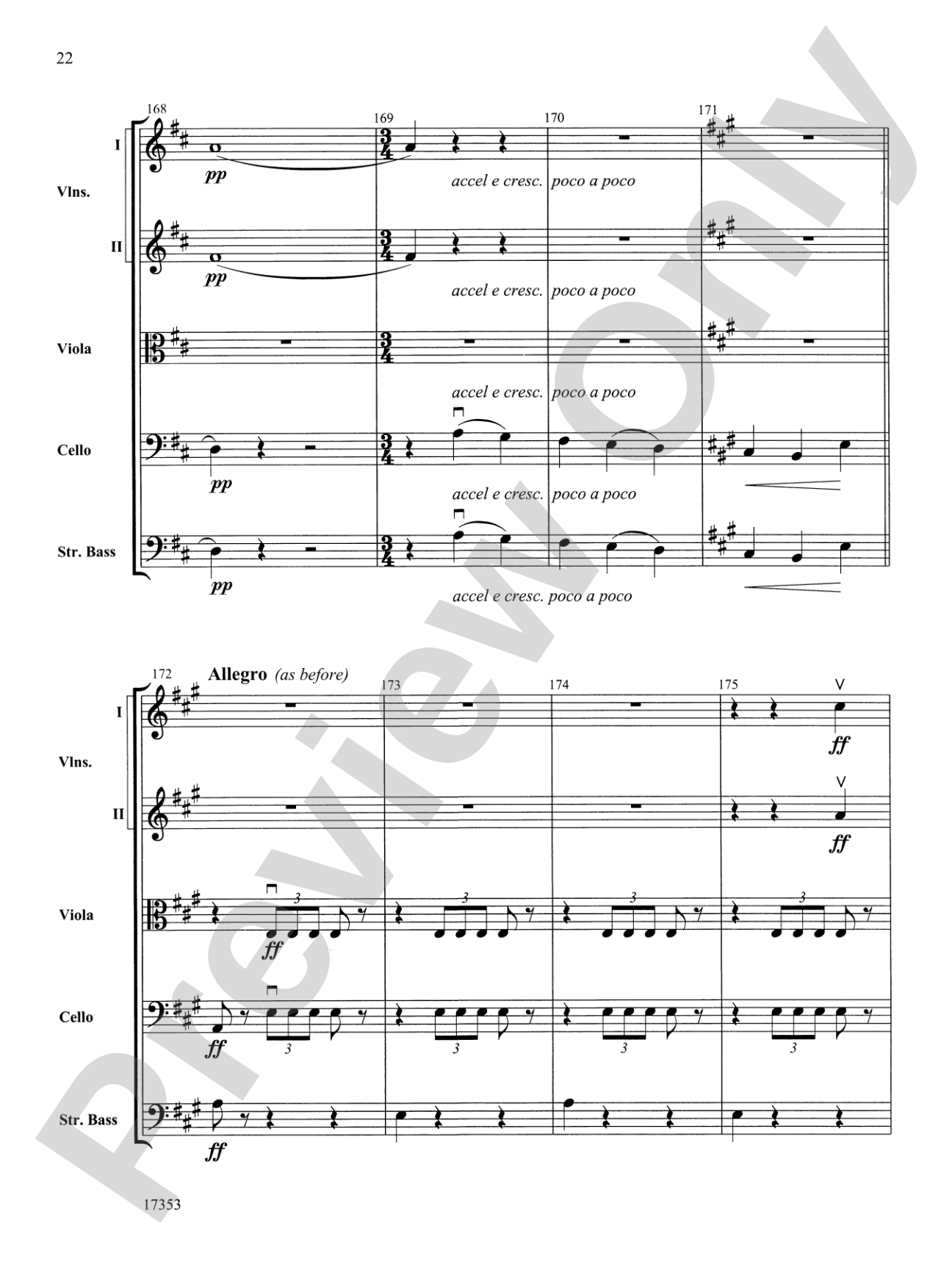
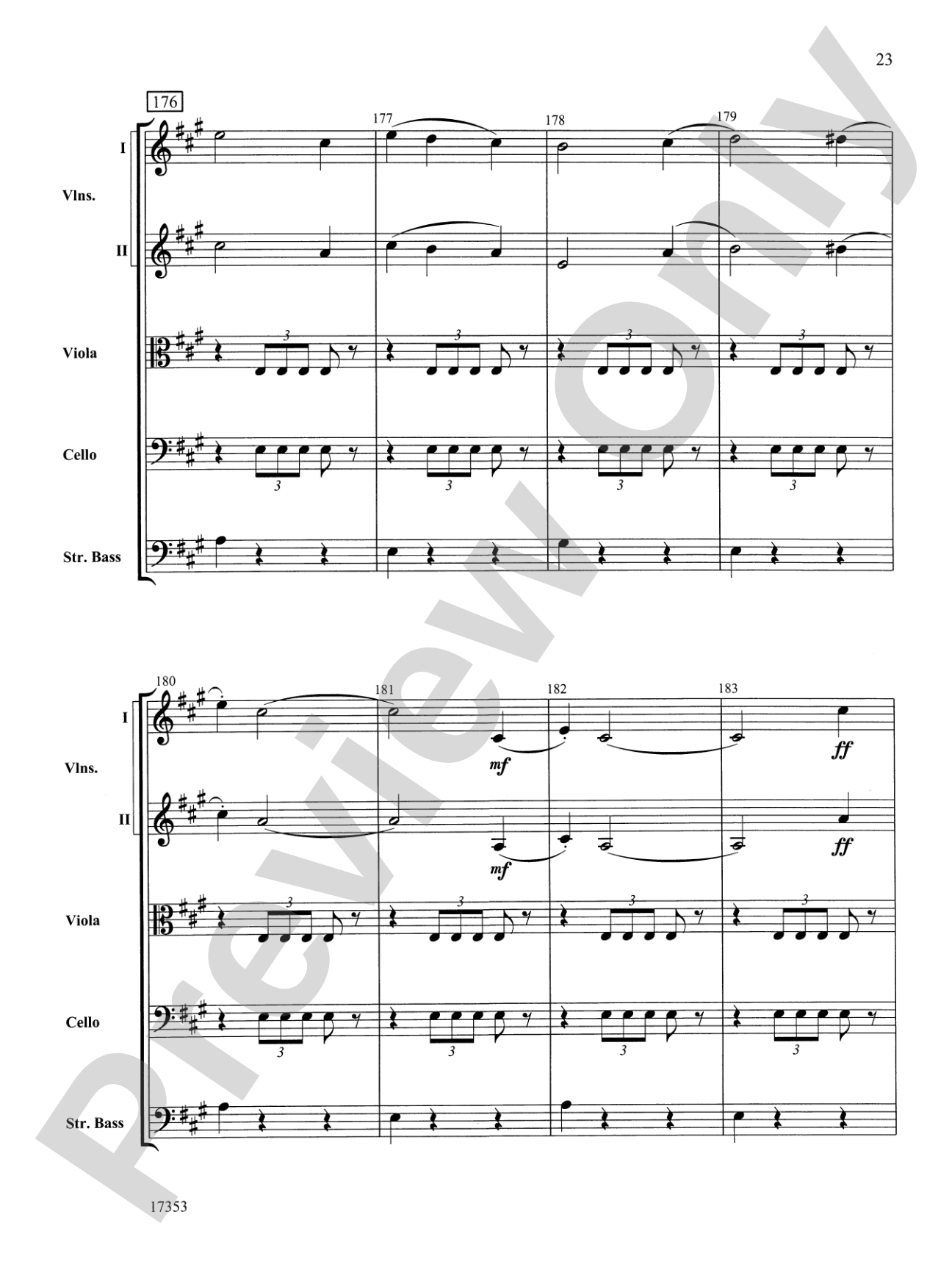
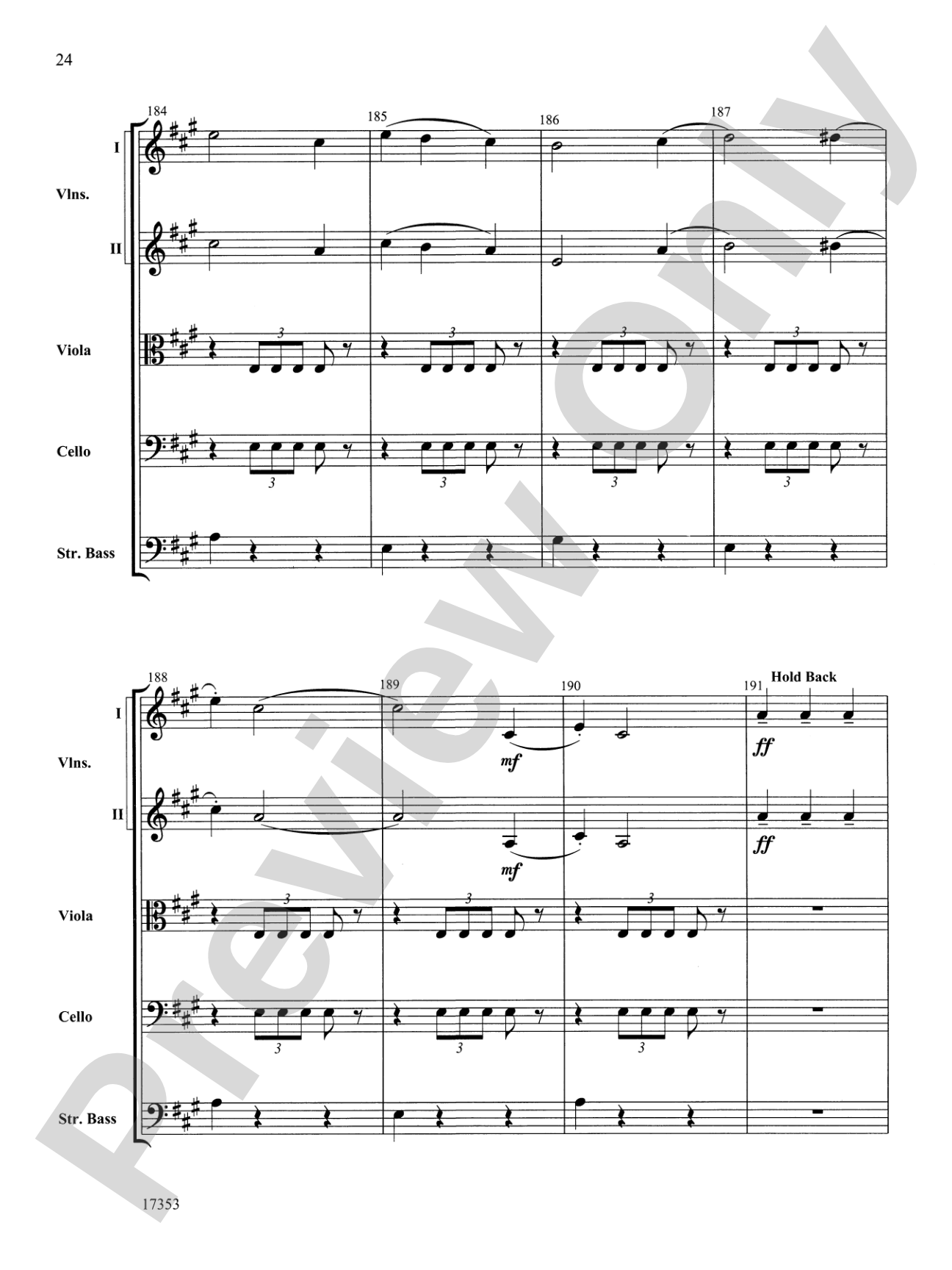
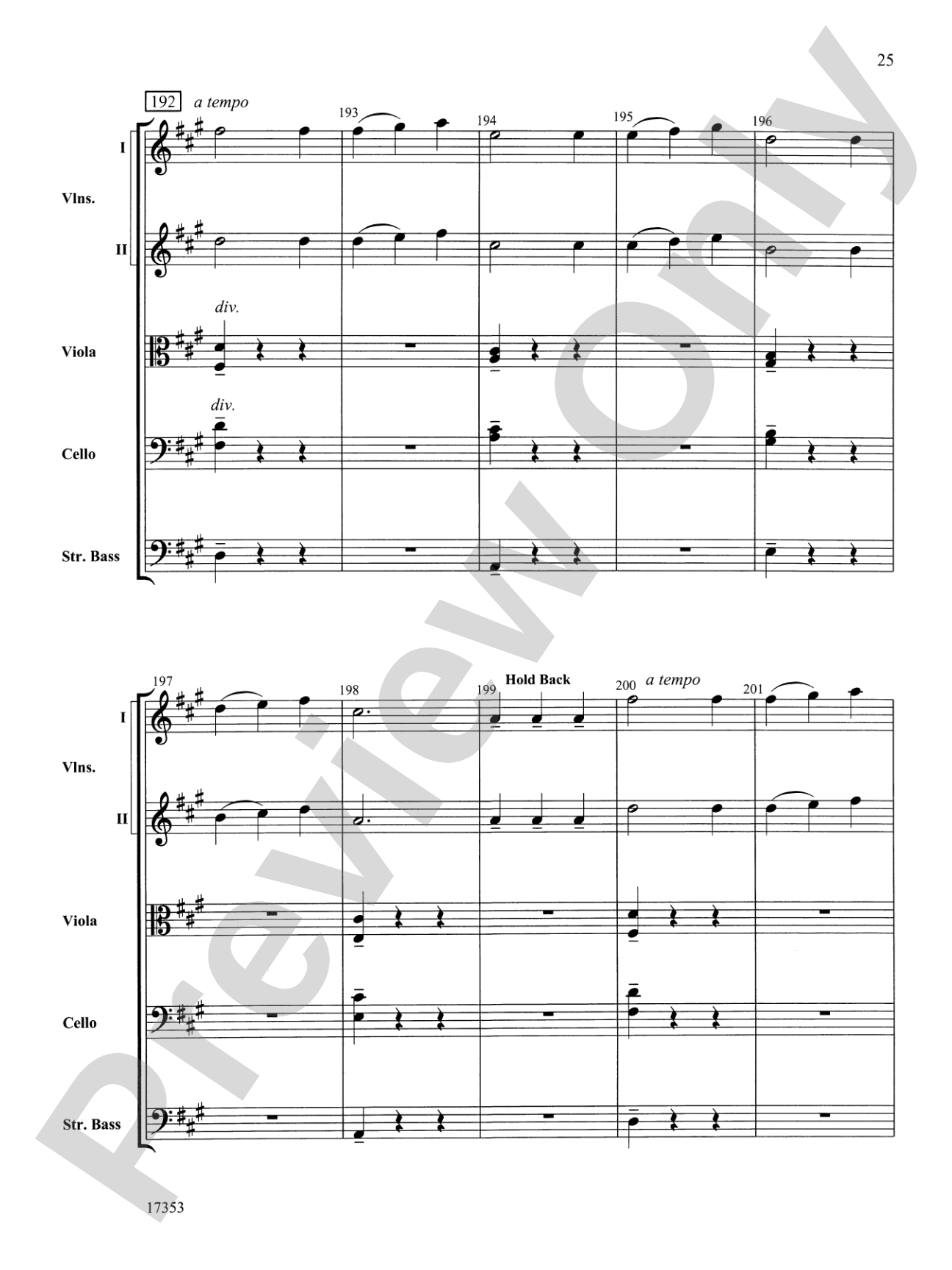
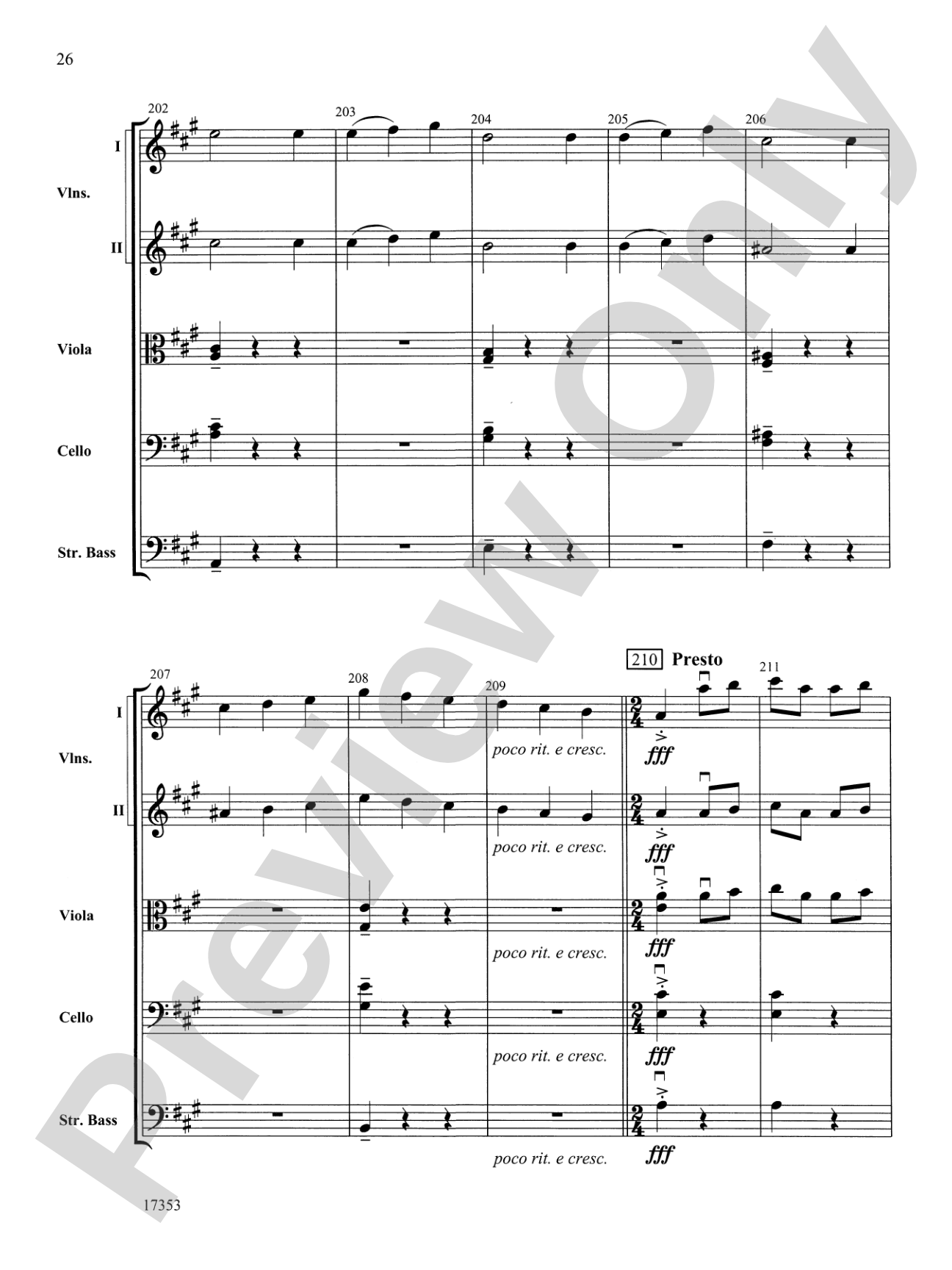
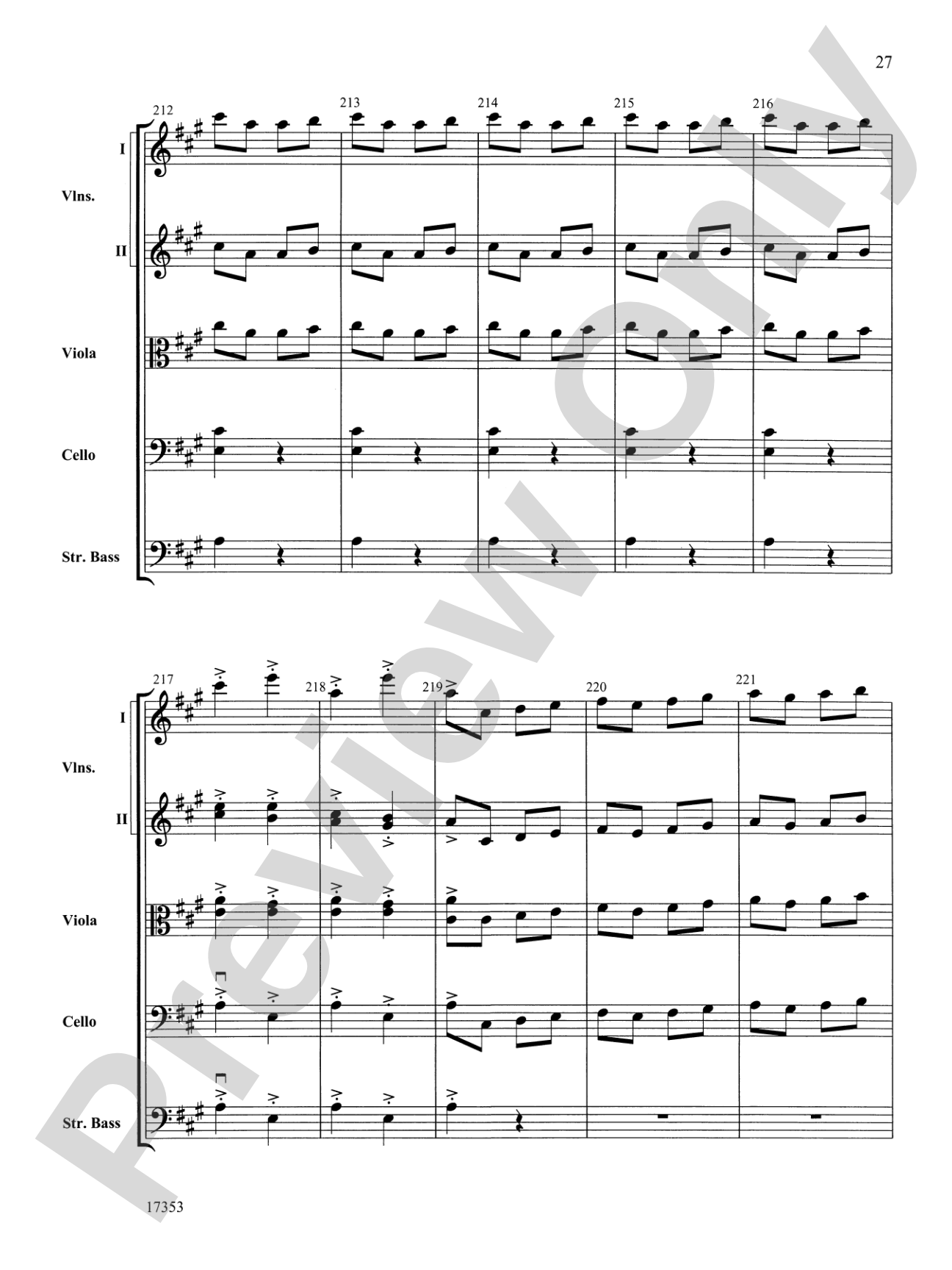
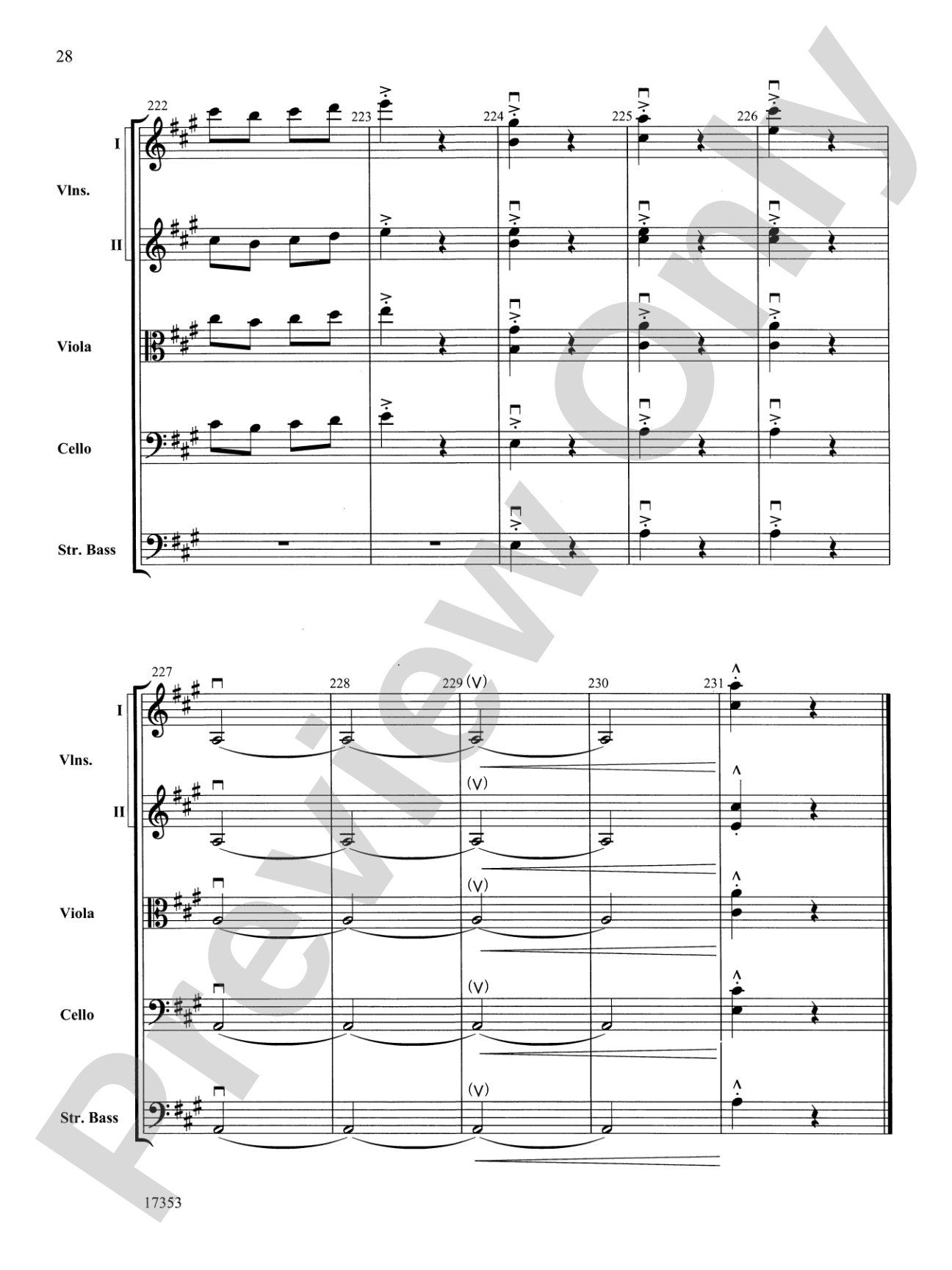

Capriccio Italien: String Orchestra Conductor Score & Parts
By Peter Ilyich Tchaikovsky / arr. Leland Forsblad
Grade: 3
Item: 00-PK-0000235

$56.00
Pickup currently not available
Buy Extra Parts (Digital PDF Download)
| Product | Price | Quantity |
|---|---|---|
| Capriccio Italien: Score | $10.00 | |
| Capriccio Italien: 1st Violin | $5.99 | |
| Capriccio Italien: 2nd Violin | $5.99 | |
| Capriccio Italien: Viola | $5.99 | |
| Capriccio Italien: Cello | $5.99 | |
| Capriccio Italien: String Bass | $5.99 |
Parts Added to Cart!
Description
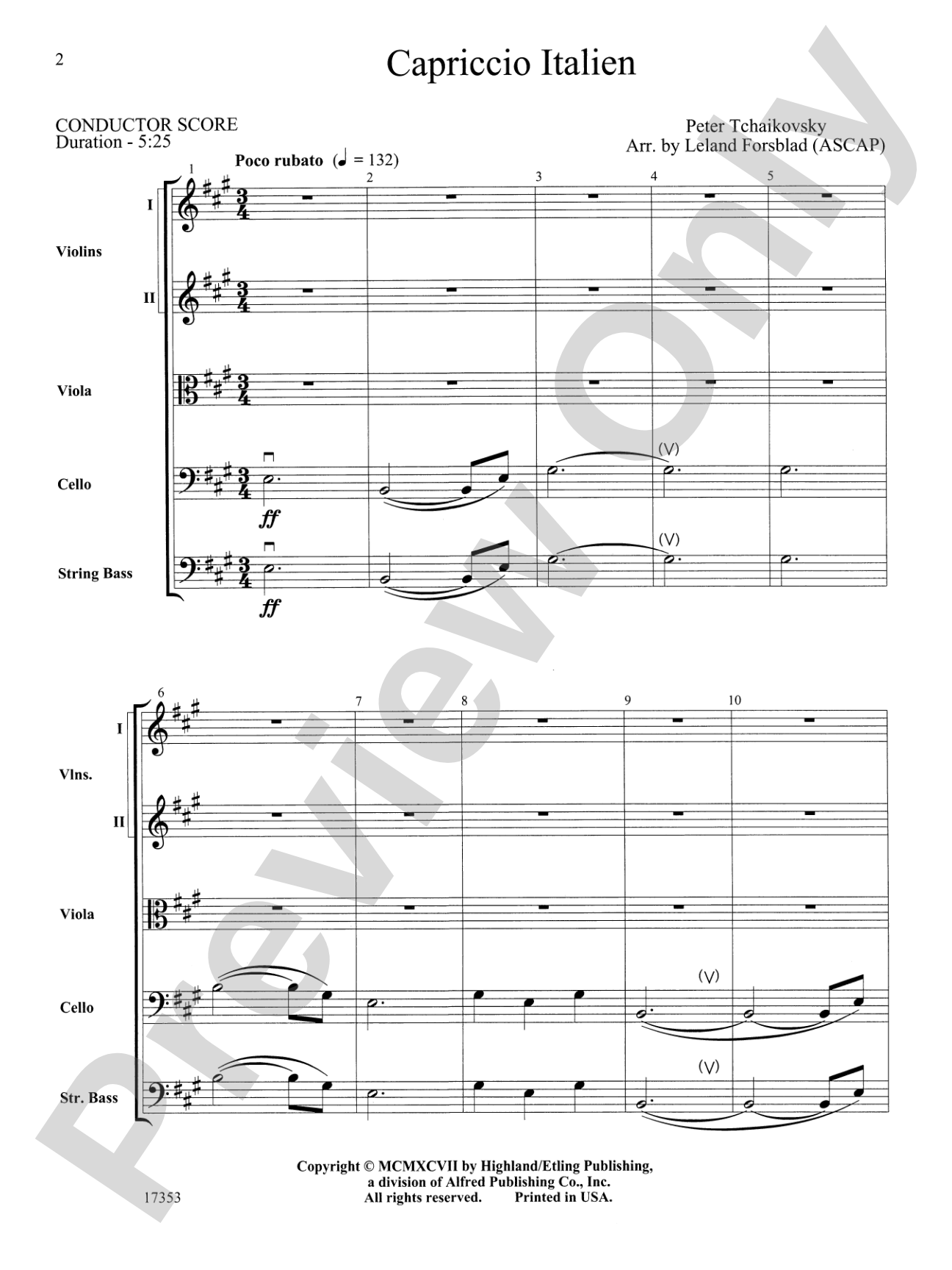
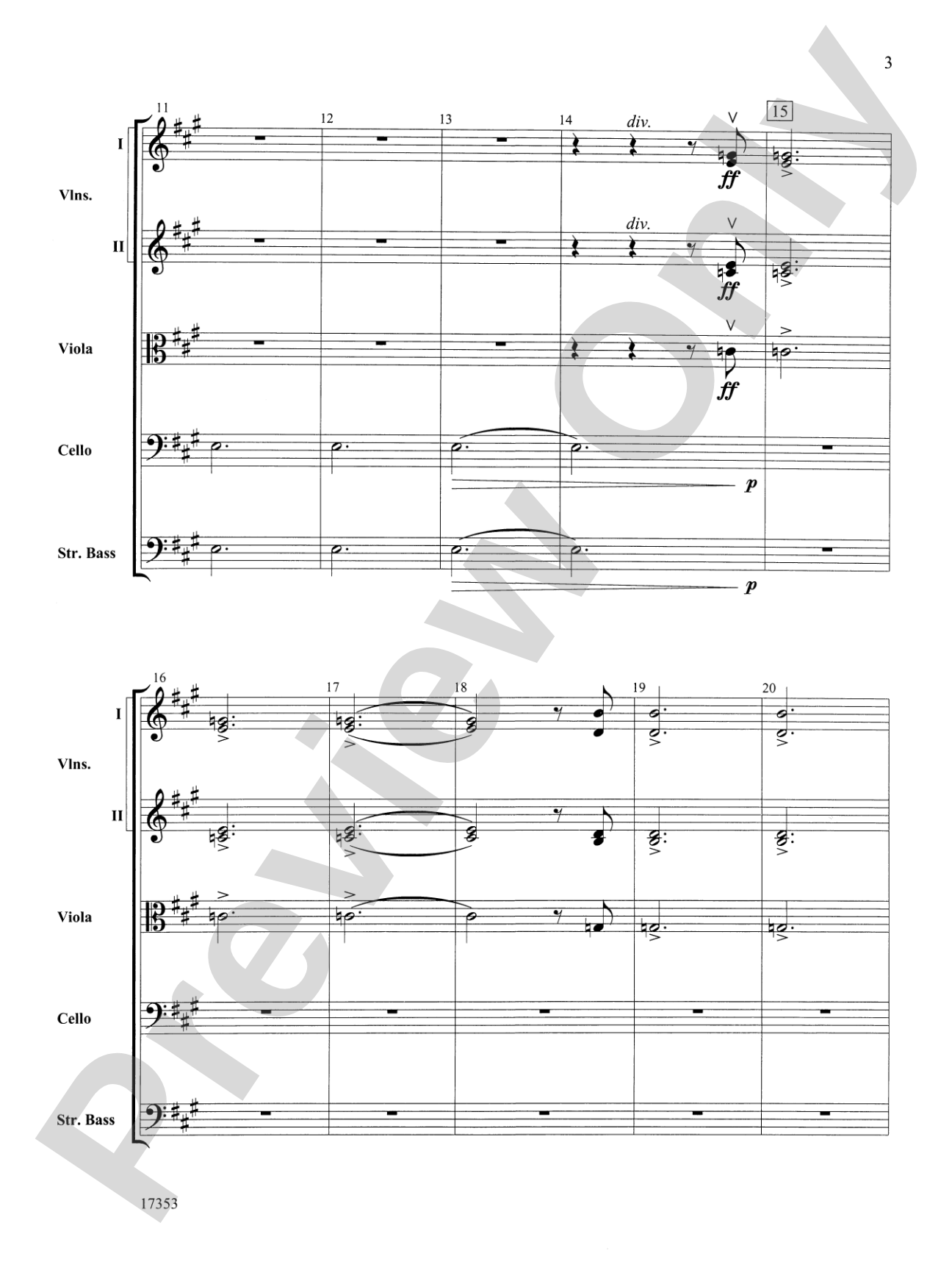
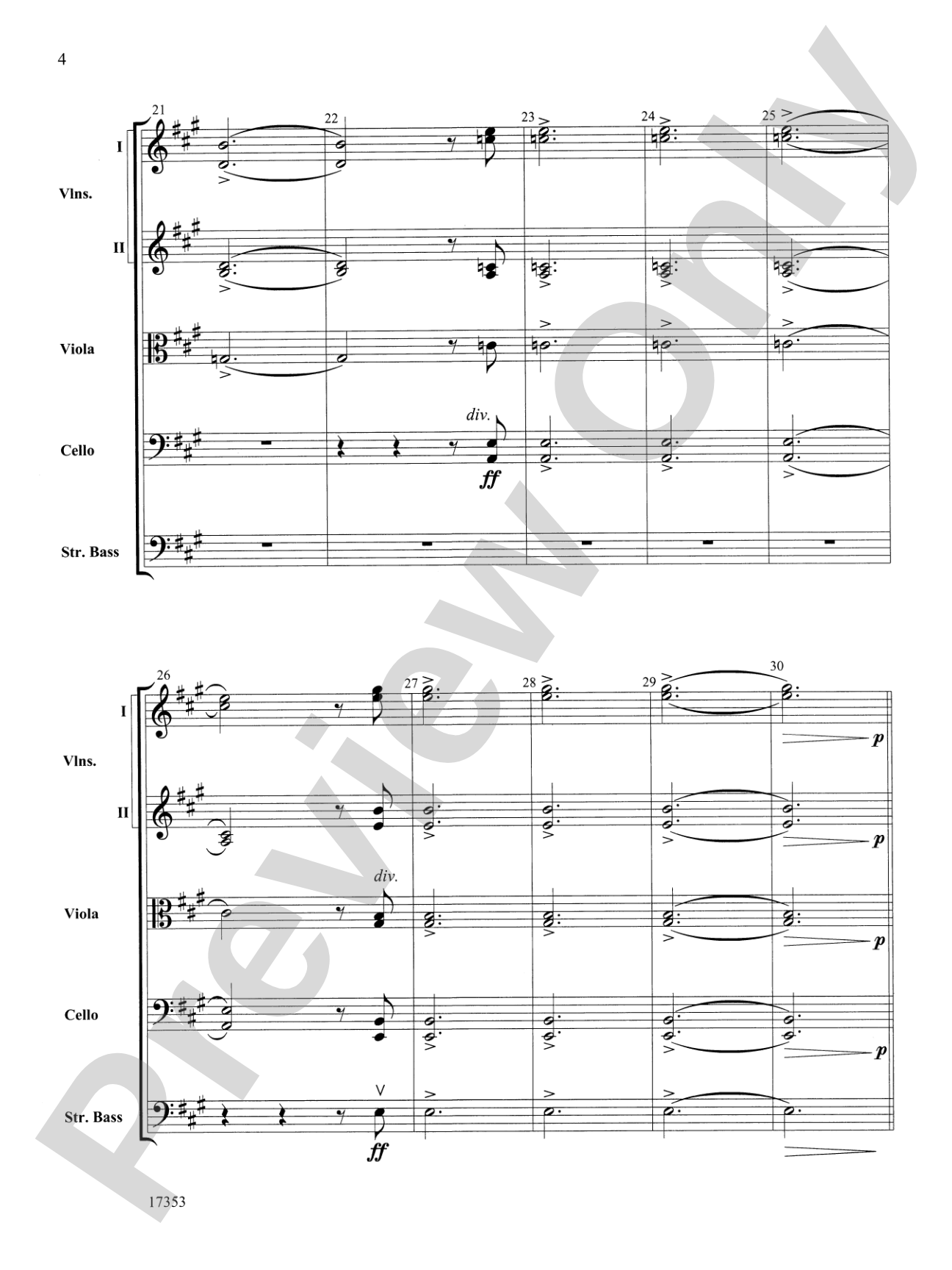
This well-loved classic by Tchaikovsky is now playable by school string orchestras in this skillful arrangement by Leland Forsblad. Passages have been simplified just enough to ensure playability while maintaining the integrity of the original. An excellent introduction to the work of this master composer. This title is available in MakeMusic Cloud.


Don't just read it, hear it, play along with it, and watch your students grow with it. In MakeMusic Cloud, Capriccio Italien: String Orchestra Conductor Score & Parts comes alive with professional accompaniment, adjustable tempo, and built-in practice tools that turn solo practice into real progress.
Open in the Player
Jump straight in and assign it today.
Start Your Free Trial
Open this title and explore the full library in minutes.
Sample Audio
1
Audio File
--:--
0:00
0:00
Sample Video
No sample videos found.
Additional Details
Series:
Highland/Etling String Orchestra
Publisher:
Alfred Music
Page Count:
124
SKU:
00-PK-0000235
More about this title
About the Composer: Peter Ilyich Tchaikovsky
Tchaikovsky stands as one of the nineteenth century's most performed composers, known for writing music that communicates directly to listeners regardless of their musical training. His gift for melody and orchestration shaped the sound of Romantic music, and his works remain central to concert life across the world.
Beyond his fame, Tchaikovsky was a tireless craftsman who understood how to write for orchestras with clarity and purpose. For string players, his music offers the rare combination of technical challenge and immediate musical satisfaction, passages feel singable even when they demand precision and control.
Why we love this
Forsblad's hand is extraordinarily sensitive here; the arrangement preserves the work's infectious energy and Tchaikovsky's signature orchestral color without asking your strings to navigate the virtuosic demands of the original. Your students get to play the real piece, not a skeleton version, which transforms how they understand orchestral writing and their own instrument's role within it.
What to expect
Colorful and spirited, full of Italian folk character and Romantic swagger. The piece dances, sometimes playfully, sometimes with grandeur, and invites the orchestra into Tchaikovsky's world without requiring virtuosic playing.
Who it's for
String orchestras at Grade 3 level who want to tackle a masterwork without years of preparation. This arrangement works equally well for festival or concert programming, and it's also an excellent teaching tool for conductors building experience with Romantic-era orchestration.
How to get the most out of it
- Invest time in the rhythmic precision of the march section. The clarity of ensemble rhythm here is what gives this music its infectious character; sloppy attacks and releases will diffuse all the energy Tchaikovsky built.
- Shape the lyrical passages with long-line thinking. Even when passages are simplified, resist breaking them into small units. Let the melody breathe across multiple bars, and your first violins will find the piece more rewarding to play.
- Use the score to study Tchaikovsky's orchestration choices. Watch how material passes between sections (first violins to violas, for example), and help your students hear these voice-leading moments. This deepens their understanding of orchestral color beyond the individual parts.
How to use it
Open a concert with this piece to establish immediate audience engagement, or place it as a centerpiece in a program built around Romantic composers. It pairs well with other string orchestra repertoire at this level, and concert programs featuring Tchaikovsky often benefit from including this spirited work alongside more introspective pieces.
Skills your students will build
- Orchestration awareness and listening to inner voices
- Rhythmic precision in ensemble playing, particularly in march-like sections
- Long-line phrasing in lyrical passages
- Reading and executing articulations across the full ensemble
- Understanding Romantic-era harmonic language through performance