
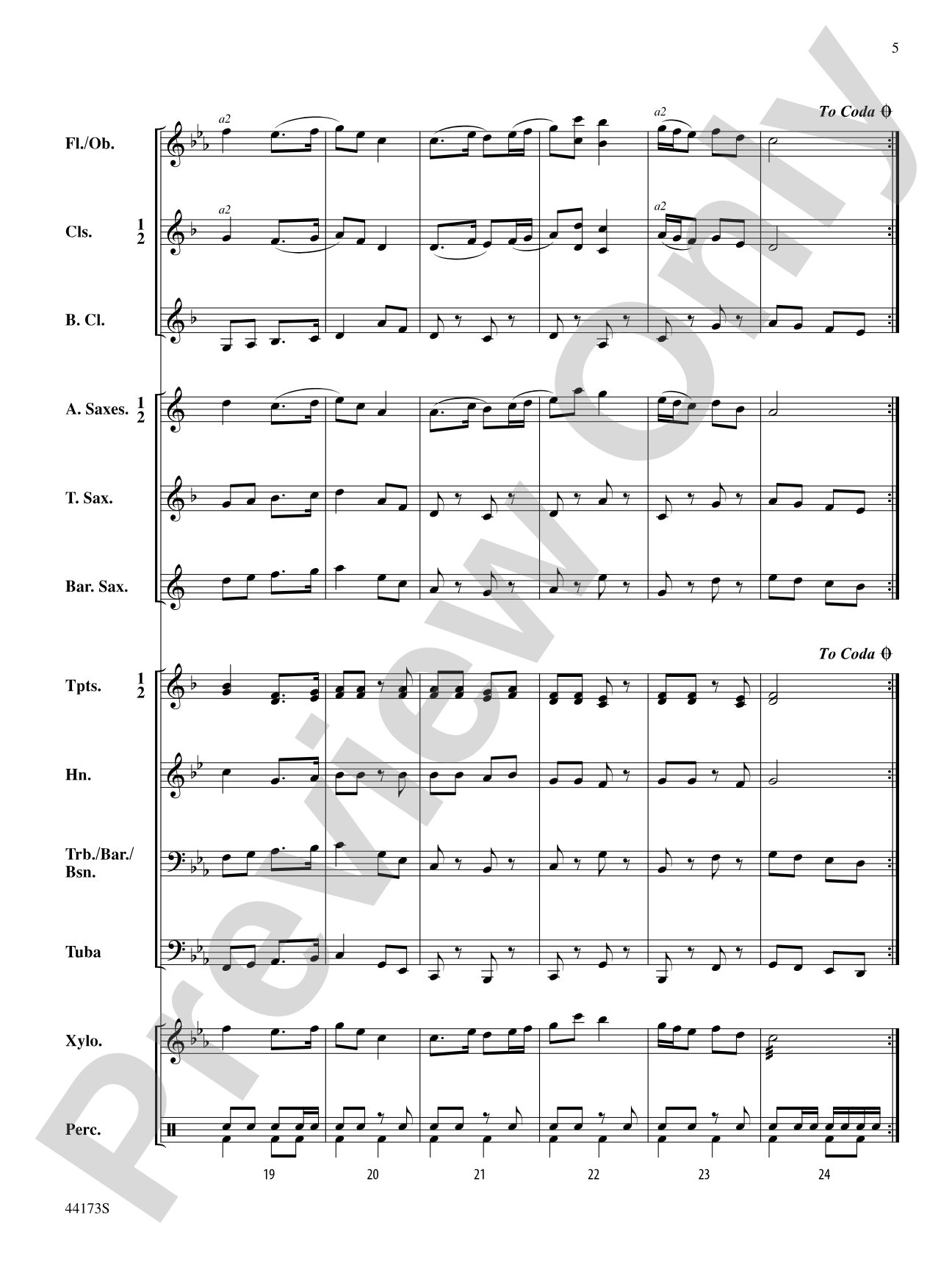
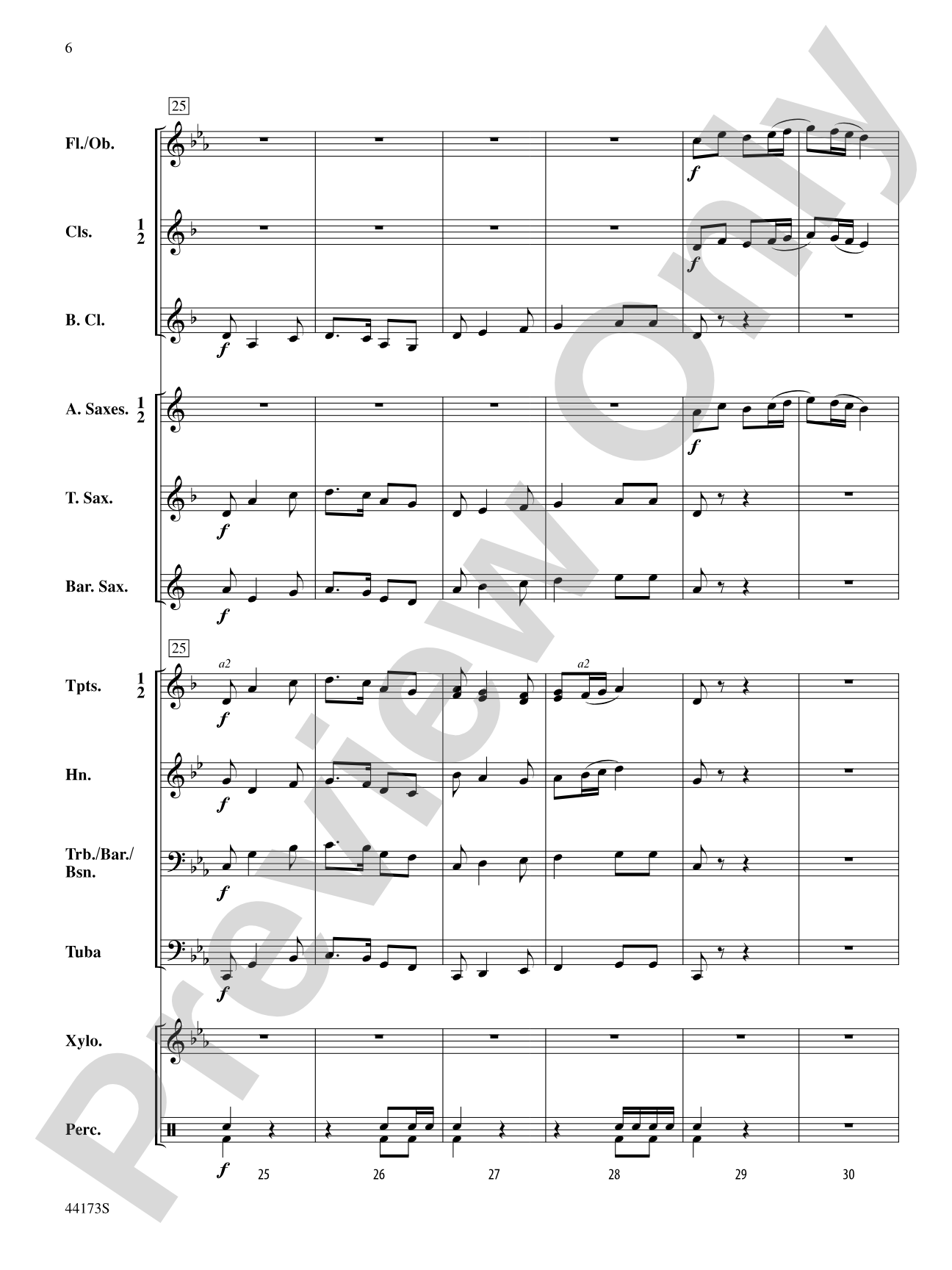
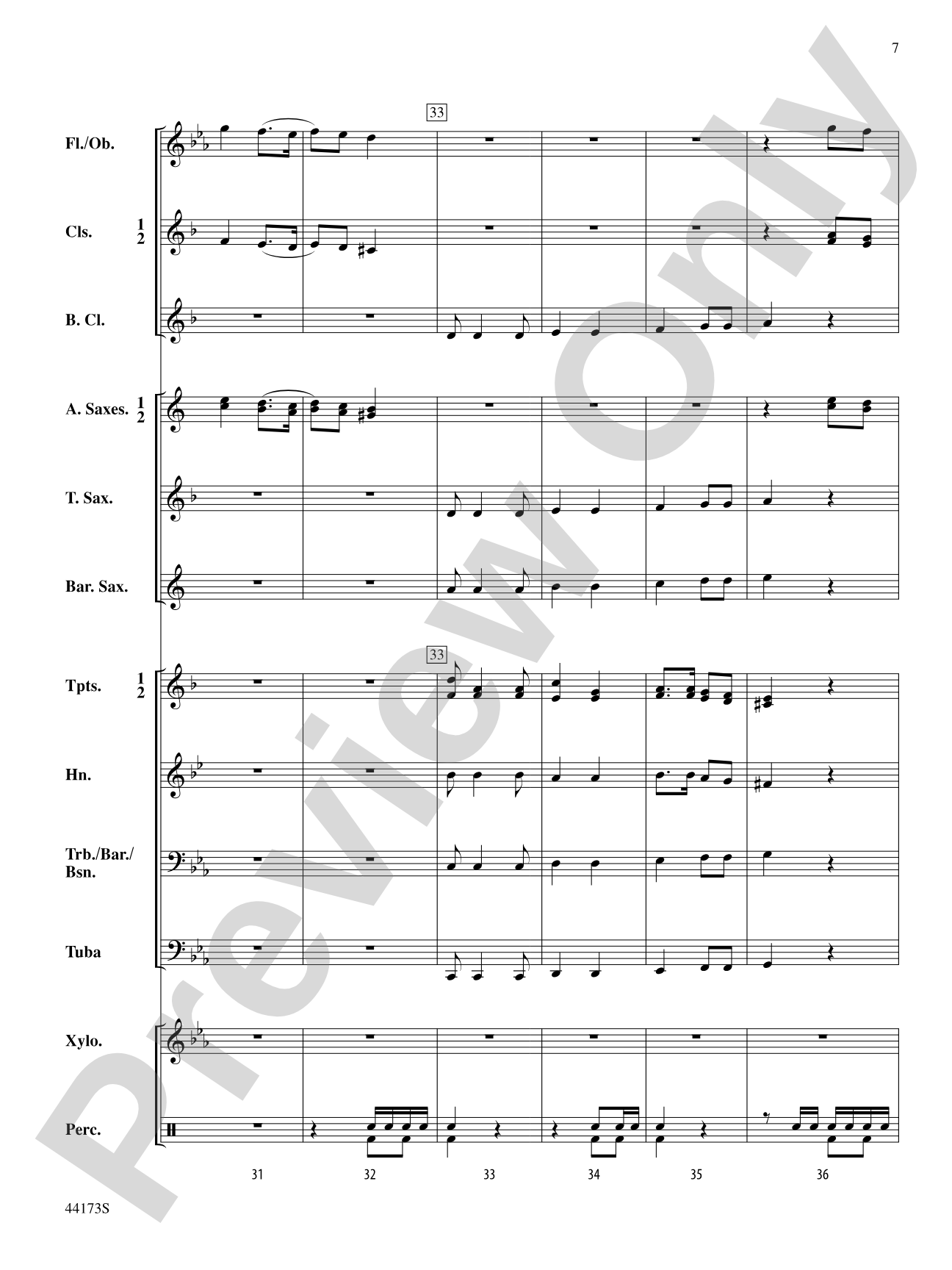
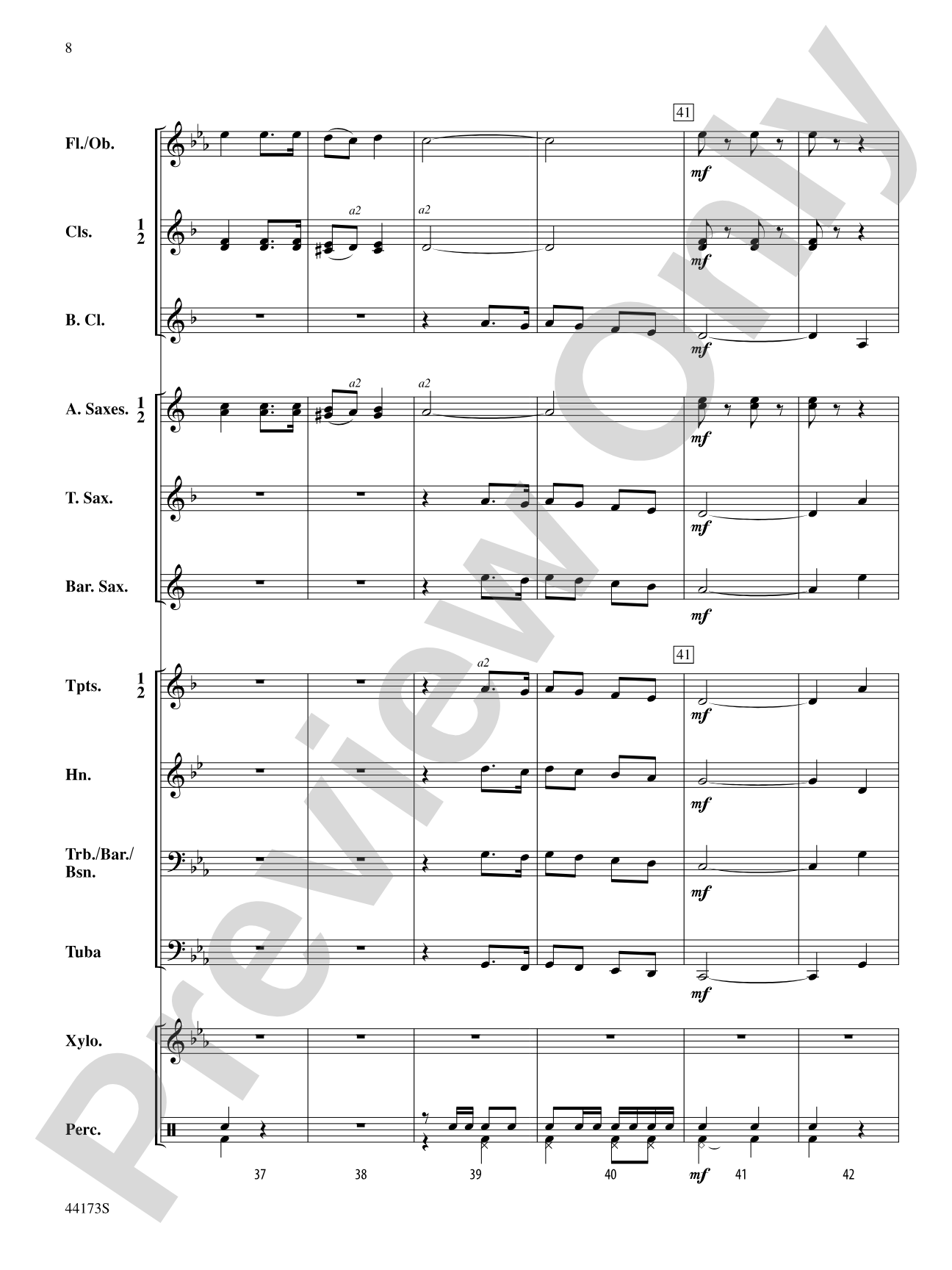
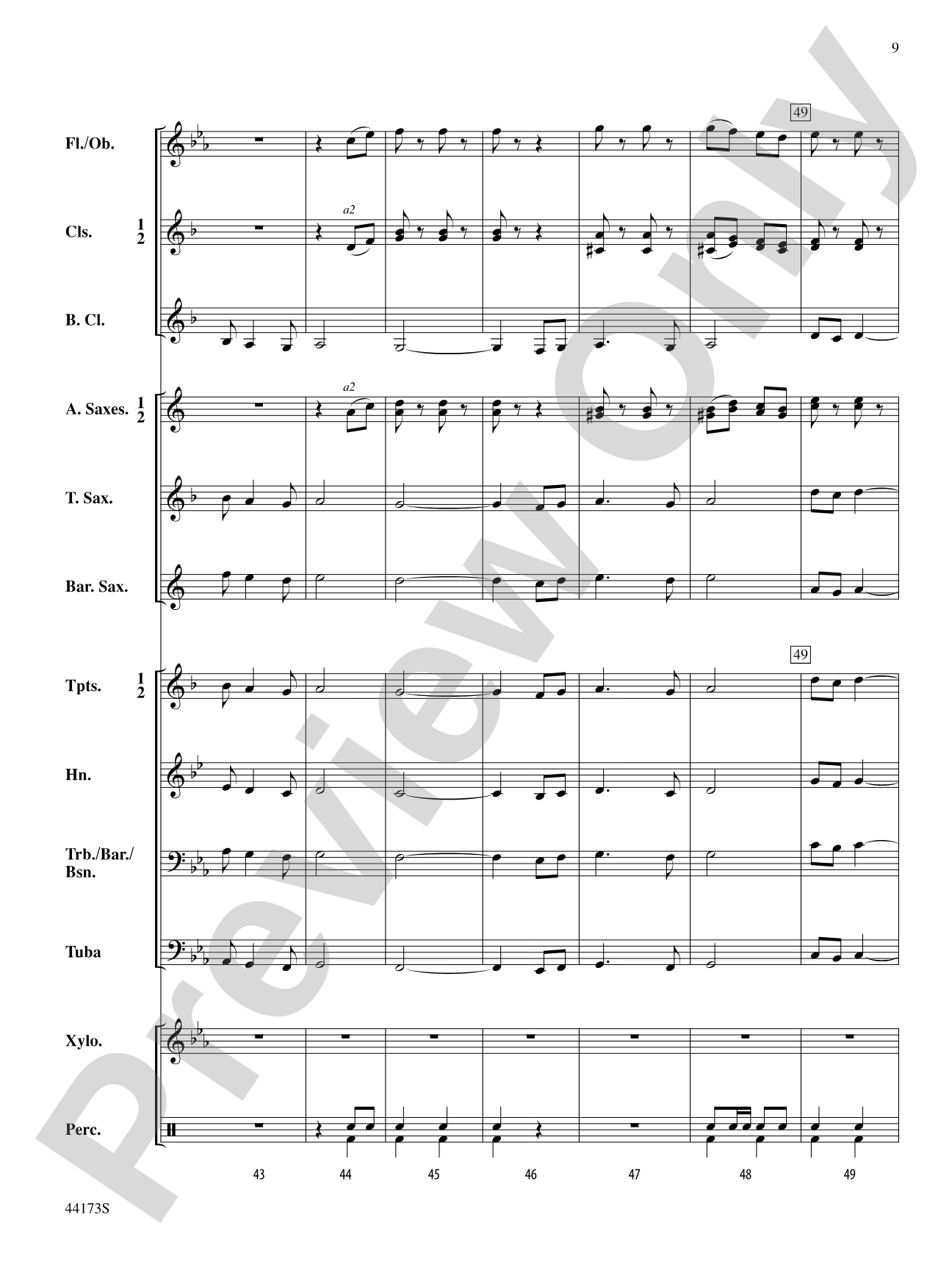
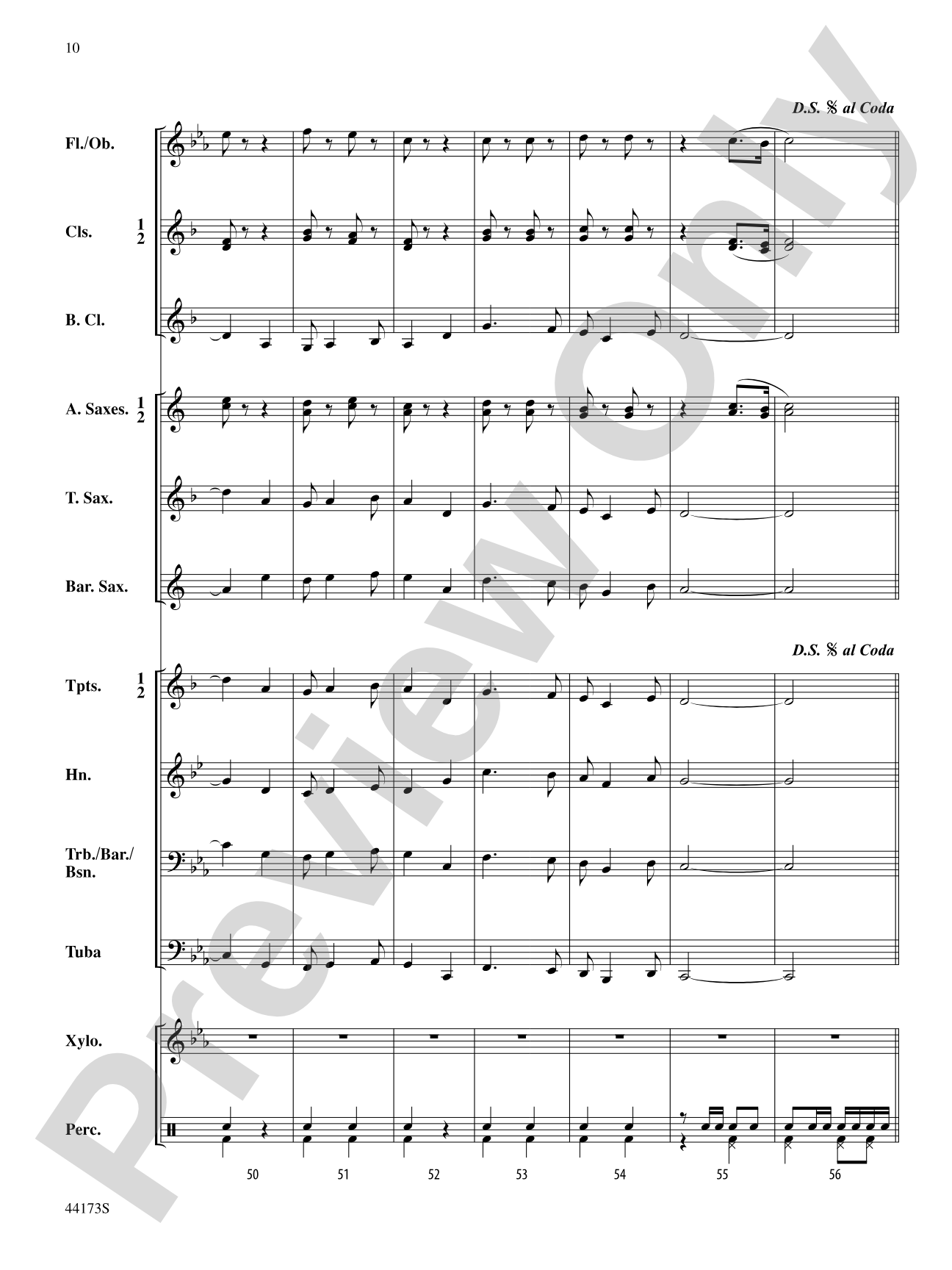
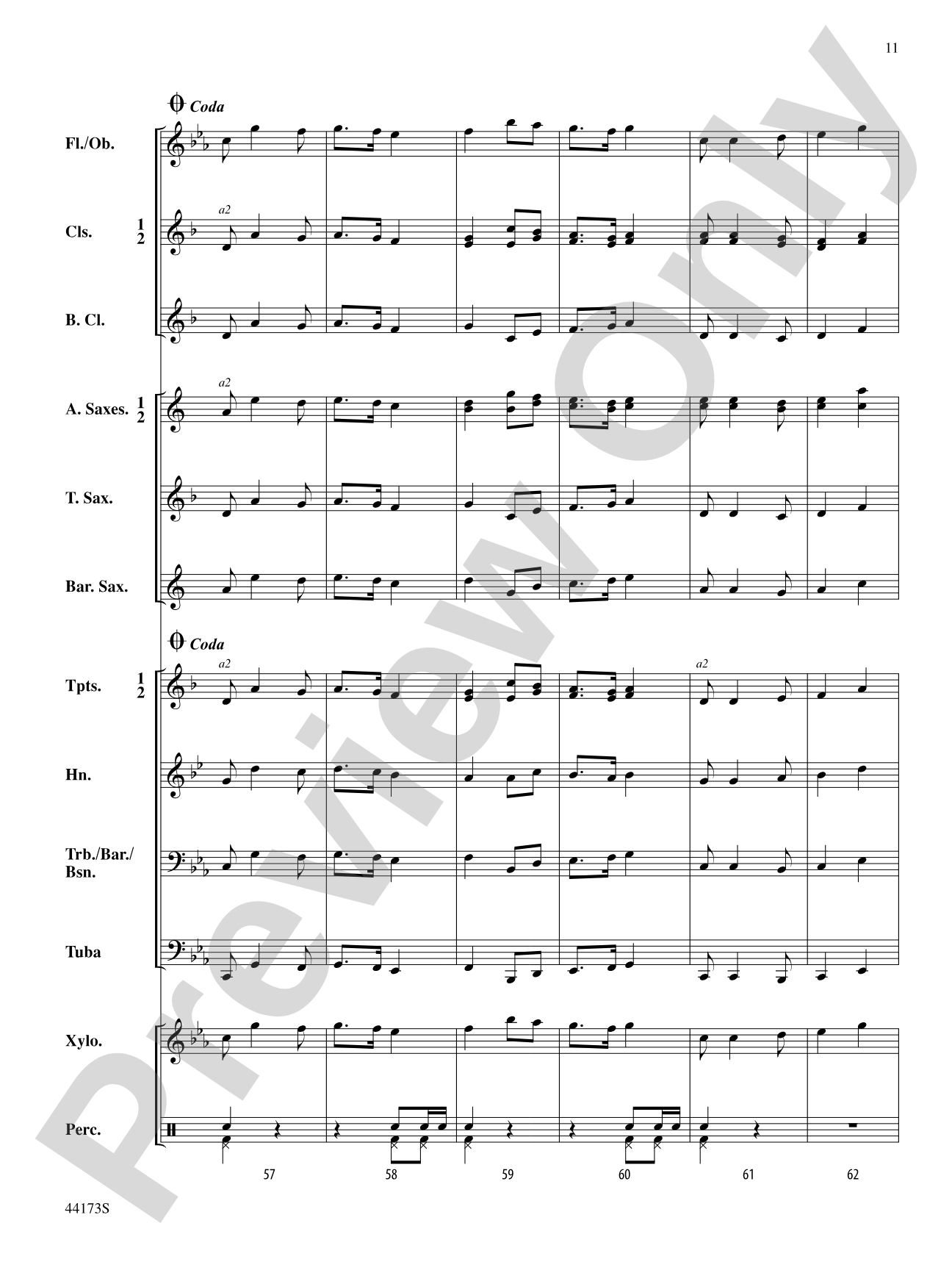
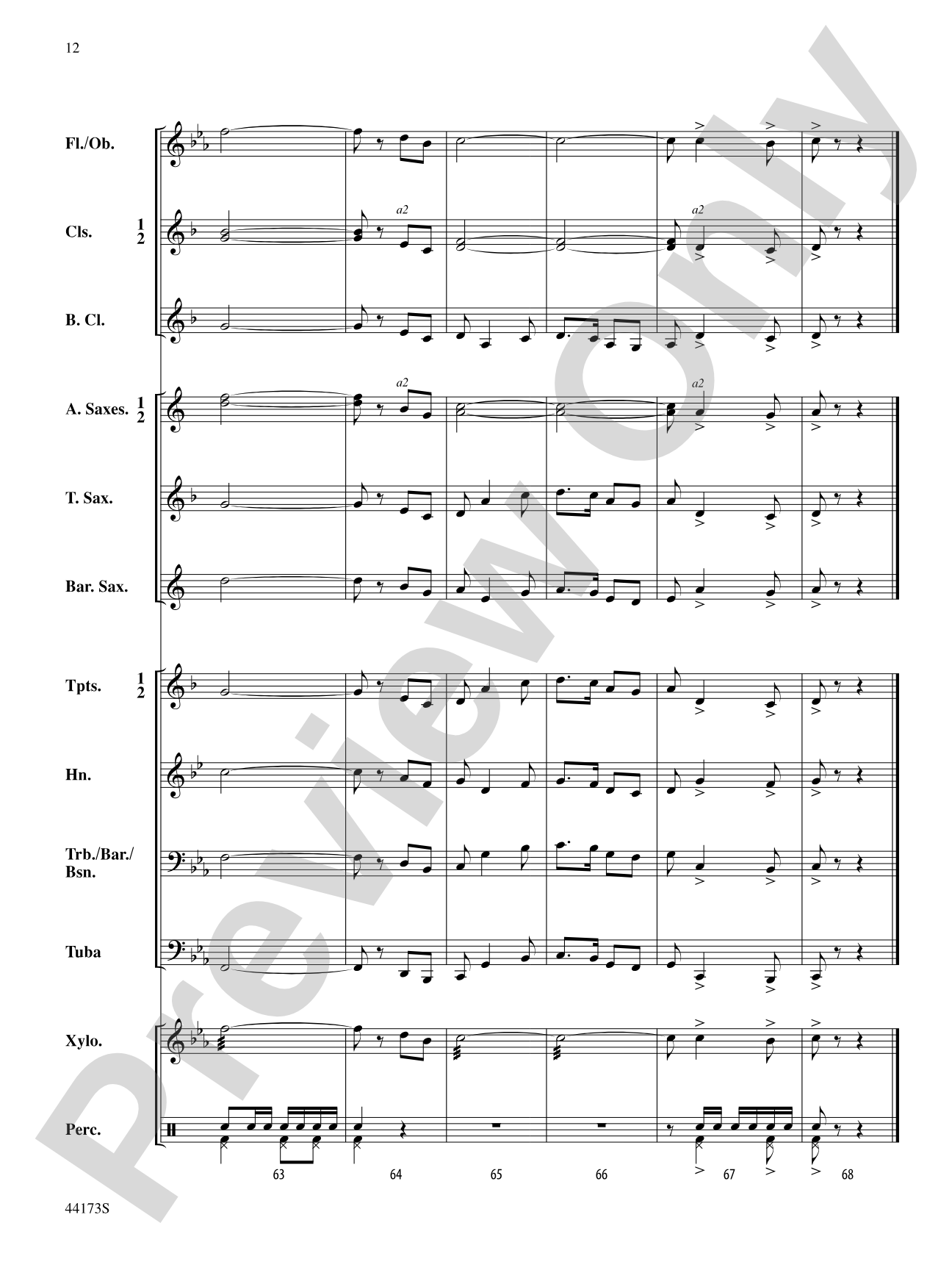

Cape Breton March: Score
By John O'Reilly
Grade: 1.5 (Easy)
Item: 00-PR-0005222
$7.00
Pickup currently not available
Description
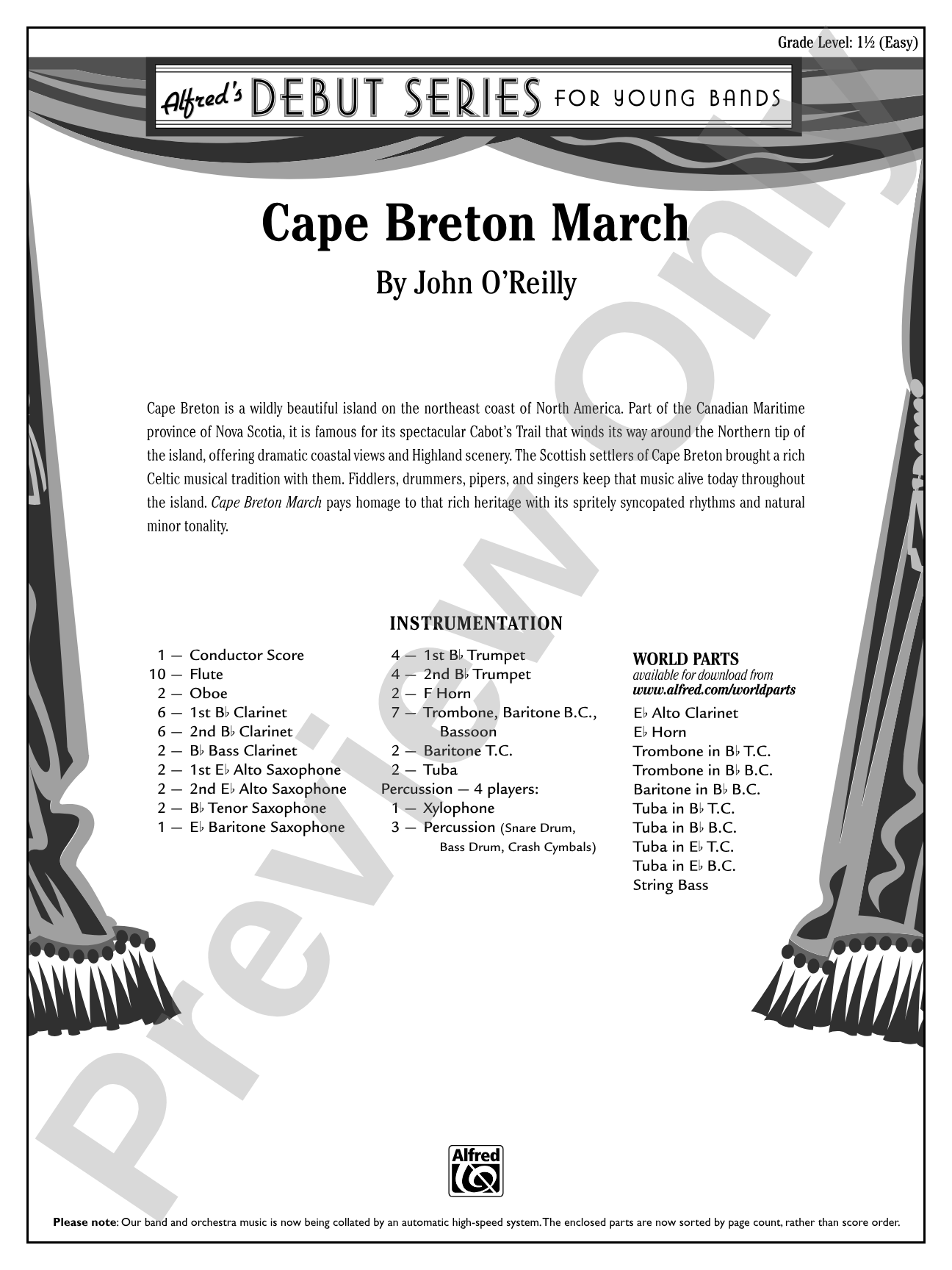
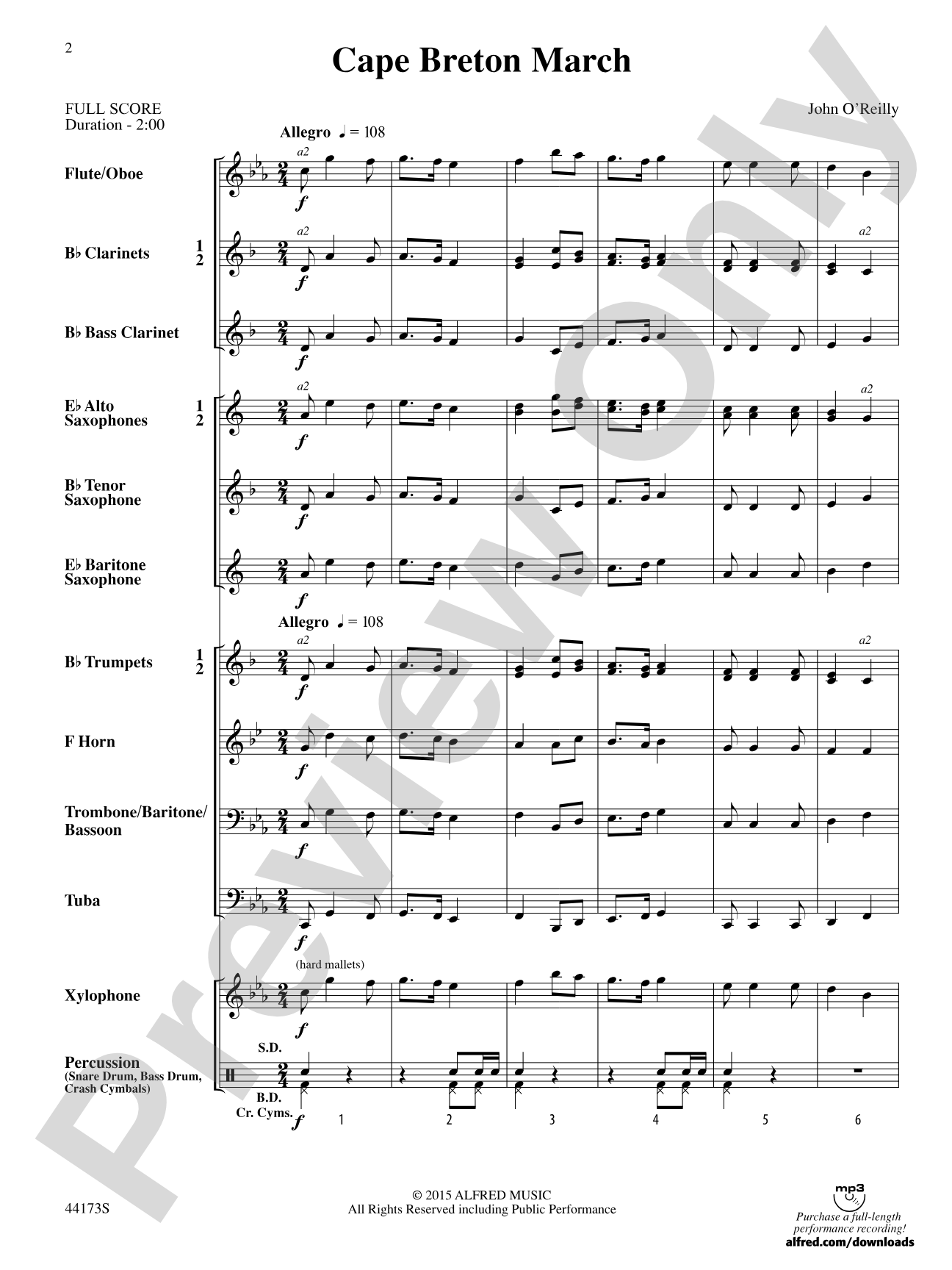
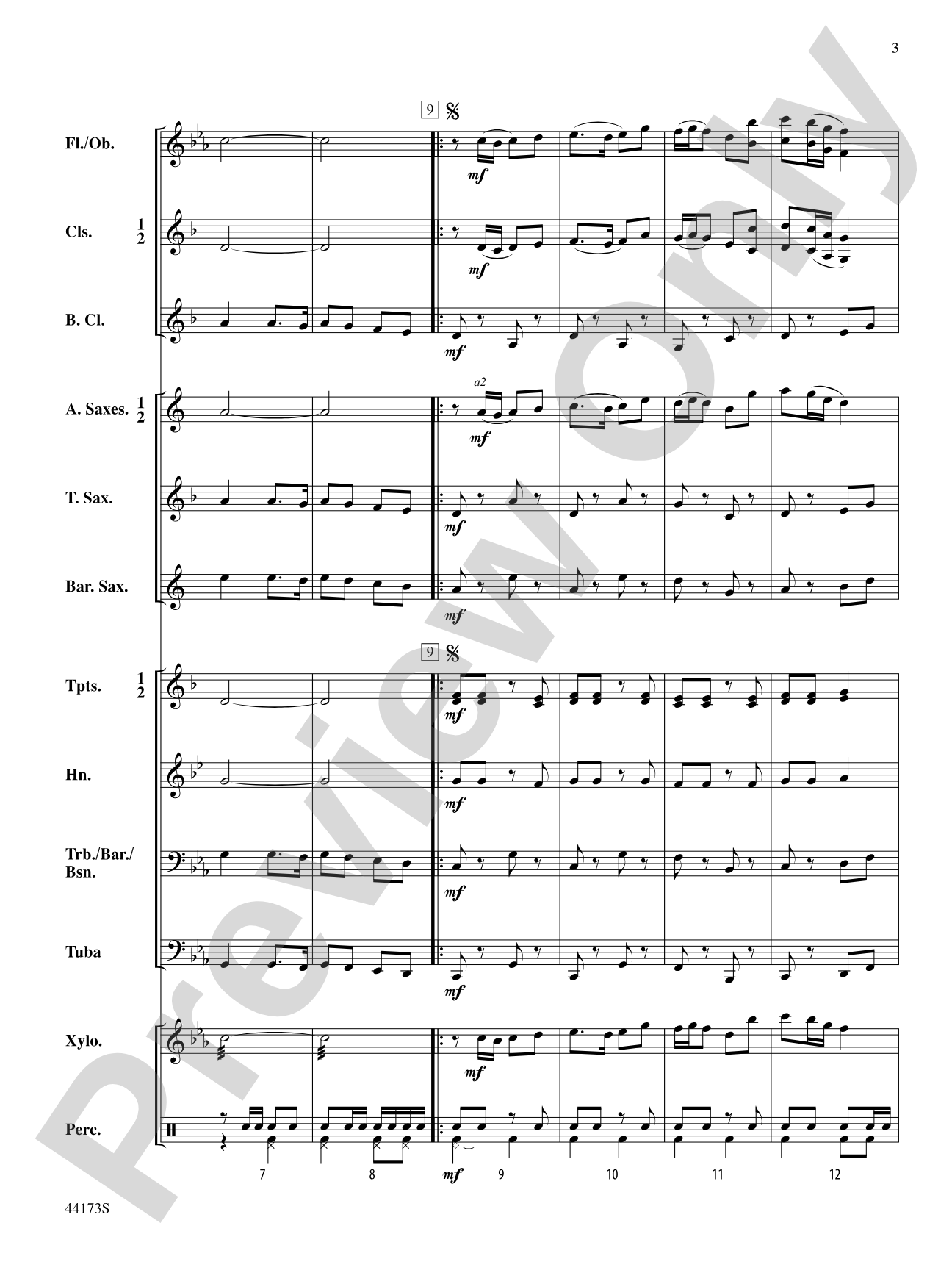
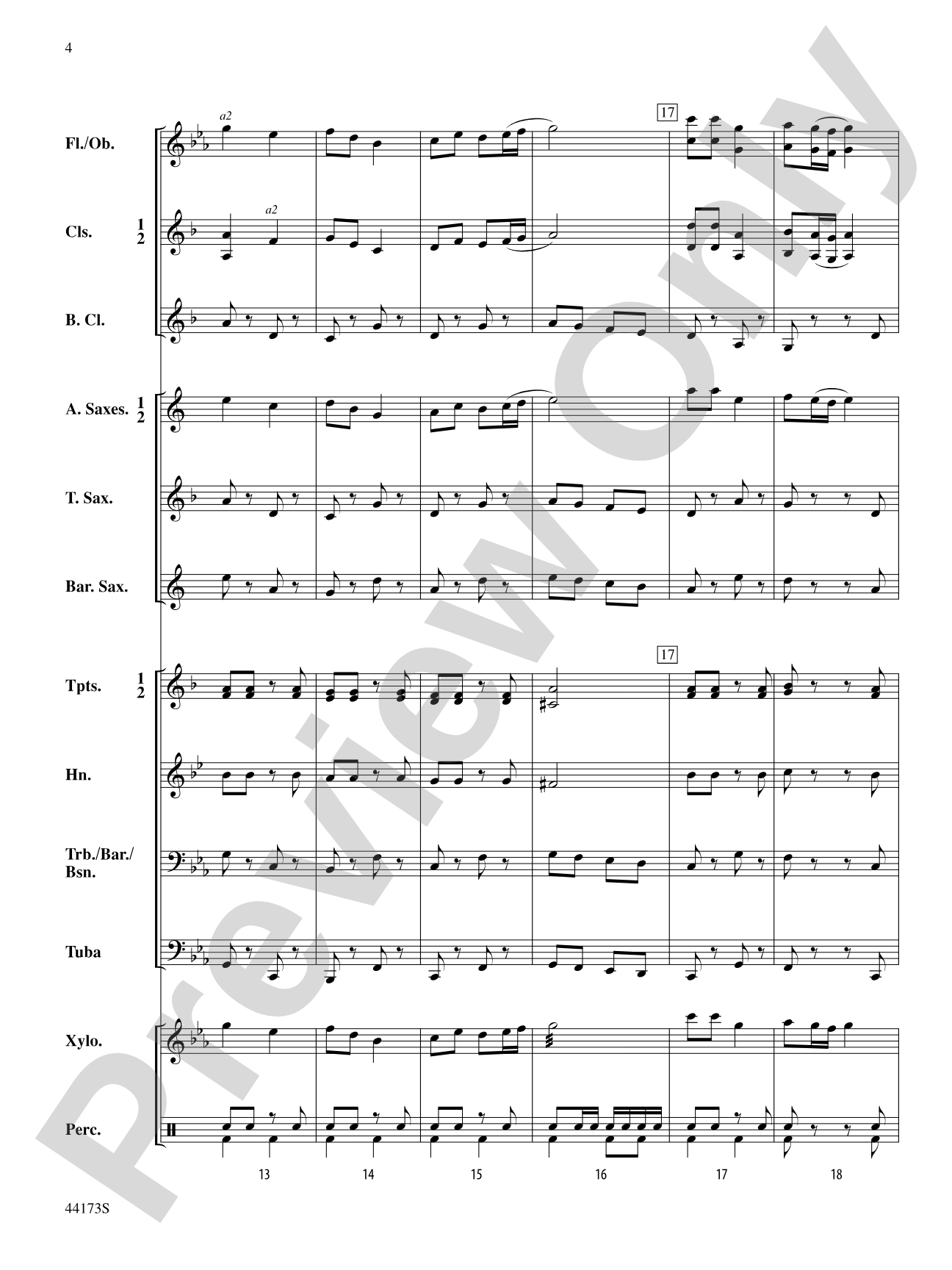
Cape Breton is a wildly beautiful island on the northeast coast of North America. The Scottish settlers of Cape Breton brought a rich Celtic musical tradition with them. Fiddlers, drummers, pipers, and singers keep that music alive today throughout the island. "Cape Breton March" pays homage to that rich heritage with its sprightly syncopated rhythms and natural minor tonality. (2:00)


Don't just read it, hear it, play along with it, and watch your students grow with it. In MakeMusic Cloud, Cape Breton March: Score comes alive with professional accompaniment, adjustable tempo, and built-in practice tools that turn solo practice into real progress.
Open in the Player
Jump straight in and assign it today.
Start Your Free Trial
Open this title and explore the full library in minutes.
Sample Audio
1
Audio File
--:--
0:00
0:00
Sample Video
Additional Details
Series:
Alfred Debut Series
Publisher:
Alfred Music
Page Count:
116
SKU:
00-PR-0005222
More about this title
Why we love this
O'Reilly captures the energy of Cape Breton fiddle music without requiring advanced technique from your ensemble. The syncopated rhythms and minor tonality feel authentic to the tradition while staying accessible at Grade 1.5, making it genuinely rewarding to conduct and play rather than merely serviceable.
What to expect
Cape Breton March channels the joyful urgency of a Celtic celebration, with sprightly syncopated rhythms that make your musicians want to move. The minor tonality gives it an earthy, slightly plaintive character beneath the high spirits, capturing the particular flavor of Scottish musical tradition transplanted to North American soil.
Who it's for
Beginning to early intermediate concert bands that want genuine cultural substance at an accessible level. Directors programming heritage celebrations, multicultural concerts, or festival appearances will find this piece both musically honest and manageable for developing ensembles.
How to get the most out of it
- Let the syncopation breathe naturally. Resist the urge to square off the rhythms; the sprightliness comes from slight flexibility in phrasing, especially in the melody line.
- Balance the melody prominently, but keep accompaniment parts engaged and rhythmically precise to maintain the fiddle music's forward momentum.
- Use the two-minute duration strategically in rehearsal. The piece moves quickly, so nail ensemble attacks and cutoffs early so you can focus on stylistic nuance in final rehearsals.
- Emphasize the natural minor tonality in your sound concept. This isn't a major key march; aim for a slightly darker, earthier color than typical Grade 1.5 concert fare.
How to use it
Open a concert with this to establish cultural identity and energy, or pair it with other folk-inspired works for a thematic set. It works equally well as a contest piece or a community concert opener where you want to signal that the band takes its musical heritage seriously.
Skills your students will build
- Interpreting syncopated rhythms in a Celtic style
- Playing in natural minor tonality
- Maintaining forward momentum in march form
- Balancing melody and accompaniment in early-level ensemble writing