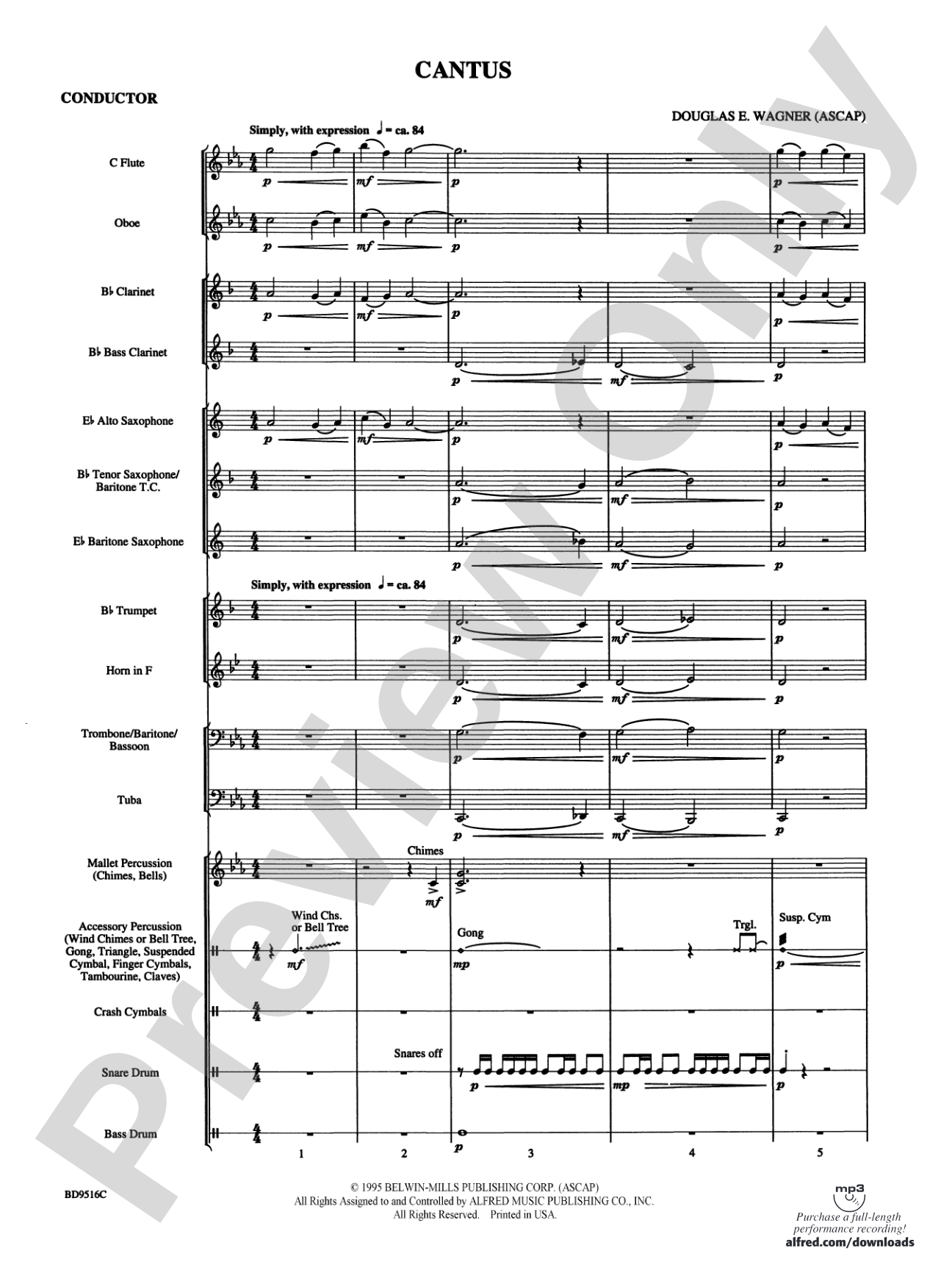
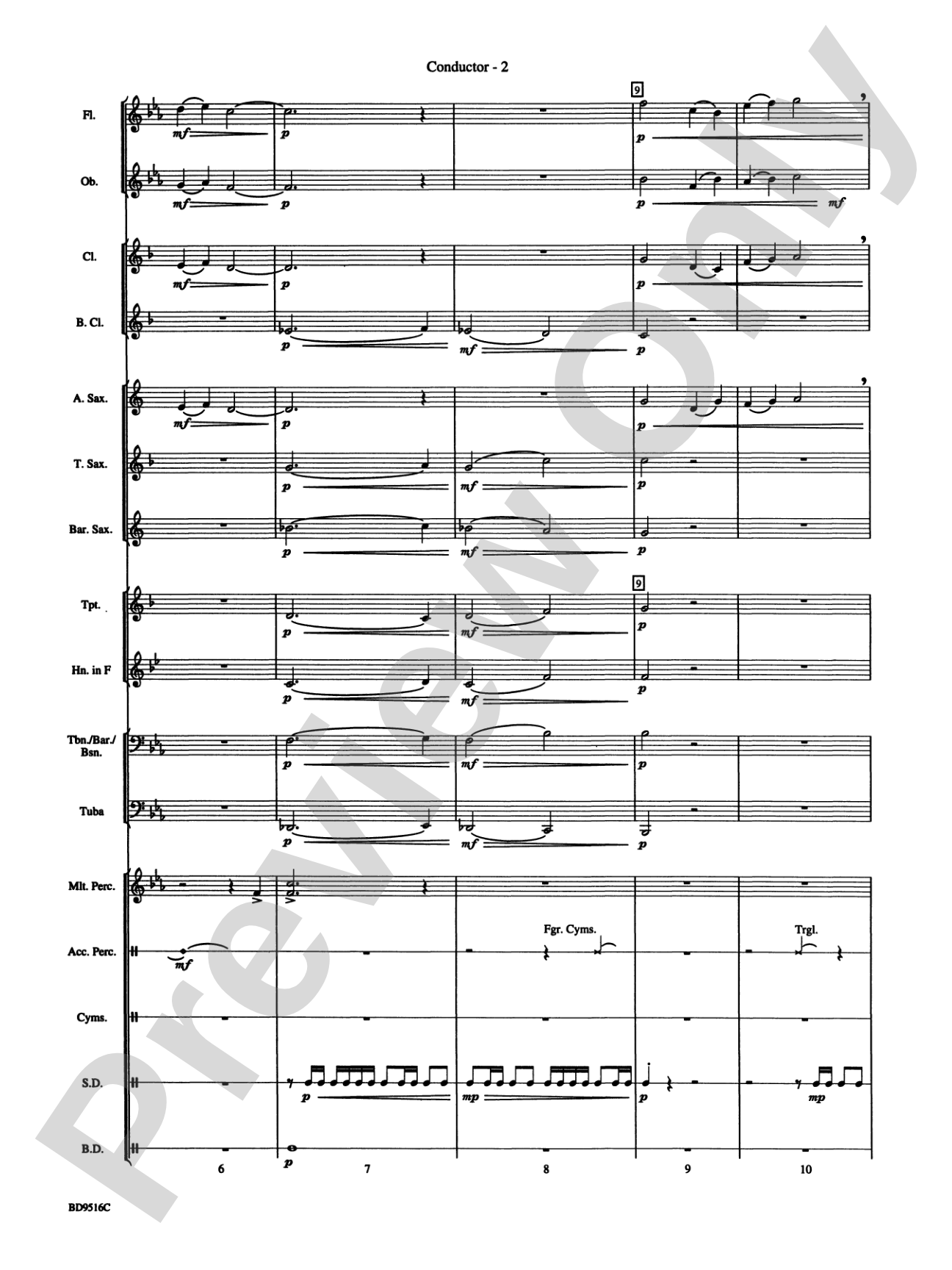
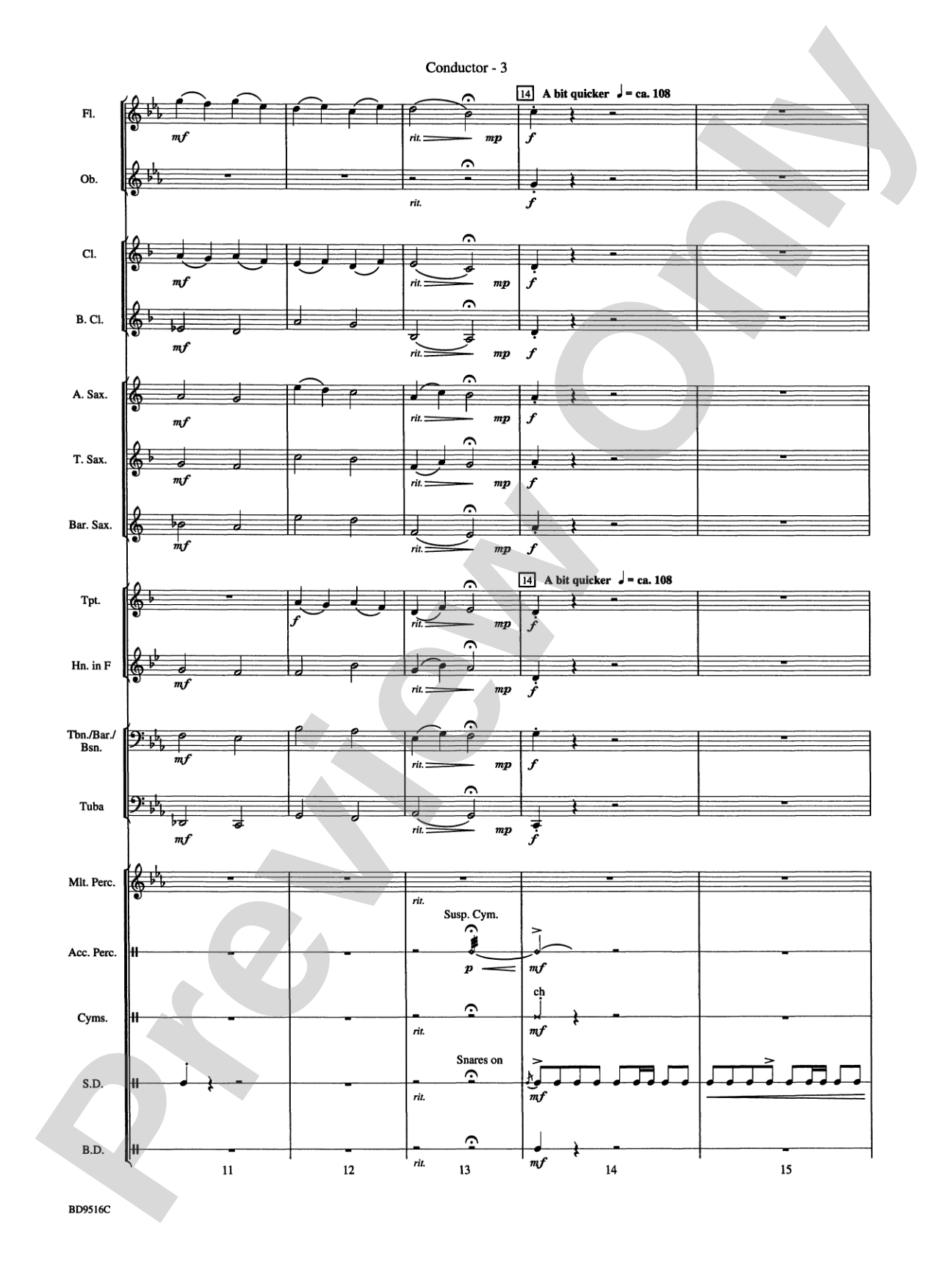
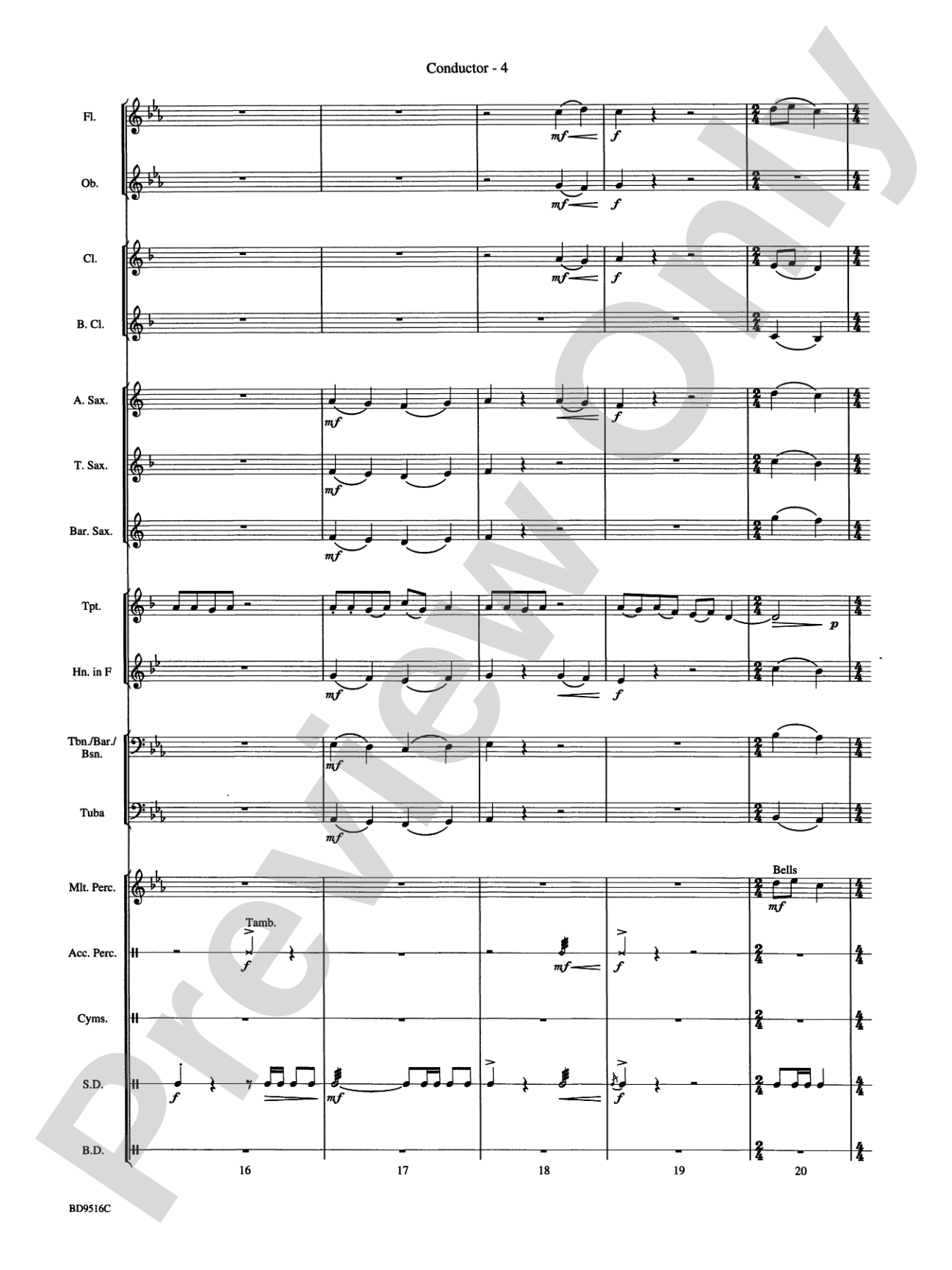
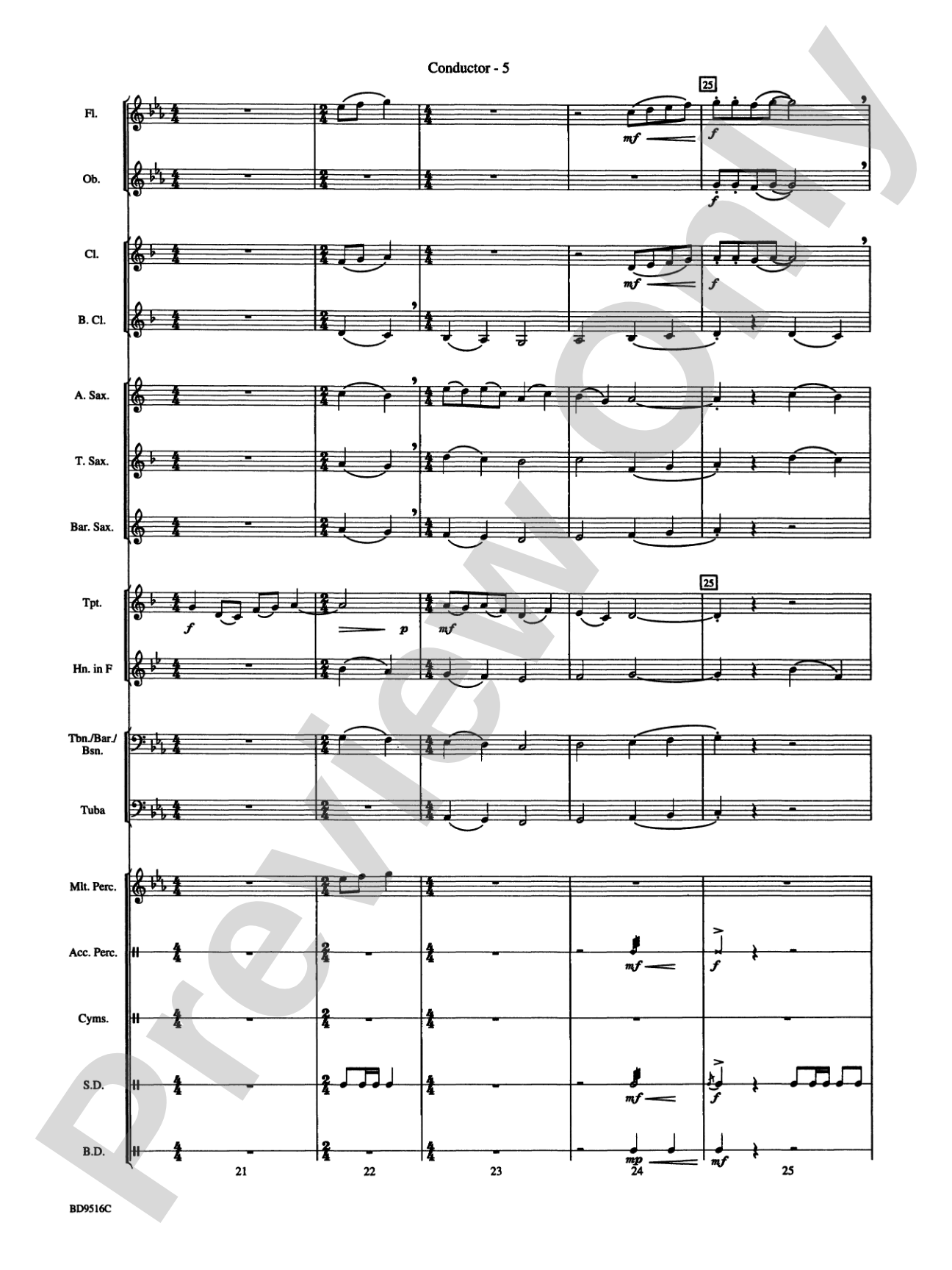
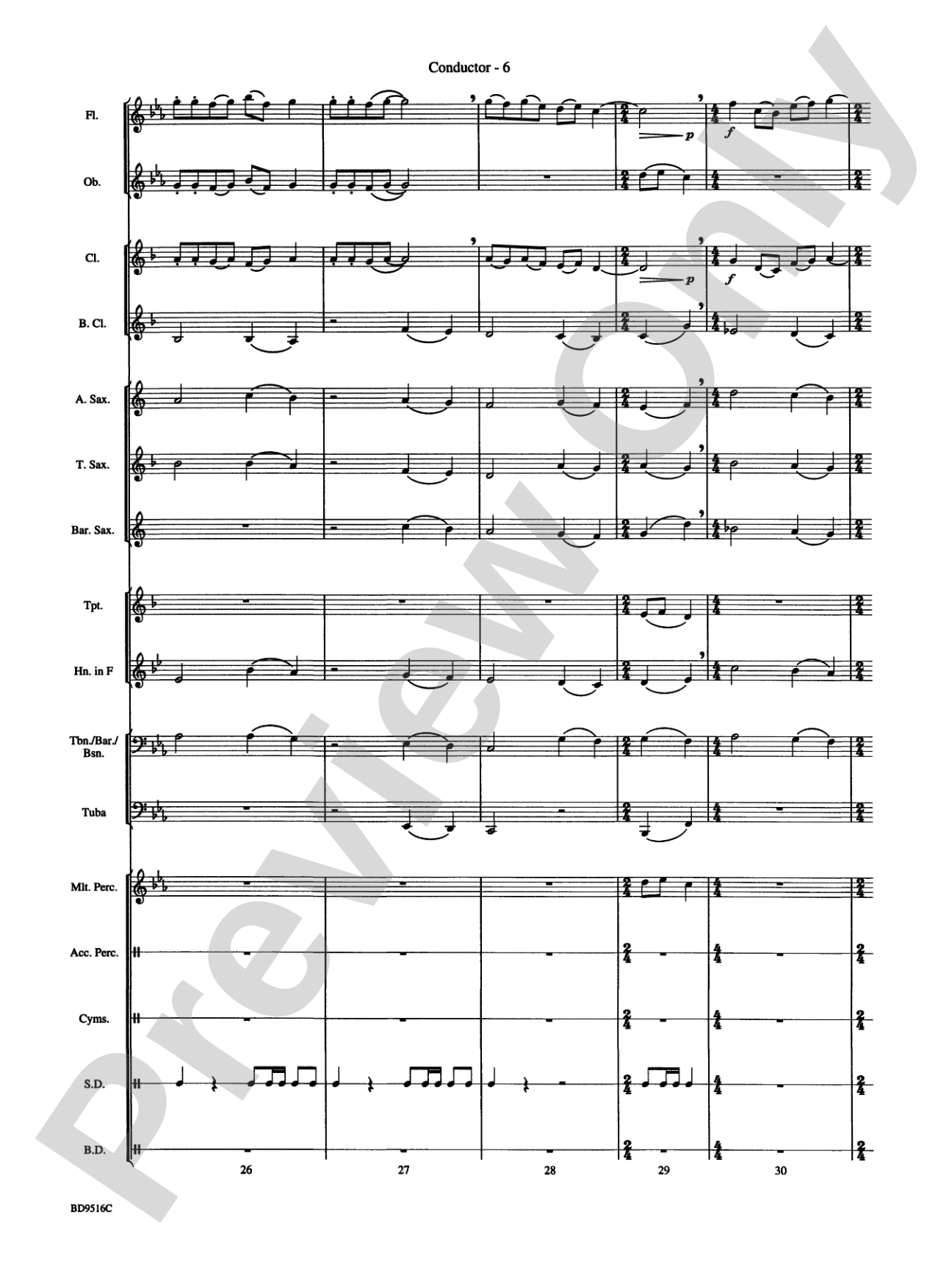
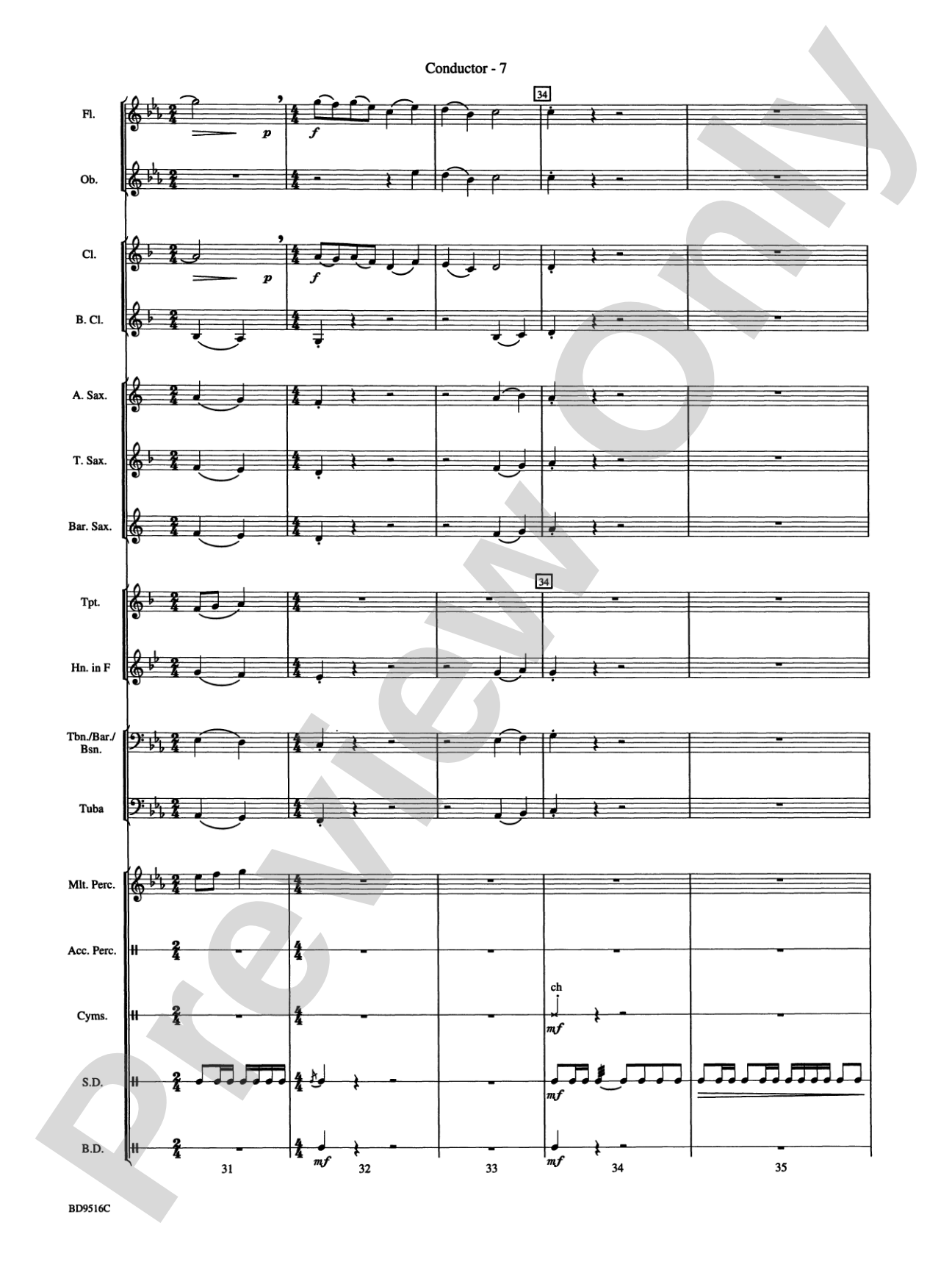
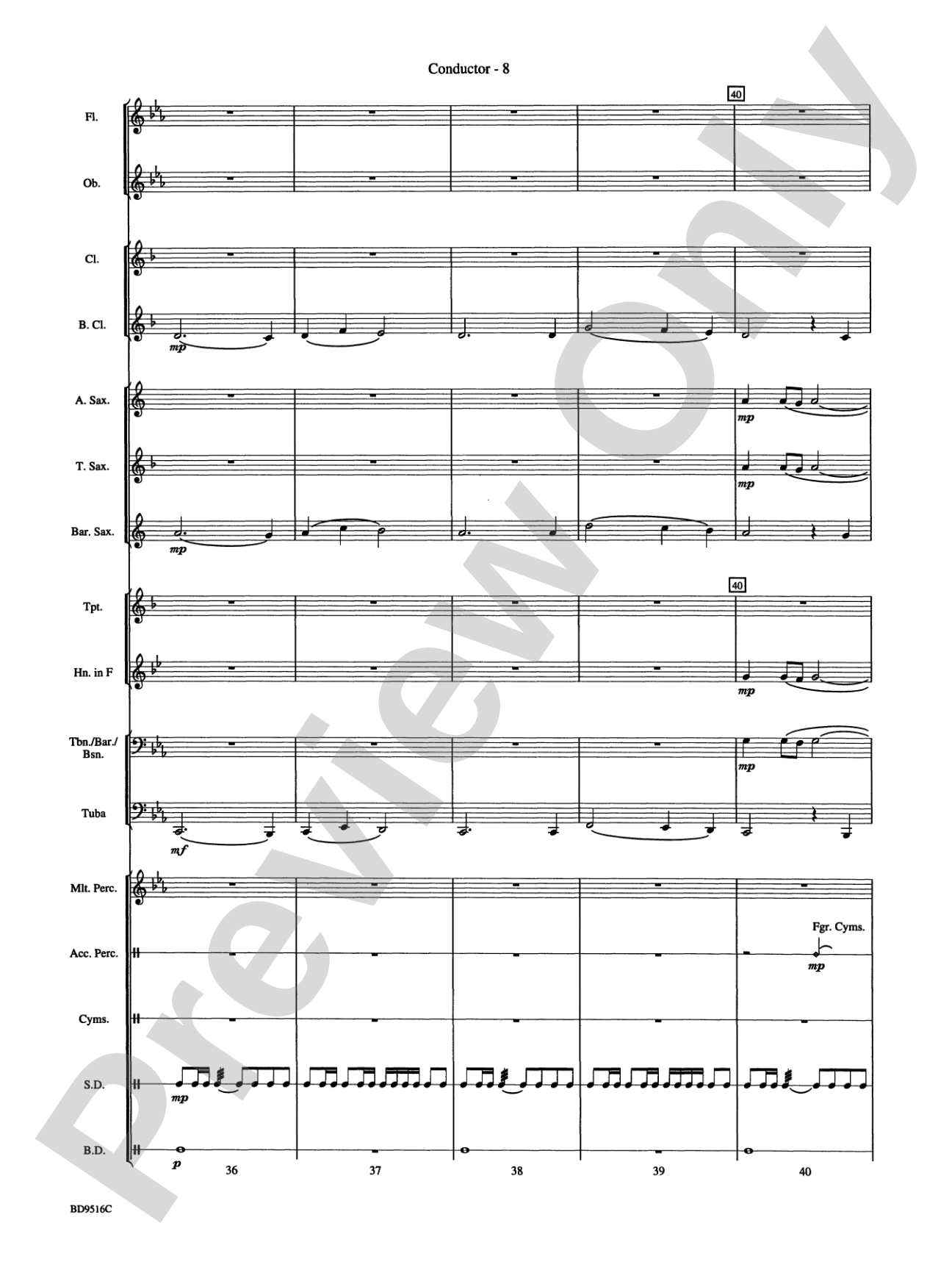
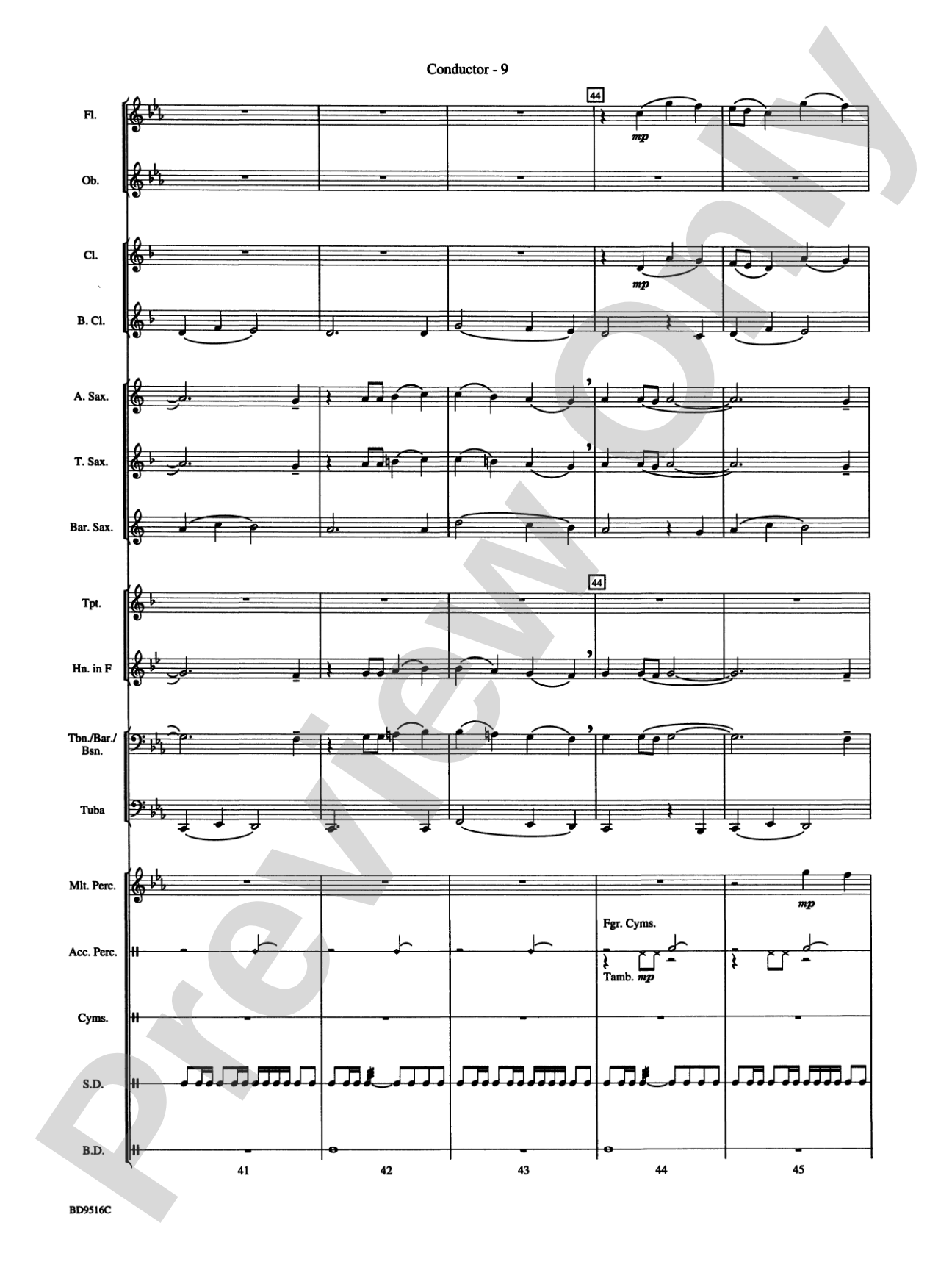
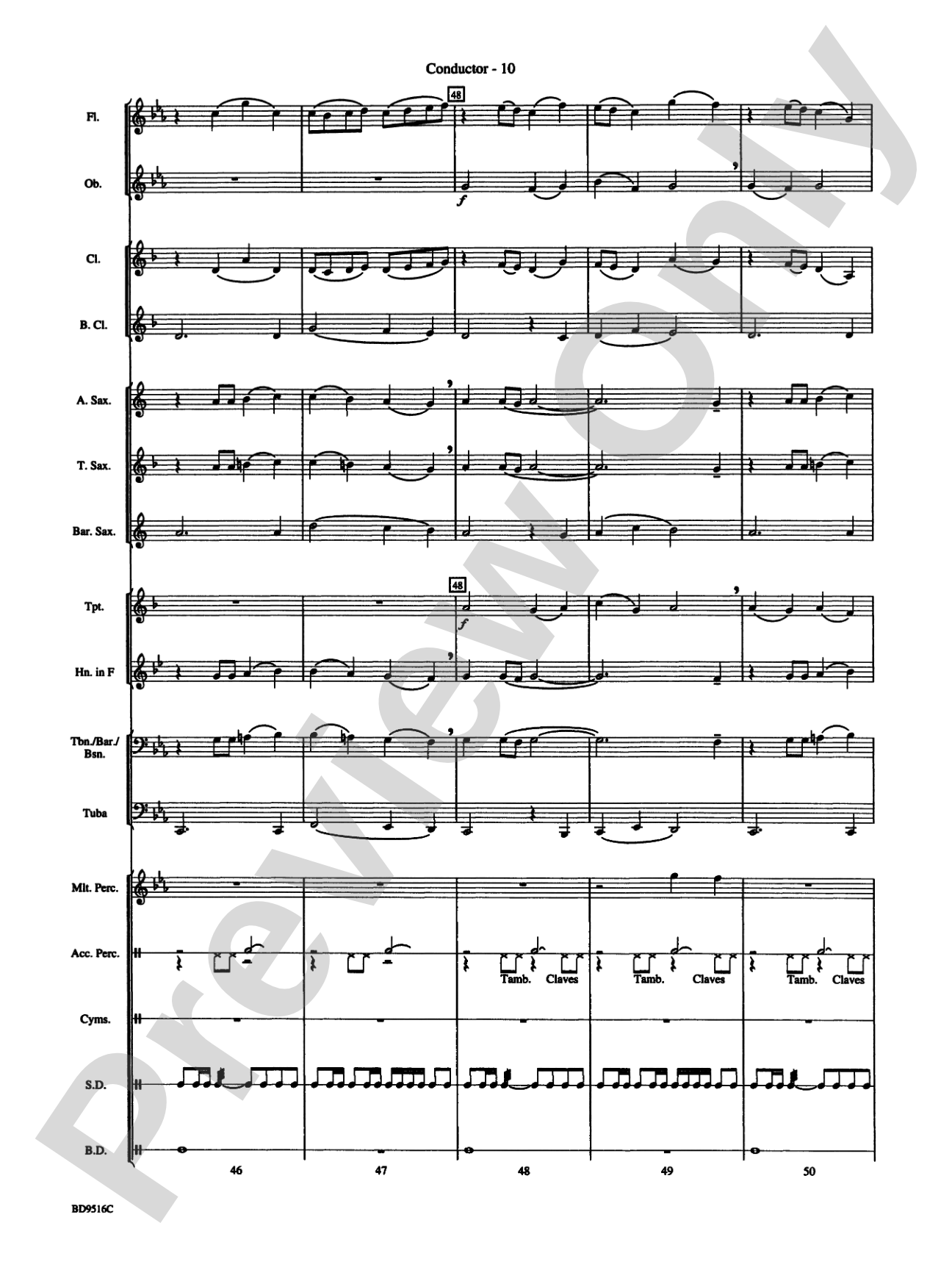
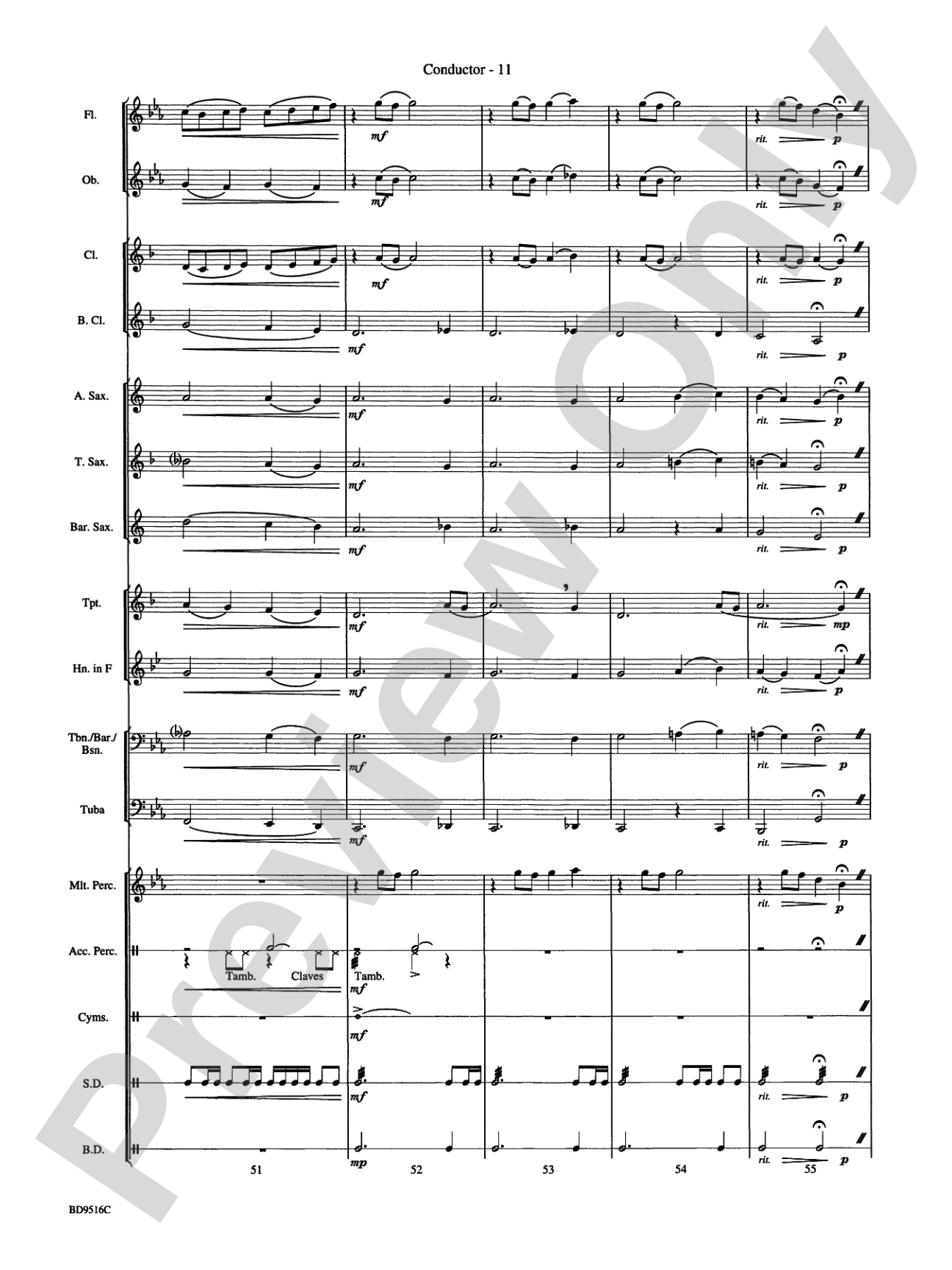
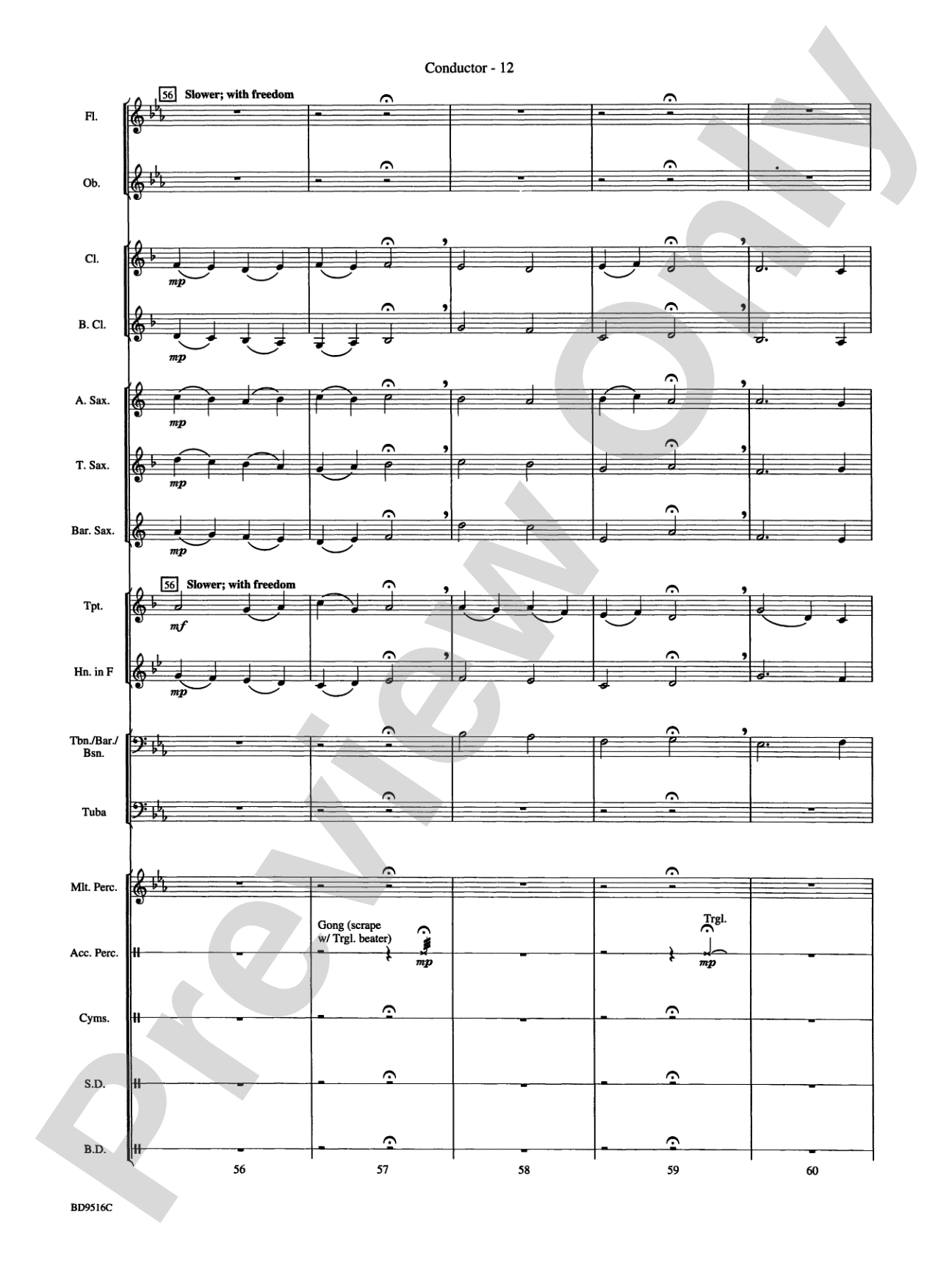
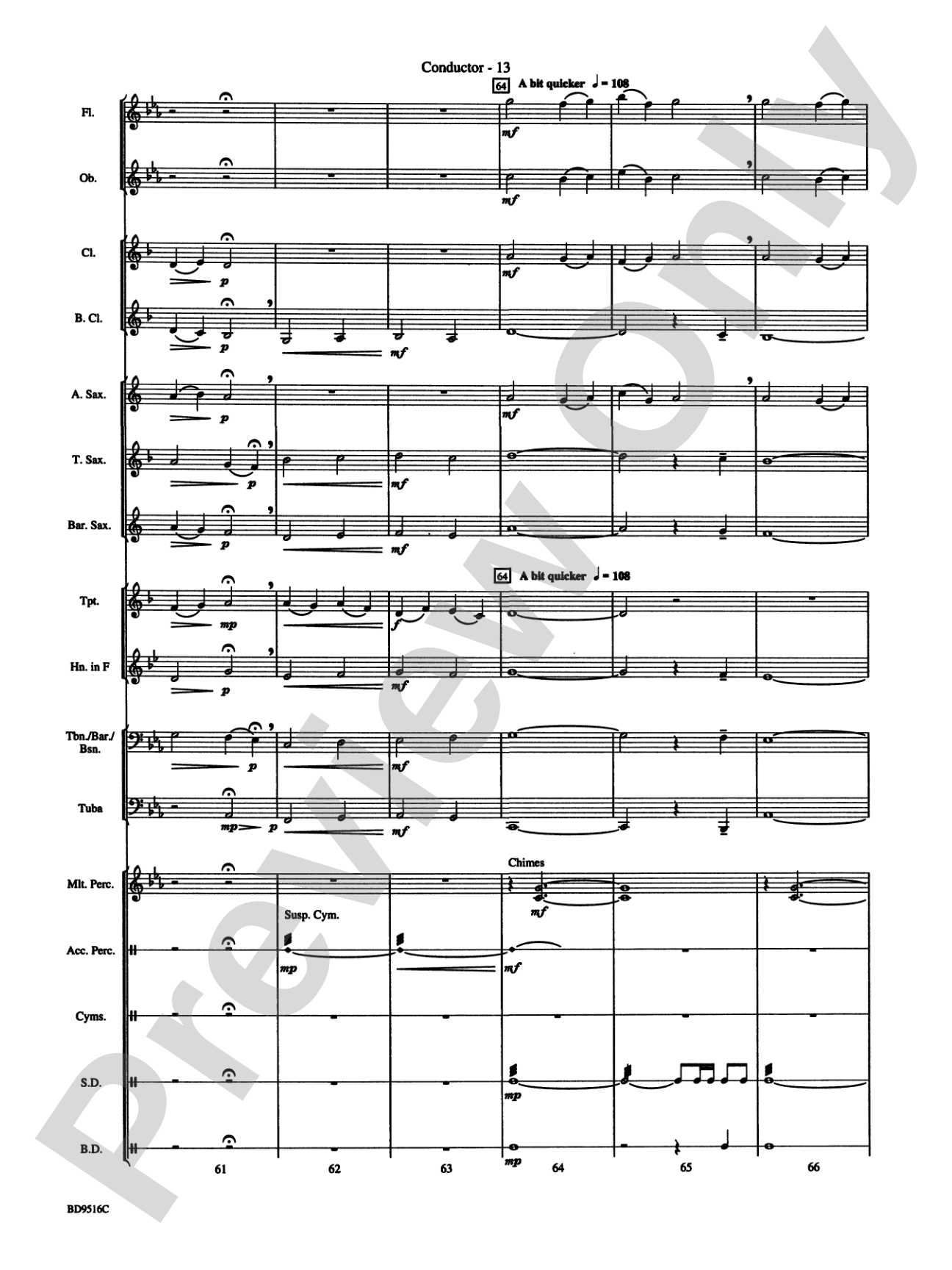
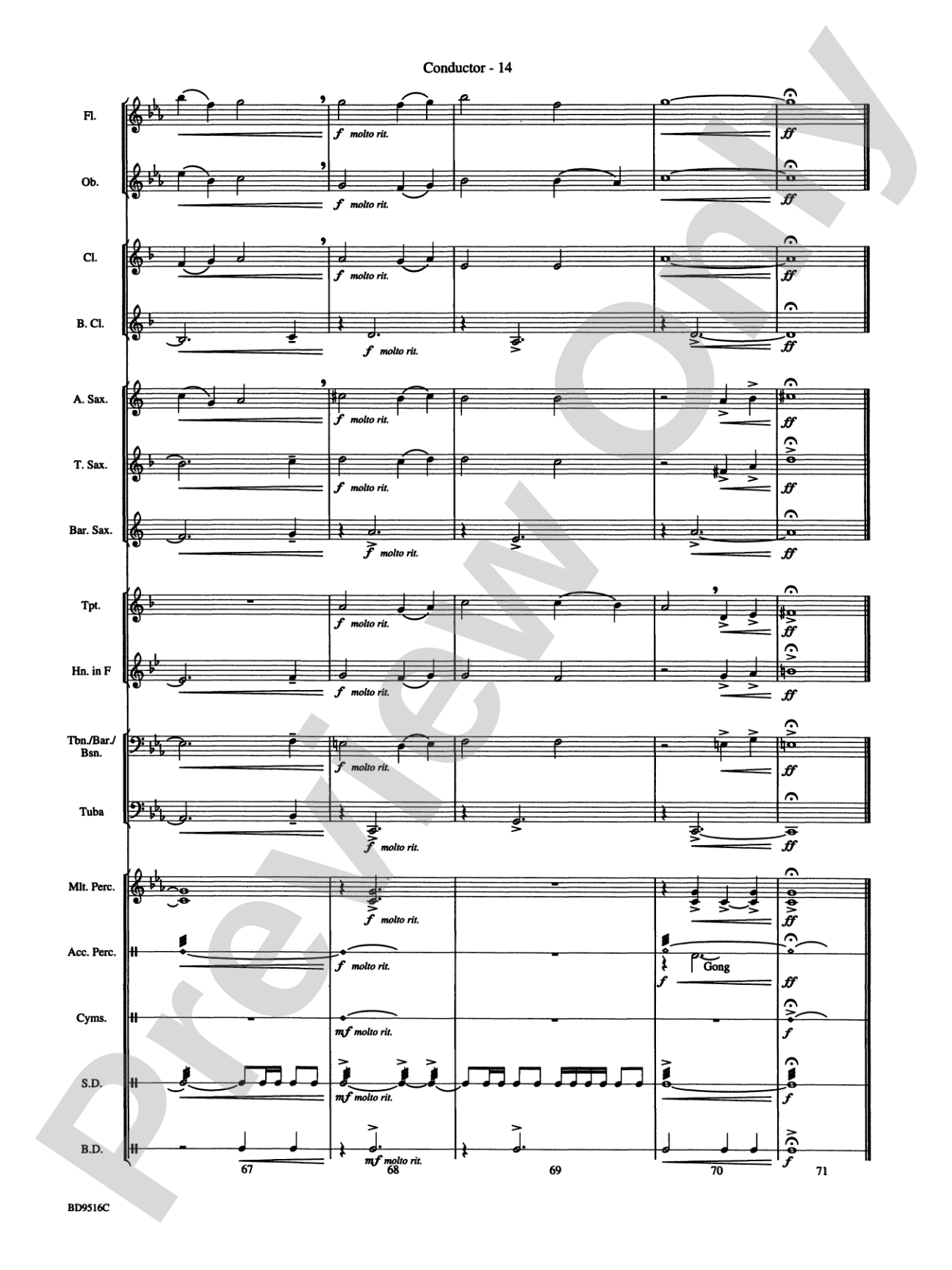
Cantus: Score
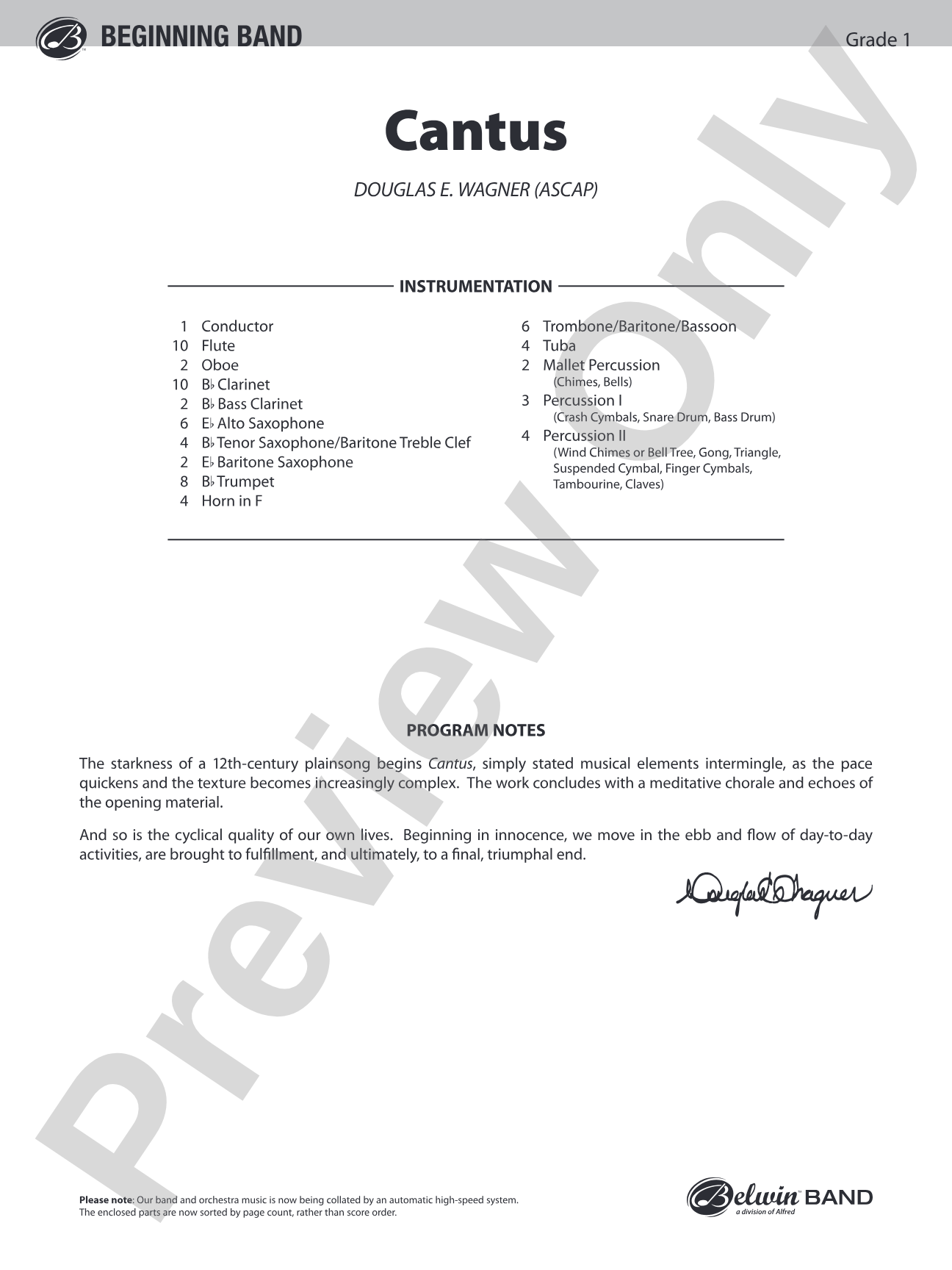
By Douglas E. Wagner
Grade: 1 (Very Easy)
Item: 00-PR-0003504
Pickup currently not available
Description
Don't just read it, hear it, play along with it, and watch your students grow with it. In MakeMusic Cloud, Cantus: Score comes alive with professional accompaniment, adjustable tempo, and built-in practice tools that turn solo practice into real progress.
Jump straight in and assign it today.
Open this title and explore the full library in minutes.
Sample Audio
Sample Video
Additional Details
More about this title
About the Composer: Douglas E. Wagner

Douglas E. Wagner grew up in Chicago and earned degrees in music from Butler University. He spent three decades as a high school music educator and administrator before transitioning to full-time composition.
Since 1973, Wagner has published more than 3,500 works across multiple genres: school and church choir music, concert band, orchestra, handbell ensemble, organ, piano, and vocal literature. His compositions have circulated globally, reaching an estimated seventeen million copies and appearing in concert halls, broadcasts, and festivals throughout the United States and internationally. He resides in Indianapolis with his wife, Sandy.
Why we love this
Wagner captures something rarely accomplished at Grade 1: genuine musical depth without technical overreach. The architecture here is sophisticated (plainsong opening, textural evolution, meditative return), yet every voice remains playable by young musicians. Directors appreciate music that respects their students' intelligence while building ensemble skill in authentic contexts.
What to expect
CANTUS unfolds like a spiritual journey compressed into three minutes. It begins in stark, almost monastic silence, gradually fills with complexity and forward motion, then settles into introspection that mirrors its own opening. The effect is contemplative yet alive.
Who it's for
Grade 1 concert bands seeking repertoire that moves beyond exercise-style pieces. This work suits young ensembles ready for thematic development and structural thinking while maintaining accessibility in technical demands.
How to get the most out of it
- Begin with clarity on the plainsong opening. The simplicity is intentional; resist the urge to add expression too early. Let the plainness speak.
- Shape the textural thickening gradually as new lines enter. Mark dynamic targets in rehearsal so the ensemble understands the arc beyond measure-to-measure reading.
- Balance the return to chorale writing carefully. This moment echoes the opening but with fuller sonority; ensure the meditative quality doesn't flatten into monotone.
- Use full ensemble rehearsals after parts are secure to build awareness of how individual lines contribute to the larger cyclical journey.
How to use it
Program this as an opener for a concert featuring varied styles, or pair it with contrasting energetic works to highlight the meditative quality. The contest/festival designation makes it ideal for young bands entering their first or second year of competitive performance.
Skills your students will build
- Sustaining long, exposed lines with uniform tone quality
- Balancing ensemble sound across changing textures and dynamic layers
- Reading and executing harmonic transitions from unison to complex voicings
- Understanding large-scale form and structural unity through repetition and variation
- Responding to subtle expressive cues within a minimalist harmonic framework