Cantate Domino Cover Image

Cantate Domino: 3-Part Mixed Choral Octavo

$2.25 USD
Sale price  $2.25 USD Regular price 
Skip to product information
Cantate Domino Cover Image

Cantate Domino: 3-Part Mixed Choral Octavo

Music by John Carter

Item: 00-11340

makemusic Cloud badge

Need it now?

Buy Digital Version
$2.25
Shipped

One moment…

Description
Here's an exciting new work for 3-part choirs from John Carter. The simple Latin text ("Cantate Domino, canticum novum.") makes this a fine "first Latin" piece for your choir. The driving piano accompaniment provides a solid foundation for the voices. Use it at festivals, competitions, or at concerts all year, including Christmas.

Don't just read it, hear it, play along with it, and watch your students grow with it. In MakeMusic Cloud, Cantate Domino: 3-Part Mixed Choral Octavo comes alive with professional accompaniment, adjustable tempo, and built-in practice tools that turn solo practice into real progress.

Sample Pages

Sample Audio
No sample audio found.
Sample Video
Additional Details
Series: Alfred Archive Edition: Alfred Choral Designs
Publisher: Alfred Music
Page Count: 8
UPC: 038081023946
SKU: 00-11340

More about this title

About the Composer: John Carter
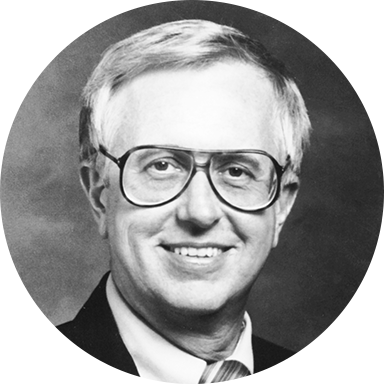
John Carter

John Carter has spent more than four decades building one of choral music's most substantial catalogs. Since 1978, he and his collaborating partner Mary Kay Beall have composed several hundred works across virtually every choral genre and age group, from elementary through church choirs. Before their partnership began, Carter had already established himself with nearly 200 published compositions; his reputation rests on both prolific output and consistent craftsmanship in writing for voices.

Beyond their choral works, the Carters have created a dozen musicals and a sacred opera, earning ASCAP recognition annually since 1984. Carter currently serves as Director of Music at the University Baptist Church in Columbus, Ohio, and holds the title of Editor Emeritus at Hope Publishing. Both are active members of the American Choral Directors Association, and their contributions to choral literature span elementary, secondary, college, and ecclesiastical settings across the country.

Why we love this

This piece hits the sweet spot for choirs ready to explore Latin texts without requiring advanced linguistic skills or complex harmonic writing. The SAB voicing keeps part-writing transparent, and the rhythmic momentum in the accompaniment drives singers forward naturally, making it equally strong at festivals or in a regular concert context.

What to expect

The piece radiates energy and purpose. Simple Latin words set to a driving accompaniment create immediacy and directness, giving singers the satisfying feeling of propelling something forward together rather than navigating complex musical terrain.

Who it's for

This work suits developing choirs tackling their first encounter with Latin liturgical text. Whether your singers are in high school, a church choir, or a mixed community ensemble, the manageable range and straightforward harmonic language make it accessible without sacrificing musicality.

How to get the most out of it

  • Anchor the Latin pronunciation early in rehearsal by singing the text together unaccompanied before adding the piano part; this builds confidence and clarity in the opening phrase.
  • Let the accompaniment tempo guide ensemble entrances; the driving rhythm works best when singers follow the keyboard's forward motion rather than anticipating it.
  • Balance the three parts so that no single voice dominates the texture; in SAB writing, the soprano line often naturally projects, so encourage middle and lower voices to sing with full support.

How to use it

This works beautifully as a festival or competition entry where you want a confident, well-crafted statement without extreme difficulty. It also sits comfortably in a concert program year-round; the sacred text and crisp rhythmic character make it equally at home in a holiday concert or a spring choral showcase.

Skills your students will build

  • Basic Latin text articulation and pronunciation
  • Maintaining rhythmic precision within a driven accompaniment texture
  • Balancing three voice parts in close harmonic writing
  • Following an energetic piano part while sustaining independent vocal lines

You May Also Like
