
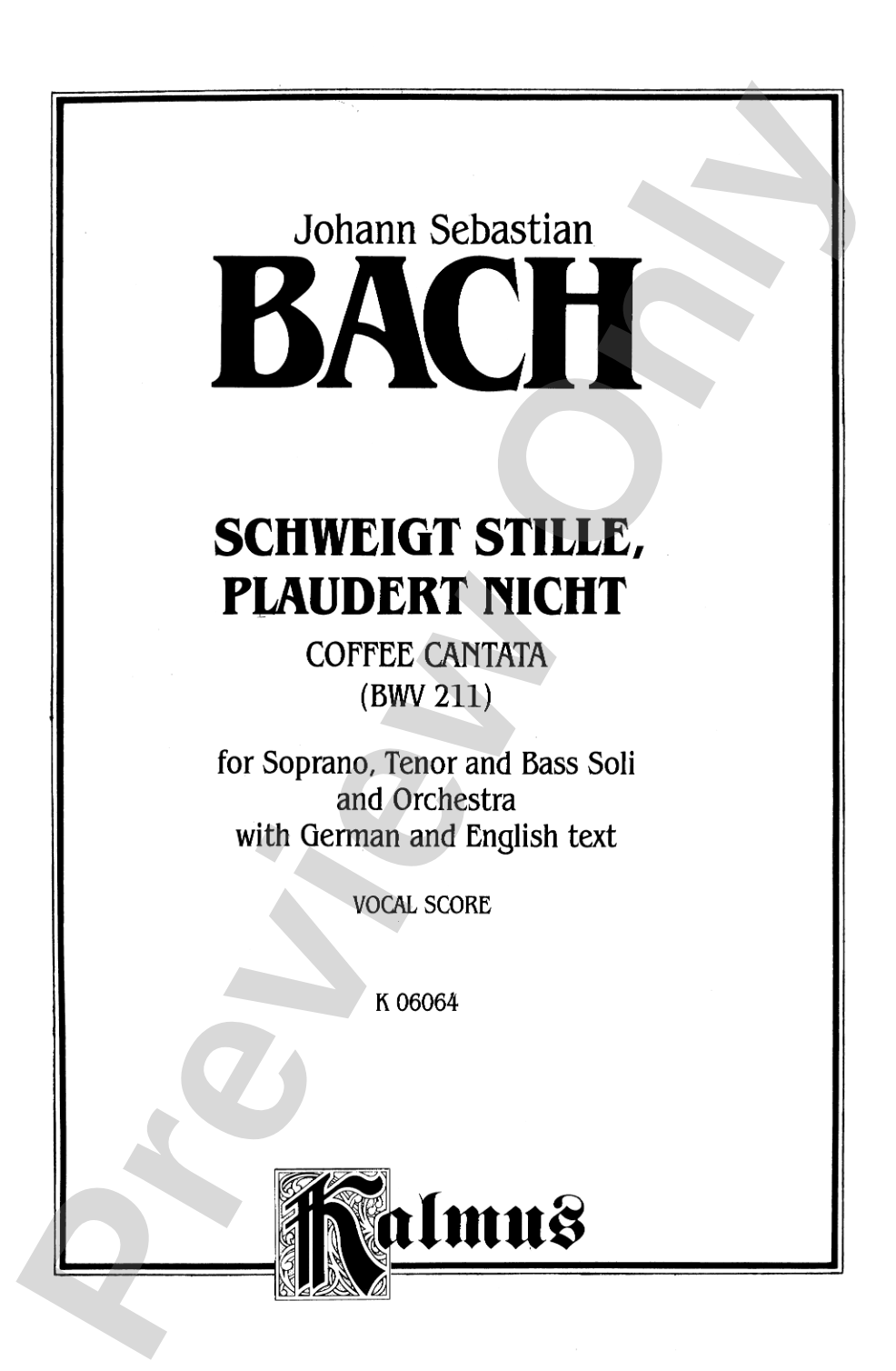
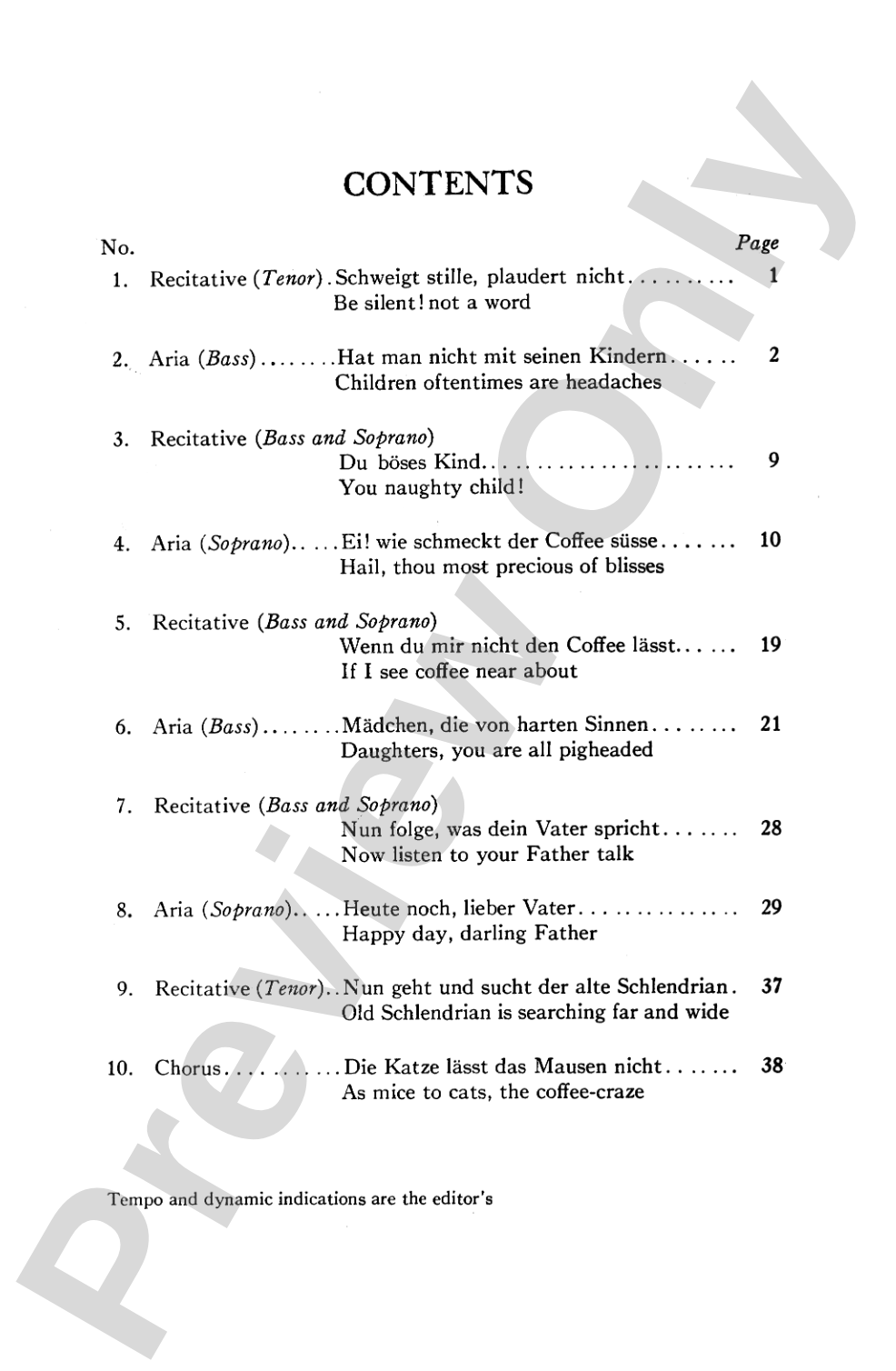
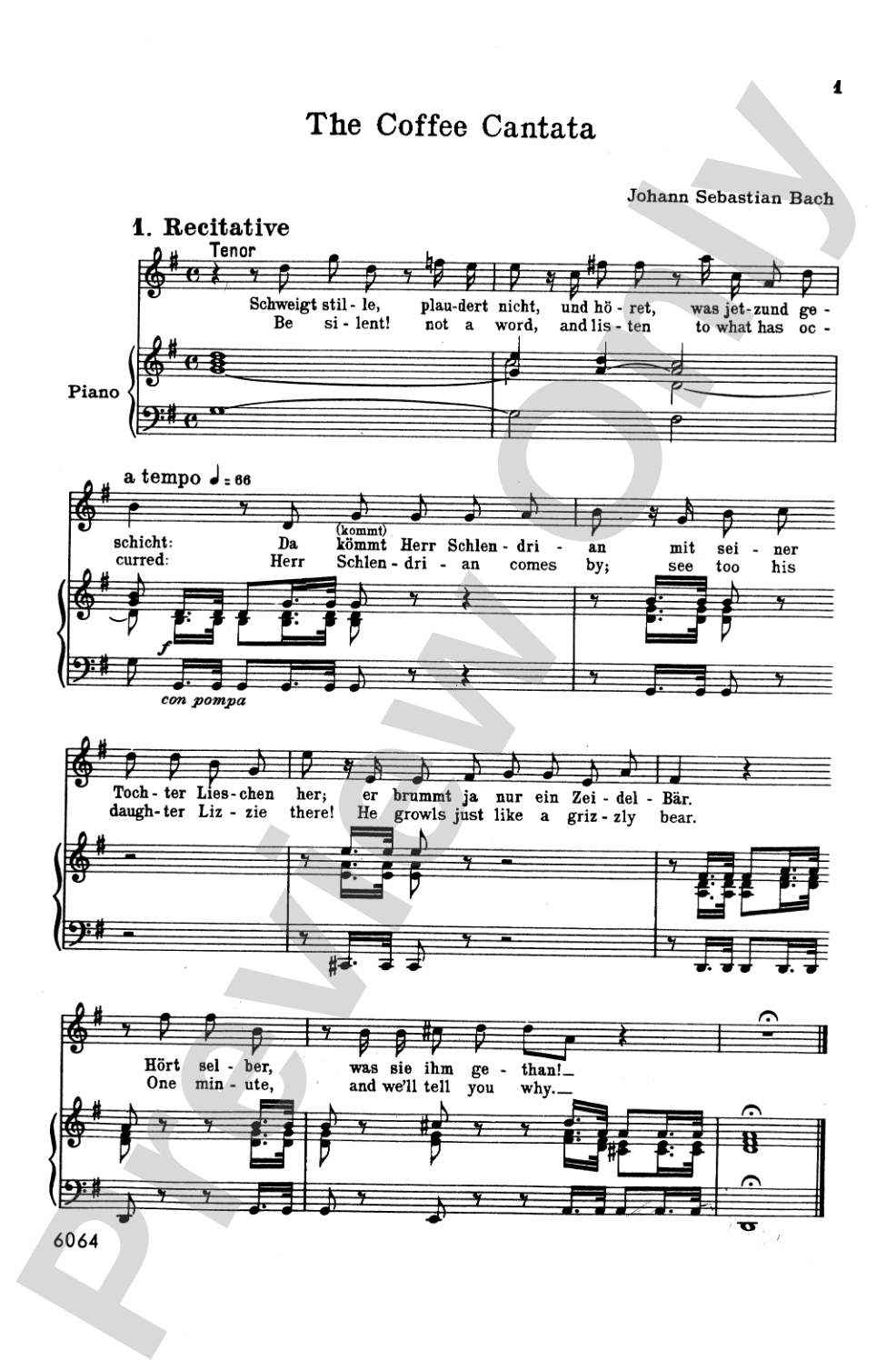
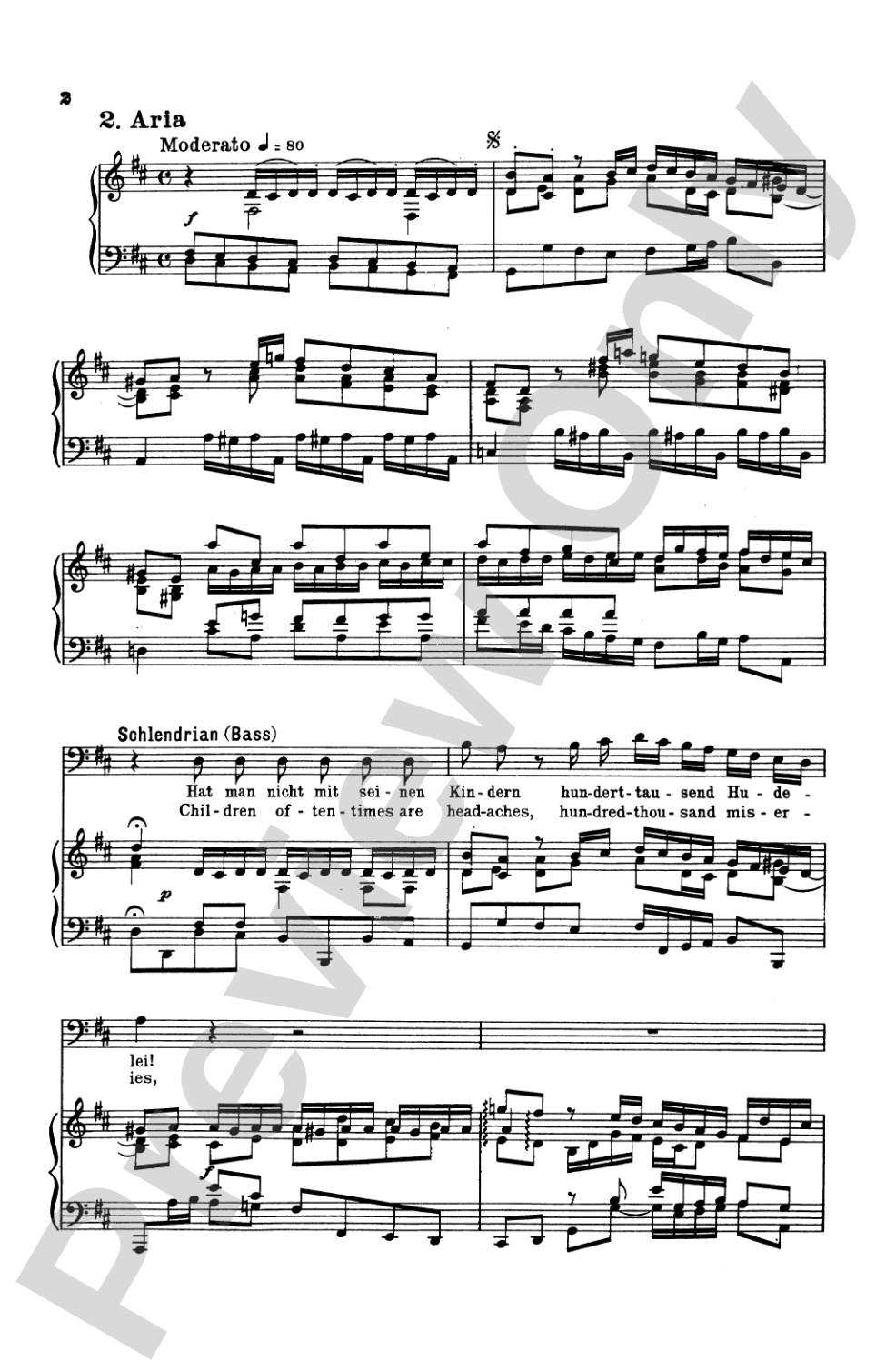
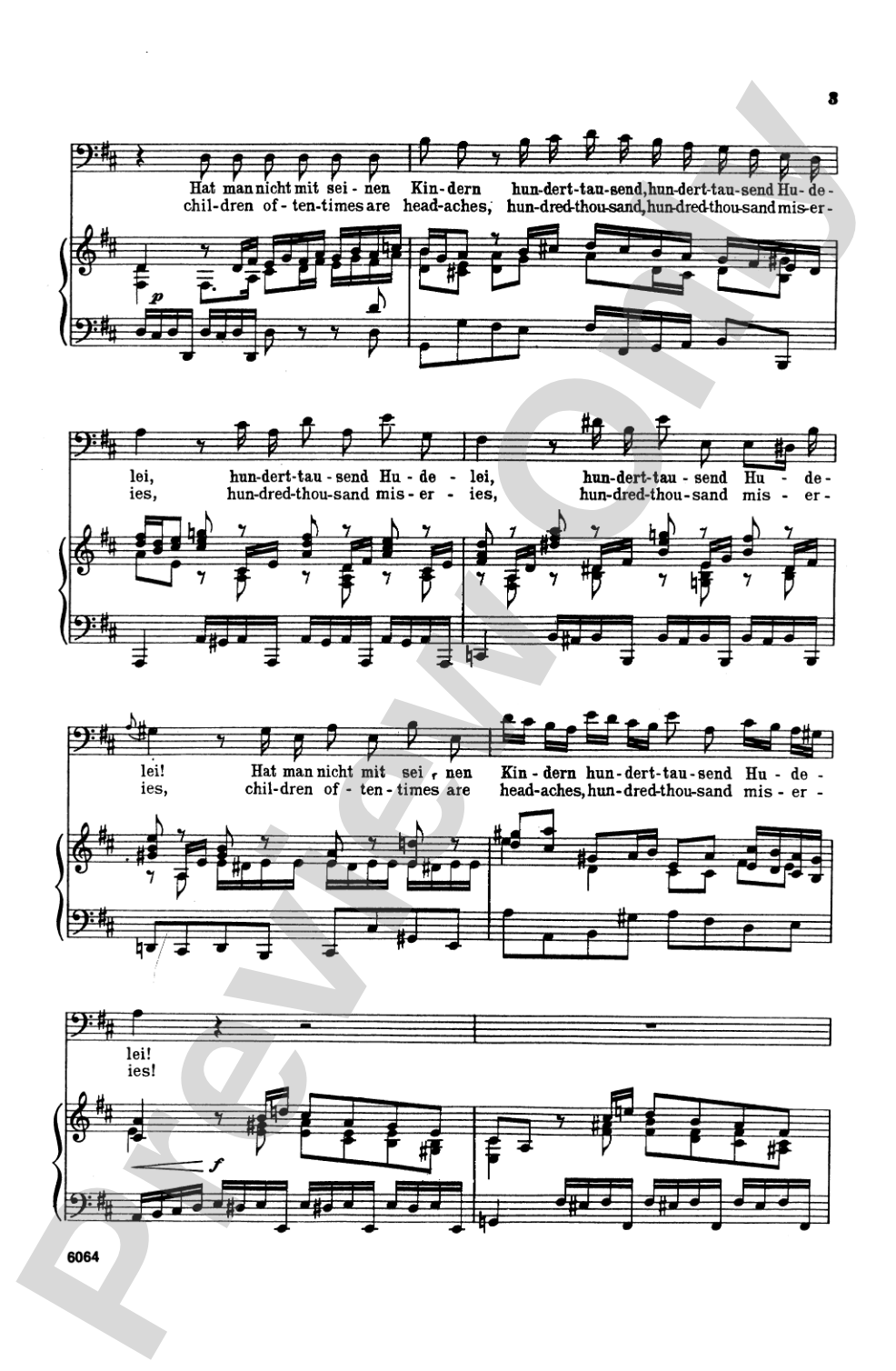
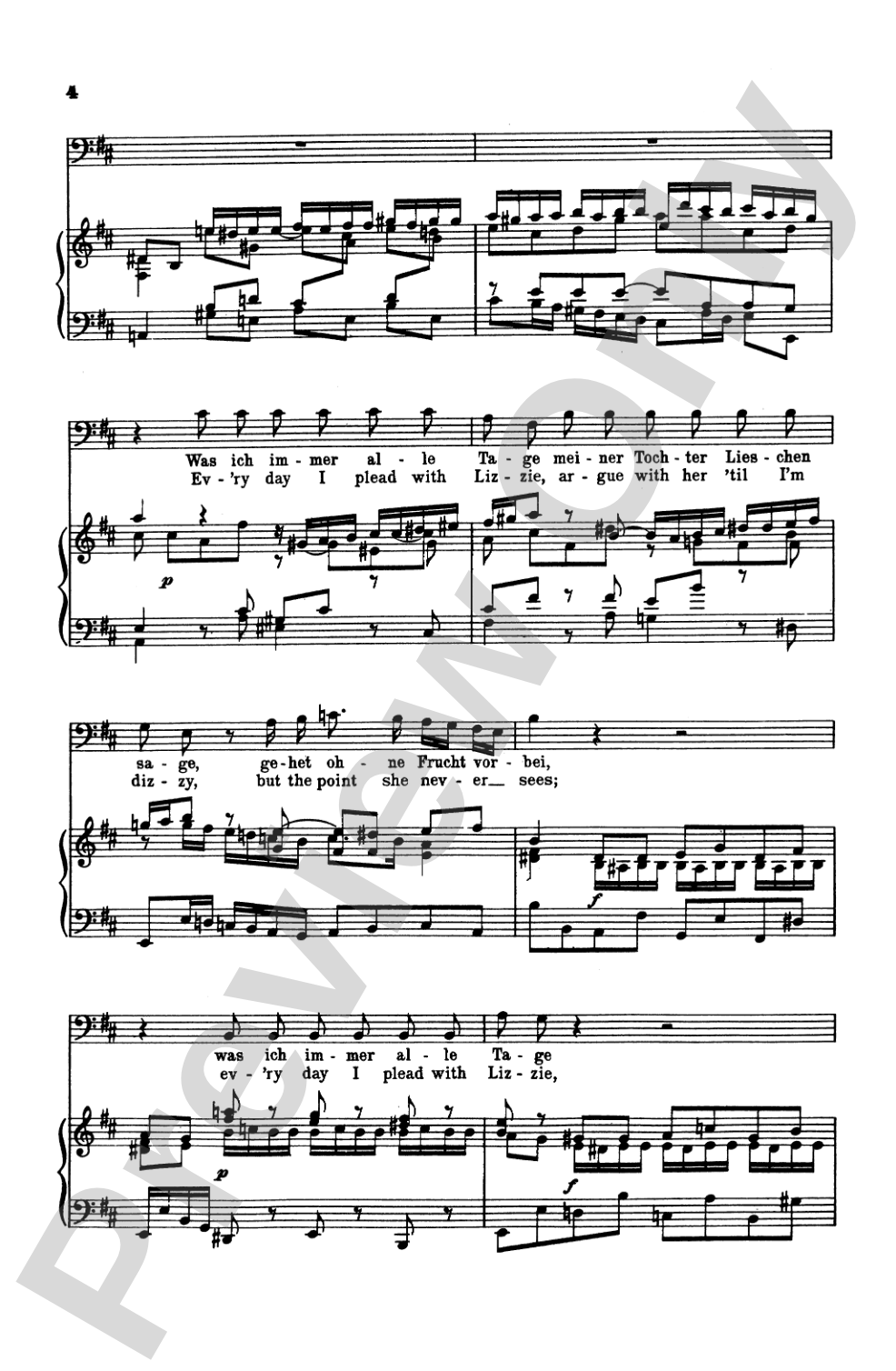
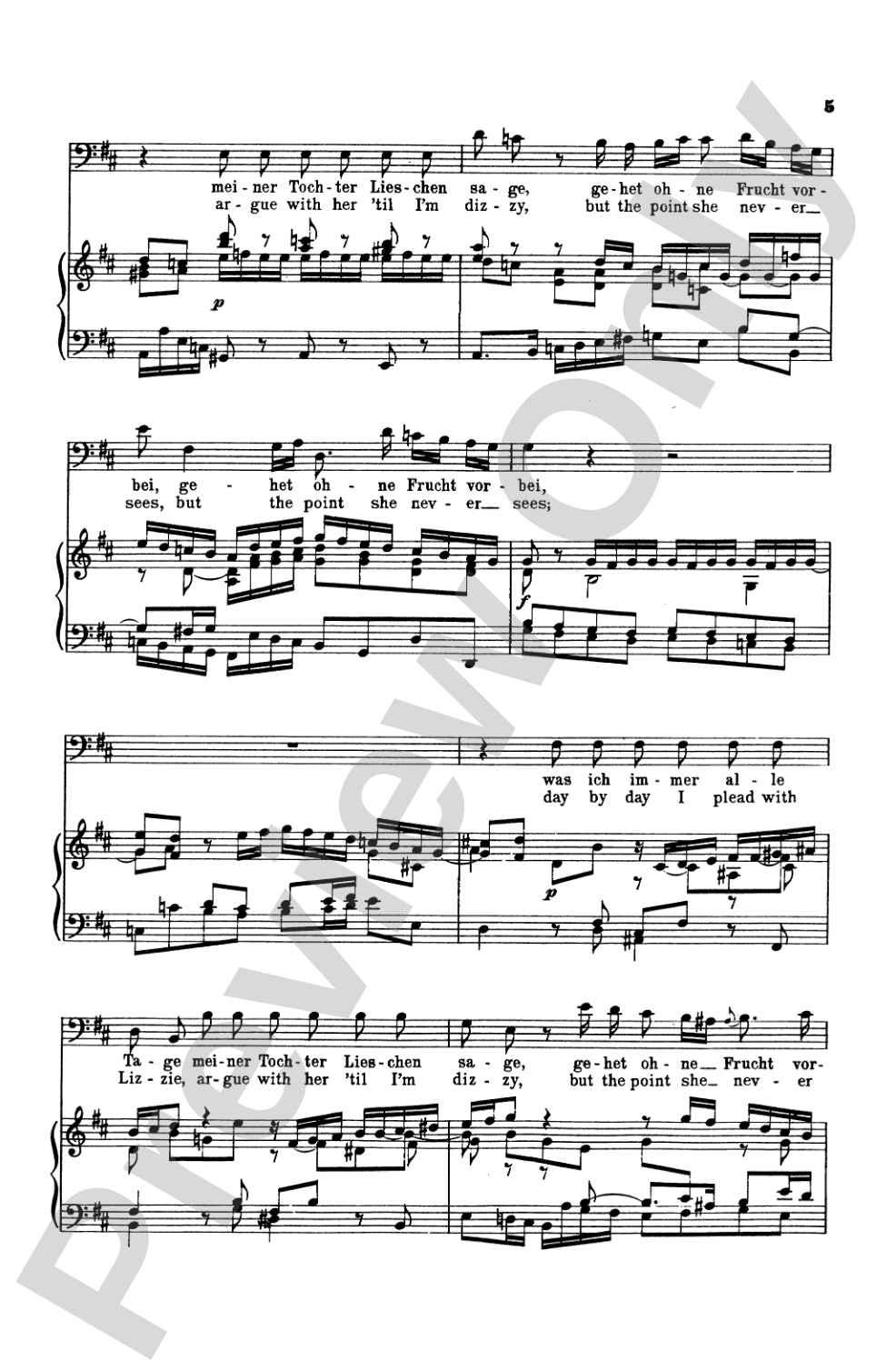
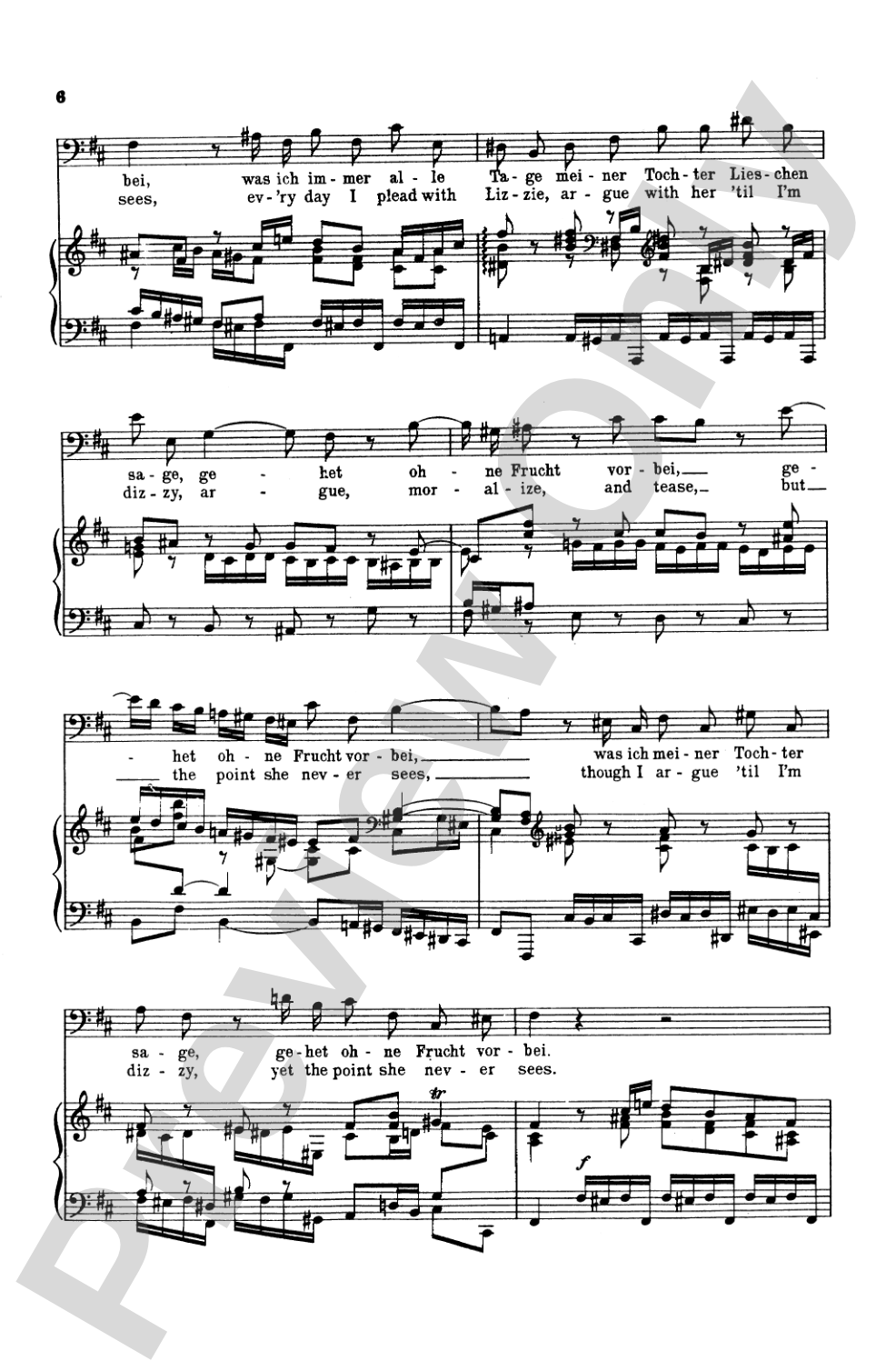
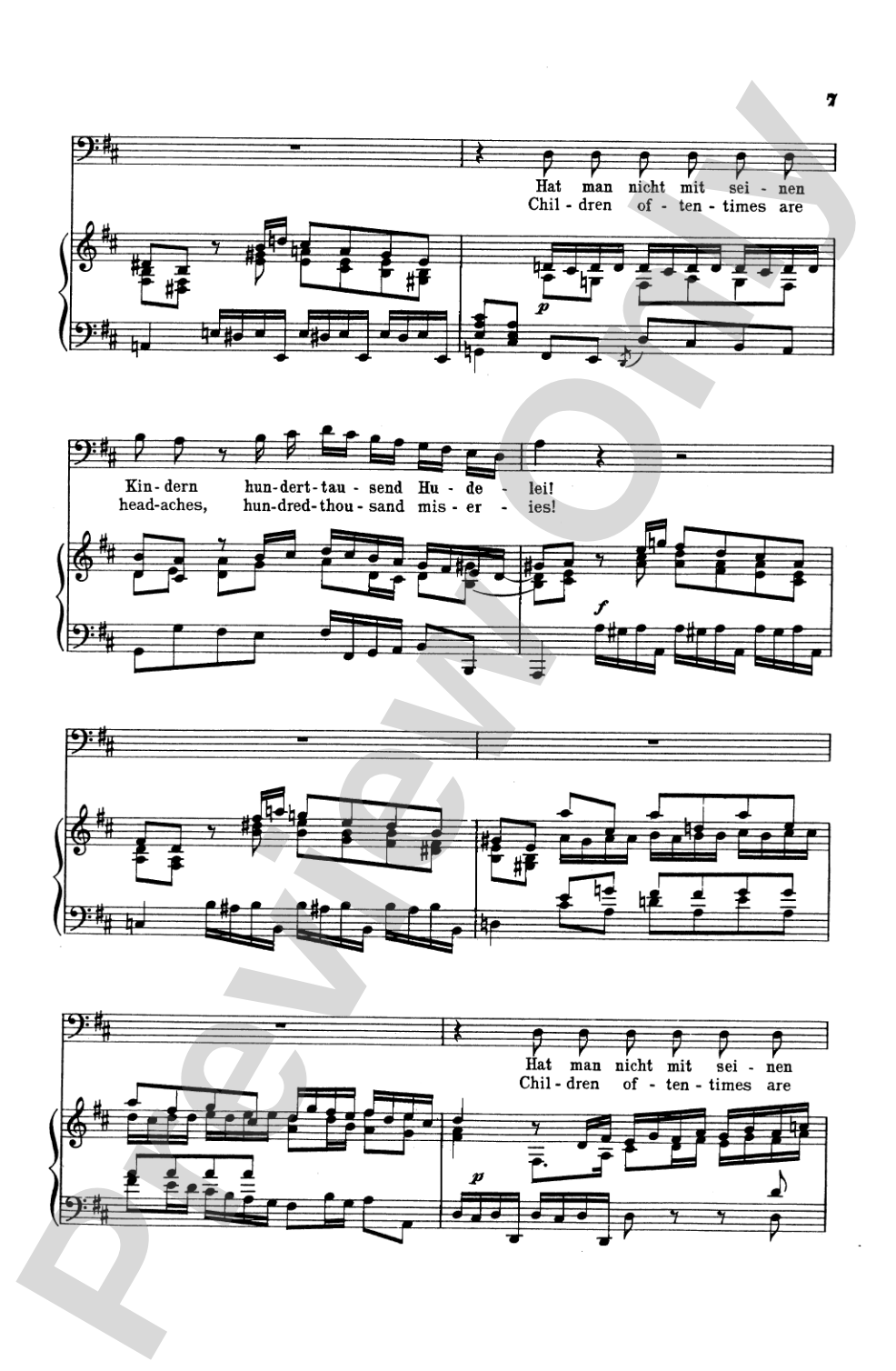
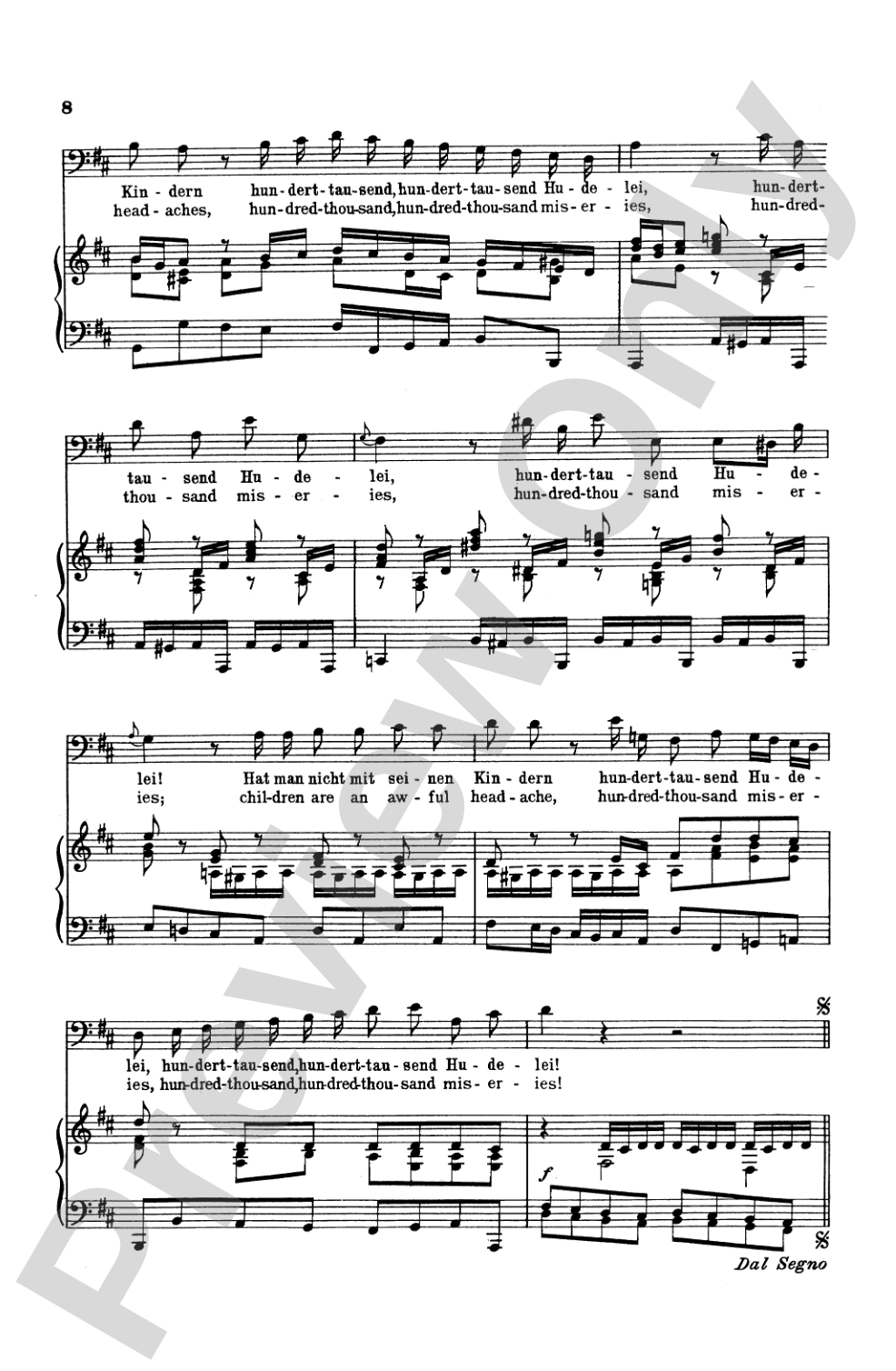

Cantata No. 211 -- Schweigt stille, plaudert nicht (Be Still, Stop Chattering) - "Coffee Cantata": Choir
By Johann Sebastian Bach
Item: 00-PB-0001166
$8.99
Pickup currently not available
Related Items
Cantata No. 211 -- Schweigt stille, plaudert nicht (Be Still, Stop Chattering) - "Coffee Cantata": STB Soli, No Chorus Choral Book |
$8.99
|
View |
Description
A Choral Extended Work for STB Soli, No Chorus composed by Johann Sebastian Bach.


Cantata No. 211 -- Schweigt stille, plaudert nicht (Be Still, Stop Chattering) - "Coffee Cantata": Choir isn't in MakeMusic Cloud just yet...but it could be. Let us know you'd like to see it, and you'll help shape what comes next. In the meantime, start a free trial and dive into thousands of interactive titles your students can play along with today.
Request This Title
Tell us you want it.
Start Your Free Trial
Explore everything that's ready to play right now.
Sample Audio
No sample audio found.
Sample Video
No sample videos found.
Additional Details
Series:
Kalmus Edition
Publisher:
Alfred Music
Page Count:
52
SKU:
00-PB-0001166
More about this title
About the Composer: Johann Sebastian Bach
Johann Sebastian Bach (1685-1750) was a master of counterpoint and harmonic innovation whose works span every genre of his era except opera. His output includes over 1,000 compositions, from intimate chamber works to massive choral cycles, and he wrote with equal brilliance for soloists, ensembles, and keyboard. Bach spent his final years in Leipzig as Cantor of St. Thomas Church, a position that required him to produce extraordinary quantities of music for the church calendar while also composing secular works for civic and court occasions.
Bach's ability to blend learned counterpoint with immediate, expressive melody made him essential listening for any musician seeking to understand how music actually works. His music rewards close study in rehearsal: every voice matters, every note has harmonic purpose, and the mathematical scaffolding never interferes with genuine emotion.
Why we love this
The Coffee Cantata lets your singers inhabit a delightfully human moment: a young woman bargaining with her father over her coffee addiction, complete with witty recitatives and charming arias. Bach brings his full harmonic sophistication to what is essentially domestic comedy, proving that profound musicianship and genuine entertainment are never in conflict. Your ensemble will spend fifty-two pages discovering how Bach makes vocal writing feel both natural and architecturally perfect.
What to expect
You enter a bustling Leipzig coffee house where a father and daughter are locked in a comic standoff over her addiction to the new exotic beverage sweeping German society. Bach's music captures both the warmth of their relationship and the sharpness of their disagreement, with elegant arias that shift effortlessly between sentiment and satire. The orchestra supports rather than overwhelms, giving the singers room to act while the harmonies beneath them anchor everything in architectural soundness.
Who it's for
Directors and singers ready to tackle a substantial Bach work that rewards technical skill while offering theatrical satisfaction. Small ensembles (chamber choirs, vocal studios, college singers) will find this more manageable than a full choral cantata while maintaining musical substance.
How to get the most out of it
- Treat the recitatives as theatrical dialogue rather than mere connective tissue. The singers playing Lieschen and the Schlendrian must inhabit these characters fully for the humor to land. Encourage them to use the text's inflection to shape phrasing naturally.
- The soprano aria 'Ei! whenever your tongue stops wagging' should dance. Many singers slow it down, but Bach's melodic line and accompaniment pattern thrive at a brisk tempo that matches the character's spirited personality.
- Balance the solo voices carefully in ensemble sections. Since you have only STB soli (no full chorus), every singer carries weight. Mark dynamic relationships in rehearsal so the harmonic progressions emerge clearly without any voice disappearing.
- Schedule separate rehearsals for your three soloists to work on text underlay and character development. The relationship between the Schlendrian's gruff bass line and Lieschen's bright soprano creates the cantata's entire dramatic arc.
How to use it
This works beautifully as a standalone concert work, especially when you can present it in sequence with other Bach secular cantatas to show how his mind worked across different subjects. Alternatively, program it as a lighter counterweight to a more austere sacred work, giving audiences (and your singers) a chance to experience Bach's humor and theatrical instinct. The substantial length makes it an excellent repertoire choice for a full concert or an extended program segment where you want to showcase chamber ensemble artistry.
Skills your students will build
- Baroque vocal ornamentation and baroque articulation
- Character-driven recitative with text-based phrasing
- Ensemble balance in a cappella or lightly accompanied passages
- Understanding Bach's harmonic language through vocal lines
- Dramatic interpretation of secular text and musical humor