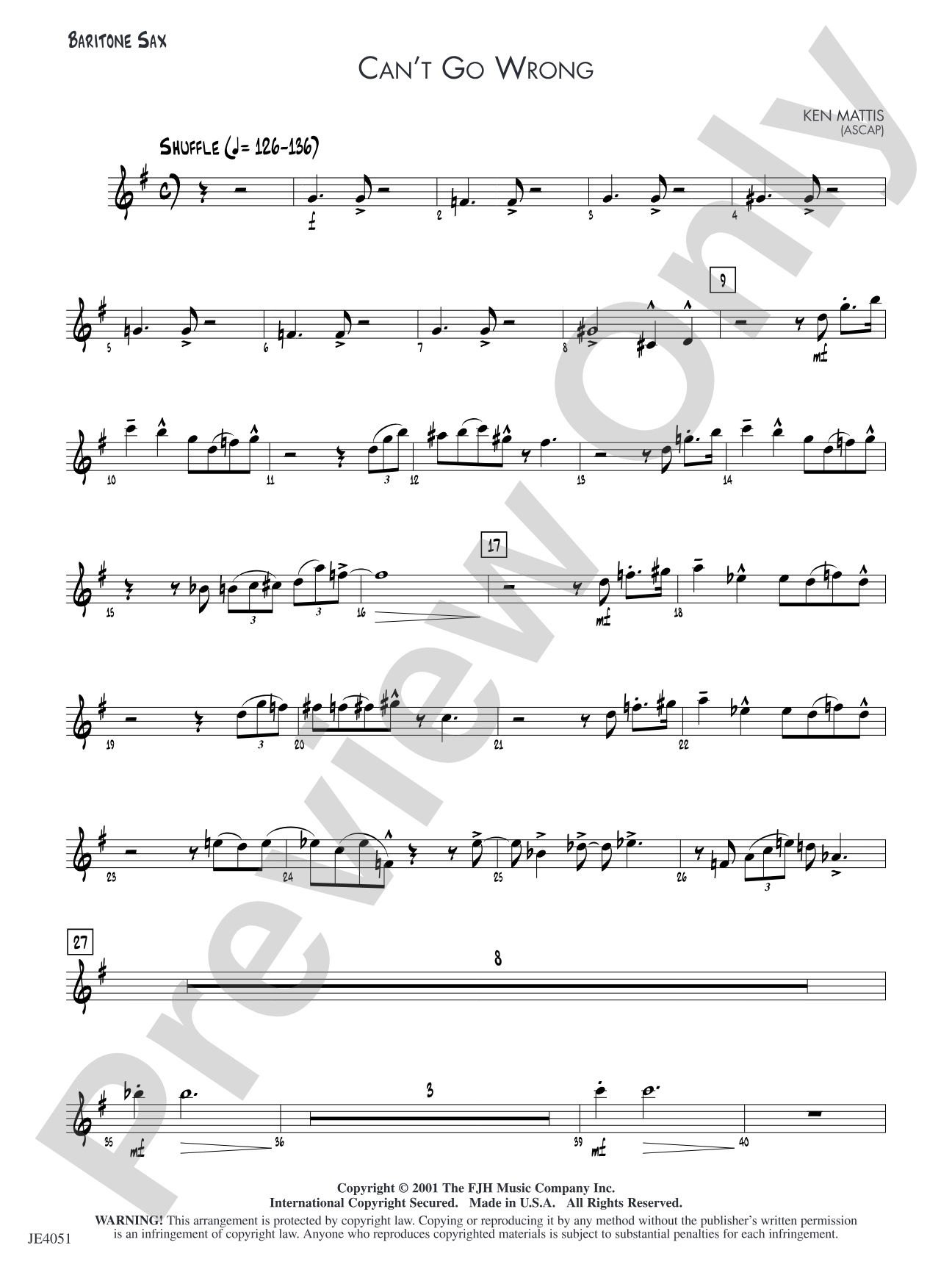
This original shuffle is solidly scored with a Benny Golson/Quincy Jones flavor. The saxes are featured on the head with the solo in the first tenor part. The bridge features a two sax/two trumpet ensemble with a tasty pyramid background that is fun to play. Ken has gone to great lengths to write extensive rhythm section parts, assuring that even the most inexperienced players can make this one sound smooth.
Discover MakeMusic Cloud: thousands of interactive titles your students can play along with today.
Ken Mattis is a composer and arranger whose work in jazz education emphasizes accessibility without sacrificing musicality. His writing for ensemble shows a clear understanding of what intermediate players need: clear voice leading, playable ranges, and rhythm section scaffolding that builds confidence rather than frustration.
Why we love this
Mattis has architected the rhythm section parts as teaching tools, not afterthoughts. Players reading quarter notes and half notes can anchor the groove while soloists and ensemble members handle the more demanding material, which means your rhythm section actually sounds locked rather than tentative.
What to expect
Cool and sophisticated without pretension. The shuffle groove settles into your bones quickly, and the ensemble sections swing with an effortless sophistication that comes from careful voice leading rather than complicated harmonies. It's the kind of tune that feels like a real jazz composition rather than a pedagogical exercise.
Who it's for
Intermediate jazz ensembles ready to move beyond unison heads into scored ensemble writing. This works well for groups with developing soloists who need a vehicle that doesn't demand blistering technique but does demand taste.
How to get the most out of it
Balance the saxophone feature on the head so the melody sits slightly forward; this tune benefits from a conversational tone between the saxes and rhythm section rather than a hard sell.
Spend rehearsal time on the bridge pyramid background; the harmonic movement beneath the two-sax/two-trumpet ensemble is what gives it shine, and precision there changes everything.
Let the shuffle breathe. The Golson/Jones flavor lives in space and restraint, not in aggressive articulation or rushing the backbeat.
Encourage the first tenor soloist to use the changes as springboards for phrasing ideas rather than technical display. This tune rewards melodic thinking.
How to use it
Pair this with a traditional swing chart and a more modern jazz-rock number to create a set that spans the stylistic landscape. It also serves as an ideal second or third concert piece, giving your ensemble a confidence builder before tackling more demanding repertoire in the same season.
Skills your students will build
Comping figures on piano and guitar in a shuffle feel
Walking bass lines with rhythmic confidence
Sectional blend and balance in scored ensemble passages
Call-and-response phrasing with a rhythm section
Recognizing and executing swing eighth-note articulation
Solo construction over jazz changes
You May Also Like
Scan to Complete Your Purchase
Use your phone's camera to scan the code below
You'll log in on your phone and the order will be added to your account