
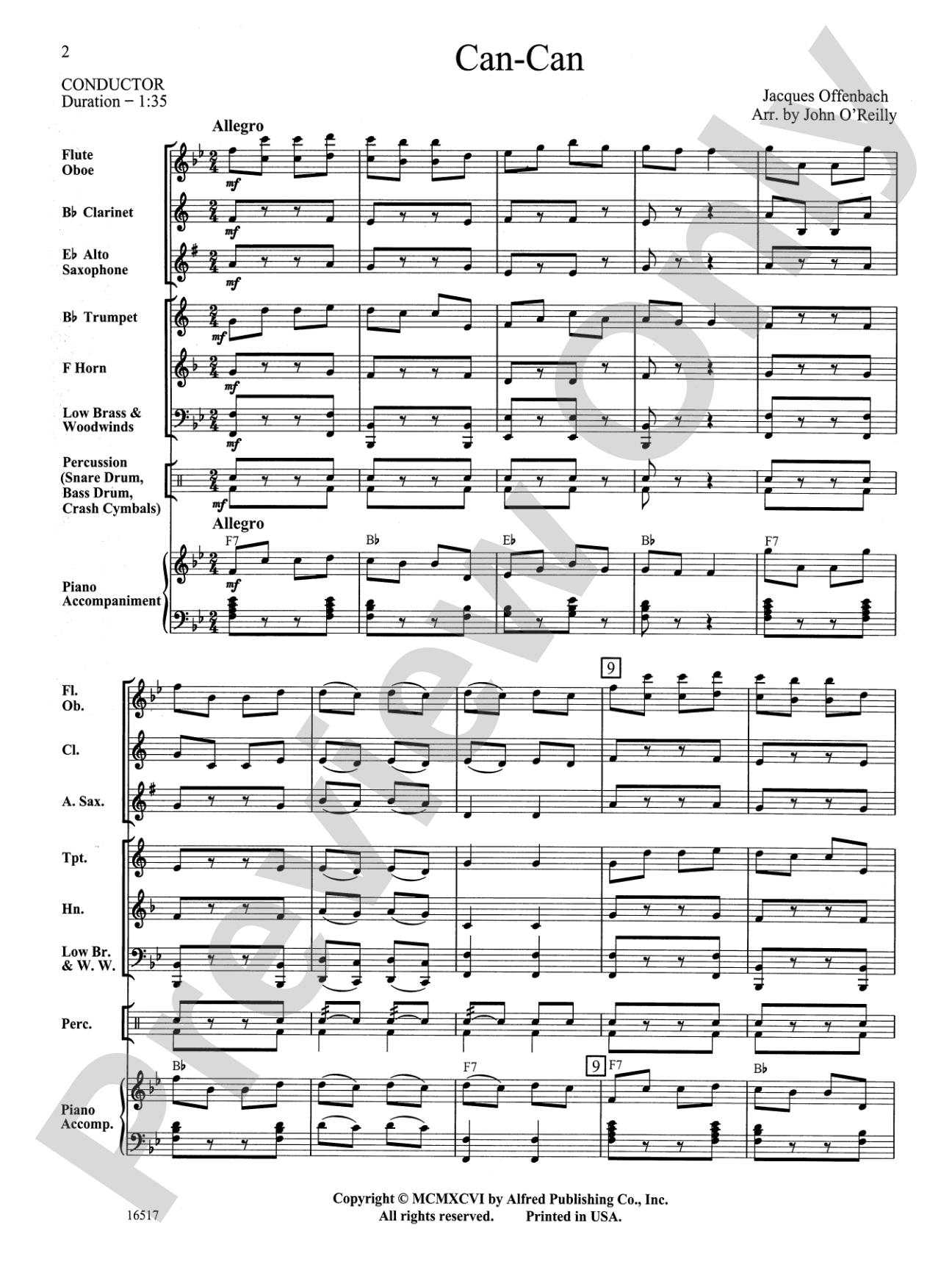
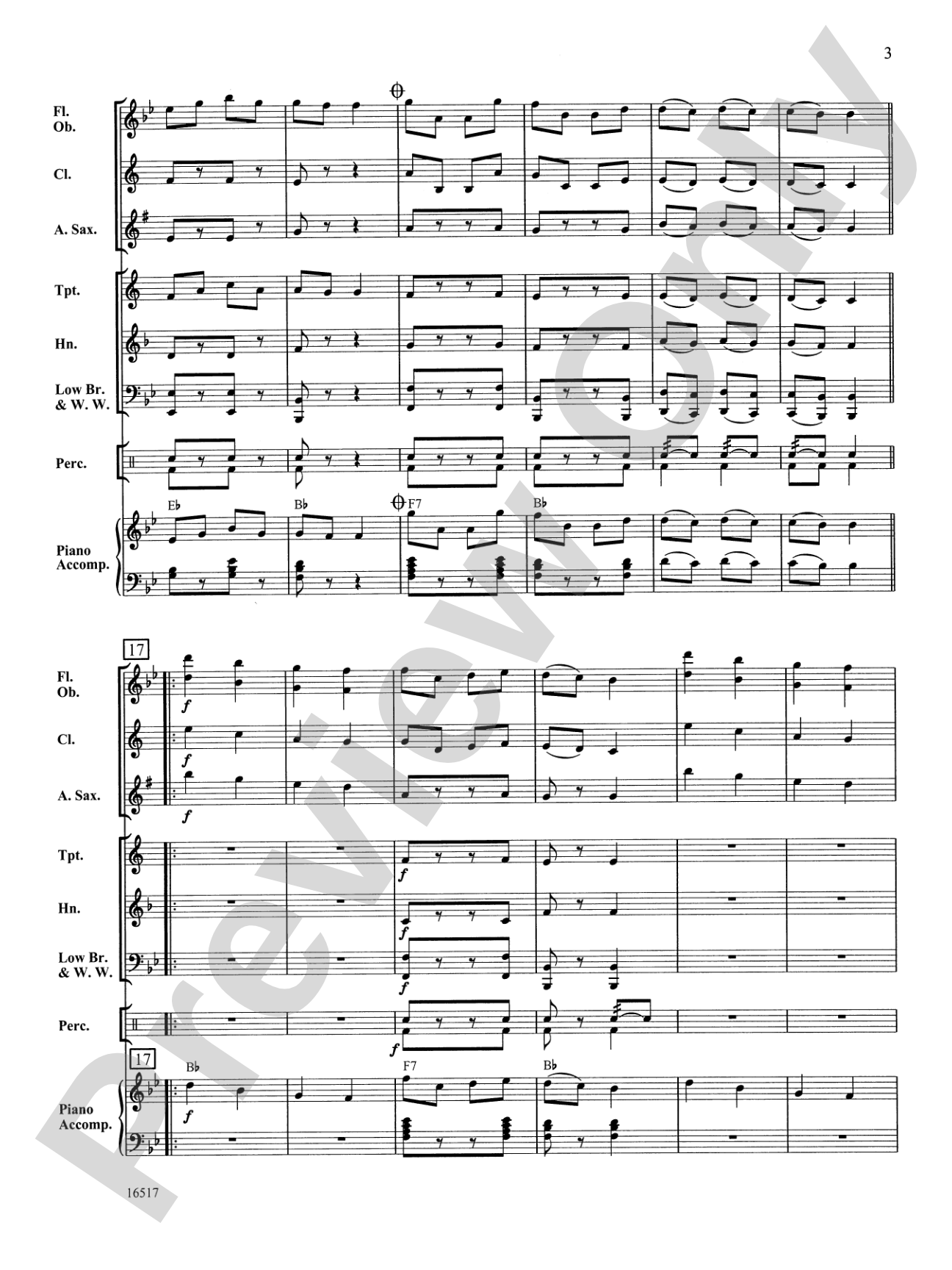
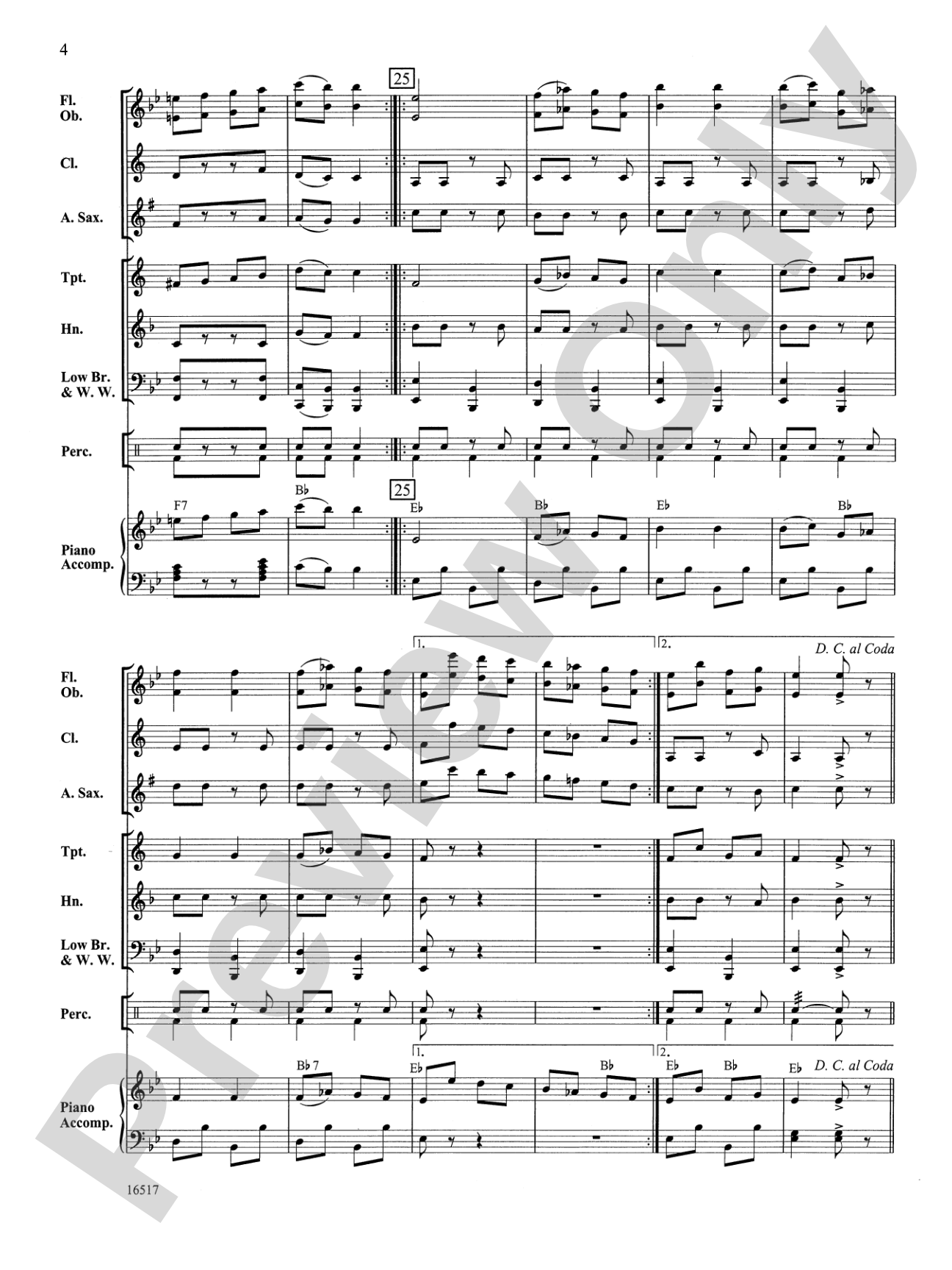
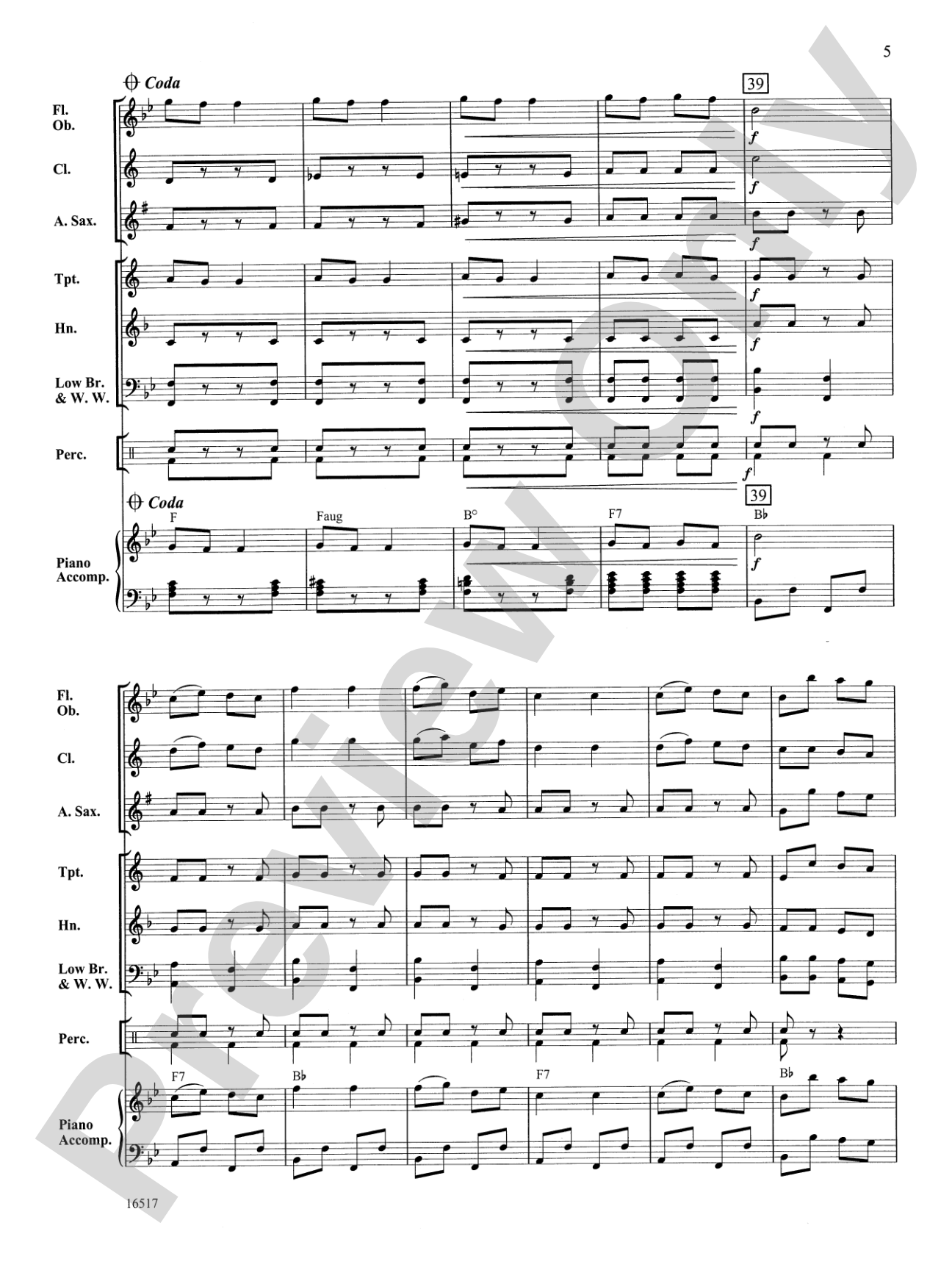

Can-Can: Concert Band Conductor Score & Parts
By Jacques Offenbach / arr. John O'Reilly
Grade: 1 (Very Easy)
Item: 00-PK-0000180

$47.00
Pickup currently not available
Buy Extra Parts (Digital PDF Download)
| Product | Price | Quantity |
|---|---|---|
| Can-Can: Score | $7.00 | |
| Can-Can: Flute | $3.00 | |
| Can-Can: Oboe | $3.00 | |
| Can-Can: 1st B-flat Clarinet | $3.00 | |
| Can-Can: E-flat Alto Clarinet | $3.00 | |
| Can-Can: B-flat Bass Clarinet | $3.00 | |
| Can-Can: E-flat Alto Saxophone | $3.00 | |
| Can-Can: B-flat Tenor Saxophone | $3.00 | |
| Can-Can: E-flat Baritone Saxophone | $3.00 | |
| Can-Can: 1st F Horn | $3.00 | |
| Can-Can: 1st B-flat Trumpet | $3.00 | |
| Can-Can: 1st Trombone | $3.00 | |
| Can-Can: Baritone T.C. | $3.00 | |
| Can-Can: Tuba | $3.00 | |
| Can-Can: 1st Percussion | $3.00 | |
| Can-Can: Piano Accompaniment | $3.00 |
Parts Added to Cart!
Description
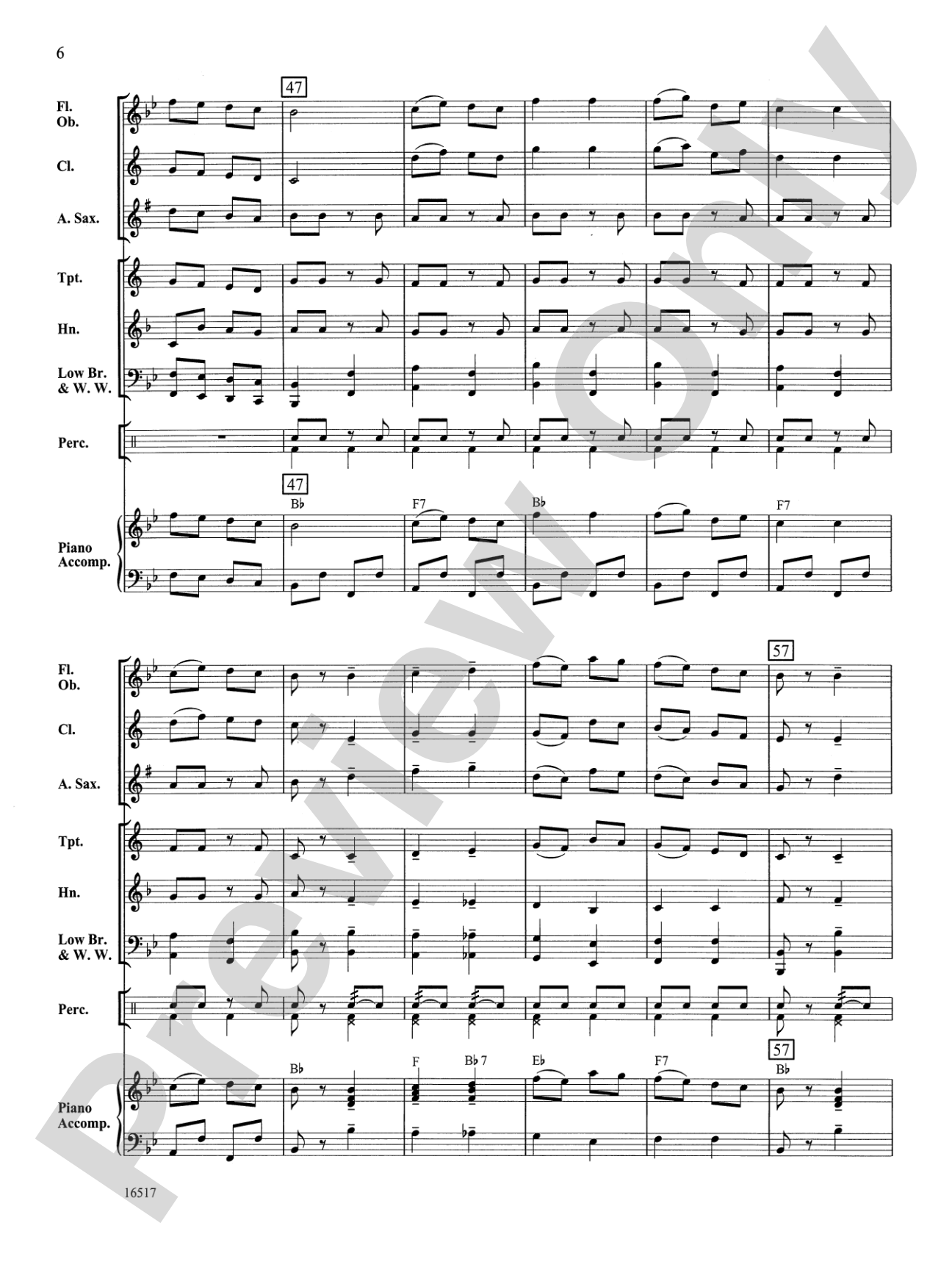
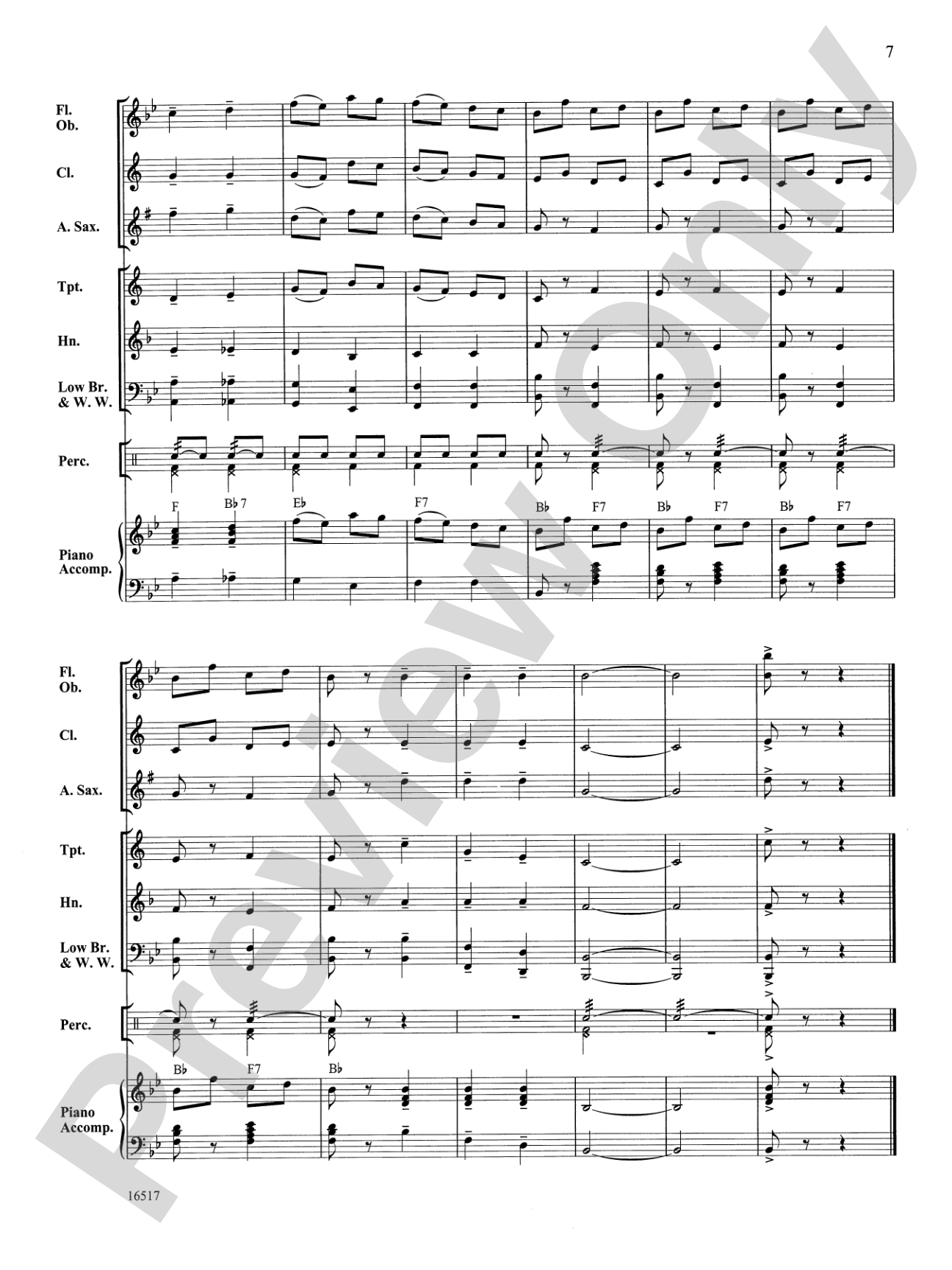
Offenbach's classic is always a favorite with young students, and this arrangement presents the material in a very authentic way without being too difficult. Everyone gets a chance to play a bit of the famous melody and you'll have fun trying to keep the tempo under control! This title is available in MakeMusic Cloud.


Don't just read it, hear it, play along with it, and watch your students grow with it. In MakeMusic Cloud, Can-Can: Concert Band Conductor Score & Parts comes alive with professional accompaniment, adjustable tempo, and built-in practice tools that turn solo practice into real progress.
Open in the Player
Jump straight in and assign it today.
Start Your Free Trial
Open this title and explore the full library in minutes.
Sample Audio
1
Audio File
--:--
0:00
0:00
Sample Video
No sample videos found.
Additional Details
Series:
Yamaha Band Series
Publisher:
Alfred Music
Page Count:
116
SKU:
00-PK-0000180
More about this title
About the Arranger: John O'Reilly
John O'Reilly has spent decades arranging masterworks for young musicians, earning recognition within music education circles for his ability to preserve the character and integrity of original compositions while making them accessible to developing ensembles. His arrangements for the Yamaha Band Series are built on the principle that students deserve authentic musical experiences from day one.
Why we love this
O'Reilly's arrangement strips away nothing essential from Offenbach's irrepressible melody while keeping the technical demands genuinely manageable for a Grade 1 band. The orchestration gives nearly every section a moment with the famous tune, building engagement and ownership across the ensemble. It's the kind of piece that reminds young musicians why they wanted to play in the first place.
What to expect
Pure theatrical joy and effervescent energy. The familiar melody bounces along with irresistible charm, inviting the audience into the playfulness and spectacle Offenbach intended. Even at a modest tempo, there's a sense of controlled chaos and infectious fun that makes every student want to stay locked in together.
Who it's for
This arrangement serves Grade 1 and early Grade 2 bands preparing for concert or festival performance. It works equally well for younger students in middle school programs or slightly older ensembles just starting to build repertoire. Directors seeking a high-energy opener or closer that captures student enthusiasm will find this reliable.
How to get the most out of it
- Establish the tempo early in rehearsal and drill transitions between sections; students often rush the characteristic rhythmic figures once momentum builds.
- Balance the melody across sections as it passes from one group to another. Mark cue notes in parts so players understand when their role is to support rather than lead.
- Lighten articulations in the accompaniment figures to keep the texture bright and prevent the piece from feeling sluggish at faster tempos.
- Mark breath spots clearly and rehearse them as ensemble decisions. Students will naturally want to grab air after the bigger melodic phrases.
How to use it
Open your concert with this piece to establish a celebratory mood and immediate student confidence. It pairs well with more serious intermediate-level work later in the program, giving audiences and performers a moment to breathe and smile. Festivals appreciate the authenticity of the arrangement and the clear engagement of young musicians.
Skills your students will build
- Articulation control in fast-moving passages
- Passing a melody between sections while maintaining musical continuity
- Ensemble rhythmic precision in characteristic syncopated figures
- Dynamic balance between melody and accompaniment
- Tempo stability under the natural excitement of a familiar, energetic piece