

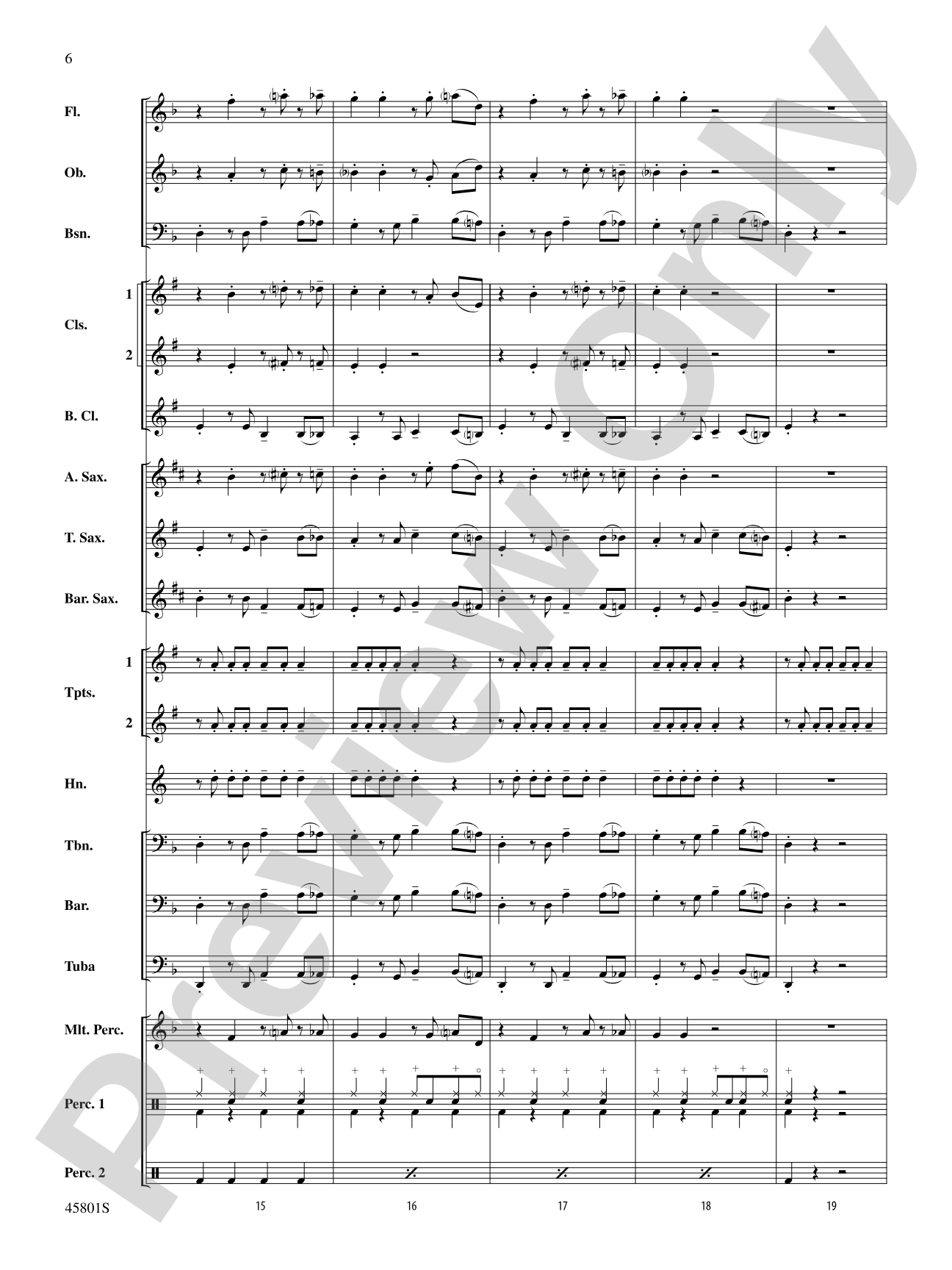
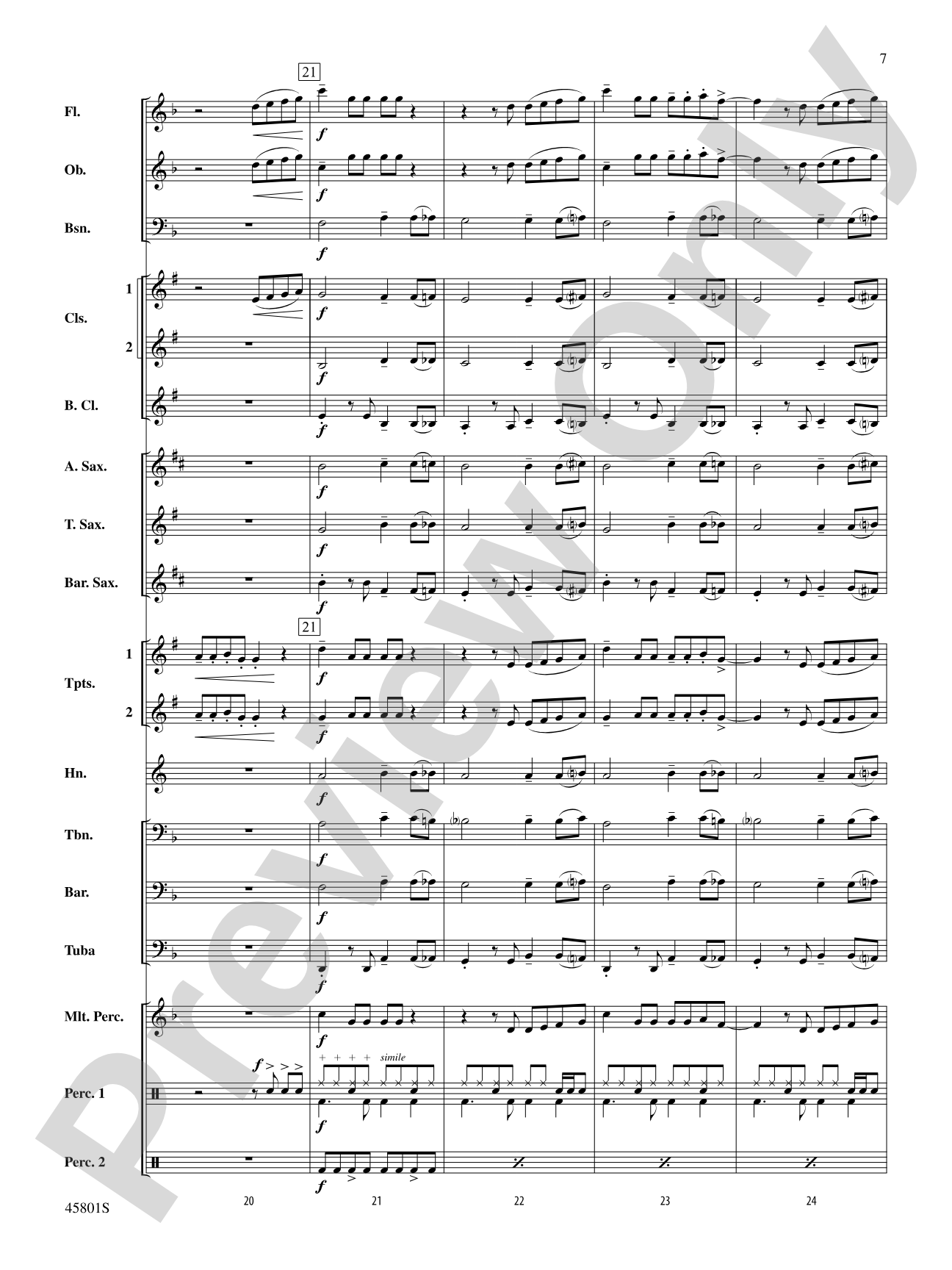
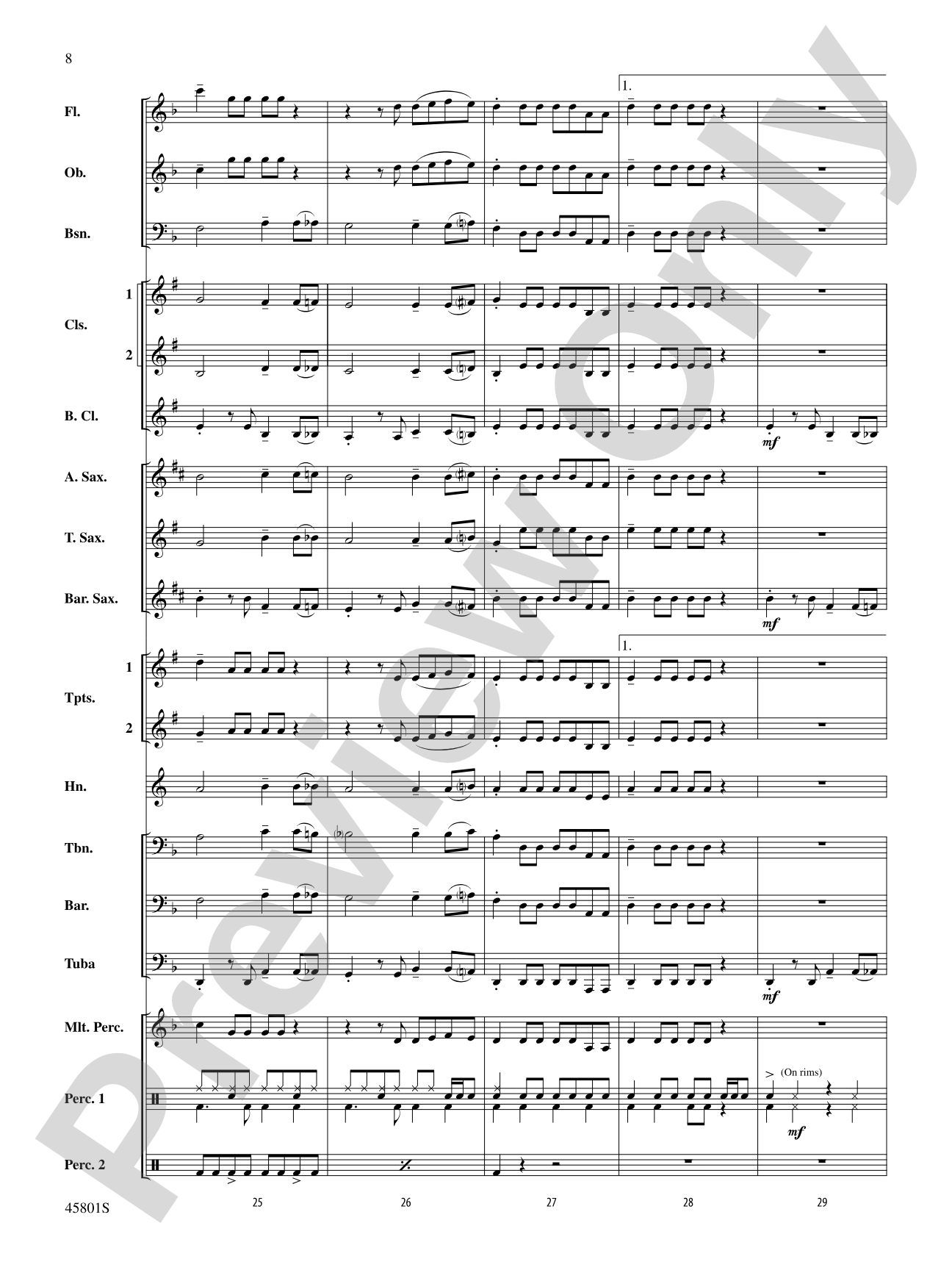
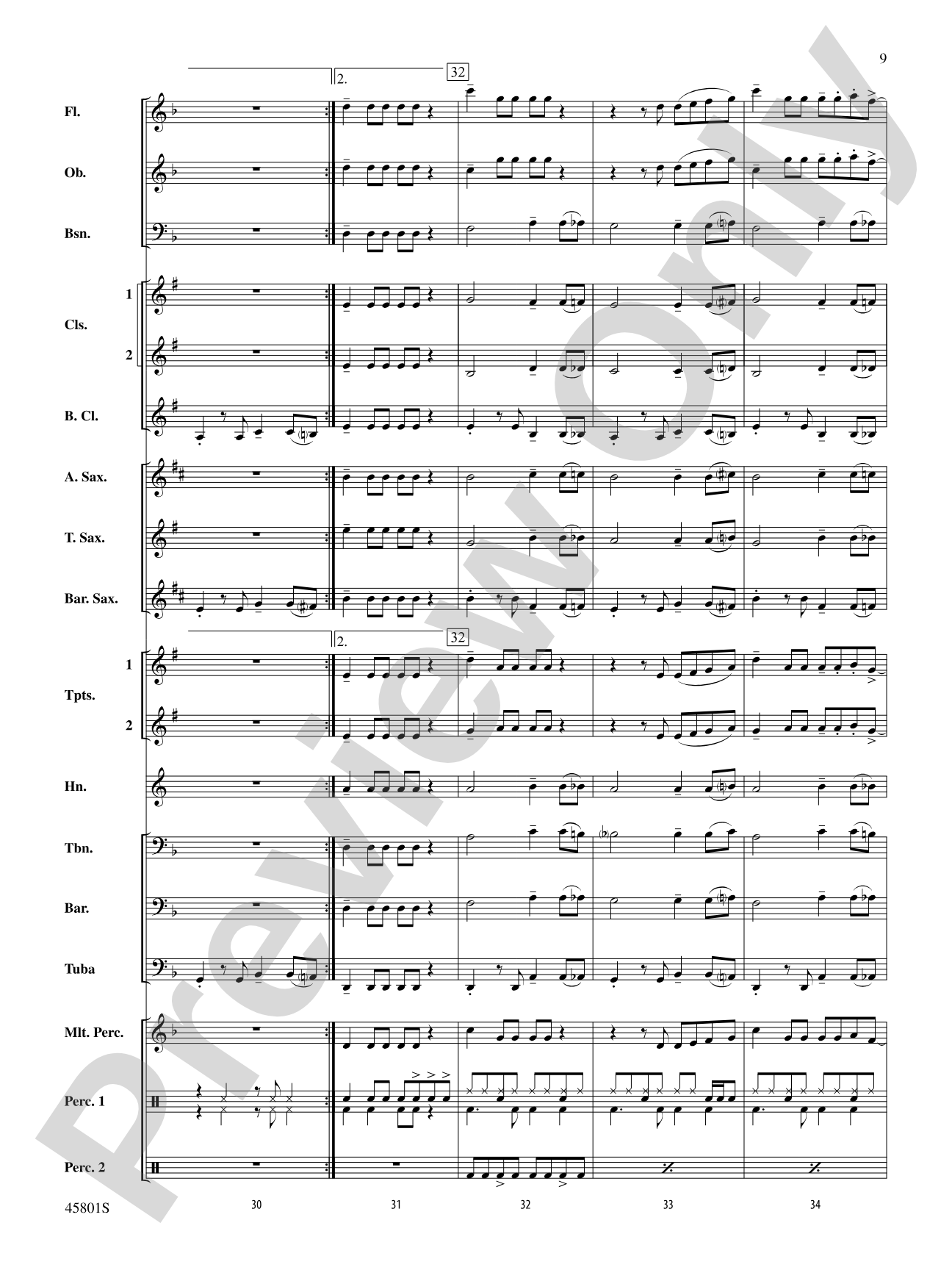
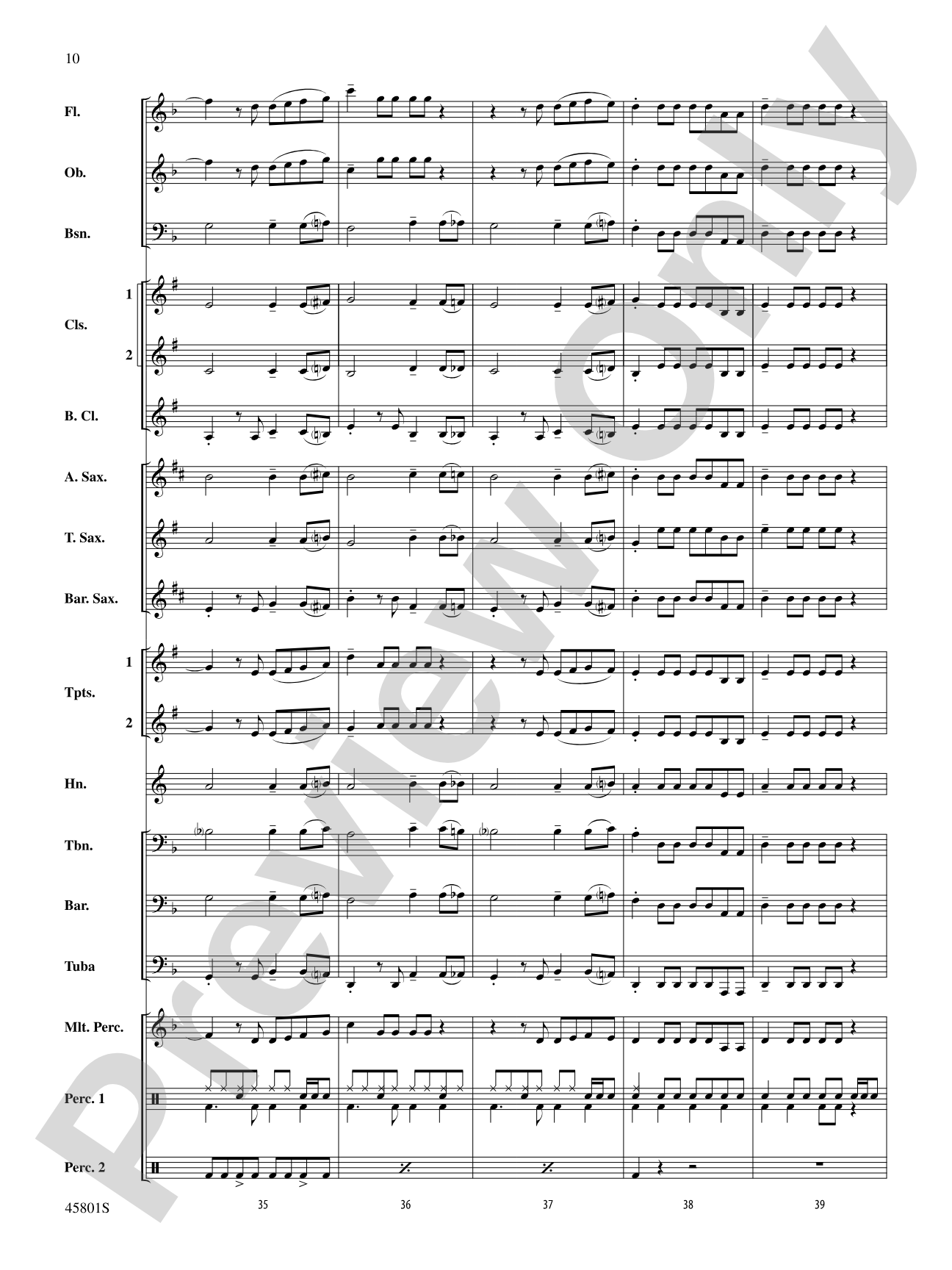
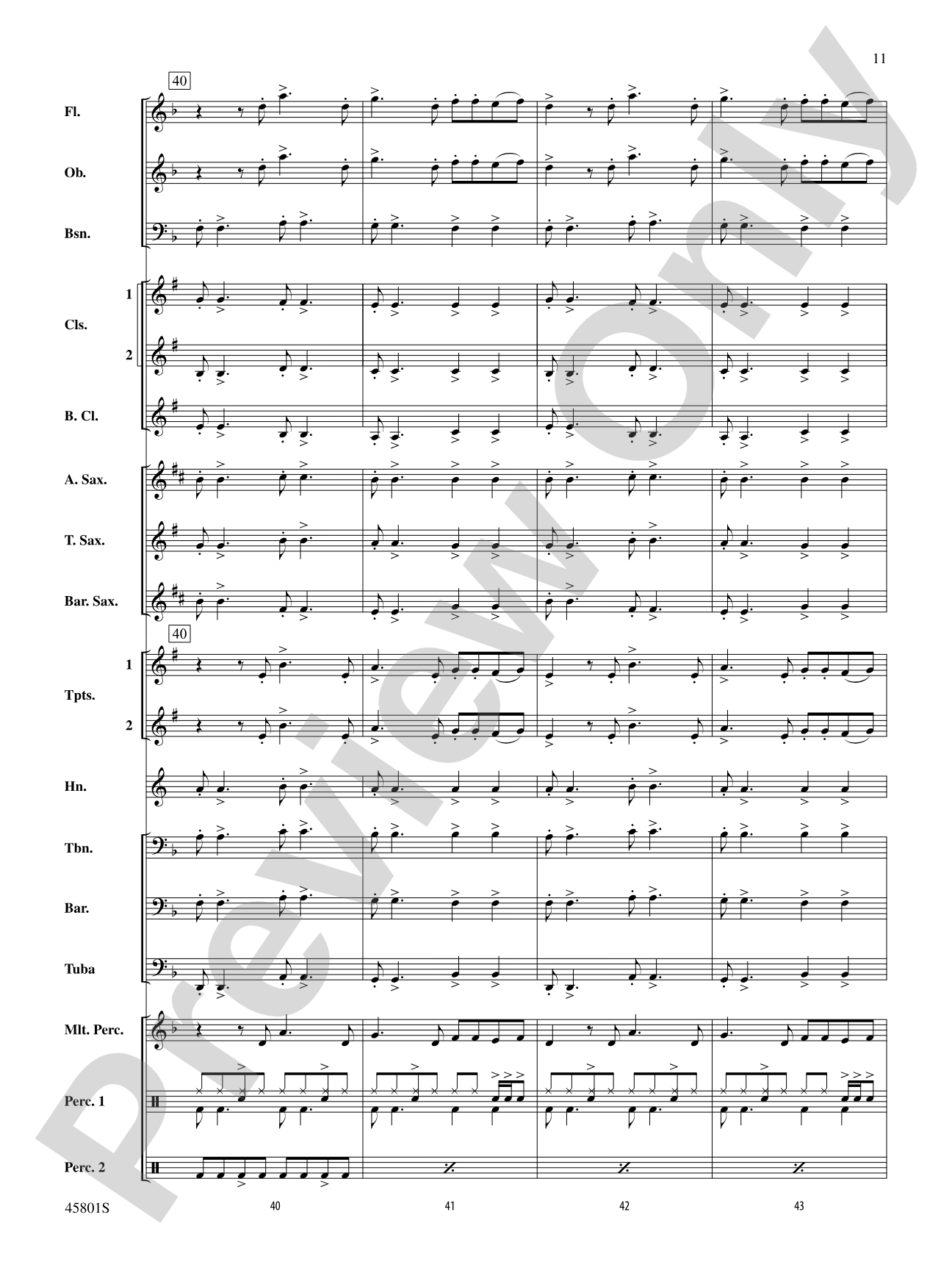
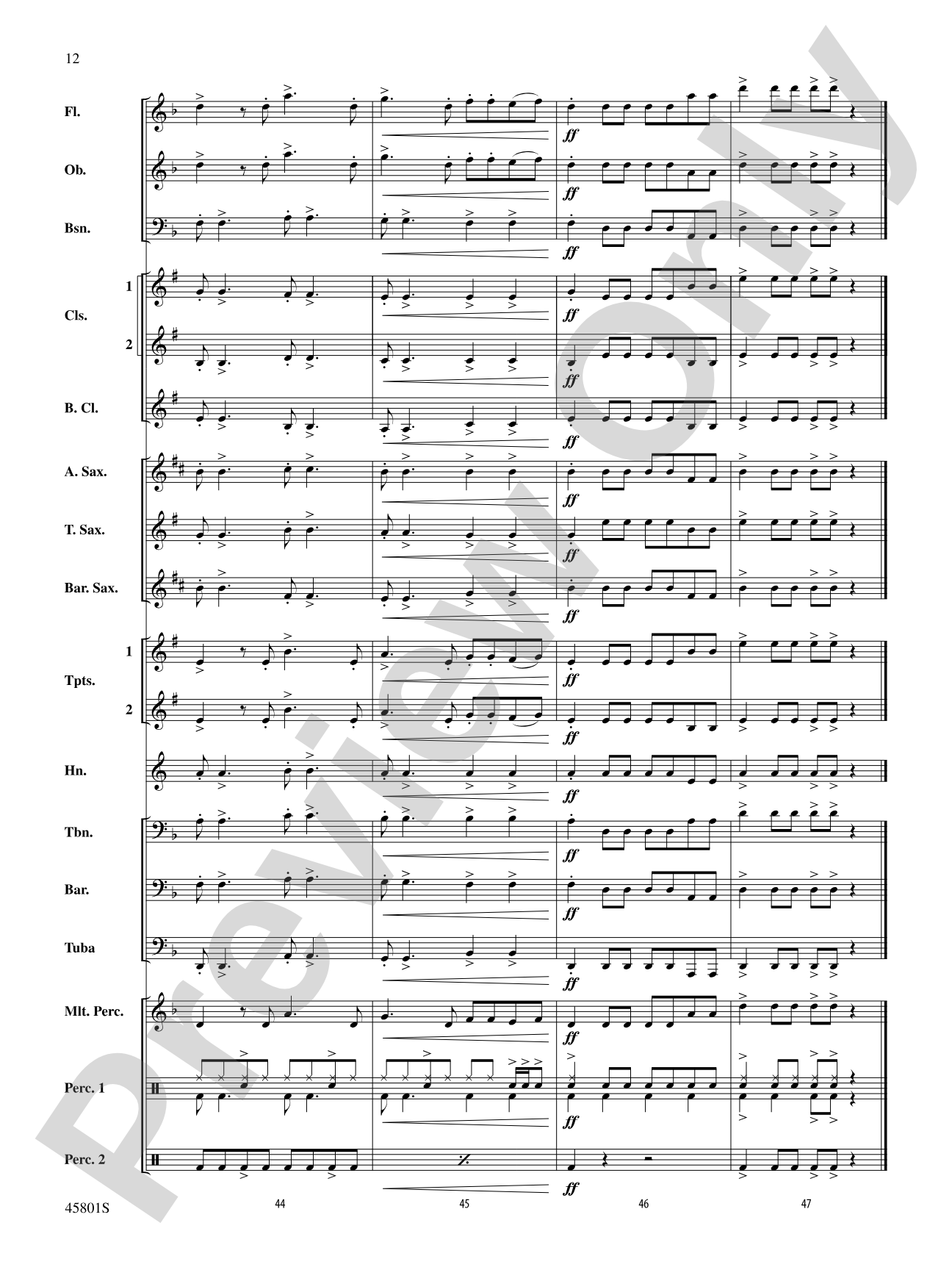

Cake by the Ocean: Concert Band Conductor Score & Parts
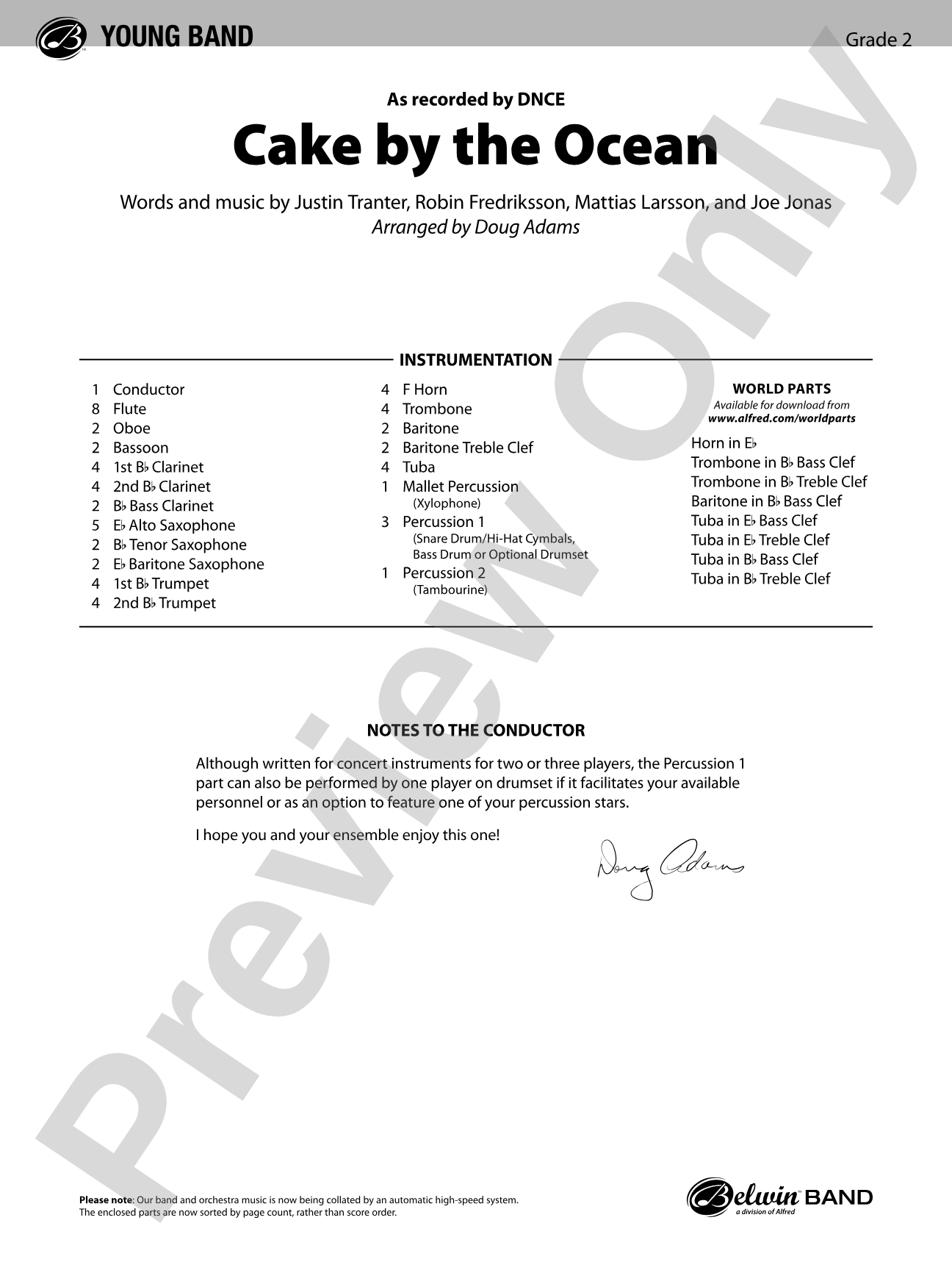
As Recorded by DNCE
Words and music by Justin Tranter, Robin Fredriksson, Mattias Larsson, and Joe Jonas / arr. Doug Adams
Grade: 2 (Easy)
Item: 00-PK-0007315

$62.00
One moment…
Related Items
Cake by the Ocean: Marching Band Conductor Score & Parts |
$55.00
|
View | |
Cake by the Ocean: Concert Band Conductor Score & Parts |
$62.00
|
View | |
Cake by the Ocean: Concert Band Conductor Score |
$10.00
|
View | |
Cake by the Ocean: Marching Band Conductor Score & Parts |
$55.00
|
View | |
Cake by the Ocean: Marching Band Conductor Score |
$7.00
|
View |
Description
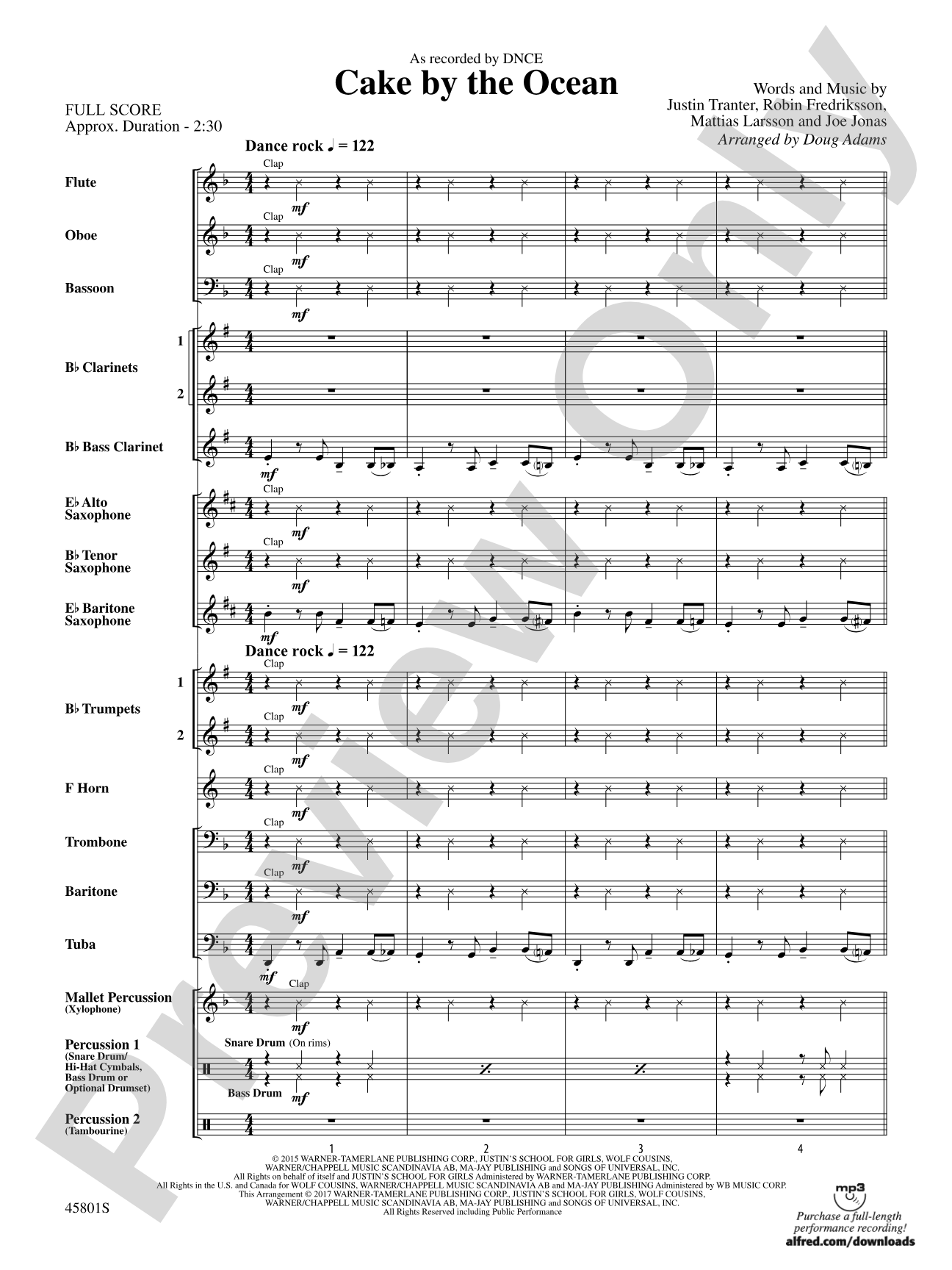
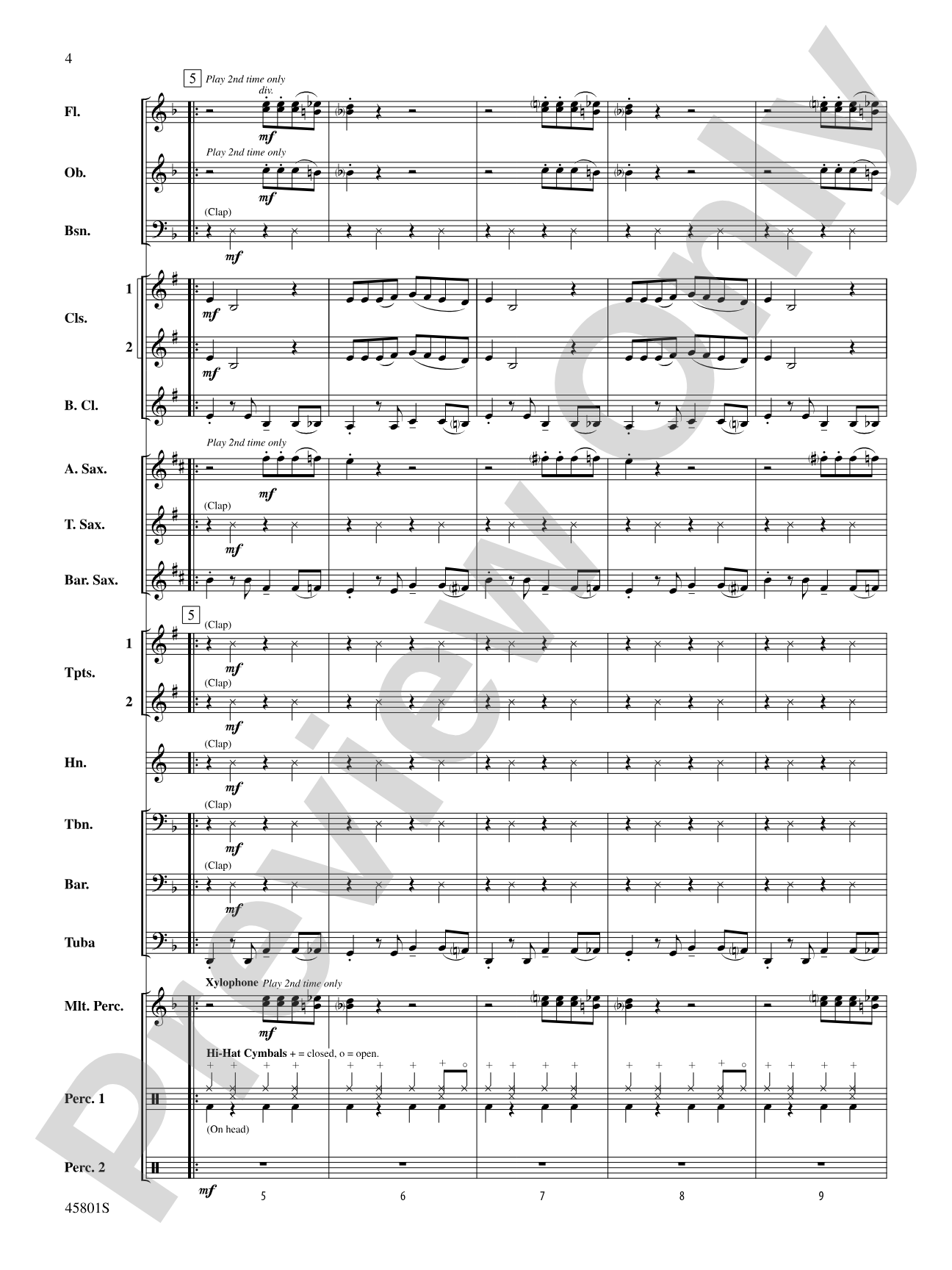
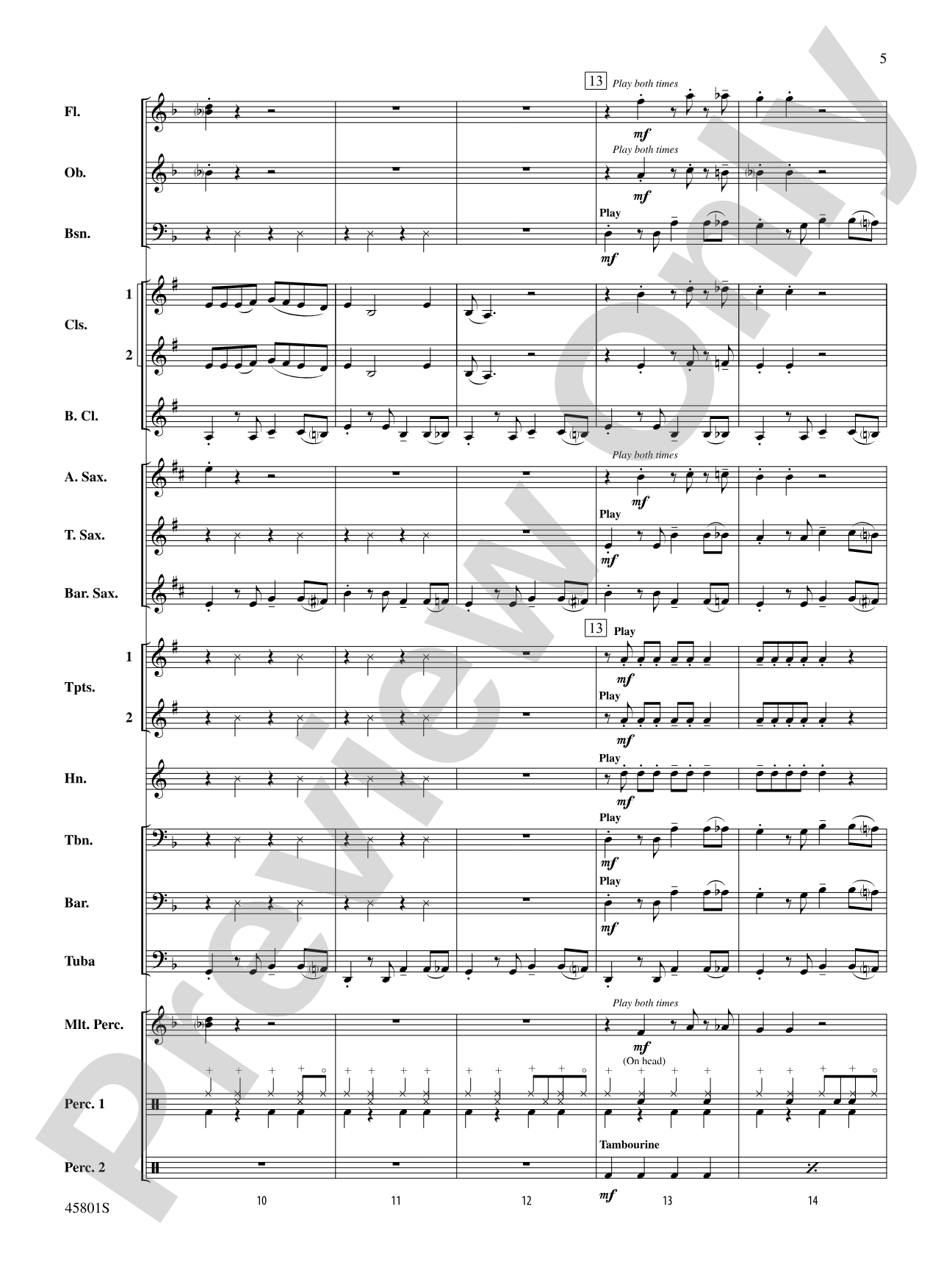
"Cake by the Ocean" is an infectious dance-rock hit from the group DNCE that just stays on the charts. Recognized and beloved by your students, this will capture their imagination and channel their energy. A perfect choice for developing bands! (2:30)


Don't just read it, hear it, play along with it, and watch your students grow with it. In MakeMusic Cloud, Cake by the Ocean: Concert Band Conductor Score & Parts comes alive with professional accompaniment, adjustable tempo, and built-in practice tools that turn solo practice into real progress.
Open in the Player
Jump straight in and assign it today.
Start Your Free Trial
Open this title and explore the full library in minutes.
Sample Audio
1
Audio File
--:--
0:00
0:00
Sample Video
Additional Details
Series:
Pop Young Band
Publisher:
Alfred Music
Page Count:
126
SKU:
00-PK-0007315
More about this title
About the Composer: Justin Tranter
Justin Tranter is a composer and songwriter behind some of pop music's most recognizable hits of the 2010s and beyond. His work spans chart-topping singles across multiple genres, and he brings the accessibility and infectious energy of contemporary pop to every project he touches.
For music educators, Tranter's appeal lies in his ability to write melodies and rhythms that resonate immediately with students. His songs have built-in recognition and cultural relevance, which translates into genuine engagement in the rehearsal room.
Why we love this
This arrangement captures everything that makes the original infectious without losing the fun in the transcription process. At Grade 2, it sits in that sweet spot where bands have enough technical foundation to execute the rhythmic drive and articulation that give the piece its character, but the part writing remains accessible enough that no section feels overwhelmed. Your students will recognize it immediately and care about playing it well.
What to expect
The groove is immediately present and accessible. It pulses with the infectious, dance-rock energy of the original while the band arrangement makes space for every section to feel the rhythmic pocket. There's lightness here alongside the drive—it's fun to play and fun to hear.
Who it's for
Developing concert bands looking for repertoire with genuine student appeal and straightforward technical demands. This works equally well for a band still building confidence as it does for one seeking a high-energy opener or closer that guarantees audience recognition.
How to get the most out of it
- Lock in the groove by establishing a solid backbeat in the rhythm section; the syncopation sits on top of that foundation, so clarity in drums and low brass anchors everything else.
- Shape the main riff with consistent articulation across the band. The staccato passages need definition without sounding choppy; think separation rather than shortness.
- Balance the energy of the melody against the supporting harmonies. The tune is the star, but the arrangement shines when accompaniment figures sit exactly where they belong in the texture.
- Use the recorded accompaniment to lock tempos and feel during sectionals, especially when working on rhythmic precision in the syncopated figures.
How to use it
Program this early in the season when you want an instant morale boost and a piece that builds ensemble cohesion through rhythmic work. It pairs well alongside other pop and rock selections in a concert aimed at younger audiences or family events. At 2:30, it fits nicely as an opener, a pacing change in the middle of a set, or a energetic closer.
Skills your students will build
- Syncopated rhythm reading and execution
- Articulation control (staccato vs. legato distinction)
- Groove-based ensemble playing and internal pulse
- Dynamic balance between melodic and accompaniment figures
- Rhythmic precision in contemporary idioms