
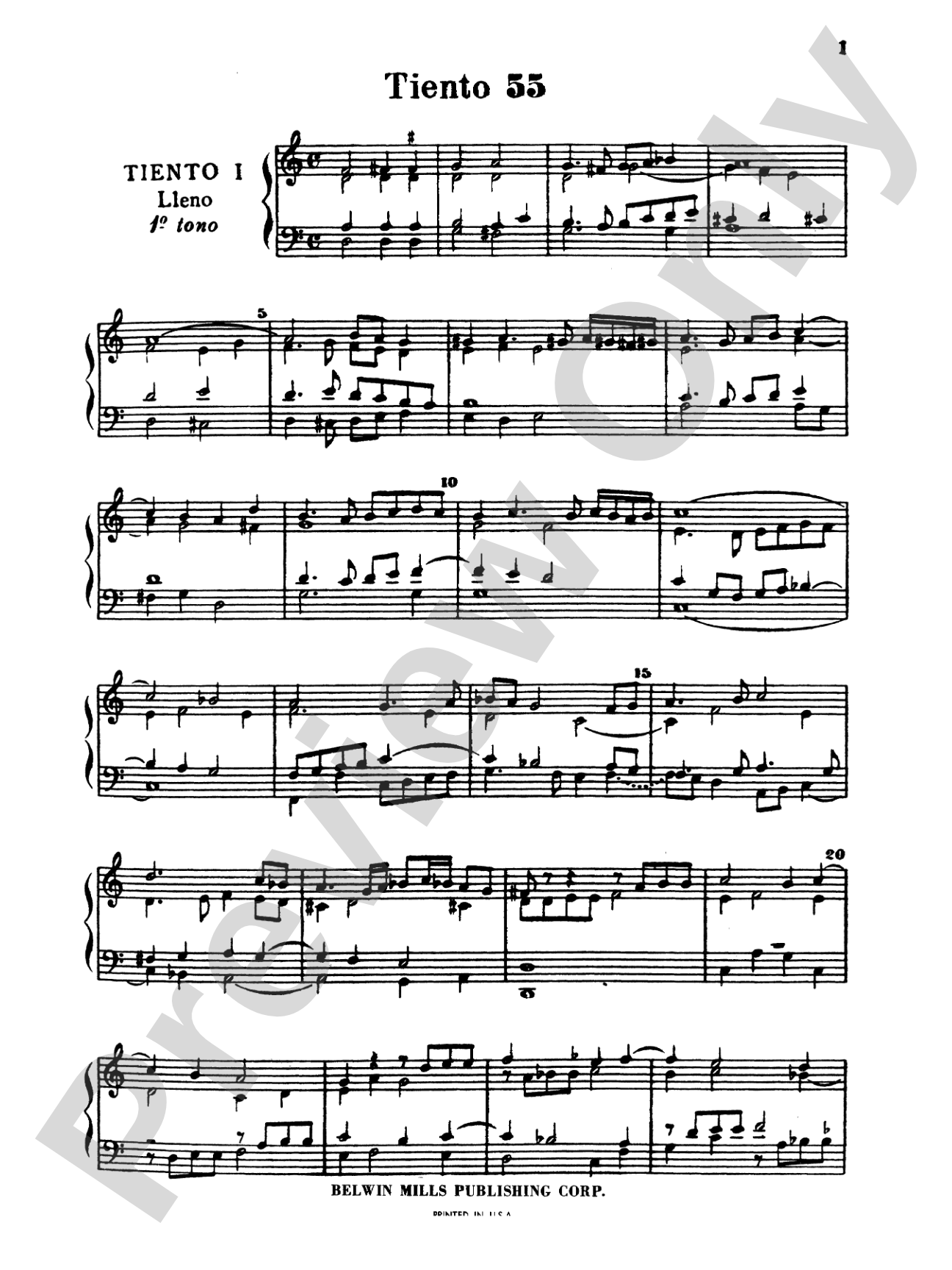
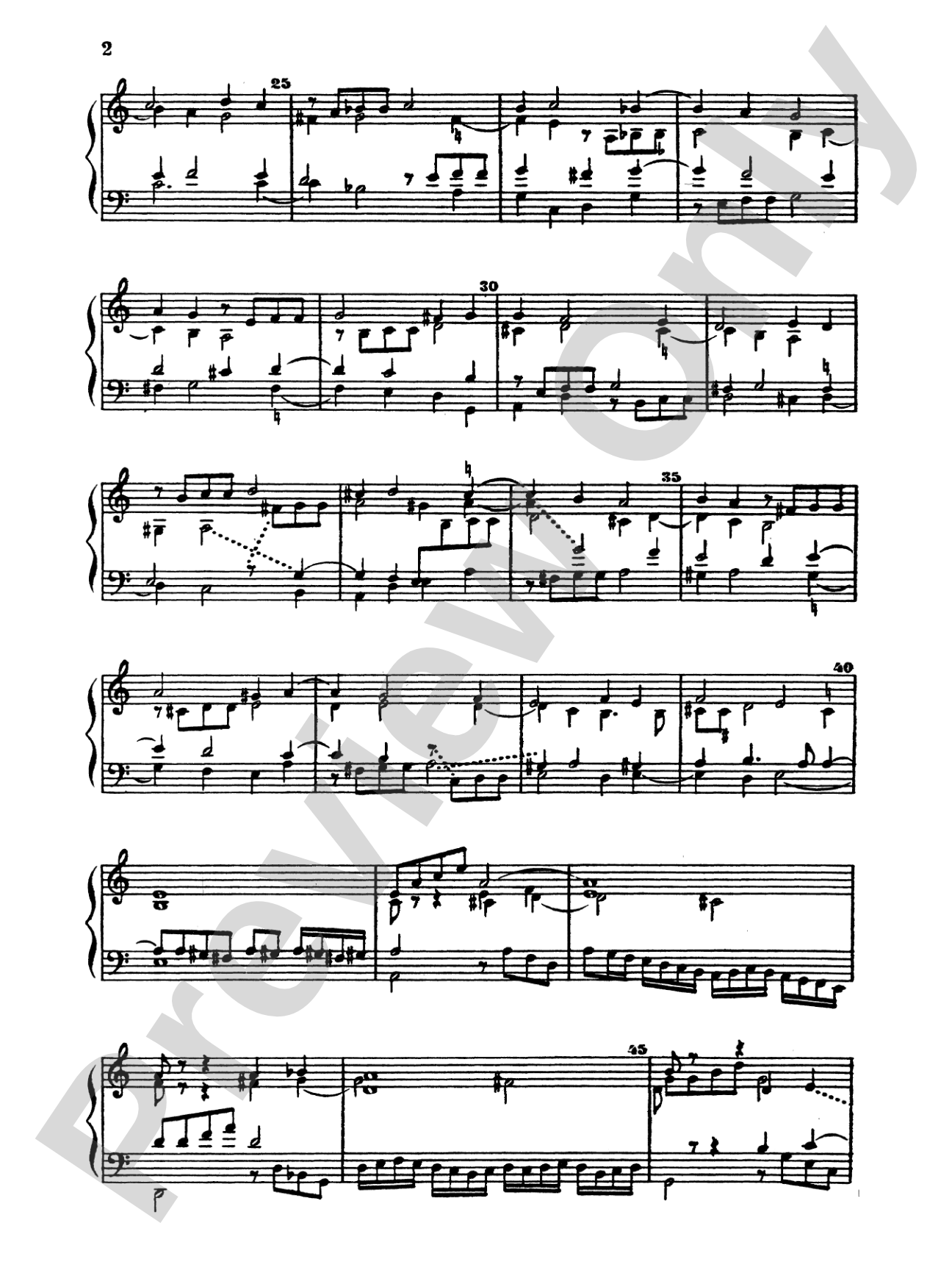
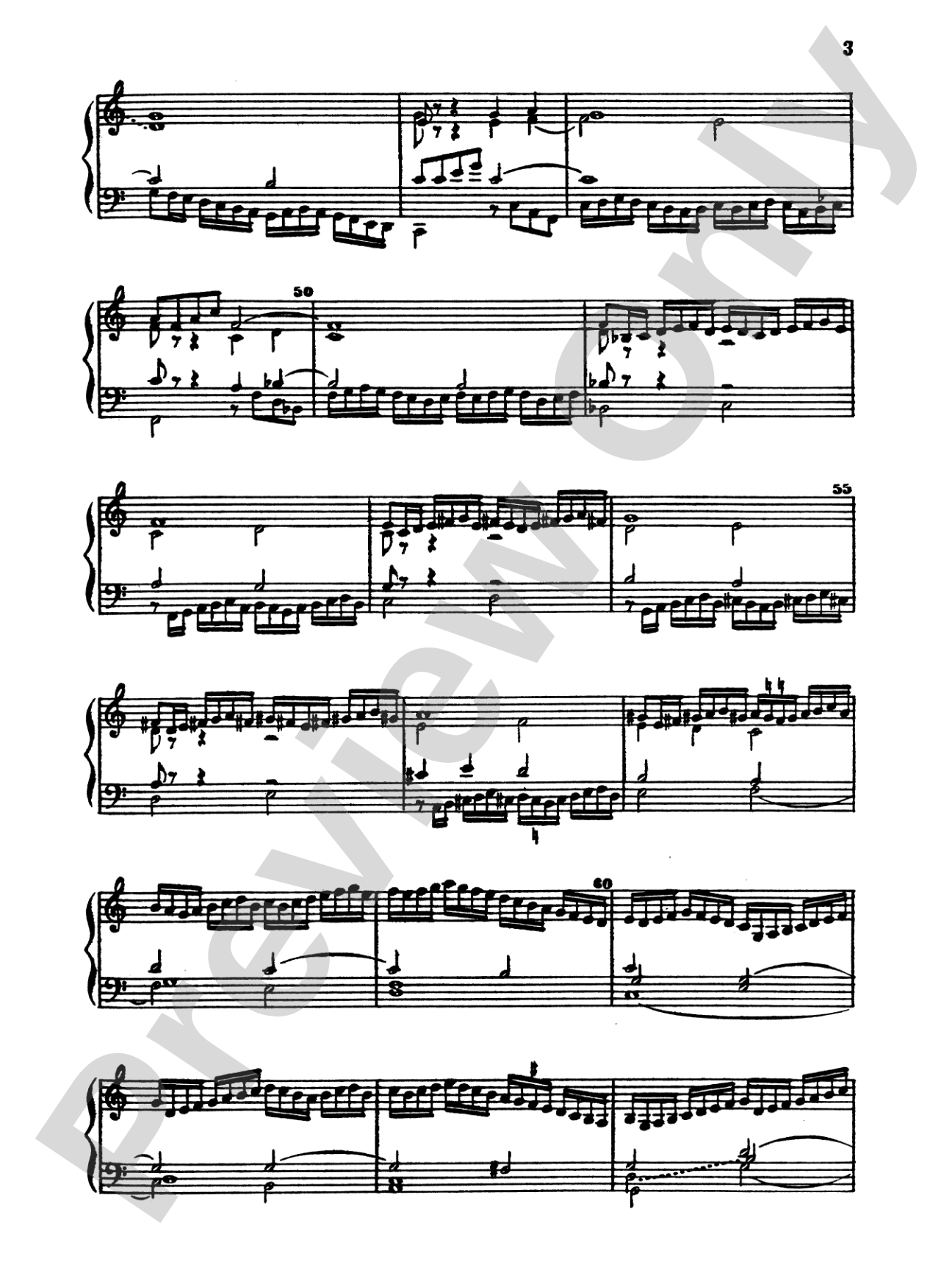
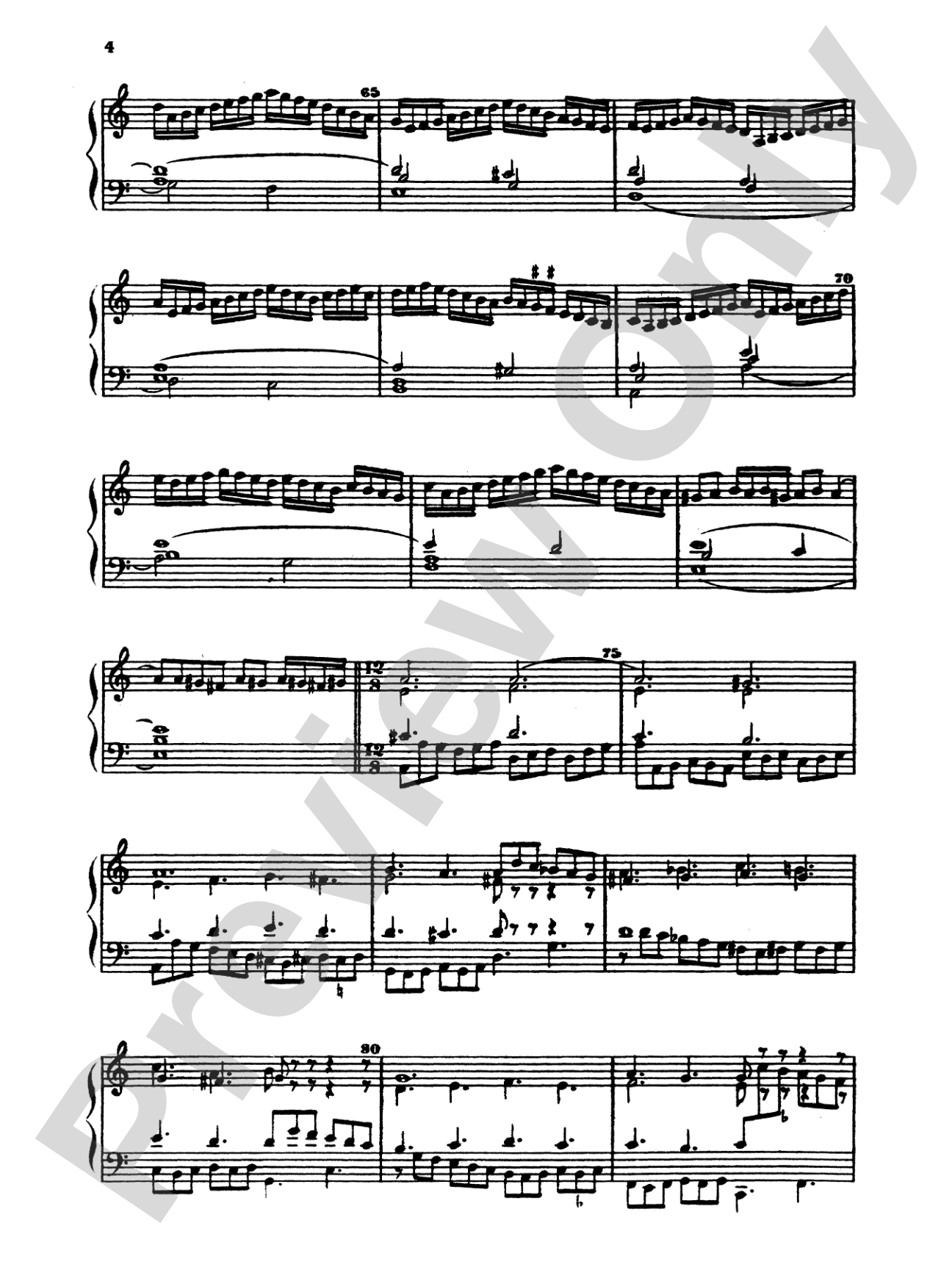
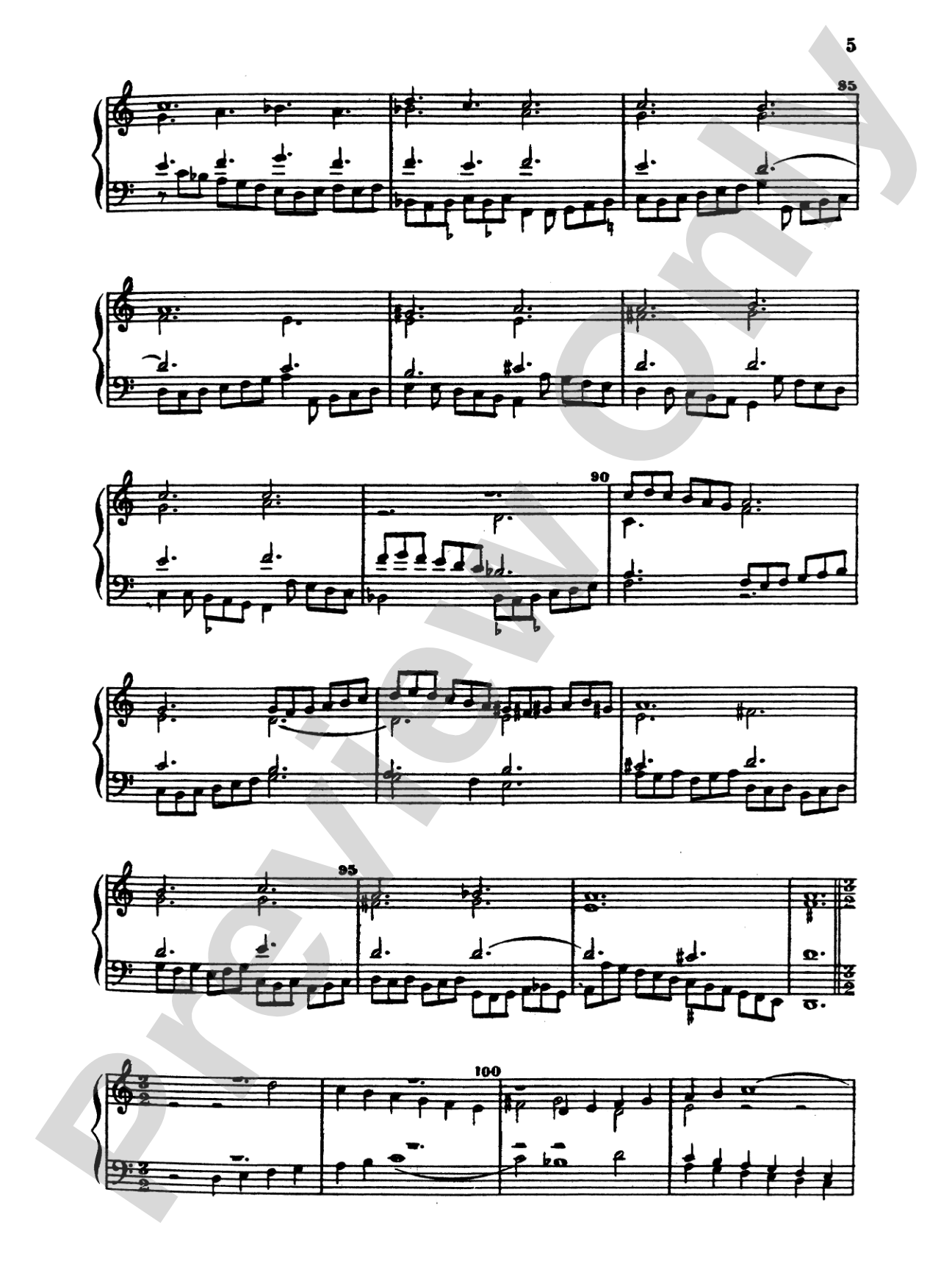
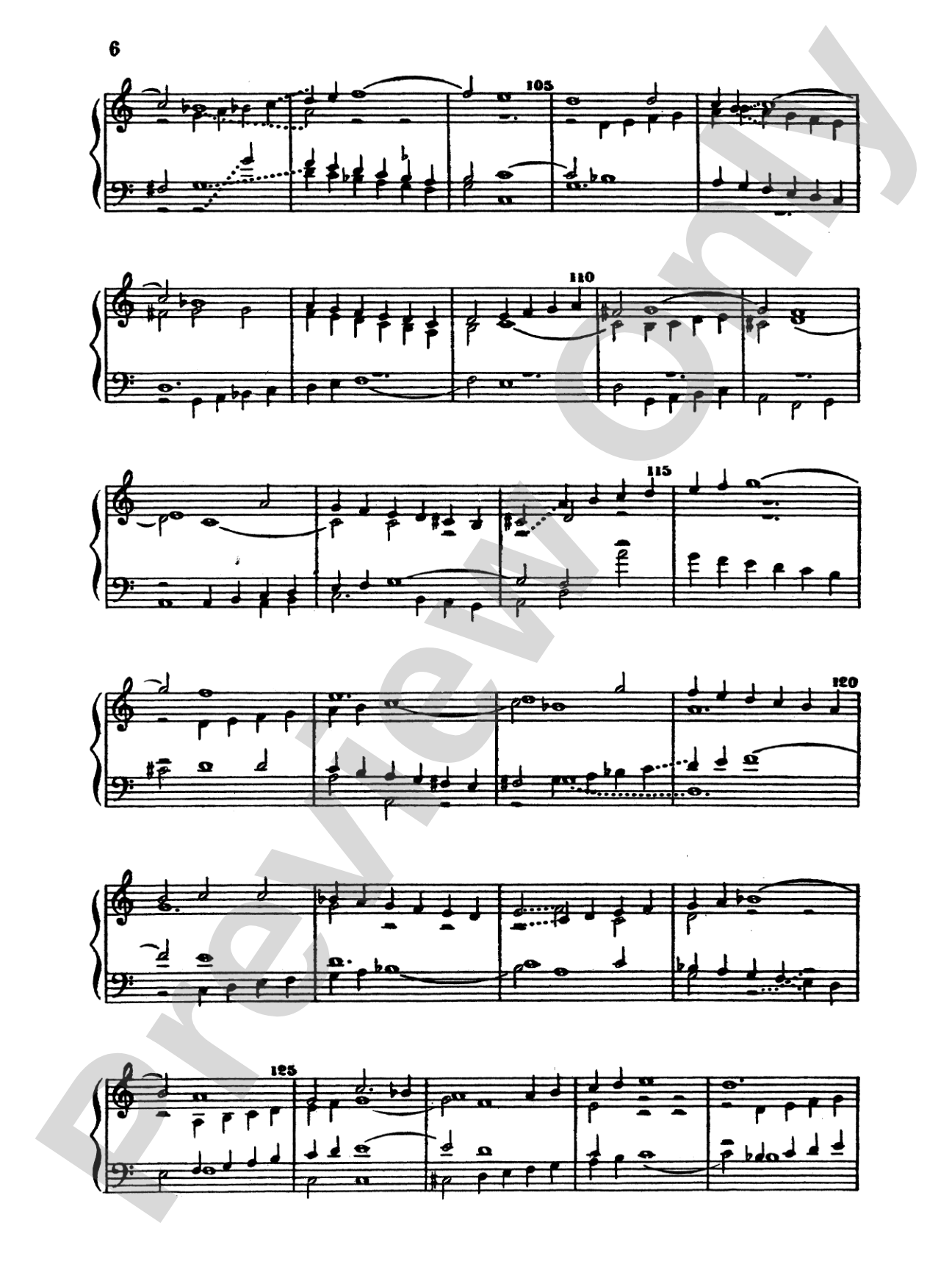
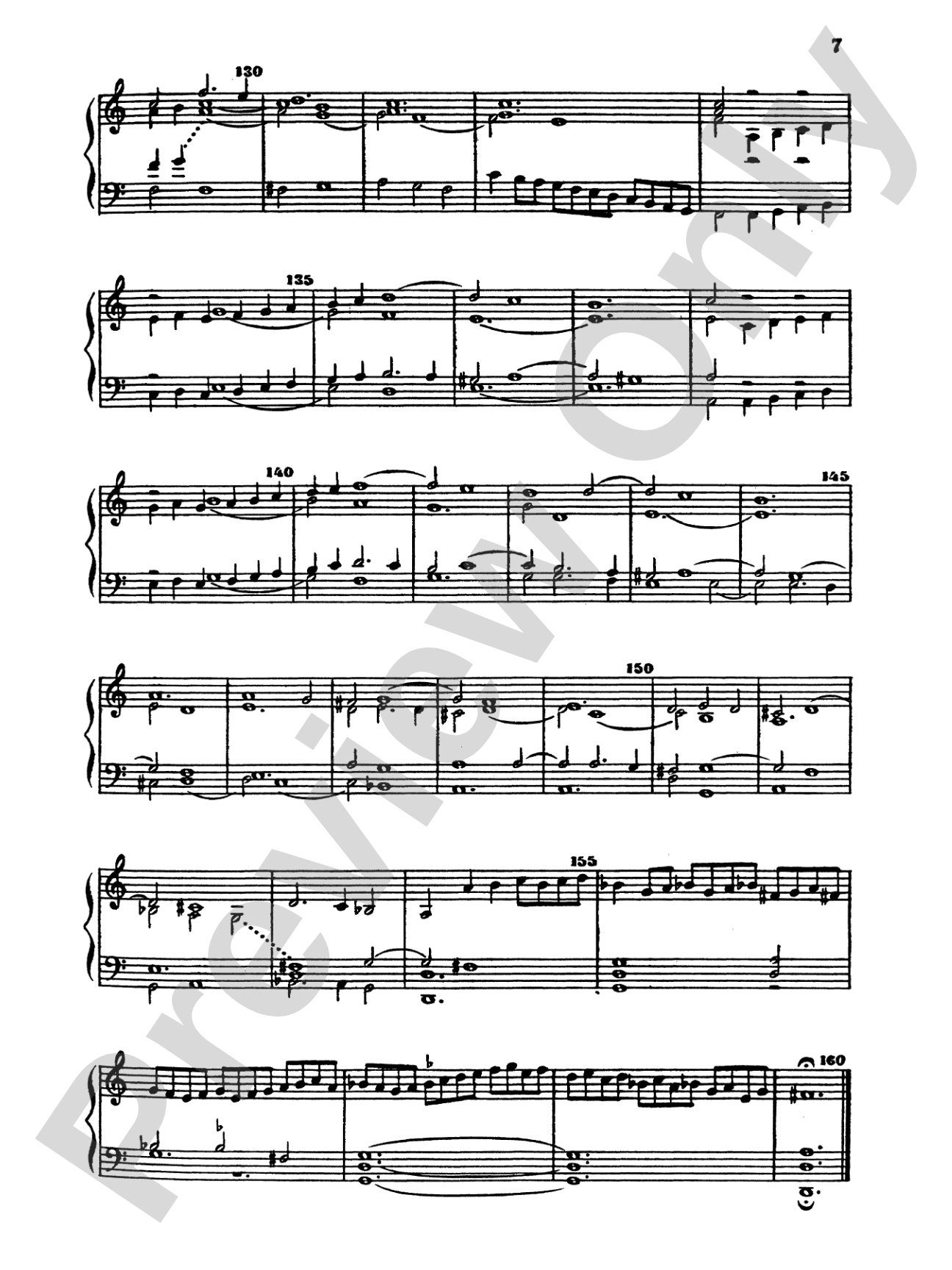

Cabanilles: Complete Organ Works, Volume IV: Organ Book
By Juan Bautista Cabanilles
Item: 00-PK-0003857

$22.99
Pickup currently not available
Buy Extra Parts (Digital PDF Download)
Parts Added to Cart!
Related Items
Complete Organ Works, Volume IV: Organ Book |
$22.99
|
View |
Description
Expertly arranged Organ Collection by Juan Cabanilles from the Kalmus Edition series. This is from the Baroque era.


Don't just read it, hear it, play along with it, and watch your students grow with it. In MakeMusic Cloud, Cabanilles: Complete Organ Works, Volume IV: Organ Book comes alive with professional accompaniment, adjustable tempo, and built-in practice tools that turn solo practice into real progress.
Open in the Player
Jump straight in and assign it today.
Start Your Free Trial
Open this title and explore the full library in minutes.
Sample Audio
No sample audio found.
Sample Video
No sample videos found.
Additional Details
Series:
Kalmus Edition
Publisher:
Alfred Music
Page Count:
156
SKU:
00-PK-0003857
More about this title
About the Composer: Juan Cabanilles
Juan Cabanilles (1644, 1712) was a Spanish organist and composer whose keyboard works stand among the most important contributions to Baroque organ literature from the Iberian Peninsula. Active primarily in Valencia, he developed a compositional voice that balanced the contrapuntal rigor of Northern European tradition with the harmonic and ornamental sensibilities of Spanish music. His extensive catalog of organ works reveals a master of both intimate, devotional writing and virtuosic display pieces that showcase the full capabilities of the baroque organ.
Cabanilles' music remained largely confined to Spanish archives for centuries, making these complete collections essential documents for understanding the breadth of Baroque keyboard composition beyond the familiar German and Italian schools. His writing demands technical facility, interpretive maturity, and a sophisticated understanding of baroque registration and ornamentation.
Why we love this
This volume collects authentic Baroque organ writing that sits at the intersection of technical mastery and genuine musicality. Rather than serving as a stepping stone to "greater" composers, Cabanilles' works stand on their own as compelling repertoire that expands organists' awareness of regional Baroque styles and gives them access to music that demands serious interpretive choices about registration, articulation, and phrasing.
What to expect
Cabanilles' music combines the architectural rigor of Northern European counterpoint with the warmth and harmonic color of Spanish musical tradition. These works range from intimate, meditative passages to displays of brilliant virtuosity, all marked by a clarity of line and purposeful harmonic movement that makes even the most complex fugal writing feel inevitable.
Who it's for
This collection serves organists at the intermediate to advanced level who want to deepen their knowledge of Baroque repertoire beyond the standard German and Italian canon. It's ideal for students preparing recitals, teachers seeking diverse repertoire for church services, and professional organists exploring the full scope of Baroque composition.
How to get the most out of it
- Study the manuscript sources carefully to understand original registration intentions; Cabanilles wrote for specific Spanish organ types, and thoughtful choice of stops can reveal structural clarity that generic registration obscures.
- Navigate the hand-crossing passages with attention to legato and voice independence, especially in the more densely written fugal sections where each line demands presence.
- Approach the rhythmic figures with rhythmic precision and clarity; Baroque dance rhythms and dotted patterns require careful articulation to convey their character.
- Balance the contrapuntal voices through dynamic layering and registration choices rather than relying on tempo changes to clarify texture.
How to use it
Feature individual movements or complete works in recitals devoted to Spanish Baroque music or as part of a broader exploration of regional Baroque organ traditions. These pieces work well as service music in liturgical contexts and provide compelling material for organists seeking substantive repertoire that offers both technical challenge and artistic reward.
Skills your students will build
- Baroque contrapuntal technique across multiple independent voices
- Registration choices based on harmonic function and textural clarity
- Interpretation of Spanish Baroque notation and performance practice
- Hand coordination and independence in hand-crossing passages
- Rhythmic precision in Baroque dance figures and dotted rhythms
- Voice leading and harmonic analysis in fugal and toccata forms