
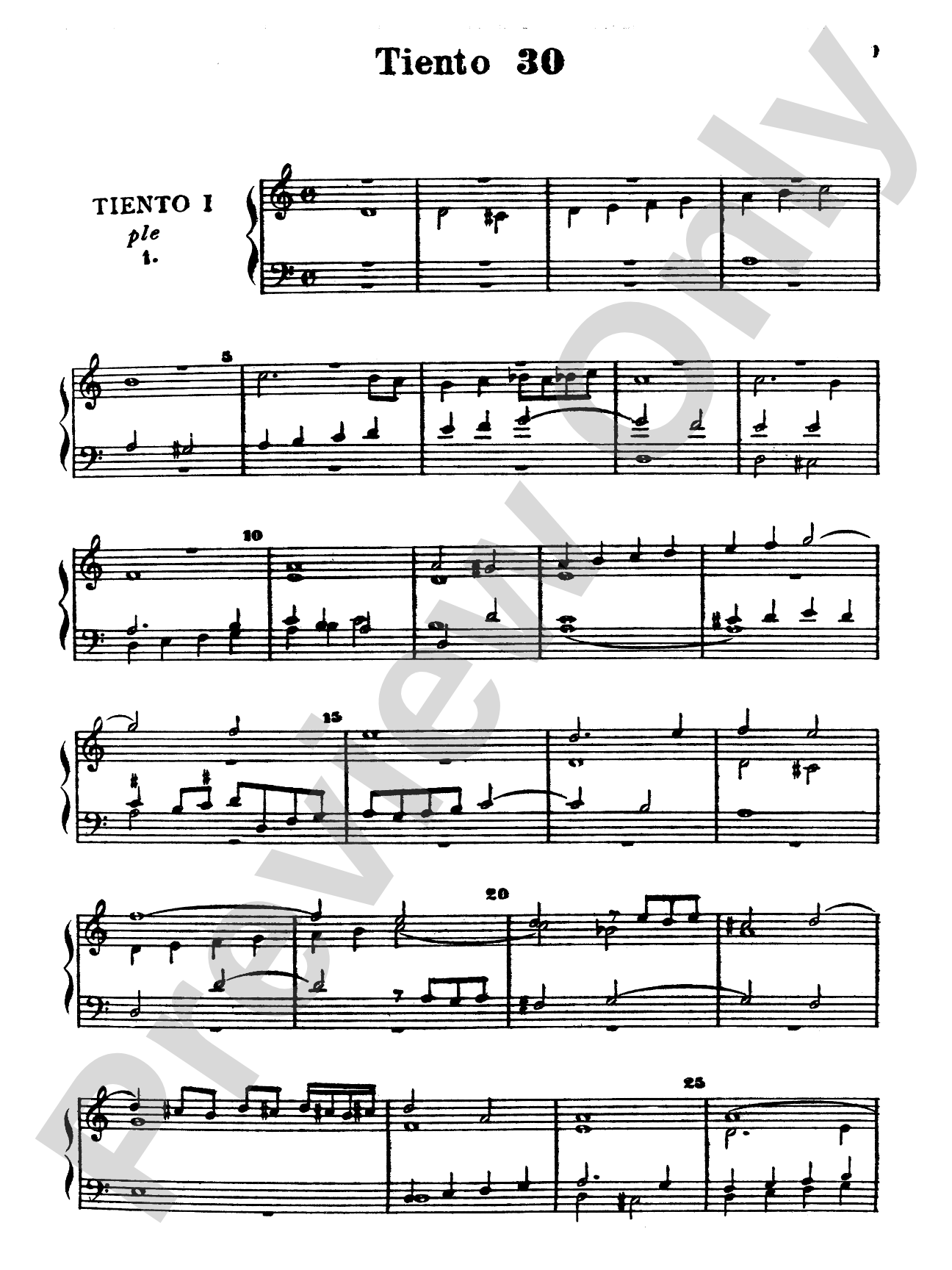
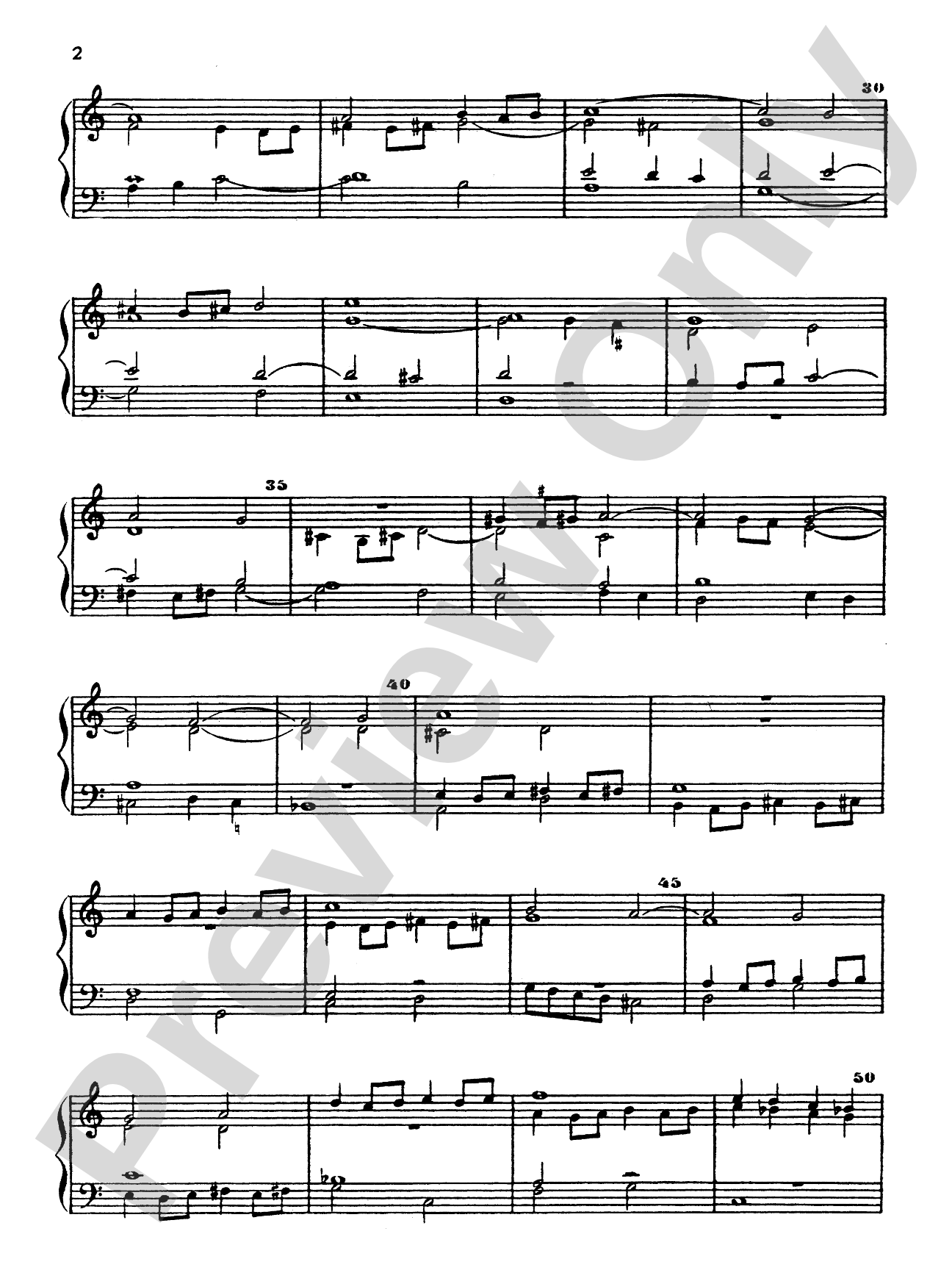
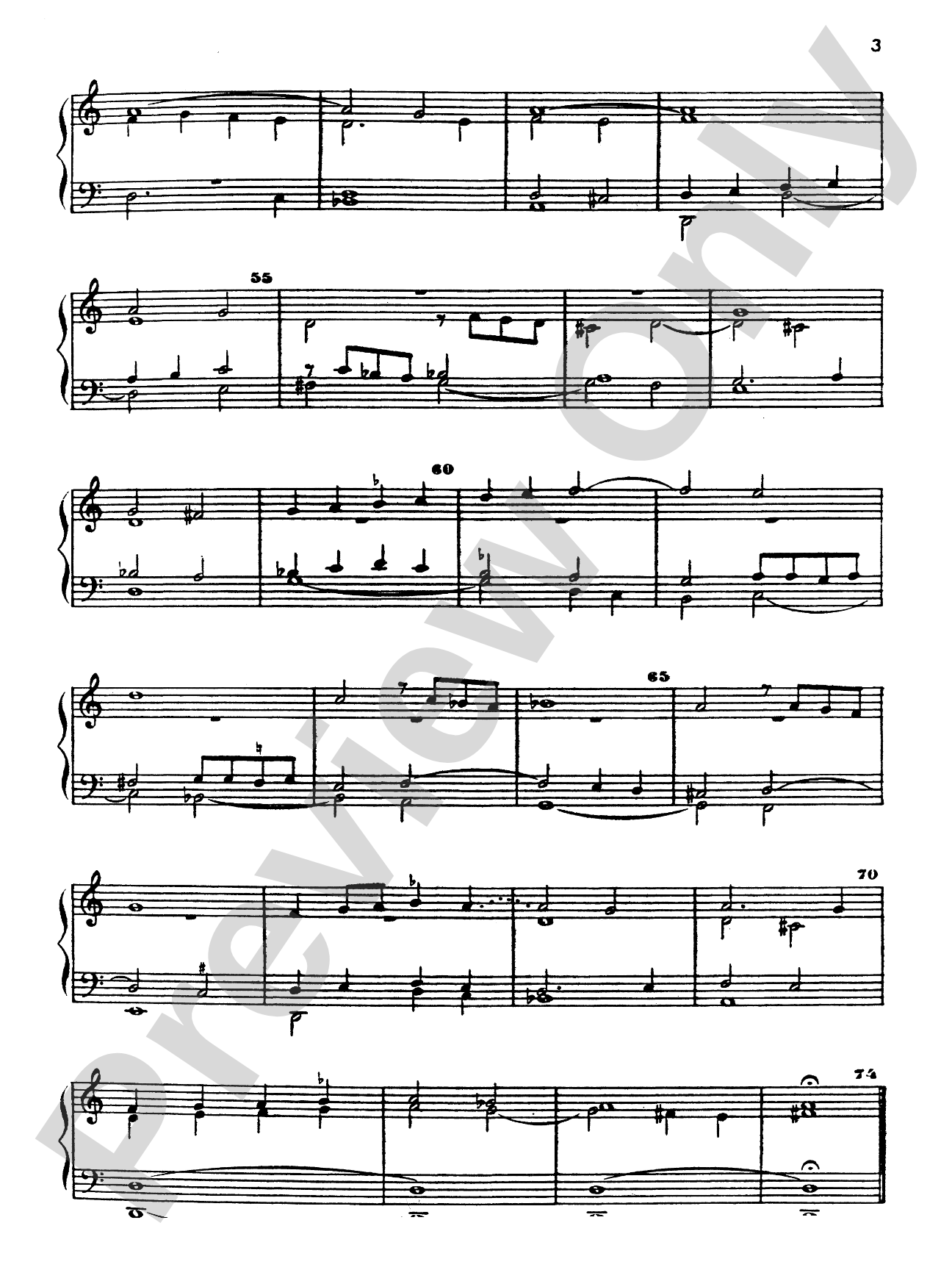

Cabanilles: Complete Organ Works, Volume III: Organ Book
By Juan Bautista Cabanilles
Item: 00-PK-0003856

$22.99
Pickup currently not available
Buy Extra Parts (Digital PDF Download)
Parts Added to Cart!
Related Items
Complete Organ Works, Volume III: Organ Book |
$22.99
|
View |
Description
Twenty five organ pieces composed by Jauan Bautista Cabanilles.


Don't just read it, hear it, play along with it, and watch your students grow with it. In MakeMusic Cloud, Cabanilles: Complete Organ Works, Volume III: Organ Book comes alive with professional accompaniment, adjustable tempo, and built-in practice tools that turn solo practice into real progress.
Open in the Player
Jump straight in and assign it today.
Start Your Free Trial
Open this title and explore the full library in minutes.
Sample Audio
No sample audio found.
Sample Video
No sample videos found.
Additional Details
Series:
Kalmus Edition
Publisher:
Alfred Music
Page Count:
232
SKU:
00-PK-0003856
More about this title
About the Composer: Juan Cabanilles
Juan Bautista Cabanilles (1644, 1712) was the most significant Spanish organ composer of the Baroque era. Working primarily in Valencia as organist at the Metropolitan Cathedral, he developed a distinctive style that synthesized Spanish keyboard traditions with the contrapuntal rigor of northern European composers.
Cabanilles' output, over 200 organ works, established him as a foundational figure in keyboard music. His compositions range from austere liturgical pieces to virtuosic toccatas, all marked by clear harmonic thinking and idiomatic writing for the Spanish organ. His work directly influenced Spanish keyboard practice for generations and remains central to understanding Baroque organ repertoire outside the German and Italian mainstream.
Why we love this
This volume opens a less-traveled corner of the organ repertoire, giving advanced organists access to music that combines rigorous counterpoint with characteristically Spanish expressive gestures. Cabanilles deserves far more presence on concert programs and in teaching studios, and this complete collection makes programming his work practical and economical.
What to expect
Cabanilles' music unfolds with courtly formality and intellectual rigor, yet carries a warm, almost improvisatory quality that distinguishes it from the austere counterpoint of northern Europe. These pieces balance learned craft with lyrical depth, creating moments of genuine grandeur alongside intimate, introspective passages.
Who it's for
Advanced organists seeking to deepen their Baroque repertoire beyond the central Germanic tradition will find this collection essential. Music directors and cathedral musicians can draw substantial programs from these twenty-five pieces; the range of genres and character pieces offers programming flexibility.
How to get the most out of it
- Research the mechanical specifications of Spanish Baroque organs; Cabanilles wrote for instruments with different tonal resources and action characteristics than the German organs that shaped Bach's idiom. Registration choices matter significantly here.
- Navigate the frequent shifts between imitative and homophonic textures by clarifying phrase architecture at the console. These transitions drive the formal logic and need audible shape.
- Approach ornamentation with restraint. Cabanilles' notation is often sparse compared to his musical intent; resist the urge to embellish beyond what the text indicates without score research or reference recordings.
How to use it
Program individual tientos or verses to represent the Spanish Baroque alongside works by Froberger, Frescobaldi, or Bach. The shorter dance-based pieces offer recital variety without requiring the sustained intensity of the larger contrapuntal works. This volume supports both solo recital programming and a semester-long study of a single major voice in Baroque keyboard music.
Skills your students will build
- Executing rapid scalar passages and hand-crossing in the Spanish Baroque idiom
- Balancing multiple independent voices within sectional contrapuntal forms
- Navigating unfamiliar harmonic syntax and cadential practices within the Iberian tradition
- Choosing appropriate organ registrations for works outside the German Baroque mainstream
- Reading figured bass and performing continuo realizations specific to Spanish practice