
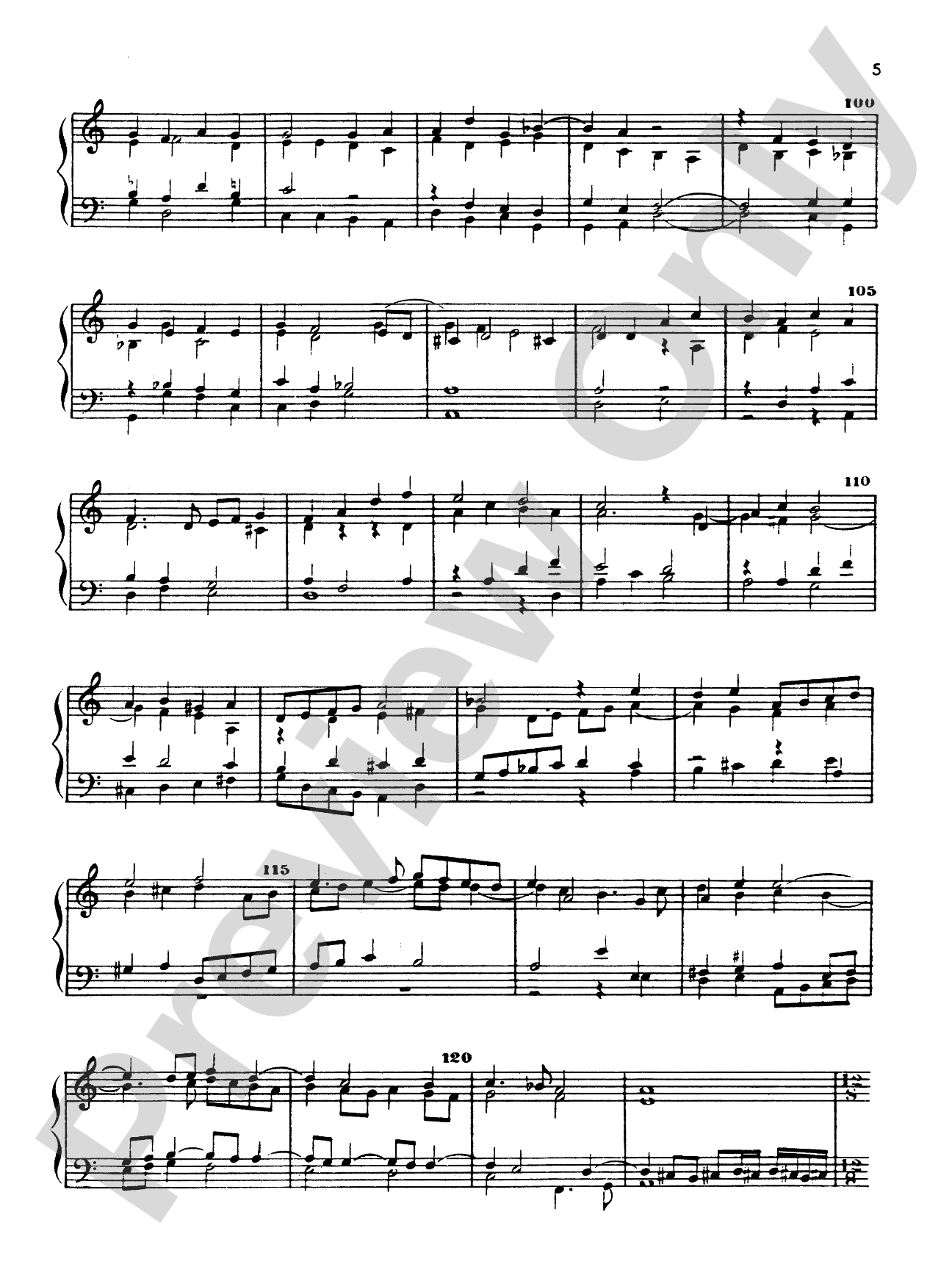
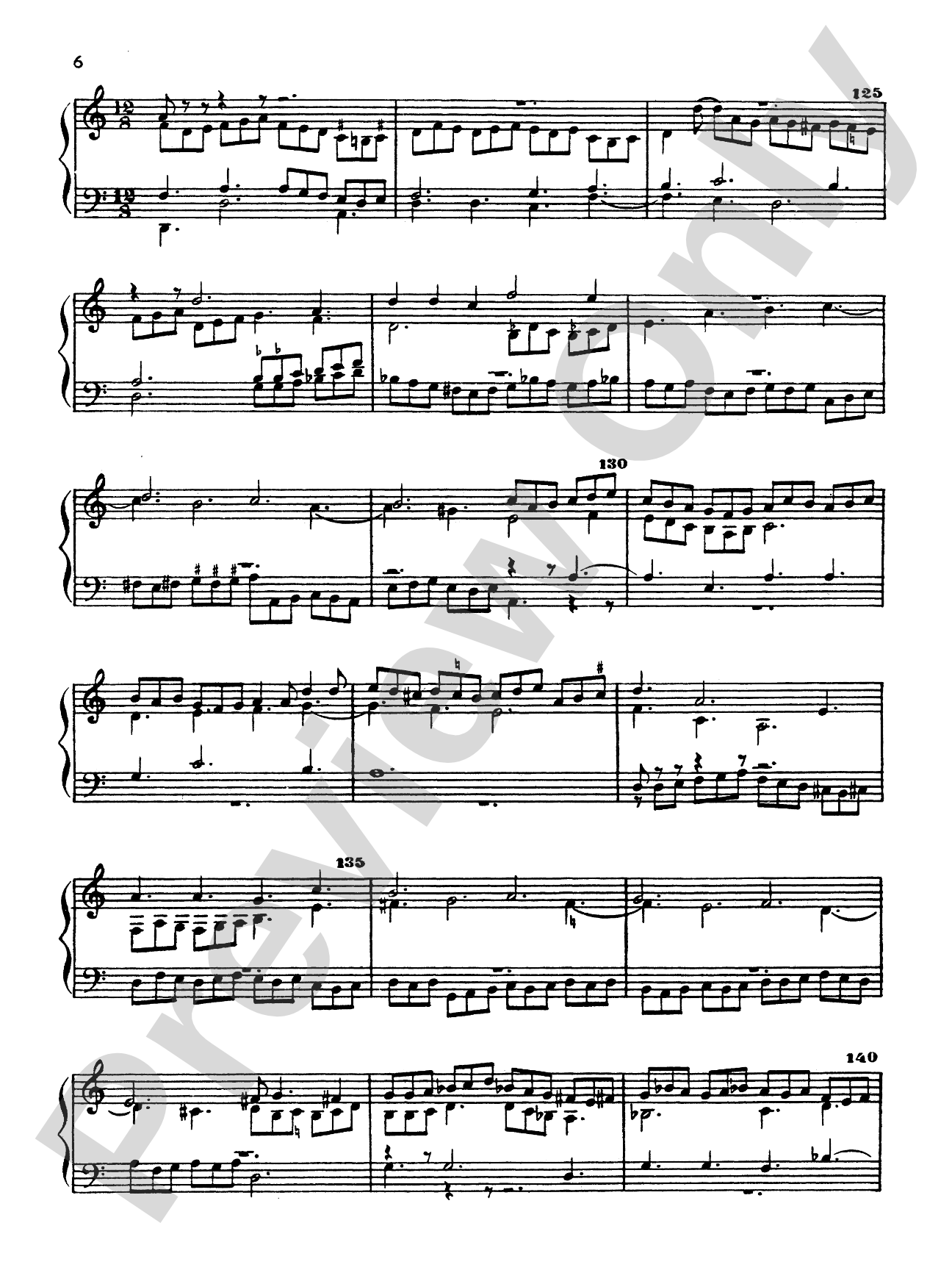
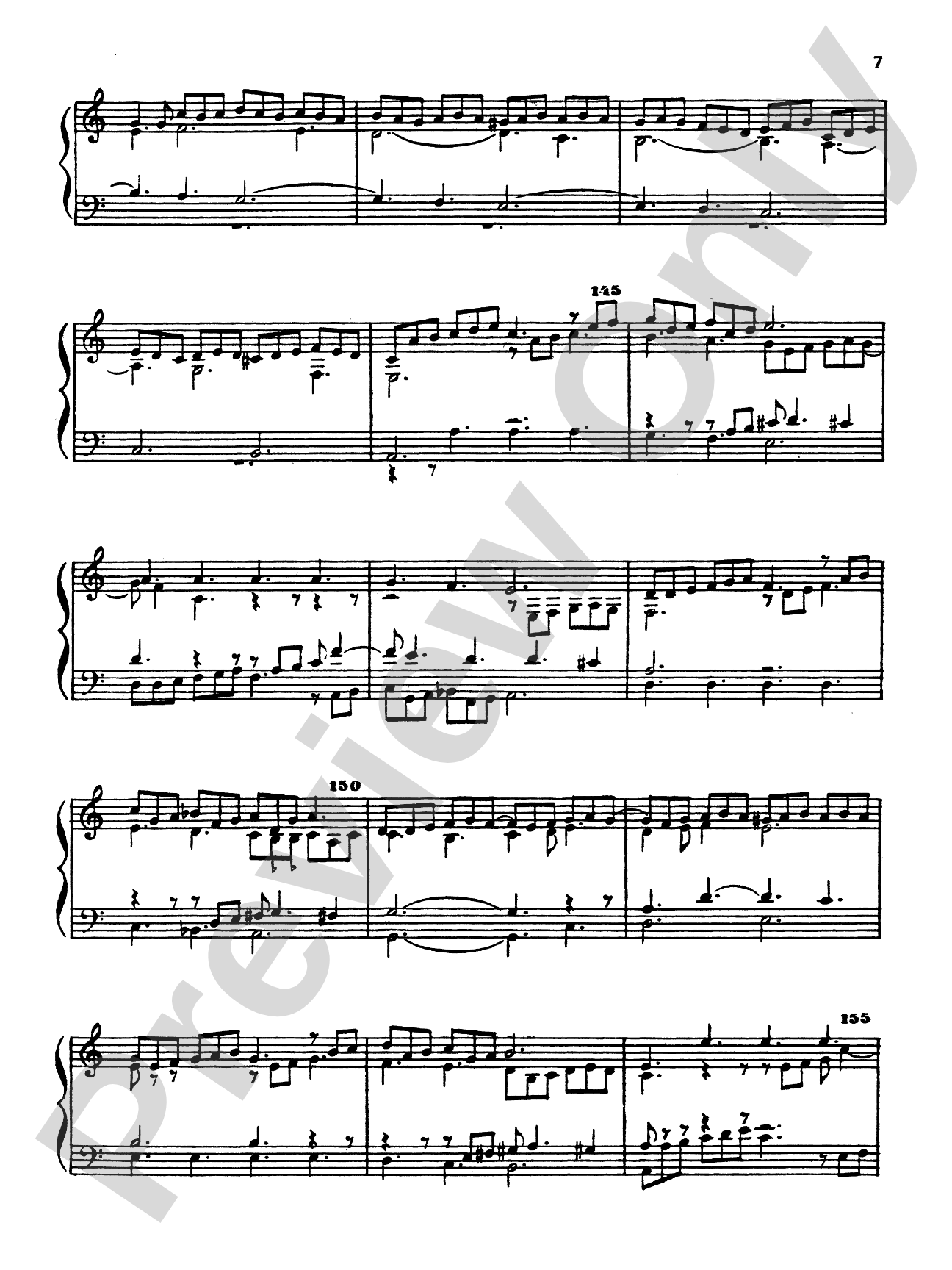
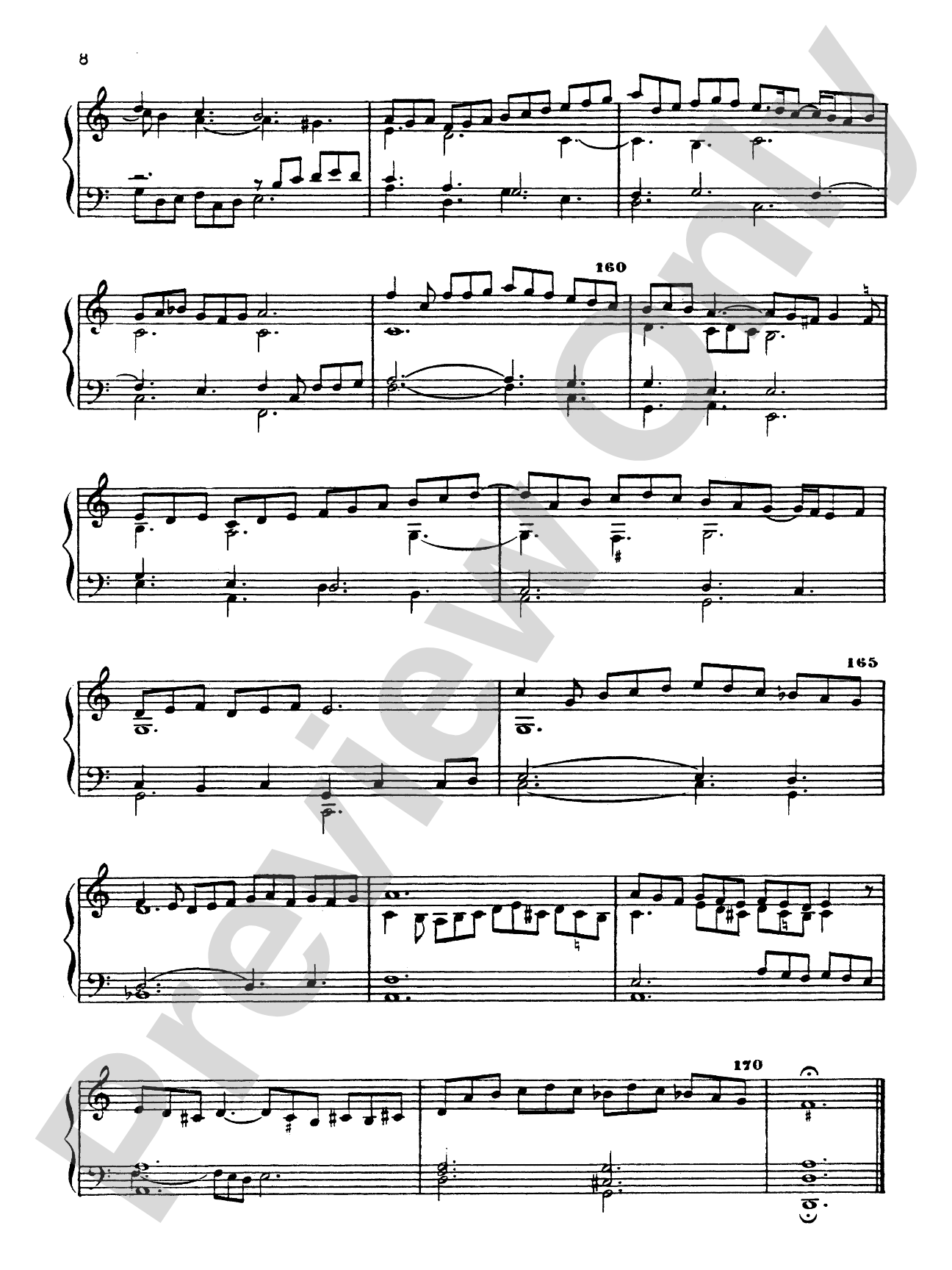

Cabanilles: Complete Organ Works, Volume II: Organ Book
By Juan Bautista Cabanilles
Item: 00-PK-0003855

$22.99
Pickup currently not available
Buy Extra Parts (Digital PDF Download)
Parts Added to Cart!
Related Items
Complete Organ Works, Volume II: Organ Book |
$22.95
|
View |
Description
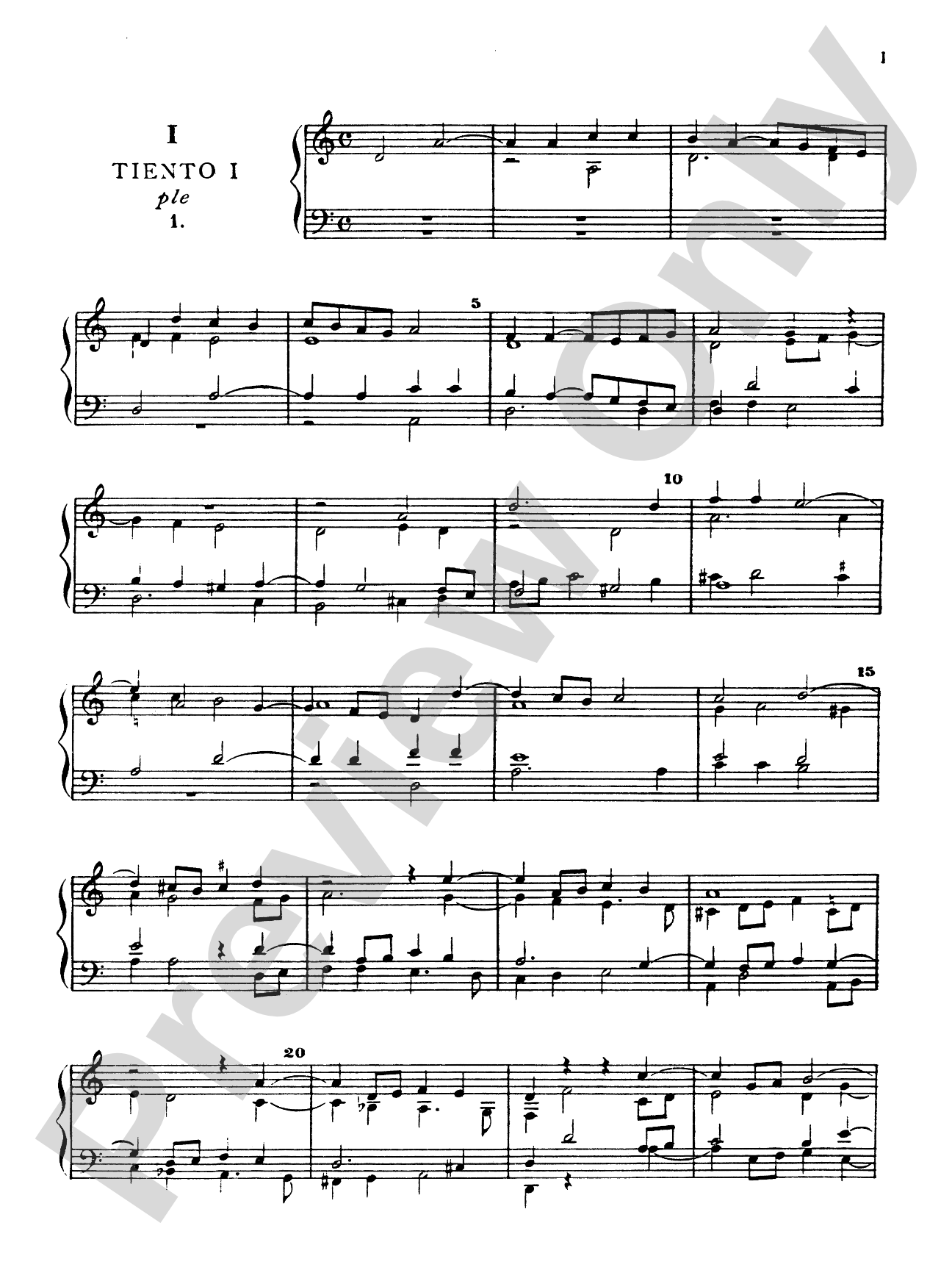
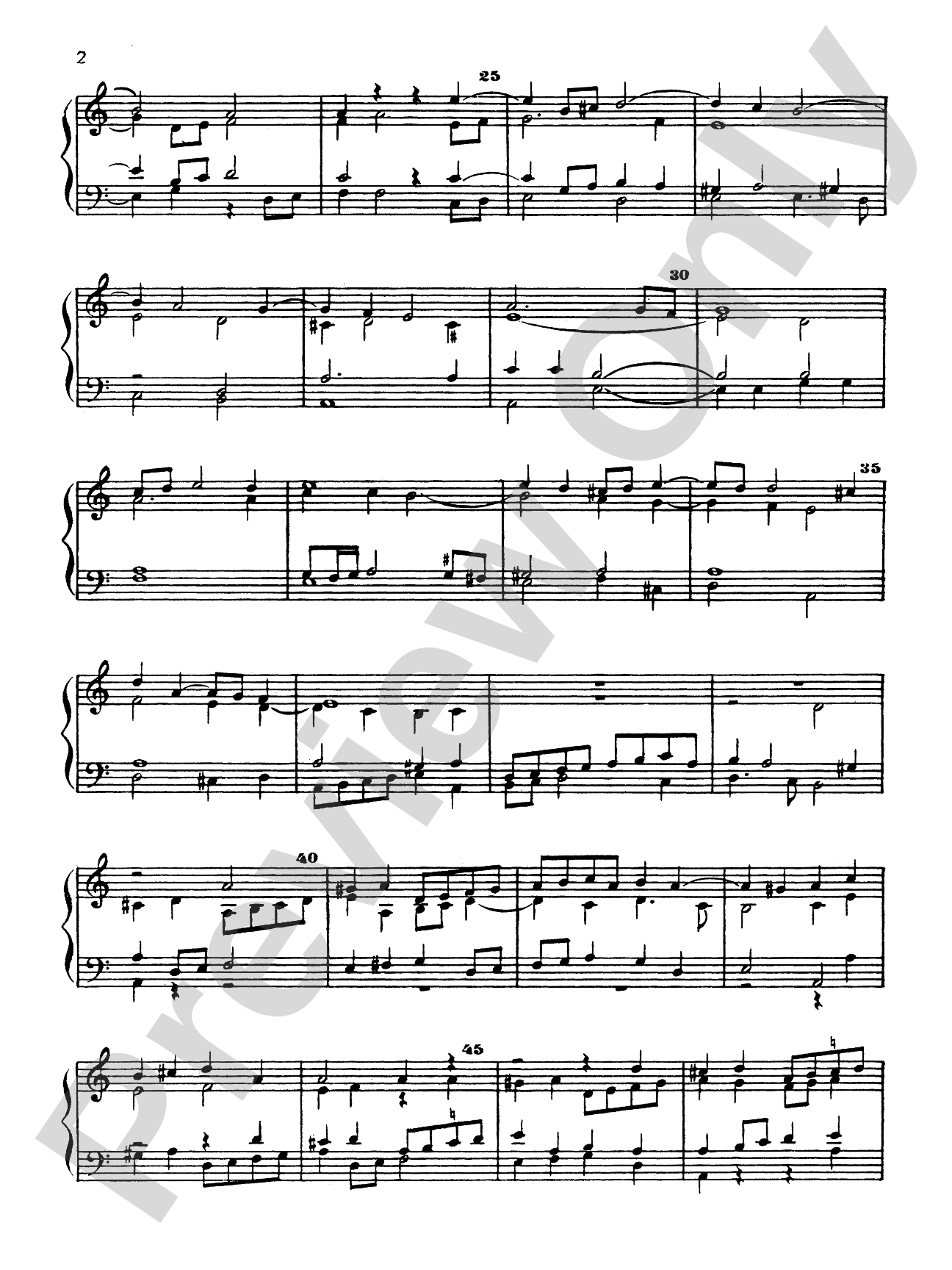
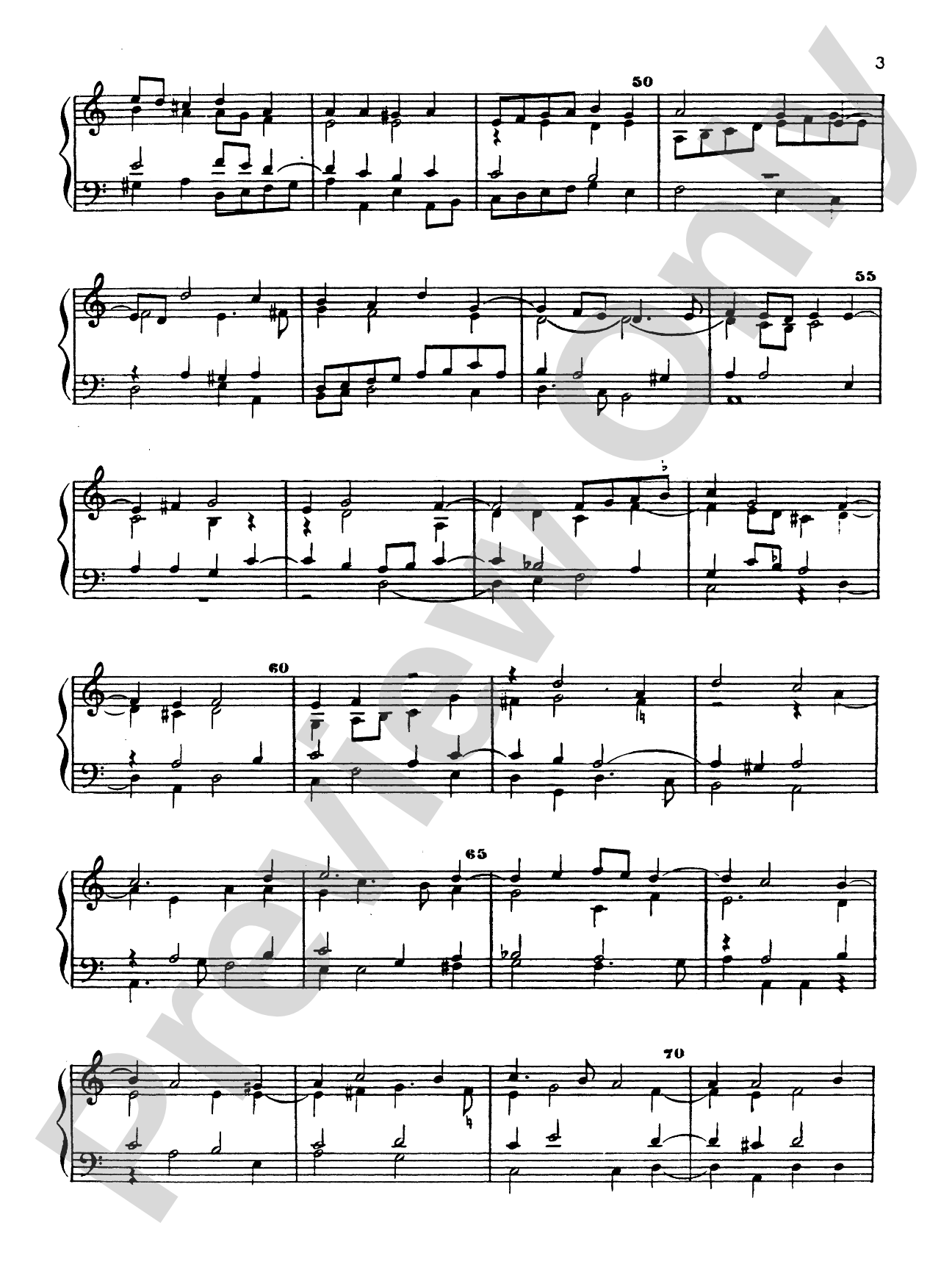
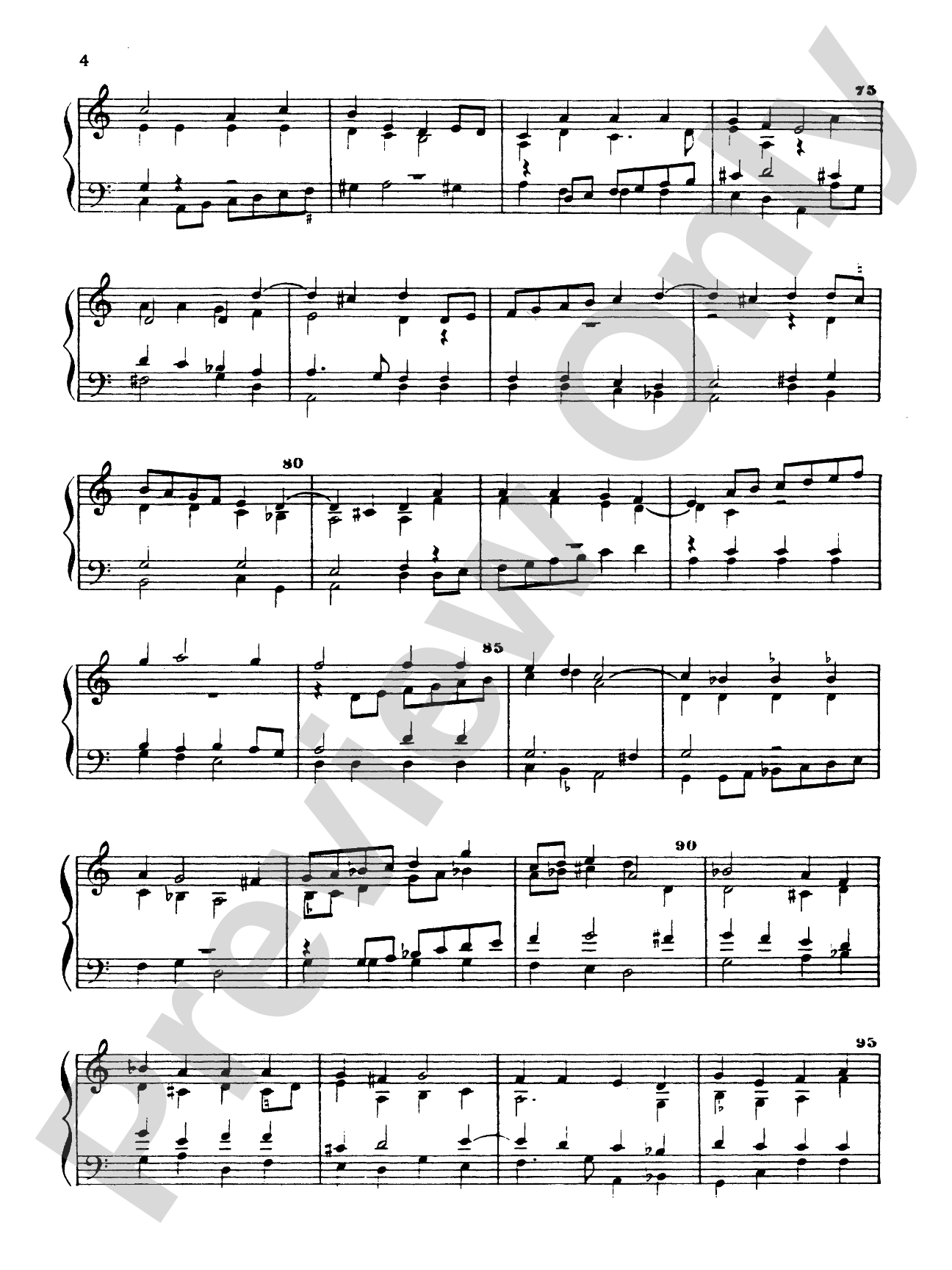
Thirty-one pieces by Juan Bautista Cabanilles.


Don't just read it, hear it, play along with it, and watch your students grow with it. In MakeMusic Cloud, Cabanilles: Complete Organ Works, Volume II: Organ Book comes alive with professional accompaniment, adjustable tempo, and built-in practice tools that turn solo practice into real progress.
Open in the Player
Jump straight in and assign it today.
Start Your Free Trial
Open this title and explore the full library in minutes.
Sample Audio
No sample audio found.
Sample Video
No sample videos found.
Additional Details
Series:
Kalmus Edition
Publisher:
Alfred Music
Page Count:
188
SKU:
00-PK-0003855
More about this title
About the Composer: Juan Cabanilles
Juan Bautista Cabanilles (1644, 1712) was the dominant Spanish organ composer of the Baroque era and a towering figure in the development of keyboard music on the Iberian Peninsula. Active as an organist and composer in Valencia throughout his career, Cabanilles synthesized Italian and Spanish musical traditions to create a body of work that demanded technical brilliance and expressive depth from performers. His organ compositions were widely circulated in manuscript during his lifetime and influenced generations of Spanish composers who followed.
Why we love this
This collection presents an authoritative survey of Cabanilles' keyboard output, giving organists direct access to the full scope of his invention without needing to hunt across separate publications. The pieces range from intimate toccatas and fugues to larger sectional works, so you can choose repertoire that fits your liturgical calendar, recital structure, or student's current technical level. Programming Cabanilles anchors your concert or service in a voice that shaped organ music on two continents.
What to expect
Cabanilles' music evokes the resonance of a grand cathedral organ, with clear contrapuntal lines that unfold deliberately and harmonic shifts that catch light like architectural detail. His writing balances intellectual rigor with expressiveness, creating passages that feel both inevitable in their construction and emotionally generous in their unfolding.
Who it's for
Organists preparing recital or liturgical programs, advanced students moving beyond contemporary method materials into historical keyboard language, and teachers seeking authentic baroque organ repertoire at multiple difficulty levels. This collection serves both working church musicians and concert artists.
How to get the most out of it
- Study the harmonic progressions in isolation before mapping manual and pedal divisions; Cabanilles often writes for instruments with fewer stops than modern organs, so thoughtful registration choices will reveal the voice-leading that baroque builders would have heard naturally.
- Approach ornamentation as integral to phrasing rather than decoration; trills, turns, and mordents in Cabanilles often fall on structural beats and deserve rhythmic precision.
- Distinguish between sections that demand rapid manual changes and passages where sustained registrations showcase harmonic color; the shift between these two approaches often signals formal sections.
How to use it
Build a recital around sectional works from this collection to create natural pacing and variety in registration and mood, or select individual toccatas and fugues as substantial solo pieces that anchor a program of works by Cabanilles' contemporaries. These pieces work equally well in liturgical contexts, where their structural clarity and reverent character complement both processional and devotional moments.
Skills your students will build
- Reading baroque keyboard notation and ornamentation symbols
- Managing manual and pedal coordination across different registration schemes
- Executing baroque articulation and phrasing in contrapuntal writing
- Analyzing harmonic language typical of late-17th-century Spanish keyboard practice
- Interpreting sectional form (toccata-fugue-toccata, canzona form, tema con variaciones)