
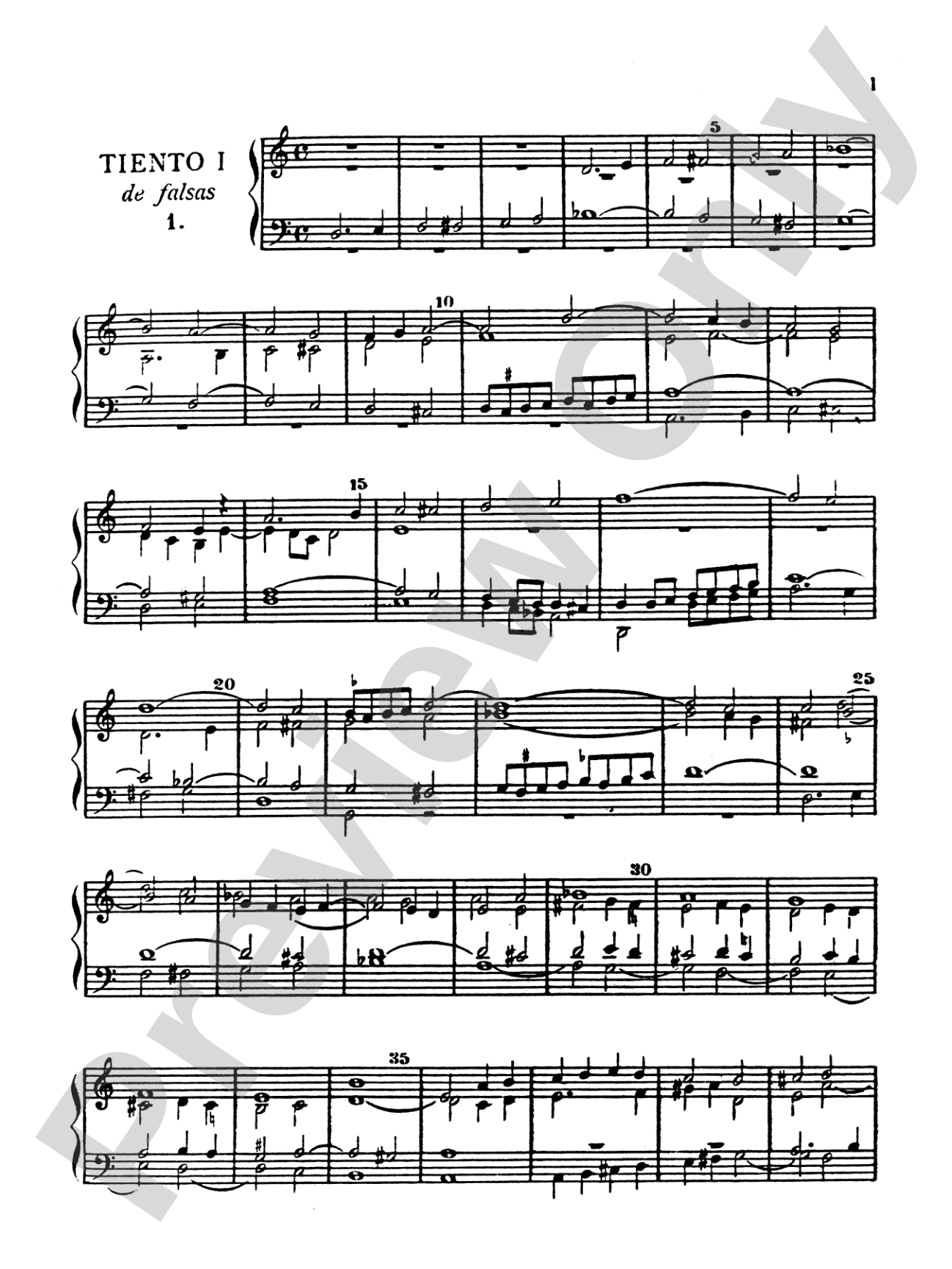
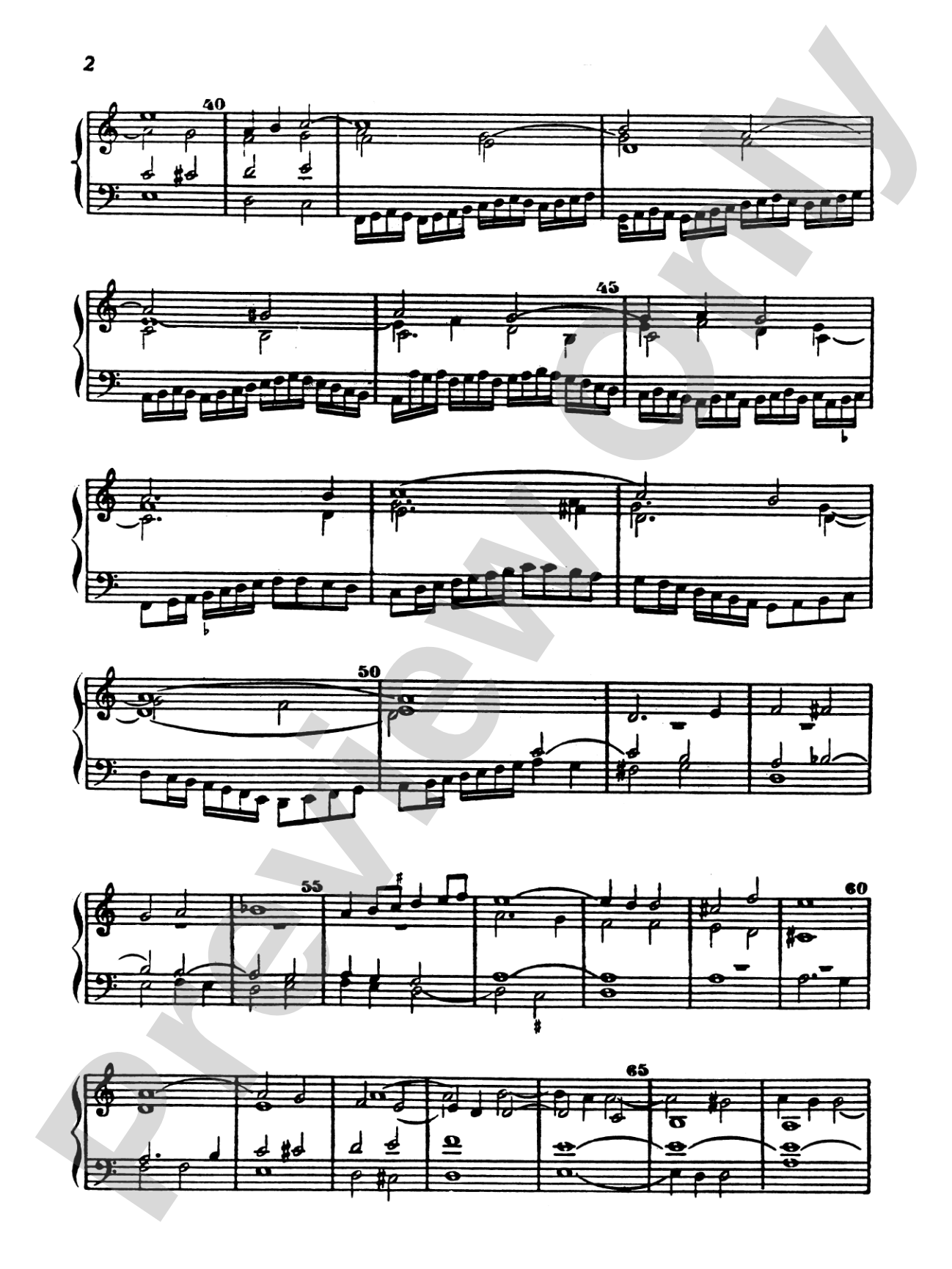
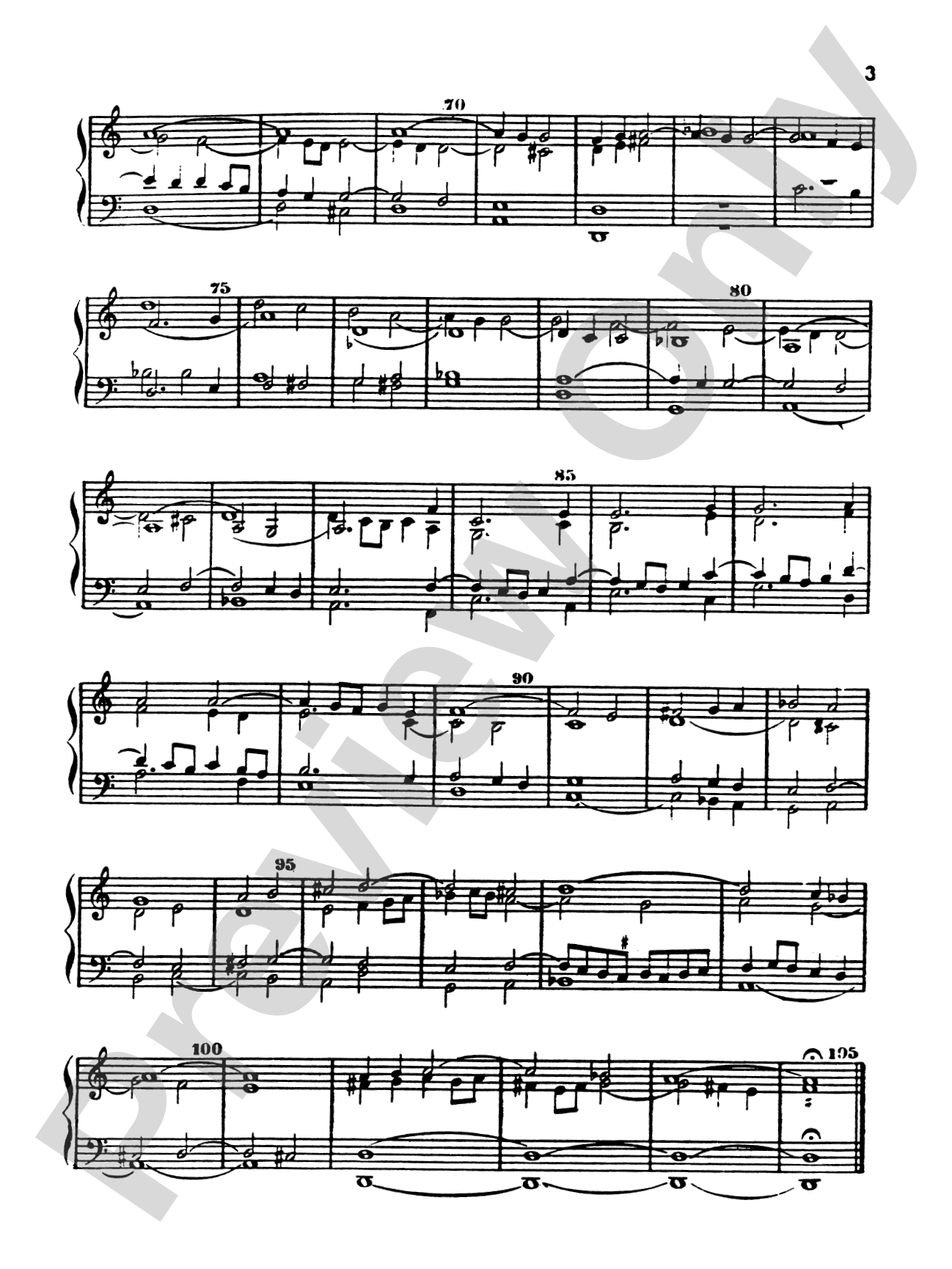

Cabanilles: Complete Organ Works, Volume I: Organ Book
By Juan Bautista Cabanilles
Item: 00-PK-0003854

$22.99
Pickup currently not available
Buy Extra Parts (Digital PDF Download)
Parts Added to Cart!
Related Items
Complete Organ Works, Volume I: Organ Book |
$22.99
|
View |
Description
Expertly arranged Organ Collection by Juan Cabanilles from the Kalmus Edition series. This is from the Baroque era.


Don't just read it, hear it, play along with it, and watch your students grow with it. In MakeMusic Cloud, Cabanilles: Complete Organ Works, Volume I: Organ Book comes alive with professional accompaniment, adjustable tempo, and built-in practice tools that turn solo practice into real progress.
Open in the Player
Jump straight in and assign it today.
Start Your Free Trial
Open this title and explore the full library in minutes.
Sample Audio
No sample audio found.
Sample Video
No sample videos found.
Additional Details
Series:
Kalmus Edition
Publisher:
Alfred Music
Page Count:
184
SKU:
00-PK-0003854
More about this title
About the Composer: Juan Cabanilles
Juan Cabanilles (1644, 1712) was the most significant Spanish organ composer of the Baroque era, spending most of his career as organist at the Metropolitan Cathedral in Valencia. He developed a distinctive style that merged Italian and French influences with Spanish harmonic traditions, creating works of considerable technical and artistic depth. His output includes over 200 organ pieces that remain central to the Baroque organ repertoire.
Why we love this
Cabanilles' organ music reveals the rich harmonic vocabulary and rhetorical power of Spanish Baroque composition, yet it remains underrepresented in most organ curricula. This Kalmus collection opens a significant repertoire window for organists seeking alternatives to the German and Italian canon, offering substantial works with genuine pedagogical value and concert presence.
What to expect
Cabanilles' organ writing balances intricate counterpoint with moments of harmonic richness and vocal lyricism. The music inhabits a space between the clarity and logic of Northern Baroque forms and the darker, more ornate character of Spanish Baroque aesthetics, creating a distinctive voice that feels both structurally elegant and emotionally direct.
Who it's for
This collection serves organists at the intermediate-to-advanced level who are ready to explore Baroque repertoire beyond the German masters. It suits church musicians seeking substantial liturgical works, recitalists building thematic programs around Spanish Baroque music, and students of music history studying regional Baroque keyboard traditions.
How to get the most out of it
- Study the manuscript traditions reflected in this edition carefully; Baroque organ music often benefits from registration choices that emphasize textural clarity over tonal blend, allowing inner voices to sing through.
- Pay attention to the harmonic language and its relationship to keyboard technique; Cabanilles frequently employs hand-crossing and division patterns that reveal the composer's practical understanding of organ mechanics.
- Approach ornamental figuration with rhythmic precision and clarity rather than rubato; the Spanish Baroque style values articulate passagework that drives the harmonic progression forward.
- Consider the liturgical context implied by the work titles (tientos, versos, and other sectional forms); understanding the liturgical function often illuminates tempo relationships and structural proportions.
How to use it
These works function excellently as single-movement recital pieces or as suites within a Baroque organ concert focused on Spanish and Iberian composers. They integrate well into liturgical services, particularly for Offertory or postlude positions, and pair naturally with other Spanish Baroque keyboard music or with vocal works from the same era and region.
Skills your students will build
- Baroque counterpoint with Spanish harmonic language
- Organ-idiomatic hand independence and register coordination
- Reading and performing figured bass realized in keyboard writing
- Stylistic interpretation of tiento and verso forms
- Understanding regional Baroque keyboard traditions beyond German and Italian models