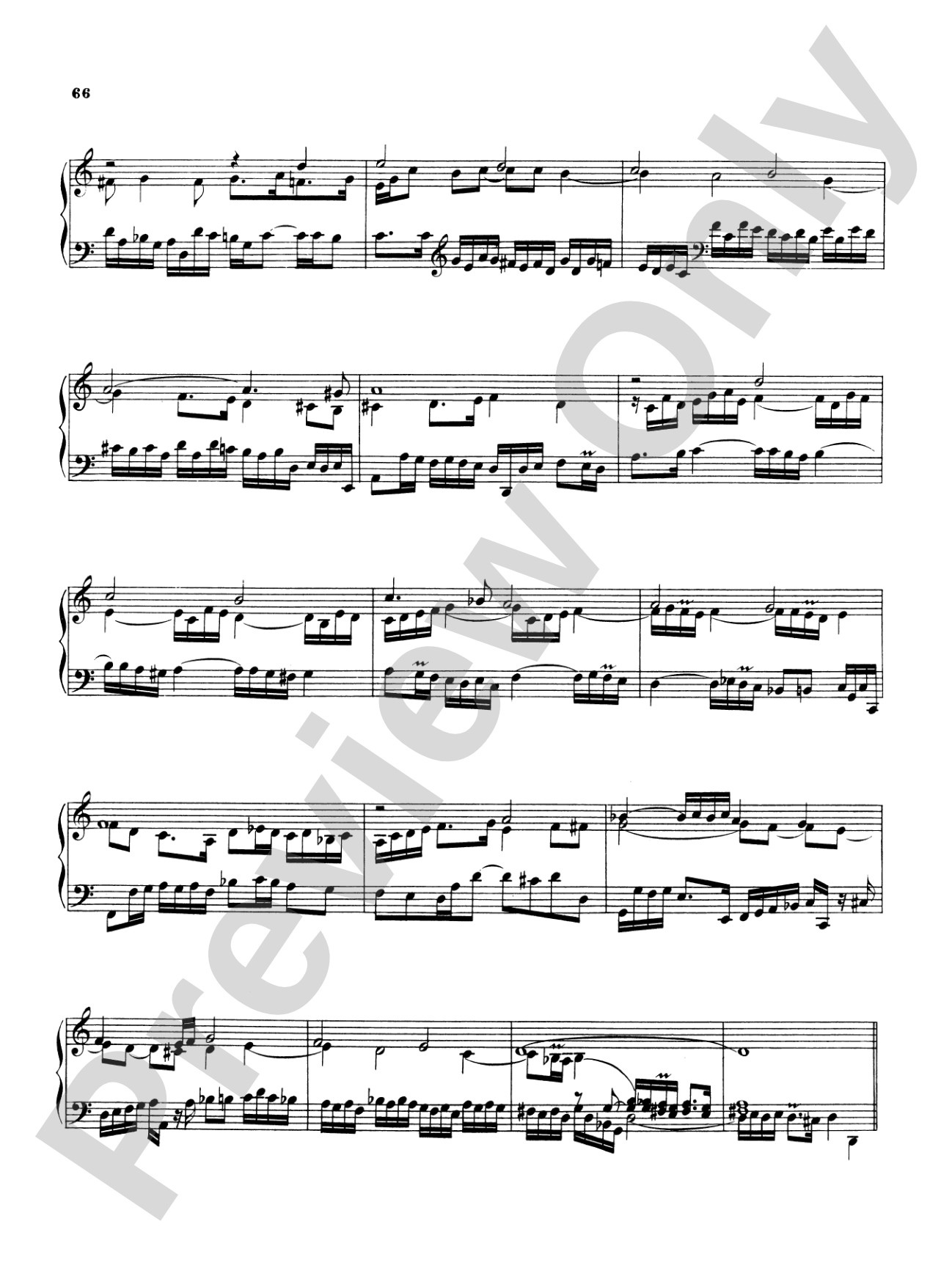
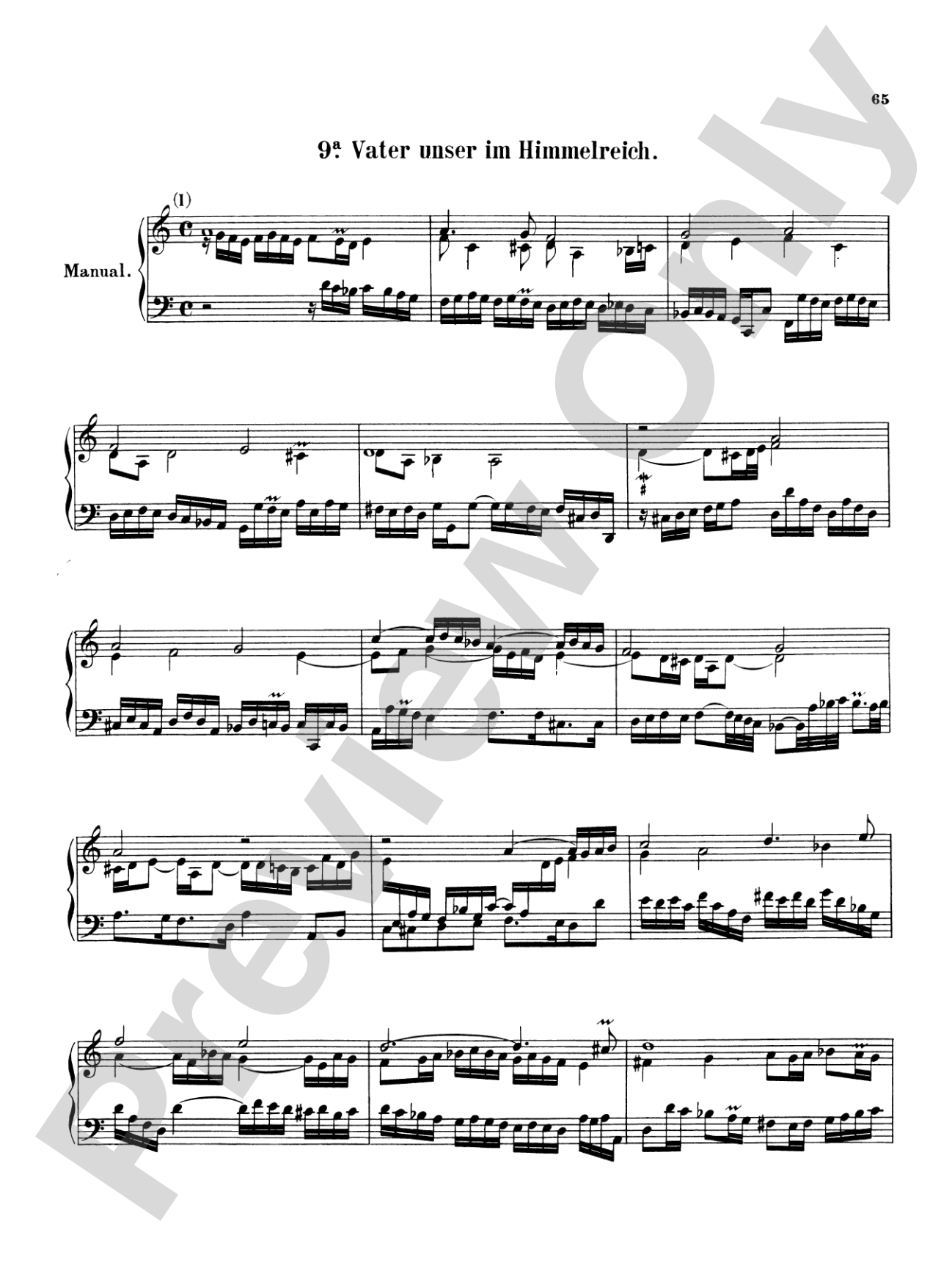
Buxtehude: Organ Works, Volume III Sheet Music Preview

Buxtehude: Organ Works, Volume III

By Dietrich Buxtehude

Item: 00-PC-0005897

Digital Download
$0.99
Description
Chorale Transcriptions

Don't just read it, hear it, play along with it, and watch your students grow with it. In MakeMusic Cloud, Buxtehude: Organ Works, Volume III comes alive with professional accompaniment, adjustable tempo, and built-in practice tools that turn solo practice into real progress.

Sample Audio
No sample audio found.
Sample Video
Additional Details
Series: Kalmus Edition
Publisher: Alfred Music
Page Count: 80
SKU: 00-PC-0005897

More about this title

About the Composer: Dietrich Buxtehude

Dietrich Buxtehude (1637-1707) was a towering figure in late Baroque organ music and a direct influence on J.S. Bach, who traveled over 250 miles on foot to hear him perform in Lübeck. As organist at the Marienkirche in Lübeck for nearly 40 years, Buxtehude developed a style that combined German contrapuntal tradition with Italian harmonic language, creating works of extraordinary depth and technical sophistication.

His organ music encompasses preludes, fugues, chorale settings, and variations. The chorale transcriptions in this volume showcase his gift for reimagining congregational melodies within the formal structures and ornamental language of the keyboard tradition. His work bridges the world of J.S. Bach's predecessors and the compositional practices that would shape Bach's own keyboard legacy.

Why we love this

These chorale transcriptions preserve essential Baroque keyboard literature that serious organists must encounter to understand the historical arc leading to Bach. Buxtehude's voice is unmistakably his own: harmonically inventive, contrapuntally clear, and written with intimate knowledge of the organ's registers and capabilities. This collection offers a complete window into how a master organist of the 17th century engaged with sacred melody.

What to expect

These transcriptions radiate the quiet intensity of devotion expressed through counterpoint and ornamental figuration. The harmonic language feels both grounded in German hymnody and illuminated by sophisticated keyboard writing; the music invites contemplation without ever becoming static. There is an intimacy here, as though you are hearing the organist's private meditation on sacred melody.

Who it's for

Intermediate to advanced organists seeking substantial repertoire beyond the well-traveled Bach and Brahms canon. This collection serves church musicians, private studio organists preparing for recital or liturgical performance, and students of Baroque organ literature who want to deepen their understanding of pre-Bach compositional practice.

How to get the most out of it

  • Approach registration thoughtfully by varying manual combinations between sections; chorale transcriptions of this era typically benefited from the performer's sensitivity to tonal color and textural depth rather than literal historical registration data.
  • Voice the inner parts with clarity and independence, especially in passages where Buxtehude weaves multiple contrapuntal lines around the chorale tune.
  • Practice hands separately first to secure the harmonic language; Buxtehude's harmonic vocabulary includes some unexpected voice leading that rewards deliberate study before combining parts.
  • Shape phrases according to the underlying text and meaning of each chorale melody, even though instrumental transcription removes the sung word.

How to use it

Program individual transcriptions as substantial recital pieces or as liturgical preludes or postludes within a service focused on specific seasons or themes. Pairing these works with Bach organ chorales or preludes and fugues creates a historically informed program that demonstrates the compositional lineage. They also serve well as teaching repertoire for organists ready to expand beyond contemporary standard repertoire into the living Baroque tradition.

Skills your students will build

  • Reading Baroque organ notation and understanding historical clef usage
  • Executing independent voice leading across multiple staves and manual divisions
  • Interpreting harmonic language from the late 17th century, including chromatic voice leading and unexpected cadential approaches
  • Applying registration choices based on textural and harmonic analysis rather than printed instructions
  • Connecting keyboard technique to the spiritual and liturgical content of chorale melody

You May Also Like