
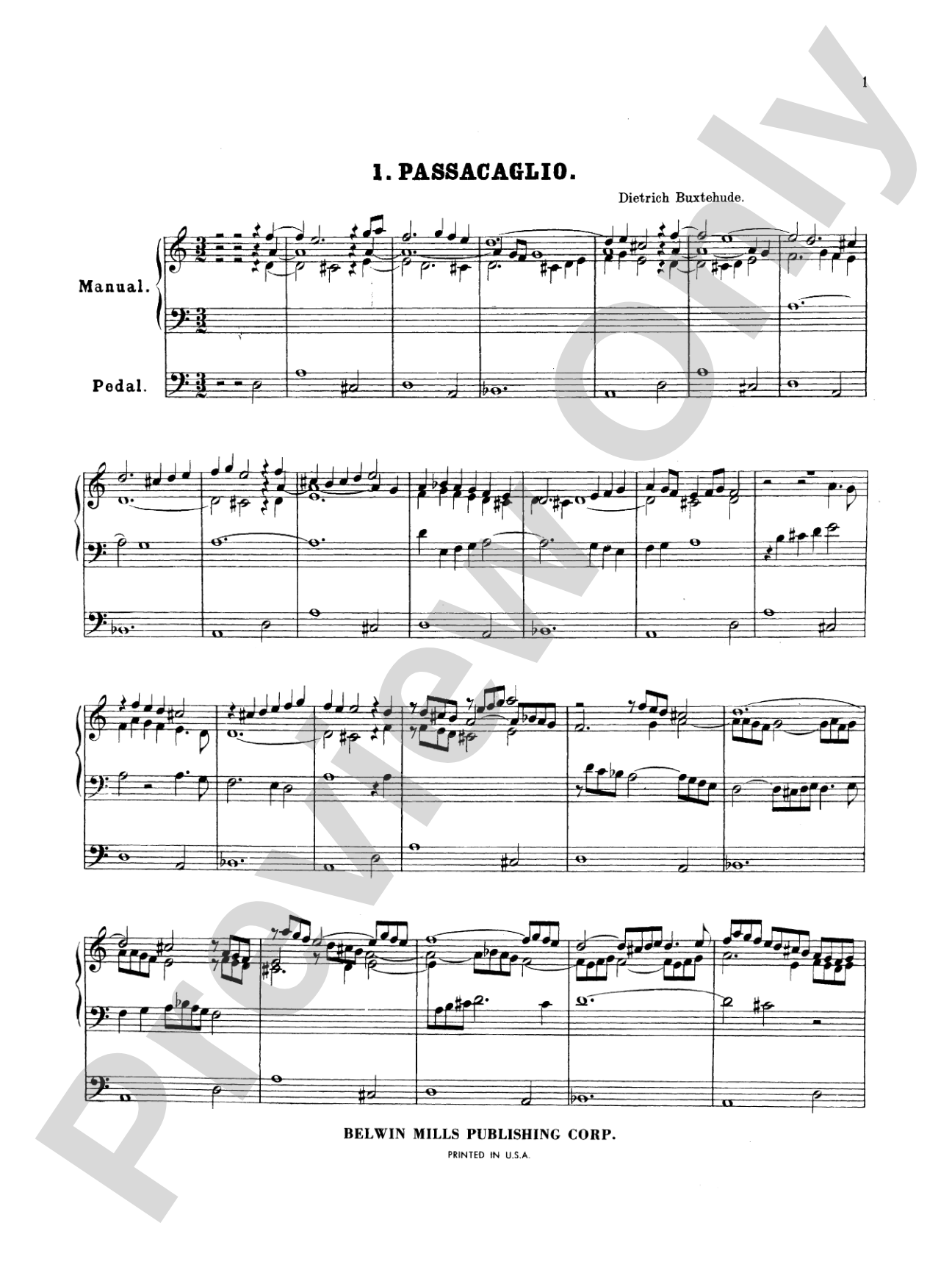
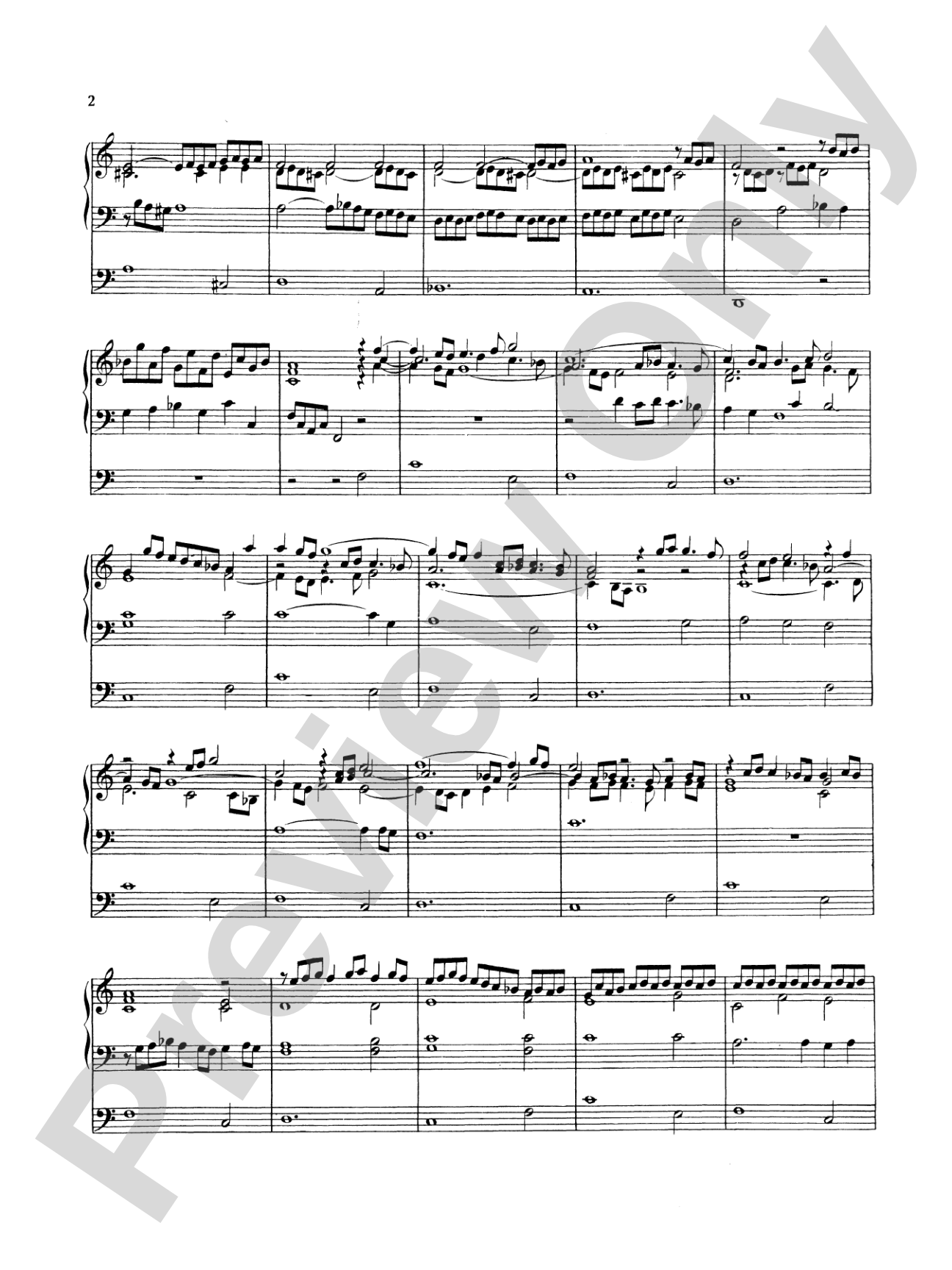
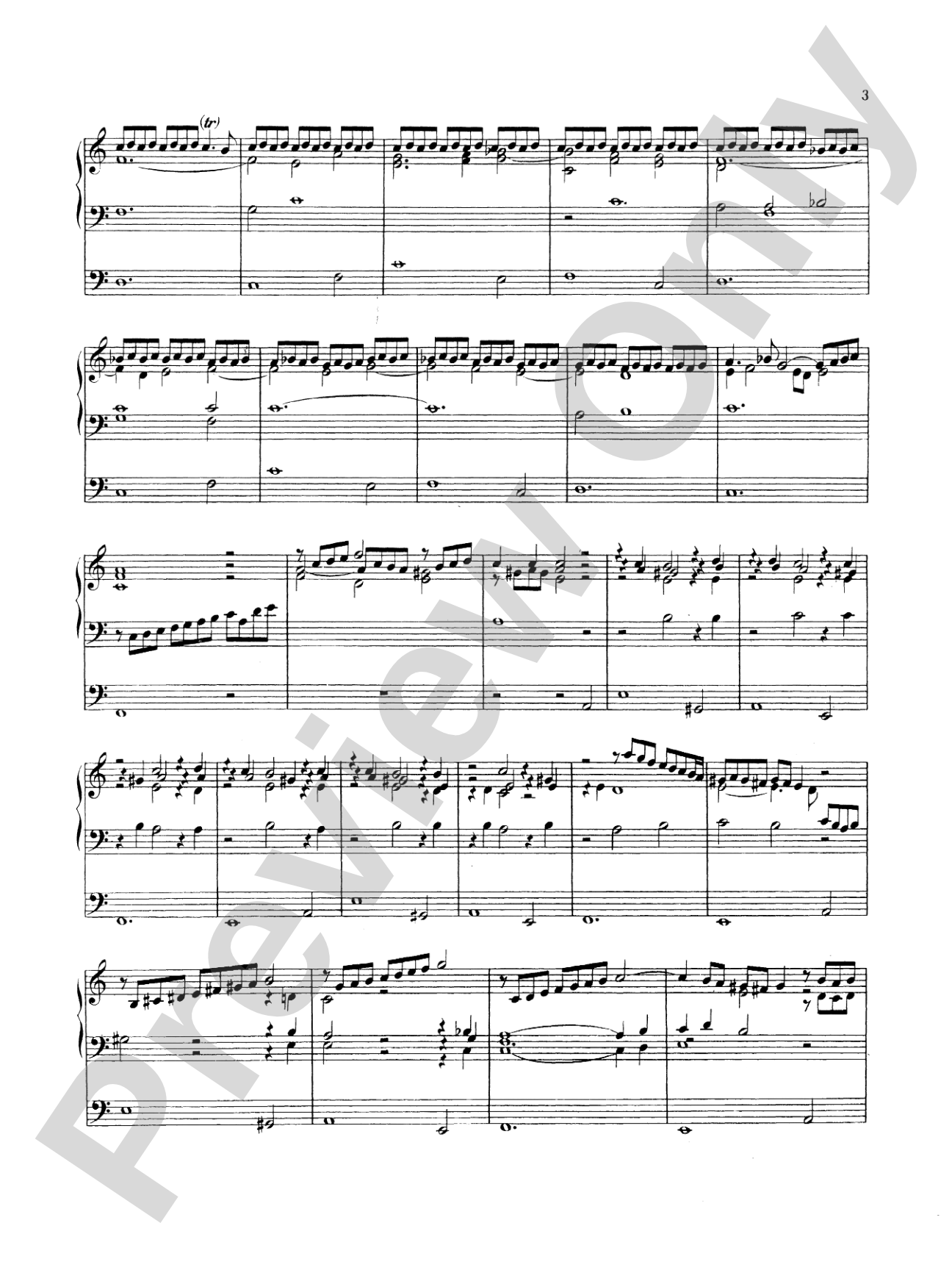
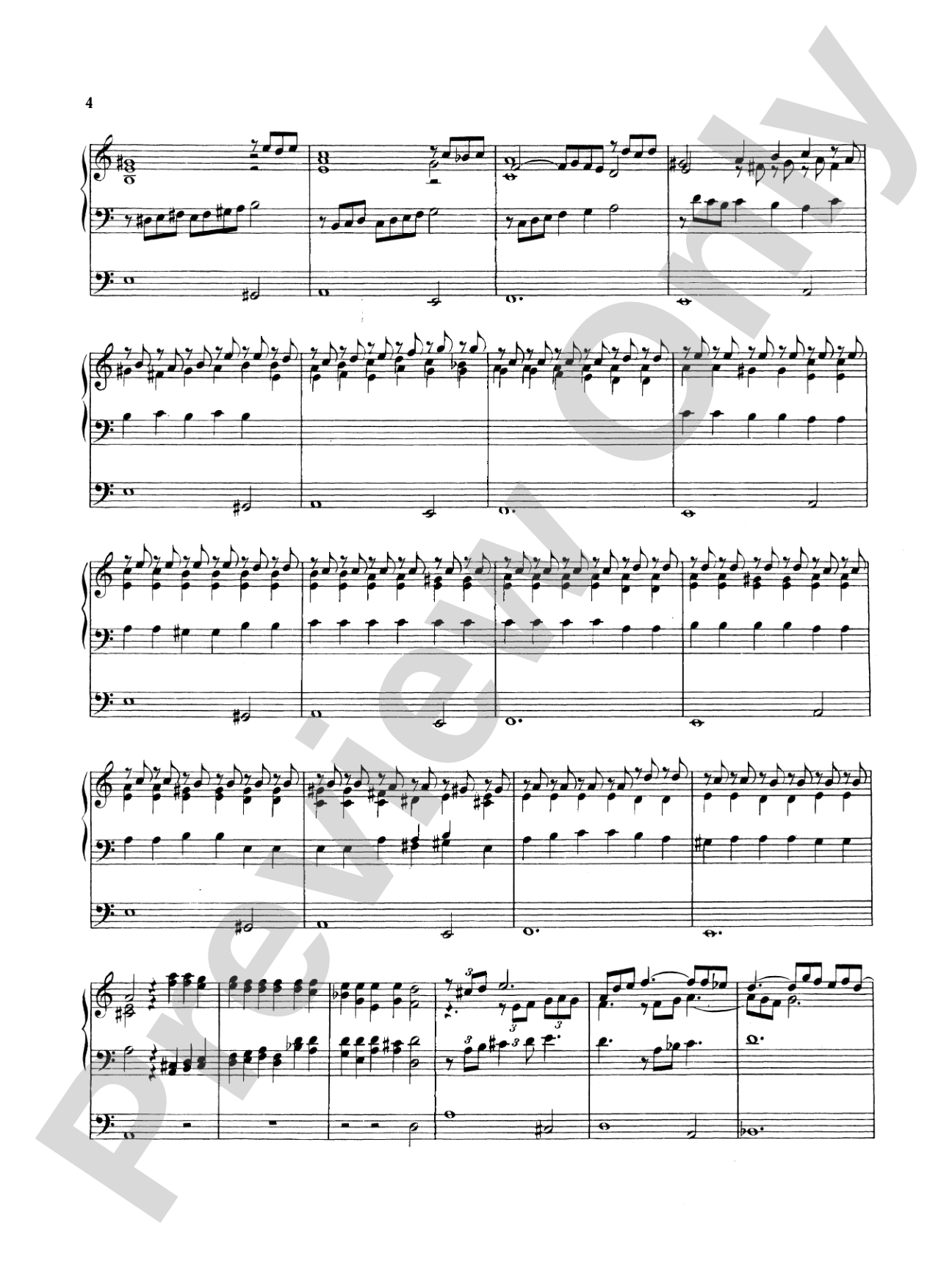
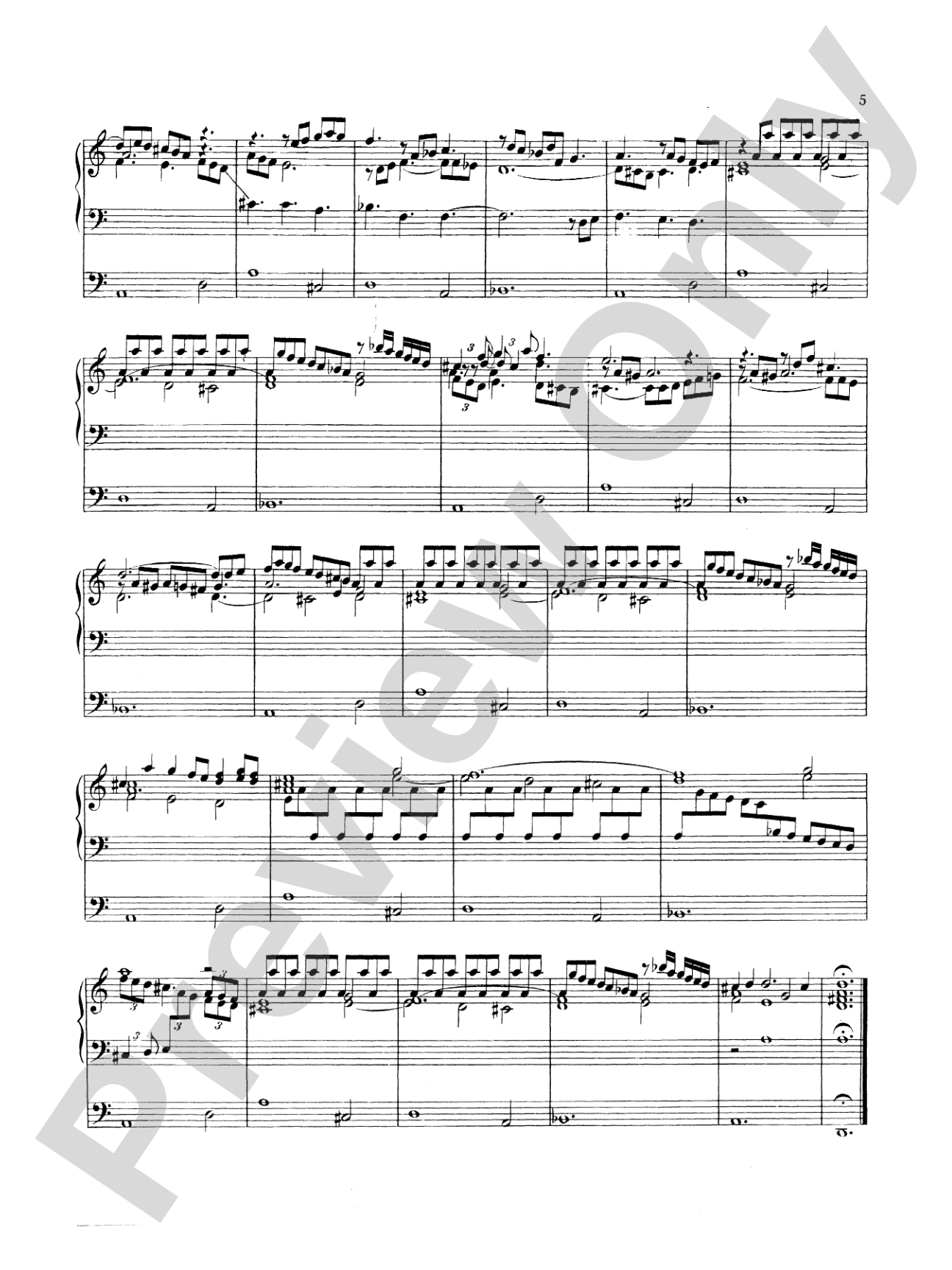

Buxtehude: Organ Works, Volume I: Organ Book
By Dietrich Buxtehude
Item: 00-PK-0002981

$14.99
Pickup currently not available
Buy Extra Parts (Digital PDF Download)
| Product | Price | Quantity |
|---|---|---|
| Buxtehude: Organ Works, Volume I | $0.99 | |
| Buxtehude: Organ Works, Volume I | $0.99 | |
| Buxtehude: Organ Works, Volume I | $0.99 | |
| Buxtehude: Organ Works, Volume I | $0.99 | |
| Buxtehude: Organ Works, Volume I | $0.99 | |
| Buxtehude: Organ Works, Volume I | $0.99 | |
| Buxtehude: Organ Works, Volume I | $0.99 | |
| Buxtehude: Organ Works, Volume I | $0.99 | |
| Buxtehude: Organ Works, Volume I | $0.99 | |
| Buxtehude: Organ Works, Volume I | $0.99 | |
| Buxtehude: Organ Works, Volume I | $0.99 | |
| Buxtehude: Organ Works, Volume I | $0.99 | |
| Buxtehude: Organ Works, Volume I | $0.99 | |
| Buxtehude: Organ Works, Volume I | $0.99 |
Parts Added to Cart!
Related Items
Organ Works, Volume I: Organ Book |
$14.95
|
View |
Description
Free Compositions


Don't just read it, hear it, play along with it, and watch your students grow with it. In MakeMusic Cloud, Buxtehude: Organ Works, Volume I: Organ Book comes alive with professional accompaniment, adjustable tempo, and built-in practice tools that turn solo practice into real progress.
Open in the Player
Jump straight in and assign it today.
Start Your Free Trial
Open this title and explore the full library in minutes.
Sample Audio
No sample audio found.
Sample Video
No sample videos found.
Additional Details
Series:
Kalmus Edition
Publisher:
Alfred Music
Page Count:
88
SKU:
00-PK-0002981
More about this title
About the Composer: Dietrich Buxtehude
Dietrich Buxtehude (1637, 1707) was the most significant German organist of the Baroque era and a towering figure in keyboard music whose influence shaped the generation that followed him, including Bach and Handel. He spent the last fifty years of his life as organist at the Marienkirche in Lübeck, where he developed an elaborate style that synthesized German, Italian, and French musical traditions into virtuosic, architecturally ambitious works. His compositions reveal a master of both strict contrapuntal writing and bold harmonic exploration, making him essential listening and playing for any organist serious about understanding the Baroque roots of keyboard literature.
Buxtehude's music demands technical facility and musical maturity. He wrote freely within sectional forms, balancing fugal sections with improvisatory passages, and his harmonic language sometimes ventures into territory that would seem advanced even decades after his death. His legacy rests not only on the beauty of individual works but on his redefinition of what the organ could express.
Why we love this
These works sit at a crucial historical moment where you can hear the seeds of Bach's language already fully formed. The collection demonstrates Buxtehude's gift for architectural design within free forms, balancing virtuosic figuration with profound harmonic thinking in ways that challenge and reward serious study.
What to expect
Architecturally spacious yet densely woven. You move through sections of dancing figuration and sudden harmonic shifts, then encounter moments of austere simplicity that feel almost meditative. The language feels both ancient and urgently alive, as if Buxtehude is thinking through compositional problems in real time.
Who it's for
Advanced organists and serious keyboard students with solid technique and music theory grounding. This collection serves conservatory students, church musicians preparing advanced recital repertoire, and pedagogy teachers seeking authentic Baroque models for student analysis and performance.
How to get the most out of it
- Study the harmonic rhythm independently from the surface figuration; Buxtehude's progressions often unfold across multiple measures and reward patient voice-leading awareness.
- Approach registration as a compositional parameter. The manuscript contexts and period practices suggest terraced, block-based changes rather than gradual crescendos; plan your reeds and foundations deliberately.
- Work the contrapuntal lines separately before assembling them. Even passages that appear as rapid figuration contain independent melodic strands that must sing clearly.
- Let silence breathe within cadences. Buxtehude's harmonic motion sometimes moves quickly to a goal, then pauses; resist the urge to fill every rest with movement.
How to use it
Program these as recital centerpieces for advanced students or as concert anchors that frame earlier and later Baroque works. A single substantial piece from this collection can anchor a program exploring the organist's technical command and interpretive maturity.
Skills your students will build
- Counterpoint across multiple independent voices
- Harmonic analysis and progression recognition in Baroque tonality
- Registration planning and terraced dynamic awareness on period organs
- Interpretation of figured bass and ornamentation conventions
- Improvisation within Baroque formal structures
- Pedal technique integration in complex textures