

Buxtehude: Compositions: Piano Book
By Dietrich Buxtehude
Item: 00-PK-0002985

$14.99
Pickup currently not available
Buy Extra Parts (Digital PDF Download)
| Product | Price | Quantity |
|---|---|---|
| Buxtehude: Compositions | $0.99 | |
| Buxtehude: Compositions | $0.99 | |
| Buxtehude: Compositions | $0.99 | |
| Buxtehude: Compositions | $0.99 | |
| Buxtehude: Compositions | $0.99 | |
| Buxtehude: Compositions | $0.99 | |
| Buxtehude: Compositions | $0.99 | |
| Buxtehude: Compositions | $0.99 | |
| Buxtehude: Compositions | $0.99 | |
| Buxtehude: Compositions | $0.99 | |
| Buxtehude: Compositions | $0.99 | |
| Buxtehude: Compositions | $0.99 | |
| Buxtehude: Compositions | $0.99 | |
| Buxtehude: Compositions | $0.99 | |
| Buxtehude: Compositions | $0.99 | |
| Buxtehude: Compositions | $0.99 | |
| Buxtehude: Compositions | $0.99 | |
| Buxtehude: Compositions | $0.99 | |
| Buxtehude: Compositions | $0.99 | |
| Buxtehude: Compositions | $0.99 | |
| Buxtehude: Compositions | $0.99 | |
| Buxtehude: Compositions | $0.99 | |
| Buxtehude: Compositions | $0.99 | |
| Buxtehude: Compositions | $0.99 | |
| Buxtehude: Compositions | $0.99 | |
| Buxtehude: Compositions | $0.99 | |
| Buxtehude: Compositions | $0.99 | |
| Buxtehude: Compositions | $0.99 |
Parts Added to Cart!
Related Items
Compositions: Piano Book |
$14.95
|
View |
Description
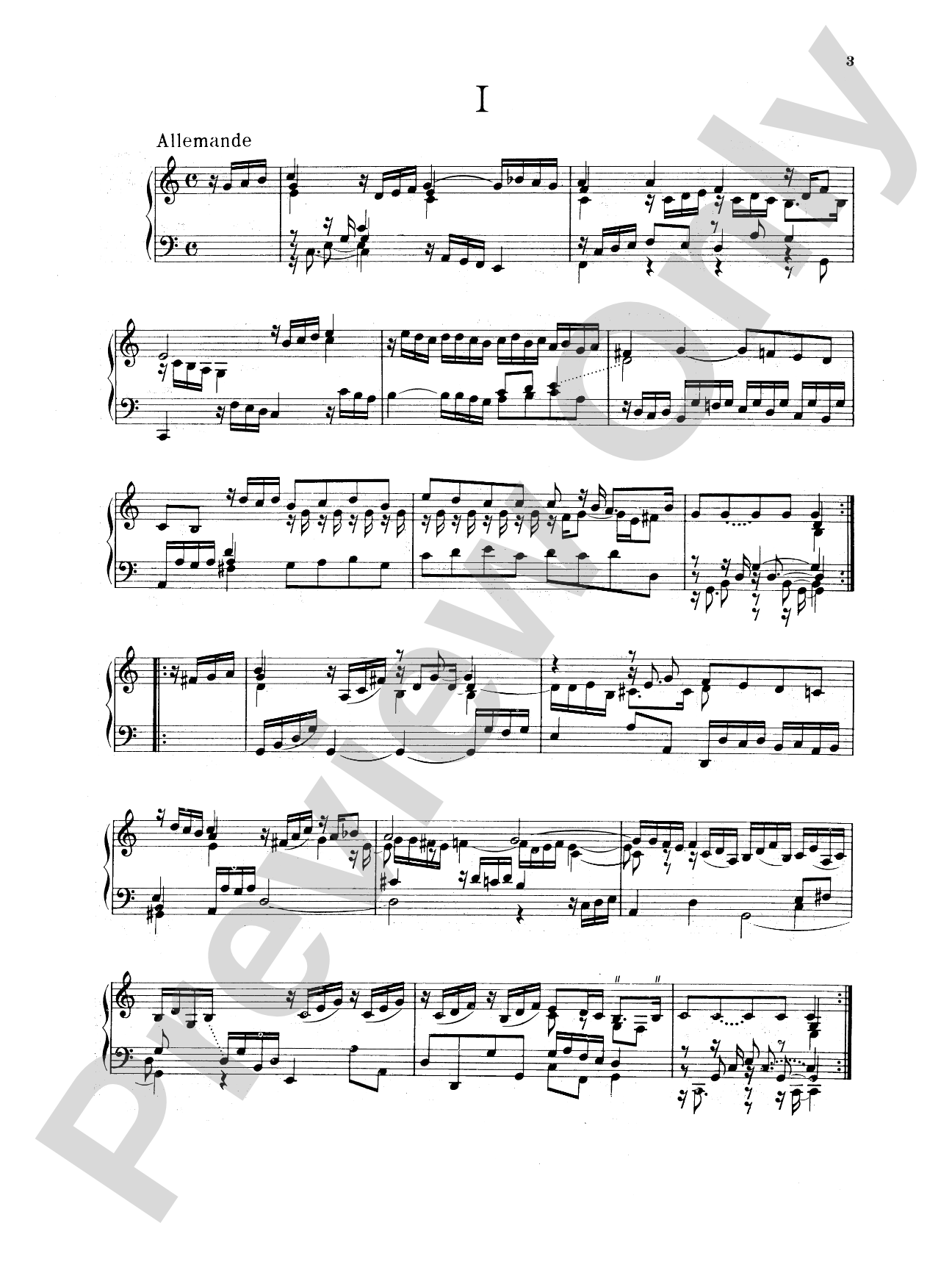
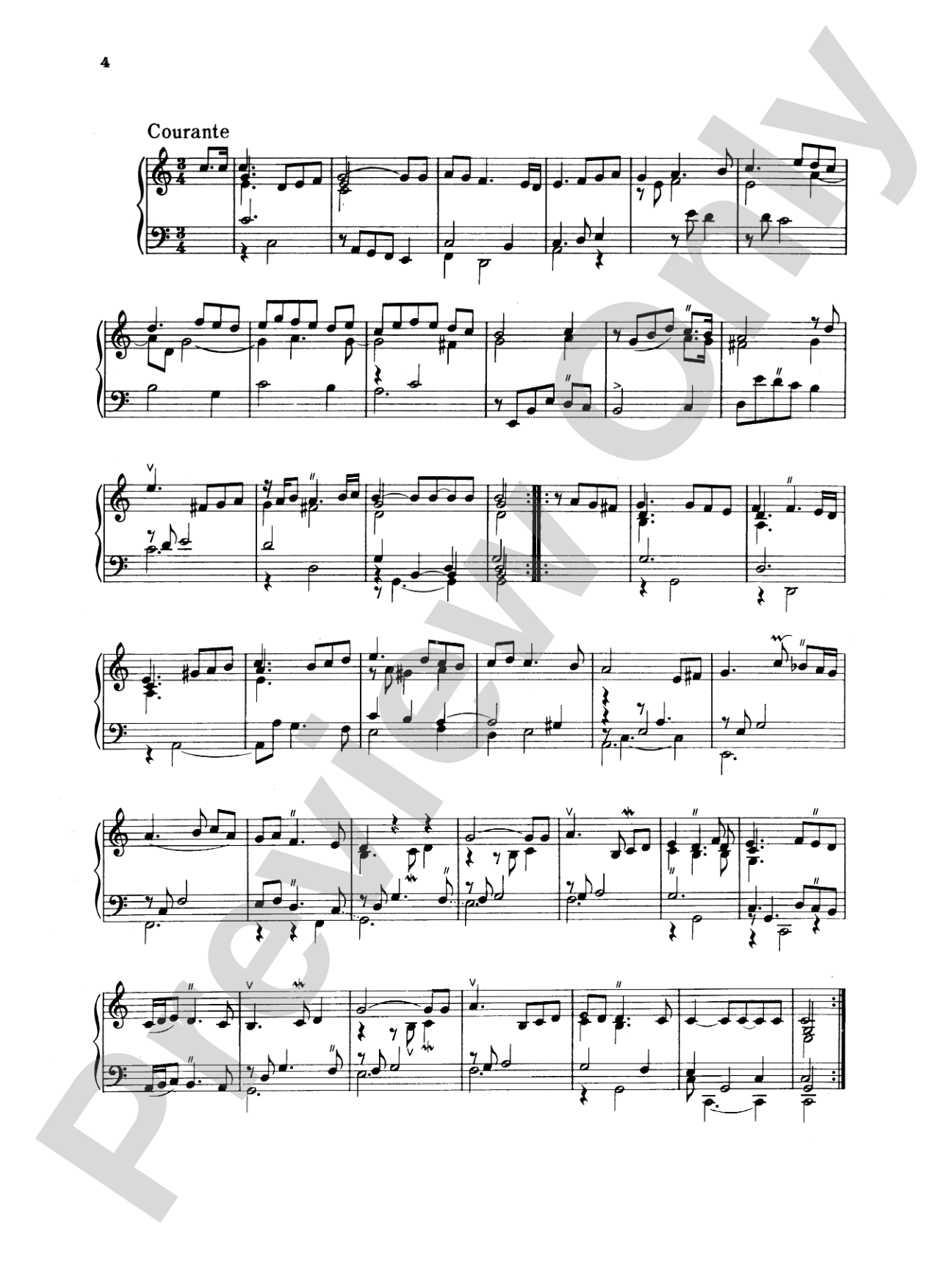
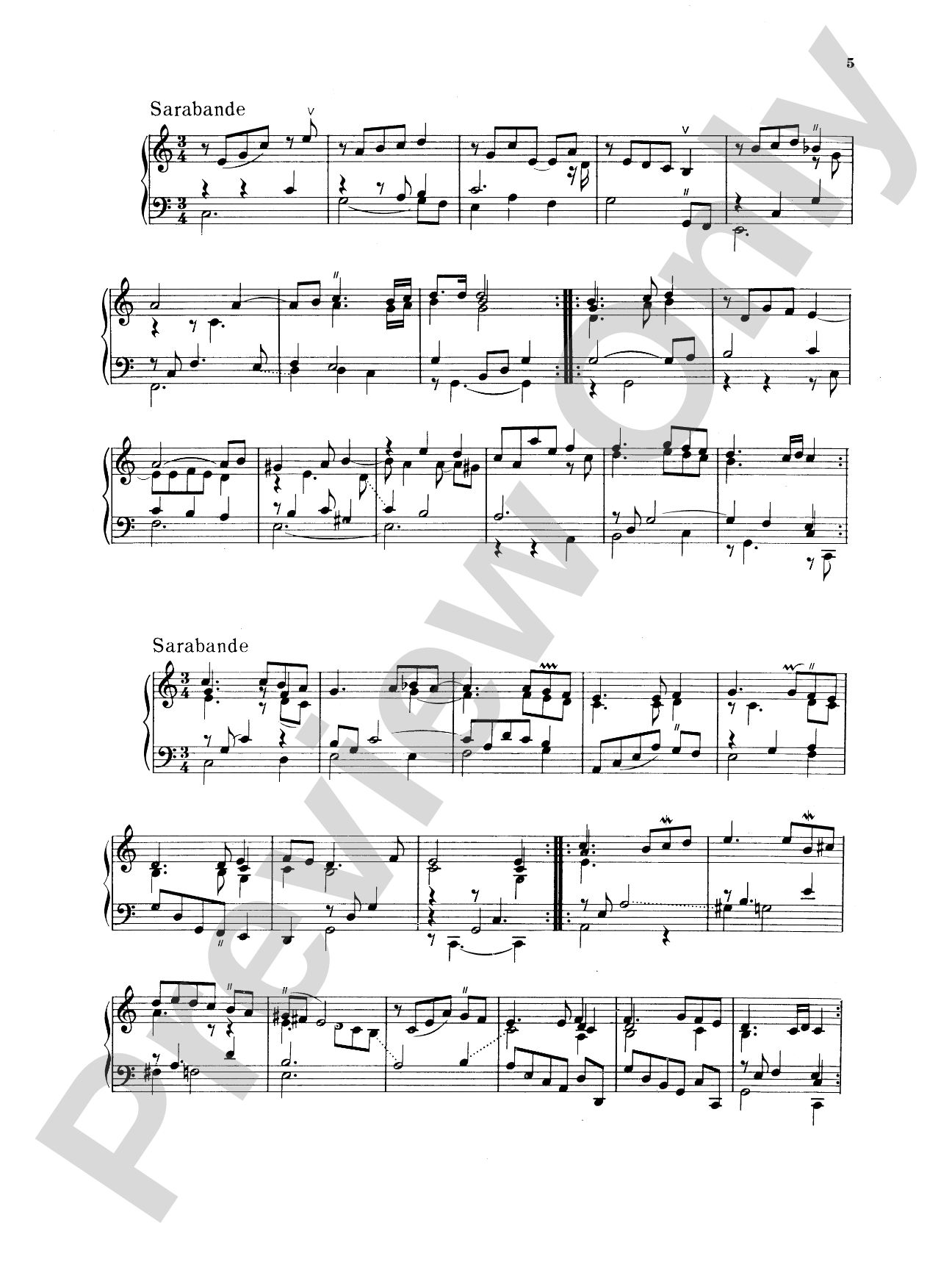
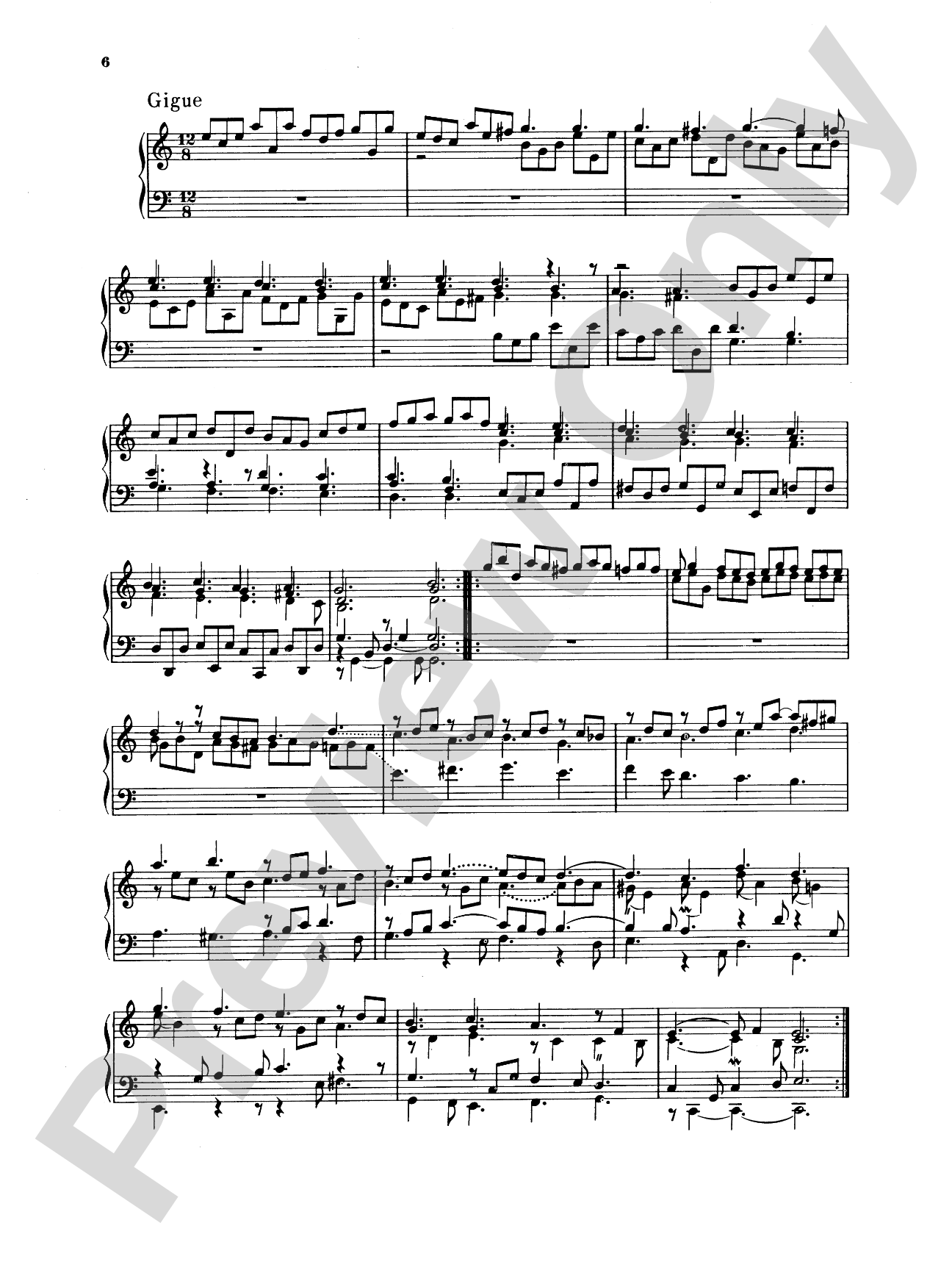
Dietrich Buxtehude, (c. 1637--1707) was a German-Danish organist and composer of the Baroque era. His style strongly influenced many composers, including Johann Sebastian Bach. This collection of keyboard works includes performance notes and information about the sources of these compositions. Includes 19 suites, 5 arias, 3 courantes and a Simphonie.


Don't just read it, hear it, play along with it, and watch your students grow with it. In MakeMusic Cloud, Buxtehude: Compositions: Piano Book comes alive with professional accompaniment, adjustable tempo, and built-in practice tools that turn solo practice into real progress.
Open in the Player
Jump straight in and assign it today.
Start Your Free Trial
Open this title and explore the full library in minutes.
Sample Audio
No sample audio found.
Sample Video
No sample videos found.
Additional Details
Series:
Kalmus Edition
Publisher:
Alfred Music
Page Count:
116
SKU:
00-PK-0002985
More about this title
About the Composer: Dietrich Buxtehude
Dietrich Buxtehude (c. 1637, 1707) was the most celebrated keyboard composer of the German Baroque before Bach. Based in Lübeck for the latter half of his life, he served as organist at the Marienkirche and became a major draw for musicians across Europe; the young Bach himself traveled over 250 miles on foot to study with him. His keyboard works, especially the preludes and fugues, established many of the formal and harmonic strategies that Bach would inherit and expand.
Buxtehude's compositional voice balances improvisatory freedom with structural clarity. His suites blend dance movements in ways that differ from French and Italian models, and his toccata-like preludes showcase virtuosic figuration paired with dramatic harmonic shifts. For organists and pianists, his music remains essential repertoire; it bridges the Renaissance keyboard tradition and the fully realized Baroque style of the early 18th century.
Why we love this
This collection spans the full range of Buxtehude's keyboard language across multiple forms, giving pianists direct access to the music that shaped Bach's own development as a composer. The inclusion of performance notes and source information enriches study, helping pianists understand the historical context and performance considerations specific to each work. Programming suites from this edition provides a sophisticated alternative to the standard Baroque repertoire.
What to expect
Buxtehude's keyboard music radiates intellectual rigor wrapped in surprising warmth. The suites move between stately, processional movements and dazzling passagework that demands precision and clarity; the arias sing with introspective, sometimes melancholic beauty. Throughout the collection, there is a sense of exploring harmonic territory that was bold for its time, with sudden modulations and chromatic writing that feel both grounded in Baroque convention and strikingly personal.
Who it's for
This edition serves advanced pianists and serious Baroque enthusiasts looking to expand beyond the standard Bach-centered keyboard repertoire. Organists transitioning to piano or pianists studying the historical foundations of keyboard writing will find substantial material here. College-level music students and professional pianists preparing recital programs will value the completeness and scholarly apparatus of the Kalmus Edition.
How to get the most out of it
- Attend closely to ornamentation markings and apply period-appropriate articulation; Baroque keyboard music thrives on clarity between voices rather than sustain pedal.
- Approach the intricate counterpoint in the suites with attention to rhythmic precision in fast movements; these passages reward clean fingerwork over romantic rubato.
- Balance the harmonic richness in the arias with measured tempos that allow listeners to follow the voice-leading without rushing through the harmonic progressions.
- Consult the performance notes provided in the collection to understand the source manuscripts and any editorial decisions affecting tempo, articulation, or ornamentation.
How to use it
Feature a single suite or aria as a recital opener or intermission piece to establish historical depth and pianistic sophistication without the gravitational pull of Bach. Pair Buxtehude works alongside Bach's keyboard music in a program exploring compositional lineage and stylistic development across the North German Baroque tradition. Consider programming shorter works from this collection in chamber contexts or lecture-recitals examining Baroque keyboard idiom.
Skills your students will build
- Baroque articulation and ornamentation practices
- Voice independence in contrapuntal writing
- Structural understanding of Baroque keyboard forms (suite, aria, toccata, courante)
- Harmonic analysis of North German Baroque chromaticism and modulation
- Historically informed performance practice for keyboard music
- Interpretive choices when working from multiple source manuscripts