
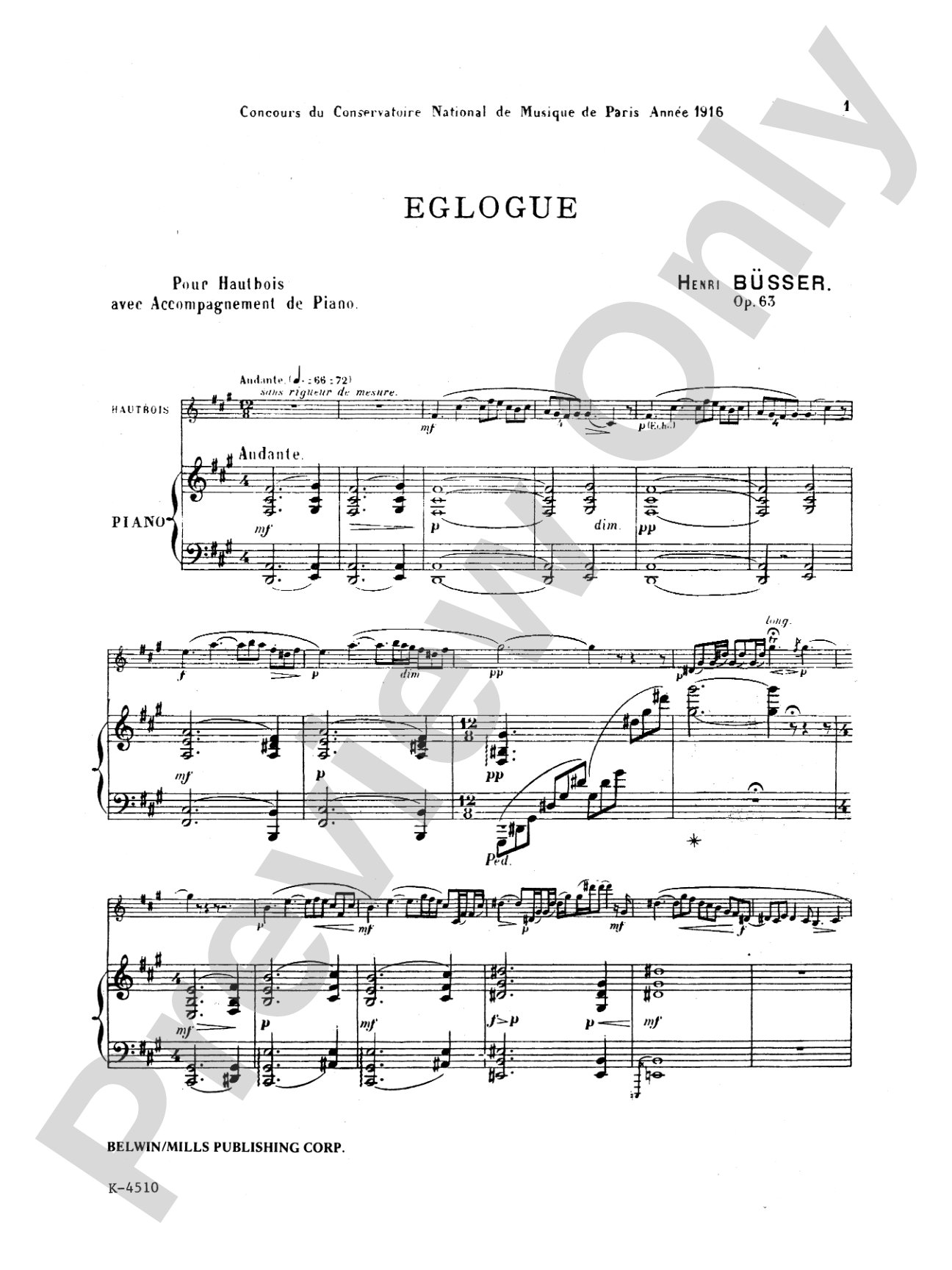
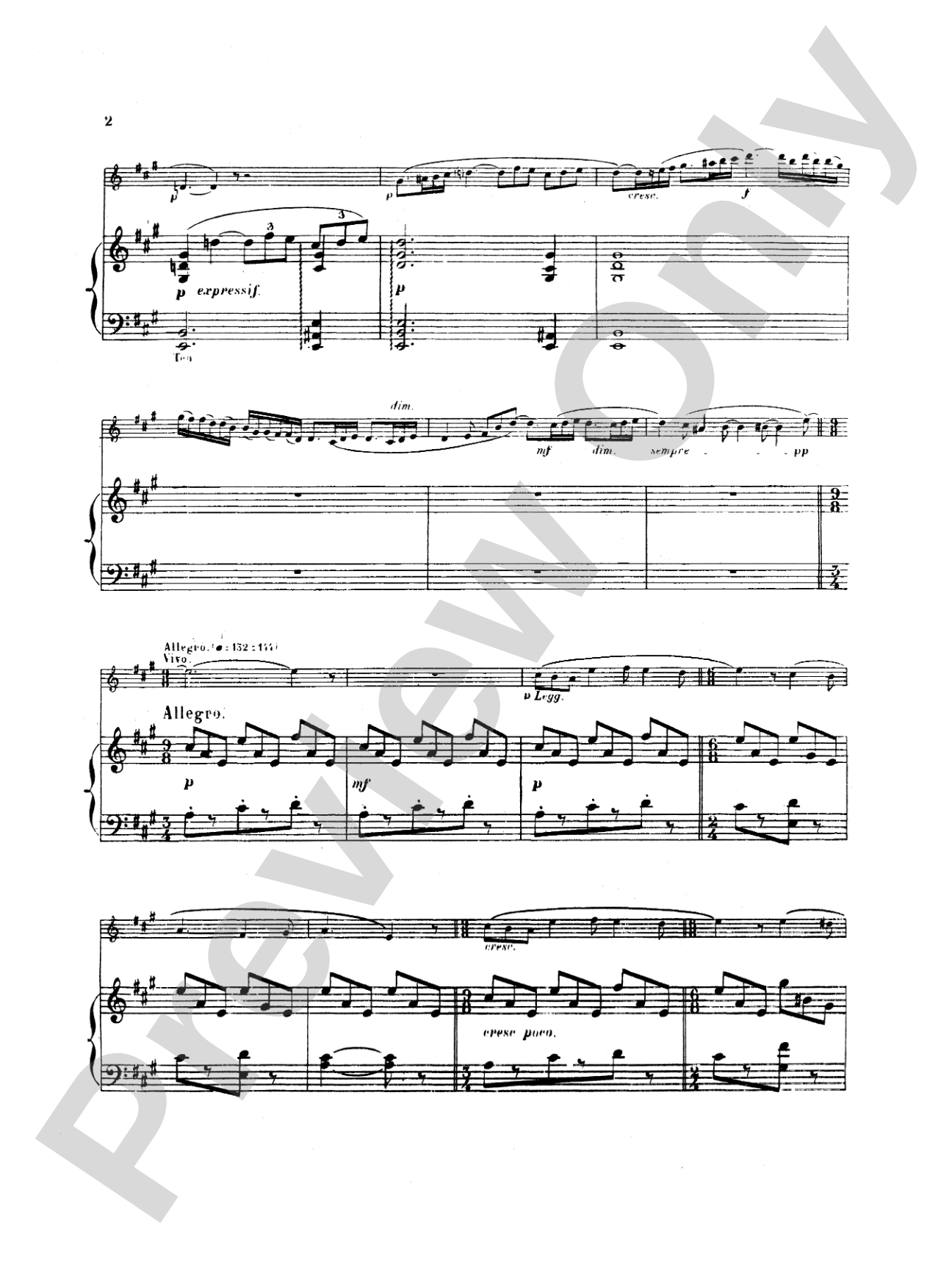
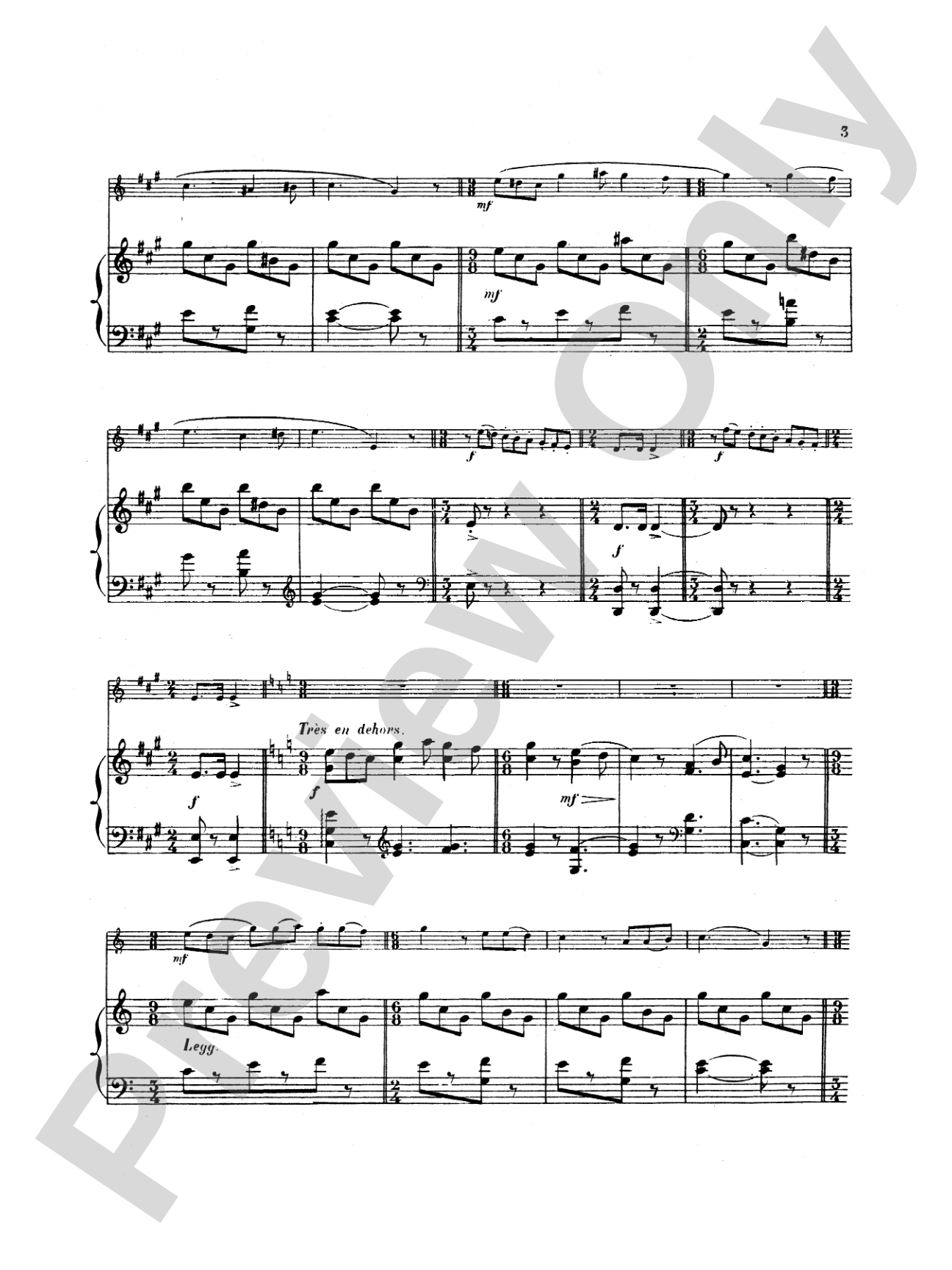
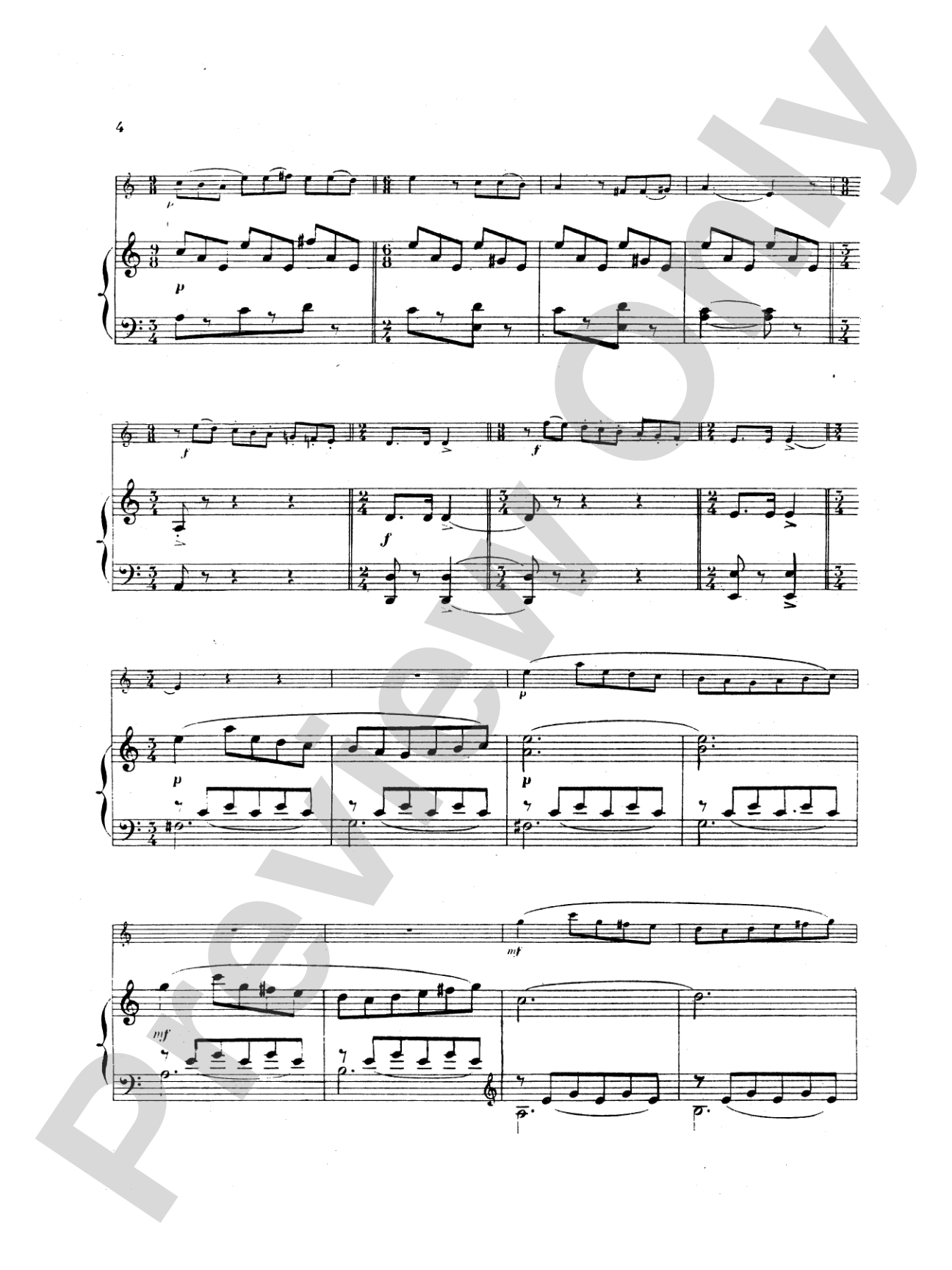
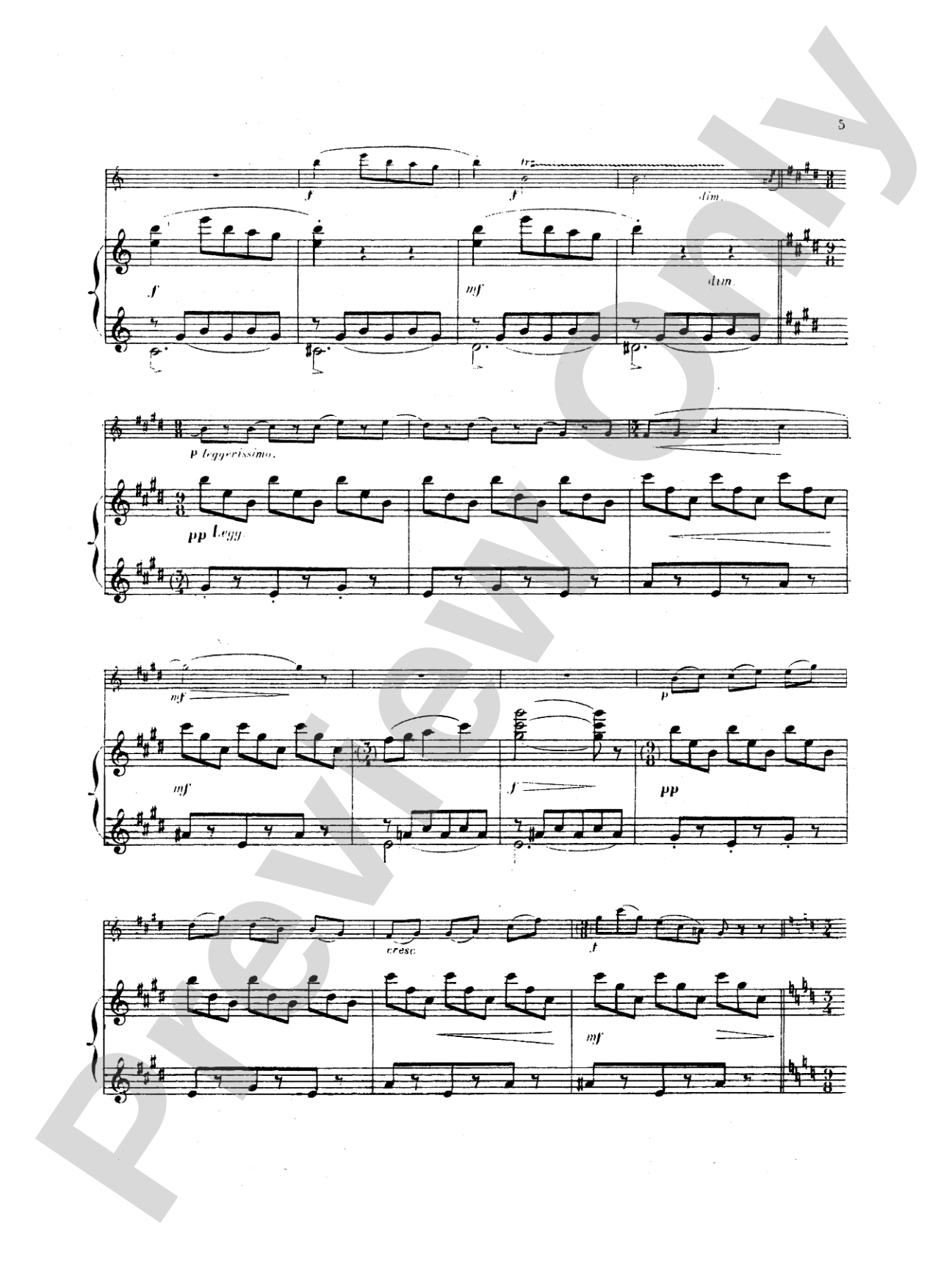
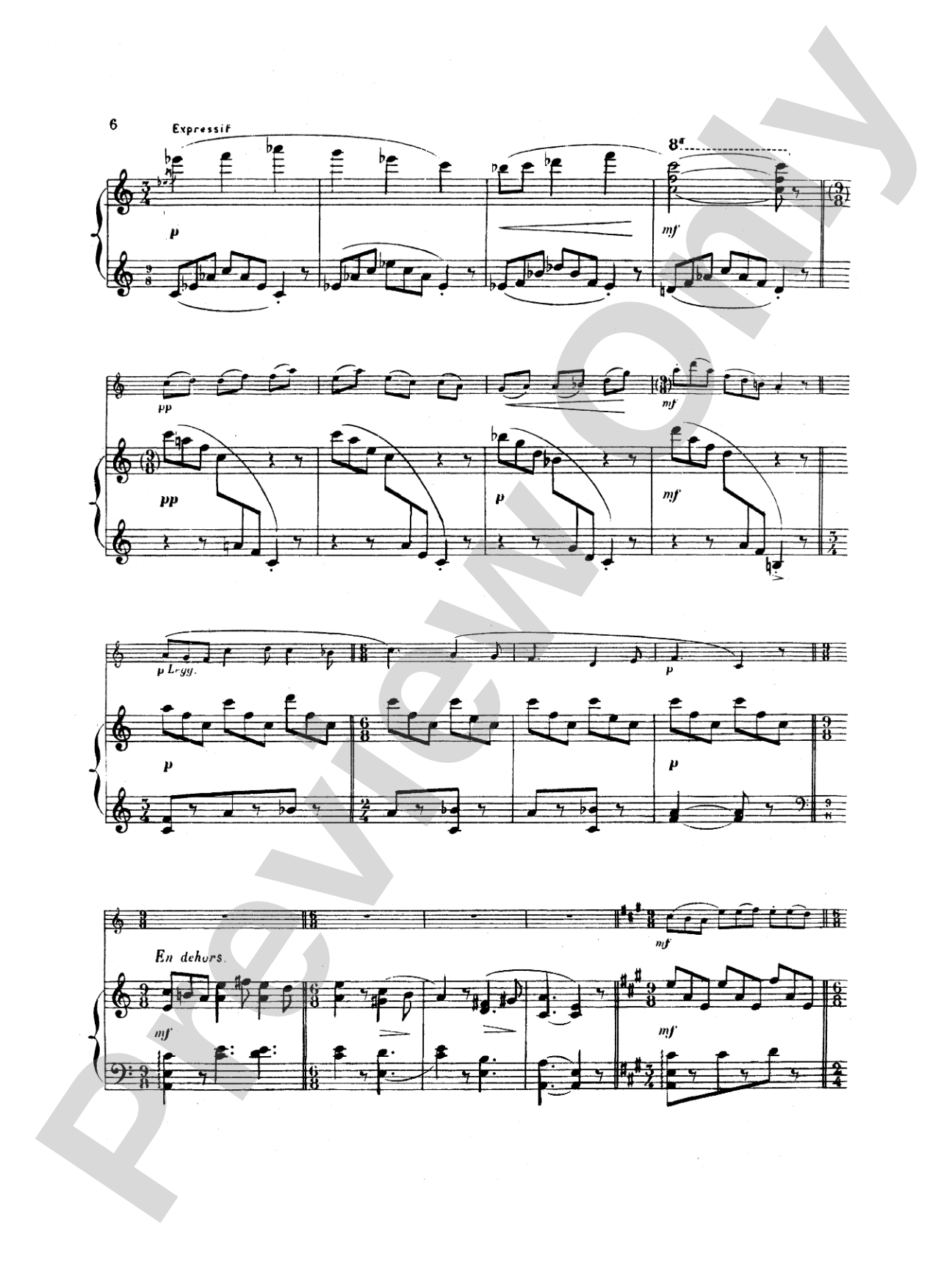
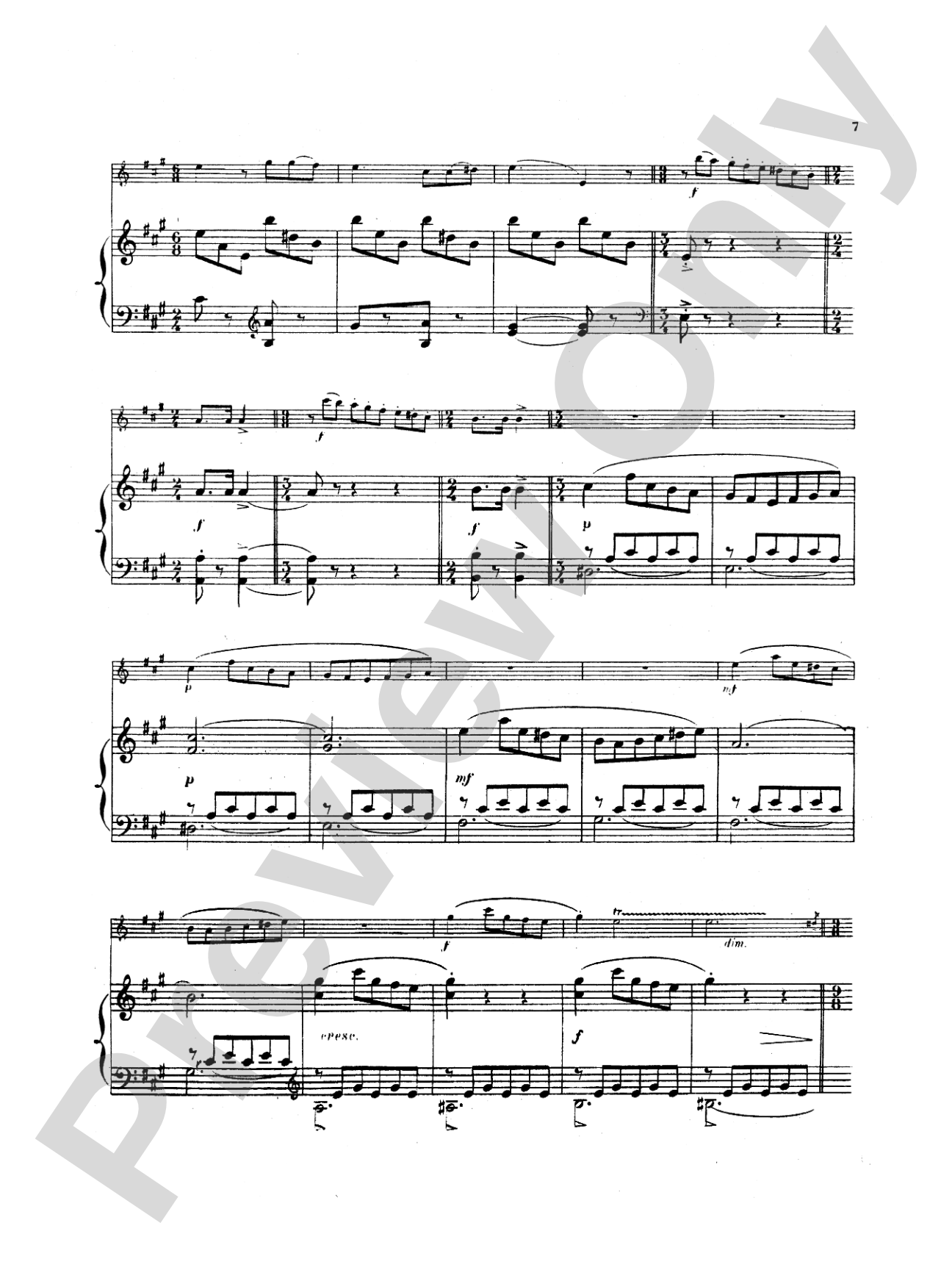
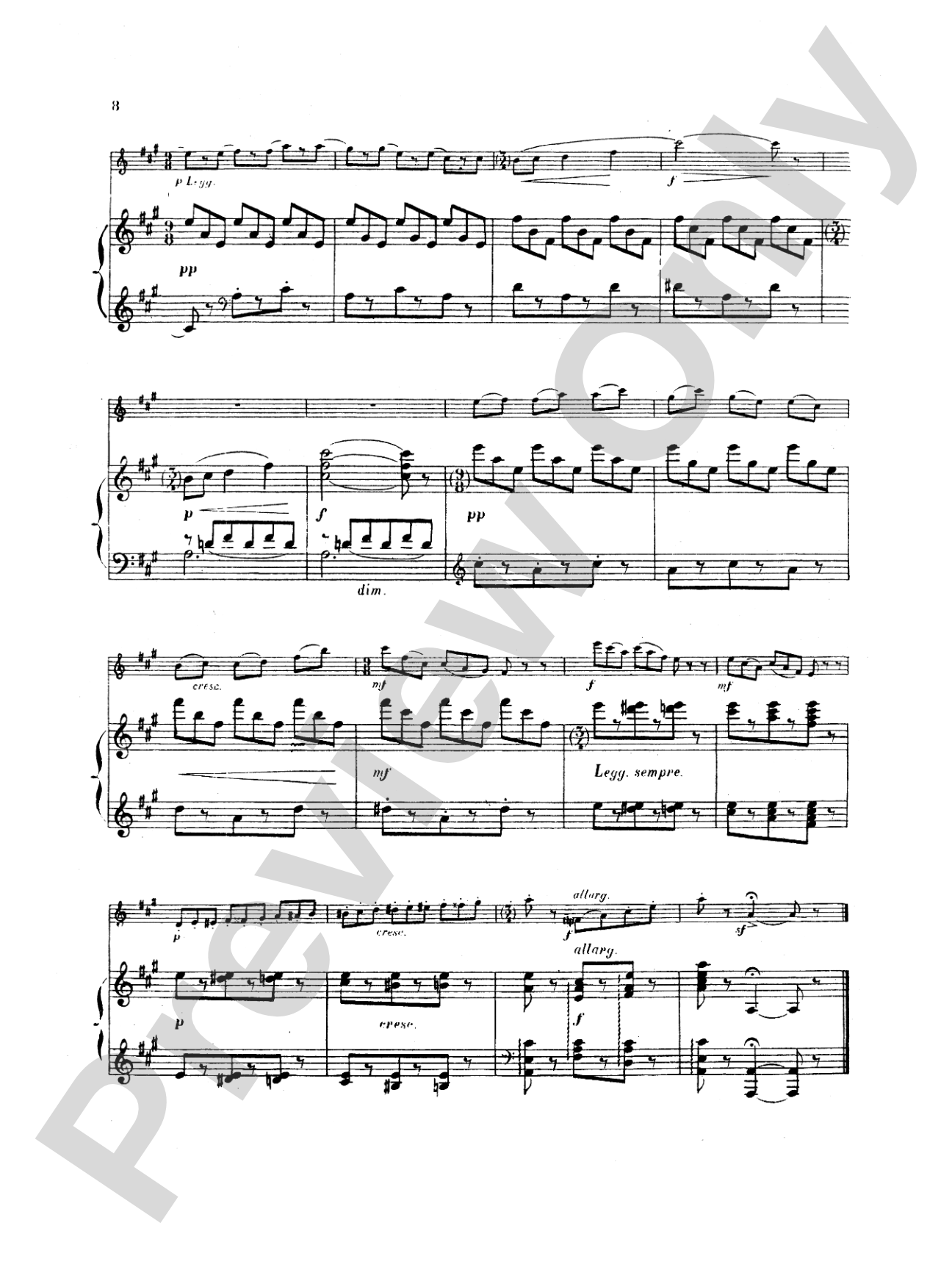

Büsser: Eglogue, Op. 63: Oboe Part(s)
By Henri Busser
Item: 00-PK-0003537

$7.99
Pickup currently not available
Parts Added to Cart!
Related Items
Eglogue, Opus 63: Oboe Part(s) |
$7.95
|
View |
Description
An Oboe solo, composed by Henri Busser.


Don't just read it, hear it, play along with it, and watch your students grow with it. In MakeMusic Cloud, Büsser: Eglogue, Op. 63: Oboe Part(s) comes alive with professional accompaniment, adjustable tempo, and built-in practice tools that turn solo practice into real progress.
Open in the Player
Jump straight in and assign it today.
Start Your Free Trial
Open this title and explore the full library in minutes.
Sample Audio
No sample audio found.
Sample Video
No sample videos found.
Additional Details
Series:
Kalmus Edition
Publisher:
Alfred Music
Page Count:
12
SKU:
00-PK-0003537
More about this title
About the Composer: Henri Büsser
Henri Büsser (1872-1973) was a French composer, conductor, and organist whose long career spanned from the late Romantic era into the mid-twentieth century. He studied at the Paris Conservatoire and won the Prix de Rome in 1905, establishing himself as a respected figure in French musical life. His extensive output includes operas, ballets, orchestral works, and chamber music, all marked by craftsmanship and melodic elegance.
Büsser's contributions to wind and woodwind literature remain valued in conservatory settings and competitions. His works for solo instruments demonstrate deep knowledge of instrumental capabilities and lyrical sensibility, making them enduring choices for advanced students and professional performers alike.
Why we love this
Eglogue sits at that sweet spot where technical display and musical substance coexist without compromise. The writing showcases everything that makes oboe special: its lyrical warmth in the middle register, its ability to project intimate expression, and its capacity for nimble passagework. This is the kind of piece that contests recognize and audiences remember.
What to expect
An eclogue is a pastoral scene, and Büsser captures that sensibility: the oboe sings with a lyrical, almost improvisational quality over delicate accompaniment figuration. There is elegance and refinement throughout, a sense of cultivated beauty rather than dramatic conflict.
Who it's for
Advanced oboe students preparing for competitions, conservatory auditions, or recital programs will find substantial material here. The piece demands secure technique and musical maturity, making it ideal for players ready to tackle genuine solo repertoire with artistic depth.
How to get the most out of it
- Shape the primary melody with consistent air support and subtle dynamic waves; the piece rewards a singer's approach to phrasing rather than mechanical execution of written dynamics.
- Balance technical figures in the middle sections with the surrounding lyrical material; rapid passages should feel like natural extensions of the song, not interruptions to it.
- Attend carefully to articulation in the accompaniment figuration (provided in the full score); clarity here allows the melodic line room to breathe and resonate.
How to use it
Pair this with other twentieth-century European oboe works to showcase how the instrument maintained its romantic voice even as musical language evolved. It also serves well as a contrasting offering on a recital alongside more contemporary or virtuosic pieces, providing a moment of genuine melodic repose.
Skills your students will build
- Sustained lyrical phrasing over extended melodic lines
- Control of articulation and tone color in accompanimental figures
- Stylistic interpretation of early twentieth-century French aesthetic
- Secure technical facility in moderate tempo passages with chromatic movement