
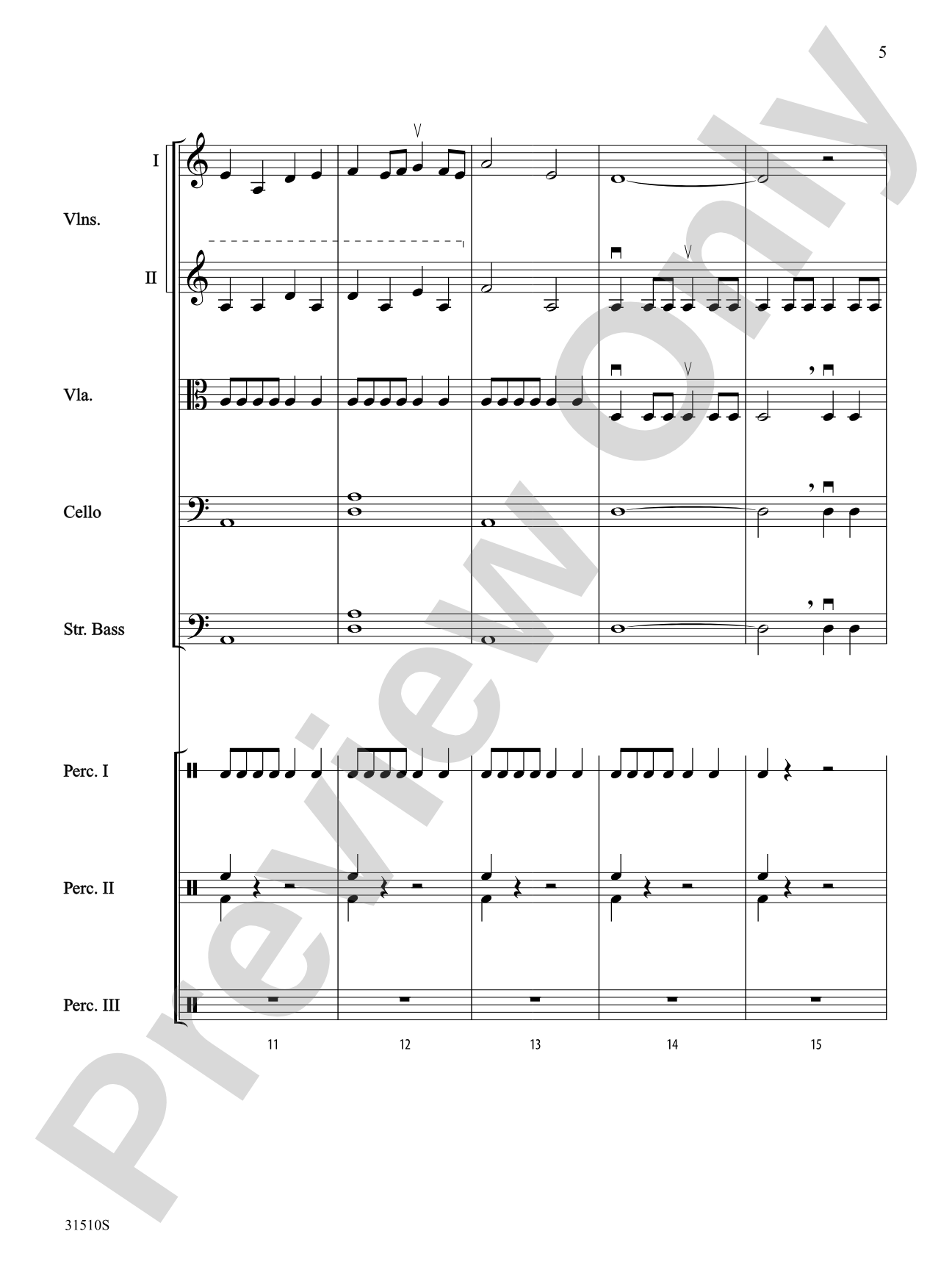
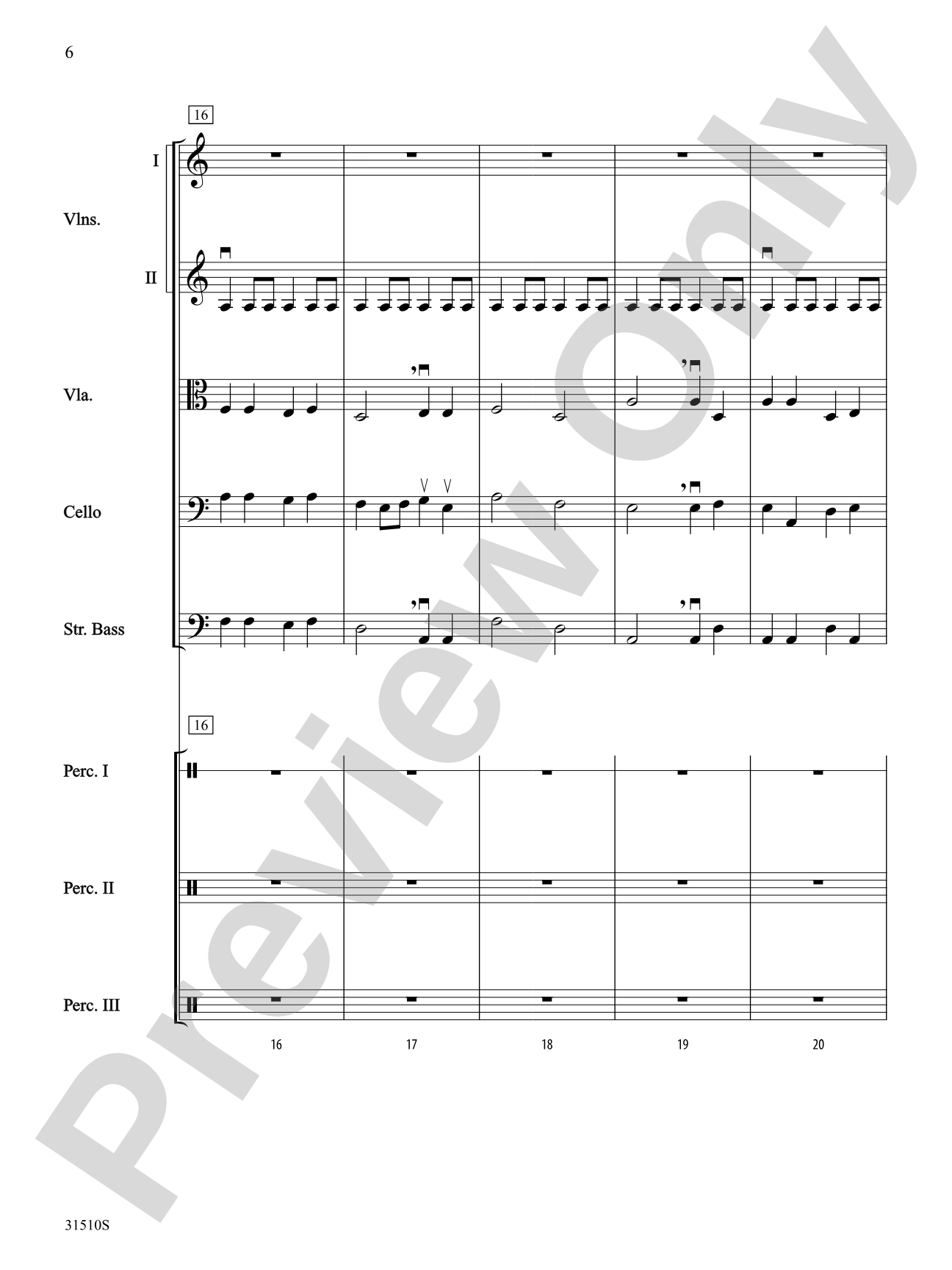
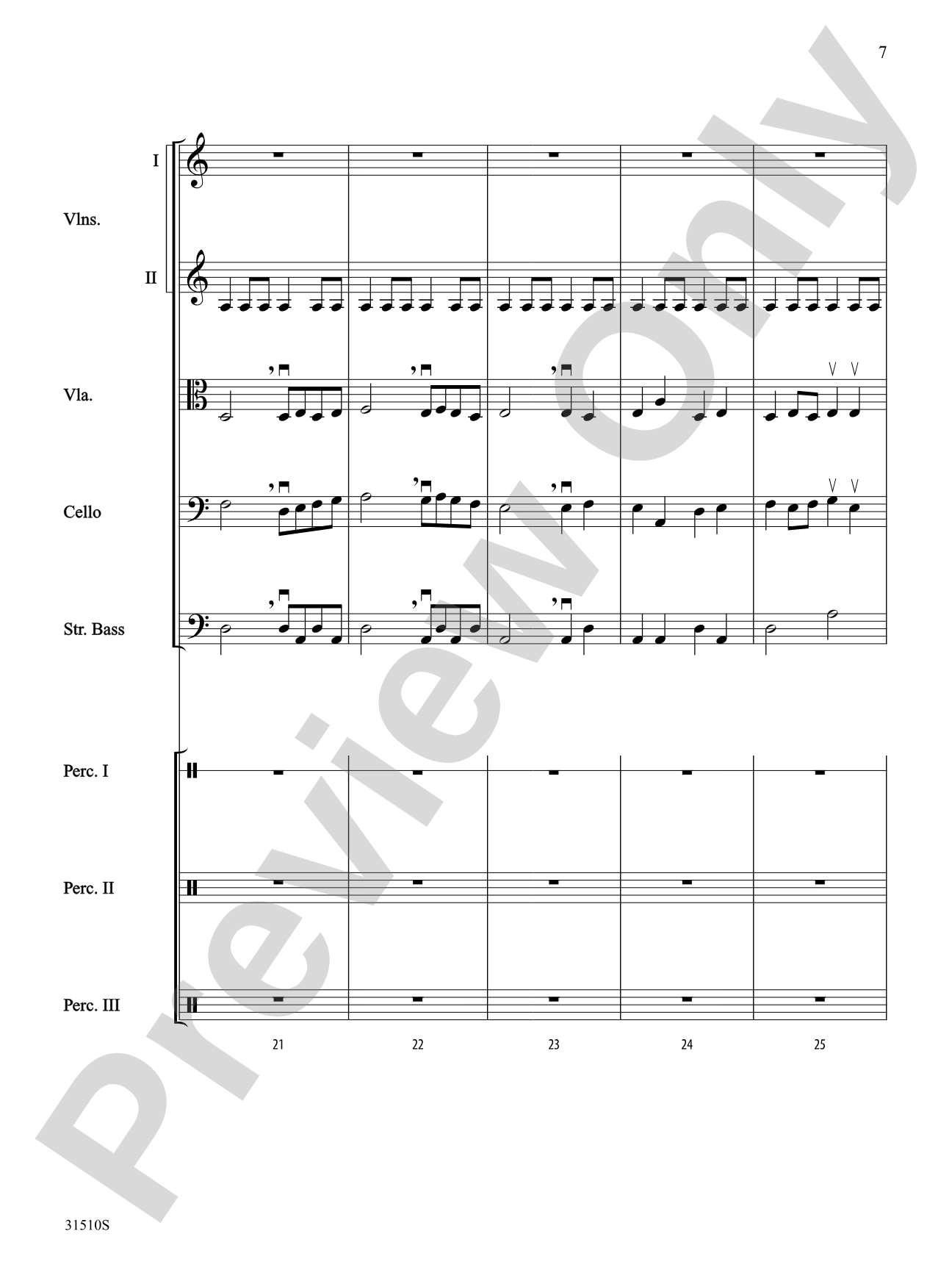
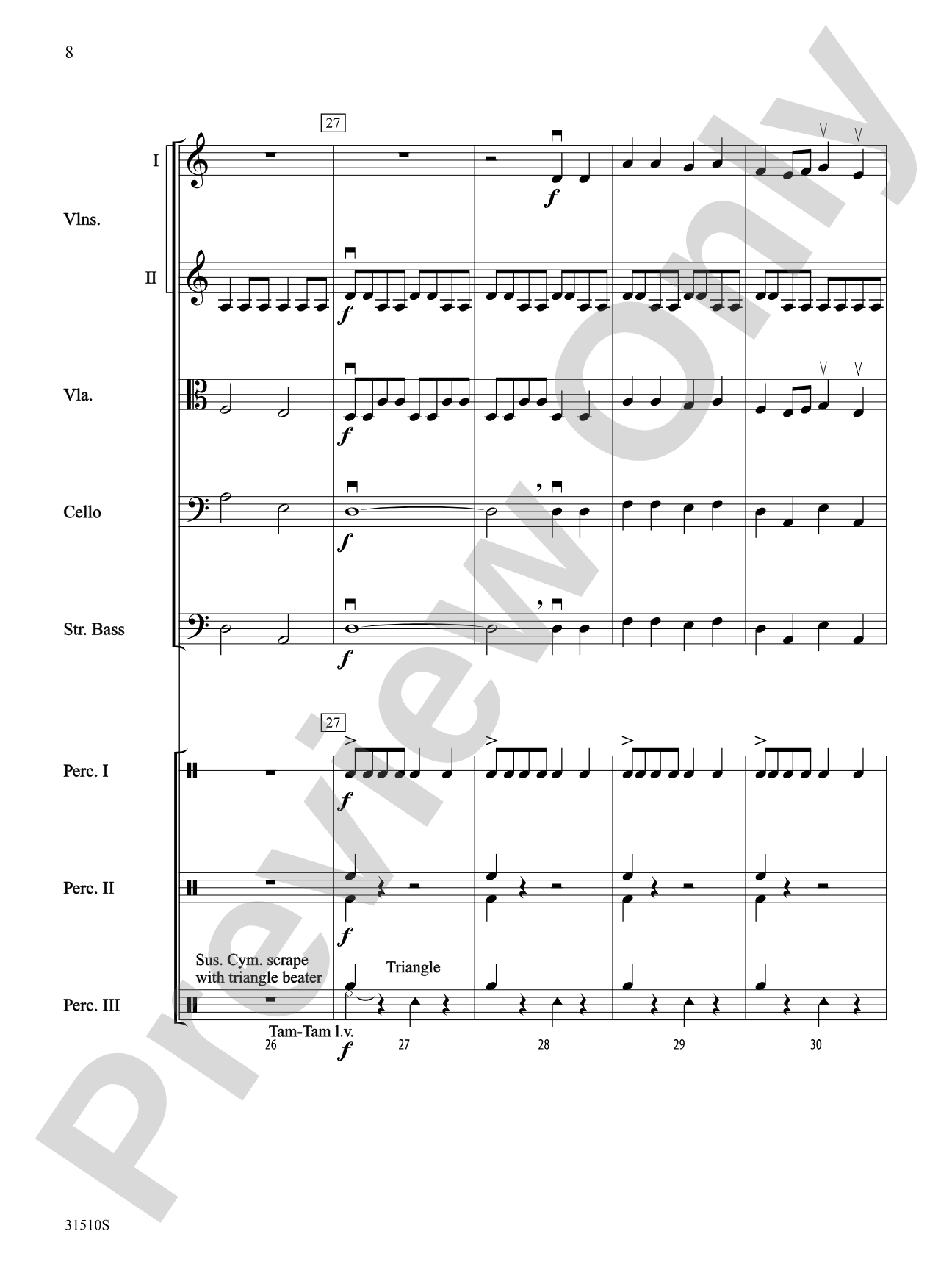


Burgundian Carol (Guillo Prends Ton Tamourin): String Orchestra Conductor Score & Parts
Traditional French Carol attributed to Bernard de la Monnoye / arr. Sandra Dackow
Grade: 1
Item: 00-PK-0001712

$42.00
Pickup currently not available
Buy Extra Parts (Digital PDF Download)
Parts Added to Cart!
Description
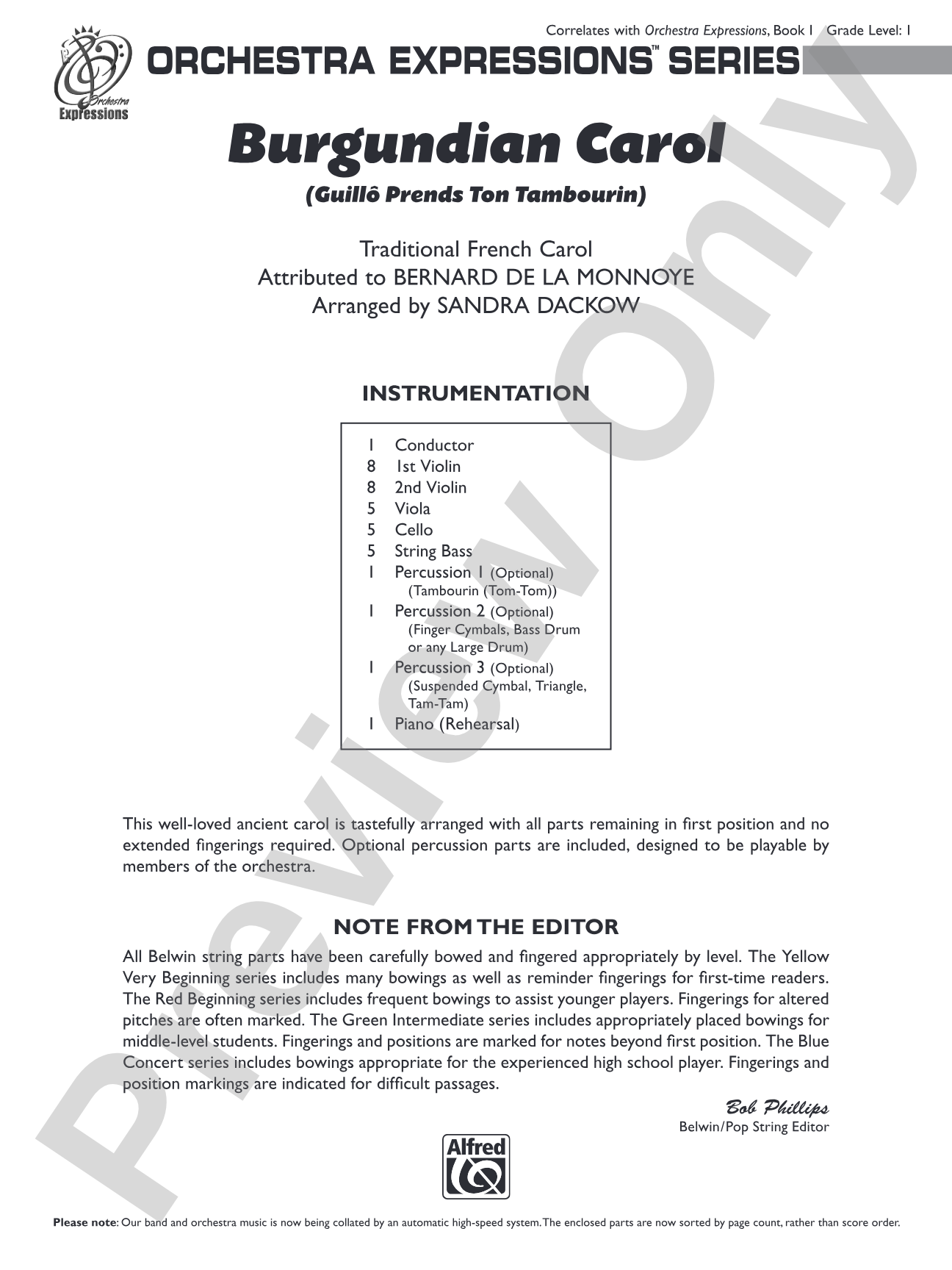
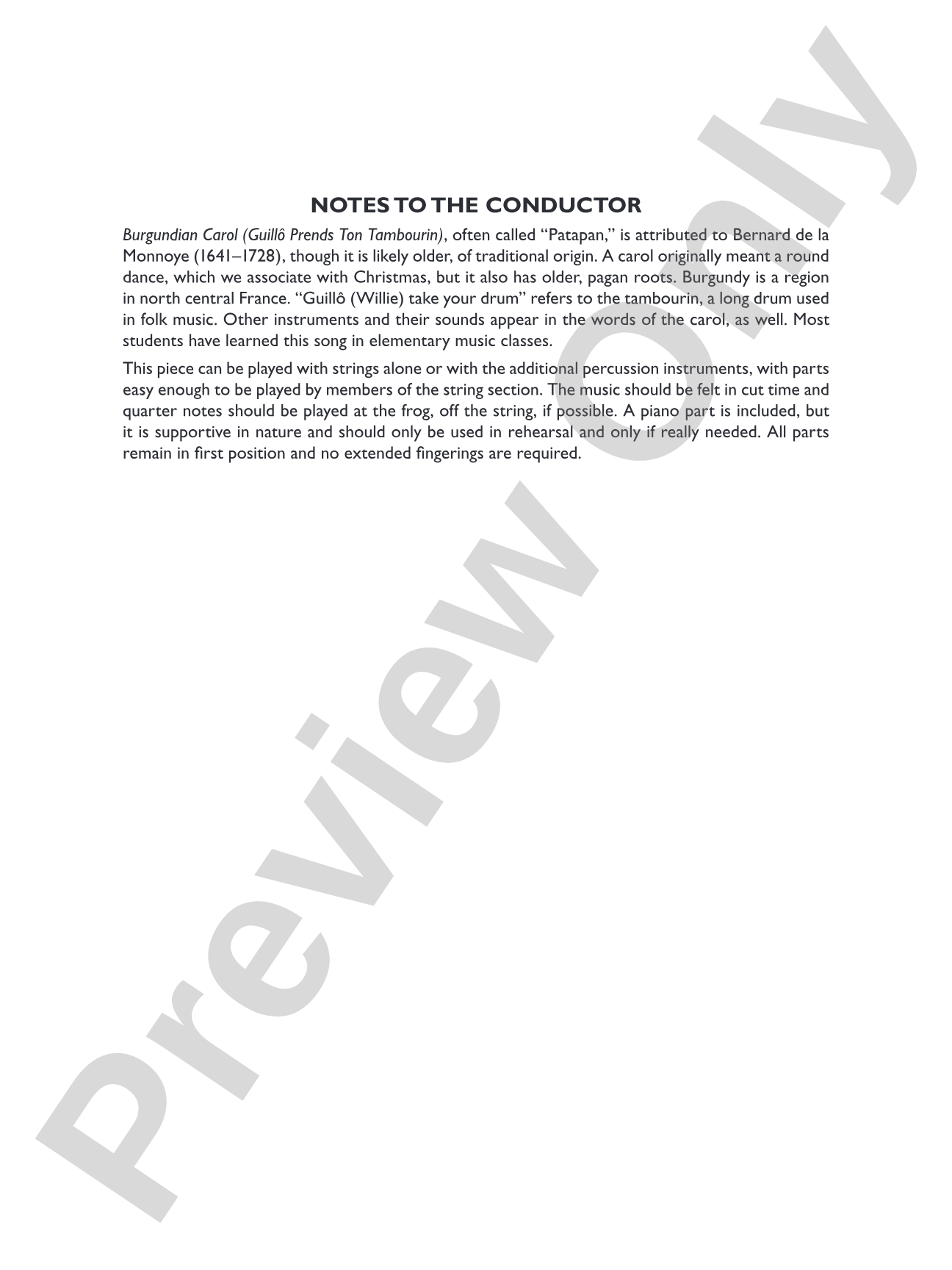
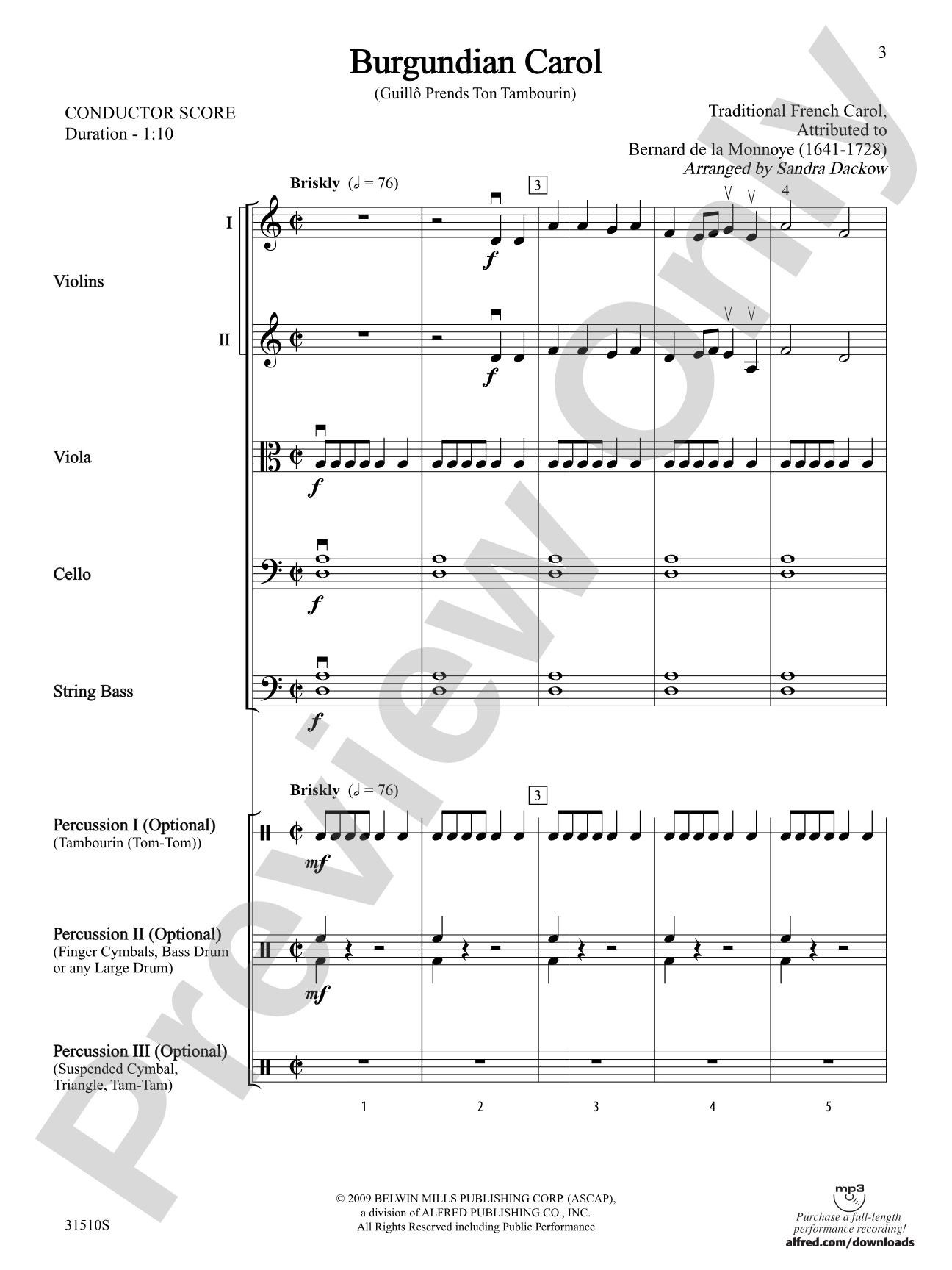
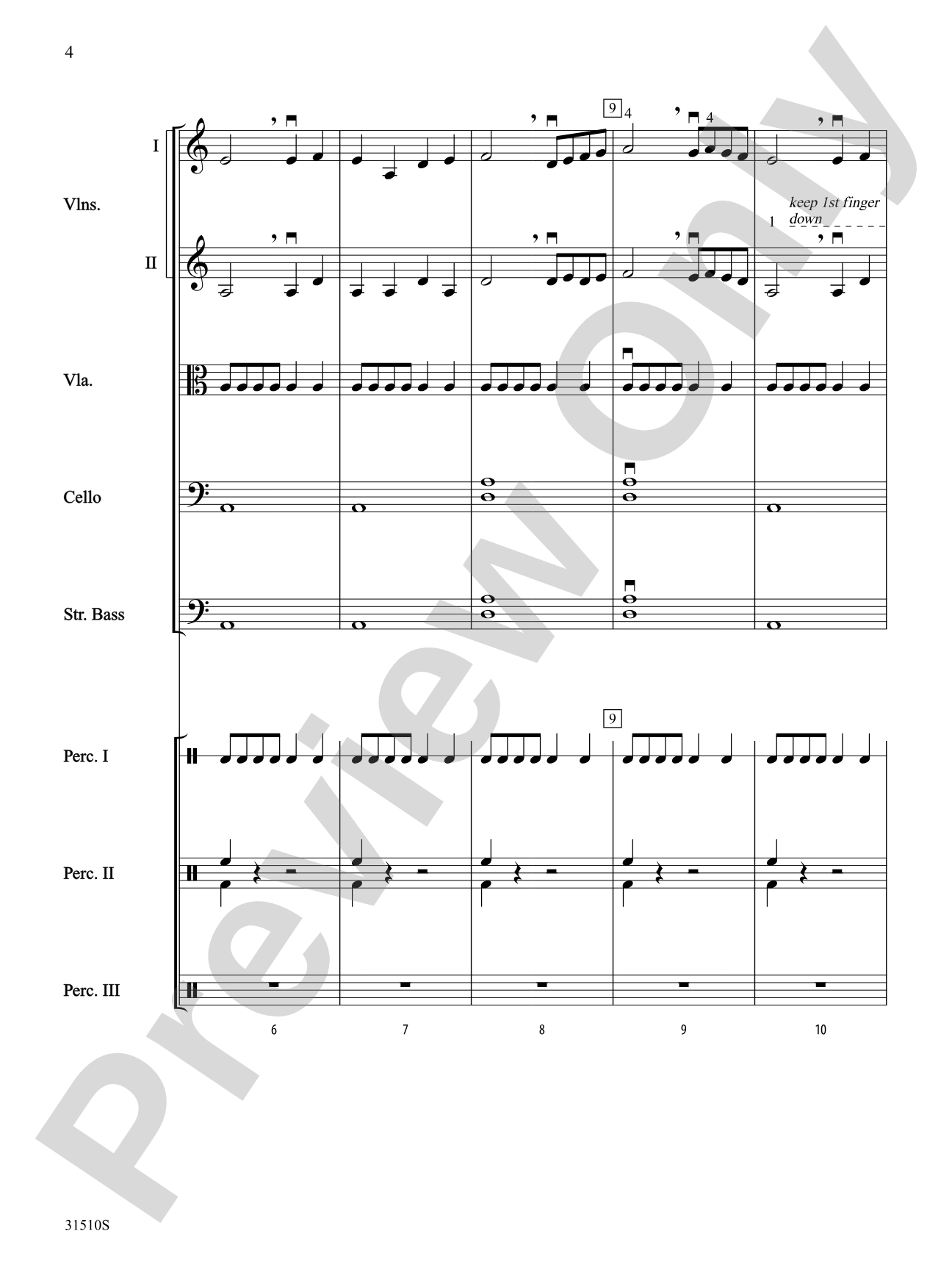
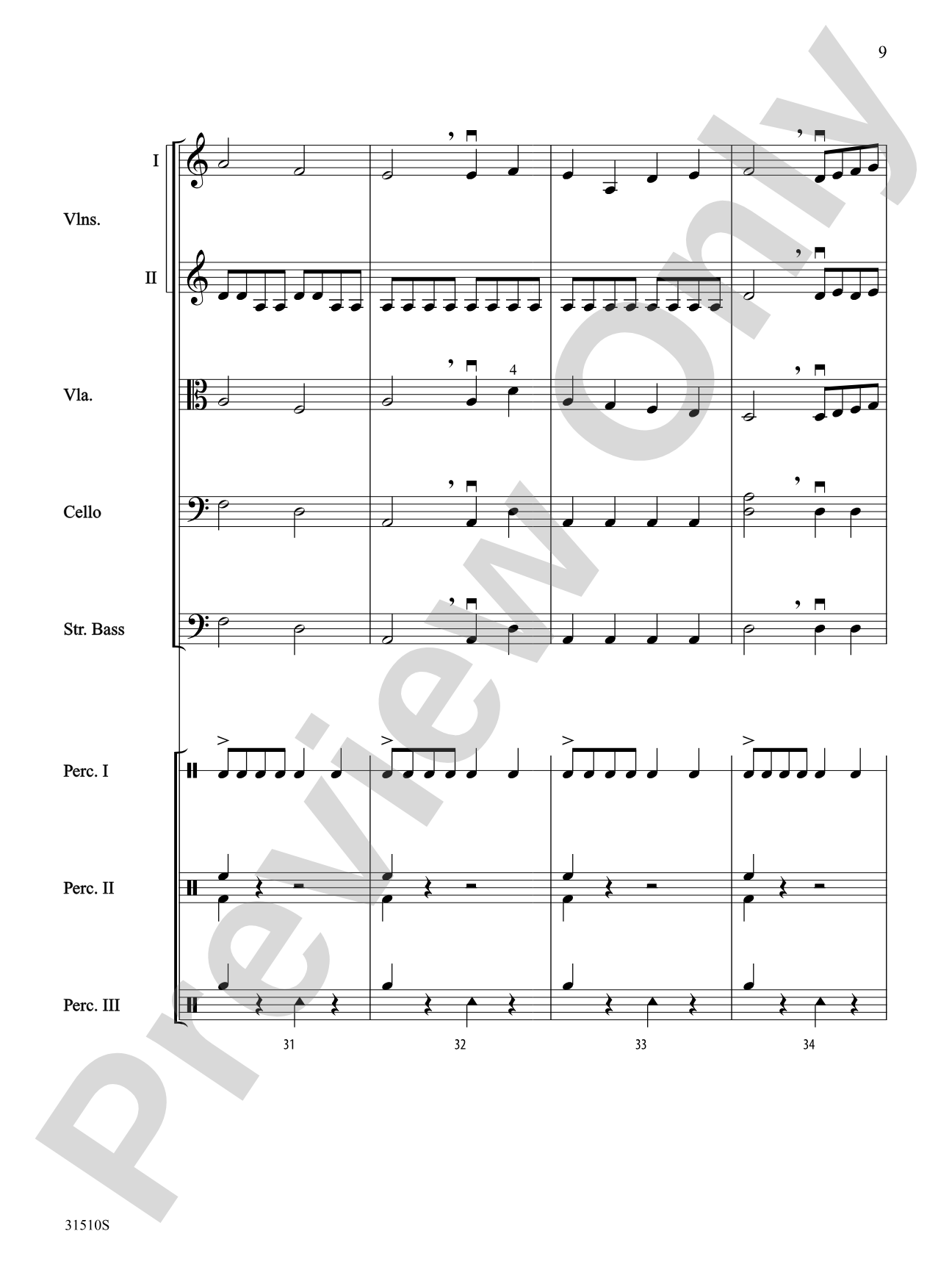
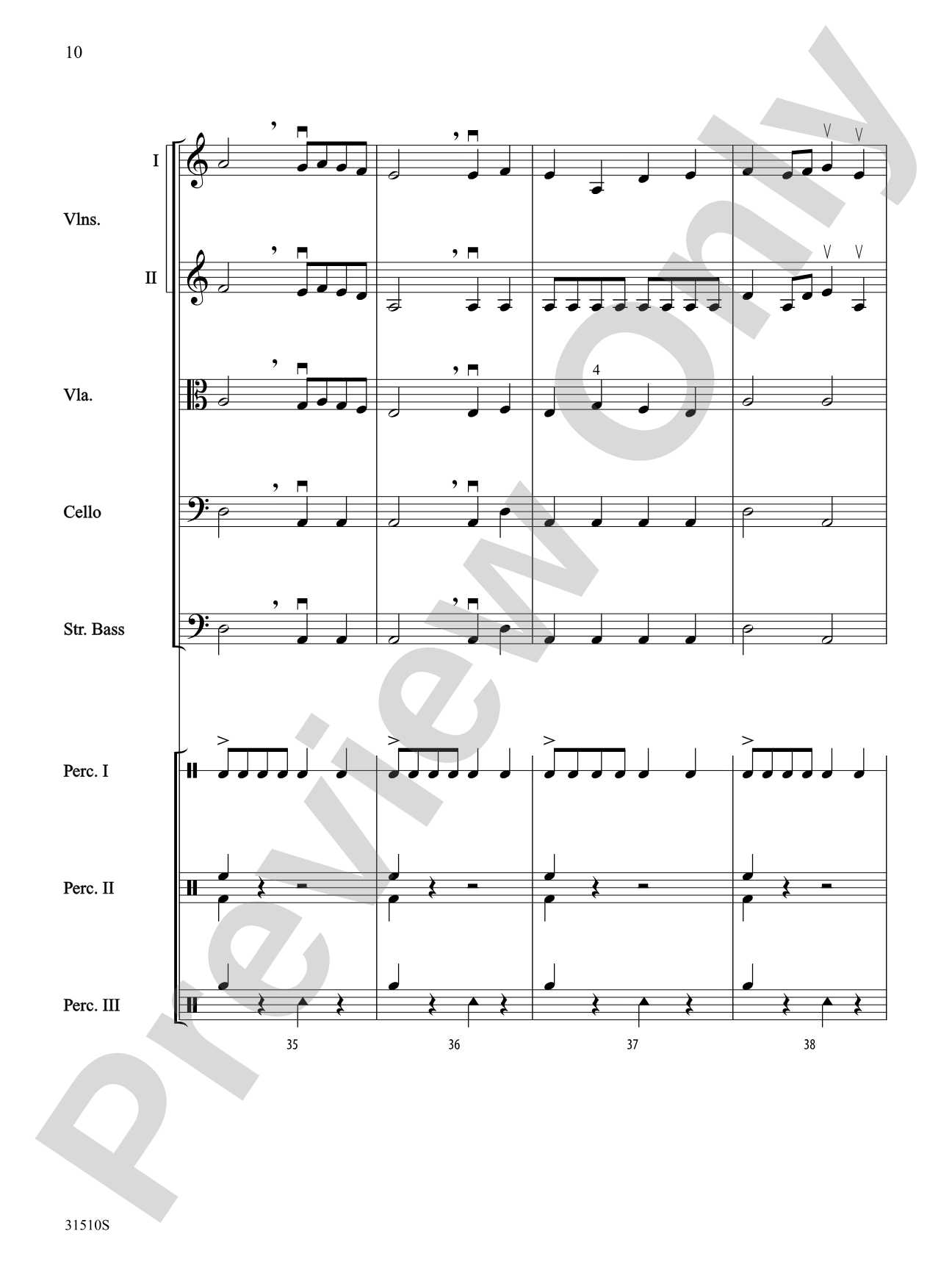
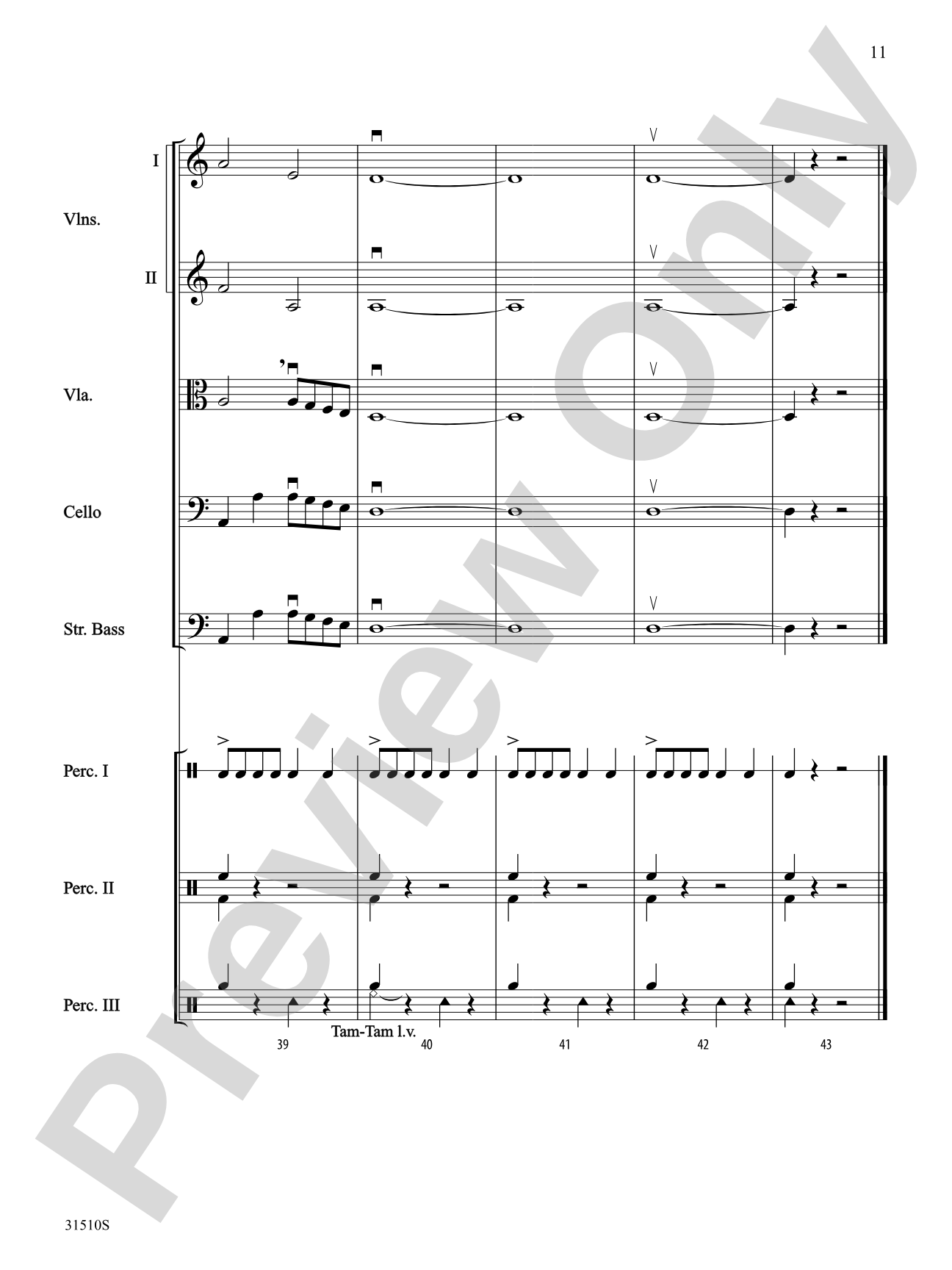
This well-loved ancient carol is tastefully arranged with all parts remaining in first position and no extended fingerings required. Optional percussion parts are included, designed to be playable by members of the orchestra.


Don't just read it, hear it, play along with it, and watch your students grow with it. In MakeMusic Cloud, Burgundian Carol (Guillo Prends Ton Tamourin): String Orchestra Conductor Score & Parts comes alive with professional accompaniment, adjustable tempo, and built-in practice tools that turn solo practice into real progress.
Open in the Player
Jump straight in and assign it today.
Start Your Free Trial
Open this title and explore the full library in minutes.
Sample Audio
1
Audio File
--:--
0:00
0:00
Sample Video
Additional Details
Series:
Orchestra Expressions
Publisher:
Alfred Music
Page Count:
70
SKU:
00-PK-0001712
More about this title
About the Composer: Bernard de la Monnoye
Bernard de la Monnoye (1641-1728) was a French poet and scholar from Dijon who collected and preserved regional folklore during the 17th century. His work documenting traditional songs and customs became foundational to French musical heritage, and many of his collected texts were later set to music and passed down through generations as beloved folk melodies.
The carol "Guillo Prends Ton Tamourin" emerges from this tradition of popular song that de la Monnoye helped immortalize. His legacy lies not in formal composition but in recognizing the artistic value of everyday music and ensuring these melodies survived for future performers and audiences.
Why we love this
Sandra Dackow's arrangement respects the melody's simplicity while making it genuinely playable for young string orchestras. Every part stays in first position with no awkward stretches, which means your players focus on musicality and ensemble balance rather than wrestling with technical demands. The optional percussion parts are a generous touch, allowing fuller orchestration without requiring a separate percussion section.
What to expect
Warm and nostalgic, with the straightforward beauty of a melody that has survived centuries of performance. The carol unfolds with quiet dignity, inviting players and listeners into a moment of reflection rather than spectacle. There's genuine character in its simplicity, the kind of piece that reminds everyone why they chose to play together.
Who it's for
String orchestras at the beginning level, whether school ensembles, community groups, or holiday recital programs looking for accessible winter repertoire. Directors can confidently program this knowing every player will find the part within reach technically while contributing meaningfully to the whole sound.
How to get the most out of it
- Shape the melody with gentle dynamics rather than rushing; even at Grade 1, this carol benefits from slight swells at phrase peaks to bring warmth to the familiar tune.
- Balance the string sections so the melody voice (likely first violins) sings clearly without drowning out the supporting parts; encourage accompaniment players to listen horizontally rather than vertically.
- Engage the optional percussion thoughtfully; light tambourine or sleigh bells on strategic beats adds seasonal color without overwhelming the strings.
How to use it
This works beautifully as an opening piece in a winter concert, setting a reflective tone before more elaborate works. Its accessibility also makes it an ideal choice for a combined or community orchestra concert where younger players sit alongside experienced musicians, creating a moment of genuine ensemble cohesion.
Skills your students will build
- Maintaining first position playing across varied string parts
- Ensemble balance and listening to multiple parts simultaneously
- Phrasing and dynamic shaping of simple melodic lines
- Coordination with optional percussion parts