
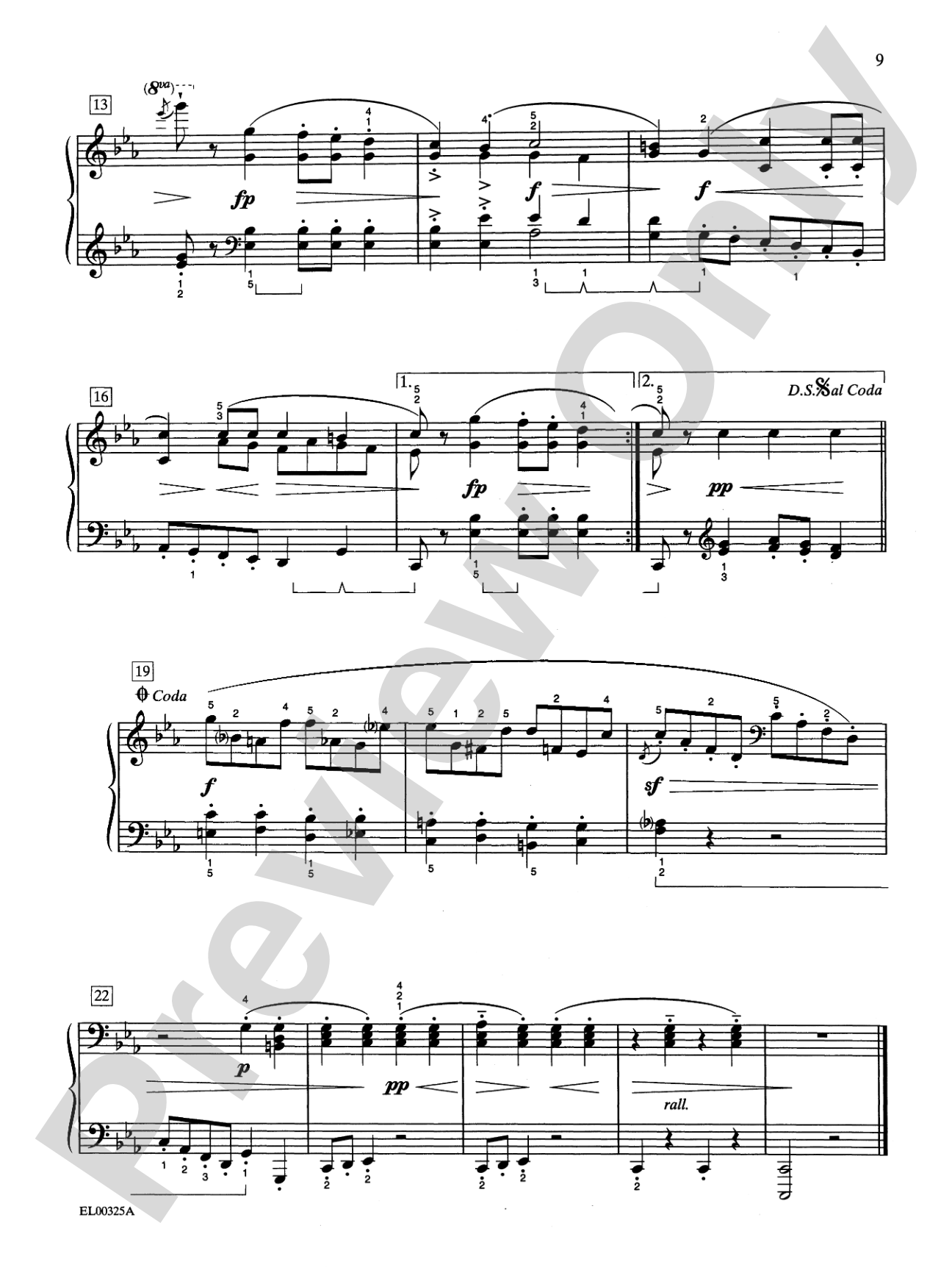

Burgmüller-Schaum, Book Two: 18 Studies, Opus 109: Piano
18 Studies, Opus 109
By Johann Friedrich Burgmüller / arr. John W. Schaum
Item: 00-PB-0000917
$8.99
Pickup currently not available
Related Items
Burgmüller-Schaum, Book Two: Piano Book |
$8.99
|
View |
Description
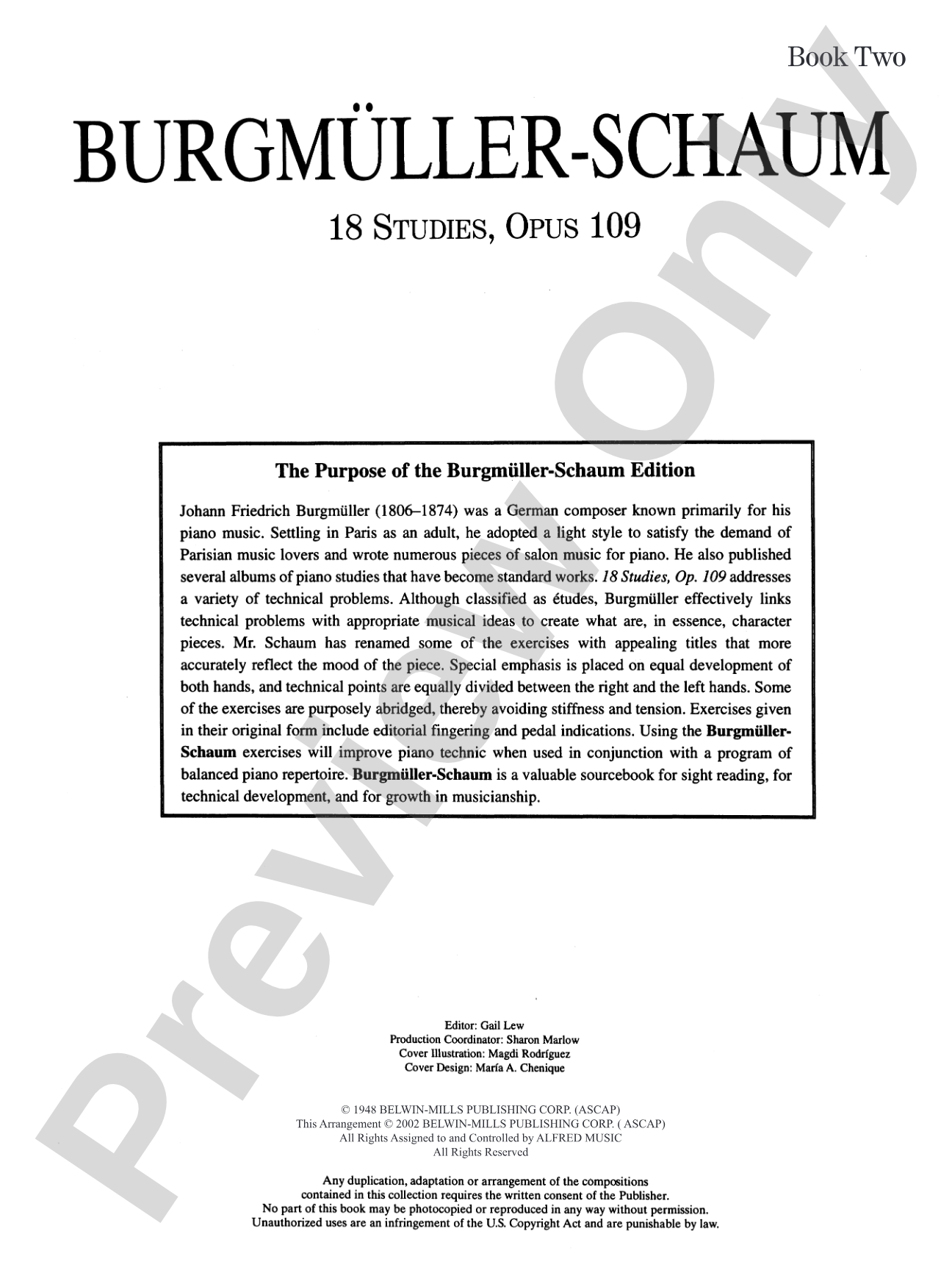
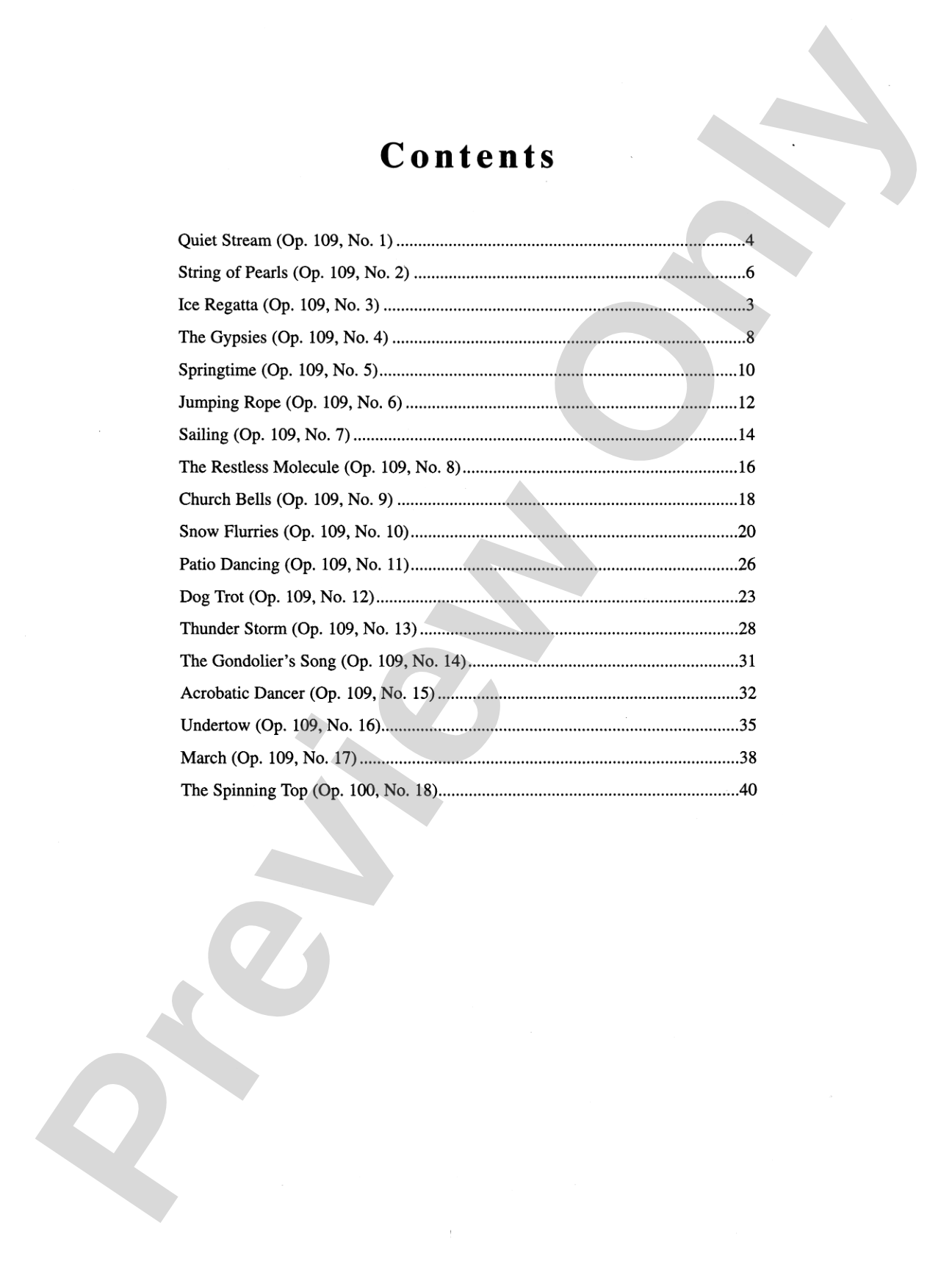
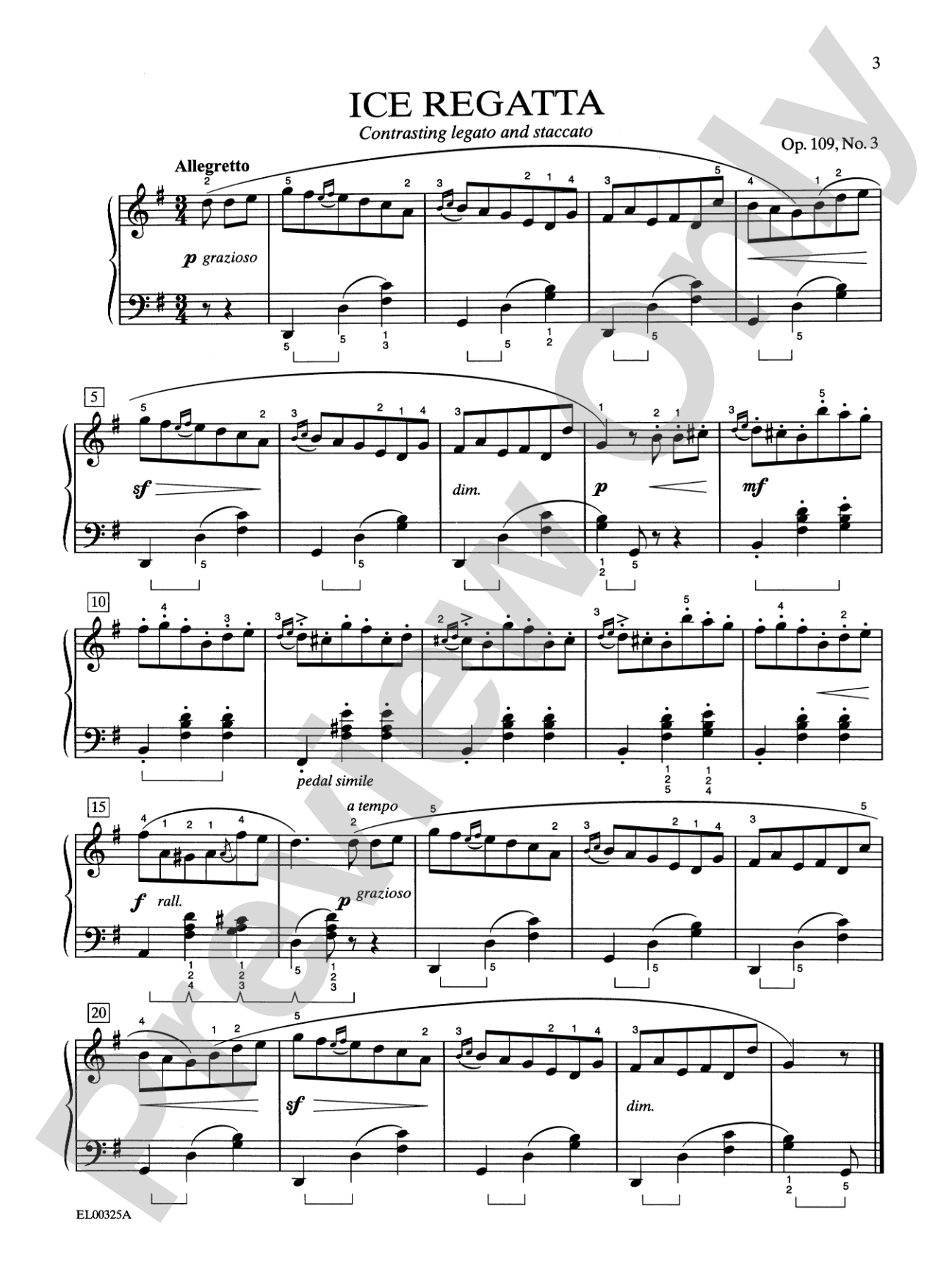
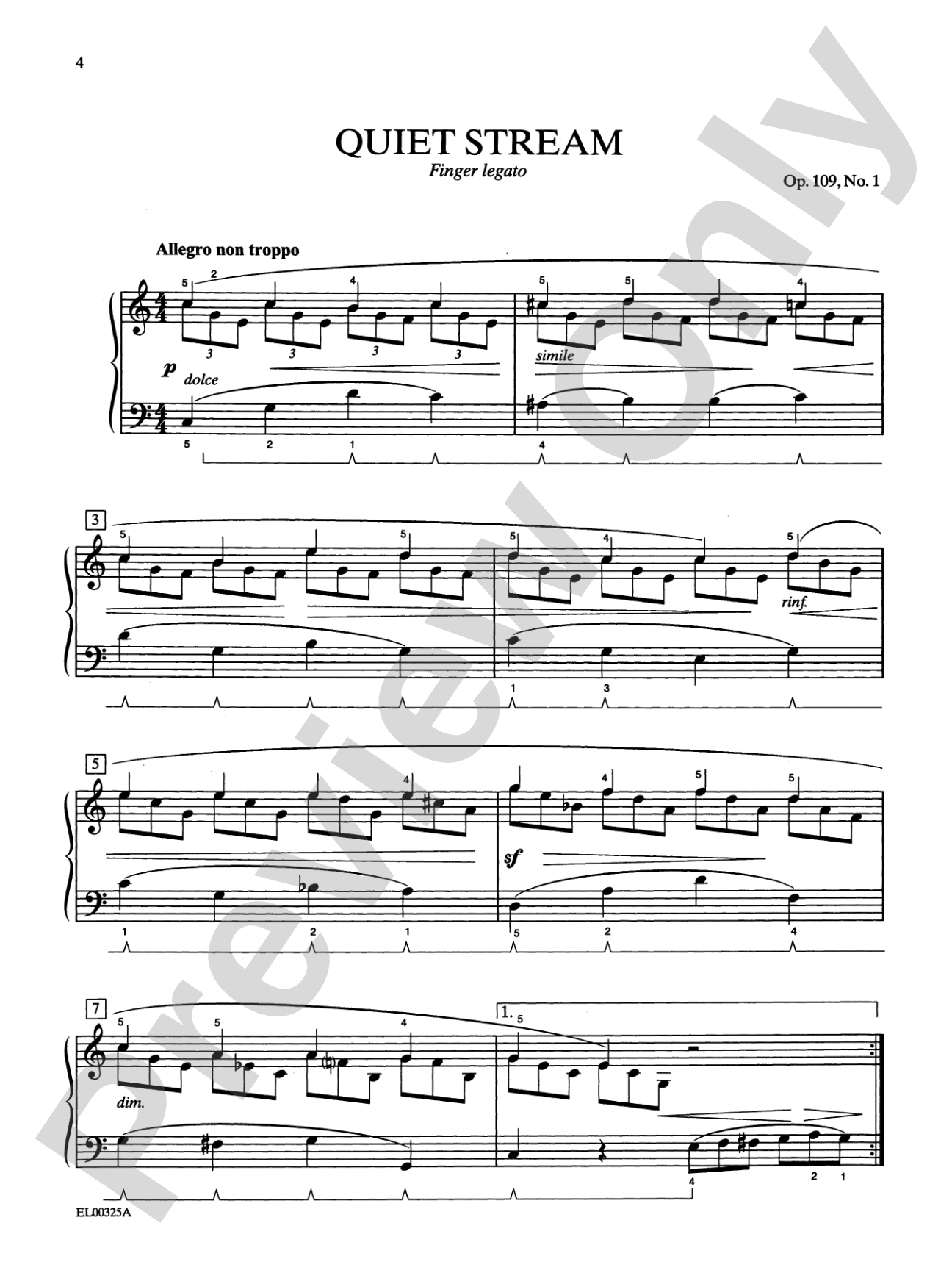
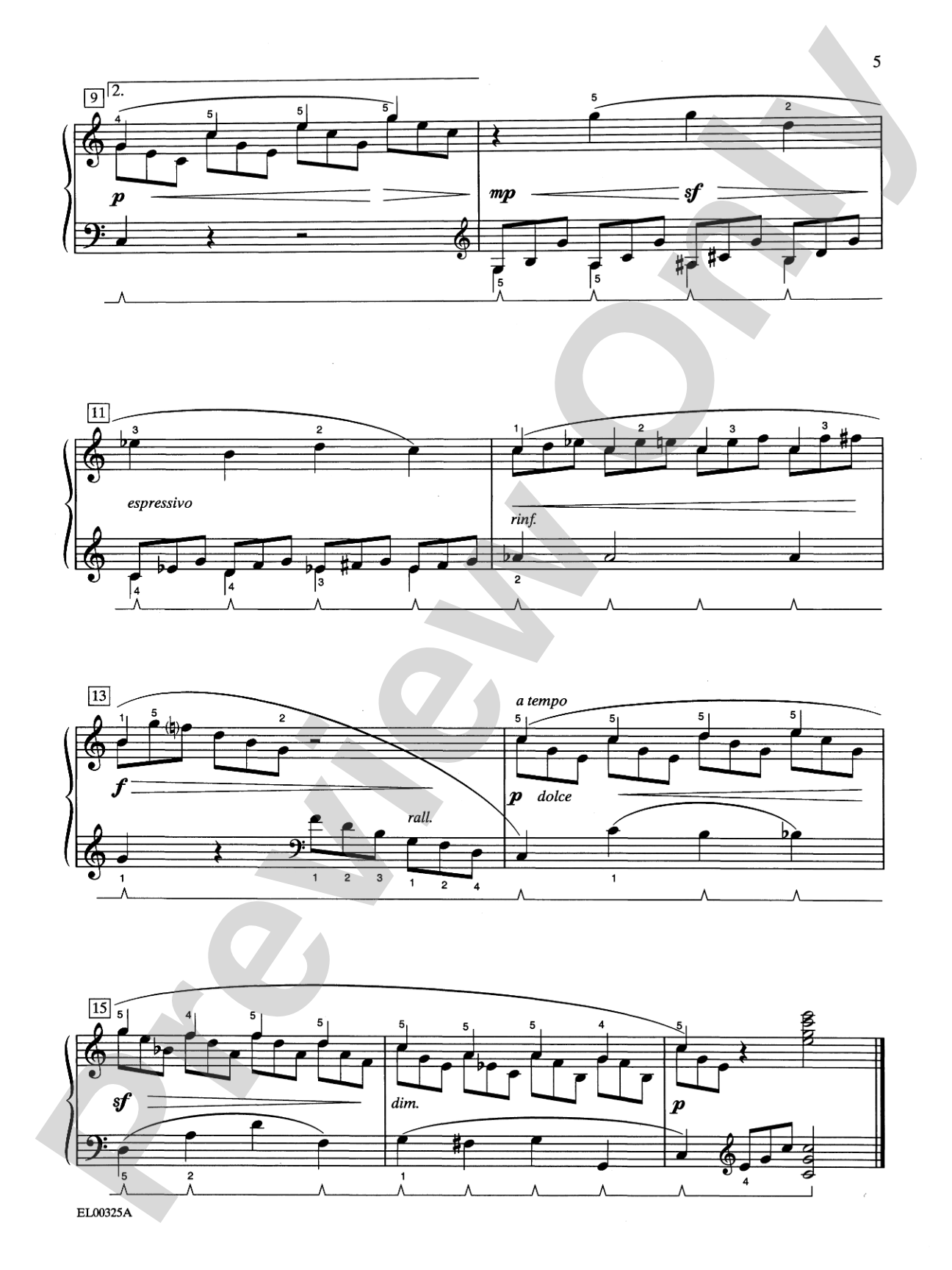
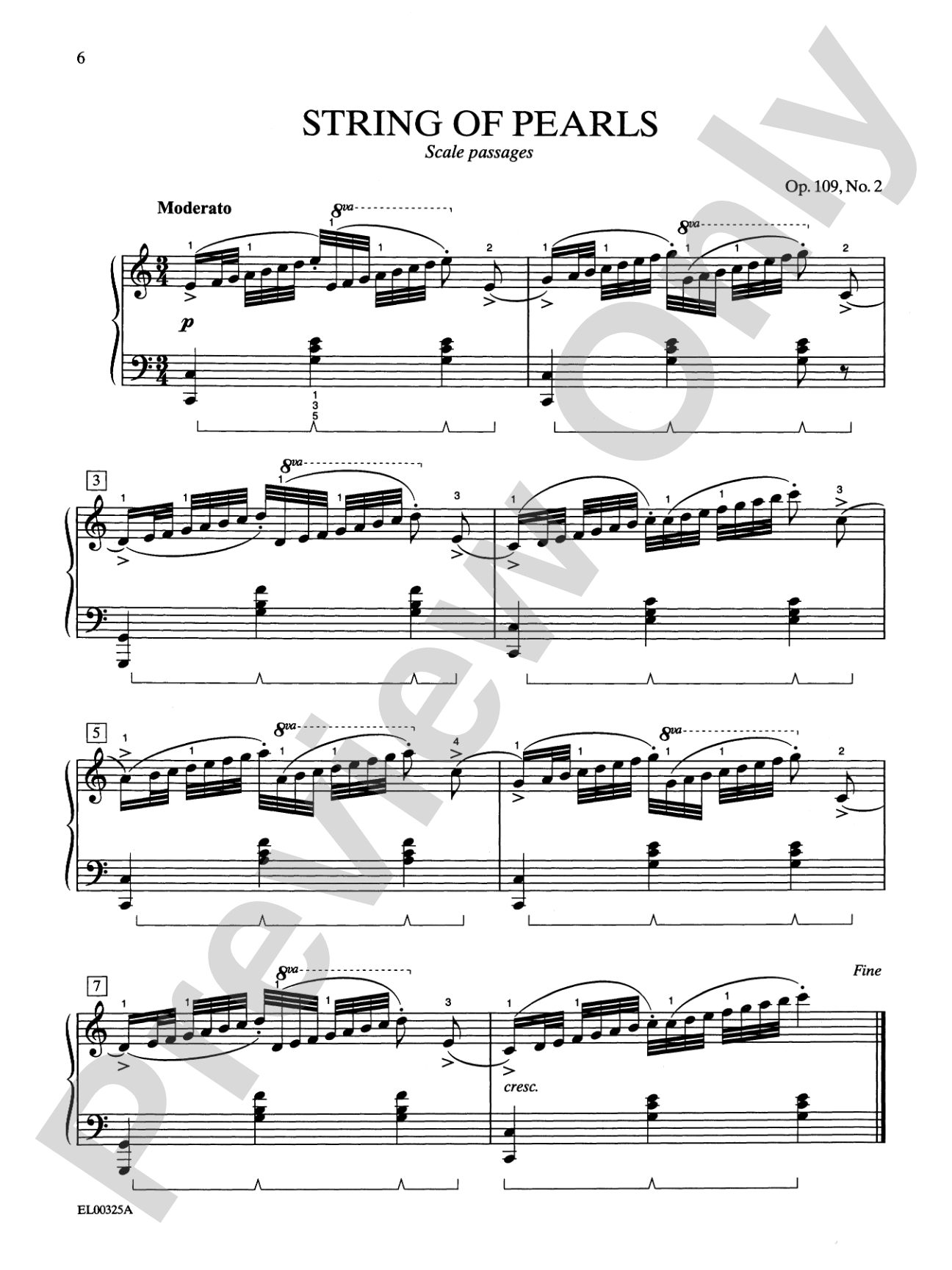
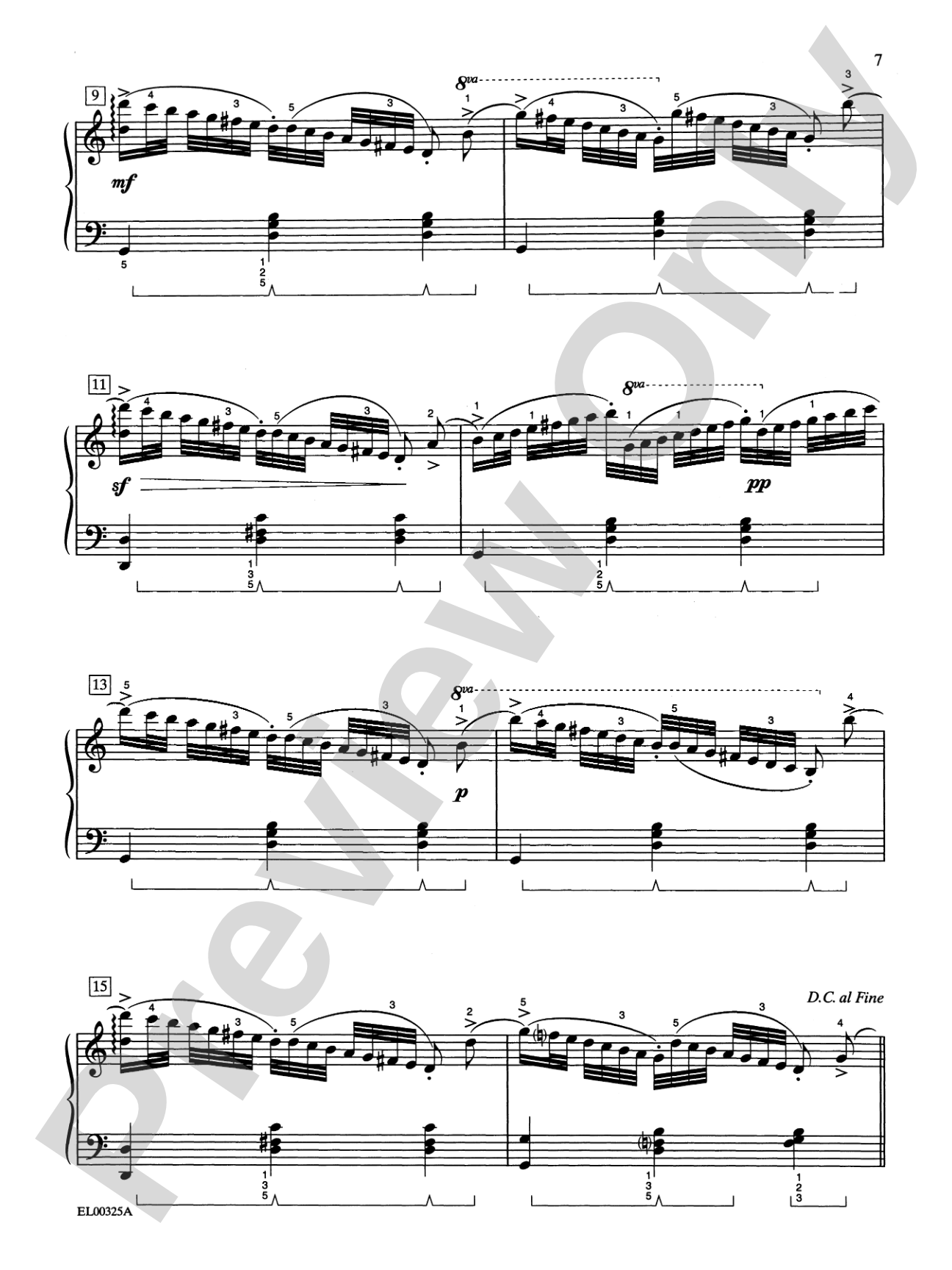
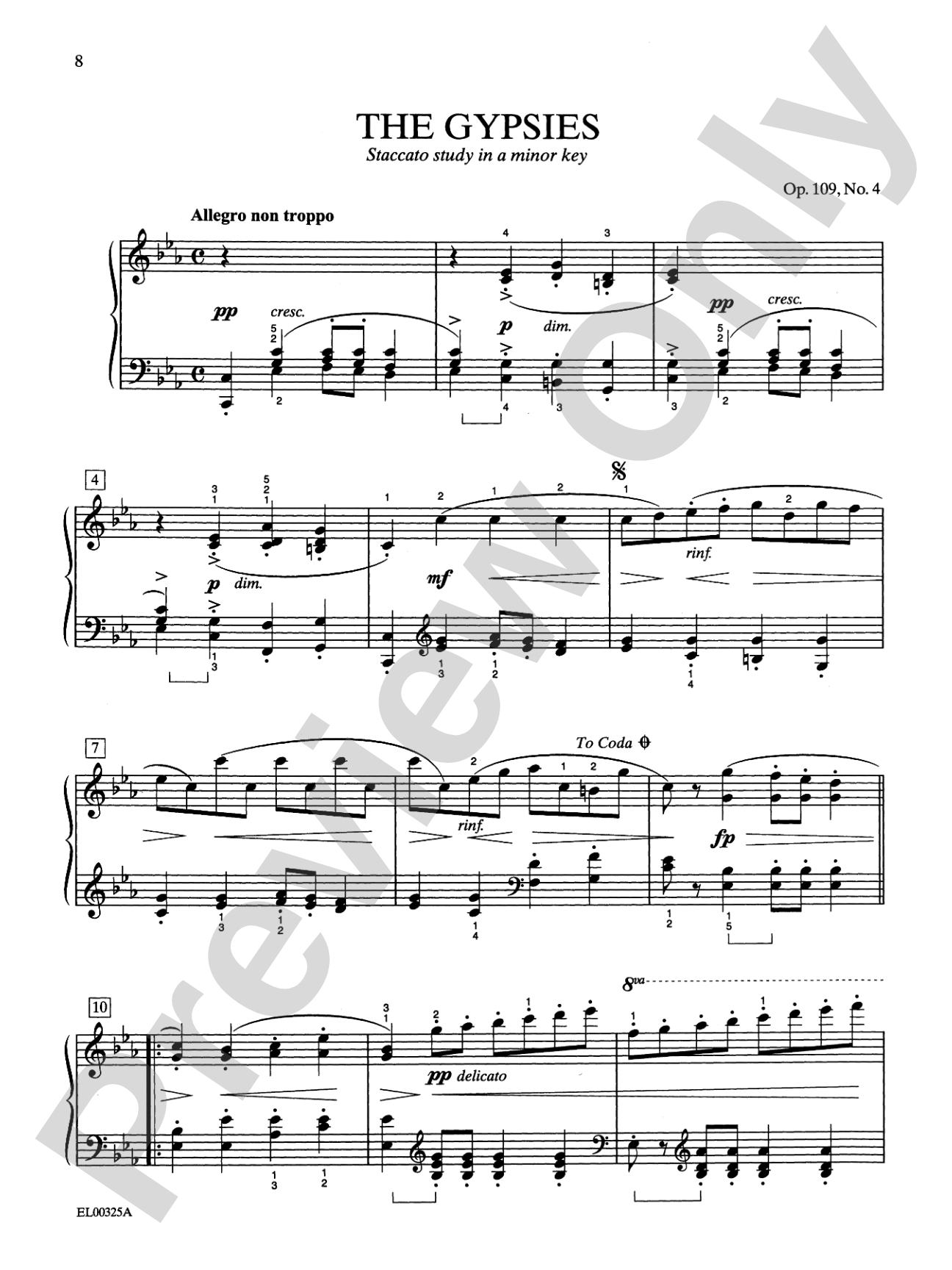
Johann Friedrich Burgmuller (1806-1874) published several albums of piano studies that have become standard works. This collection consists entirely of 18 Studies, Op. 109. Mr. Schaum has renamed some of the exercises with appealing titles and purposely abridged some of the exercises thereby avoiding stiffness and tension. Using the Burgmuller-Schaum exercises will improve piano technic when used in conjunction with a program of balanced piano repertoire. Also available: Bach-Schaum * Chopin-Schaum * Czerny-Schaum * Hanon-Schaum * Mozart-Schaum.


Discover MakeMusic Cloud: thousands of interactive titles your students can play along with today.
Sample Audio
No sample audio found.
Sample Video
No sample videos found.
Additional Details
Series:
Schaum Master Composer Series
Publisher:
Alfred Music
Page Count:
40
SKU:
00-PB-0000917
More about this title
About the Composer: Johann Friedrich Burgmüller
Johann Friedrich Burgmüller (1806, 1874) was a German pianist and composer who spent much of his career in Paris, where he became known for writing pedagogically sound works that didn't sacrifice musicality. His etude collections earned lasting respect because they treat technical study as an opportunity to develop musical expression rather than as mere finger exercises.
Burgmüller's studies remain central to piano instruction because they balance clarity of purpose with genuine compositional substance. Each piece addresses a specific technical challenge while sounding like something a student actually wants to play.
Why we love this
Schaum's thoughtful editorial work here respects Burgmüller's core pedagogical intent while removing unnecessary padding that can frustrate intermediate pianists. The renamed titles add narrative color without compromising the technical work, and the strategic abridgments keep students focused on actual skill-building rather than endurance drills. You get a lean, purposeful collection that fits naturally into any balanced practice regimen.
What to expect
These pieces breathe like small character pieces rather than grinding technical drills. Melodies sing with 19th-century songfulness, accompanimental patterns flow beneath them, and even within the technical work there is a sense of musical conversation happening on the page. The Romantic-era harmonic language feels accessible yet refined, inviting students to think beyond mechanics.
Who it's for
Intermediate pianists (roughly Grades 3-5) ready to move beyond basic five-finger patterns and early chord work. These studies serve students in private lessons or group settings who need targeted technique building without abandoning musicality. Teachers integrating a structured study program will find this collection fills the middle ground between early exercise books and the heavier Czerny or Hanon sets.
How to get the most out of it
- Attend to voice leading in the accompaniment figures, especially where Burgmüller doubles the melody. These inner voices reveal harmonic progression and prevent the pieces from sounding like isolated melodic exercises.
- Work dynamics as deliberately as you work the technical passages. The editorial markings guide phrasing, and honoring them transforms study pieces into mini-recital repertoire.
- Practice hands separately until the melodic line sits solidly in your fingers. Only then add accompaniment figures; this order builds secure technique without tension.
- Use a metronome to establish clarity in rhythmic figures before pursuing tempo. Burgmüller often places the technical challenge in the rhythmic precision, not just the finger work.
How to use it
Reserve 15-20 minutes of practice time weekly to rotate through these studies alongside core repertoire. Students benefit most when one study is active while another is being introduced, so the technical work stays fresh and connected to the broader repertoire journey rather than feeling isolated or mandatory.
Skills your students will build
- Passage work clarity and finger independence in scalar and arpeggio figures
- Dynamic control and phrasing within structured technical contexts
- Hand coordination when melody and accompaniment require different rhythmic attention
- Harmonic literacy through voice-leading awareness in arranged accompaniments
- Tempo stability and rhythmic precision in classical-era time signatures