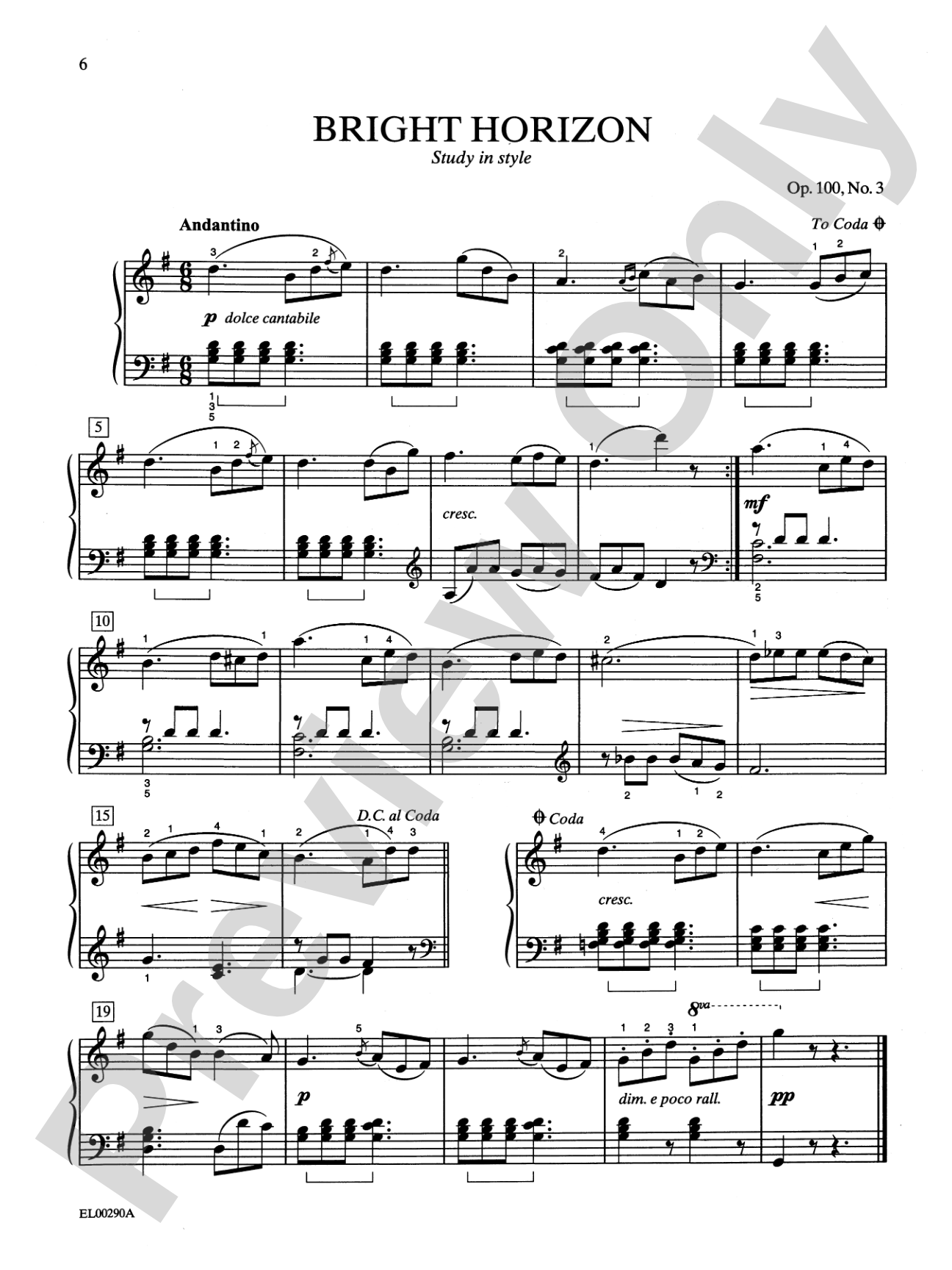
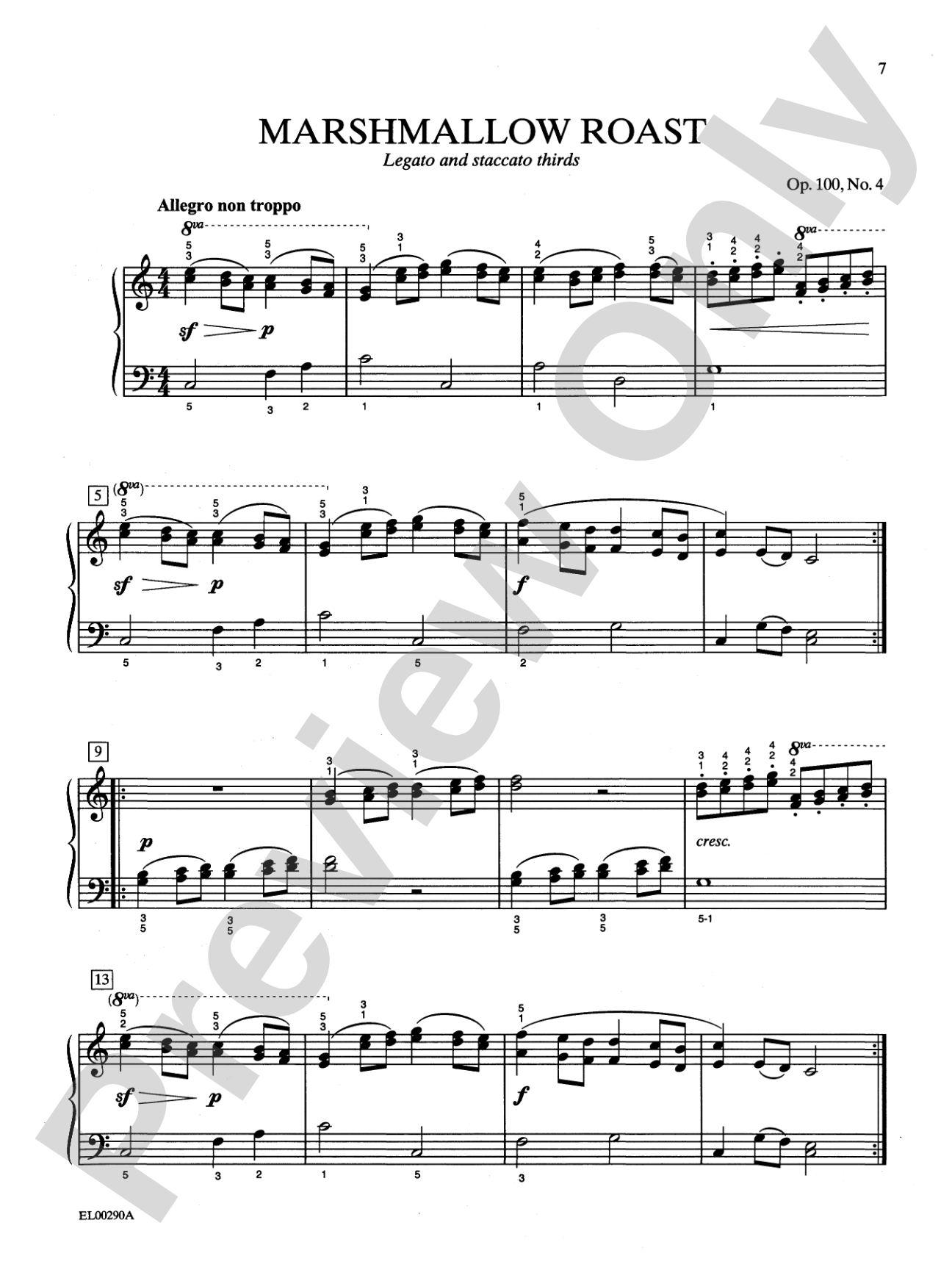
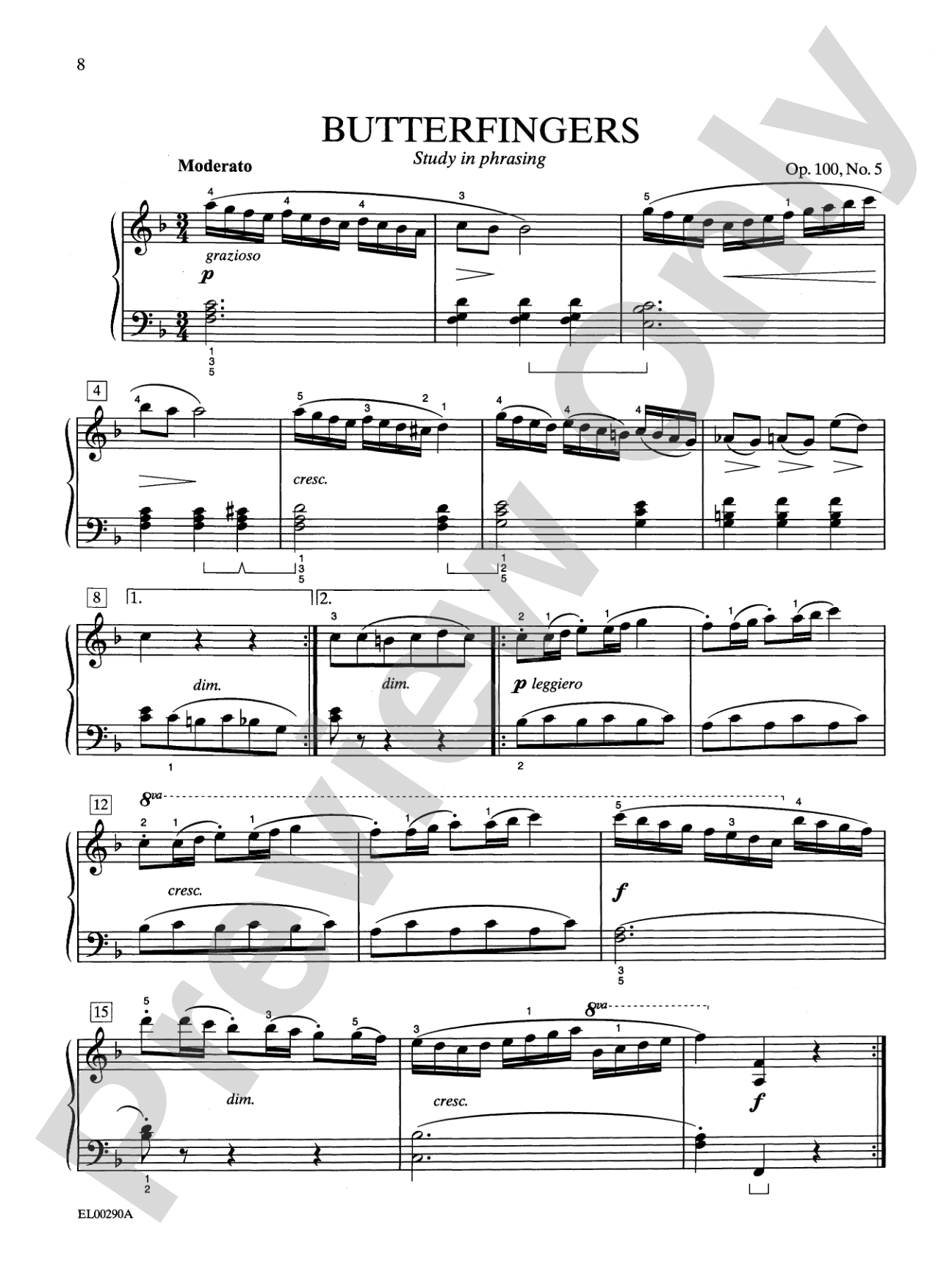
Burgmüller-Schaum, Book One: 25 Progressive Pieces, Opus 100 Sheet Music Preview

Burgmüller-Schaum, Book One: 25 Progressive Pieces, Opus 100: Piano

25 Progressive Pieces, Opus 100

By Johann Friedrich Burgmüller / arr. John W. Schaum

Item: 00-PB-0001893

Digital Download
$8.99
Description
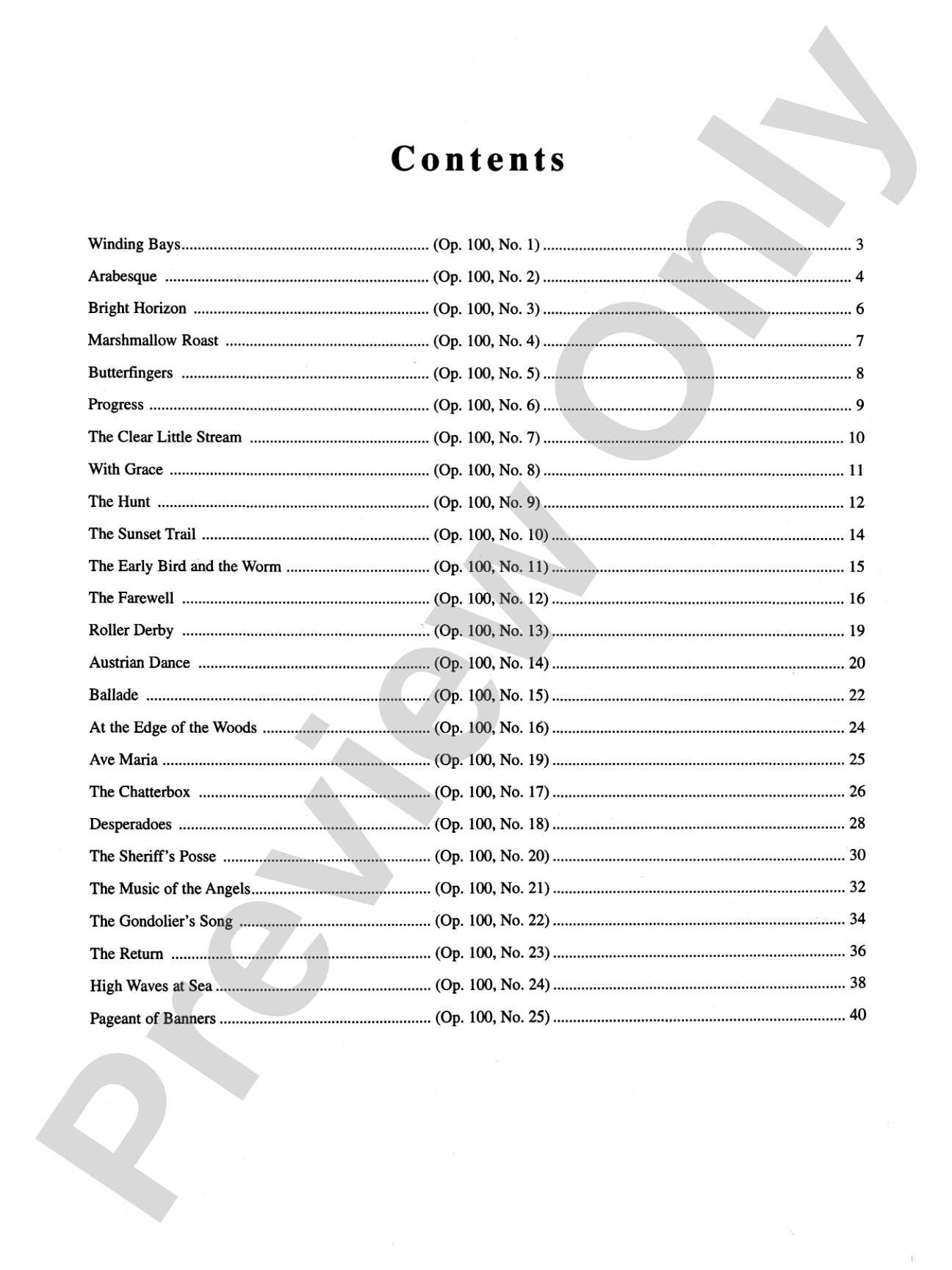
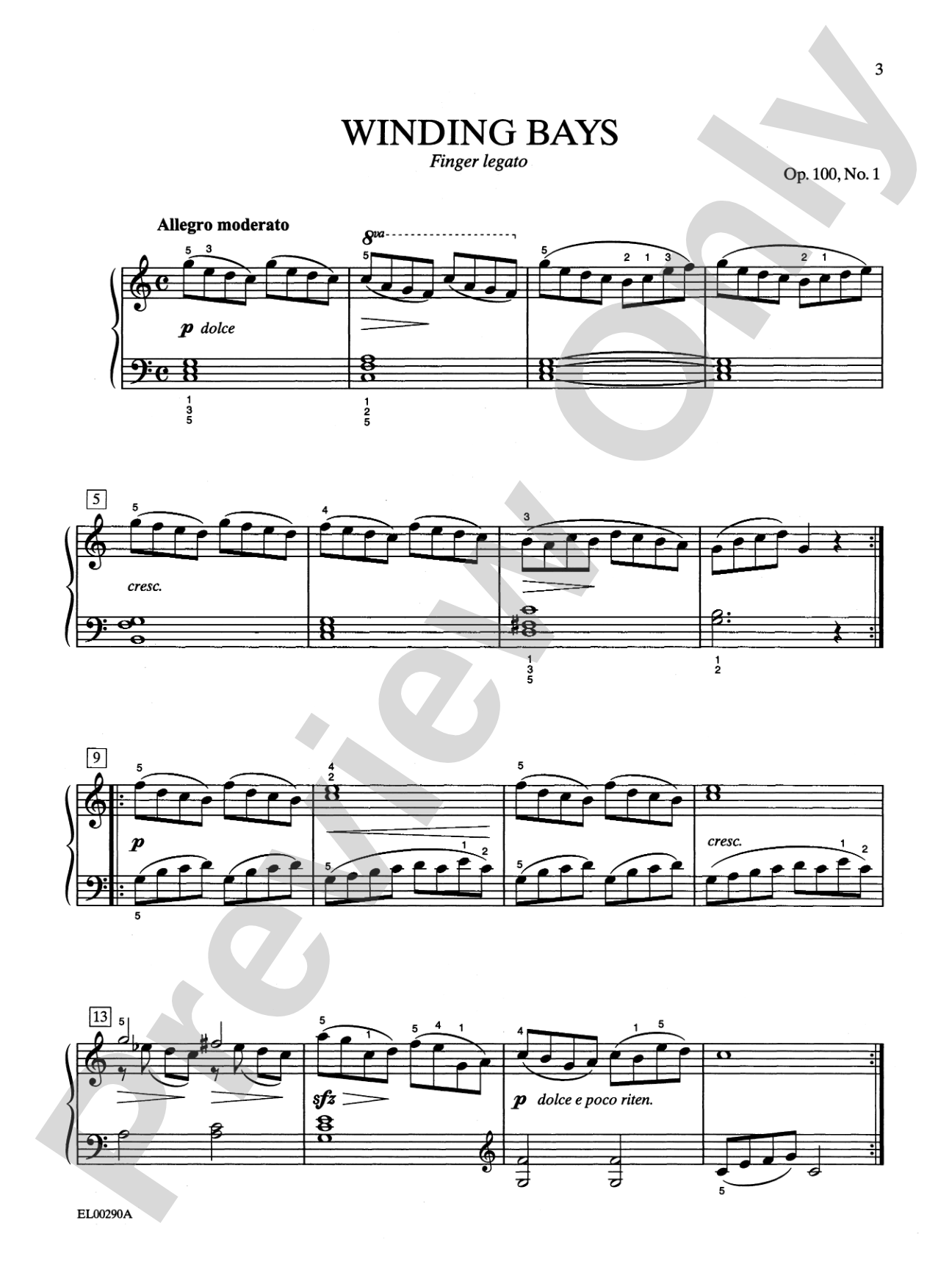
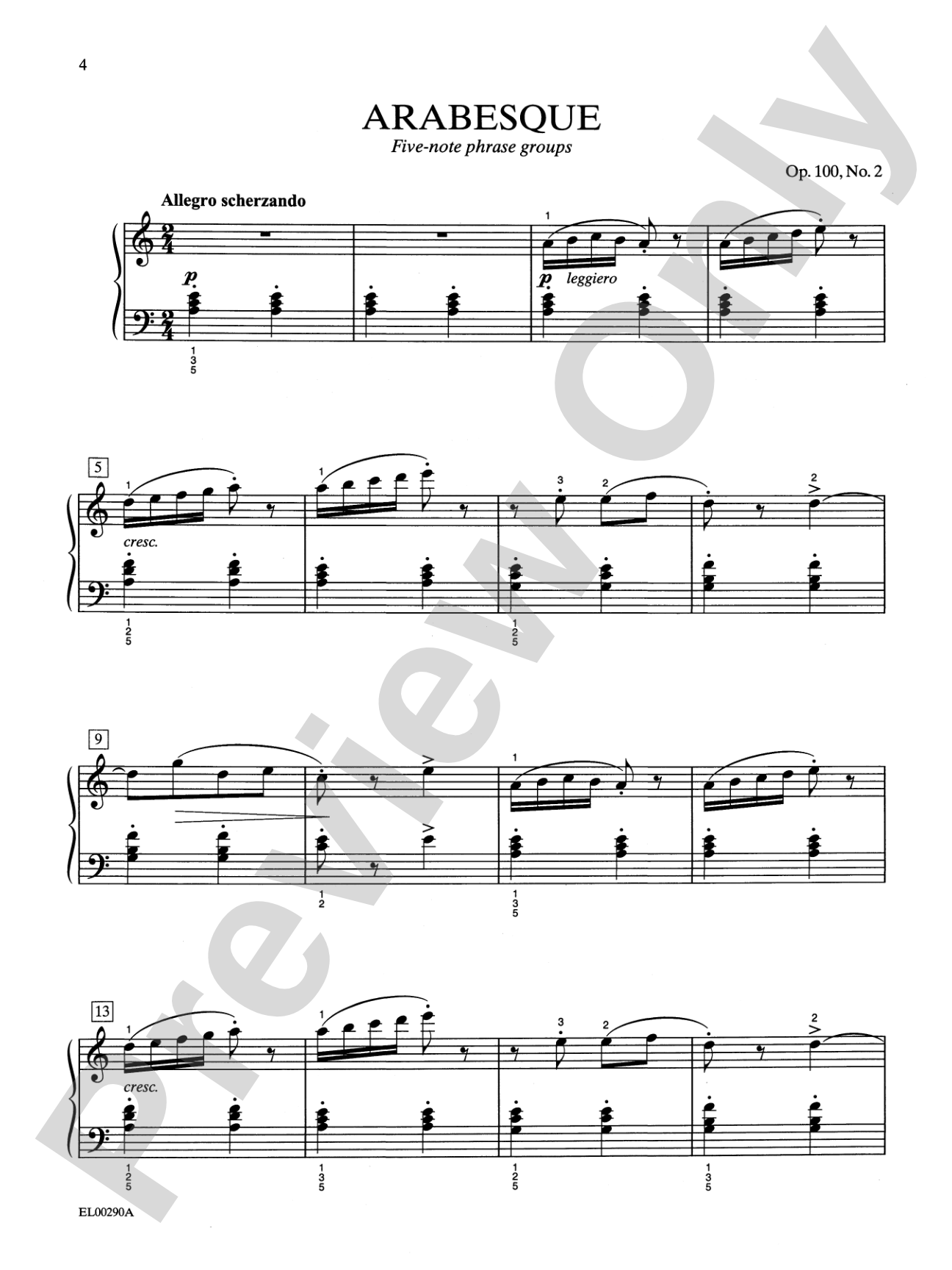
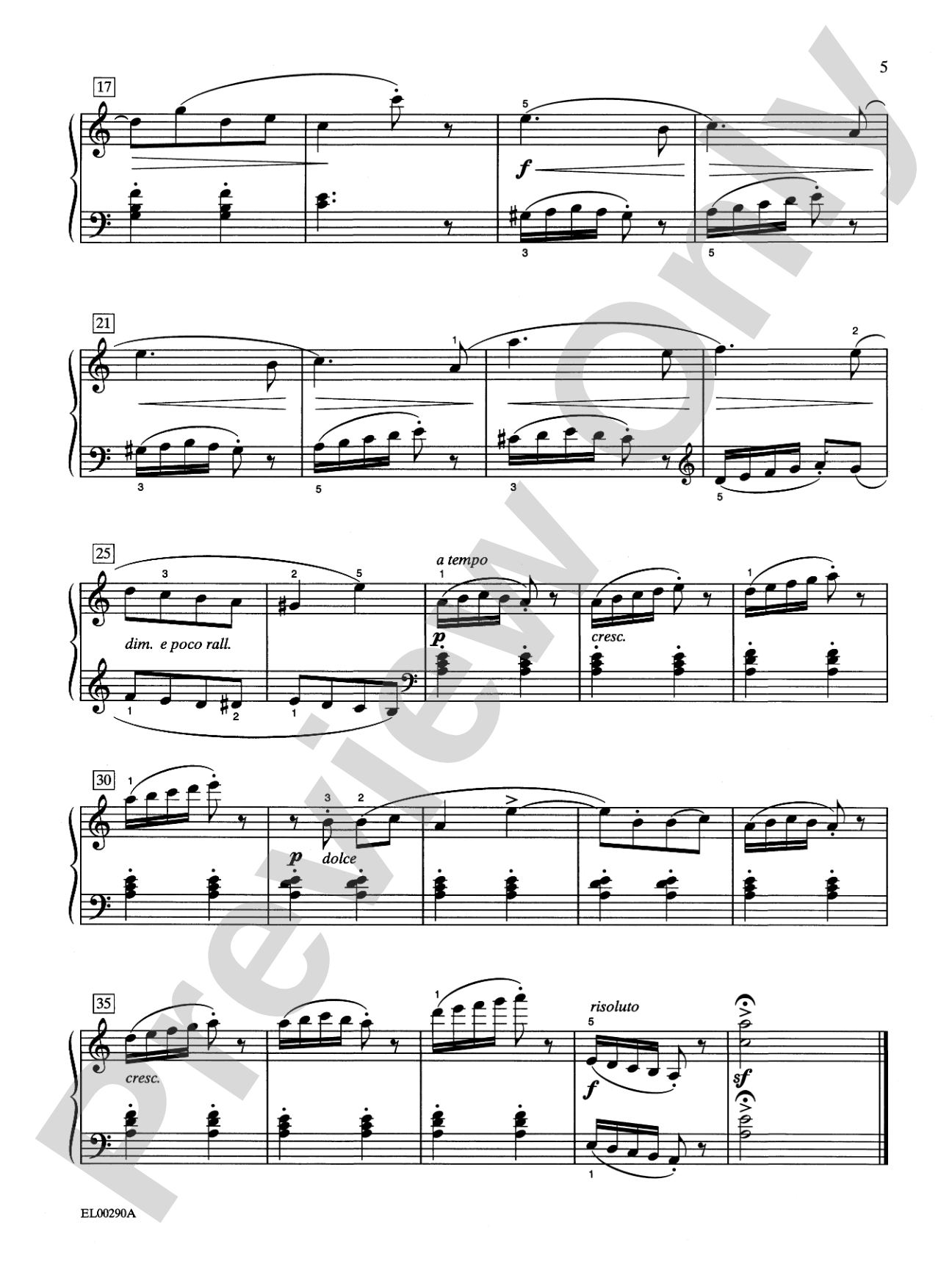
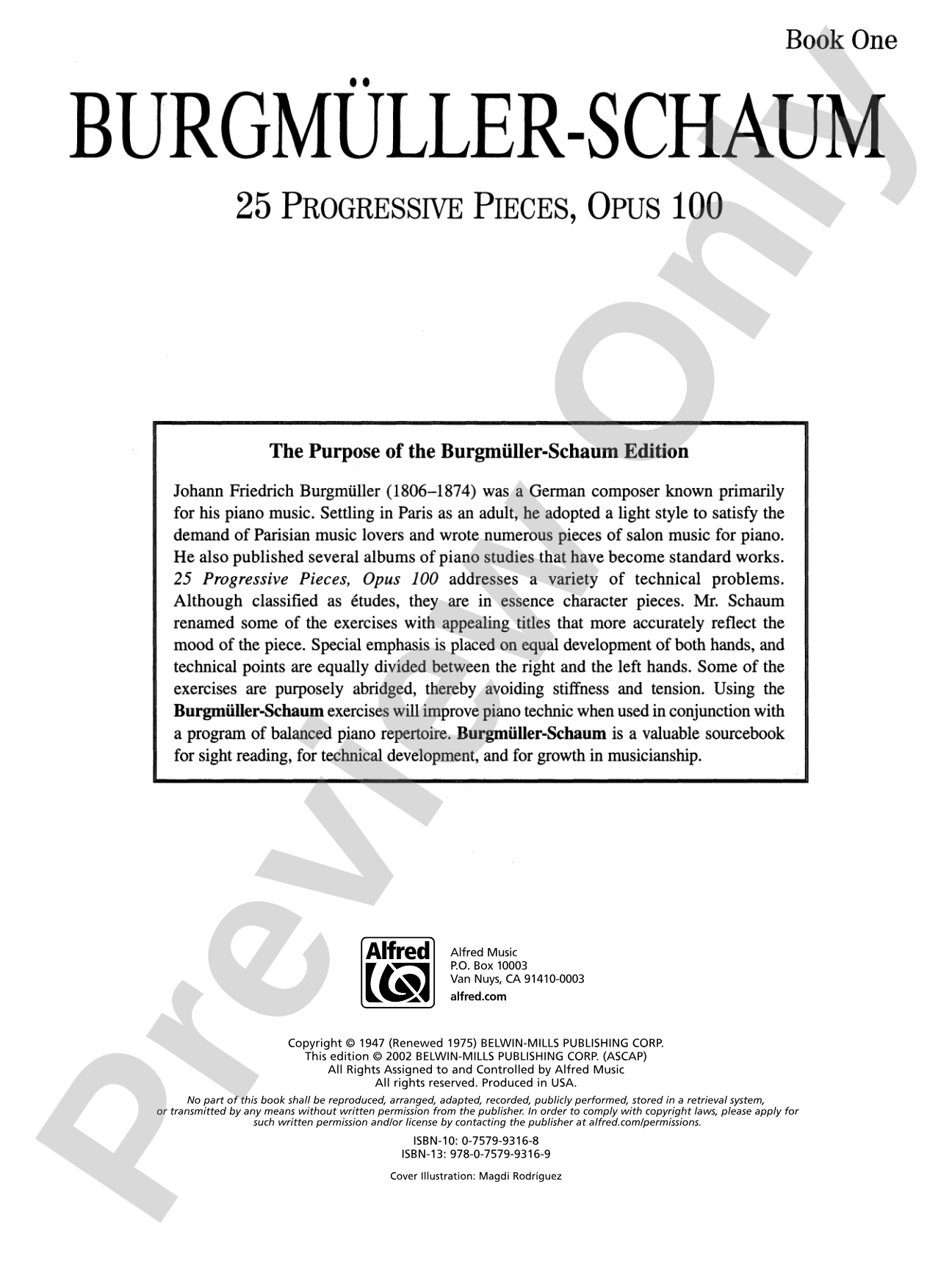
Johann Friedrich Burgmuller (1806-1874) published several albums of piano studies that have become standard works. This collection consists entirely of 25 Progressive Pieces, Op. 100. Mr. Schaum has renamed some of the exercises with appealing titles and purposely abridged some of the exercises thereby avoiding stiffness and tension. Using the Burgmuller-Schaum exercises will improve piano technic when used in conjunction with a program of balanced piano repertoire. Also available: Bach-Schaum * Chopin-Schaum * Czerny-Schaum * Hanon-Schaum * Mozart-Schaum.

Burgmüller-Schaum, Book One: 25 Progressive Pieces, Opus 100: Piano isn't in MakeMusic Cloud just yet...but it could be. Let us know you'd like to see it, and you'll help shape what comes next. In the meantime, start a free trial and dive into thousands of interactive titles your students can play along with today.

Sample Audio
No sample audio found.
Sample Video
Additional Details
Series: Schaum Master Composer Series
Publisher: Alfred Music
Page Count: 40
SKU: 00-PB-0001893

More about this title

About the Composer: Johann Friedrich Burgmüller

Johann Friedrich Burgmüller (1806-1874) was a German composer and pianist whose pedagogical works have shaped piano instruction for nearly two centuries. Though overshadowed by his contemporaries, he possessed an exceptional gift for writing studies that feel like genuine music rather than technical exercises, a quality that made his Opus 100 collection indispensable in conservatories across Europe.

Burgmüller's strength lay in his economy of material. Each piece introduces or reinforces a specific technical concept while maintaining musical coherence and modest emotional appeal. His approach respects the student's developing musicianship, never sacrificing artistry for the sake of drilling a single skill.

Why we love this

Burgmüller's Op. 100 studies are remarkable because they accomplish technical growth without sounding like studies at all. Schaum's thoughtful revision (renaming pieces with titles that spark student engagement and trimming unnecessary repetition) makes this collection feel contemporary while preserving exactly what made Burgmüller essential: clarity of purpose, musical integrity, and appropriate pacing for students building their technical foundation.

What to expect

These pieces carry the refined sensibility of Romantic salon music in miniature. You'll find gentle lyrical moments, playful rhythmic episodes, and moments of delicate virtuosity that remind students that technical mastery and musical beauty exist together, not in opposition.

Who it's for

Students in their first 2-3 years of piano study who are ready for short, focused pieces that teach genuine technique without overwhelming complexity. Teachers seeking studies that are harmonically interesting enough to engage musically literate students while remaining technically accessible.

How to get the most out of it

  • Listen carefully to how each piece introduces a single technical demand before layering new challenges; rushing the tempo defeats the pedagogical intention and muddies the textures Burgmüller wrote so cleanly.
  • Shape the melodic lines with genuine phrasing rather than playing through the pieces as though they were finger exercises; the studies reward expressive attention with musical satisfaction.
  • Notice where Burgmüller places rubato opportunities, particularly in the more lyrical pieces, and encourage students to breathe between phrases as naturally as a vocalist would.
  • Sustain a steady practice of sight-reading through the collection sequentially rather than jumping around; the cumulative technical progression is intentional.

How to use it

Distribute these studies alongside standard recital repertoire throughout the year rather than assigning them all at once; they function perfectly as intermediate technical grounding while a student is learning a sonata, theme and variations, or character piece at the same lesson level. The collection's steady progression also makes it ideal for cumulative recitals where students perform consecutive studies to demonstrate their advancing skills across a season.

Skills your students will build

  • Consistent hand position and rotation through single-note and chordal passages
  • Independent finger articulation and control at moderate tempos
  • Legato pedaling and sustain without muddying harmony
  • Balanced phrasing across 16 and 32-bar forms
  • Rhythmic precision in dotted figures, triplets, and syncopated accompaniments
  • Basic double-note technique including thirds and sixths
  • Coordination of melody and accompaniment at different dynamic levels

You May Also Like