
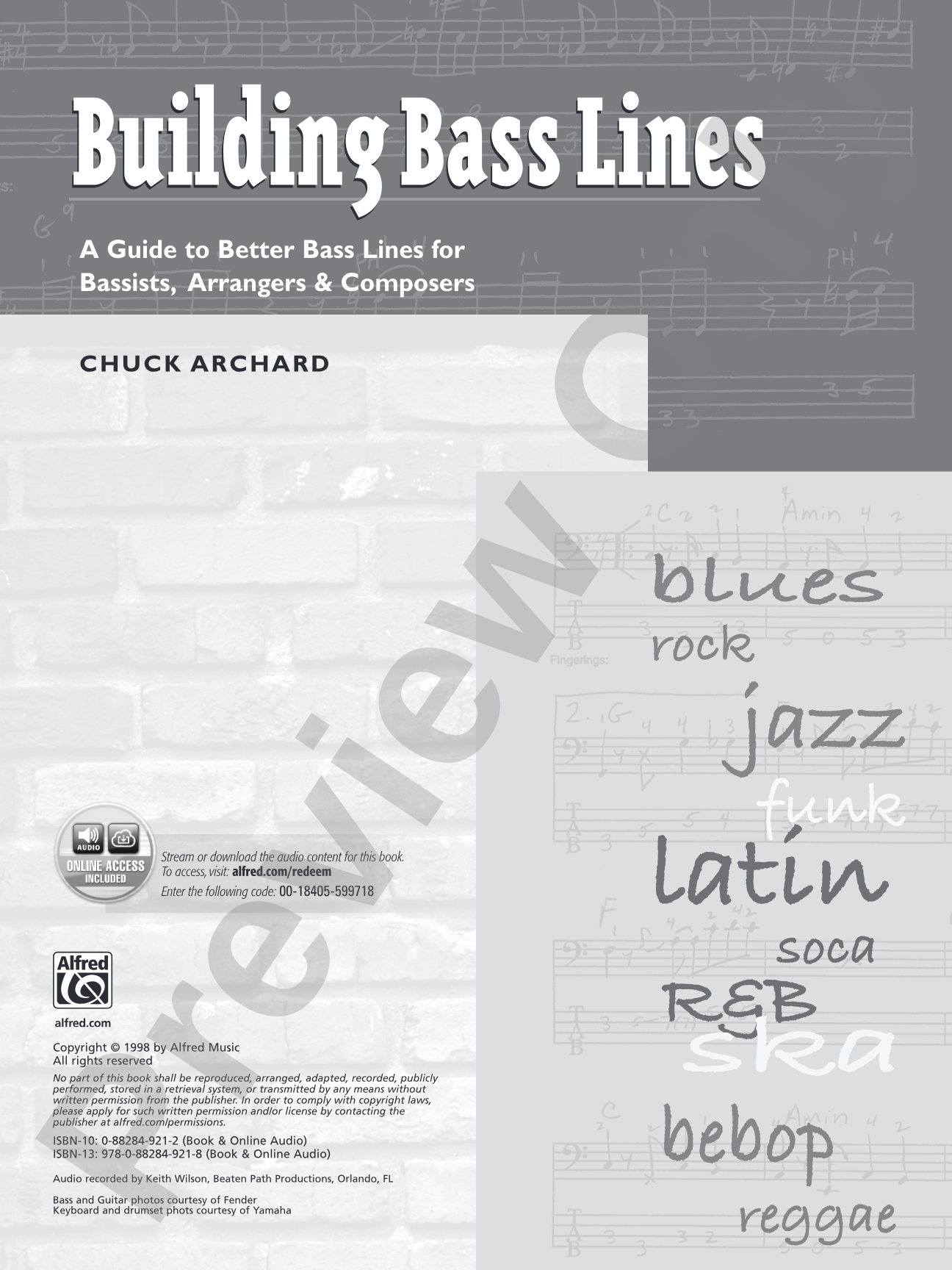

Building Bass Lines: A Guide to Better Bass Lines for Bassists, Arrangers & Composers
A Guide to Better Bass Lines for Bassists, Arrangers & Composers
By Chuck Archard
Item: 00-PB-0002184
$12.99
Pickup currently not available
Related Items
Building Bass Lines: Bass Guitar Book & Online Audio |
$12.99
|
View |
Description
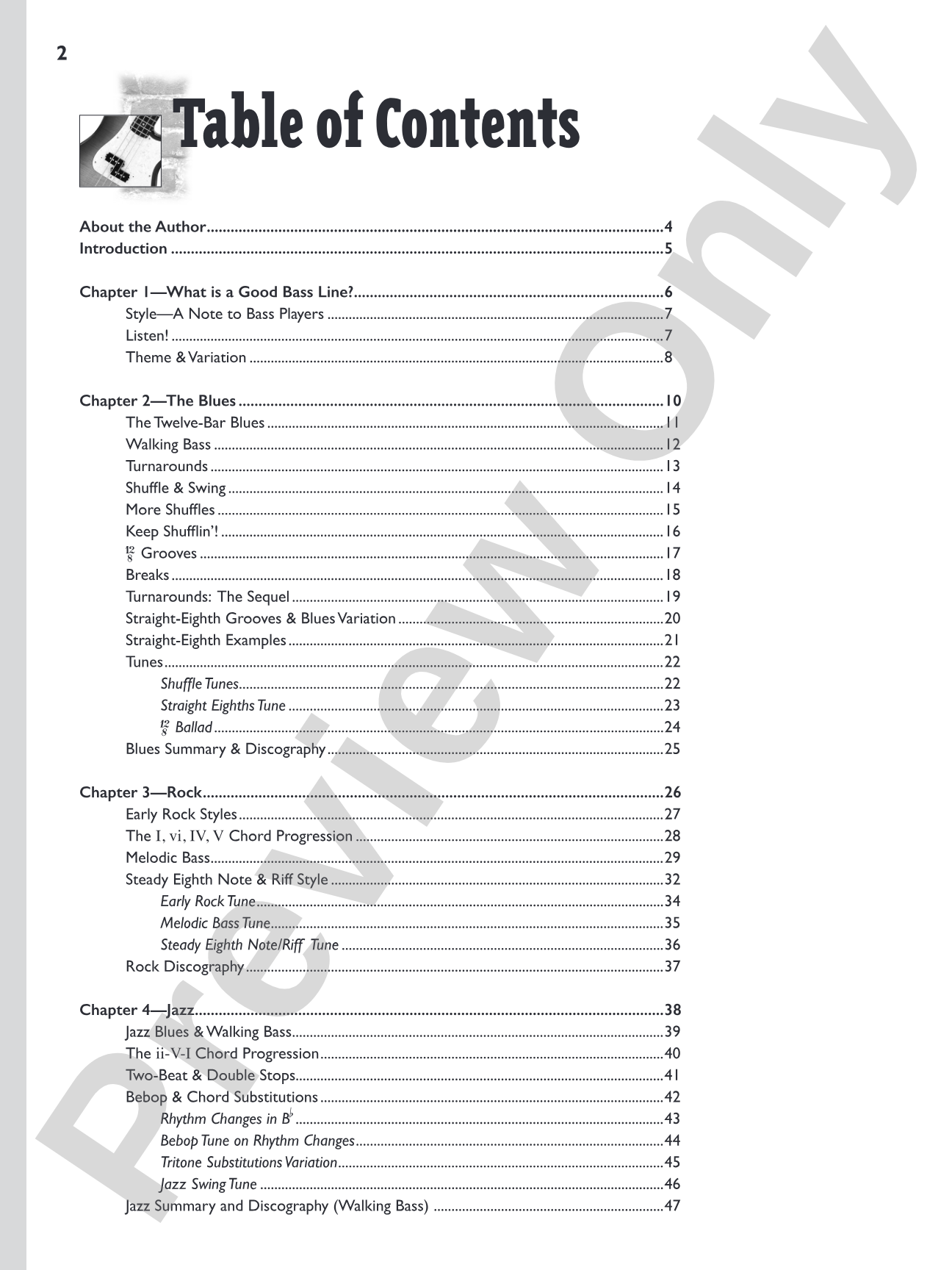
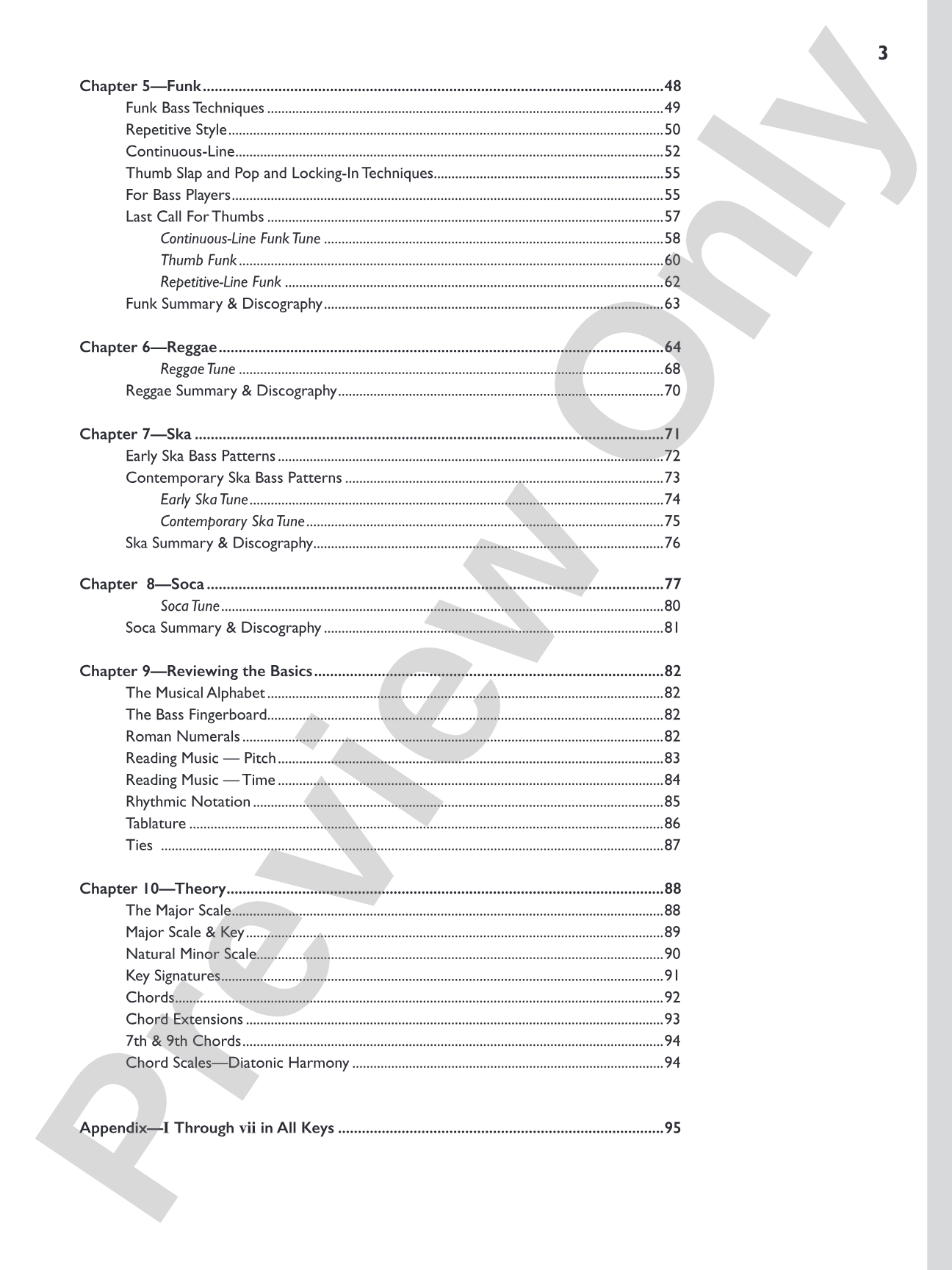
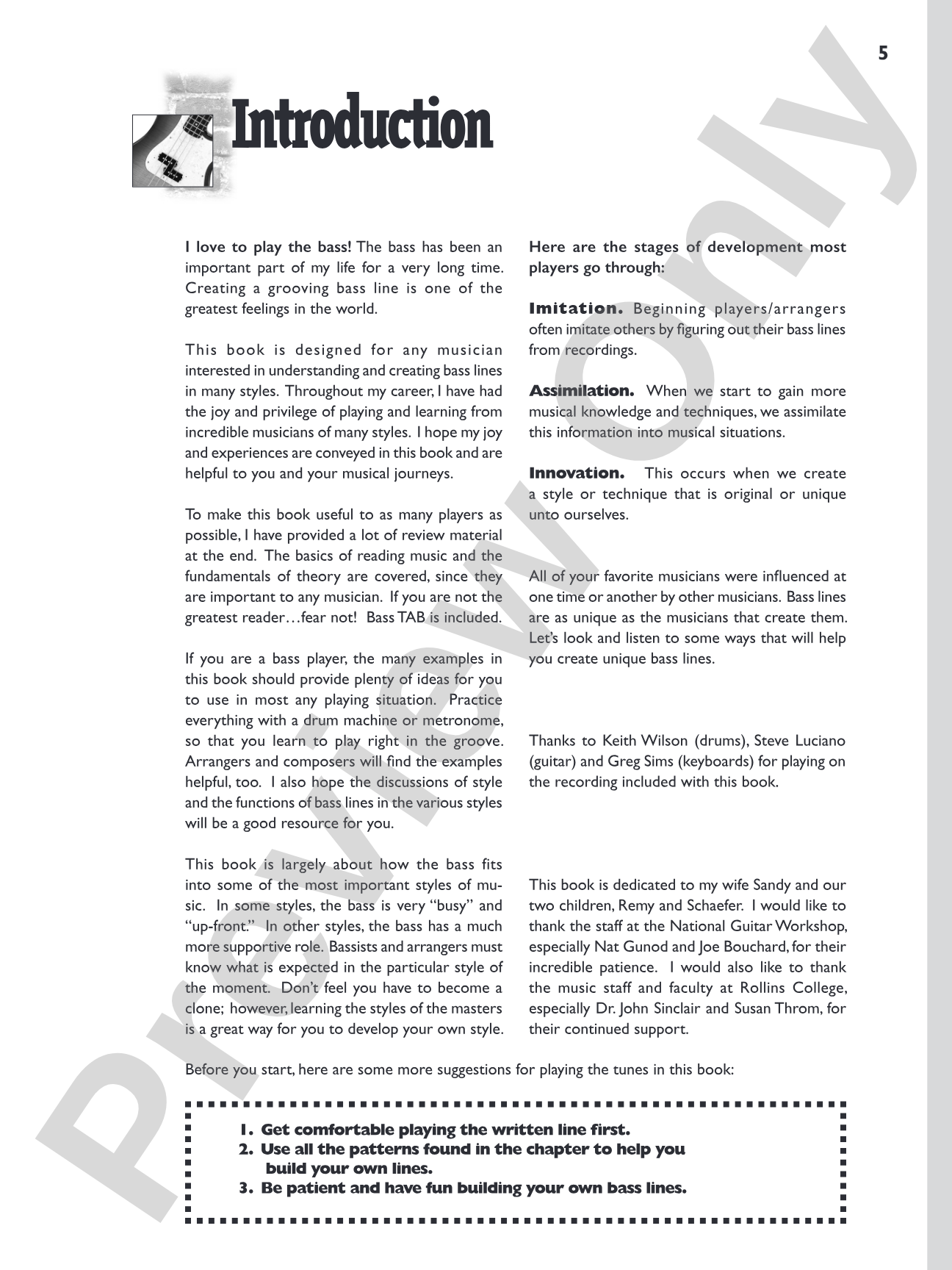
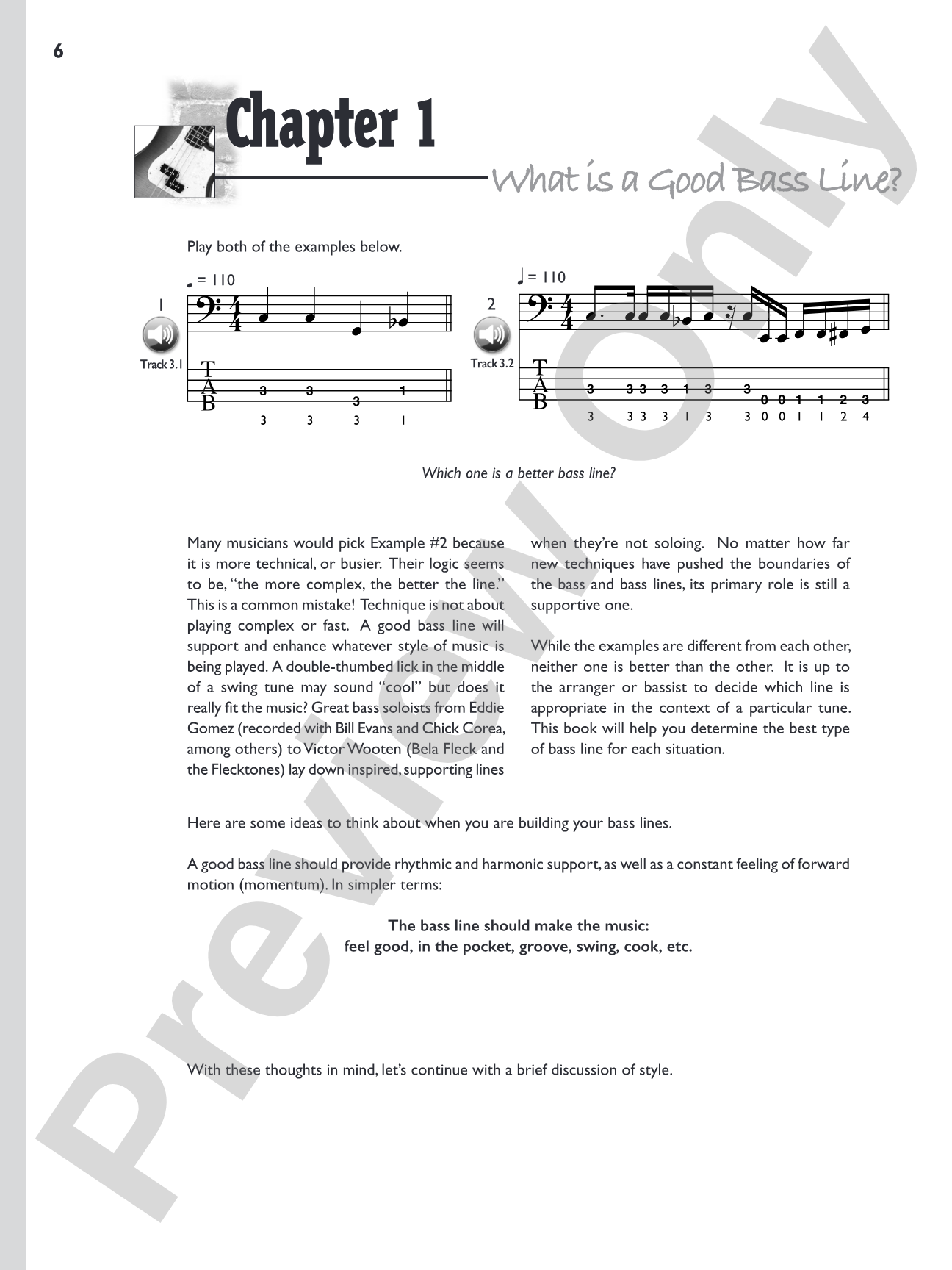
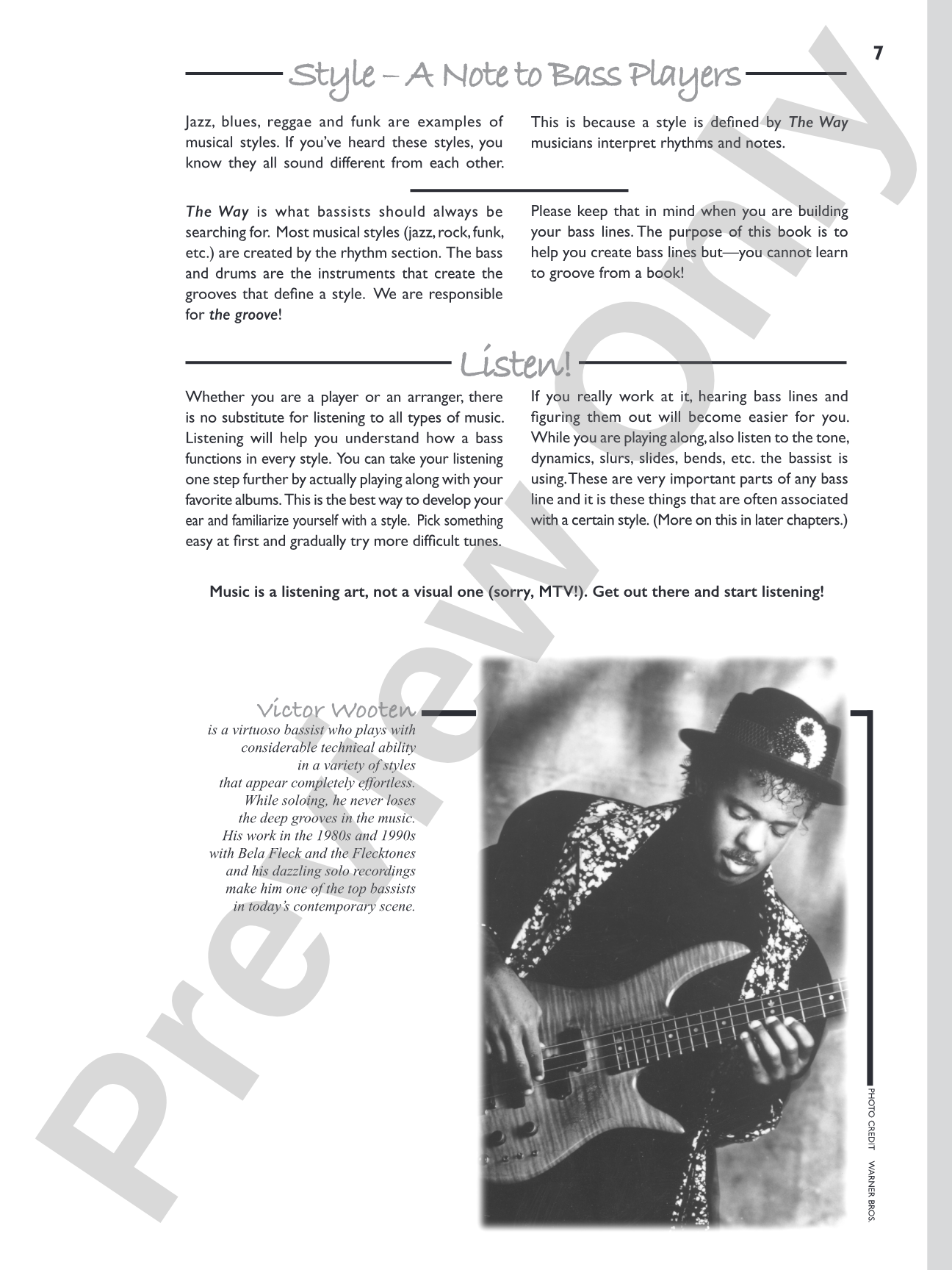
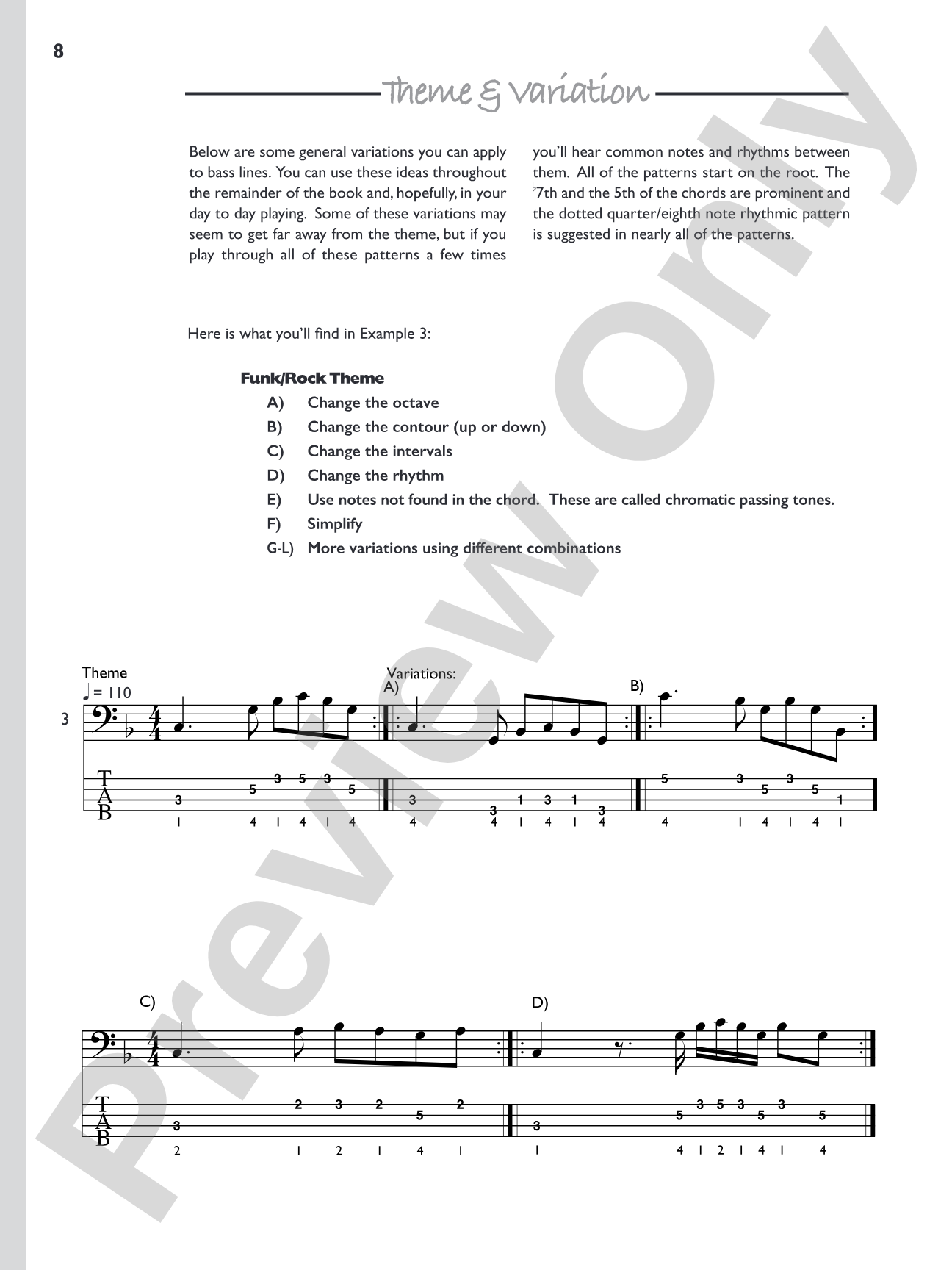
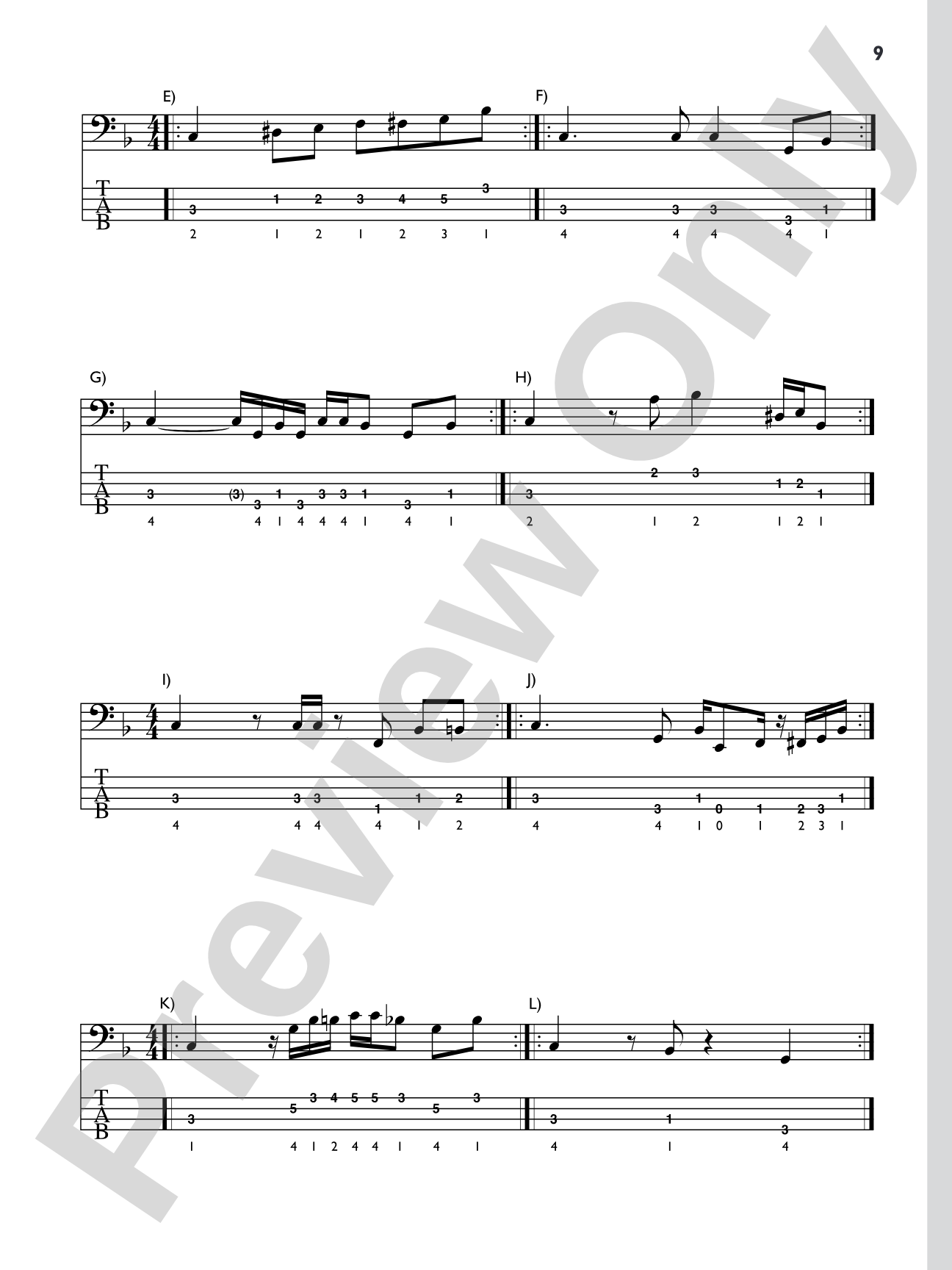
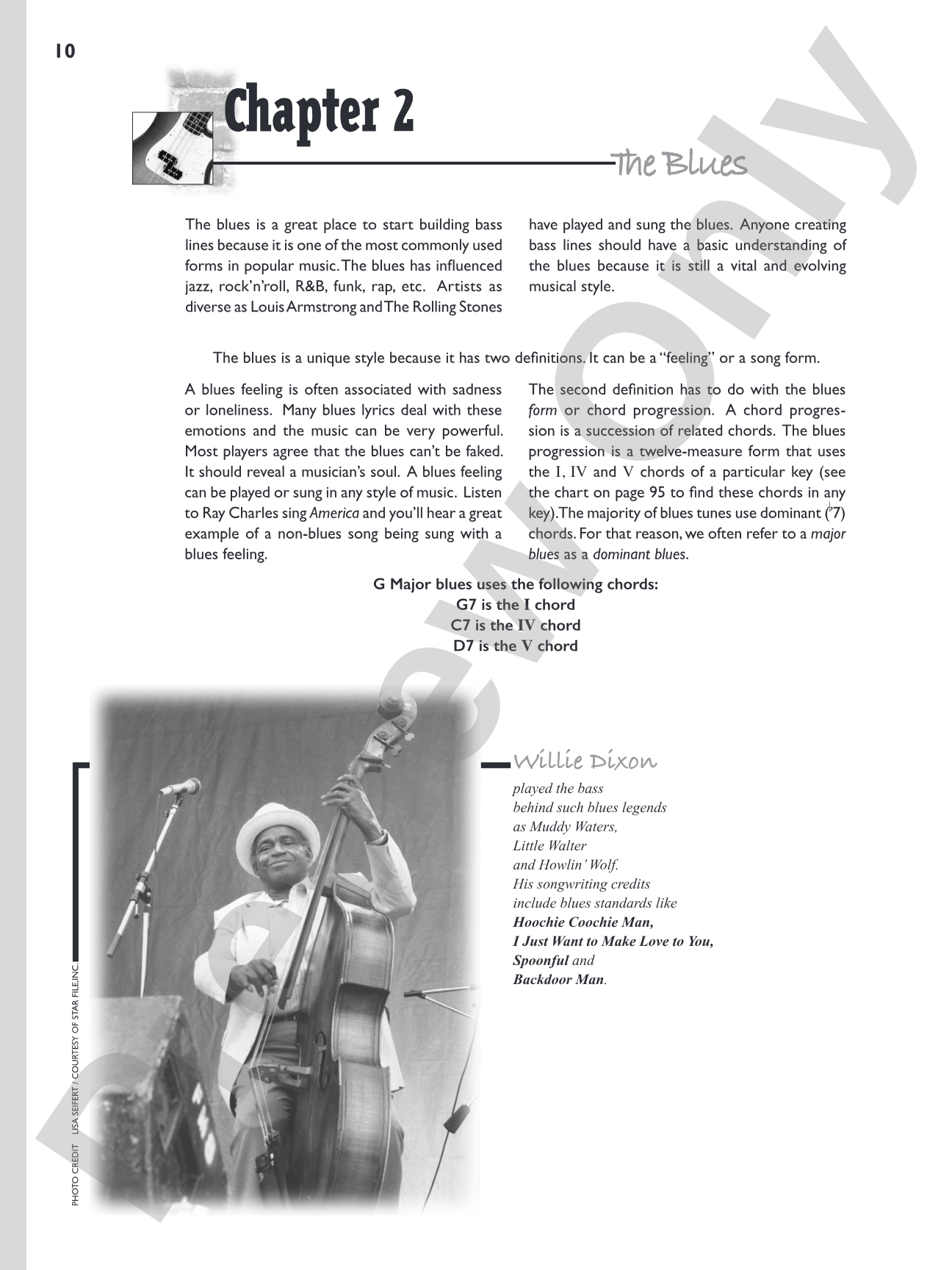
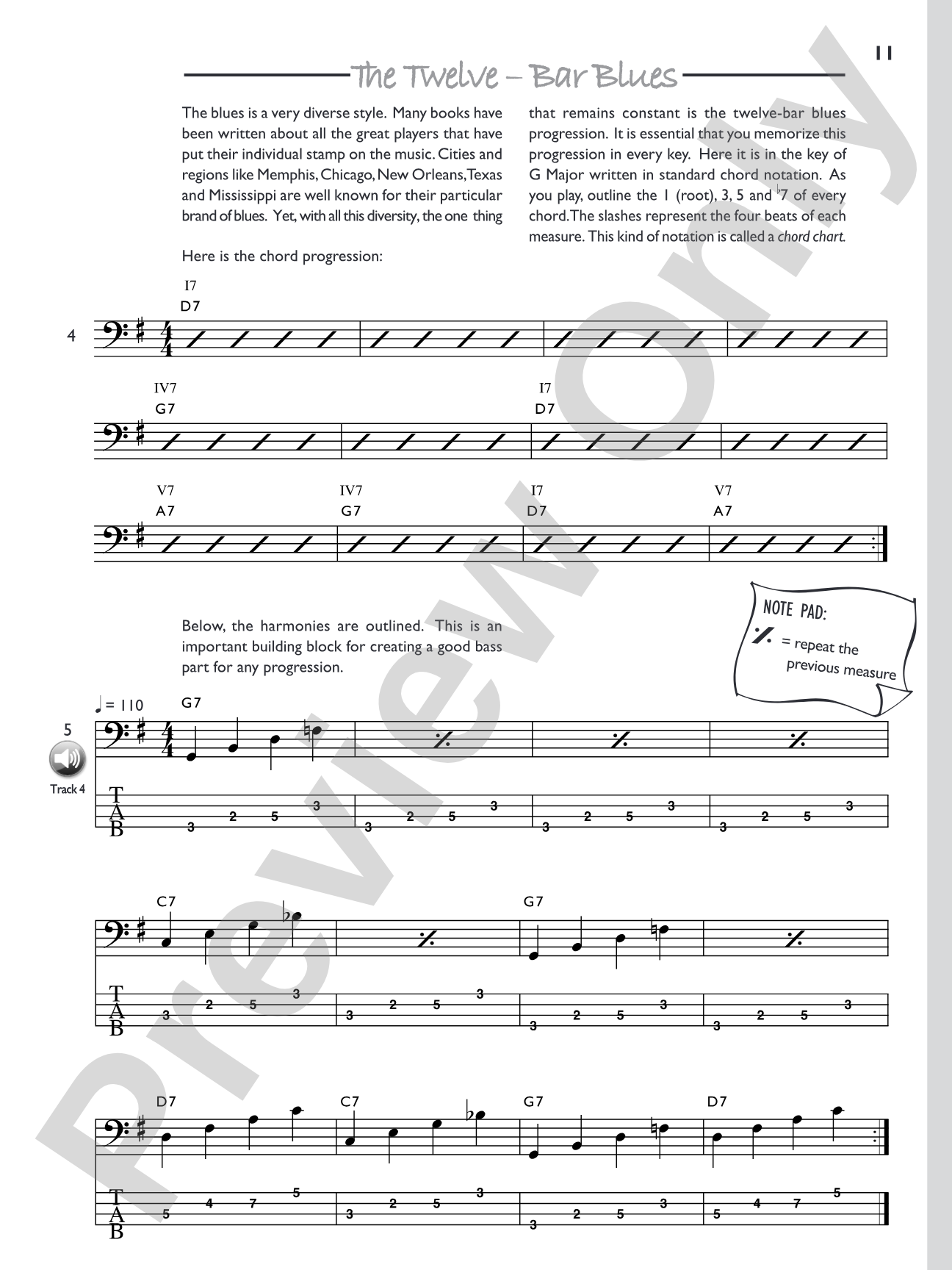
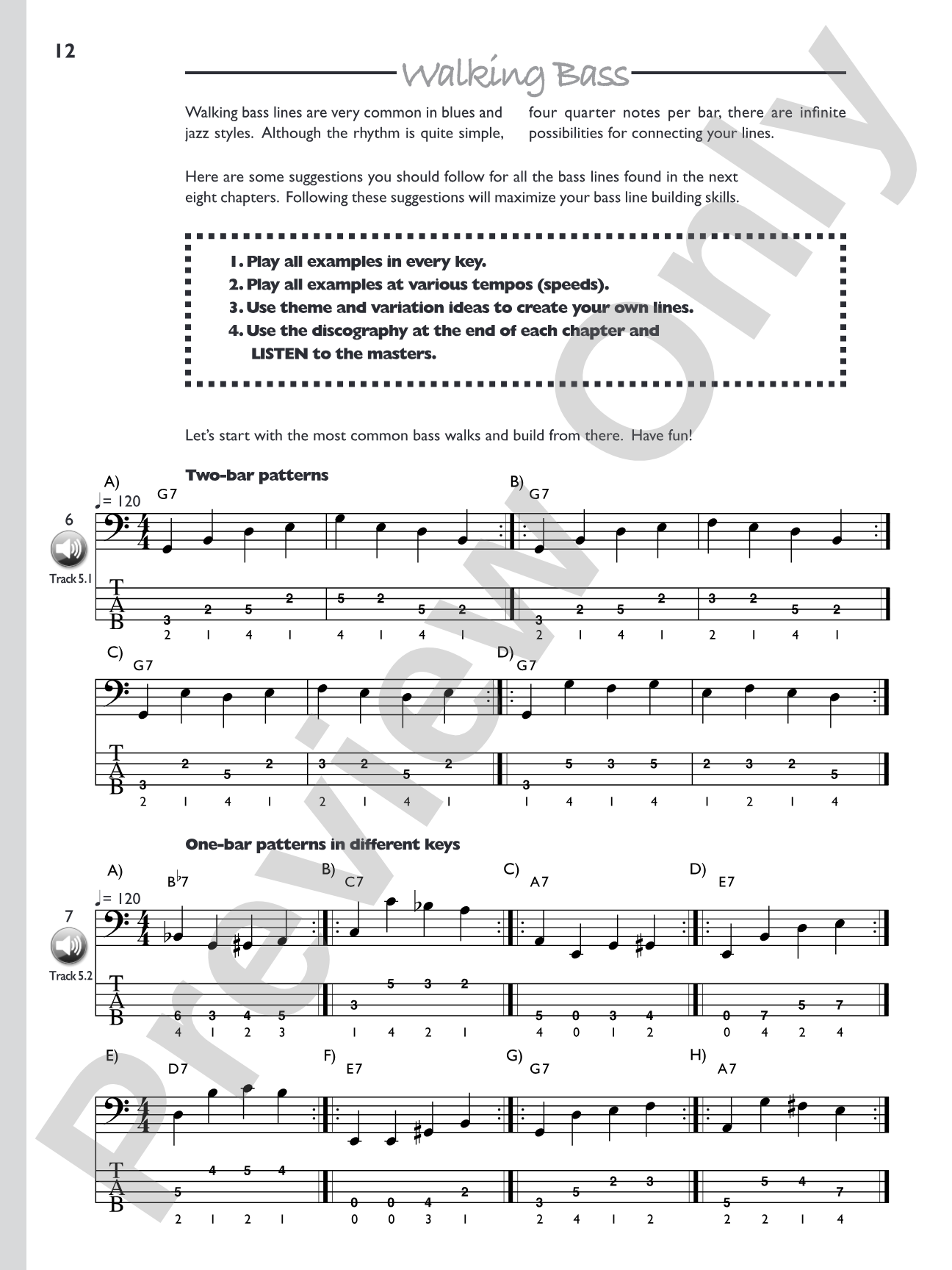
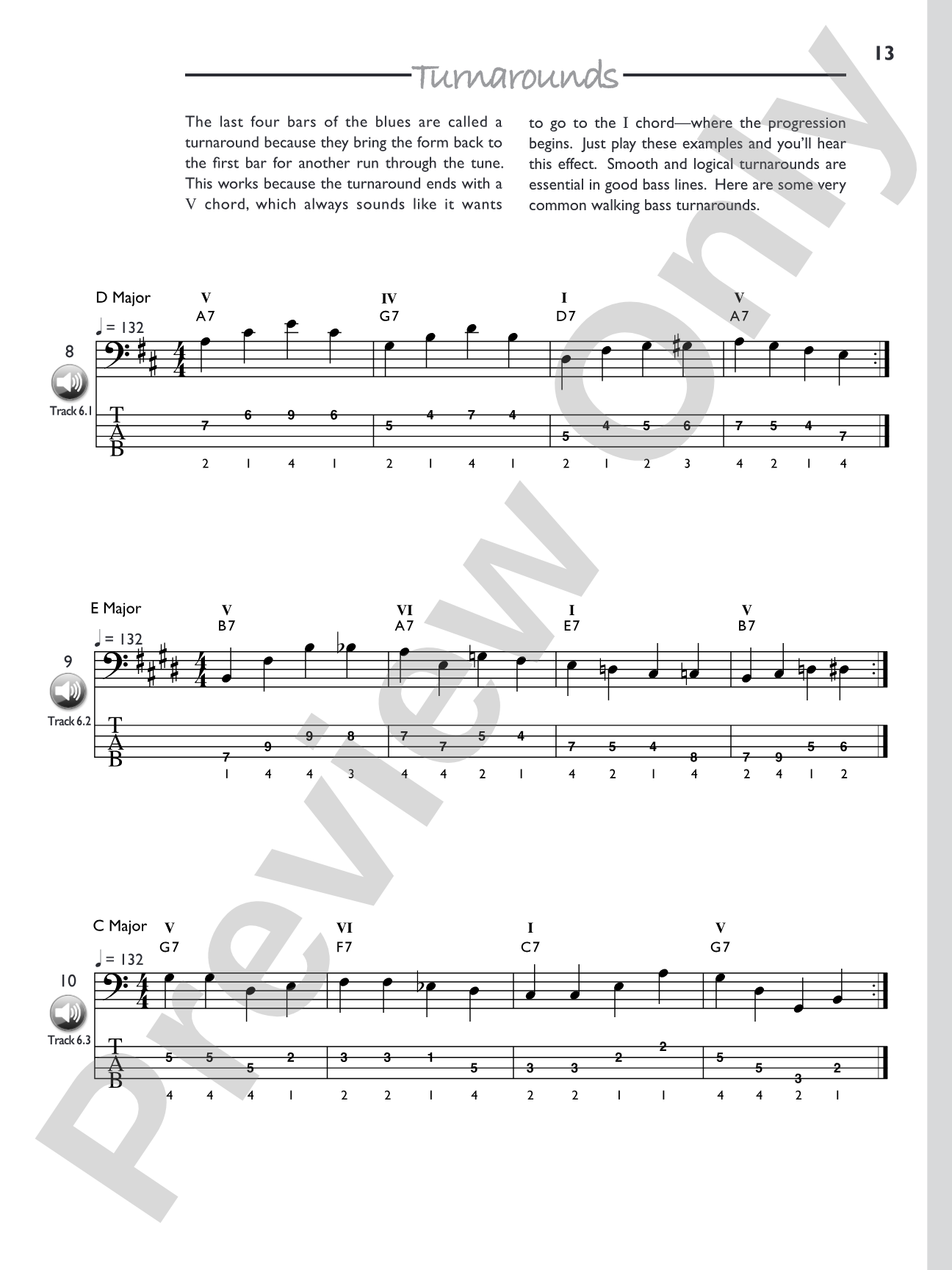
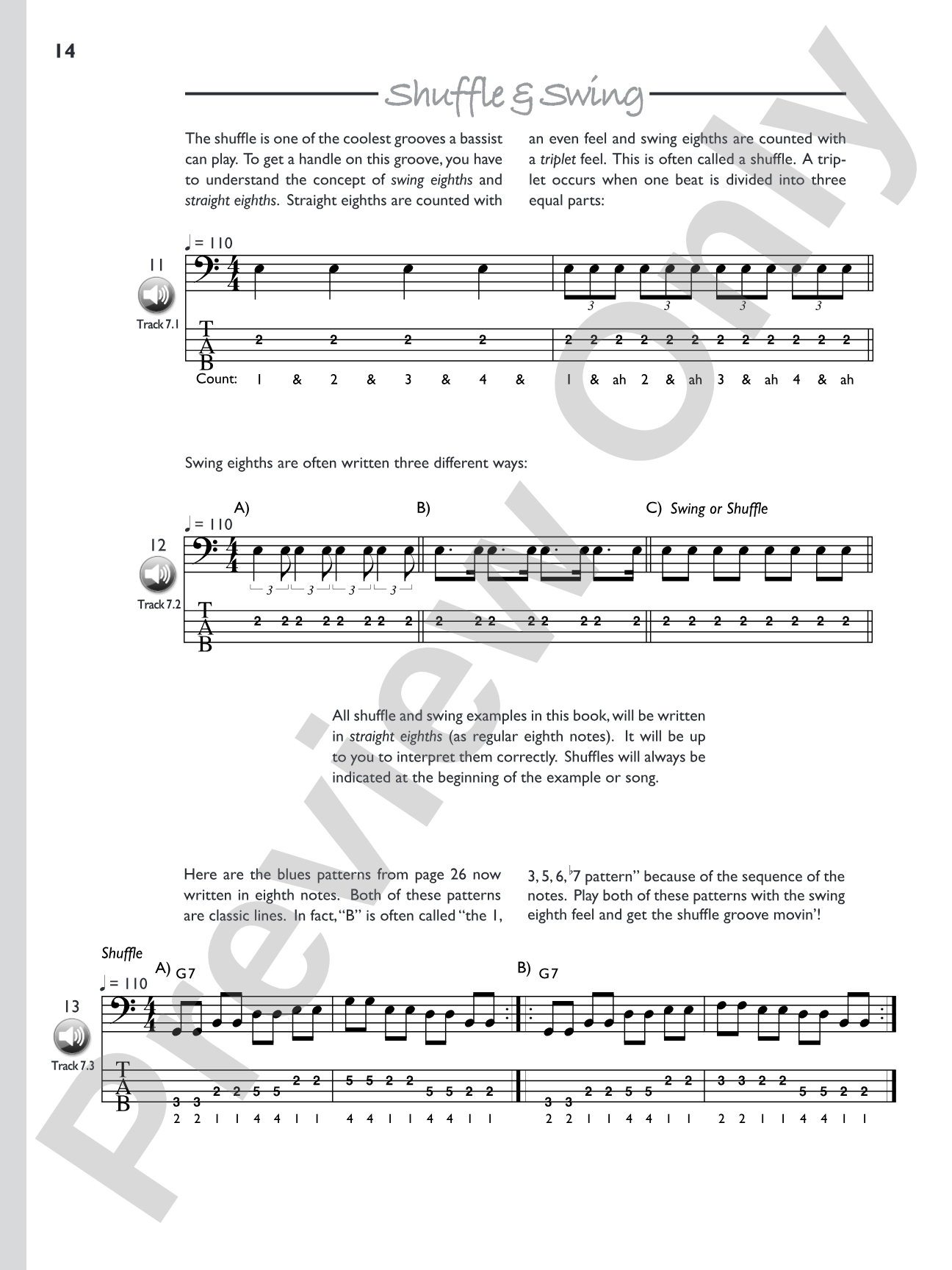
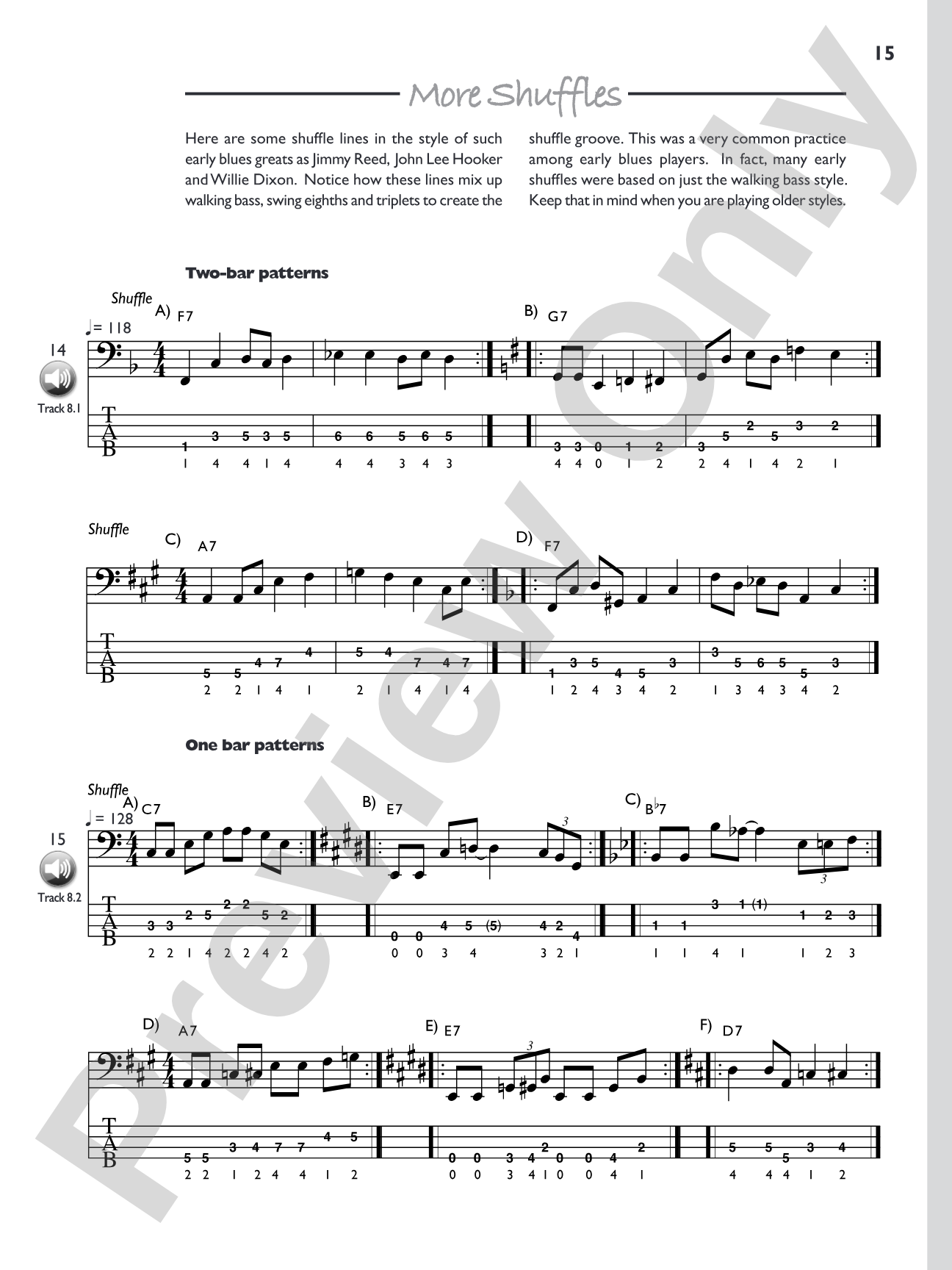
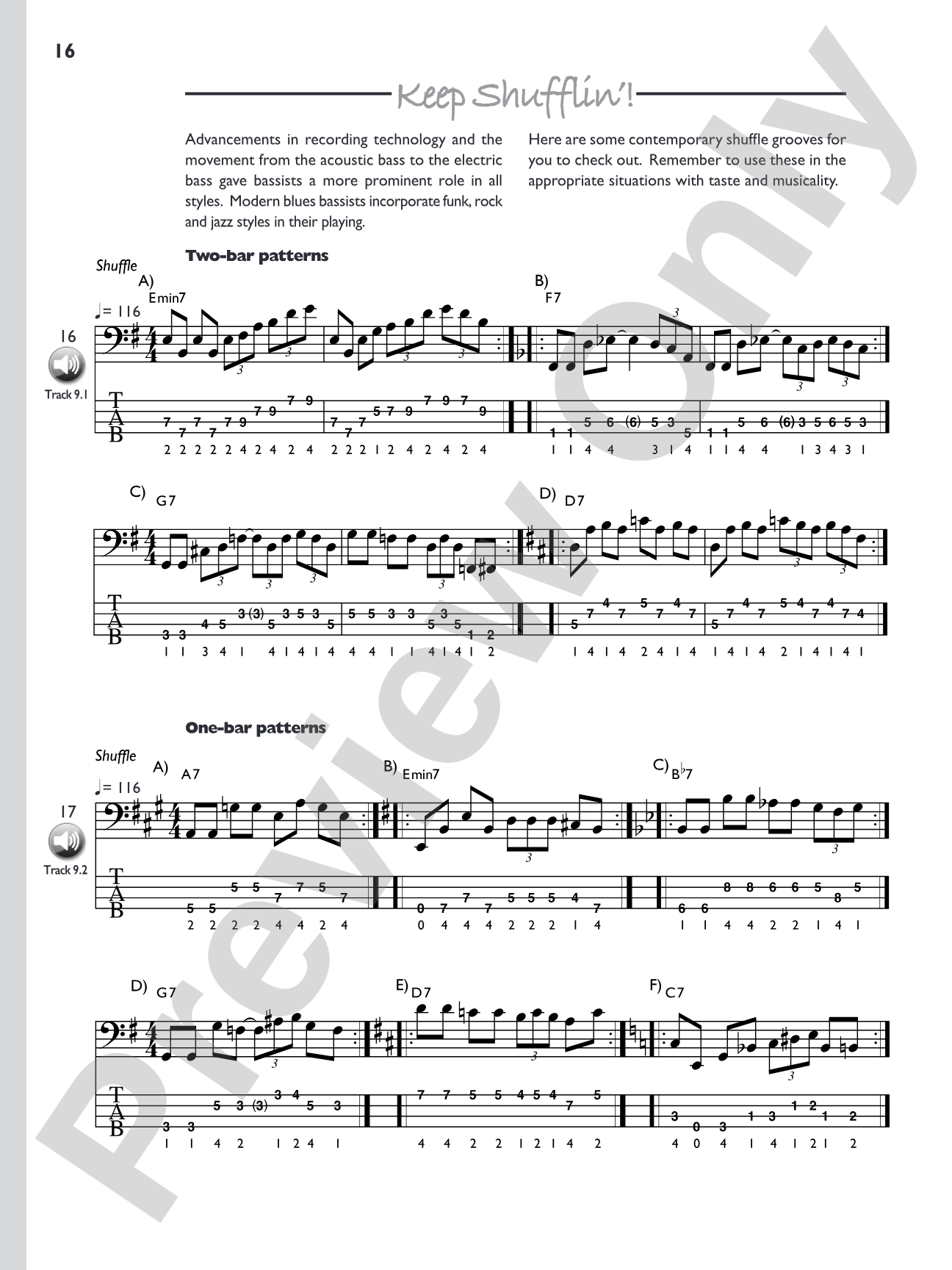
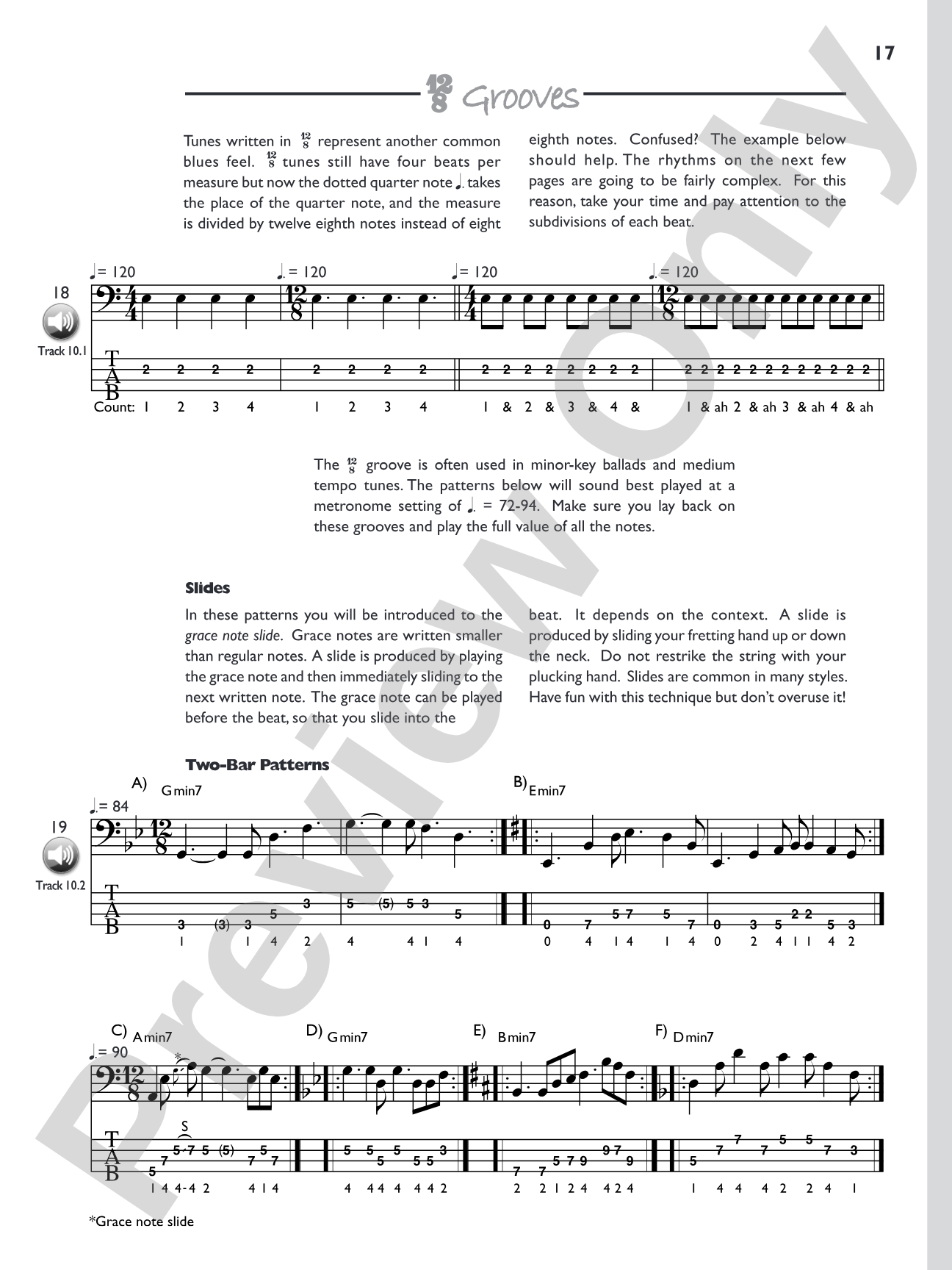
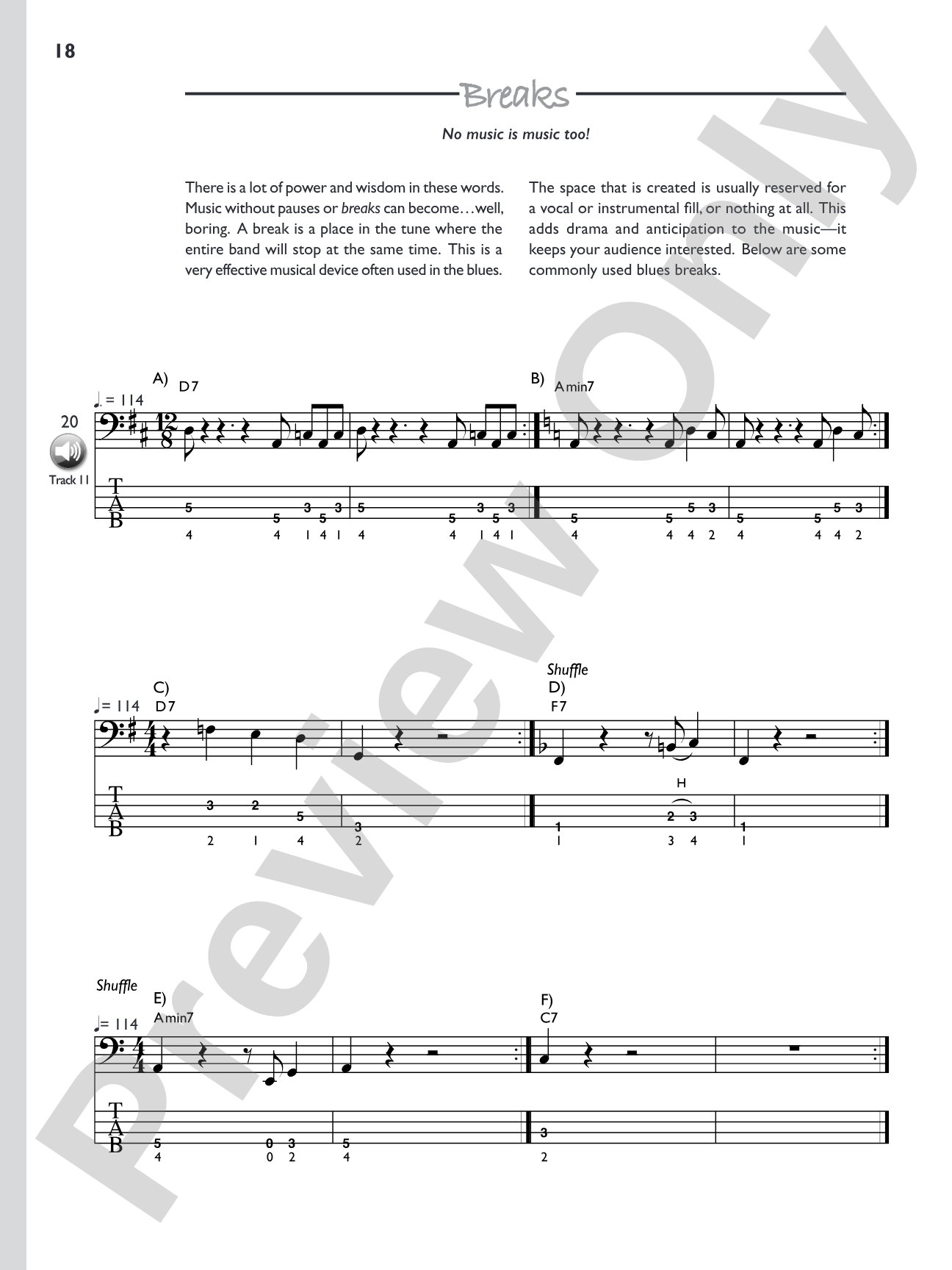
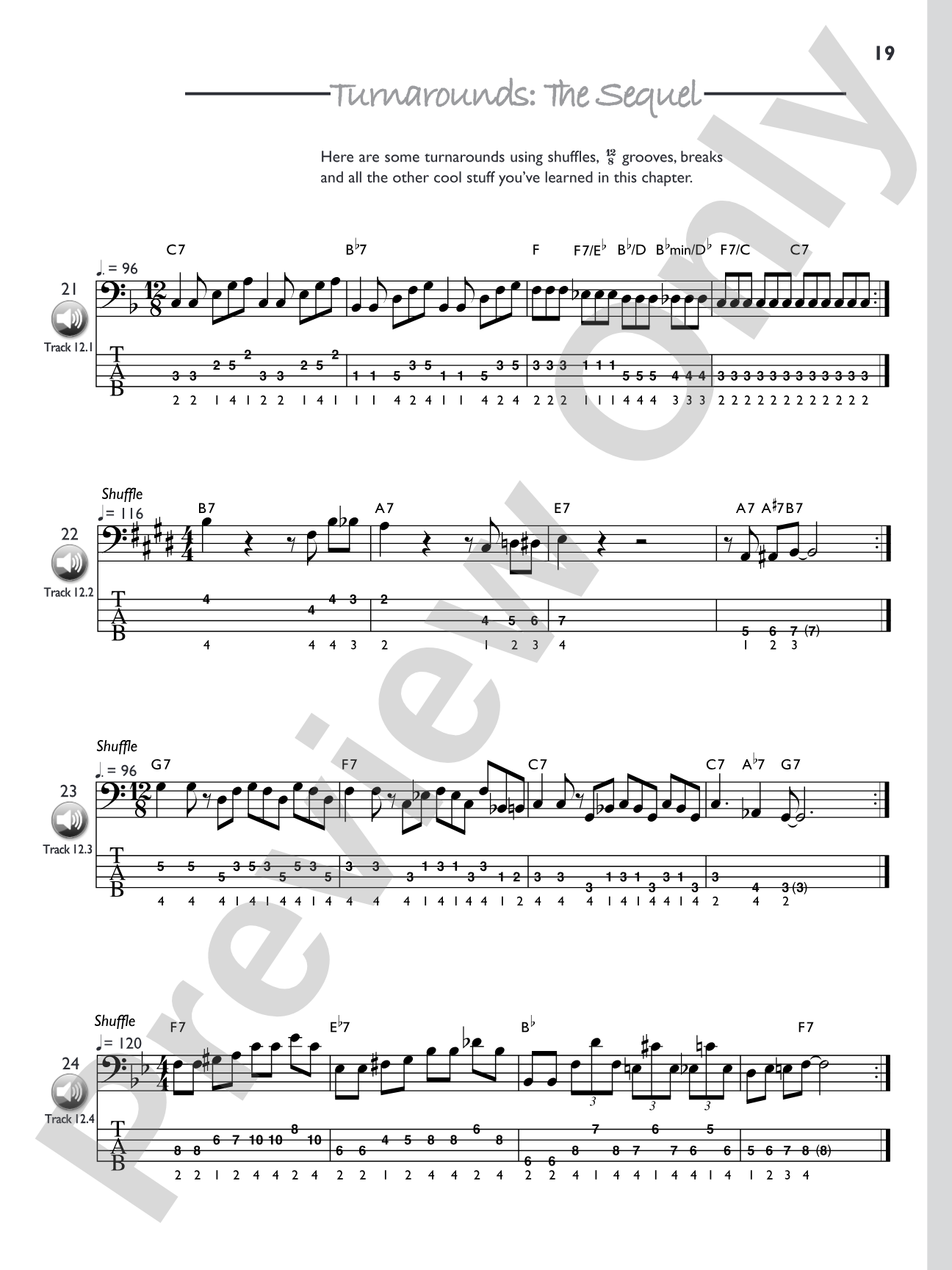
This book teaches everything you need to know to create great bass lines. An easy-to-use, step-by-step approach to basic theory is given as a foundation, and then the essential styles-and many styles within each style-are explored from the bass point of view. Learn how the bass fits into the group, the important bass techniques for each style and even what tempos to expect. Bass players, arrangers and composers alike will love the hundreds of tips and sample bass lines. Online audio demonstrating all the examples and for playing along is included.


Building Bass Lines: A Guide to Better Bass Lines for Bassists, Arrangers & Composers isn't in MakeMusic Cloud just yet...but it could be. Let us know you'd like to see it, and you'll help shape what comes next. In the meantime, start a free trial and dive into thousands of interactive titles your students can play along with today.
Request This Title
Tell us you want it.
Start Your Free Trial
Explore everything that's ready to play right now.
Sample Audio
No sample audio found.
Sample Video
No sample videos found.
Additional Details
Publisher:
Alfred Music
Page Count:
96
SKU:
00-PB-0002184
More about this title
Why we love this
This book strips away the mystique around bass line construction and gives players concrete vocabulary for what they're hearing and playing. Rather than treating bass as an afterthought, Archard grounds the instrument as a foundational voice that shapes everything above it, which shifts how students think about their role in an ensemble.
What to expect
Clear and methodical, without ever becoming academic. You're learning the logic behind the music you already play, with plenty of real examples to ground each concept in actual styles you'll encounter.
Who it's for
Bass players who want to move beyond root notes and fill gaps, arrangers and composers who need to write convincing bass parts, and ensemble directors building a more literate low end. It works equally well as self-study material or as a reference resource in your studio or classroom library.
How to get the most out of it
- Slow the audio demonstrations to half speed when learning a new style; this lets your ear catch the harmonic movement and specific note choices before matching the tempo.
- Practice the sample lines in different keys using the backing tracks, forcing your hands to build the pattern rather than memorizing fingerings.
- Record yourself playing each example, then listen back without looking at the page to train your ear for what good voice leading feels like in context.
How to use it
Use this in summer preparation before jazz ensemble season, or assign chapters aligned with repertoire your band or combo is learning. The style-specific sections let bass players understand what's expected in funk, blues, rock, Latin, and other contexts before rehearsals begin.
Skills your students will build
- Recognizing harmonic movement and voice leading in bass parts
- Adapting bass line construction across multiple styles and subgenres
- Understanding tempo, feel, and rhythmic subdivisions within different musical contexts
- Connecting bass technique to the demands of specific styles
- Creating original bass lines that support rather than overshadow ensemble harmony