
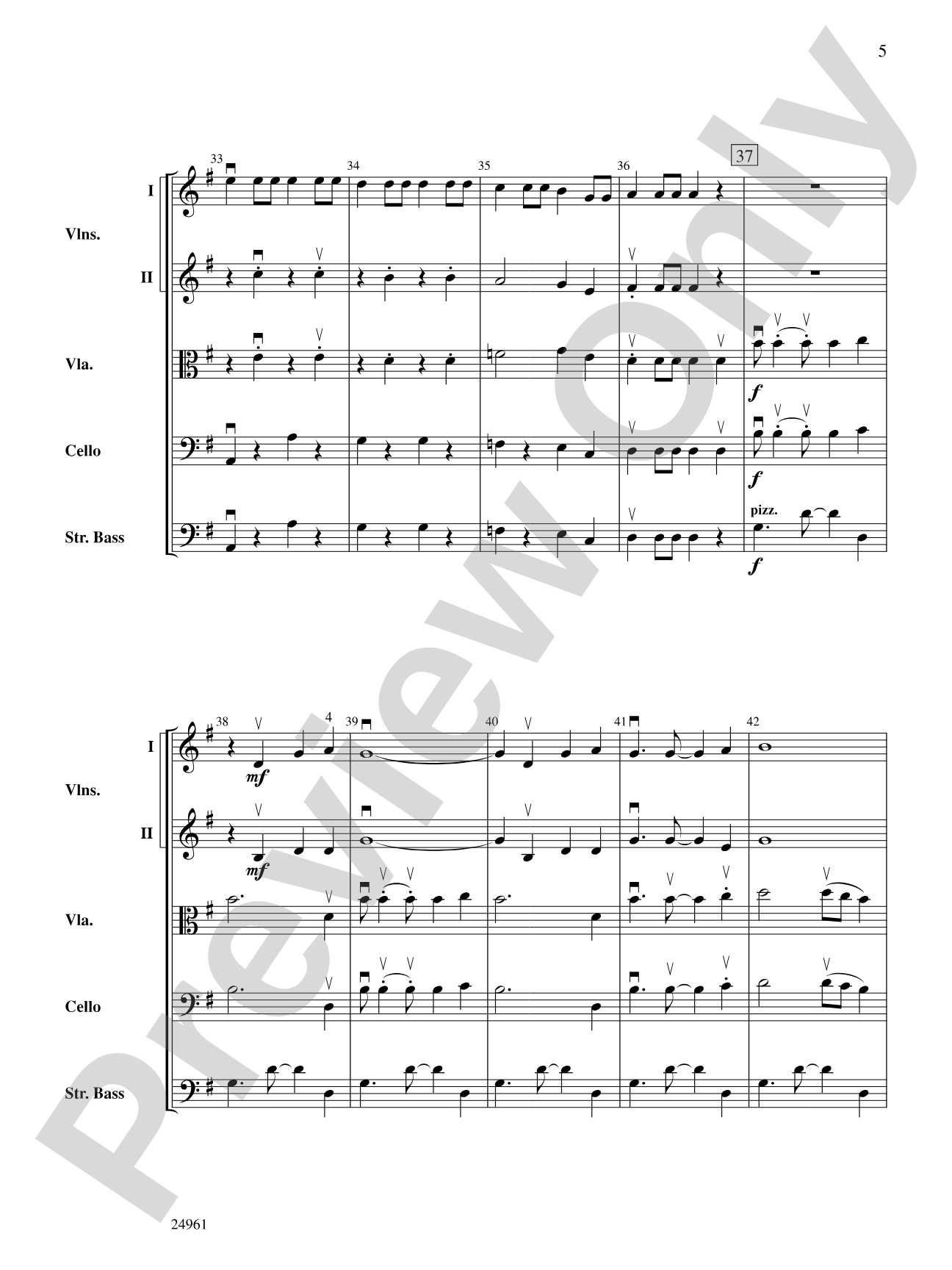
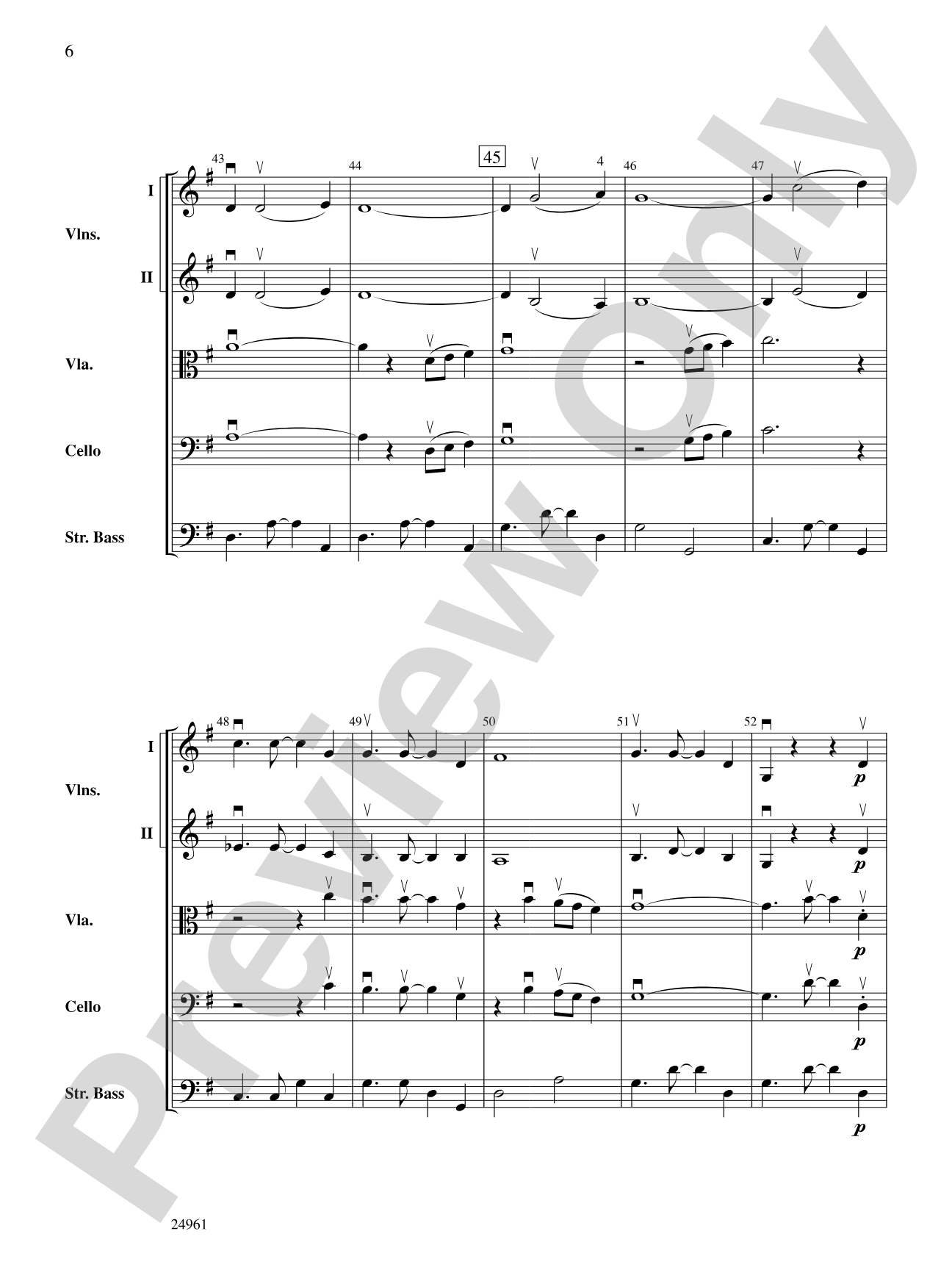
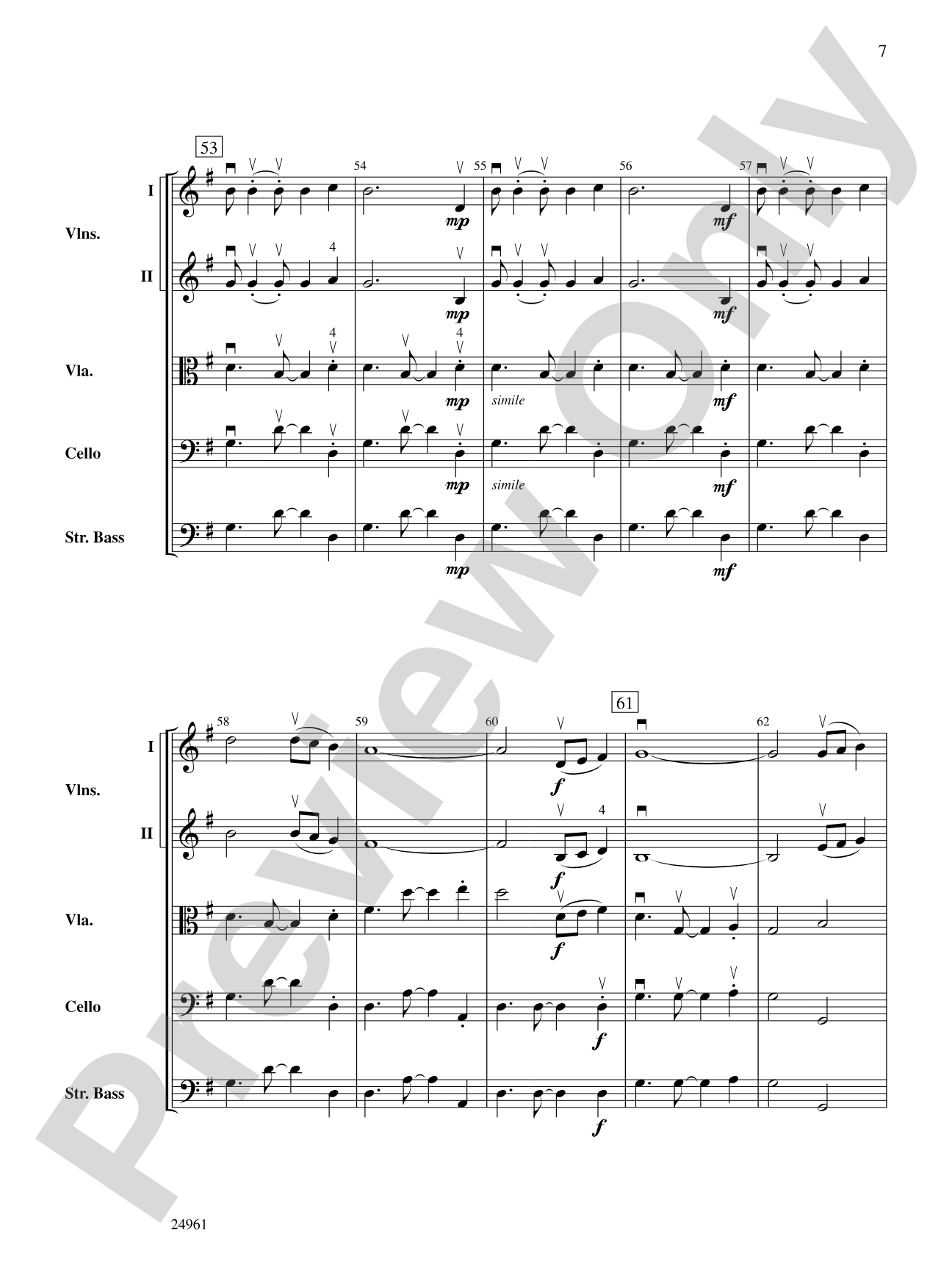
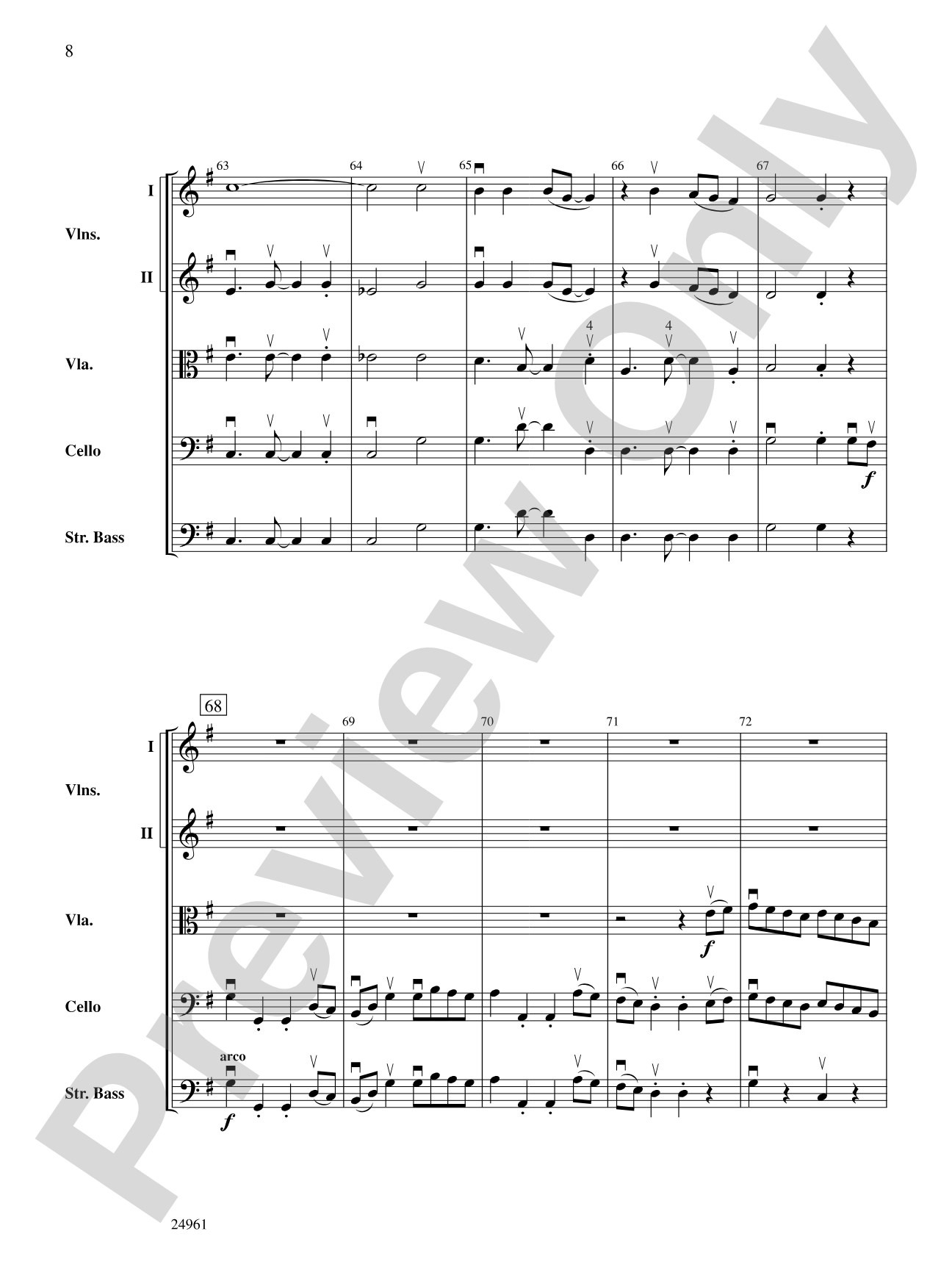
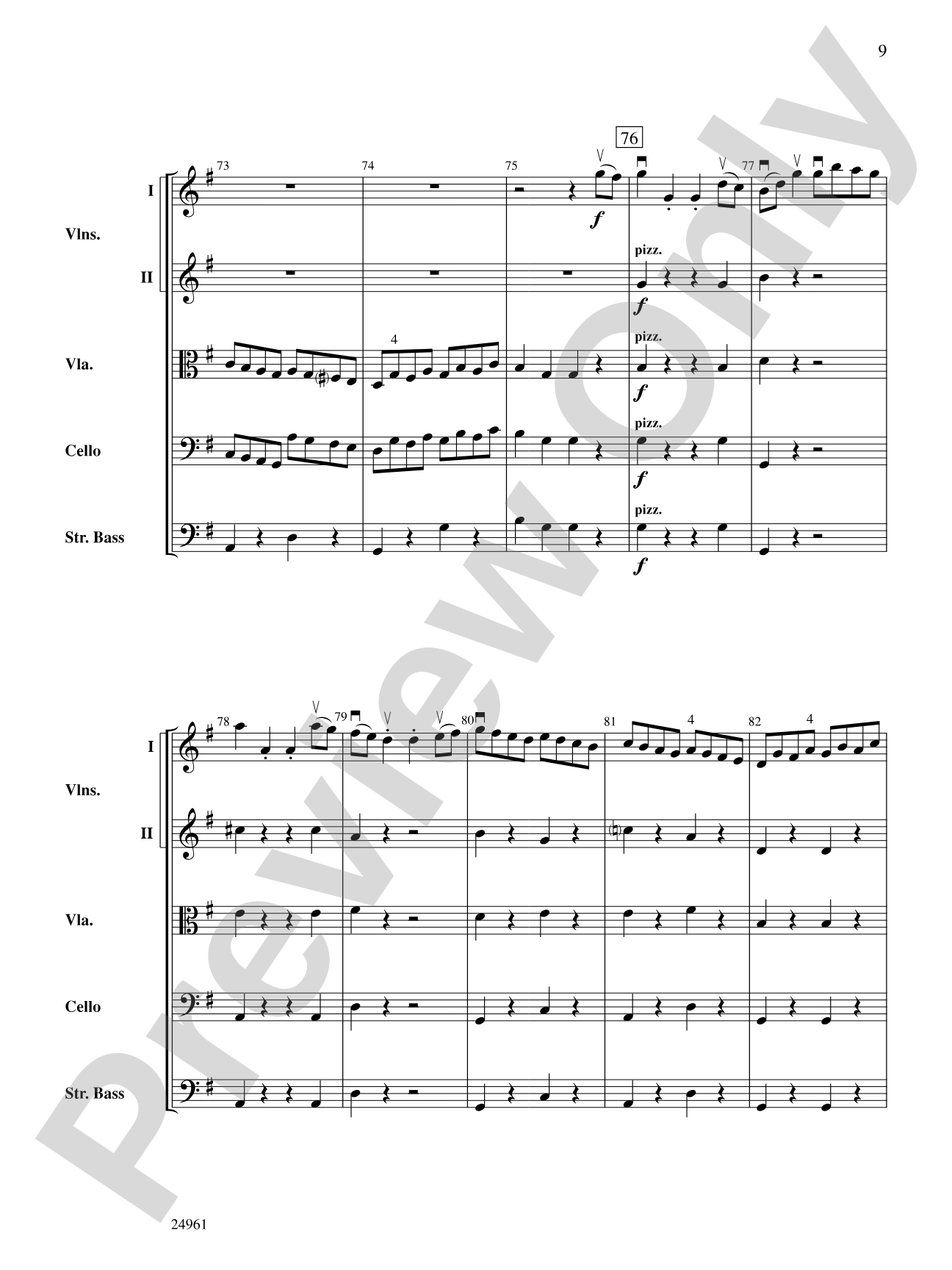
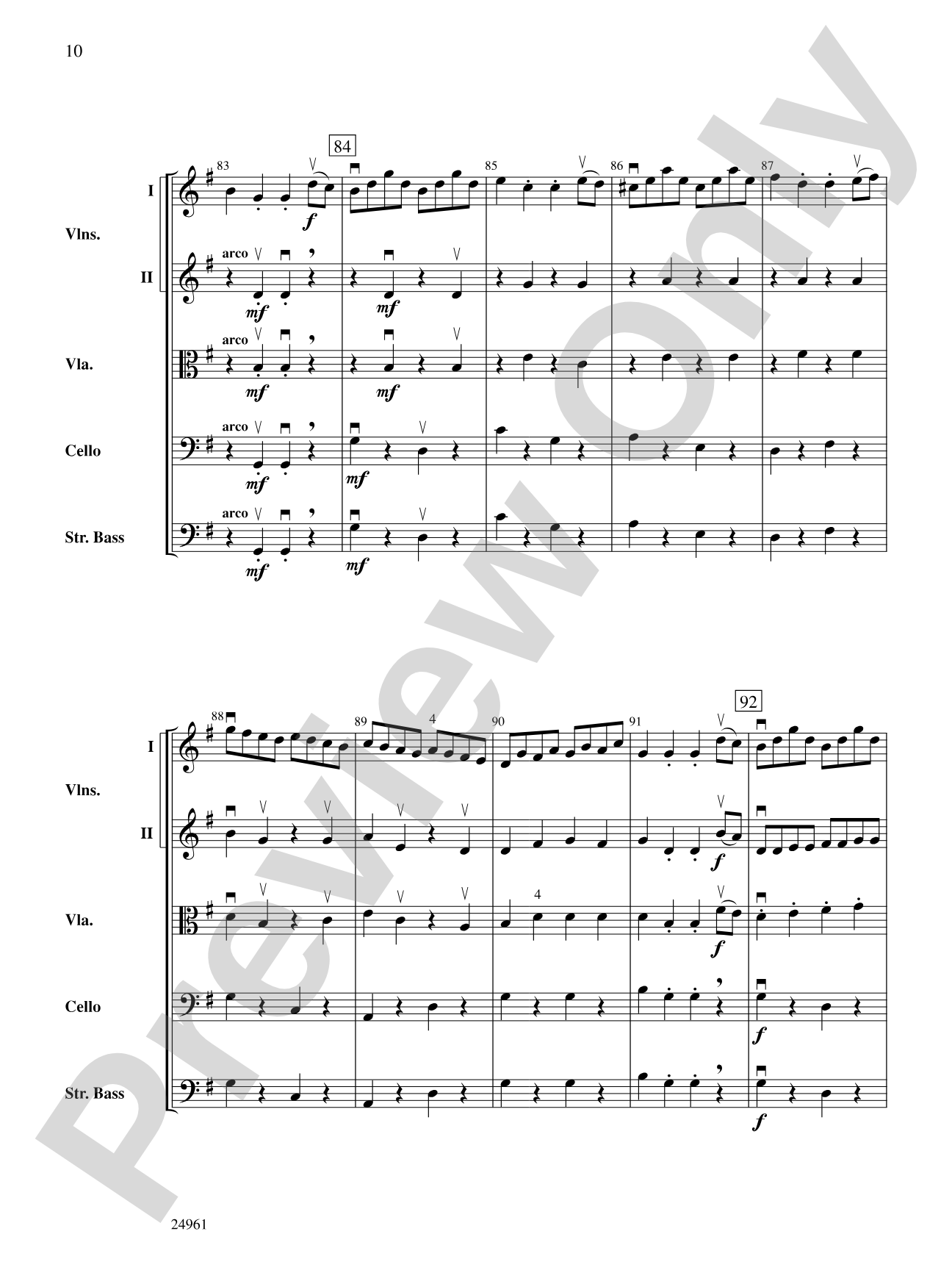
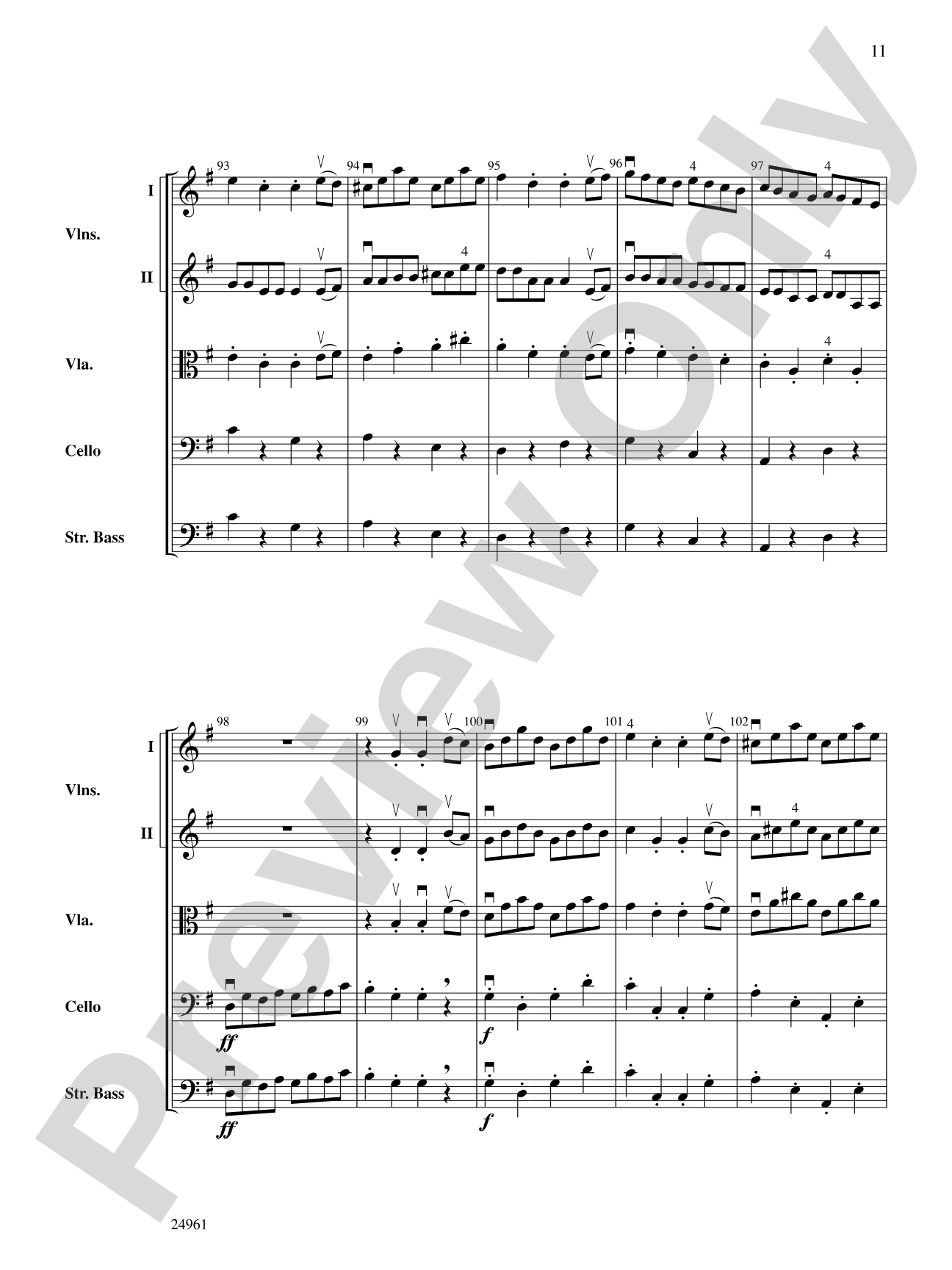
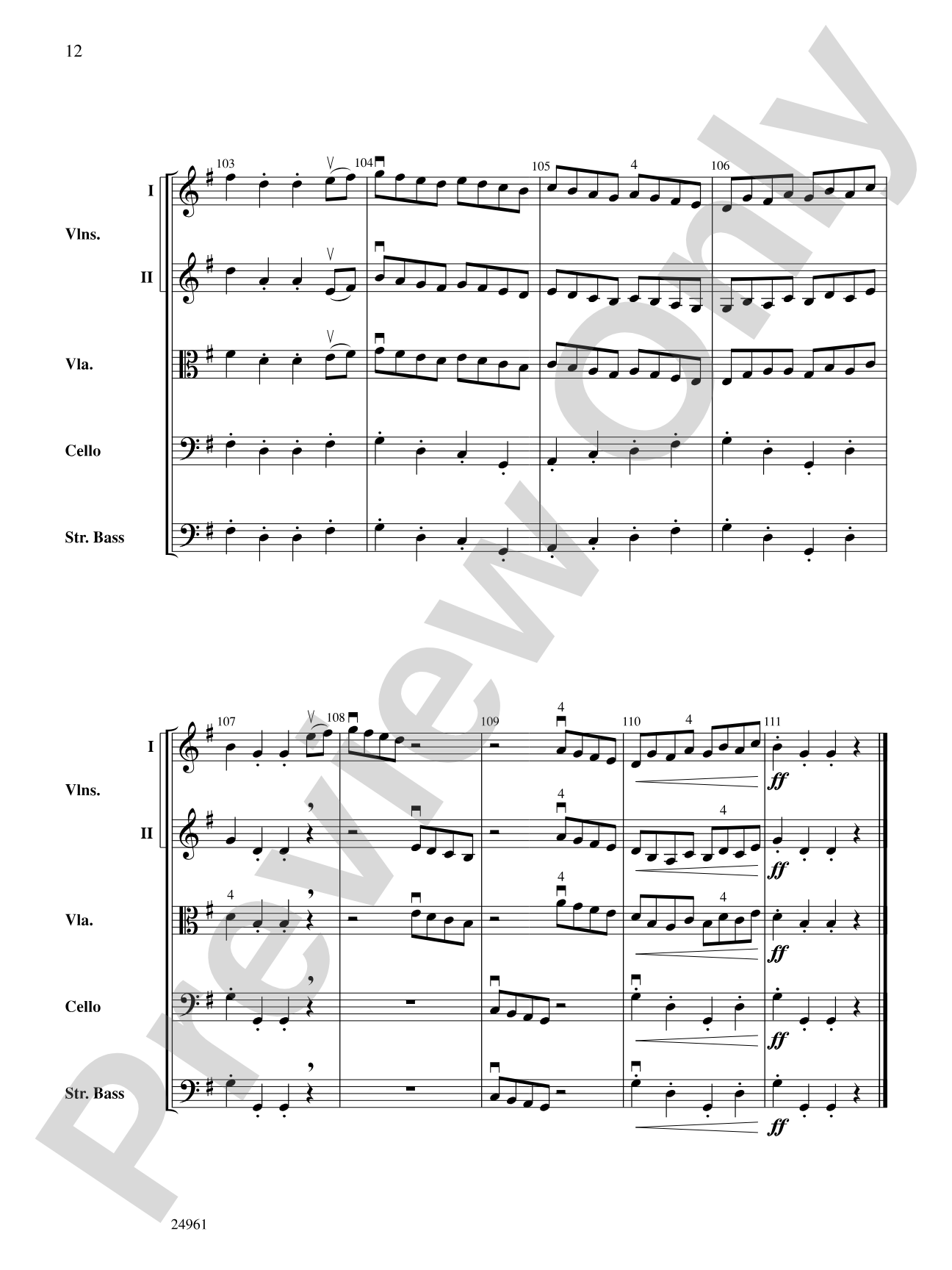

Buccaneer Country: String Orchestra Conductor Score & Parts
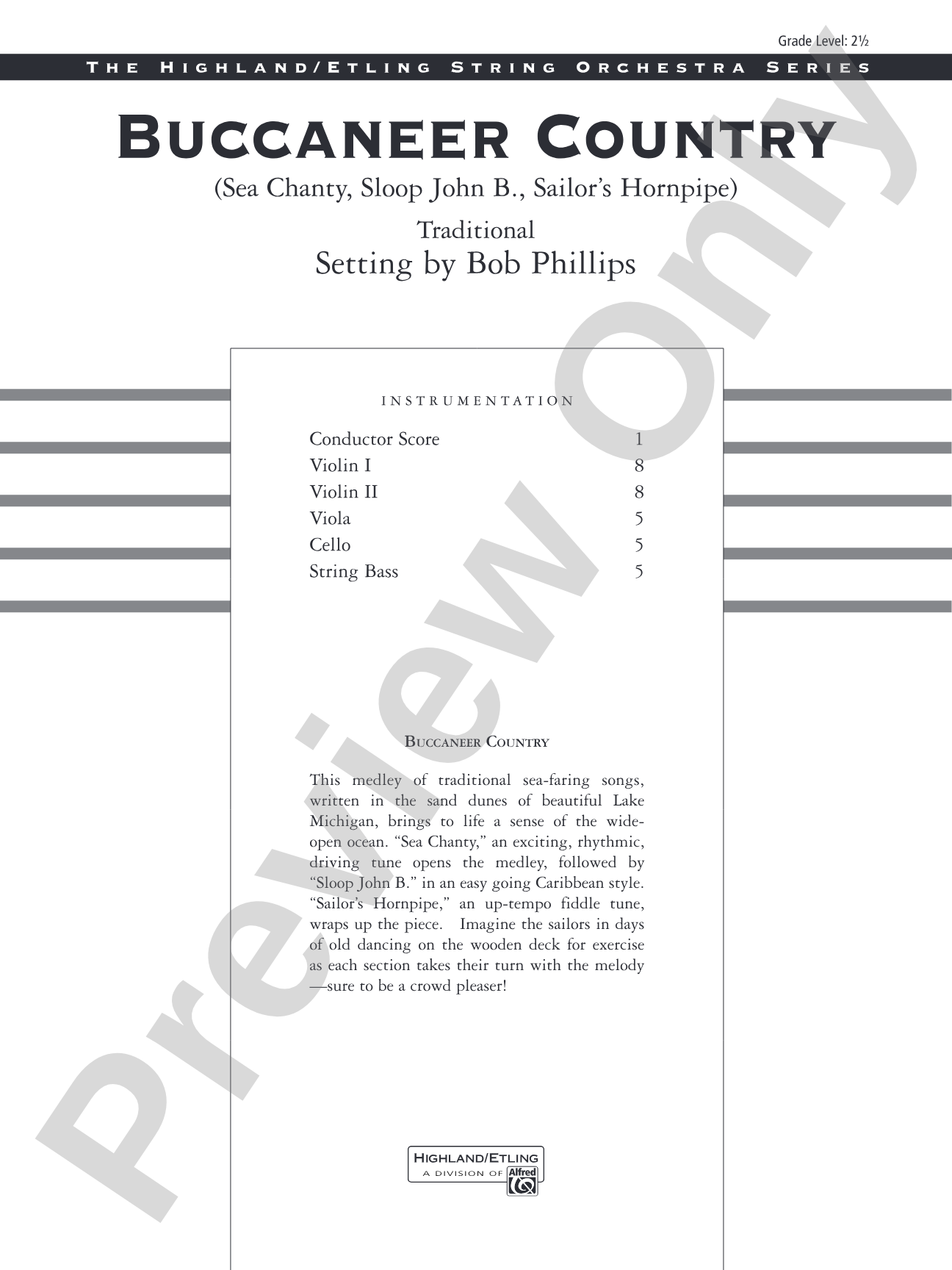
Featuring: Sea Chanty / Sloop John B. / Sailor's Hornpipe
Traditional / arr. Bob Phillips
Grade: 2.5
Item: 00-PK-0000961

$48.00
Pickup currently not available
Buy Extra Parts (Digital PDF Download)
| Product | Price | Quantity |
|---|---|---|
| Buccaneer Country: Score | $9.00 | |
| Buccaneer Country: 1st Violin | $5.99 | |
| Buccaneer Country: 2nd Violin | $5.99 | |
| Buccaneer Country: Viola | $5.99 | |
| Buccaneer Country: Cello | $5.99 | |
| Buccaneer Country: String Bass | $5.99 |
Parts Added to Cart!
Description
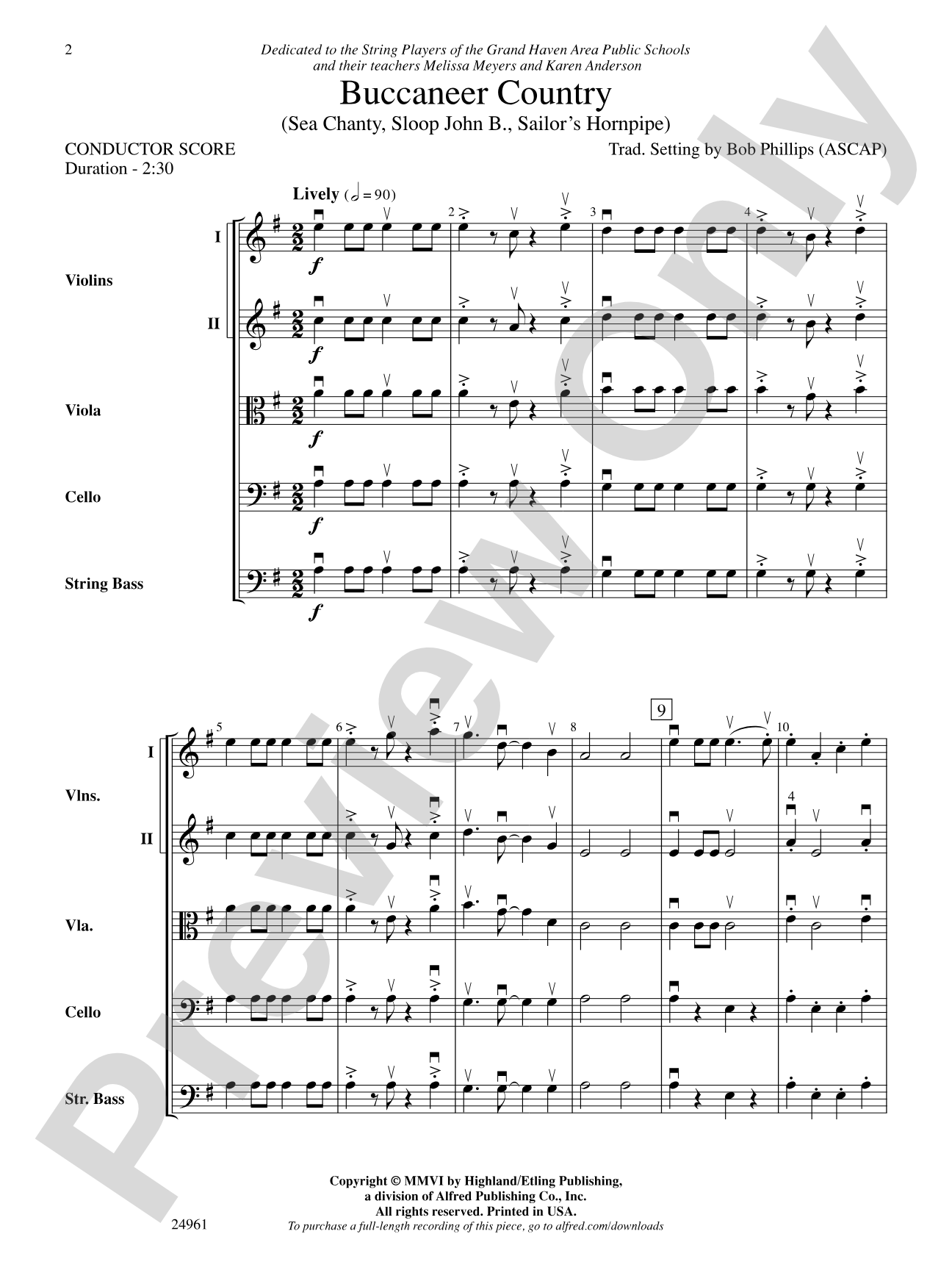
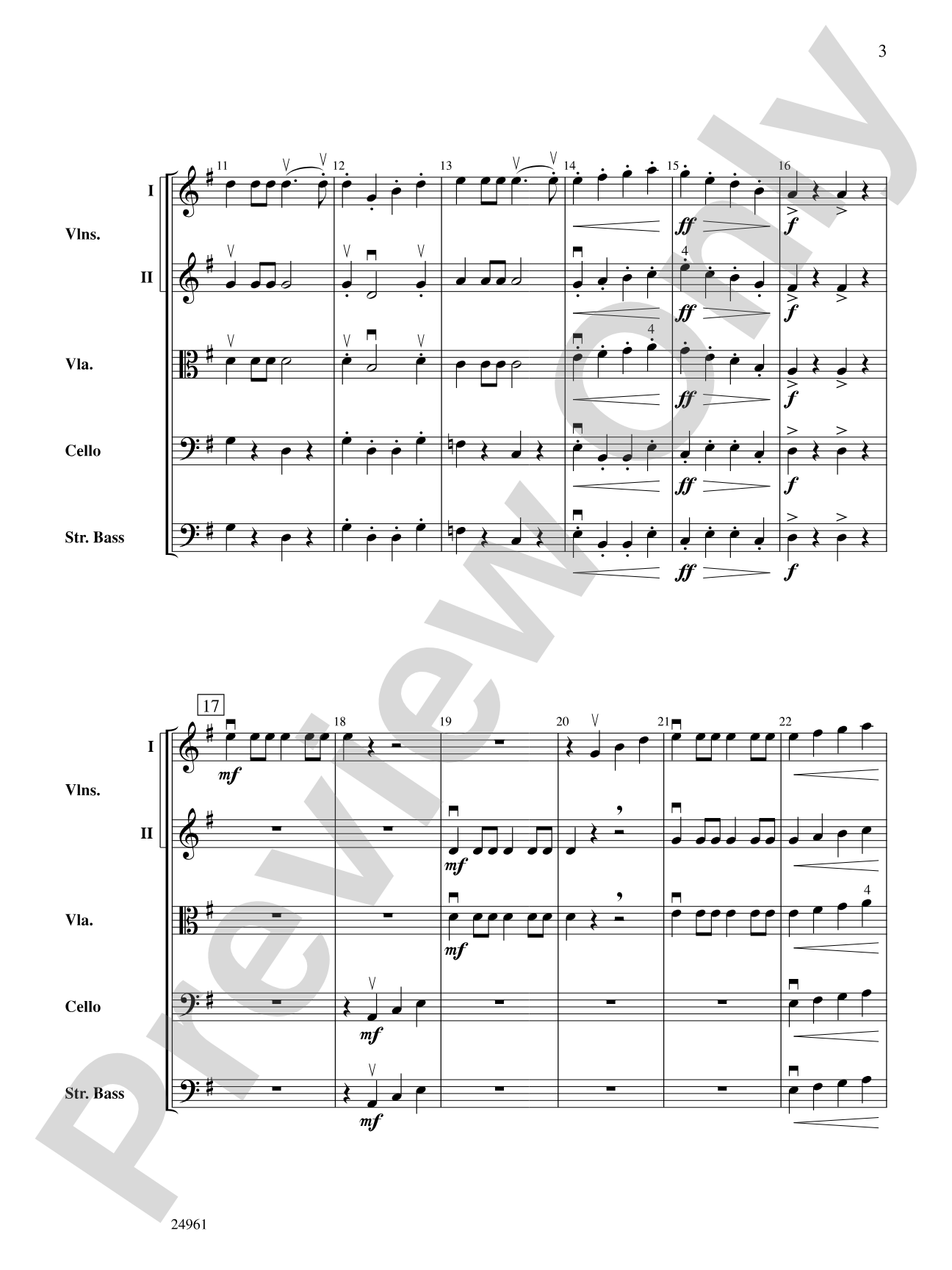
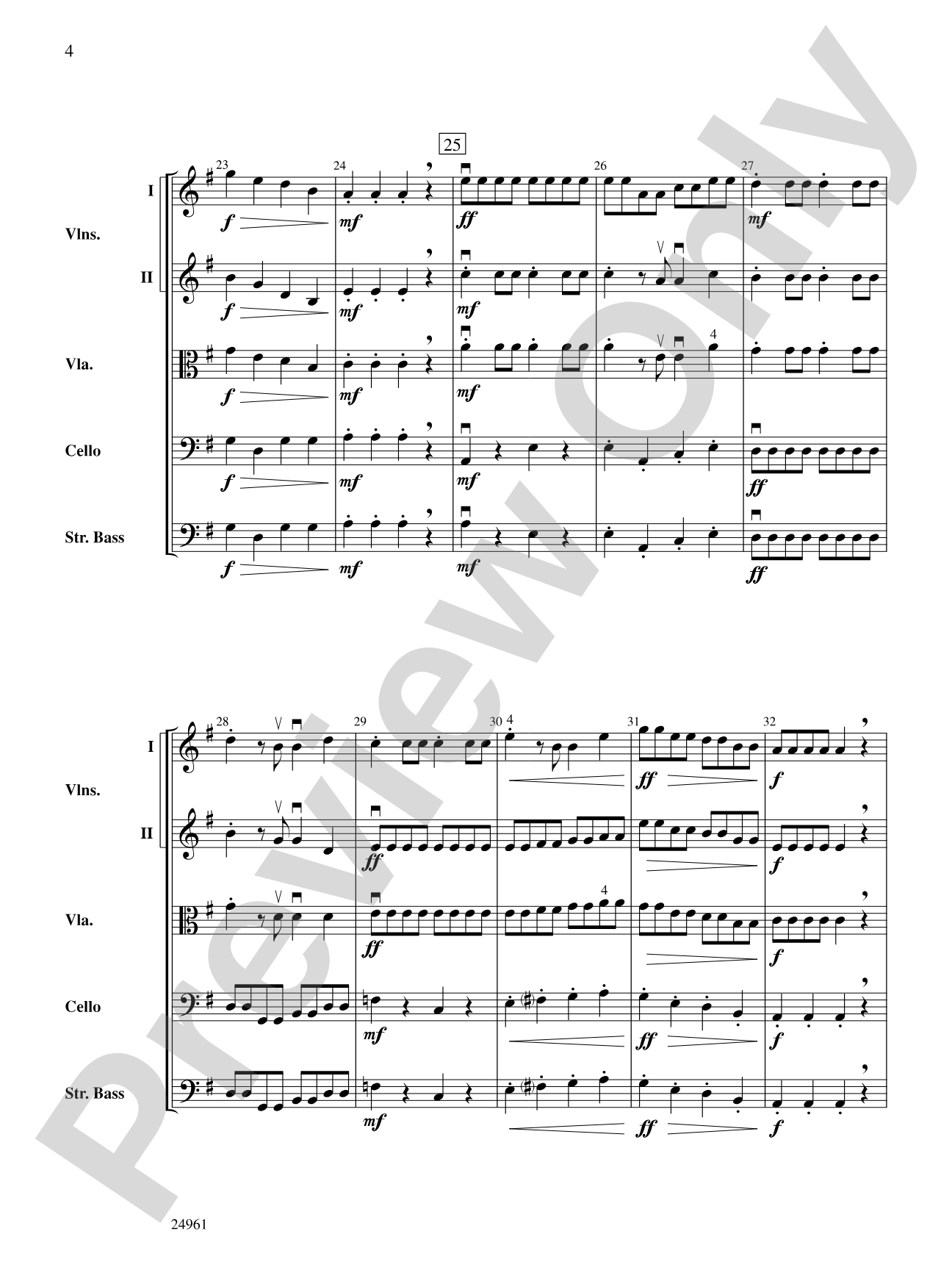
This medley of traditional sea-faring songs, while written in the sand dunes of beautiful Lake Michigan, brings to life a sense of the wide-open ocean as well. "Sea Chanty," an exciting, rhythmic, driving tune opens the medley followed by "Sloop John B" in an easy going Caribbean style. "Sailor's Hornpipe," an up-tempo fiddle tune, wraps up the piece. Imagine the sailors in days of old dancing on the wooden deck for exercise as each section takes their turn with the melody!


Don't just read it, hear it, play along with it, and watch your students grow with it. In MakeMusic Cloud, Buccaneer Country: String Orchestra Conductor Score & Parts comes alive with professional accompaniment, adjustable tempo, and built-in practice tools that turn solo practice into real progress.
Open in the Player
Jump straight in and assign it today.
Start Your Free Trial
Open this title and explore the full library in minutes.
Sample Audio
1
Audio File
--:--
0:00
0:00
Sample Video
No sample videos found.
Additional Details
Series:
Highland/Etling String Orchestra
Publisher:
Alfred Music
Page Count:
124
SKU:
00-PK-0000961
More about this title
About the Arranger: Bob Phillips

Bob Phillips has shaped string education for decades through his work as a composer, arranger, and conductor. Since 1953, he has published over 200 works for orchestras and bands, authored 25+ book series (including Sound Innovations and the Philharmonic series spanning jazz, rock, Latin, and fiddle styles), and received recognition as an ASCAP award-winning composer whose pieces are regularly performed at the Midwest Clinic.
For 27 years, Phillips built the Saline, Michigan string program into a national model of excellence, growing it to over 700 students and establishing the internationally recognized Saline Fiddlers Philharmonic. He has conducted at all-state orchestras across the country, served as resident conductor for Seattle's Wintergrass Festival, and worked as an arranger for the professional ensemble Barrage 8. His instructional DVDs, String Clinics to Go, have reached thousands of teachers.
Why we love this
Phillips writes medleys that feel genuinely danceable rather than merely quaint. The three-movement arc (rhythmic opening, laid-back middle, fiddle-driven finale) gives each section a distinct personality while keeping the overall arc moving, and the Grade 2.5 writing distributes melody and accompaniment in ways that let every stand shine.
What to expect
Adventure unfolds in waves. The opening barks with maritime energy, then settles into a swaying Caribbean groove before accelerating into the joyful stomp of a fiddle tune. You can almost see sailors celebrating life aboard ship, each ensemble section stepping forward to claim the melody.
Who it's for
Young string orchestras at the early intermediate level, particularly those building confidence with folk and traditional idioms. Directors seeking accessible yet musically substantial repertoire that engages students through recognizable melodies and varied orchestration will find this medley ideal for developing ensemble cohesion.
How to get the most out of it
- Let the "Sea Chanty" opening breathe with rhythmic precision; the driving character depends on ensemble lock rather than rushing.
- Shape "Sloop John B" with deliberate rubato in the phrasing to capture its Caribbean ease, allowing slight space between phrases.
- Bring out the fiddle character of "Sailor's Hornpipe" by encouraging a lighter bow approach in the upper strings while keeping the lower voices grounded.
How to use it
Program this as a mid-concert energizer that bridges classical and folk traditions, or use it as a concert opener if you want immediate audience engagement. It pairs naturally with other eclectic-style works and gives students a chance to experience arranging technique applied to familiar repertoire.
Skills your students will build
- Stylistic contrast and ensemble character (sea shanty rhythm versus Caribbean lilt versus fiddle tune articulation)
- Trading melody among sections and maintaining cohesion during handoffs
- Rhythmic precision under a driving pulse
- Light bowings and articulation appropriate to traditional folk music