
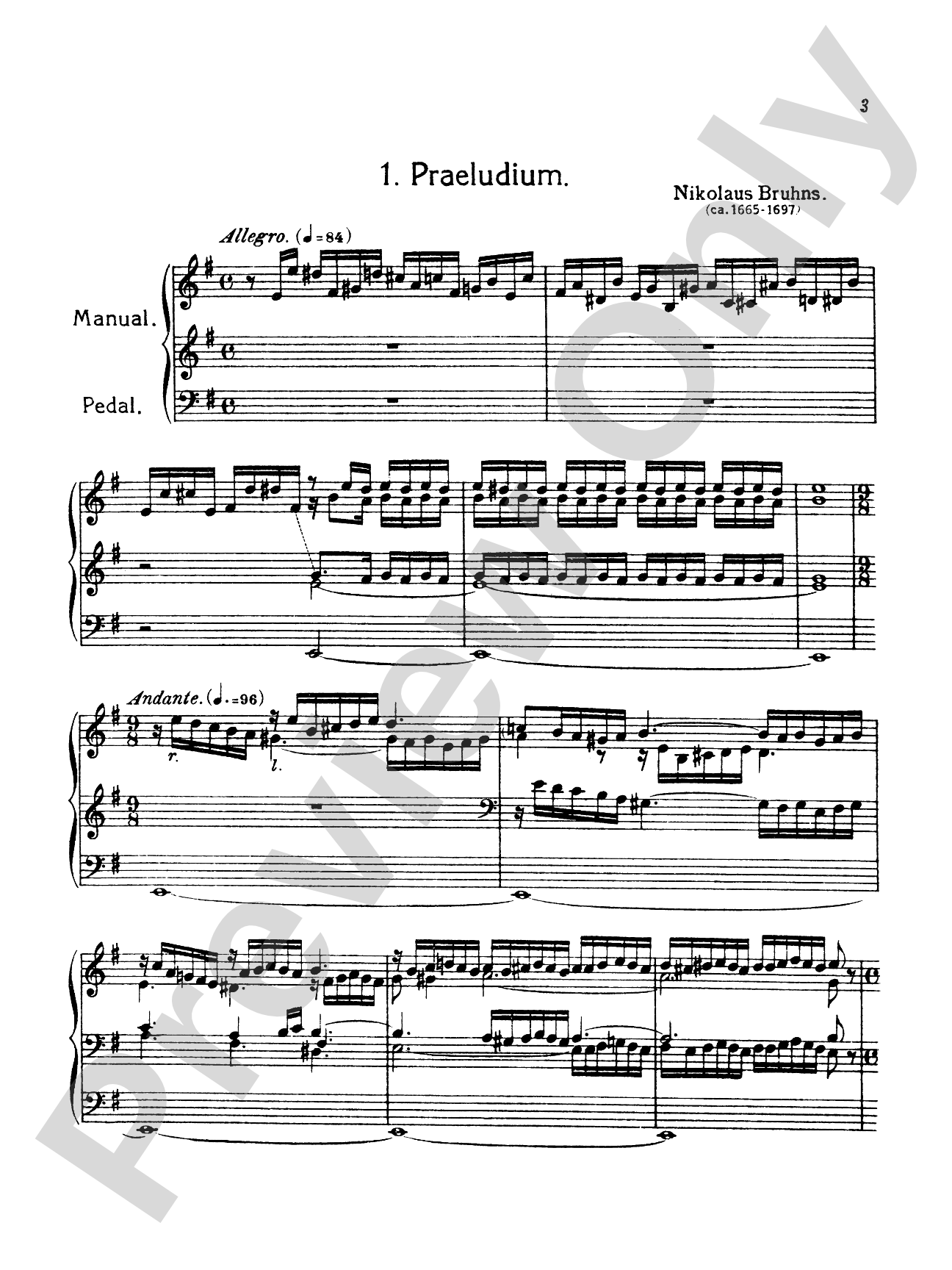
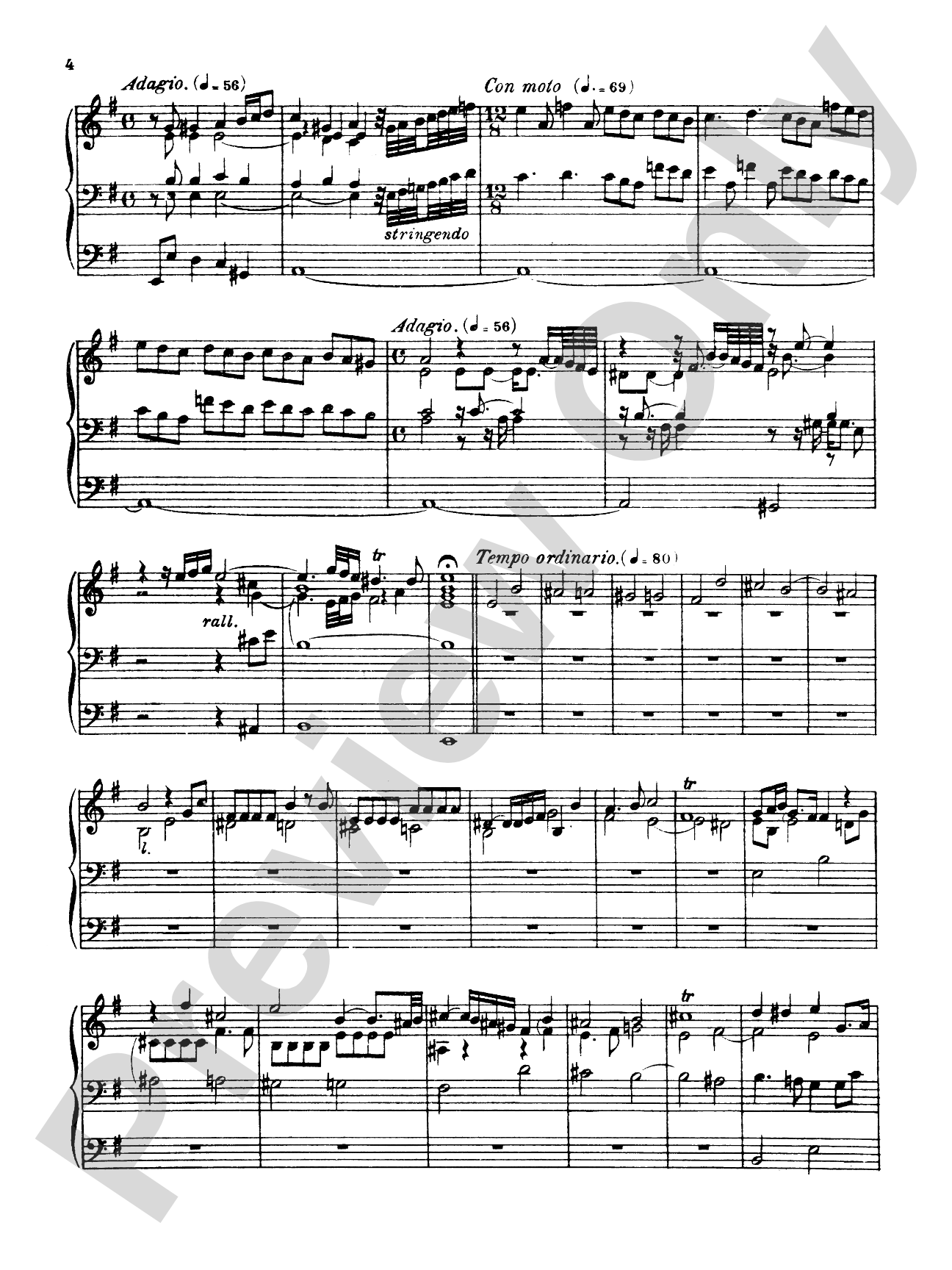
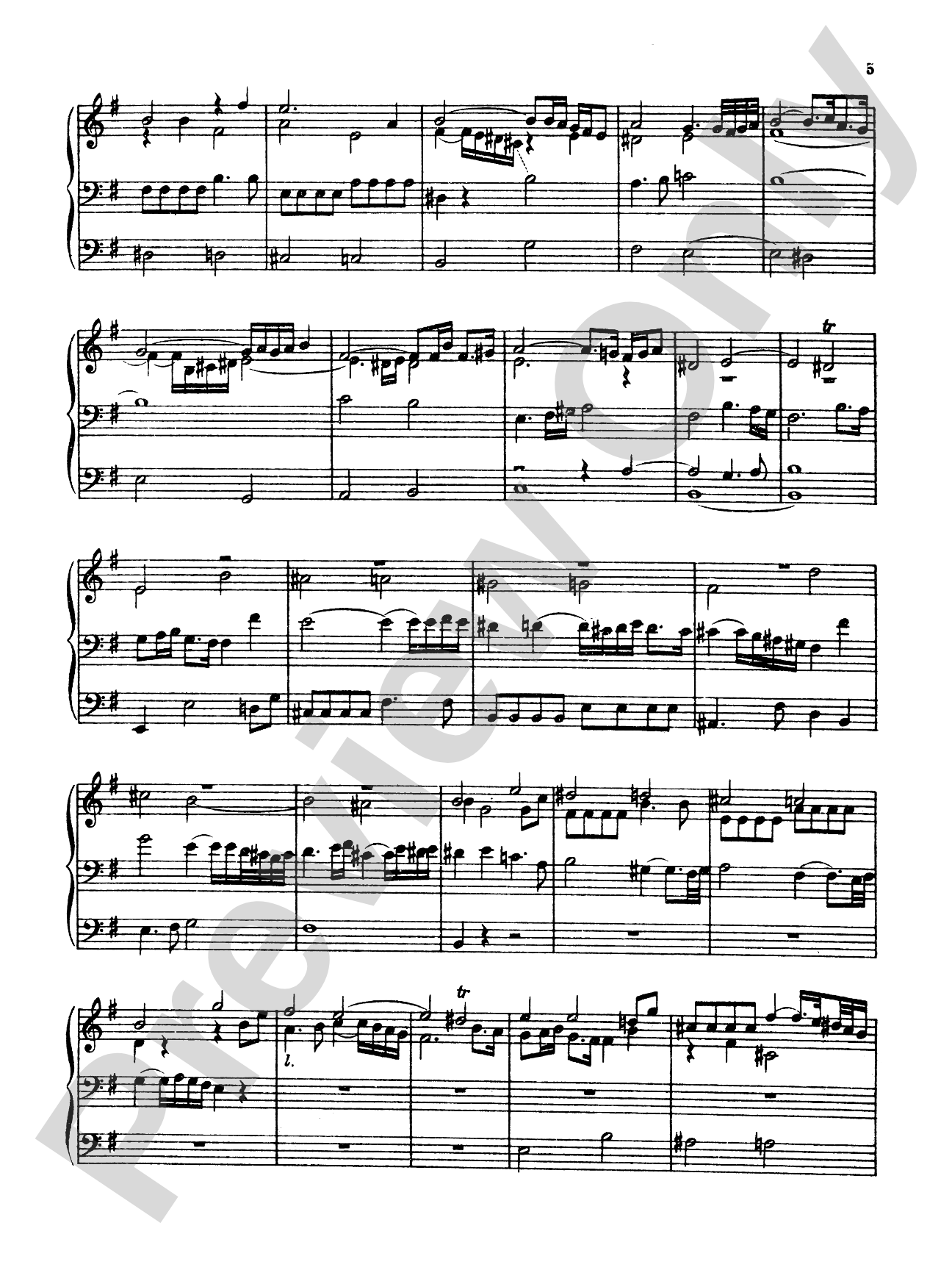
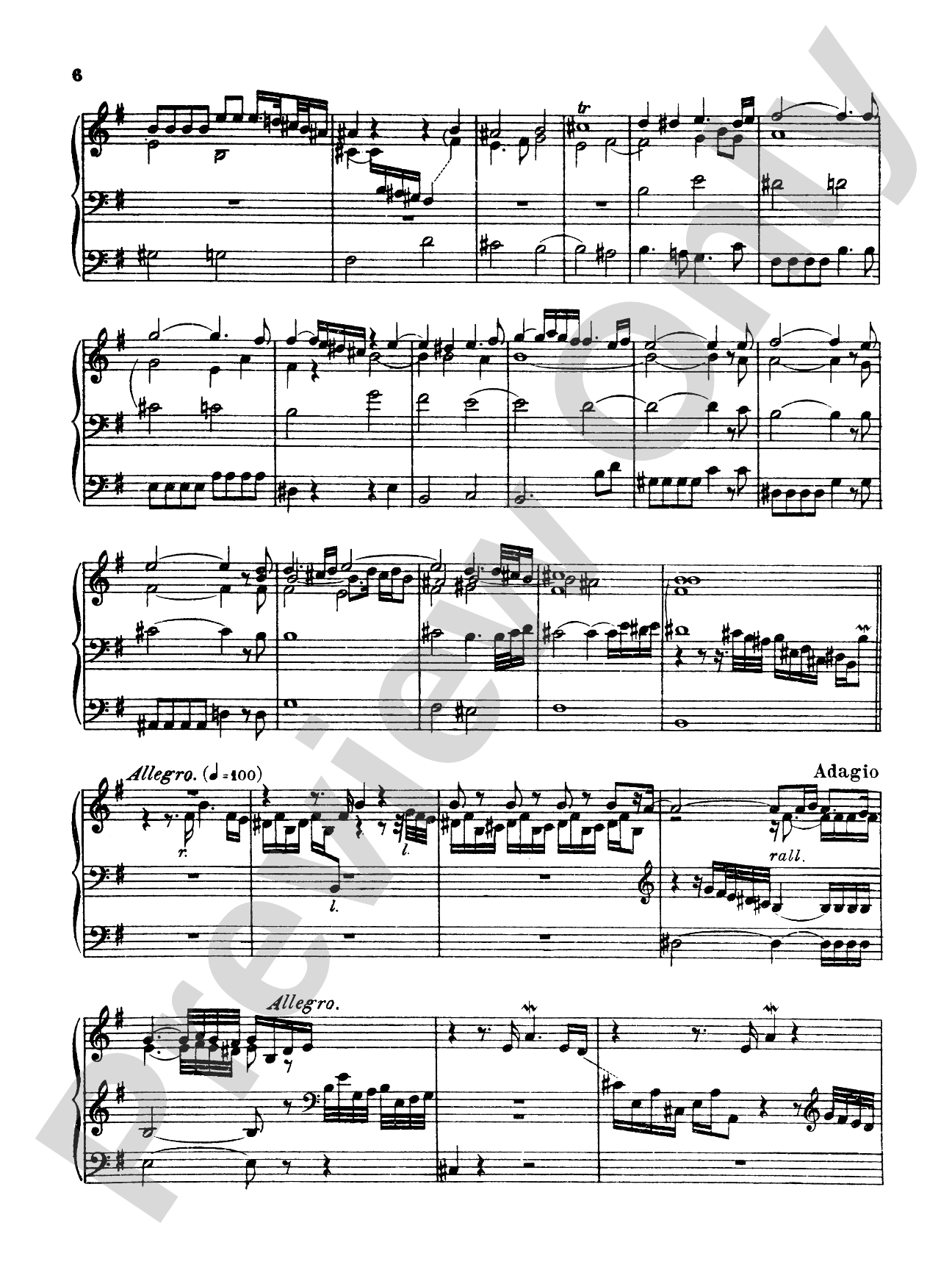
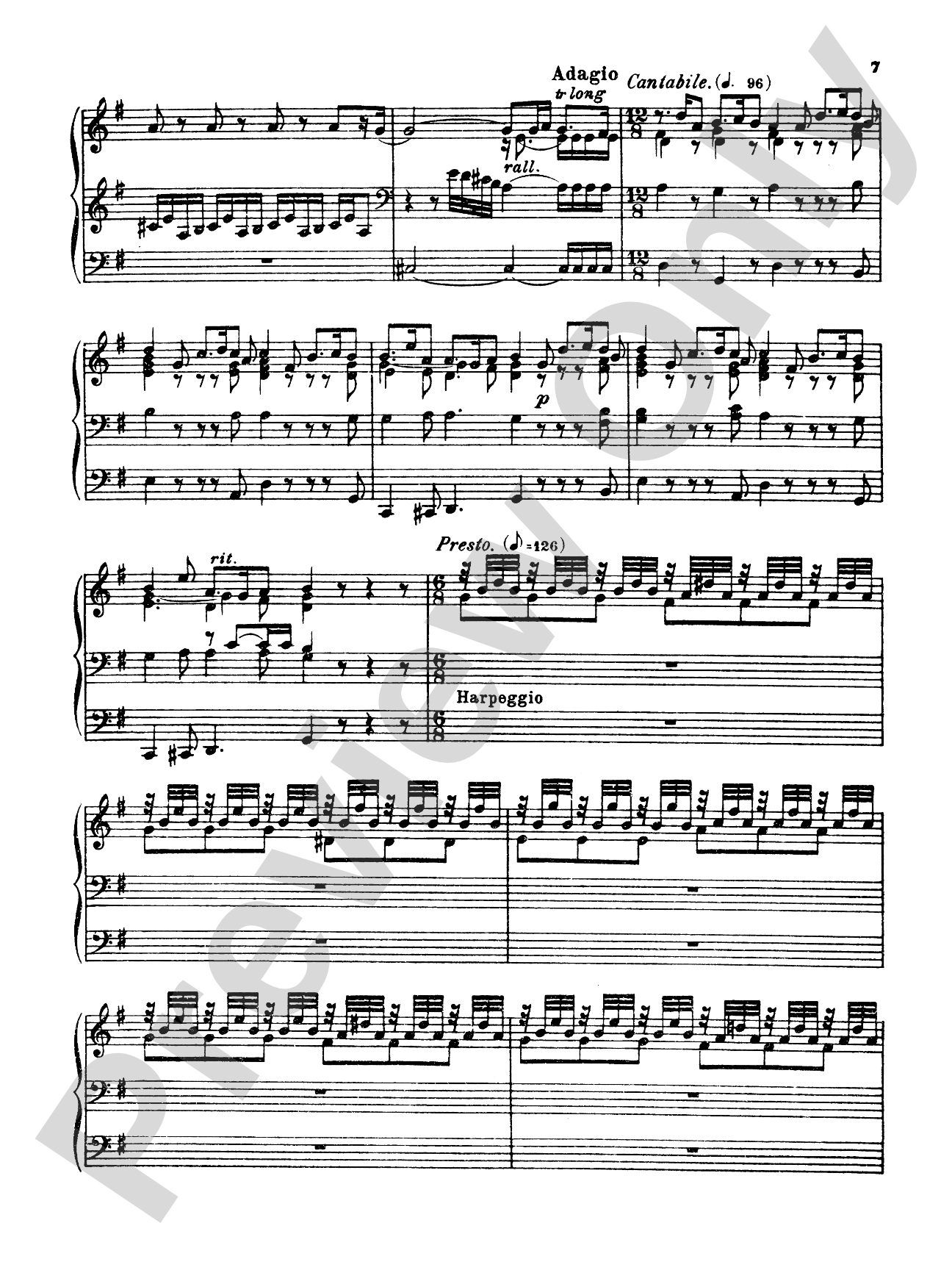
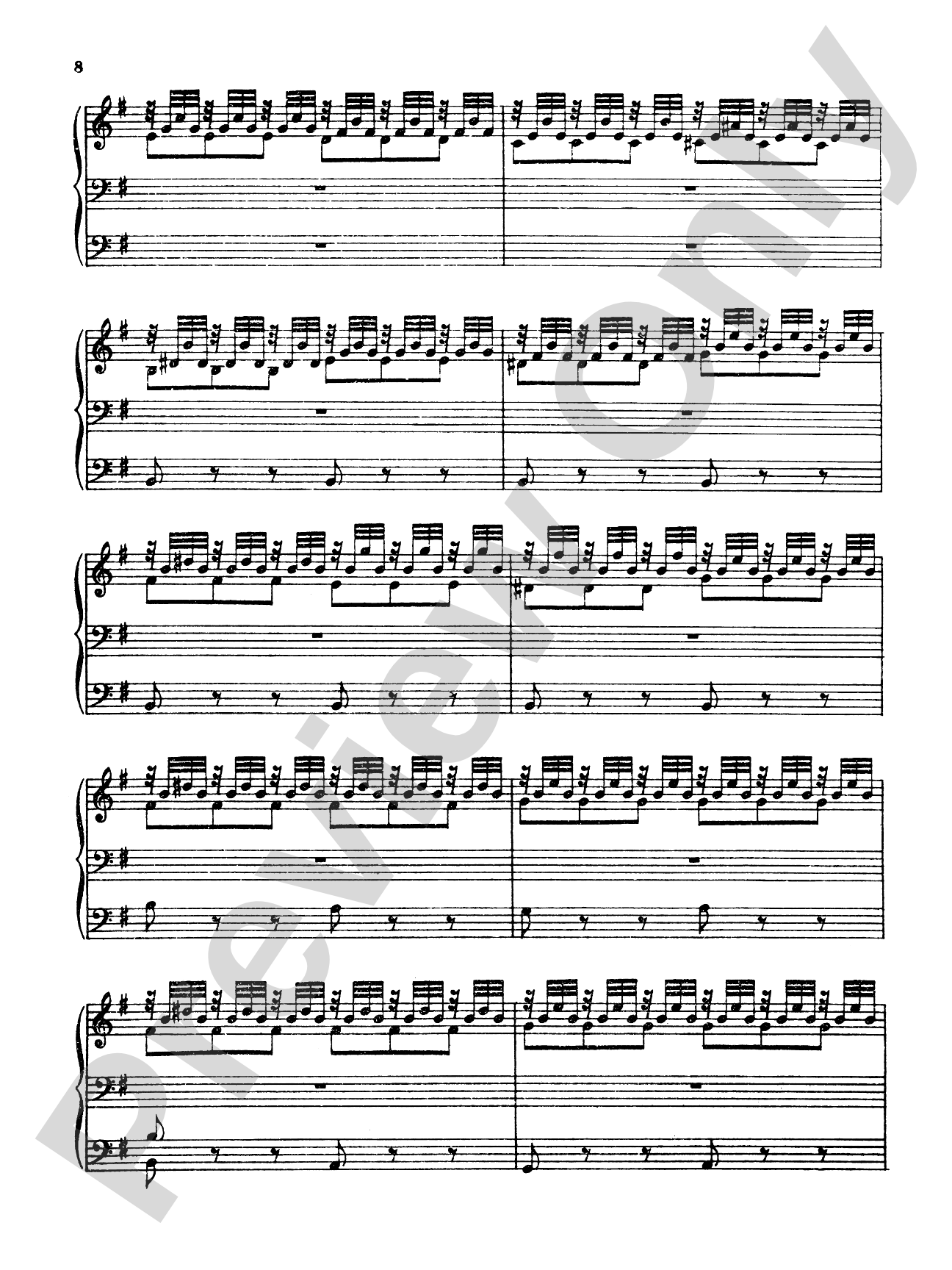
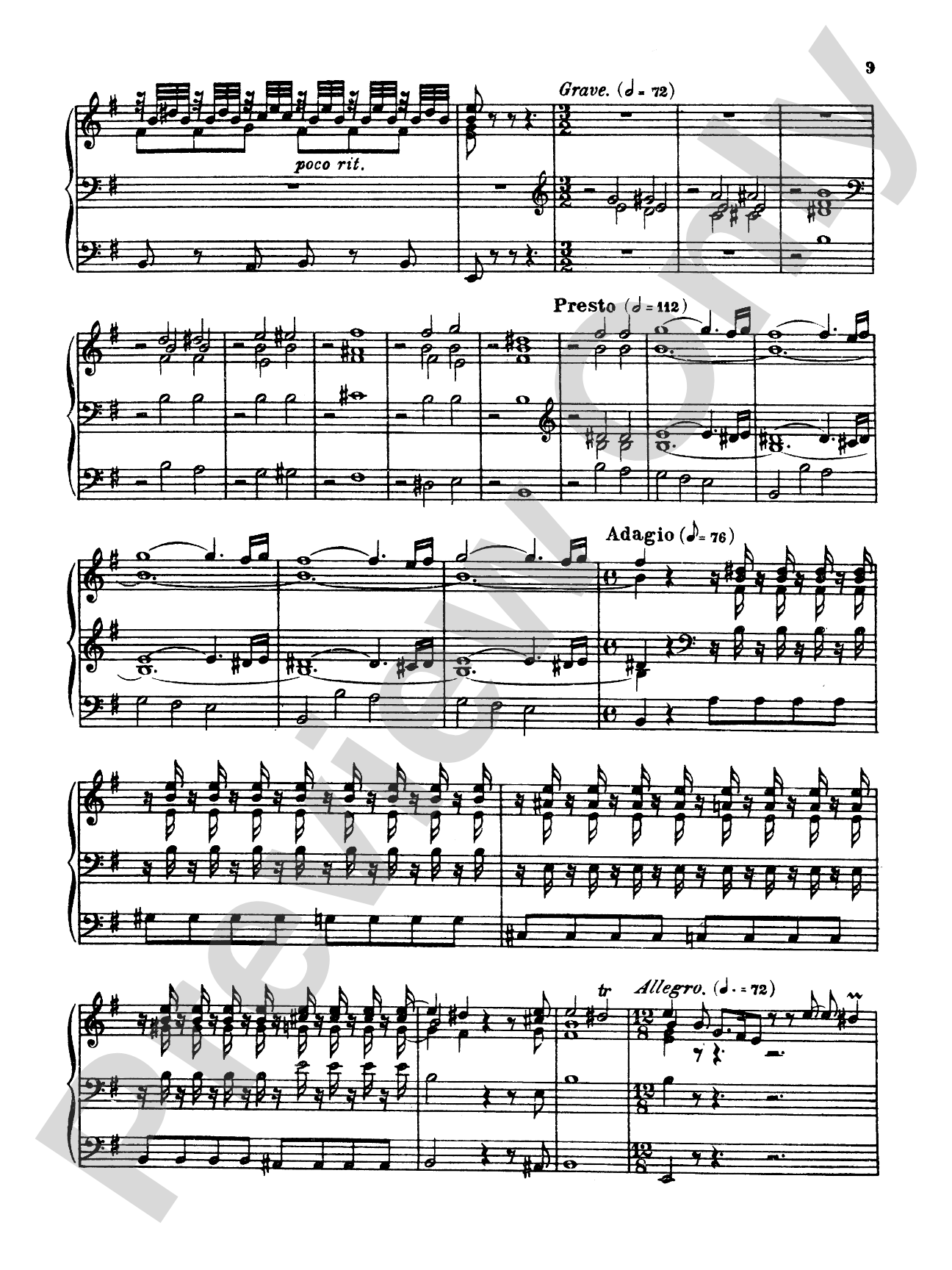
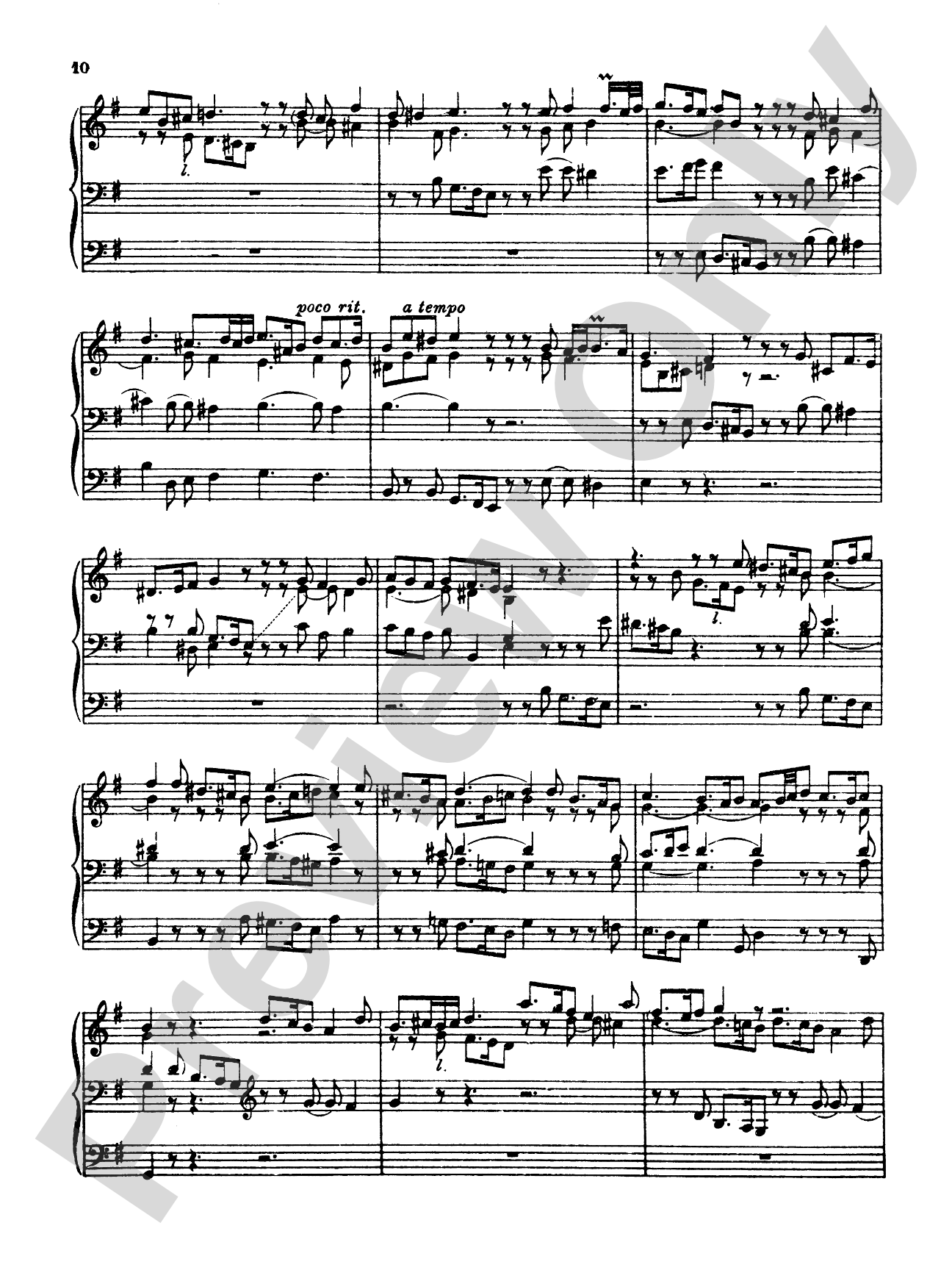
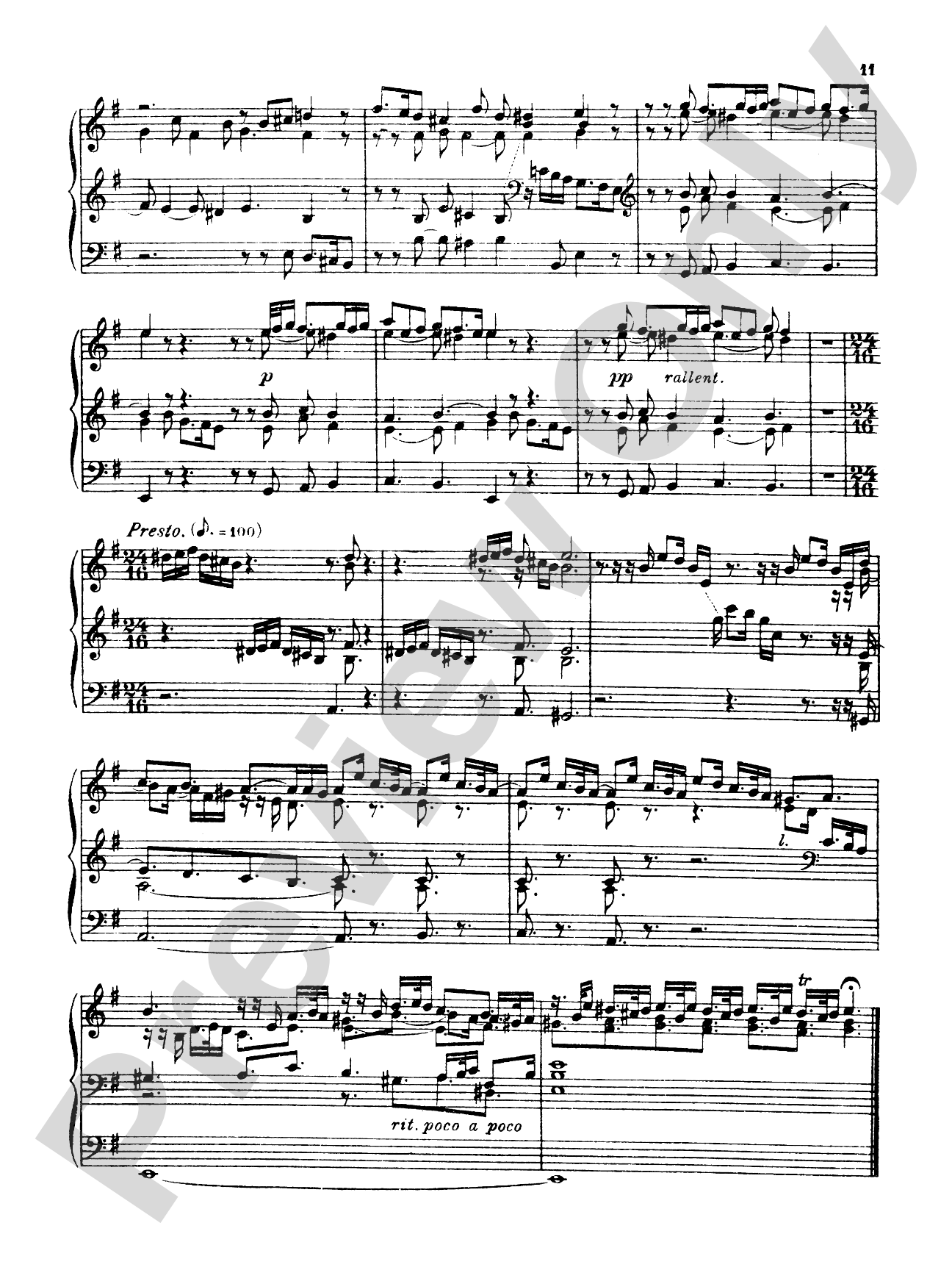

Bruhns: Three Preludes and Fugues: Organ Book
By Nikolaus Bruhns
Item: 00-PK-0003410

$7.99
Pickup currently not available
Buy Extra Parts (Digital PDF Download)
| Product | Price | Quantity |
|---|---|---|
| Bruhns: Three Preludes and Fugues | $1.99 | |
| Bruhns: Three Preludes and Fugues | $1.99 | |
| Bruhns: Three Preludes and Fugues | $1.99 |
Parts Added to Cart!
Related Items
Three Preludes and Fugues: Organ Book |
$7.95
|
View |
Description
A collection of exercises, for Organ, composed by Nikolaus Bruhns.


Don't just read it, hear it, play along with it, and watch your students grow with it. In MakeMusic Cloud, Bruhns: Three Preludes and Fugues: Organ Book comes alive with professional accompaniment, adjustable tempo, and built-in practice tools that turn solo practice into real progress.
Open in the Player
Jump straight in and assign it today.
Start Your Free Trial
Open this title and explore the full library in minutes.
Sample Audio
No sample audio found.
Sample Video
No sample videos found.
Additional Details
Series:
Kalmus Edition
Publisher:
Alfred Music
Page Count:
28
SKU:
00-PK-0003410
More about this title
About the Composer: Nikolaus Bruhns
Nikolaus Bruhns (1665–1697) was a German organist and composer working in the North German tradition during the late Baroque era. Though his life was brief, he established himself as a virtuoso performer and left behind a significant body of keyboard music that influenced the next generation of composers, including J.S. Bach.
Bruhns's organ works are characterized by contrapuntal sophistication and idiomatic writing that demands technical facility from the performer. His preludes and fugues showcase the structural clarity and harmonic language of the German Baroque while remaining performance-centered pieces designed for both liturgical use and concert performance.
Why we love this
These three preludes and fugues belong to the core Baroque organ repertoire that serious organists must know. Bruhns writes with architectural precision and genuine musical substance, offering intermediate to advanced students works that demand both technical command and interpretive maturity without the overwhelming complexity of late-period Bach.
What to expect
These preludes and fugues possess the stately dignity characteristic of North German Baroque organ music. Each work unfolds with logical inevitability; the harmonic language is direct and purposeful, creating moments of real grandeur alongside intimate counterpoint that rewards careful listening.
Who it's for
These works suit organists at the intermediate to advanced amateur level and conservatory students preparing for more demanding Baroque repertoire. They're ideal for players seeking substantial keyboard literature that demonstrates mastery of counterpoint without requiring the virtuosic demands of later German composers.
How to get the most out of it
- Shape each prelude's harmonic progression carefully; these opening movements establish the tonal world and should flow naturally into the fugue rather than feel like separate pieces.
- Approach the fugal subjects with clarity and weight. The counterpoint is intricate, but articulation and registration choices should make individual lines audible even as they interweave.
- Consider the liturgical context these pieces might have inhabited. Tempos need not be brisk; allow harmonic motion to breathe, particularly at cadential points.
- Practice manual passages and pedal entry points separately before combining them. Bruhns often uses the pedal to anchor harmonic movement while hands manage figuration above.
How to use it
Program these works on recitals exploring the Baroque organ tradition or as part of a retrospective on pre-Bach German keyboard composers. A single prelude and fugue pair works well as an opener or a meditative middle piece on a mixed recital; the set's three pairs also provide material for a focused organ recital spanning various keys and characters.
Skills your students will build
- Reading and executing contrapuntal voice leading across multiple staves and keyboards
- Coordination of hands and feet in structurally complex passages
- Registration choices that highlight polyphonic texture without overwhelming dynamic contrast
- Harmonic analysis and tonal architecture typical of the Baroque period
- Fugal form recognition and interpretation of thematic development