
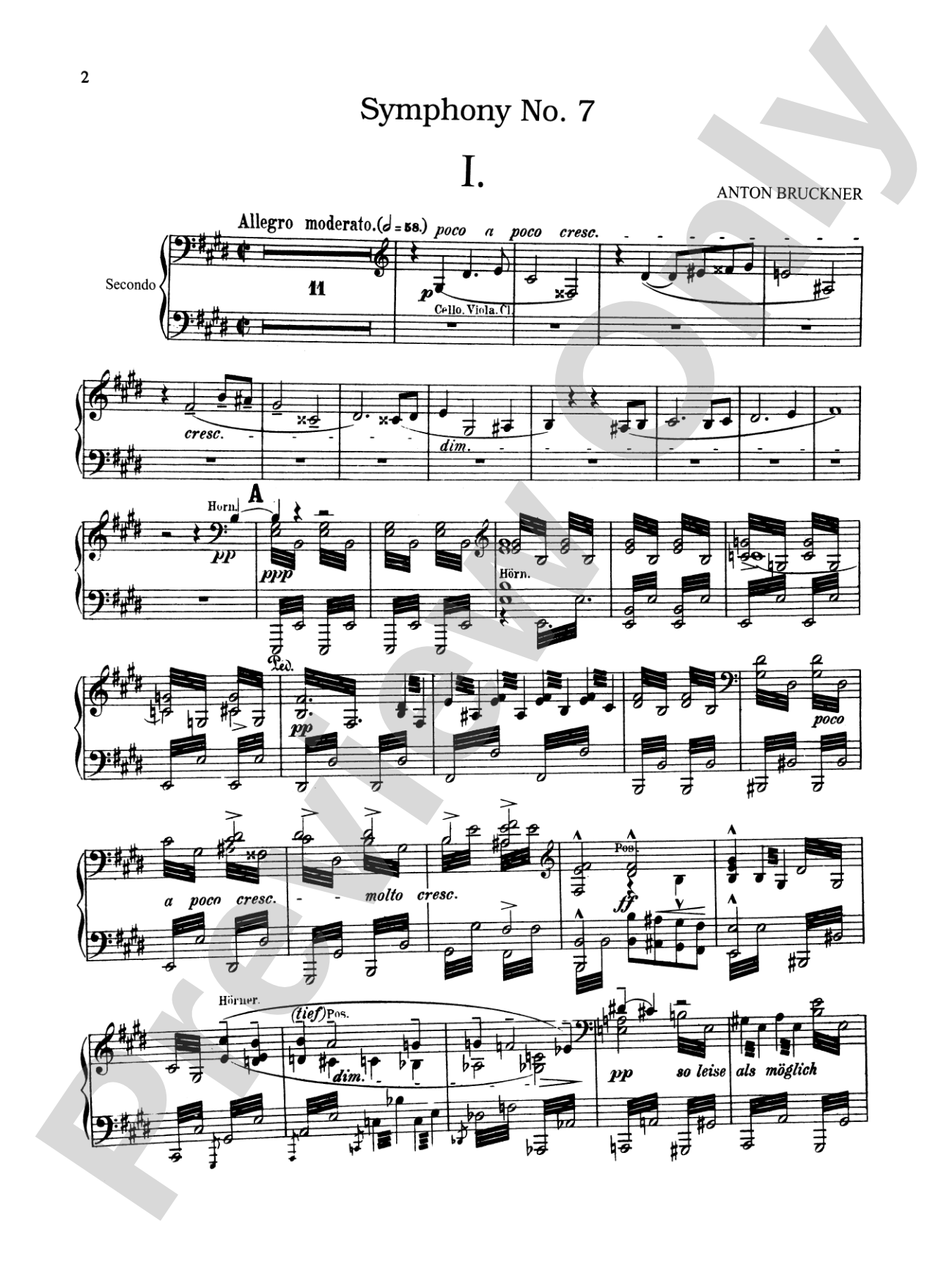
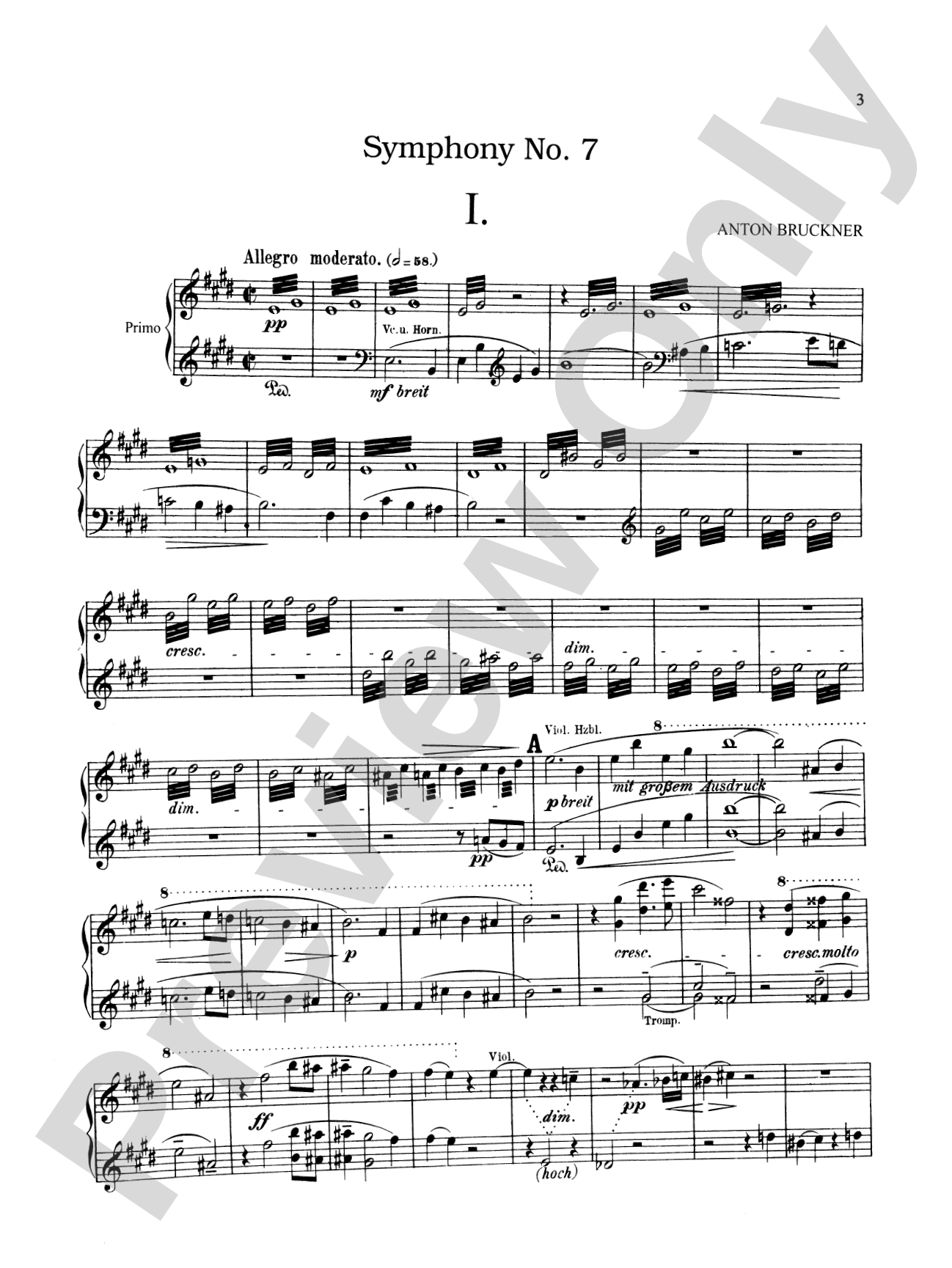
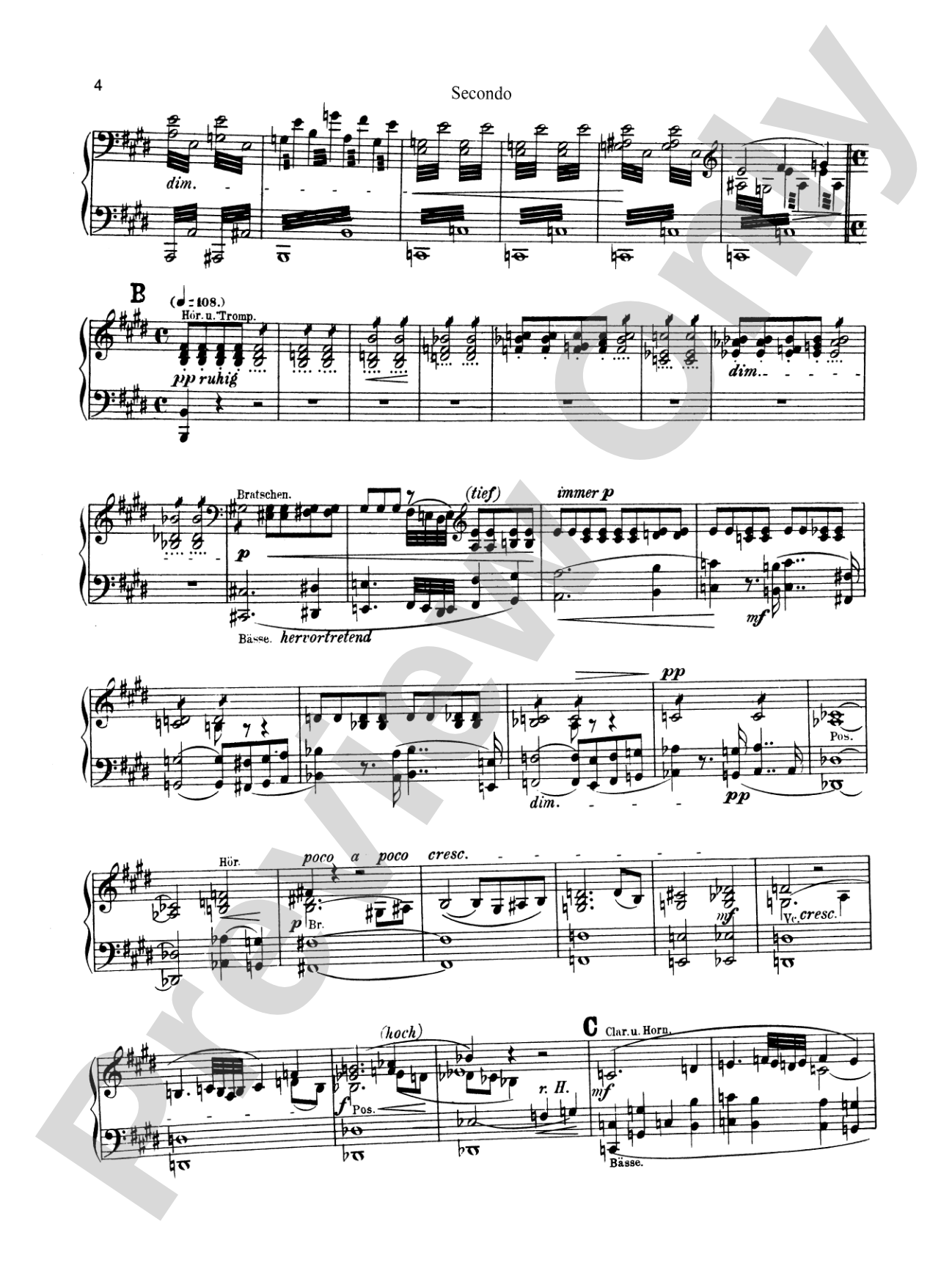
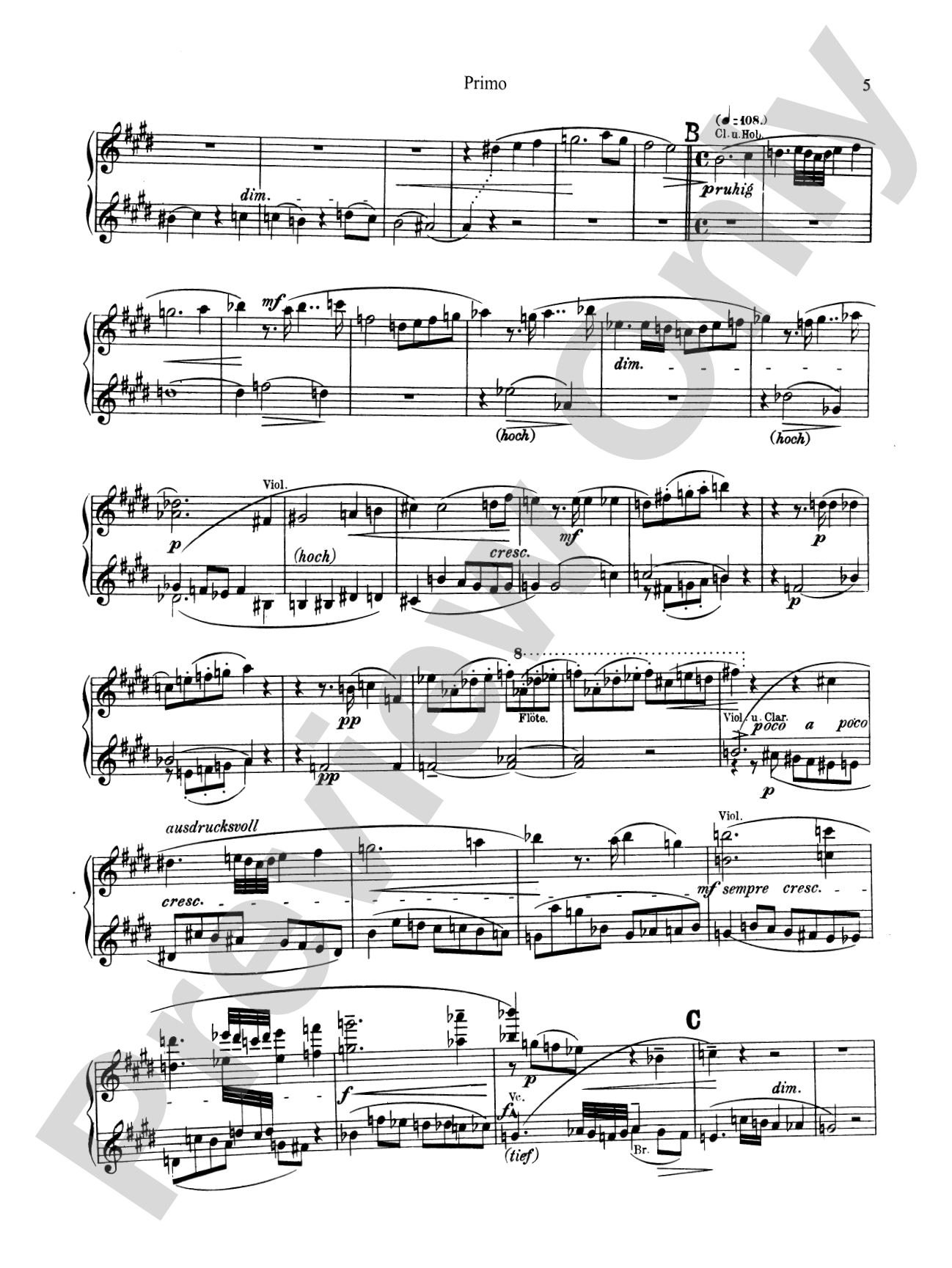
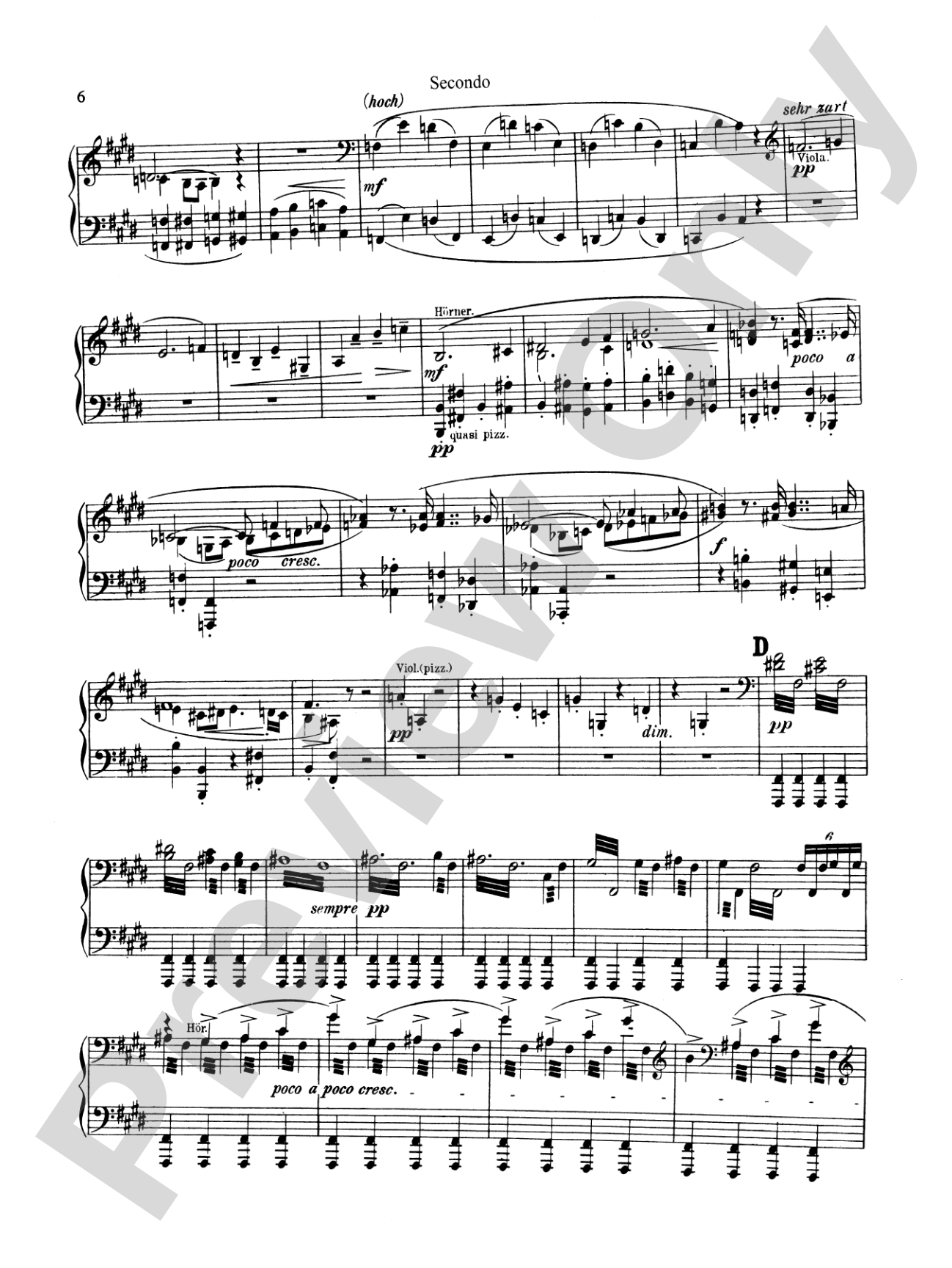
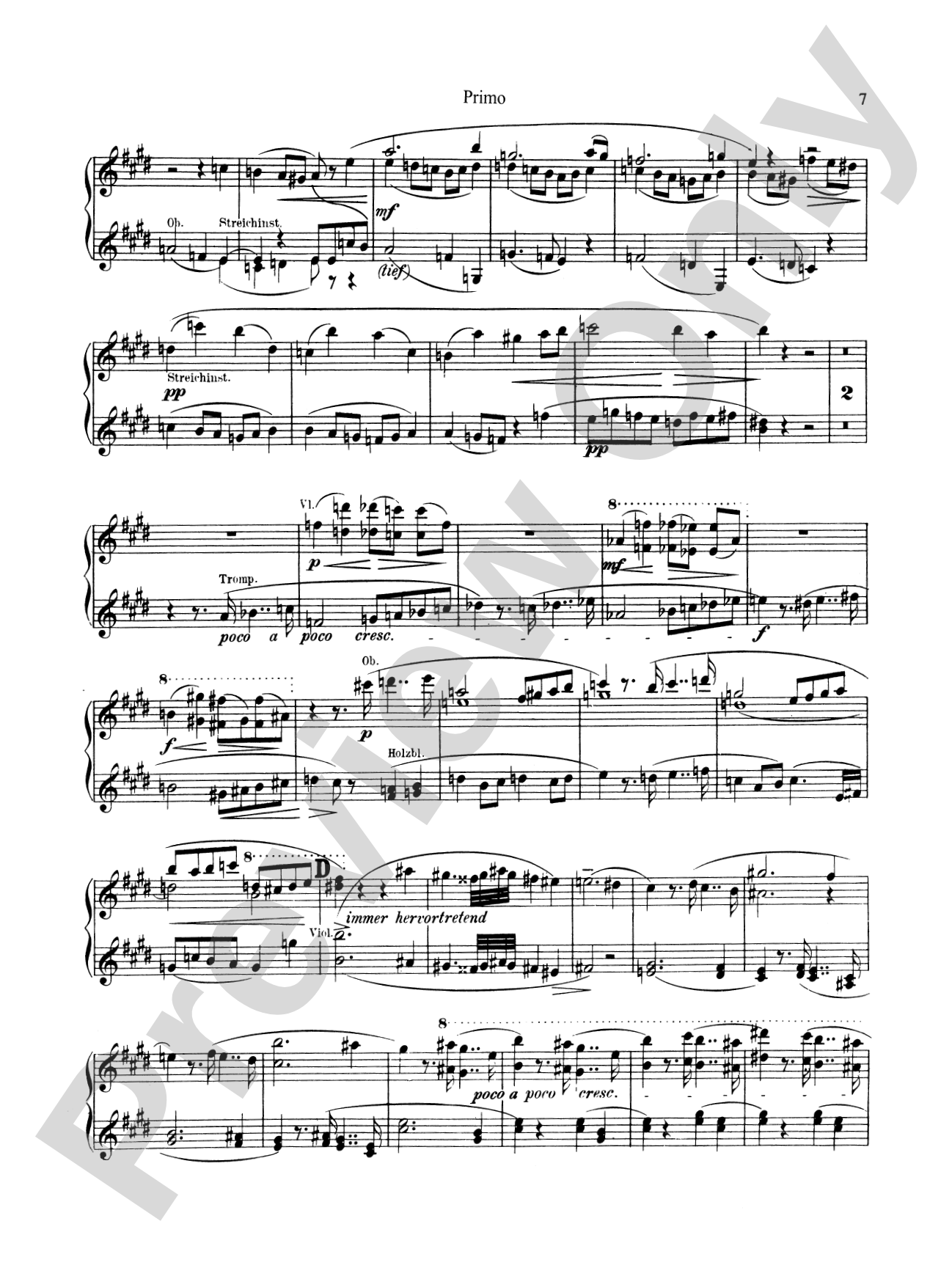
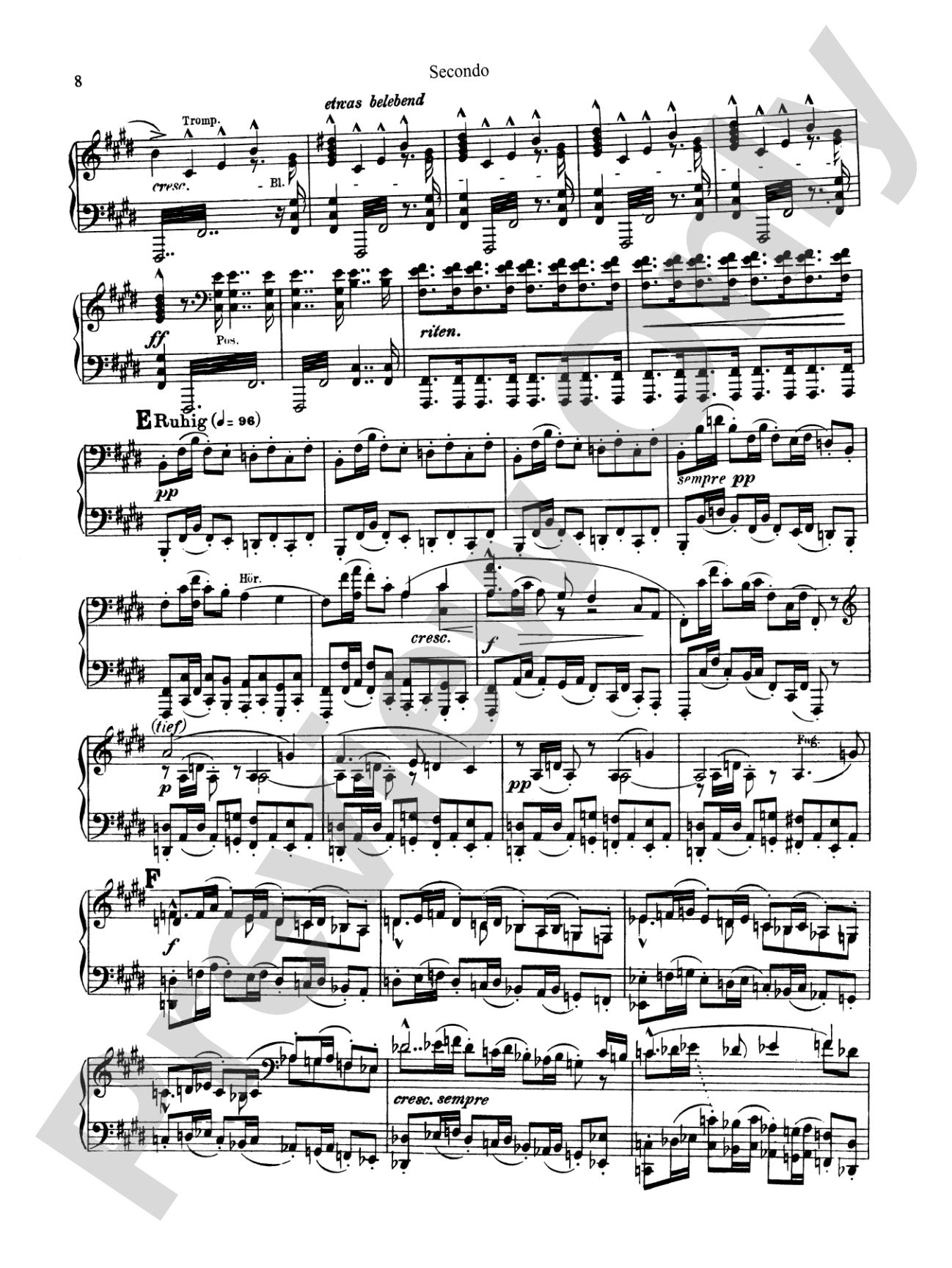
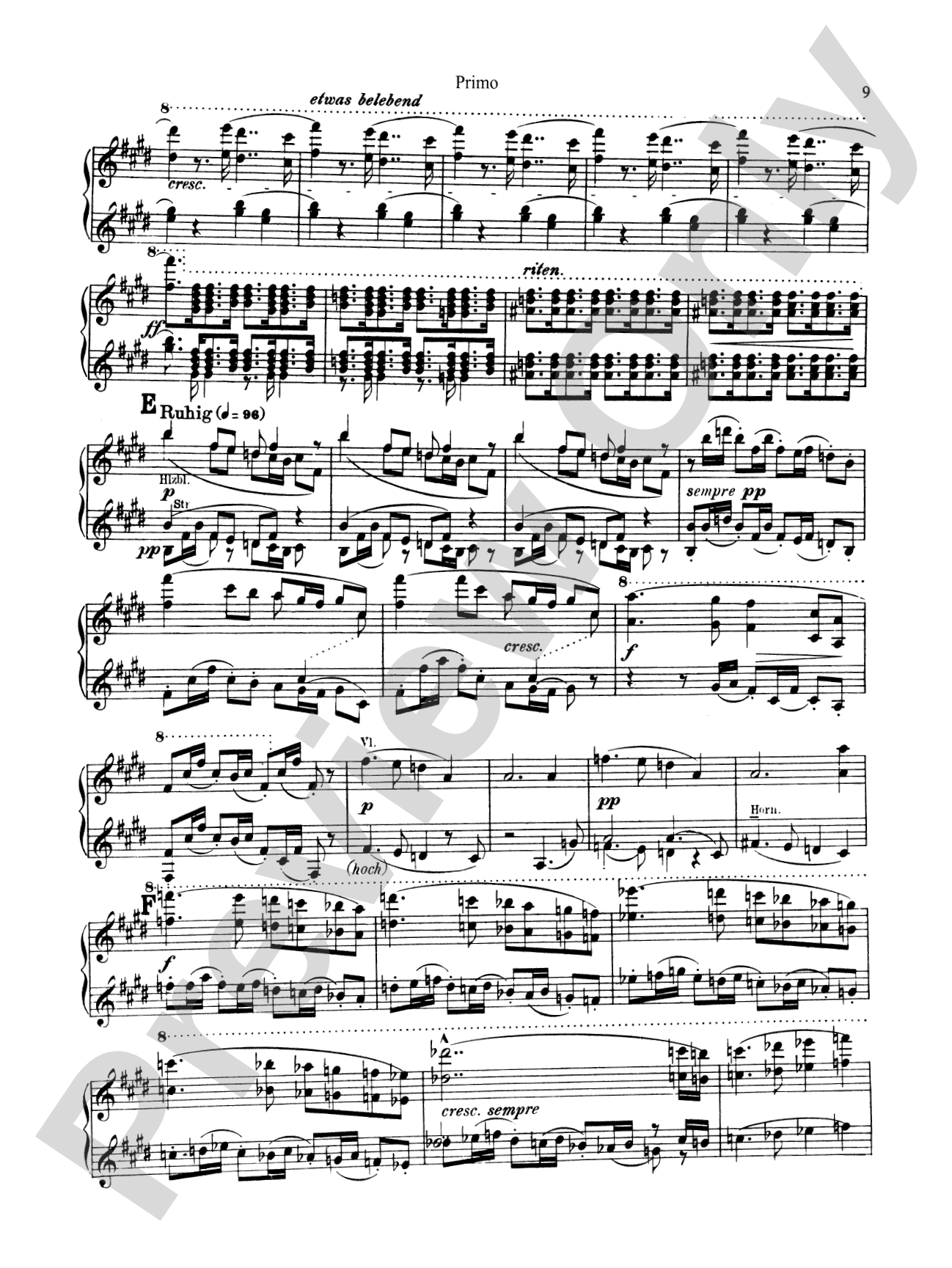
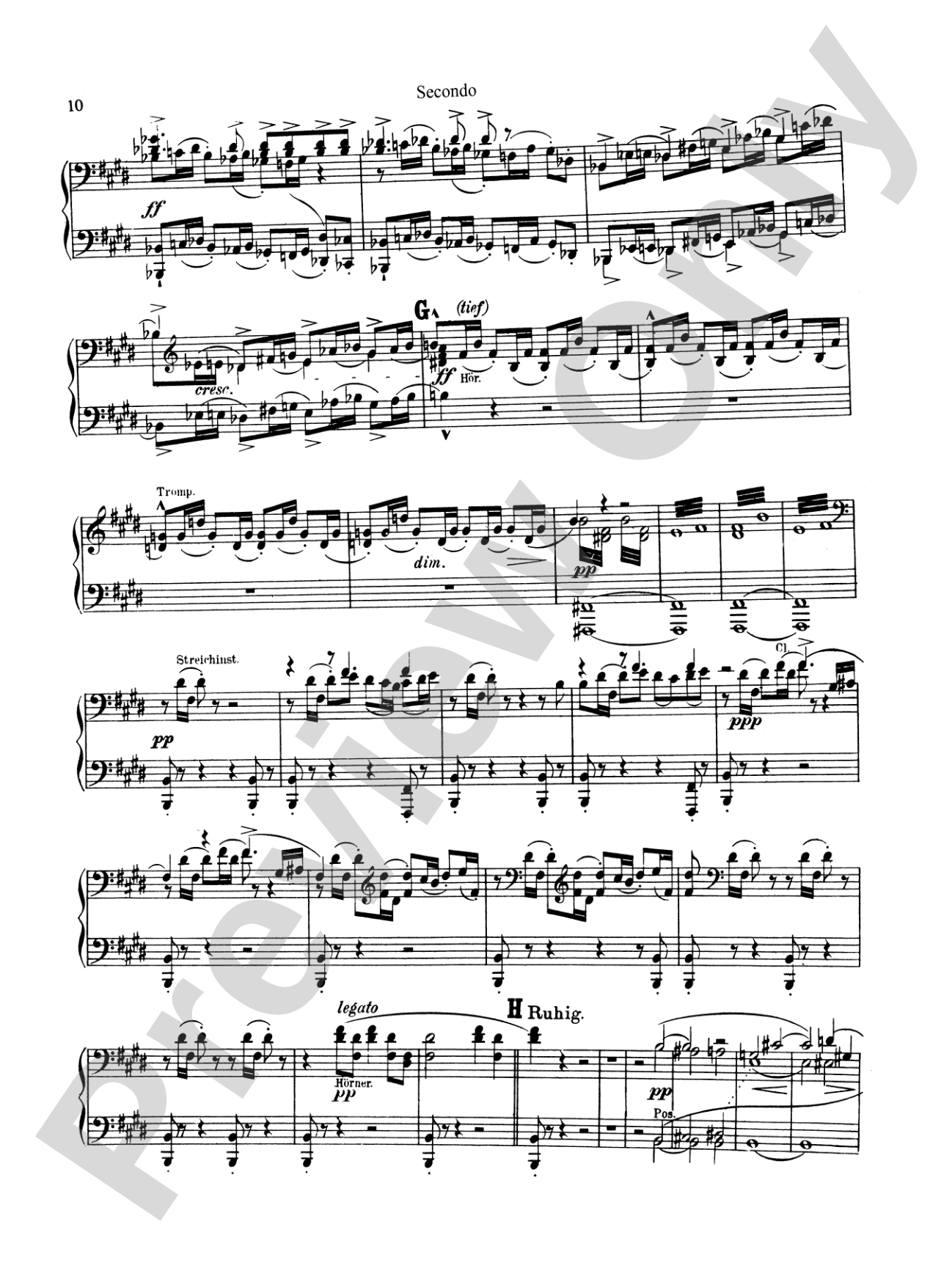
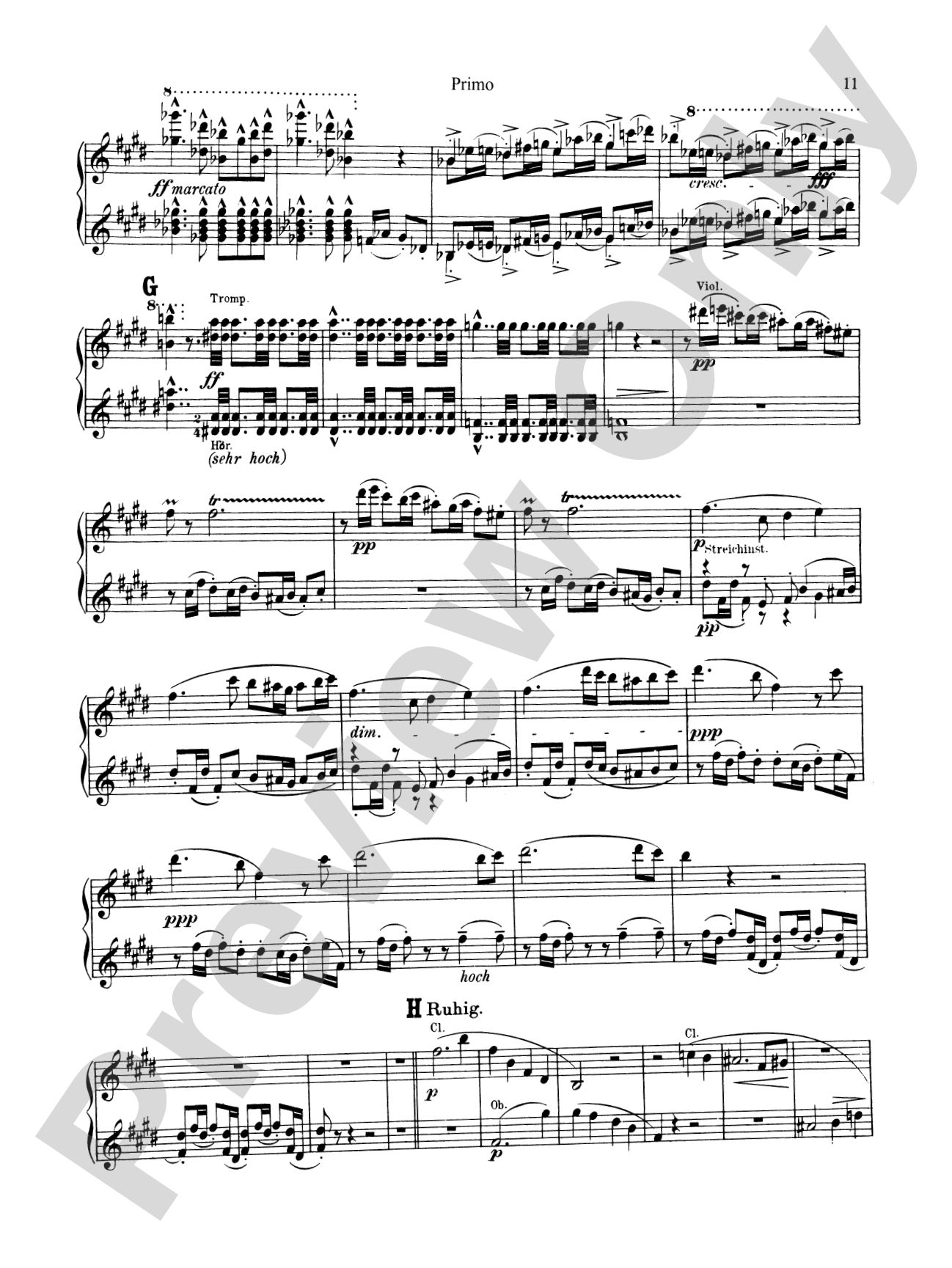
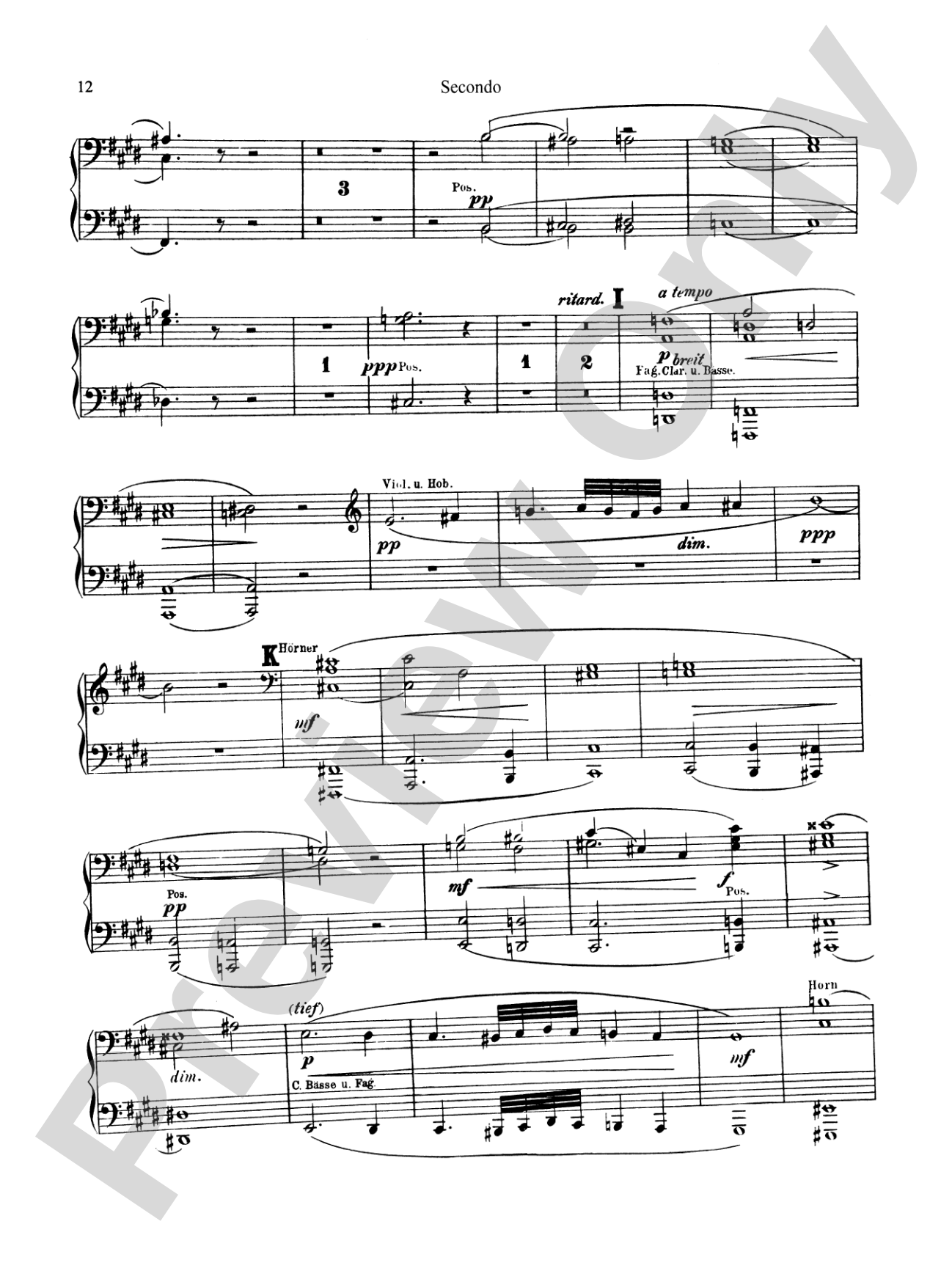
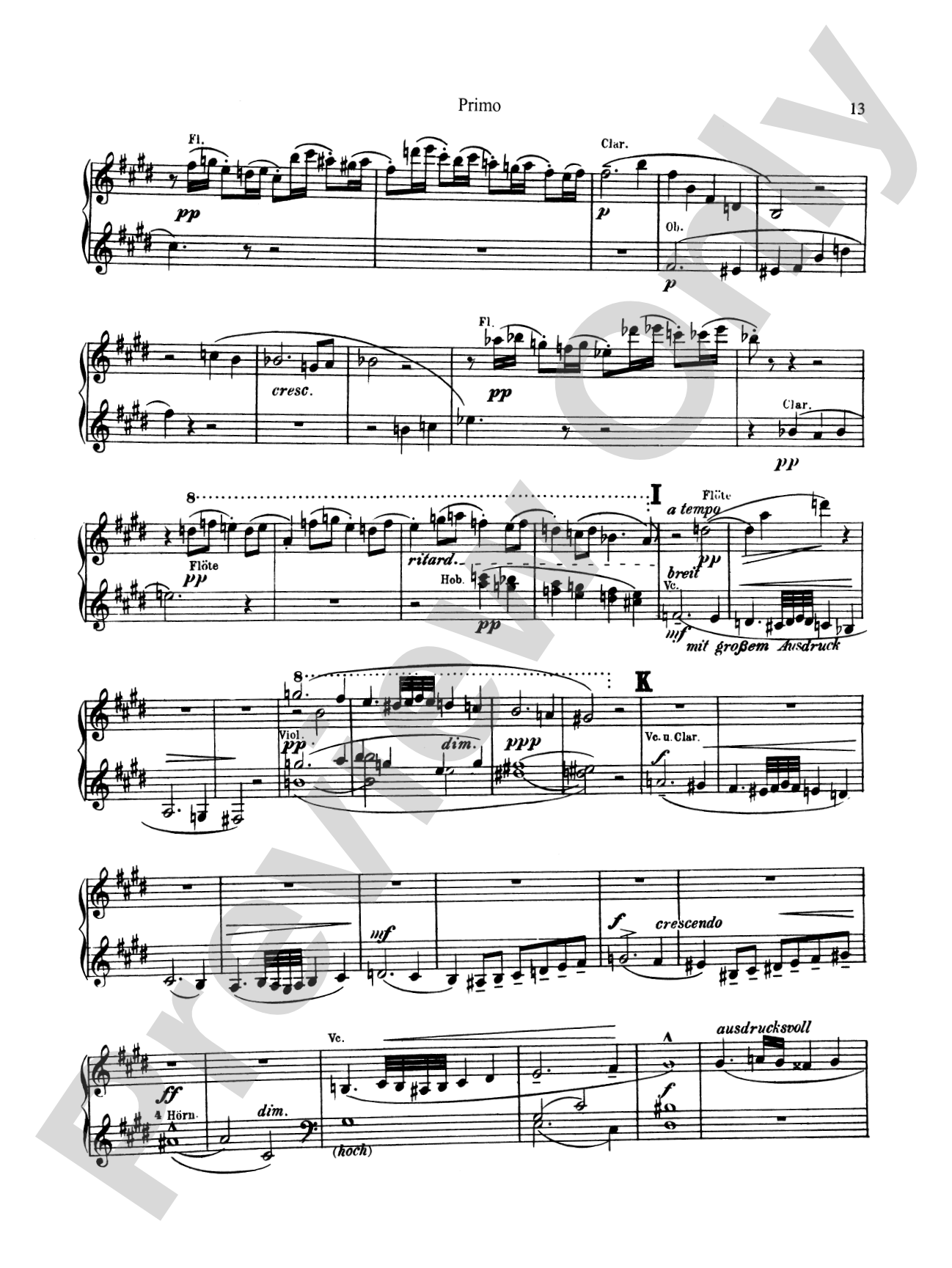
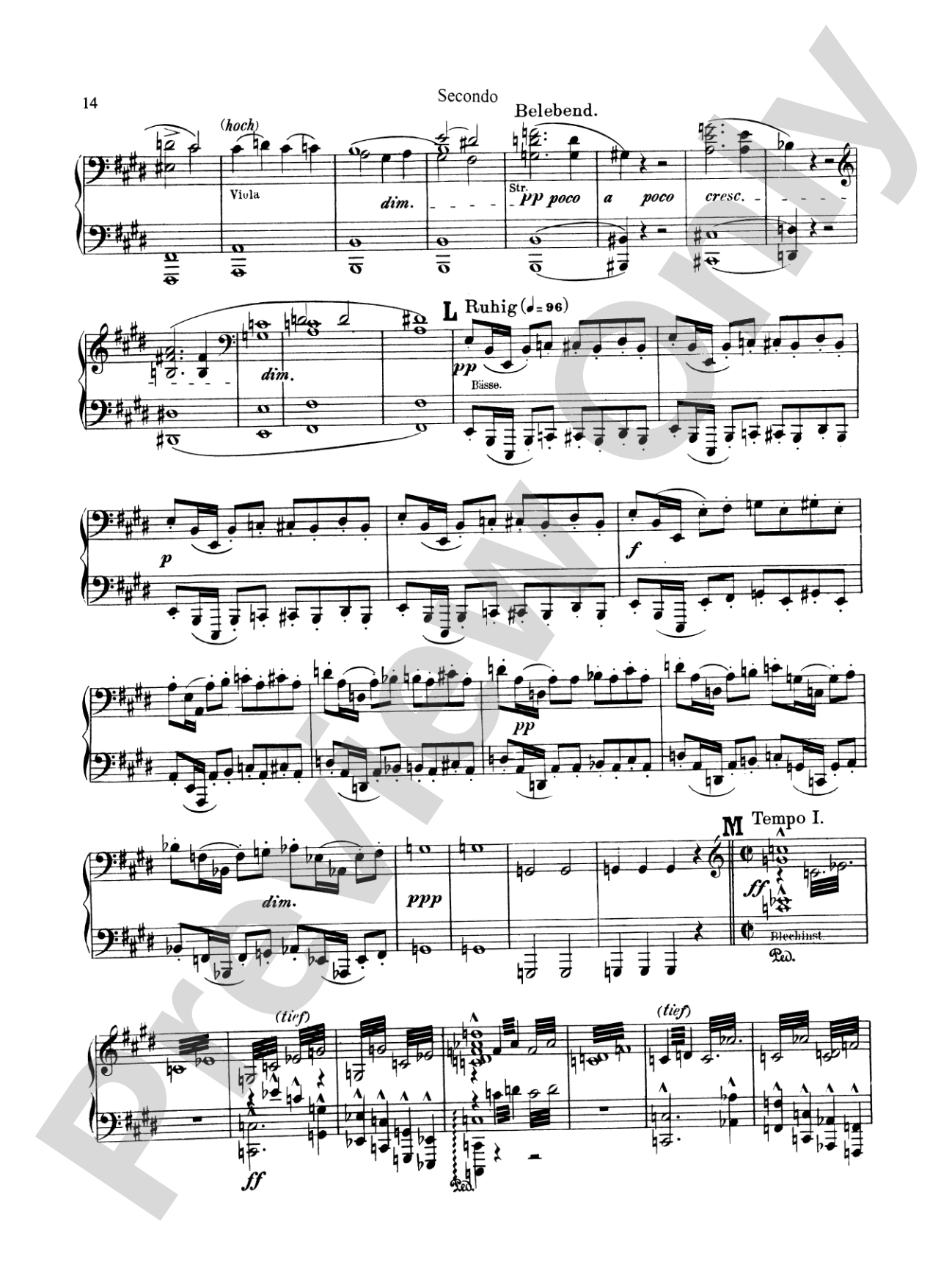
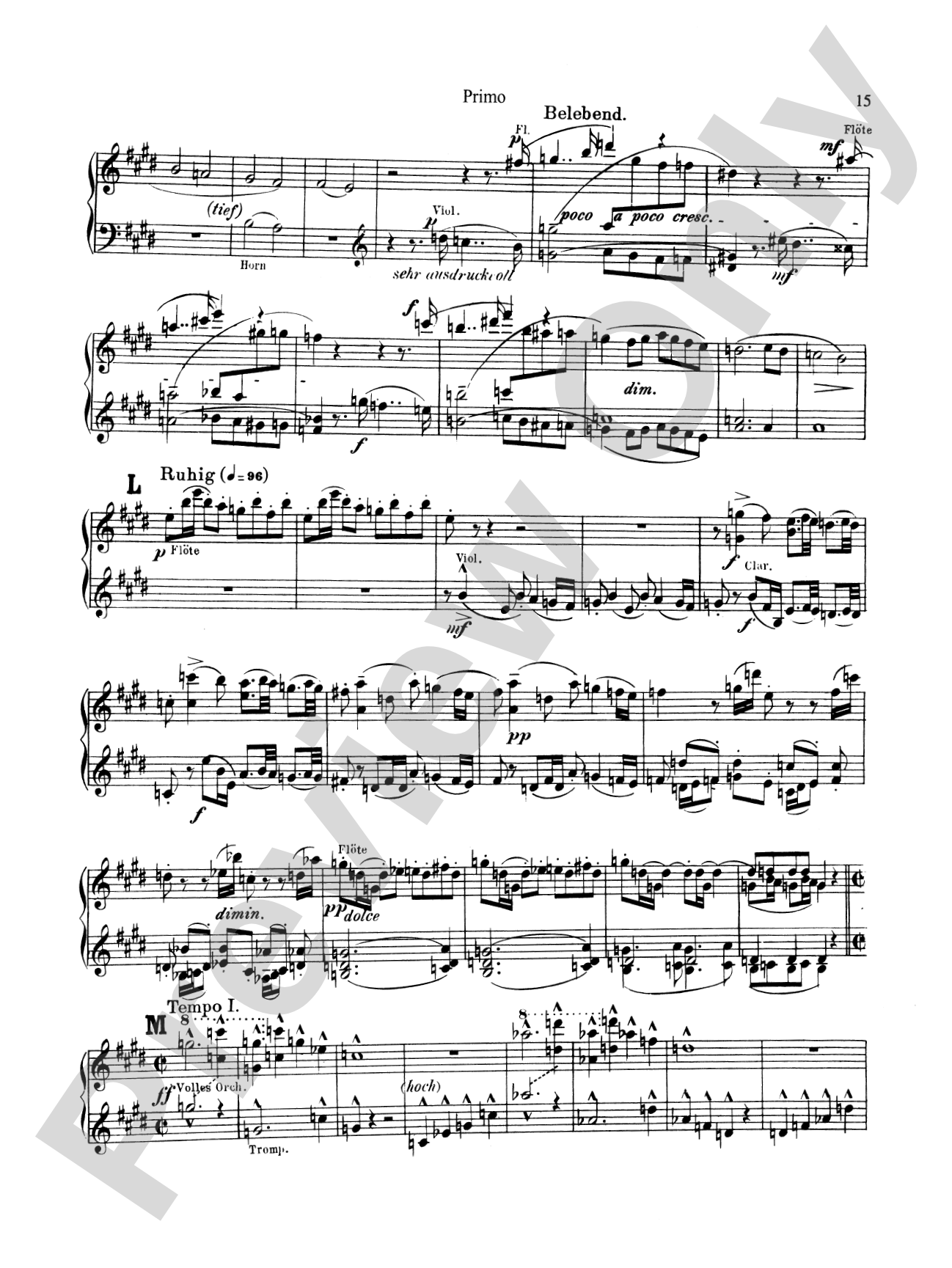
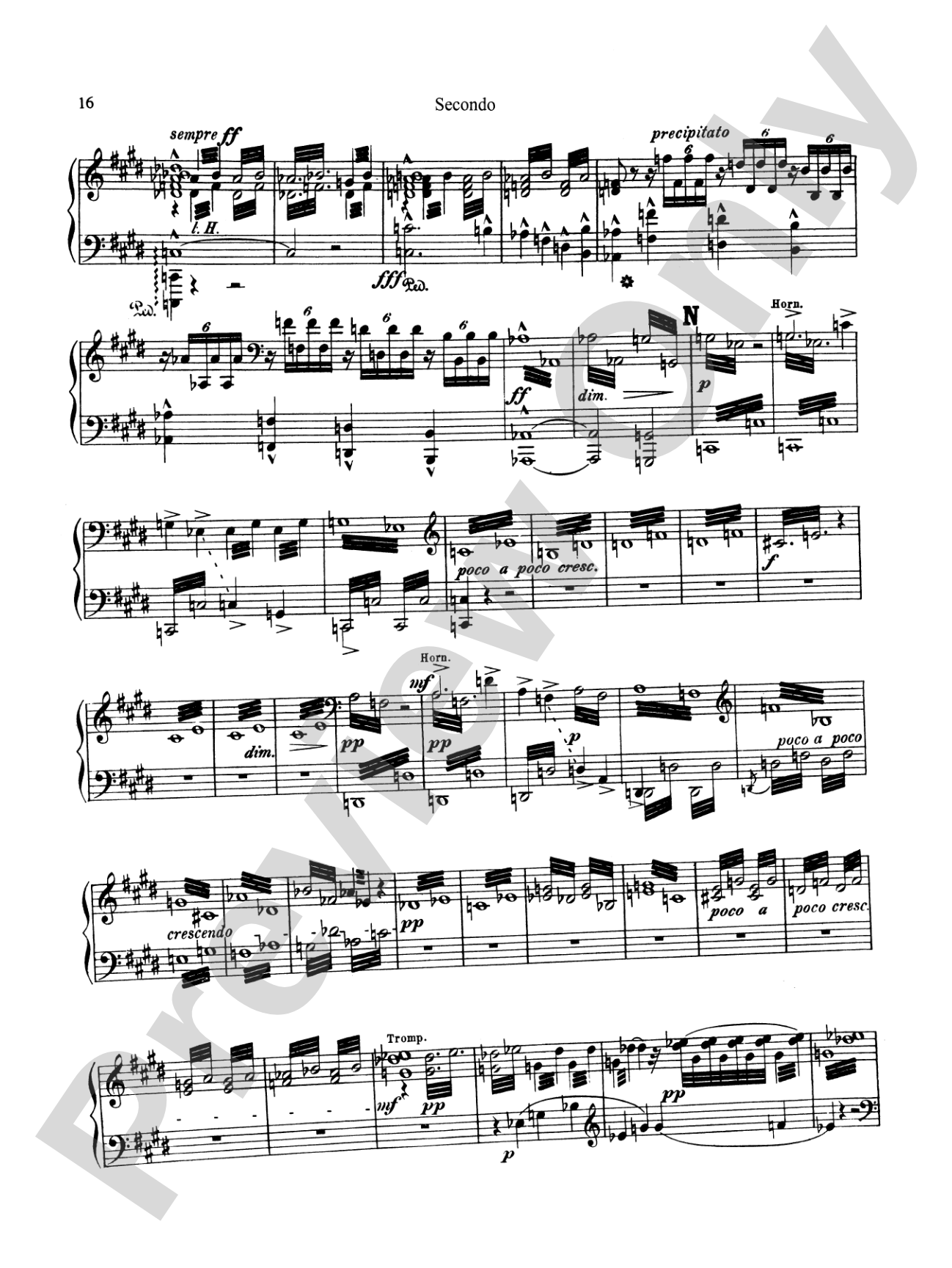
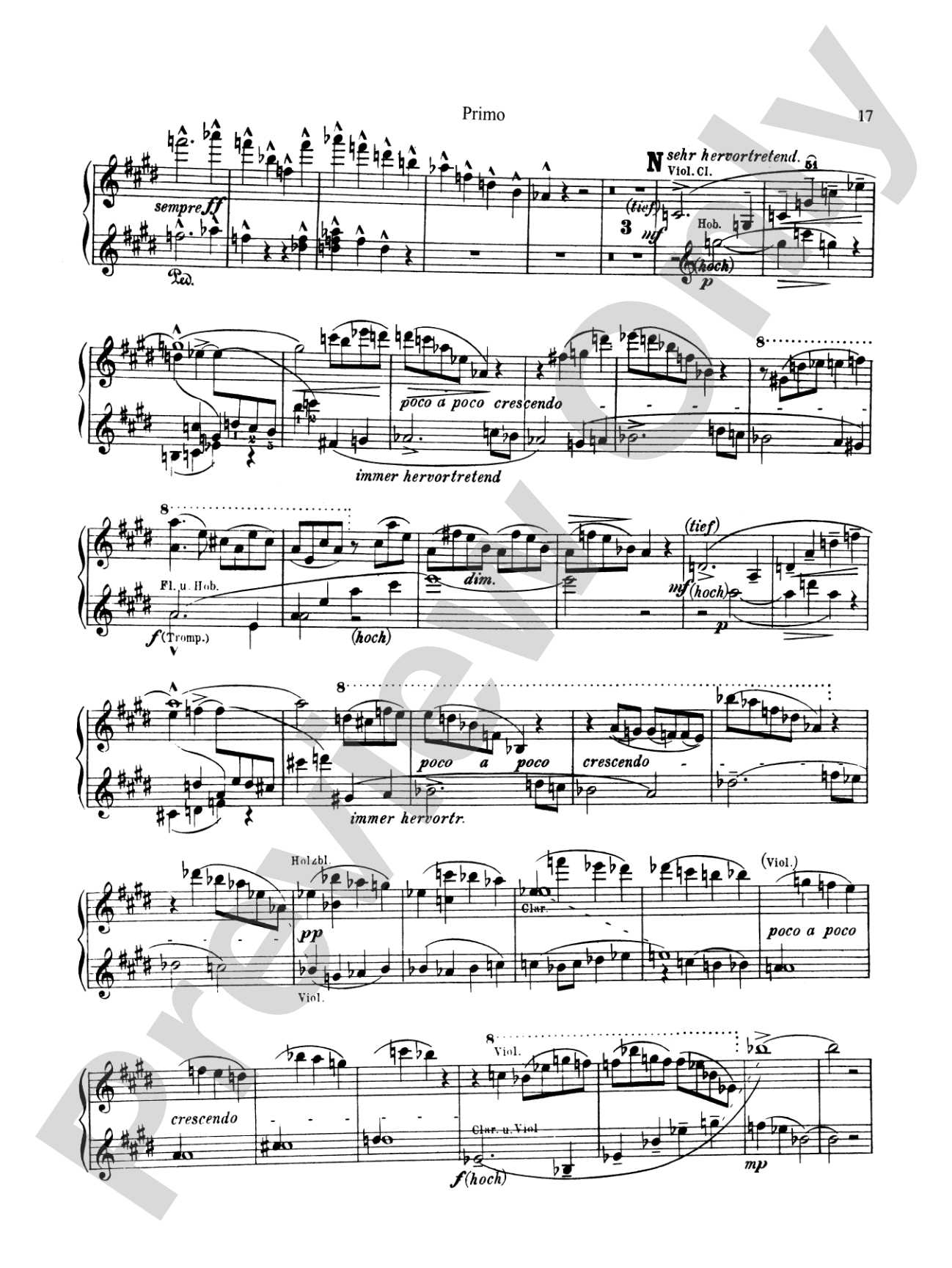
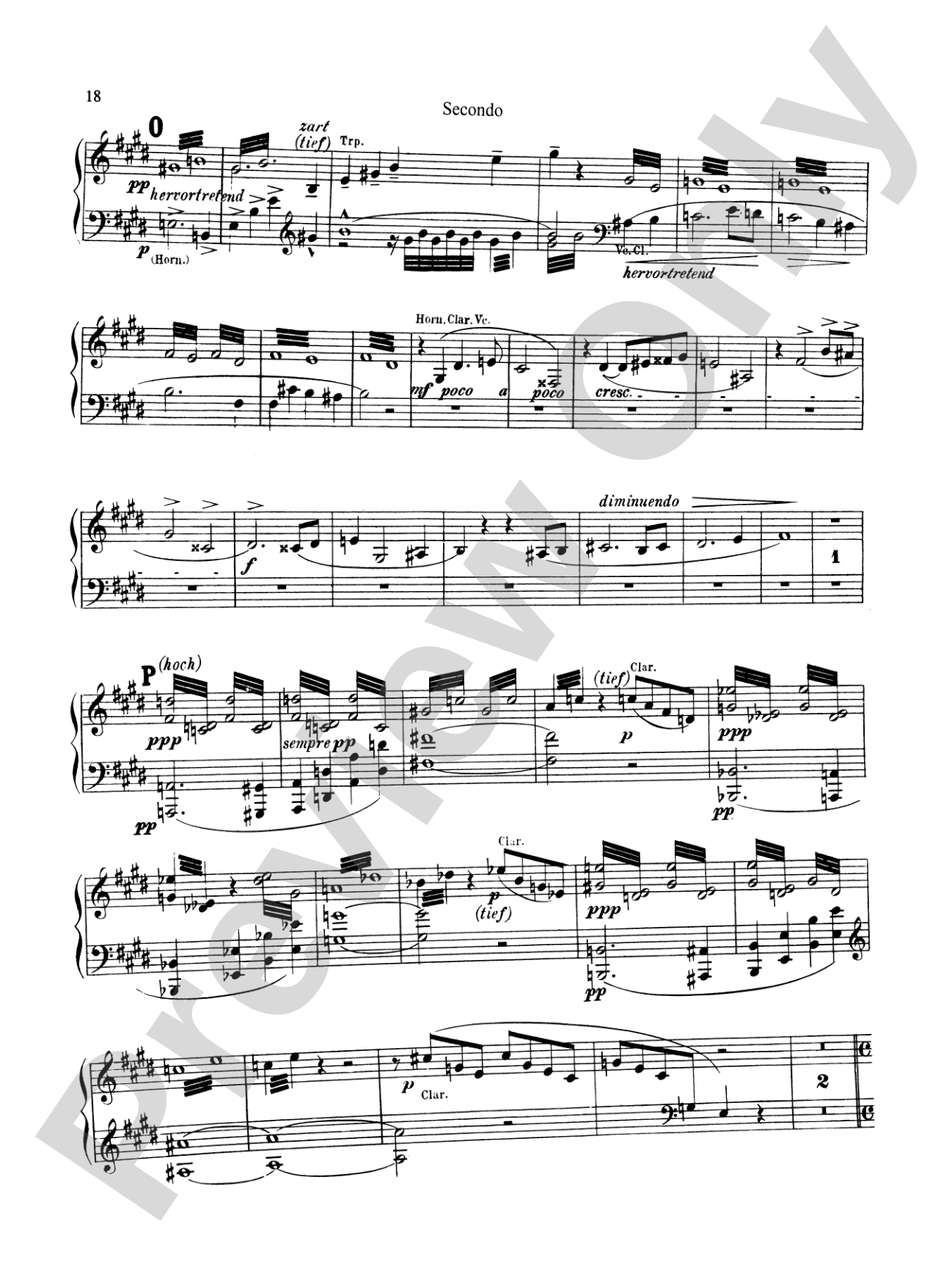
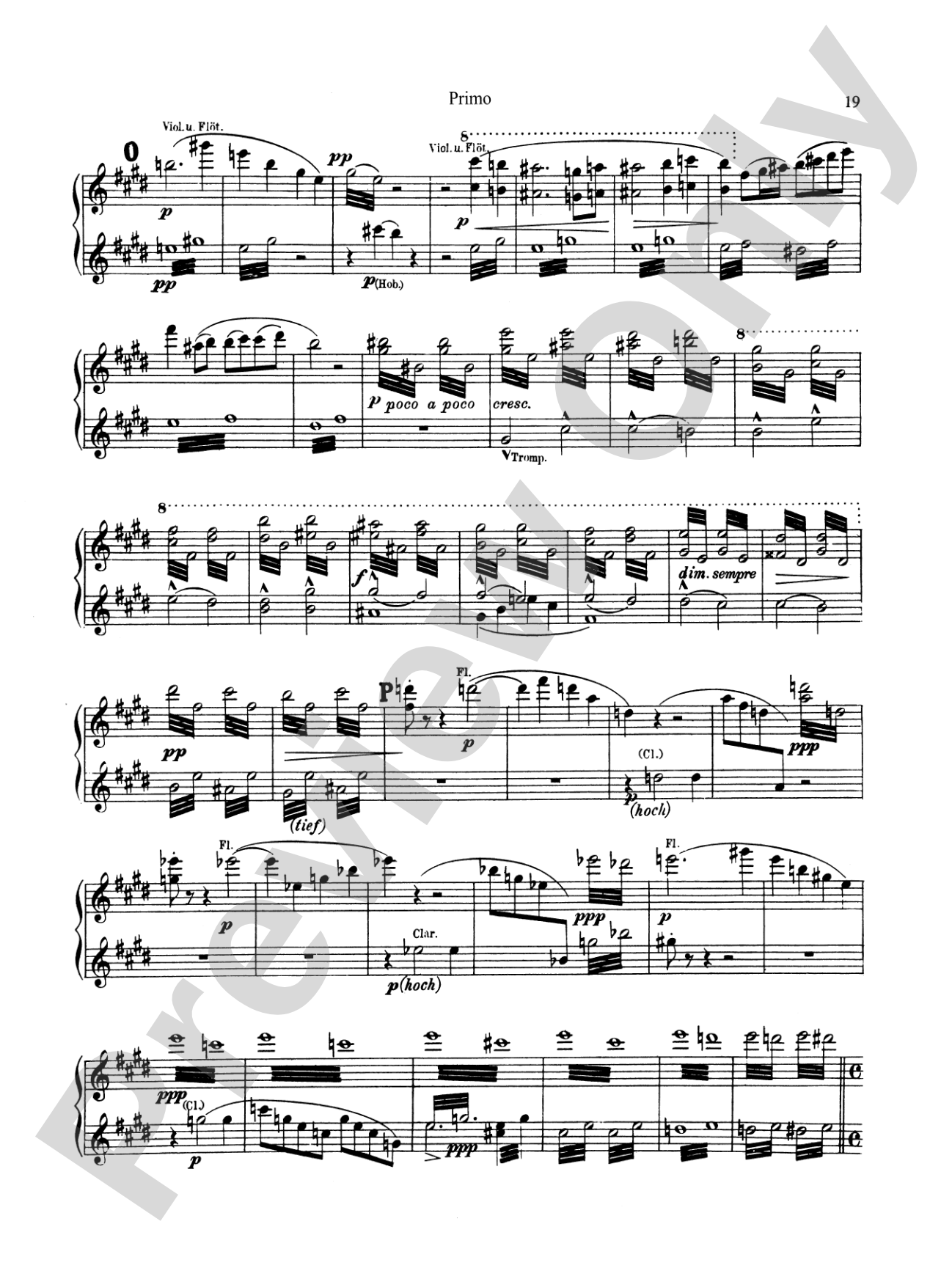
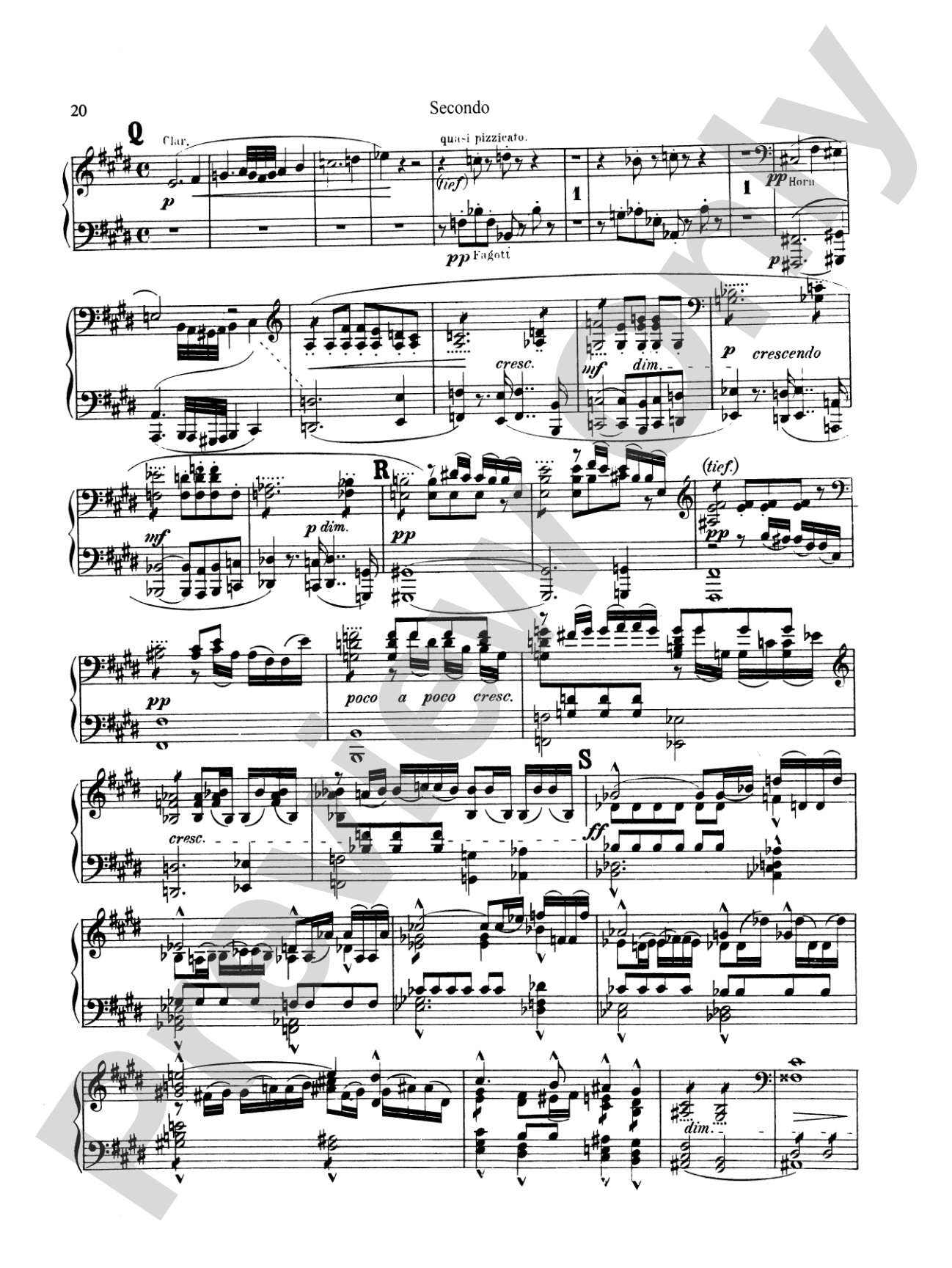
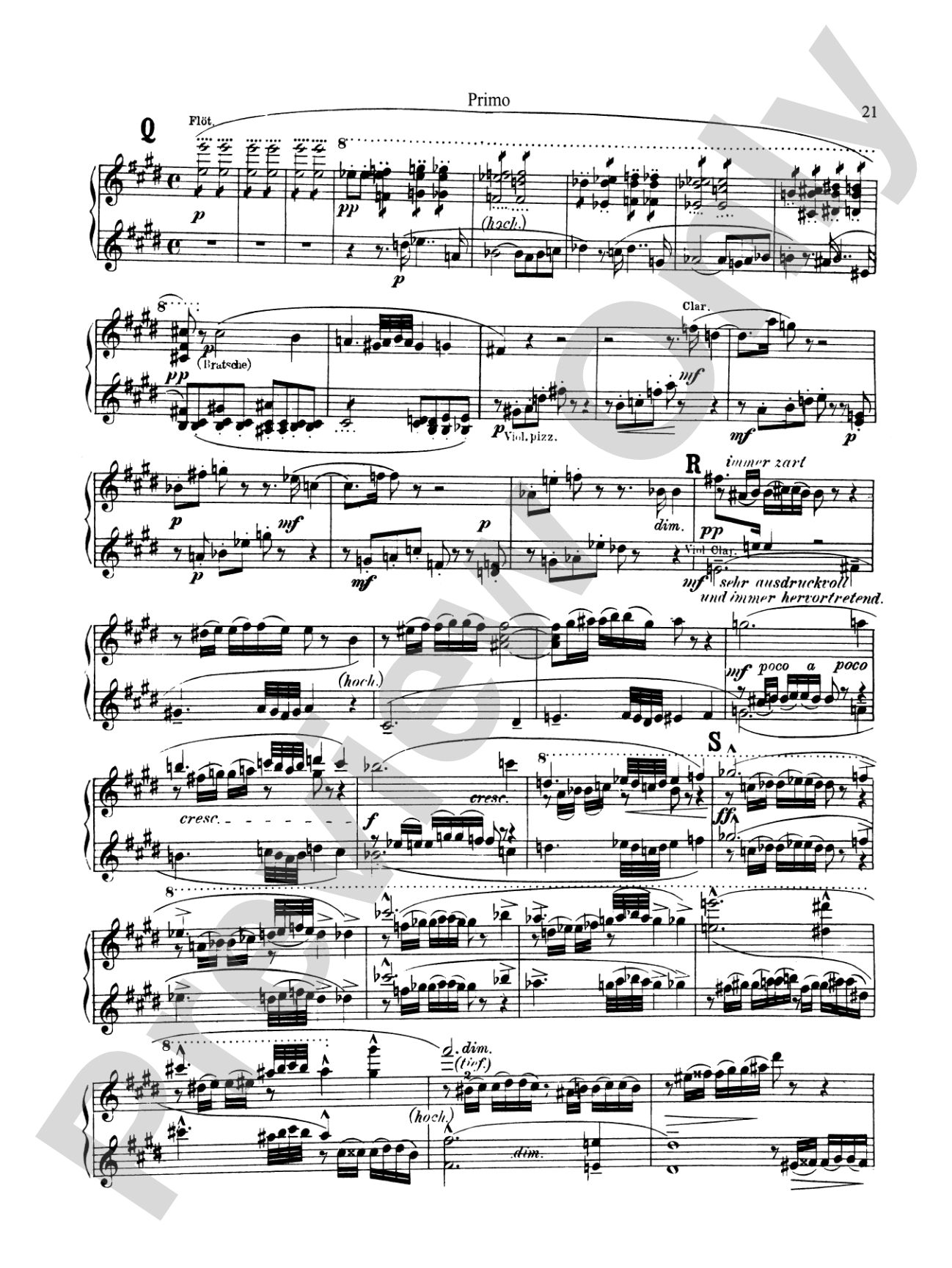
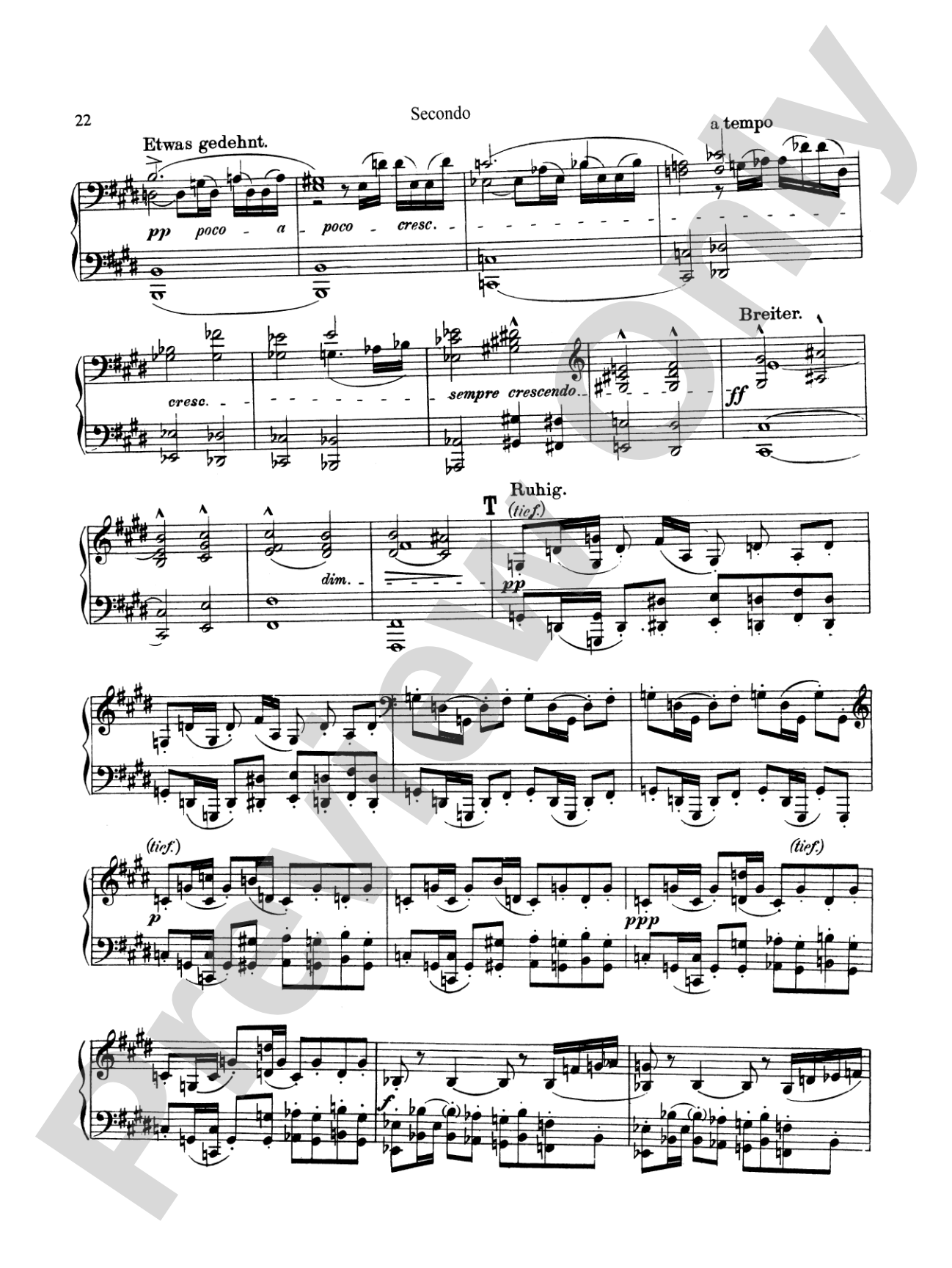
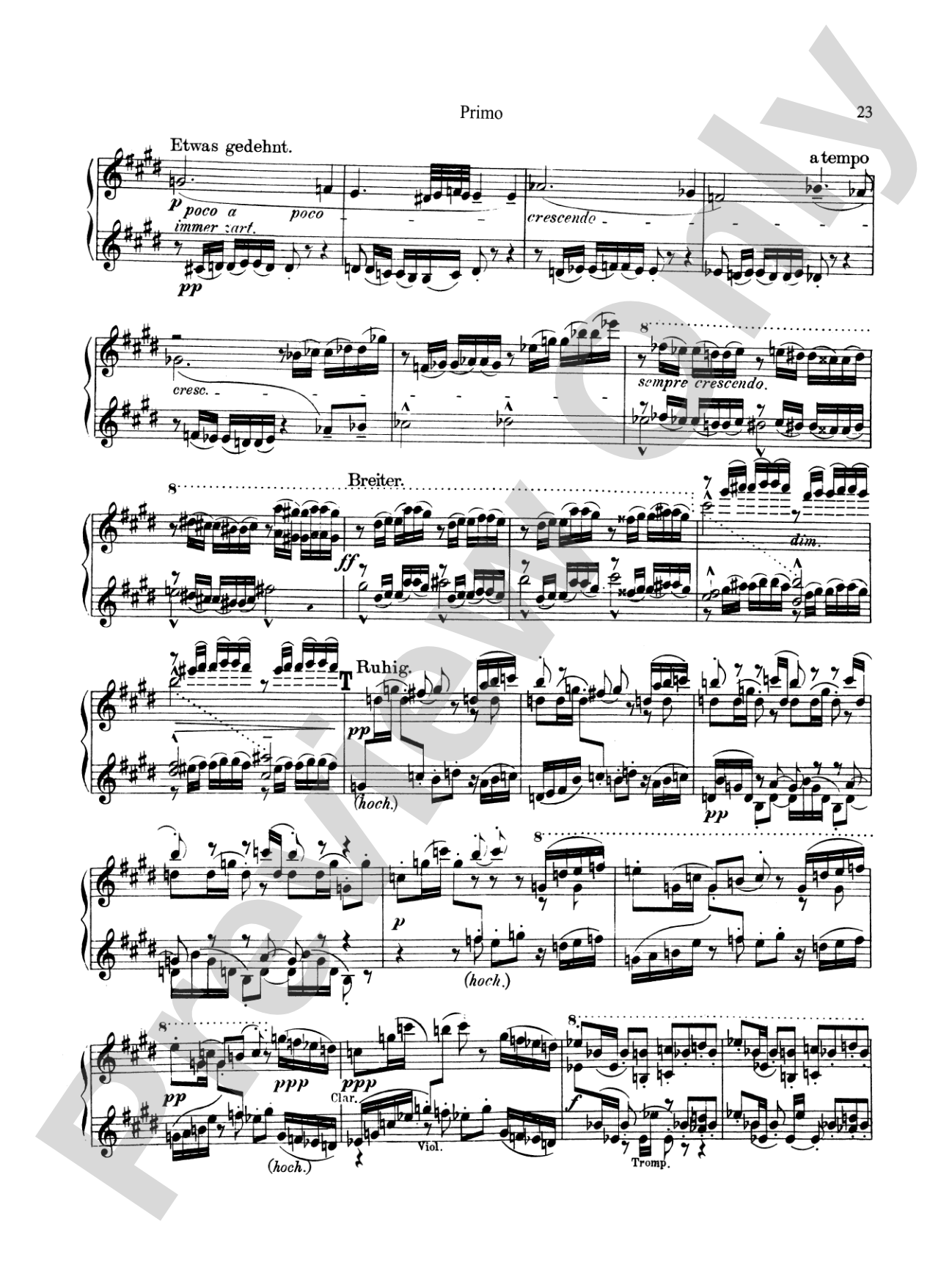
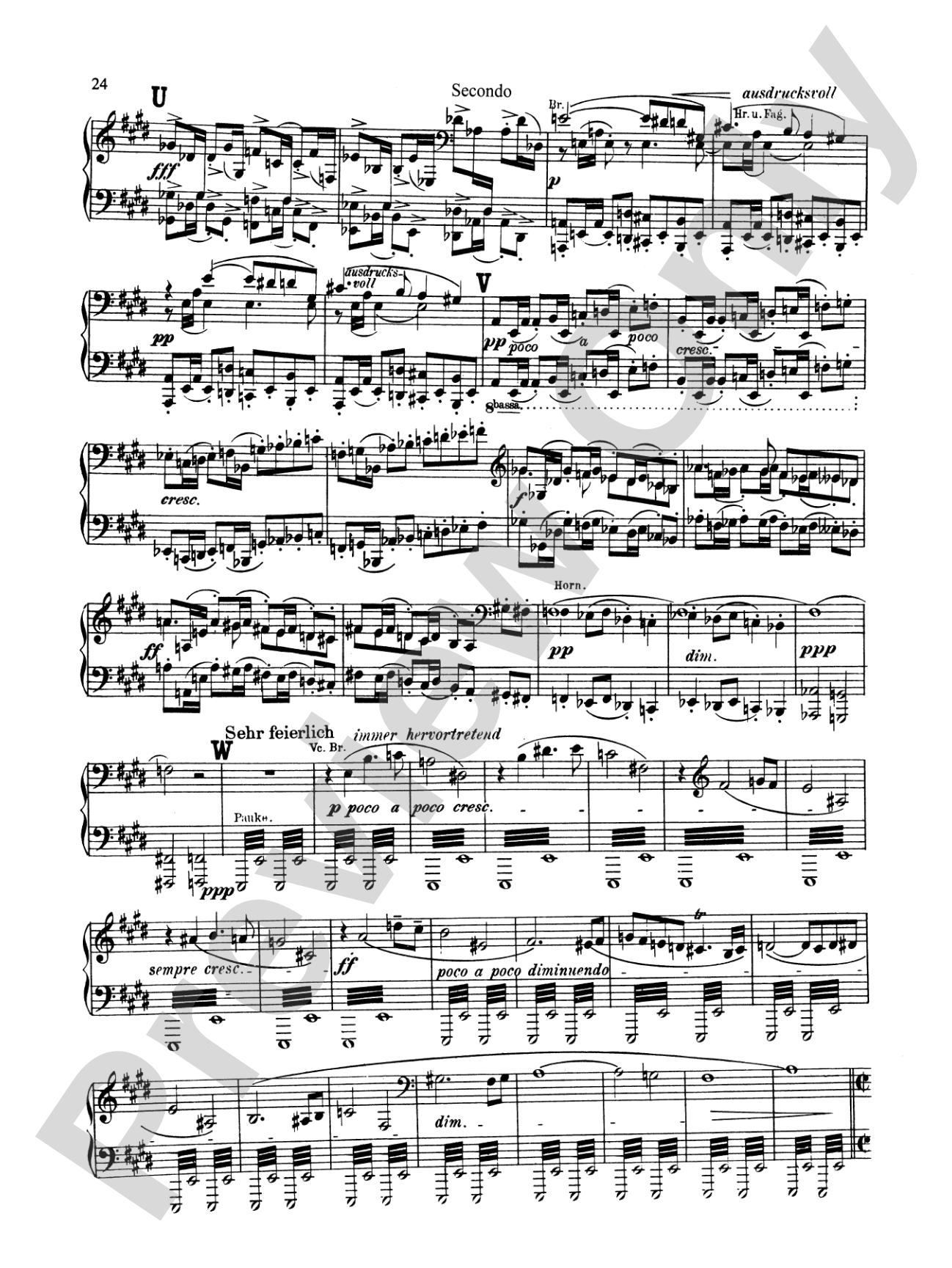
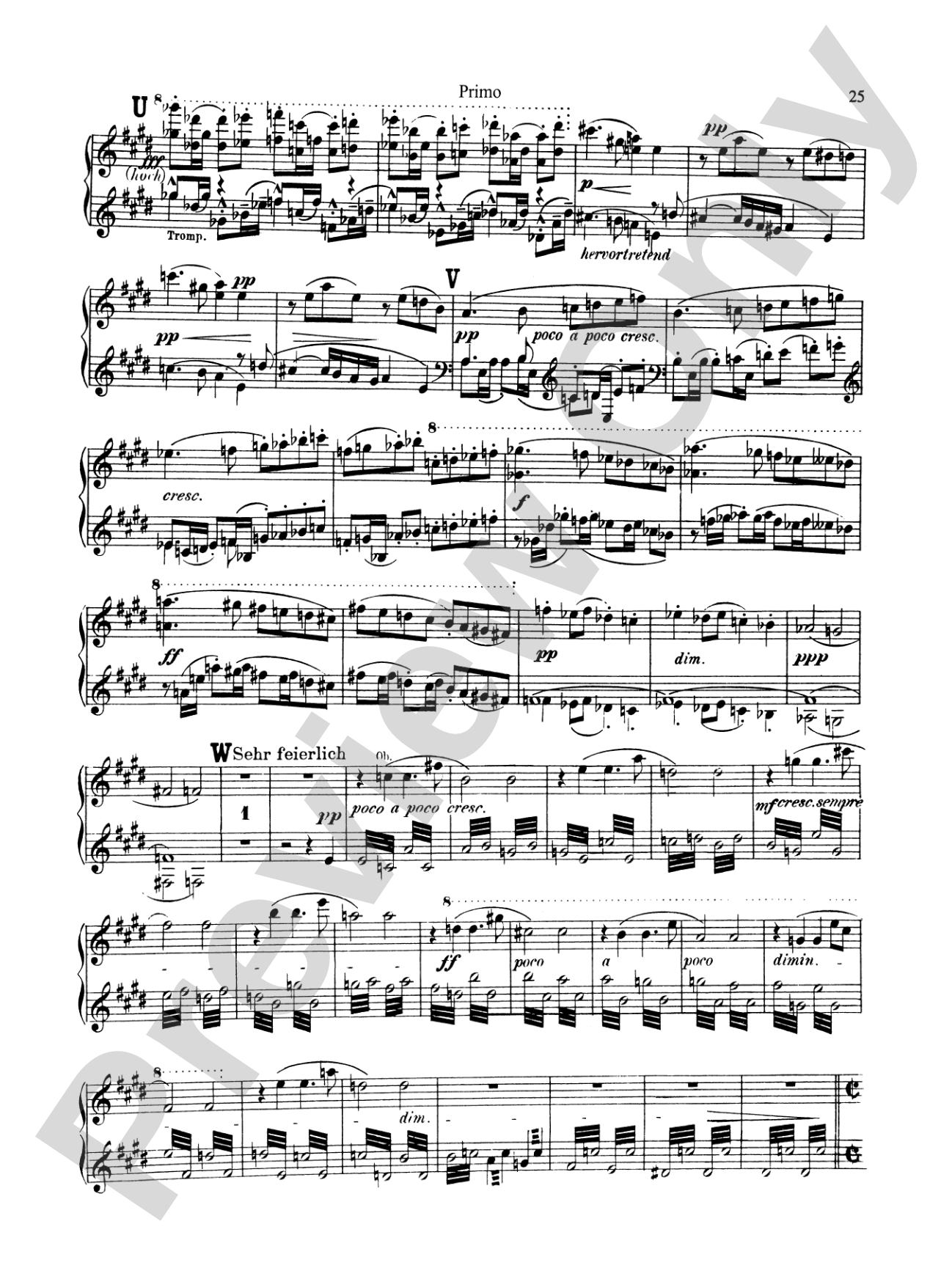

Bruckner: Symphony No. 7 in E Major (ISBN: 076926431X): Piano Duet (1 Piano, 4 Hands) Book
By Anton Bruckner
Item: 00-PK-0002731

$11.99
Pickup currently not available
Buy Extra Parts (Digital PDF Download)
Parts Added to Cart!
Description
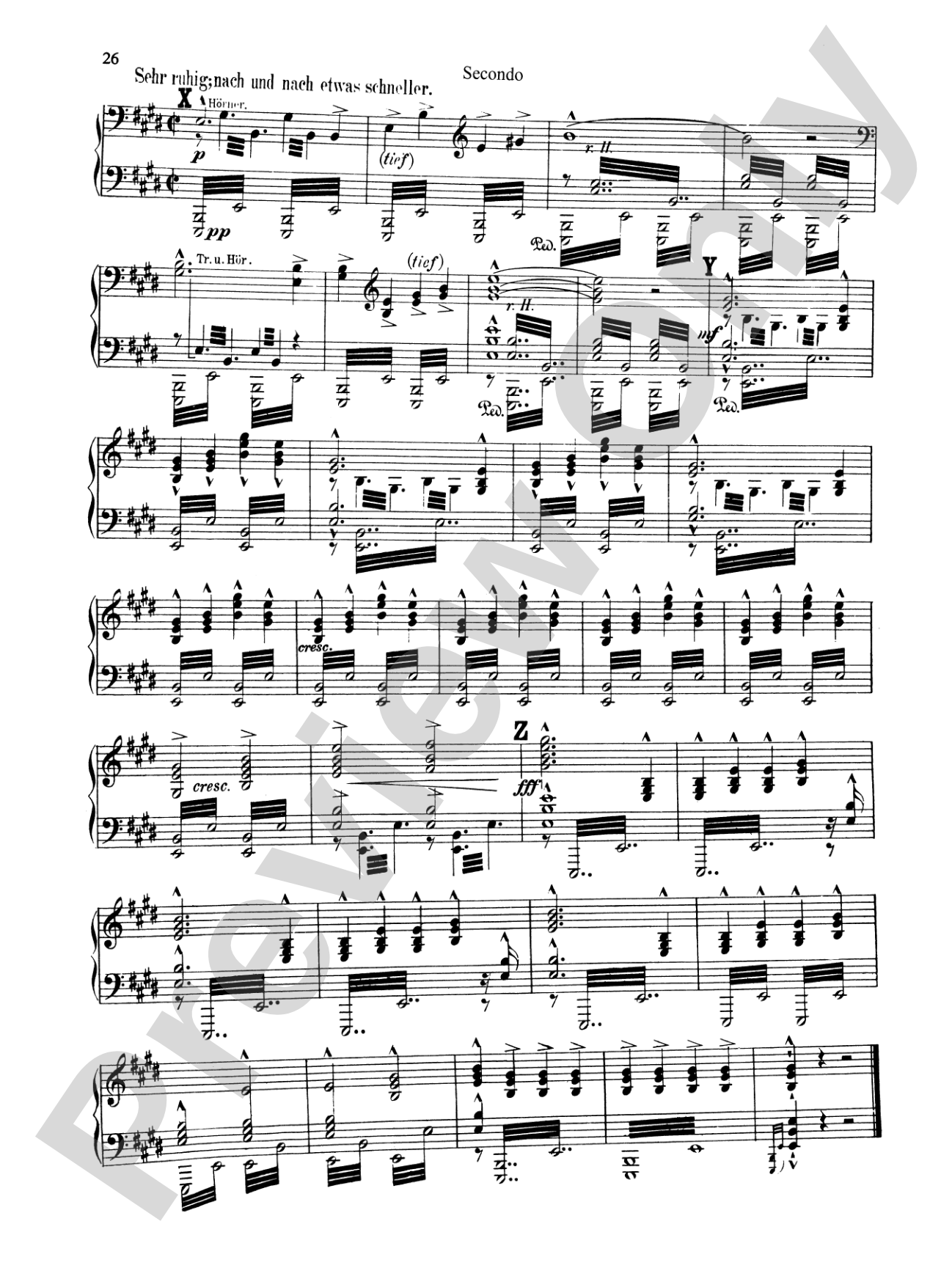
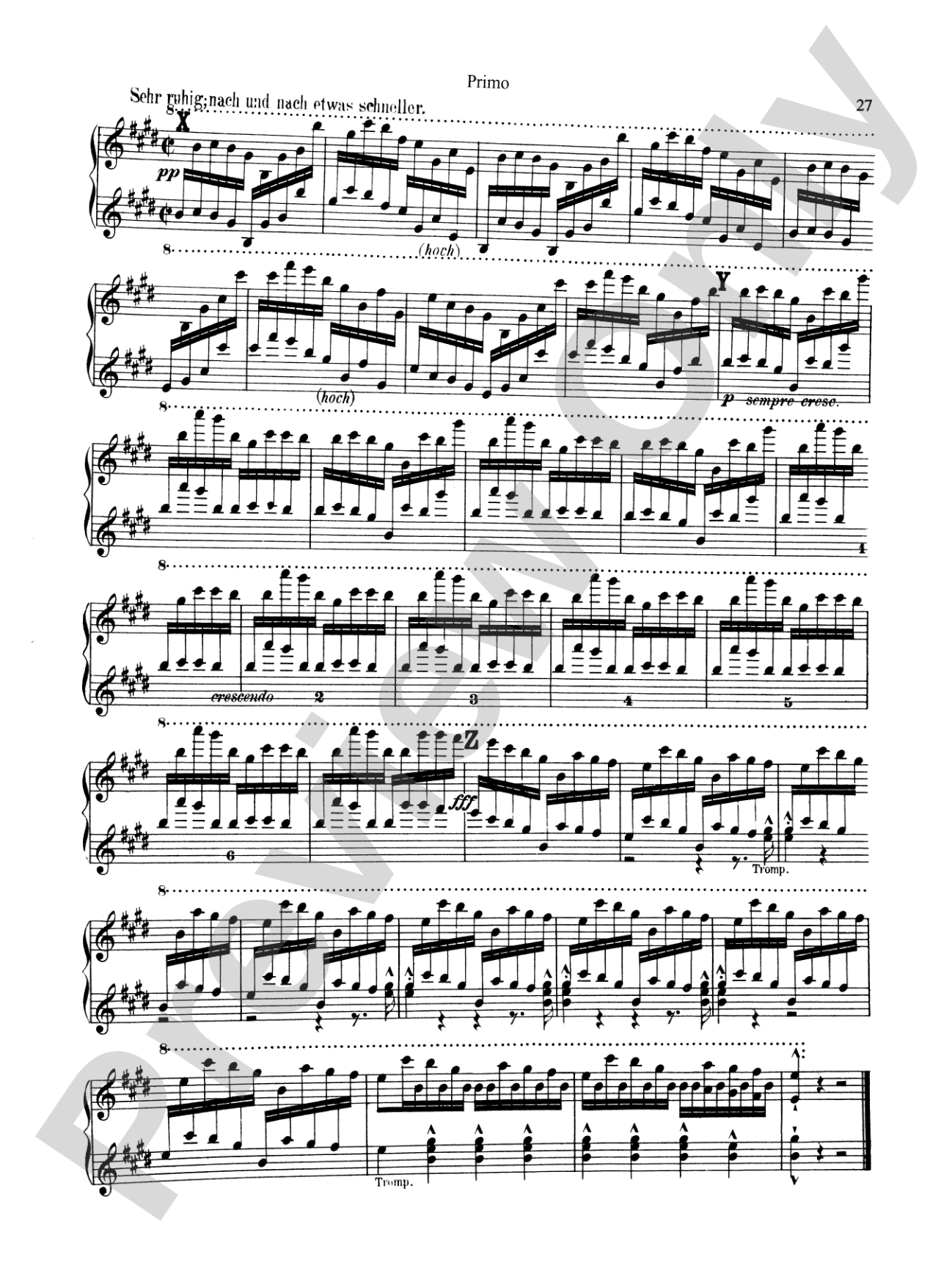
This new edition offers students and duet teams a treasure. Bruckner's own transcription of his Symphony No. 7 follows the orchestral score, and makes an exciting piano duet.


Don't just read it, hear it, play along with it, and watch your students grow with it. In MakeMusic Cloud, Bruckner: Symphony No. 7 in E Major (ISBN: 076926431X): Piano Duet (1 Piano, 4 Hands) Book comes alive with professional accompaniment, adjustable tempo, and built-in practice tools that turn solo practice into real progress.
Open in the Player
Jump straight in and assign it today.
Start Your Free Trial
Open this title and explore the full library in minutes.
Sample Audio
No sample audio found.
Sample Video
No sample videos found.
Additional Details
Series:
Kalmus Edition
Publisher:
Alfred Music
Page Count:
84
SKU:
00-PK-0002731
More about this title
About the Composer: Anton Bruckner
Anton Bruckner (1824–1896) was an Austrian composer and organist whose nine symphonies stand among the monumental achievements of the Romantic era. His music combines the structural rigor of Beethoven with lush harmonic language and spiritual depth rooted in his Catholic faith and organ background. Bruckner spent much of his career in Vienna, where he taught at the conservatory and served as organist at St. Stephen's Cathedral, positions that shaped both his compositional voice and his standing in the musical world.
Why we love this
This transcription gives pianists direct access to one of Bruckner's most moving works without requiring an orchestra or conductor. The four-hand format distributes the symphonic texture across two players, making the massive harmonic architecture and sweeping melodic arcs both playable and revelatory for advanced duet teams.
What to expect
Bruckner's Seventh unfolds with spacious grandeur, moving between moments of architectural solemnity and passages of luminous, almost chorale-like simplicity. The symphony breathes with the breadth of a cathedral interior, where quiet meditation can expand suddenly into overwhelming waves of sound. At the piano, this transcription conveys both the intimacy of two players in conversation and the monumental scope of symphonic vision.
Who it's for
Advanced piano duet teams seeking substantial repertoire that demands both technical security and musical maturity. Students training for chamber music competitions or collaborative performance will find the four-hand format rewarding, as will pianists who want to experience large-scale symphonic thinking at the keyboard.
How to get the most out of it
- Balance the primo and secondo parts carefully; Bruckner's orchestrations often layer multiple themes simultaneously, and clarity depends on judging which voice should project at any given moment.
- Shape the long, arching phrases with consistent breath and momentum rather than stopping at barlines; the music's architecture lives in sustained architectural lines.
- Practice the hand coordination passages separately at a slow tempo before building speed; the secondo often carries harmonic foundation while the primo weaves lyrical material overhead.
- Use the score to study the original orchestral version when possible; understanding which instruments carry each line will deepen your interpretation of voicing and color.
How to use it
This work serves best as a standalone recital centerpiece for an advanced duet team, where its scale and depth warrant the full attention of an audience. It also pairs naturally with other Romantic-era duets or chamber works on a program exploring large-form piano writing.
Skills your students will build
- Reading and balancing complex contrapuntal textures across four hands
- Sustaining long-phrase architecture across multiple pages without losing forward motion
- Coordinating hand independence between primo and secondo while maintaining unified interpretive intent
- Translating orchestral color and texture to the keyboard
- Managing dynamic range and harmonic depth in transcribed symphonic writing