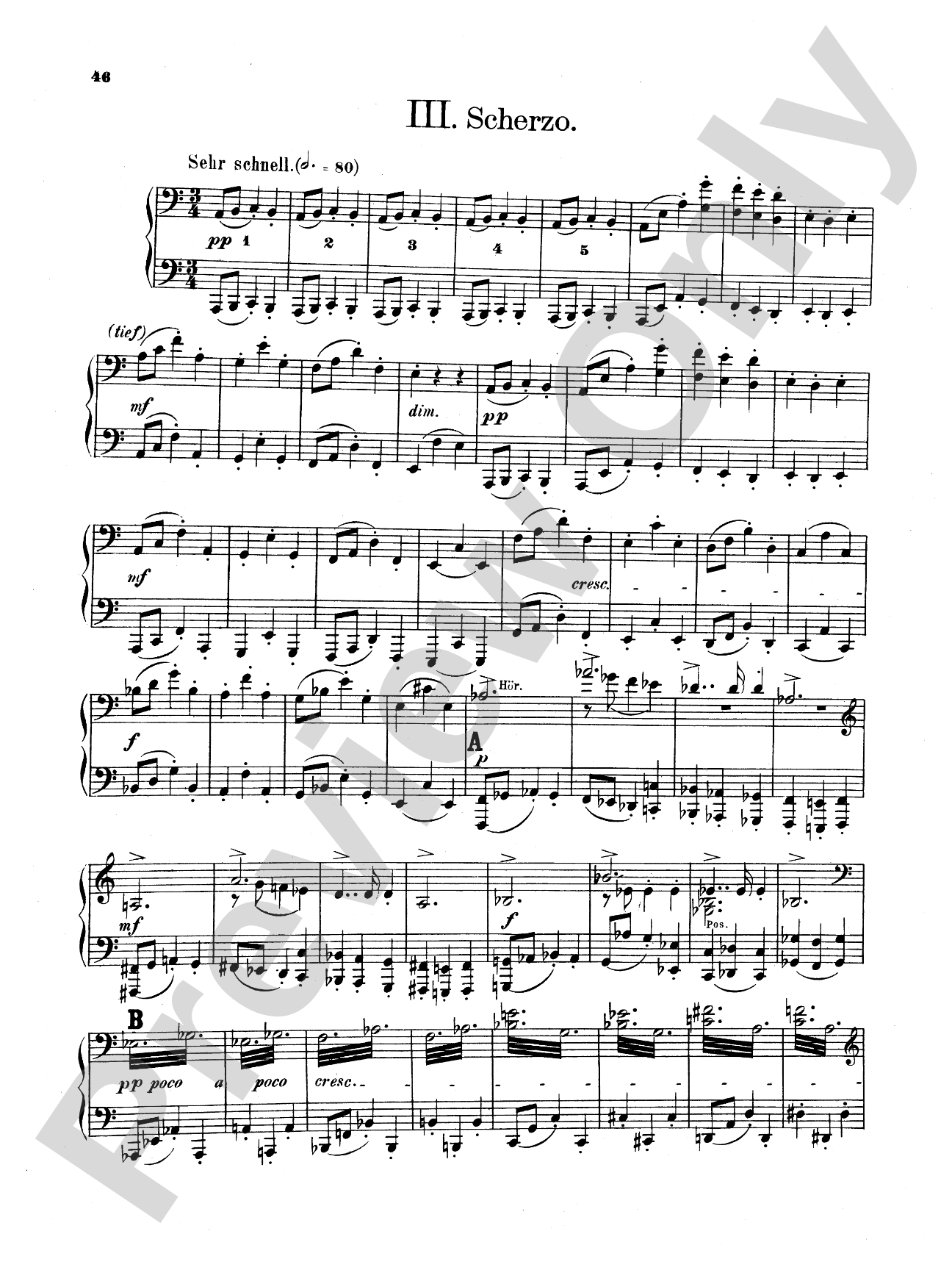
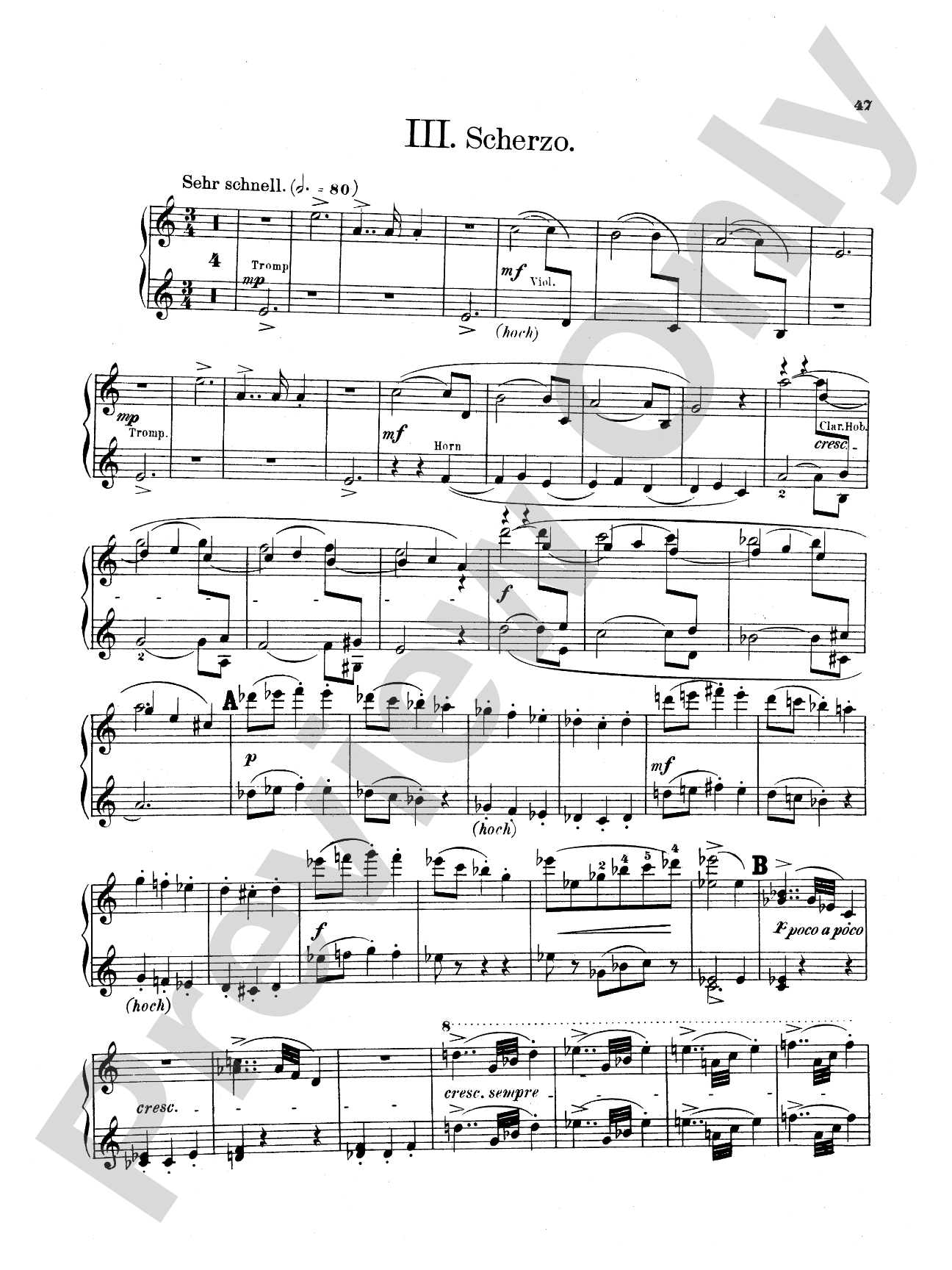
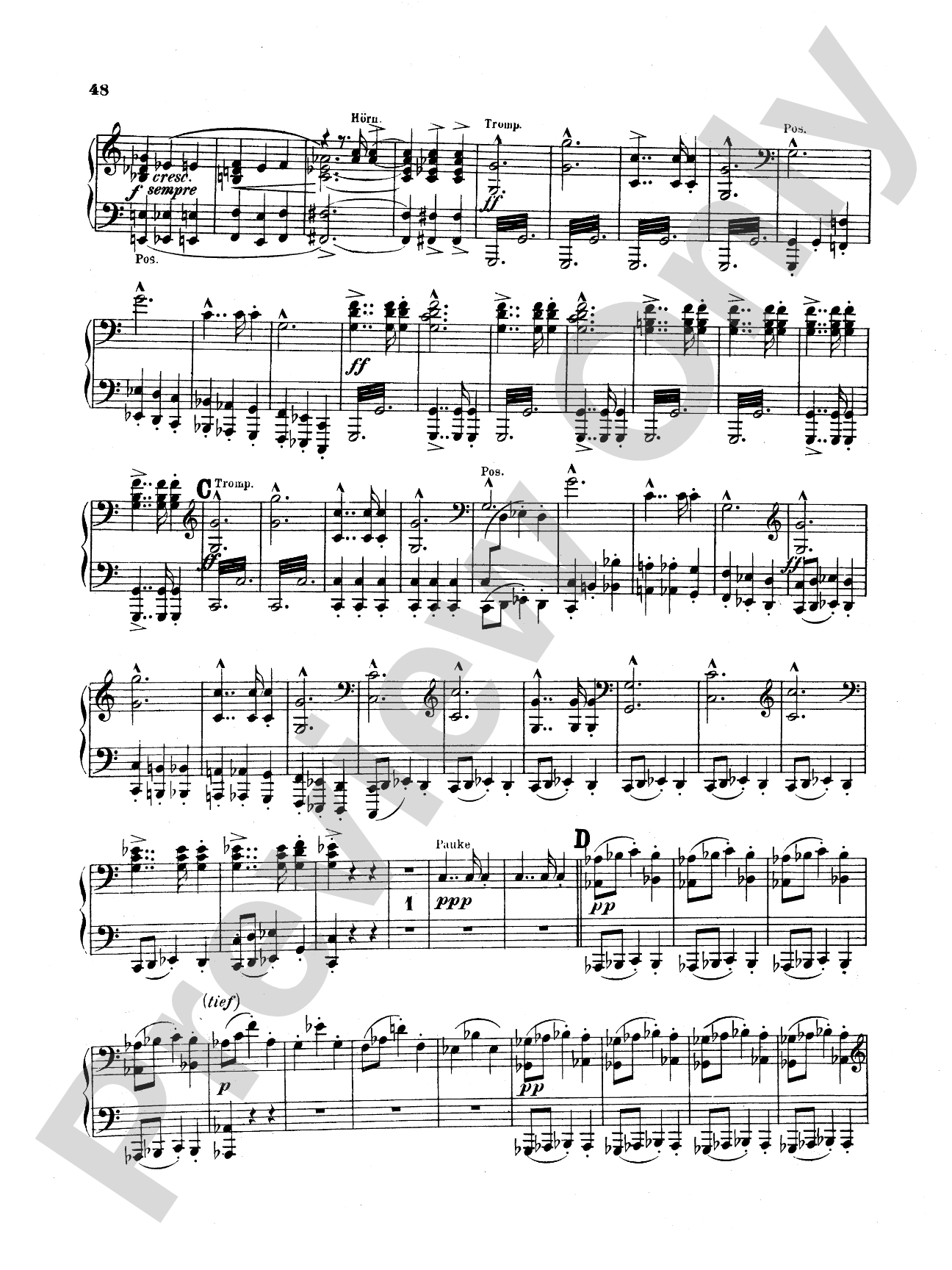
Bruckner: Symphony No. 7 in E Major (ISBN: 0757912818)
By Anton Bruckner
Item: 00-PC-0005782
Pickup currently not available
Description
Don't just read it, hear it, play along with it, and watch your students grow with it. In MakeMusic Cloud, Bruckner: Symphony No. 7 in E Major (ISBN: 0757912818) comes alive with professional accompaniment, adjustable tempo, and built-in practice tools that turn solo practice into real progress.
Jump straight in and assign it today.
Open this title and explore the full library in minutes.
Sample Audio
Sample Video
Additional Details
More about this title
About the Composer: Anton Bruckner
Anton Bruckner (1824–1896) was an Austrian composer and organist whose symphonies stand as monuments of the Romantic era. A deeply religious man and a master of orchestration, Bruckner synthesized the architectural grandeur of Beethoven with the harmonic innovations of Wagner, creating works of unprecedented scale and spiritual depth. His symphonies demand patient study from performers; their slow harmonic movements and intricate counterpoint reward careful attention to voice leading and structural clarity.
Bruckner's symphonic language influenced generations of composers, yet his works remain less frequently performed than those of his contemporaries. For pianists, four-hand reductions of his symphonies offer rare access to his orchestral thinking. The Symphony No. 7, with its luminous E Major tonality and architectural balance, represents Bruckner at his most lyrical.
Why we love this
This reduction opens one of the great symphonic achievements to pianists who want to experience Bruckner's orchestral voice without waiting for a full ensemble. Four-hand writing allows both players to engage with his elaborate counterpoint and sweeping harmonic progressions, making the intellectual and emotional demands of the score immediately tangible. The comb binding keeps pages flat during performance, essential when coordinating two players across 84 pages of Romantic-era complexity.
What to expect
The E Major Symphony opens with an otherworldly luminosity, its themes emerging gradually from hushed textures before building into imposing harmonic structures. Bruckner's writing feels architecturally monumental yet introspective, with passages of radiant orchestral color that a four-hand reduction can capture through careful voice distribution and dynamic shaping. Performing it demands sustained concentration and mutual trust between partners.
Who it's for
Advanced pianists seeking to explore symphonic literature through four-hand arrangement, and duet partners who want to tackle a major work from the Romantic canon. This score suits college-level students, mature amateur pianists, and professional duos preparing for recital or educational programming.
How to get the most out of it
- Establish a clear hierarchical understanding of voice leading before you meet; identify which player carries the primary melody in each section and mark it clearly to avoid a blurry texture.
- Practice the slow movement in isolation. Bruckner's harmonic rhythm often moves glacially, and rhythmic independence between parts can blur if partners don't breathe together.
- Balance the registration: the secondo player (lower part) often anchors the harmonic foundation, so resist the urge to match the primo's volume in passages where you're providing support.
- Work through the development sections methodically. Bruckner fragments and recombines themes in ways that can feel disorienting until both players understand the structural logic.
How to use it
Feature this as the centerpiece of a recital exploring Romantic orchestral transcriptions, pairing it with shorter four-hand works or two-piano pieces to contextualize Bruckner's symphonic scope. Academic settings can use it as a bridge between score study and live orchestral hearing, allowing students to internalize the symphony's architecture before encountering the full orchestration. A lecture-recital format pairs naturally with this work, given its complexity and the pedagogical value of demonstrating how a symphony translates to keyboard.
Skills your students will build
- Coordinating independent bass and treble lines across two players without losing textural clarity
- Reading extended harmonic progressions and understanding voice-leading principles across Romantic symphonic structures
- Managing ensemble independence and rhythmic precision while maintaining sustained lyrical phrasing
- Interpreting large-scale formal architecture (first-movement sonata, slow movement, scherzo, finale) through keyboard performance
- Executing the technical and interpretive demands of Romantic-era orchestral writing adapted for piano