
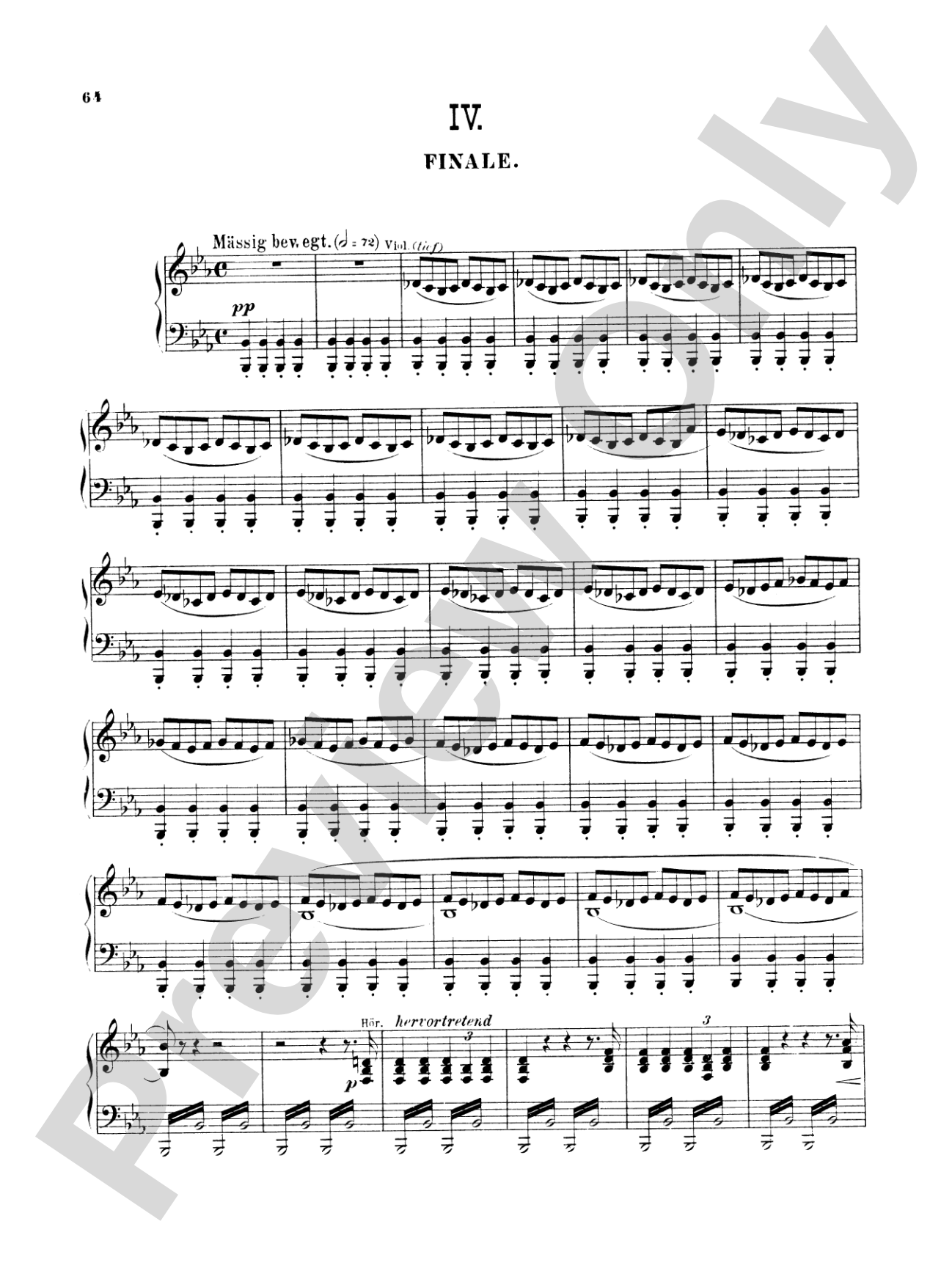
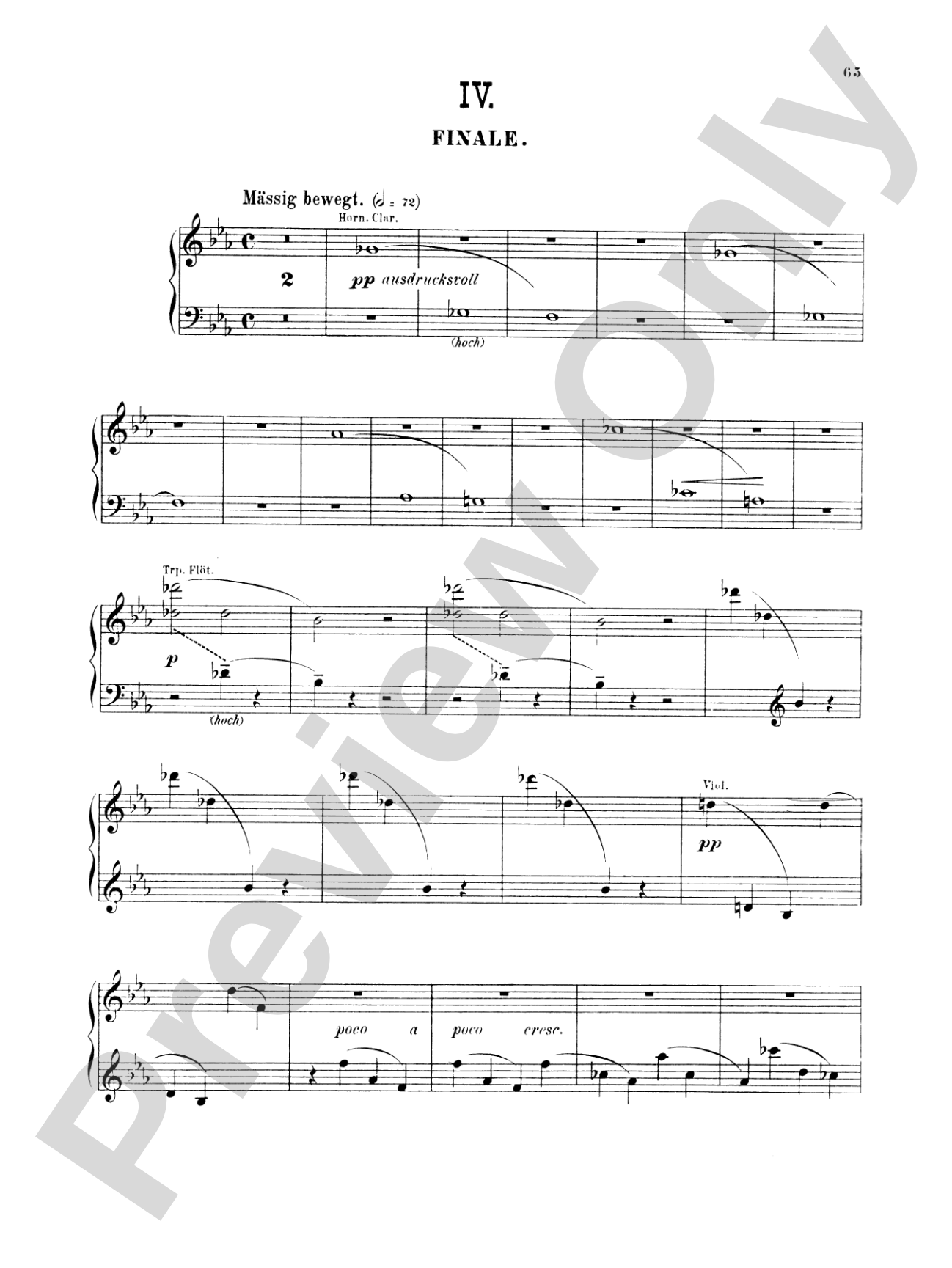
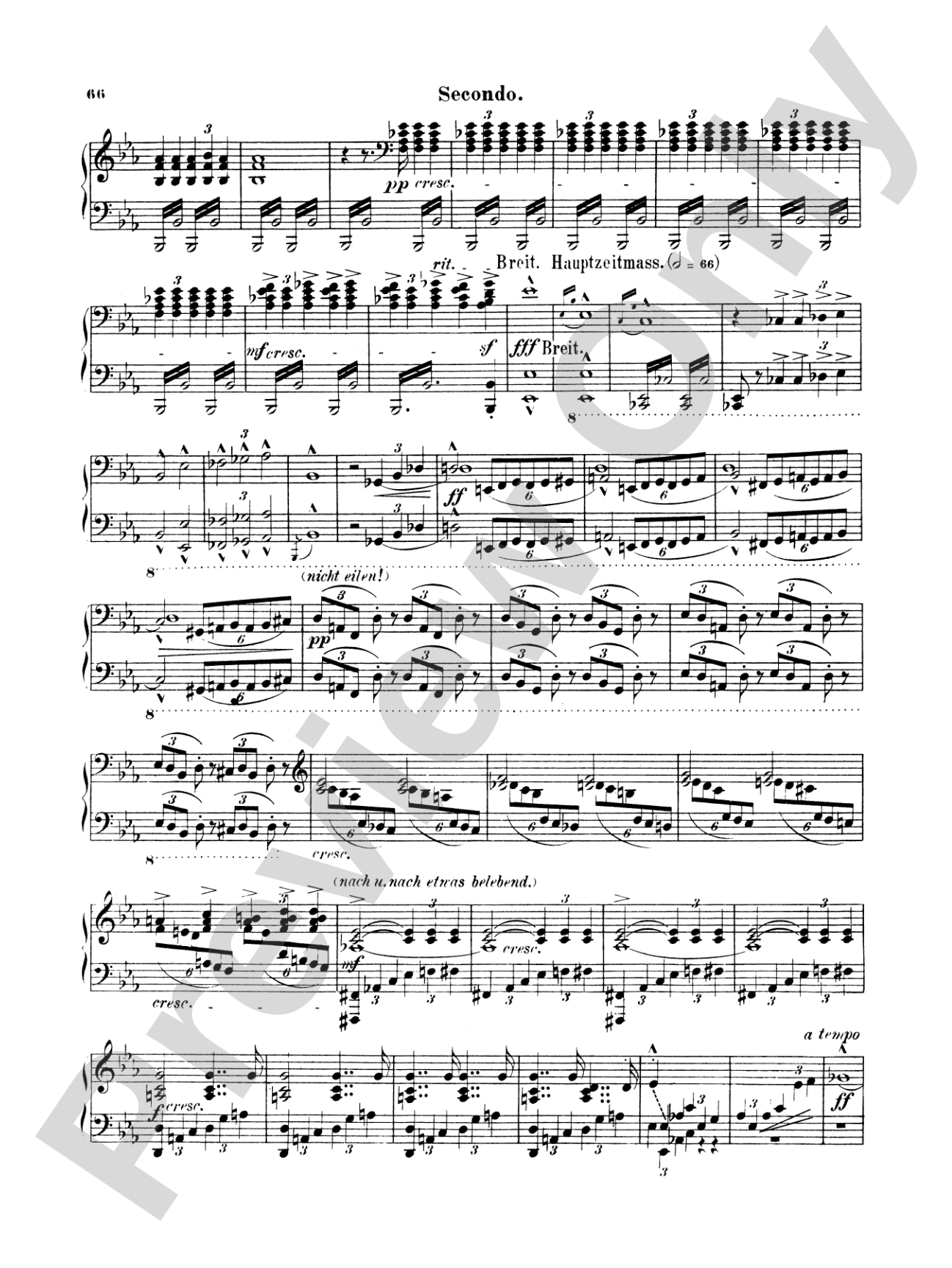
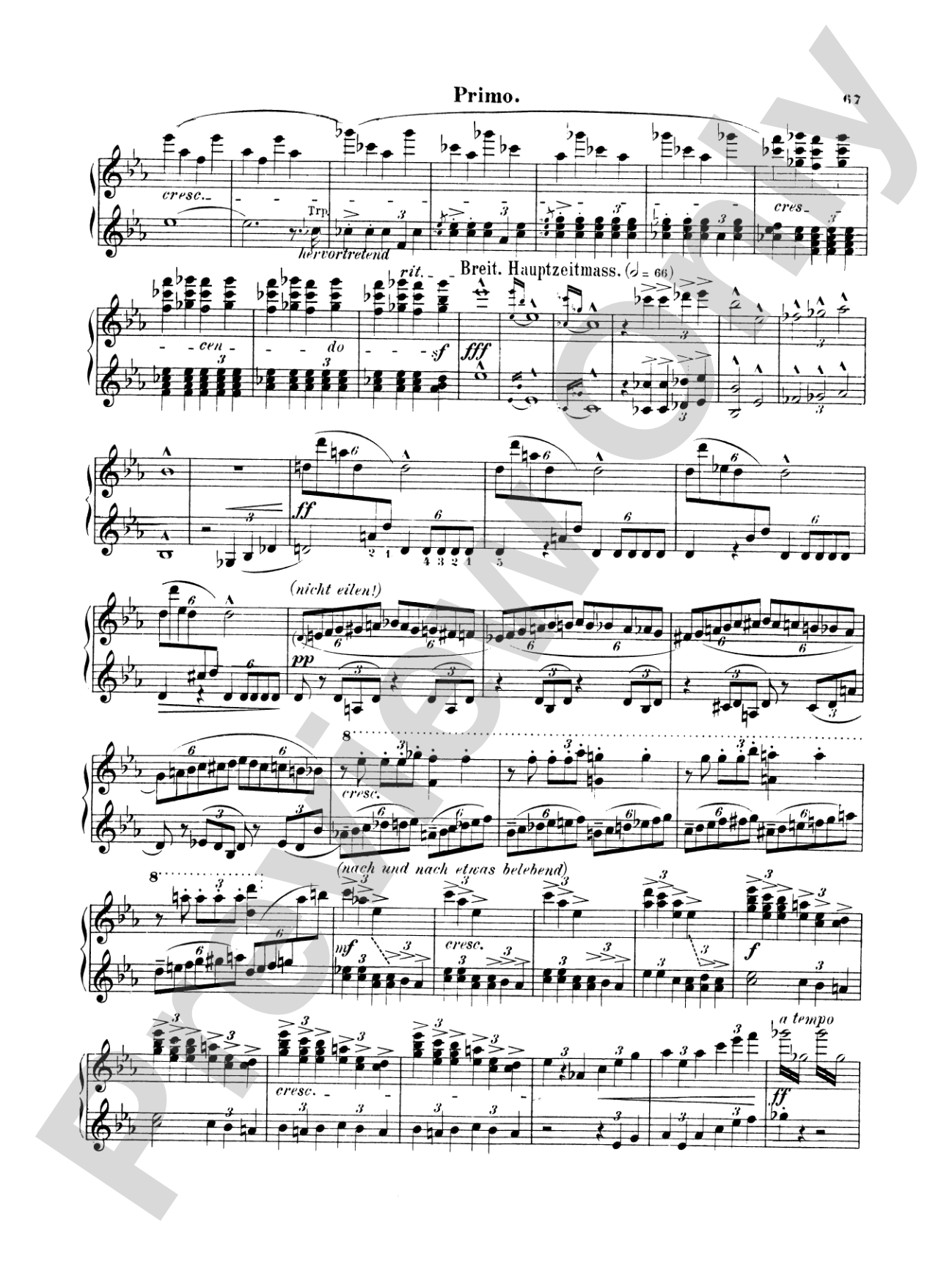
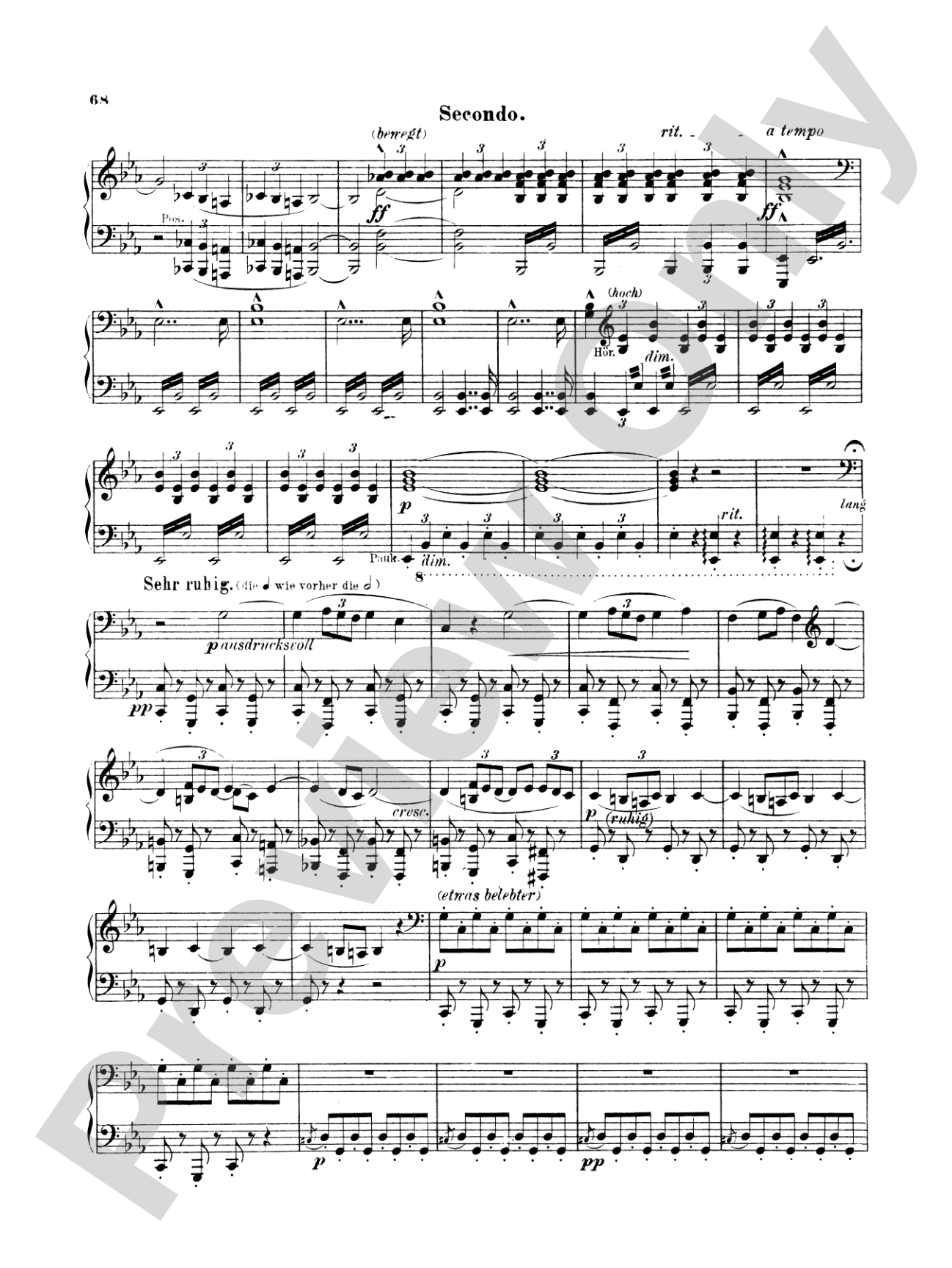
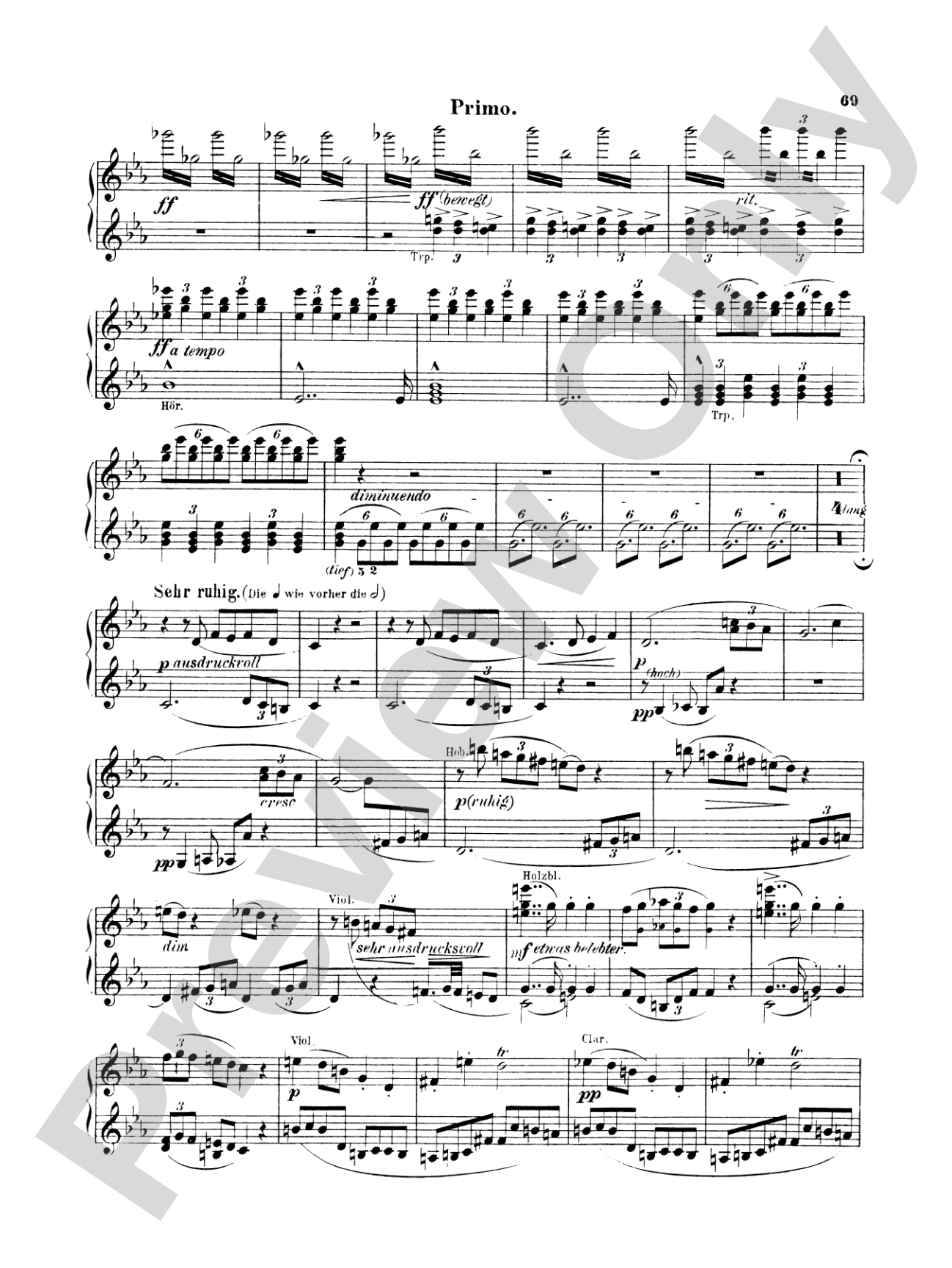

Bruckner: Symphony No. 4 in E flat "Romantic"
By Anton Bruckner
Level: Intermediate / Advanced
Item: 00-PC-0005779
$2.95
Pickup currently not available
Description
An Intermediate / AdvancedPiano Duet, composed by Anton Bruckner for 1 Piano, 4 Hands.


Don't just read it, hear it, play along with it, and watch your students grow with it. In MakeMusic Cloud, Bruckner: Symphony No. 4 in E flat "Romantic" comes alive with professional accompaniment, adjustable tempo, and built-in practice tools that turn solo practice into real progress.
Open in the Player
Jump straight in and assign it today.
Start Your Free Trial
Open this title and explore the full library in minutes.
Sample Audio
No sample audio found.
Sample Video
No sample videos found.
Additional Details
Series:
Kalmus Edition
Publisher:
Alfred Music
Page Count:
92
SKU:
00-PC-0005779
More about this title
About the Composer: Anton Bruckner
Anton Bruckner (1824-1896) was an Austrian composer and organist whose symphonies represent the culmination of Romantic orchestral writing. Working as a cathedral organist and later as a professor of composition at the Vienna Conservatory, Bruckner developed a distinctive style that merged the structural ambitions of Beethoven with the harmonic language and spiritual depth of Wagner. His ten symphonies earned him recognition as one of the era's most significant symphonic voices, though his work was often overshadowed during his lifetime by the dominance of Brahms in Vienna's musical circles.
For music educators, Bruckner's legacy offers insight into large-scale symphonic form and the orchestral textures that defined late Romanticism. His commitment to revision and structural clarity makes his works valuable for studying how composers approach orchestral architecture and thematic development. The Fourth Symphony in particular exemplifies his gift for memorable melody paired with sophisticated harmonic language.
Why we love this
Bruckner's Fourth Symphony captures the expansive, reverent character of high Romanticism in an arrangement that demands genuine musical partnership from both players. The Kalmus edition preserves the symphony's structural integrity while making it accessible to duet teams seeking substantive repertoire beyond the familiar transcription canon. This is one of the rare instances where a major symphonic work translates convincingly to the piano duet medium, rewarding patient, collaborative practice with the chance to inhabit music written by one of the nineteenth century's most visionary orchestrators.
What to expect
Bruckner's Fourth Symphony unfolds with stately grace, moving from majestic opening gestures through passages of intimate, almost hymnic beauty. The work breathes spaciousness and spiritual contemplation, built on monumental harmonic progressions and soaring melodic lines that seem to transcend the concert hall. Even at the keyboard, the music radiates the orchestral grandeur Bruckner envisioned, creating an experience of profound Romantic idealism shared between two players.
Who it's for
Intermediate to advanced piano duet teams with strong sight-reading skills and the maturity to sustain Bruckner's lengthy, contemplative musical statements. This arrangement appeals to pianists seeking symphonic repertoire that goes beyond lighter arrangement collections and to chamber musicians exploring how orchestral masterworks function at the keyboard. Programming this work requires players comfortable with measured tempos, extensive dynamic control, and the patience to develop nuanced collaboration over extended practice.
How to get the most out of it
- Assign primo and secondo parts based on hand comfort and interpretive leadership rather than strict ability level; the secondo part carries harmonic and structural weight equally important to the prima's melodic lines.
- Study the orchestral score or listen to a full orchestra recording alongside the duet version to understand how individual lines were originally voiced; this context clarifies balance and phrasing intentions.
- Shape the lengthy phrases with continuous direction rather than stopping at measure lines; Bruckner's melodies unfold over substantial spans, and both players must commit to the overall arc rather than local gestures.
- Coordinate pedal use carefully between both players, especially in passages where harmonies shift subtly; excessive or uncoordinated pedaling obscures the harmonic language Bruckner constructed.
How to use it
Position this work as a centerpiece in a concert exploring symphonic transcriptions or Romantic-era orchestral music, where it can anchor a program of lighter duet works or serve as an intermission-spanning statement. The extended length and serious character suit a dedicated chamber recital or a festival program dedicated to nineteenth-century keyboard literature. Consider pairing it with selections from a single movement if time constraints exist, as the opening Allegro stands effectively alone.
Skills your students will build
- Sustaining long-range phrasing across substantial spans without losing direction
- Coordinating hands and coordination between two players at dynamic and harmonic transitions
- Reading and interpreting Romantic-era orchestral language transposed to keyboard idiom
- Balancing the relationship between structural voice leading and surface melodic content
- Collaborative ensemble awareness through extended sections requiring interdependent listening and response