

Brazilian Rhythms for Guitar: Samba, Bossa Nova, Choro, Baião, Frevo, and Other Brazilian Styles
Samba, Bossa Nova, Choro, Baião, Frevo, and Other Brazilian Styles
By Carlos Arana
Item: 00-PB-0002270
$22.99
Pickup currently not available
Related Items
Brazilian Rhythms for Guitar: Guitar Book & Online Audio |
$22.99
|
View |
Description
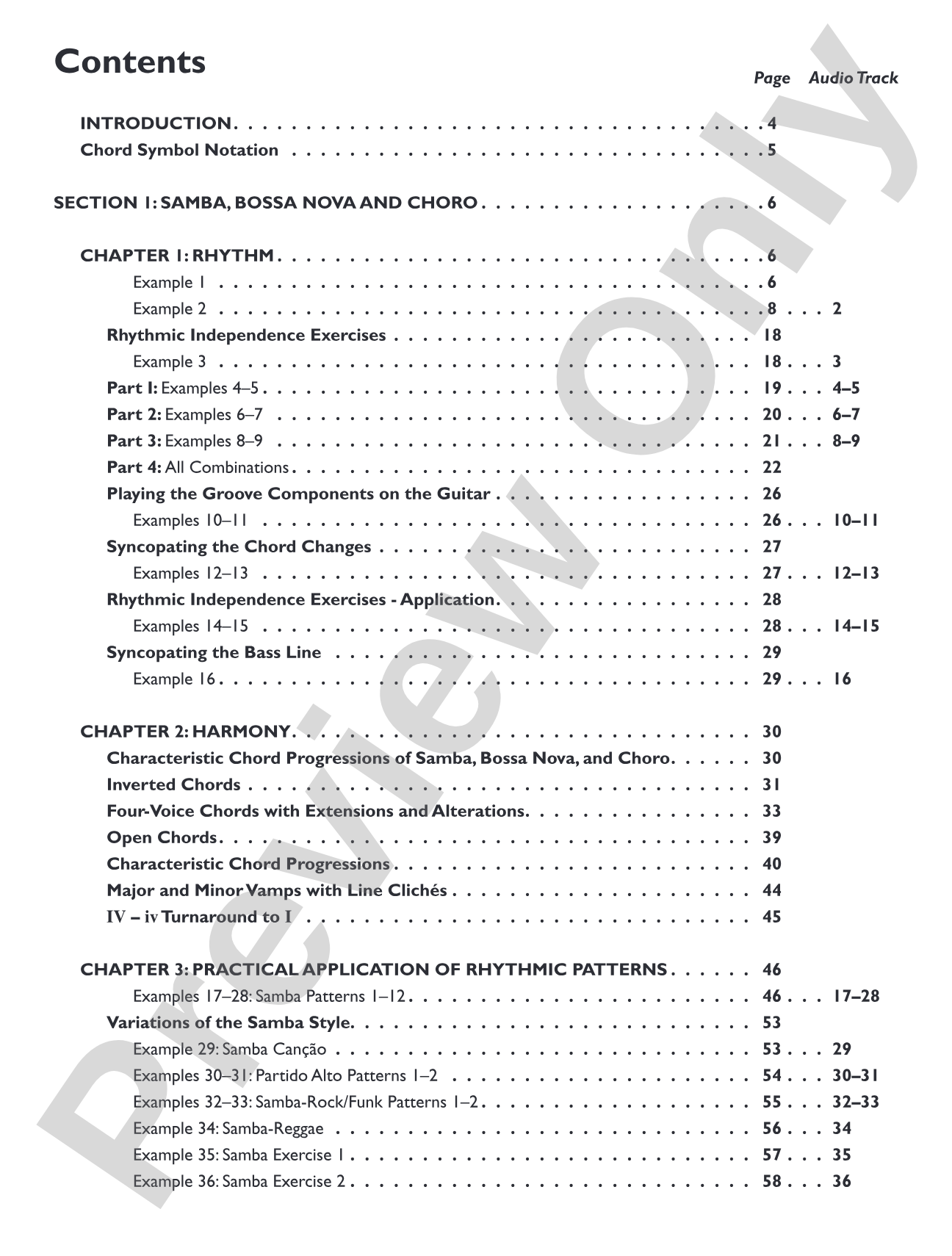
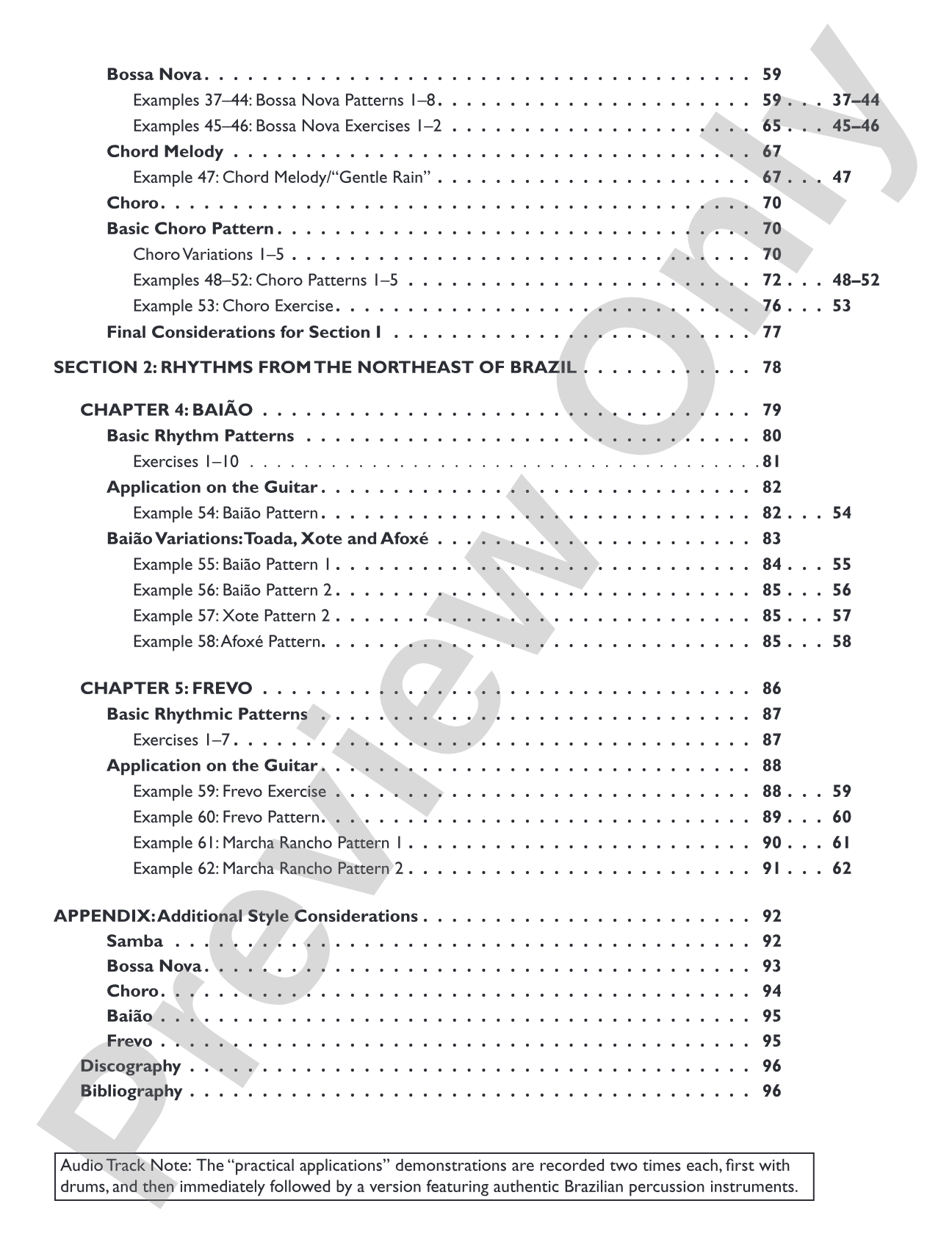
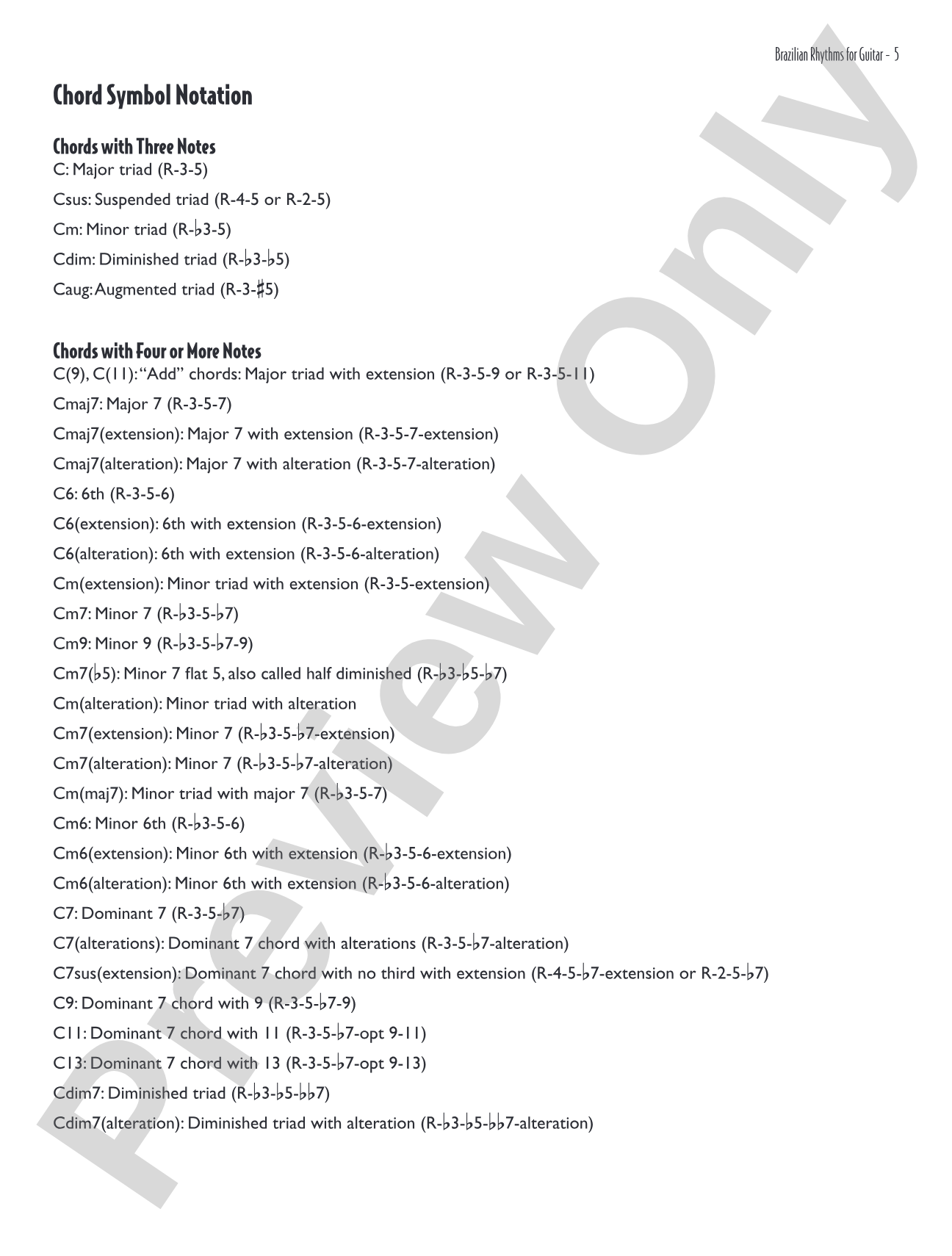
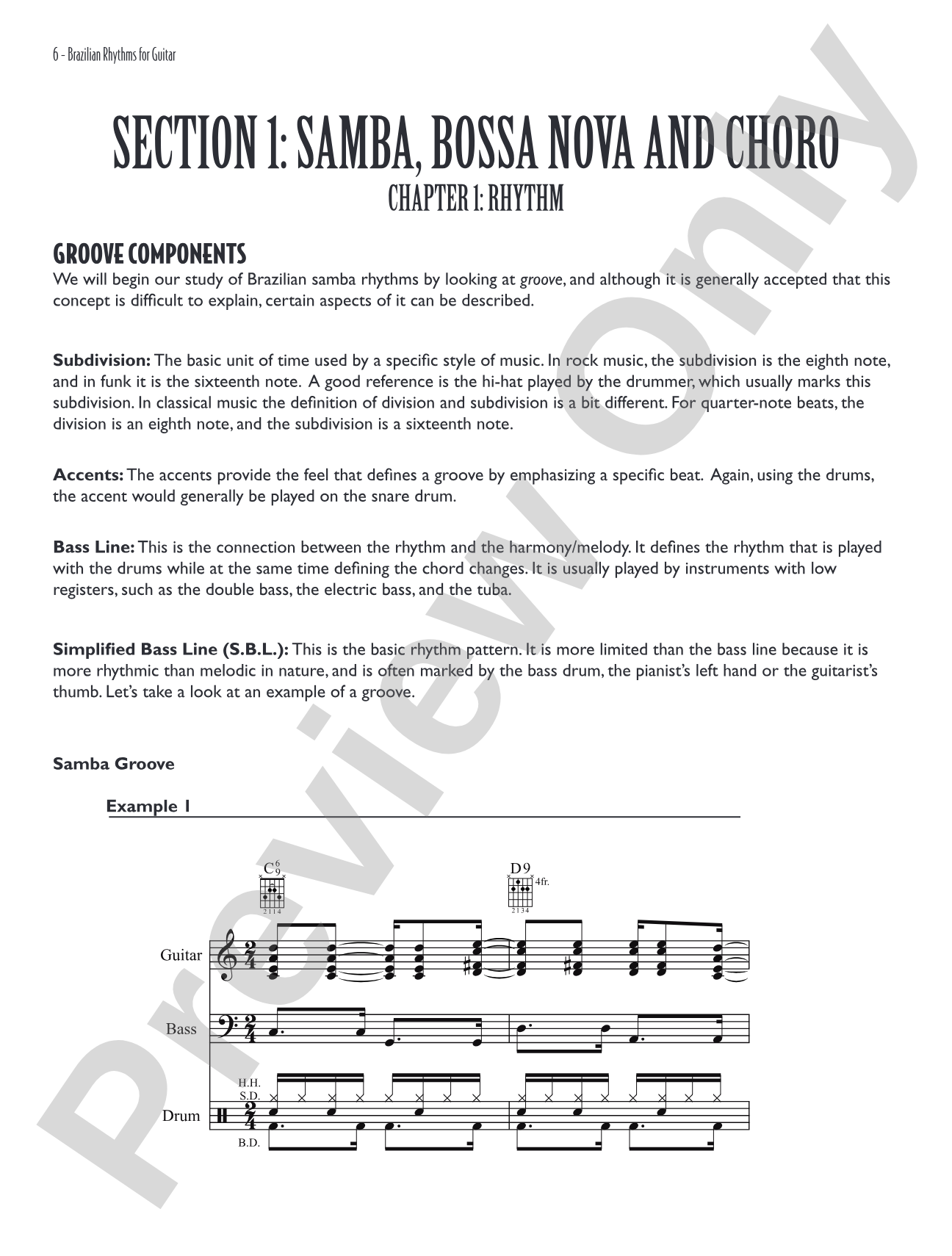
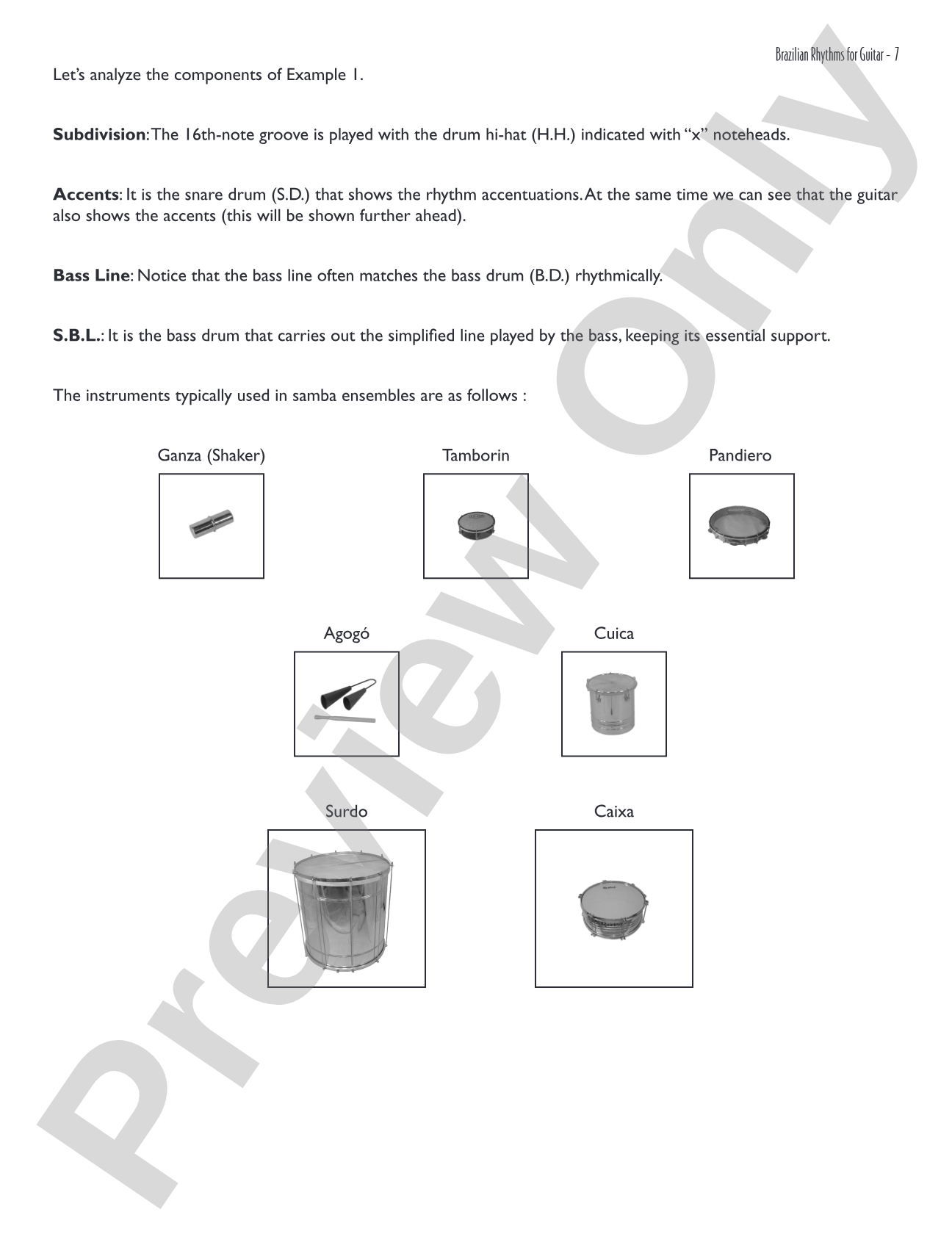
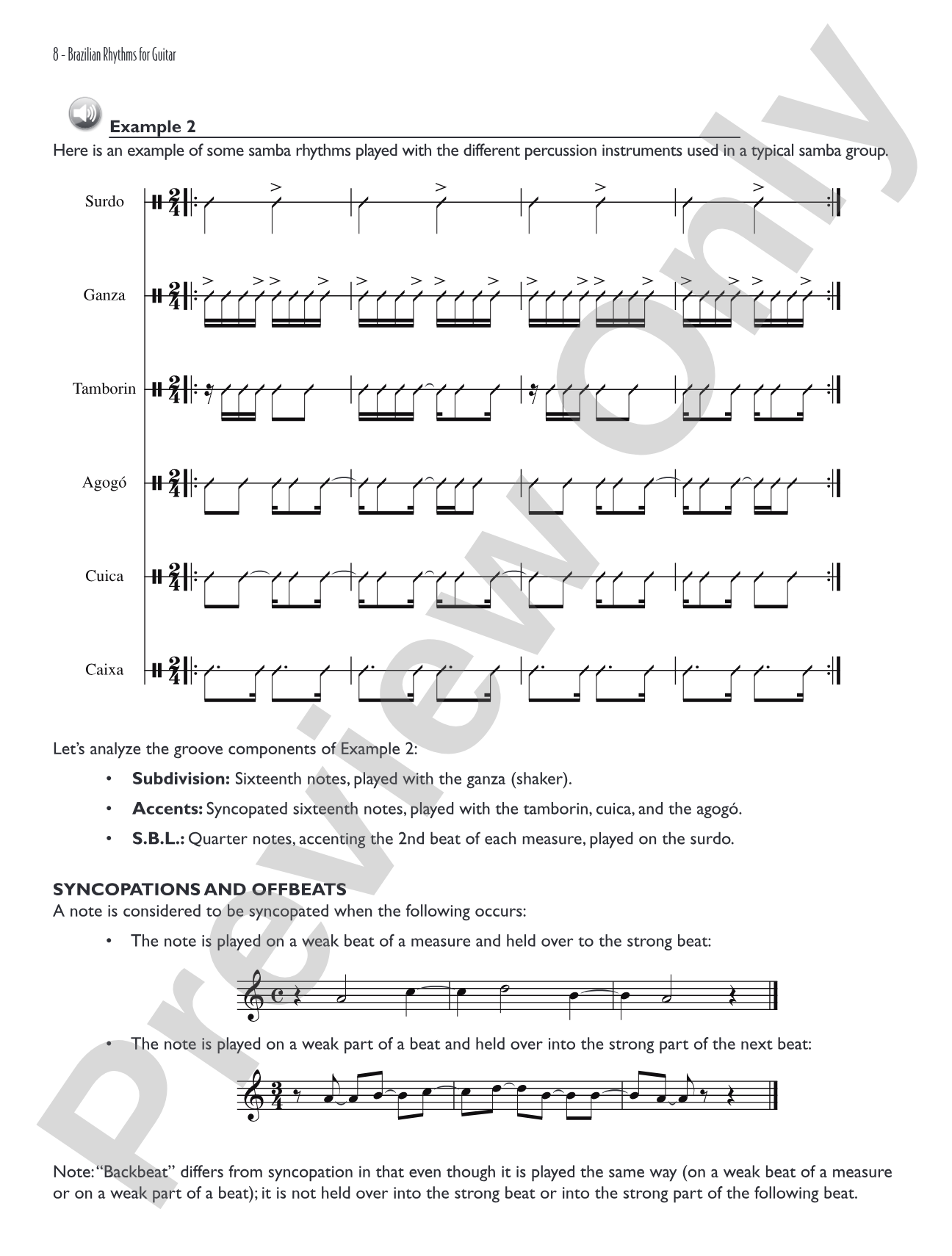
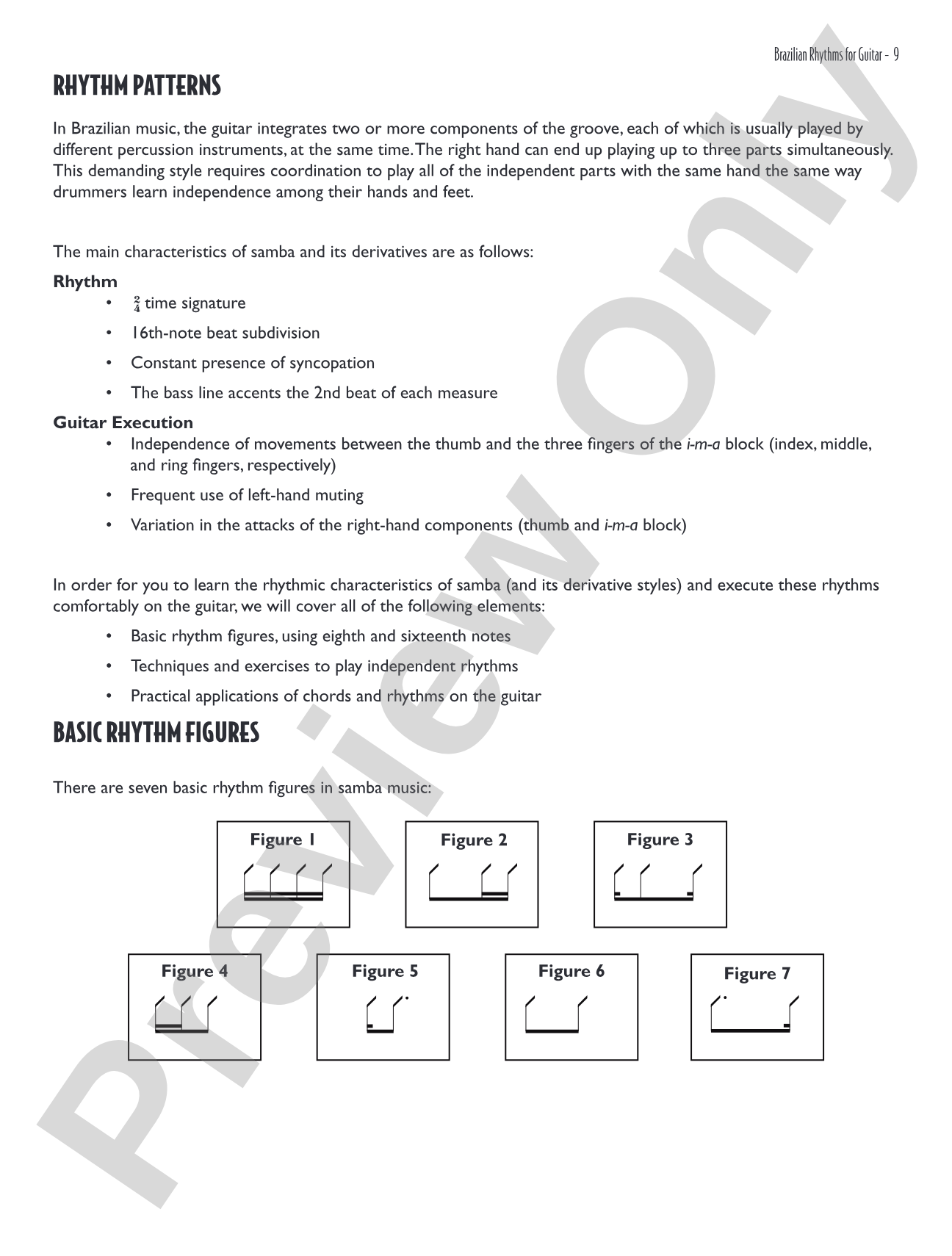
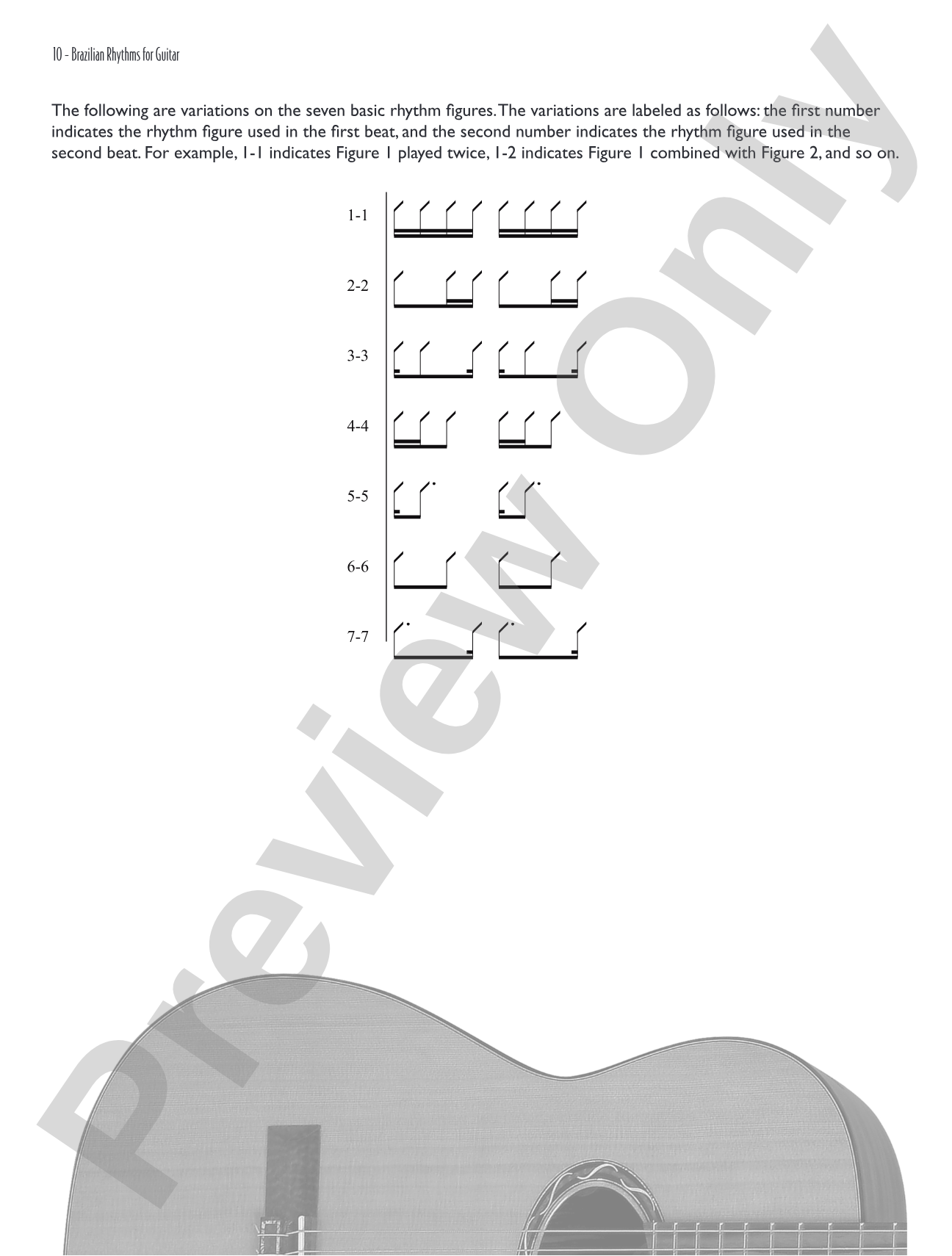
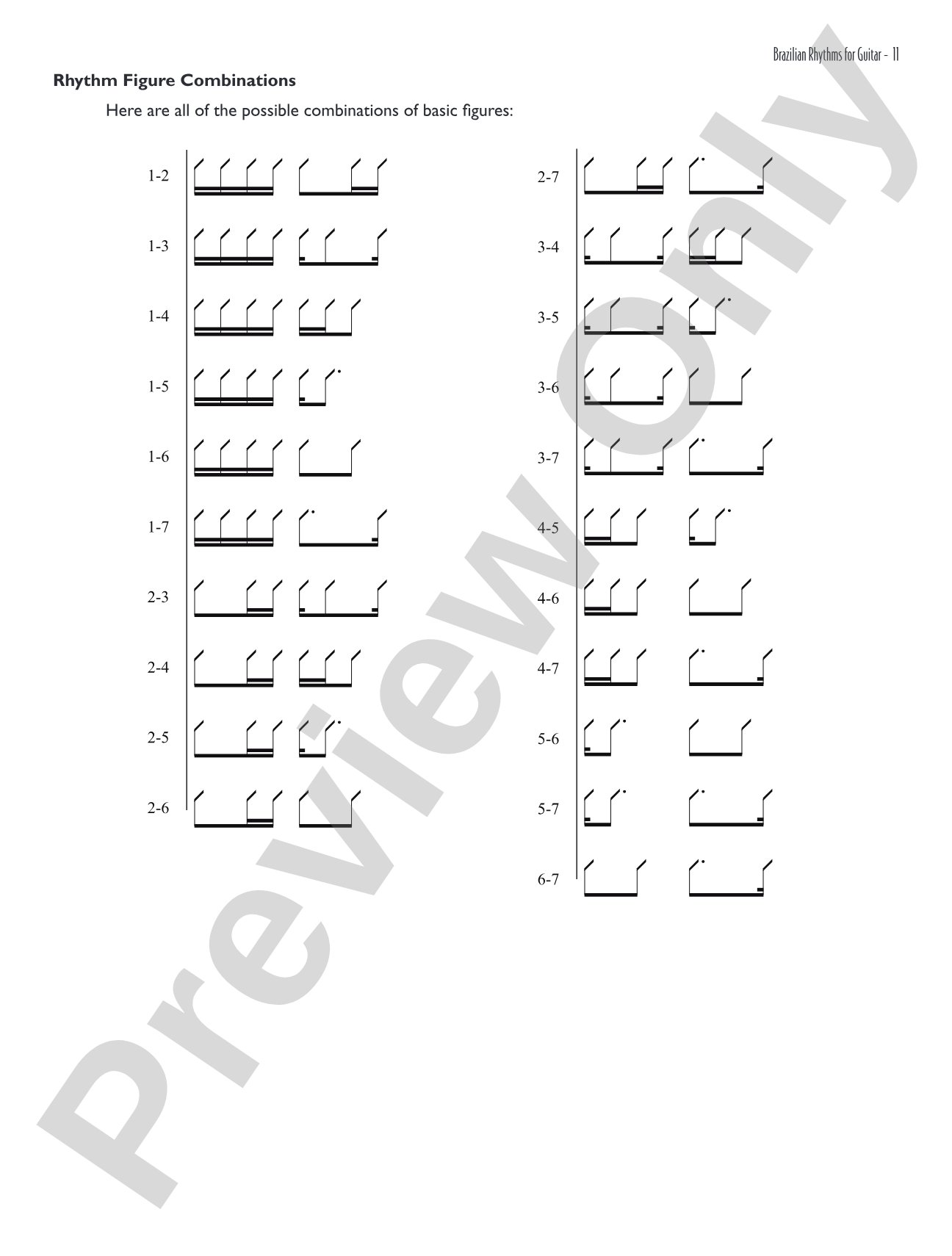
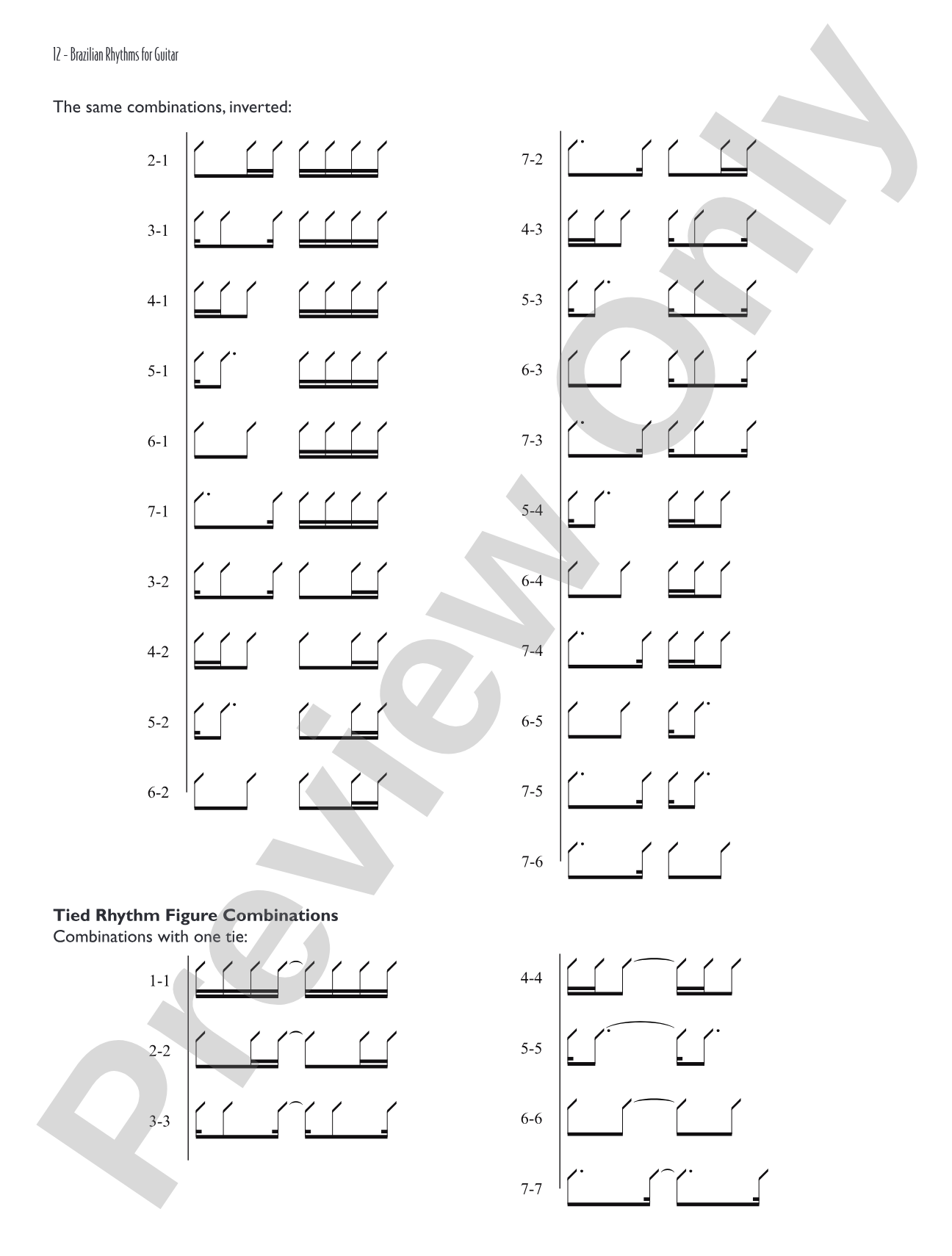
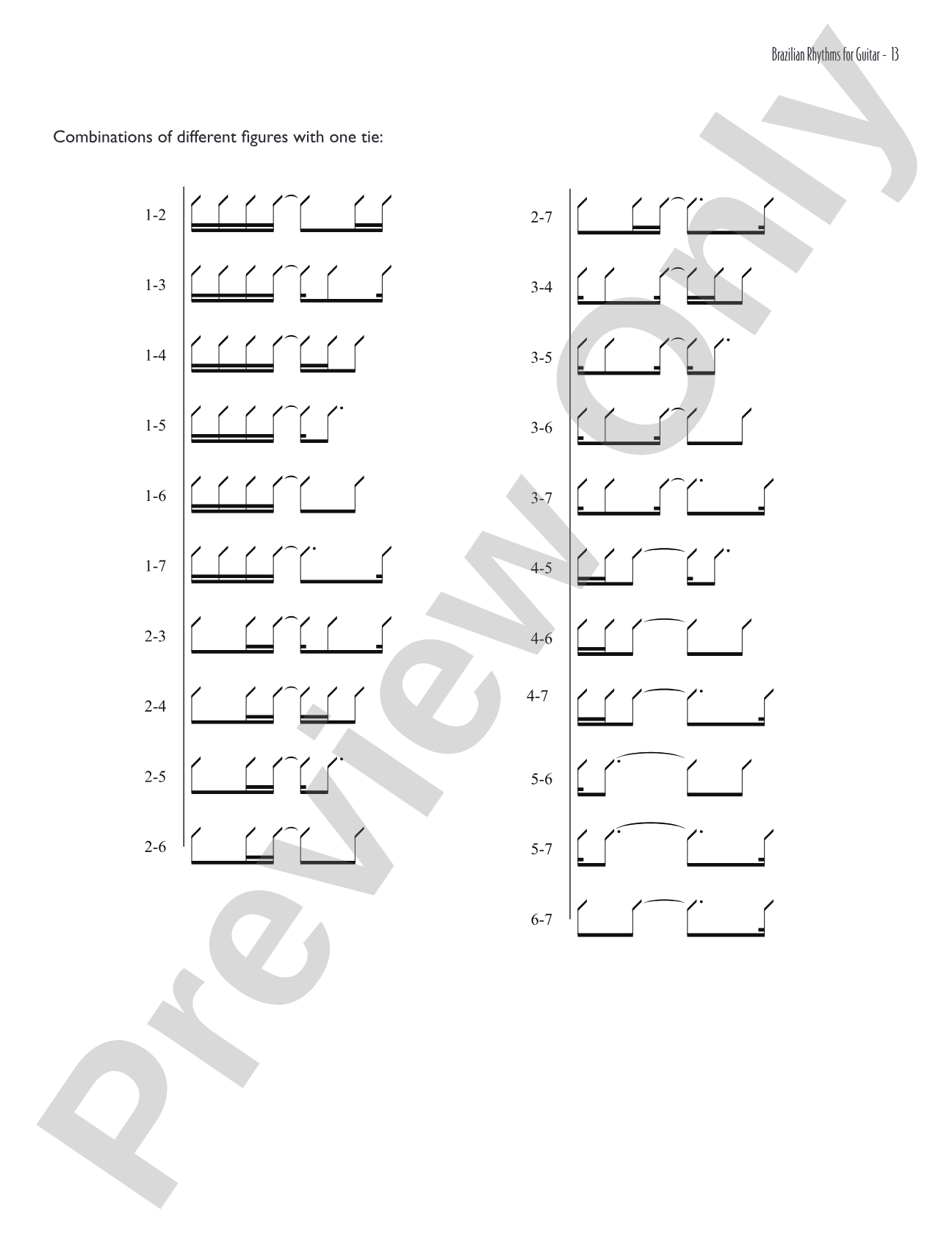
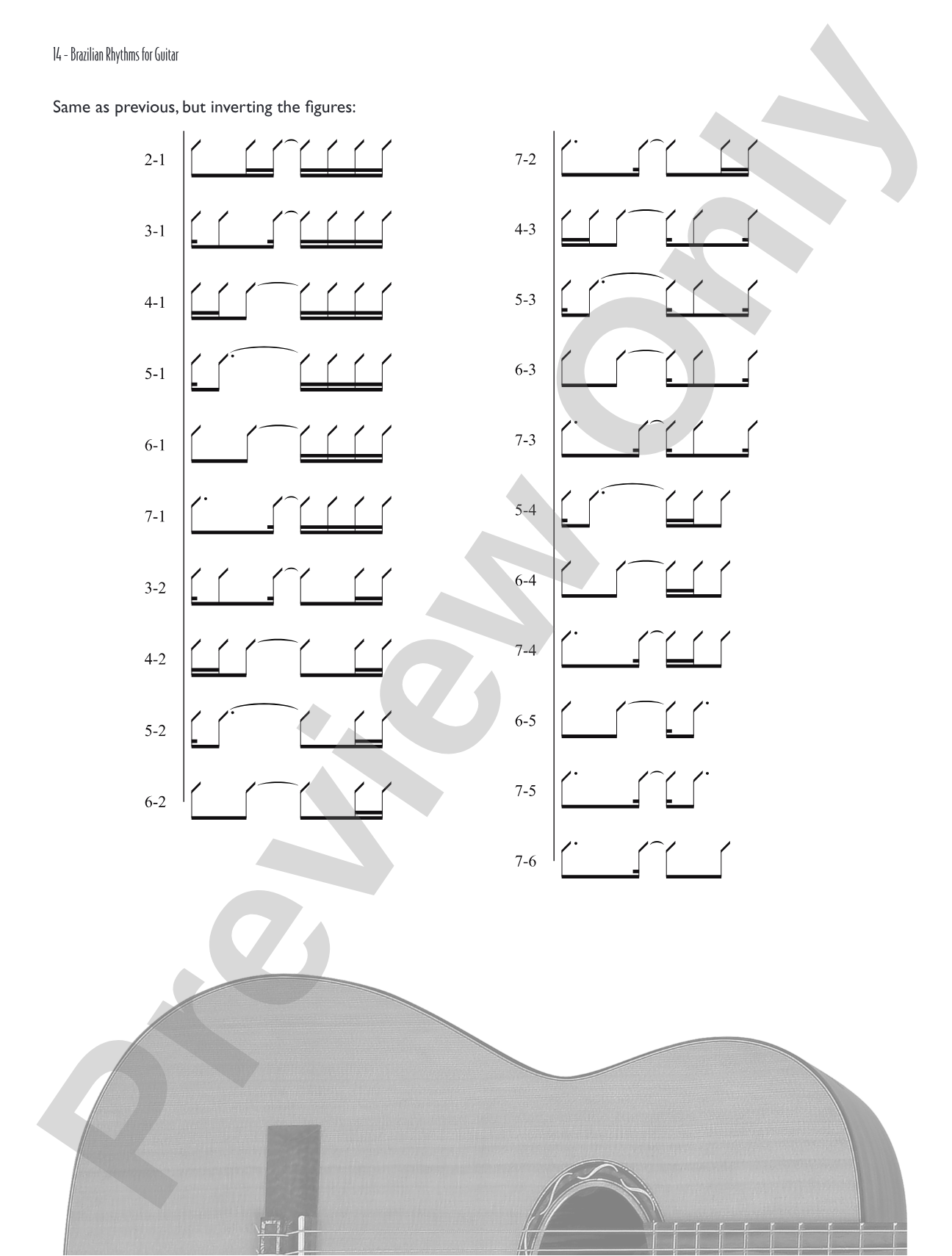
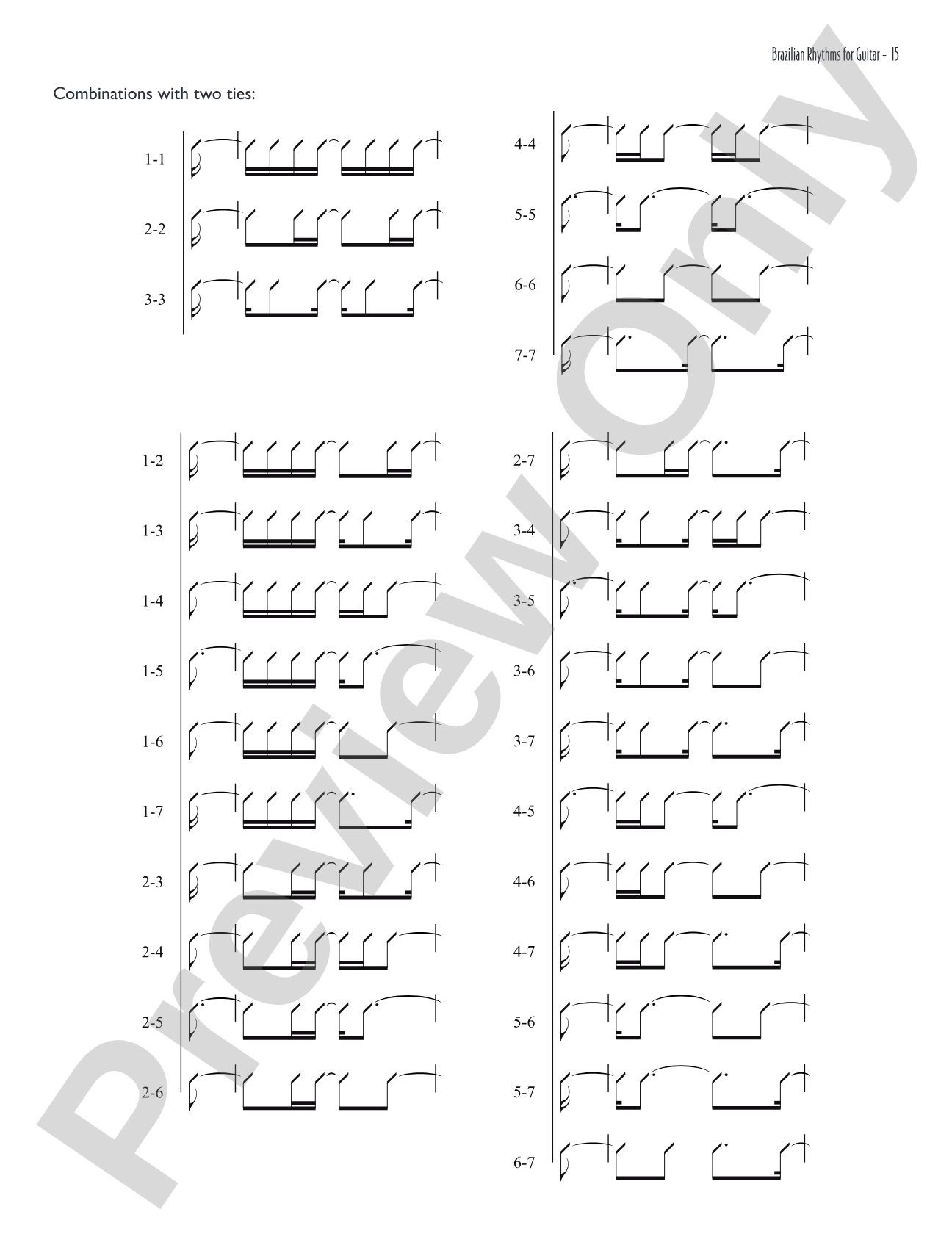
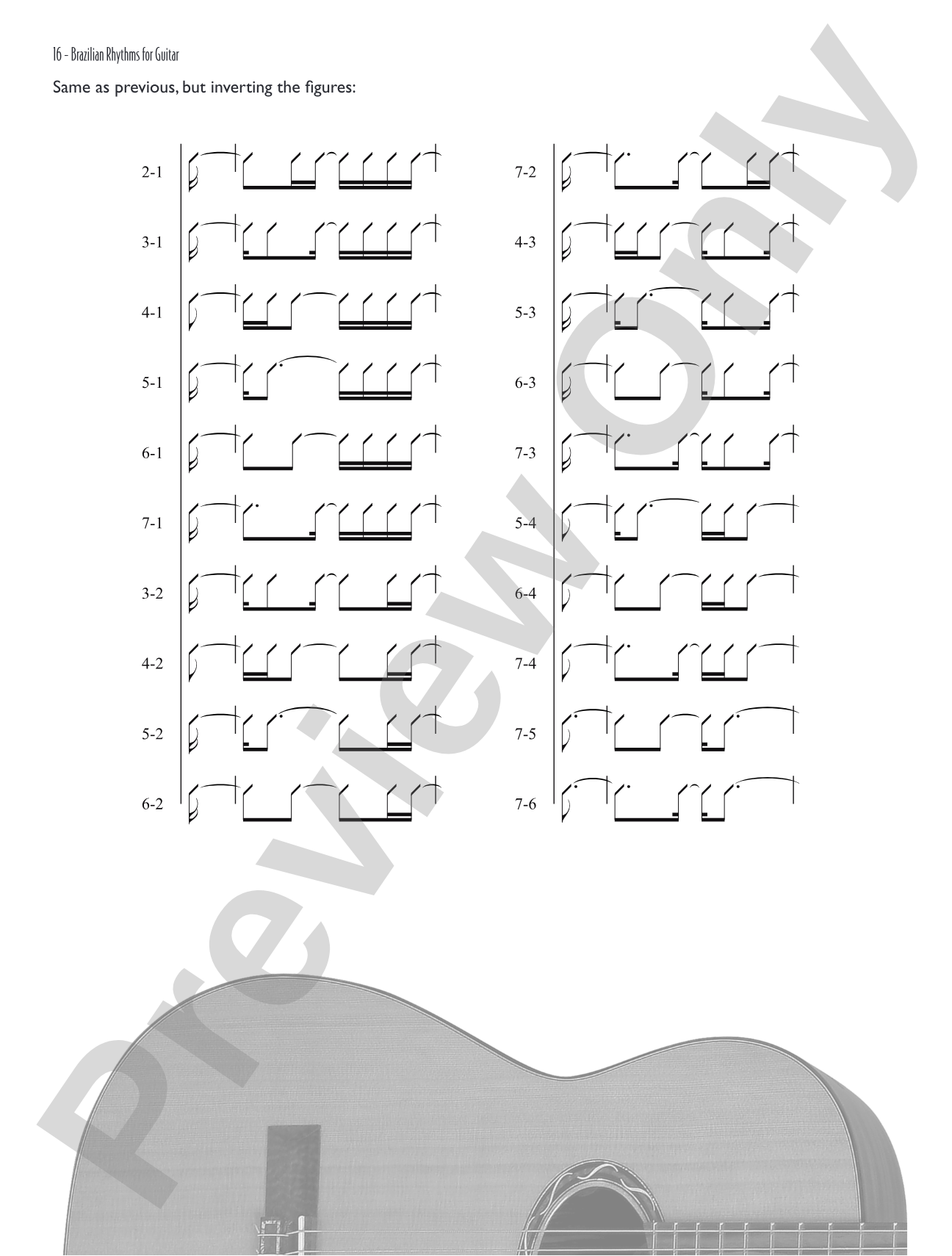
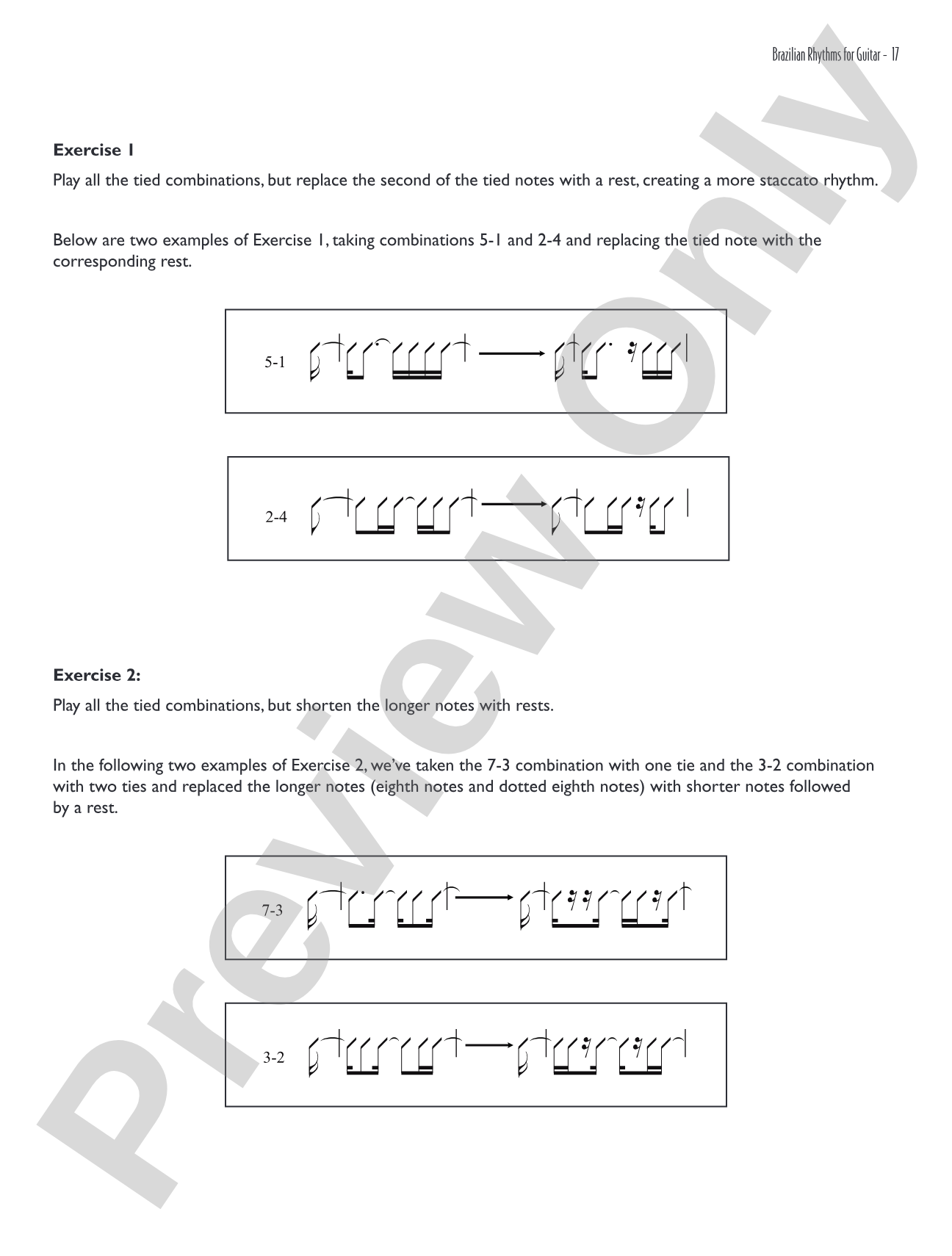
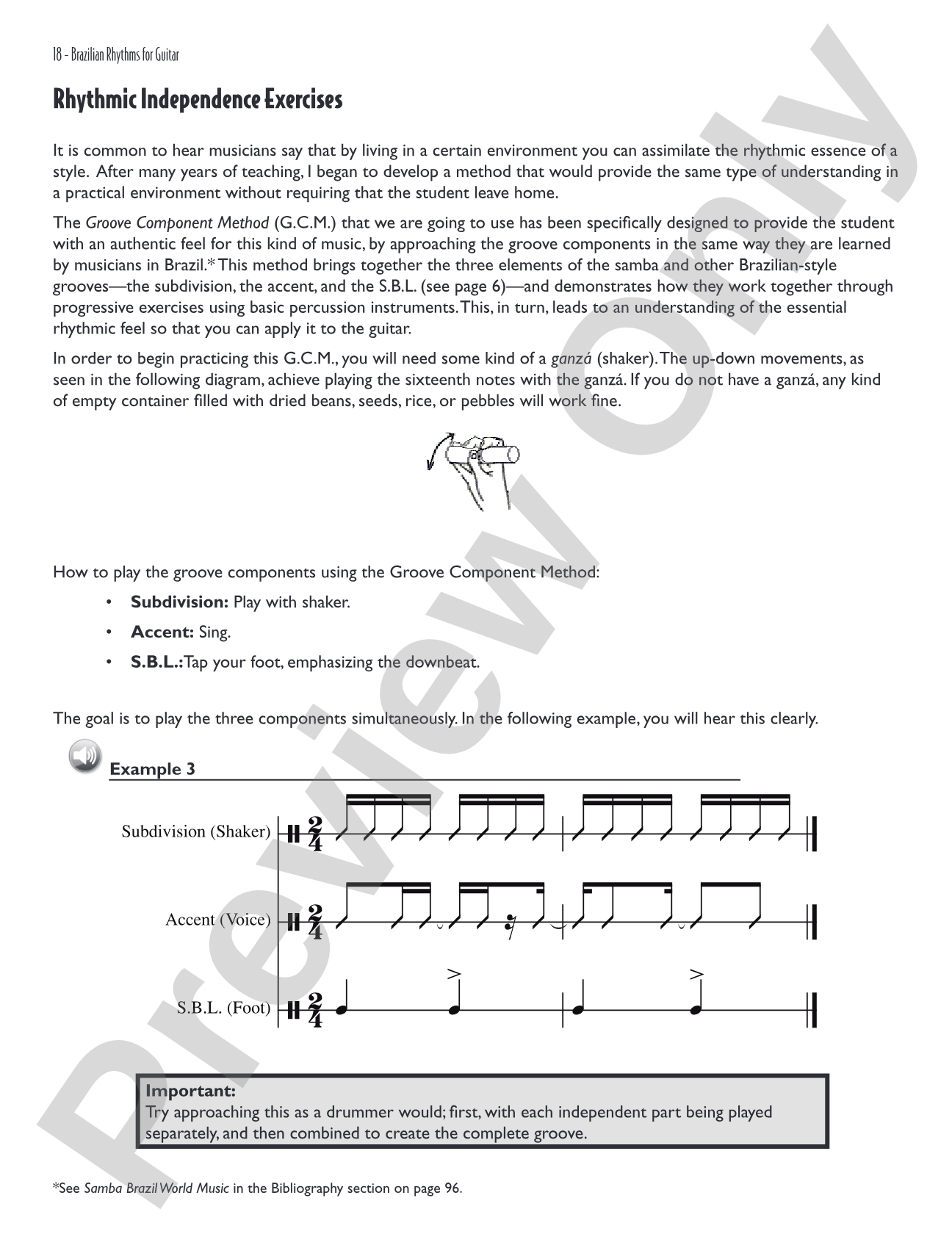
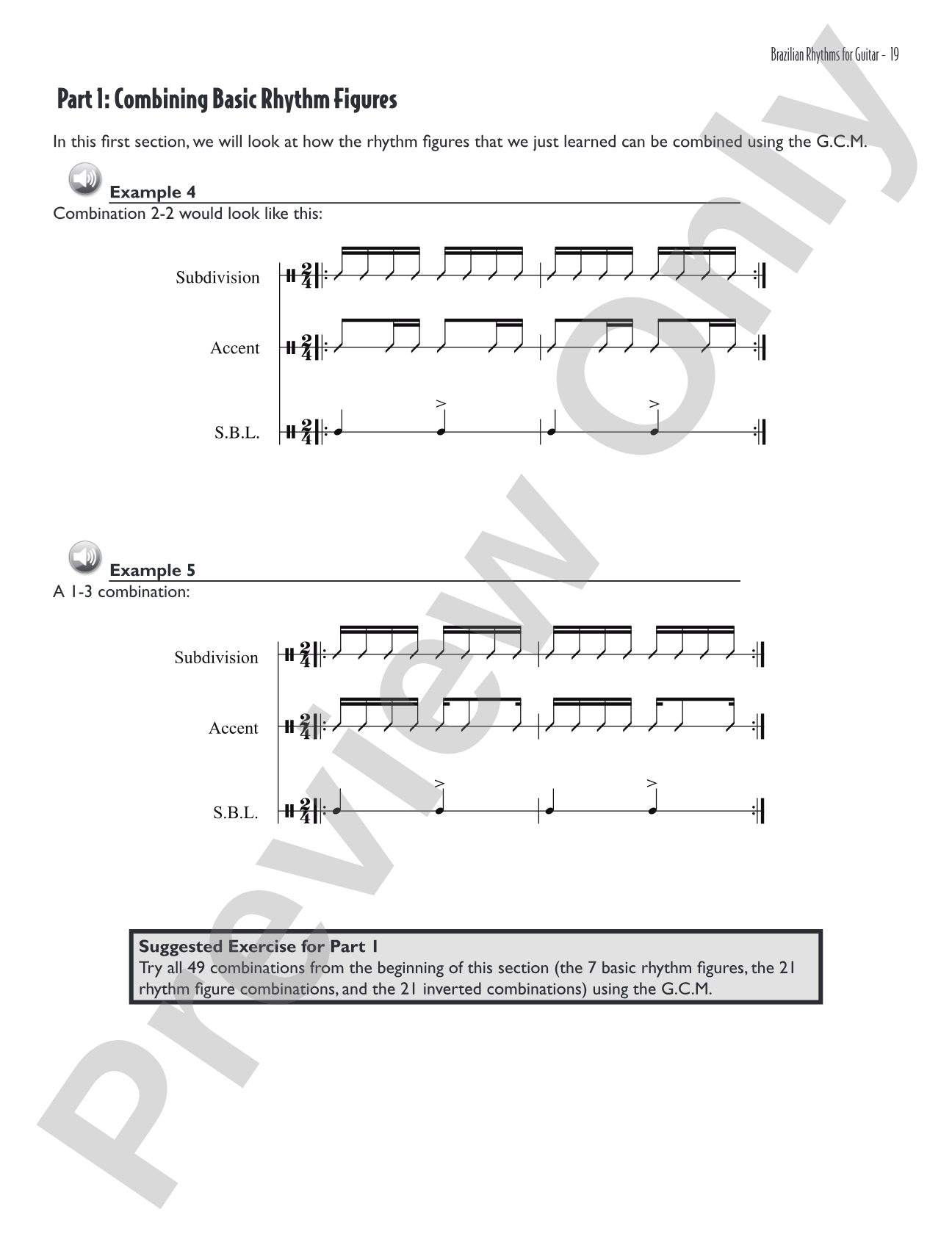
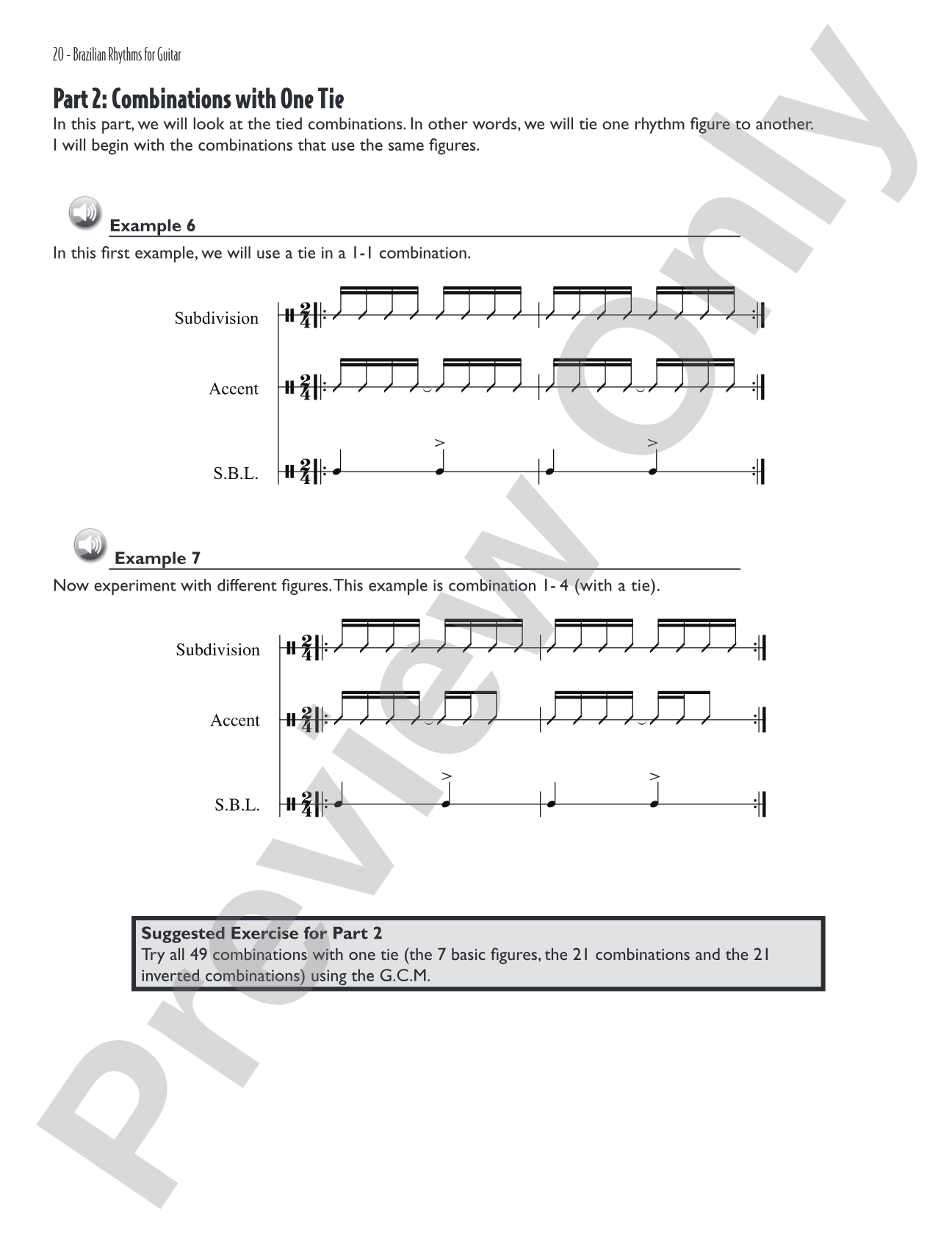
Educator and performer Carlos Arana captures Brazil's rich musical heritage with impeccable stylistic, historic, and technical analyses. The first section of this book covers the fundamental rhythmic and harmonic characteristics of samba, bossa nova, and choro styles followed by practical applications on the guitar. The practical applications break each of the styles down to their historic and regional roots combined with examples that capture the essence of each style. The next section takes you to the northeast of Brazil with the rhythm figures of baião, toada, xote, afoxé, frevo, Marcha, and Marcha Rancho. Over 60 examples, written in standard notation and tablature, are demonstrated on the included recording.


Brazilian Rhythms for Guitar: Samba, Bossa Nova, Choro, Baião, Frevo, and Other Brazilian Styles isn't in MakeMusic Cloud just yet...but it could be. Let us know you'd like to see it, and you'll help shape what comes next. In the meantime, start a free trial and dive into thousands of interactive titles your students can play along with today.
Request This Title
Tell us you want it.
Start Your Free Trial
Explore everything that's ready to play right now.
Sample Audio
1
Corazao Vagabundo
--:--
2
Gentle Rain
--:--
3
Marcha Rancho
--:--
Corazao Vagabundo
0:00
0:00
Sample Video
No sample videos found.
Additional Details
Series:
Guitar Masters Series
Publisher:
Alfred Music
Page Count:
100
SKU:
00-PB-0002270
More about this title
About the Composer: Carlos Arana
Carlos Arana brings deep expertise in Brazilian music to his teaching and performance work. His approach combines rigorous historical scholarship with practical guitar technique, making the complexities of Brazilian styles accessible to serious students.
Why we love this
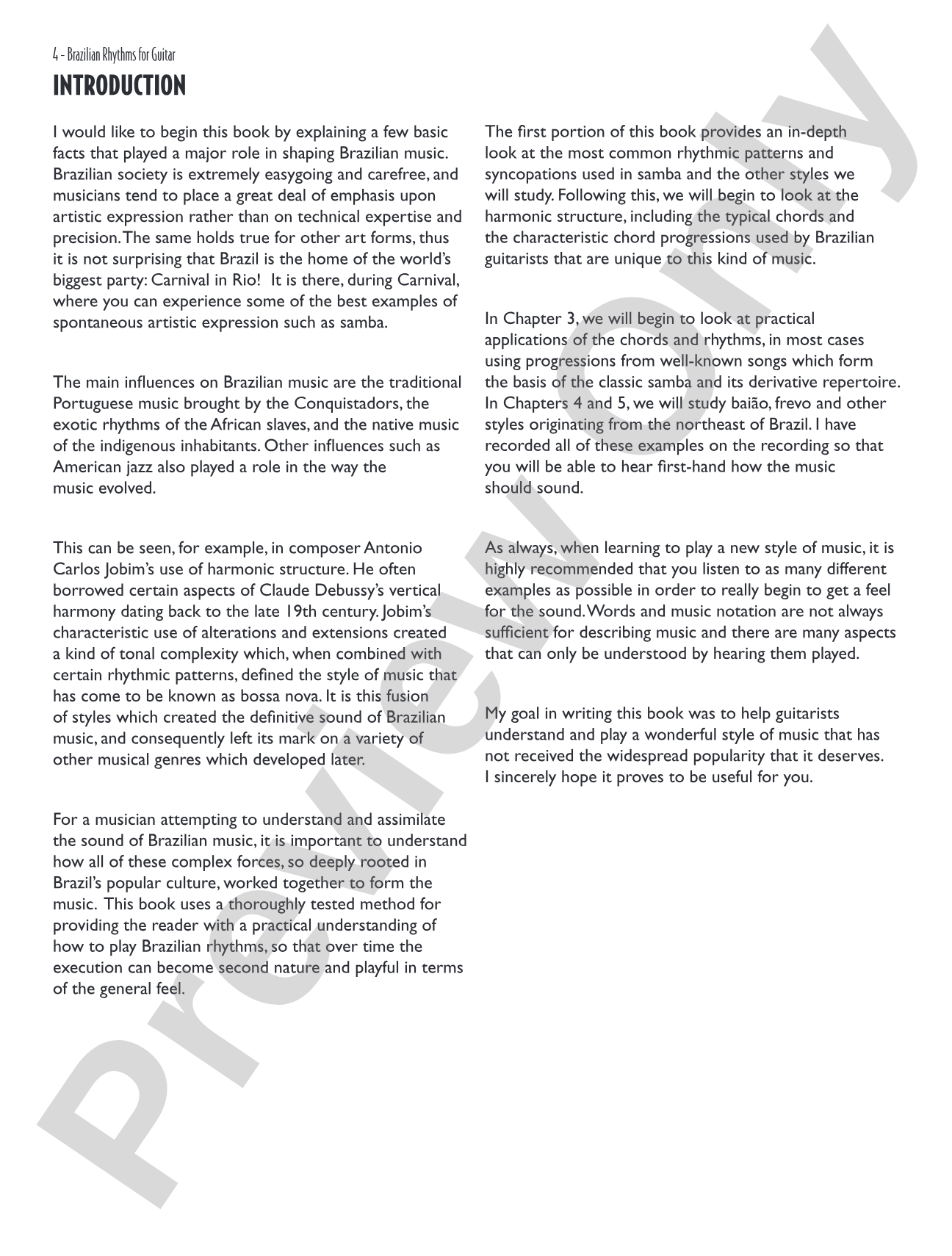
Arana's method stands apart because it situates every rhythm and harmonic device within its actual geographic and historical context rather than presenting Brazilian styles as interchangeable exotica. The progression from Rio's samba, bossa nova, and choro into the distinct regional traditions of the northeast gives students a real education in Brazilian music, not just a collection of grooves. Over 60 recorded examples make this a complete learning ecosystem.
What to expect
Moving through this book feels like traveling Brazil itself, starting in the urban sophistication of Rio and journeying northeast into rhythmically complex, regionally distinctive traditions. The music swings with infectious energy while demanding real technical and harmonic attention.
Who it's for
Intermediate to advanced guitarists ready to move beyond basic groove patterns into the actual language of Brazilian music. This works equally well for classical guitarists seeking repertoire context and jazz players building their Latin vocabulary.
How to get the most out of it
- Study the historic roots section before attempting the practical applications. Understanding why a rhythm evolved the way it did changes how you voice the chords and feel the pulse.
- Use the included recordings actively by playing along at different tempos, not just passively listening. This builds the muscle memory these styles demand.
- Focus on one regional tradition at a time rather than sampling all of them. Mastery of baião's specific clave and harmonic language will deepen faster than skimming six styles.
How to use it
Assign sections strategically throughout the year to students pursuing jazz electives or Brazilian music units. The first half works well as a foundation in the fall; use the northeast section as enrichment for students ready to deepen their knowledge by spring.
Skills your students will build
- Identifying and executing samba, bossa nova, and choro rhythmic patterns
- Understanding the harmonic relationships unique to each Brazilian style
- Recognizing regional variations within baião, toada, xote, afoxé, and frevo traditions
- Reading and applying standard notation and tablature in a Latin jazz context
- Building independence between melody, harmony, and rhythmic accompaniment in Brazilian grooves