


Brazilian Love Affair: Jazz Ensemble Conductor Score & Parts
Arranged by Eric Richards
Grade: 4
Item: 35-PK00311694
$55.00
Pickup currently not available
Buy Extra Parts (Digital PDF Download)
Parts Added to Cart!
Description
In a throwback to the jazz-influenced RB style of the late 1970s, here is a driving samba/funk version of this hit by George Duke. Featuring a pair of trombones and tenor saxes at the top, this chart builds energy throughout with carefully crafted interplay between all sections of the band. Solos are included for alto, trombone, bass and piano.


Brazilian Love Affair: Jazz Ensemble Conductor Score & Parts isn't in MakeMusic Cloud just yet...but it could be. Let us know you'd like to see it, and you'll help shape what comes next. In the meantime, start a free trial and dive into thousands of interactive titles your students can play along with today.
Request This Title
Tell us you want it.
Start Your Free Trial
Explore everything that's ready to play right now.
Sample Audio
No sample audio found.
Sample Video
No sample videos found.
Additional Details
Publisher:
Hal Leonard
SKU:
35-PK00311694
More about this title
About the Arranger: Eric Richards
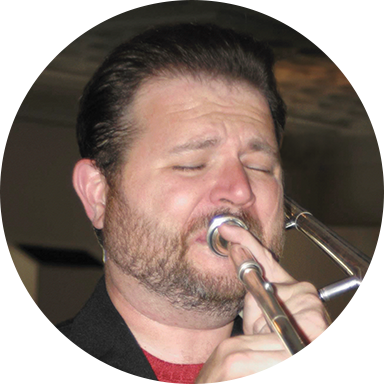
Eric Richards brings decades of professional experience across composition, arranging, and conducting to his work at the University of Nebraska-Lincoln School of Music, where he serves on the composition faculty. His arrangements and original works have been performed at prestigious venues including Carnegie Hall and the Montreux, Nice, and North Sea Jazz Festivals by ensembles ranging from the US Army Field Band to the National Symphony Orchestra and Boston Pops.
From 1984 to 2004, Richards held the position of composer and arranger with the US Army Field Band, a role that shaped his sophisticated approach to ensemble writing and his deep understanding of how sections interact within large groups.
Why we love this
Richards captures the rhythmic sophistication and harmonic richness of late 1970s R&B-influenced jazz without sacrificing accessibility for Grade 4 ensembles. The chart's architecture around trombone and tenor saxophone voices creates natural leadership and focus, while strategic solo opportunities for multiple instruments ensure every section feels invested in the performance.
What to expect
The arrangement radiates the warm, syncopated energy of 1970s soul and funk transplanted into a samba context. Trombones and tenors trading the melody creates a conversational, call-and-response feel that propels the piece forward with infectious momentum and infectious groove.
Who it's for
Jazz ensembles at the intermediate level seeking material that balances authentic funk and Latin grooves with straightforward execution. Directors can program this for groups ready to tackle samba rhythms and interplay between sections without needing advanced improvisation skills or exceptional reading ability.
How to get the most out of it
- Lock the rhythm section (bass and drums) into the pocket first, then layer the sax and trombone lines on top to achieve the samba/funk groove the chart demands.
- Balance the two tenor saxes and pair of trombones in the ensemble passages; they're the melodic anchors, so their blend and intonation set the foundation for everything else.
- Give soloists room to breathe and personalize their interpretations, particularly the alto and trombone solos, which should feel conversational rather than rigid.
- Use the energy arc built into the arrangement to shape phrasing and dynamics across the full performance; the chart deliberately builds momentum, so resist the urge to let the tempo sag in the middle section.
How to use it
Pair this as a centerpiece in a jazz concert celebrating the funk and Latin influences on contemporary jazz, or use it mid-season as an energizing contrast to ballads and standards in rehearsal. Its accessibility at Grade 4 makes it ideal for introducing ensemble students to samba rhythms and solo spotlight opportunities within a performance context.
Skills your students will build
- Reading and executing samba and funk rhythms accurately
- Listening and balancing within a melody-driven ensemble texture
- Solo construction and improvisation (alto, trombone, bass, piano)
- Rhythmic precision and pocket feel alongside a walking bass line
- Section coordination and musical conversation between brass and reeds