
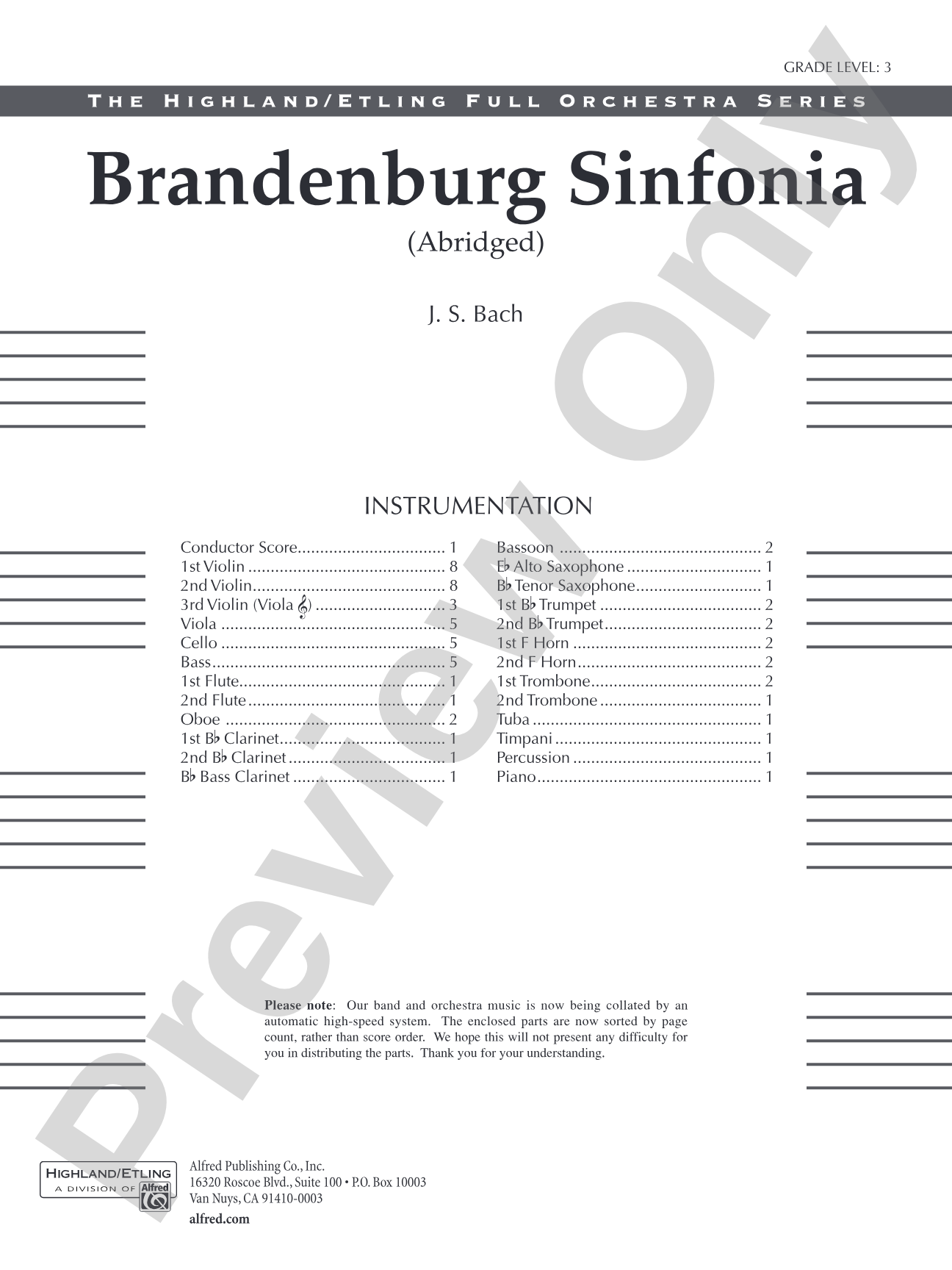

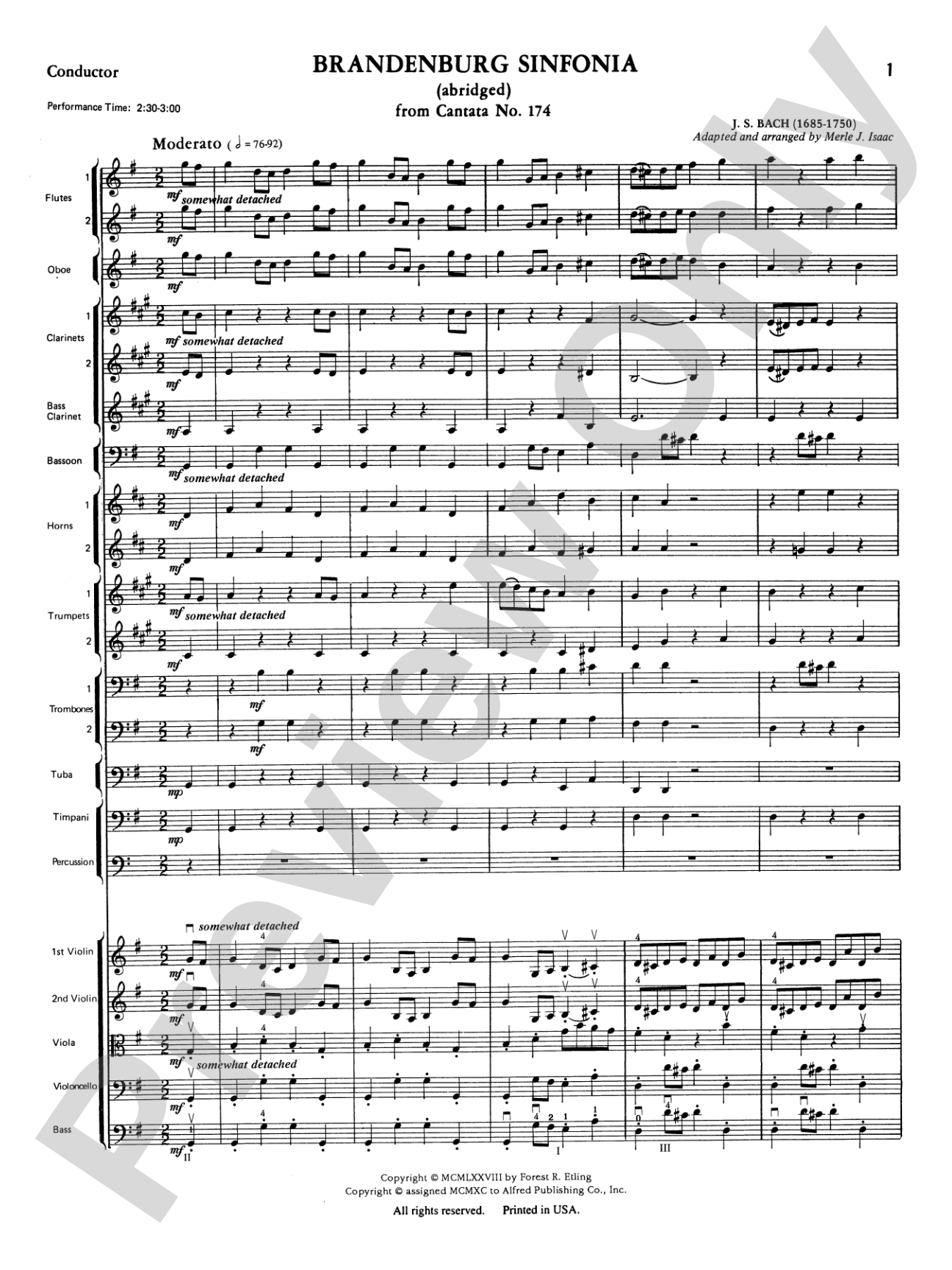
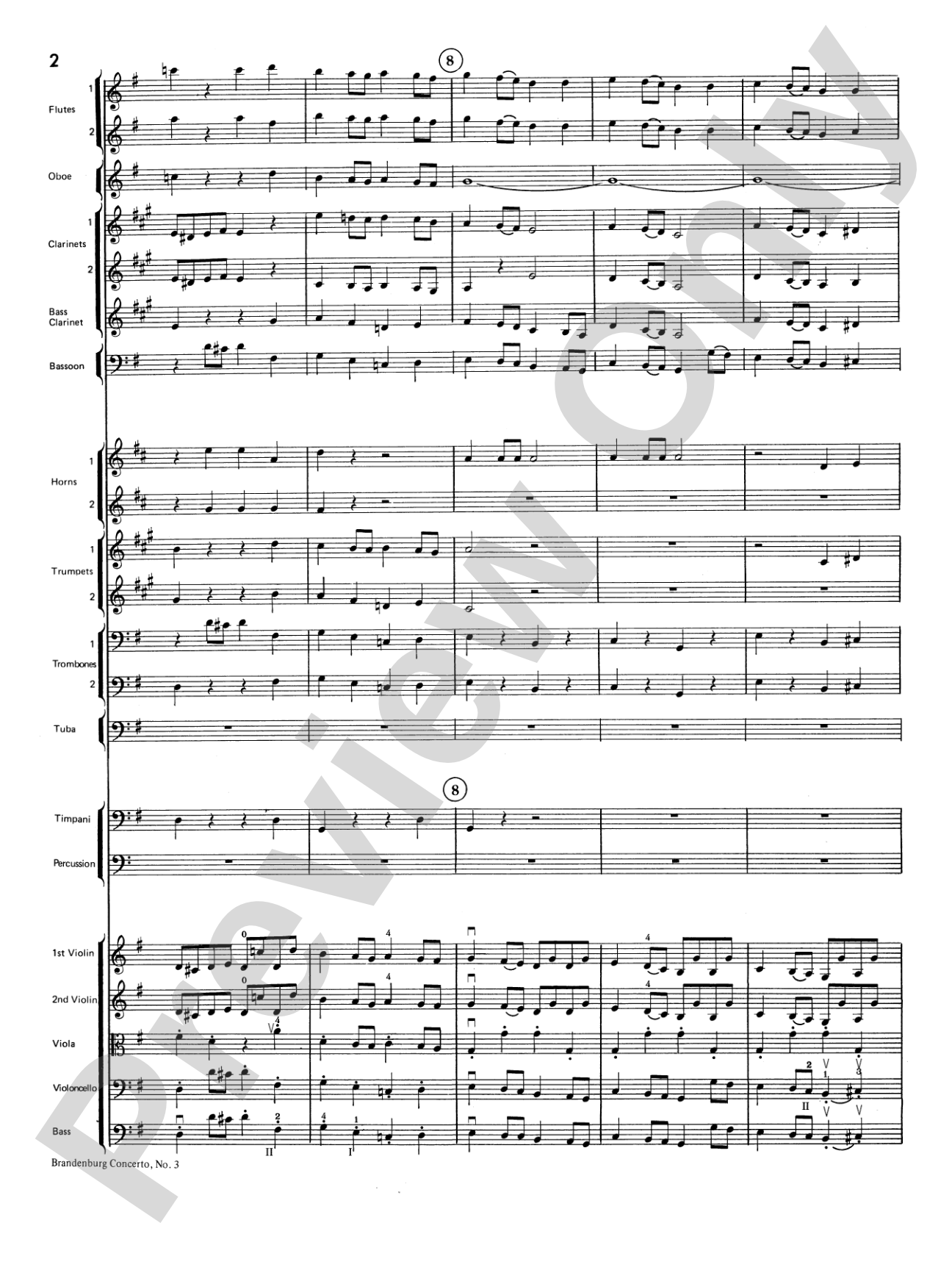
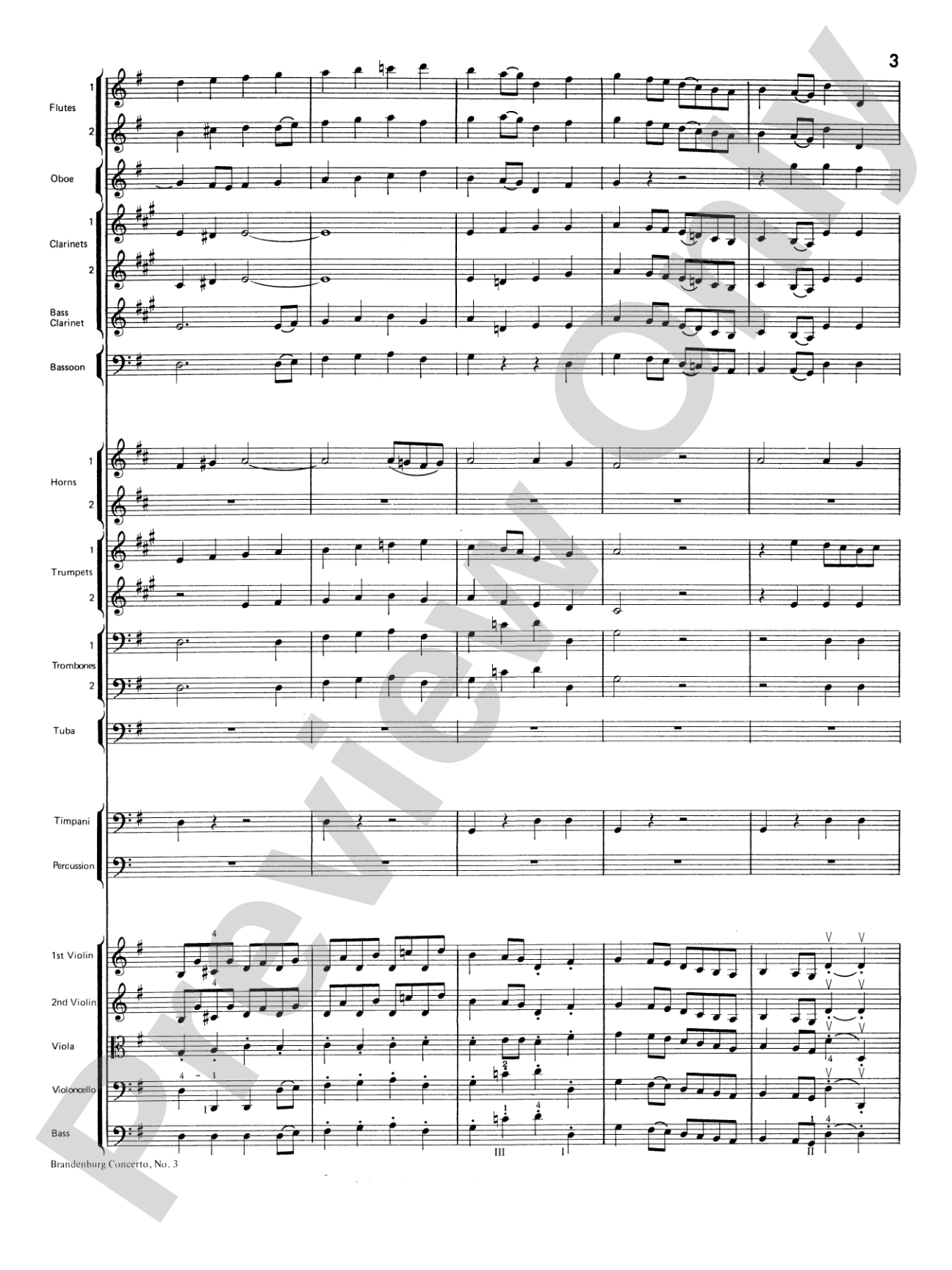
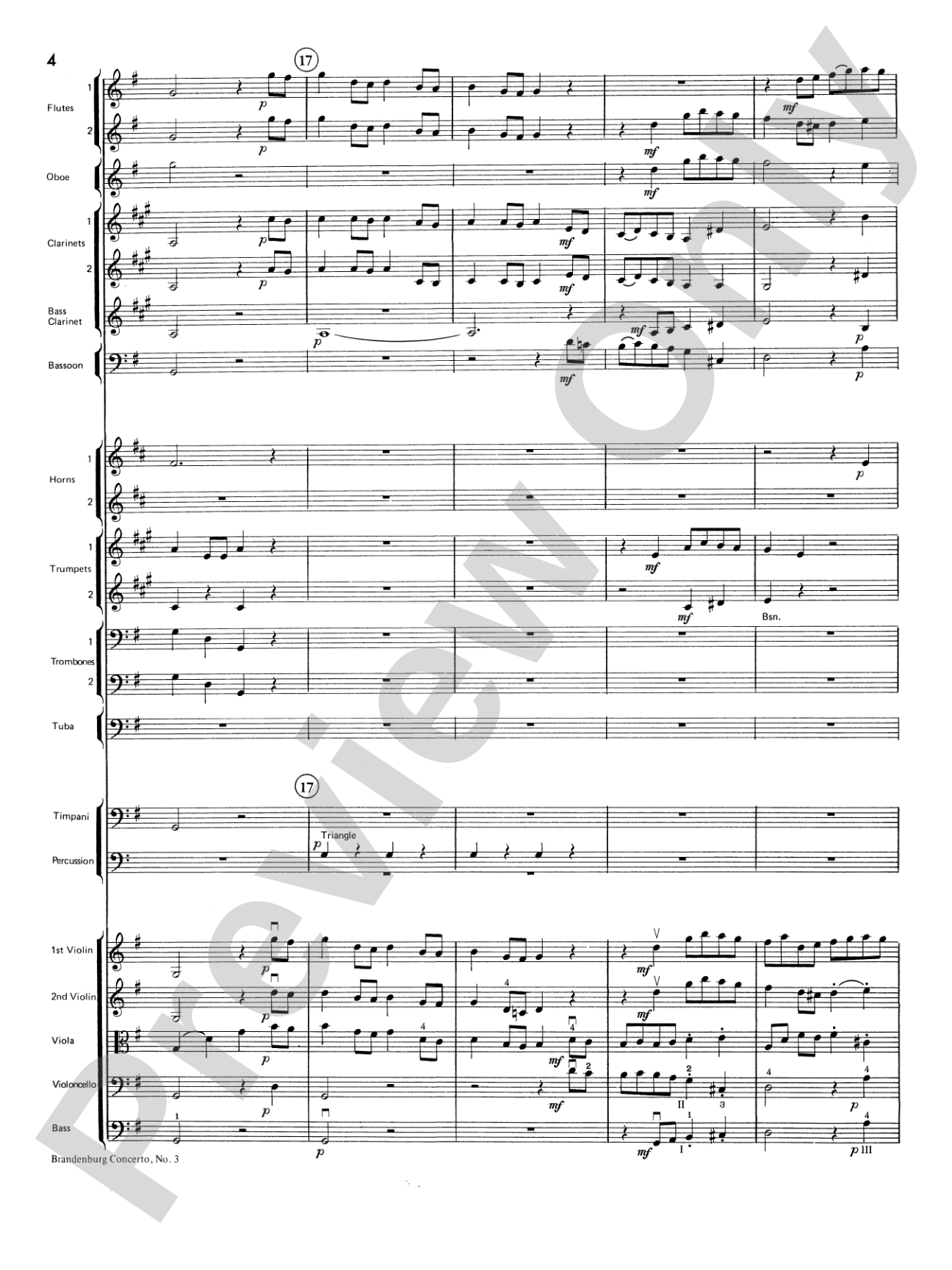
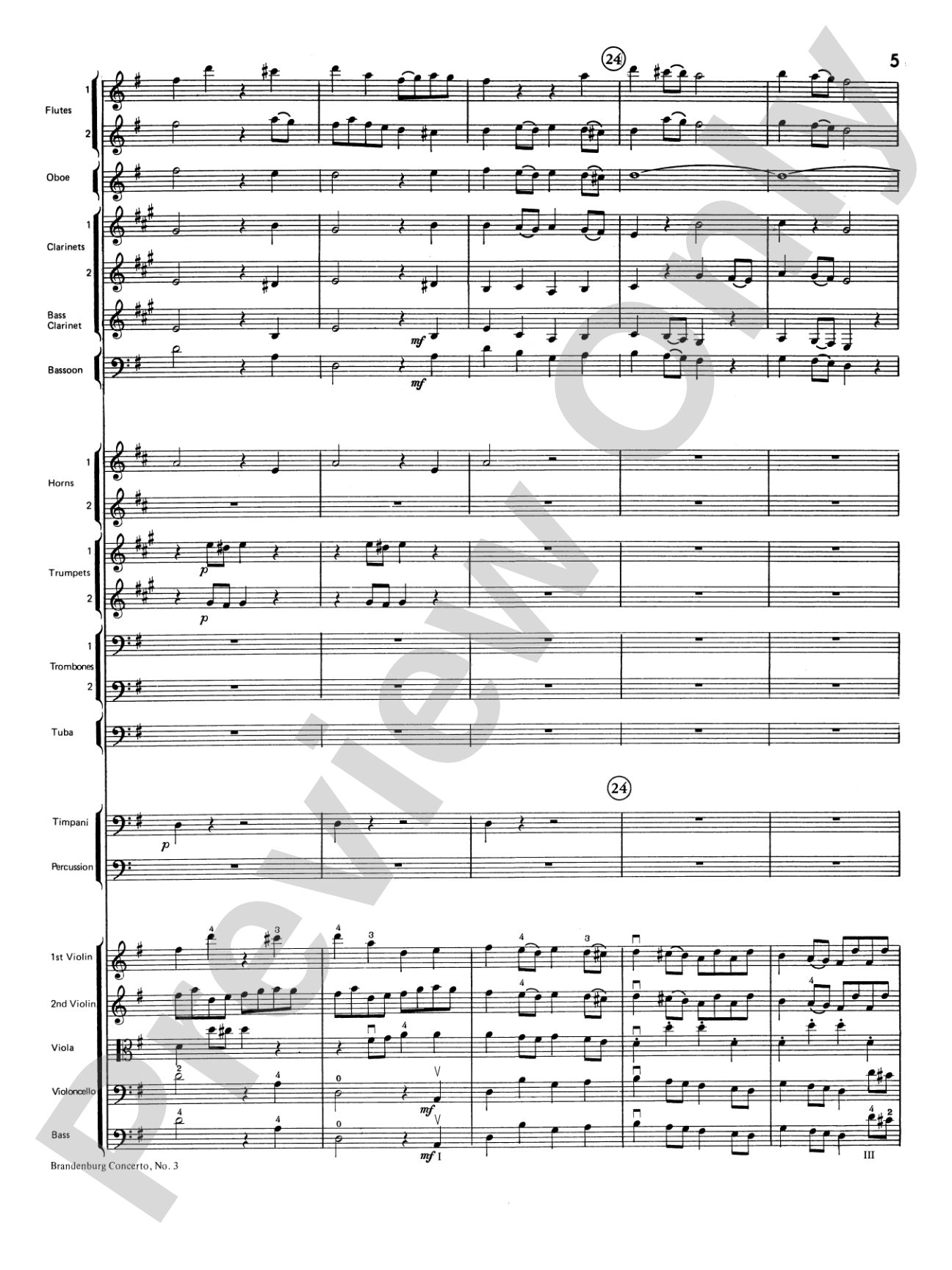
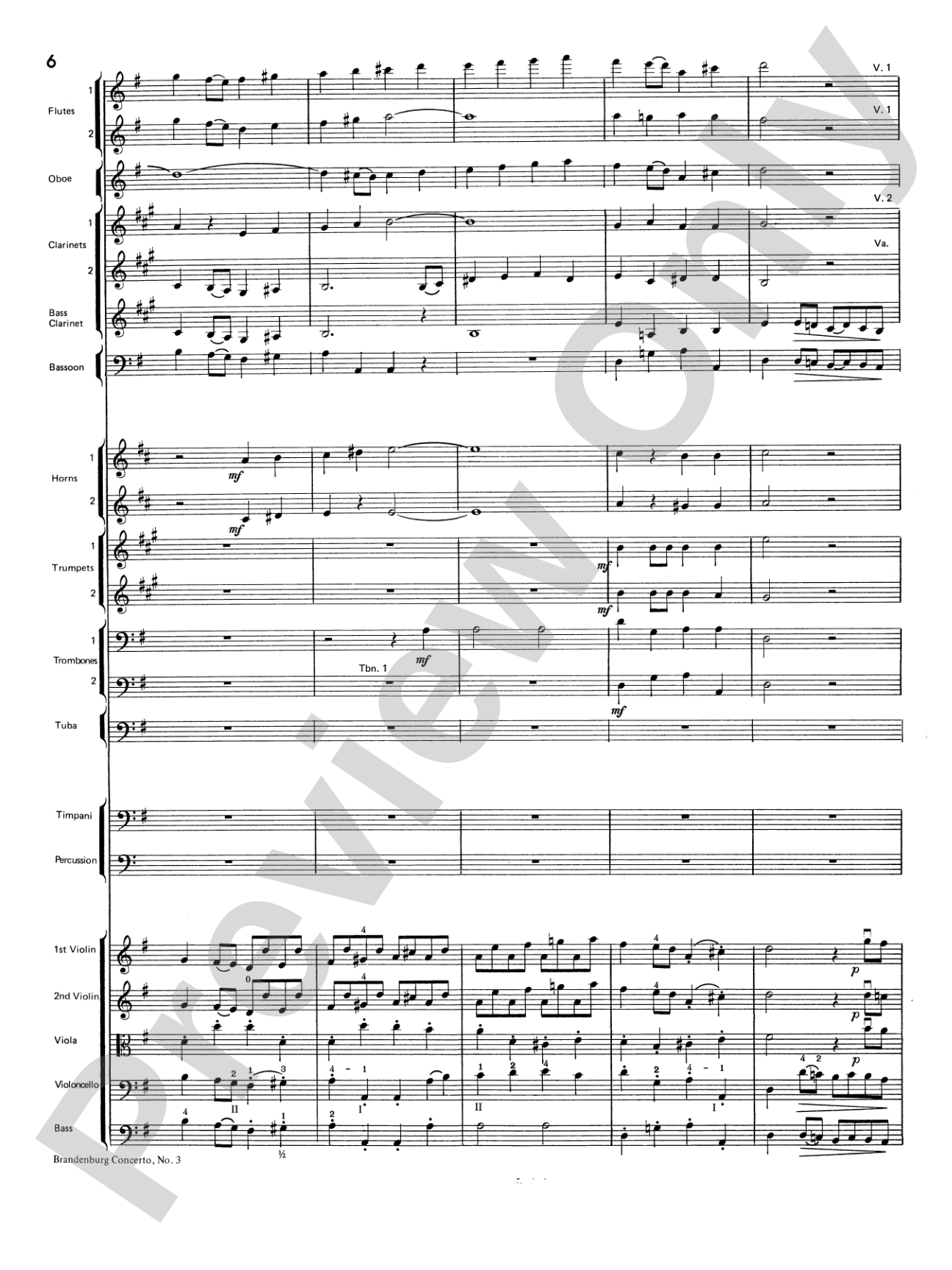
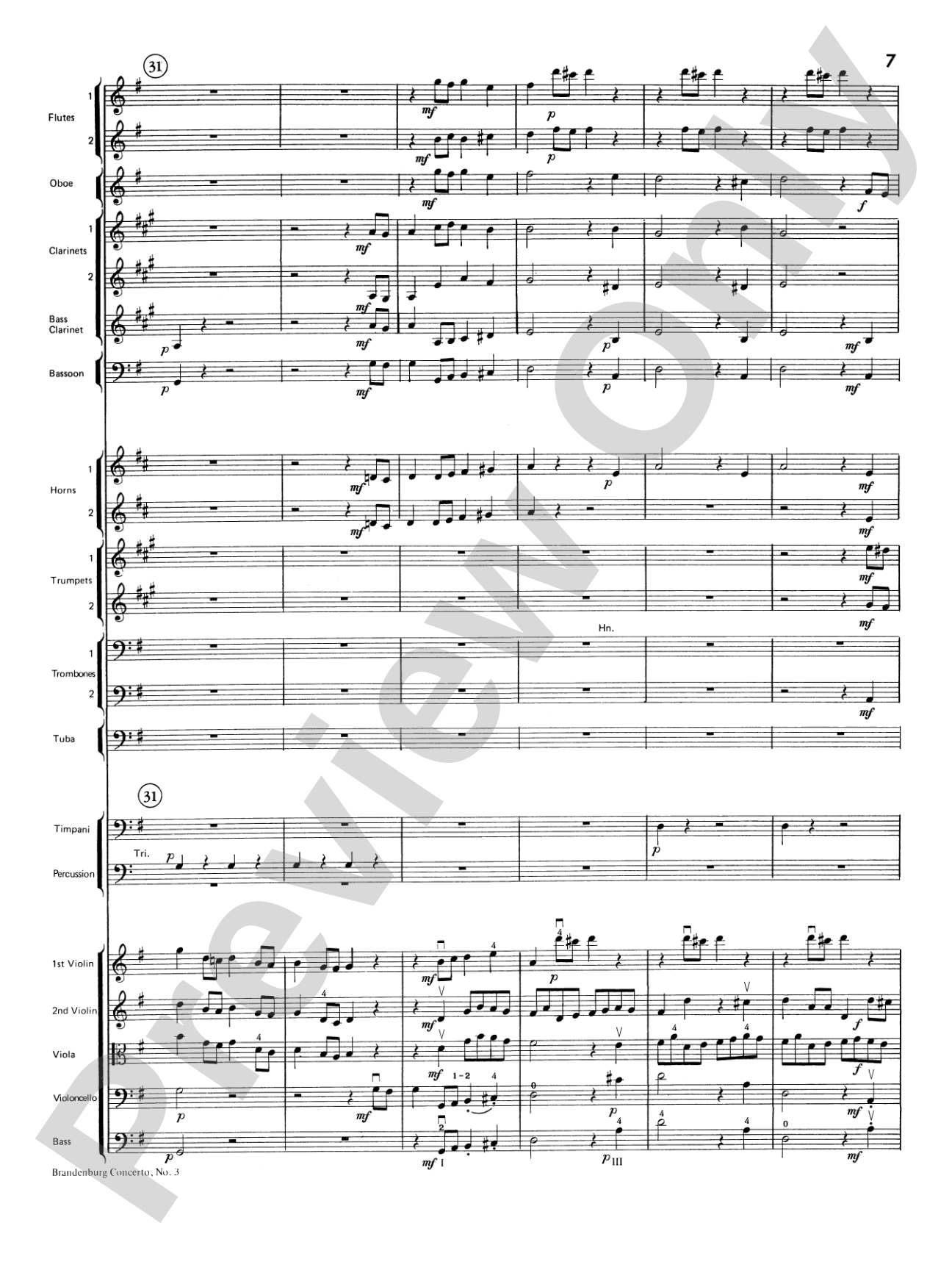
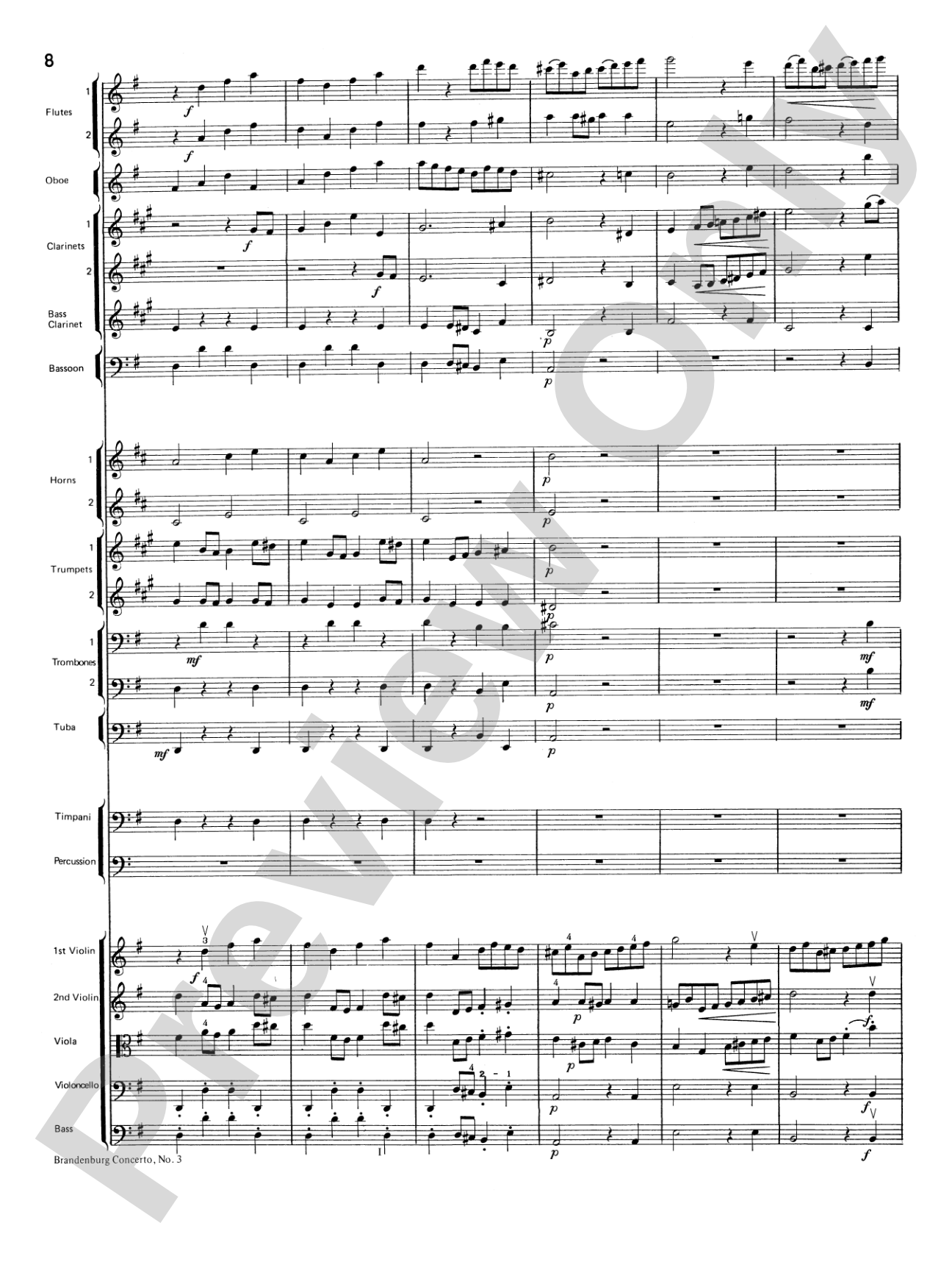
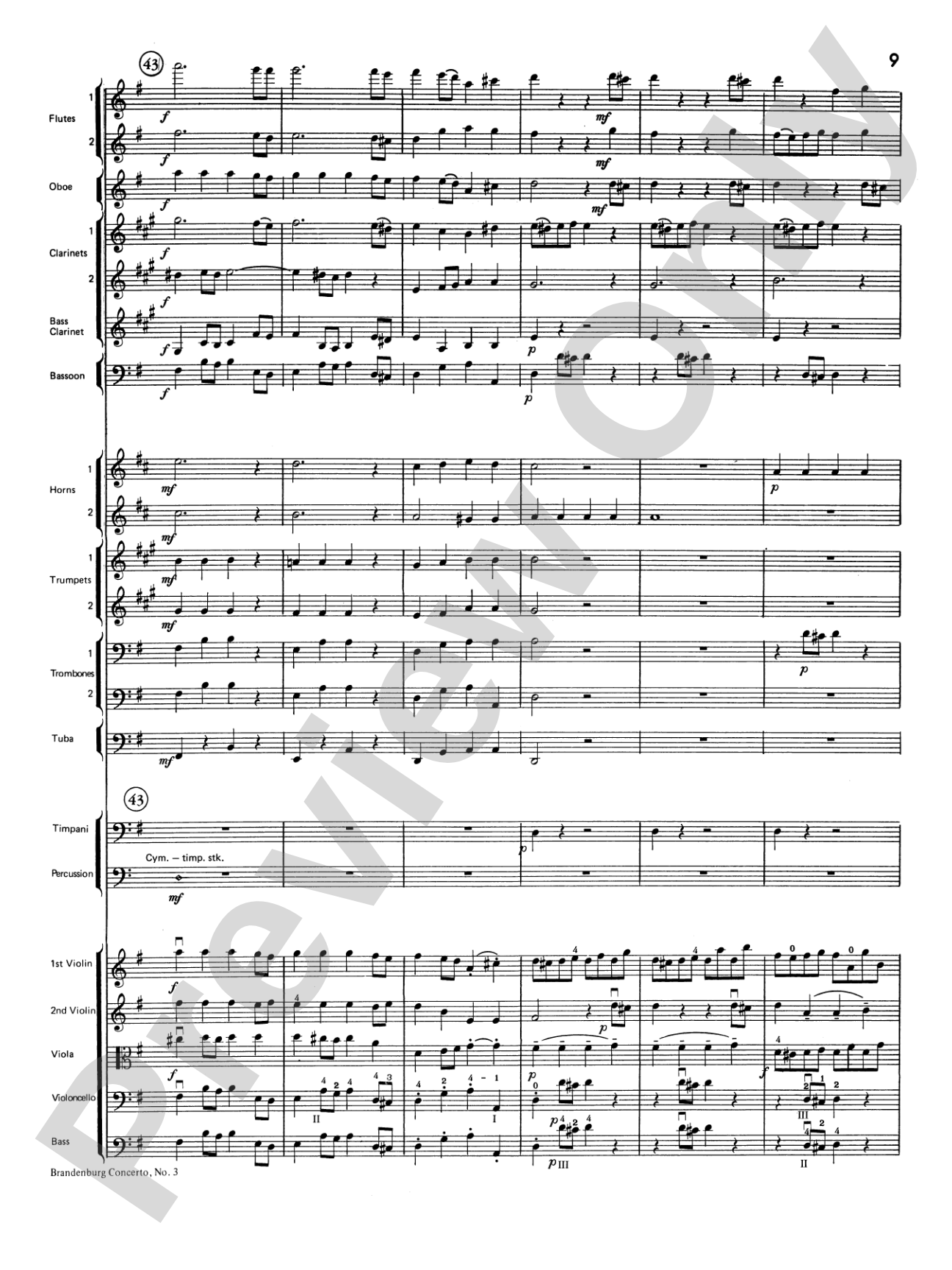
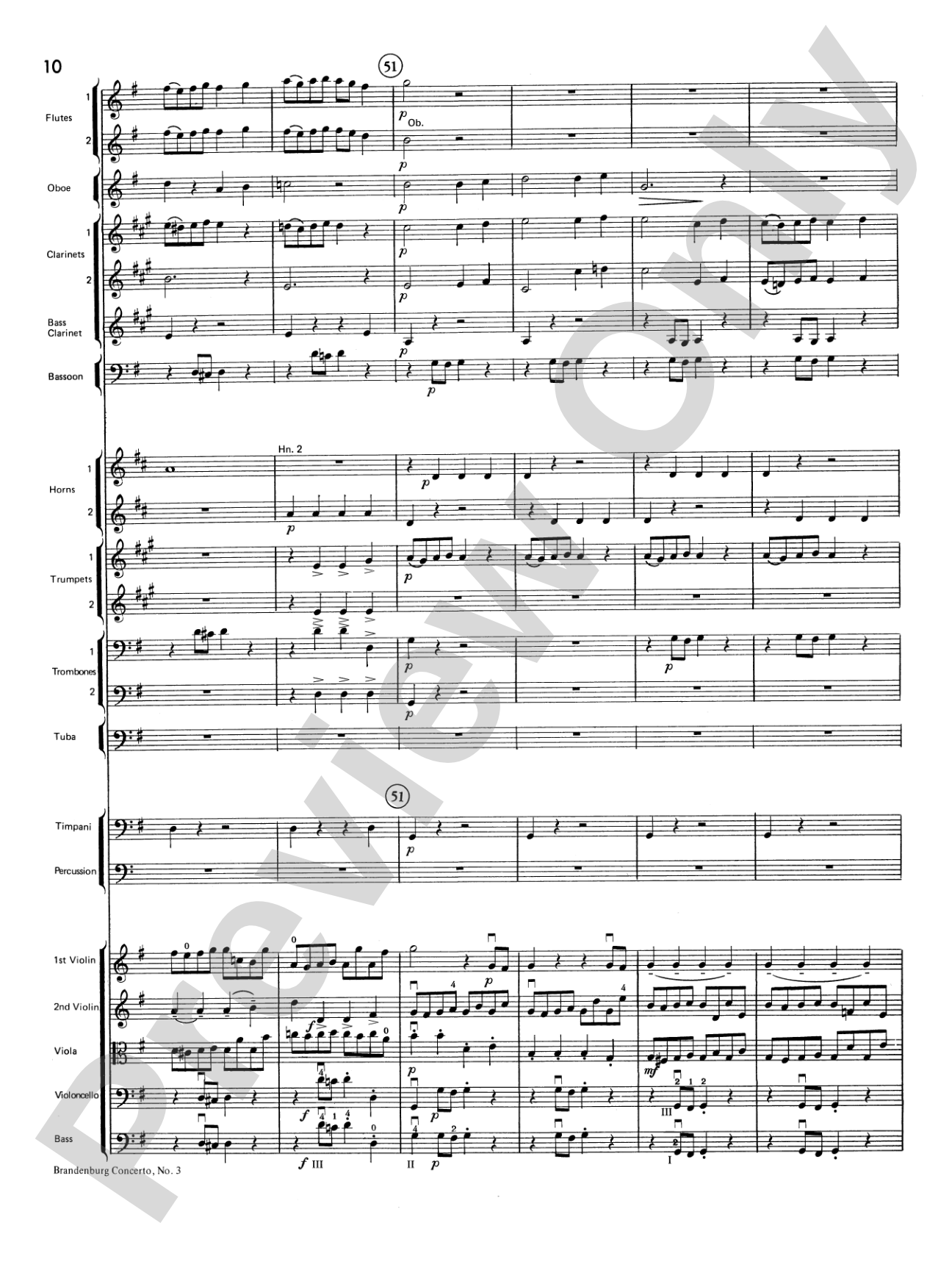
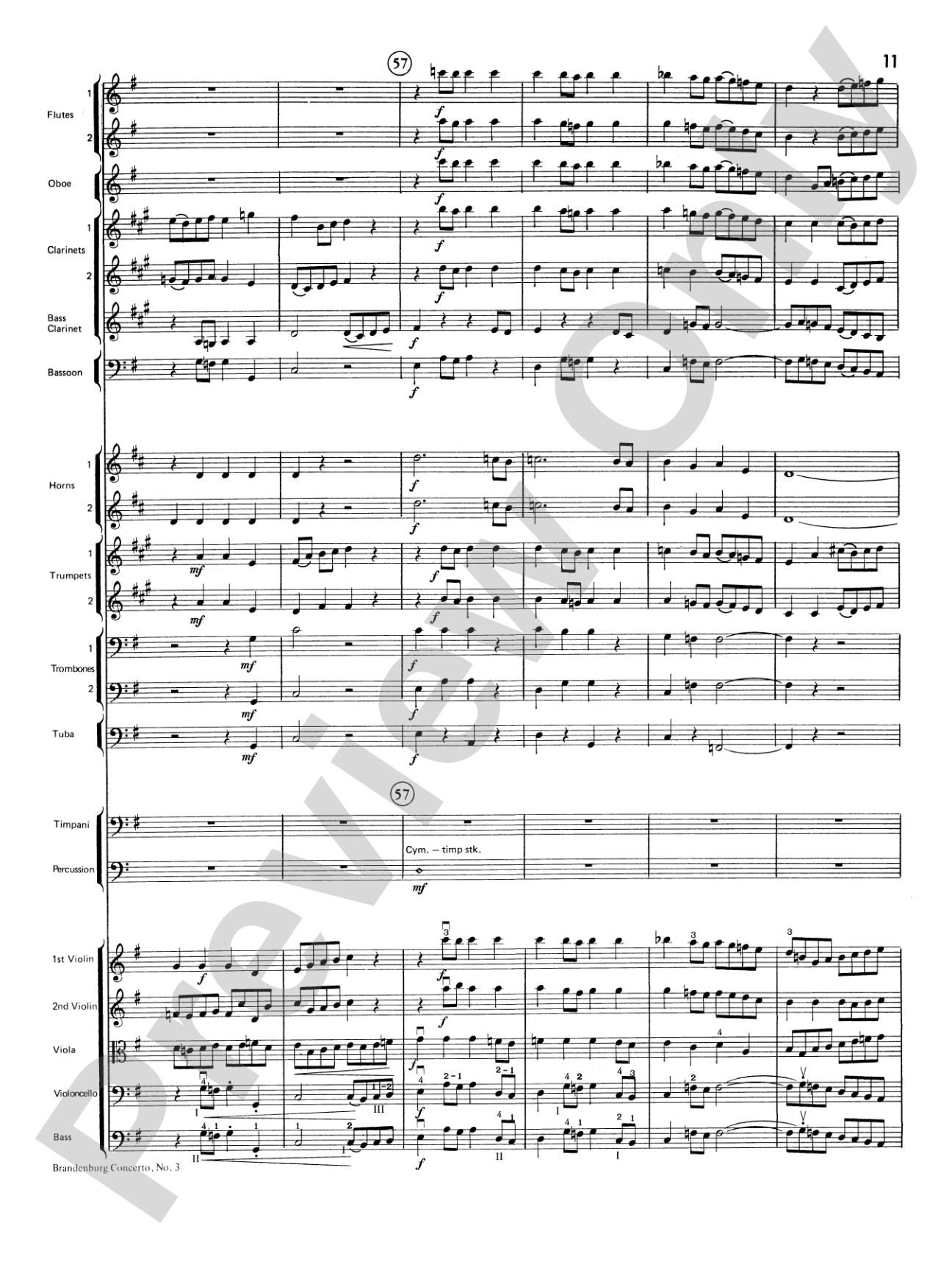
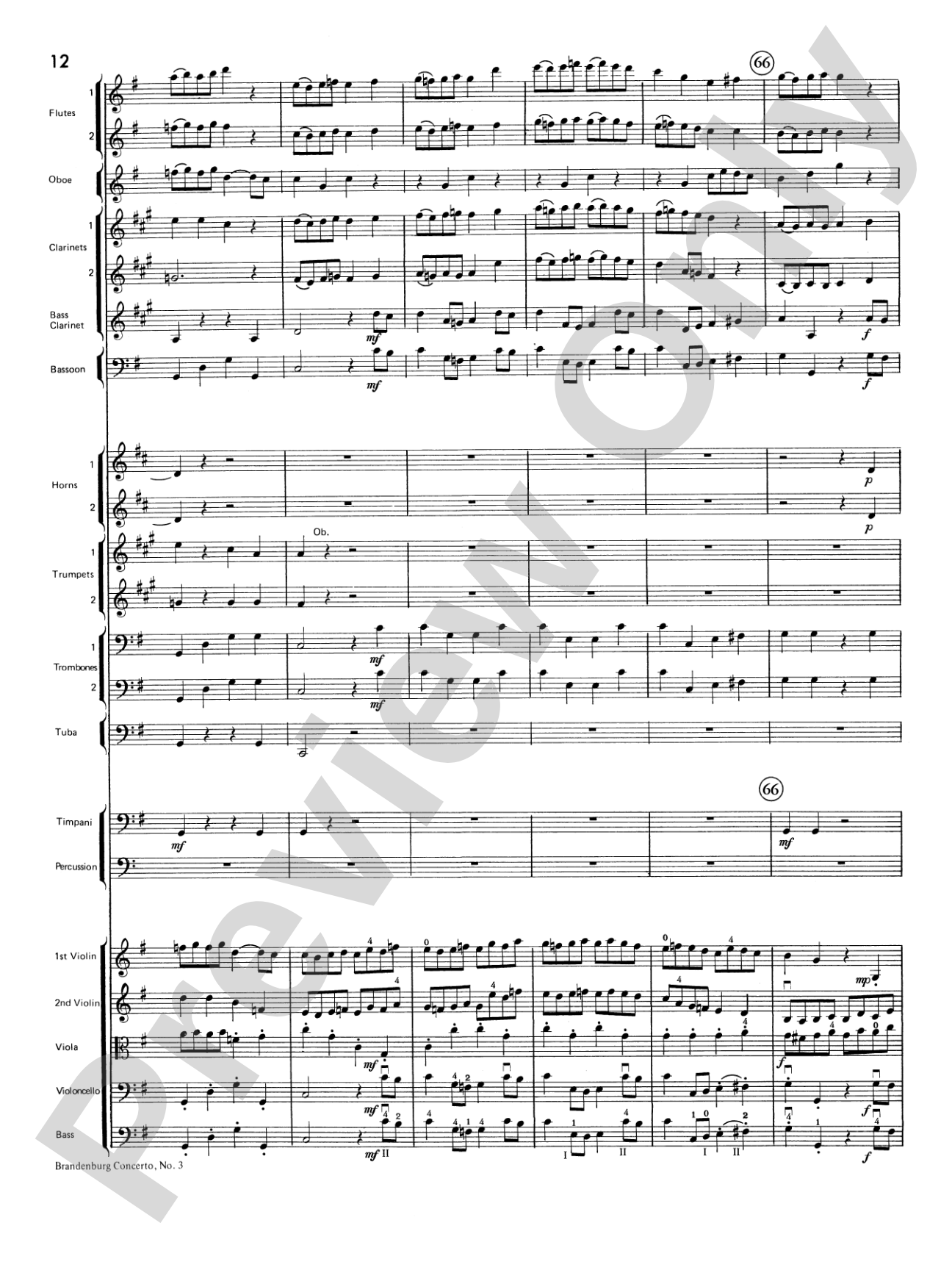
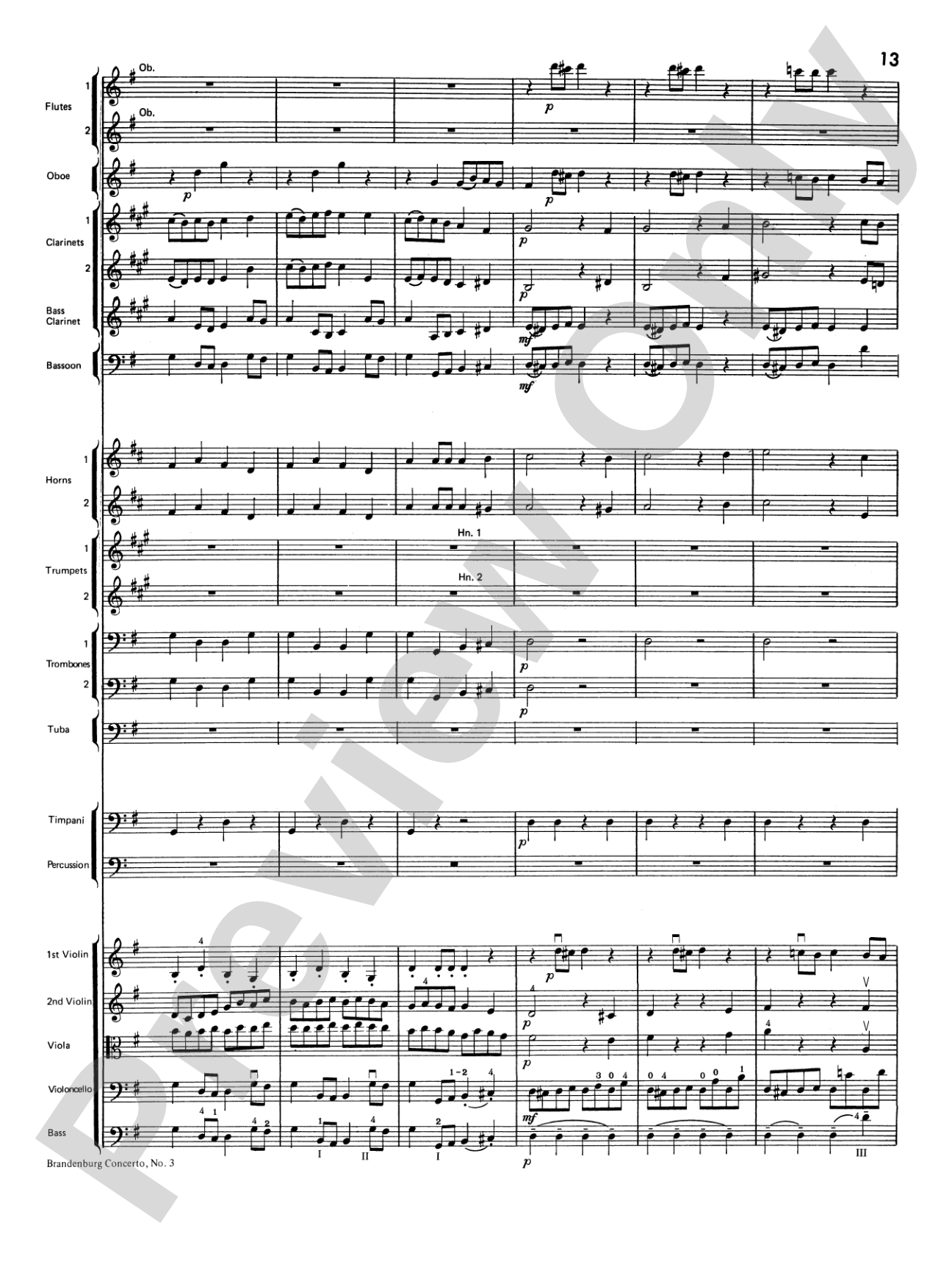
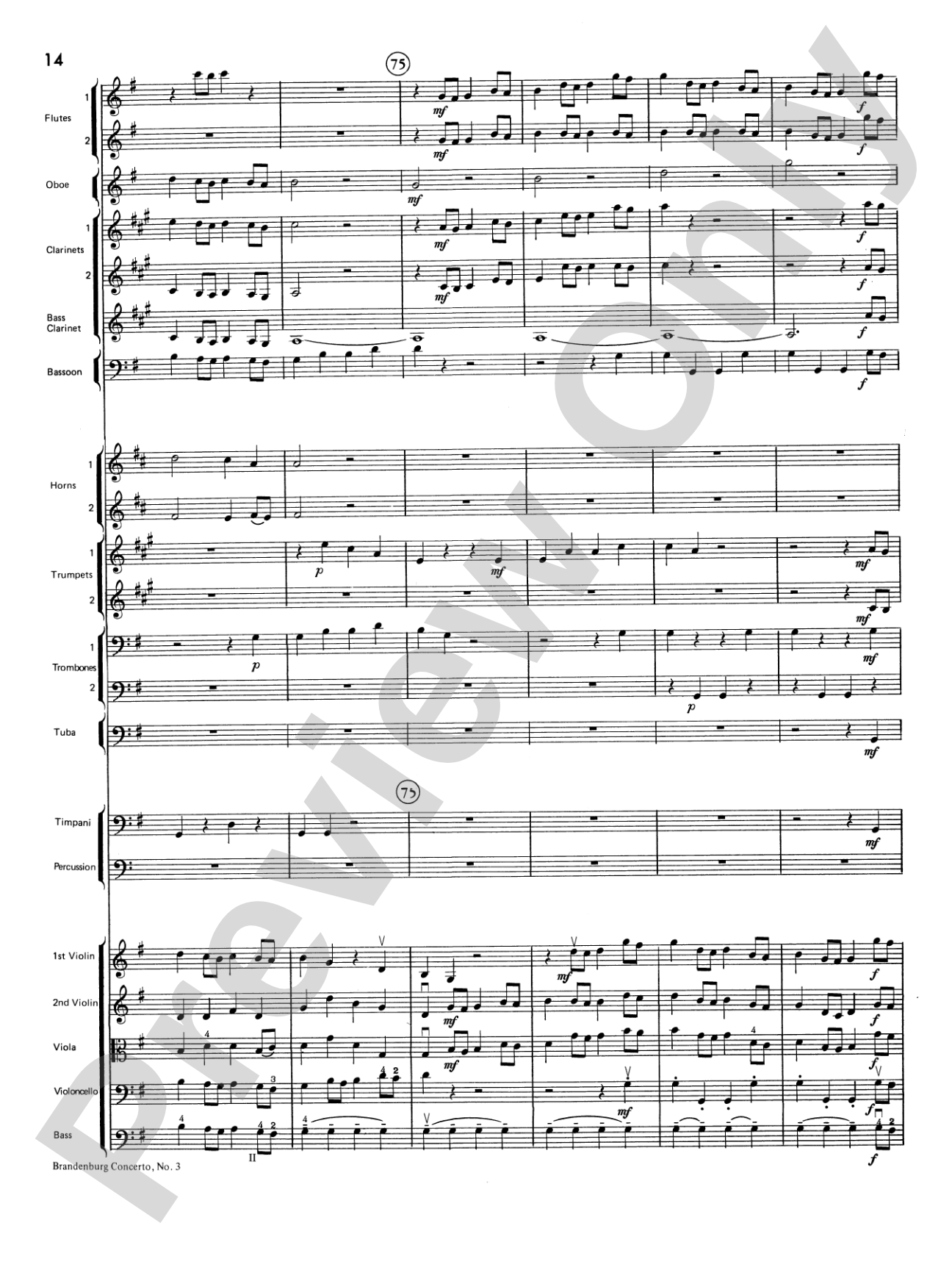
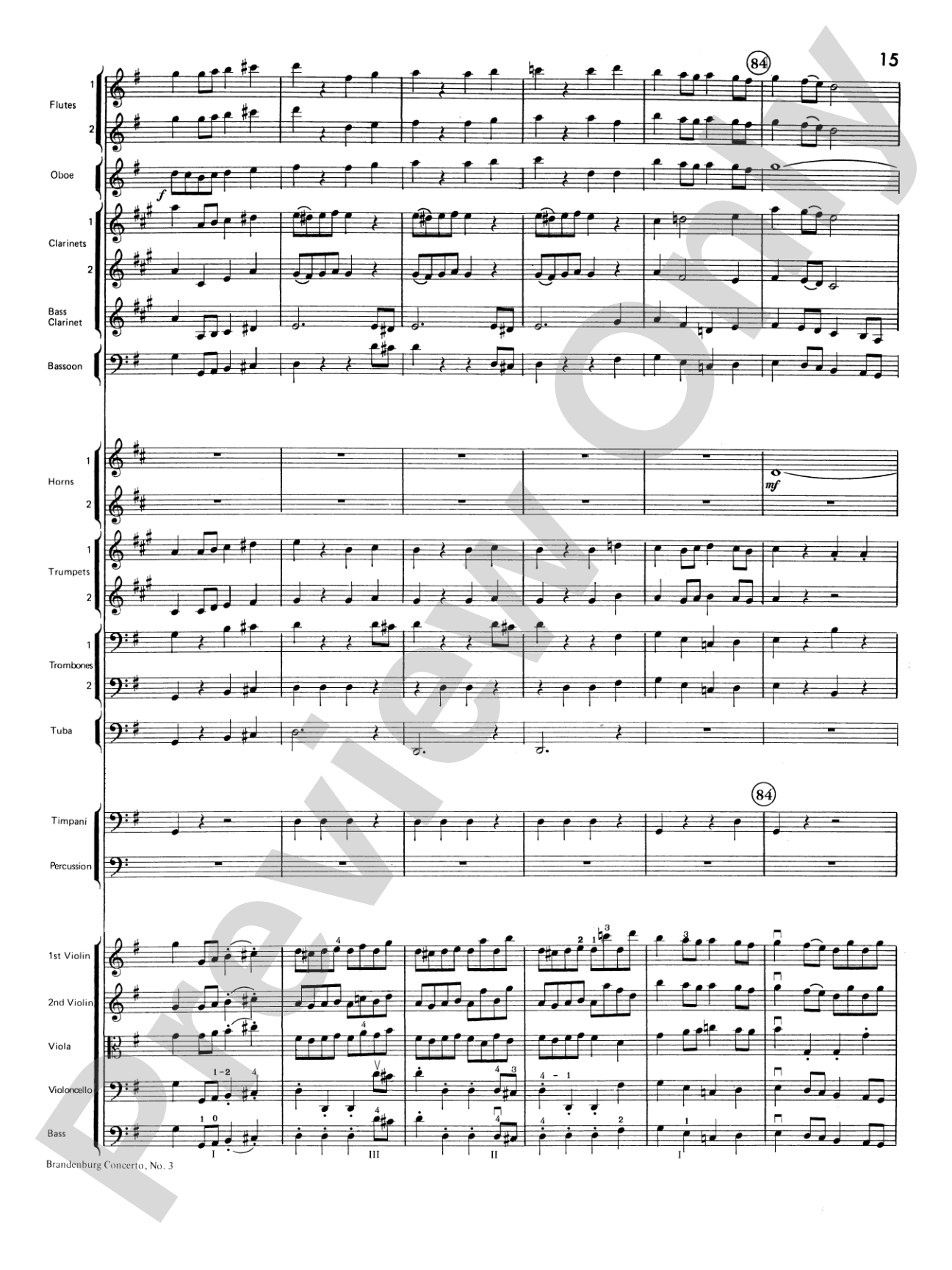
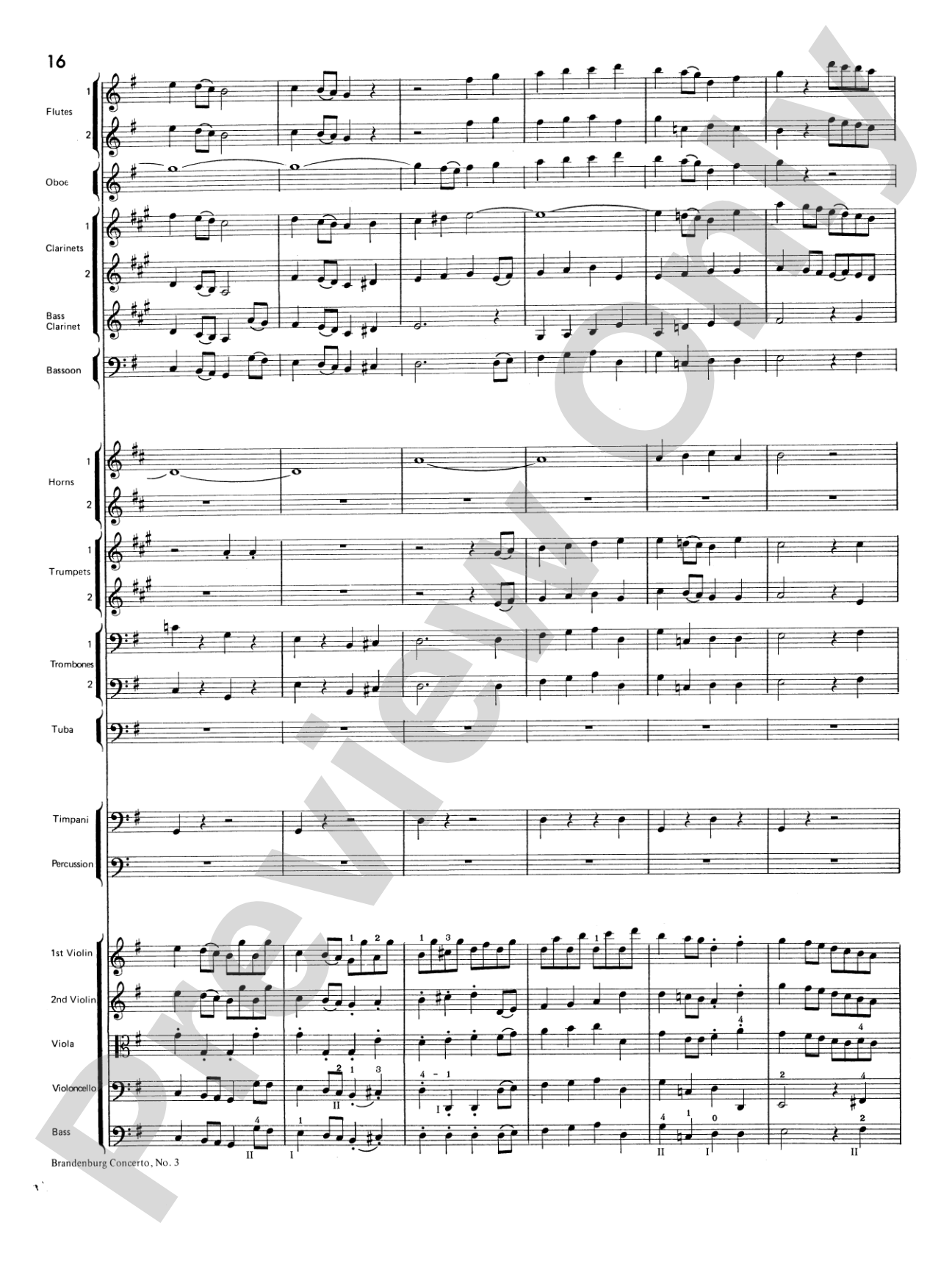
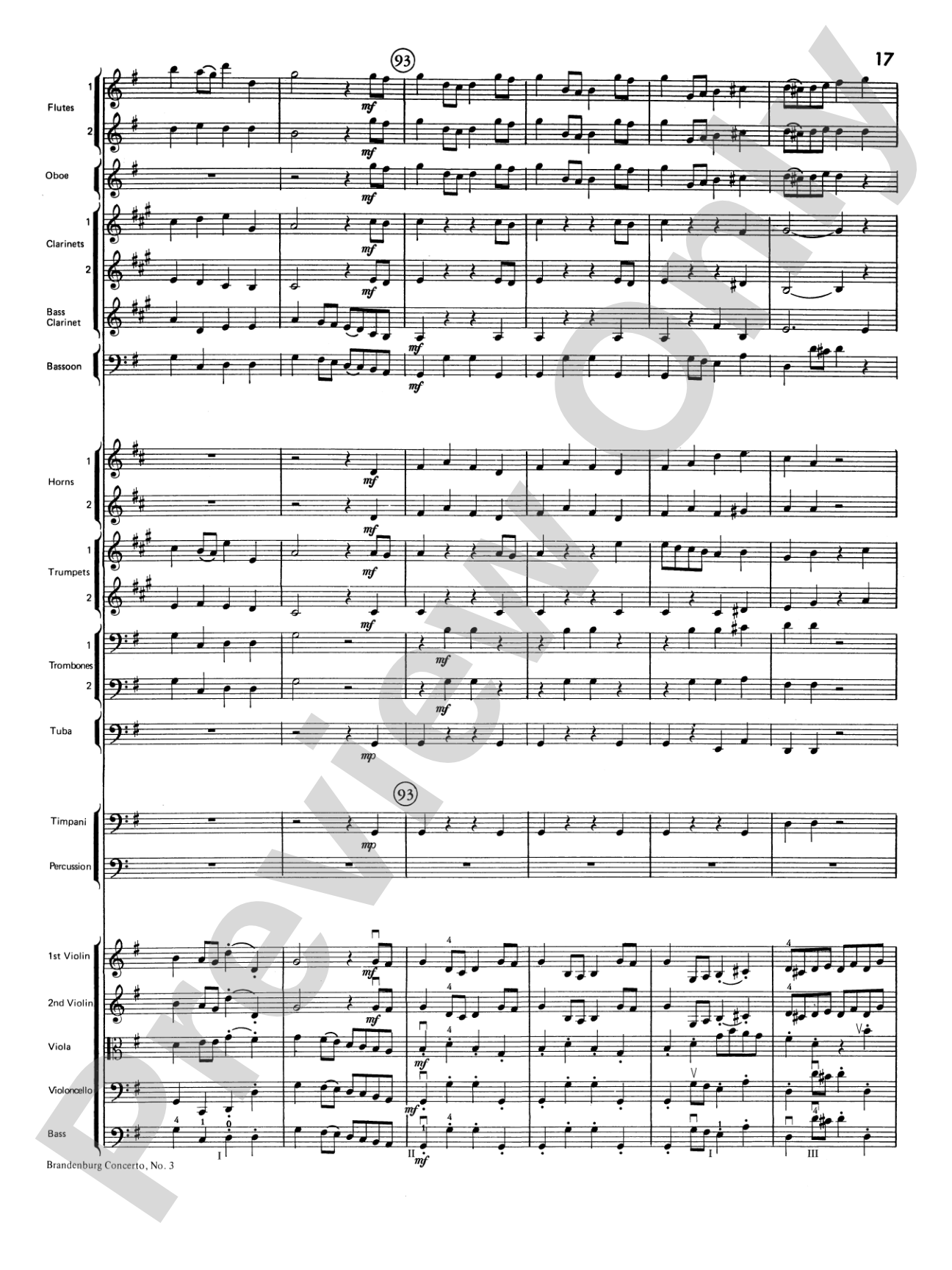
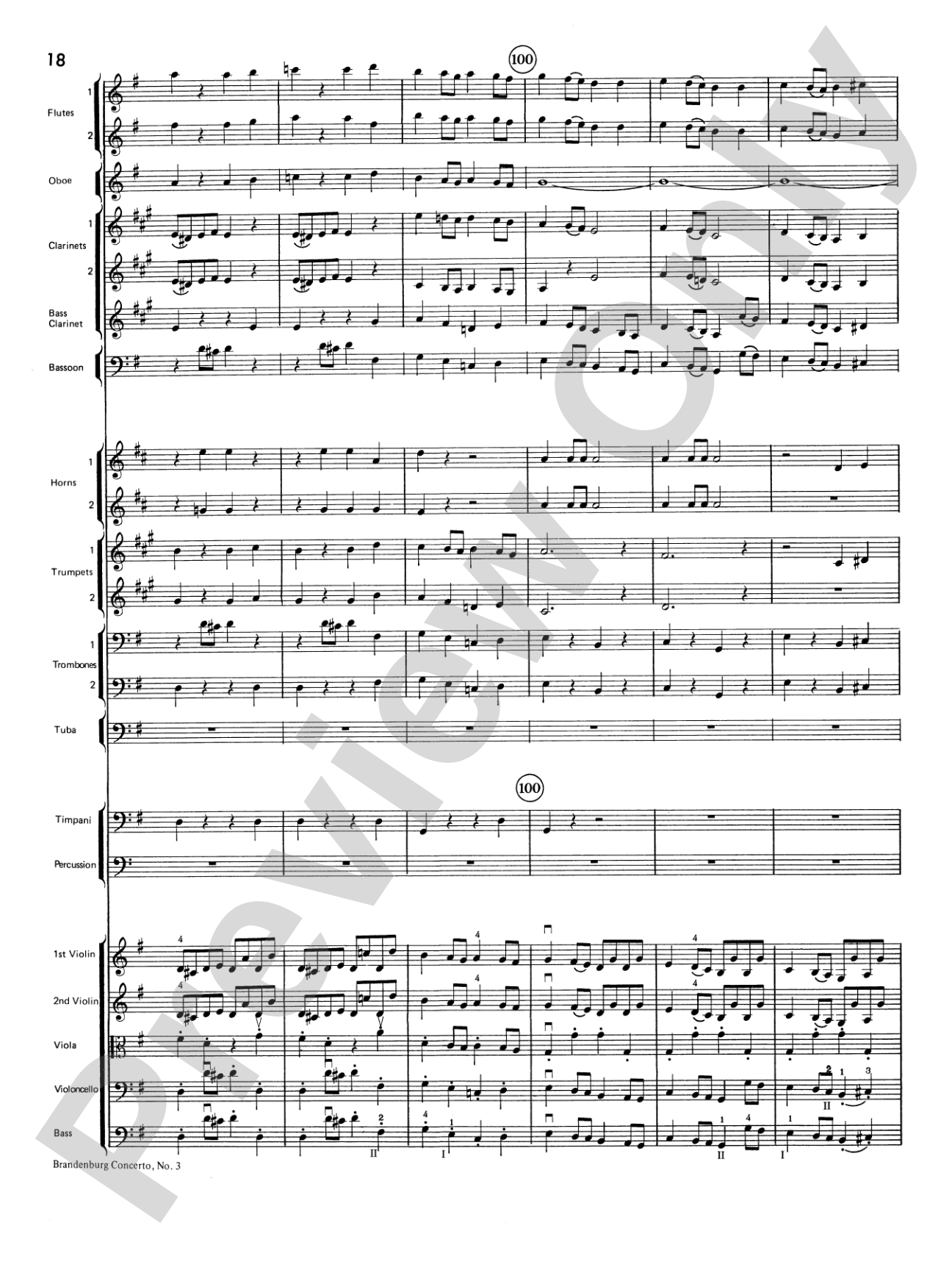
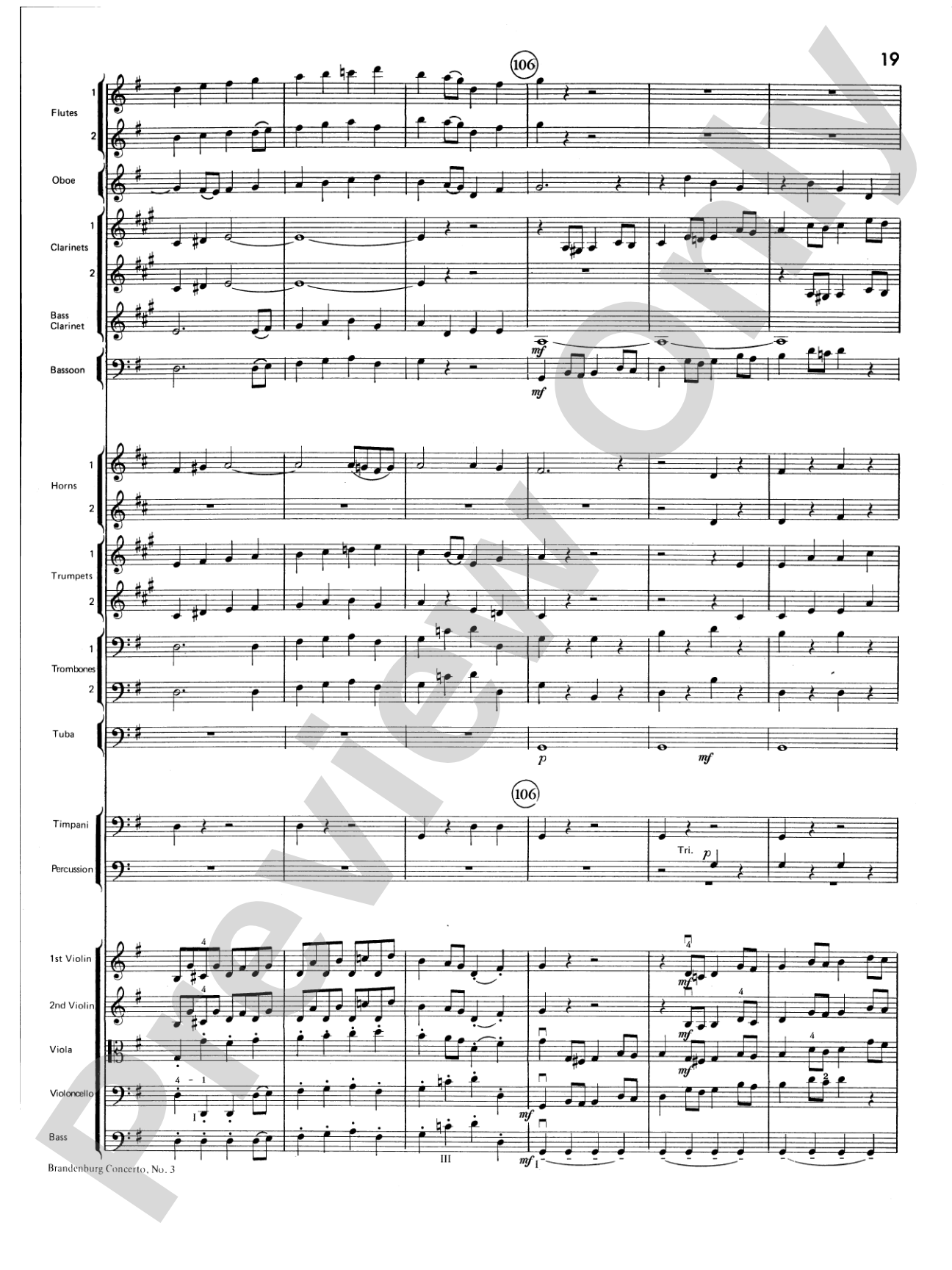
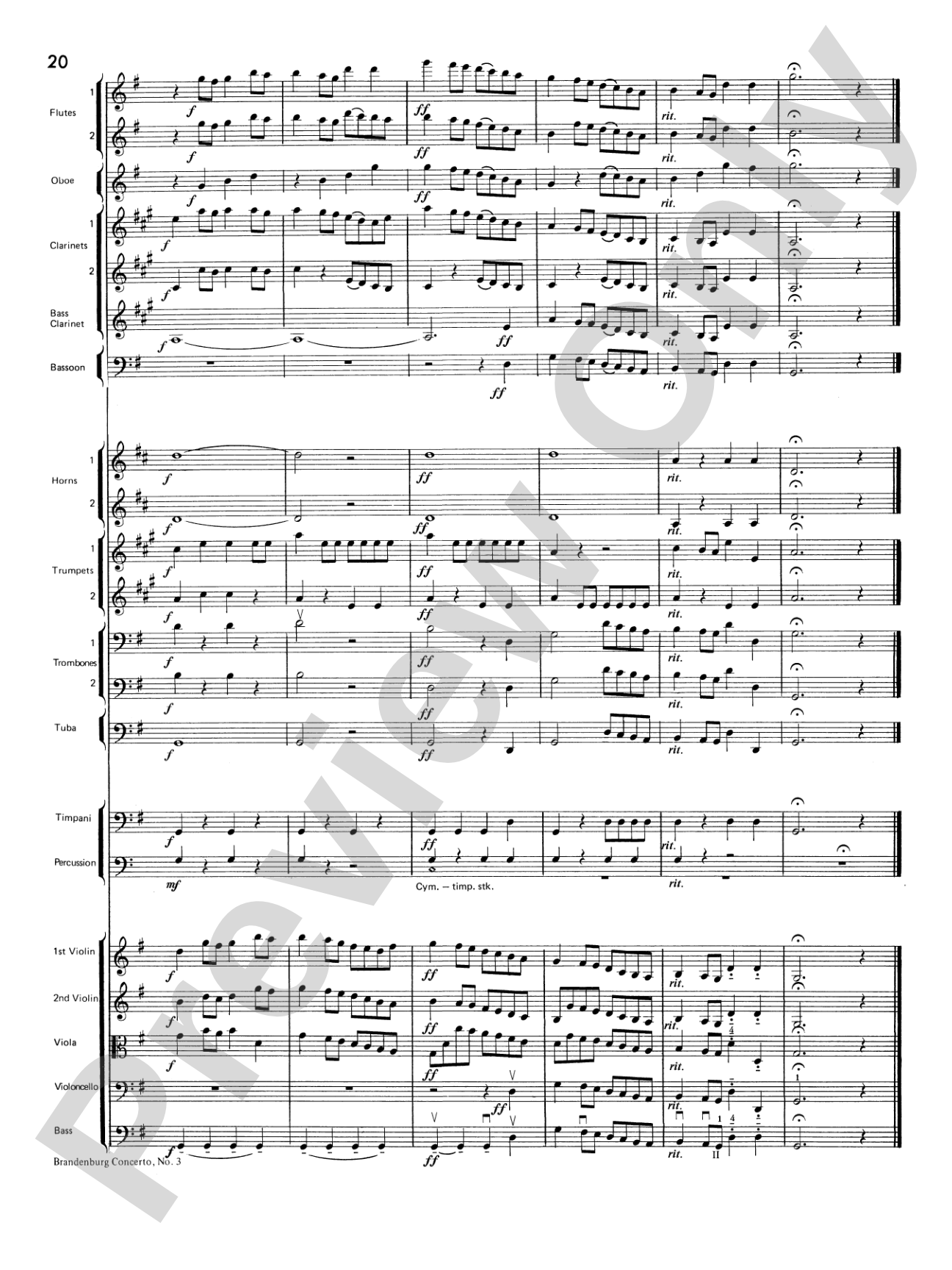


Brandenburg Sinfonia: Full Orchestra Conductor Score & Parts
By Johann Sebastian Bach / arr. Merle J. Isaac
Grade: 3
Item: 00-PK-0000035

$73.00
Pickup currently not available
Buy Extra Parts (Digital PDF Download)
Parts Added to Cart!
Description
Adapted from the first movement of his Brandenburg Concerto No. 3 for strings, J.S. Bach later added wind parts and created this Sinfonia for his Cantata No. 174. This arrangement by Merle Isaac is an excellent way to showcase your strings in a full orchestra setting.


Don't just read it, hear it, play along with it, and watch your students grow with it. In MakeMusic Cloud, Brandenburg Sinfonia: Full Orchestra Conductor Score & Parts comes alive with professional accompaniment, adjustable tempo, and built-in practice tools that turn solo practice into real progress.
Open in the Player
Jump straight in and assign it today.
Start Your Free Trial
Open this title and explore the full library in minutes.
Sample Audio
No sample audio found.
Sample Video
No sample videos found.
Additional Details
Series:
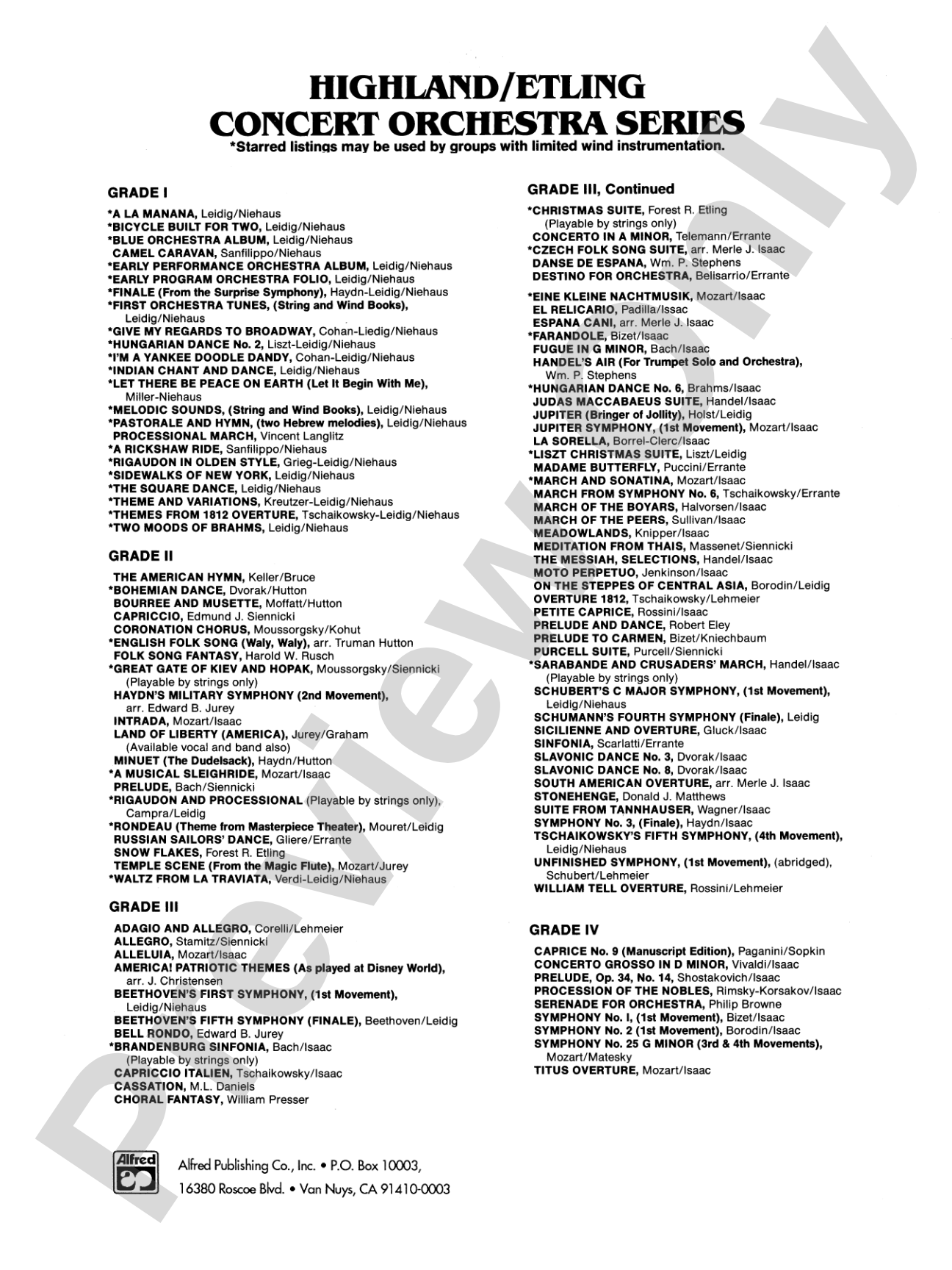
Highland/Etling Full Orchestra
Publisher:
Alfred Music
Page Count:
242
SKU:
00-PK-0000035
More about this title
About the Composer: Johann Sebastian Bach
Johann Sebastian Bach (1685, 1750) wrote over 200 cantatas during his tenure as Cantor at St. Thomas Church in Leipzig, each one a complete liturgical work built on a chosen chorale or biblical text. His ability to weave instrumental and vocal forces together, combined with his mastery of counterpoint, made him the defining composer of the Baroque era. For educators, Bach represents the gold standard of musical architecture: every voice matters, every line serves the whole, and complexity never obscures clarity.
Bach's Brandenburg Concertos stand apart as some of his most inventive instrumental works, each one exploring a different combination of forces and textures. The fact that he later adapted material from these concertos into sacred cantatas shows his pragmatic genius as a working composer, he knew how to repurpose strong musical ideas across different contexts. Teaching from Bach's music trains students to listen polyphonically and to understand that great writing transcends genre.
Why we love this
This arrangement distills the architectural brilliance of the Brandenburg Concerto into a cantata movement that sits comfortably in the Grade 3 range, making Bach's part-writing accessible without simplifying it into blandness. Merle Isaac's orchestration gives your strings the spotlight while adding wind color in ways that feel natural to the Baroque aesthetic, creating an opportunity for students to experience authentic counterpoint in performance rather than just on the page.
What to expect
Elegant and methodical, with the contrapuntal architecture of a musical conversation where every voice has something essential to say. The opening movement unfolds with the inevitable logic of a geometric proof, building cumulative momentum through the interweaving of melodic lines rather than through harmonic shock.
Who it's for
Orchestra directors seeking Grade 3 repertoire that genuinely represents the masterworks rather than simplifying them into unrecognizable versions. This score works for schools with developing string sections and mixed wind abilities, as well as ensembles preparing for festival play or planning a concert with period-appropriate material.
How to get the most out of it
- Balance the dialogue between string sections as if they were conversing with one another; this is counterpoint, not accompaniment. The violas and cellos carry thematic material as often as the violins do.
- Shape each phrase with gentle momentum rather than rigid pulse. Baroque music breathes in two-bar or four-bar units; let those units arrive and depart with intention.
- Tune the vertical sonorities carefully at rehearsals, especially where parts converge. The clarity of Bach's writing depends on accurate intonation across all ranges.
How to use it
Program this as an opening work on a concert that includes later Baroque or Classical-era orchestral music, where it can establish the aesthetic before you move into more dramatic fare. It's also an ideal choice for a festival or contest, where authentic repertoire and clear musical writing demonstrate musicianship rather than technical flashiness.
Skills your students will build
- Baroque counterpoint and part independence
- Balancing multiple melodic lines within a single ensemble
- Stylistically appropriate phrasing and articulation
- String-wind integration in Baroque contexts
- Reading and performing from a conductor score with multiple instrumental parts