
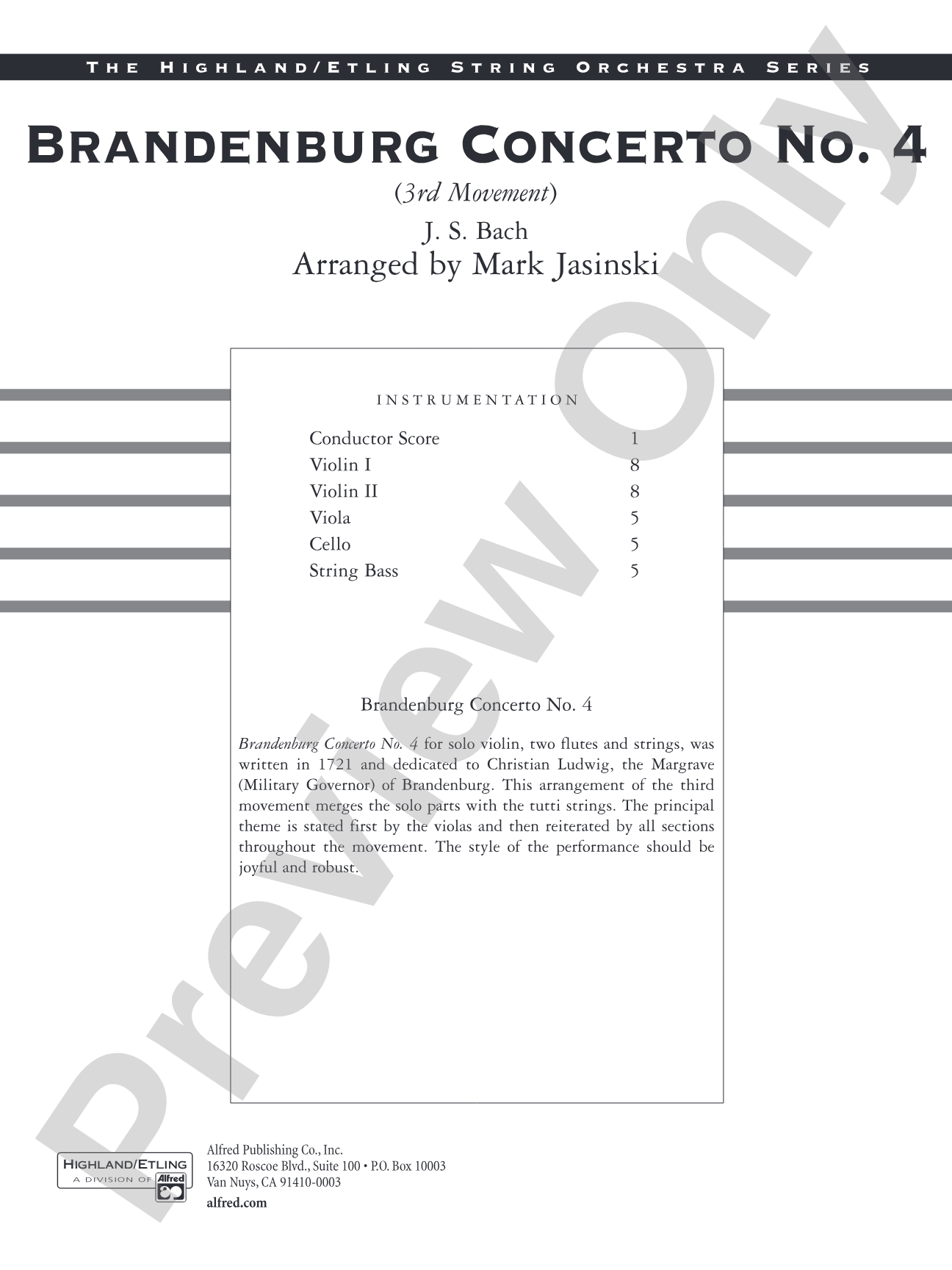
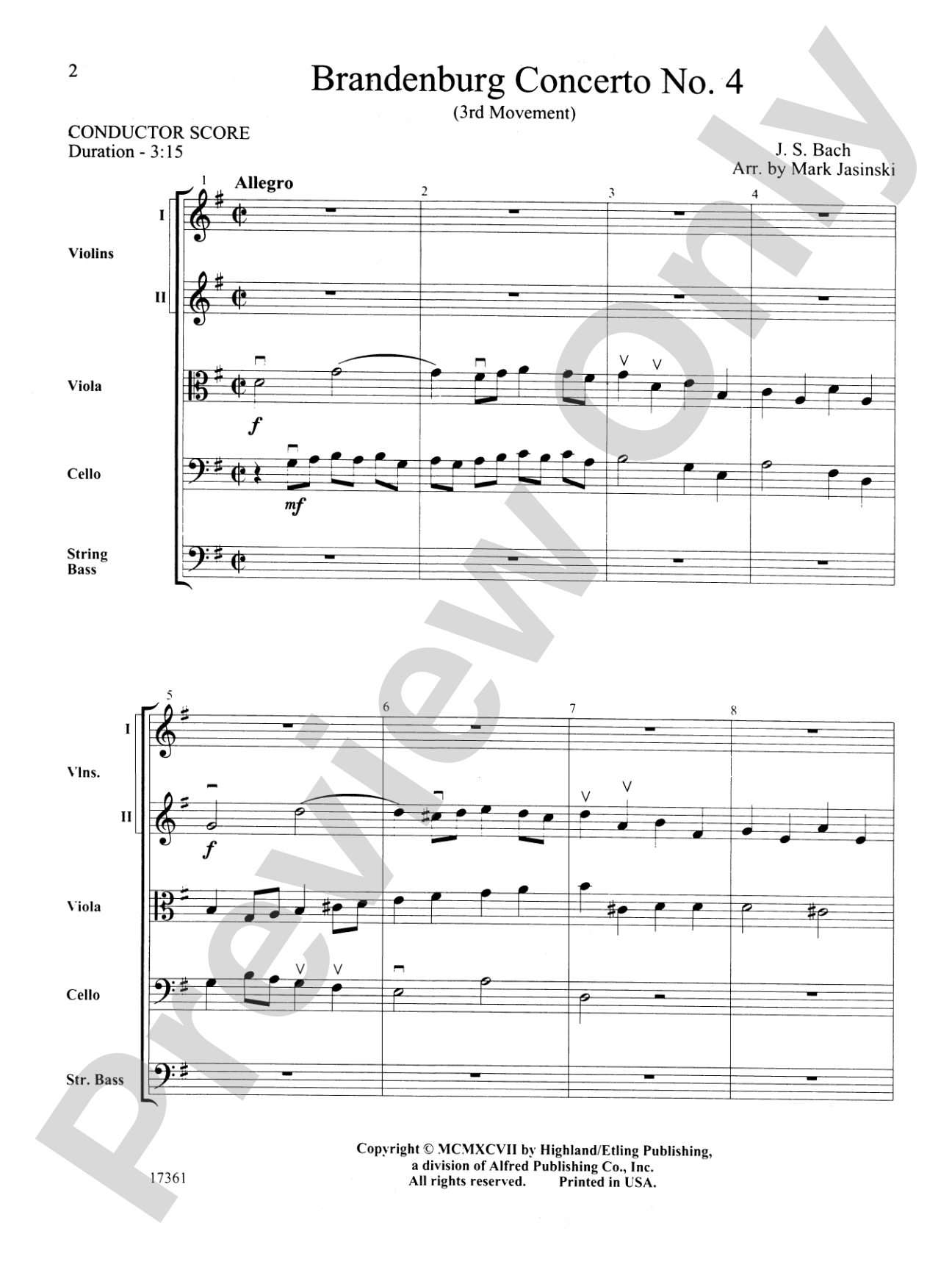
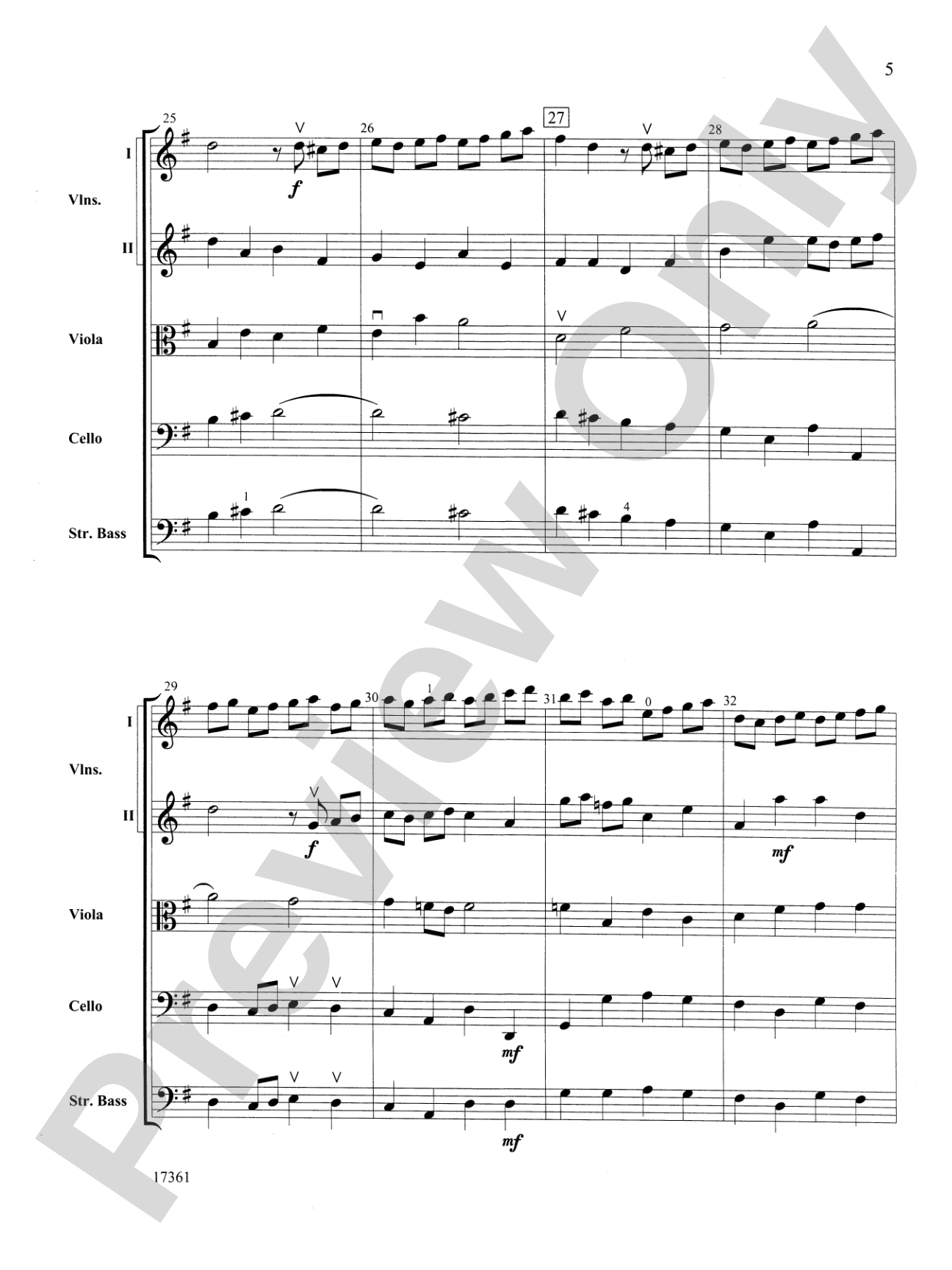
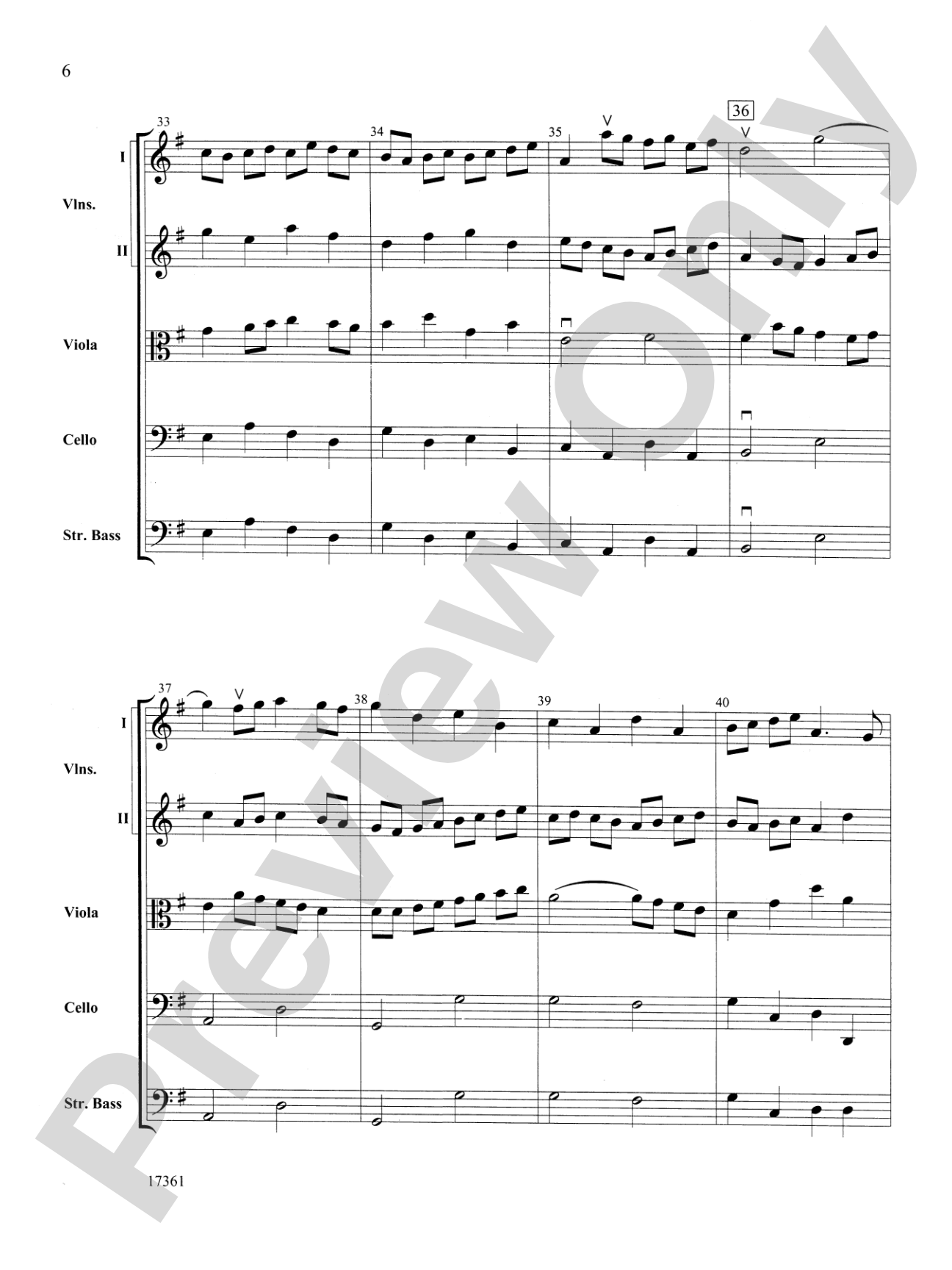
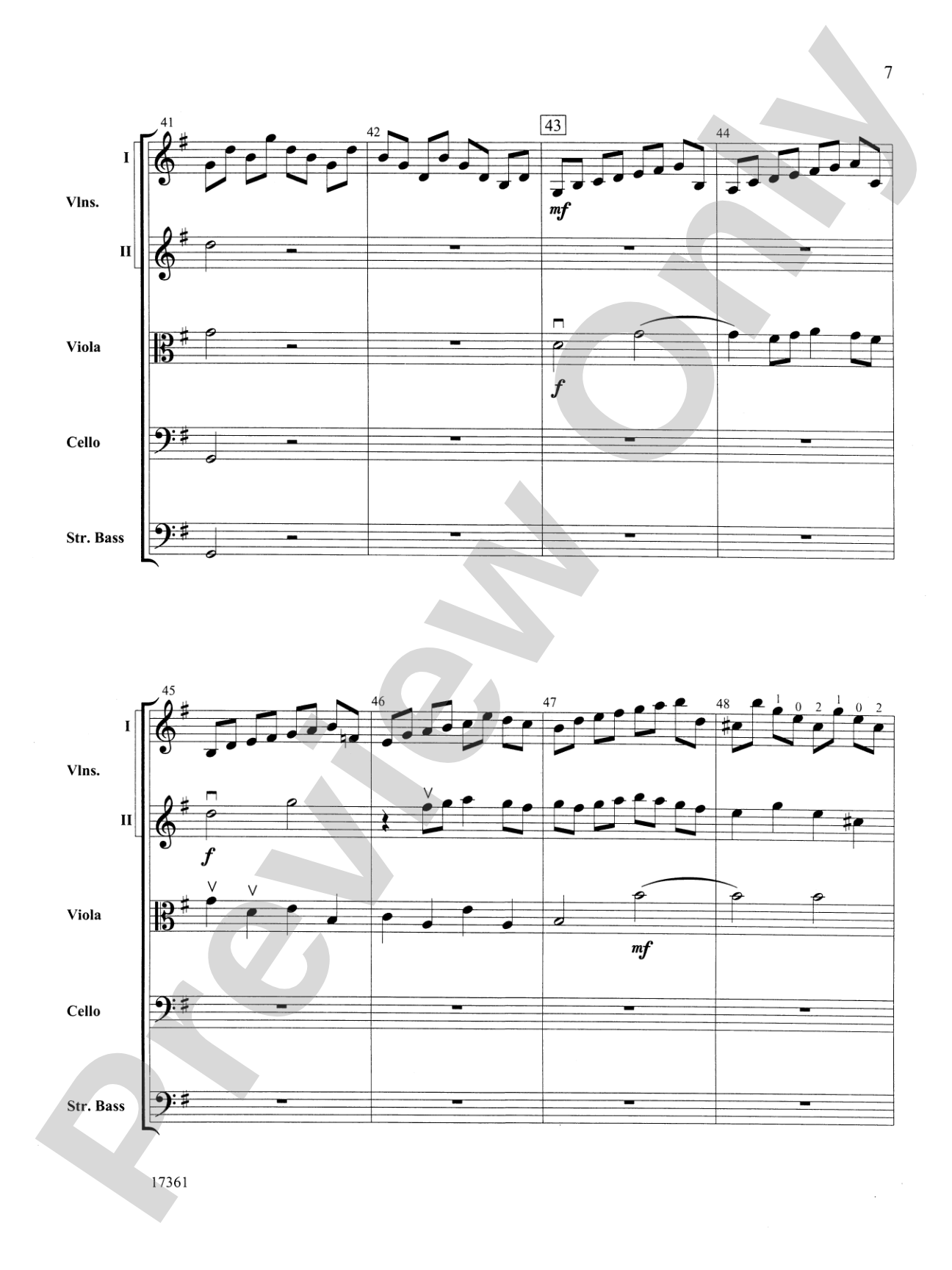
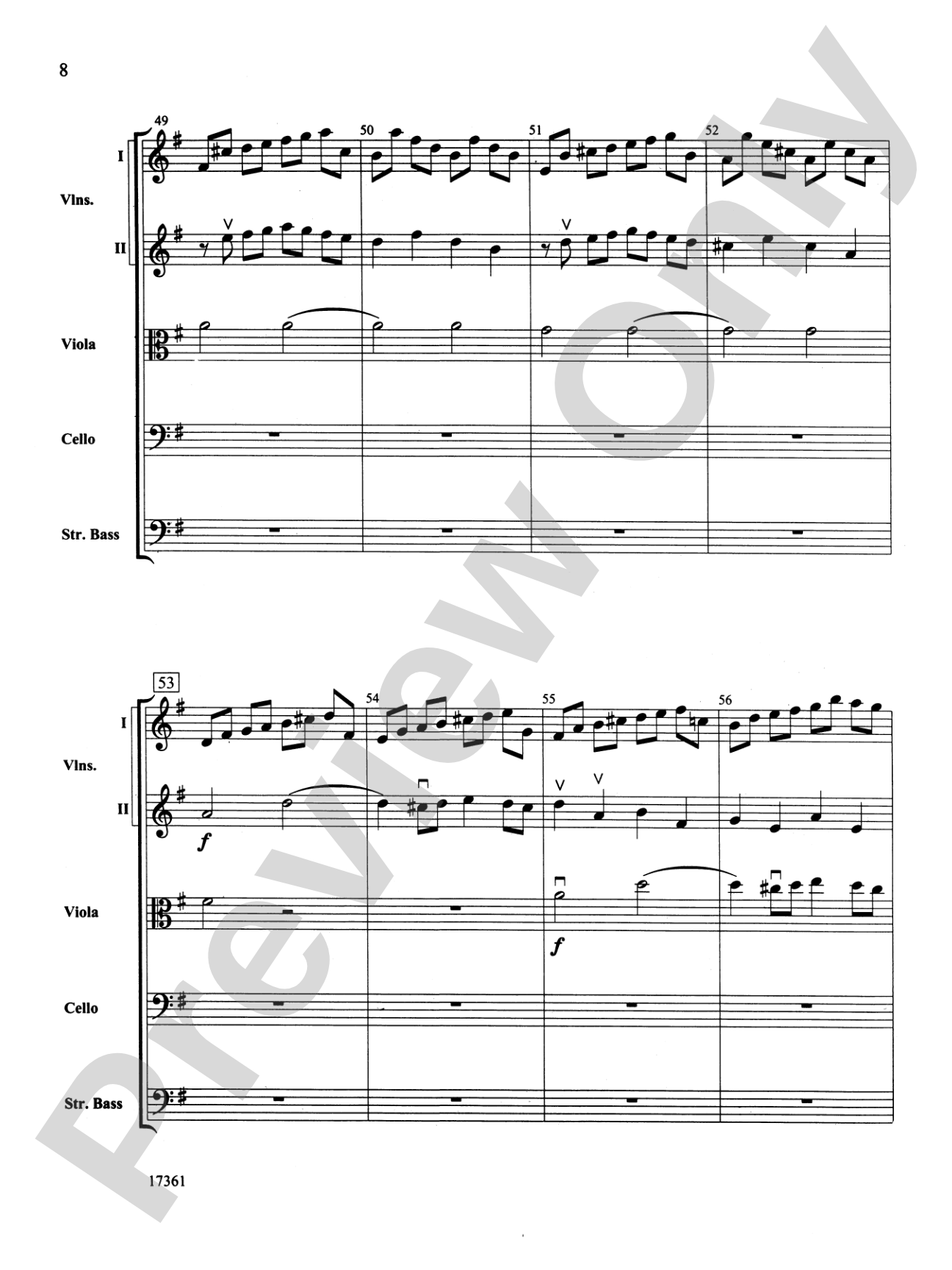
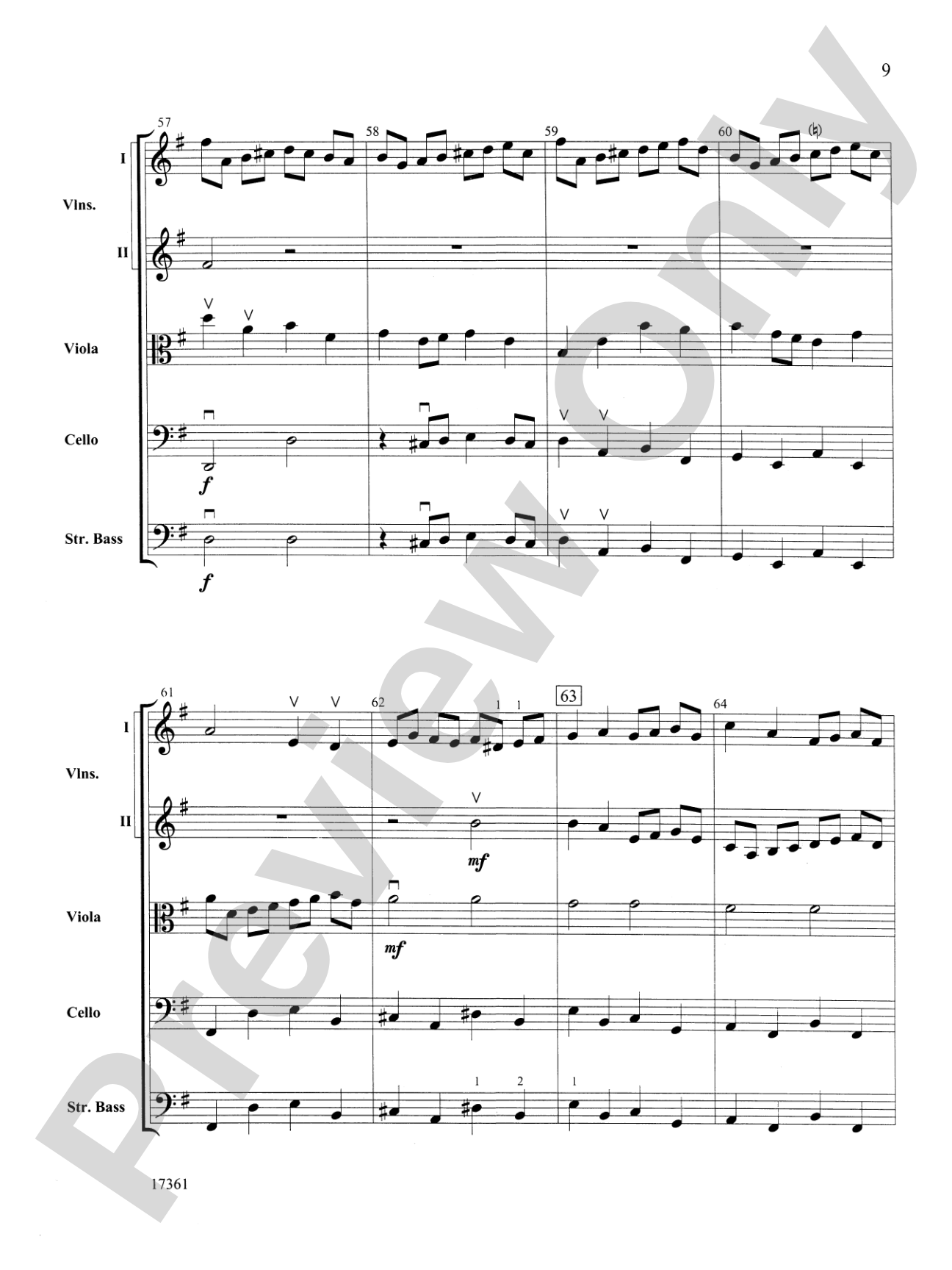
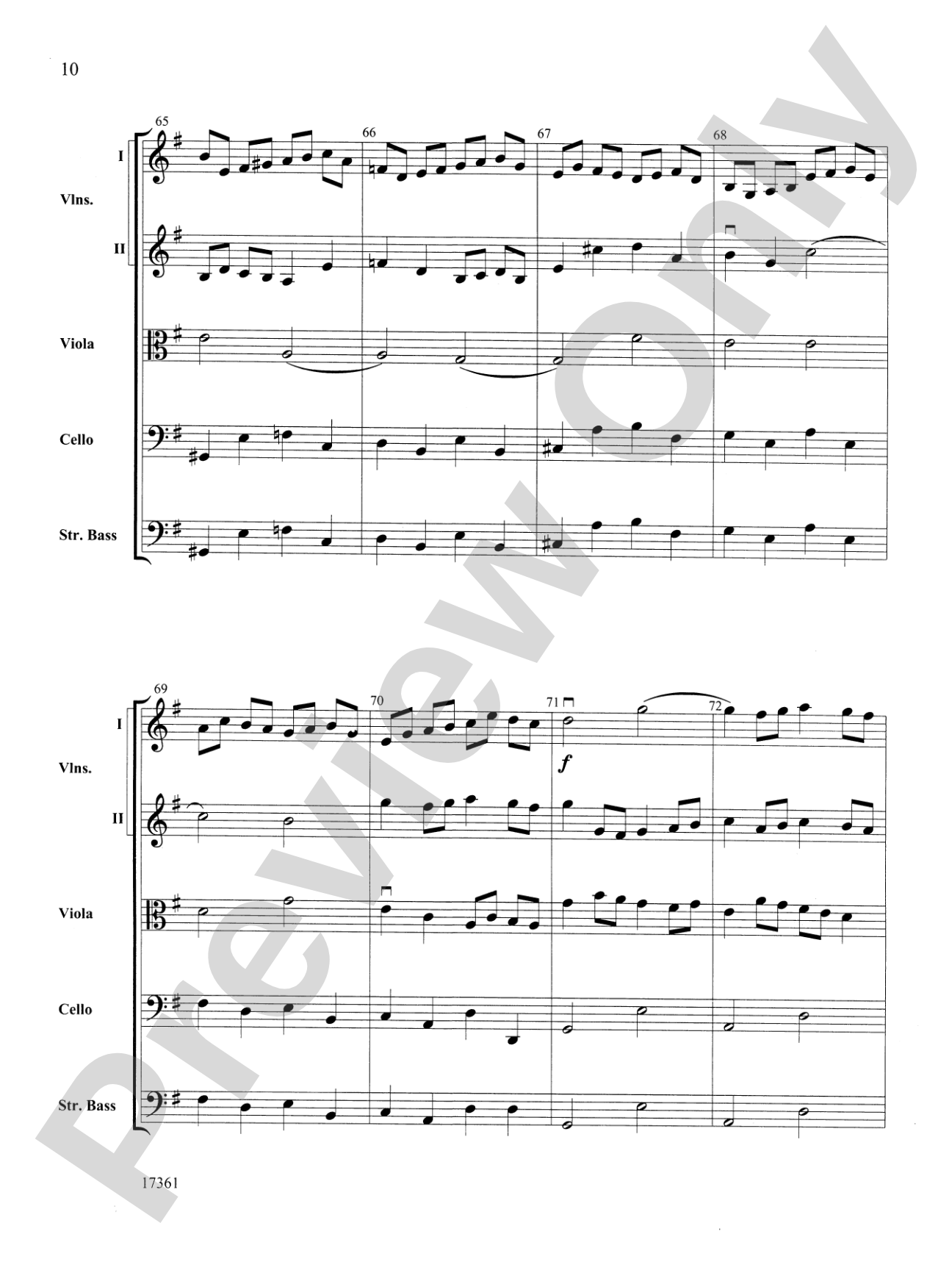
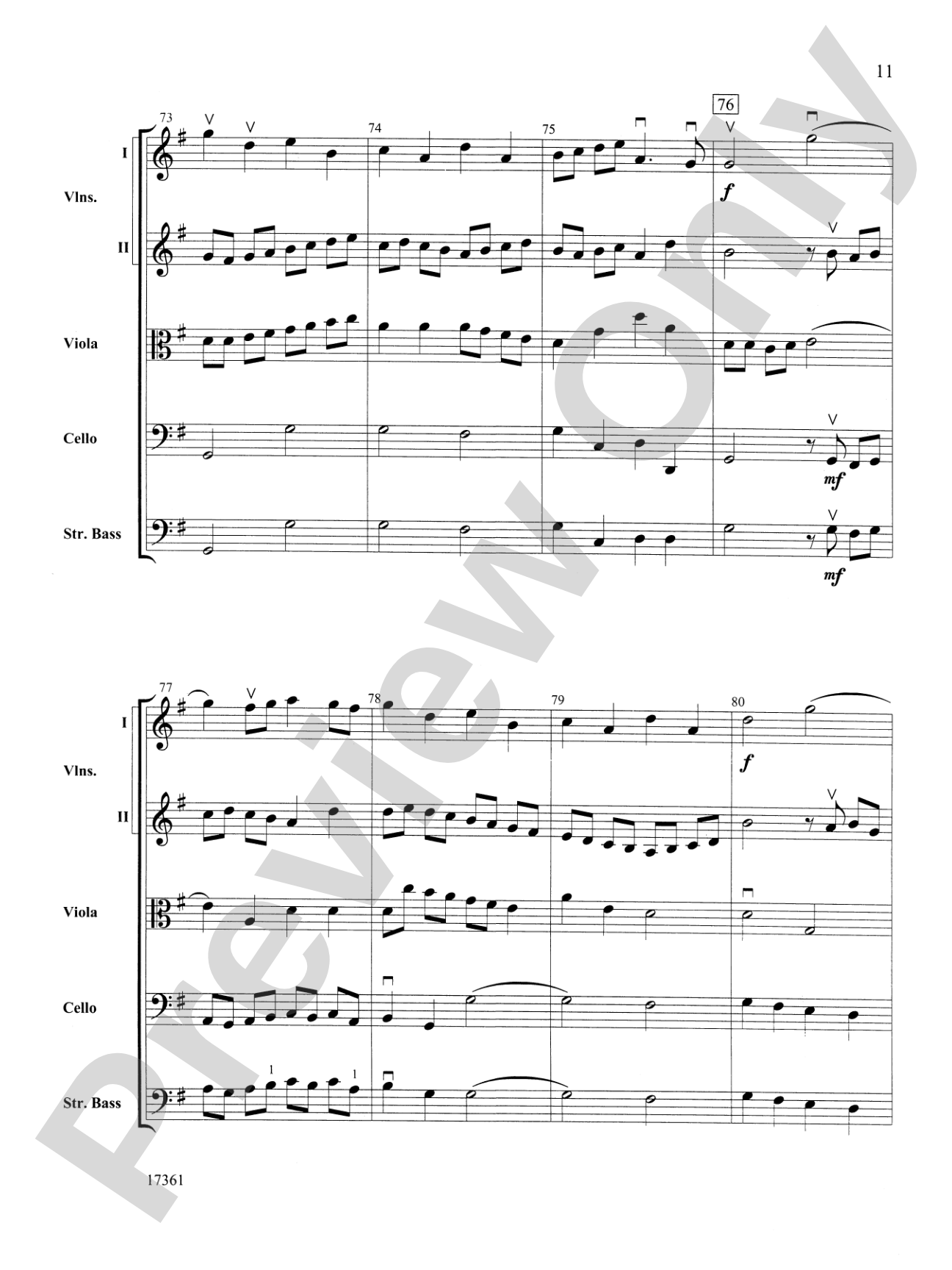
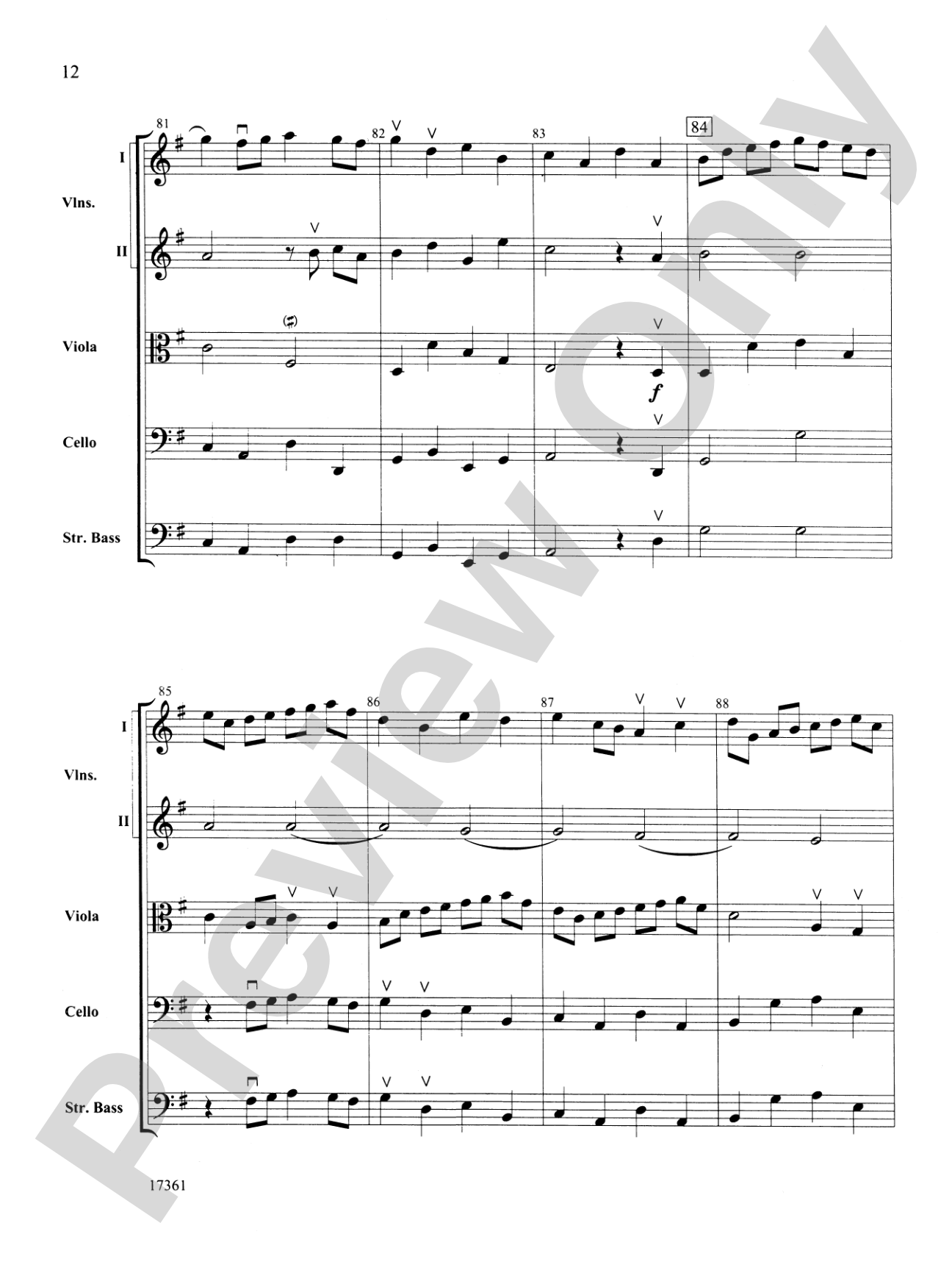
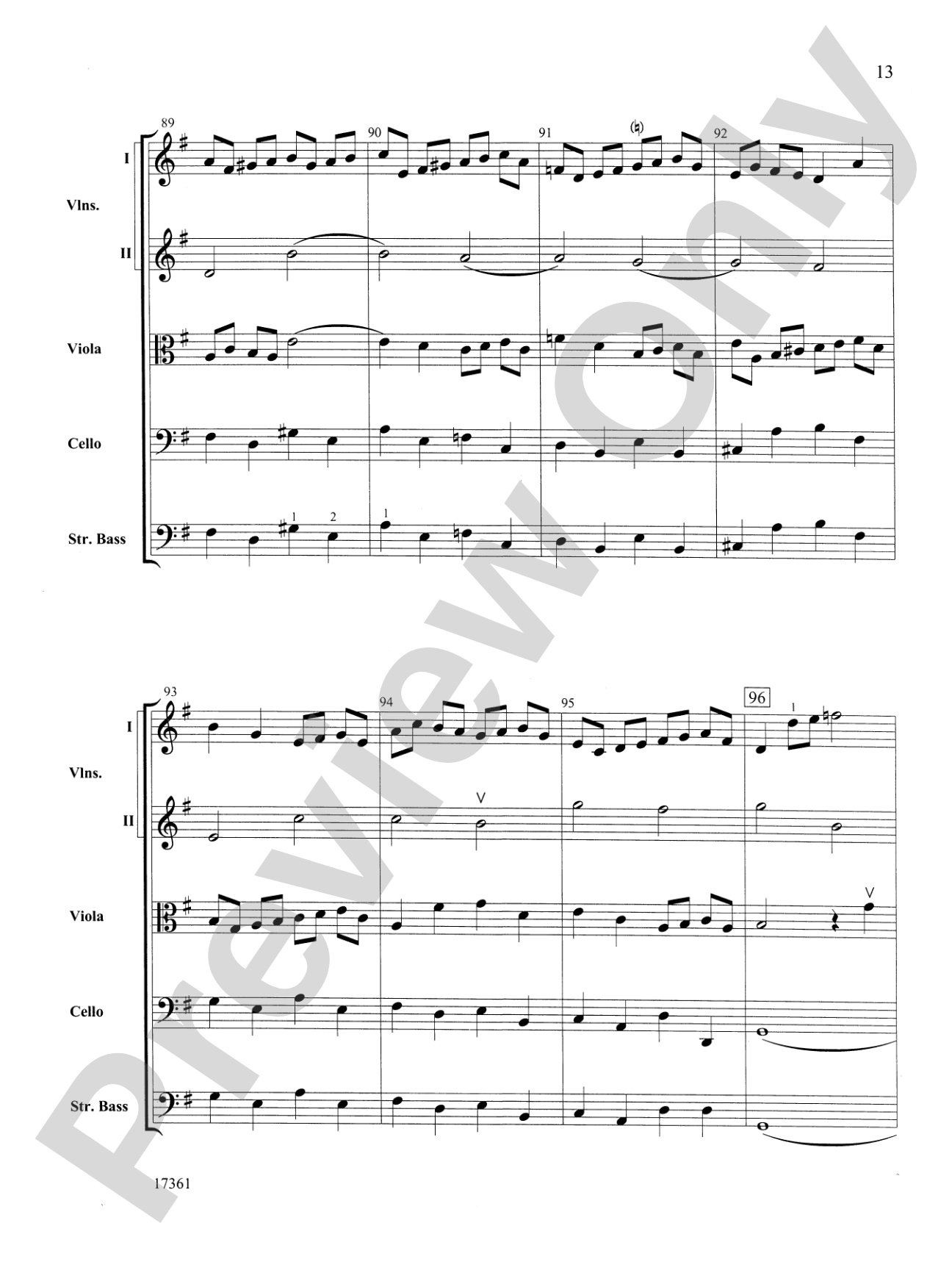
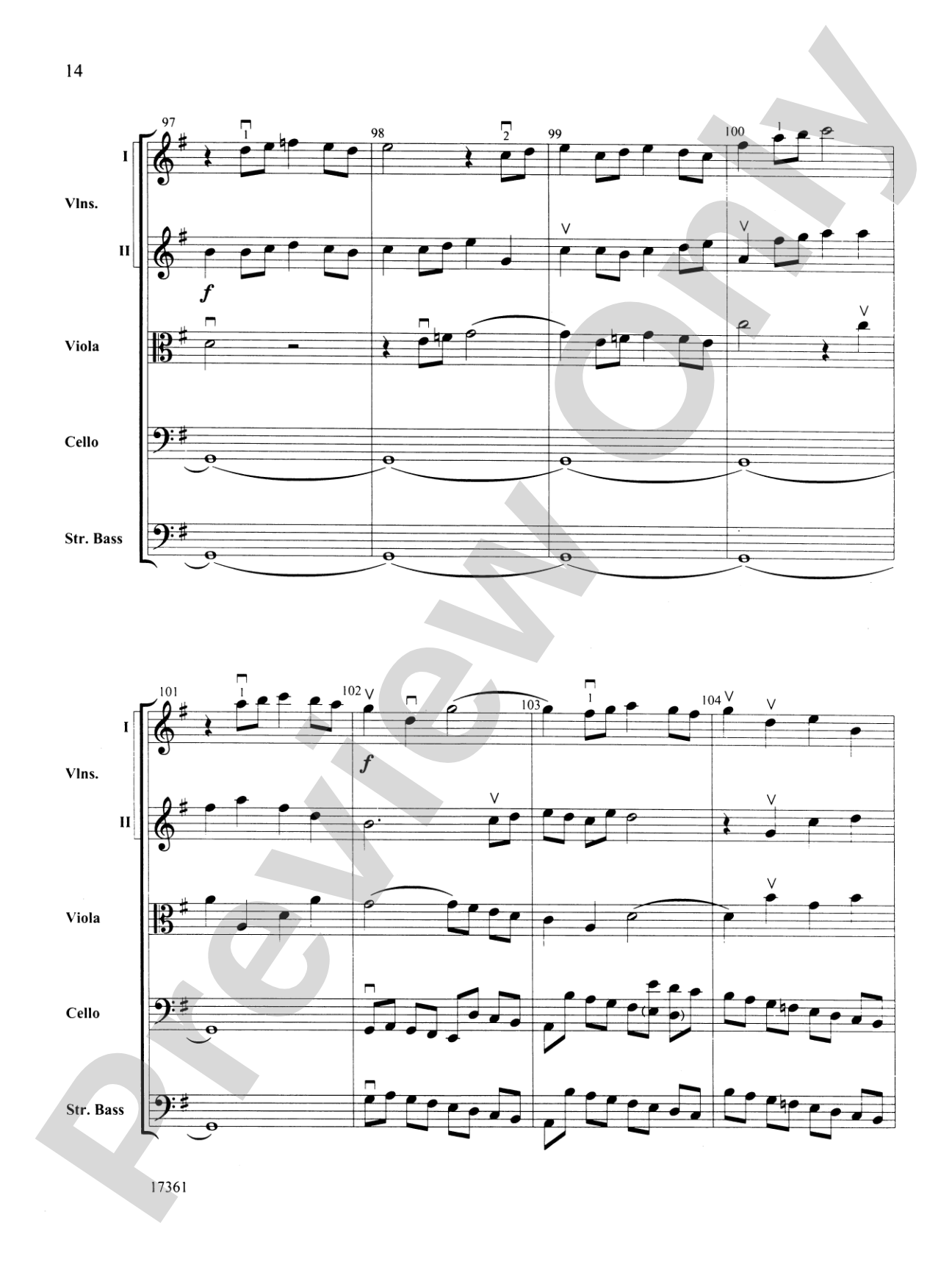
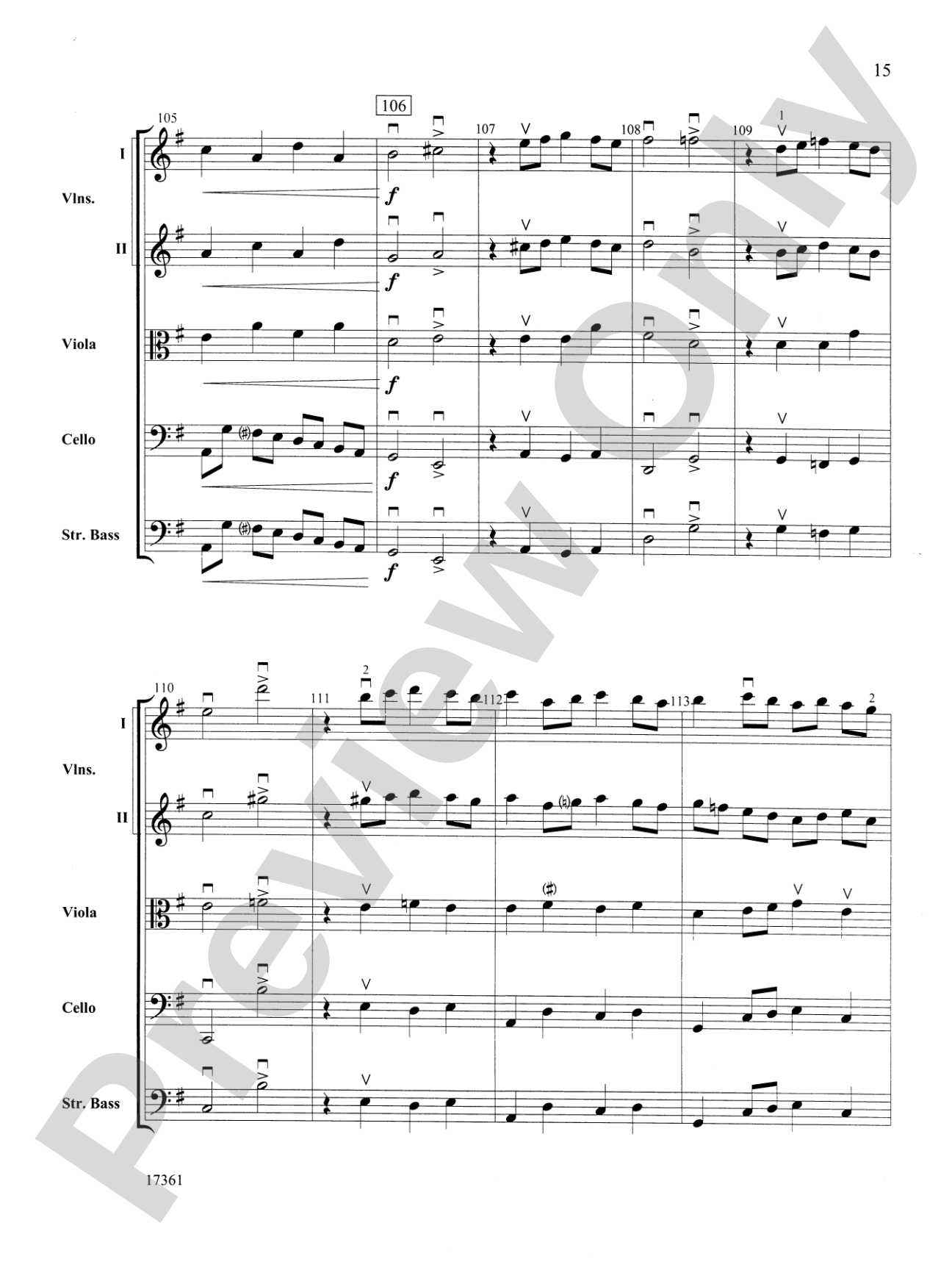
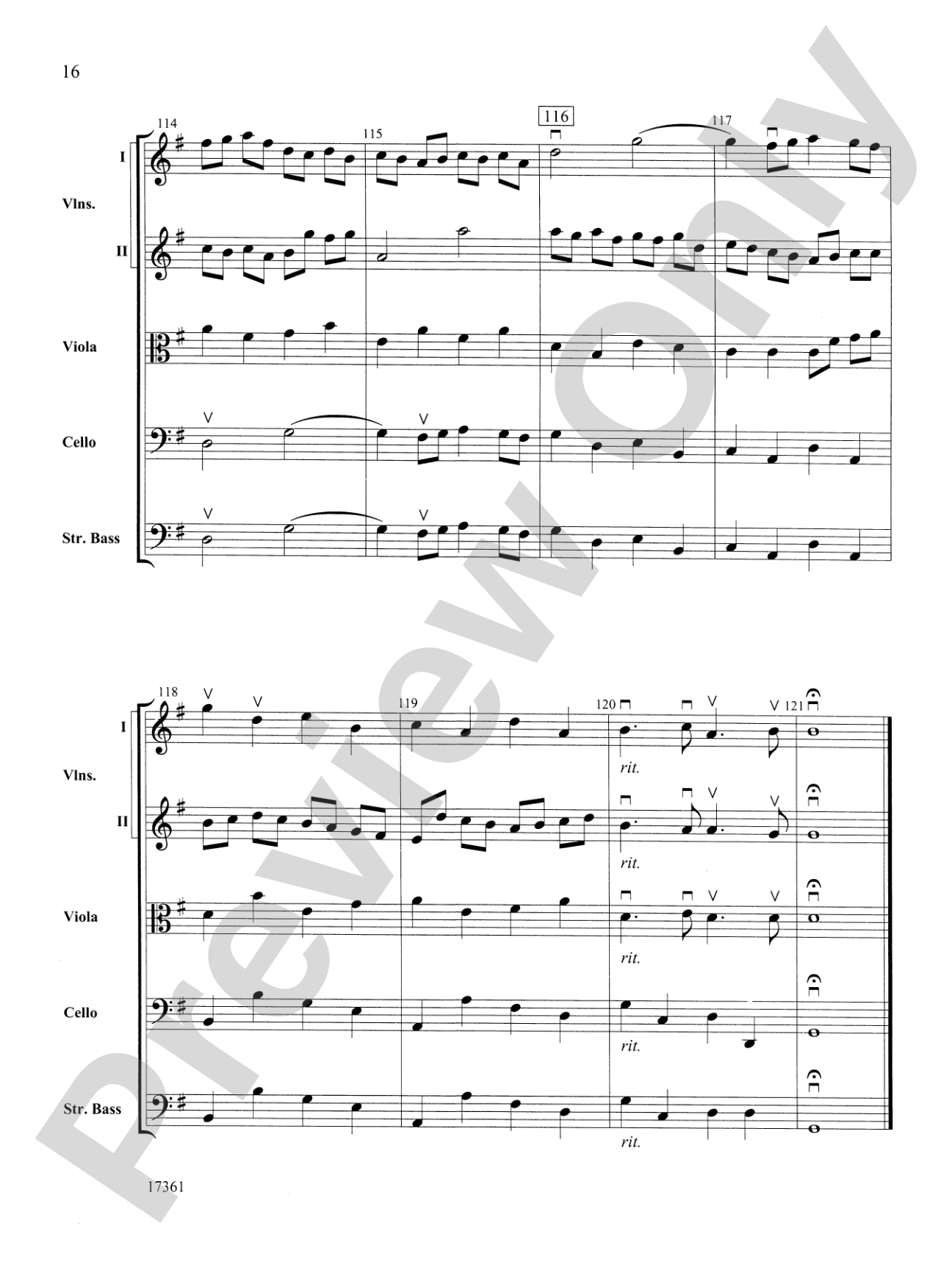

Brandenburg Concerto No. 4 (3rd Movement): String Orchestra Conductor Score & Parts
(3rd Movement)
By Johann Sebastian Bach / arr. Mark Jasinski
Grade: 3
Item: 00-PK-0000241

$56.00
Pickup currently not available
Buy Extra Parts (Digital PDF Download)
Parts Added to Cart!
Description
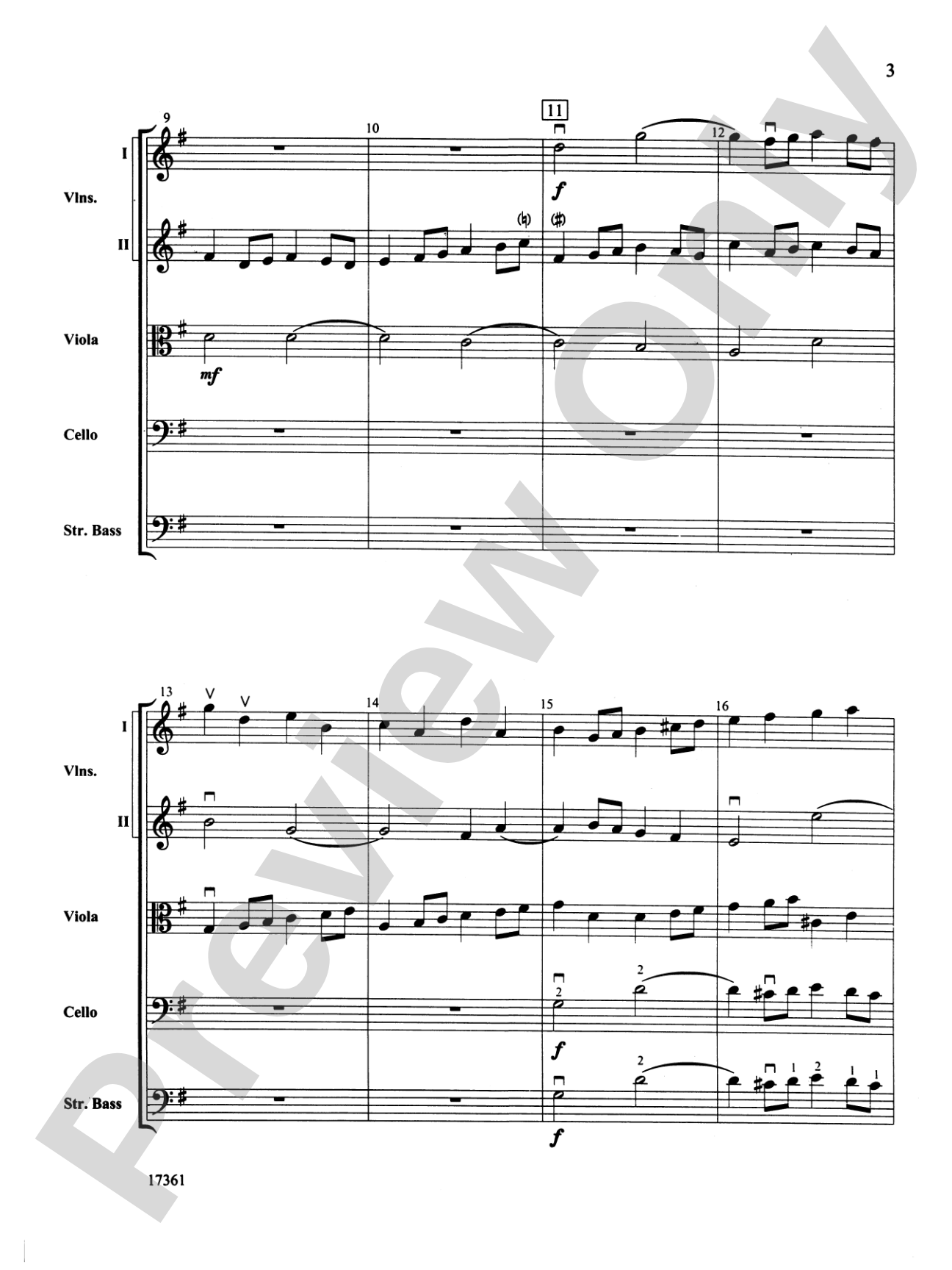
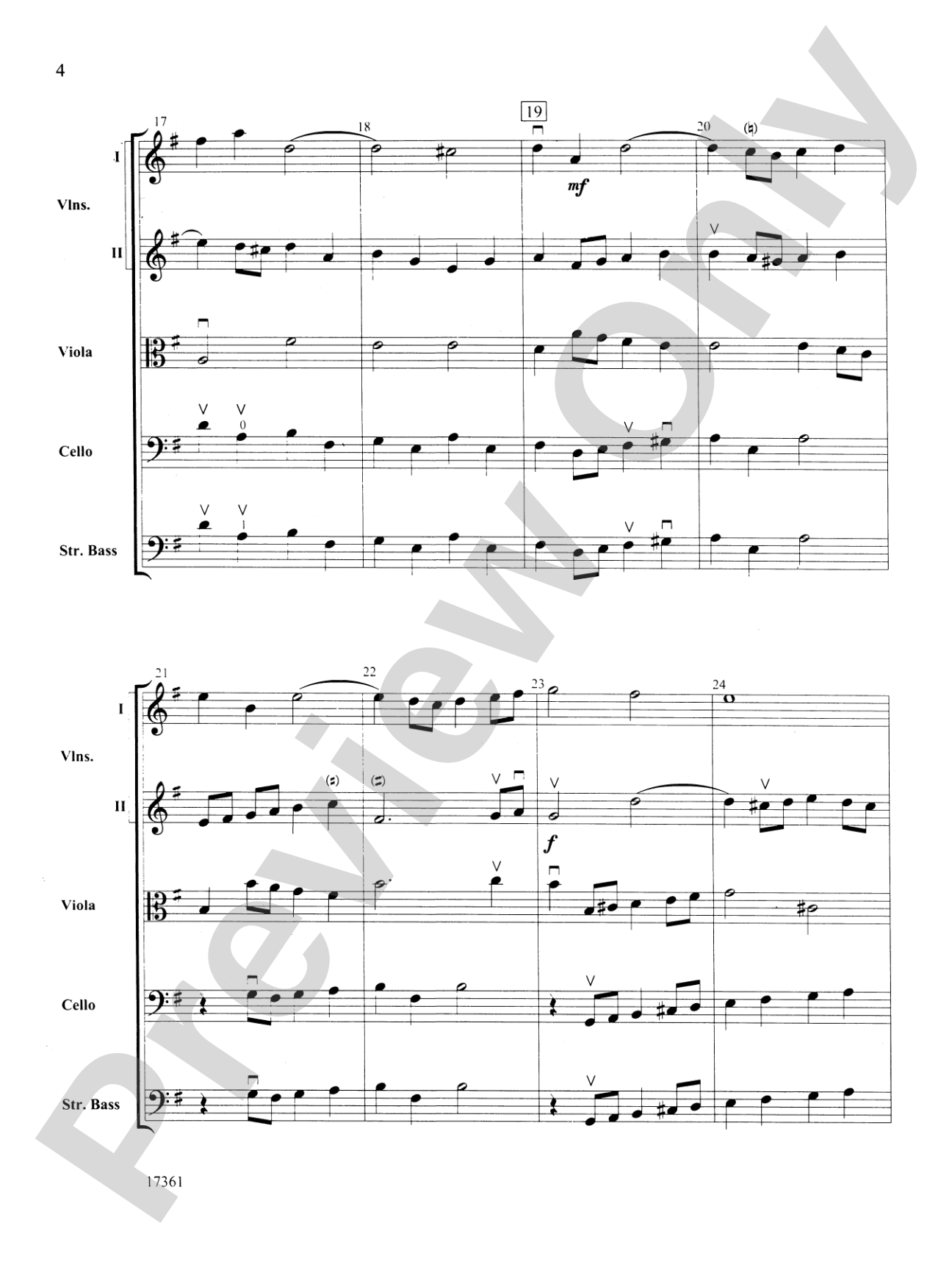
String players love Bach, and this arrangement is another reason why! This very authentic, yet playable adaptation of the original for string orchestra has active parts for all players, and provides great experience in playing Baroque-style counterpoint. This title is available in MakeMusic Cloud.


Don't just read it, hear it, play along with it, and watch your students grow with it. In MakeMusic Cloud, Brandenburg Concerto No. 4 (3rd Movement): String Orchestra Conductor Score & Parts comes alive with professional accompaniment, adjustable tempo, and built-in practice tools that turn solo practice into real progress.
Open in the Player
Jump straight in and assign it today.
Start Your Free Trial
Open this title and explore the full library in minutes.
Sample Audio
1
Audio File
--:--
0:00
0:00
Sample Video
Additional Details
Series:
Highland/Etling String Orchestra
Publisher:
Alfred Music
Page Count:
124
SKU:
00-PK-0000241
More about this title
About the Composer: Johann Sebastian Bach
Johann Sebastian Bach (1685, 1750) composed the Brandenburg Concertos near the end of his tenure at the court of Köthen, creating a set of six works that showcase his mastery of counterpoint and orchestration. These concertos stand as pillars of the Baroque instrumental canon, each featuring different instrumental combinations and technical demands that have made them central to music education and concert programming for centuries.
Why we love this
Mark Jasinski's arrangement preserves the intricate counterpoint and authentic Baroque texture of Bach's original while distributing engaging material across an entire string section. At Grade 3, this becomes genuinely playable repertoire that exposes young musicians to the architectural sophistication of Bach without resorting to simplification. Programming this at a festival or concert demonstrates your orchestra's technical depth and historical literacy in a single, undeniably impressive work.
What to expect
The third movement dances with elegant perpetual motion, driven by the interplay of rising and falling phrases across the string choir. Underneath the rhythmic energy flows a harmonic foundation that feels both secure and subtly sophisticated, inviting listeners into Bach's world of mathematical musical beauty. The genuine counterpoint means every player matters; the piece lives or dies by ensemble precision and individual musical independence.
Who it's for
String orchestras at the high school level and advancing middle school programs will find this arrangement both artistically rewarding and technically achievable. Conductors looking to program substantial Baroque repertoire without tackling full concerto grosso textures will appreciate the careful orchestration. This is ideal for ensembles ready to engage with counterpoint as an active, performable skill rather than a historical concept.
How to get the most out of it
- Shape individual melodic lines with consistent phrase direction; younger string players often lose Baroque phrasing when focusing on intonation.
- Balance the counterpoint by bringing out each voice equally rather than defaulting to prominence on the highest or lowest part.
- Maintain clarity between the fast scalar passages and sustained harmonic lines; articulation choices in the faster sections help define the contrapuntal texture.
- Use the recorded accompaniment to lock rhythmic precision, especially in the faster runs where ensemble tightness is essential to the music's architecture.
How to use it
Pair this with a Baroque concerto grosso or another string arrangement to build a historically coherent concert section, or use it to anchor a "Masters of Counterpoint" programming theme alongside a Renaissance or contemporary work that explores similar textures. It works beautifully as a festival piece where technical facility and historical awareness both count, and it can serve as a capstone demonstration of an orchestra's growth across a season.
Skills your students will build
- Playing independent counterpoint lines while listening to surrounding voices
- Balancing multiple melodic strands within a single section
- Baroque articulation and phrasing conventions
- Ensemble precision in scalar passages and rhythmic figures
- Reading and performing from a conductor score with transparent texture
- Sustaining intonation across static harmonic writing