
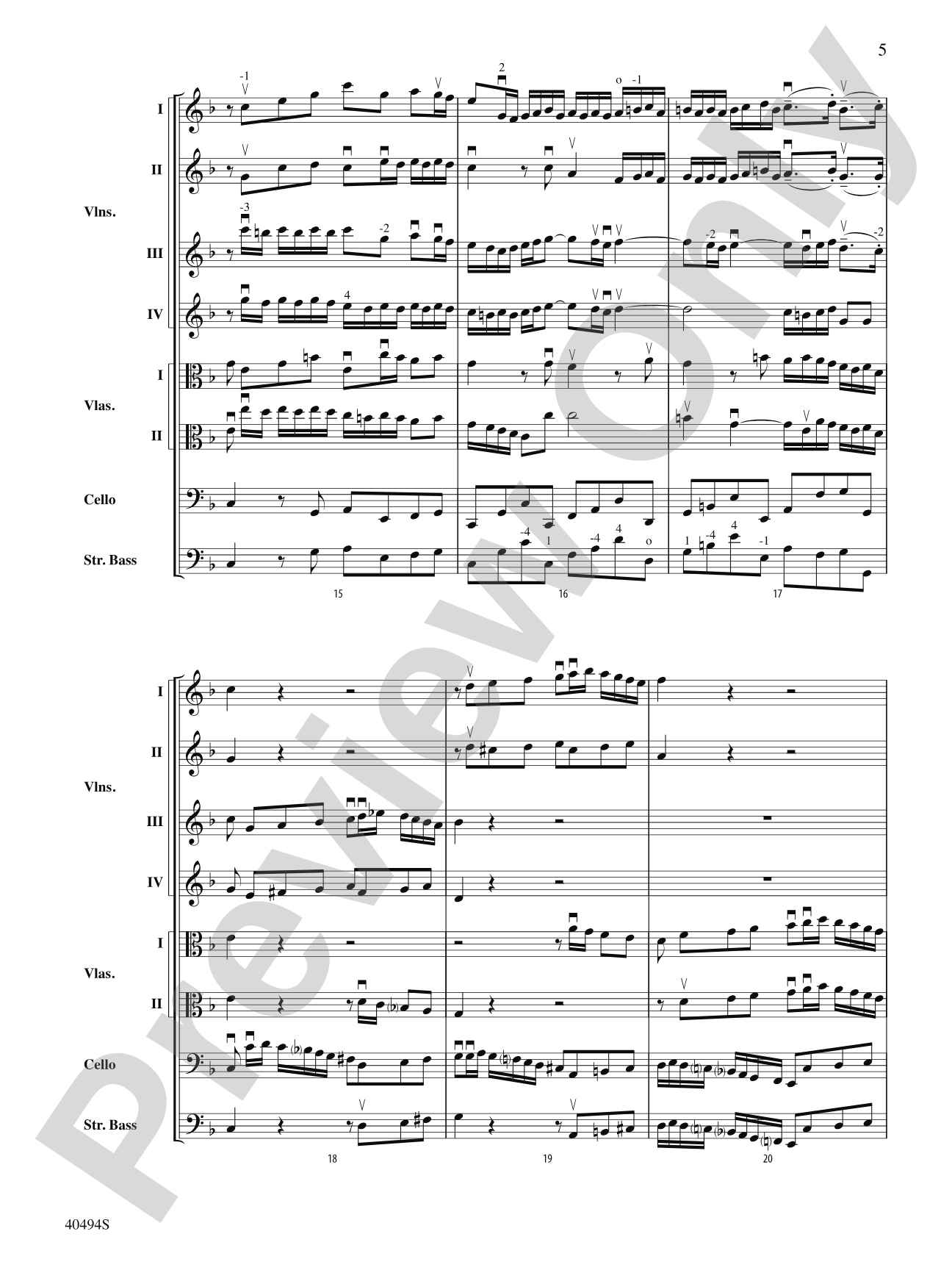
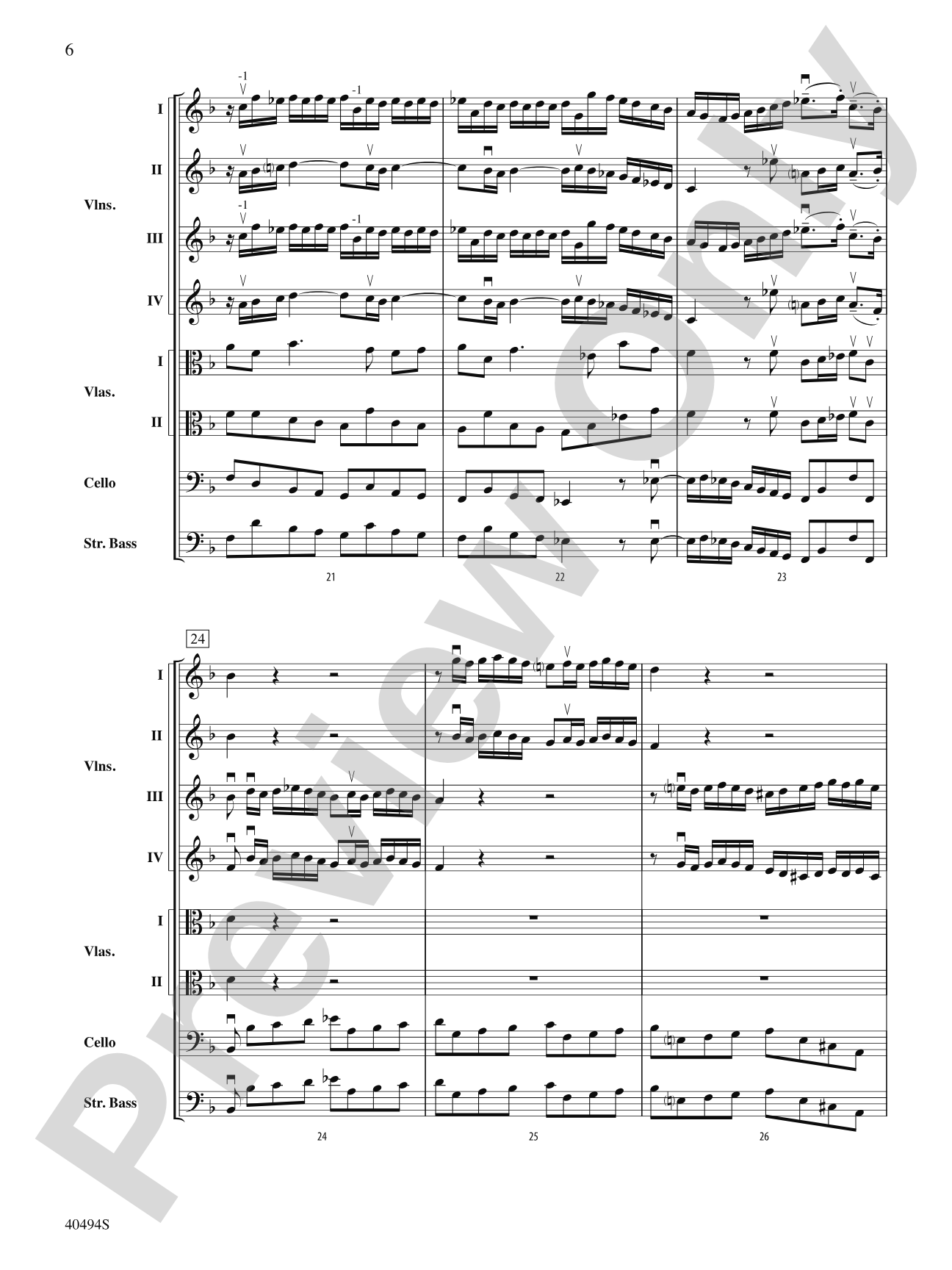
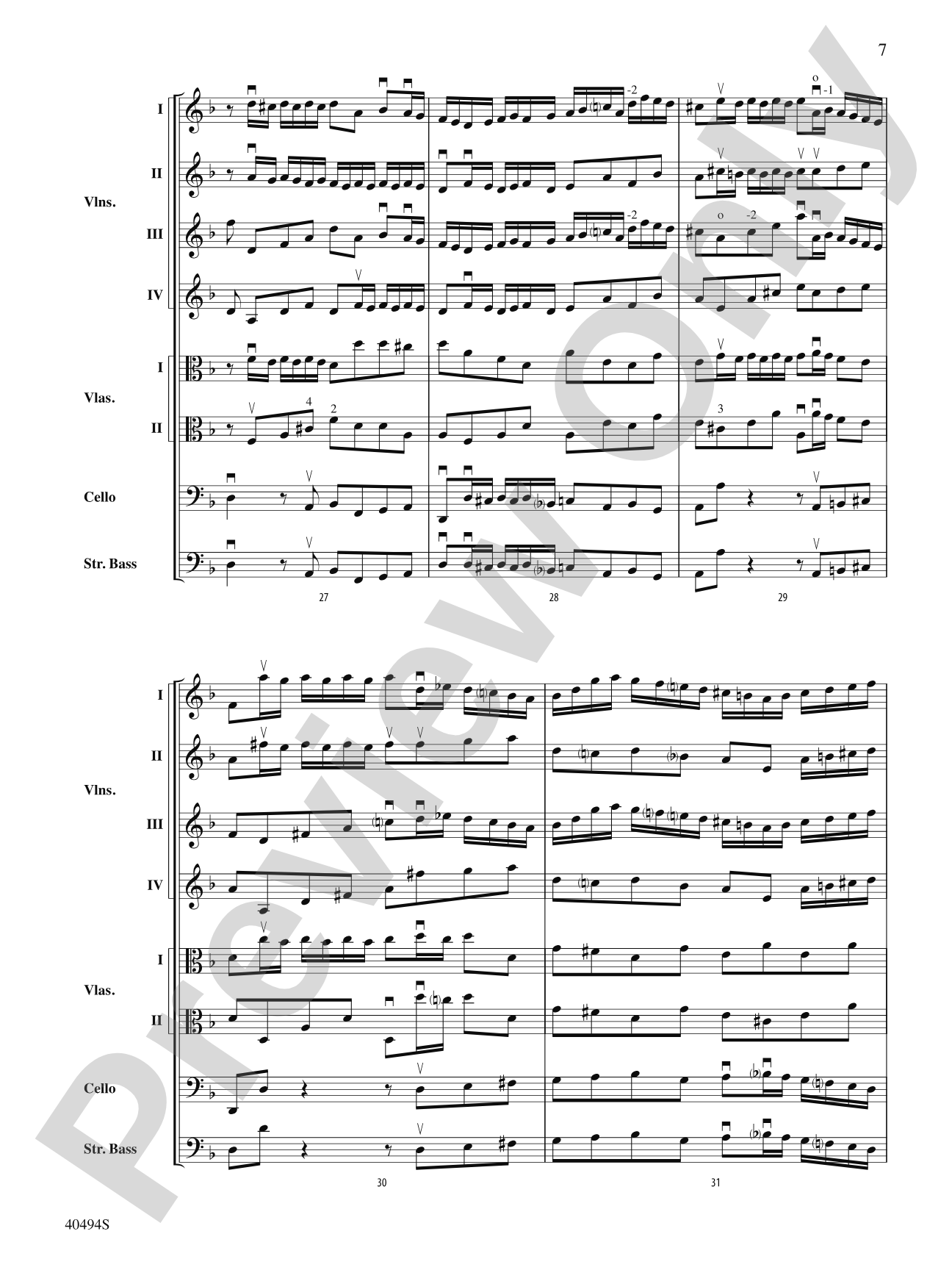
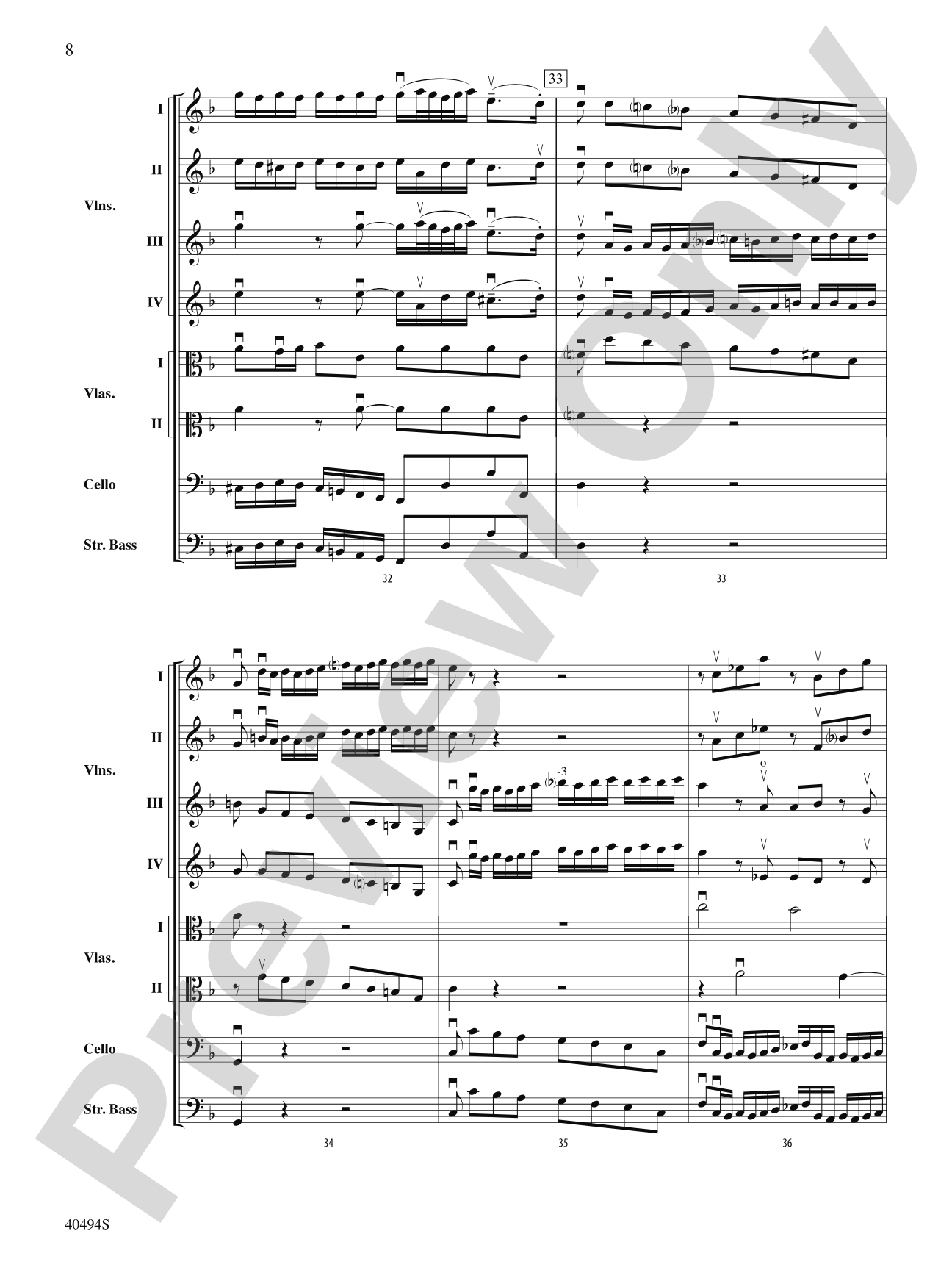

Brandenburg Concerto No. 1 in F Major: String Orchestra Conductor Score & Parts
1st Movement, Arranged for String Orchestra
By Johann Sebastian Bach / arr. Steven H. Brook
Grade: 4
Item: 00-PK-0005773

$59.00
Pickup currently not available
Buy Extra Parts (Digital PDF Download)
Parts Added to Cart!
Description
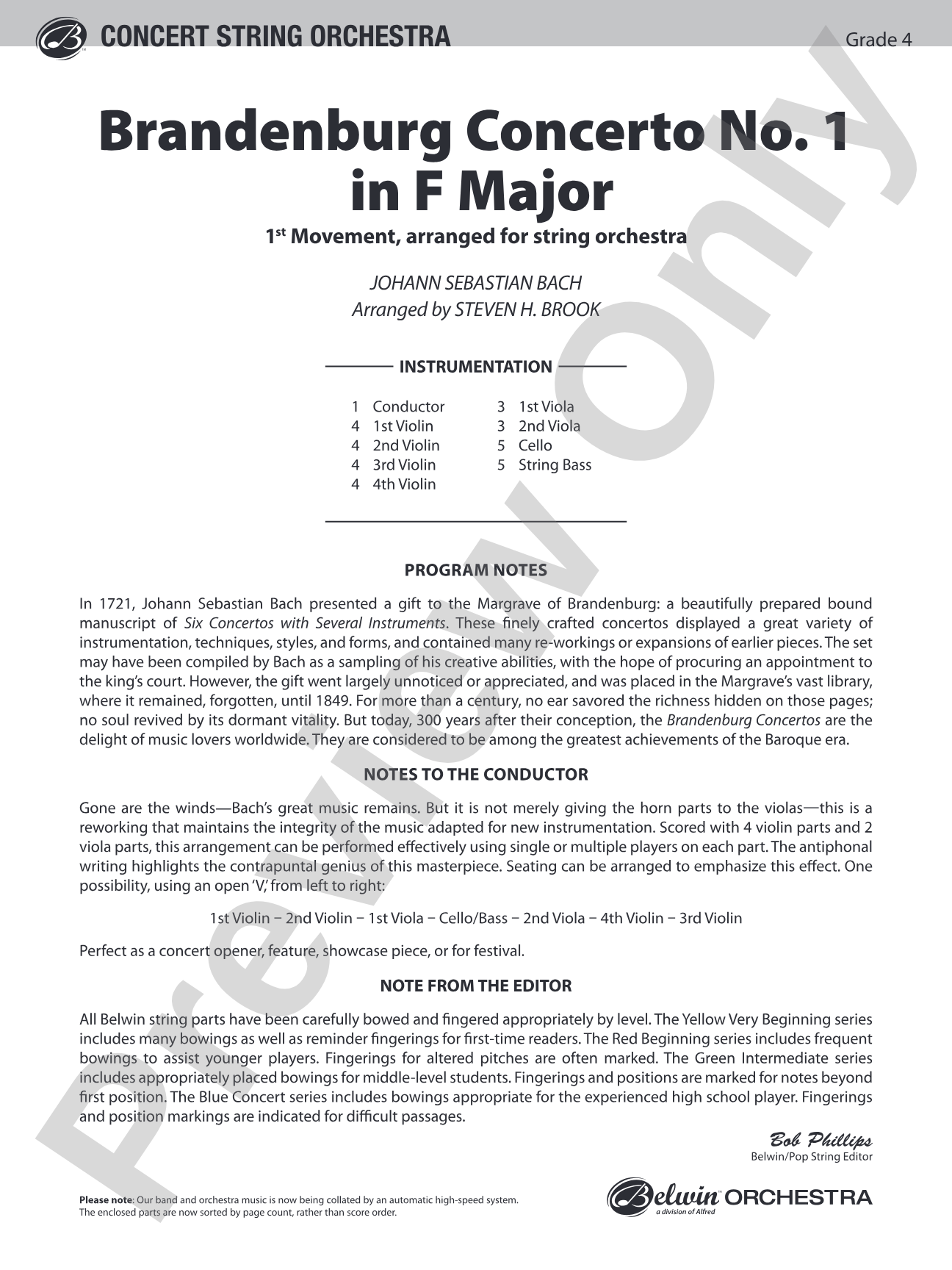
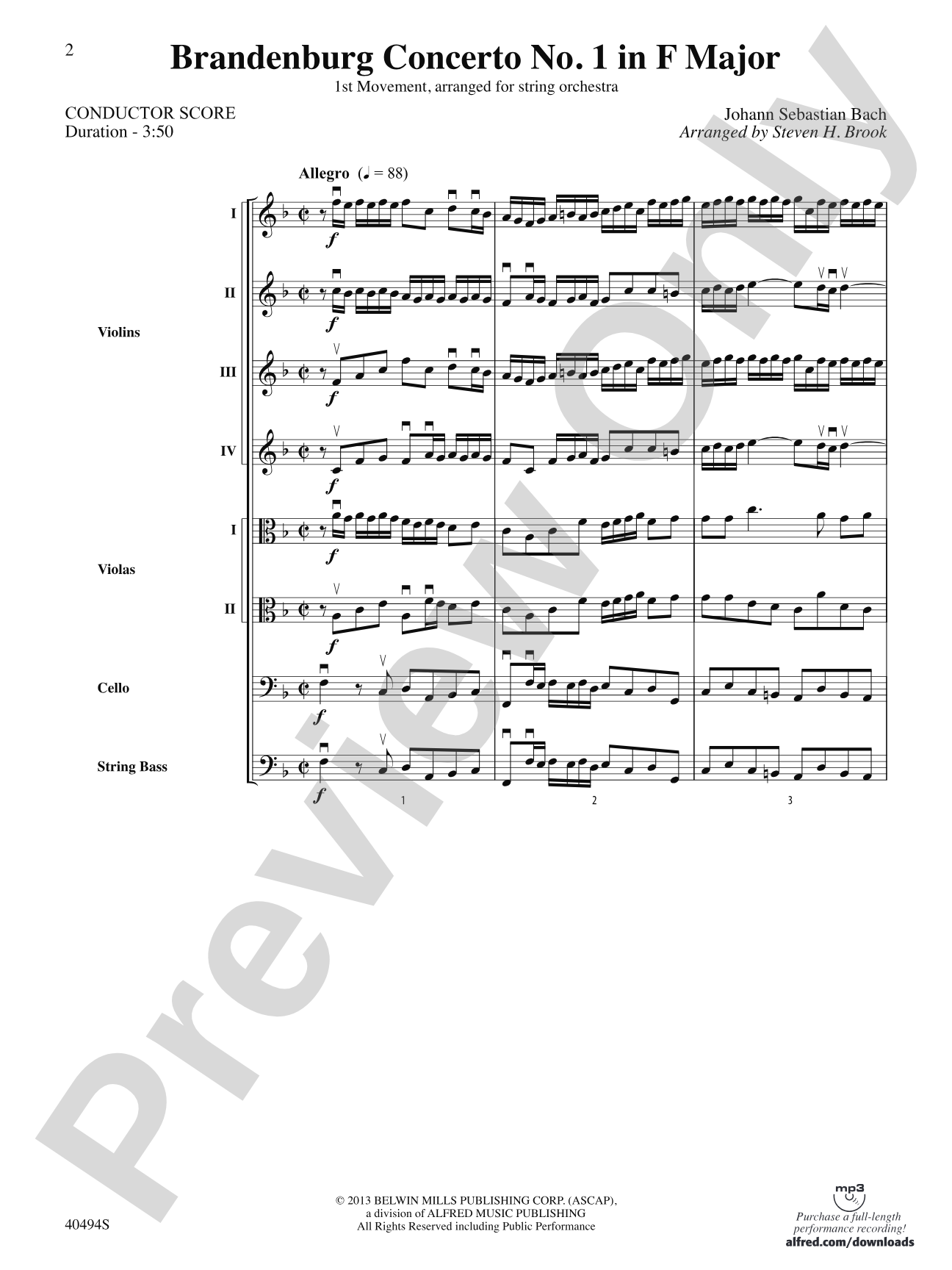
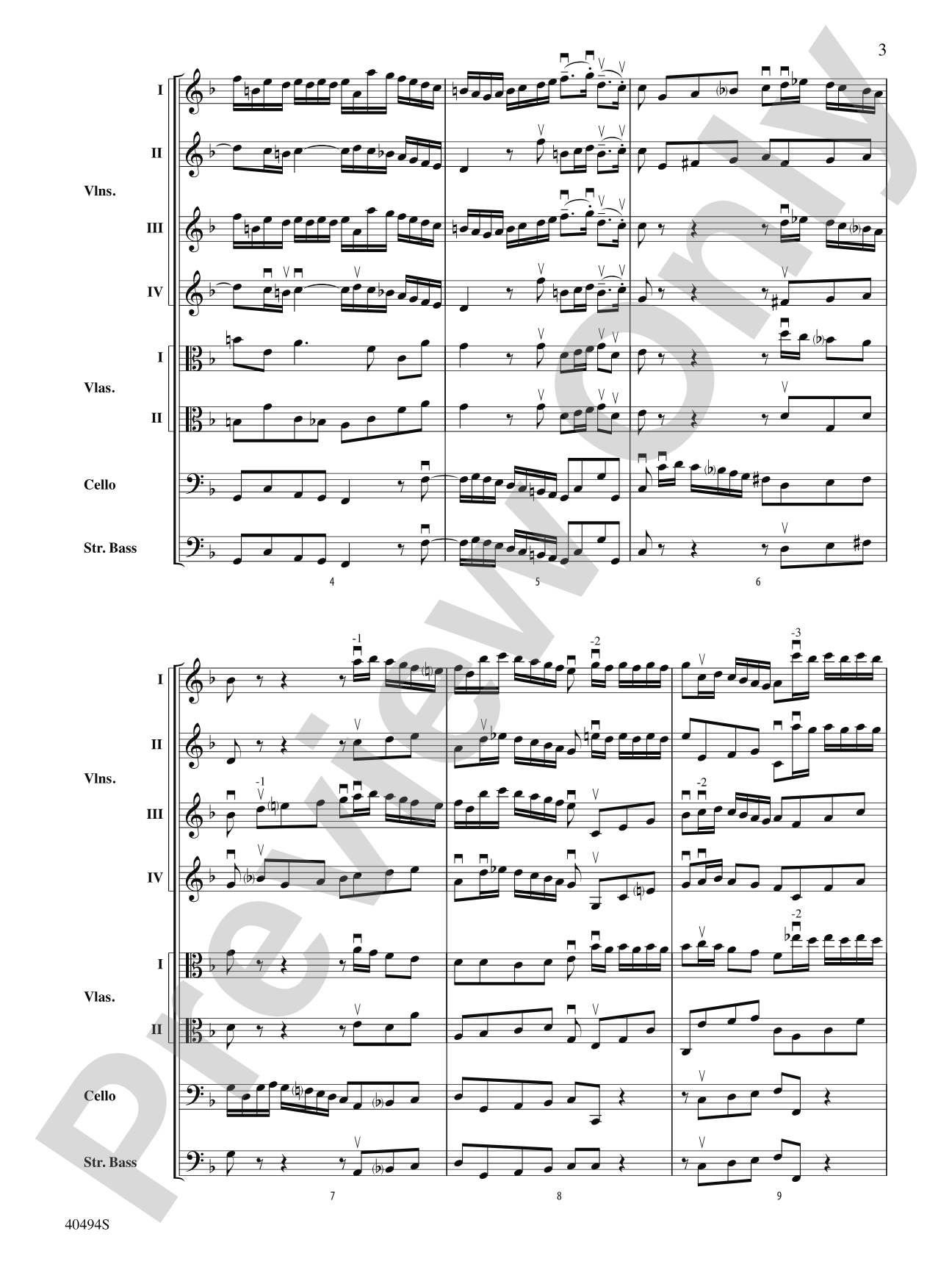
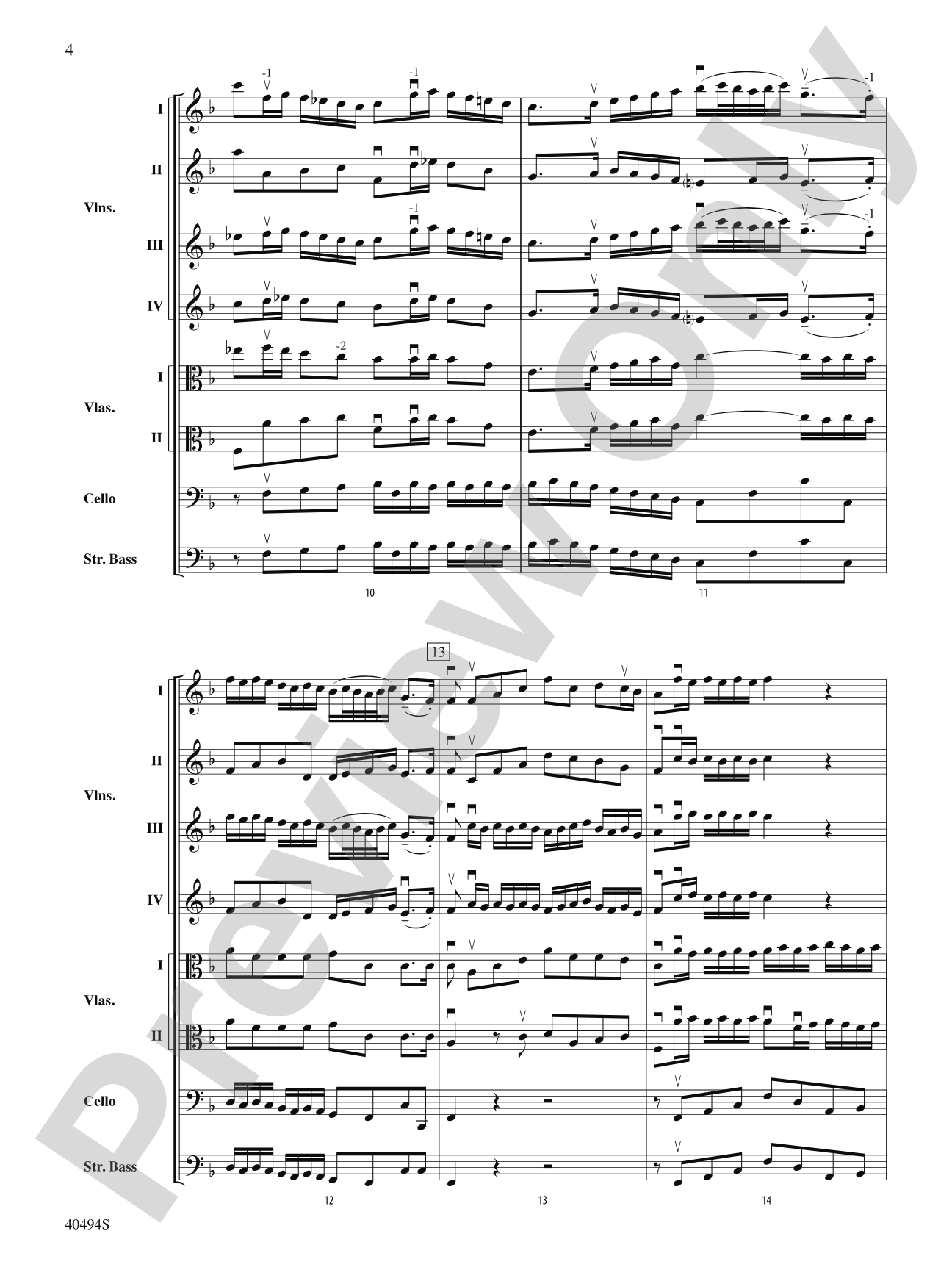
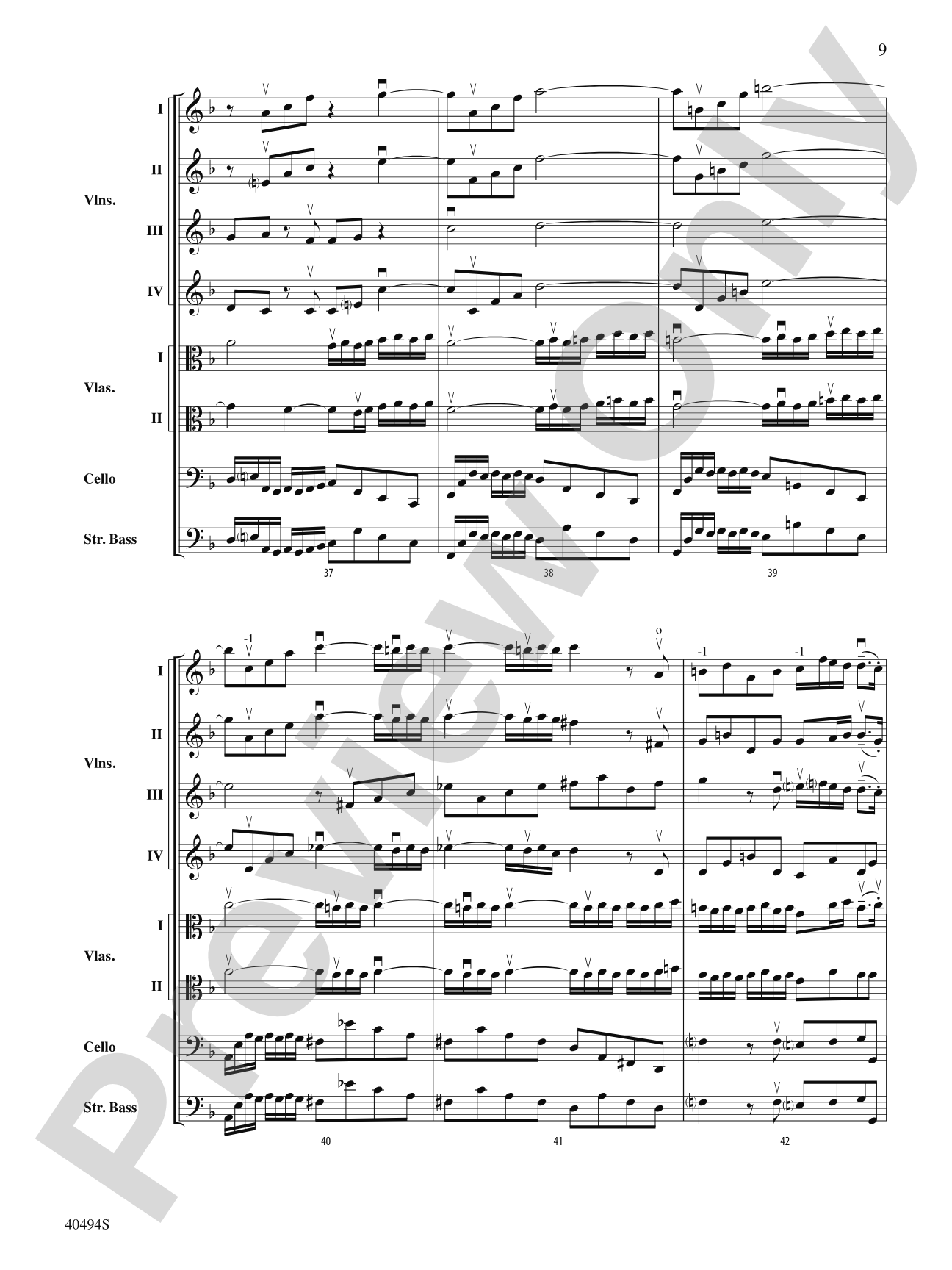
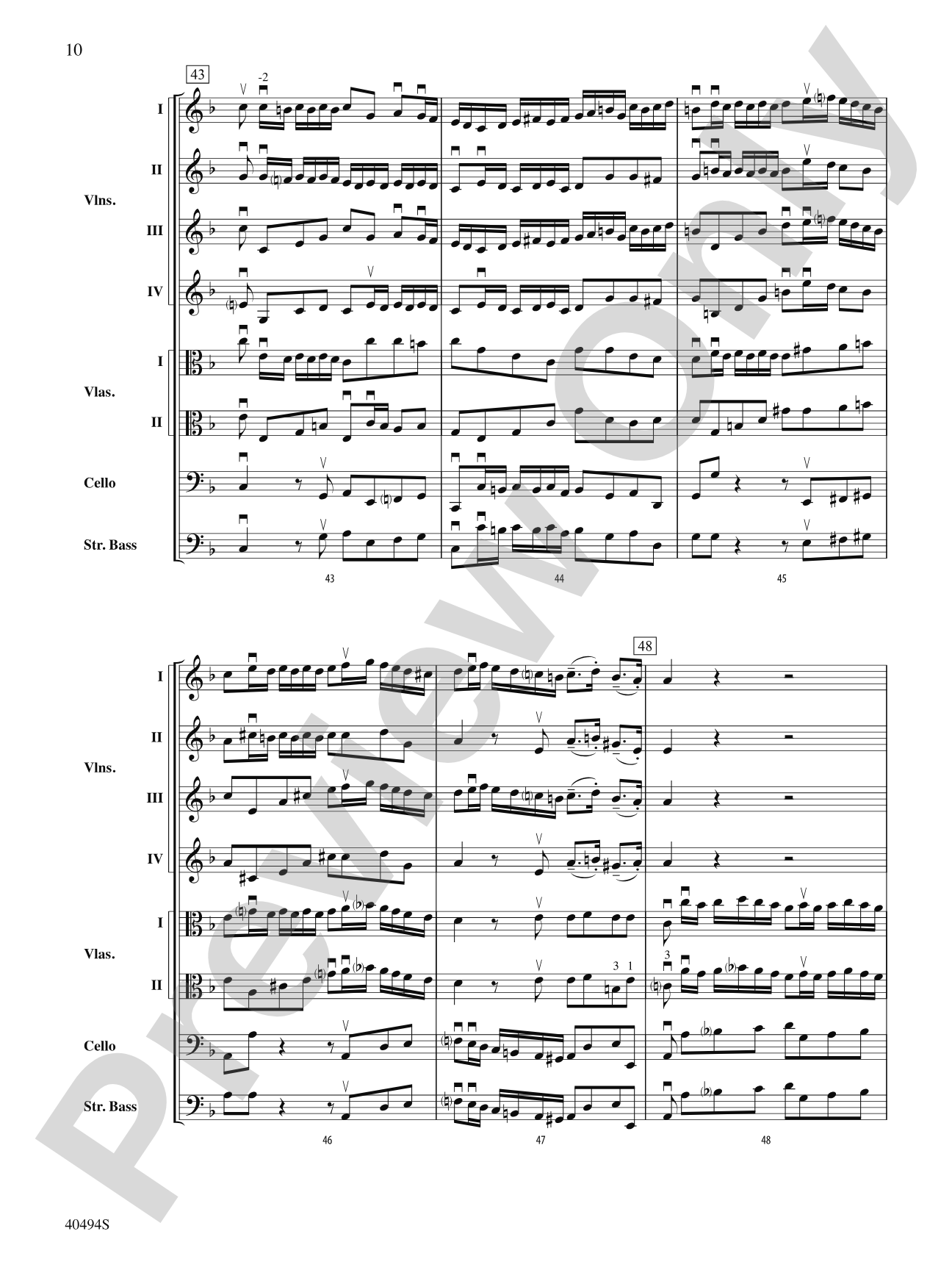
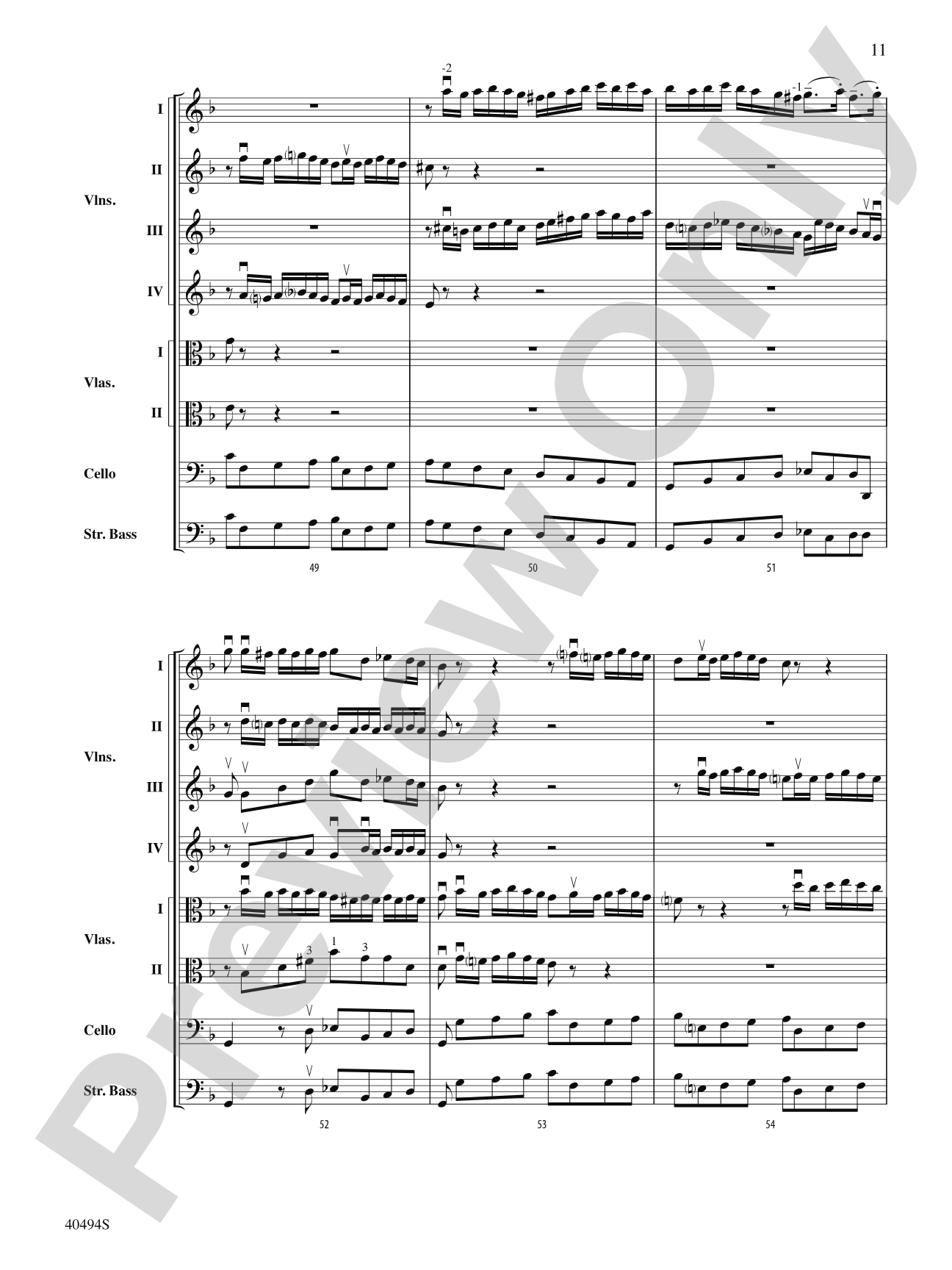
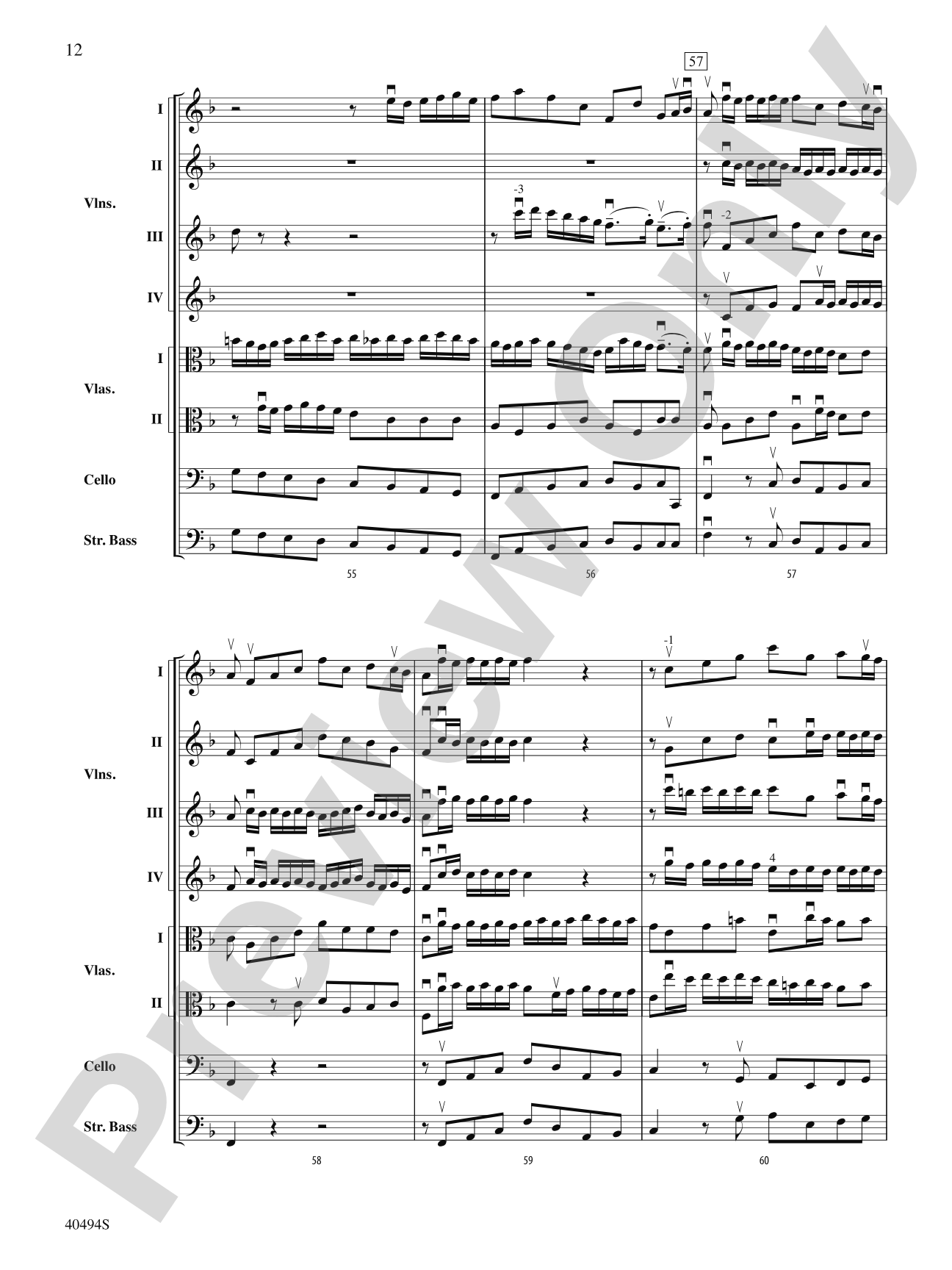
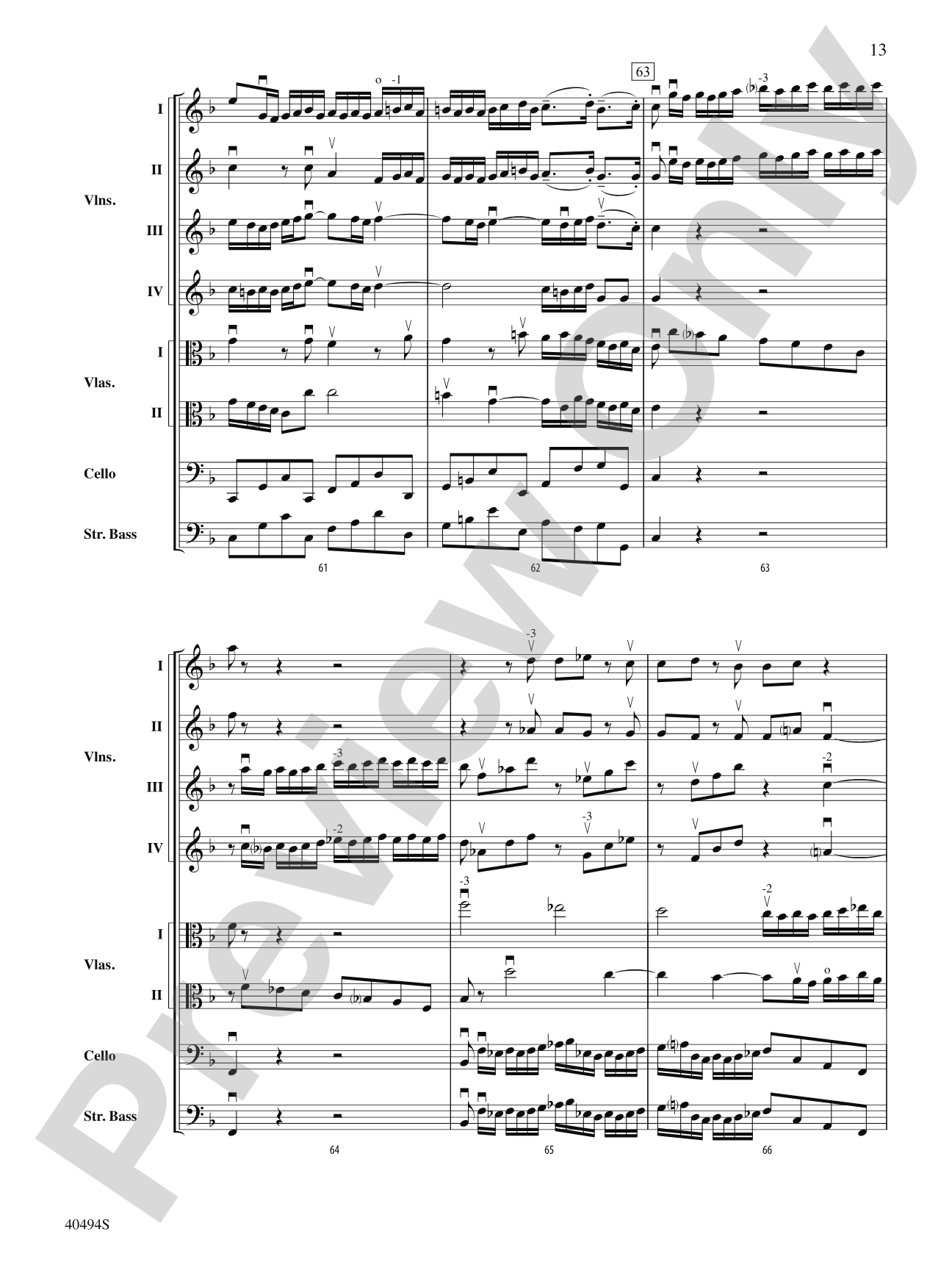
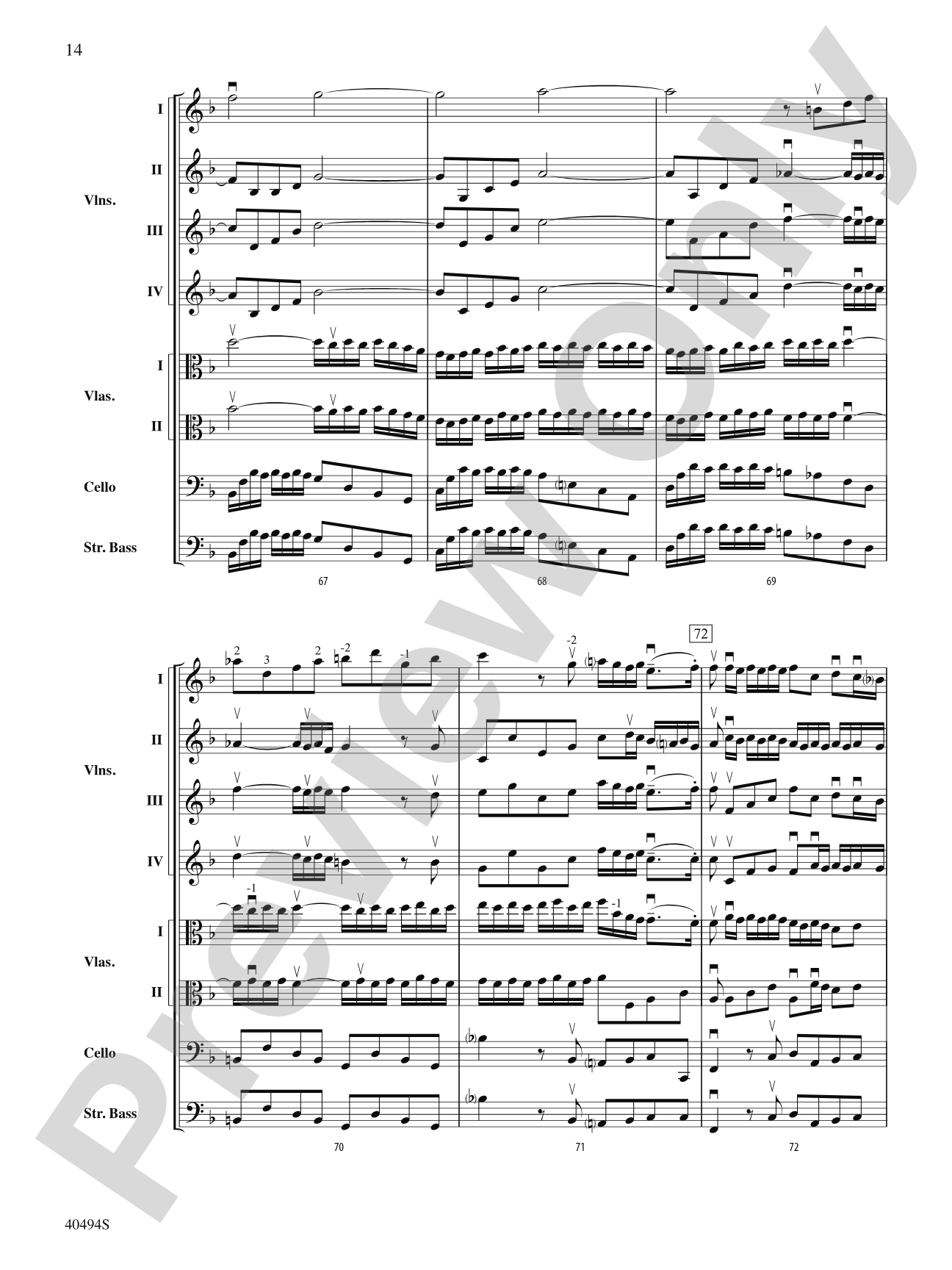
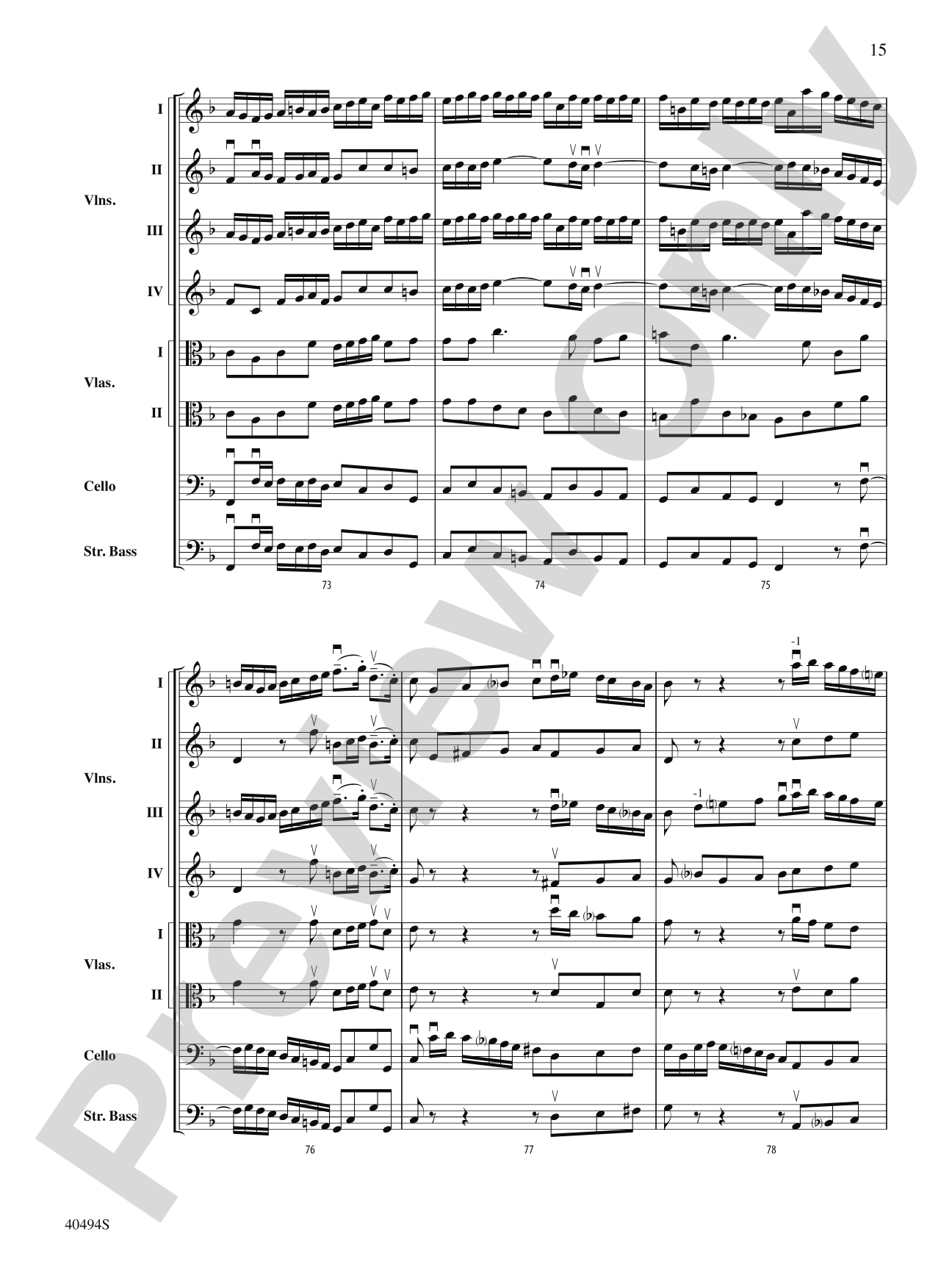
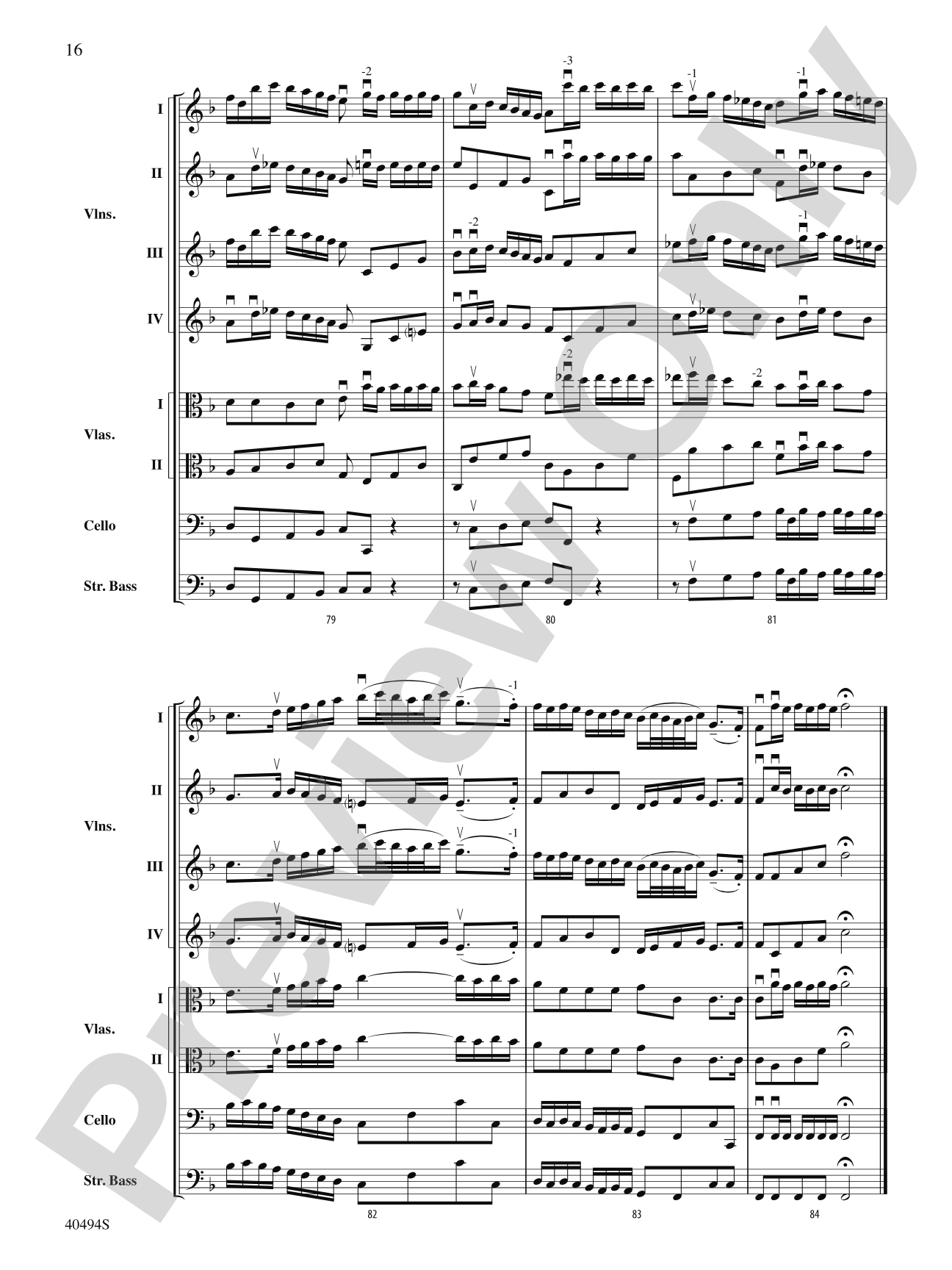
Gone are the winds---Bach's great music remains. But, it is not merely giving the horn parts to the violas. This is a reworking that maintains the integrity of the music adapted for new instrumentation. Scored with four violin parts and two viola parts, this piece can be performed effectively using single or multiple players on each part. The antiphonal writing highlights the contrapuntal genius of this masterpiece. Perfect for festival, to feature students, or as an opener or closer! This title is available in MakeMusic Cloud.


Don't just read it, hear it, play along with it, and watch your students grow with it. In MakeMusic Cloud, Brandenburg Concerto No. 1 in F Major: String Orchestra Conductor Score & Parts comes alive with professional accompaniment, adjustable tempo, and built-in practice tools that turn solo practice into real progress.
Open in the Player
Jump straight in and assign it today.
Start Your Free Trial
Open this title and explore the full library in minutes.
Sample Audio
1
Audio File
--:--
0:00
0:00
Sample Video
No sample videos found.
Additional Details
Series:
Belwin Concert String Orchestra
Publisher:
Alfred Music
Page Count:
128
SKU:
00-PK-0005773
More about this title
About the Composer: Johann Sebastian Bach
Johann Sebastian Bach (1685-1750) stands as one of the most influential composers in Western music history. His mastery of counterpoint, harmonic innovation, and structural design shaped centuries of musical thought. Bach synthesized German, Italian, and French musical traditions into a unified voice that remains foundational to music education and performance today.
Why we love this
Steven H. Brook's arrangement honors Bach's contrapuntal architecture while solving a real performance need: how to play the Brandenburg Concertos without specialized wind players. The four-violin, two-viola scoring preserves the antiphonal dialogue that defines this masterpiece, making it accessible for string orchestras at the Grade 4 level without compromising musical substance.
What to expect
Crystalline and alive. The removal of winds sharpens the clarity of Bach's counterpoint, allowing the interweaving melodic lines to speak with precision. There's both formality and vitality in the antiphonal exchanges; the piece carries the dignity of High Baroque writing alongside the visceral satisfaction of intricate parts fitting together perfectly.
Who it's for
String orchestra conductors working with advancing students who can handle multiple independent parts and want to program genuine Bach without modification or compromise. This arrangement serves festival competitions, concert showcases, and programs seeking a sophisticated opening or closing statement.
How to get the most out of it
- Balance the four violin lines carefully; Brook's scoring creates distinct conversations between them, and clarity of voice leading will reveal the counterpoint that students often miss in more homophonic pieces.
- Pay attention to the separate viola parts. These are not filler voices; they function as an independent line that alternates and interacts with the violins, so give them rhythmic definition and voice independence.
- Use the multiple players per part flexibly based on your section sizes. This arrangement's strength lies in its ability to work with single players or larger groups on each line without losing musical integrity.
- Shape phrases according to Baroque practice: shorter breath points, clean articulation on section breaks, and slight dynamic lift at cadential arrivals maintain forward motion through contrapuntal passages.
How to use it
Program this as an opener on a concert featuring eighteenth-century repertoire, or pair it with more contemporary string works to anchor a program historically. It also makes a compelling festival entry for orchestras ready to compete with Baroque literature rather than Romantic showpieces.
Skills your students will build
- Reading multiple independent melodic lines simultaneously
- Voice leading and counterpoint perception through performance
- Baroque articulation and phrasing conventions
- Part independence and awareness of ensemble balance beyond melody-harmony relationships
- Antiphonal writing: recognizing and executing echo or call-response passages