Brahms: Waltzes, Op. 39 Sheet Music Preview

Brahms: Waltzes, Op. 39

By Johannes Brahms

Level: Intermediate / Advanced

Item: 00-PC-0005775

Digital Download
$0.99
Description
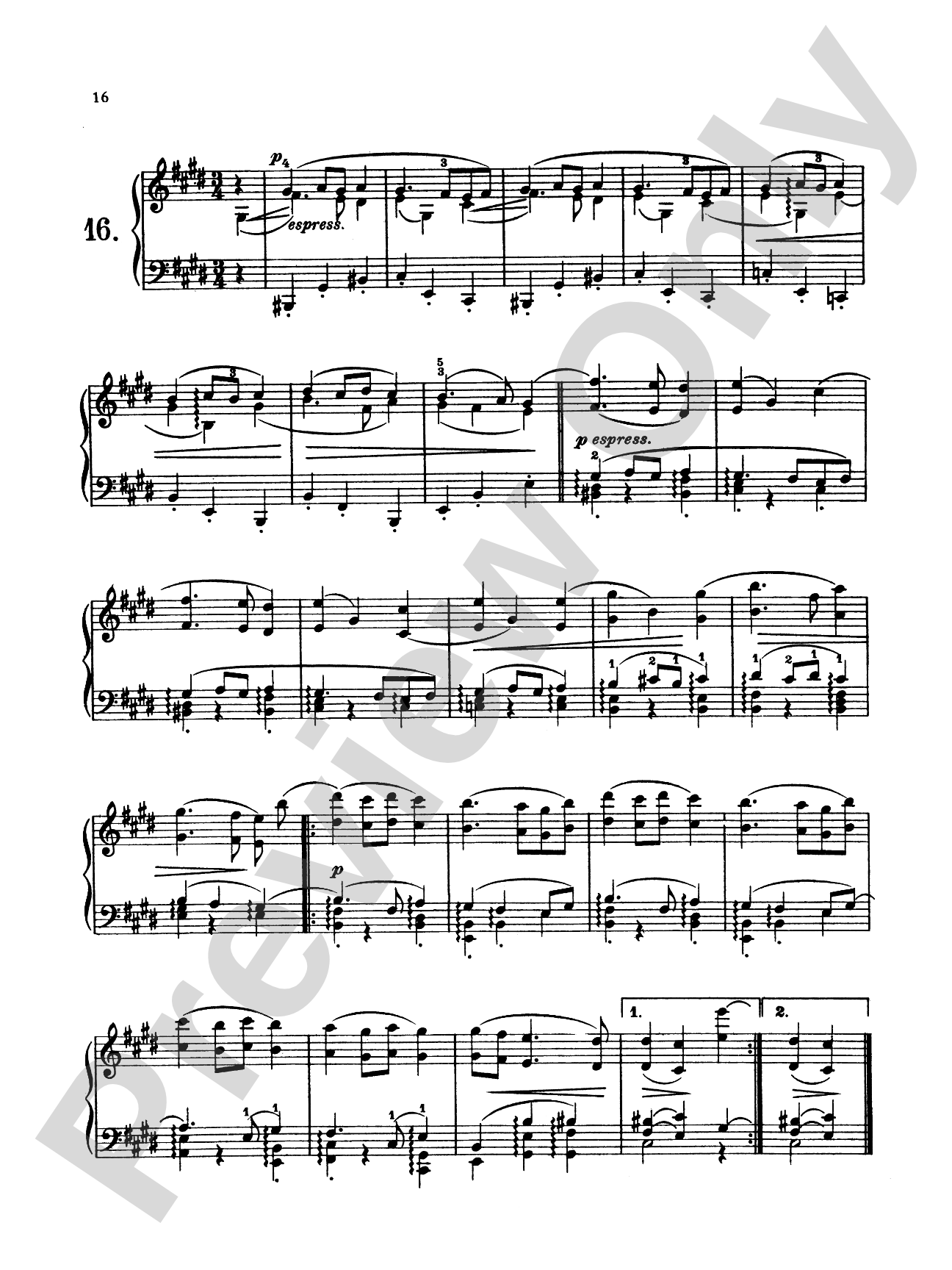
Sixteen Waltzes, Op. 39 is a set of 16 short waltzes for piano written by Johannes Brahms. They were composed in 1865, and published two years later. This collection is for unsimplified solo piano.

Don't just read it, hear it, play along with it, and watch your students grow with it. In MakeMusic Cloud, Brahms: Waltzes, Op. 39 comes alive with professional accompaniment, adjustable tempo, and built-in practice tools that turn solo practice into real progress.

Sample Audio
No sample audio found.
Sample Video
Additional Details
Series: Kalmus Edition
Publisher: Alfred Music
Page Count: 20
SKU: 00-PC-0005775

More about this title

About the Composer: Johannes Brahms

Johannes Brahms (1833-1897) stands as one of the most influential composers of the Romantic era, known for his mastery of form and his ability to blend classical architecture with Romantic expression. Born in Hamburg, Brahms spent much of his career in Vienna, where he composed symphonies, concertos, chamber works, and solo piano music that earned him recognition as a guardian of the symphonic tradition while expanding its emotional range.

Brahms's piano works reveal his gift for writing idiomatically for the instrument. From early character pieces to large-scale sonatas and variations, his piano repertoire demands both technical facility and deep musical understanding. The Waltzes, Op. 39, showcase this balance perfectly: they combine the elegance and accessibility of the dance form with the harmonic sophistication and structural clarity that define his mature style.

Why we love this

This collection bridges the gap between salon music and concert repertoire, offering students genuine Brahms without the technical mountaineering of his larger works. Each waltz is a complete musical thought yet part of a unified collection, making it ideal for recital programming or for introducing intermediate pianists to Brahms's compositional voice.

What to expect

Elegant and intimate, these waltzes capture the spirit of Viennese dance music while transcending it through Brahms's harmonic sophistication and melodic grace. They shimmer with refinement and occasionally hint at deeper emotional currents beneath their graceful surfaces.

Who it's for

These waltzes suit intermediate to advanced pianists who have developed solid technical command and can approach interpretive challenges with maturity. They work equally well for students preparing for competitions or recitals and for adult amateur pianists seeking substantive yet accessible Romantic repertoire.

How to get the most out of it

  • Shape each waltz as a self-contained miniature, paying attention to the phrase arcs and harmonic rhythm rather than racing through the dance tempo. Brahms's waltzes reward rubato and careful voice leading.
  • Explore the accompaniment patterns beneath the melody. Many waltzes feature inventive rhythmic figures in the left hand that deserve clarity and rhythmic precision rather than becoming mere filler.
  • Use pedal judiciously to enhance harmonic color without blurring the textures. The Romantic idiom Brahms employs here invites resonance, but the clarity of individual melodic lines must remain audible.
  • Consider the set's arc when programming multiple waltzes in sequence. Alternate between different keys and characters to maintain listener engagement and showcase the collection's variety.

How to use it

Program individual waltzes as encores or as part of a Brahms recital alongside his larger works. The collection also works beautifully as a set within a concert devoted to Romantic piano miniatures, or as a pedagogical anchor for a student recital exploring contrasting characters within a single composer's voice.

Skills your students will build

  • Pedal control and selective resonance in the Romantic style
  • Shaping phrases through rubato and harmonic awareness rather than tempo changes alone
  • Independence of hands, particularly maintaining clarity of accompanimental patterns beneath melodic lines
  • Understanding waltz form and its variations across a cycle
  • Voicing and color within a limited harmonic palette

You May Also Like