
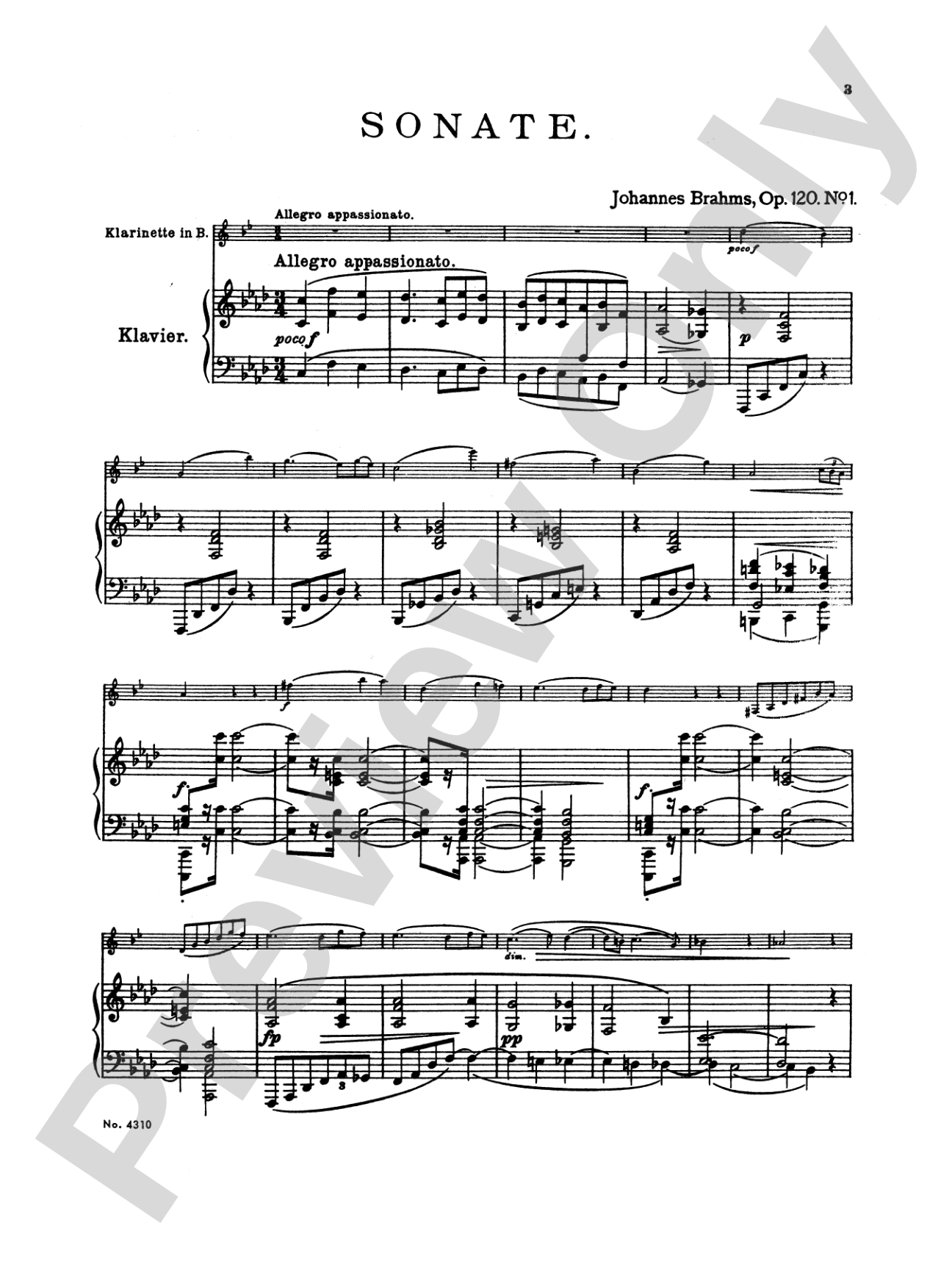
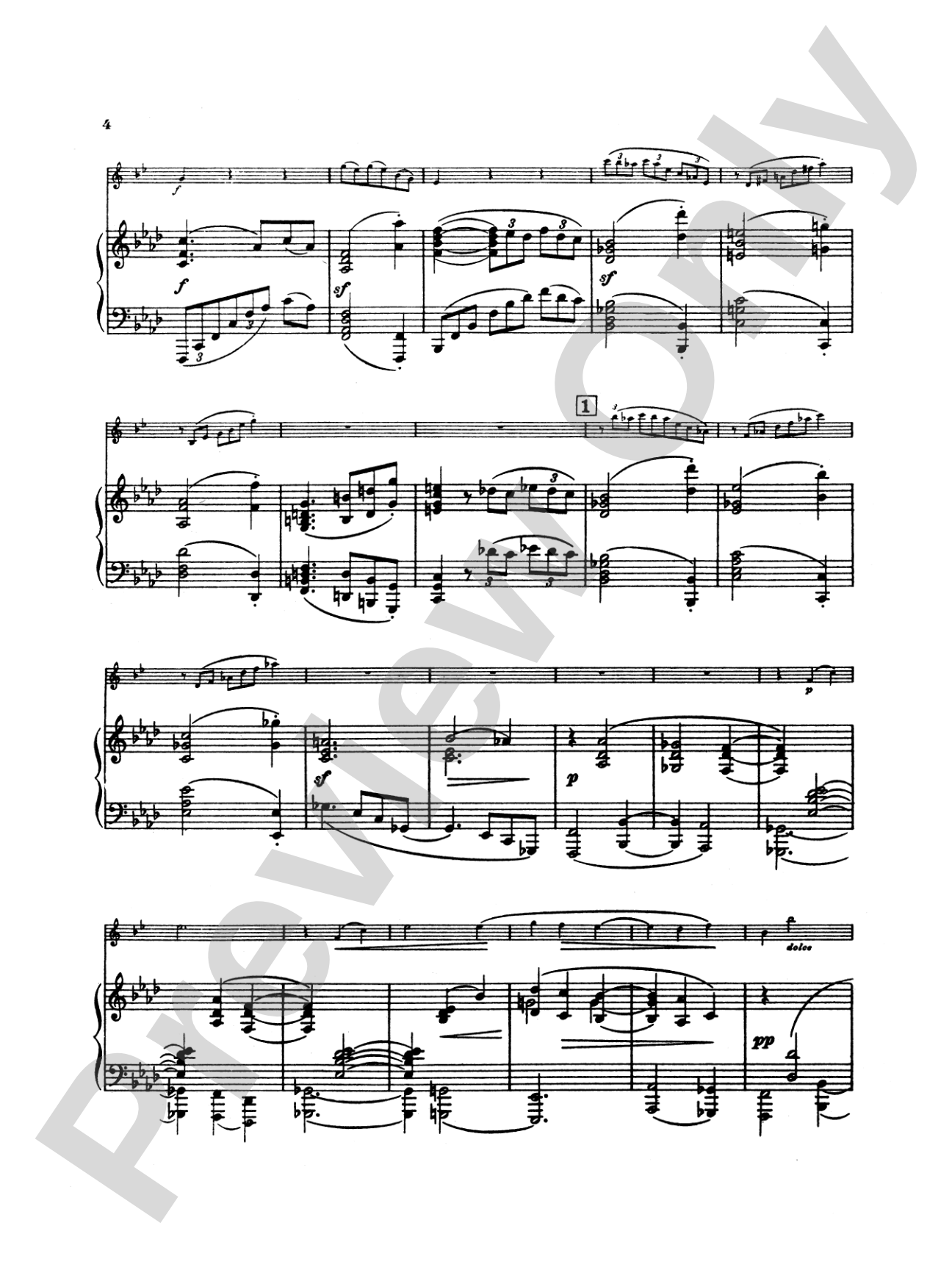
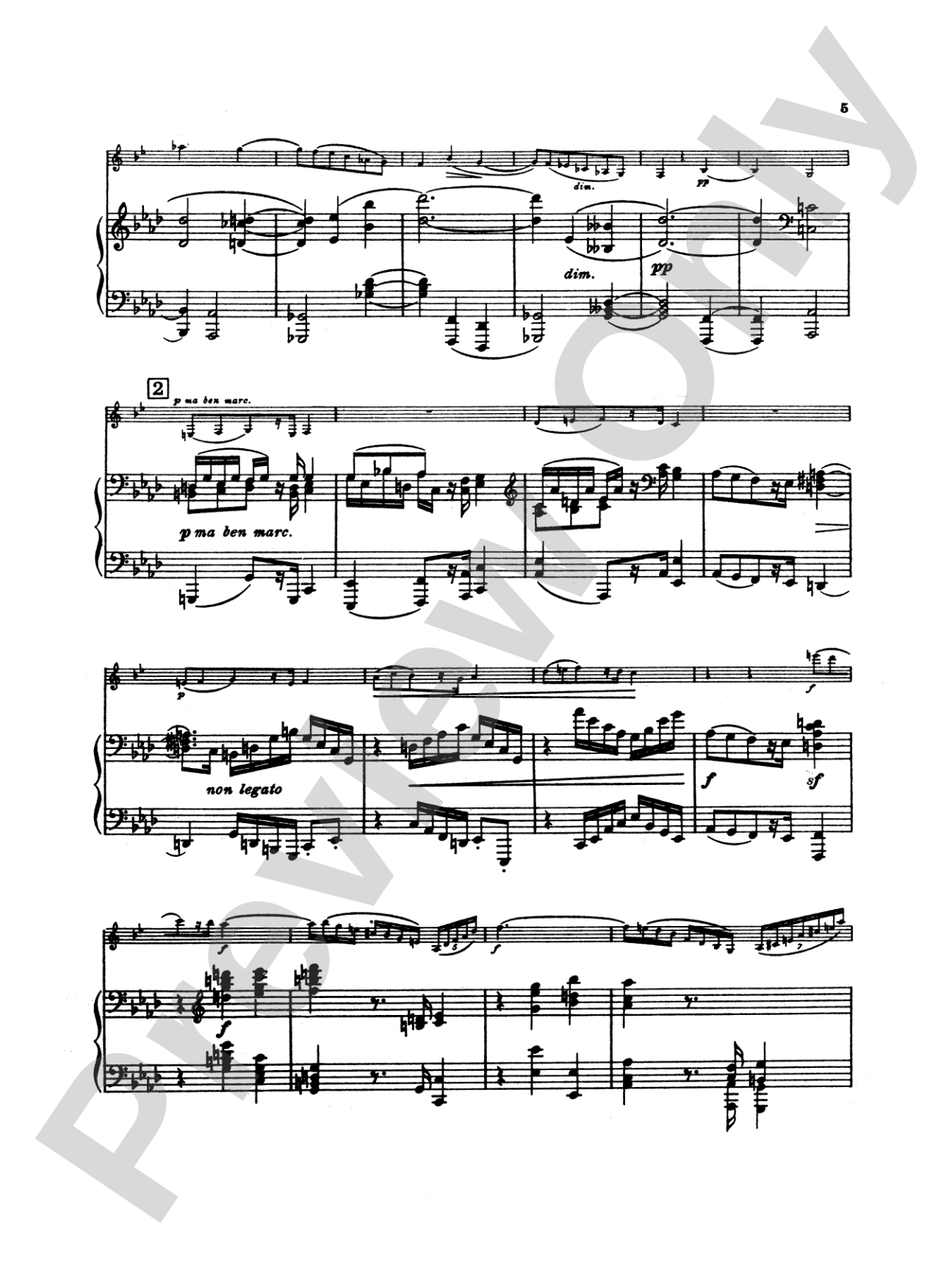
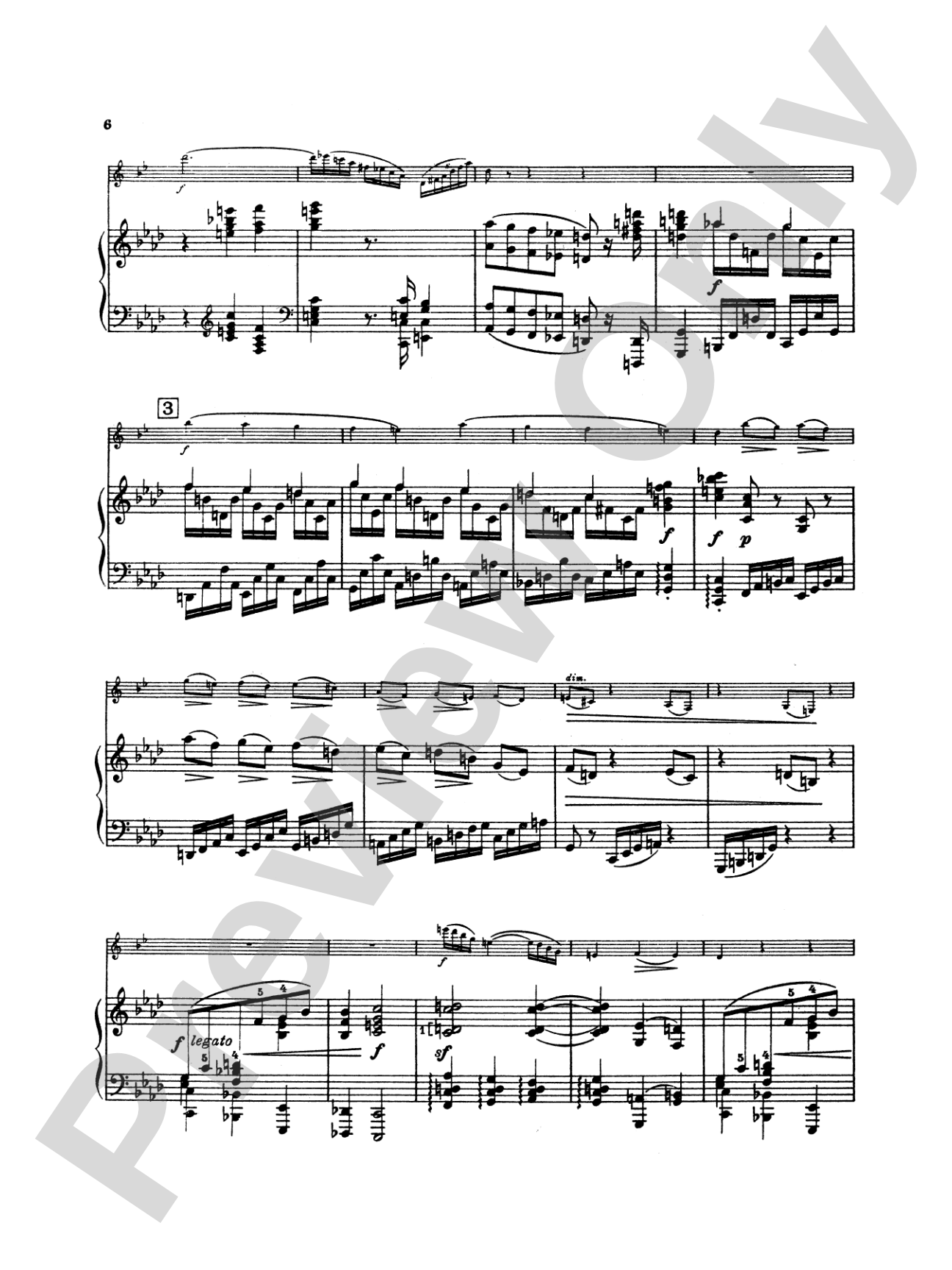
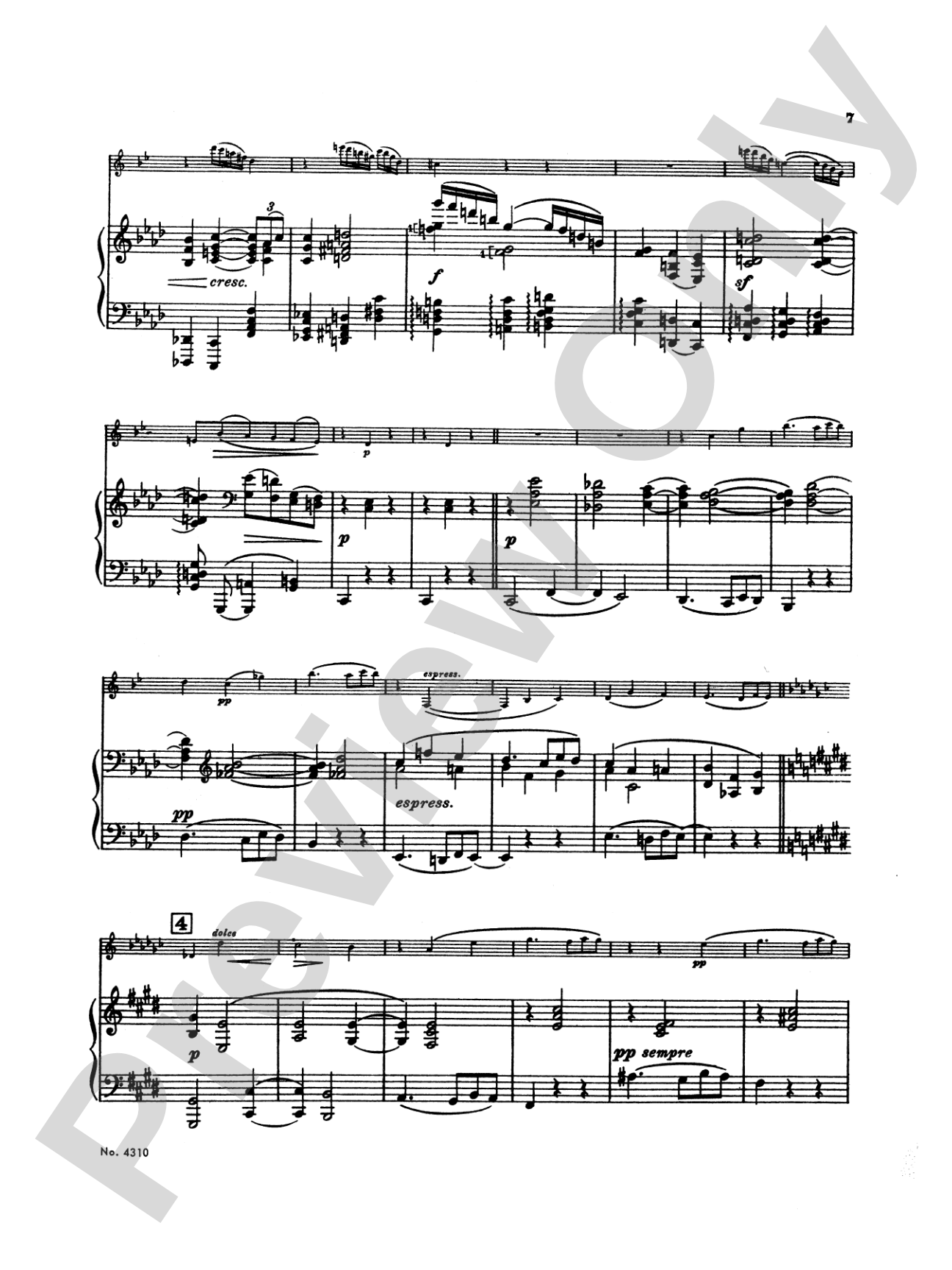
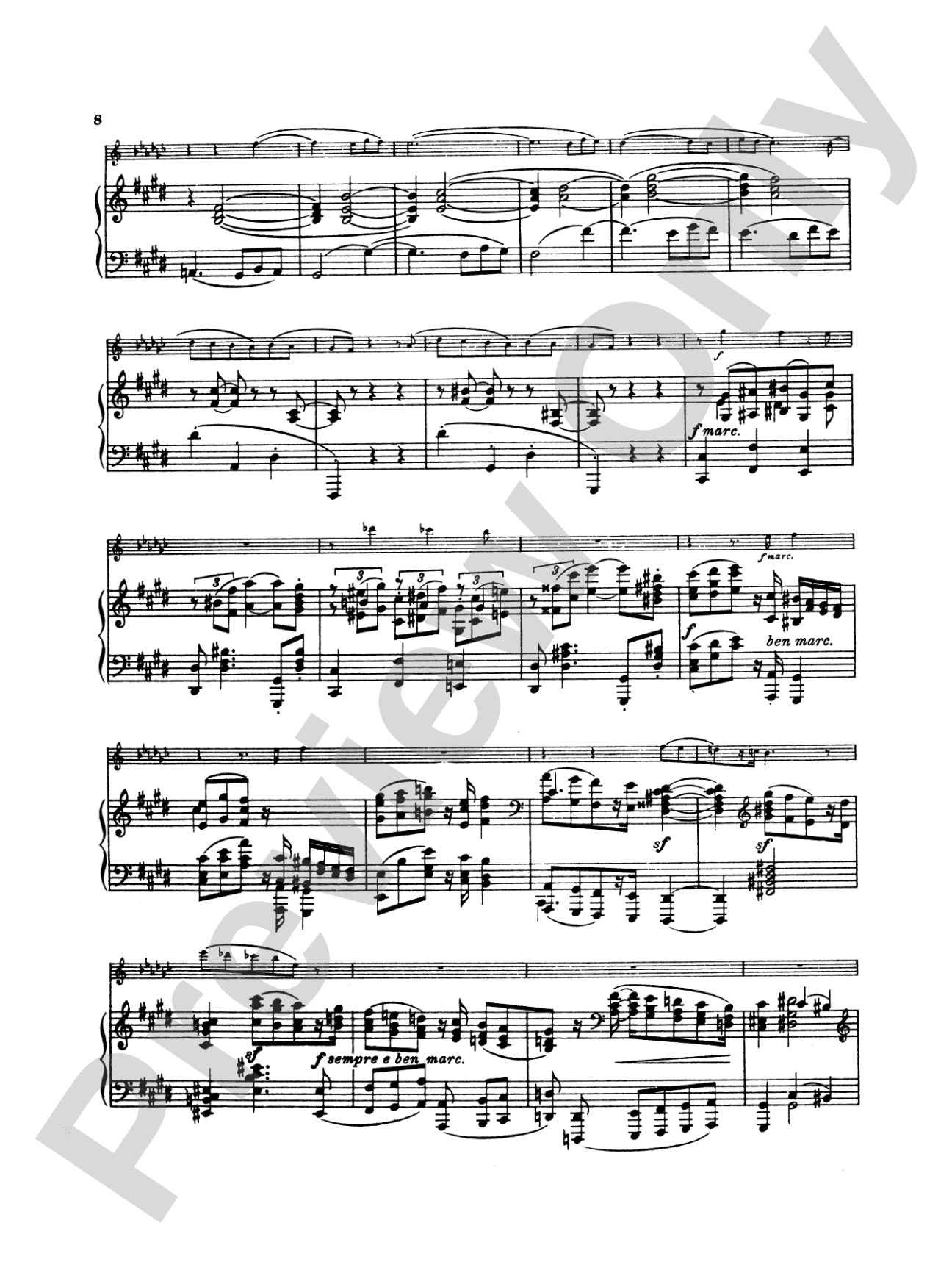

Brahms: Two Sonatas, Op. 120
By Johannes Brahms
Item: 00-PC-0010207
$3.95
Pickup currently not available
Description
(Originally for Clarinet-- transcribed for Viola)


Don't just read it, hear it, play along with it, and watch your students grow with it. In MakeMusic Cloud, Brahms: Two Sonatas, Op. 120 comes alive with professional accompaniment, adjustable tempo, and built-in practice tools that turn solo practice into real progress.
Open in the Player
Jump straight in and assign it today.
Start Your Free Trial
Open this title and explore the full library in minutes.
Sample Audio
No sample audio found.
Sample Video
No sample videos found.
Additional Details
Series:
Kalmus Edition
Publisher:
Alfred Music
Page Count:
76
SKU:
00-PC-0010207
More about this title
About the Composer: Johannes Brahms
Johannes Brahms (1833-1897) stands as one of the Romantic era's most disciplined and intellectually rigorous composers. His chamber music reveals a master of form and counterpoint who never abandoned the structural rigor of the Classical tradition, even as he expanded its harmonic vocabulary and emotional range. Late in his life, after believing his compositional voice had exhausted itself, Brahms turned to wind instruments as a source of fresh inspiration, creating his Op. 120 sonatas during a period of remarkable creative renewal.
Brahms' chamber works have shaped music education for generations. His writing demands precision from performers while rewarding them with music of profound depth and lyrical beauty. For violists and clarinetists alike, his sonatas represent a pinnacle of the repertoire, combining technical sophistication with direct emotional communication.
Why we love this
These sonatas arrive at a moment when Brahms had already mastered every formal challenge the Romantic era could present. The result is music of crystalline clarity and architectural strength, yet shot through with a warmth and intimacy that belongs entirely to his late period. For violists seeking substantial repertoire that demands mature musicianship without overwhelming technical display, this transcription opens the door to two sonatas that sit perfectly at the boundary between chamber music and recital literature.
What to expect
Brahms' late style brings an autumnal quality to these works: reflective, generous with harmonic color, yet never sentimental. The sonatas combine Classical restraint with Romantic warmth, moving between moments of intimate lyricism and passages of intellectual rigor. There is a sense throughout of a mature composer distilling his artistic vision into its purest form.
Who it's for
Violists with solid command of the instrument and stamina for extended recital work will find these sonatas both challenging and deeply rewarding. Pianists at the advanced amateur level or higher will appreciate the sophisticated writing and balance the composer maintains between the two instruments throughout. This repertoire suits violists preparing substantial concert programming, competitive recitals, or studio recordings.
How to get the most out of it
- Attend carefully to the interplay between viola and piano; these are true dialogues rather than accompanied solos. The piano part carries thematic material throughout, and balance requires the viola soloist to listen actively rather than dominate.
- Honor the song-like quality of the principal themes. Brahms invites singers' phrasing here; use legato and phrase contour to shape longer lines, particularly in the slow movements.
- Respect the formal architecture. These sonatas follow traditional structures (sonata form, ABA design), and clarity of form helps audiences follow the unfolding argument, especially across the longer first movements.
- Approach the cadential passages and codas with patience. Brahms often extends his final statements through repetition and harmonic refinement rather than explosive climax; this requires disciplined restraint from both players.
How to use it
Program both sonatas as a standalone recital unit, or select individual movements to balance concert programming alongside lighter or more contemporary works. The two sonatas together demand roughly 45-50 minutes and work particularly well in an all-Brahms context or within a program exploring the Romantic sonata tradition. A single movement serves effectively as a substantial encore or as a bridge between works of different character.
Skills your students will build
- Sustained lyricism across extended phrases
- Balance between two equal voices in chamber contexts
- Navigation of sonata form and sectional architecture
- Stylistic interpretation of late Romantic idiom
- Collaboration and ensemble independence at the advanced level