
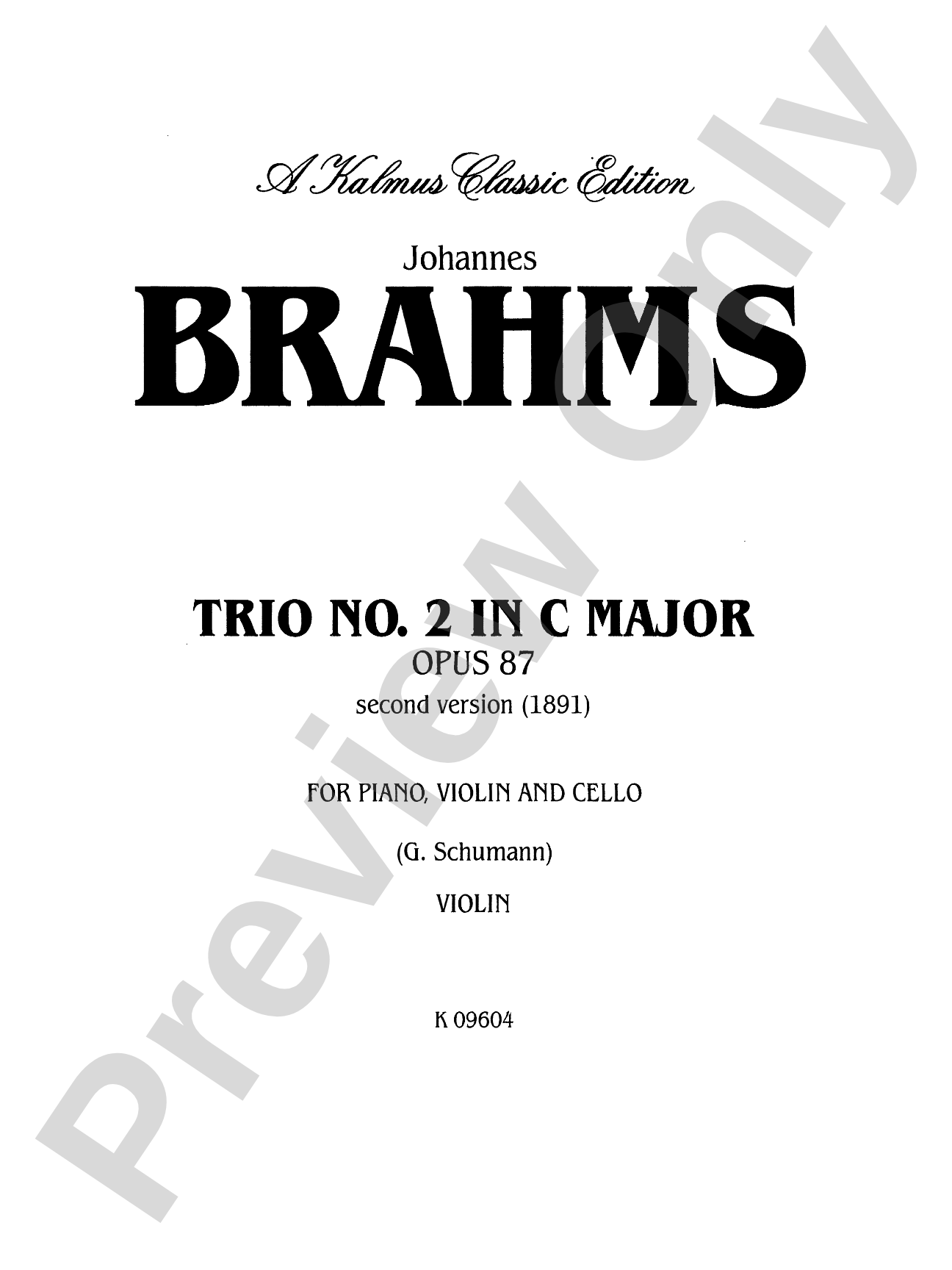
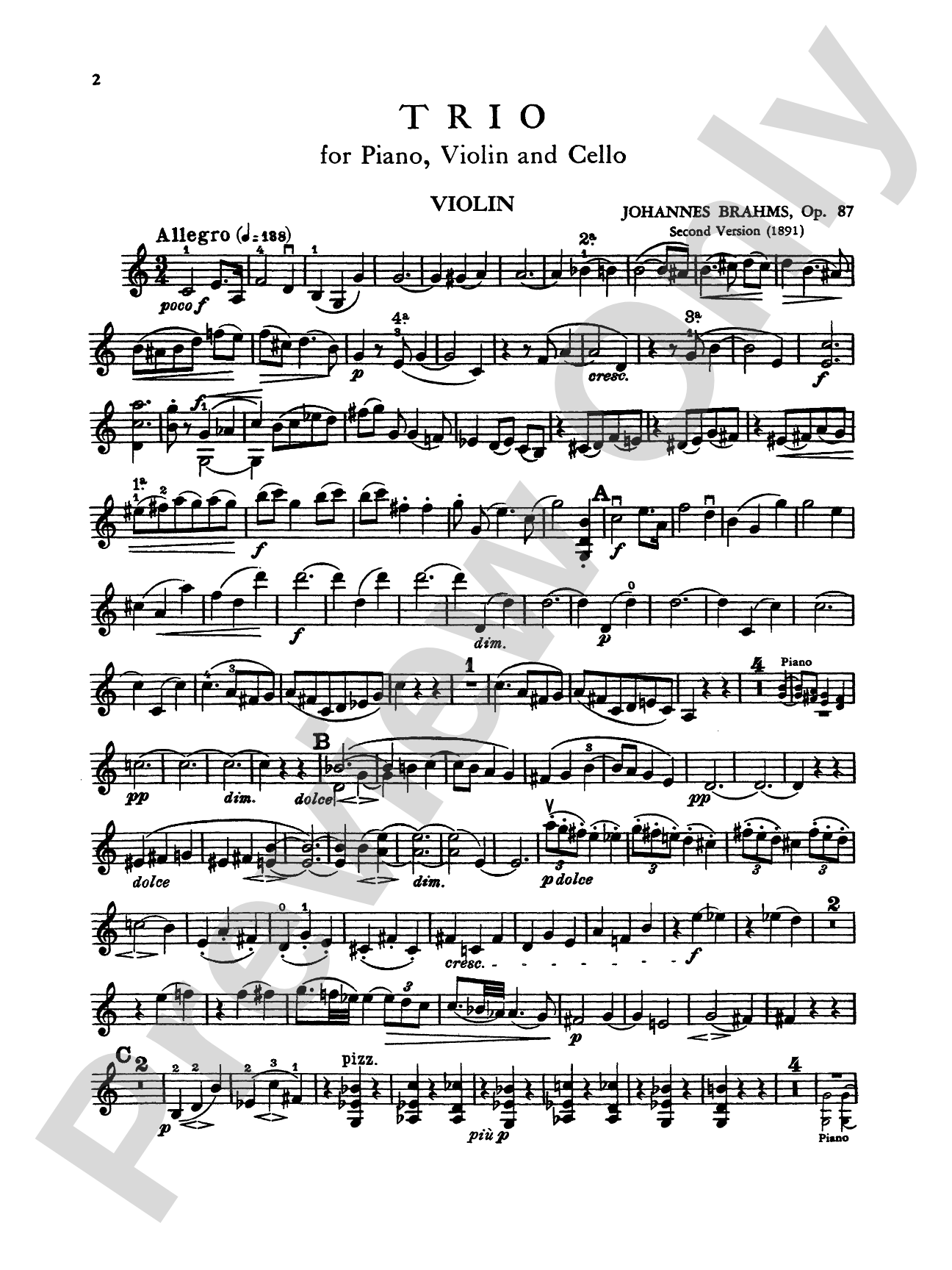
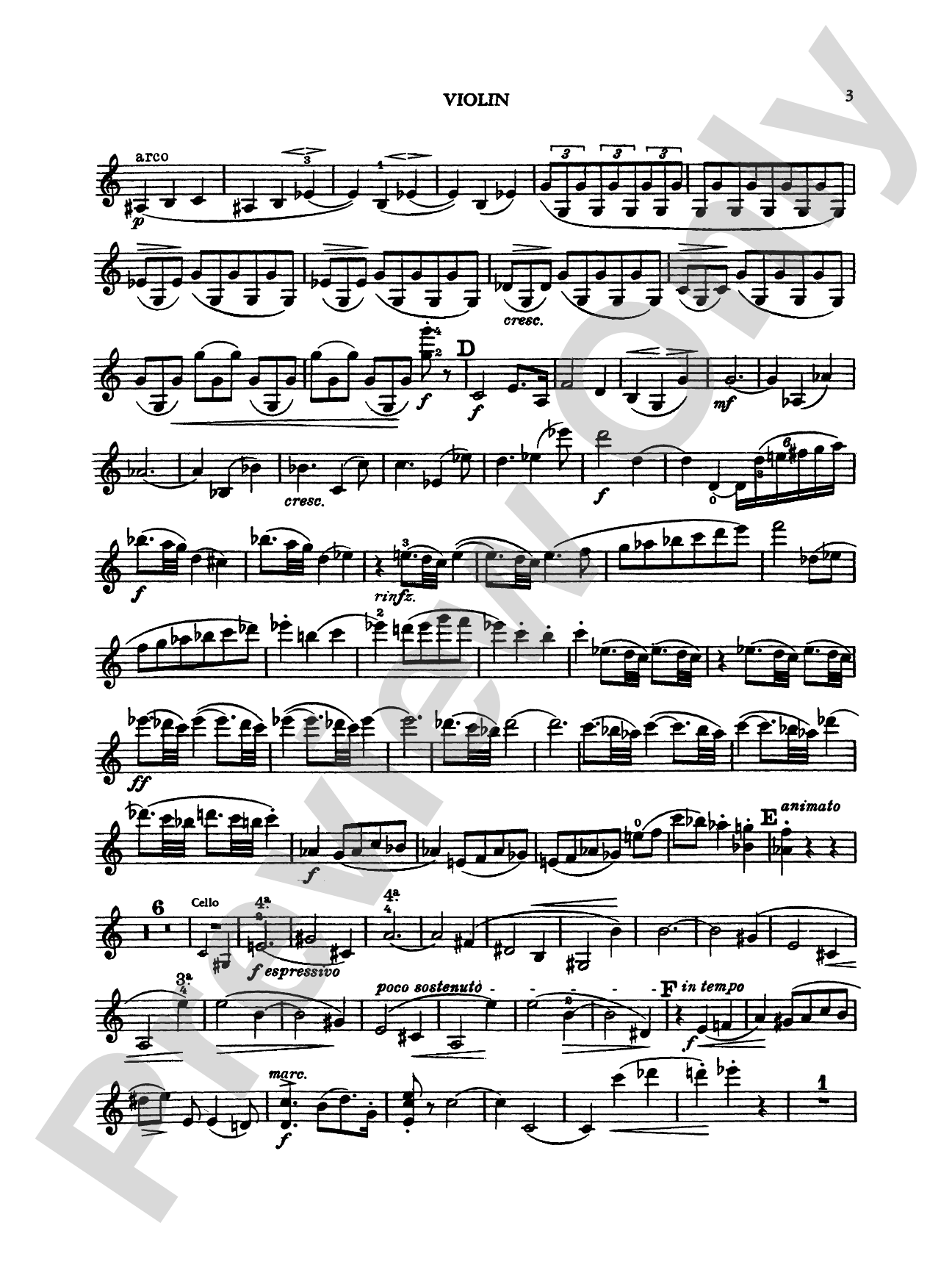
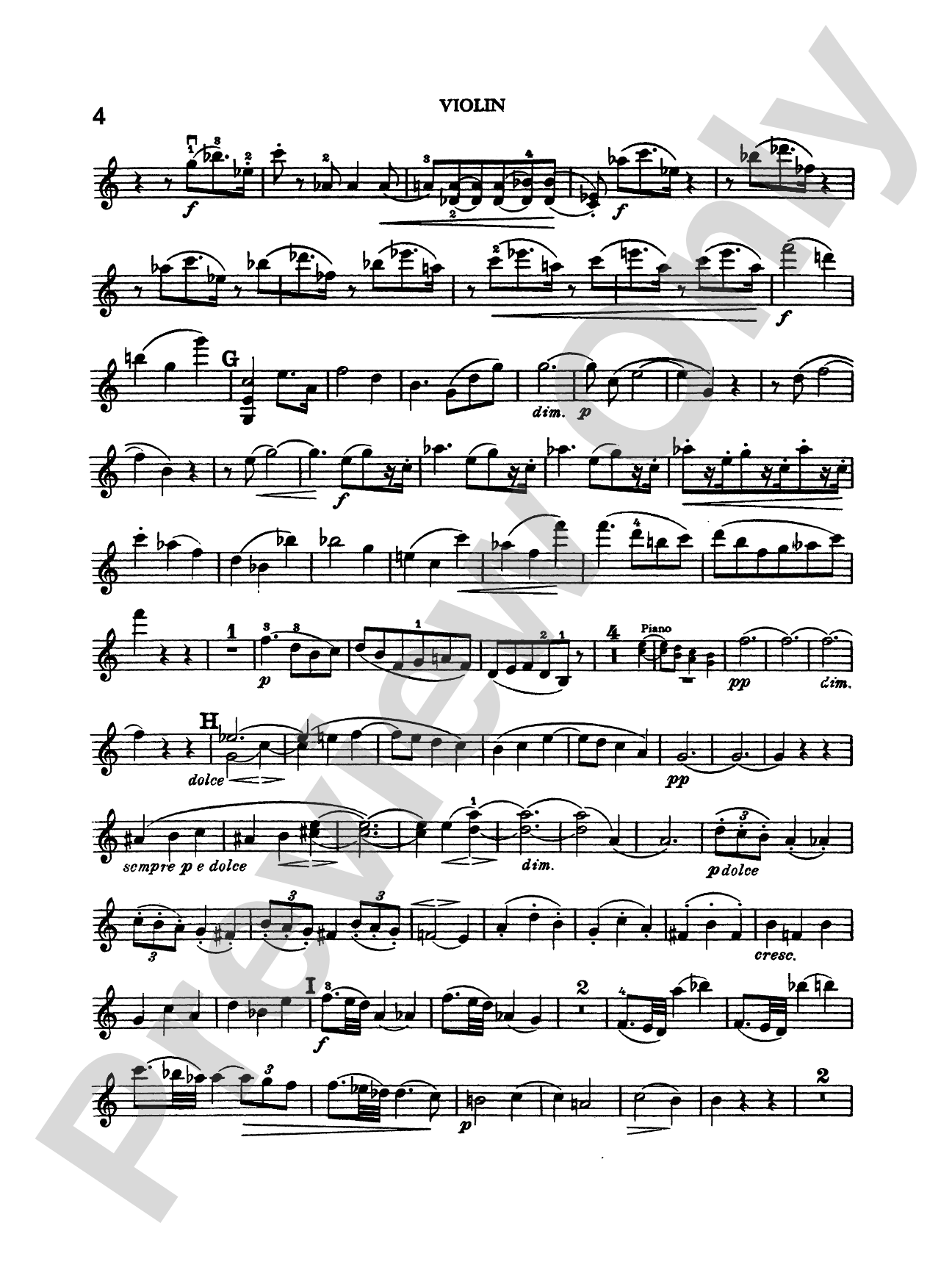
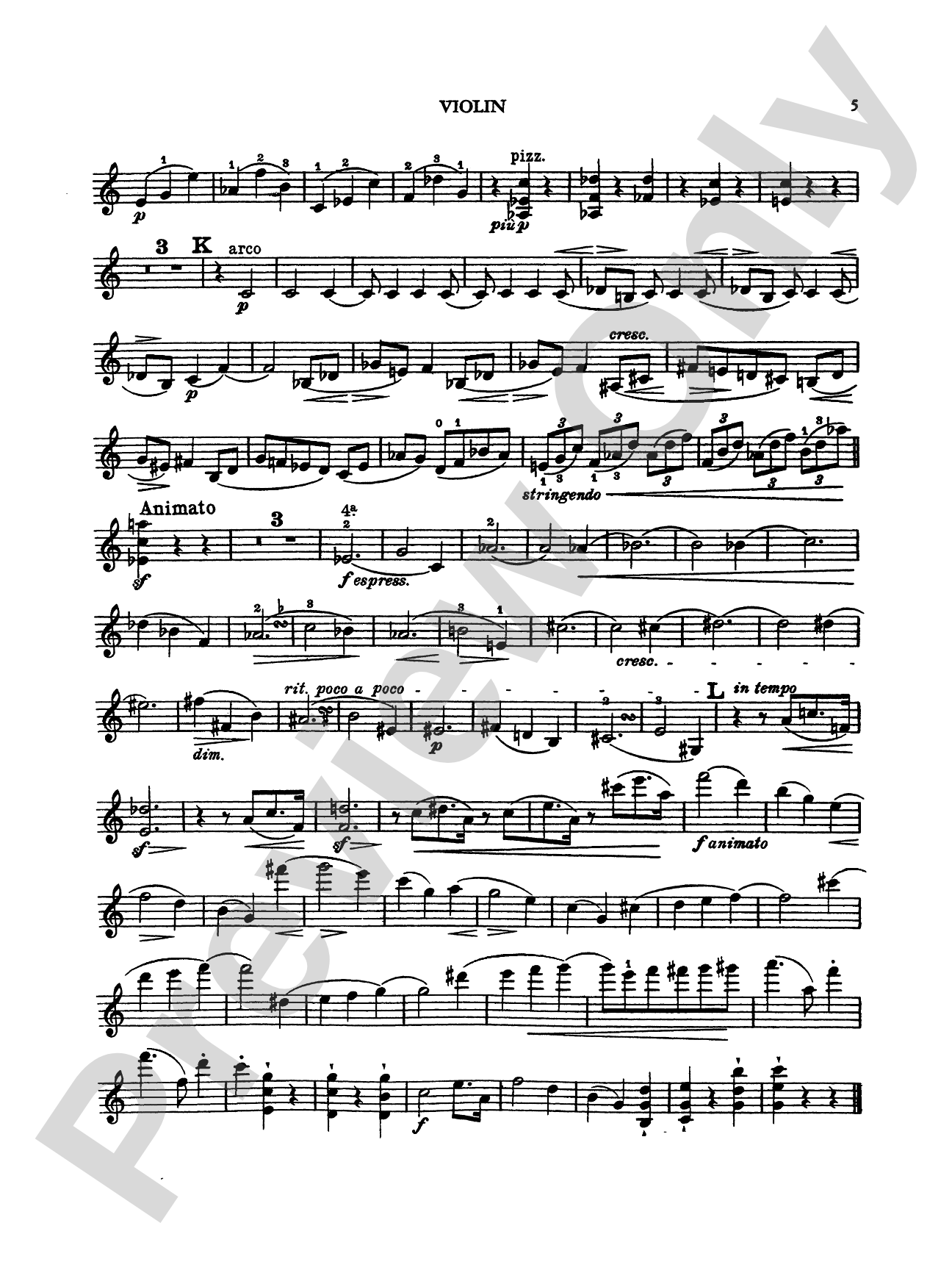
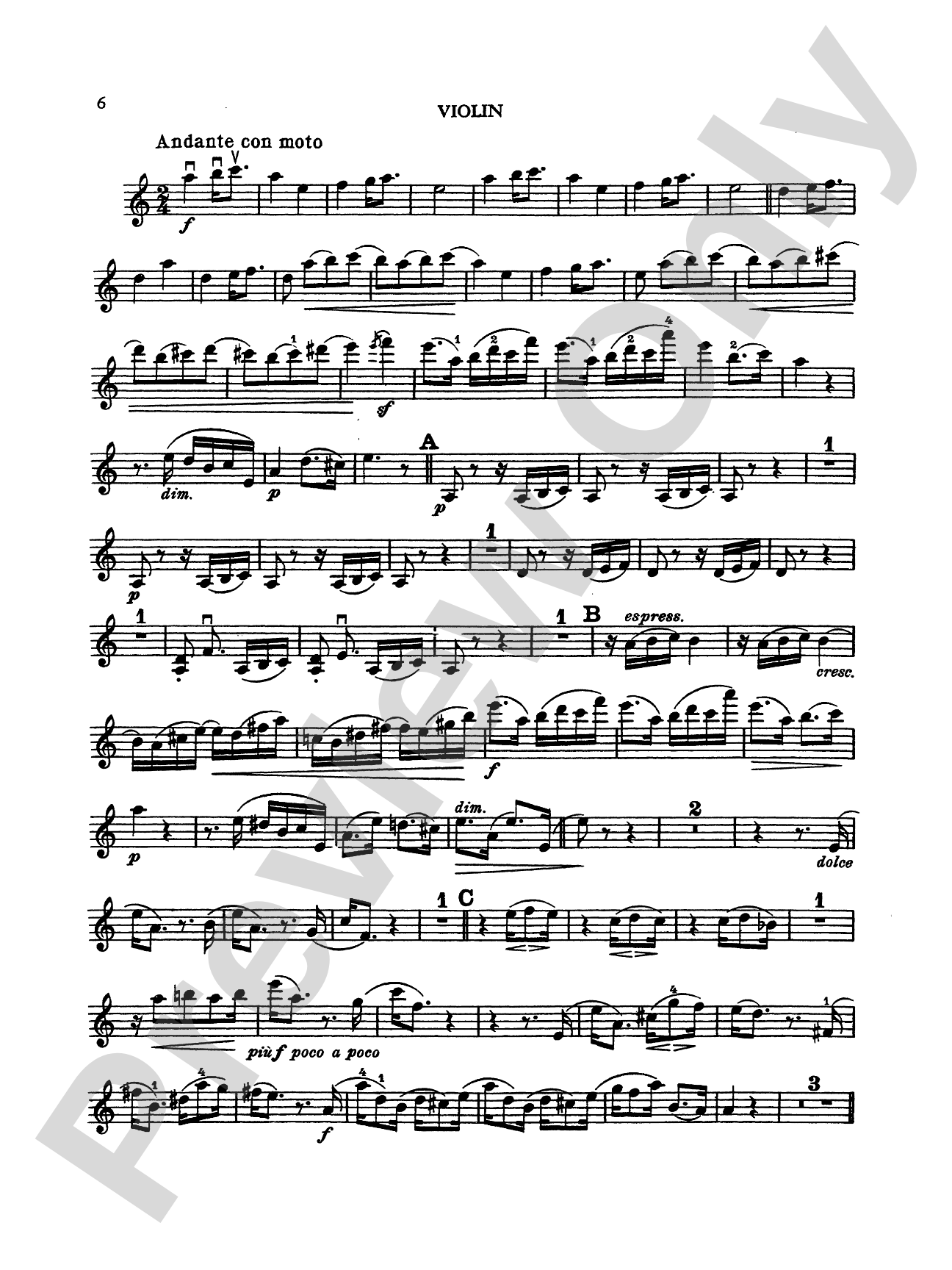
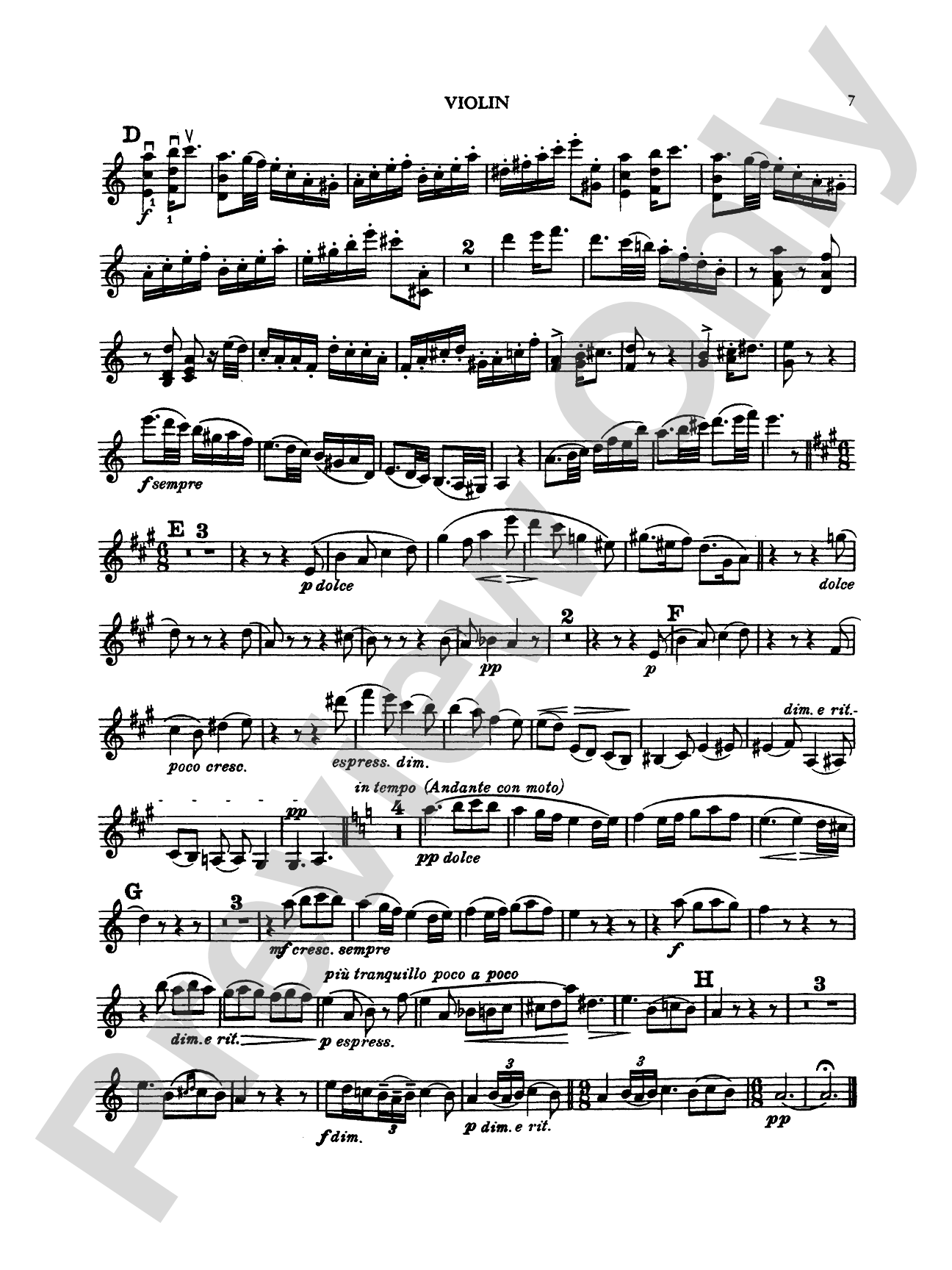
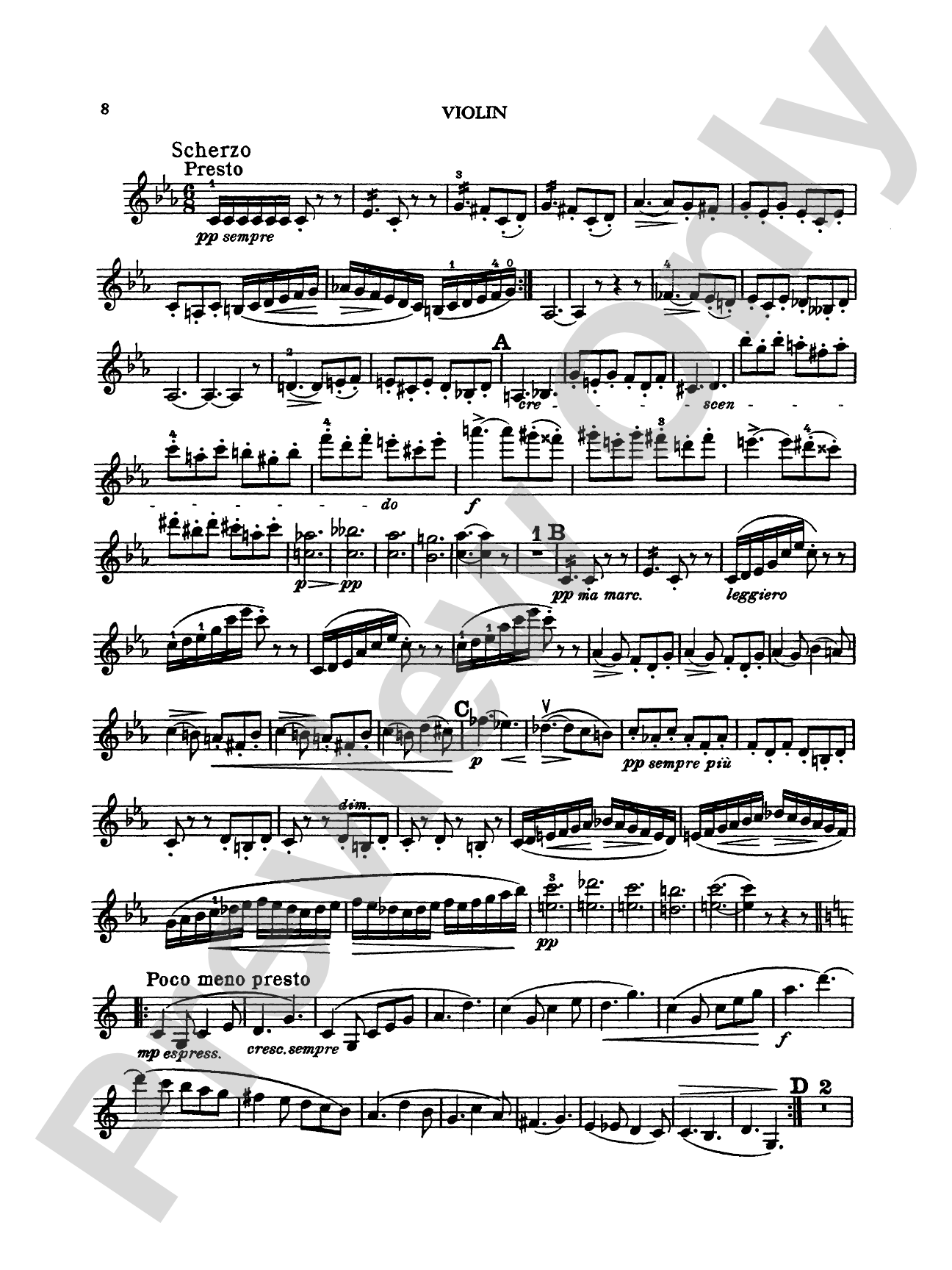
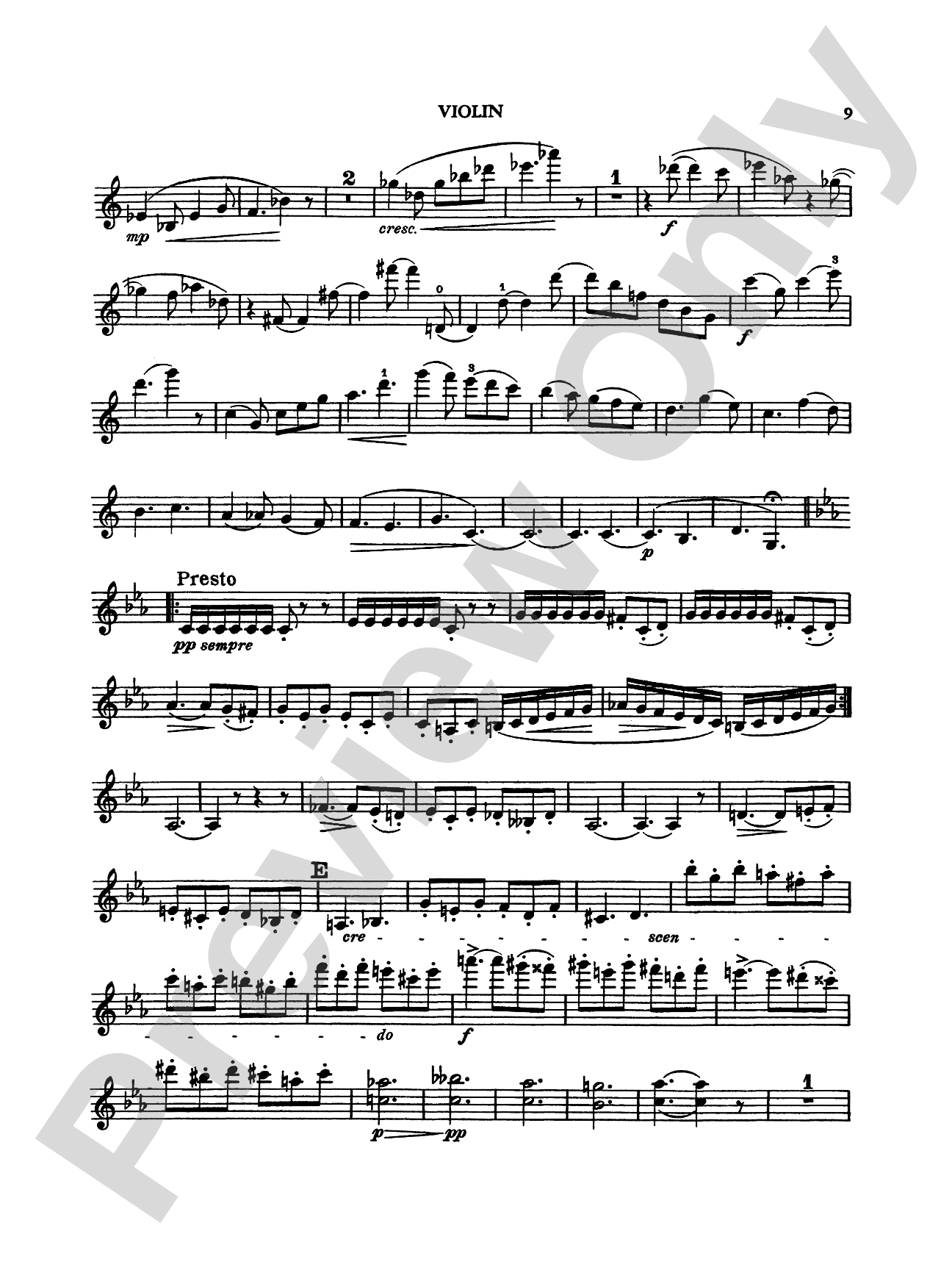
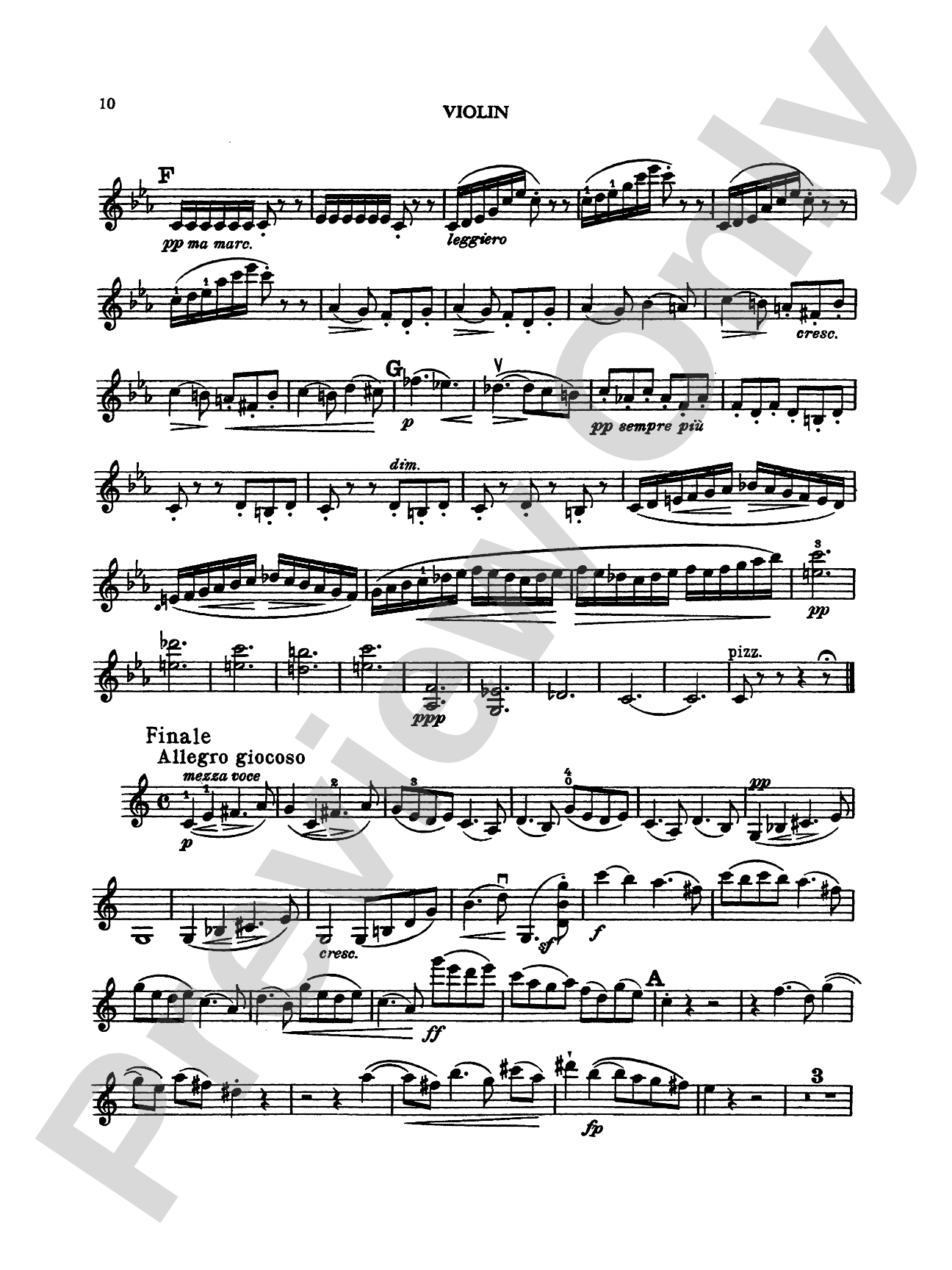
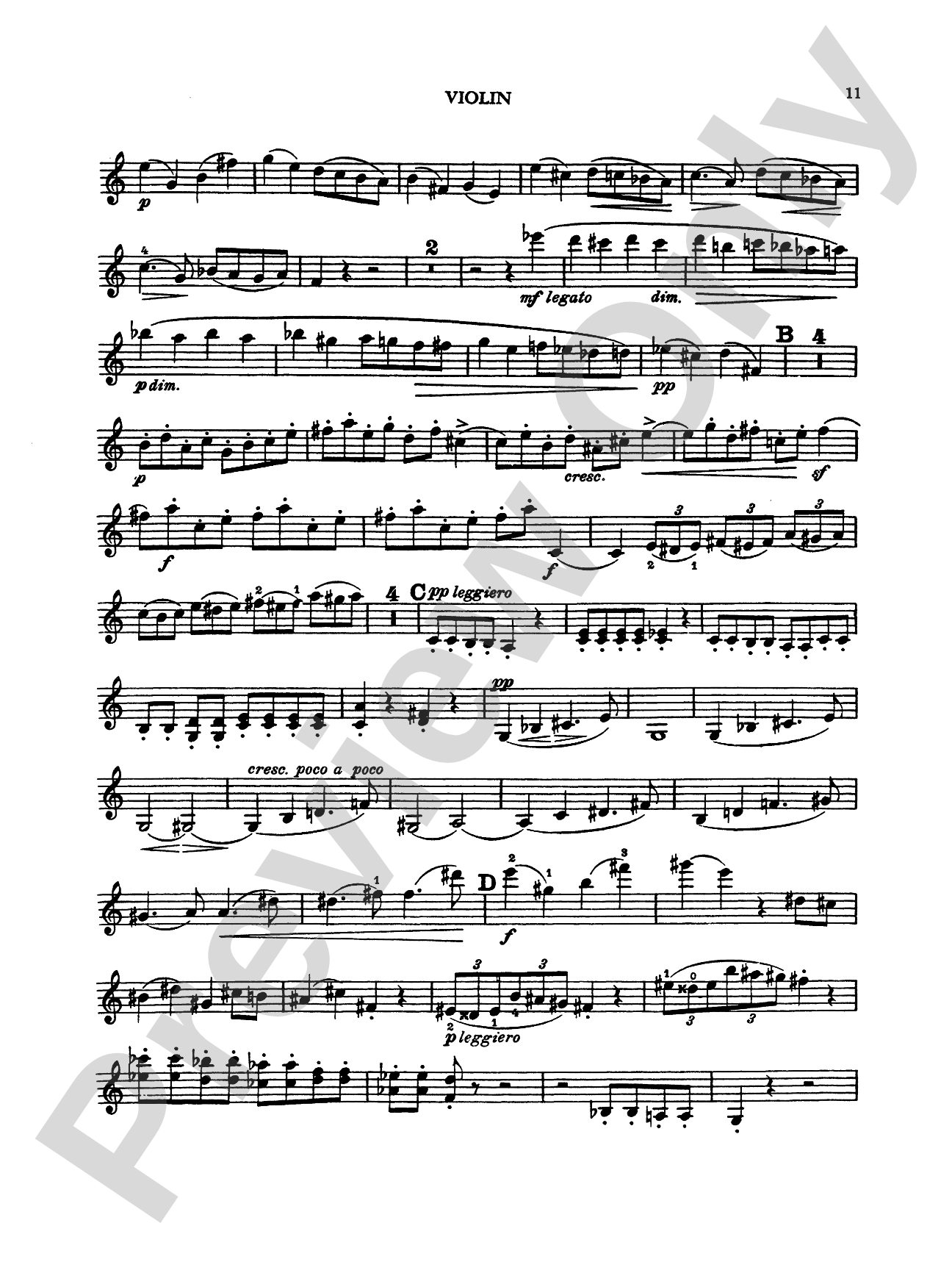
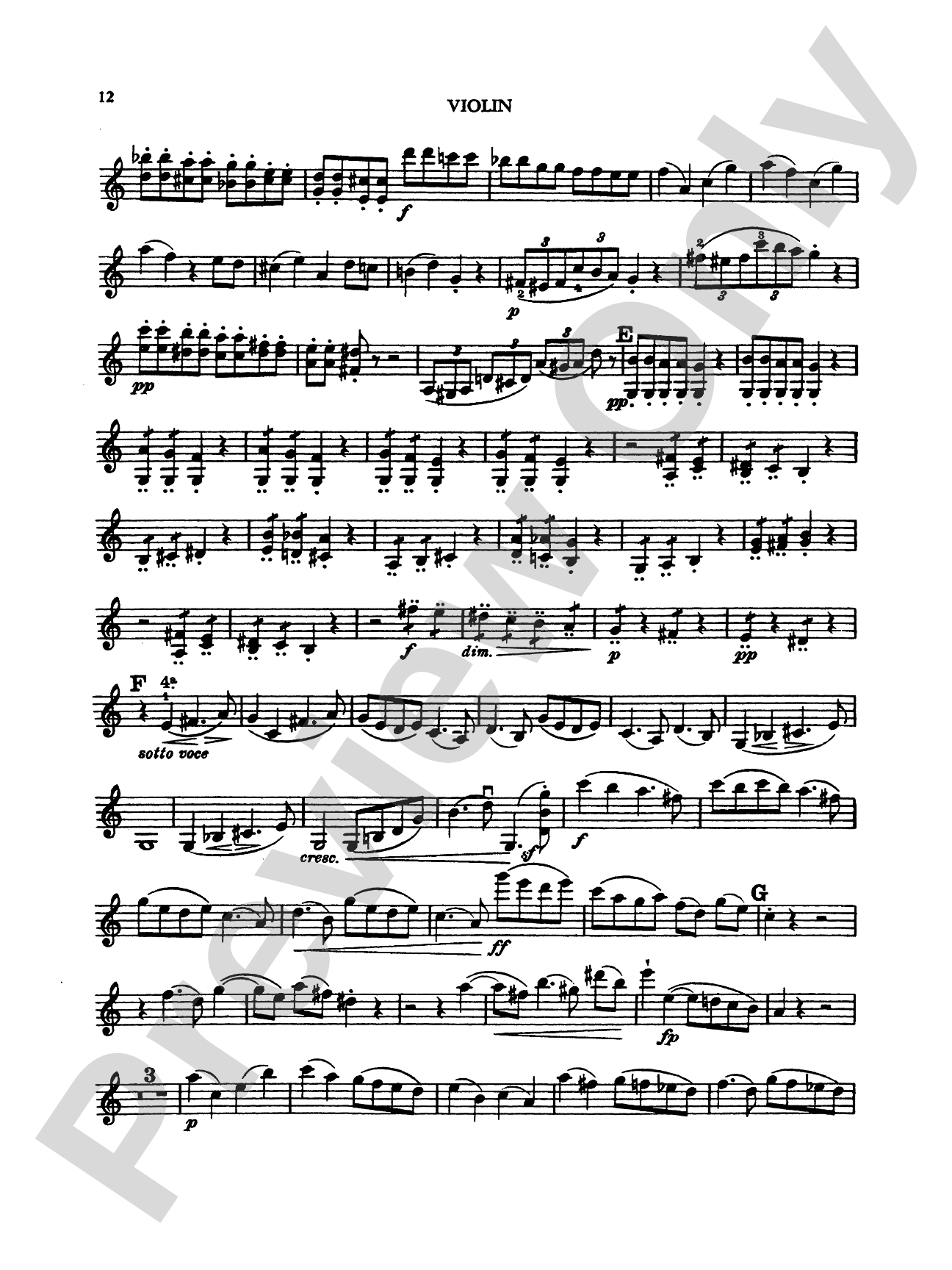




Brahms: Trio No. 2 in C Major, Op. 87: Chamber Trio Book
By Johannes Brahms
Item: 00-PK-0003805

$9.99
Pickup currently not available
Buy Extra Parts (Digital PDF Download)
| Product | Price | Quantity |
|---|---|---|
| Brahms: Trio No. 2 in C Major, Op. 87 | $2.99 | |
| Brahms: Trio No. 2 in C Major, Op. 87 | $2.99 | |
| Brahms: Trio No. 2 in C Major, Op. 87 | $2.95 |
Parts Added to Cart!
Description
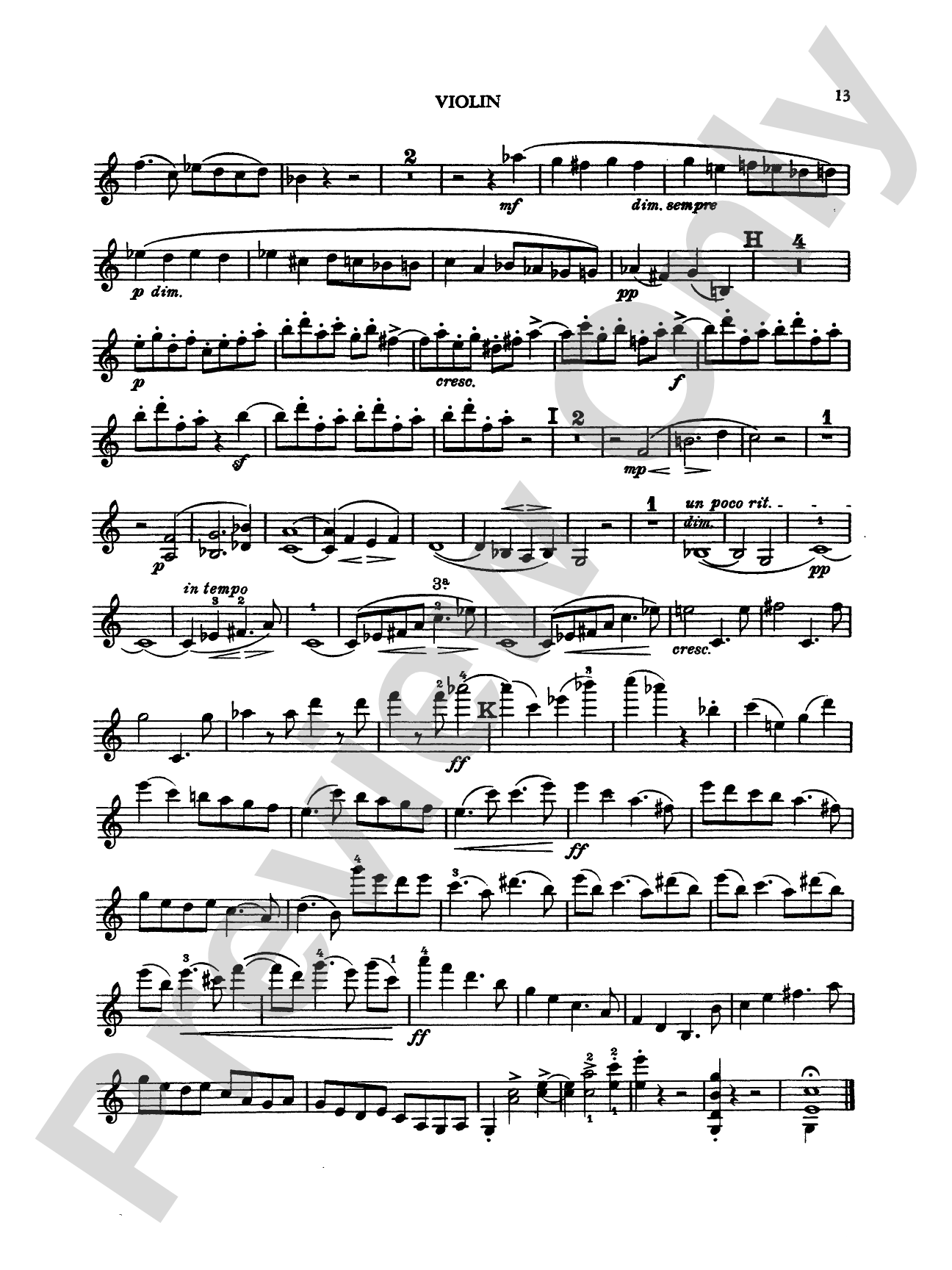
A string ensemble for piano, violin and cello, composed by Johannes Brahms.


Don't just read it, hear it, play along with it, and watch your students grow with it. In MakeMusic Cloud, Brahms: Trio No. 2 in C Major, Op. 87: Chamber Trio Book comes alive with professional accompaniment, adjustable tempo, and built-in practice tools that turn solo practice into real progress.
Open in the Player
Jump straight in and assign it today.
Start Your Free Trial
Open this title and explore the full library in minutes.
Sample Audio
No sample audio found.
Sample Video
No sample videos found.
Additional Details
Series:
Kalmus Edition
Publisher:
Alfred Music
Page Count:
80
SKU:
00-PK-0003805
Instrumentation:
Piano, Violin & Cello
More about this title
About the Composer: Johannes Brahms
Johannes Brahms (1833–1897) was a German composer whose chamber music defined the Romantic era. He mastered the inherited forms of the Classical period while infusing them with harmonic innovation, emotional depth, and orchestral textures that challenged what intimate ensembles could express.
Brahms composed ten chamber works for piano trio, sonata, and quintet over four decades. His string and piano writing demanded both technical refinement and interpretive maturity from performers, making his chamber catalog essential study for musicians serious about the Romantic repertoire.
Why we love this
The C Major Trio unfolds with the spacious lyricism Brahms commanded at his artistic peak, offering chamber ensembles a work that balances technical substance with genuine warmth. Its textures reward careful voicing and allow each instrument to sing, making it a chamber musician's delight rather than a display piece. Programming it signals artistic ambition and gives advanced high school or college ensembles repertoire that rivals any Romantic standard.
What to expect
The opening reveals Brahms at his most generous, with a singing melody that passes easily between voices over warm harmonic support. The work breathes through four movements of increasing emotional range: from the genial first movement through a playful scherzo, a heartfelt adagio, and a finale that combines rhythmic energy with moments of unexpected tenderness and repose.
Who it's for
This trio belongs in the hands of advanced chamber musicians with solid Romantic technique and stamina. High school chamber ensembles preparing for competitions or serious community ensembles should have strong collaborative experience before tackling it.
How to get the most out of it
- Balance the piano's role as both accompanist and equal voice; Brahms writes piano texture as intricate as the string writing, so avoid the trap of accompanying passively in slower sections.
- Shape the opening theme with a single breath across phrases, resisting the urge to break at cadences; the cello and violin need rhythmic continuity from the piano to sustain Brahms's long melodic lines.
- Listen carefully to the inner voices in the scherzo, where Brahms layers rhythmic activity that can blur if ensembles rush the tempo or neglect secondary voices.
- Allow silence to breathe in the finale's development; Brahms leaves specific rests and moments of rest that define the movement's architecture and prevent the ensemble from sounding uniformly driven.
How to use it
Pair this trio with a Mozart or Beethoven trio from earlier in the season to show the evolution of the form, or program it as a centerpiece on a recital devoted to Romantic chamber music. Its 30-minute span and emotional scope make it substantial enough to anchor a concert program devoted to a single composer or era.
Skills your students will build
- Balancing multiple simultaneous melodic lines in Romantic textures
- Sustaining long Brahmsian phrases without rhythmic fragmentation
- Voicing dense piano accompaniment while maintaining harmonic clarity
- Collaborative listening and ensemble flexibility across four movements with varying tempos and characters
- Interpretive choices in rubato and phrasing within Romantic harmonic language