

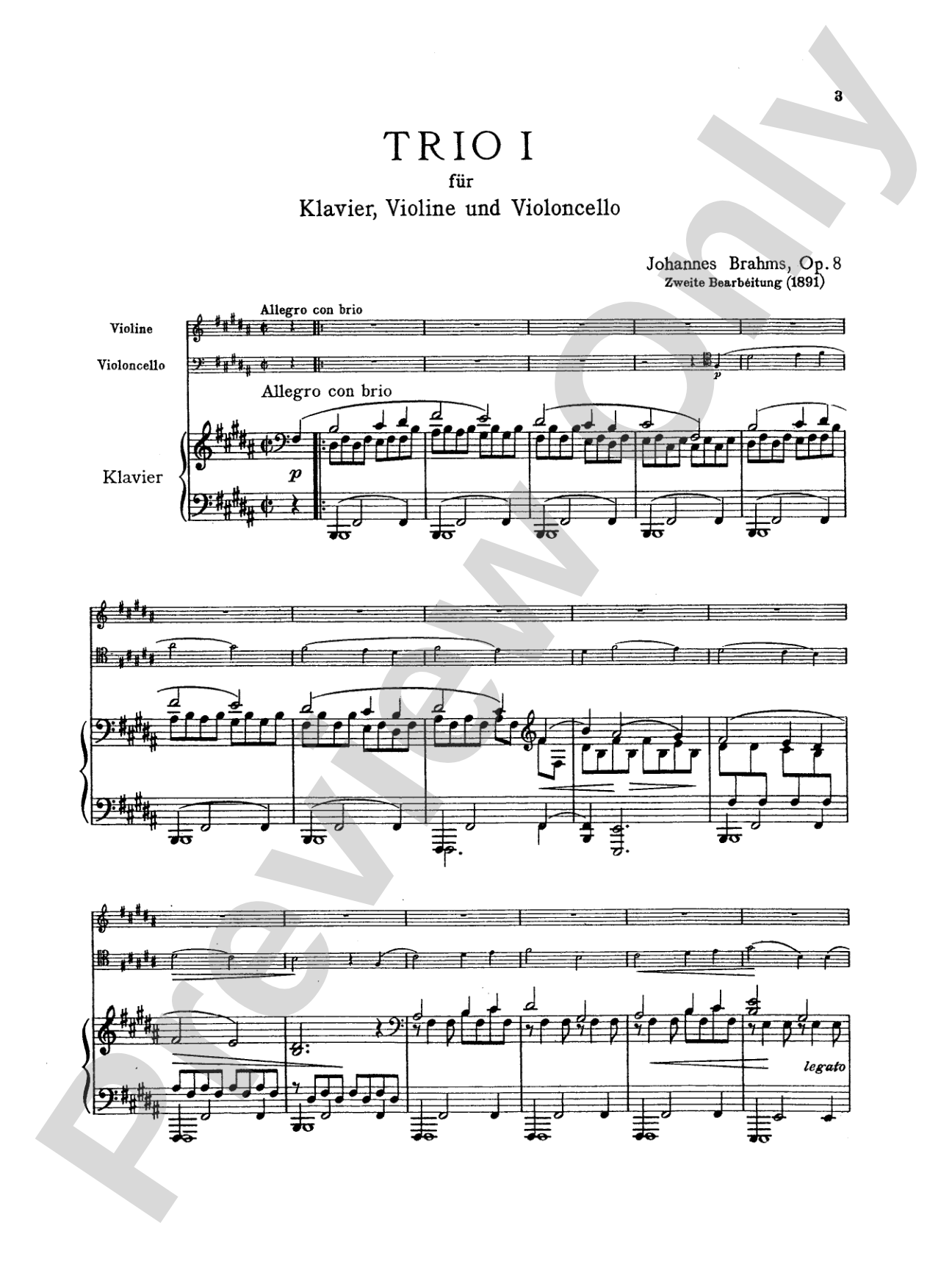
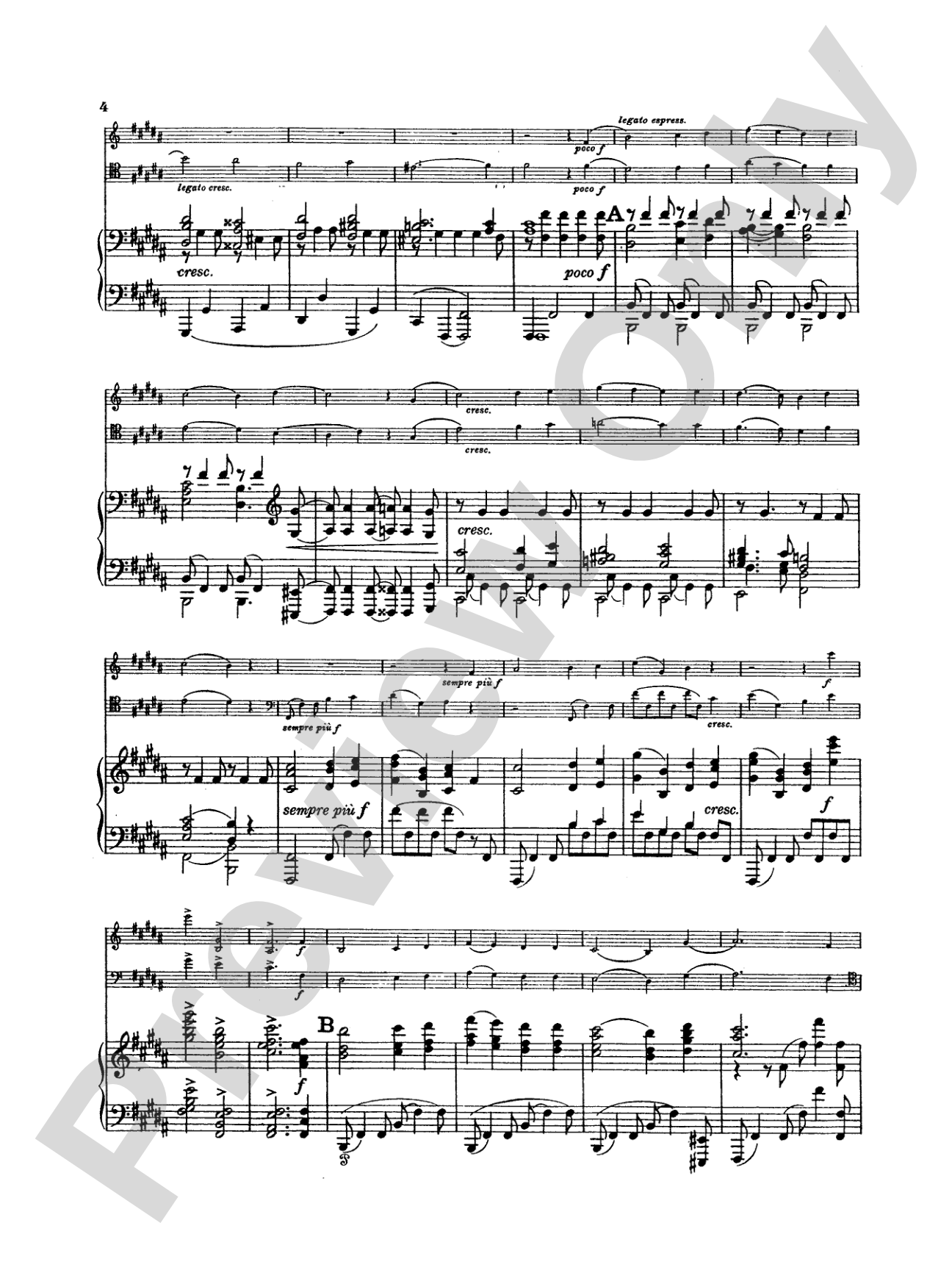
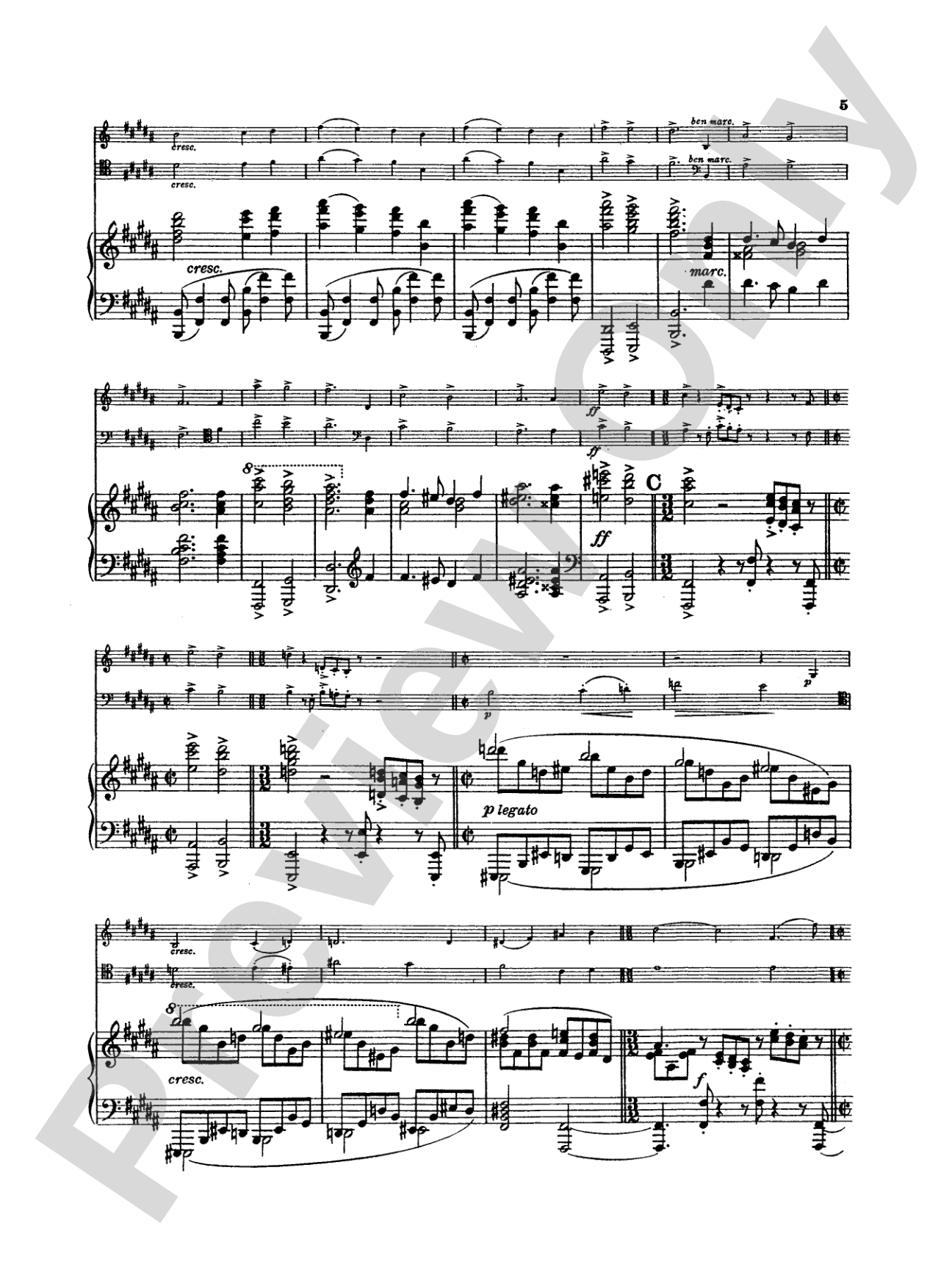
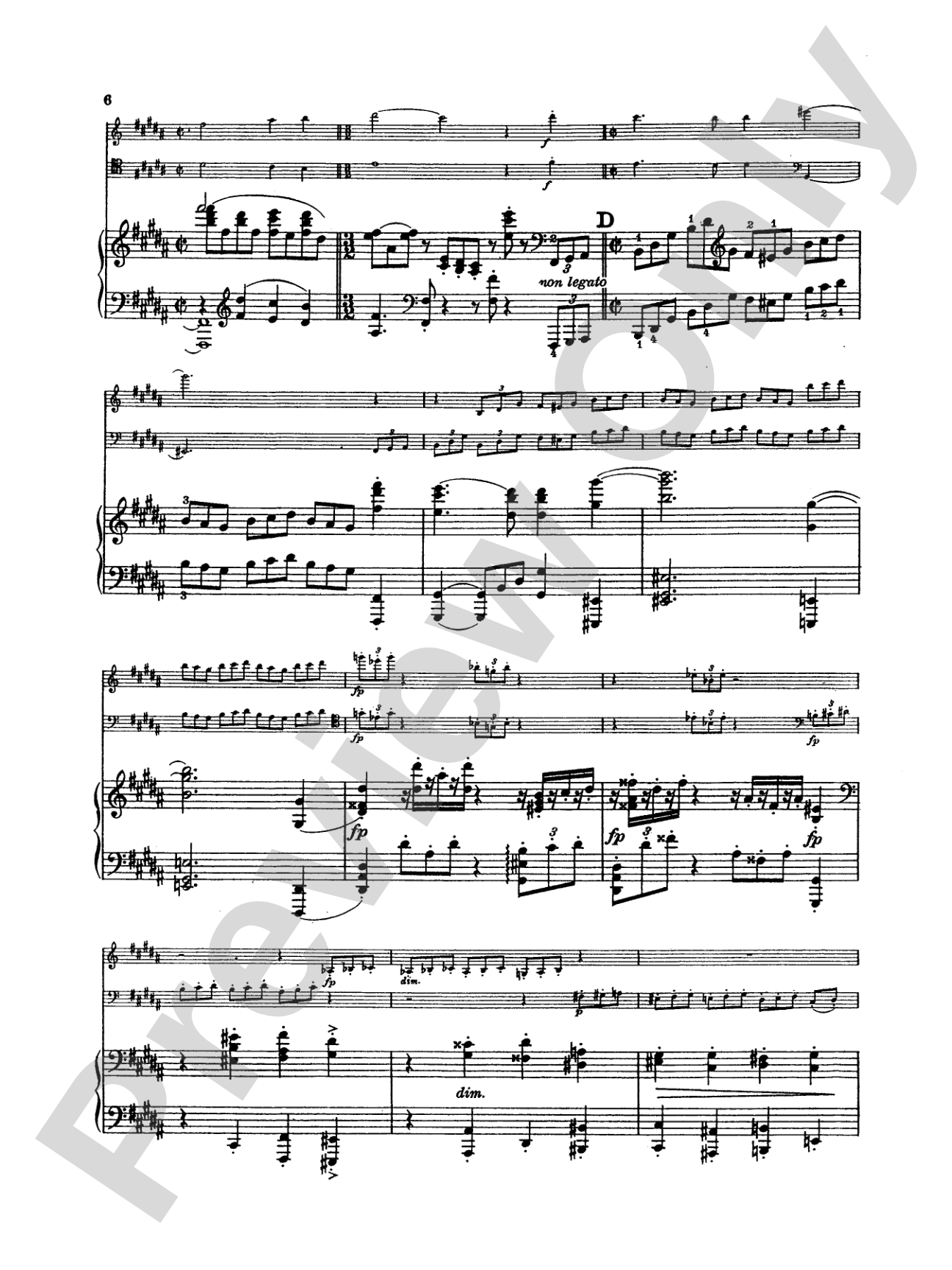
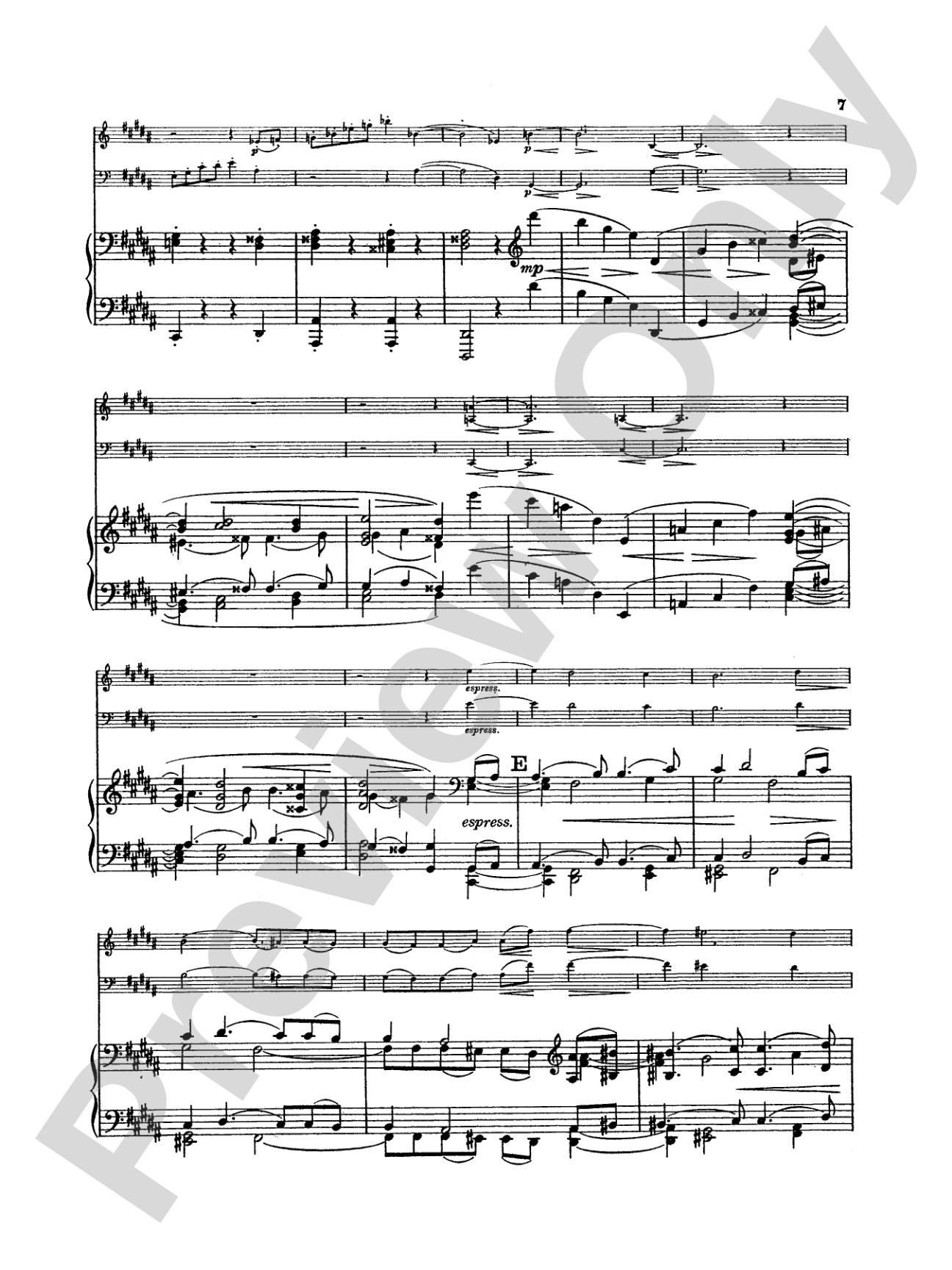
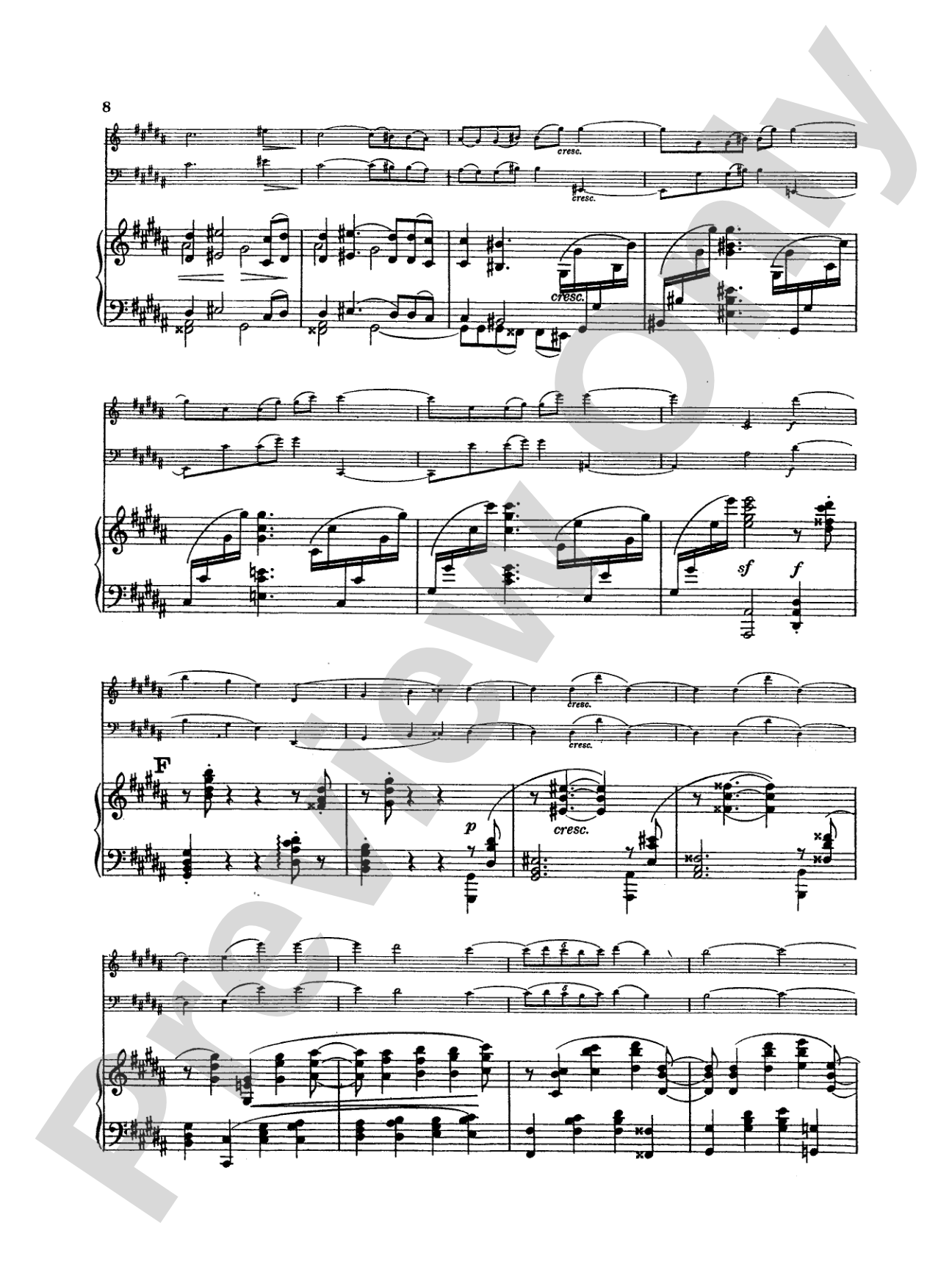
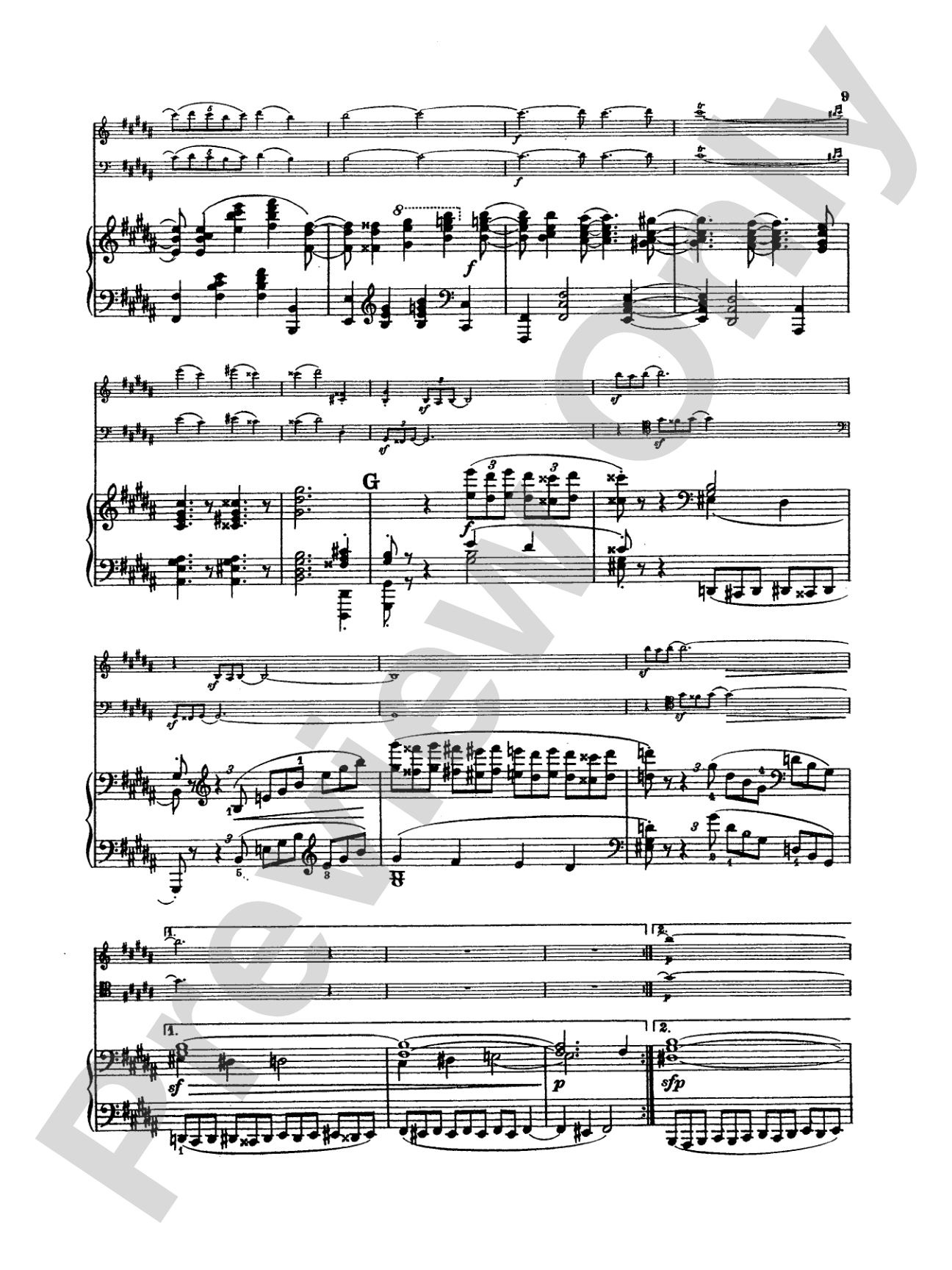
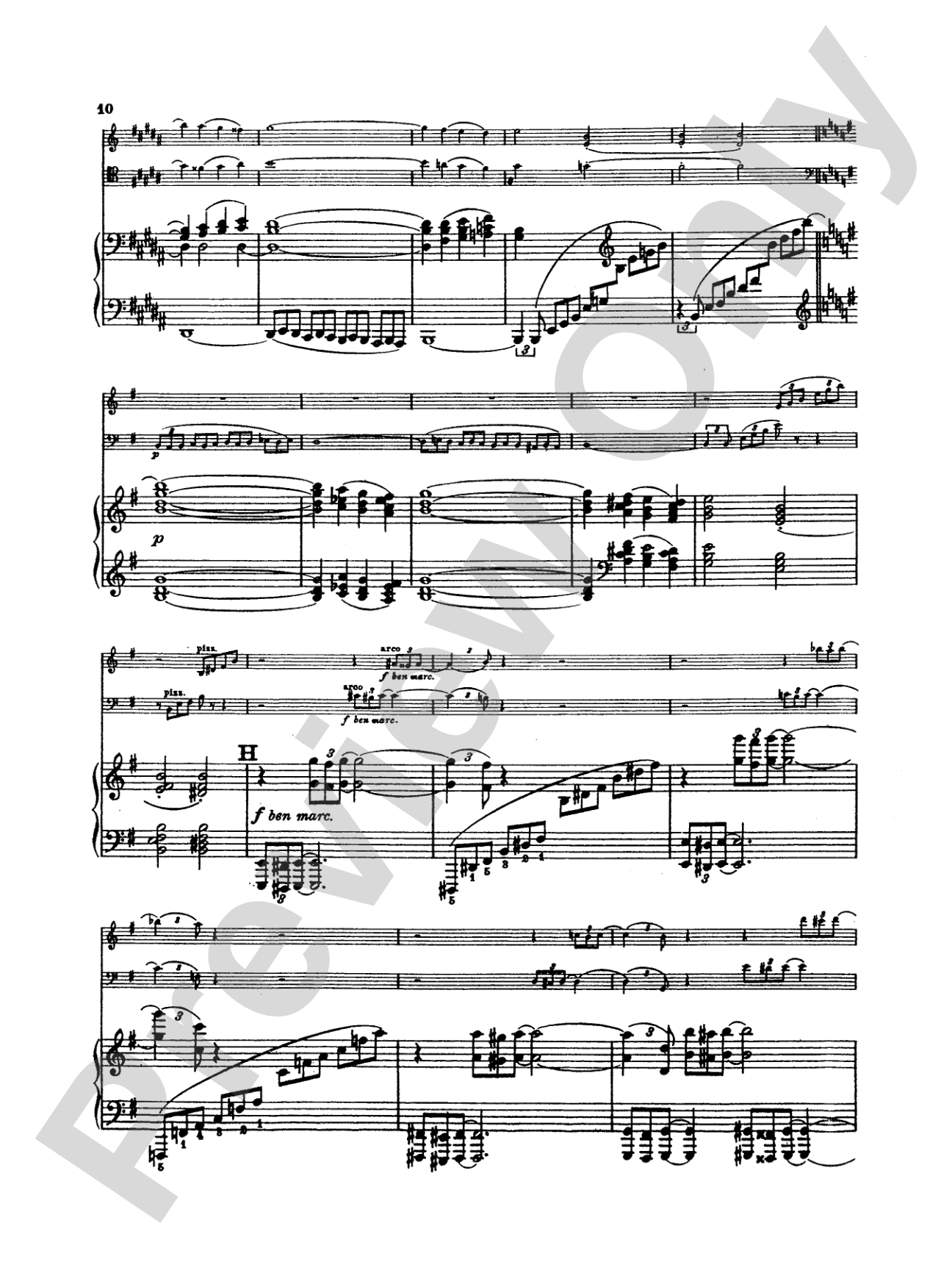
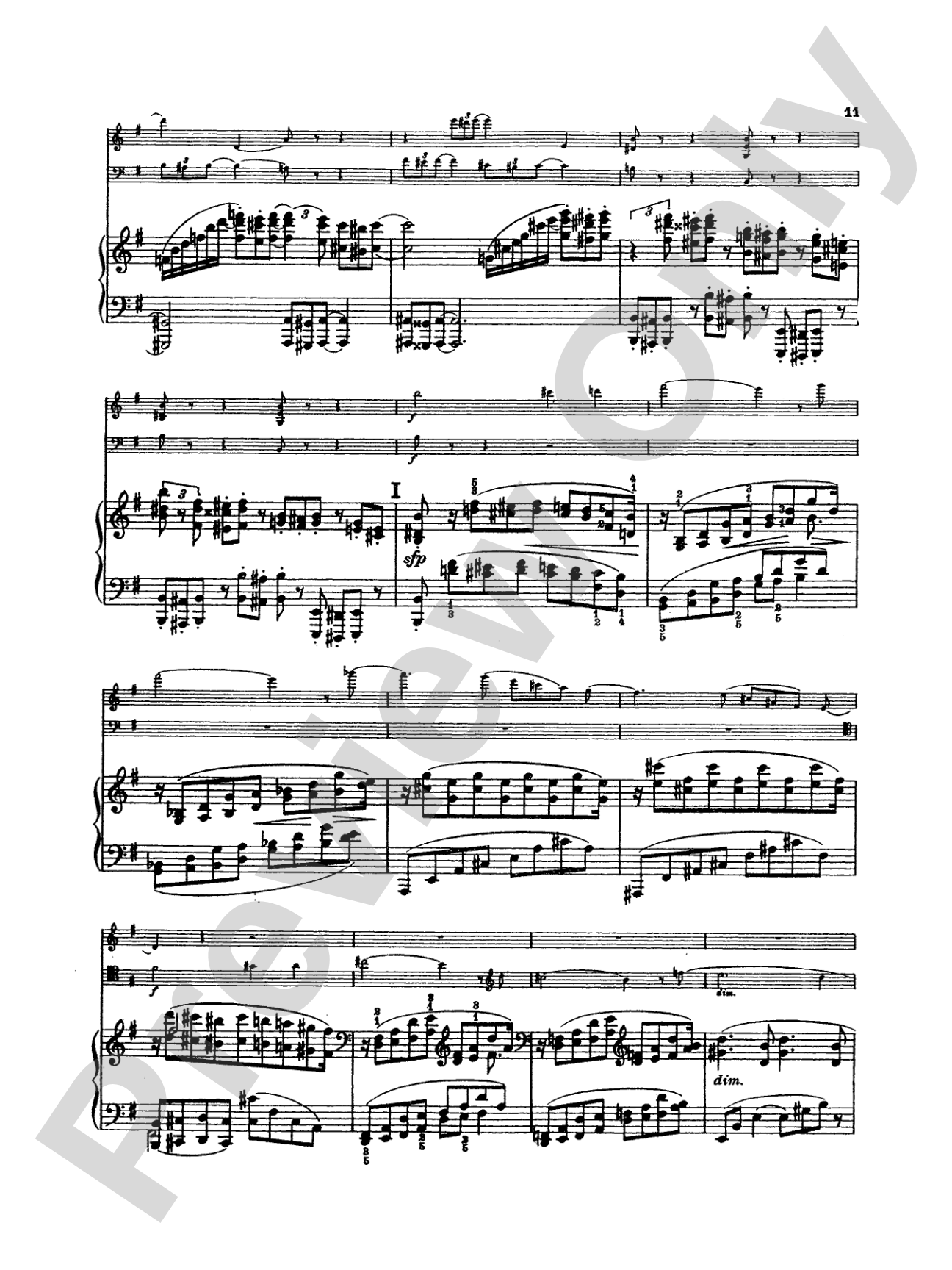
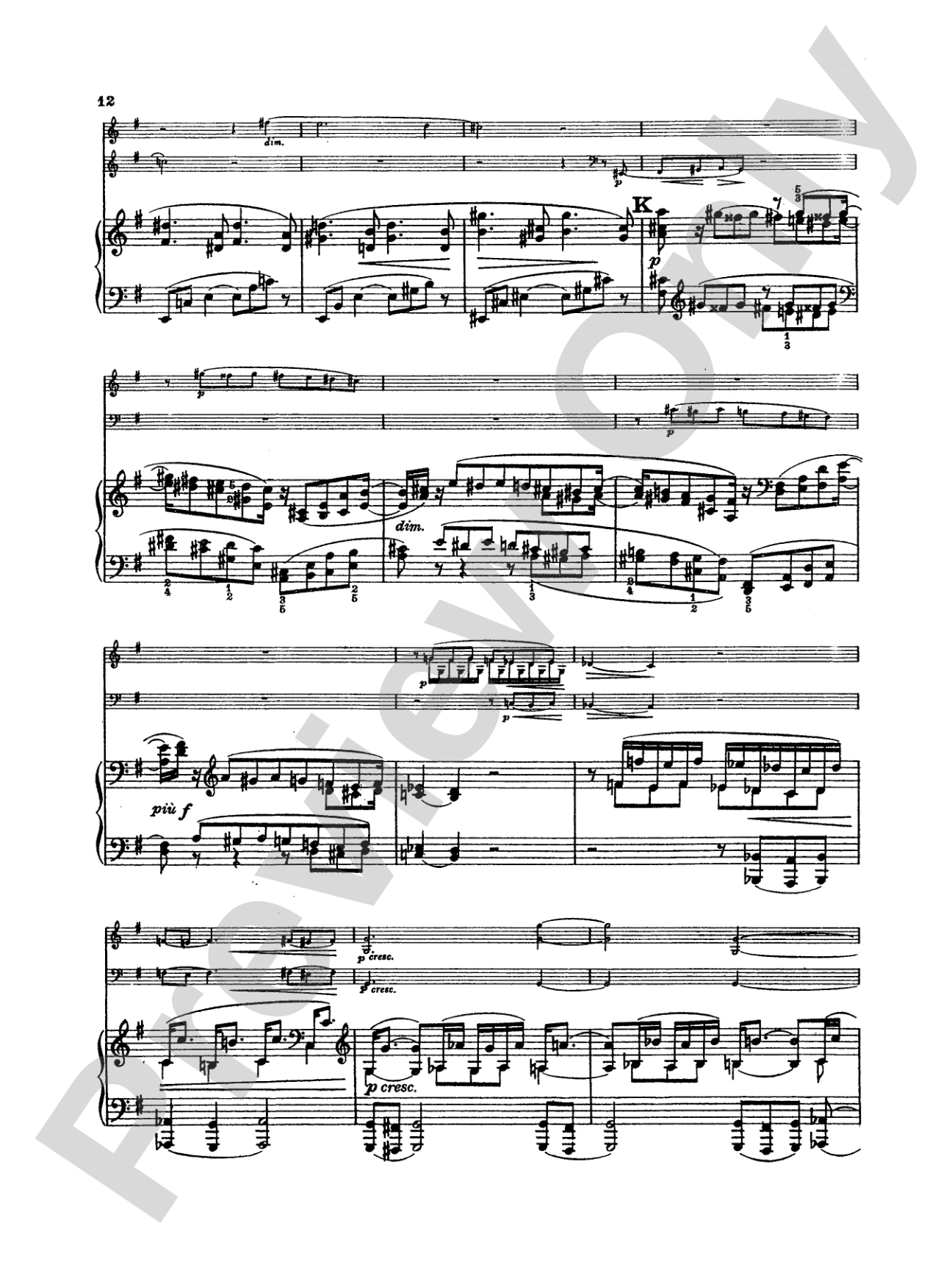

Brahms: Trio No. 1 in B Major, Op. 8
By Johannes Brahms
Item: 00-PC-0013011
$4.95
Pickup currently not available
Description
Expertly arranged Chamber Trio by Johannes Brahms from the Kalmus Edition series. This Trio is from the Romantic era.


Don't just read it, hear it, play along with it, and watch your students grow with it. In MakeMusic Cloud, Brahms: Trio No. 1 in B Major, Op. 8 comes alive with professional accompaniment, adjustable tempo, and built-in practice tools that turn solo practice into real progress.
Open in the Player
Jump straight in and assign it today.
Start Your Free Trial
Open this title and explore the full library in minutes.
Sample Audio
No sample audio found.
Sample Video
No sample videos found.
Additional Details
Series:
Kalmus Edition
Publisher:
Alfred Music
Page Count:
84
SKU:
00-PC-0013011
Instrumentation:
Piano, Violin & Cello
More about this title
About the Composer: Johannes Brahms
Johannes Brahms (1833-1897) stands as one of the most rigorous symphonists and chamber music composers of the Romantic era. He brought Classical forms and developmental mastery to the emotional depth of the nineteenth century, creating works that bridged two musical worlds. His chamber music in particular reveals a composer equally at home with intimate textures and grand architectures; the Piano Trios represent some of his most ambitious explorations of the genre.
Why we love this
Brahms' Op. 8 Trio demands real musicianship from all three players and rewards that investment instantly. The writing is idiomatic for each instrument without ever losing the sense of a unified ensemble conversation; piano, violin, and cello are equal partners. This is repertoire that builds confidence in young chamber musicians while maintaining enough depth to sustain serious adult ensembles.
What to expect
Lyrical yet intellectually engaged, the B Major Trio unfolds with the generosity of a great storyteller. The first movement's stormy energy gives way to searching harmonic explorations; the Scherzo dances with mischief, while the Finale sweeps toward resolution with Brahmsian inevitability. This is music that feels both intimate and monumental.
Who it's for
Advanced high school chamber musicians and college-level string players preparing for festival competitions or recital programming. Pianists working with string partners will find this score essential; the writing assumes technical facility and musical independence across all three parts.
How to get the most out of it
- Balance the piano part carefully in the opening movement; its figuration should support rather than overshadow the string voices. Listen from the audience perspective regularly during rehearsal.
- Attend to the harmonic rhythm when navigating key changes. Brahms shifts tonality with purpose, and ensemble security depends on each player understanding where the phrase is moving.
- Use natural vibrato judiciously in the slower sections. The warmth of the Romantic style lives in sustained tone, but excessive vibrato clouds the clarity of Brahms' counterpoint.
- Shape phrases through dynamic breathing, not just tempo fluctuation. This music breathes in four- and eight-bar units; respect those natural divisions.
How to use it
Program the entire Trio as a chamber concert centerpiece or pair it with a lighter work for balance. It works equally well in a recital setting for chamber groups or as a competition piece at regional festivals. The Romantic era context makes it a natural companion to other nineteenth-century chamber works.
Skills your students will build
- Sustaining ensemble balance and independence across three instruments
- Navigating harmonic complexity and tonal shifts within Classical sonata form
- Developing mature vibrato control and tone production in longer phrases
- Reading and interpreting Romantic-era expression marks and dynamic layering
- Collaborating as equal voices in a transparent texture where every line matters