

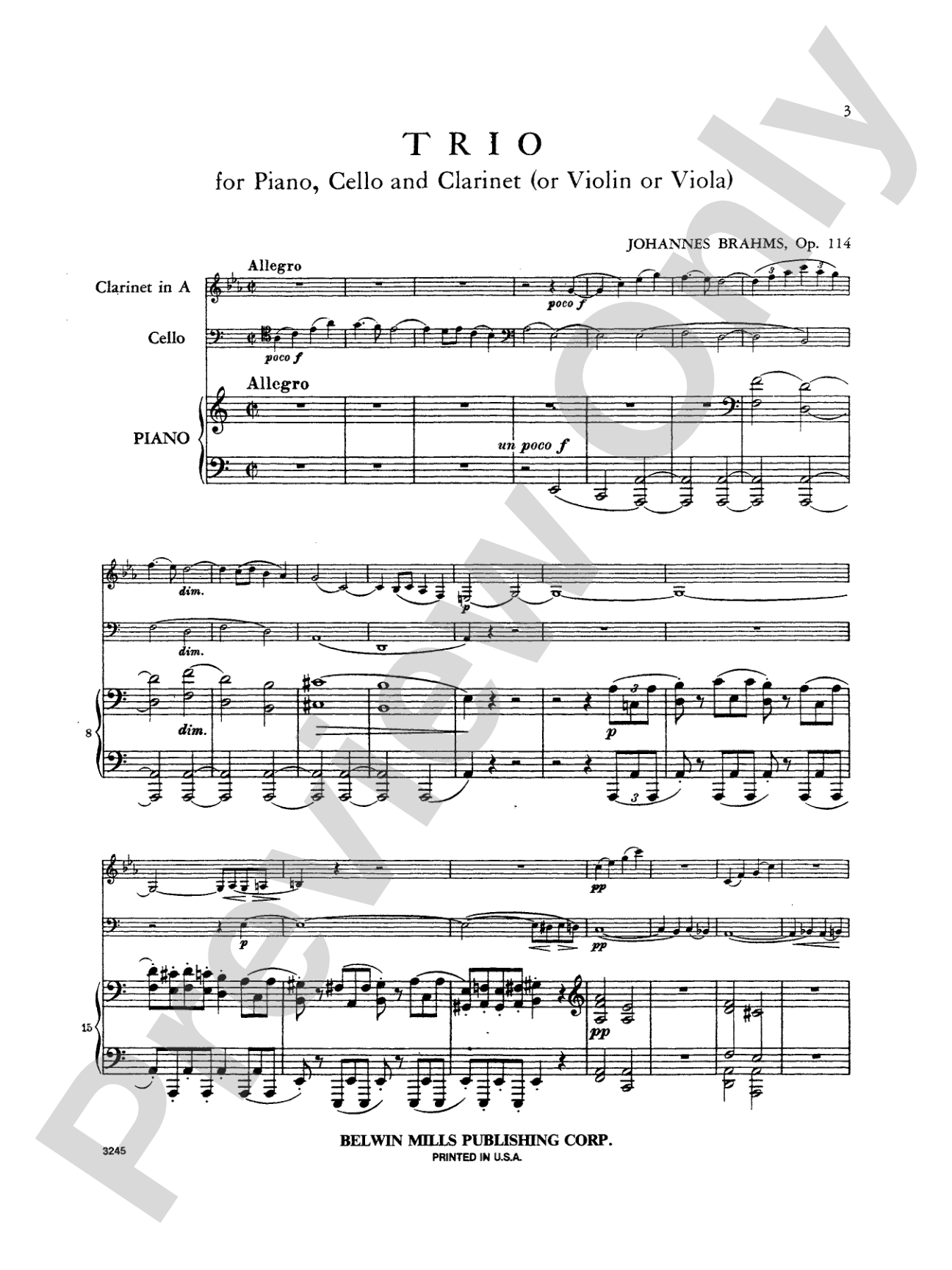
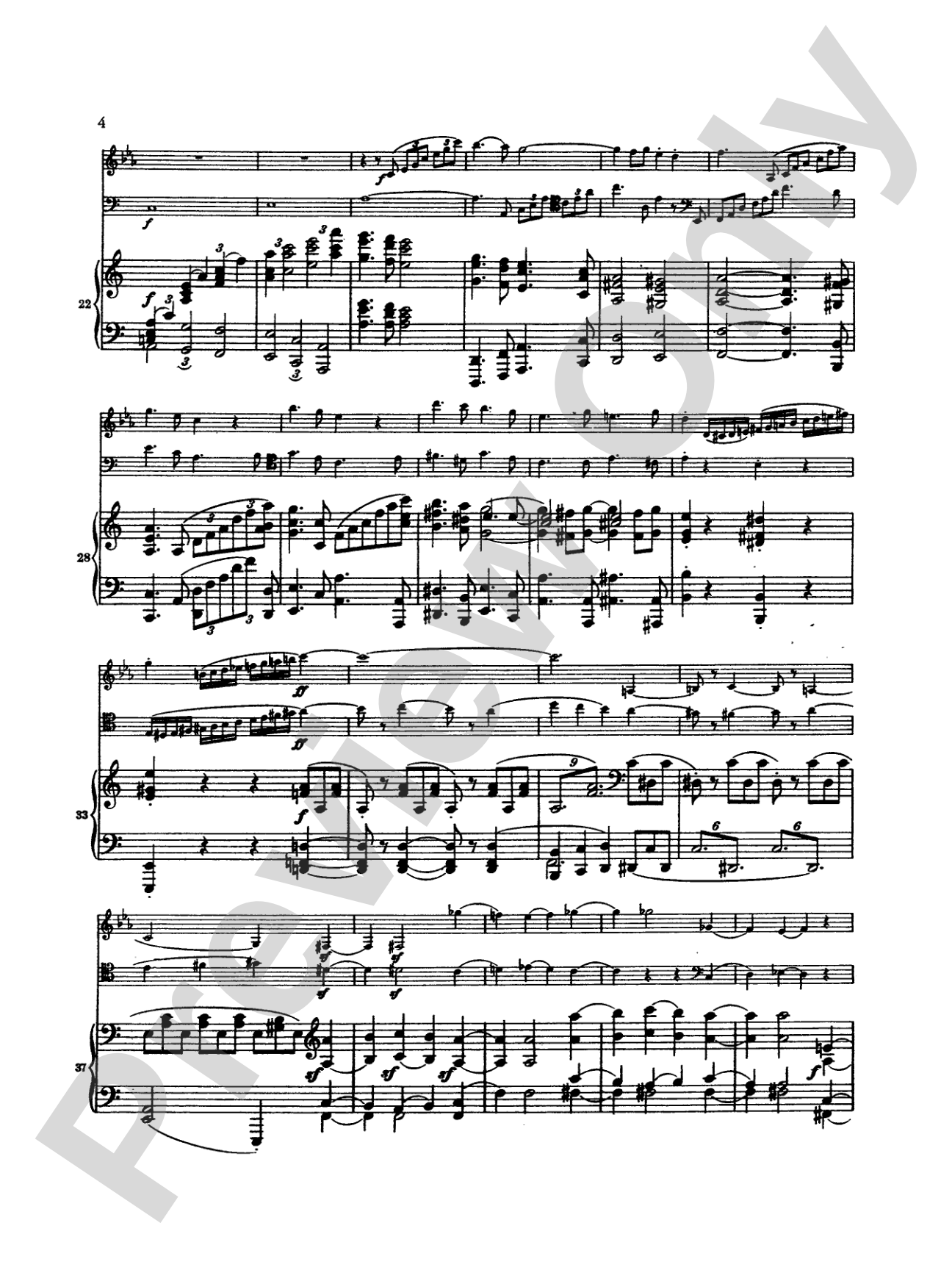
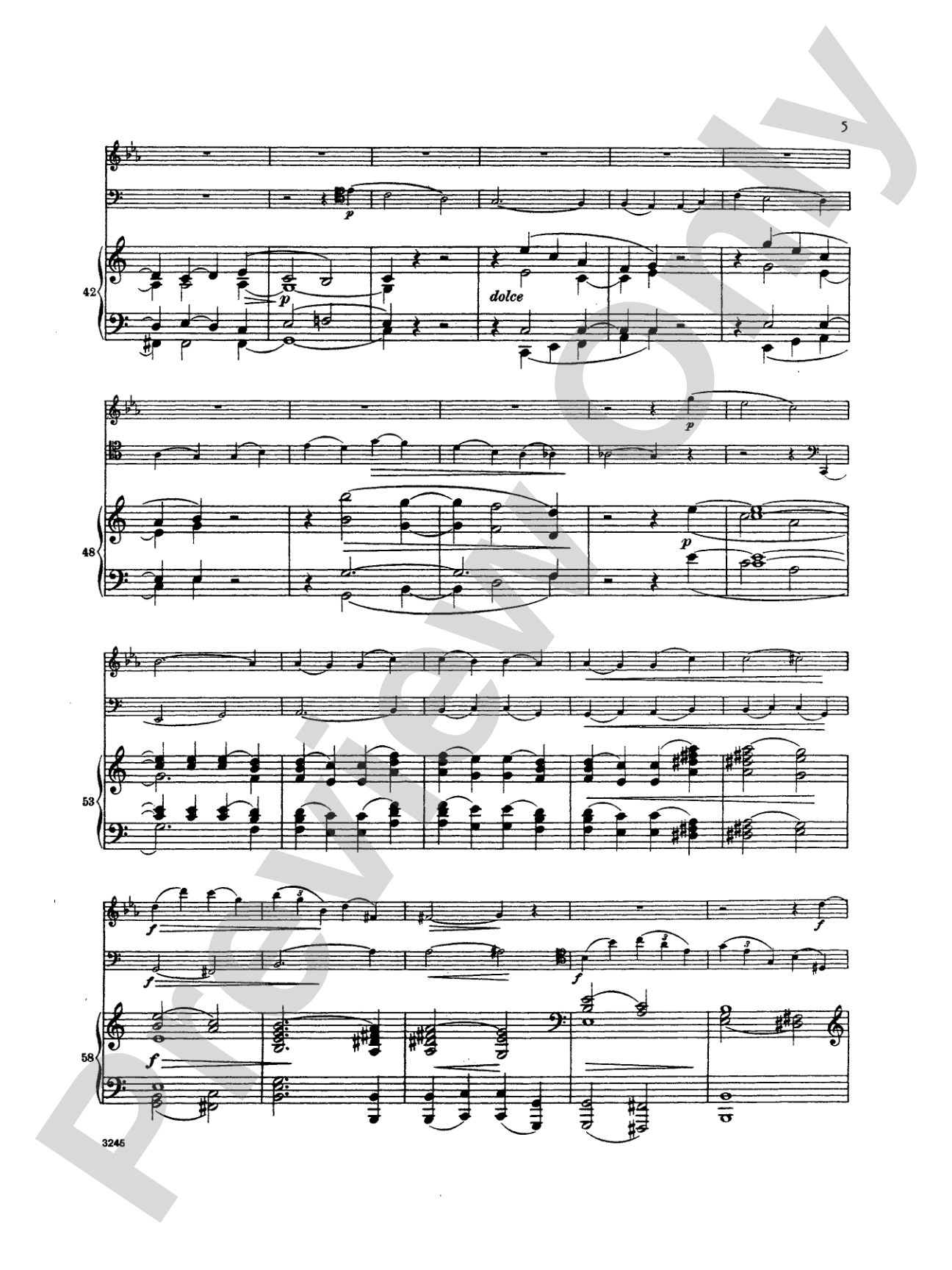
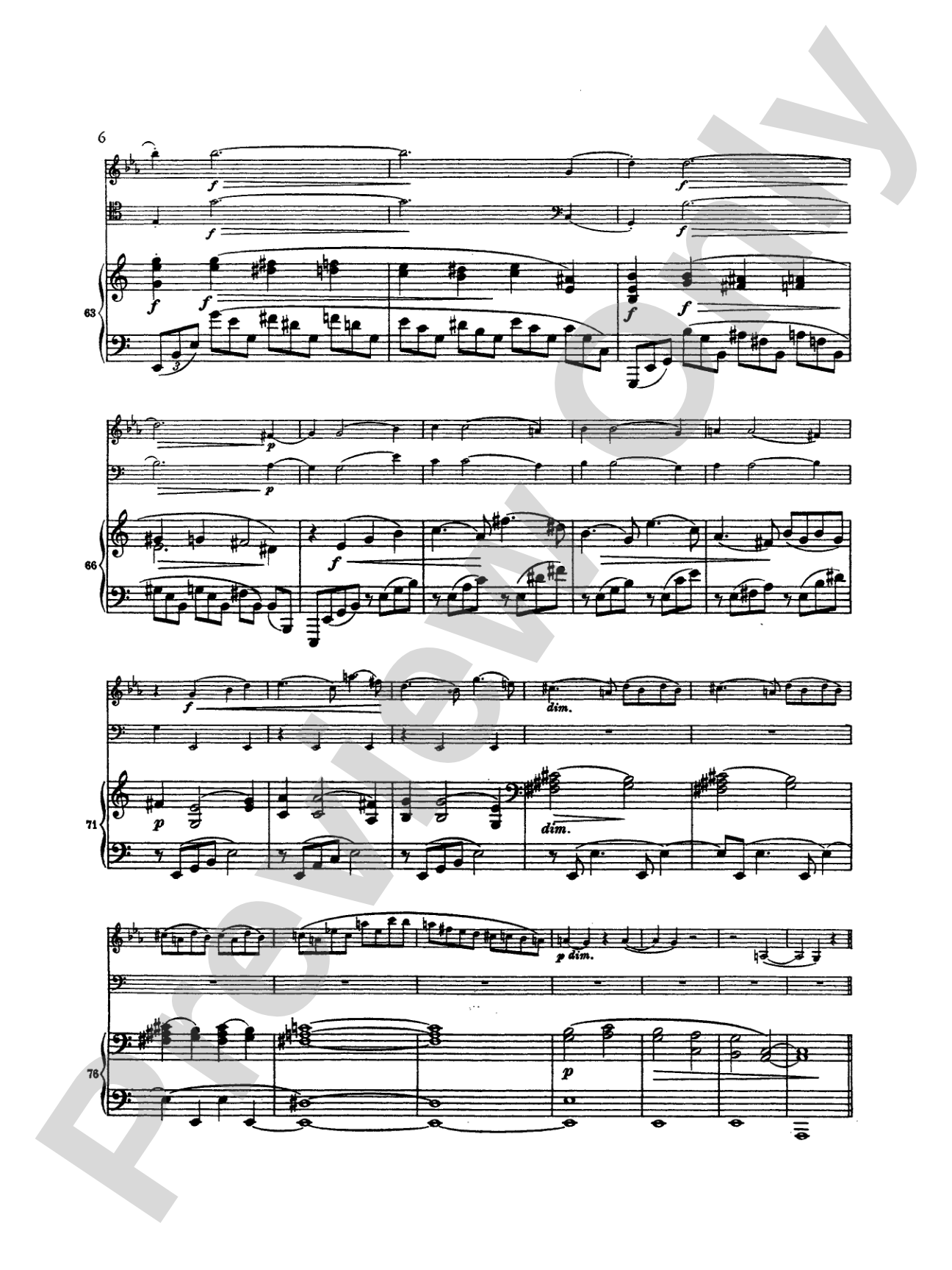
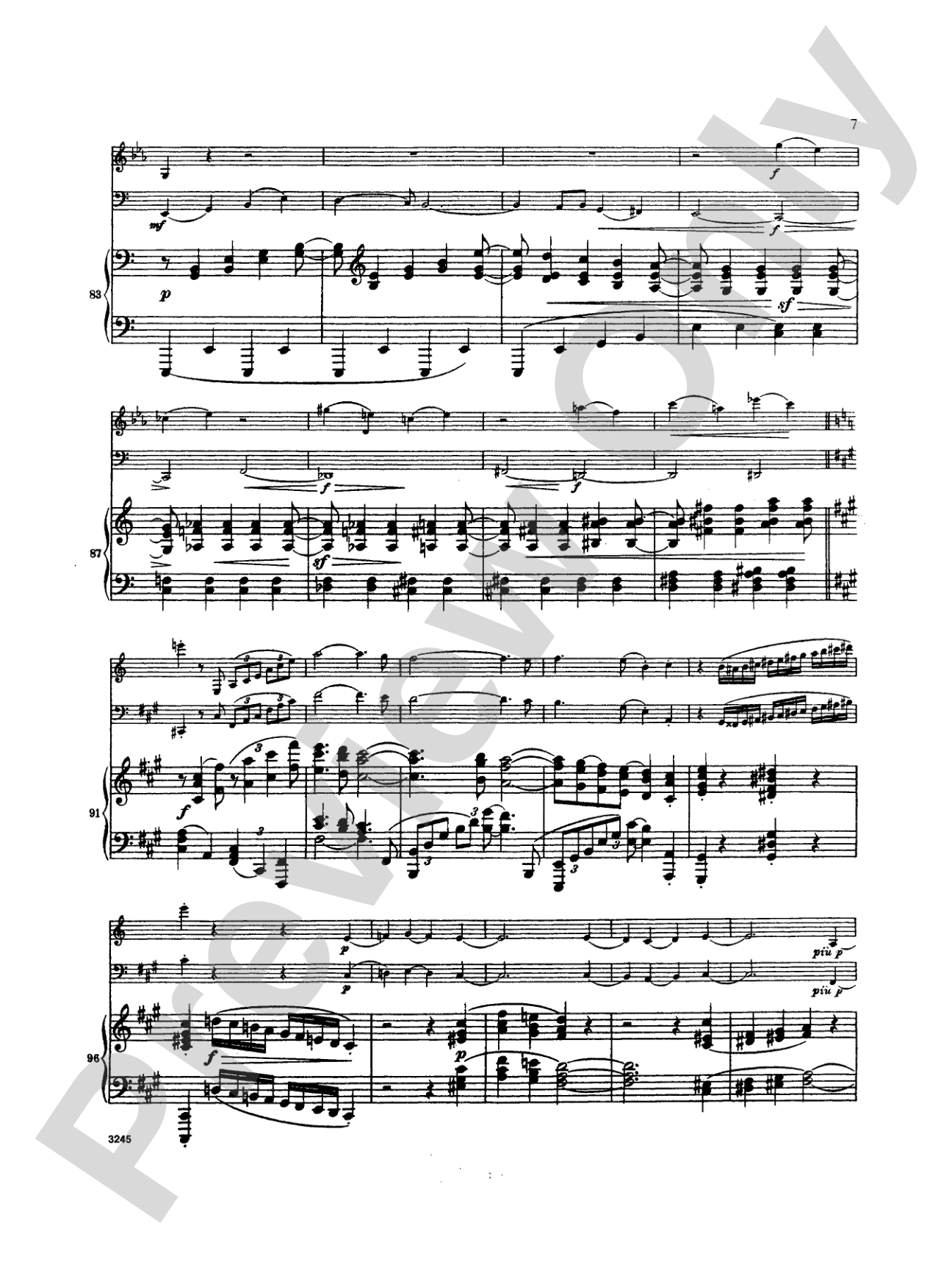
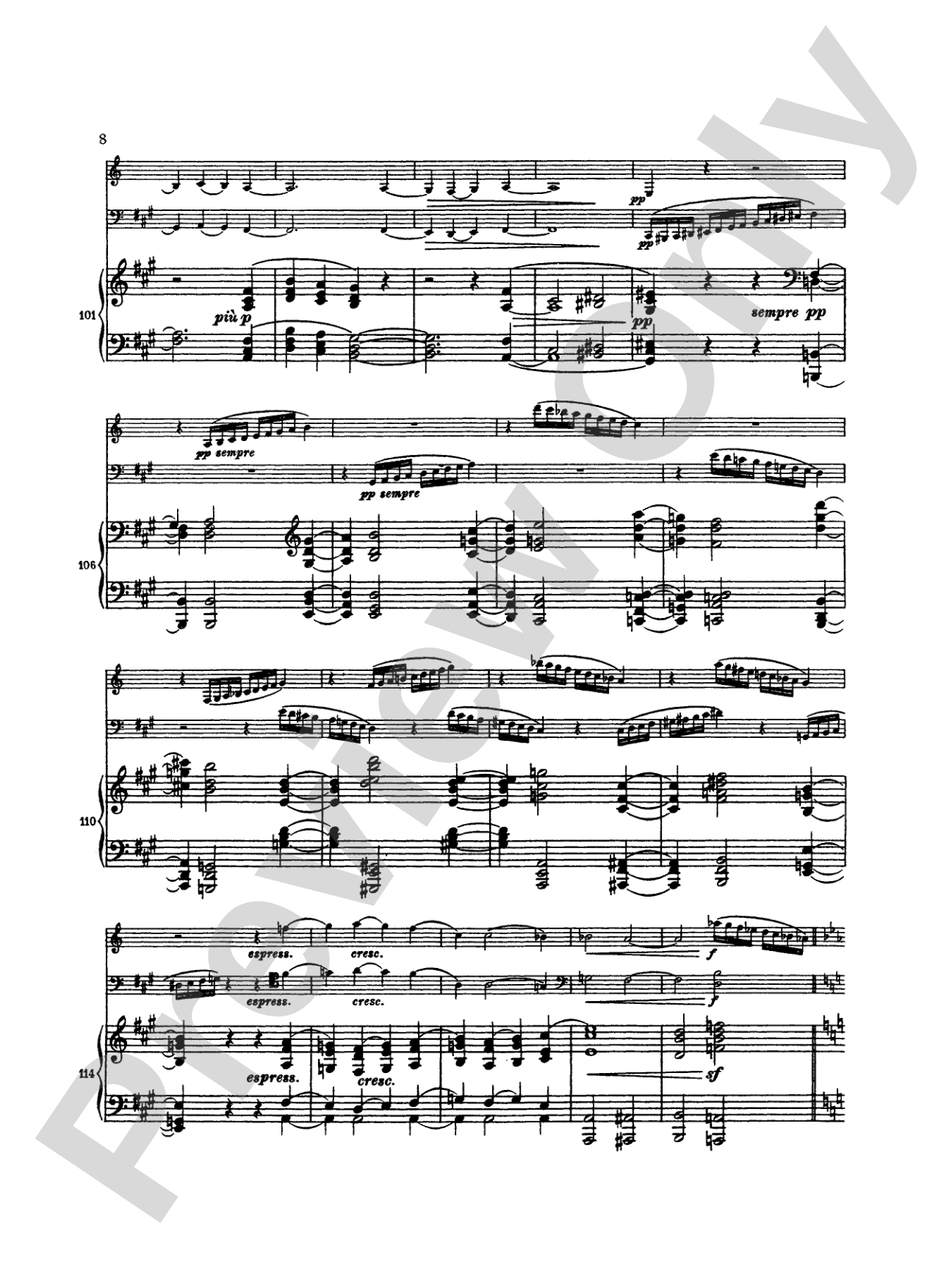
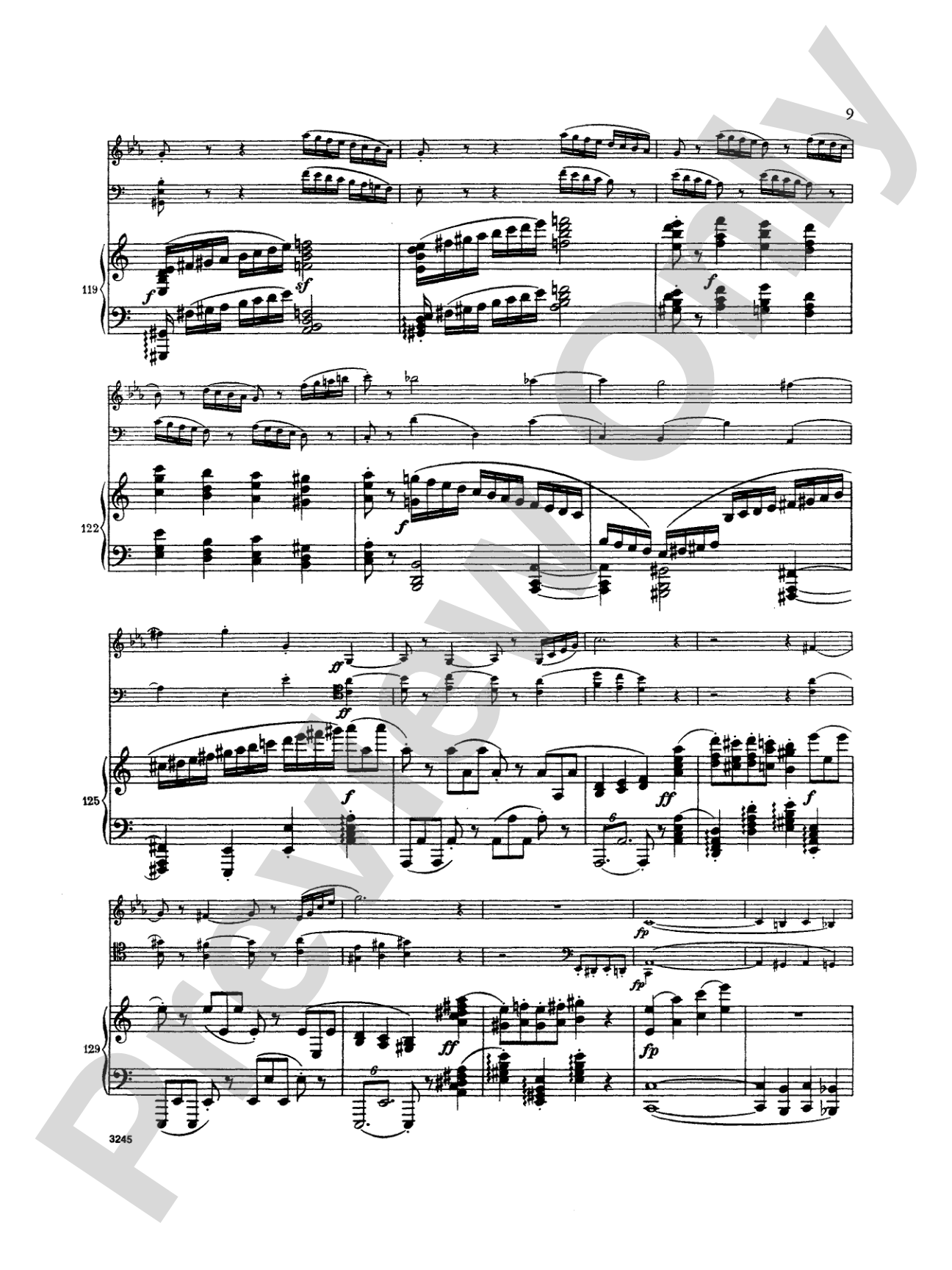
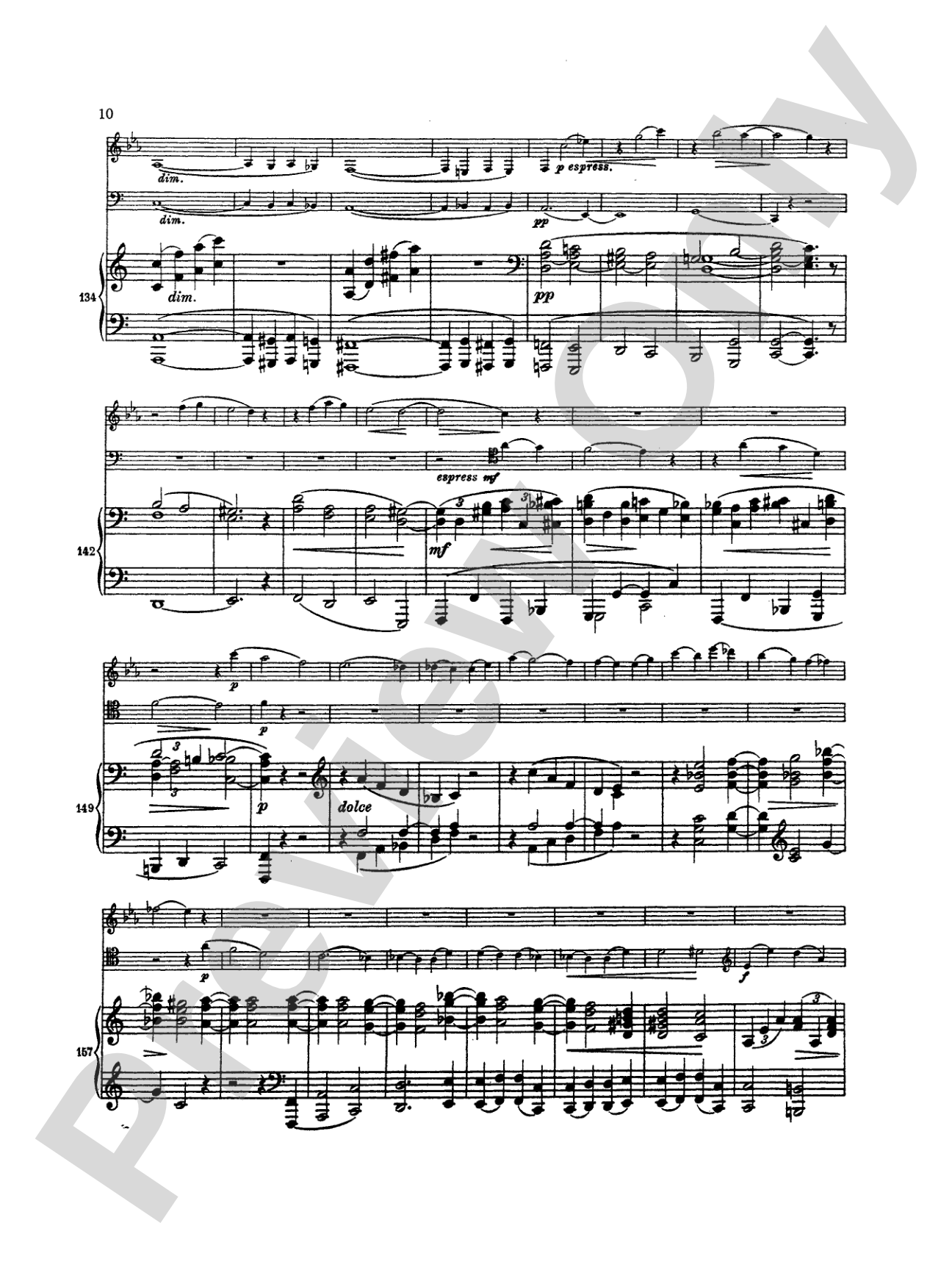
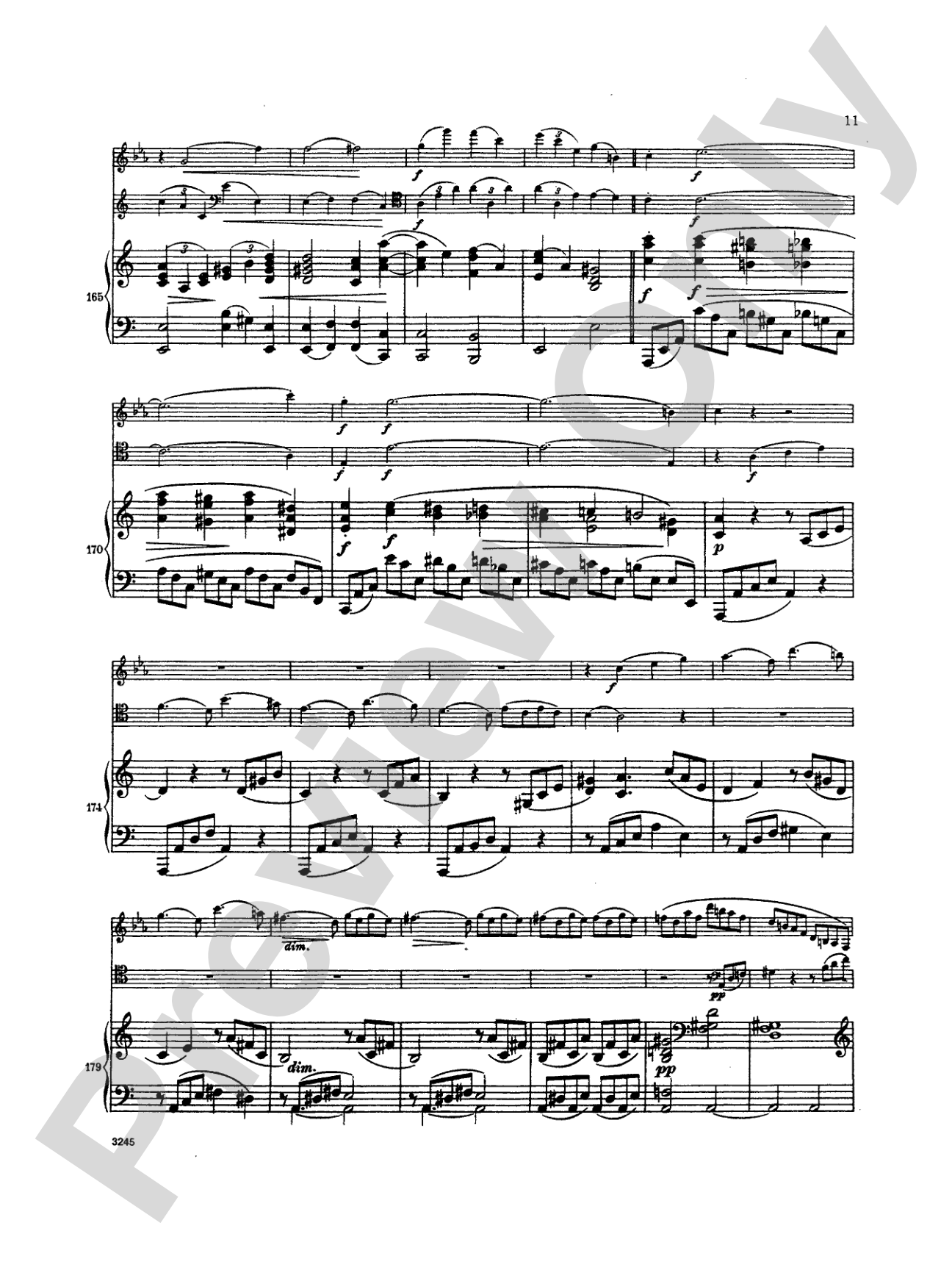
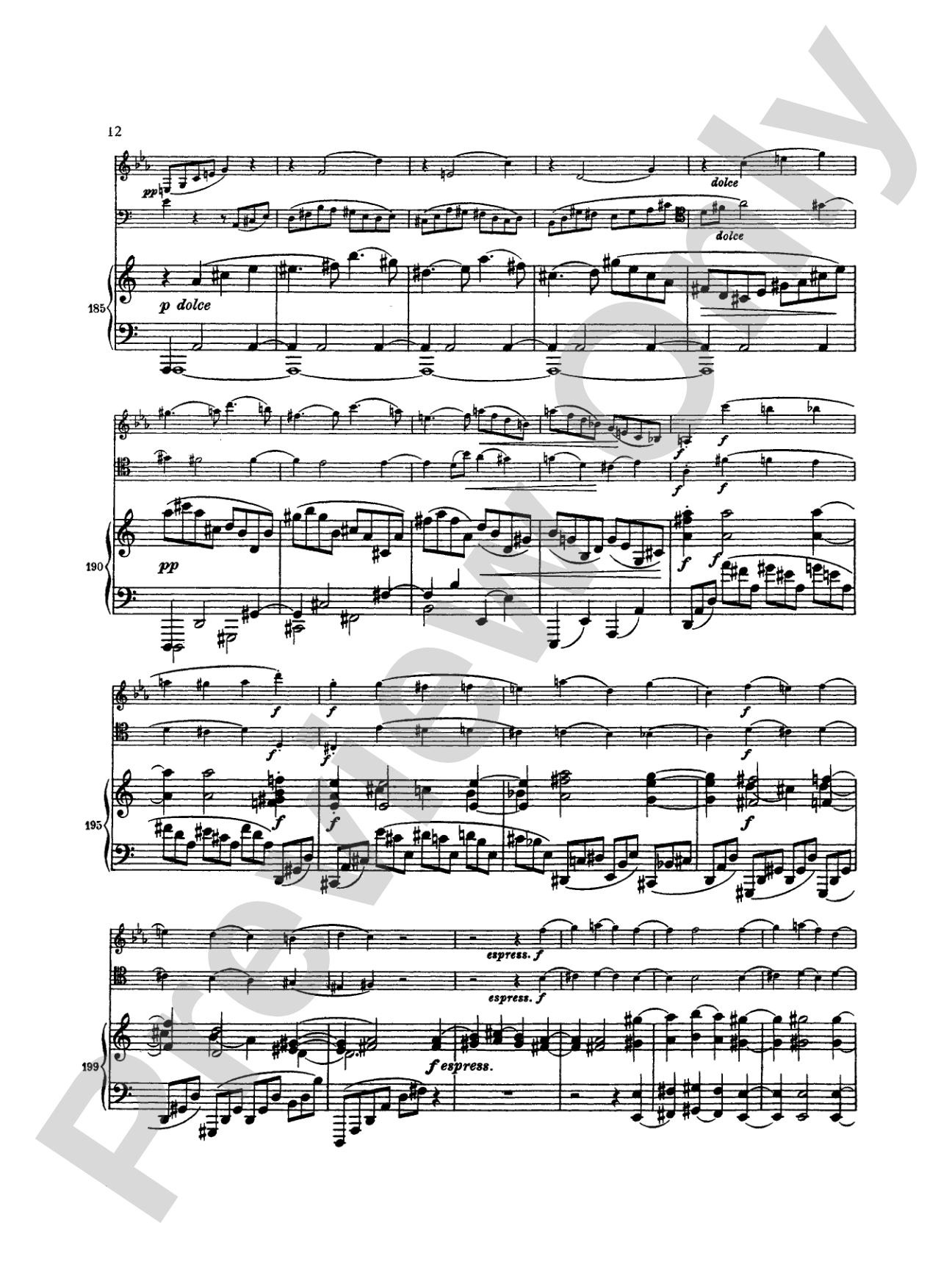
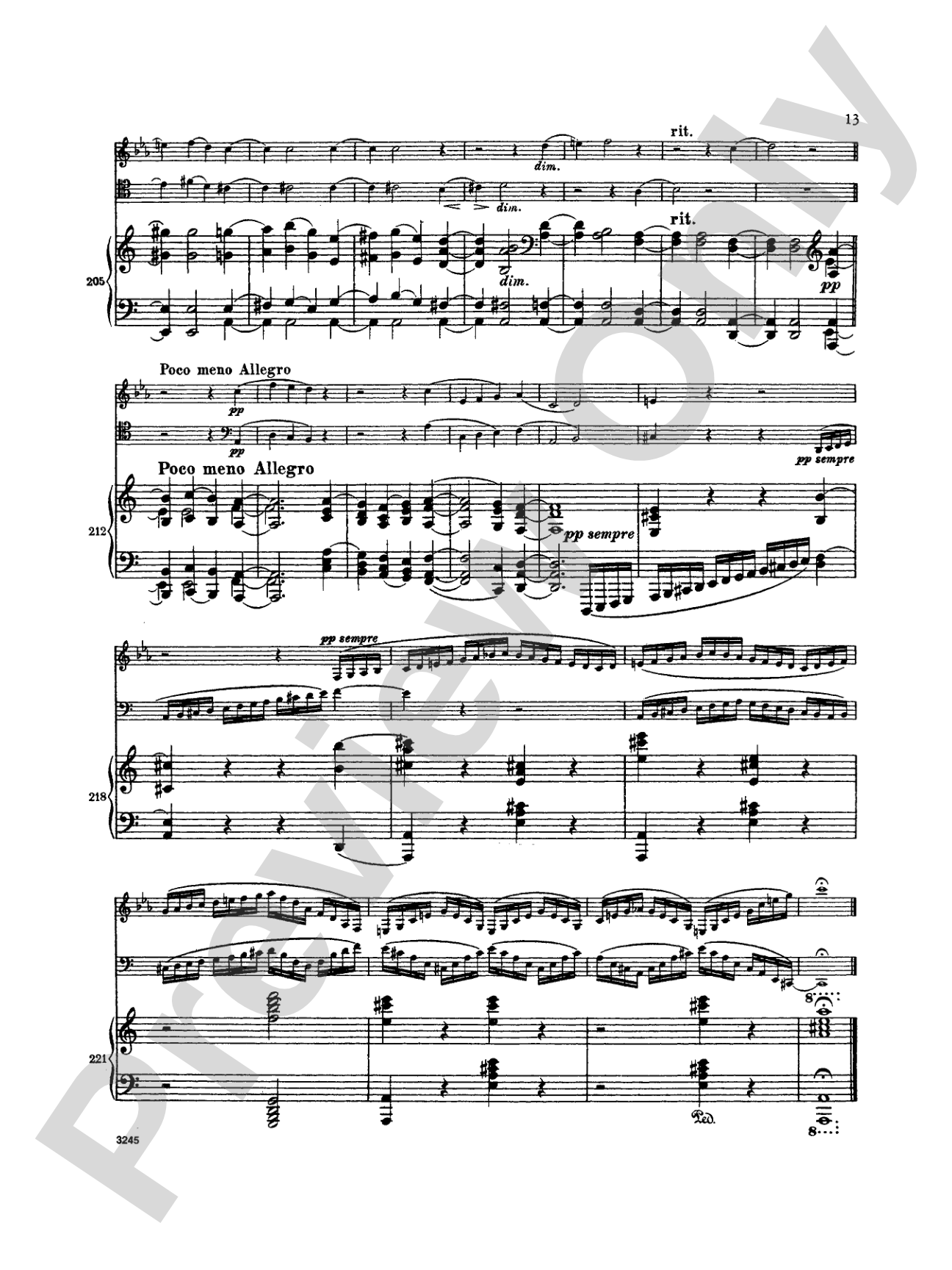
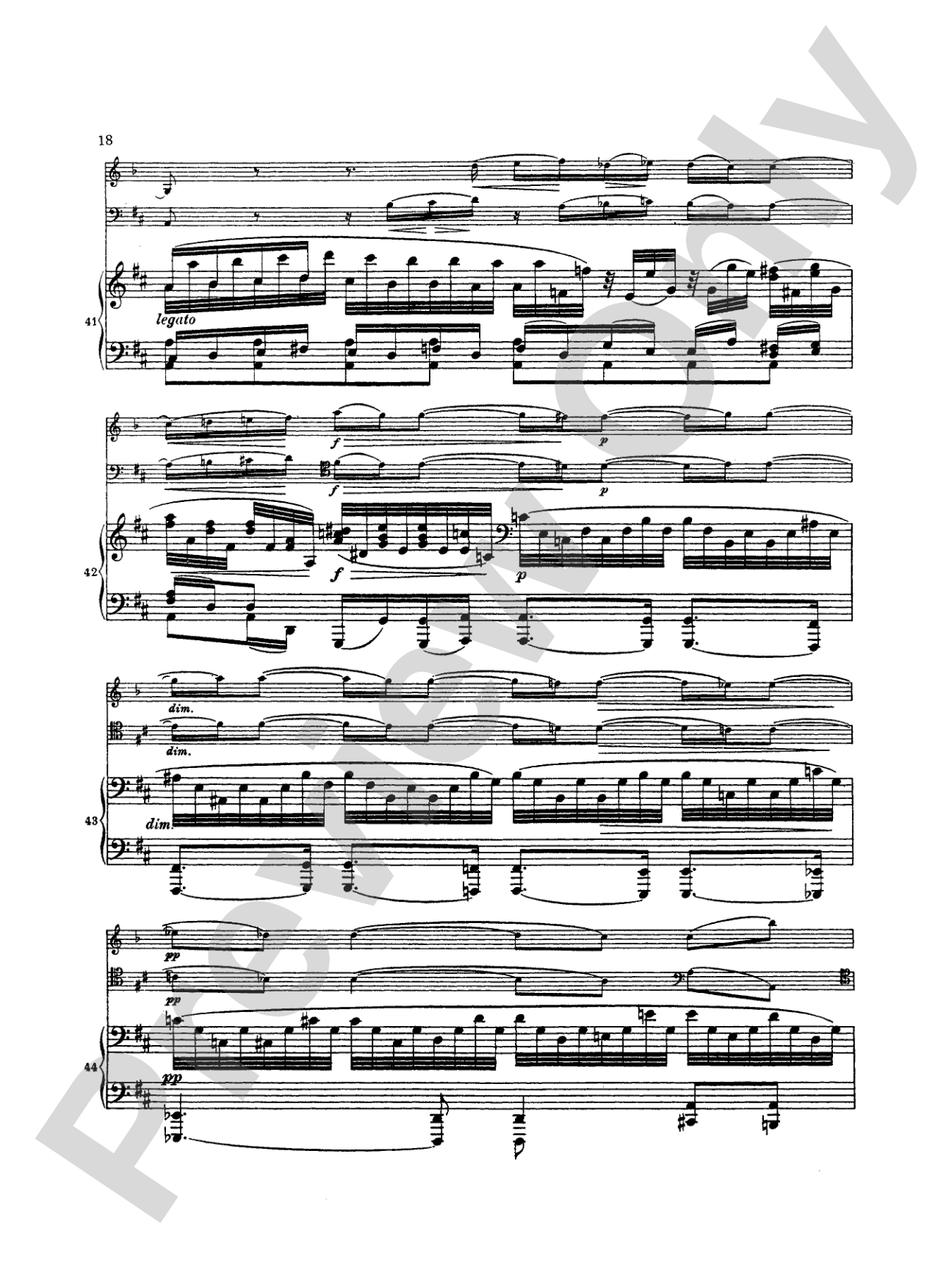
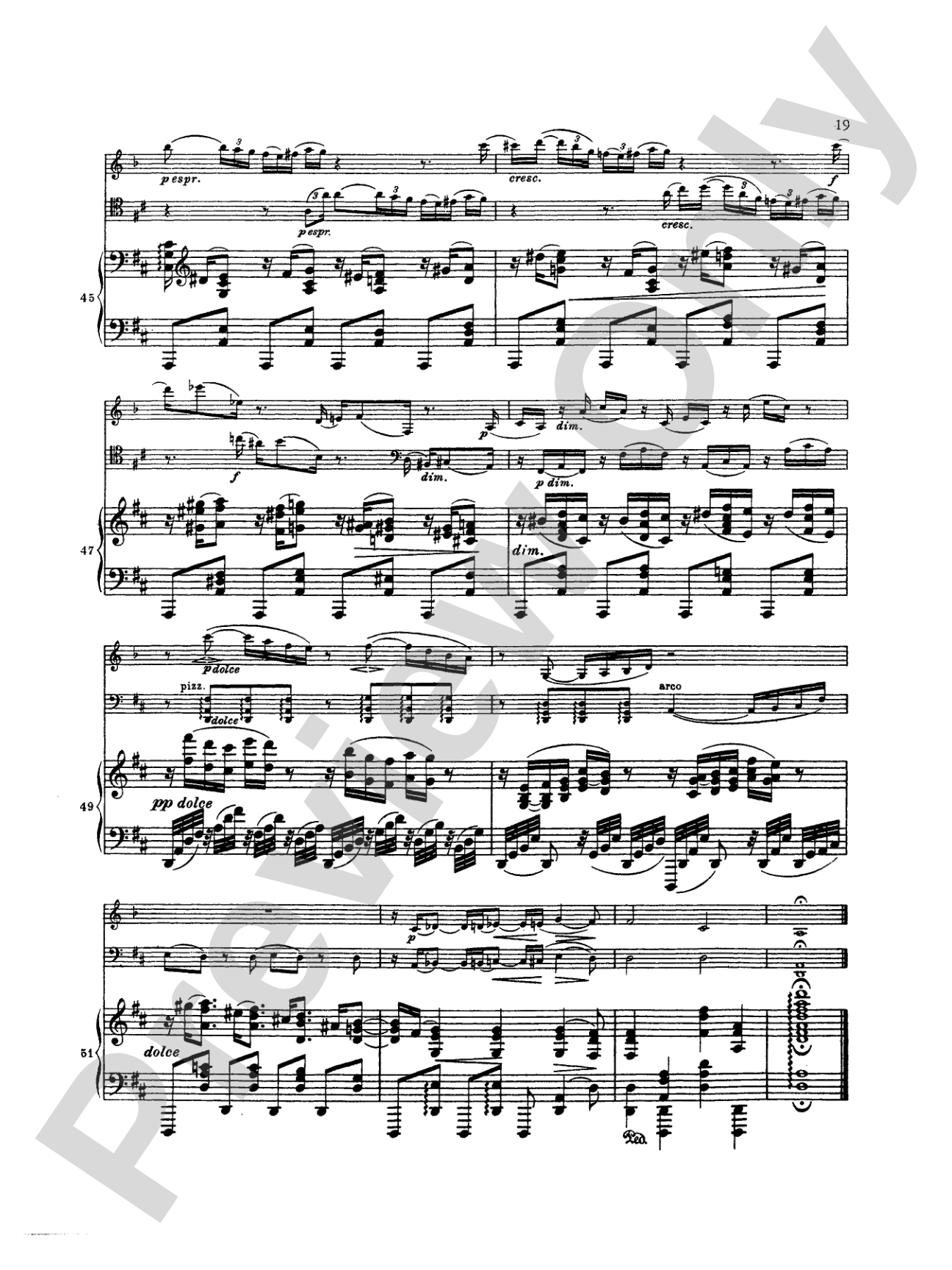
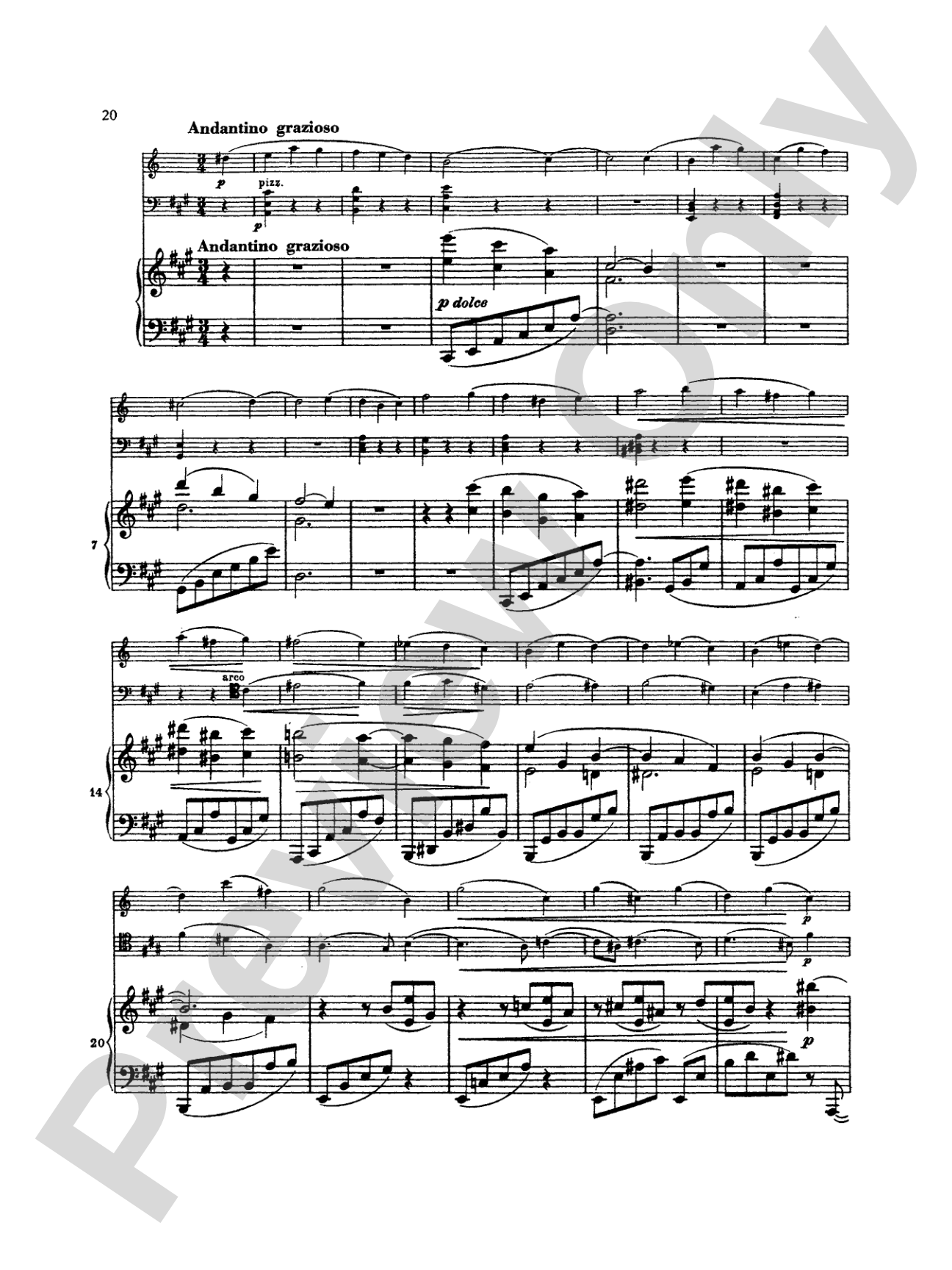
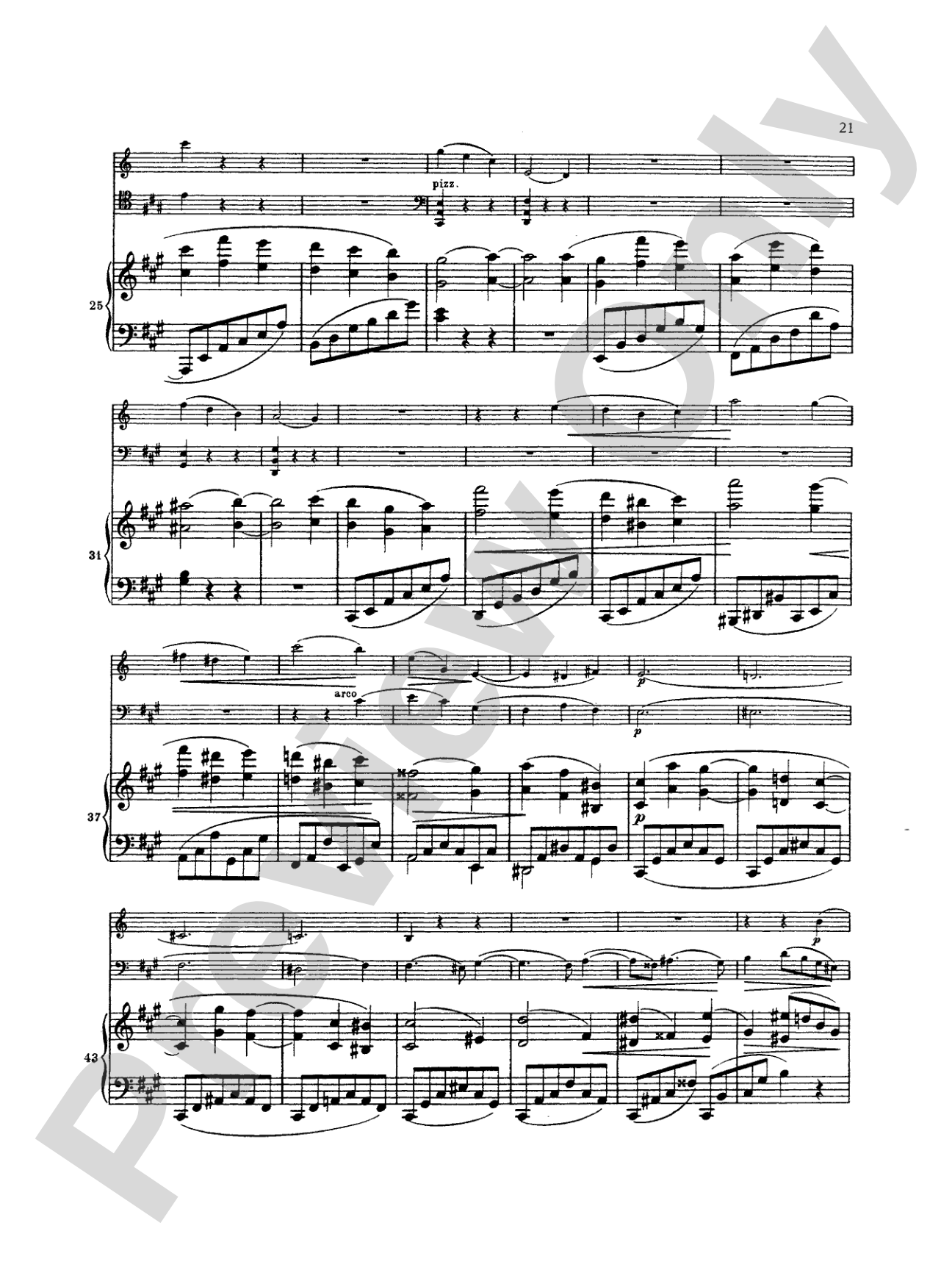
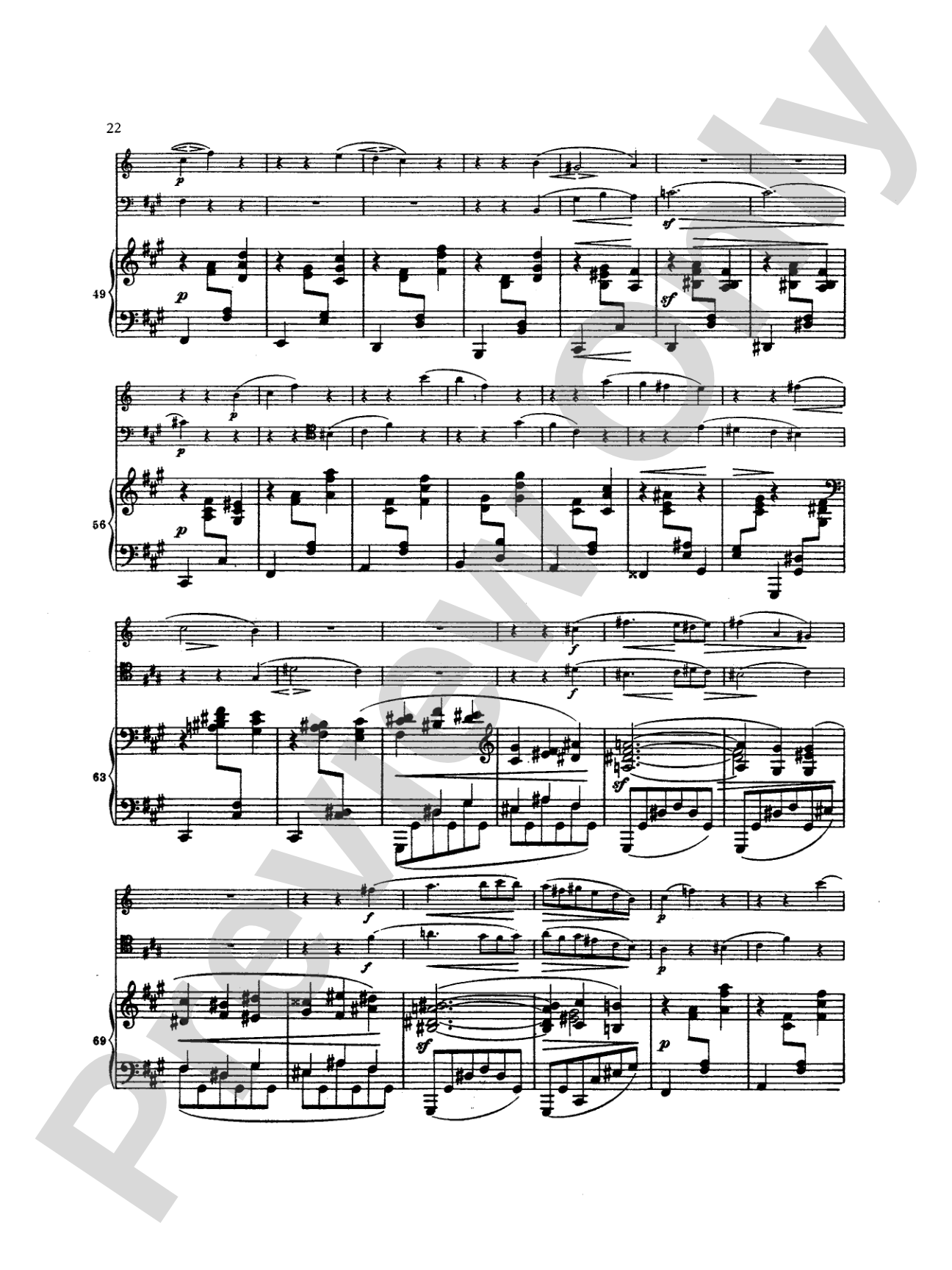
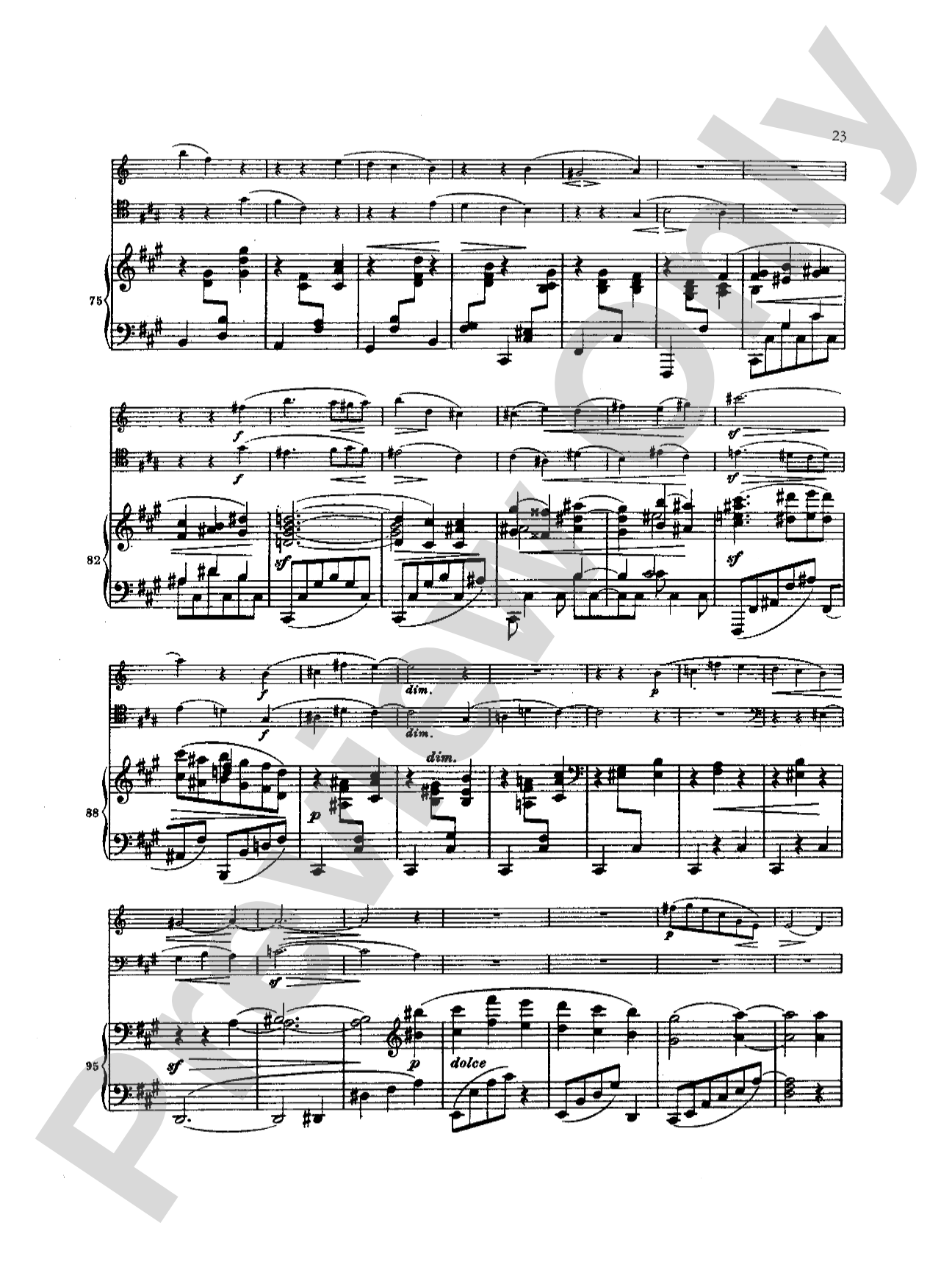
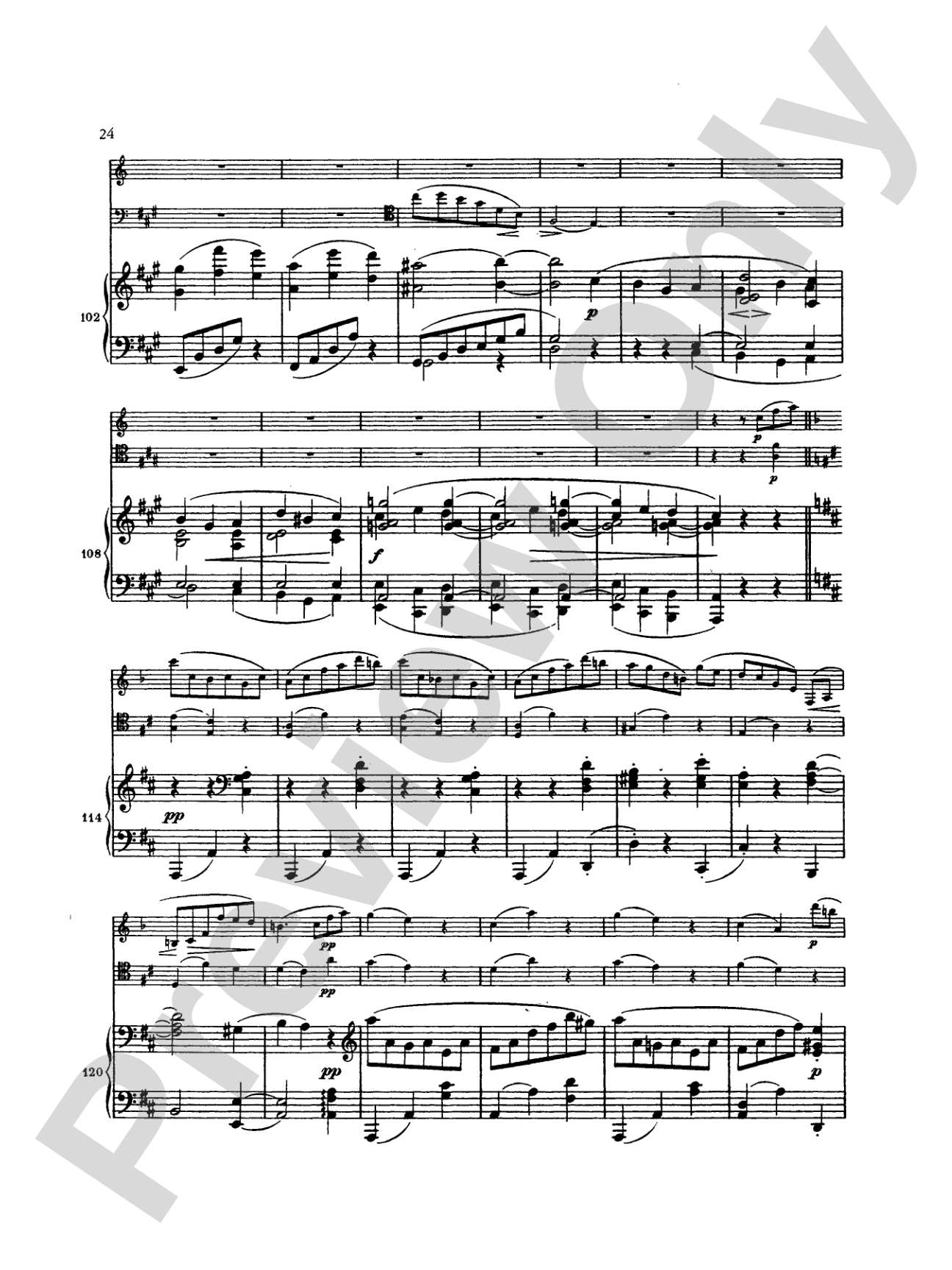
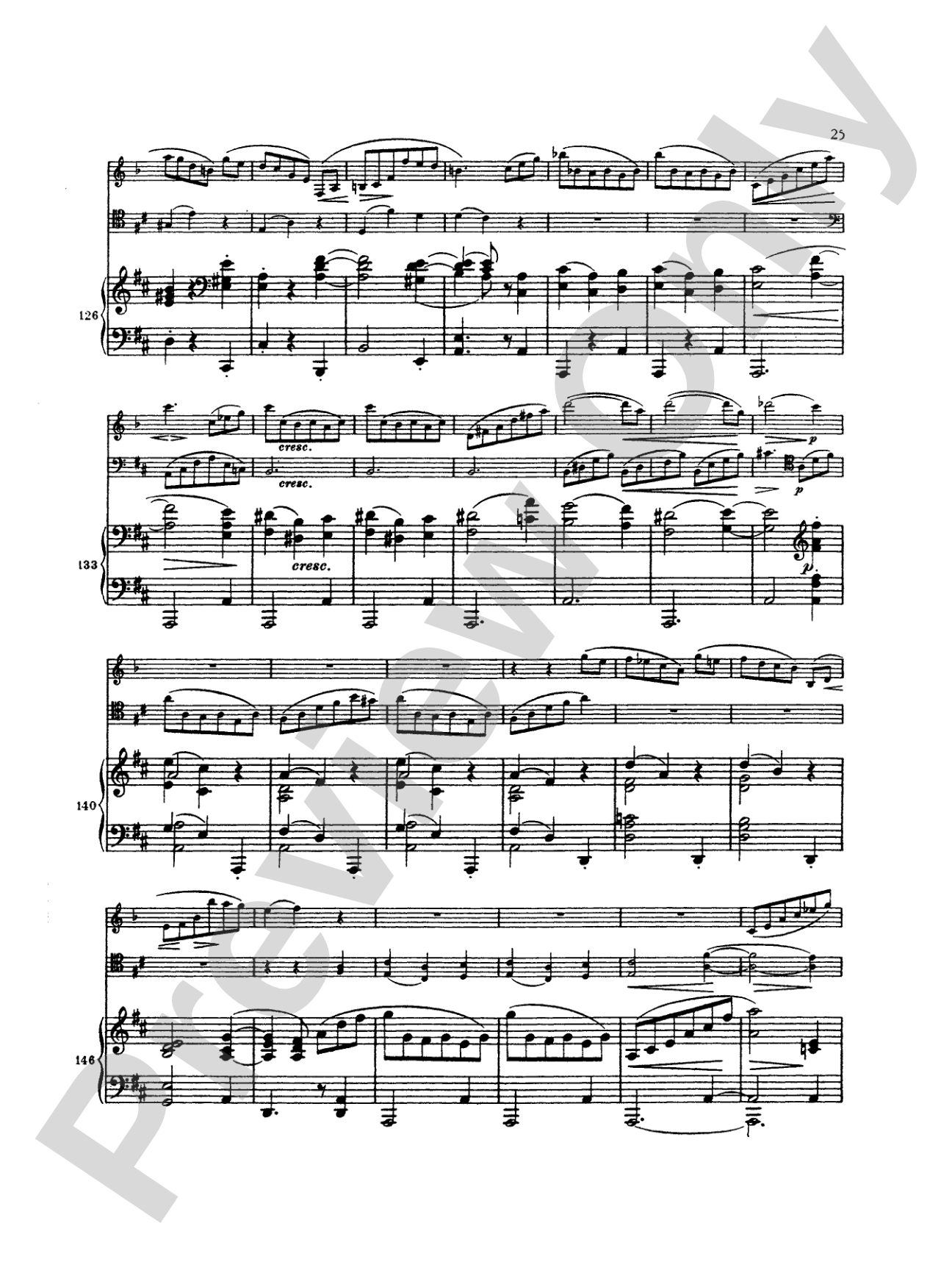
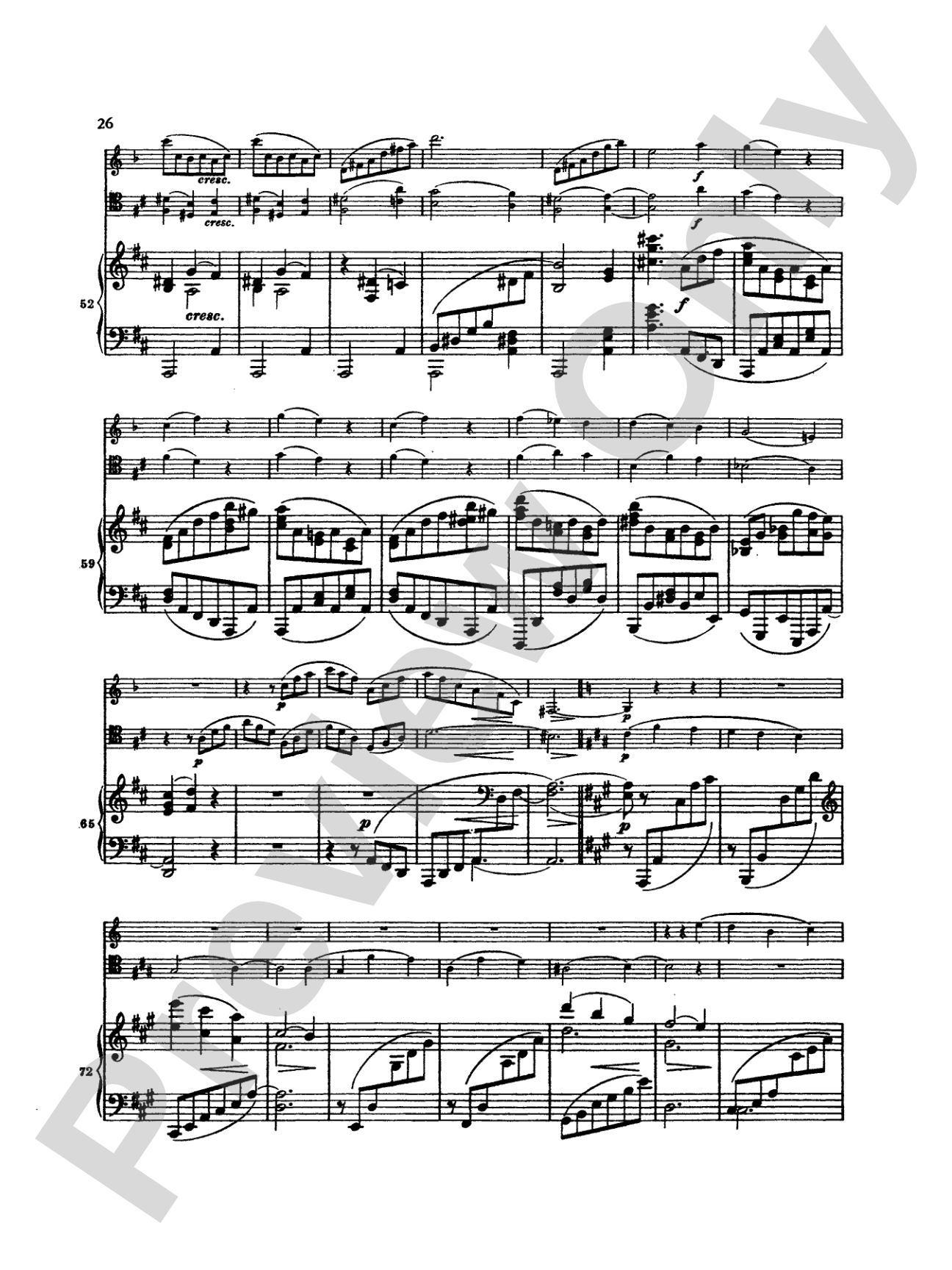
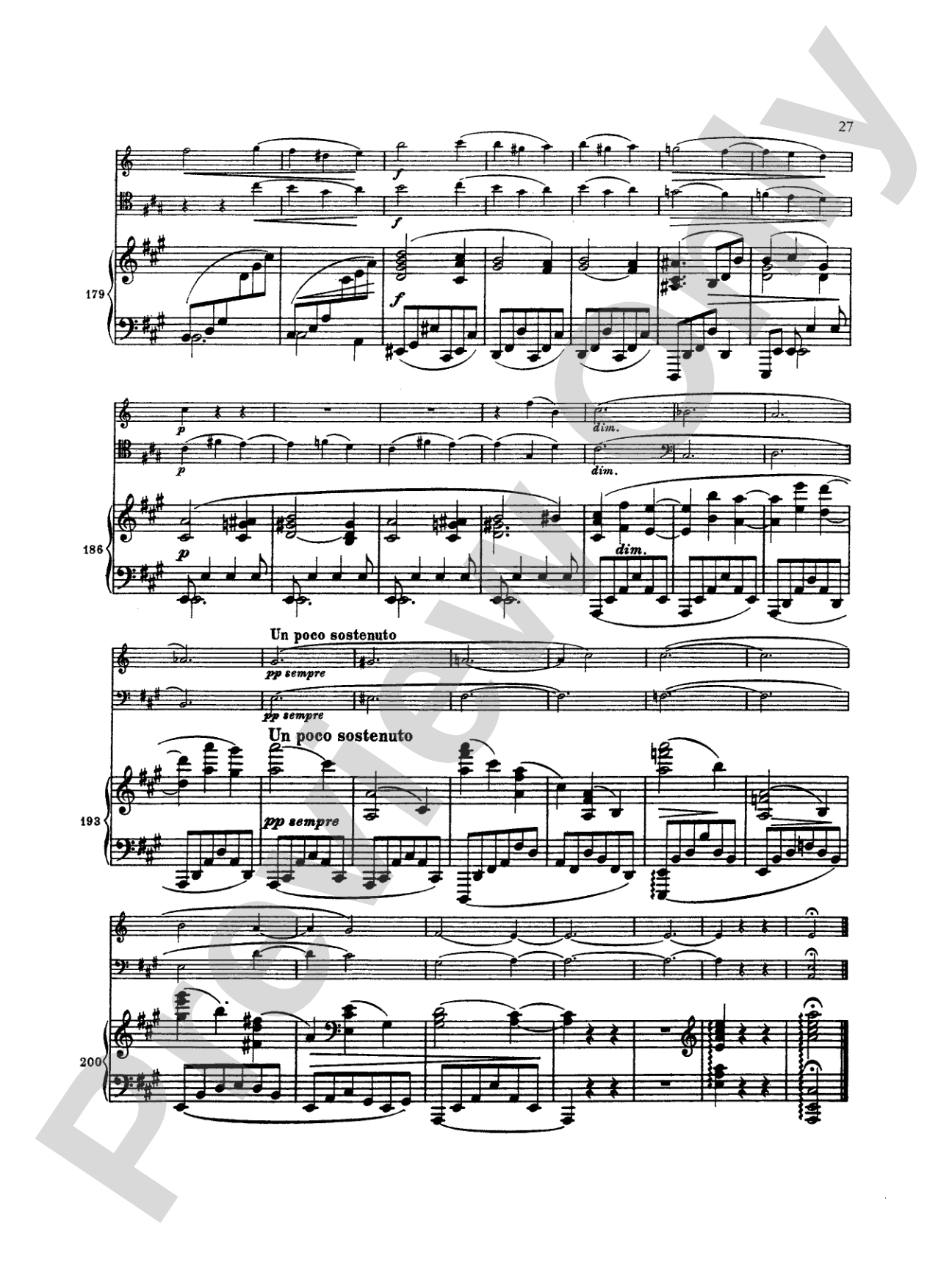
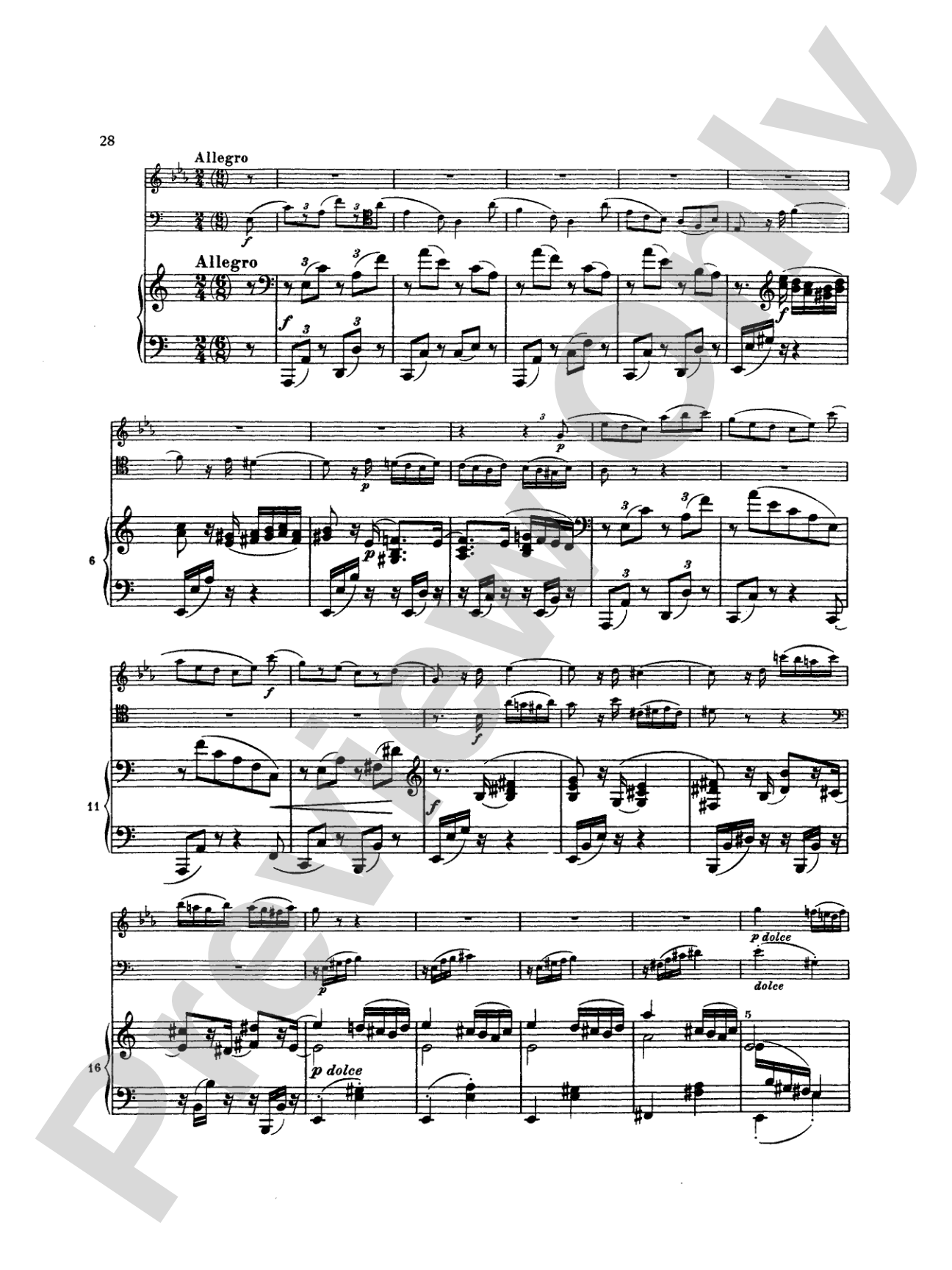
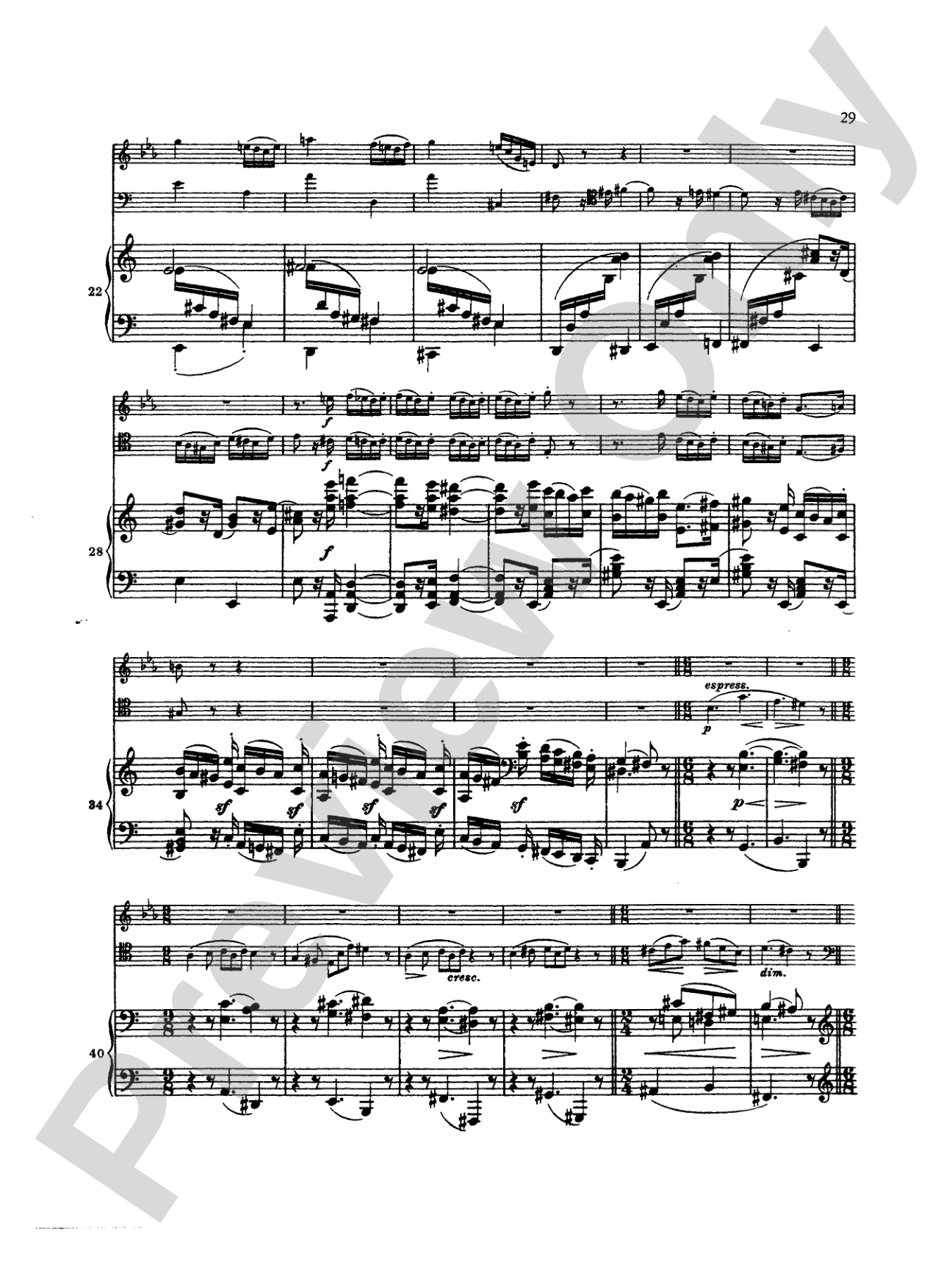
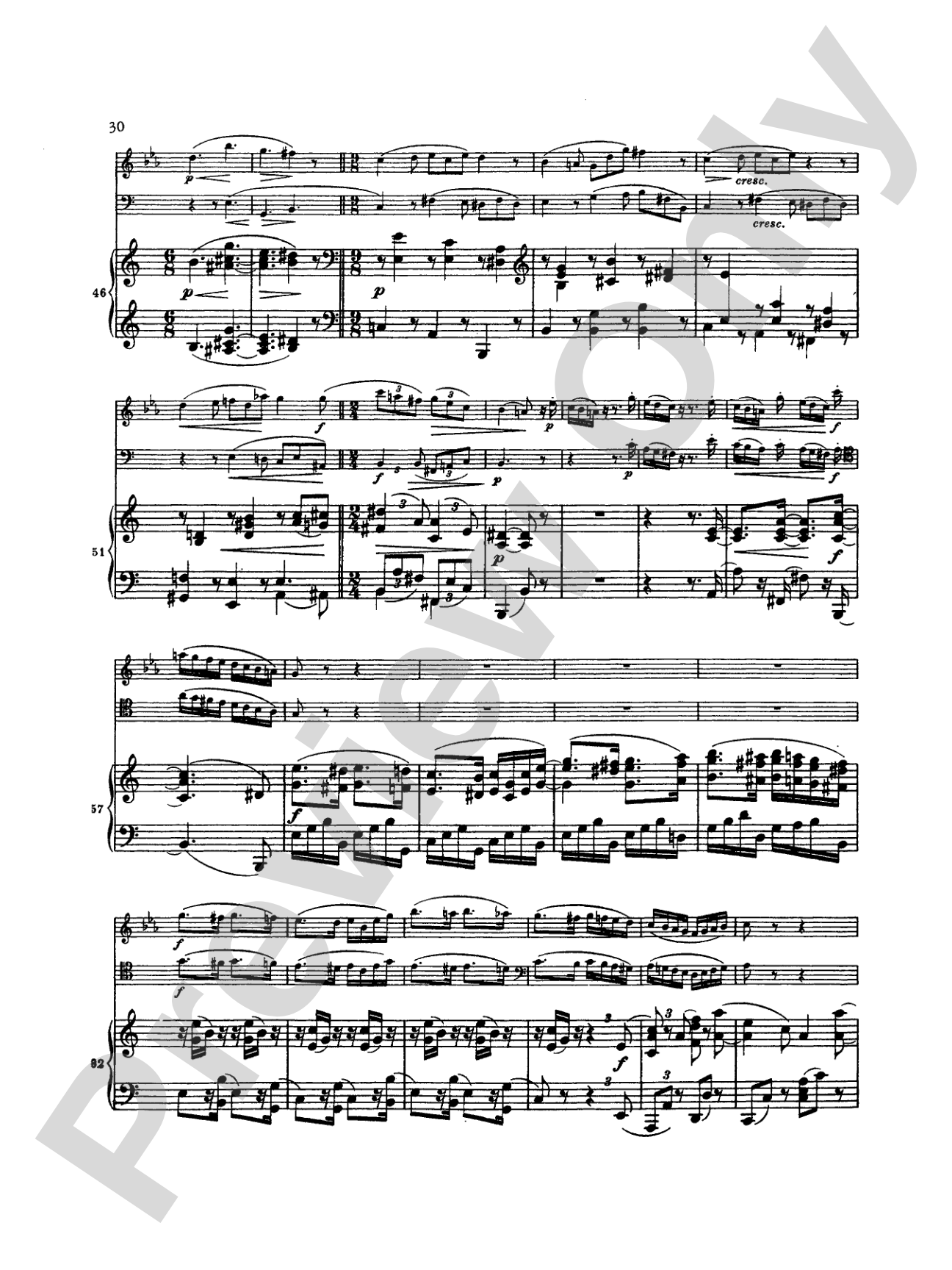
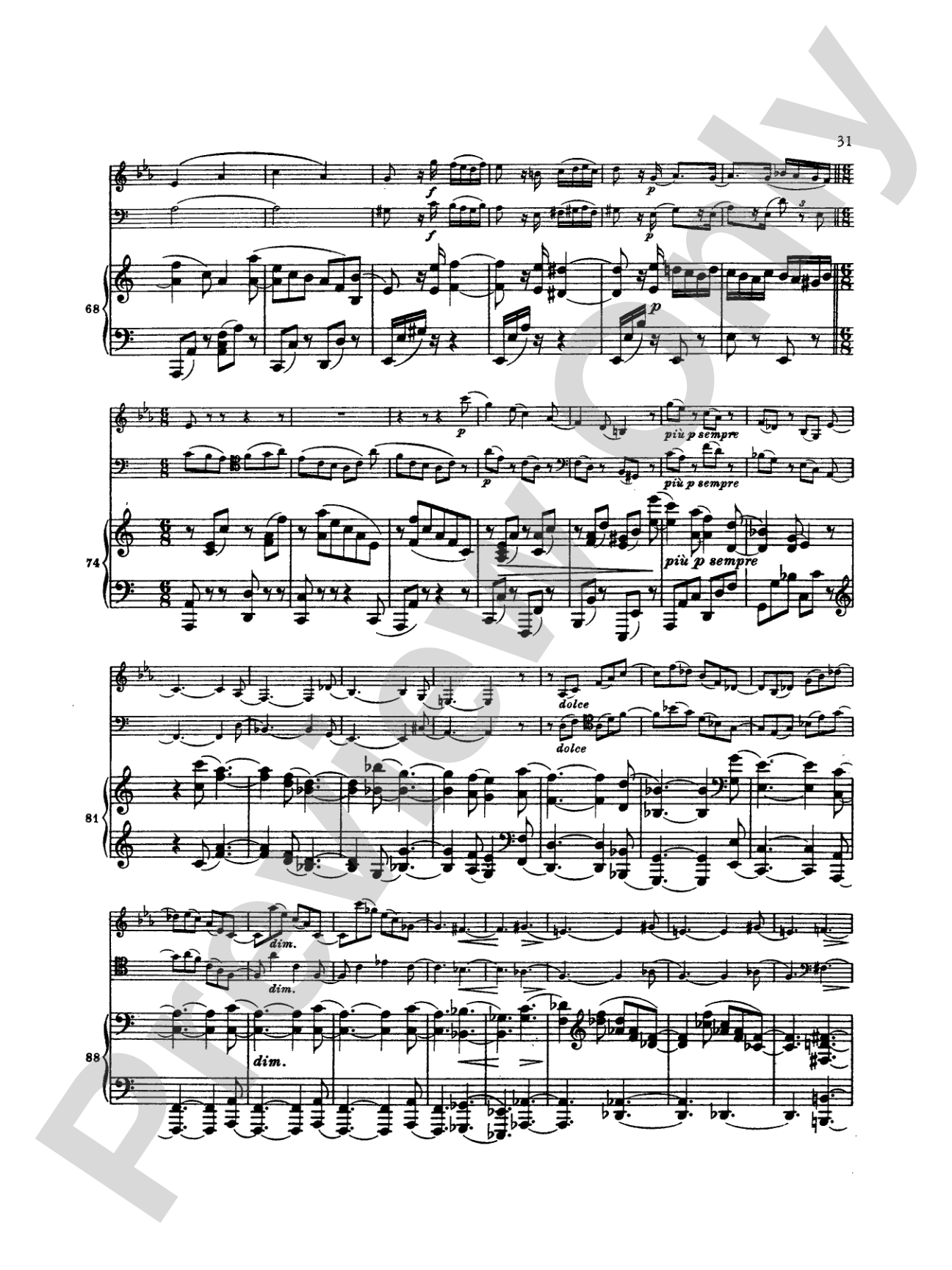
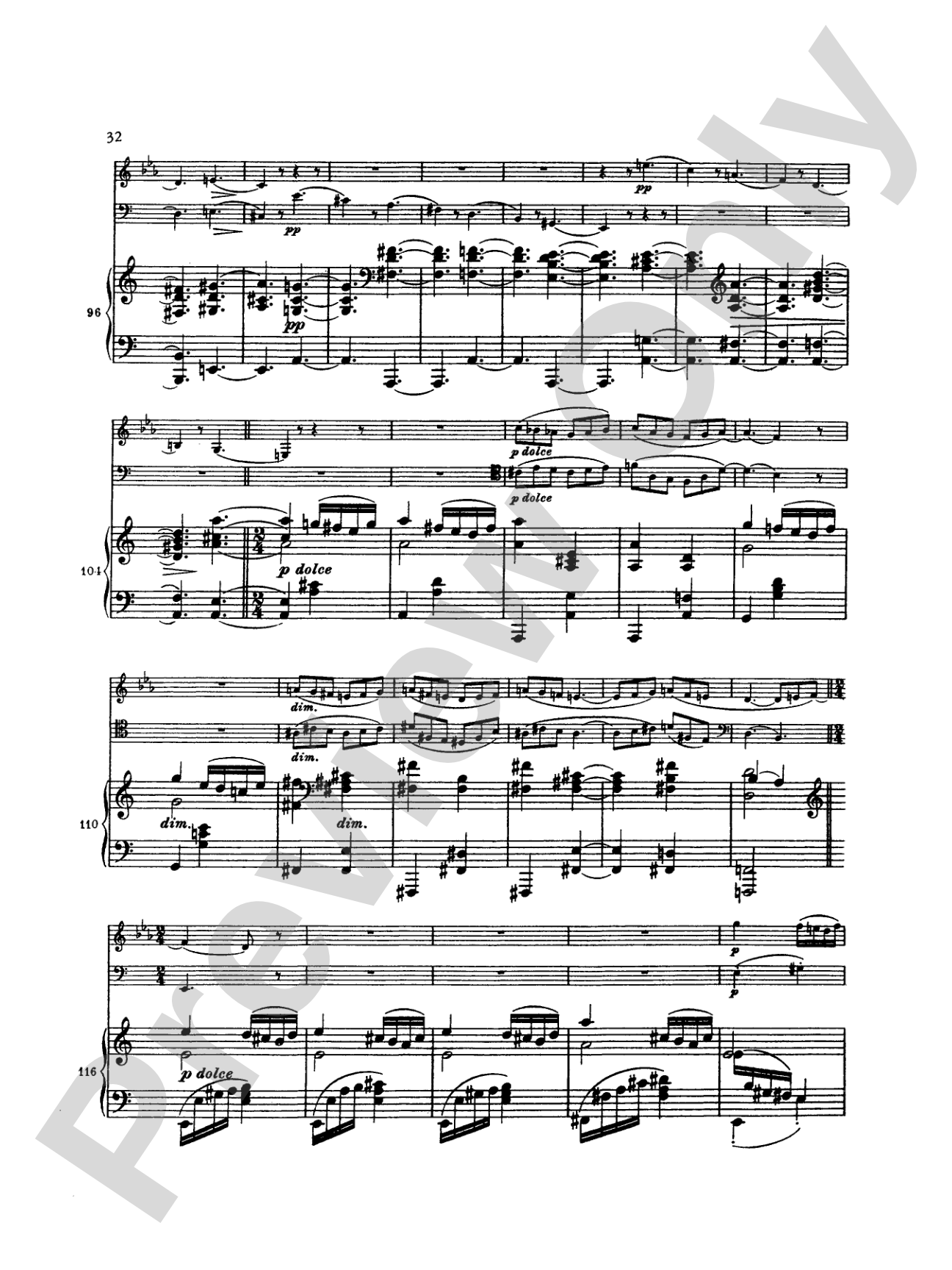
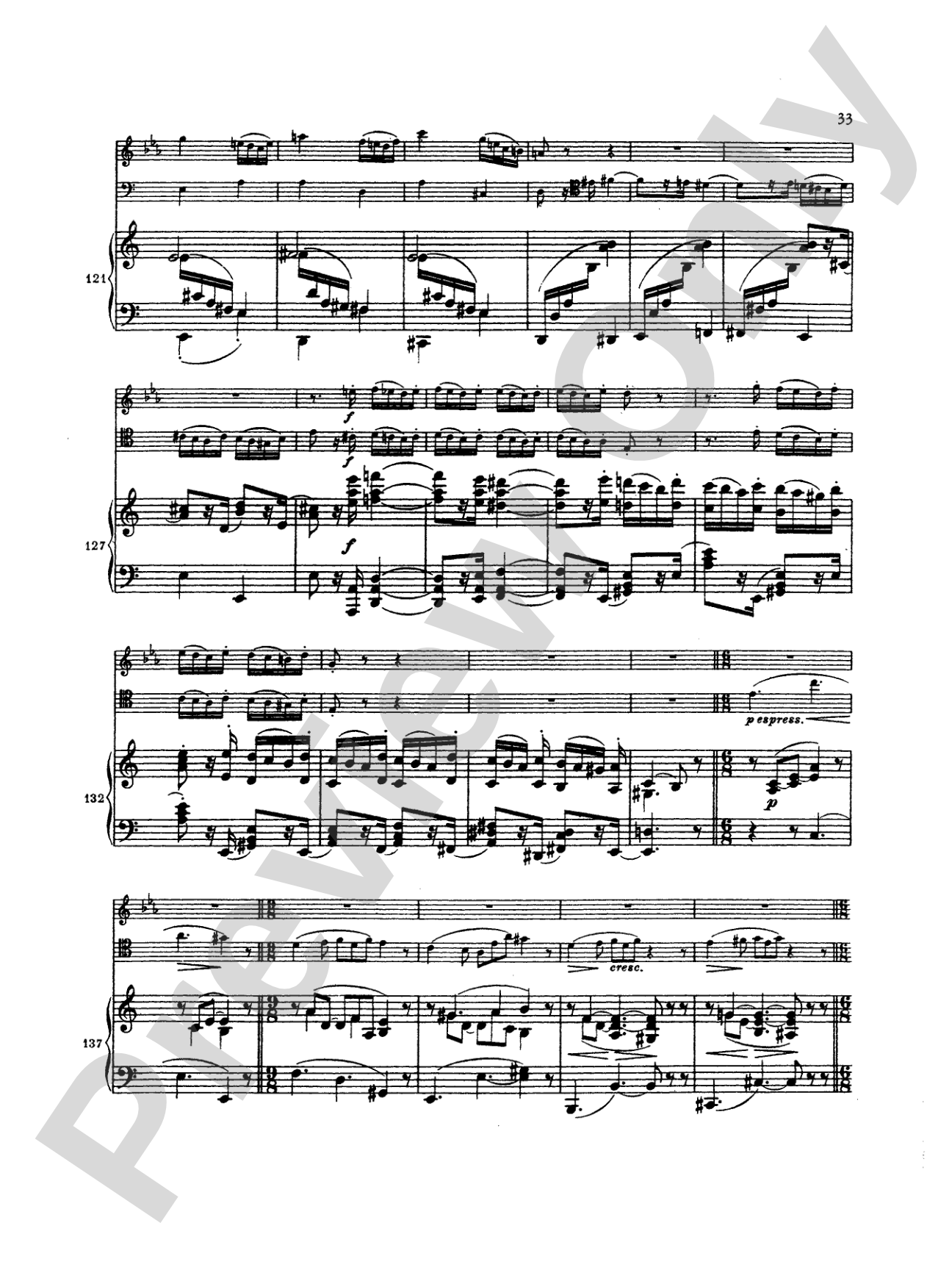
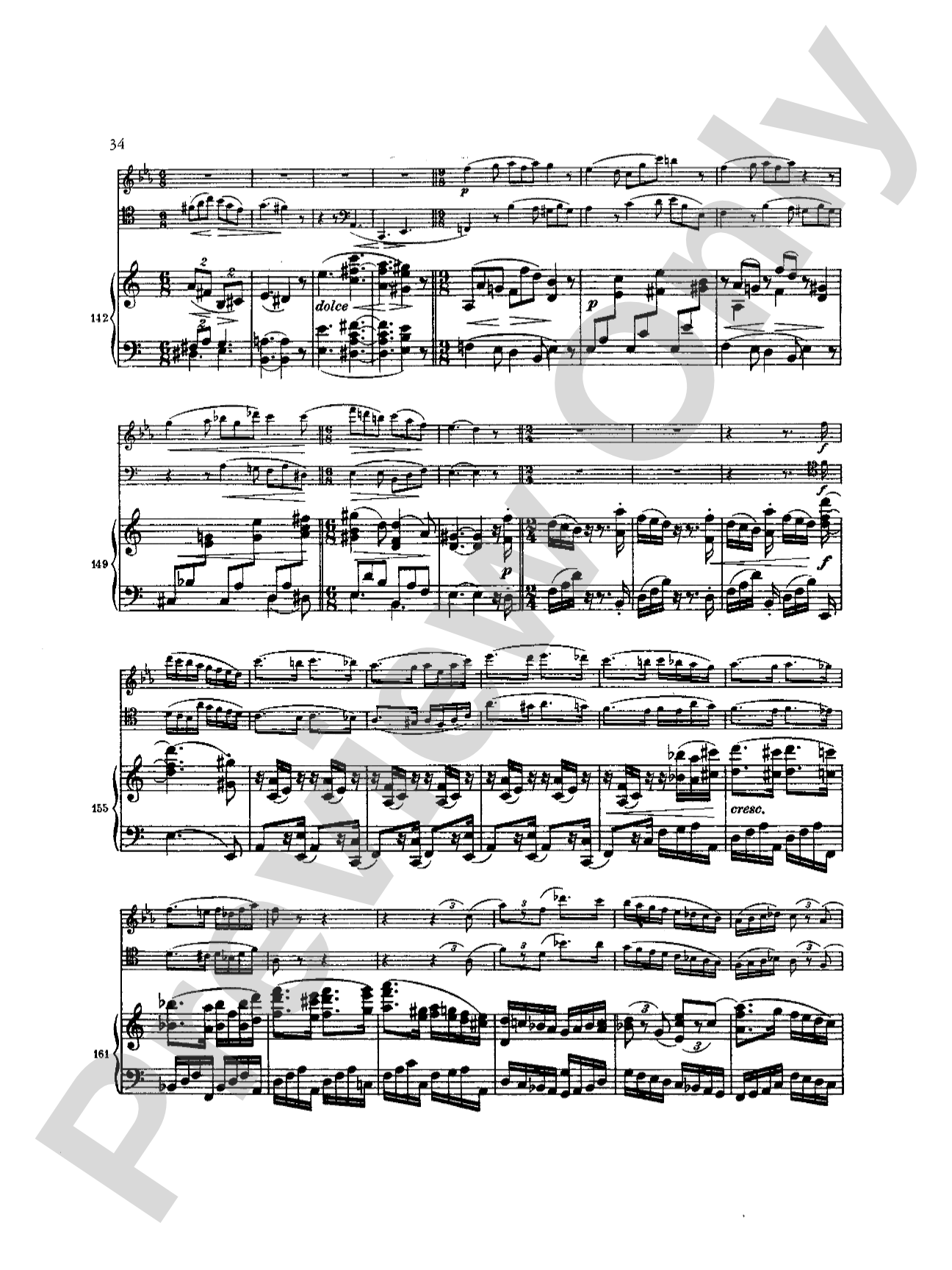
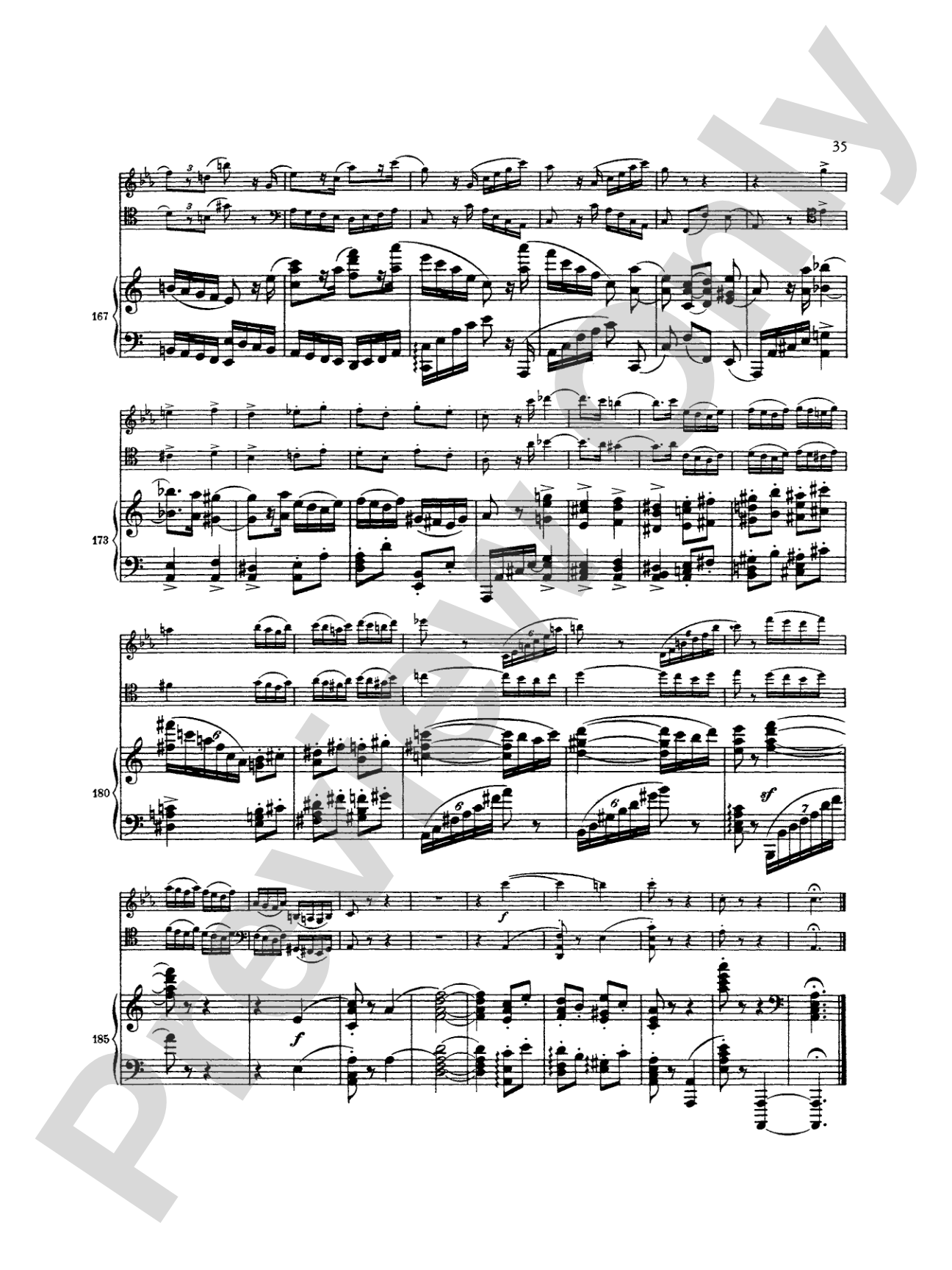


Brahms: Trio in A Minor, Op. 114: Chamber Trio Book
For Piano, Cello and Clarinet (or Violin or Viola)
By Johannes Brahms
Item: 00-PK-0002959

$19.95
Pickup currently not available
Buy Extra Parts (Digital PDF Download)
| Product | Price | Quantity |
|---|---|---|
| Brahms: Trio in A Minor, Op. 114 | $18.95 |
Parts Added to Cart!
Description
A trio, for Piano, Cello and Clarinets (A) (Violin or Viola), composed by Johannes Brahms.


Don't just read it, hear it, play along with it, and watch your students grow with it. In MakeMusic Cloud, Brahms: Trio in A Minor, Op. 114: Chamber Trio Book comes alive with professional accompaniment, adjustable tempo, and built-in practice tools that turn solo practice into real progress.
Open in the Player
Jump straight in and assign it today.
Start Your Free Trial
Open this title and explore the full library in minutes.
Sample Audio
No sample audio found.
Sample Video
No sample videos found.
Additional Details
Series:
Kalmus Edition
Publisher:
Alfred Music
Page Count:
84
SKU:
00-PK-0002959
Instrumentation:
Piano, Cello & Clarinets (A) (Violin or Viola)
More about this title
About the Composer: Johannes Brahms
Johannes Brahms (1833, 1897) bridged Romanticism and classical tradition, creating works of architectural rigor paired with emotional depth. His chamber music stands as a cornerstone of the repertoire, written with intimate knowledge of the instruments and a gift for counterpoint that rivals the great classical masters.
Why we love this
This trio captures the Brahmsian paradox: music that feels inevitable in structure yet deeply personal in expression. The piece rewards chamber ensembles with genuine three-way dialogue, where no instrument dominates; instead, the piano, cello, and clarinet trade thematic material and support each other across shifting harmonies that keep players and listeners engaged throughout all four movements.
What to expect
This trio unfolds with the spaciousness and harmonic richness Brahms favored in his later works, moving from contemplative openings through moments of Romantic urgency before settling into philosophical acceptance. The clarinet's warm, woody voice blends intimately with the cello's singing tone while the piano weaves around them with both lyrical and rhythmic vitality, creating an atmosphere of refined conversation among equals.
Who it's for
Accomplished chamber musicians seeking substantial Romantic-era repertoire with genuine artistic and technical challenges. College-level ensembles, professional chamber groups, and serious amateur musicians will find a rewarding three-way partnership that demands musicianship and stylistic understanding.
How to get the most out of it
- Balance the clarinet's soloistic passages against the sustained harmonic foundation of piano and cello; the clarinet line should sing clearly without forcing over the ensemble texture.
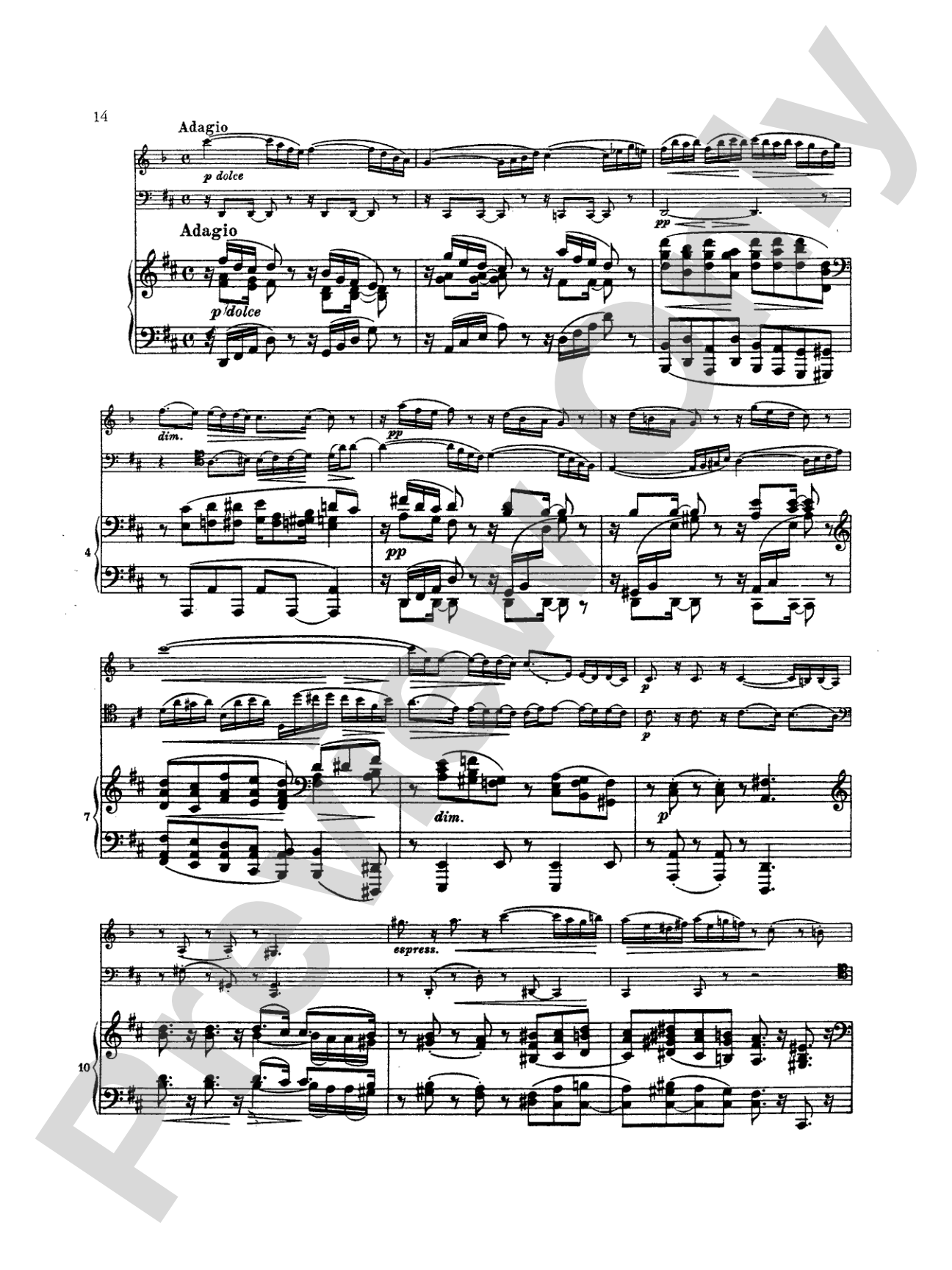
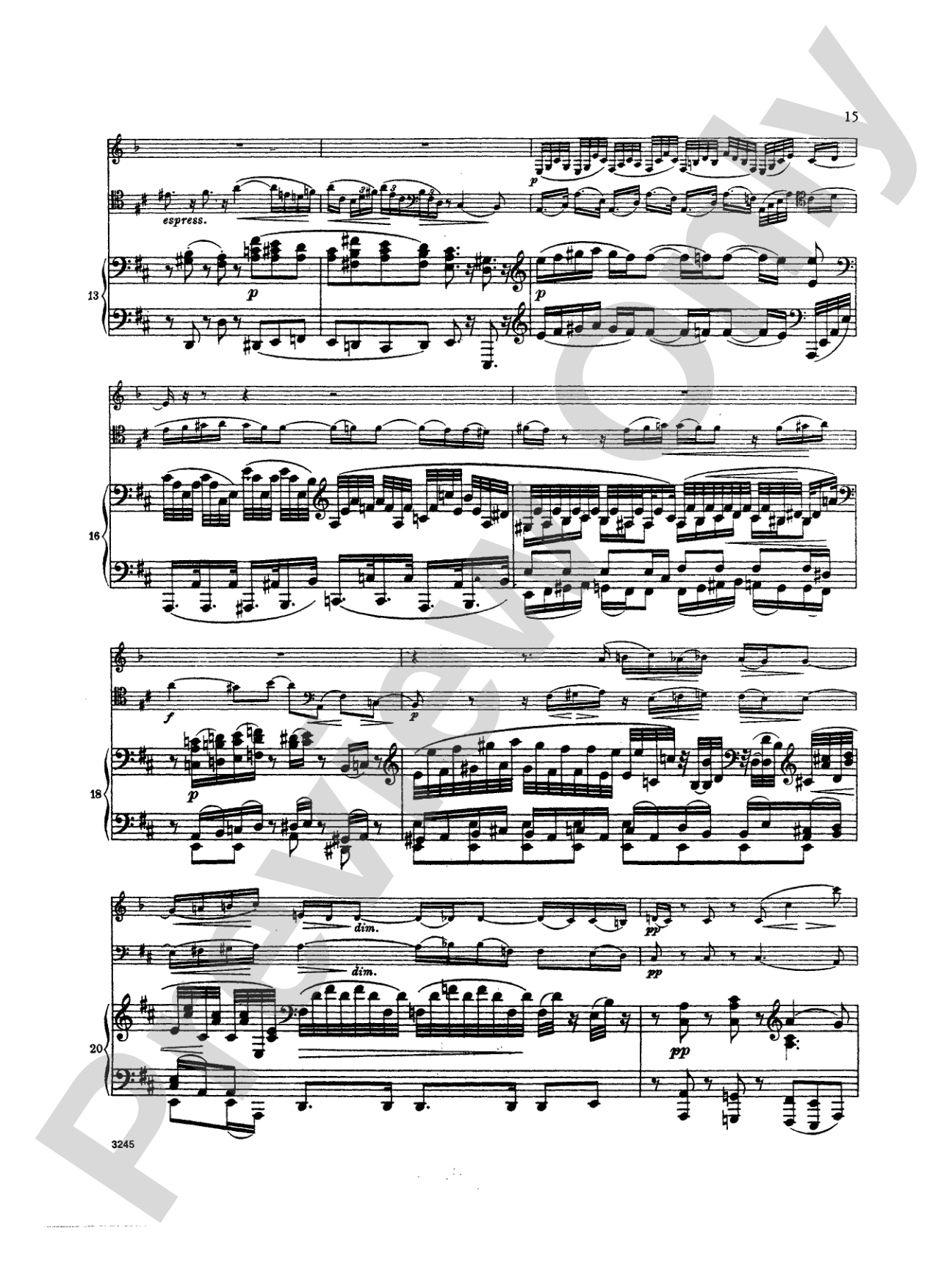
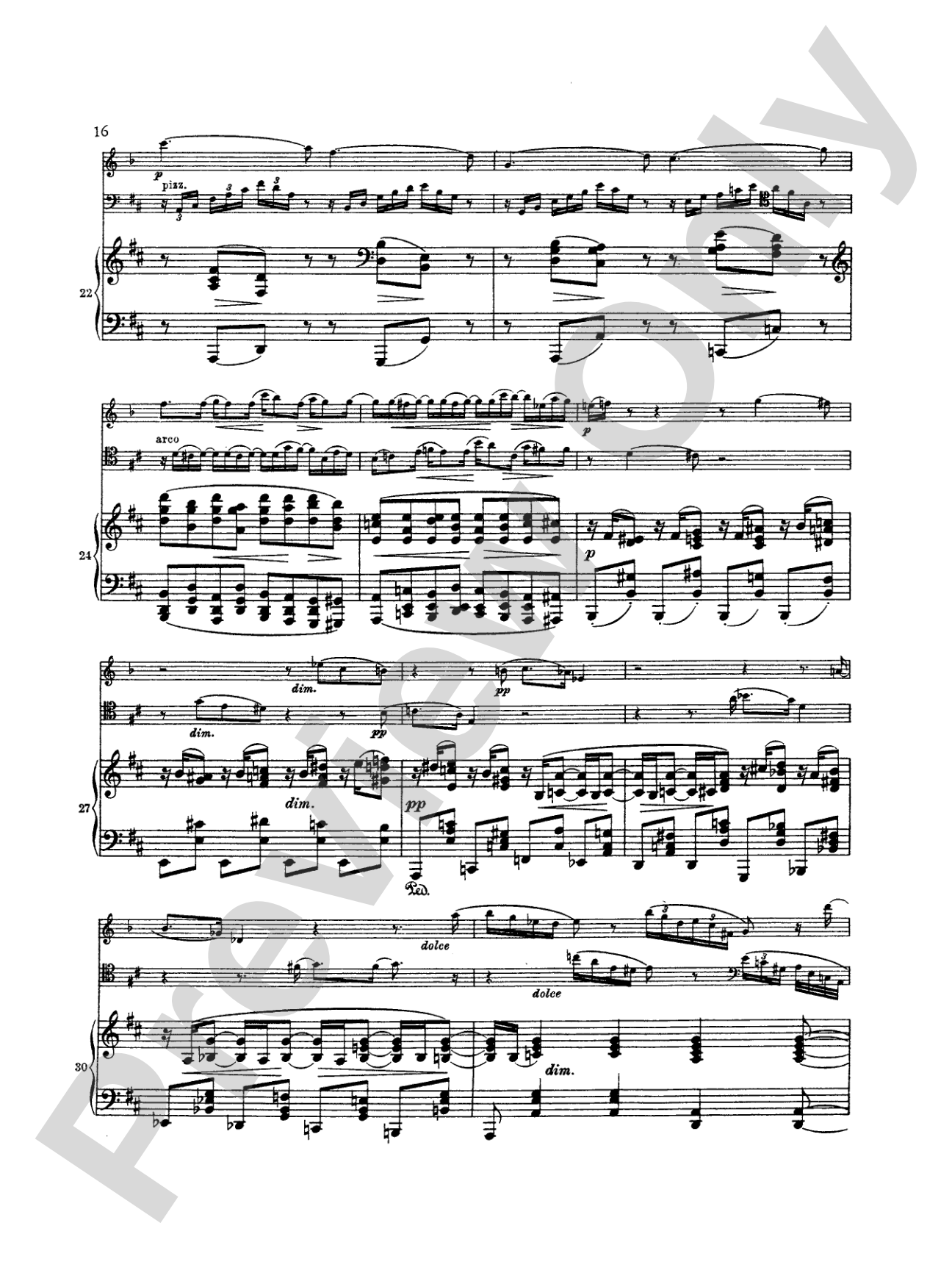
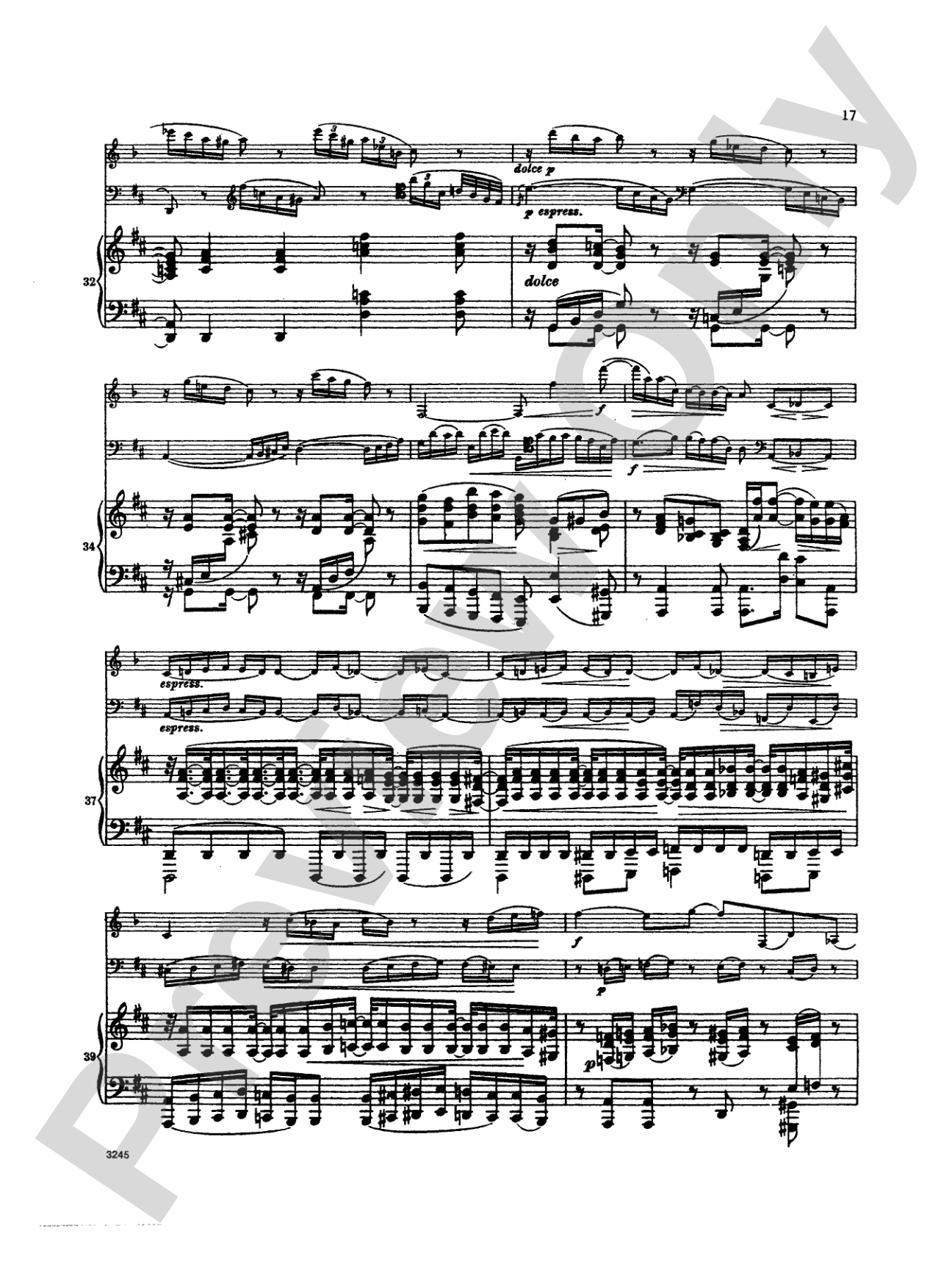
- Attend closely to the rubato and phrasing markings, particularly in the Adagio, where slight stretches and releases of tempo will bring out the lyrical character rather than rigid metronomic playing.
- Coordinate the rhythmic interplay between cello and piano in the faster movements by listening actively to each other's articulation; clarity emerges from ensemble awareness, not mechanical precision.
- Shape longer melodic lines by planning breath points and phrase arcs before rehearsal, so that even instrumental passages have the contour and direction of sung phrases.
How to use it
Program this trio as the centerpiece of a chamber concert devoted to nineteenth-century winds and strings, pairing it with other clarinet works by Brahms or contemporaries. Its four-movement architecture and substantial length (approximately 35-40 minutes) make it a satisfying standalone offering, or it can anchor a thematic program exploring Romantic approaches to intimate ensemble writing.
Skills your students will build
- Navigating extended harmonic language and voice-leading across three independent lines
- Balancing three equal voices without a designated accompanying instrument
- Shaping long, connected phrases on wind and string instruments
- Coordinating rhythmic precision with expressive rubato in Romantic style
- Reading and executing detailed dynamic and articulation markings at varied tempos