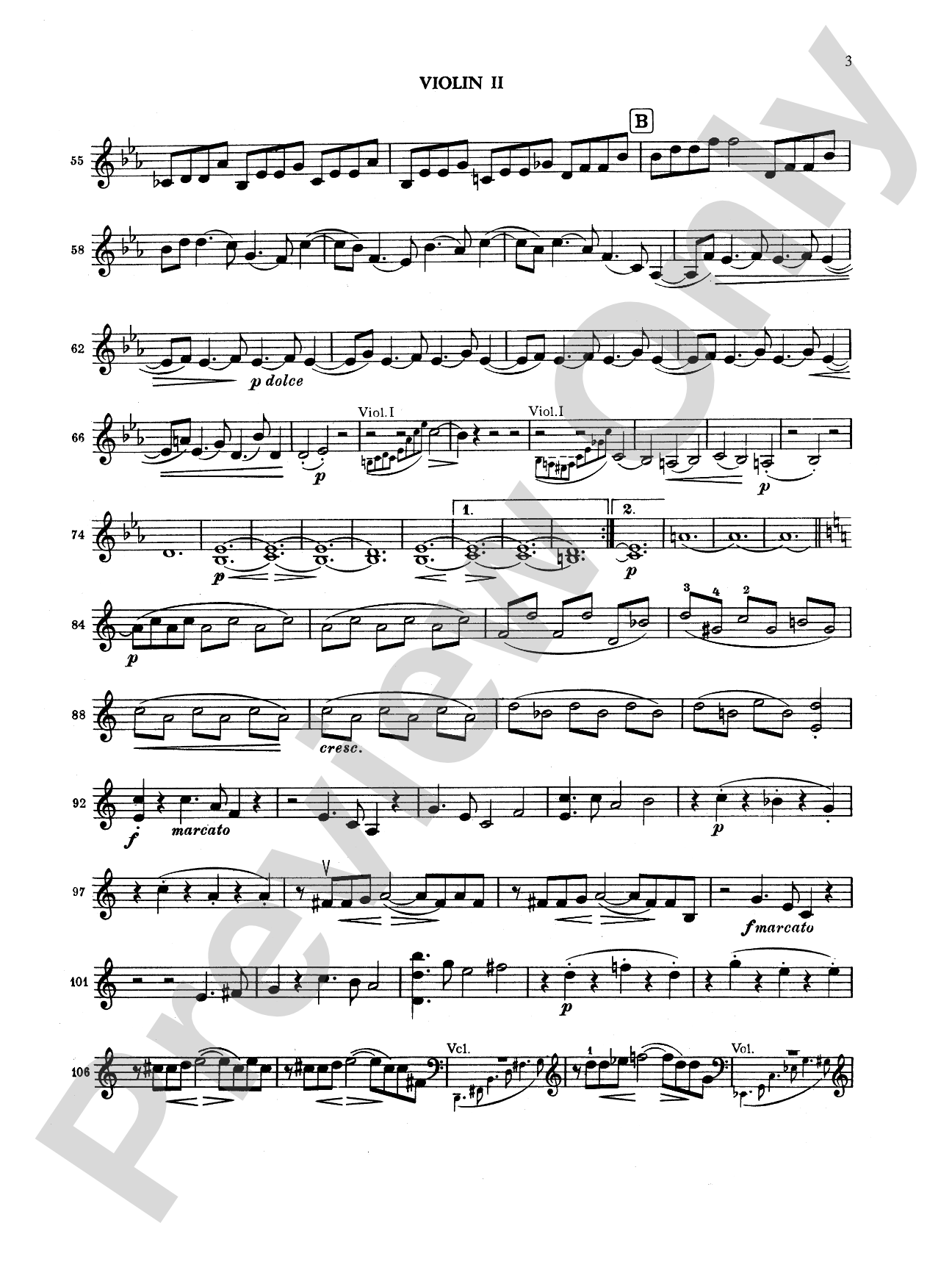
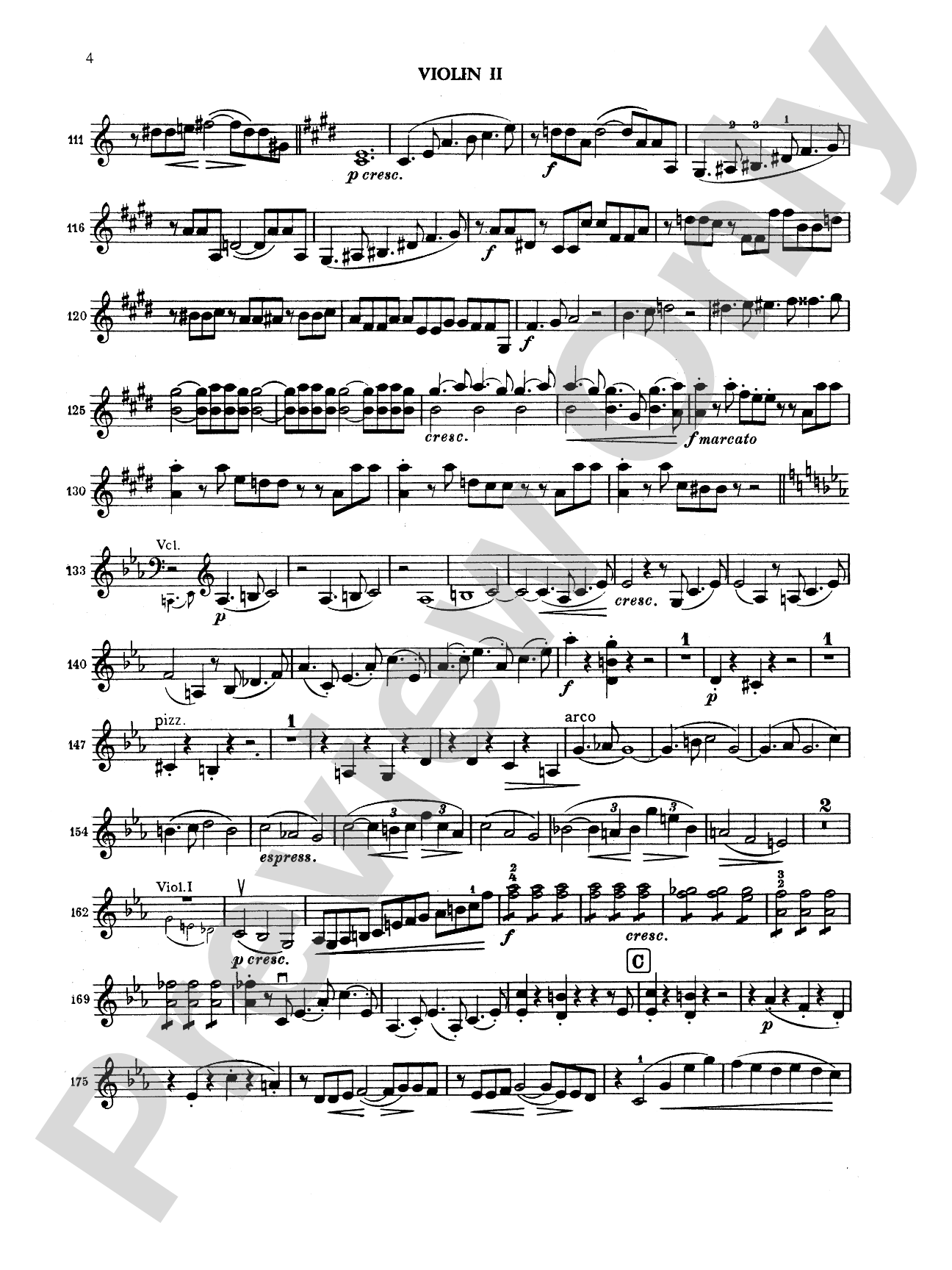
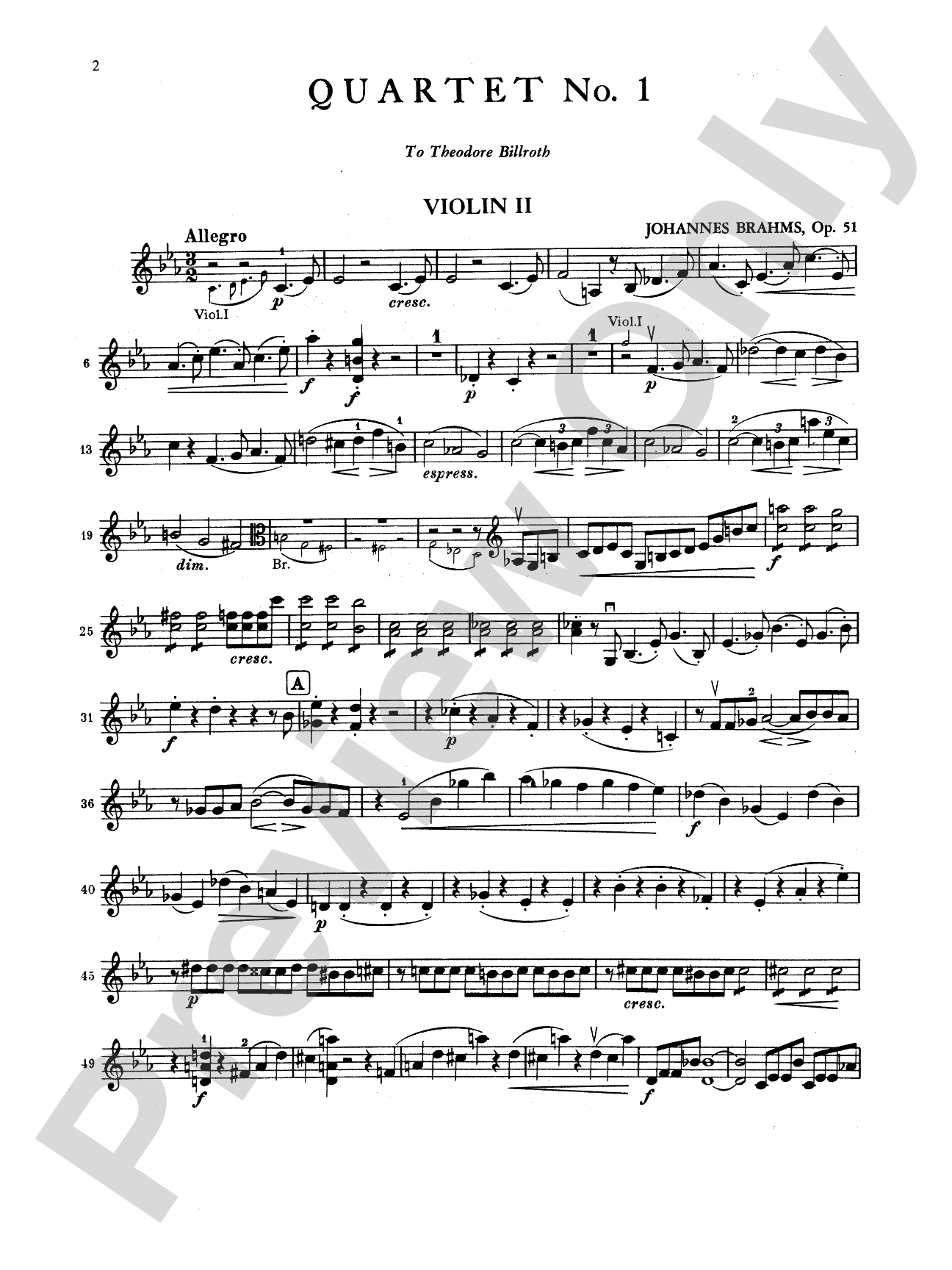
Brahms: Three String Quartets, Op. 51, Nos. 1 & 2, Op. 67 Sheet Music Preview

Brahms: Three String Quartets, Op. 51, Nos. 1 & 2, Op. 67

By Johannes Brahms

Item: 00-PC-0005583

Digital Download
$1.99
Description
Expertly arranged String Quartets by Johannes Brahms from the Kalmus Edition series. This is from the Romantic era.

Don't just read it, hear it, play along with it, and watch your students grow with it. In MakeMusic Cloud, Brahms: Three String Quartets, Op. 51, Nos. 1 & 2, Op. 67 comes alive with professional accompaniment, adjustable tempo, and built-in practice tools that turn solo practice into real progress.

Sample Audio
No sample audio found.
Sample Video
Additional Details
Series: Kalmus Edition
Publisher: Alfred Music
Page Count: 144
SKU: 00-PC-0005583

More about this title

About the Composer: Johannes Brahms

Johannes Brahms (1833-1897) stands as one of the defining voices of Romantic chamber music. A master of symphonic thinking applied to intimate ensembles, Brahms brought unprecedented structural ambition and emotional depth to the string quartet, elevating the genre far beyond the drawing-room works that preceded him.

His three quartets span a crucial period of his creative life. Op. 51, Nos. 1 and 2 appeared in 1873 after years of compositional restraint, while Op. 67 (1876) followed shortly after. Together they form a remarkable study in how a single composer can explore the full range of the string quartet's expressive possibilities: from tightly argued Germanic rigor to moments of unexpected lyricism and dramatic intensity.

Why we love this

These quartets demand and reward serious musicians. Each work is structurally complex yet emotionally direct; they challenge ensemble cohesion and individual musicianship in equal measure while remaining deeply rewarding to perform. Programs featuring Brahms quartets immediately signal artistic ambition to audiences and give young quartets the opportunity to tackle some of the most important chamber music ever written.

What to expect

Brahms's quartets pulse with intellectual clarity wrapped in Romantic passion. The music moves between moments of almost Schubertian warmth and passages of driving contrapuntal momentum, creating a listening experience that feels both intimate and grand. You emerge from these works feeling you've had a genuine musical conversation, not merely heard notes on a page.

Who it's for

Advanced amateur quartets, collegiate and professional ensembles, and serious high school quartets with strong musicianship and substantial rehearsal time. This collection suits ensembles preparing for chamber competition or those building a Romantic-era chamber repertoire.

How to get the most out of it

  • Invest time in the development sections before rehearsal begins. Mark your part with structural landmarks so all four players understand when themes shift and how motives accumulate across voices.
  • Balance the first violin line against the inner voices; Brahms often buries significant material in the viola or cello that must emerge without drowning out the primary melody.
  • Approach tempo markings as expressive guides rather than fixed speeds. Brahms's quartets benefit from slight tempo flexibility within movements, particularly where texture becomes denser or rhythmically more complex.
  • Listen to multiple recordings and discuss interpretive choices as an ensemble before settling on your approach to phrasing, vibrato intensity, and dynamic shaping across all three works.

How to use it

These three quartets work equally well as a standalone chamber concert or integrated into a broader Brahms or Romantic-era series. Consider pairing them with other Brahms works (piano trio, sonatas) to showcase his evolution as a composer, or program them alongside contemporaries like Dvořák to illustrate different approaches to the quartet form during this period.

Skills your students will build

  • Reading dense contrapuntal writing and tracking multiple thematic lines simultaneously
  • Balancing interior voices with the primary melody line across all four instruments
  • Ensemble intonation in extended harmonic progressions and chromatic passages
  • Structural analysis and identifying key formal landmarks across multi-movement works
  • Interpreting Romantic-era phrasing and dynamic shaping with limited textual indication
  • Synchronized articulation and rhythmic precision in passages featuring closely voiced chords

You May Also Like