
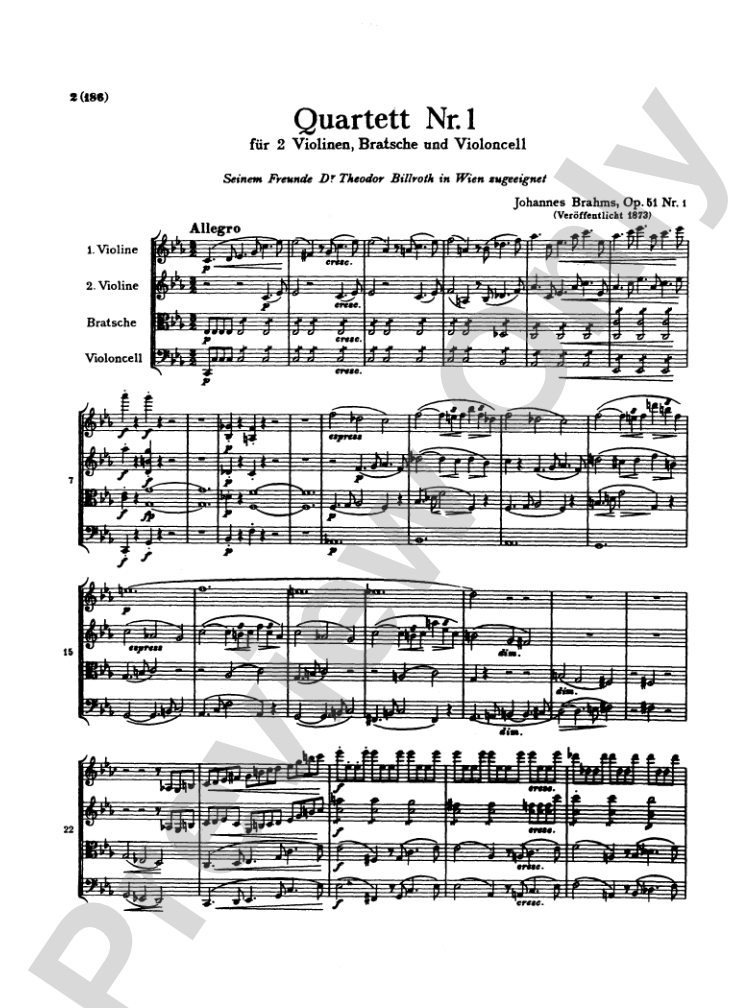
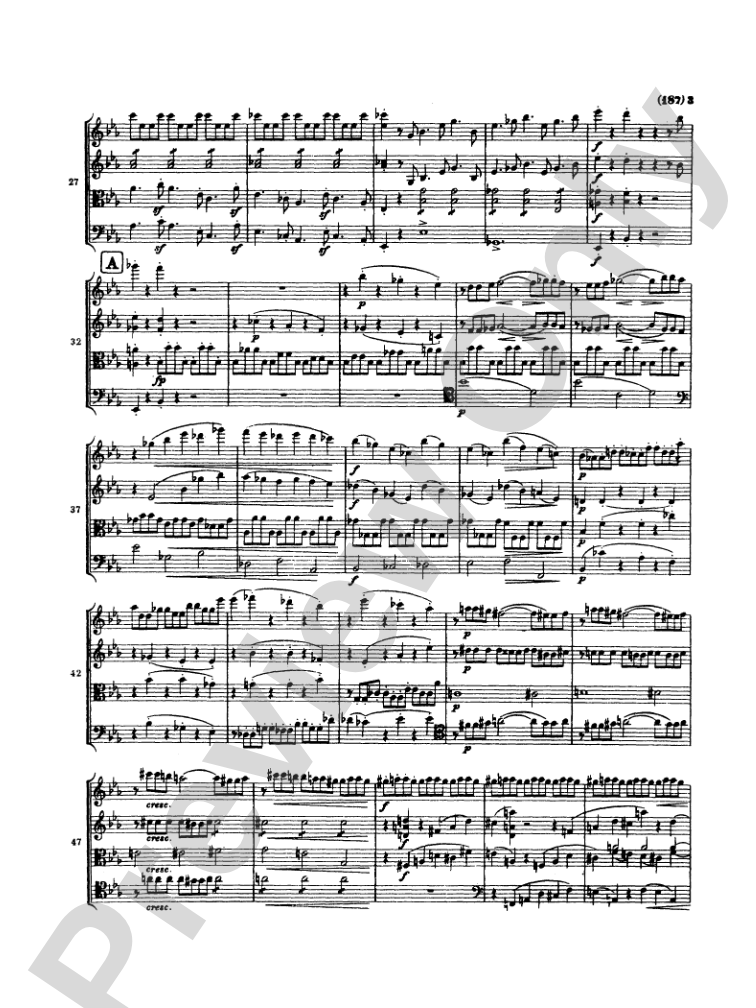
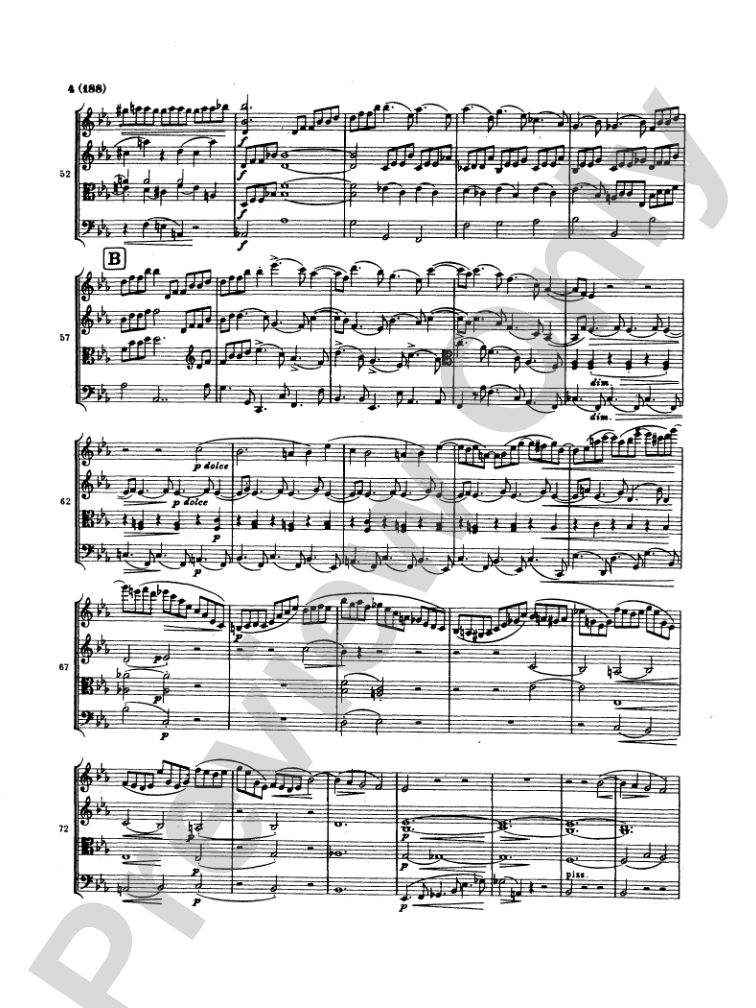
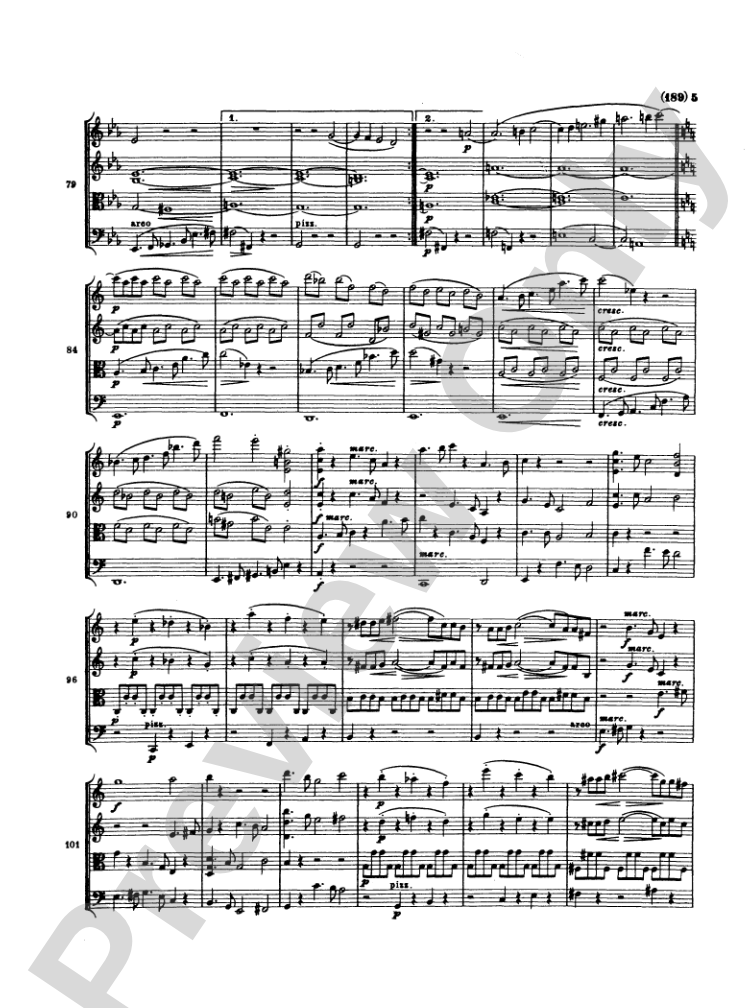
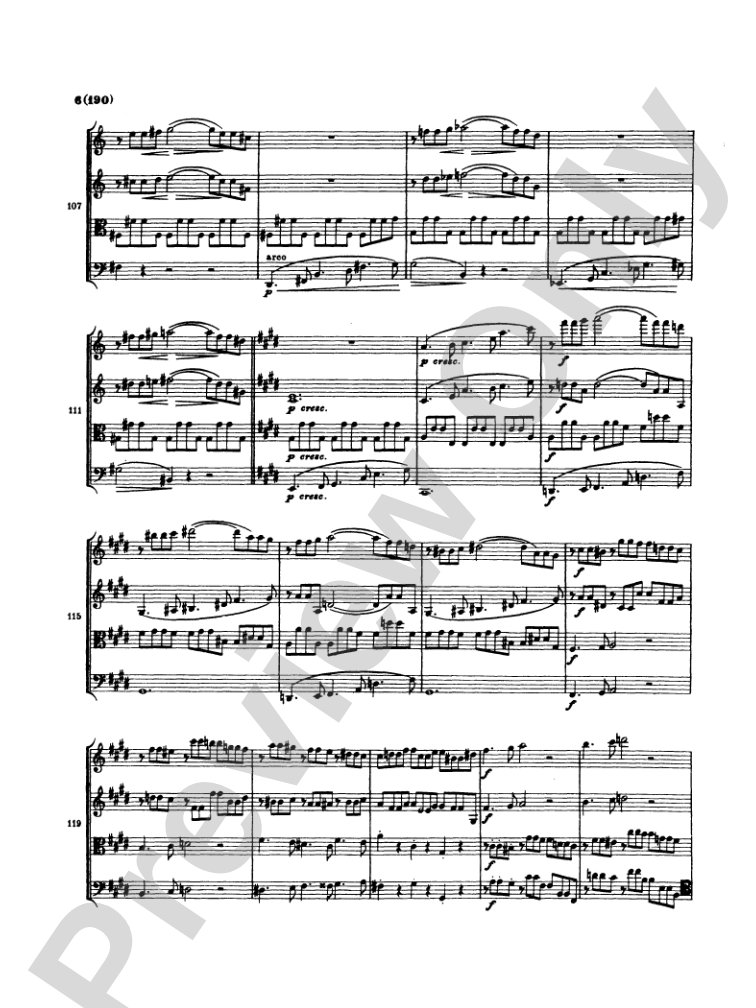
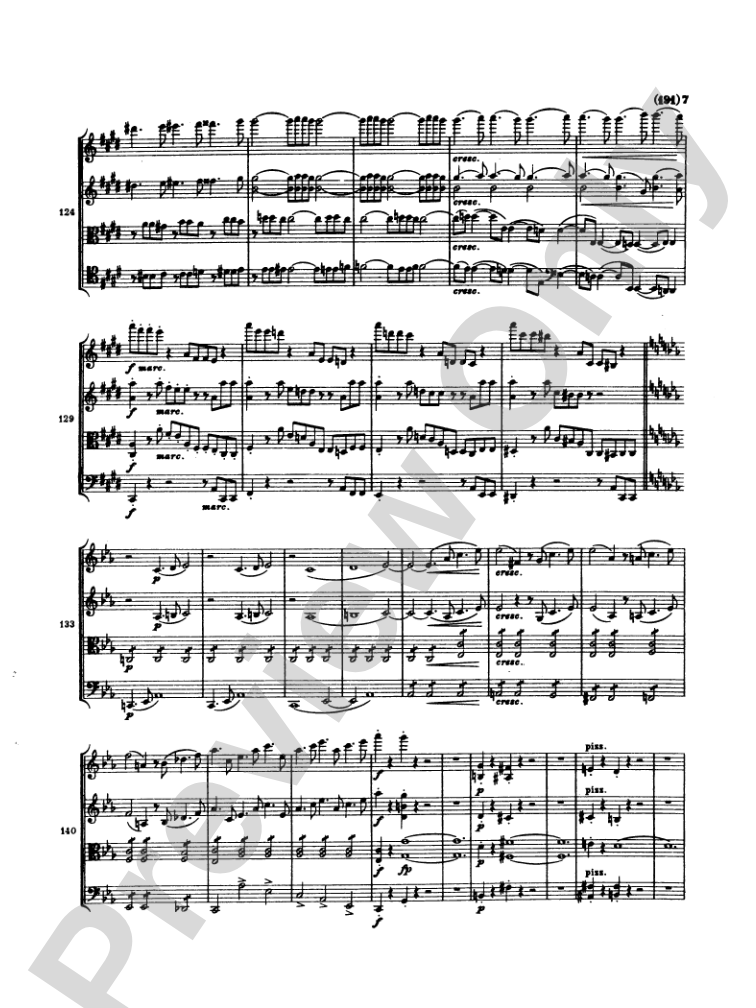
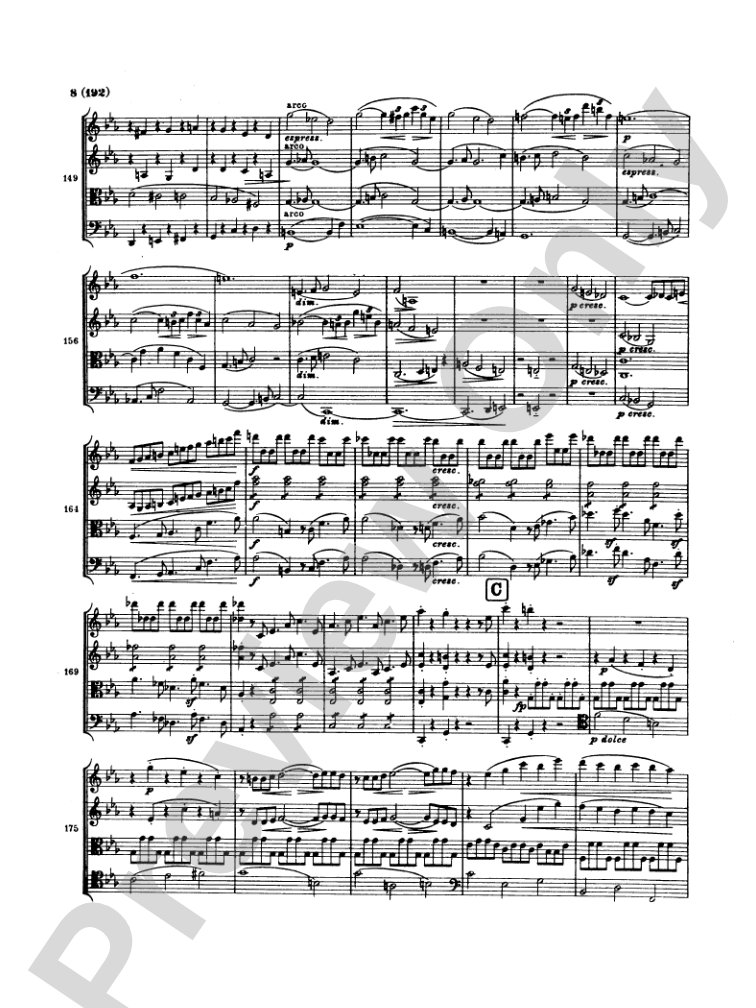
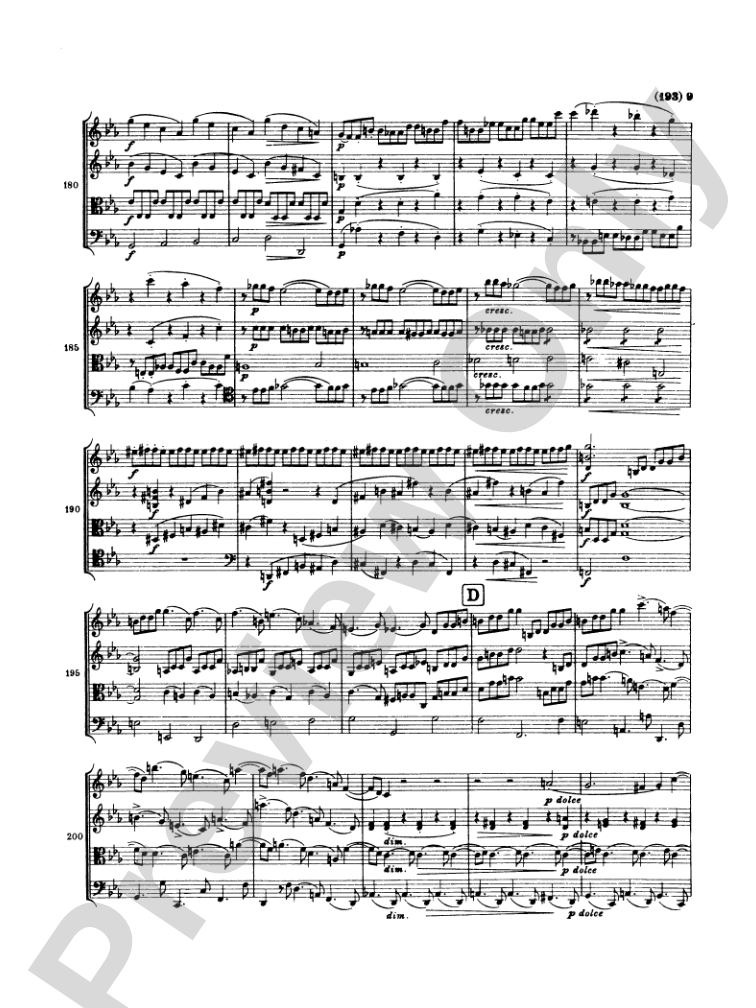
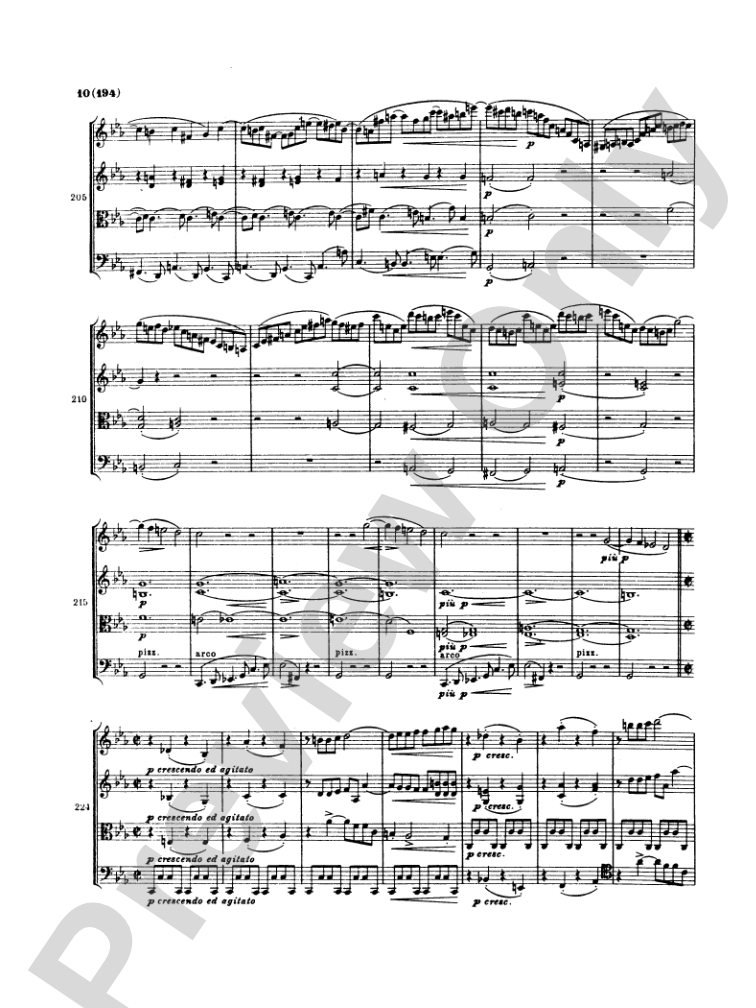
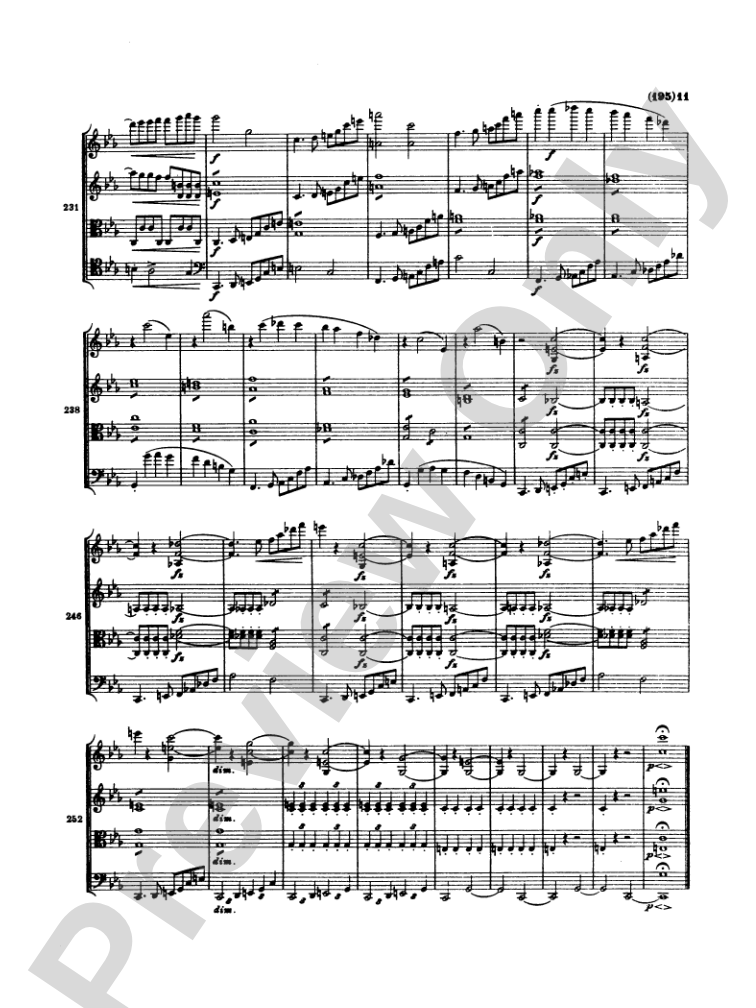
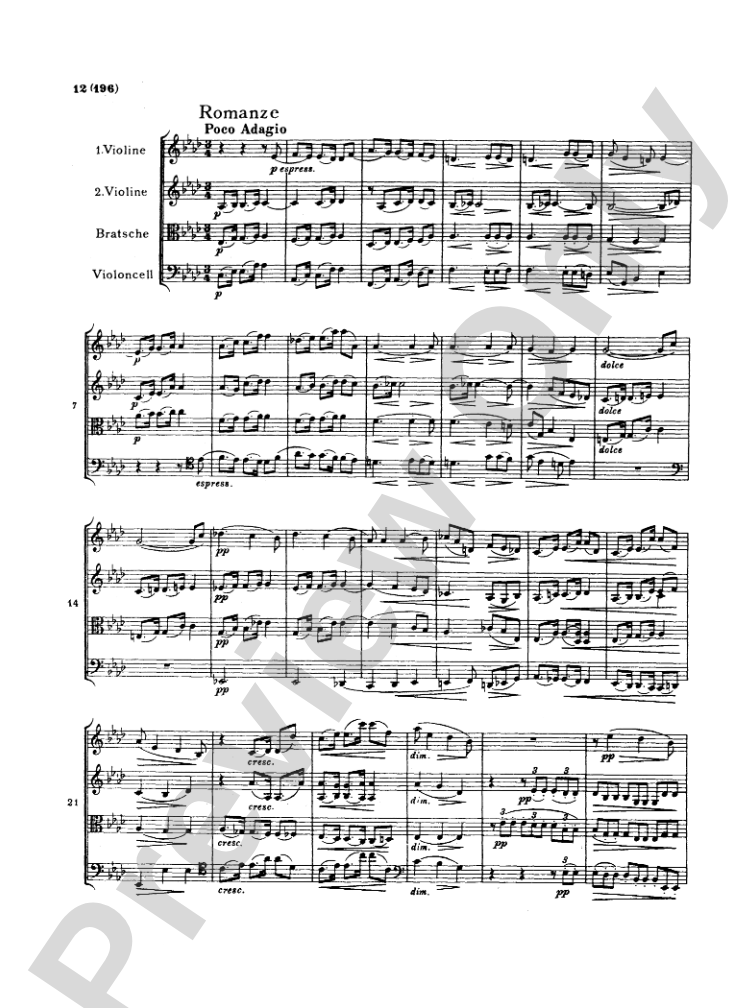
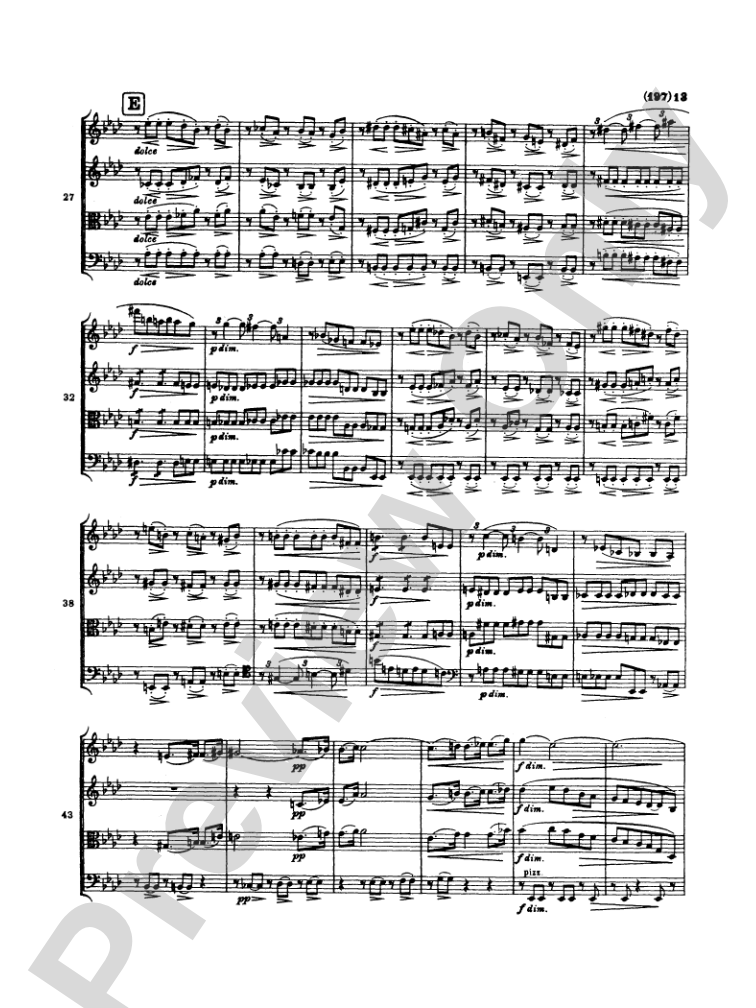
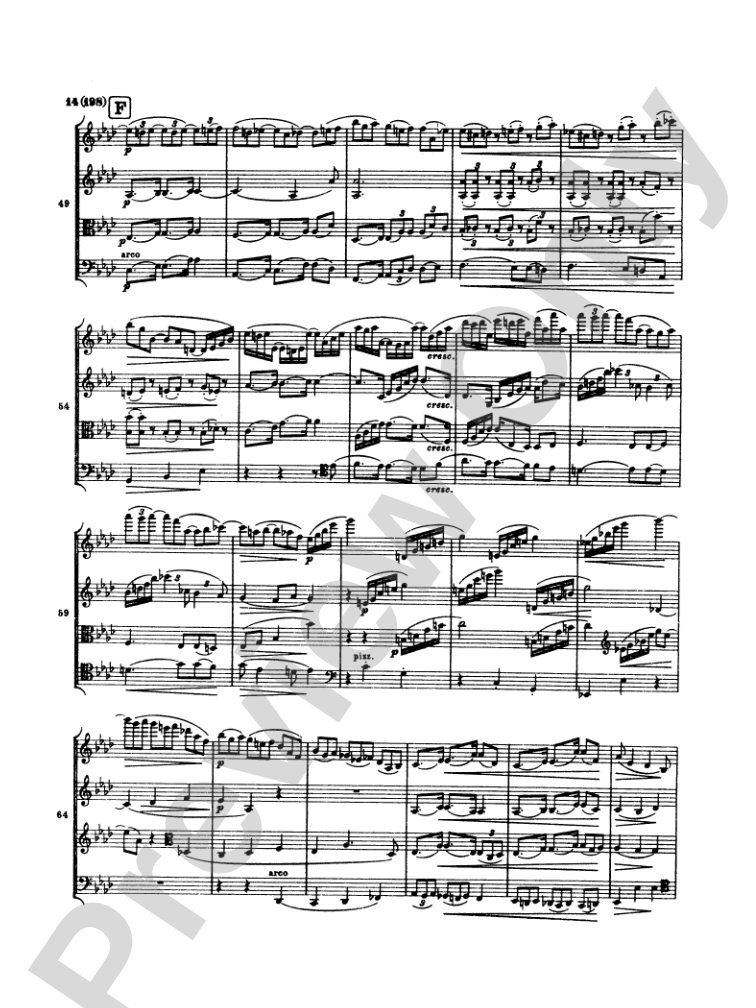
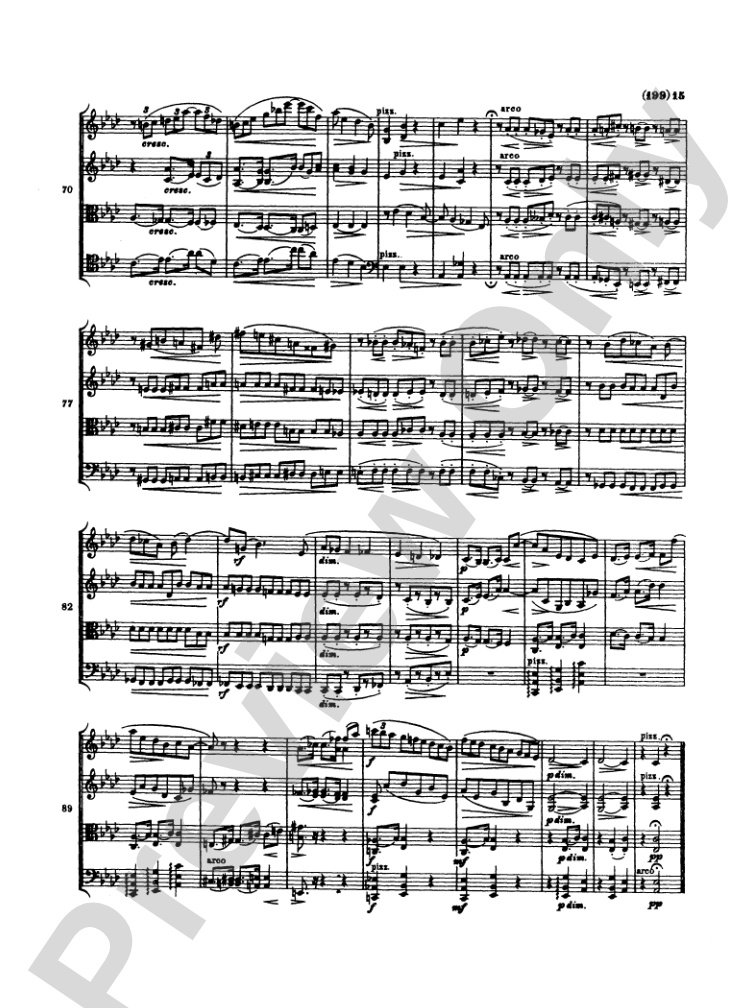
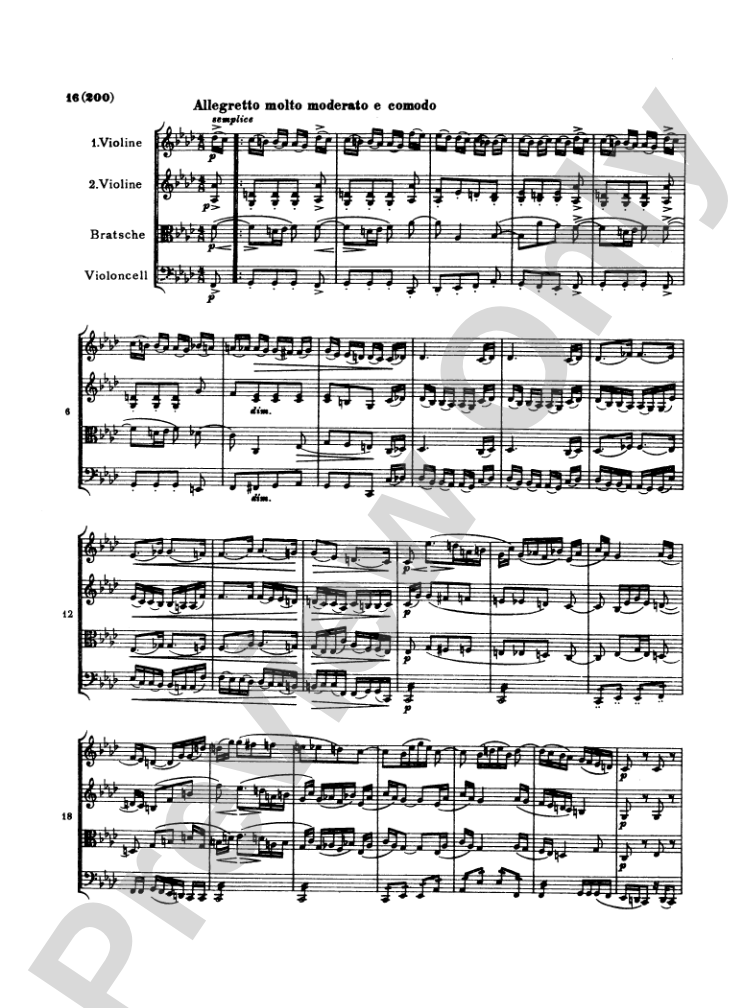
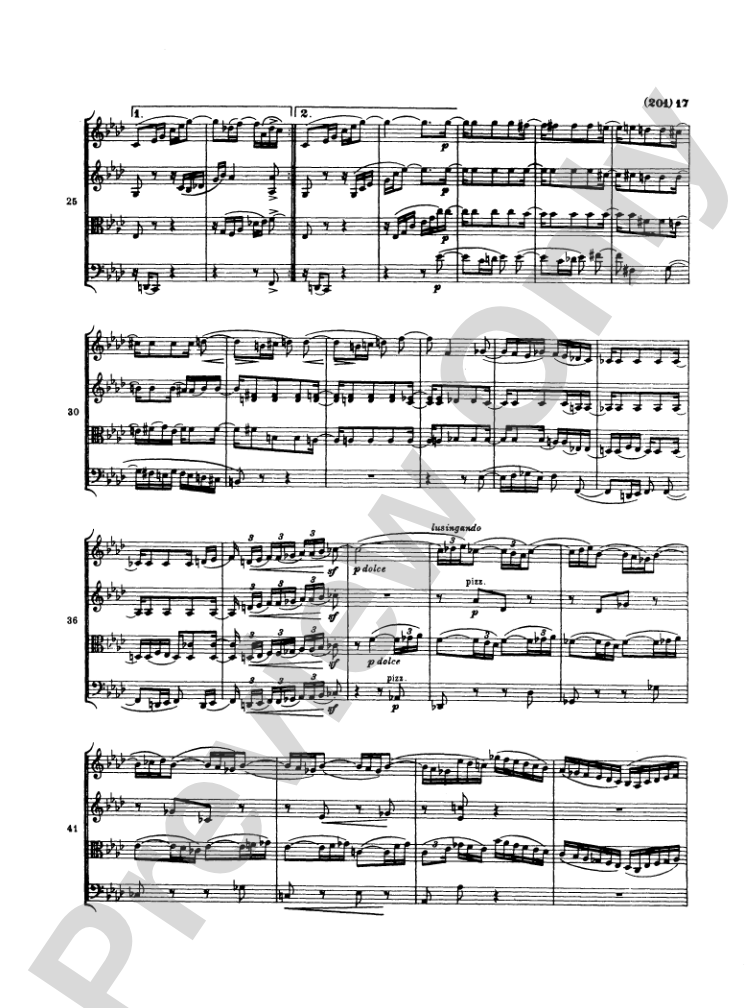
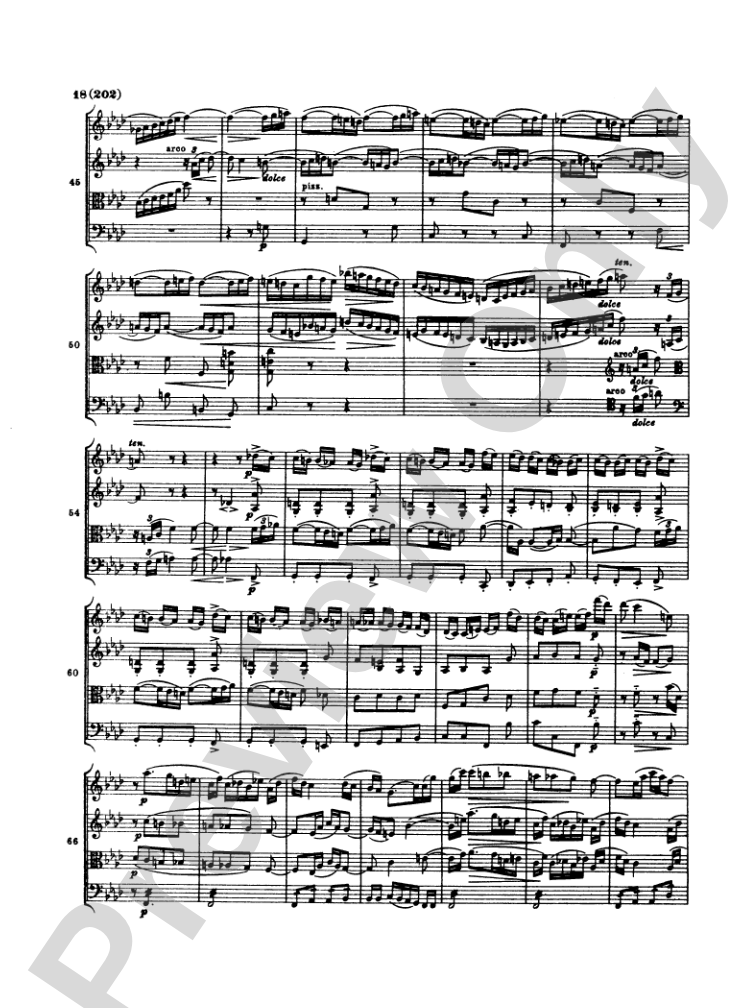
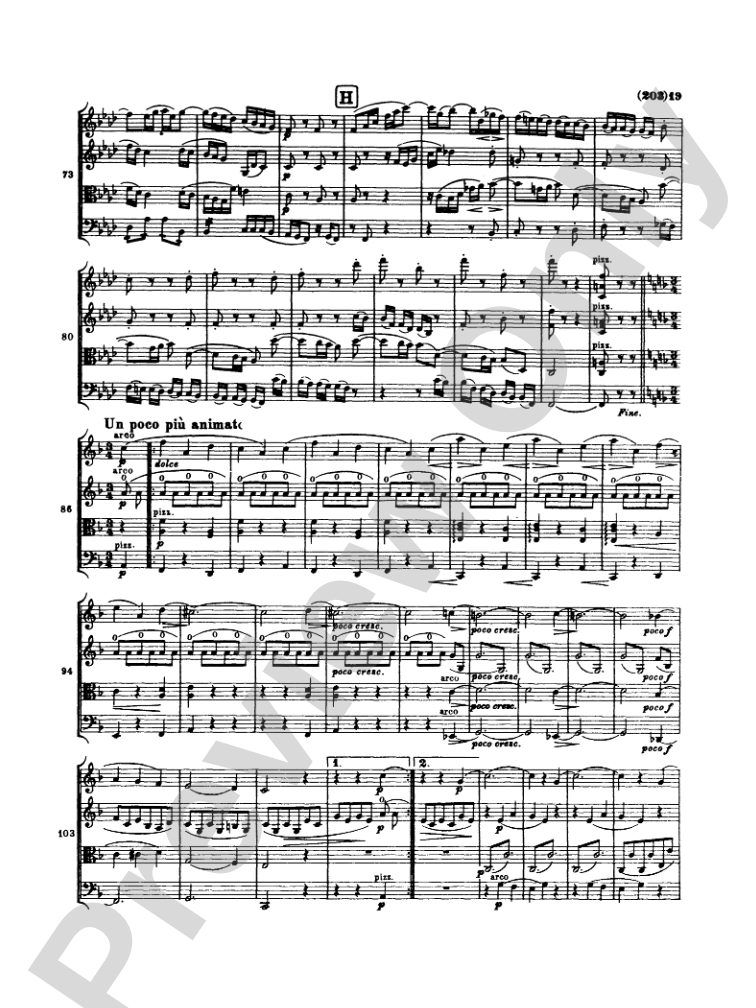
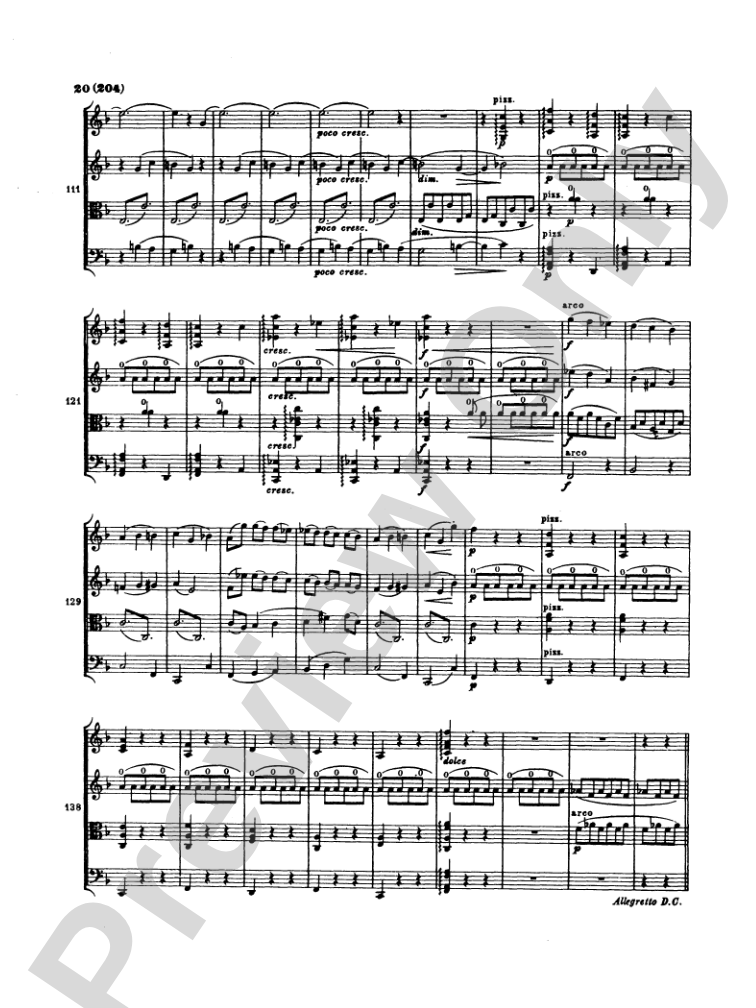
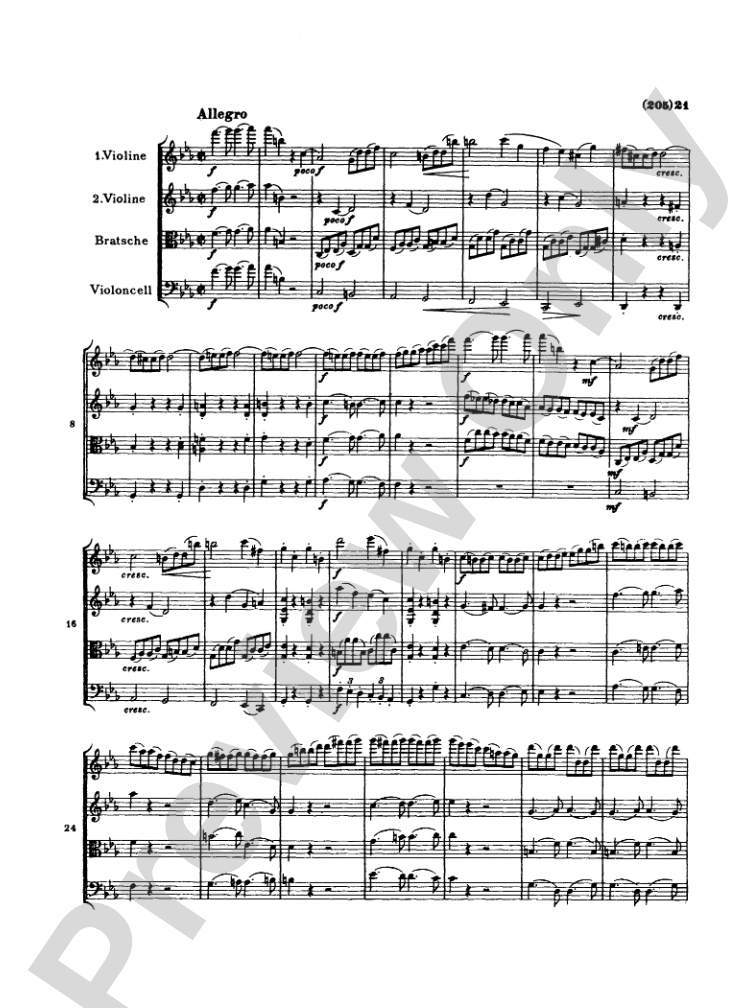
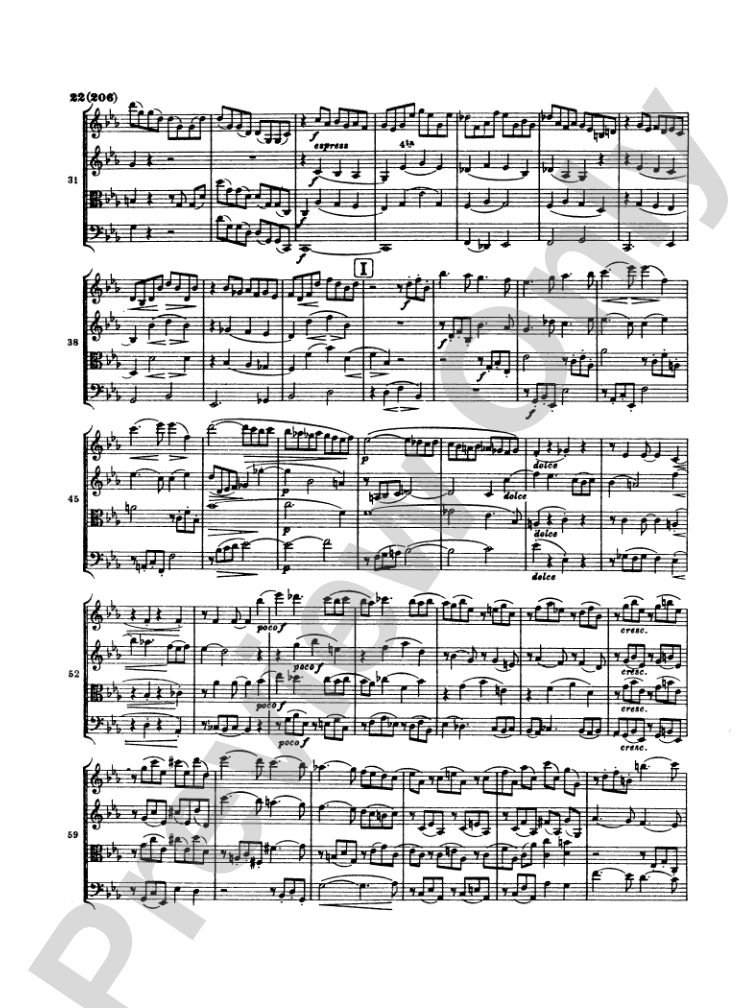
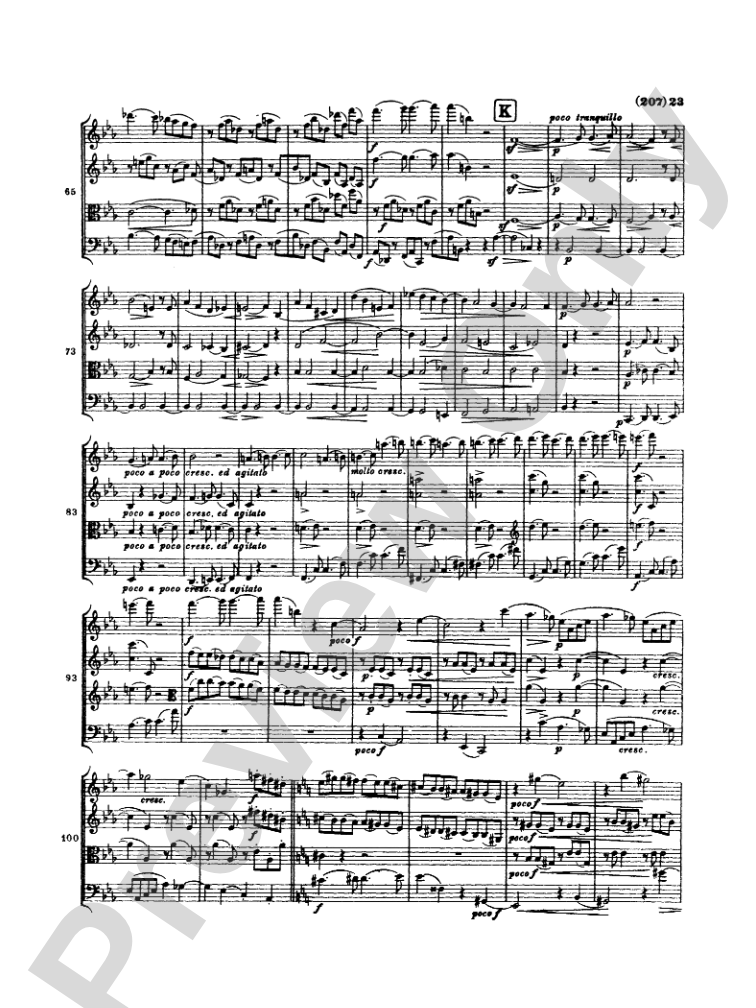
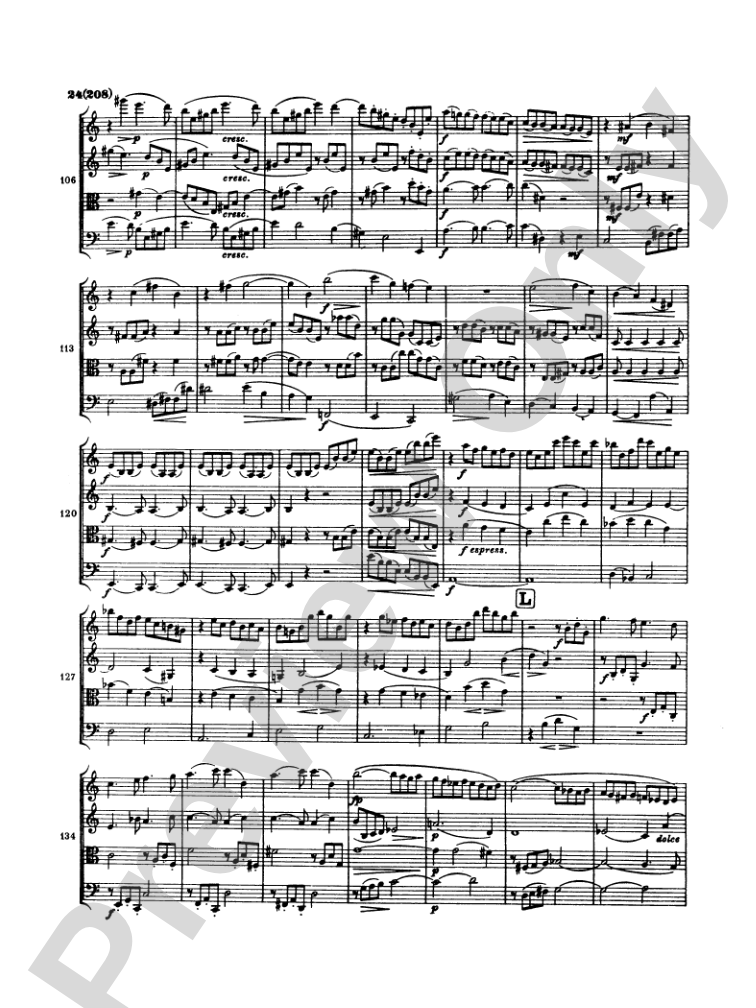
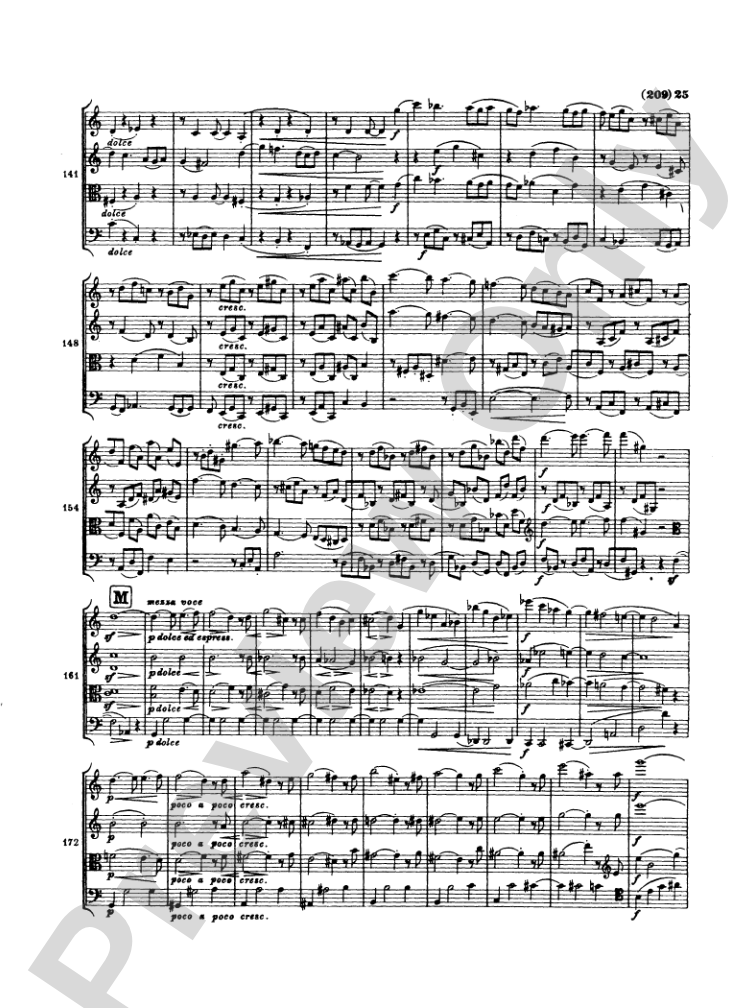
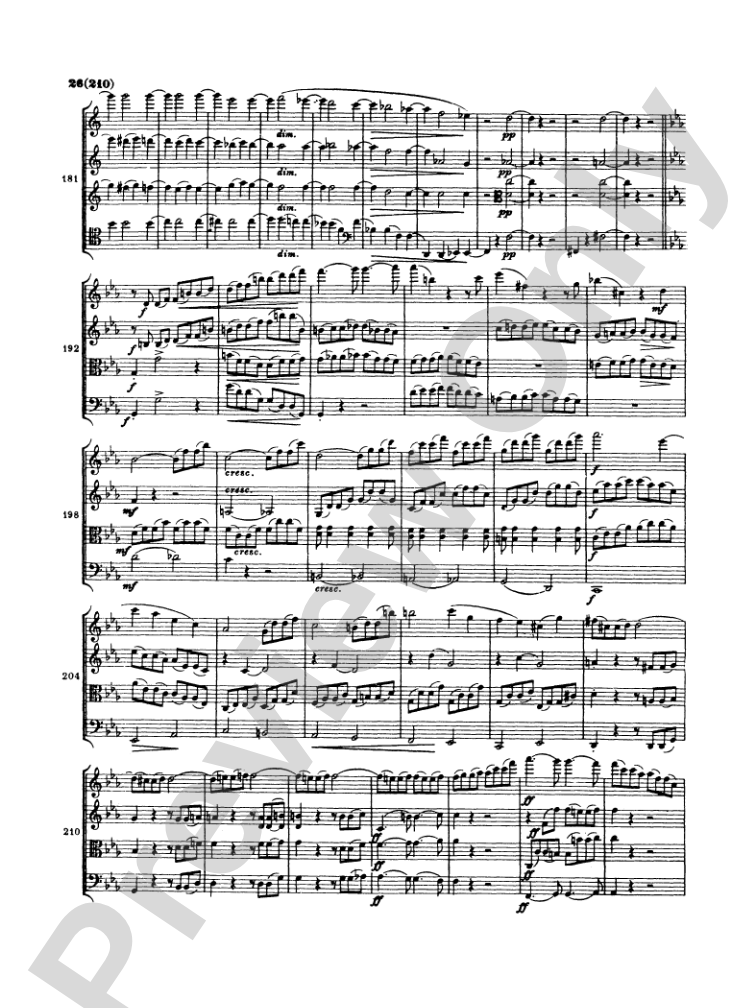
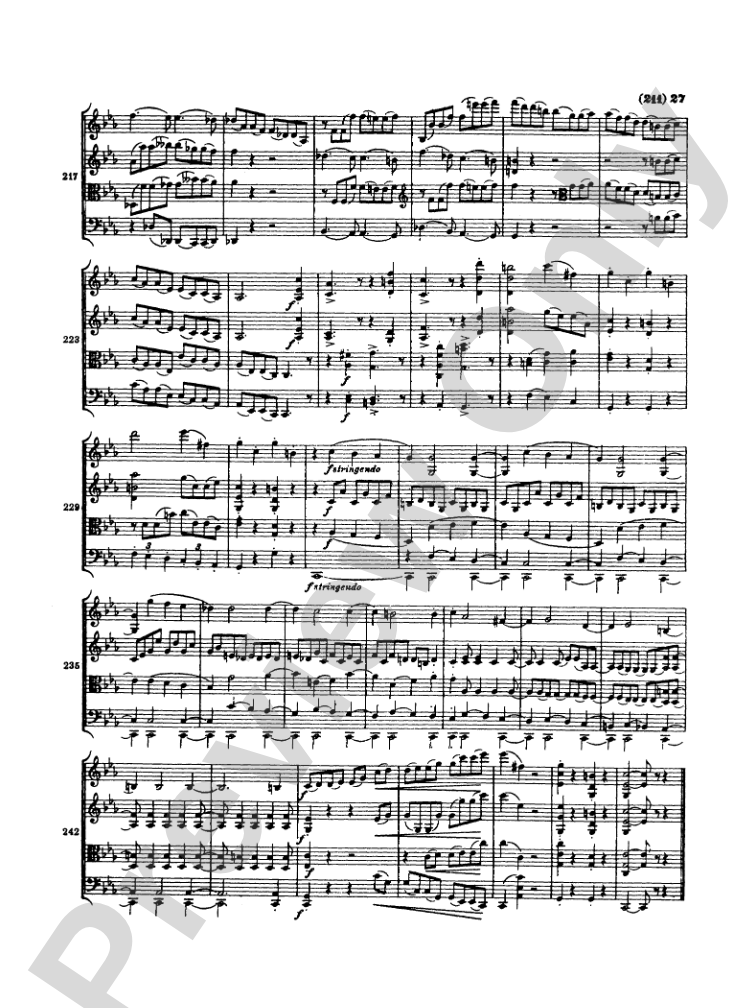

Brahms: Three String Quartets: String Quartet Miniature Score
By Johannes Brahms
Item: 00-PK-0002694

$13.99
Pickup currently not available
Buy Extra Parts (Digital PDF Download)
| Product | Price | Quantity |
|---|---|---|
| Brahms: Three String Quartets | $3.95 | |
| Brahms: Three String Quartets | $3.95 | |
| Brahms: Three String Quartets | $3.95 |
Parts Added to Cart!
Related Items
String Quartets: Opus 51, Nos. 1 & 2, Opus 67: String Quartet Miniature Score |
$13.99
|
View |
Description
A collection of string quartets, composed by Johannes Brahms.


Don't just read it, hear it, play along with it, and watch your students grow with it. In MakeMusic Cloud, Brahms: Three String Quartets: String Quartet Miniature Score comes alive with professional accompaniment, adjustable tempo, and built-in practice tools that turn solo practice into real progress.
Open in the Player
Jump straight in and assign it today.
Start Your Free Trial
Open this title and explore the full library in minutes.
Sample Audio
No sample audio found.
Sample Video
No sample videos found.
Additional Details
Series:
Kalmus Edition
Publisher:
Alfred Music
Page Count:
80
SKU:
00-PK-0002694
More about this title
About the Composer: Johannes Brahms
Johannes Brahms (1833-1897) spent his career bridging Romantic expression and Classical form. A violinist and pianist as well as composer, Brahms understood ensemble writing at a fundamental level; his four string quartets emerged over decades and represent some of the most structurally rigorous and emotionally profound works in the chamber music repertoire.
Brahms approached the string quartet as a conversation between four equal voices. Unlike his contemporaries, he resisted programmatic excess, instead building complexity through thematic development, harmonic sophistication, and the interplay of instrumental color. His quartets demand serious musicians and reward careful study.
Why we love this
Brahms's string quartets represent the intellectual and emotional heart of Romantic chamber music. This miniature score format makes it possible for quartet members to study these works away from the stand, deepening their understanding of texture, voice leading, and large-scale form. Programming any of these quartets signals commitment to substantial repertoire and gives serious amateur and student ensembles access to music that defines the genre.
What to expect
Brahms's quartets move between lyrical warmth and intellectual rigor, often within a single movement. You encounter moments of intimate conversation, sudden harmonic shifts that surprise the ear, and sustained lines that ask for absolute ensemble security. The overall effect is conversational yet serious, personal yet architecturally sound.
Who it's for
Intermediate to advanced string quartet ensembles preparing for festival performance or concert programming. Student quartets in high school and university settings benefit from studying these scores closely before full rehearsals. This resource also serves private quartet coaching and chamber music seminars where analysis and preparation are central to the learning process.
How to get the most out of it
- Attend to voice leading across all four parts. Brahms frequently disguises the melody; what reads as accompaniment often contains essential thematic material that shapes the listener's perception of structure.
- Balance texture by recognizing when Brahms doubles or thins the sonority. A miniature score reveals these decisions clearly and helps you adjust ensemble balance accordingly.
- Use the score to map harmonic progressions before rehearsal. Brahms's chromaticism and key relationships are easier to execute confidently when all players understand the underlying harmony.
- Mark phrasing and breathing points collaboratively. These quartets require longer phrases than many players initially expect; discussing punctuation together prevents awkward breaks that fragment the line.
How to use it
Feature one of these quartets on a chamber music concert or string festival program to anchor a program musically and historically. Pair with a Baroque quartet (Haydn or Mozart) to illustrate how the form evolved, or follow with a late-Romantic or modern quartet to show what came after. A complete Brahms quartet makes a strong standalone recital centerpiece.
Skills your students will build
- Tracking and responding to thematic material across multiple instrumental voices
- Managing extended phrases with appropriate breath placement and sustain
- Reading and executing chromatic harmony and unexpected key relationships
- Balancing inner voices and accompaniment patterns to achieve transparent texture
- Interpreting Classical sonata form with Romantic harmonic and textural complexity