
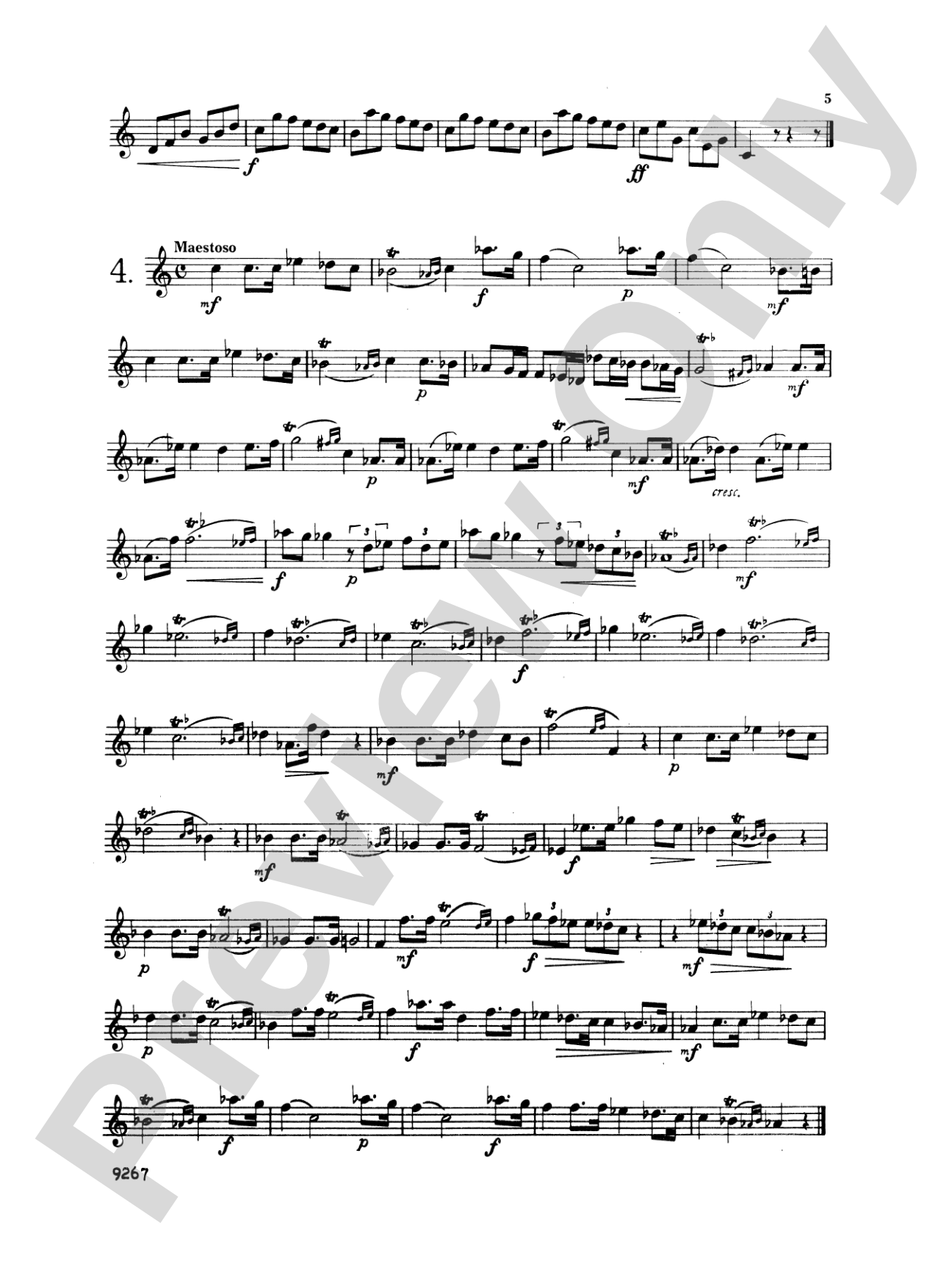
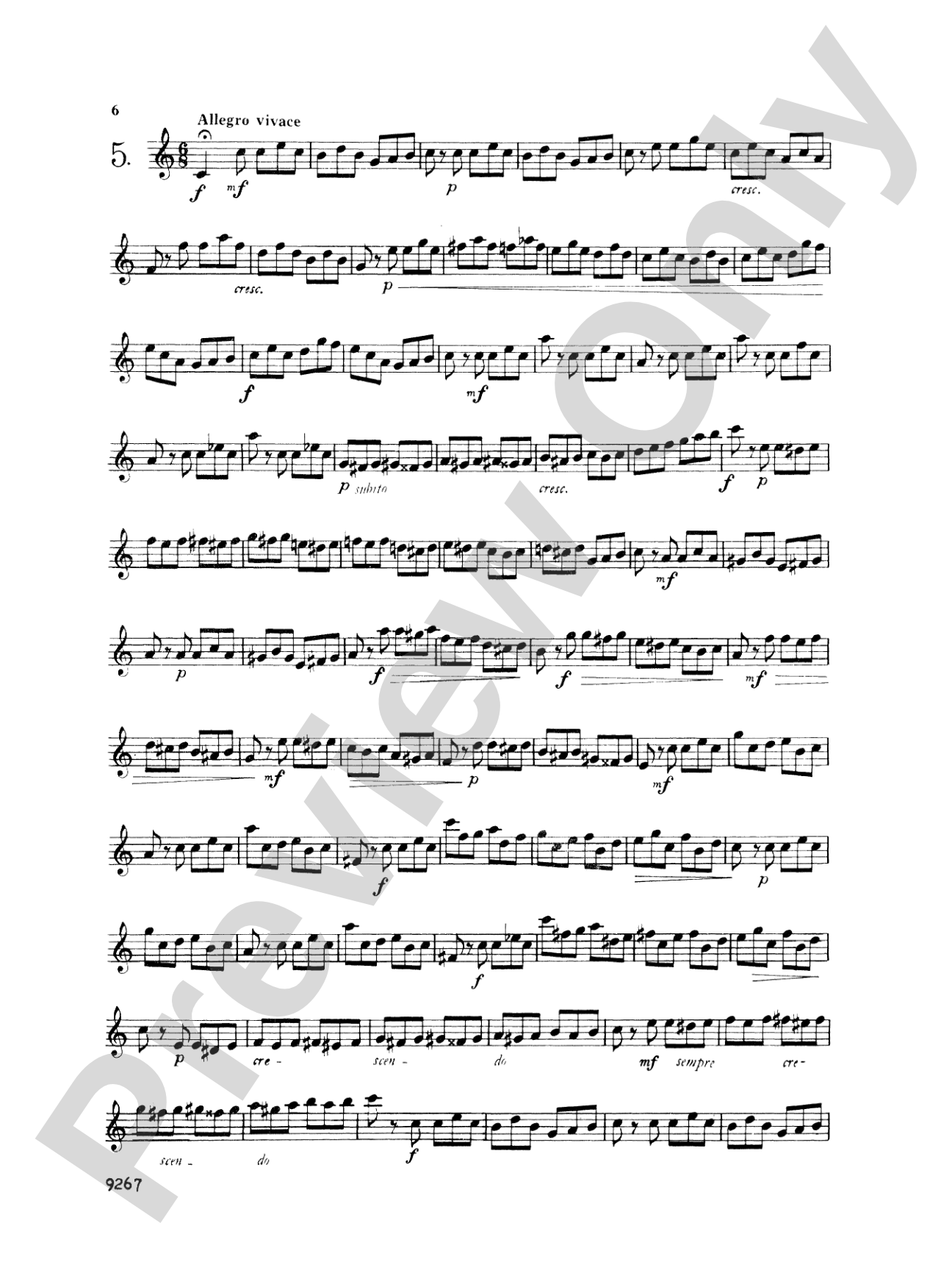
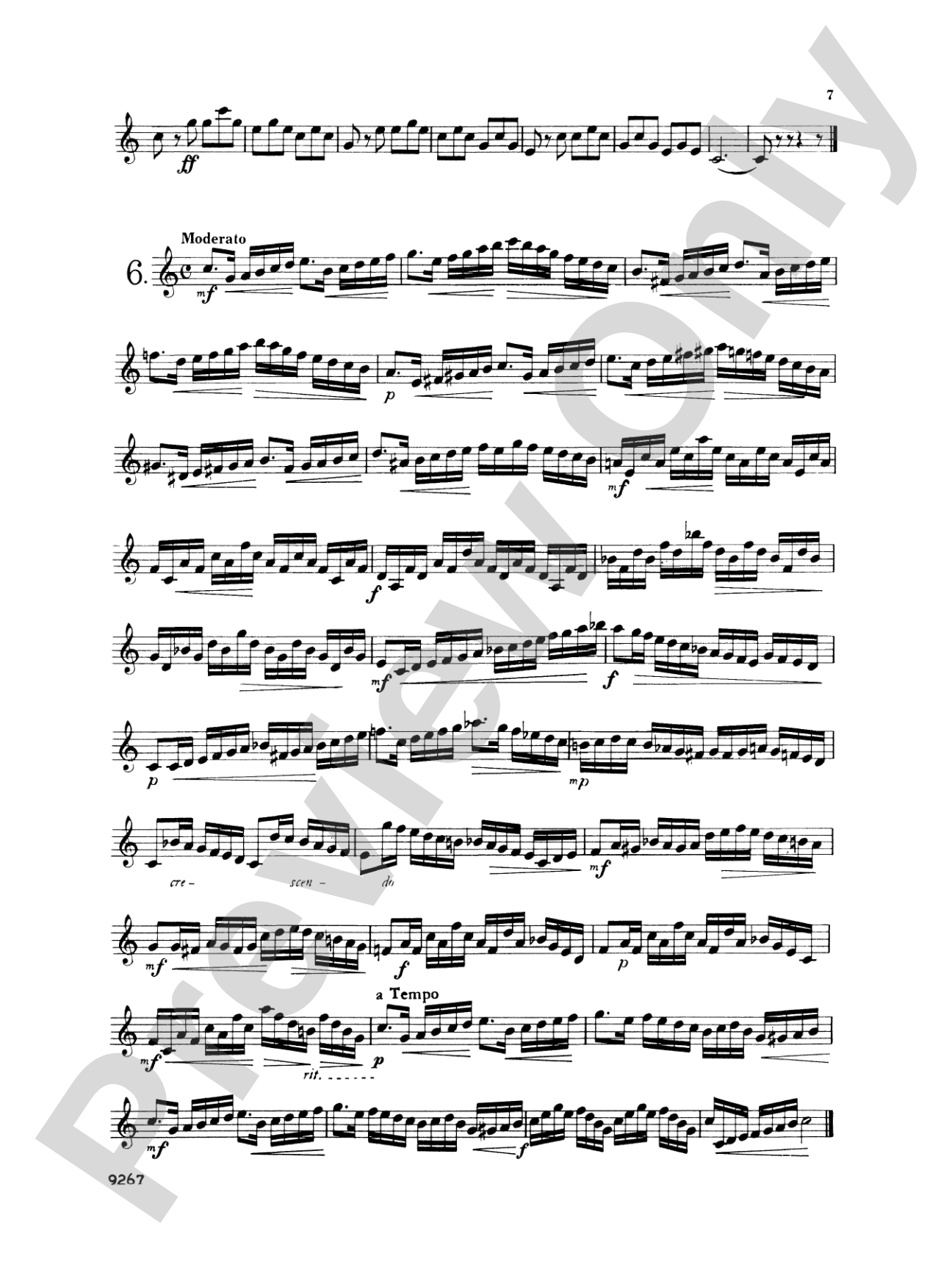
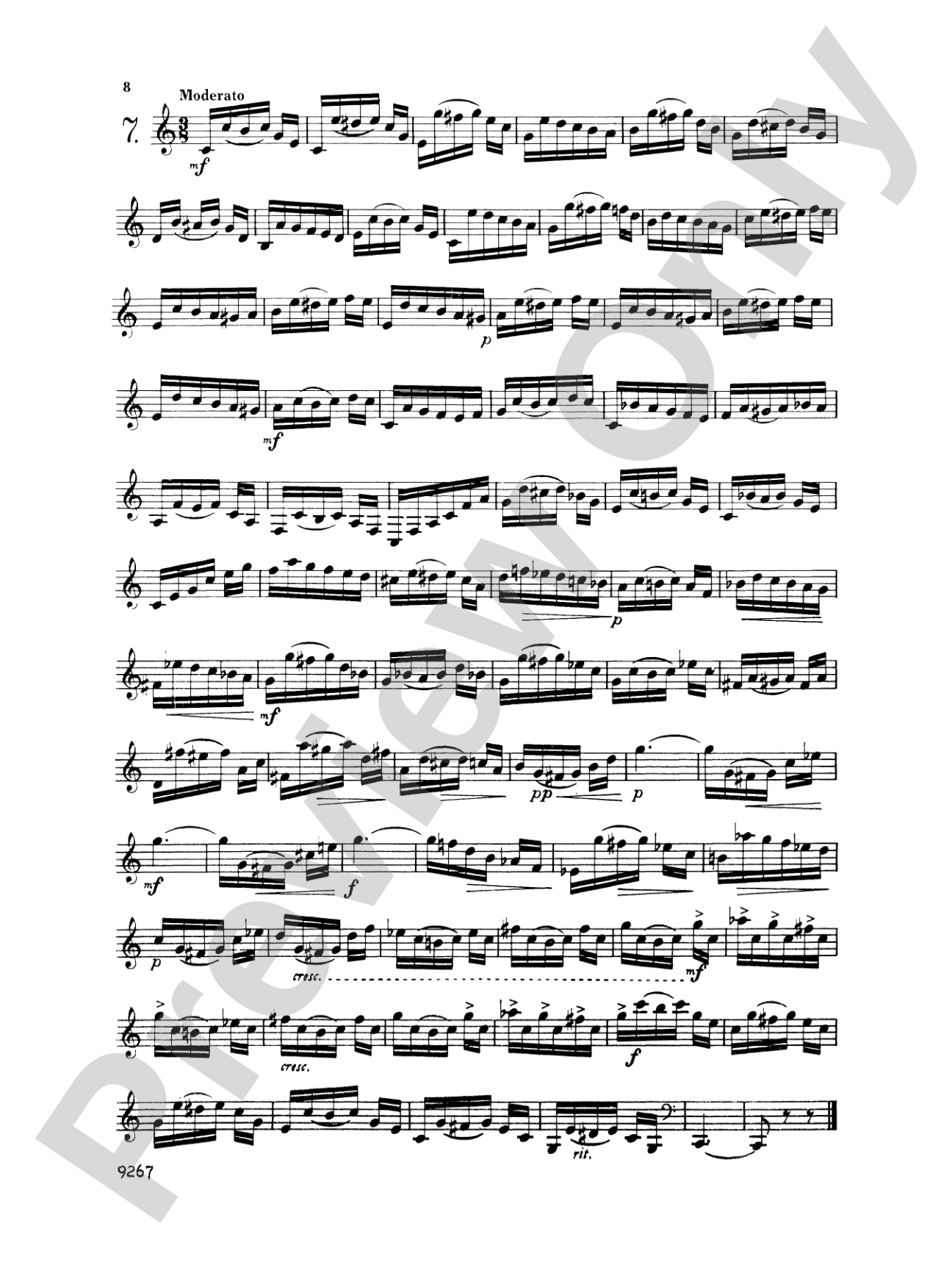
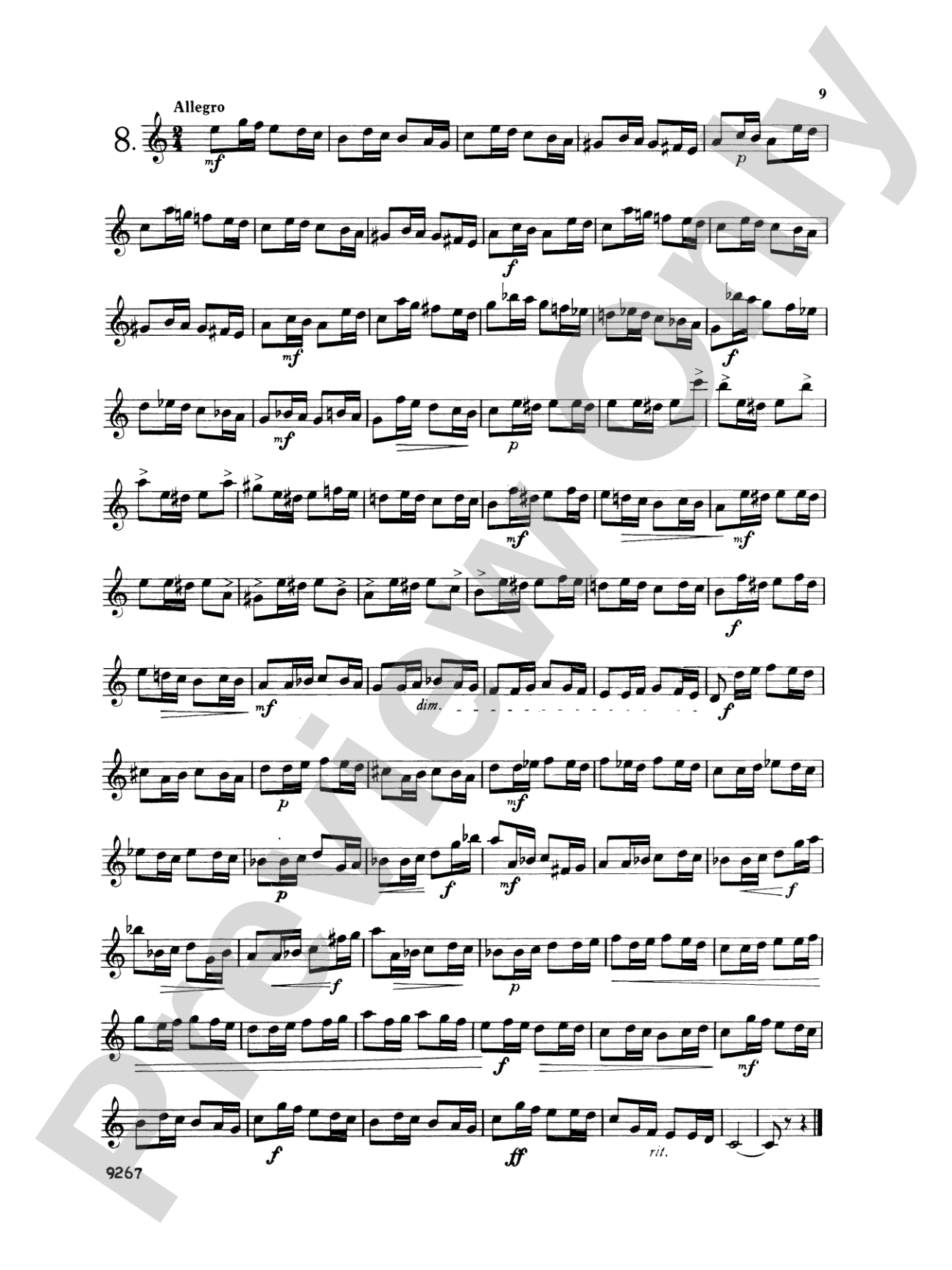
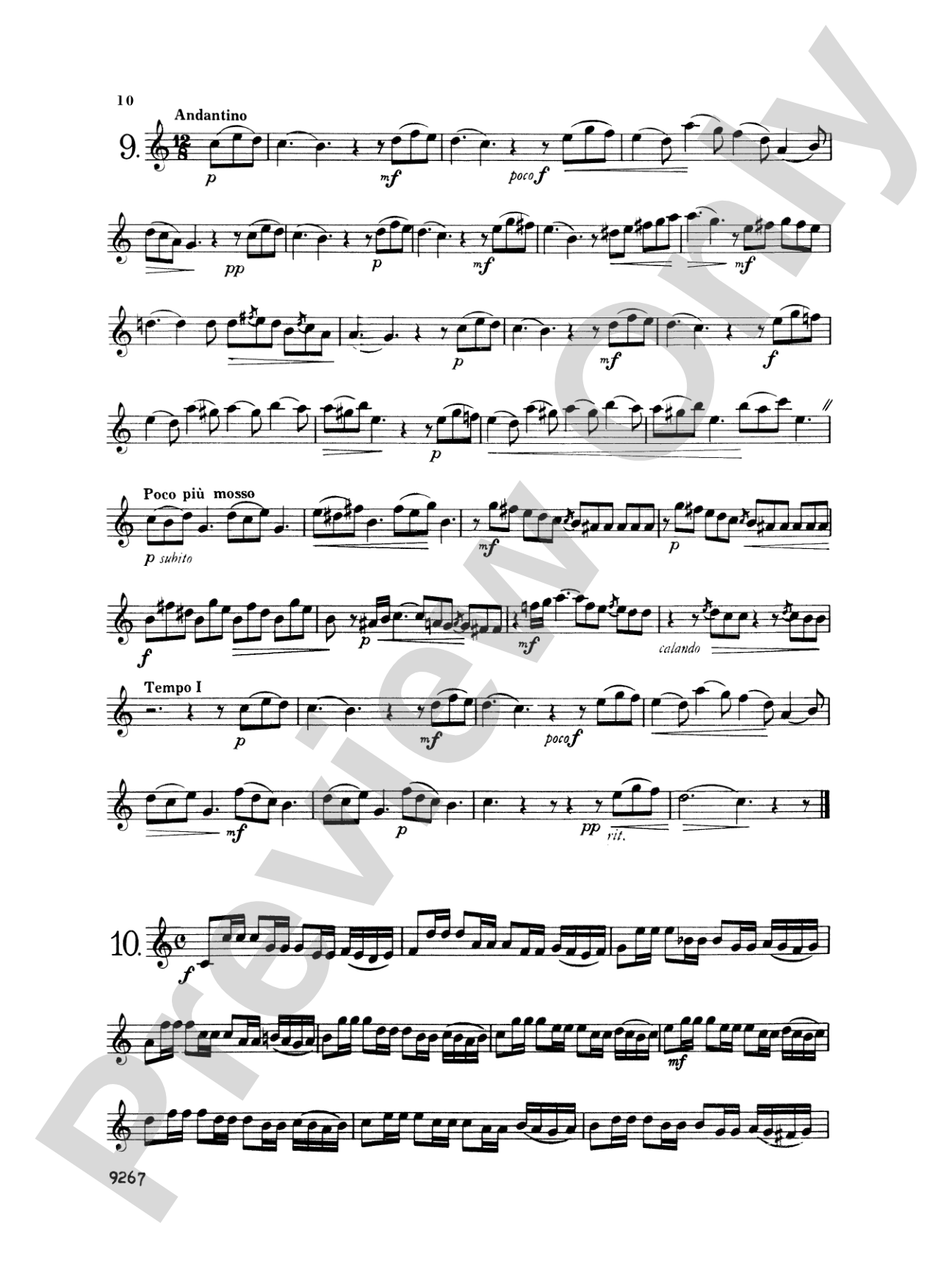
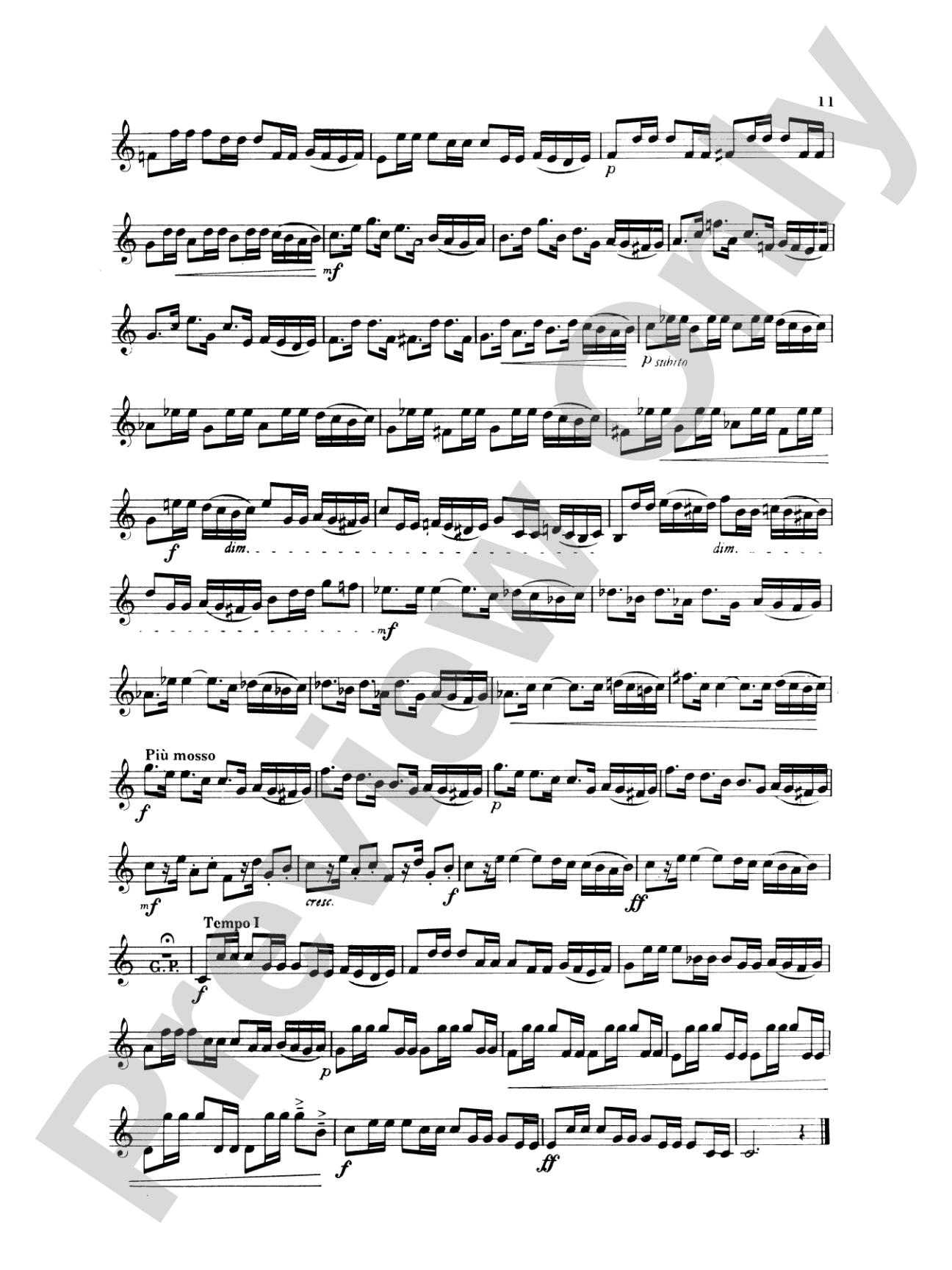


Brahms: Ten Horn Studies, Op. posth: French Horn Book
By Johannes Brahms
Item: 00-PK-0003728

$7.99
Pickup currently not available
Buy Extra Parts (Digital PDF Download)
| Product | Price | Quantity |
|---|---|---|
| Brahms: Ten Horn Studies, Op. posth | $6.99 |
Parts Added to Cart!
Related Items
Ten Horn Studies, Opus Posthumous: French Horn Book |
$7.95
|
View |
Description
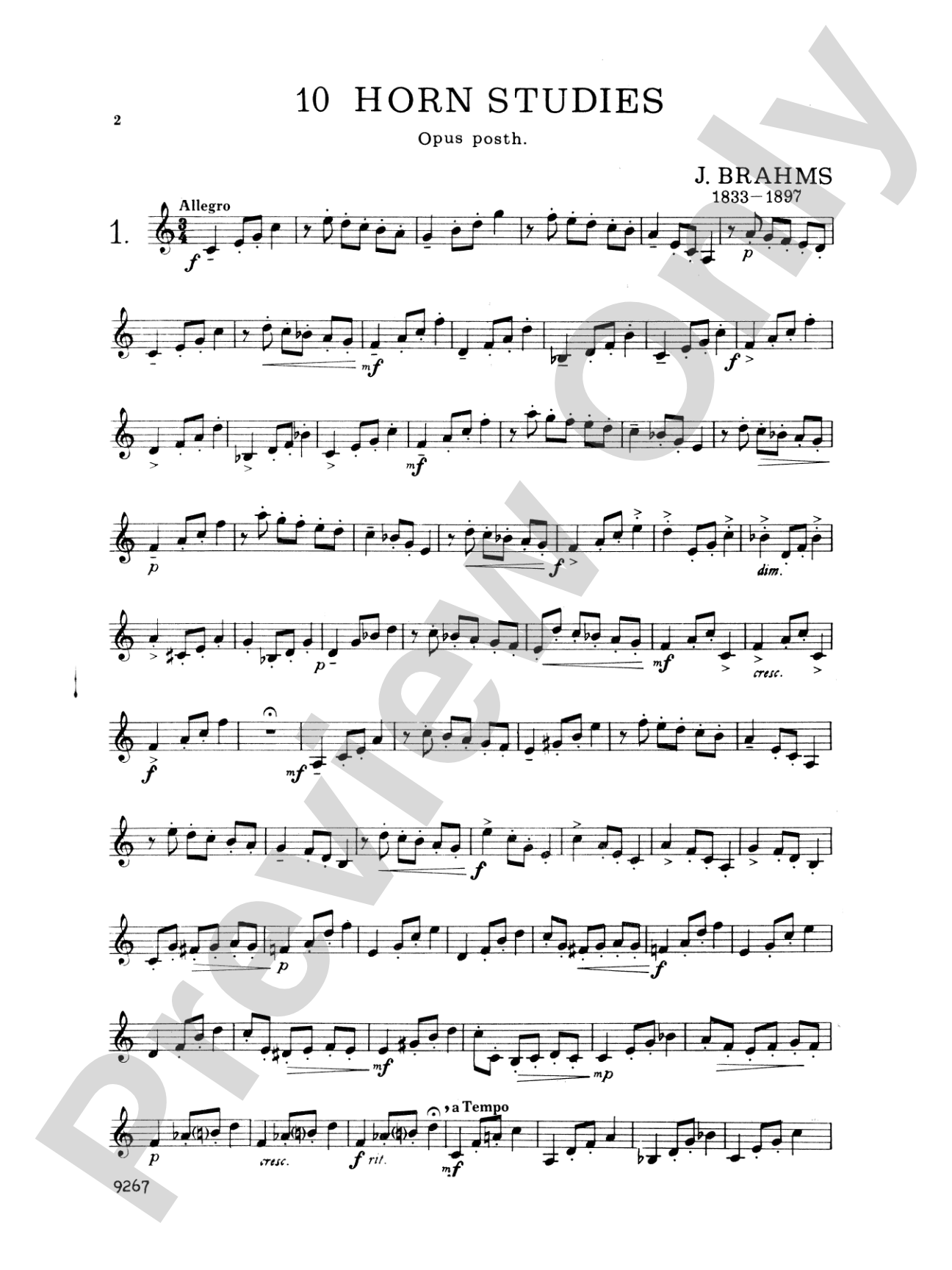
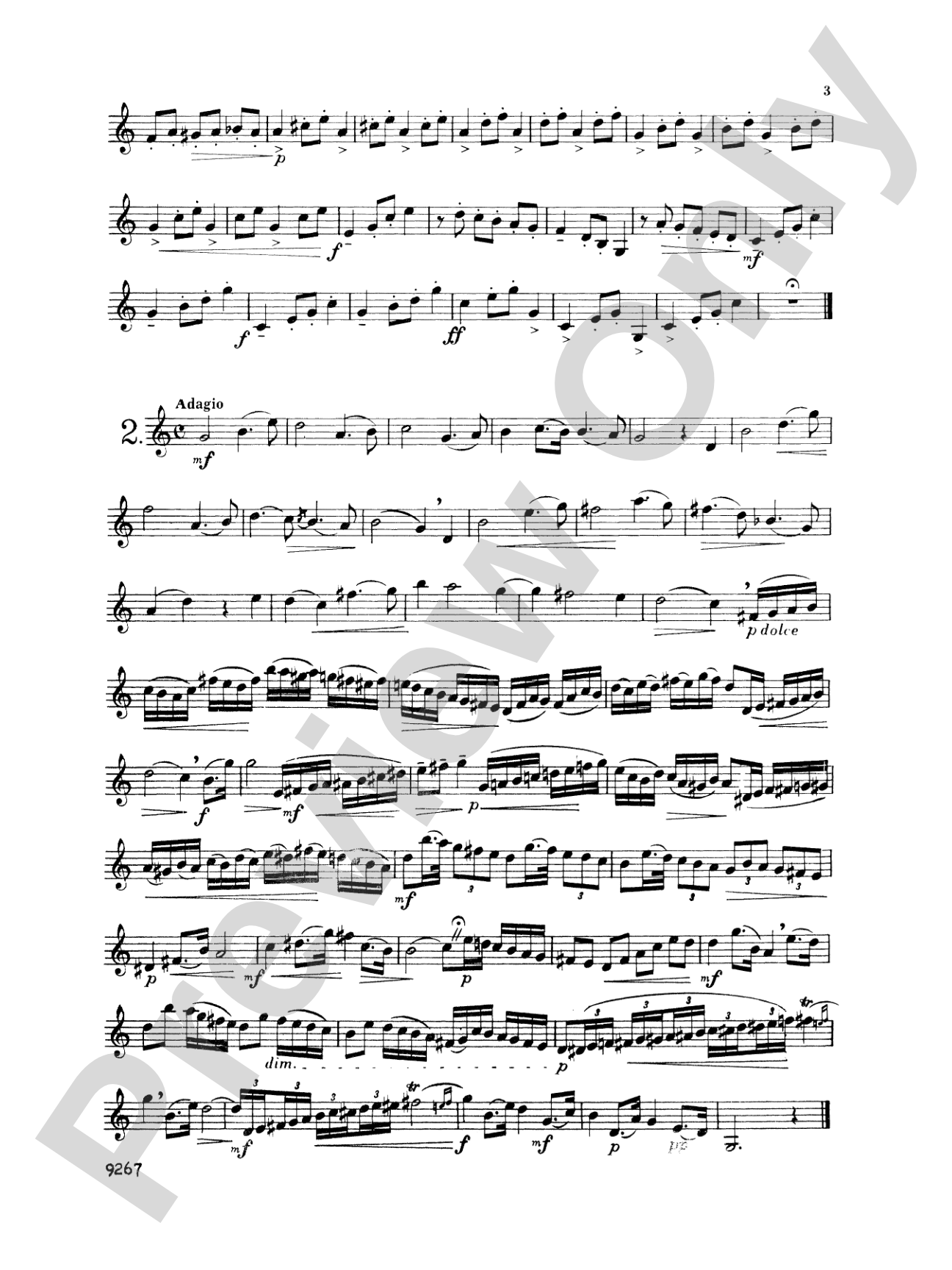
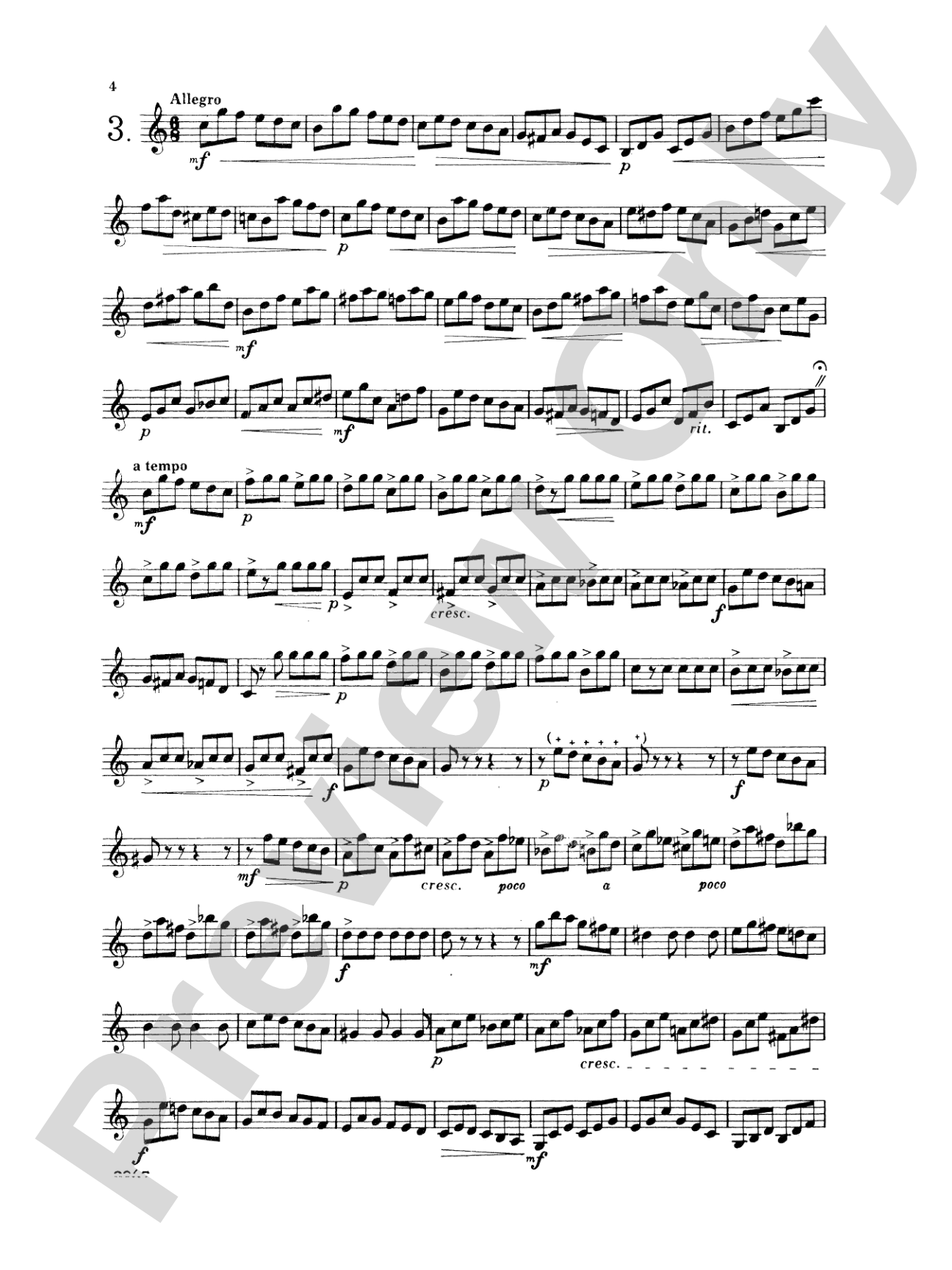
A collection of exercises for French Horn composed by Johannes Brahms.


Don't just read it, hear it, play along with it, and watch your students grow with it. In MakeMusic Cloud, Brahms: Ten Horn Studies, Op. posth: French Horn Book comes alive with professional accompaniment, adjustable tempo, and built-in practice tools that turn solo practice into real progress.
Open in the Player
Jump straight in and assign it today.
Start Your Free Trial
Open this title and explore the full library in minutes.
Sample Audio
No sample audio found.
Sample Video
No sample videos found.
Additional Details
Series:
Kalmus Edition
Publisher:
Alfred Music
Page Count:
12
SKU:
00-PK-0003728
More about this title
About the Composer: Johannes Brahms
Johannes Brahms (1833-1897) brought unprecedented rigor to brass writing, viewing the horn not as a decorative voice but as an instrument capable of lyrical depth and technical sophistication. His chamber and symphonic works established the modern standard for horn playing, demanding both virtuosity and musicality from performers who tackle his scores.
Why we love this
These studies arrive from Brahms's own practice materials, refined through decades of composing for the instrument and observing its limitations and strengths firsthand. They move beyond mechanical drills to address the specific challenges of intonation, legato, and rapid passagework that define advanced horn playing. A serious musician studying Brahms's symphonies or chamber works will recognize these exercises as the technical foundation beneath the masterworks.
What to expect
The character shifts from song-like studies requiring sustained lyrical phrasing to rapid figurations that test coordination and breath control. Throughout, Brahms's musical sensibility prevents these from feeling like exercise drudgery; each study contains genuine melodic interest and harmonic thoughtfulness.
Who it's for
Advanced hornists preparing for conservatory auditions, solo recitals, or intensive study of Romantic-era chamber and orchestral repertoire will find these studies indispensable. They serve students who have moved beyond foundational technique and are ready to engage with the demands of professional-level Brahms interpretation.
How to get the most out of it
- Approach legato passages by thinking through the phrase shape rather than individual valve combinations; Brahms expects seamless tone production across register shifts.
- Pay close attention to dynamic markings and articulation, as these studies develop control over color and attack in addition to technical fluency.
- Use a metronome to lock accuracy in rapid passages, but reserve it for checking tempo; the musical intent requires flexibility and breath phrasing.
- Work slowly through studies that cross the break (B-flat to E transition); Brahms wrote these to solve real intonation challenges, not simply as speed exercises.
How to use it
Assign these individually as students prepare specific passages in Brahms's symphonies, concertos, or chamber works. They work best as supplementary material within a broader practice routine rather than as a standalone curriculum, building the technical foundation needed for confident performance in concert settings.
Skills your students will build
- Legato across register breaks and valve combinations
- Rapid scalar and arpeggio passagework with clear articulation
- Intonation control in exposed melodic lines
- Dynamic control and tonal color variation
- Breath management in longer lyrical phrases