
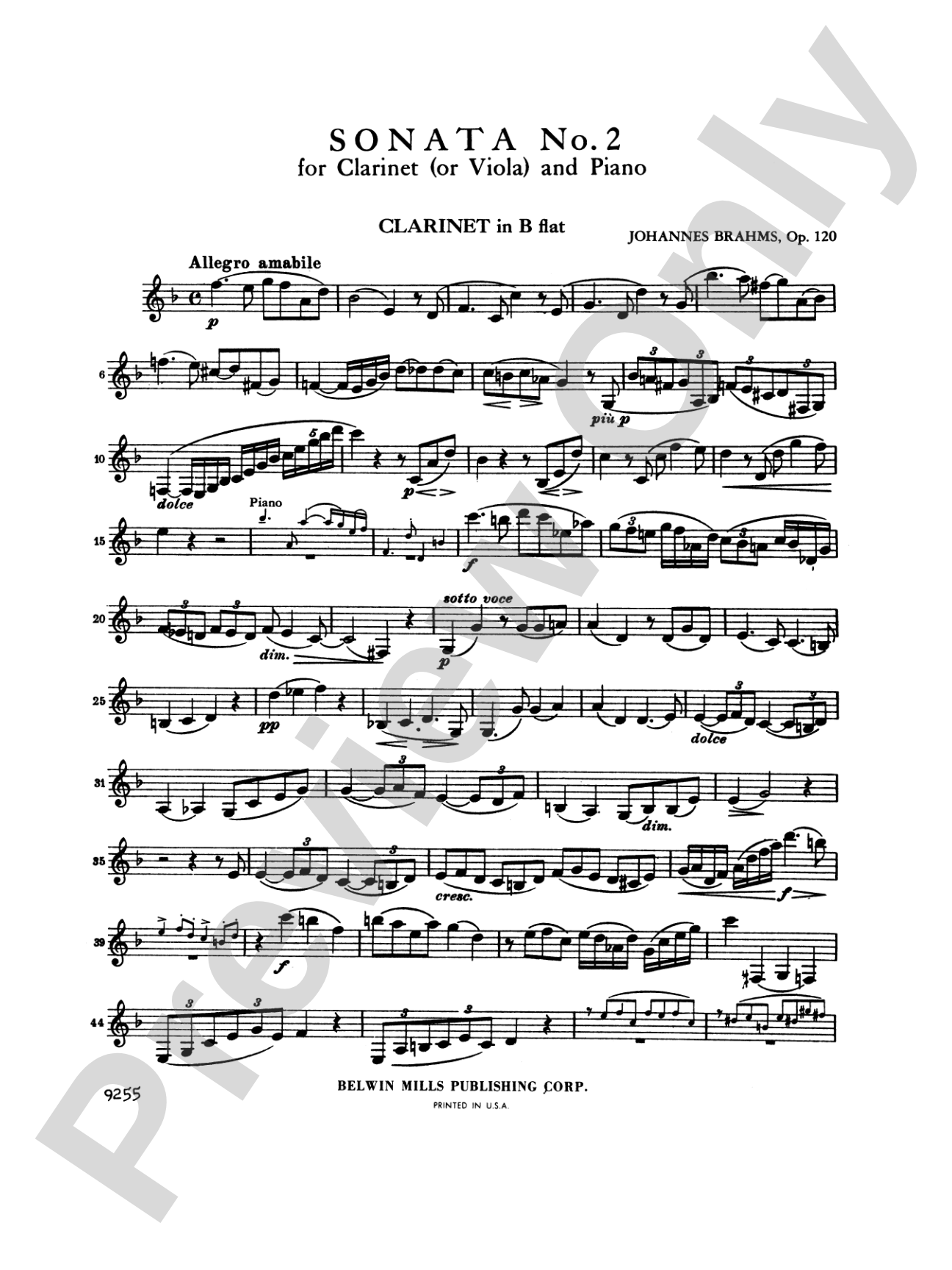
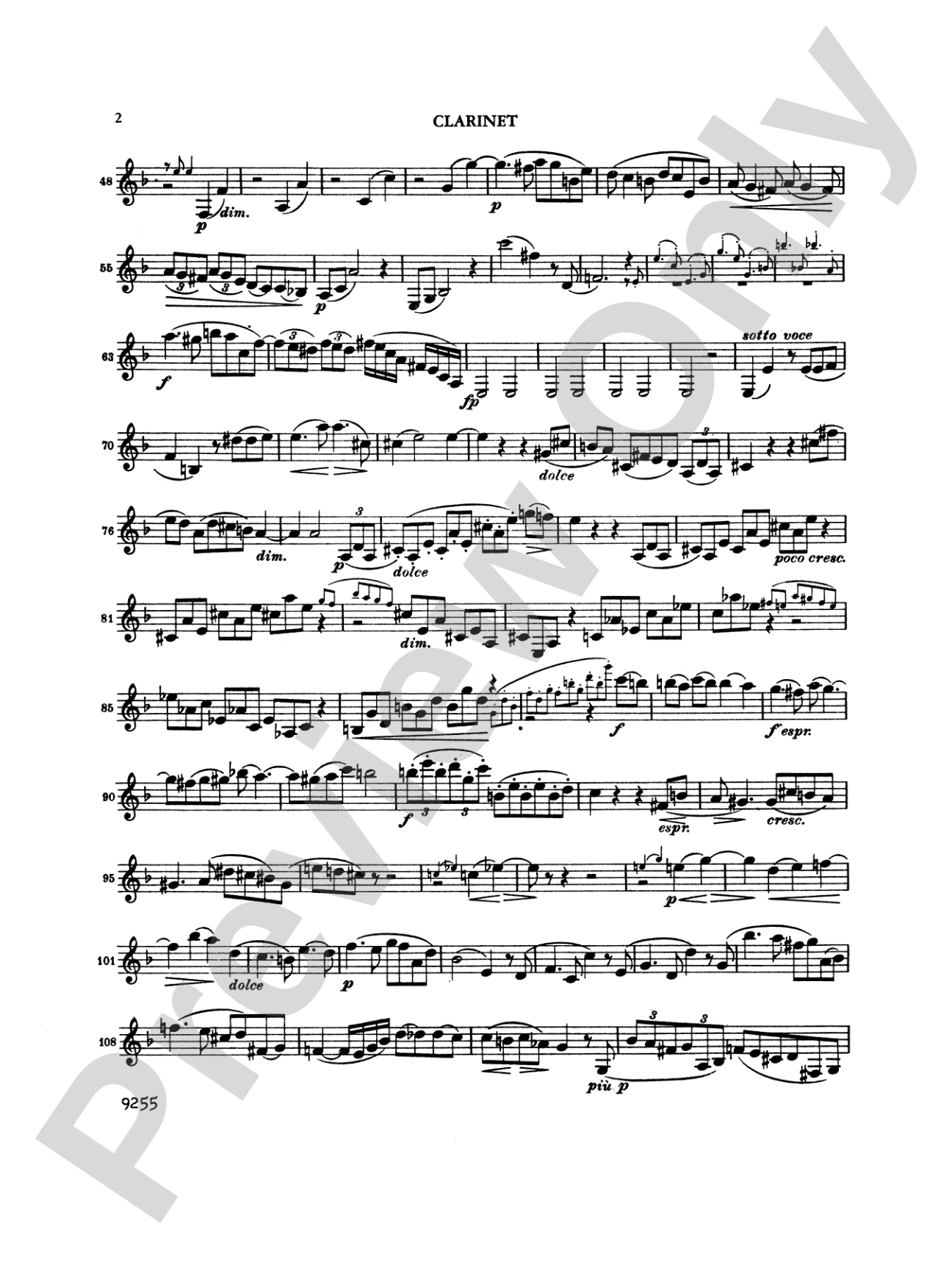
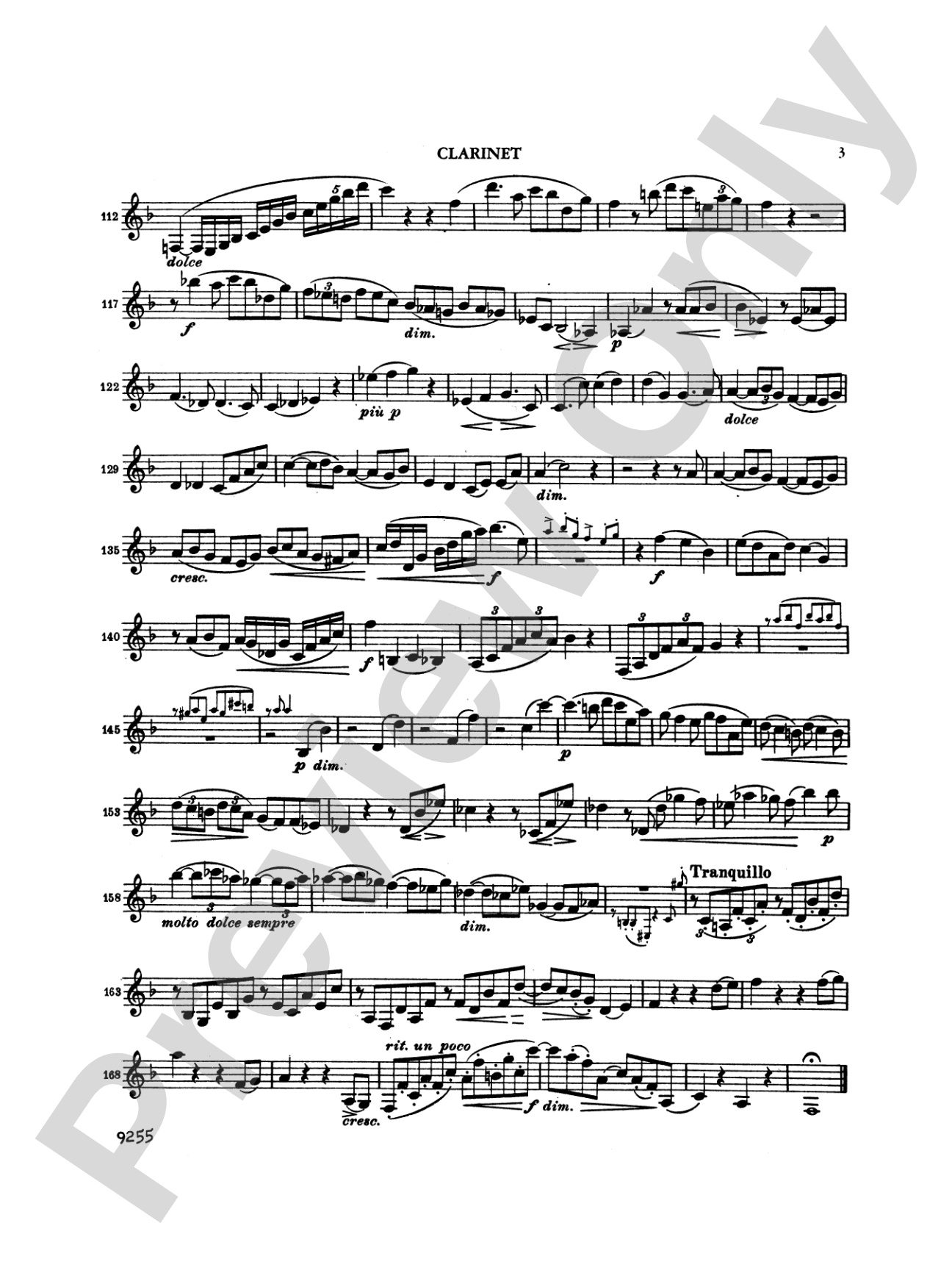
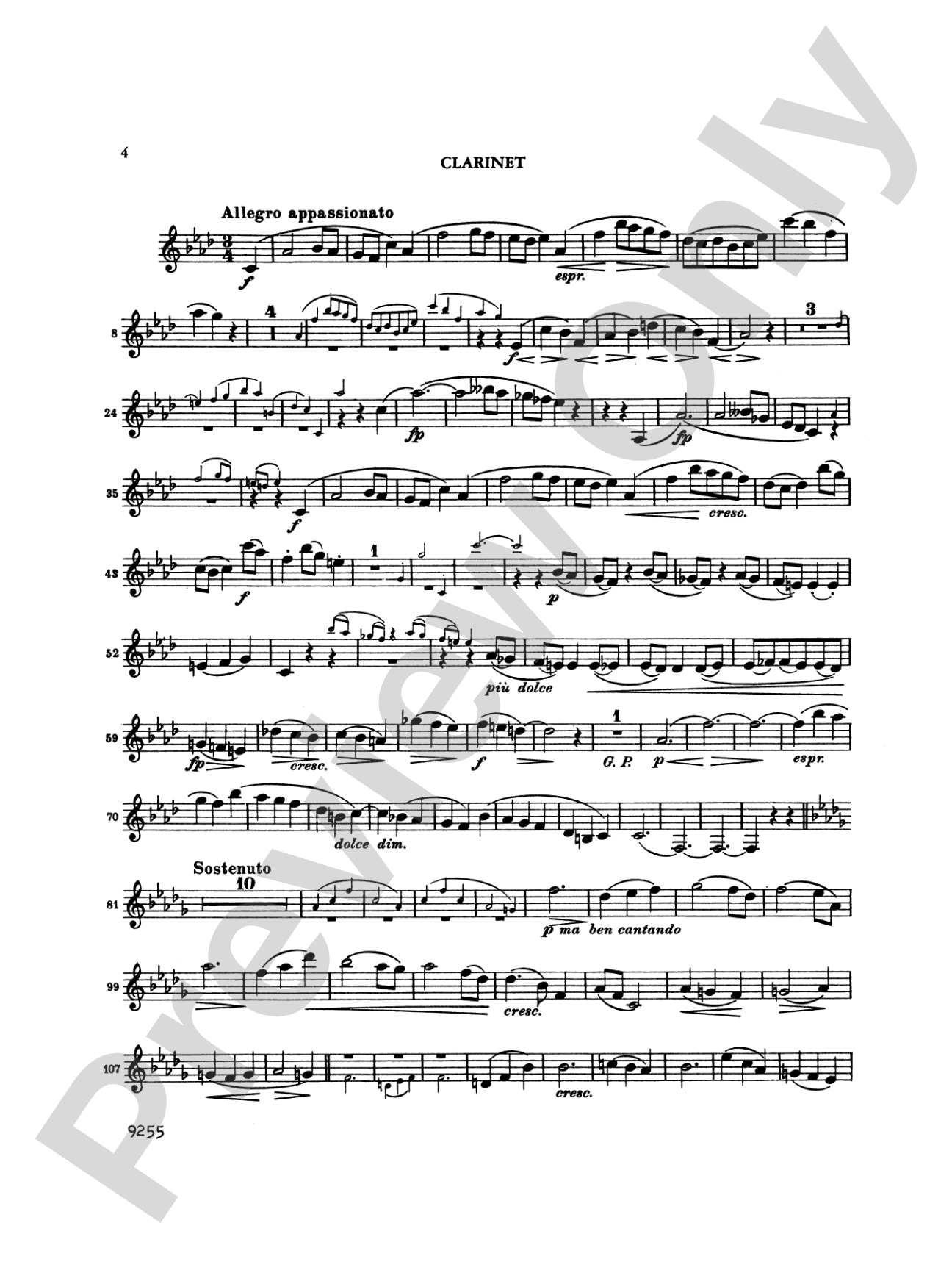
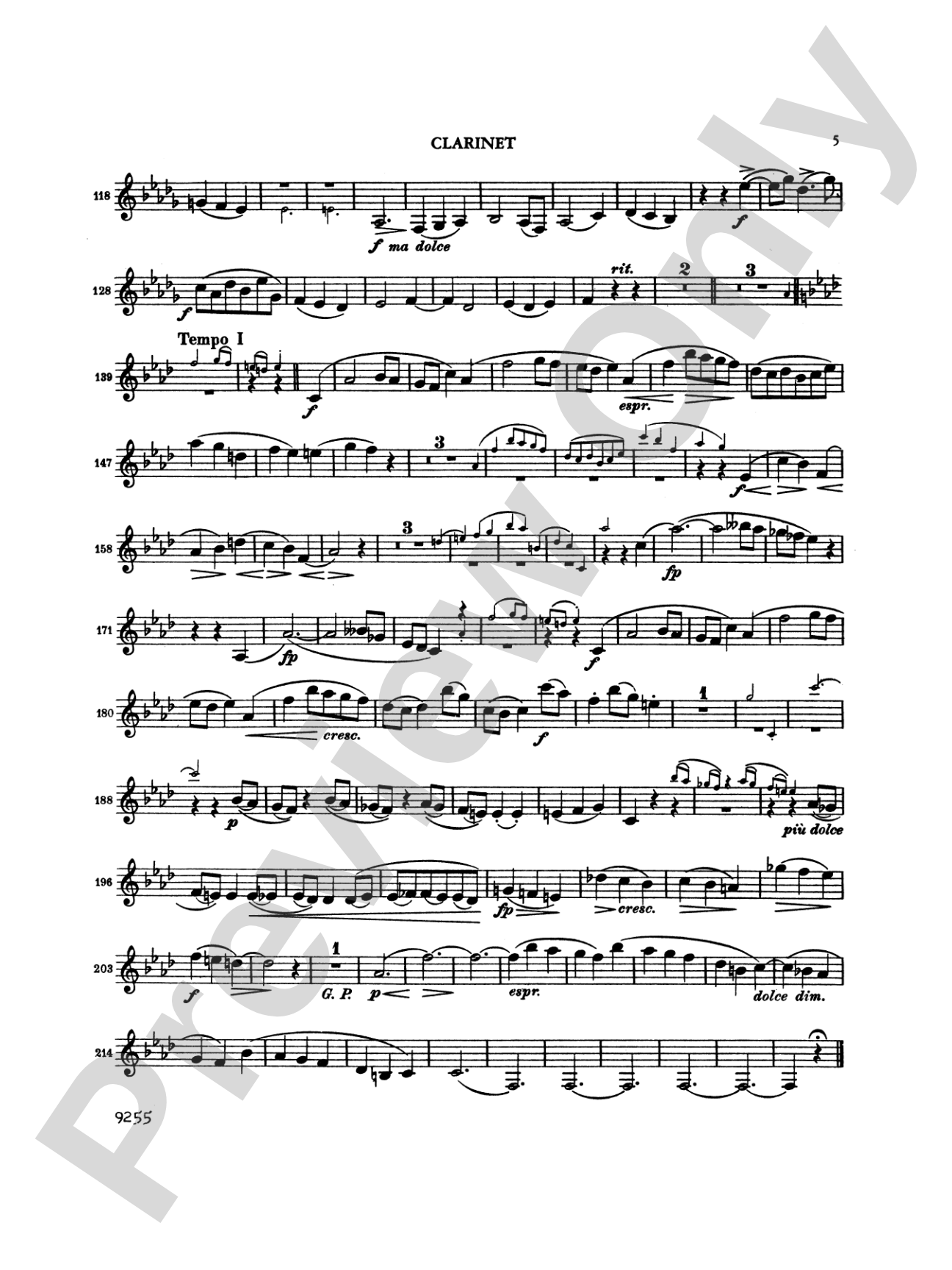
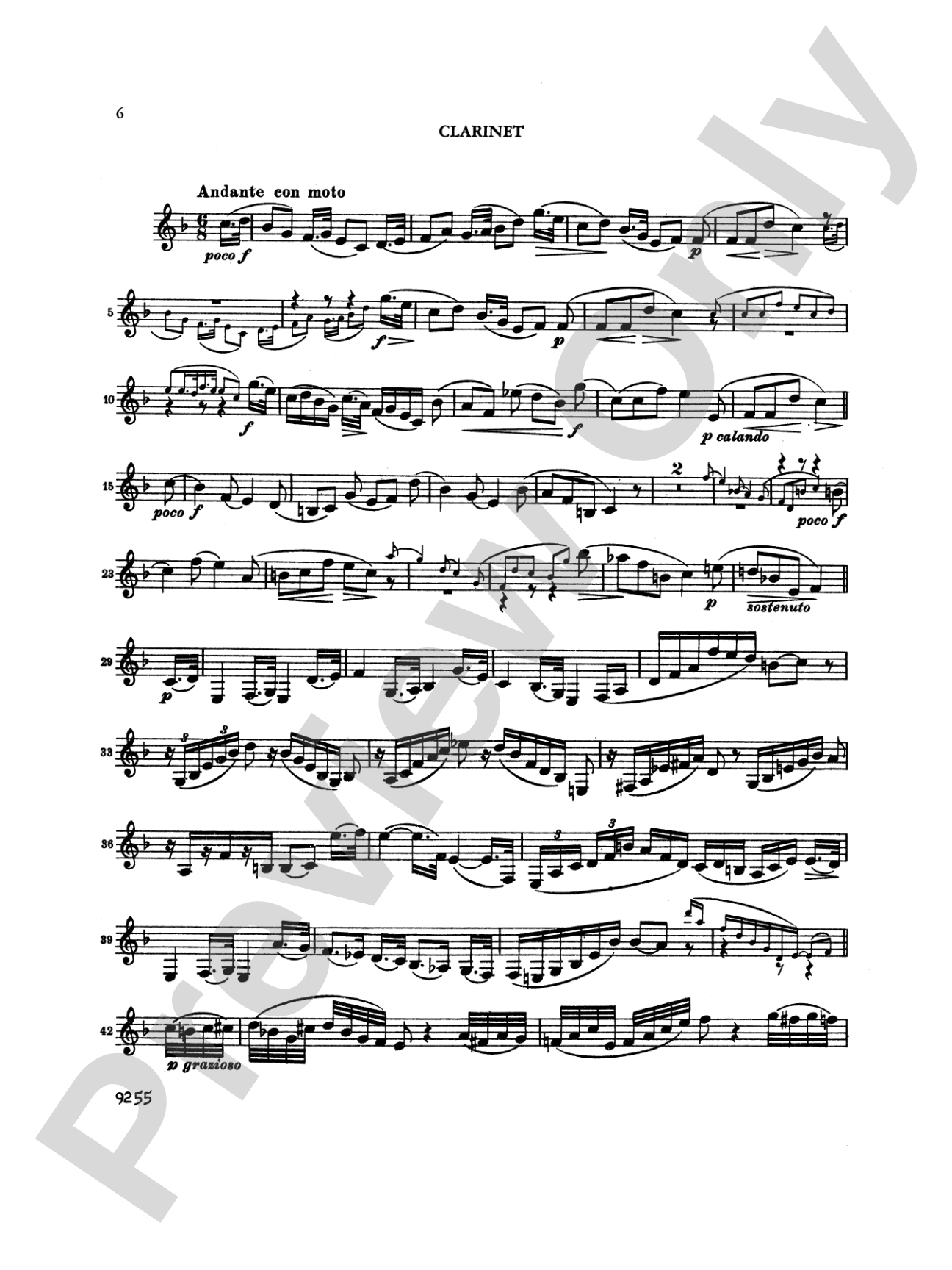
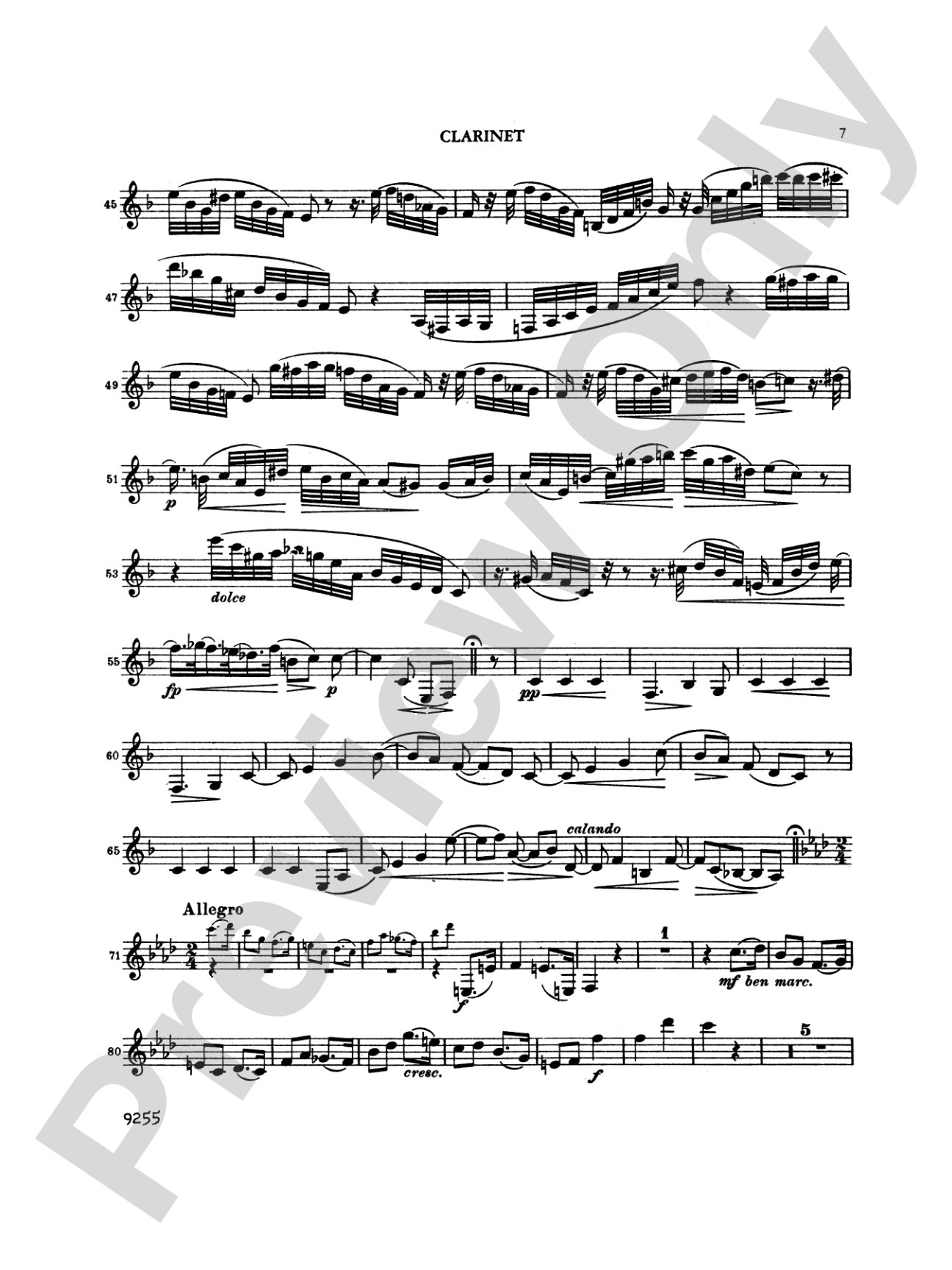
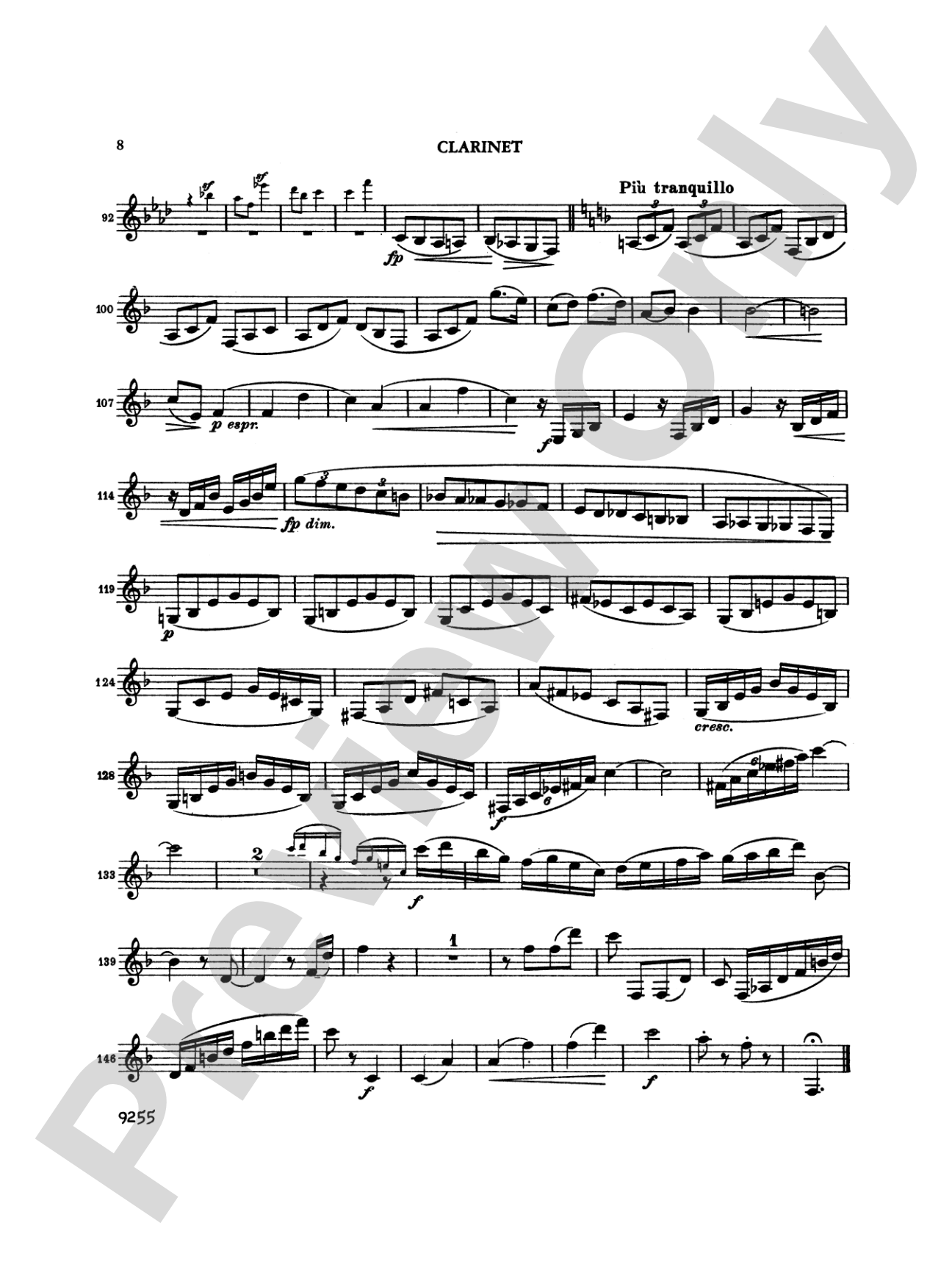

Brahms: Sonata No. 2 in E flat Major, Op. 120: Viola Parts
By Johannes Brahms
Item: 00-PK-0003723

$9.99
Pickup currently not available
Buy Extra Parts (Digital PDF Download)
| Product | Price | Quantity |
|---|---|---|
| Brahms: Sonata No. 2 in E flat Major, Op. 120 | $3.99 | |
| Brahms: Sonata No. 2 in E flat Major, Op. 120 | $3.95 |
Parts Added to Cart!
Related Items
Sonata No. 2 in A-flat Major, Opus 120: Viola Parts |
$9.95
|
View |
Description


Don't just read it, hear it, play along with it, and watch your students grow with it. In MakeMusic Cloud, Brahms: Sonata No. 2 in E flat Major, Op. 120: Viola Parts comes alive with professional accompaniment, adjustable tempo, and built-in practice tools that turn solo practice into real progress.
Open in the Player
Jump straight in and assign it today.
Start Your Free Trial
Open this title and explore the full library in minutes.
Sample Audio
No sample audio found.
Sample Video
No sample videos found.
Additional Details
Series:
Kalmus Edition
Publisher:
Alfred Music
Page Count:
36
SKU:
00-PK-0003723
More about this title
About the Composer: Johannes Brahms
Johannes Brahms (1833-1897) shaped the Romantic era by synthesizing Classical form with 19th-century harmonic language. His chamber works, particularly his sonatas and trios, occupy a central place in the repertoire because they balance structural rigor with emotional depth. Brahms composed the Clarinet Sonatas late in his career, after discovering the warmth of the clarinet's register and building a close artistic partnership with clarinetist Richard Mühlfeld.
These sonatas represent Brahms at his most introspective. They honor the Classical sonata tradition while embracing the expanded harmonic vocabulary of his mature style. For clarinetists and musicians studying serious chamber literature, these works remain essential.
Why we love this
This sonata sits at the heart of clarinet repertoire for advanced students and professionals, offering the kind of structural integrity and emotional substance that rewards deep study. The E-flat major sonata breathes with an intimacy that feels personal rather than showy, making it ideal for musicians ready to explore the lyrical possibilities of their instrument beyond flashy display.
What to expect
The E-flat Sonata unfolds with warmth and introspection. Its opening theme is noble but tender, moving through gentle undulations and moments of deeper passion without ever losing composure. The work feels like a conversation between old friends, intimate and thoughtful, with moments of wistful beauty that linger after the final chord.
Who it's for
Advanced clarinetists preparing for college auditions, chamber music festival competitions, or serious recital programs. Teachers training students who have reached the level of sophisticated musical interpretation and can sustain a 20-minute work with maturity and stamina.
How to get the most out of it
- Attend carefully to the balance between the two instruments; this is genuine dialogue, not accompaniment. The clarinet and piano share thematic material and must listen to one another throughout.
- Shape long lines with subtle dynamic inflection rather than obvious crescendos. Brahms's marking 'dolce' in many passages calls for warm tone and singing phrasing over dramatic gesture.
- Honor the rests and space between phrases. The silence is as much part of the musical architecture as the notes themselves.
- Approach the technical passages with clarity rather than speed. Brahms values precise articulation and rhythmic integrity over virtuosic brilliance.
How to use it
Program this on chamber recitals alongside other Romantic sonatas or late-19th-century works for clarinet. It pairs naturally with Brahms's other clarinet works or with sonatas by Franck or Reger. Use it as the centerpiece of an advanced student recital rather than as a supporting work; it deserves full attention and rehearsal time.
Skills your students will build
- Sustaining legato phrasing across long melodic lines in the Romantic style
- Balancing dynamic shaping in solo passages without exaggeration
- Collaborating with a pianist as an equal partner rather than a soloist with accompaniment
- Interpreting Brahms's harmonic language and understanding the relationship between melody and underlying harmonic motion
- Building stamina and focus required for extended multimovement chamber works