

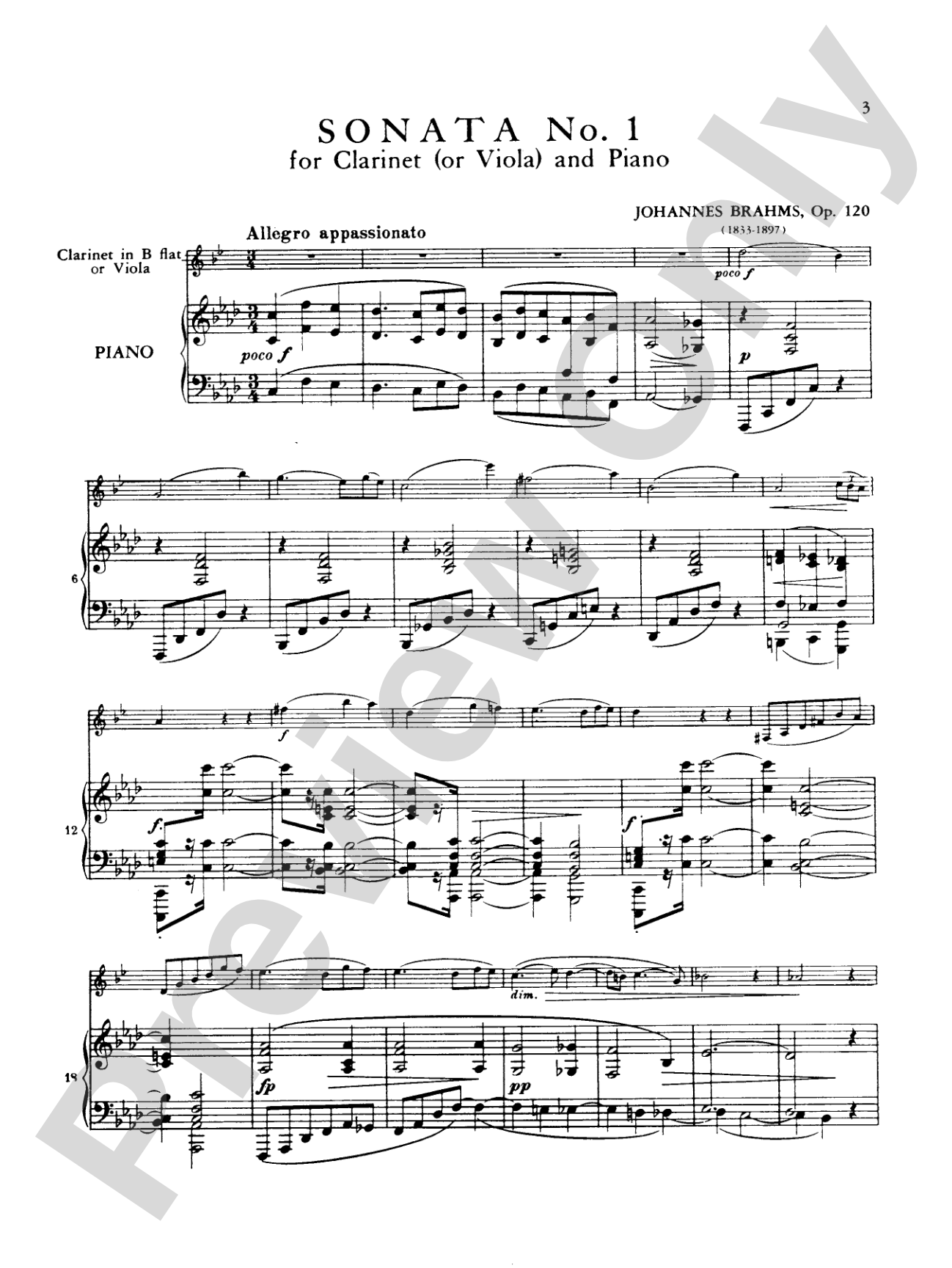
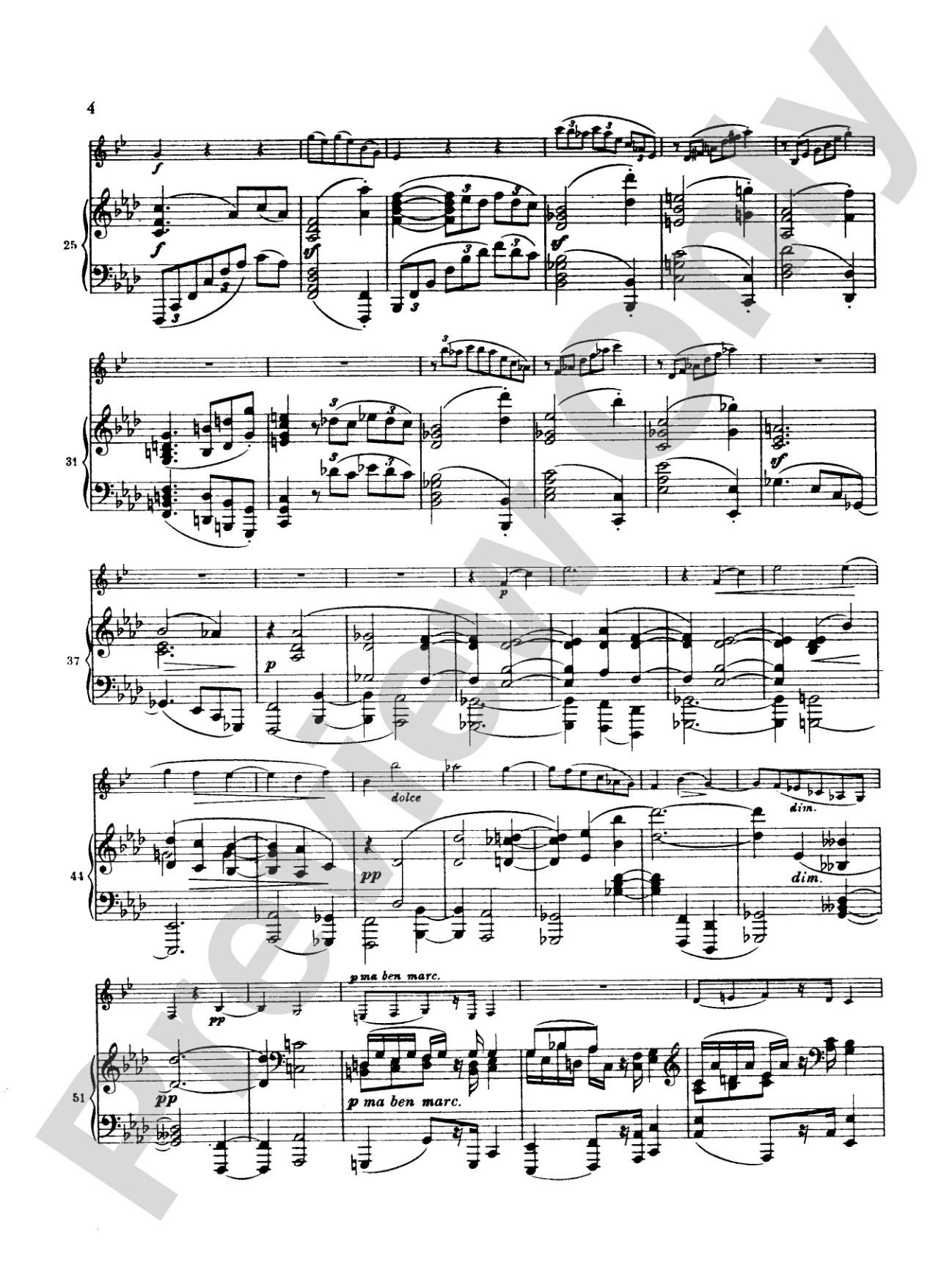
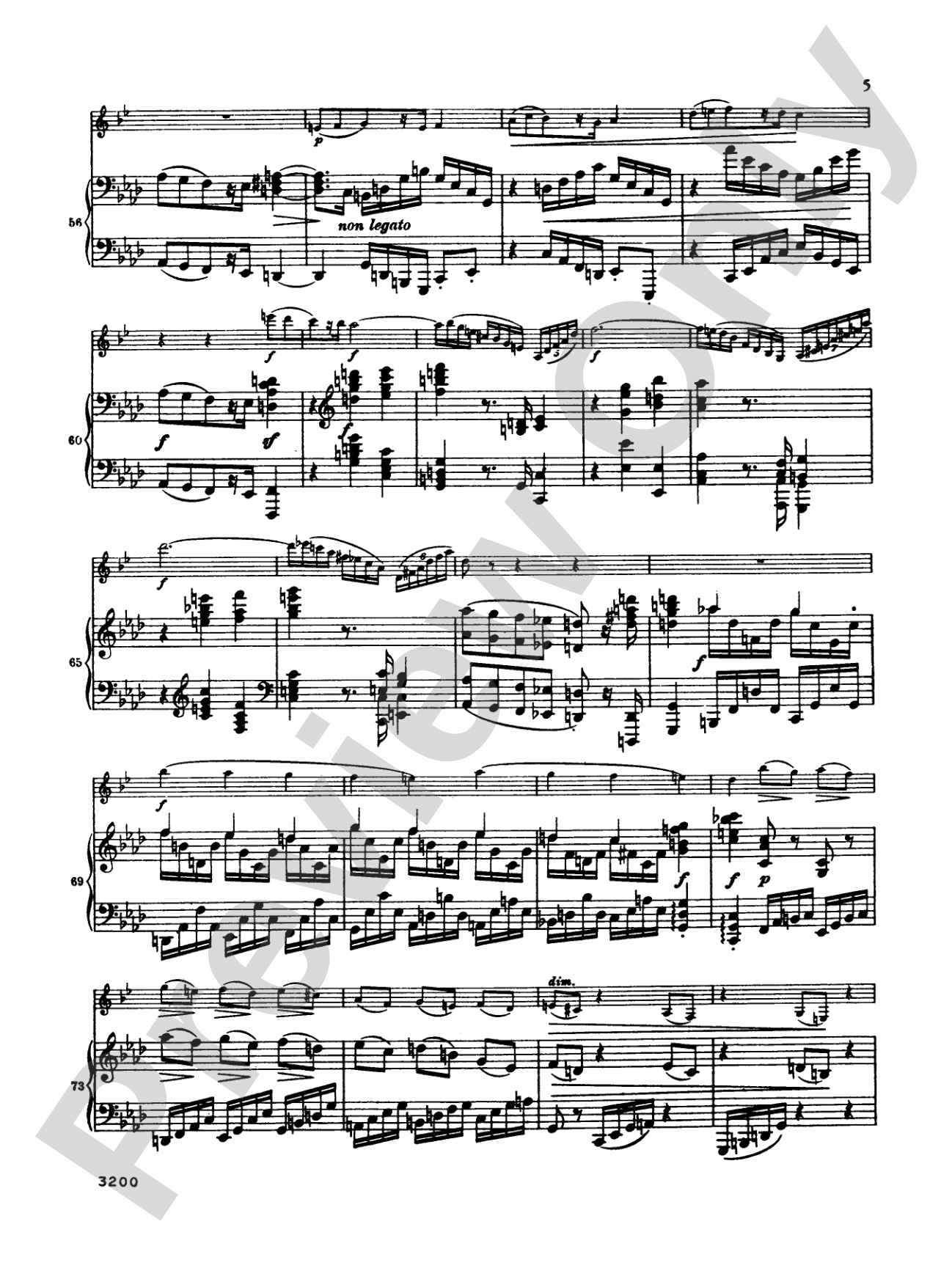
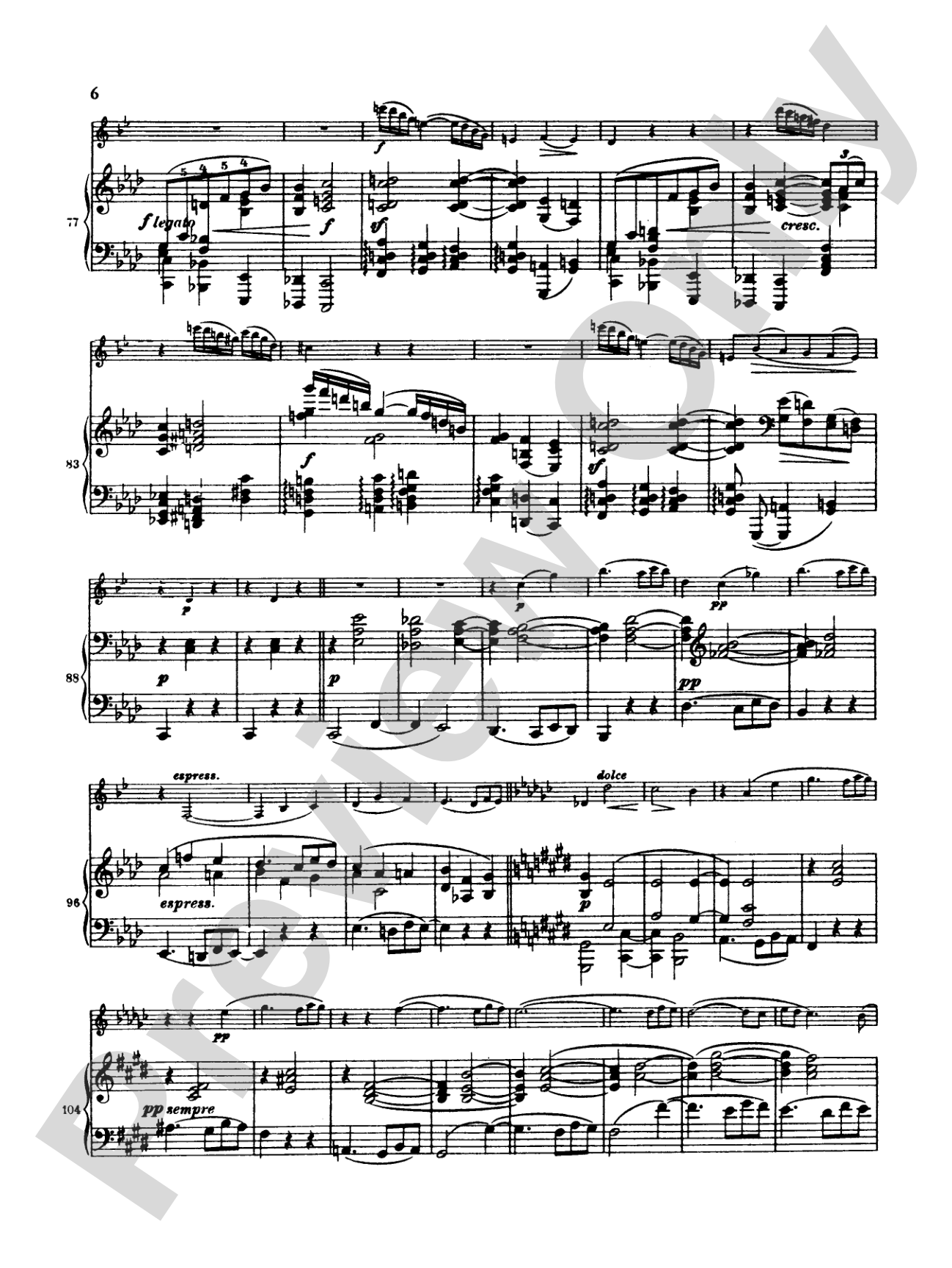
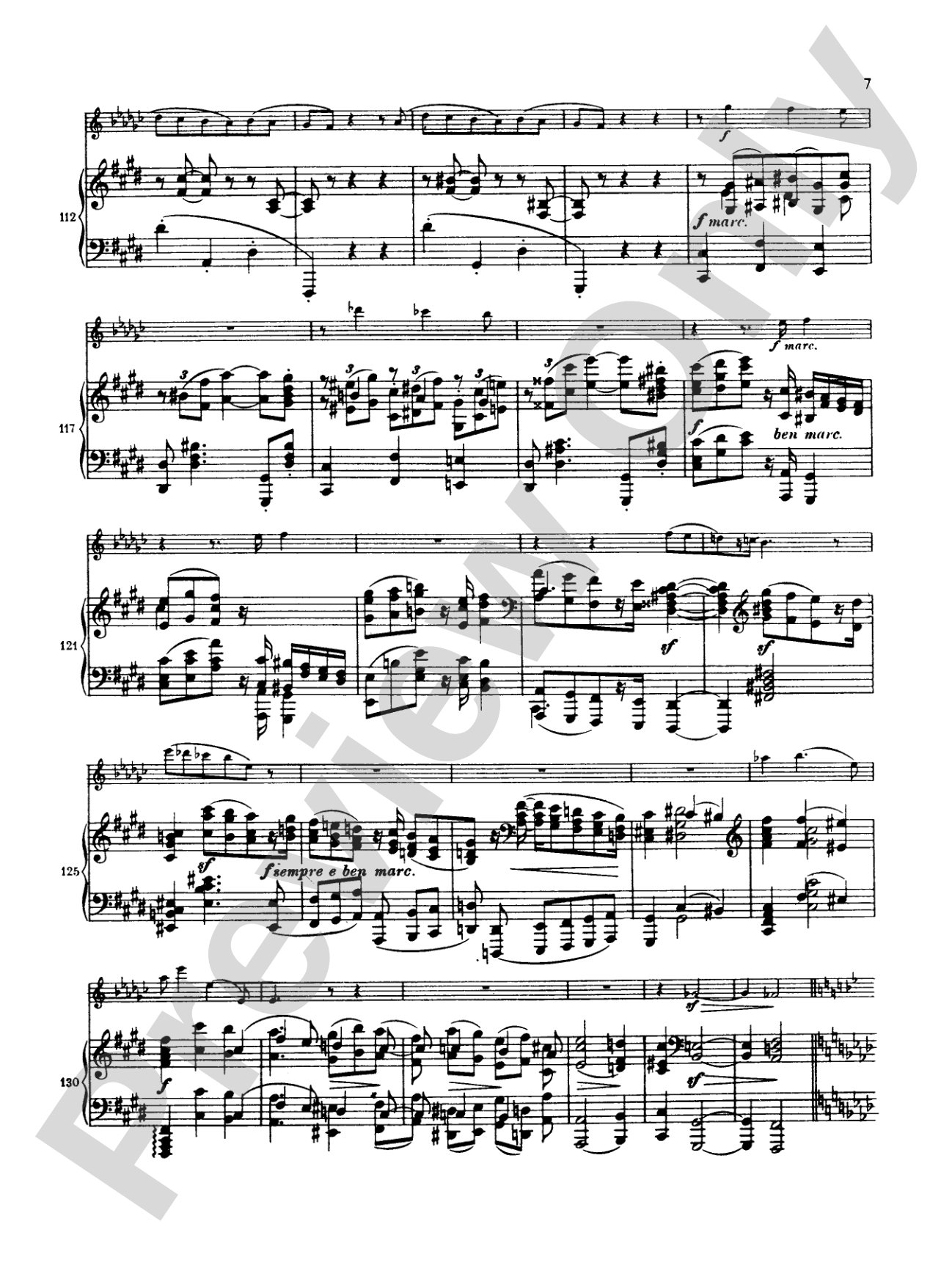
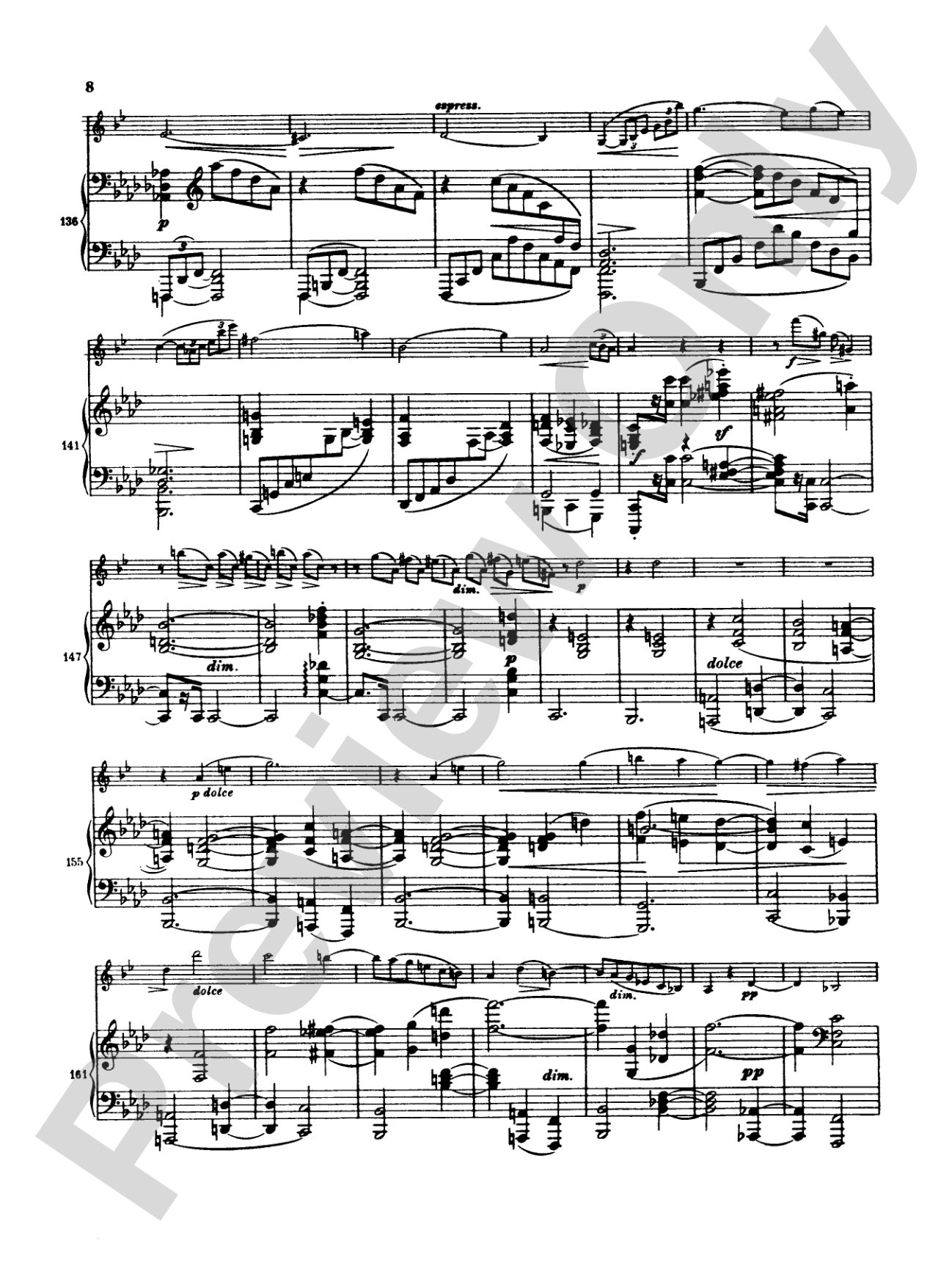
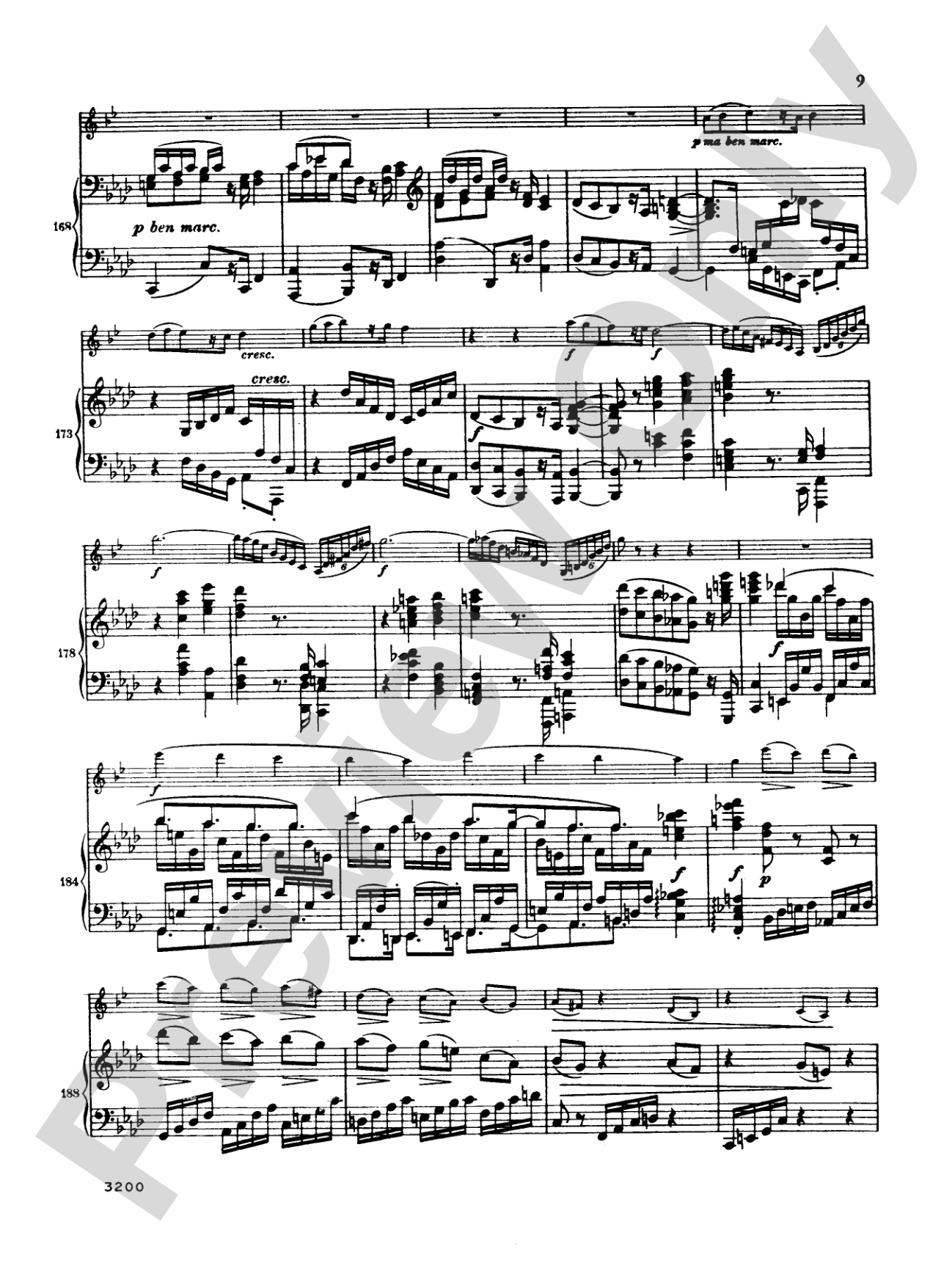
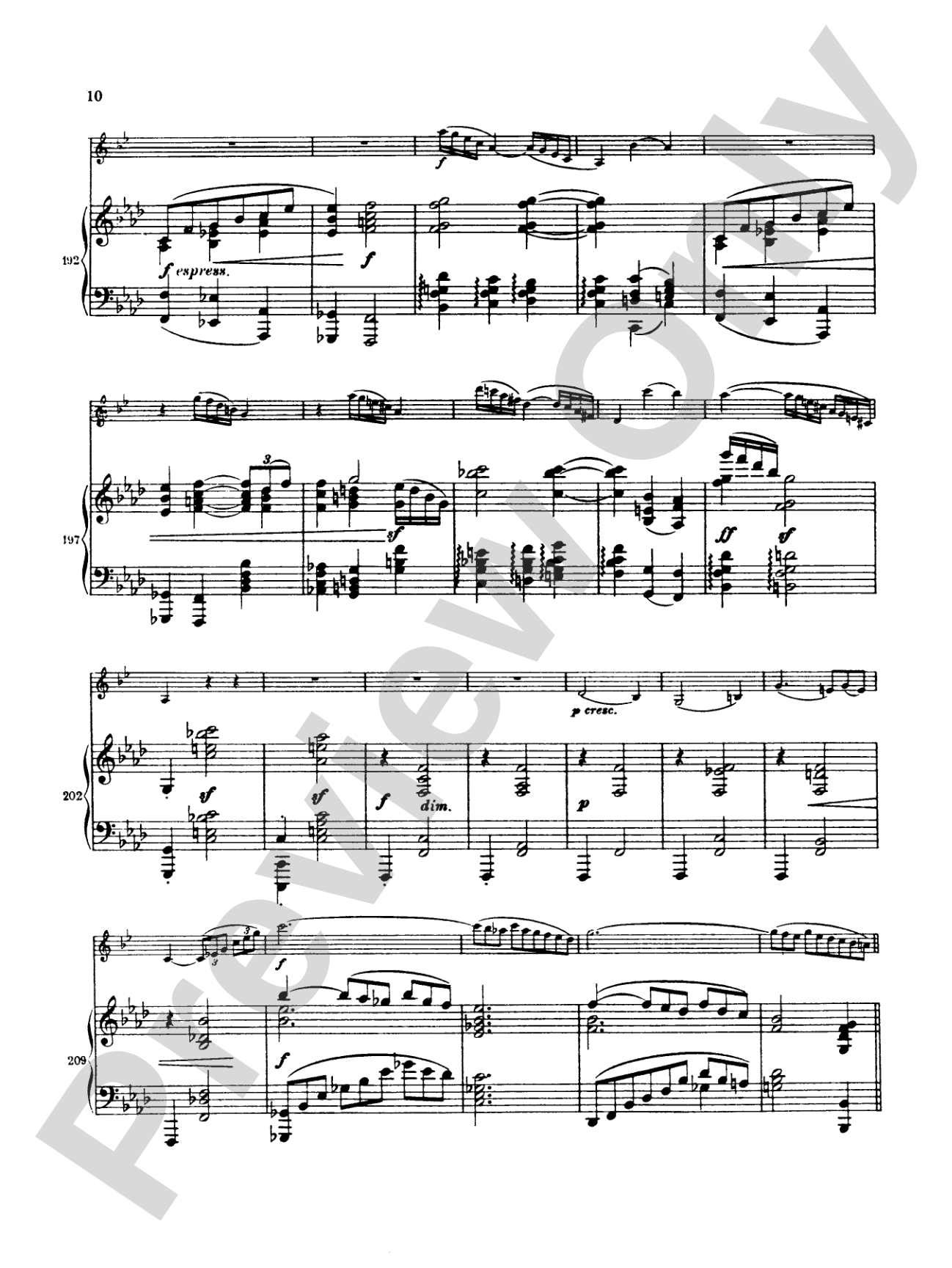
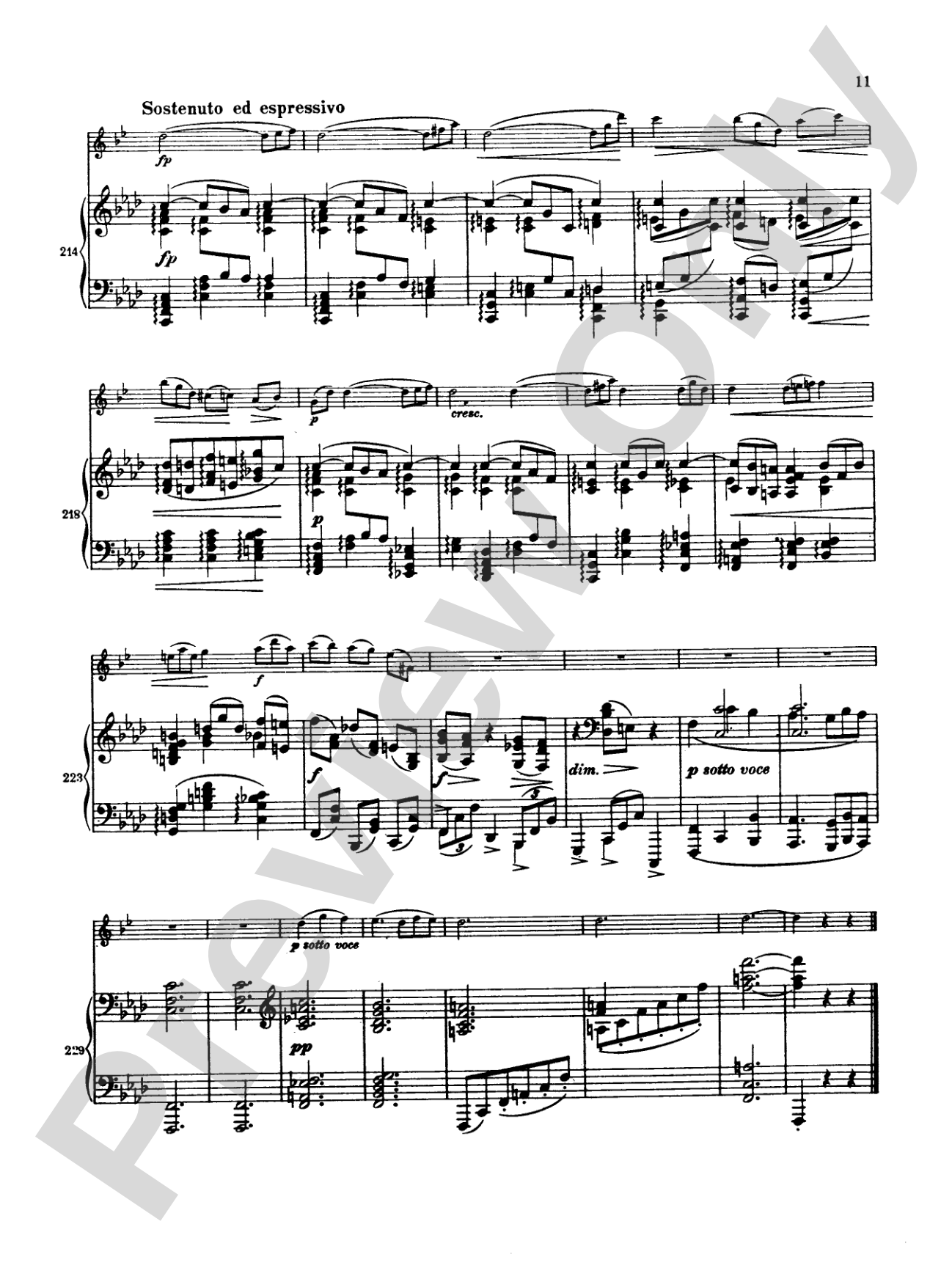
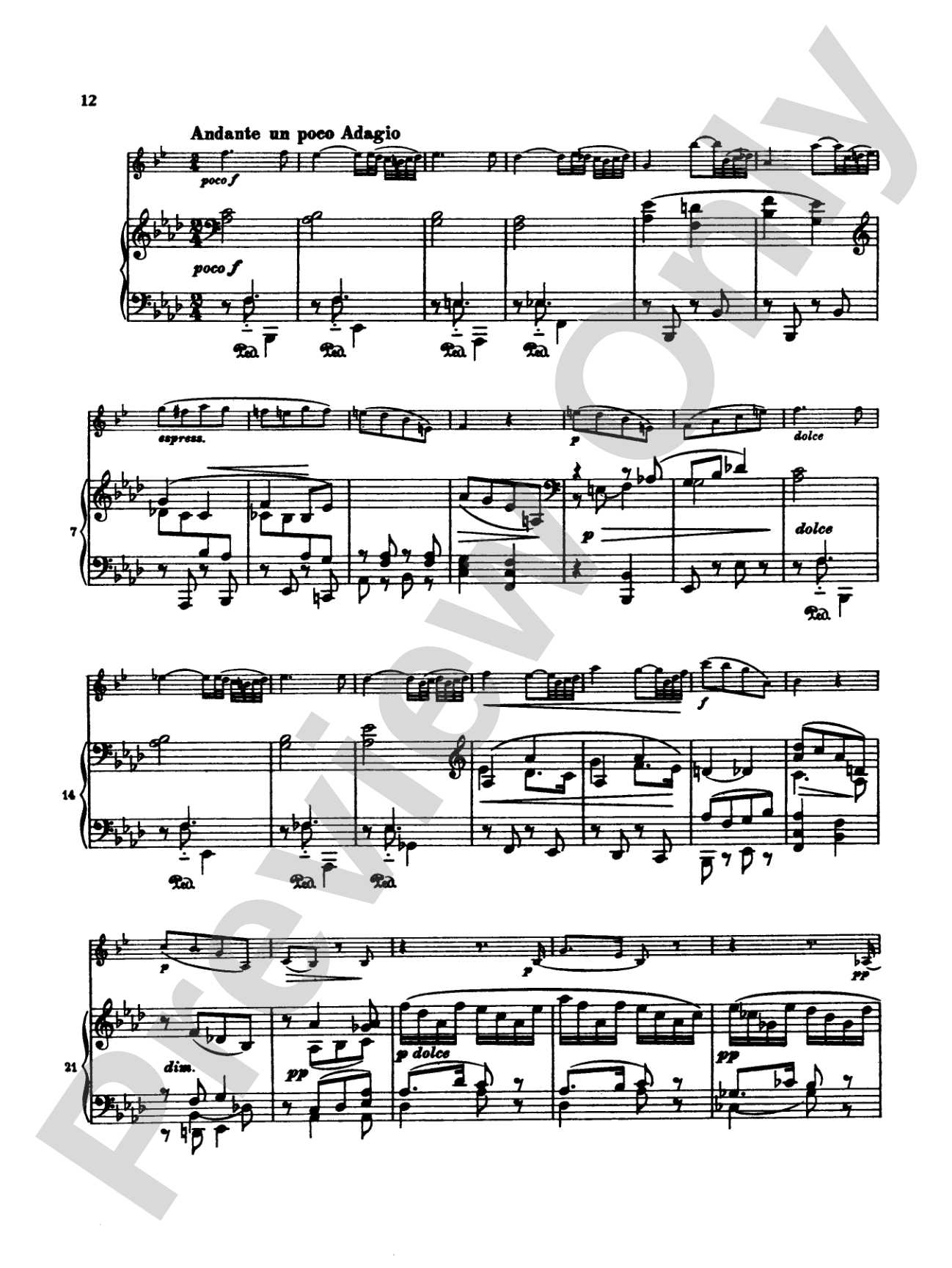
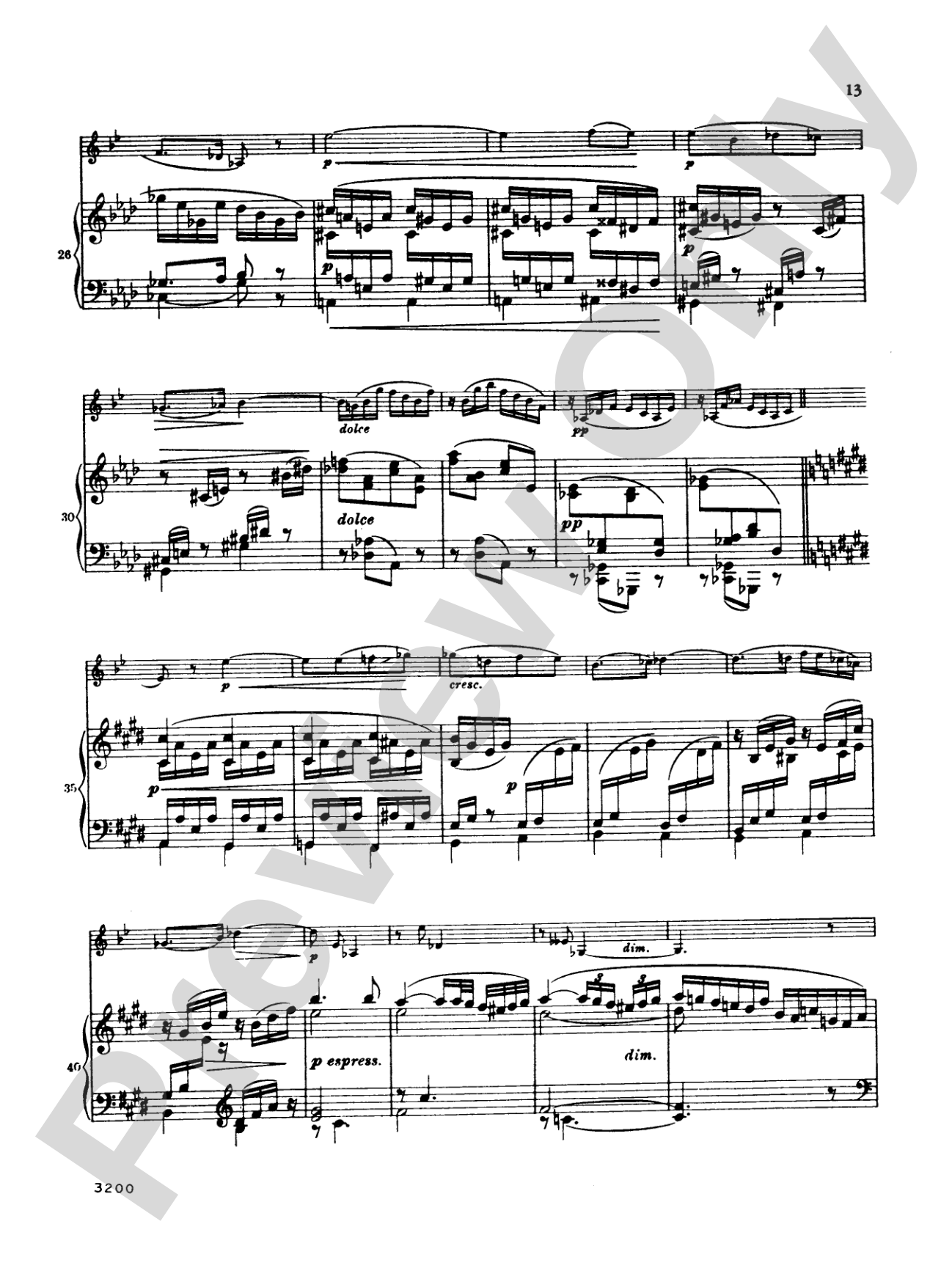
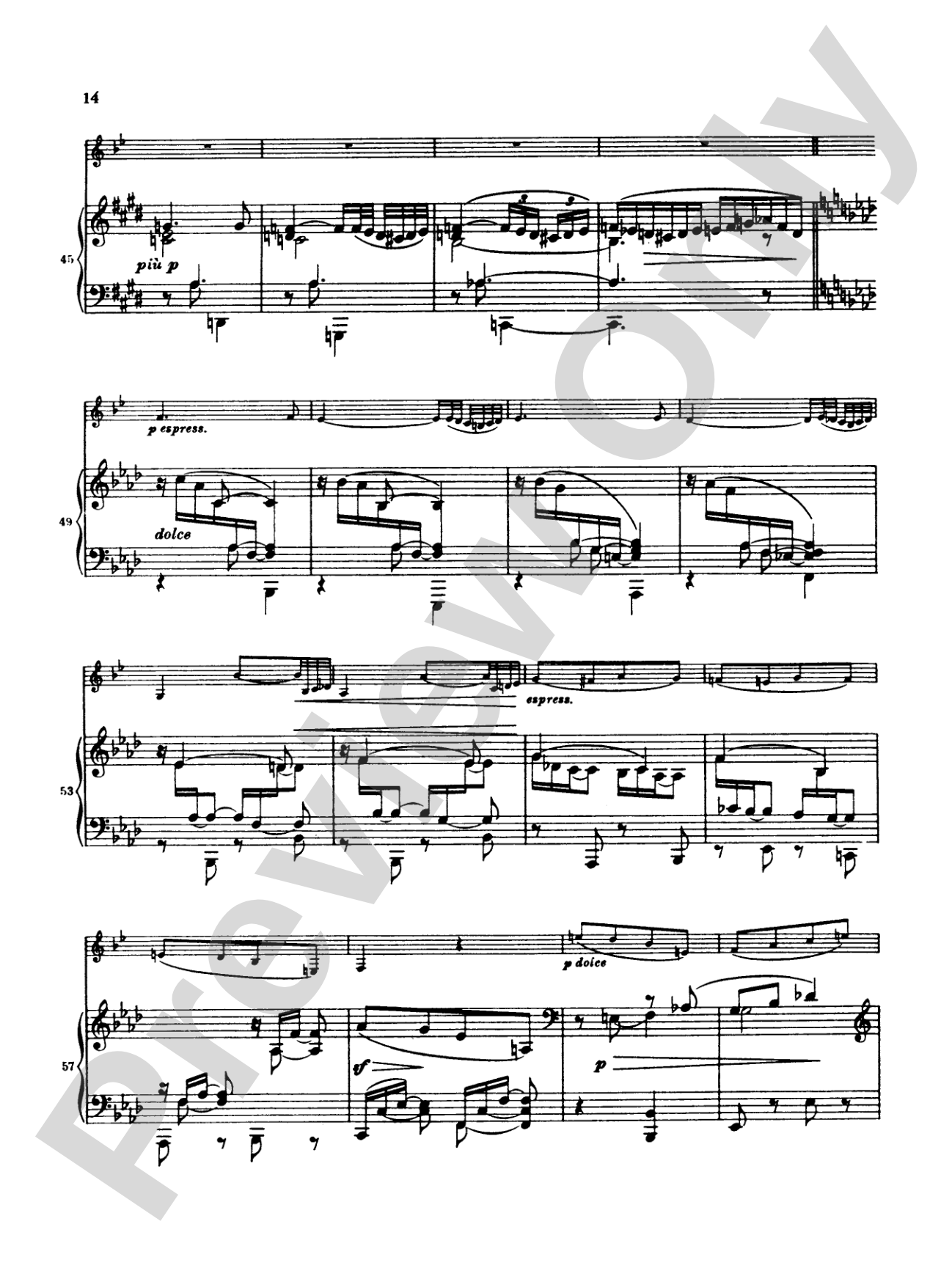
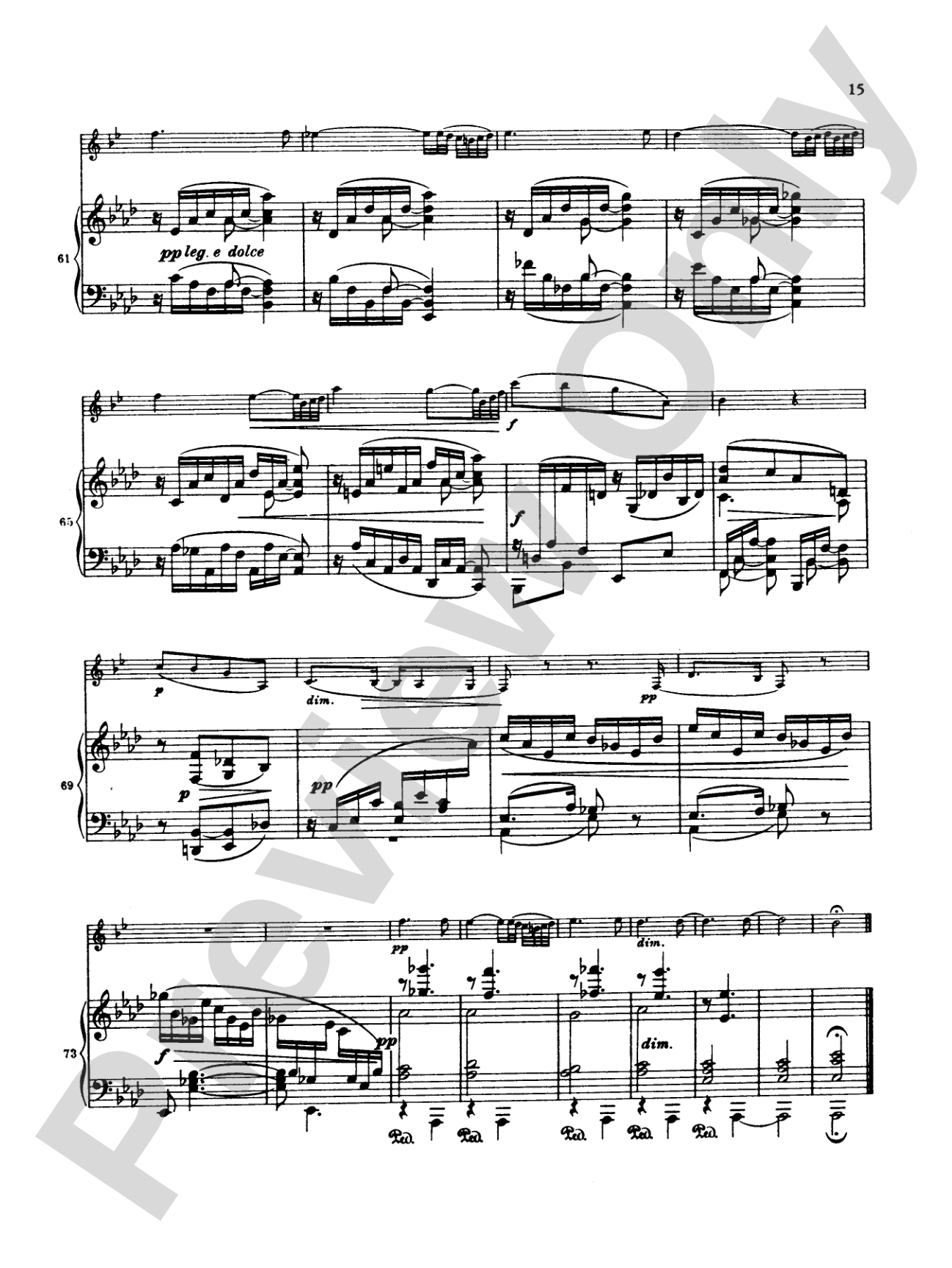
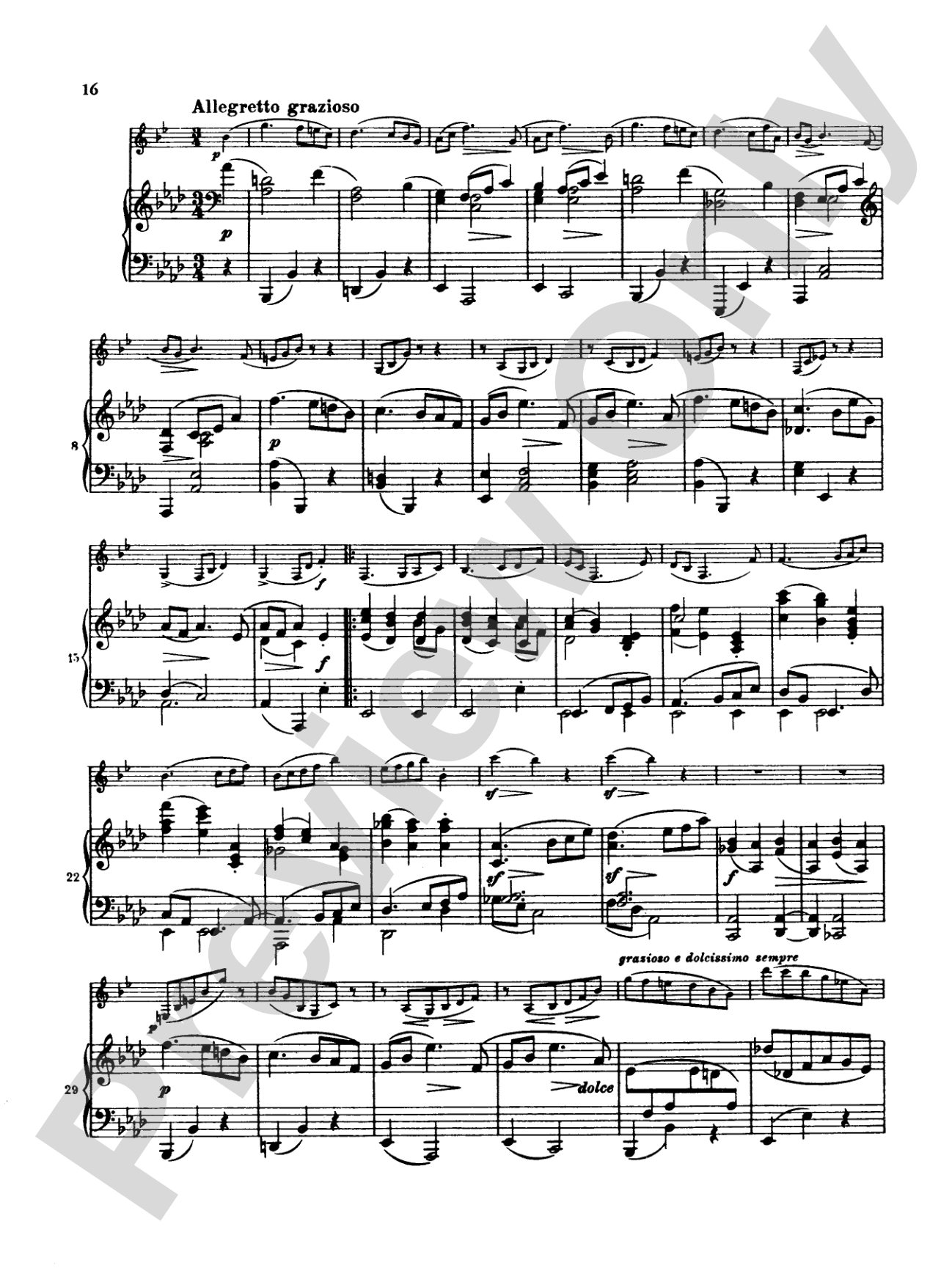
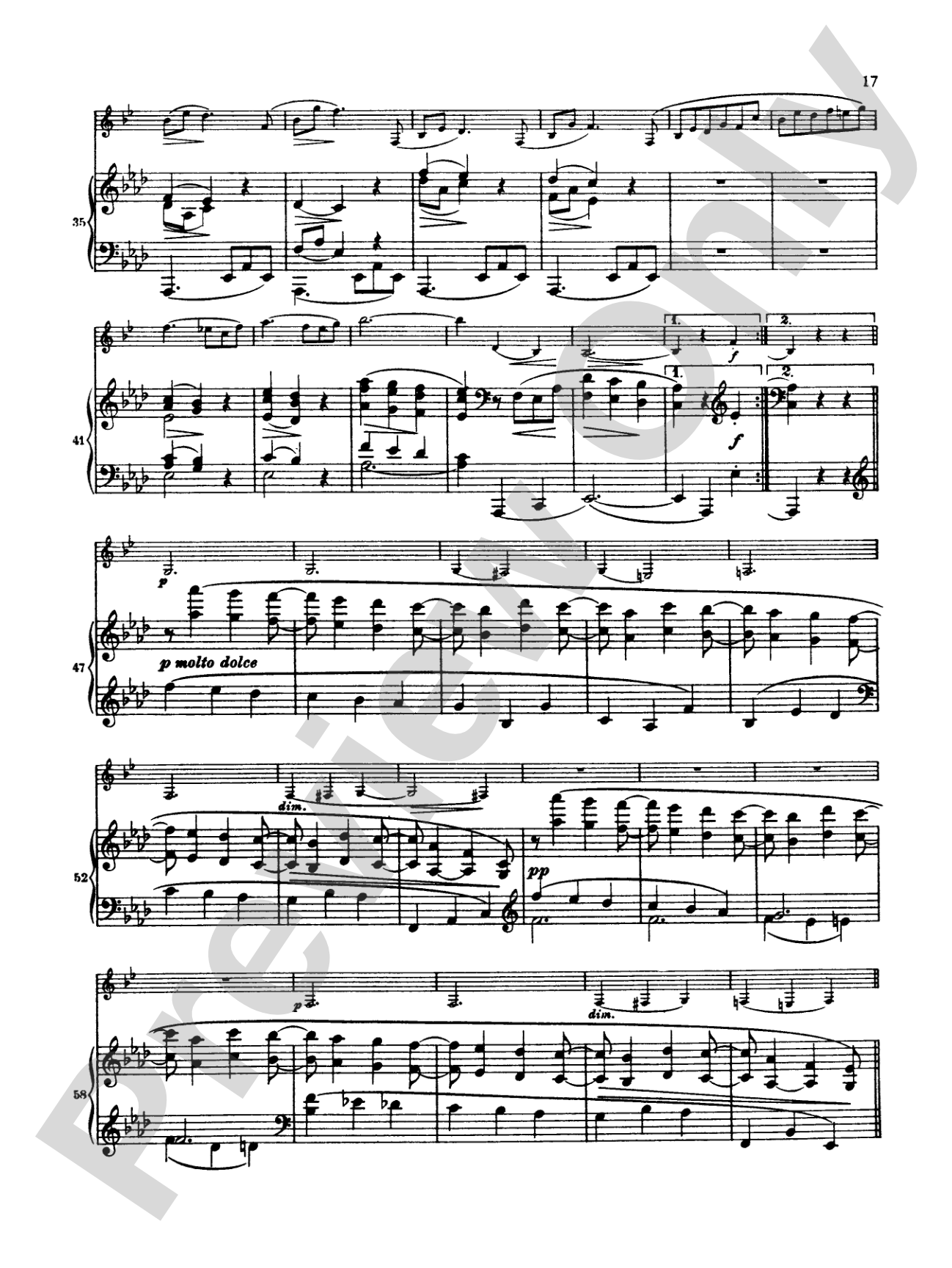
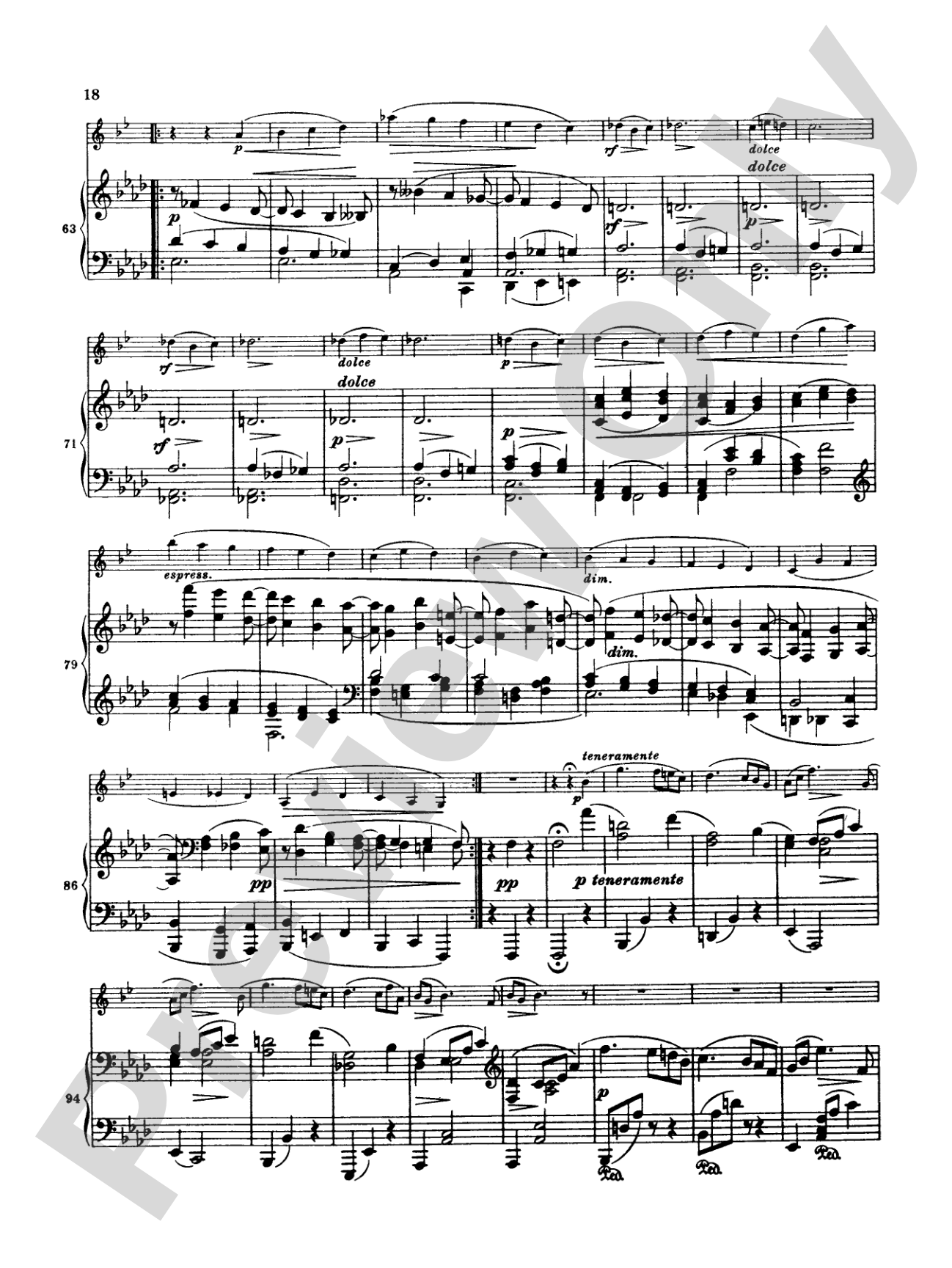
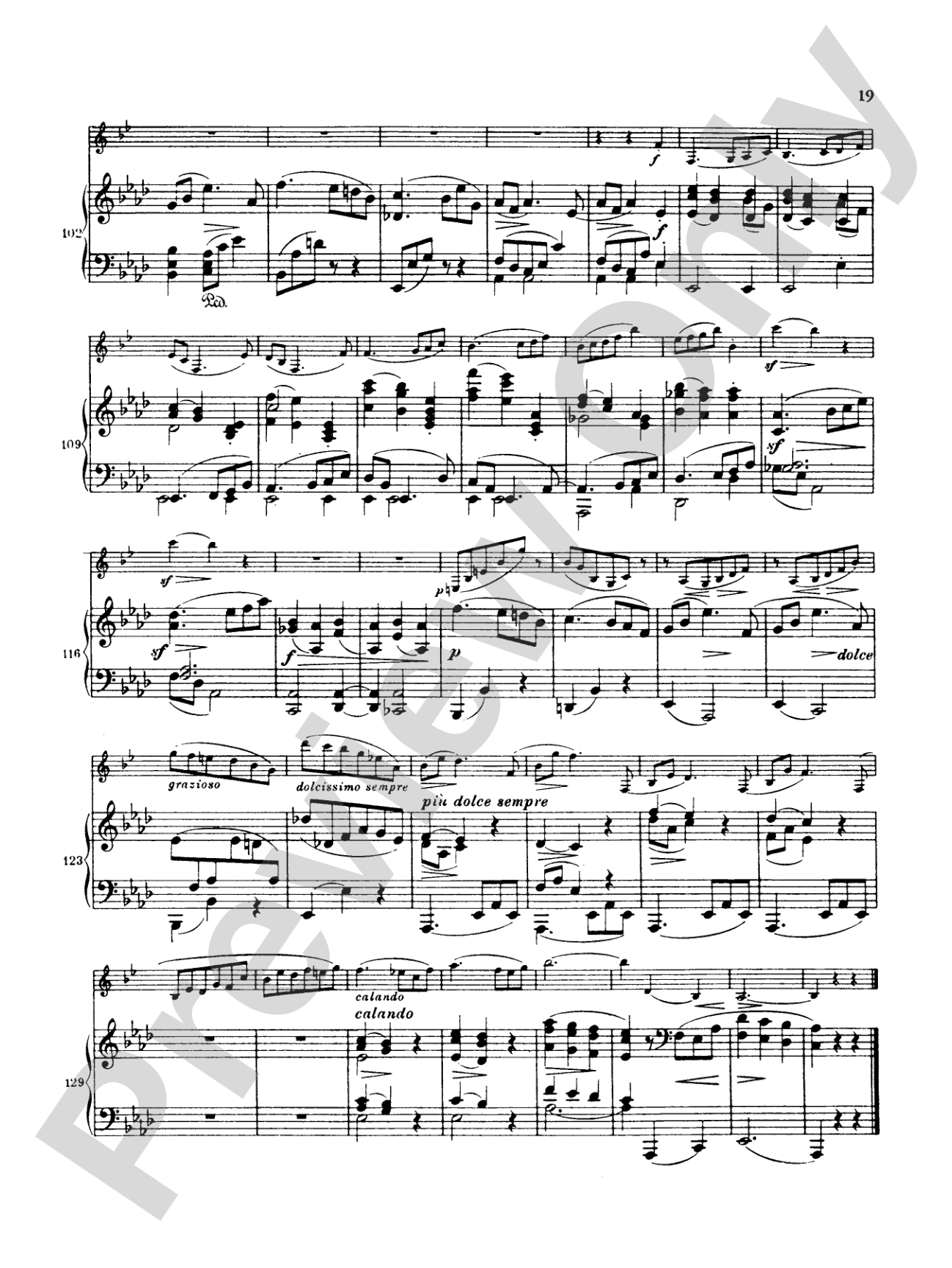
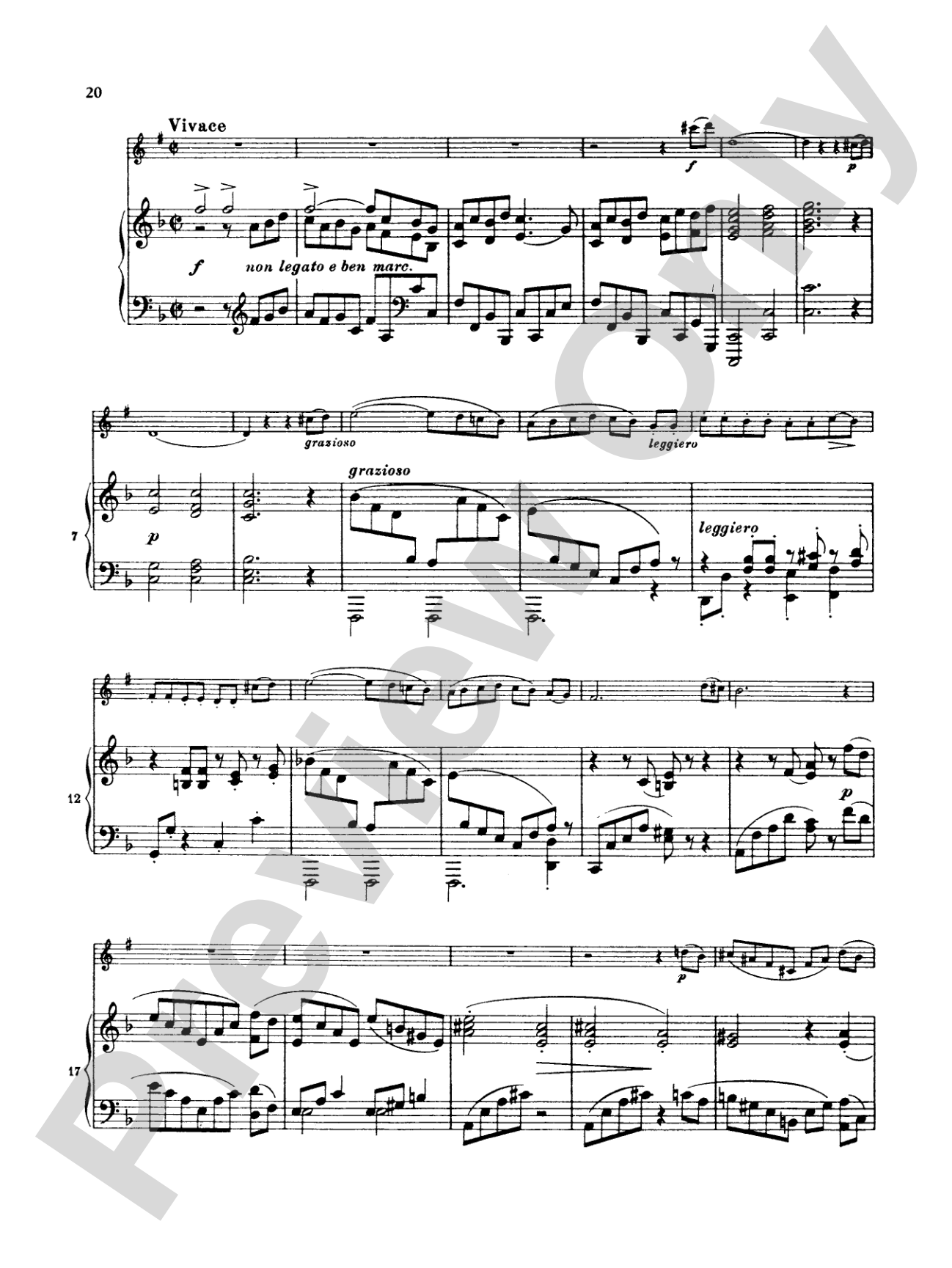
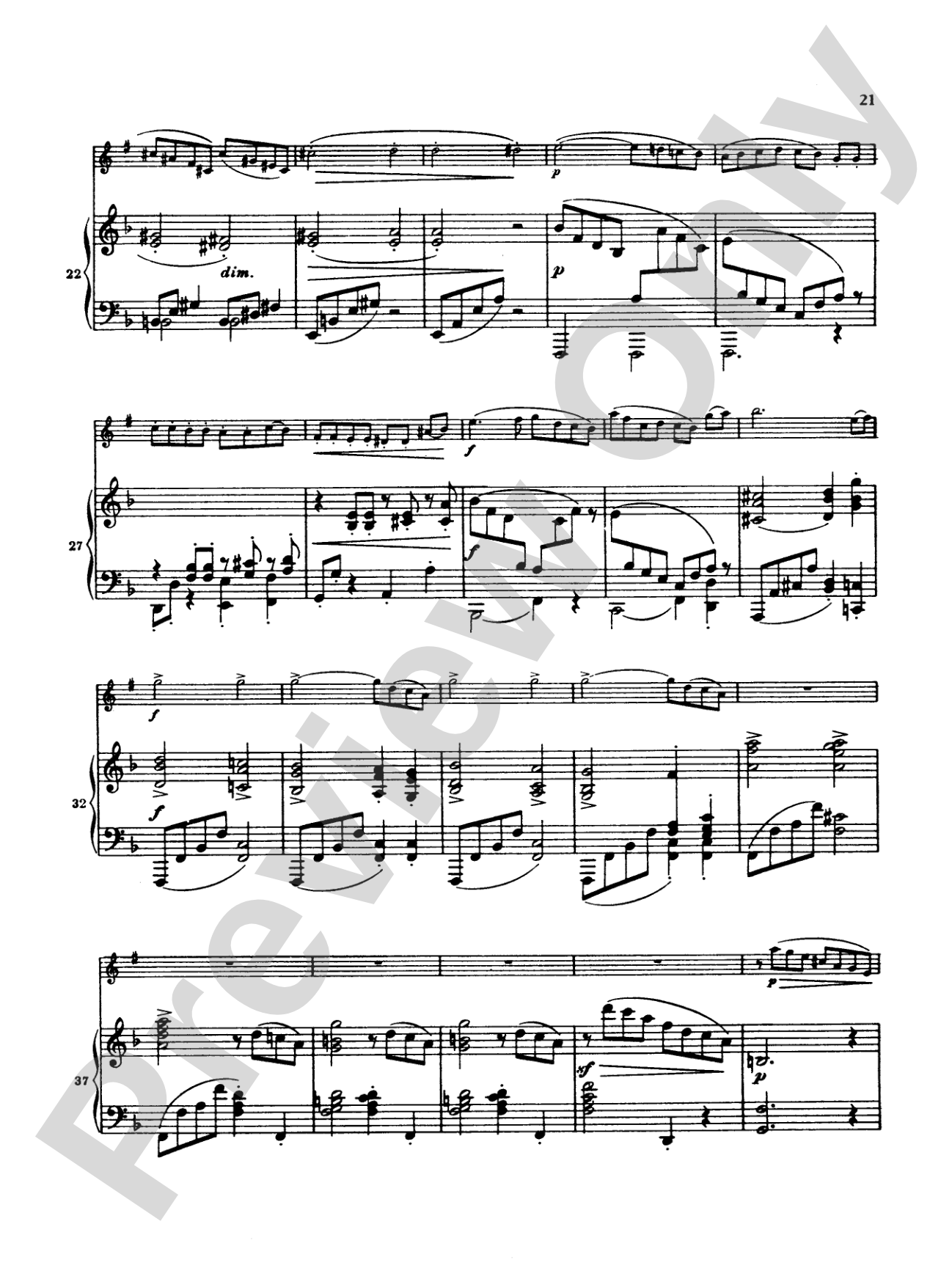
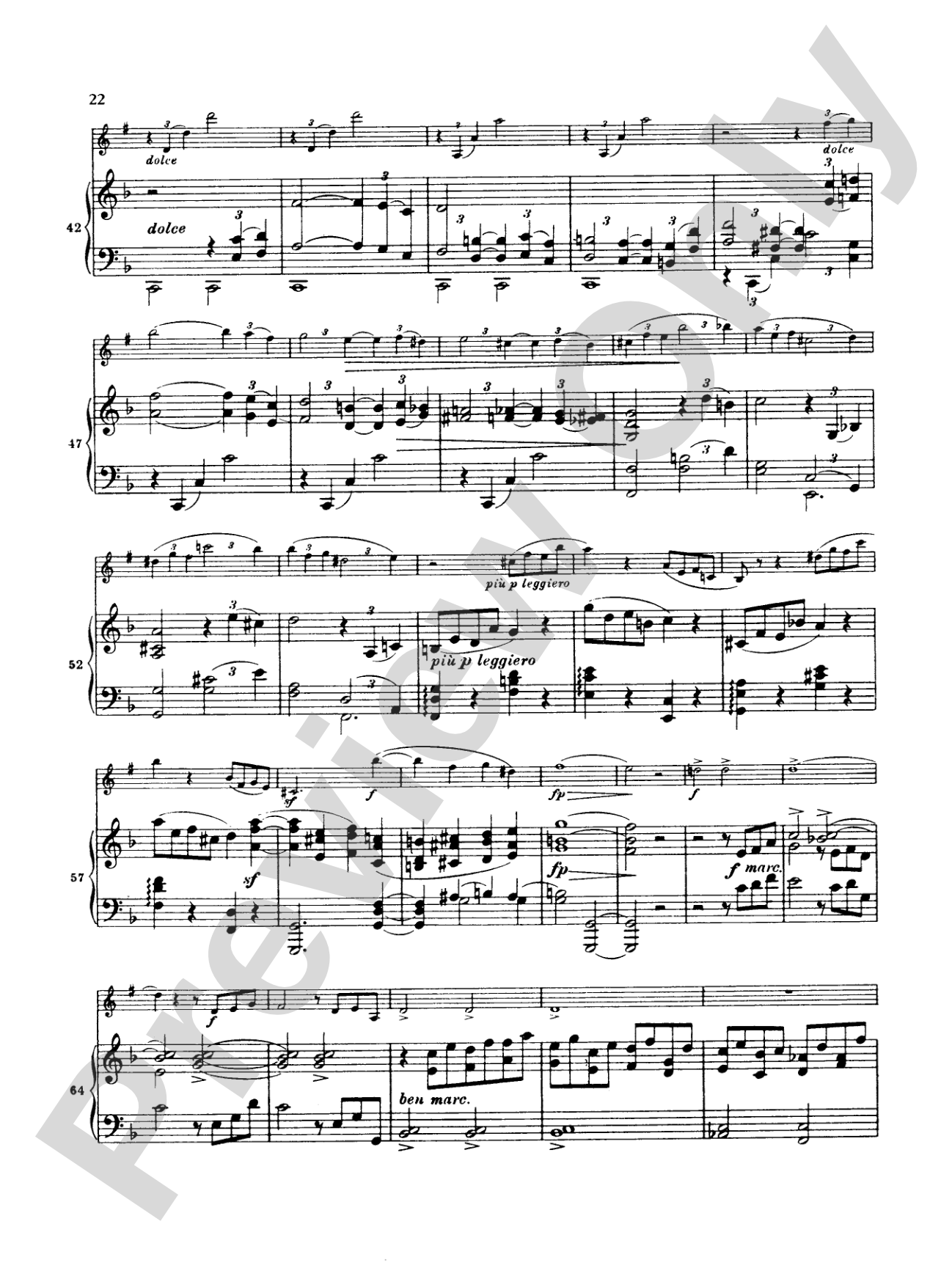
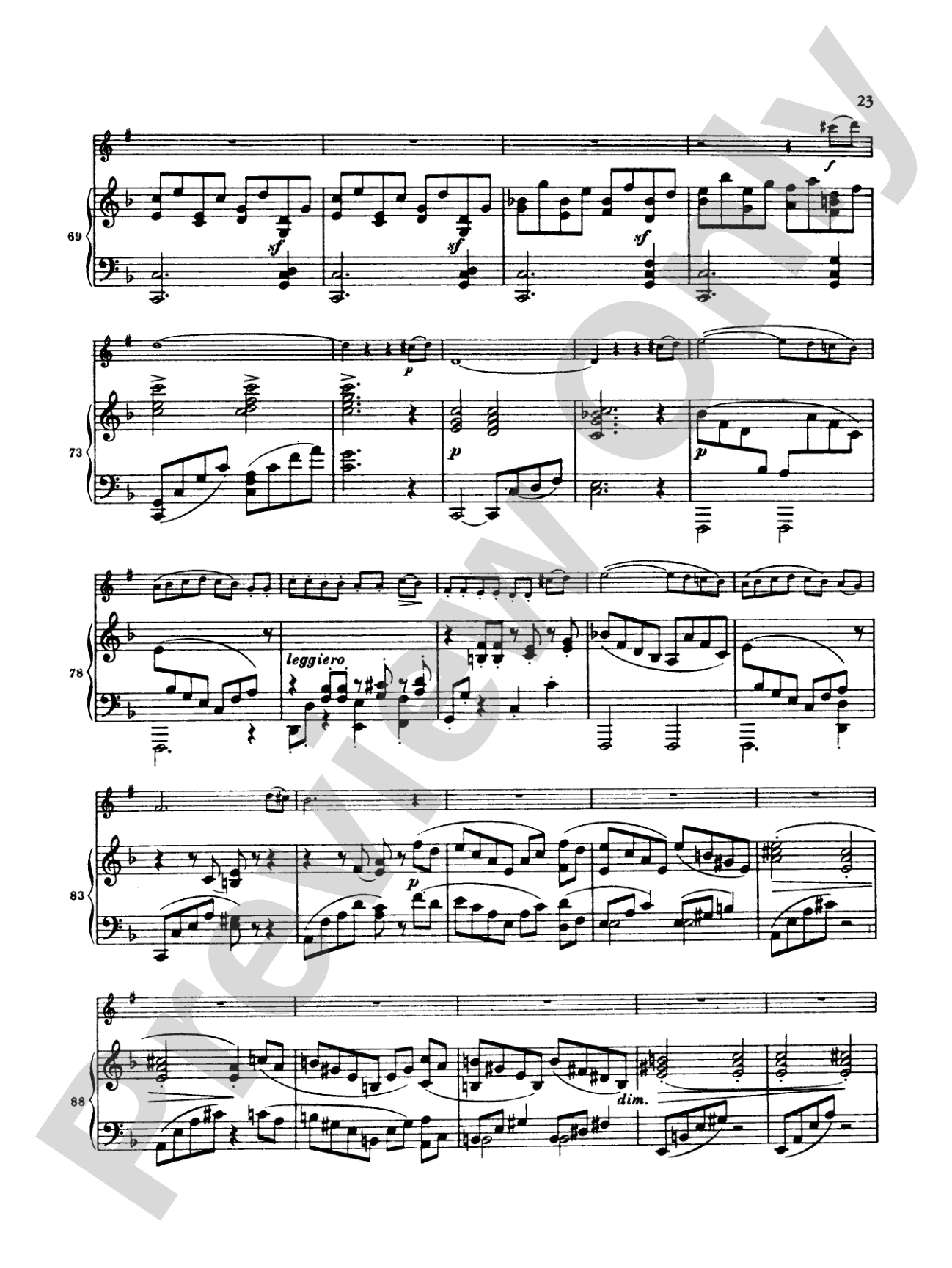
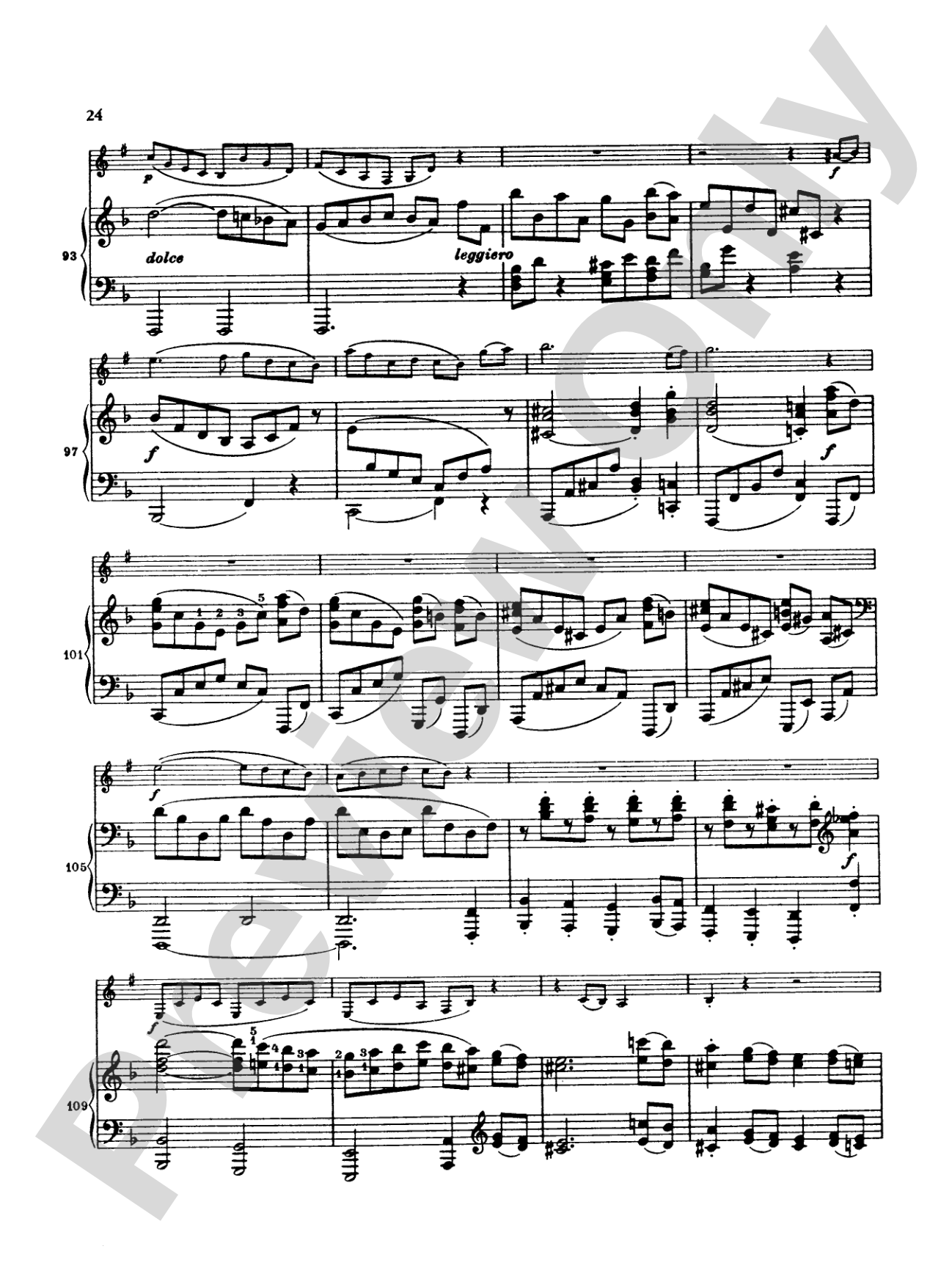
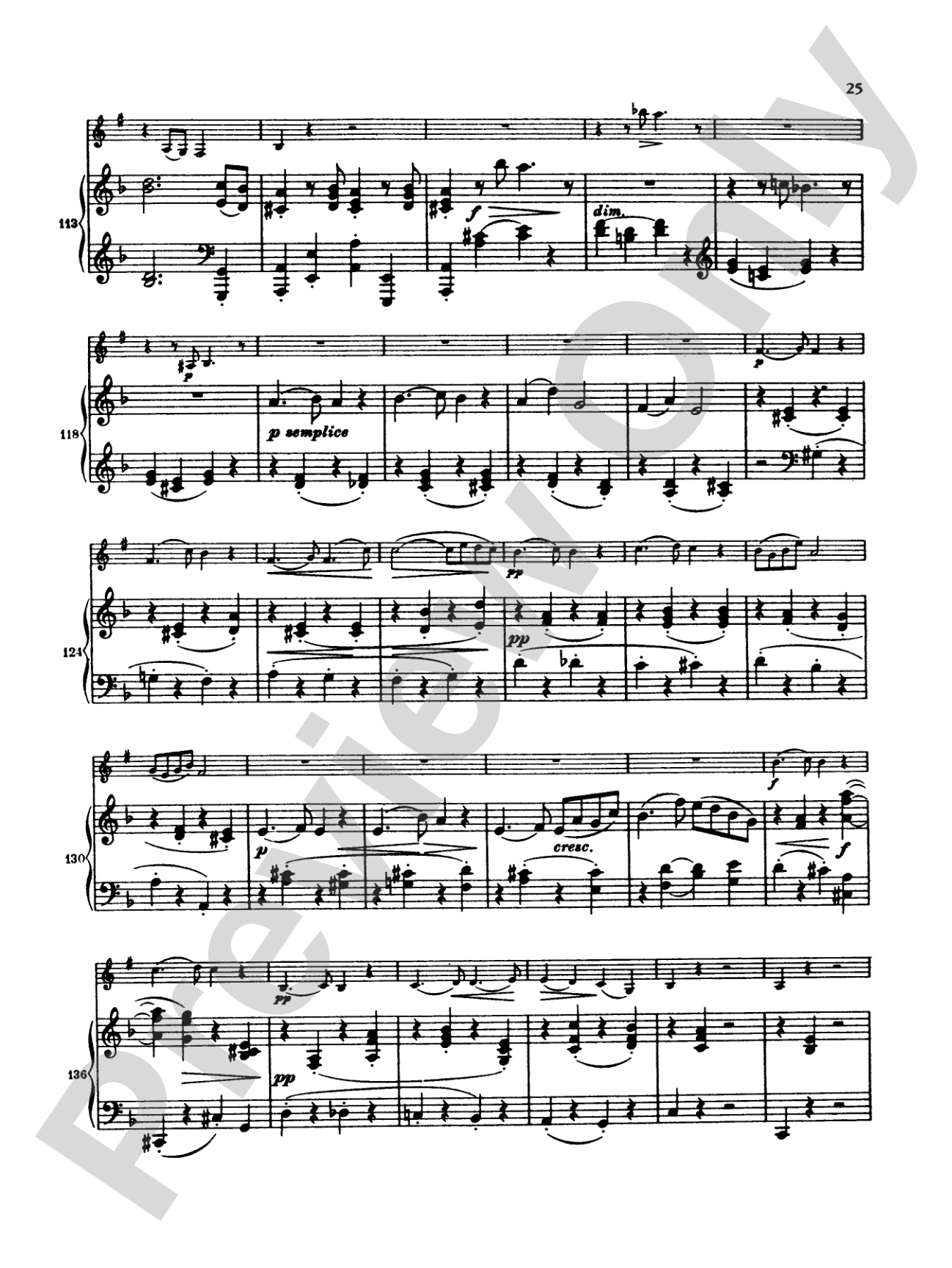
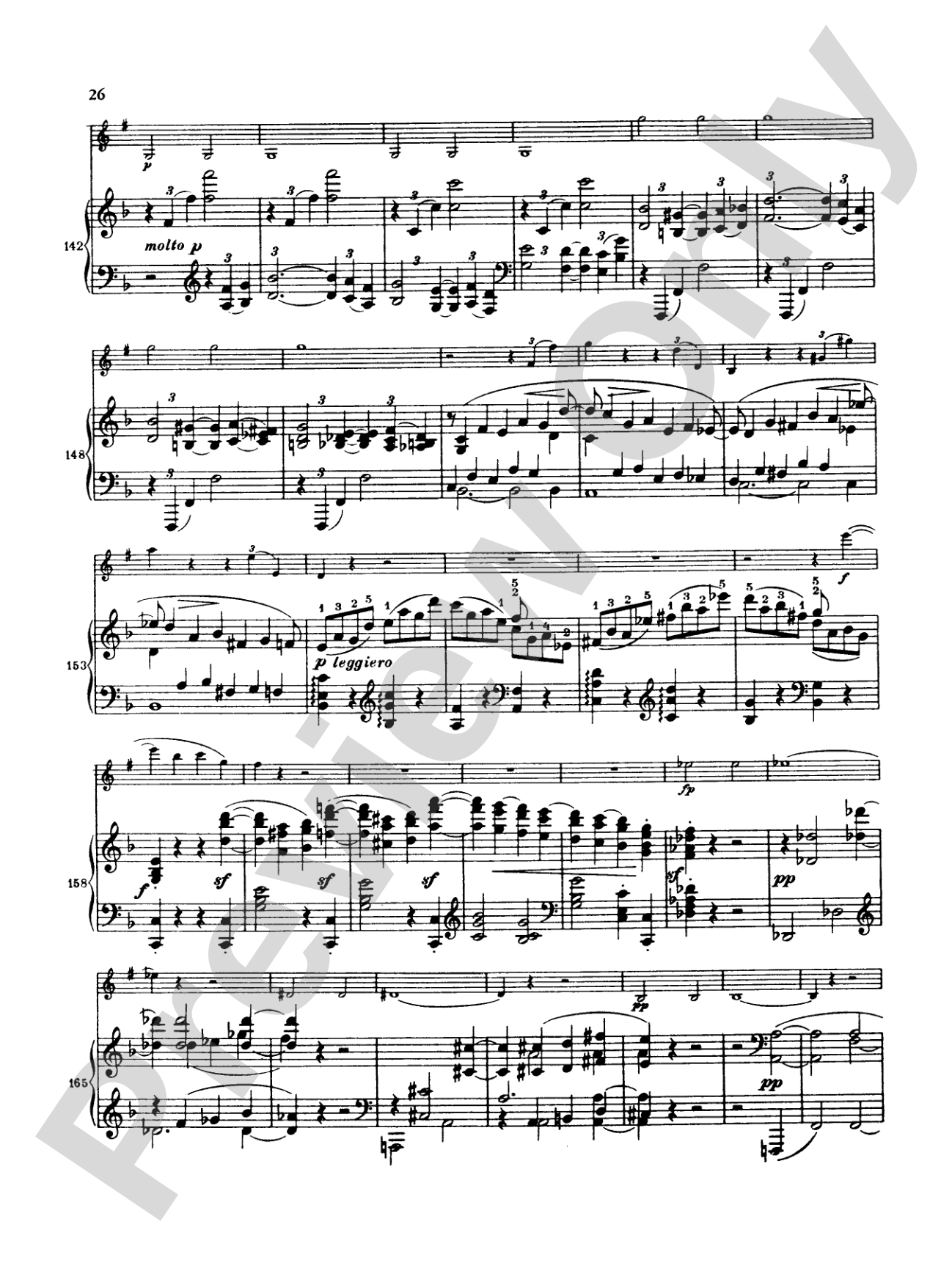
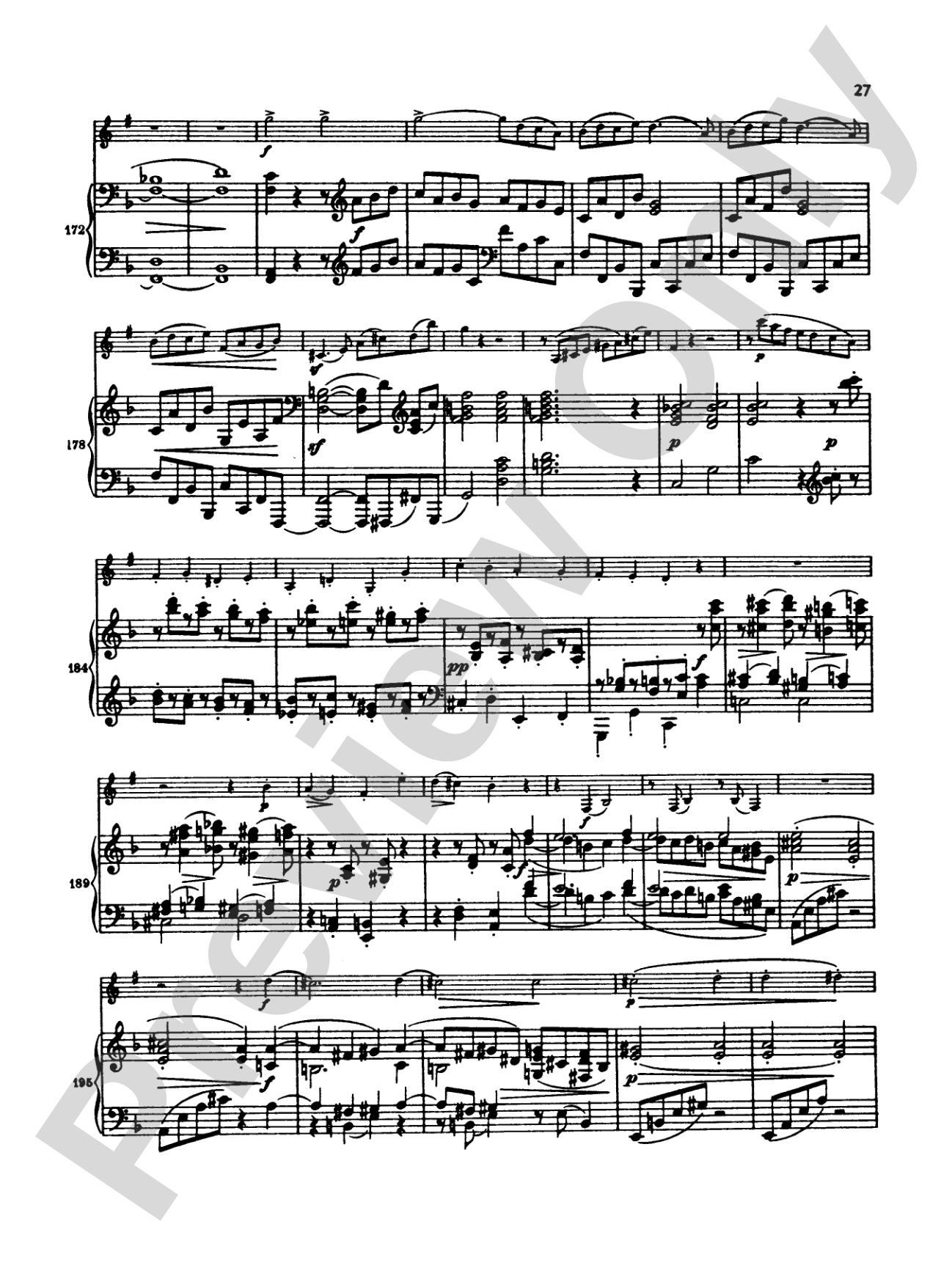
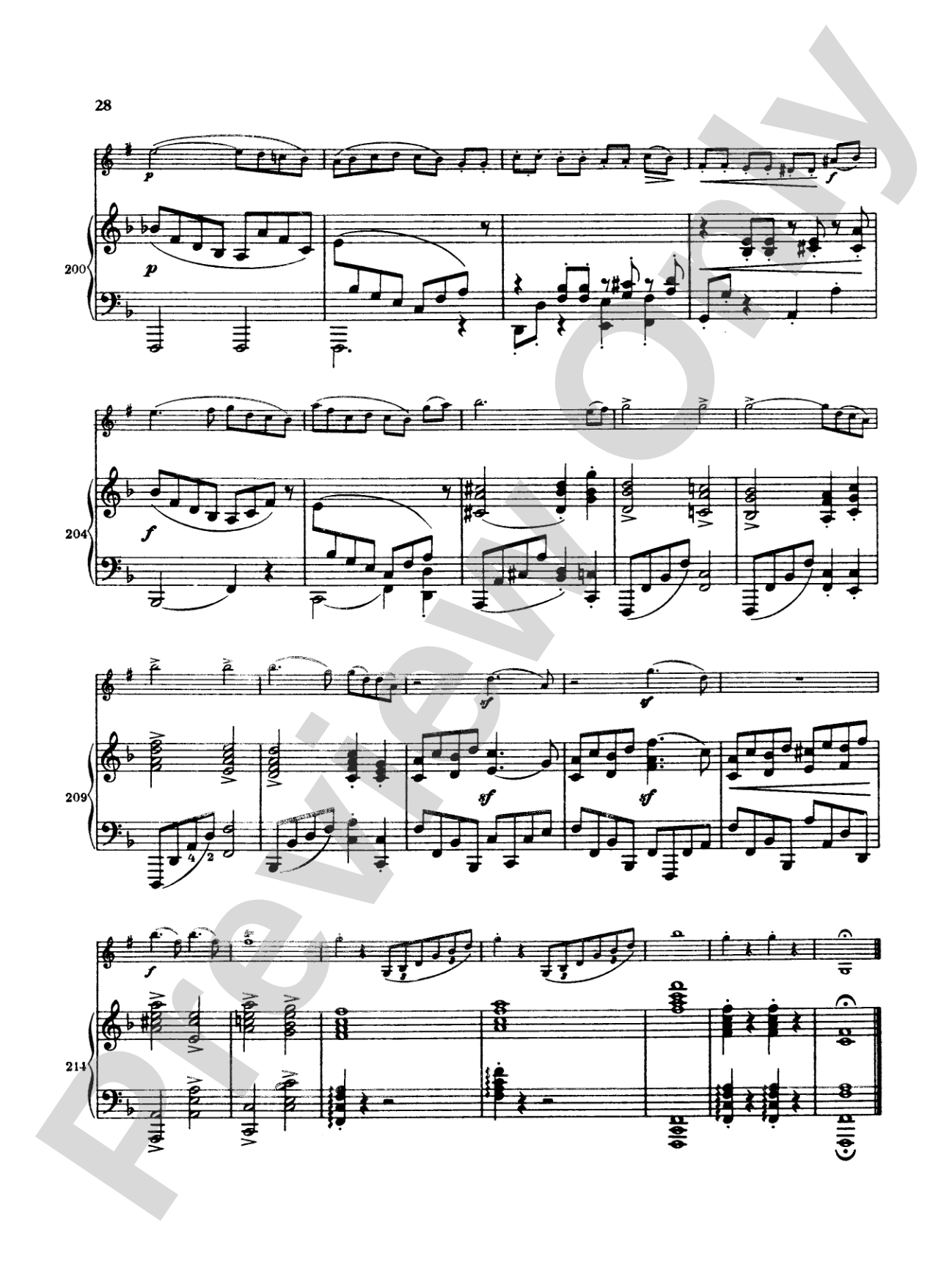

Brahms: Sonata No. 1 in F Minor, Op. 120: Clarinet Part(s)
By Johannes Brahms
Item: 00-PK-0002935

$10.95
Pickup currently not available
Buy Extra Parts (Digital PDF Download)
| Product | Price | Quantity |
|---|---|---|
| Brahms: Sonata No. 1 in F Minor, Op. 120 | $9.95 |
Parts Added to Cart!
Related Items
Sonata No. 1 in F Minor, Opus 120: Clarinet Part(s) |
$10.95
|
View |
Description
A B-Flat Calrinet Solo, composed by Johannes Brahms.


Don't just read it, hear it, play along with it, and watch your students grow with it. In MakeMusic Cloud, Brahms: Sonata No. 1 in F Minor, Op. 120: Clarinet Part(s) comes alive with professional accompaniment, adjustable tempo, and built-in practice tools that turn solo practice into real progress.
Open in the Player
Jump straight in and assign it today.
Start Your Free Trial
Open this title and explore the full library in minutes.
Sample Audio
No sample audio found.
Sample Video
No sample videos found.
Additional Details
Series:
Kalmus Edition
Publisher:
Alfred Music
Page Count:
36
SKU:
00-PK-0002935
More about this title
About the Composer: Johannes Brahms
Johannes Brahms (1833-1897) stands as one of the Romantic era's most rigorous symphonic thinkers, yet his chamber music reveals an equally profound gift for intimate expression. A virtuoso pianist who maintained friendships with leading performers of his time, Brahms wrote extensively for wind instruments, understanding their technical possibilities and expressive range with rare sophistication. His clarinet sonatas represent the apex of Romantic clarinet literature, combining architectural mastery with warmth and introspection.
Why we love this
This sonata demands everything from an advanced clarinetist: technical command across the instrument's full range, mature phrasing across lengthy melodic lines, and the interpretive maturity to navigate Brahms's harmonic depth. Contest and festival adjudicators recognize it immediately as a serious artistic statement, and it sits naturally in recital programs that establish a clarinetist's place among accomplished musicians.
What to expect
The sonata opens with a theme of noble restraint, lyrical but never sentimental, unfolding across a harmonic landscape that shifts between introspection and dramatic urgency. The Adagio reveals Brahms's gift for sustained melodic beauty in the clarinet's lower and middle registers, while the finale returns to formal rigor and propulsive energy, closing with quiet resignation rather than triumph.
Who it's for
Advanced clarinetists preparing competition repertoire, recital programs, or auditions for higher education. This work demands secure technique, interpretive maturity, and stamina across a substantial 36-page score.
How to get the most out of it
- Shape the opening theme with forward momentum despite its contemplative character; Brahms's Romantic lyricism requires the listener to feel the emotional weight, not merely the notes.
- Attend closely to the dialogue between clarinet and piano, particularly in the first movement's development section, where Brahms fragments the theme across both instruments in ways that demand ensemble awareness and balance.
- Manage the wide dynamic range across all three movements with precision; passages marked pianissimo must never lose focus or tonal center, while forte sections need projection without harshness.
- Explore the color possibilities of the clarinet's lower register in the Adagio, where sustained passages benefit from a warm, centered tone rather than a thin or bright approach.
How to use it
Position this in recital programs where you want to establish serious artistic credentials; it pairs well with earlier Romantic chamber works or contemporary pieces that allow the program to breathe. Festival and competition contexts are natural homes, though this sonata also serves beautifully in lecture-recital formats exploring the Romantic clarinet repertoire.
Skills your students will build
- Sustaining long melodic lines across phrase boundaries without loss of direction
- Managing dynamic control in very soft passages (pianissimo and ppp)
- Technical fluency across the full range of the B-flat clarinet
- Harmonic awareness and voice-leading sensitivity in ensemble with piano
- Interpretive decision-making within a Romantic compositional framework
- Stamina and focus across an extended multi-movement work